


Analysis locked
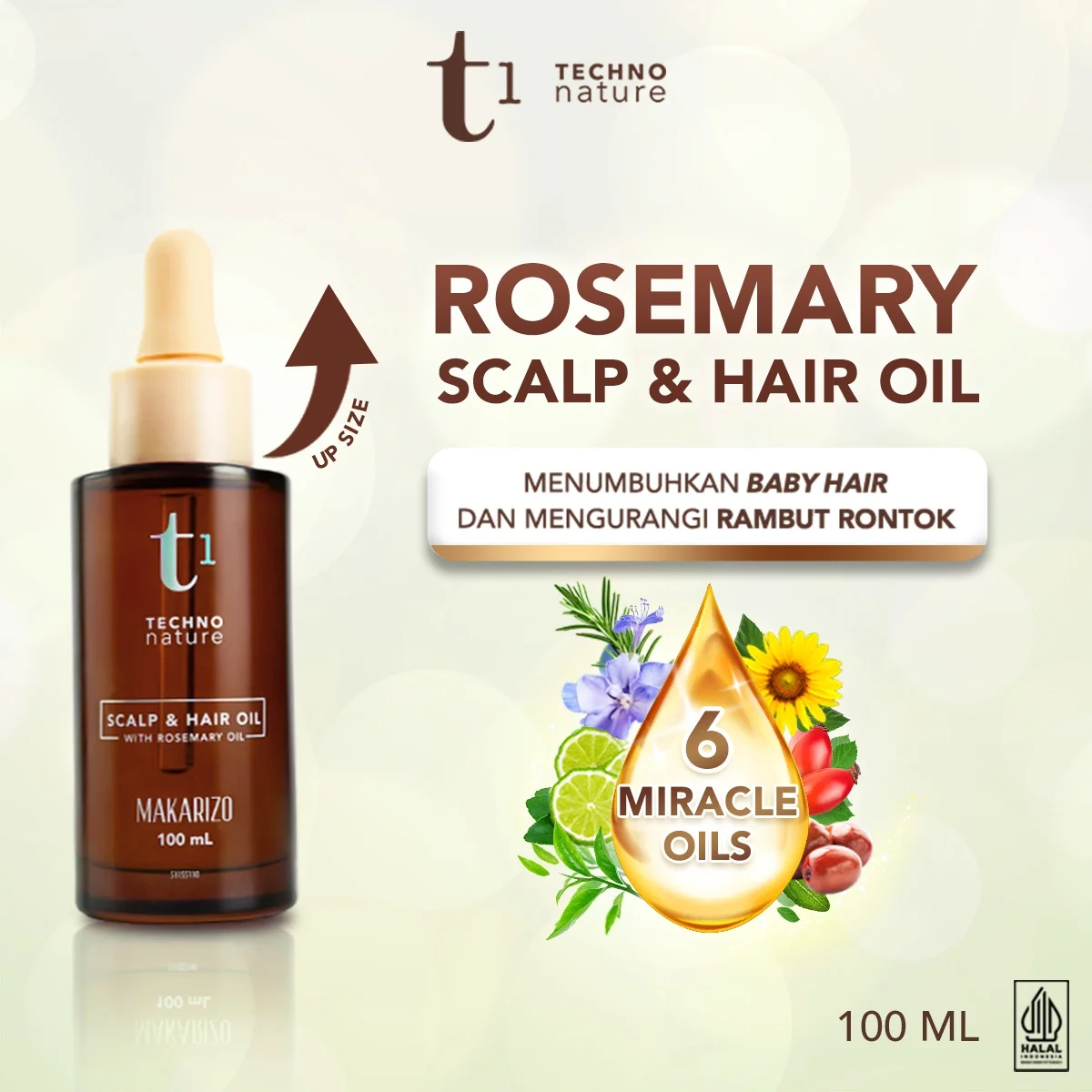
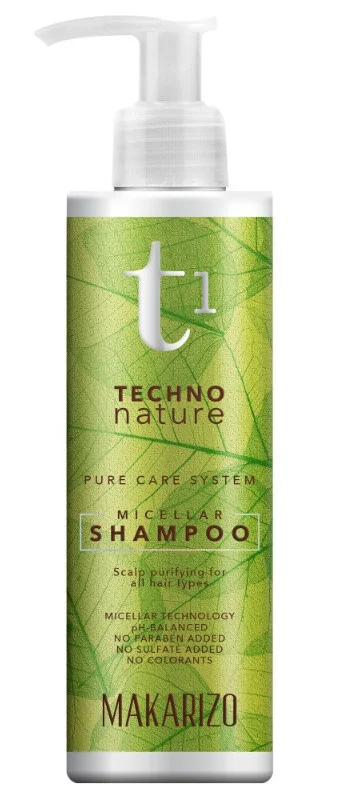
How well does your skin match with Makarizo T1 Techno Nature Rosemary Scalp & Hair Oil?
Login to see detailsOr continue via
Quick 1-minute survey • Completely free
Ingredients
Analysis results of Ingredients


Ingredient List
| EWG | CIR | Ingredient Name & Cosmetic Function | Notes |
|---|---|---|---|
| 1 | - | | |
| - | - | Bergamot Oil | |
| 1 | - | (Perfuming, Fragrance, Antioxidant) |  |
| 1 | - | (Skin Conditioning, Emollient) | |

Makarizo T1 Techno Nature Rosemary Scalp & Hair Oil - Ingredient Explanation
Rosemary Oil
1. Definition Rosmarinus Officinalis (Rosemary) Oil:
Rosemary oil is an essential oil derived from the Rosmarinus Officinalis plant through steam distillation. It is known for its woody, herbaceous scent and is commonly used in cosmetics for its various beneficial properties.2. Use:
Rosemary oil is widely used in cosmetics for its antioxidant, antimicrobial, and anti-inflammatory properties. It is often included in skincare products such as lotions, creams, and serums to help improve skin tone, reduce inflammation, and fight against free radicals that can cause premature aging.3. Usage Rosmarinus Officinalis (Rosemary) Oil:
When using rosemary oil in cosmetics, it is important to dilute it properly as it is a highly concentrated essential oil. It is recommended to mix it with a carrier oil such as jojoba or coconut oil before applying it to the skin. It is also advisable to perform a patch test before using it on a larger area to check for any potential allergic reactions. Additionally, pregnant women, children, and individuals with sensitive skin should consult a healthcare professional before using products containing rosemary oil.4. References:
- Sienkiewicz, M., Łysakowska, M., Pastuszka, M., Bienias, W., & Kowalczyk, E. (2012). The potential of use basil and rosemary essential oils as effective antibacterial agents. Molecules, 17(7), 7672-7681.
- Moss, M., Cook, J., Wesnes, K., & Duckett, P. (2003). Aromas of rosemary and lavender essential oils differentially affect cognition and mood in healthy adults. International Journal of Neuroscience, 113(1), 15-38.
- Lin, P. W., Myers, L. E., Ray, L., Song, S. C., & Su, Y. C. (2007). Effects of inhaled rosemary oil on subjective feelings and activities of the nervous system. Scientia Pharmaceutica, 75(2), 29-38.
Bergamot Oil
Ingredient data is being updated. Please check back later.
Green Tea Oil
1. Definition Green Tea Oil:
Green tea oil is an essential oil derived from the seeds of the Camellia sinensis plant, the same plant used to make green tea. It is rich in antioxidants, vitamins, and minerals, making it a popular ingredient in cosmetics and skincare products.2. Use:
Green tea oil is known for its moisturizing and anti-inflammatory properties, making it an ideal ingredient in skincare products. It can help to hydrate and nourish the skin, as well as reduce redness and inflammation. Green tea oil is also believed to have anti-aging benefits, helping to improve the appearance of fine lines and wrinkles.3. Usage Green Tea Oil:
Green tea oil can be used in a variety of ways in cosmetics, including as a moisturizer, serum, or facial oil. It can be applied directly to the skin or mixed with other skincare ingredients to create customized products. When using green tea oil, it is important to perform a patch test first to check for any potential allergic reactions. It is also recommended to dilute green tea oil with a carrier oil, such as coconut or jojoba oil, to avoid irritation.4. References:
- Baumann, Leslie. "Cosmeceutical Critique: Green Tea." Dermatology Times, 2007.
- Lin, Jia-Horng et al. "Anti-inflammatory and Skin Barrier Repair Effects of Topical Application of Some Plant Oils." International Journal of Molecular Sciences, vol. 19, no. 1, 2018.
- Yoon, Hyun-Jin et al. "The efficacy of green tea oil on the wound healing process in rats." Journal of Veterinary Science, vol. 16, no. 1, 2015.
Sunflower Oil
1. Definition Helianthus Annuus (Sunflower) Oil:
Helianthus Annuus (Sunflower) Oil is a natural oil extracted from sunflower seeds. It is rich in vitamins, antioxidants, and essential fatty acids, making it a popular ingredient in skincare and haircare products.2. Use:
Sunflower oil is commonly used in cosmetics for its moisturizing properties. It helps to hydrate and nourish the skin, leaving it soft and smooth. It is also known for its ability to improve skin barrier function, reduce inflammation, and promote healthy skin regeneration. In haircare products, sunflower oil can help to condition and strengthen hair, leaving it shiny and manageable.3. Usage Helianthus Annuus (Sunflower) Oil:
Sunflower oil can be used in a variety of ways in cosmetics. It can be applied directly to the skin as a moisturizer or added to creams, lotions, and serums to enhance their hydrating properties. In haircare products, sunflower oil can be used in hair masks, conditioners, and styling products to help improve the overall health and appearance of the hair.Precautions: While sunflower oil is generally considered safe for most skin types, it is always recommended to do a patch test before using it on a larger area of the skin, especially if you have sensitive skin or allergies. If any irritation occurs, discontinue use immediately. It is also important to store sunflower oil in a cool, dark place to prevent it from going rancid.
4. References:
- Lin, T. K., Zhong, L., & Santiago, J. L. (2017). Anti-Inflammatory and Skin Barrier Repair Effects of Topical Application of Some Plant Oils. International Journal of Molecular Sciences, 19(1), 70.
- Meier, L., & Stange, R. (2019). Sunflower oil in skincare: a comprehensive review of its benefits. Cosmetics, 6(1), 16.
- Suleman, T., & Van Vuuren, S. (2015). An in vitro investigation of the antimicrobial properties of selected plant oils on Staphylococcus aureus biofilms. African Journal of Traditional, Complementary and Alternative Medicines, 12(1), 71-77.
Review

Didn't find
the information you need?




Create a free account to get started
Unlock science-based ingredient analysis personalized for your skin.
Already have an account? Log in
We protect your privacy. We never send spam.