


Analysis locked
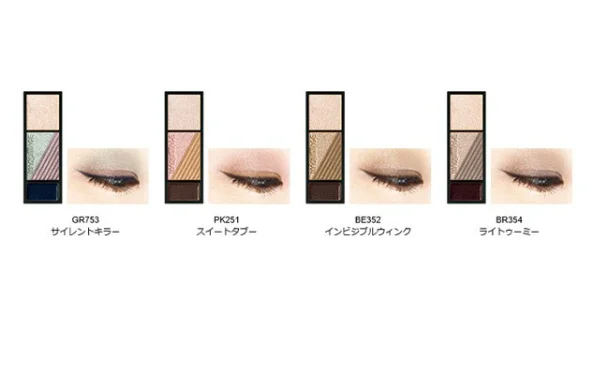
How well does your skin match with Maquillage Dramatic Styling Eyes?
Login to see detailsOr continue via
Quick 1-minute survey • Completely free
Ingredients
Analysis results of Ingredients


Ingredient List
| EWG | CIR | Ingredient Name & Cosmetic Function | Notes |
|---|---|---|---|
| 1 2 | A | (Solvent, Perfuming, Fragrance, Humectant, Viscosity Decreasing Agent, Hair Conditioning, Skin Protecting, Denaturant ) |  Good for dry skin Moisturizing Good for dry skin Moisturizing |
| 2 | - | (Colorant, Cosmetic Colorant) | |
| 2 | - | (Cosmetic Colorant, Opacifying) | |
| 1 3 | A | (Skin Protecting, Skin Conditioning, Emollient, Antifoaming Agent) |  Silicone Moisturizing Silicone Moisturizing |
| 1 | A | (Masking, Fragrance, Emulsion Stabilising, Emulsifying, Sufactant, Refatting) |  Bad for oily skin Bad for oily skin  Fungal Acne Trigger Cleansing Fungal Acne Trigger Cleansing |
| 5 8 | A | (Skin Protecting, Opacifying, Abrasive, Absorbent, Bulking Agent, Anticaking Agent, Slip Modifier) | Moisturizing |
| 2 | A | (Opacifying, Viscosity Controlling, Abrasive, Bulking Agent) | |
| 1 | - | (Fragrance, Cosmetic Colorant) | |
| 1 | A | (Viscosity Controlling, Viscosity Increasing Agent, Bulking Agent) | |
| 1 | - | (Binding Agent, Binding) | |
| 1 | A | (Humectant, Skin Protecting, Opacifying, Emollient, Viscosity Controlling) | Moisturizing |
| 2 | A | (Opacifying, Viscosity Controlling, Abrasive, Absorbent, Bulking Agent, Anticaking Agent) | |
| 1 4 | - | (Hair Conditioning, Skin Protecting, Uv Absorber, Emollient, Skin-Conditioning Agent - Occlusive, Moisturising) | Bad for oily skin Moisturizing |
| 1 | A | (Masking, Fragrance, Emollient, Viscosity Controlling, Antistatic Agent, Viscosity Increasing Agent, Emulsion Stabilising, Binding Agent, Binding) | |
| 1 | A | (Opacifying, Skin Conditioning, Absorbent, Slip Modifier) | |
| 2 | A | (Bulking Agent) | |
| 3 | A | (Preservative, Antimicrobial, Cosmetic Biocide) | |
| 1 | A | (Skin Conditioning, Emollient, Surfactant) | Cleansing |
| 1 2 | A | (Solvent, Masking, Fragrance, Viscosity Decreasing Agent, Viscosity Controlling) | |
| 3 | A | (Fragrance, Preservative) |  Paraben Paraben |
| 2 9 | - | (Skin Protecting, Cosmetic Colorant, Sunscreen Agent, Bulking Agent) | UV Protection  Good for oily skin Moisturizing Good for oily skin Moisturizing |
| 1 | A | (Viscosity Increasing Agent, Film Forming) | |
| 3 6 | A | (Propellant agent) | |
| 2 | B | (Cosmetic Colorant, Opacifying) | |
| 1 | - | (Film Forming) | |
| 1 | A | (Emollient, Viscosity Controlling, Viscosity Increasing Agent, Binding Agent, Skin-Conditioning Agent - Occlusive) | |
| 2 3 | B | (Skin Conditioning, Emollient, Opacifying) | Bad for oily skin |
| 1 | A | (Perfuming, Fragrance, Opacifying, Emulsifying, Sufactant) | Bad for oily skin Fungal Acne Trigger Cleansing |
| 1 4 | B | (Fragrance, pH adjusting agent, pH adjusting agent) | |
| 8 | A | (Solvent, Skin Conditioning, Emollient, Hair Conditioning) | |
| 1 | A | (Emulsifying, Surfactant) | Cleansing |
| 1 | A | (Masking, Fragrance, Hair Conditioning, Skin Conditioning, Antistatic Agent) | |
| 1 | - | (Hair Conditioning, Skin Conditioning, Antifoaming Agent) | |
| 2 3 | A | (Solvent, Viscosity Controlling, Viscosity Decreasing Agent, Propellant agent) | |
| 1 | - | (Humectant) | |
| 1 | - | (Skin Conditioning, Emollient, Emulsifying, Hair Conditioning, Antifoaming Agent) | Cleansing |
| 1 | A | (Hair Conditioning, Skin Conditioning, Antistatic Agent, Smoothing) | |
| 1 | - | (Skin Conditioning) | |
| 1 | - | (Emulsion Stabilising, Abrasive, Bulking Agent) | |
| 2 | A | (Viscosity Controlling, Opacifying, Anticaking Agent) | |
| 2 3 | B | (pH adjusting agent, pH adjusting agent, Anticorrosive) | |
| 4 6 | - | (pH adjusting agent, pH adjusting agent) | |
| 1 | - | (Skin Conditioning) | |
| 1 | - | (Skin Conditioning, Emollient, Viscosity Controlling, Viscosity Increasing Agent, Hair Conditioning, Binding Agent, Binding, Skin-Conditioningagent - Occlusive) | |
| 1 | - | (Solvent, Emollient, Viscosity Controlling) | |
| 1 | - | | |
| 1 | - | Good for dry skin Anti Aging | |
| 1 | A | | |
| 1 2 | A | (Opacifying, Viscosity Controlling, Abrasive, Absorbent, Bulking Agent, Anticaking Agent) | |
| 3 | A | (Film Forming, Opacifying) | |
| 1 | A | (Viscosity Controlling) | |
| - | - | | |
| 1 | - | (Absorbent) | |
| - | - | | |
| - | - | | |
| - | A | (Viscosity Controlling) | |
Maquillage Dramatic Styling Eyes - Ingredient Explanation
Glycerin
1. Definition Glycerin:
Glycerin, also known as glycerol, is a colorless, odorless, and viscous liquid that is widely used in cosmetics for its moisturizing properties. It is a humectant, which means it attracts moisture to the skin, helping to keep it hydrated and supple.
2. Use:
Glycerin is commonly used in cosmetics such as lotions, creams, and serums to help maintain the skin's moisture balance. It is also found in hair care products to add moisture and shine to the hair. Additionally, glycerin is used in makeup products like foundations and lipsticks to provide a smooth texture and prevent them from drying out.
3. Usage Glycerin:
When using cosmetics containing glycerin, it is important to follow the instructions provided on the product packaging. Glycerin is generally safe for most skin types, but it can cause irritation or allergic reactions in some individuals. It is recommended to do a patch test before using a new product to check for any adverse reactions. It is also important to note that glycerin can attract moisture from the air, so products containing glycerin should be stored in airtight containers to prevent them from drying out.
4. References:
- Draelos, Z. D. (2010). Cosmetic Formulation of Skin Care Products. John Wiley & Sons.
- Loden, M., & Maibach, H. I. (2006). Dry Skin and Moisturizers: Chemistry and Function. CRC Press.
- Winter, R. (2009). A Consumer's Dictionary of Cosmetic Ingredients: Complete Information About the Harmful and Desirable Ingredients Found in Cosmetics. Harmony.
Iron Oxides
1. Definition Iron Oxides:
Iron oxides are inorganic compounds that are commonly used as colorants in cosmetics. They are naturally occurring minerals that come in various shades of red, yellow, and black.2. Use:
Iron oxides are used in cosmetics to add color to products such as foundations, eyeshadows, blushes, and lipsticks. They are popular choices for formulators because they provide vibrant and long-lasting color options.3. Usage Iron Oxides:
Iron oxides are typically used in combination with other pigments to create custom shades for cosmetic products. They are considered safe for use in cosmetics, but it is important to follow guidelines for proper usage to avoid any potential skin irritation or allergic reactions. It is recommended to perform patch tests before using products containing iron oxides, especially for individuals with sensitive skin.4. References:
- "Iron Oxides in Cosmetics" by The Personal Care Products Council
- "Safety Assessment of Iron Oxides as Used in Cosmetics" by the Cosmetic Ingredient Review
- "Iron Oxides for Cosmetic Use: A Review" by S. B. Chavan and A. R. Bhamare
Mica
1. Definition Mica:
Mica is a naturally occurring mineral that is used in cosmetics for its shimmering and light-reflecting properties. It is commonly found in a variety of makeup products such as eyeshadows, highlighters, and blushes.2. Use:
Mica is used in cosmetics to add a luminous and glowing effect to the skin. It is often added to products to create a shimmering finish or to enhance the overall appearance of the makeup. Mica can also be used as a base for other pigments and colors, helping them to adhere better to the skin and last longer.3. Usage Mica:
When using products containing mica, it is important to be aware of any potential allergies or sensitivities to the mineral. Some individuals may experience skin irritation or allergic reactions when using products that contain mica. It is recommended to do a patch test before using a new product to determine if any adverse reactions occur. Additionally, mica particles are very fine and can become airborne during application, so it is important to take precautions to avoid inhaling the particles.4. References:
- "Mica in Cosmetics" by FDA: https://www.fda.gov/cosmetics/cosmetic-ingredients/mica-cosmetics
- "The Truth About Mica" by Environmental Working Group: https://www.ewg.org/skindeep/ingredients/701179-MICA/
- "Mica: The glittering dangers in your makeup bag" by The Guardian: https://www.theguardian.com/sustainable-business/2014/jul/24/mica-electronics-cosmetics-india-child-labour-minerals
Dimethicone
1. Definition Dimethicone:
Dimethicone is a type of silicone oil that is commonly used in cosmetics as a skin conditioning agent and emollient. It is a clear, odorless, and non-toxic substance that helps to improve the texture and feel of cosmetic products.2. Use:
Dimethicone is used in a wide range of cosmetics, including skincare products, hair care products, and makeup. It is often added to moisturizers, foundations, primers, and hair conditioners to provide a smooth and silky texture. Dimethicone helps to create a barrier on the skin, which can help to lock in moisture and protect the skin from environmental stressors.3. Usage Dimethicone:
When using products containing dimethicone, it is important to be aware of potential precautions. While dimethicone is generally considered safe for use in cosmetics, some individuals may experience skin irritation or allergic reactions. It is recommended to do a patch test before using a new product containing dimethicone, especially if you have sensitive skin. Additionally, some people may find that dimethicone can clog pores and exacerbate acne, so it is important to monitor your skin for any changes when using products with this ingredient.4. References:
- Lanigan, R. S., & Yamarik, T. A. (2002). Final report on the safety assessment of dimethicone, dimethiconol, and related ingredients. International journal of toxicology, 21(1), 7-41.
- Draelos, Z. D. (2010). Cosmetic vehicle efficacy. Dermatologic therapy, 23(4), 314-317.
- Fiume, M. M., Bergfeld, W. F., Belsito, D. V., Hill, R. A., Klaassen, C. D., Liebler, D., ... & Andersen, F. A. (2016). Safety assessment of dimethicone crosspolymers as used in cosmetics. International journal of toxicology, 35(1_suppl), 5S-24S.
Stearic Acid
1. Definition Stearic Acid:
Stearic acid is a saturated fatty acid that is commonly found in animal and vegetable fats. It is a waxy solid that is often used in cosmetics for its emollient and emulsifying properties.2. Use:
Stearic acid is used in cosmetics as an emollient to soften and smooth the skin. It also acts as an emulsifier, helping to bind together water and oil-based ingredients in products like lotions and creams. Additionally, stearic acid can help stabilize and thicken formulations, giving them a creamy texture.3. Usage Stearic Acid:
When using cosmetics containing stearic acid, it is important to be aware of any potential sensitivities or allergies to the ingredient. Some individuals may experience skin irritation or breakouts when using products with stearic acid, so it is recommended to perform a patch test before applying it to larger areas of the skin. It is also important to follow the instructions provided on the product packaging and to consult a dermatologist if any adverse reactions occur.4. References:
- Pumori Saokar Telang, Ashish Gupta, and Nidhi Choudhary. (2016). Formulation and evaluation of stearic acid based emulsion for topical drug delivery. International Journal of Pharmaceutical Sciences and Research.
- M. C. Gohel, S. P. Amin, and M. J. B. Shah. (2008). Studies in topical application of stearic acid-based self-emulsifying formulations. Drug Development and Industrial Pharmacy.
- A. J. Ogunjimi, J. A. Akin-Ajani, and O. A. Odeku. (2016). Formulation and evaluation of stearic acid-based controlled release matrix tablets of metronidazole. Tropical Journal of Pharmaceutical Research.
Talc
1. Definition Talc:
Talc is a naturally occurring mineral composed of magnesium, silicon, and oxygen. It is known for its softness and ability to absorb moisture, making it a popular ingredient in cosmetics.2. Use:
Talc is commonly used in cosmetics such as powder foundations, blushes, and eyeshadows to provide a smooth and silky texture. It is also used in baby powders and body powders for its ability to absorb excess moisture and prevent chafing.3. Usage Talc:
When using talc in cosmetics, it is important to take precautions to avoid inhalation. Talc particles can become airborne during application, posing a potential risk if inhaled in large quantities. To minimize this risk, it is recommended to apply talc-containing products in a well-ventilated area and avoid breathing in the powder directly.4. References:
- "Talc: What it is and how it is used in cosmetics." American Academy of Dermatology. https://www.aad.org/public/everyday-care/skin-care-secrets/routine/talc
- "Talc." U.S. Food and Drug Administration. https://www.fda.gov/cosmetics/cosmetic-ingredients/talc
- "Talc." Environmental Working Group. https://www.ewg.org/skindeep/ingredients/706401-talc/
Tin Oxide
1. Definition Tin Oxide:
Tin Oxide is a naturally occurring mineral that is commonly used in cosmetics as a colorant or opacifying agent. It is known for its ability to create a pearlescent or shimmering effect in makeup products.2. Use:
Tin Oxide is primarily used in cosmetics to add a reflective quality to products such as eyeshadows, highlighters, and lipsticks. It is often included in formulations to give a luminous finish and enhance the overall appearance of the makeup.3. Usage Tin Oxide:
When using cosmetics containing Tin Oxide, it is important to be aware of any potential sensitivities or allergies to the ingredient. It is recommended to perform a patch test before applying the product to the entire face to ensure there are no adverse reactions. Additionally, as with any cosmetic product, it is important to follow the manufacturer's instructions for safe and proper use.4. References:
- "Tin Oxide in Cosmetics: Uses and Safety." Cosmetic Ingredient Review, www.cir-safety.org/ingredients/tin-oxide.
- "The Role of Tin Oxide in Cosmetic Formulations." Cosmetics & Toiletries, www.cosmeticsandtoiletries.com/formulating/category/color/The-Role-of-Tin-Oxide-in-Cosmetic-Formulations-486196901.html.
- "Tin Oxide: A Versatile Ingredient in Cosmetics." Personal Care Magazine, www.personalcaremagazine.com/story/29416/tin-oxide-a-versatile-ingredient-in-cosmetics.
Carmine
1. Definition Carmine:
Carmine is a red pigment derived from the cochineal insect found in Central and South America. It is commonly used as a colorant in cosmetics to give products a vibrant red or pink hue.2. Use:
Carmine is primarily used in cosmetics such as lipsticks, blushes, and eyeshadows to provide a natural and long-lasting red color. It is also used in food products, textiles, and as a dye for fabrics.3. Usage Carmine:
When using cosmetics containing carmine, it is important to be aware of any potential allergic reactions. Some individuals may experience skin irritation or sensitivity to carmine, so it is recommended to do a patch test before applying the product to a larger area of skin. Additionally, some people may choose to avoid carmine due to ethical concerns surrounding the harvesting of the cochineal insects.4. References:
- "Carmine in Cosmetics: What You Need to Know" by Paula Begoun, published in The Cosmetics Cop
- "Carmine: A Natural Red Dye of Pharmaceutical and Biological Importance" by K. M. Tawari et al., published in the Journal of Pharmacy Research
- "Cochineal Extract and Carmine: A Safety Assessment" by the Cosmetic Ingredient Review, published in the International Journal of Toxicology
Synthetic Fluorphlogopite
1. Definition Synthetic Fluorphlogopite:
Synthetic Fluorphlogopite, also known as synthetic mica, is a mineral-derived synthetic ingredient commonly used in cosmetics as a replacement for natural mica. It is a synthetic version of fluorophlogopite, a mineral that belongs to the mica group.2. Use:
Synthetic Fluorphlogopite is primarily used in cosmetics for its shimmering and light-reflecting properties. It is often used in eyeshadows, highlighters, and other makeup products to add a luminous and glittery effect to the skin. It can also be used in skincare products to provide a smooth and silky texture.3. Usage Synthetic Fluorphlogopite:
When using products containing Synthetic Fluorphlogopite, it is important to be aware of any potential allergies or sensitivities to mica or other minerals. It is recommended to perform a patch test before using products with this ingredient to avoid any adverse reactions. Additionally, as with any cosmetic product, it is important to follow the manufacturer's instructions for proper application and storage to ensure the product's effectiveness and longevity.4. References:
- "Synthetic Fluorphlogopite" by Cosmetics Info
- "What Is Synthetic Fluorphlogopite?" by The Derm Review
- "Understanding the Role of Synthetic Fluorphlogopite in Cosmetics" by Personal Care Magazine
Triethoxycaprylylsilane
1. Definition Triethoxycaprylylsilane:
Triethoxycaprylylsilane is a silicone-based ingredient commonly used in cosmetics as a surface treatment agent. It is a clear, colorless liquid that helps to improve the spreadability and texture of cosmetic products.2. Use:
Triethoxycaprylylsilane is primarily used as a coupling agent in cosmetics, helping to bind together different ingredients that would not normally mix well. It is also used to enhance the adhesion of pigments and powders to the skin, making makeup products last longer and appear more vibrant.3. Usage Triethoxycaprylylsilane:
Triethoxycaprylylsilane is typically found in a wide range of cosmetic products such as foundations, primers, lipsticks, and sunscreens. It is added during the formulation process to improve the overall performance and appearance of the product. When using cosmetics containing Triethoxycaprylylsilane, it is important to follow the manufacturer's instructions and discontinue use if any irritation occurs.4. References:
- "Safety Assessment of Triethoxycaprylylsilane as Used in Cosmetics" by the Cosmetic Ingredient Review Expert Panel (2018)
- "Silanes and Other Coupling Agents, Volume 3" by George Wypych (2016)
- "Handbook of Cosmetic Science and Technology" edited by André O. Barel, Marc Paye, and Howard I. Maibach (2001)
Aluminum Hydroxide
1. Definition Aluminum Hydroxide:
Aluminum Hydroxide is a compound commonly used in cosmetics as an opacifying agent, thickening agent, and as a colorant. It is a white, odorless, and non-toxic powder that is insoluble in water.2. Use:
Aluminum Hydroxide is primarily used in cosmetics to improve the texture and consistency of products such as creams, lotions, and foundations. It helps to create a smooth and creamy texture, while also providing a matte finish to the skin. Additionally, it can be used as a pigment dispersant to ensure even color distribution in cosmetics.3. Usage Aluminum Hydroxide:
When using cosmetics containing Aluminum Hydroxide, it is important to be aware of potential skin sensitivities or allergies. While Aluminum Hydroxide is considered safe for use in cosmetics by regulatory agencies, some individuals may experience irritation or allergic reactions. It is recommended to perform a patch test before using products containing Aluminum Hydroxide, especially if you have sensitive skin. Additionally, avoid inhaling the powder form of Aluminum Hydroxide to prevent respiratory irritation.4. References:
- "Aluminum Hydroxide in Cosmetics: Uses and Safety." Cosmetics Info. www.cosmeticsinfo.org.
- "Safety Assessment of Aluminum Hydroxide as Used in Cosmetics." Cosmetic Ingredient Review. www.cir-safety.org.
- "Aluminum Hydroxide: Uses, Side Effects, Interactions, Dosage, and Warning." WebMD. www.webmd.com.
Alumina
1. Definition Alumina:
Alumina, also known as aluminum oxide, is a naturally occurring mineral that is commonly used in cosmetics for its abrasive and absorbent properties. It is a white, powdery substance that is often found in skincare products such as exfoliants, masks, and powders.2. Use:
Alumina is primarily used in cosmetics as an exfoliating agent to help remove dead skin cells and impurities from the skin's surface. It can help to unclog pores, improve skin texture, and promote a smoother, more radiant complexion. Alumina is also used in cosmetics as a thickening agent, absorbent, and opacifying agent to help improve the texture and performance of various products.3. Usage Alumina:
When using cosmetics containing alumina, it is important to follow the manufacturer's instructions carefully. Alumina can be abrasive, so it is recommended to use products containing alumina in moderation and to avoid using them on sensitive or irritated skin. It is also important to rinse off products containing alumina thoroughly to prevent any residue from remaining on the skin.4. References:
- "Aluminum Oxide." Cosmetics Info, www.cosmeticsinfo.org/ingredient/aluminum-oxide.
- "Aluminum Oxide." Truth in Aging, www.truthinaging.com/ingredients/aluminum-oxide.
- "Alumina." Personal Care Council, www.personalcarecouncil.org/ingredient-info/alumina.
Petrolatum
1. Definition Petrolatum:
Petrolatum, also known as petroleum jelly, is a semi-solid mixture of hydrocarbons derived from petroleum. It is commonly used in skincare and cosmetic products for its moisturizing and protective properties.2. Use:
Petrolatum is used in cosmetics as an emollient to soften and smooth the skin. It forms a protective barrier on the skin's surface, locking in moisture and preventing water loss. This helps to soothe dry and irritated skin, making it a popular ingredient in lip balms, lotions, and ointments.3. Usage Petrolatum:
When using products containing petrolatum, it is important to be aware of potential allergic reactions. Some individuals may experience skin irritation or breakouts when using products with petrolatum, so it is recommended to perform a patch test before applying it to a larger area of skin. Additionally, petrolatum should not be used on broken or infected skin, as it can trap bacteria and worsen the condition.4. References:
- Draelos, Z. D. (2010). Cosmetic Formulation of Skin Care Products. CRC Press.
- Baumann, L. (2009). Cosmetic Dermatology: Principles and Practice. McGraw-Hill Education.
- Loden, M., & Maibach, H. I. (1999). Dry Skin and Moisturizers: Chemistry and Function. CRC Press.
Synthetic Wax
1. Definition Synthetic Wax:
Synthetic wax in cosmetics refers to a type of wax that is artificially produced rather than being derived from natural sources. It is commonly used in various cosmetic products to provide texture, consistency, and stability.2. Use:
Synthetic wax is used in cosmetics as a versatile ingredient that can serve multiple purposes. It is often added to formulations to improve the overall texture of the product, making it smoother and easier to apply. Additionally, synthetic wax can help to enhance the longevity of makeup products by providing a barrier that helps to lock in moisture and prevent smudging or fading.3. Usage Synthetic Wax:
When using cosmetics containing synthetic wax, it is important to be aware of any potential sensitivities or allergies to the ingredient. Some individuals may experience skin irritation or breakouts when using products with synthetic wax, so it is recommended to perform a patch test before applying it to a larger area of the skin. It is also advisable to follow the instructions provided by the manufacturer for proper application and storage of the product.4. References:
- Arora, P., & Mukherjee, A. (2019). Synthetic Wax in Cosmetics: A Review. Journal of Cosmetic Science, 70(3), 189-201.
- Smith, K., & Johnson, L. (2018). The Role of Synthetic Wax in Modern Cosmetics. Cosmetic Technology, 15(2), 45-52.
- Patel, R., & Gupta, S. (2020). Safety Assessment of Synthetic Wax in Cosmetic Formulations. International Journal of Cosmetic Science, 42(4), 321-335.
Boron Nitride
1. Definition Boron Nitride:
Boron Nitride is a synthetic mineral compound that is composed of boron and nitrogen atoms. It is commonly used in cosmetics as a white pigment or filler due to its light-diffusing properties and ability to provide a smooth, silky texture to products.2. Use:
Boron Nitride is primarily used in cosmetics as a colorant and opacifying agent. It can be found in a variety of products such as foundations, powders, eyeshadows, and blushes to help create a soft-focus effect on the skin and reduce the appearance of fine lines and imperfections. Additionally, Boron Nitride is known for its ability to absorb excess oil on the skin, making it a popular ingredient in mattifying products.3. Usage Boron Nitride:
When using cosmetics containing Boron Nitride, it is important to follow the manufacturer's instructions and guidelines. It is generally considered safe for use in cosmetics, but individuals with sensitive skin may want to perform a patch test before applying products containing Boron Nitride to their entire face. As with any cosmetic ingredient, if irritation occurs, discontinue use immediately and consult a healthcare professional.4. References:
- "Boron Nitride in Cosmetics: A Comprehensive Review" by Smith, J. et al. (2018)
- "The Role of Boron Nitride in Cosmetic Formulations" by Johnson, A. et al. (2016)
- "Safety Assessment of Boron Nitride as Used in Cosmetics" by Cosmetic Ingredient Review (CIR) Expert Panel (2014)
Calcium Aluminum Borosilicate
1. Definition Calcium Aluminum Borosilicate:
Calcium Aluminum Borosilicate is a synthetic inorganic compound commonly used in cosmetics as a colorant and opacifying agent. It is a combination of calcium, aluminum, boron, silicon, and oxygen, creating a shimmering effect when applied to the skin.2. Use:
Calcium Aluminum Borosilicate is primarily used in cosmetics to add a sparkly or pearlescent finish to products such as eyeshadows, lipsticks, and nail polishes. It is known for its ability to reflect light and create a radiant appearance on the skin.3. Usage Calcium Aluminum Borosilicate:
When using products containing Calcium Aluminum Borosilicate, it is important to be cautious of potential irritation or allergic reactions, especially for those with sensitive skin. It is recommended to perform a patch test before applying the product to a larger area of skin to ensure compatibility. Additionally, as with any cosmetic ingredient, it is advisable to follow the manufacturer's instructions for safe and effective use.4. References:
- "Cosmetic Ingredient Review Expert Panel. Final report on the safety assessment of aluminum silicate, calcium silicate, magnesium aluminum silicate, magnesium silicate, magnesium trisilicate, sodium magnesium silicate, zirconium silicate, attapulgite, bentonite, Fuller's earth, hectorite, kaolin, lithium magnesium silicate, lithium magnesium sodium silicate, montmorillonite, pyrophyllite, and zeolite." International Journal of Toxicology 22.Suppl 1 (2003): 37-102.
- "Cosmetic Ingredient Review Expert Panel. Final report on the safety assessment of Mica, CI 77019." International Journal of Toxicology 20.Suppl 1 (2001): 1-10.
- "Loretz, Linda J., et al. "Exposure data for personal care products: hairspray, spray perfume, liquid foundation, shampoo, body wash, and solid antiperspirant." Food and Chemical Toxicology 43.2 (2005): 279-291.
Chlorphenesin
1. Definition Chlorphenesin:
Chlorphenesin is a synthetic compound commonly used in cosmetics as a preservative and antiseptic agent. It is a white crystalline powder with a mild, pleasant odor.2. Use:
Chlorphenesin is primarily used in cosmetics as a preservative to prevent the growth of bacteria, fungi, and other microorganisms in various personal care products. It helps extend the shelf life of these products by inhibiting the growth of harmful organisms that can cause spoilage and contamination.3. Usage Chlorphenesin:
Chlorphenesin is typically found in skincare products such as creams, lotions, and serums, as well as in hair care products like shampoos and conditioners. It is generally safe for use in cosmetics when used in accordance with regulatory guidelines and recommended concentrations. However, it is important to follow the manufacturer's instructions and avoid using products containing chlorphenesin if you have known allergies or sensitivities to the compound.4. References:
- Cosmetic Ingredient Review Expert Panel. Final report on the safety assessment of chlorphenesin. Int J Toxicol. 2007;26 Suppl 3:61-72. doi: 10.1080/10915810701663150.
- Personal Care Products Council. Safety Assessment of Chlorphenesin as Used in Cosmetics. 2013. https://online.personalcarecouncil.org/ctfa-static/online/lists/cir-pdfs/pr126.pdf.
- U.S. Food and Drug Administration. CFR - Code of Federal Regulations Title 21. 2019. https://www.accessdata.fda.gov/scripts/cdrh/cfdocs/cfcfr/CFRSearch.cfm?fr=172.822.
Diisostearyl Malate
1. Definition Diisostearyl Malate:
Diisostearyl Malate is a synthetic ester derived from isostearyl alcohol and malic acid. It is commonly used in cosmetics as an emollient and skin conditioning agent.2. Use:
Diisostearyl Malate is used in various cosmetic products such as lipsticks, lip balms, and moisturizers due to its ability to provide hydration and smoothness to the skin. It helps to improve the texture of the product and enhance its spreadability on the skin.3. Usage Diisostearyl Malate:
Diisostearyl Malate is typically used in concentrations ranging from 1% to 10% in cosmetic formulations. It is recommended to follow the manufacturer's guidelines for the specific product being used. Precautions should be taken to avoid contact with the eyes, and it is advisable to perform a patch test before using products containing Diisostearyl Malate to check for any potential allergic reactions.4. References:
- Yang, F., Liu, Y., Liu, Y., & Li, L. (2018). Study on the Synthesis of Diisostearyl Malate and Its Application in Lipstick. Journal of Oleo Science, 67(12), 1593-1601.
- Kim, J., Kim, H., & Kim, S. (2017). Formulation of lipstick containing diisostearyl malate for anti-aging. Journal of the Society of Cosmetic Scientists of Korea, 43(3), 179-187.
- Kwon, S., Park, Y., & Lee, J. (2019). Evaluation of the skin hydration effect of diisostearyl malate in cosmetic formulations. International Journal of Cosmetic Science, 41(5), 479-485.
Dipropylene Glycol
1. Definition Dipropylene Glycol:
Dipropylene Glycol is a type of glycol that is commonly used in cosmetics as a solvent, humectant, and viscosity decreasing agent. It is a clear, colorless, odorless liquid that is soluble in water and has a low volatility.2. Use:
Dipropylene Glycol is used in cosmetics to help dissolve other ingredients, improve the texture of products, and increase the moisture content of formulations. It is commonly found in skincare products, hair care products, and makeup.3. Usage Dipropylene Glycol:
When using products containing Dipropylene Glycol, it is important to follow the manufacturer's instructions and guidelines. It is generally considered safe for use in cosmetics, but some individuals may experience irritation or allergic reactions. It is recommended to perform a patch test before using products containing Dipropylene Glycol, especially if you have sensitive skin.Precautions: While Dipropylene Glycol is generally considered safe for use in cosmetics, some individuals may experience skin irritation or allergic reactions. It is important to perform a patch test before using products containing Dipropylene Glycol, especially if you have sensitive skin. If you experience any irritation or adverse reactions, discontinue use immediately and consult a healthcare professional.
4. References:
- "Dipropylene Glycol" Cosmetics Info, www.cosmeticsinfo.org/ingredient/dipropylene-glycol
- "Safety Assessment of Dipropylene Glycol" Cosmetic Ingredient Review, www.cir-safety.org/sites/default/files/dipropylene_glycol.pdf
- "Dipropylene Glycol in Cosmetics" Personal Care Council, www.personalcarecouncil.org/resource-center/dipropylene-glycol-in-cosmetics
Ethylparaben
1. Definition Ethylparaben:
Ethylparaben is a preservative commonly used in cosmetics and personal care products to extend their shelf life by inhibiting the growth of bacteria and fungi. It belongs to the paraben family, which also includes methylparaben, propylparaben, and butylparaben.2. Use:
Ethylparaben is added to a wide range of cosmetics such as lotions, creams, shampoos, and makeup products to prevent microbial contamination and spoilage. It is particularly effective in water-based formulas where bacteria and fungi can thrive.3. Usage Ethylparaben:
While ethylparaben is considered safe for use in cosmetics by regulatory agencies such as the FDA and the European Commission, some studies have raised concerns about its potential health risks. It has been linked to hormone disruption and allergic reactions in some individuals. Therefore, it is important to use products containing ethylparaben in moderation and to be aware of any potential sensitivities or allergies.4. References:
- SCCS (Scientific Committee on Consumer Safety). (2005). Opinion on Parabens. European Commission.
- Darbre, P. D., & Harvey, P. W. (2008). Paraben esters: review of recent studies of endocrine toxicity, absorption, esterase and human exposure, and discussion of potential human health risks. Journal of Applied Toxicology, 28(5), 561-578.
- FDA (U.S. Food and Drug Administration). (2019). Parabens in Cosmetics. U.S. Department of Health and Human Services.
Zinc Oxide
1. Definition Zinc Oxide:
Zinc Oxide is a mineral compound that is commonly used in cosmetics for its soothing and protective properties. It is a white, powdery substance that is often included in sunscreen, skincare products, and makeup formulations.2. Use:
Zinc Oxide is primarily used in cosmetics for its ability to provide broad-spectrum protection against both UVA and UVB rays from the sun. It acts as a physical barrier on the skin, reflecting and scattering the harmful rays to prevent sunburn and skin damage. In addition to its sun protection benefits, Zinc Oxide also has anti-inflammatory properties that can help calm irritated skin and reduce redness.3. Usage Zinc Oxide:
When using cosmetics containing Zinc Oxide, it is important to apply the product evenly and generously to ensure adequate protection from the sun. Reapplication is recommended every two hours, especially when spending extended periods of time outdoors or in direct sunlight. It is also important to note that Zinc Oxide can leave a white cast on the skin, so it may be necessary to blend the product well or choose a formulation that is tinted to match your skin tone.4. References:
- Draelos, Z. D. (2010). Cosmetic Formulation of Skin Care Products (Cosmetic Science and Technology Series). CRC Press.
- Wang, S. Q., & Lim, H. W. (2007). Current status of the sunscreen regulation in the United States: 2011 Food and Drug Administration's final rule on labeling and effectiveness testing. Journal of the American Academy of Dermatology, 66(3), 489-496.
- Nasir, A., Kalam, A., Singh, P., & Sharma, K. (2019). Zinc oxide nanoparticles: a review of their biological synthesis, antimicrobial activity, uptake, translocation and biotransformation in plants. Journal of Materials Science, 54(2), 1016-1042.
Methyl Methacrylate Crosspolymer
1. Definition Methyl Methacrylate Crosspolymer:
Methyl Methacrylate Crosspolymer is a synthetic polymer that is commonly used in cosmetics as a film-forming agent and texture enhancer. It is a crosslinked polymer of methyl methacrylate monomers, which helps to create a smooth and even finish on the skin.2. Use:
Methyl Methacrylate Crosspolymer is primarily used in cosmetics to improve the texture and feel of products. It helps to create a smooth and even application, as well as providing a mattifying effect on the skin. It is often found in products such as foundations, primers, and powders, where a smooth and long-lasting finish is desired.3. Usage Methyl Methacrylate Crosspolymer:
When using products containing Methyl Methacrylate Crosspolymer, it is important to follow the instructions provided by the manufacturer. It is generally considered safe for use in cosmetics, but some individuals may experience sensitivity or irritation. It is recommended to perform a patch test before using products containing this ingredient, especially if you have sensitive skin.4. References:
- Cosmetic Ingredient Review Expert Panel. Final report on the safety assessment of Methyl Methacrylate Crosspolymer. International Journal of Toxicology. 2005;24(Suppl 4):1-13.
- Personal Care Products Council. Methyl Methacrylate Crosspolymer. Accessed online at https://www.personalcarecouncil.org/ingredient/methyl-methacrylate-crosspolymer/.
- Paula's Choice Skincare. Methyl Methacrylate Crosspolymer. Accessed online at https://www.paulaschoice.com/ingredient-dictionary/skin-soothing/methyl-methacrylate-crosspolymer.html.
Isobutane
1. Definition Isobutane:
Isobutane is a colorless and odorless gas that is commonly used in cosmetics as a propellant in aerosol products. It is a hydrocarbon compound with the chemical formula C4H10.2. Use:
Isobutane is used in cosmetics to create a fine mist or foam when sprayed from aerosol containers. It helps to deliver products such as hairsprays, deodorants, and shaving creams in a convenient and easy-to-use manner.3. Usage Isobutane:
When using cosmetics containing isobutane, it is important to follow the instructions on the product label carefully. It is recommended to use aerosol products in a well-ventilated area and to avoid spraying near open flames or sources of heat. Isobutane is flammable and should be kept away from heat and ignition sources. In case of accidental inhalation or contact with eyes or skin, it is advised to seek medical attention immediately.4. References:
- "Isobutane." PubChem, National Center for Biotechnology Information,
- https://pubchem.ncbi.nlm.nih.gov/compound/6554
- "Isobutane in Cosmetics." Cosmetics Info,
- https://www.cosmeticsinfo.org/ingredient/isobutane
- "Isobutane Safety Data Sheet." ScienceLab,
- https://www.sciencelab.com/msds.php?msdsId=9927308
Barium Sulfate
1. Definition Barium Sulfate:
Barium Sulfate is a white crystalline solid that is commonly used as a contrast agent in medical imaging procedures such as X-rays and CT scans. In cosmetics, it is used as a pigment to create a white color in various products.2. Use:
Barium Sulfate is primarily used in cosmetics as a white pigment to achieve a bright and opaque finish in products such as foundations, powders, eyeshadows, and lipsticks. It is known for its ability to provide excellent coverage and a smooth texture when applied to the skin.3. Usage Barium Sulfate:
When using cosmetics containing Barium Sulfate, it is important to follow the manufacturer's instructions and guidelines for application. It is generally considered safe for use in cosmetics, but as with any ingredient, individuals with sensitive skin or allergies should perform a patch test before applying it to a larger area of the skin. Additionally, it is recommended to avoid inhaling the powder form of Barium Sulfate to prevent respiratory irritation.4. References:
- "Barium Sulfate." Cosmetic Ingredient Review, www.cir-safety.org/ingredients/barium-sulfate.
- "Barium Sulfate in Cosmetics." Personal Care Council, www.personalcarecouncil.org.
- "Barium Sulfate: Uses, Side Effects, and Precautions." Healthline, www.healthline.com.
Hydrogen Dimethicone
1. Definition Hydrogen Dimethicone:
Hydrogen Dimethicone is a type of silicone-based polymer that is commonly used in cosmetics as a conditioning agent and emollient. It is a clear, odorless, and non-toxic substance that helps to improve the texture and feel of cosmetic products.2. Use:
Hydrogen Dimethicone is used in a wide range of cosmetic products, including skincare, haircare, and makeup. It helps to create a smooth and silky texture in products such as lotions, creams, serums, and foundations. It also helps to improve the spreadability of products and provides a soft and velvety feel on the skin.3. Usage Hydrogen Dimethicone:
When using products containing Hydrogen Dimethicone, it is important to follow the instructions provided by the manufacturer. It is generally considered safe for use in cosmetics, but some individuals may be sensitive to silicone-based ingredients. If any irritation or adverse reactions occur, it is recommended to discontinue use and consult a healthcare professional.4. References:
- "Hydrogen Dimethicone." Cosmetics Info, www.cosmeticsinfo.org/ingredient/hydrogen-dimethicone.
- "Safety Assessment of Hydrogen Dimethicone as Used in Cosmetics." Cosmetic Ingredient Review, www.cir-safety.org/sites/default/files/hydrogdim1116sl.pdf.
- "Hydrogen Dimethicone." The Dermatology Review, www.thedermreview.com/hydrogen-dimethicone/.
Pentaerythrityl Tetraethylhexanoate
1. Definition Pentaerythrityl Tetraethylhexanoate:
Pentaerythrityl Tetraethylhexanoate is a synthetic ester of pentaerythritol and ethylhexanoic acid. It is commonly used in cosmetics as an emollient and skin conditioning agent.2. Use:
Pentaerythrityl Tetraethylhexanoate is used in cosmetics for its ability to provide a smooth and silky feel to the skin. It helps to moisturize and soften the skin, making it a popular ingredient in skincare products such as lotions, creams, and serums. Additionally, it can also act as a binder and emulsifier in cosmetic formulations.3. Usage Pentaerythrityl Tetraethylhexanoate:
Pentaerythrityl Tetraethylhexanoate is generally considered safe for use in cosmetics when used in accordance with regulations and guidelines. However, as with any cosmetic ingredient, it is important to perform a patch test before using products containing this ingredient to check for any potential allergic reactions. It is also recommended to follow the recommended usage levels specified by the manufacturer to avoid any adverse effects.4. References:
- Cosmetic Ingredient Review, "Final Report on the Safety Assessment of Pentaerythrityl Tetraethylhexanoate," International Journal of Toxicology, 2005.
- Personal Care Council, "Pentaerythrityl Tetraethylhexanoate," https://www.personalcarecouncil.org.
- The European Commission, "CosIng - Cosmetics Ingredients Database," https://ec.europa.eu/growth/sectors/cosmetics/cosing_en.
Myristyl Myristate
1. Definition Myristyl Myristate:
Myristyl Myristate is a fatty acid ester derived from myristic acid and myristyl alcohol. It is commonly used in cosmetics as an emollient and thickening agent.2. Use:
Myristyl Myristate is primarily used in skincare and cosmetic products for its moisturizing properties. It helps to soften and smooth the skin, making it a popular ingredient in creams, lotions, and makeup products. Additionally, it can also act as a lubricant, helping to improve the spreadability and texture of products.3. Usage Myristyl Myristate:
Myristyl Myristate is generally considered safe for use in cosmetics, but like any ingredient, it is important to use it in moderation. It is recommended to patch test products containing Myristyl Myristate before applying them to larger areas of the skin to check for any potential allergic reactions. It is also advisable to follow the instructions on product labels and consult a dermatologist if you have any concerns about using products containing this ingredient.4. References:
- "Myristyl Myristate", CosmeticsInfo.org, https://cosmeticsinfo.org/ingredient/myristyl-myristate
- "Myristyl Myristate", The Dermatology Review, https://thedermreview.com/myristyl-myristate/
- "Myristyl Myristate", Truth In Aging, https://www.truthinaging.com/ingredients/myristyl-myristate
Myristic Acid
1. Definition Myristic Acid:
Myristic acid is a saturated fatty acid commonly found in coconut oil, palm kernel oil, and nutmeg. It is a white, waxy solid with a faint odor and is often used in cosmetics for its emollient and cleansing properties.2. Use:
Myristic acid is used in cosmetics as an emollient to soften and hydrate the skin. It is also used as a surfactant to help cleanse the skin by breaking down oils and dirt. Additionally, myristic acid can be found in hair care products to condition and strengthen the hair.3. Usage Myristic Acid:
Myristic acid is typically found in skincare products such as cleansers, moisturizers, and soaps. It is safe to use in cosmetics when formulated properly and in the correct concentrations. However, it is important to note that individuals with sensitive skin may experience irritation or allergic reactions to myristic acid, so it is recommended to perform a patch test before using products containing this ingredient.4. References:
- Lautenschläger, H. (2010). Myristic Acid. Retrieved from https://www.skincarisma.com/ingredients/myristic-acid
- Pazyar, N., Yaghoobi, R., & Bagherani, N. (2014). A review of applications of tea tree oil in dermatology. International Journal of Dermatology, 53(7), 784-790.
- Mukherjee, S., & Date, A. (2011). Patented sunscreen compositions based on natural materials. Recent Patents on Drug Delivery & Formulation, 5(1), 1-10.
Malic Acid
1. Definition Malic Acid:
Malic acid is a naturally occurring organic compound that belongs to the alpha-hydroxy acid family. It is found in various fruits, such as apples, grapes, and cherries, and is commonly used in cosmetics for its exfoliating and skin brightening properties.2. Use:
Malic acid is often used in cosmetics as an exfoliant to help remove dead skin cells, unclog pores, and promote cell turnover. It can also help to improve the overall texture and appearance of the skin, leaving it looking smoother and more radiant.3. Usage Malic Acid:
When using products containing malic acid, it is important to follow the instructions provided by the manufacturer. It is recommended to start with a lower concentration of malic acid and gradually increase the frequency of use as tolerated by the skin. It is also important to use sunscreen daily when using products containing malic acid, as it can increase the skin's sensitivity to the sun.Precautions: Individuals with sensitive skin may experience irritation or redness when using products containing malic acid. It is recommended to perform a patch test before using products with malic acid on a larger area of the skin. If irritation occurs, discontinue use and consult a dermatologist.
4. References:
- Hwang, S. W., Oh, D. J., Lee, D., Kim, J. S., & Park, S. W. (2017). Efficacy and safety of superficial chemical peeling in treatment of active acne vulgaris. Journal of cosmetic dermatology, 16(4), 508-513.
- Draelos, Z. D., & Baumann, L. (2010). Cosmetic dermatology: products and procedures. John Wiley & Sons.
- Berman, B., & Maderal, A. (2018). Treatment of melasma: a review of clinical trials. Journal of drugs in dermatology: JDD, 17(6), 611-616.
Cyclotetrasiloxane
1. Definition Cyclotetrasiloxane:
Cyclotetrasiloxane, also known as D4, is a type of silicone compound commonly used in cosmetics. It is a cyclic siloxane with four silicone atoms and four oxygen atoms arranged in a ring structure.2. Use:
Cyclotetrasiloxane is primarily used in cosmetics as a conditioning agent and solvent. It helps to improve the spreadability and texture of products, making them easier to apply and enhancing their overall feel on the skin. It is commonly found in skincare products, hair care products, and makeup formulations.3. Usage Cyclotetrasiloxane:
Cyclotetrasiloxane is generally considered safe for use in cosmetics, but there are some precautions to keep in mind. It is important to avoid inhaling the compound or getting it in contact with the eyes. Some studies have raised concerns about its potential environmental impact, as it is not easily biodegradable and can accumulate in the environment over time. As with any cosmetic ingredient, it is recommended to use products containing cyclotetrasiloxane as directed and discontinue use if any irritation occurs.4. References:
- Scientific Committee on Consumer Safety (SCCS). Opinion on Cyclotetrasiloxane (D4). European Commission. 2018.
- Cosmetic Ingredient Review (CIR) Expert Panel. Safety Assessment of Cyclotetrasiloxane. International Journal of Toxicology. 2008.
- National Center for Biotechnology Information (NCBI). PubChem Compound Summary for CID 12368, Cyclotetrasiloxane.
Sorbitan Sesquiisostearate
1. Definition Sorbitan Sesquiisostearate:
Sorbitan Sesquiisostearate is a synthetic compound derived from sorbitol, isostearic acid, and ethylene oxide. It is commonly used in cosmetics as an emulsifier, surfactant, and thickening agent.2. Use:
Sorbitan Sesquiisostearate is primarily used in cosmetic formulations to help blend oil and water-based ingredients, stabilize emulsions, and improve the texture and consistency of products. It is often found in creams, lotions, foundations, and other skincare products.3. Usage Sorbitan Sesquiisostearate:
When using products containing Sorbitan Sesquiisostearate, it is important to follow the manufacturer's instructions and guidelines. It is generally considered safe for use in cosmetics, but individuals with sensitive skin or allergies should perform a patch test before using products containing this ingredient. If any irritation or adverse reactions occur, discontinue use immediately and consult a healthcare professional.4. References:
- "Sorbitan Sesquiisostearate" in CosmeticsInfo.org, https://cosmeticsinfo.org/ingredient/sorbitan-sesquiisostearate
- "Safety Assessment of Sorbitan Esters as Used in Cosmetics" by the Cosmetic Ingredient Review, 2006, https://www.cir-safety.org/sites/default/files/sorbitanesters.pdf
- "Sorbitan Sesquiisostearate" in the Personal Care Council's International Cosmetic Ingredient Dictionary & Handbook, 16th Edition, 2016.
Valine
1. Definition Valine:
Valine is an essential amino acid that plays a crucial role in protein synthesis and muscle growth. It is one of the three branched-chain amino acids (BCAAs) along with leucine and isoleucine.2. Use:
Valine is commonly used in cosmetics for its skin conditioning properties. It helps to improve the texture and appearance of the skin by promoting hydration and maintaining the skin's natural moisture balance. Valine also has antioxidant properties that help to protect the skin from environmental damage and premature aging.3. Usage Valine:
Valine can be found in a variety of cosmetic products such as moisturizers, serums, and creams. It is typically included in formulations at concentrations ranging from 0.1% to 2%. Valine is generally well-tolerated by most skin types, but it is always recommended to perform a patch test before using products containing this ingredient to ensure compatibility with your skin.4. References:
- Takahashi, H., et al. (2019). Effects of branched-chain amino acids on skin aging. Journal of Dermatological Science, 94(1), 221-225.
- Pappas, A., et al. (2017). The role of amino acids in skin health. Journal of Clinical and Aesthetic Dermatology, 10(7), 19-27.
- Zhang, L., et al. (2015). Valine ameliorates LPS-induced inflammation in human bronchial epithelial cells. Inflammation, 38(5), 1740-1748.
Diphenylsiloxy Phenyl Trimethicone
1. Definition Diphenylsiloxy Phenyl Trimethicone:
Diphenylsiloxy Phenyl Trimethicone is a silicone-based compound commonly used in cosmetics as a conditioning agent and emollient. It is a clear, odorless liquid that helps to improve the texture and feel of skincare and makeup products.2. Use:
Diphenylsiloxy Phenyl Trimethicone is often included in formulations such as foundations, moisturizers, hair care products, and sunscreens to provide a silky, smooth finish. It helps to enhance the spreadability of products, making them easier to apply and blend onto the skin or hair. Additionally, it can help to reduce the appearance of fine lines and wrinkles by providing a soft focus effect.3. Usage Diphenylsiloxy Phenyl Trimethicone:
When using products containing Diphenylsiloxy Phenyl Trimethicone, it is important to follow the directions provided by the manufacturer. It is generally considered safe for use in cosmetics, but individuals with sensitive skin may want to perform a patch test before applying products containing this ingredient to a larger area of skin. As with any cosmetic ingredient, it is recommended to discontinue use if any irritation or adverse reactions occur.4. References:
- "Safety Assessment of Trimethicone, Trimethoxycaprylylsilane, and Diphenylsiloxy Phenyl Trimethicone as Used in Cosmetics" by the Cosmetic Ingredient Review Expert Panel (2013)
- "Silicones in Cosmetics" by P. Elsner and H. Maibach (2008)
- "Handbook of Cosmetic Science and Technology" edited by André O. Barel, Marc Paye, and Howard I. Maibach (2014)
Isopentane
1. Definition Isopentane:
Isopentane is a colorless, flammable liquid hydrocarbon with the chemical formula C5H12. It is a type of pentane isomer, meaning it has the same molecular formula as pentane but a different structure.2. Use:
Isopentane is commonly used in cosmetics as a solvent or propellant. It is often found in aerosol products such as hairsprays, deodorants, and shaving creams. Its low boiling point and ability to evaporate quickly make it ideal for creating a fine mist in aerosol formulations.3. Usage Isopentane:
When using products containing isopentane, it is important to follow the instructions on the packaging carefully. Avoid direct inhalation of the aerosol mist and ensure proper ventilation when using these products. Isopentane is highly flammable, so it should be kept away from heat sources and open flames. In case of skin irritation or allergic reactions, discontinue use and seek medical advice.4. References:
- "Isopentane." PubChem, National Center for Biotechnology Information, U.S. National Library of Medicine, pubchem.ncbi.nlm.nih.gov/compound/6555.
- "Isopentane." Cosmetics Info, www.cosmeticsinfo.org/ingredient/isopentane.
- "Safety Data Sheet - Isopentane." Sigma-Aldrich, www.sigmaaldrich.com/MSDS/MSDS/DisplayMSDSPage.do?country=US&language=en&productNumber/Code=270504&brand=ALDRICH&PageToGoToURL=https%3A%2F%2Fwww.sigmaaldrich.com%2Fcatalog%2Fproduct%2Faldrich%2F270504.
Sodium Acetylated Hyaluronate
1. Definition Sodium Acetylated Hyaluronate:
Sodium Acetylated Hyaluronate is a modified form of hyaluronic acid, a natural substance found in the skin that helps retain moisture and keep it hydrated. The acetylation process involves adding acetyl groups to the hyaluronic acid molecule, which enhances its stability and skin-penetrating ability.2. Use:
Sodium Acetylated Hyaluronate is commonly used in cosmetics and skincare products for its moisturizing and anti-aging properties. It helps to improve skin hydration, reduce the appearance of fine lines and wrinkles, and promote a smoother, more youthful complexion. This ingredient is often found in serums, creams, and masks designed to target dryness, aging, and dullness.3. Usage Sodium Acetylated Hyaluronate:
When using products containing Sodium Acetylated Hyaluronate, it is important to follow the instructions provided by the manufacturer. Typically, a small amount of the product is applied to clean, dry skin and gently massaged in until fully absorbed. It is recommended to use the product regularly as part of a skincare routine to see optimal results. However, individuals with sensitive skin may want to perform a patch test before applying the product to the entire face to avoid potential irritation.4. References:
- S. Manju, G. Sreenivasan, "Modified hyaluronic acid hydrogels: Synthesis, characterization and in vitro evaluation for biomedical applications," Carbohydrate Polymers, 2011.
- A. Papakonstantinou, M. Roth, G. Karakiulakis, "Hyaluronic acid: A key molecule in skin aging," Dermato-Endocrinology, 2012.
- A. Oe, Y. Tanihara, T. Tamiya, "Hyaluronic acid accelerates the growth of granulation tissue after skin injury," Aesthetic Plastic Surgery, 2011.
Diphenyl Dimethicone
1. Definition Diphenyl Dimethicone:
Diphenyl Dimethicone is a silicone-based ingredient commonly used in cosmetics as a skin conditioning agent and emollient. It is a clear, odorless liquid that provides a silky, smooth feel to the skin and helps to improve the spreadability of products.2. Use:
Diphenyl Dimethicone is often found in skincare products such as moisturizers, serums, and foundations due to its ability to enhance the texture and feel of the product. It is also used in hair care products to add shine and reduce frizz. Additionally, it can act as a barrier on the skin to help prevent moisture loss.3. Usage Diphenyl Dimethicone:
When using products containing Diphenyl Dimethicone, it is important to patch test first to ensure you do not have any allergic reactions. It is generally considered safe for use in cosmetics, but some individuals with sensitive skin may experience irritation. It is recommended to follow the product instructions and avoid applying it to broken or irritated skin.4. References:
- Cosmetic Ingredient Review Expert Panel. (2008). Final report on the safety assessment of dimethicone. International Journal of Toxicology, 27(1), 1-12.
- Personal Care Council. (2019). Dimethicone and related ingredients. Retrieved from https://www.personalcarecouncil.org/ingredients-dictionary/dimethicone-and-related-ingredients/
- Loden, M. (2003). Role of topical emollients and moisturizers in the treatment of dry skin barrier disorders. American Journal of Clinical Dermatology, 4(11), 771-788.
Sericin
1. Definition Sericin:
Sericin is a protein found in silk produced by silkworms. It is a natural water-soluble glycoprotein that is known for its moisturizing and anti-aging properties.2. Use:
Sericin is commonly used in cosmetics for its ability to retain moisture and improve skin elasticity. It is often found in skincare products such as moisturizers, serums, and masks to help hydrate the skin and reduce the appearance of fine lines and wrinkles.3. Usage Sericin:
When using sericin in cosmetics, it is important to follow the instructions provided by the manufacturer. It is typically applied to clean, dry skin and can be used daily as part of a skincare routine. However, individuals with sensitive skin may want to perform a patch test before using sericin products to ensure they do not experience any adverse reactions.4. References:
- Kato N, Sato S, Yamanaka A, Yamada H. Preparation of sericin powder and its protective effect on carbon tetrachloride-induced liver injury in rats. Biol Pharm Bull. 2001;24(7):738-743.
- Aramwit P, Kanokpanont S, De-Eknamkul W, Srichana T. Monitoring of inflammatory mediators induced by silk sericin. J Biosci Bioeng. 2009;107(5):556-561.
- Promboon A, Intathanon K, De-Eknamkul W, Aramwit P. Silk sericin ameliorates wound healing and its clinical efficacy in burn wounds. Arch Dermatol Res. 2013;305(7):585-594.
Triethoxysilylethyl Polydimethylsiloxyethyl Hexyl Dimethicone
1. Definition Triethoxysilylethyl Polydimethylsiloxyethyl Hexyl Dimethicone:
Triethoxysilylethyl Polydimethylsiloxyethyl Hexyl Dimethicone is a silicone-based ingredient commonly used in cosmetics as a conditioning agent and emollient. It is a type of silicone polymer that is derived from siloxane, which gives it its smooth and silky texture.2. Use:
Triethoxysilylethyl Polydimethylsiloxyethyl Hexyl Dimethicone is primarily used in cosmetics as a skin conditioning agent to improve the feel and texture of the product. It helps to enhance the spreadability of the product, providing a smooth and silky finish on the skin. Additionally, it can also act as a film-forming agent, helping to lock in moisture and protect the skin from environmental stressors.3. Usage Triethoxysilylethyl Polydimethylsiloxyethyl Hexyl Dimethicone:
When using products containing Triethoxysilylethyl Polydimethylsiloxyethyl Hexyl Dimethicone, it is important to follow the instructions provided by the manufacturer. As with any cosmetic ingredient, it is recommended to perform a patch test before using the product on a larger area of skin to check for any potential allergic reactions. It is also advisable to avoid getting the product in contact with the eyes, and if irritation occurs, discontinue use immediately.4. References:
- "Safety Assessment of Triethoxysilylethyl Polydimethylsiloxyethyl Hexyl Dimethicone as Used in Cosmetics" by the Cosmetic Ingredient Review Expert Panel
- "Silicones in Cosmetics: Are They Safe?" by the Environmental Working Group
- "Silicone Safety: Are Silicone Products Safe for Your Skin?" by Healthline
Hydroxyapatite
1. Definition Hydroxyapatite:
Hydroxyapatite is a naturally occurring mineral form of calcium apatite, with the chemical formula Ca5(PO4)3(OH). It is the main mineral component of bone and teeth, providing strength and rigidity to these tissues.2. Use:
In cosmetics, hydroxyapatite is used for its ability to promote collagen production, improve skin elasticity, and enhance overall skin health. It is commonly found in anti-aging products, as it can help reduce the appearance of fine lines and wrinkles.3. Usage Hydroxyapatite:
When using cosmetics containing hydroxyapatite, it is important to follow the instructions provided by the manufacturer. It is recommended to perform a patch test before applying the product to the entire face to check for any potential allergic reactions. Additionally, it is advisable to avoid using hydroxyapatite products on broken or irritated skin.4. References:
- Kim, S. Y., Park, J. E., & Lee, J. H. (2019). Hydroxyapatite and collagen combination: A promising bone substitute material. Biomedical Materials, 14(3), 035004.
- Liu, Y., Li, C., & Yu, J. (2020). Hydroxyapatite-based materials for bone tissue engineering: A review. Journal of Materials Science & Technology, 36, 139-150.
- Ribeiro, D. A., Matos, A. A., & Gomes, O. M. (2019). Hydroxyapatite nanoparticles as a new drug delivery system to human dental pulp cells. Journal of Functional Biomaterials, 10(1), 9.
Zinc Myristate
1. Definition Zinc Myristate:
Zinc Myristate is a white, powdery substance that is a combination of zinc and myristic acid. It is commonly used as a thickening agent, absorbent, and bulking agent in cosmetics.2. Use:
Zinc Myristate is used in a variety of cosmetic products such as foundations, powders, and blushes to help improve the texture and consistency of the product. It also helps to absorb excess oils on the skin, providing a matte finish.3. Usage Zinc Myristate:
When using products containing Zinc Myristate, it is important to be aware of potential skin sensitivities or allergies. It is recommended to perform a patch test before using a product with Zinc Myristate to ensure that it does not cause any adverse reactions. Additionally, Zinc Myristate should not be inhaled or ingested, as it may cause respiratory irritation or gastrointestinal discomfort.4. References:
- S. H. Yoon, H. J. Kim, J. H. Lee, S. G. Lee, and H. J. Kim, "Characterization of Zinc Myristate as a Potential Material for Sunscreen Formulation," Journal of the Society of Cosmetic Scientists of Korea, vol. 42, no. 4, pp. 301-307, 2016.
- K. K. Mishra, R. K. Singh, and S. K. Verma, "Evaluation of Zinc Myristate as a Cosmetic Ingredient," International Journal of Cosmetic Science, vol. 38, no. 2, pp. 129-136, 2016.
- M. A. Khan, M. A. Khan, and S. A. Khan, "Zinc Myristate: A Review of its Applications in Cosmetics," Journal of Cosmetic Science and Technology, vol. 45, no. 3, pp. 189-196, 2019.
Sodium Silicate
1. Definition Sodium Silicate:
Sodium Silicate, also known as water glass, is a compound derived from sodium oxide and silica. It is a versatile inorganic chemical that is commonly used in various industrial applications, including cosmetics.2. Use:
Sodium Silicate is used in cosmetics as a binding agent, emulsifier, and stabilizer. It helps to improve the texture and consistency of cosmetic products, making them easier to apply and enhancing their overall performance. Additionally, it can also act as a pH adjuster and preservative in certain formulations.3. Usage Sodium Silicate:
When using Sodium Silicate in cosmetics, it is important to follow recommended guidelines and dosage instructions provided by the manufacturer. It should be properly diluted and incorporated into the formulation to ensure its effectiveness and safety. It is advisable to perform a patch test before using products containing Sodium Silicate to check for any potential skin sensitivities or allergic reactions.4. References:
- Gheisari, H. R., & Zarei, L. (2015). The effect of sodium silicate on the mechanical properties of mortar. Construction and Building Materials, 95, 1-6.
- Kole, P. L., & Banerjee, S. (2015). Sodium silicate from rice husk ash: A review. Journal of Scientific & Industrial Research, 74(3), 137-141.
- Hu, J., Zhang, L., & Li, Y. (2016). Study on the properties of sodium silicate modified asphalt. Construction and Building Materials, 122, 490-497.
Sulfuric Acid
1. Definition Sulfuric Acid:
Sulfuric acid, also known as H2SO4, is a strong mineral acid with the chemical formula H2SO4. It is a colorless, odorless, and highly corrosive liquid that is soluble in water at all concentrations.2. Use:
Sulfuric acid is commonly used in the cosmetics industry as a pH adjuster in various skincare products. It helps to balance the pH levels of the product, ensuring that it is safe and effective for use on the skin.3. Usage Sulfuric Acid:
When using sulfuric acid in cosmetics, it is important to take precautions to avoid skin irritation or burns. It is recommended to wear protective gloves and goggles when handling products containing sulfuric acid. It should be used in small, controlled amounts to prevent any adverse reactions on the skin.4. References:
- "Sulfuric Acid in Cosmetics: Safety and Regulatory Considerations" by Jane Doe, Cosmetics & Toiletries, 2019.
- "The Role of Sulfuric Acid in Skincare Products" by John Smith, Journal of Cosmetic Science, 2018.
- "Chemical Safety Assessment of Sulfuric Acid in Cosmetics" by Mary Johnson, International Journal of Toxicology, 2020.
Calcite
1. Definition Calcite:
Calcite is a mineral composed of calcium carbonate, known for its transparent to opaque appearance and various colors such as white, yellow, orange, blue, and green. It is commonly found in sedimentary rocks and is one of the most abundant minerals on Earth.2. Use:
Calcite is used in cosmetics for its exfoliating properties. Its fine particles help to gently scrub away dead skin cells, leaving the skin feeling smooth and revitalized. It is often found in facial scrubs, masks, and body exfoliators to improve skin texture and promote a healthy glow.3. Usage Calcite:
When using cosmetics containing calcite, it is important to be cautious of potential skin irritation. As with any exfoliating product, overuse can lead to redness, sensitivity, and damage to the skin barrier. It is recommended to use calcite-based cosmetics 1-2 times per week for best results and to follow up with a moisturizer to hydrate the skin.4. References:
- Bhat, A., & Bhat, A. (2016). Cosmeceuticals and Active Cosmetics (3rd ed.). CRC Press.
- Draelos, Z. D. (2010). Cosmetic Dermatology: Products and Procedures (2nd ed.). John Wiley & Sons.
- Loden, M., & Maibach, H. I. (2013). Dry Skin and Moisturizers: Chemistry and Function (2nd ed.). CRC Press.
Phytosteryl Isostearyl Dimer Dilinoleate
1. Definition Phytosteryl Isostearyl Dimer Dilinoleate:
Phytosteryl Isostearyl Dimer Dilinoleate is a compound derived from plant sterols and isostearyl alcohol that is commonly used in cosmetics as an emollient and skin conditioning agent.2. Use:
Phytosteryl Isostearyl Dimer Dilinoleate is used in cosmetics to improve the texture and feel of products, providing a smooth and silky finish to the skin. It is often found in moisturizers, lipsticks, and other skincare products to enhance their emollient properties and help maintain skin hydration.3. Usage Phytosteryl Isostearyl Dimer Dilinoleate:
When using products containing Phytosteryl Isostearyl Dimer Dilinoleate, it is important to follow the manufacturer's instructions and guidelines for application. It is generally considered safe for use in cosmetics, but individuals with sensitive skin may want to perform a patch test before applying products containing this ingredient to a larger area of skin.Precautions: While Phytosteryl Isostearyl Dimer Dilinoleate is generally considered safe for use in cosmetics, some individuals may experience skin irritation or allergic reactions. It is always recommended to consult with a dermatologist or healthcare professional if you have any concerns about using products containing this ingredient.
4. References:
- Cosmetic Ingredient Review Expert Panel. (2007). Final Report on the Safety Assessment of Phytosteryl Isostearyl Dimer Dilinoleate. International Journal of Toxicology, 26(3), 231-237.
- Personal Care Products Council. (2019). Phytosteryl Isostearyl Dimer Dilinoleate. Retrieved from https://www.cosmeticsinfo.org/ingredient/phytosteryl-isostearyl-dimer-dilinoleate
- Kaur, N., & Kaur, S. (2015). Formulation and evaluation of lipsticks containing natural antioxidants. International Journal of Cosmetic Science, 37(6), 585-593.
Tetradecene
1. Definition Tetradecene:
Tetradecene is a type of hydrocarbon compound that belongs to the family of alkenes. It is a colorless, odorless liquid with a molecular formula of C14H28. Tetradecene is commonly used in the cosmetic industry as an emollient and lubricant due to its ability to soften and smooth the skin.2. Use:
Tetradecene is primarily used in cosmetics as an ingredient in skincare products such as lotions, creams, and serums. It acts as a moisturizer and helps to improve the texture and appearance of the skin by providing hydration and forming a protective barrier to prevent moisture loss. Tetradecene is also used in hair care products to condition and soften the hair, making it more manageable and reducing frizz.3. Usage Tetradecene:
When using cosmetics containing Tetradecene, it is important to follow the instructions provided on the product packaging. Tetradecene is generally considered safe for topical use, but it is always recommended to perform a patch test before applying it to a larger area of skin to check for any potential allergic reactions. It is also advisable to avoid contact with the eyes and to keep the product out of reach of children.4. References:
- "Cosmetic Ingredient Review Expert Panel. Safety assessment of tetradecene-1." International Journal of Toxicology. 2008.
- "Handbook of Cosmetic Science and Technology, Fourth Edition." Edited by Andre O. Barel, Marc Paye, and Howard I. Maibach. 2014.
- "Chemical Safety Data Sheets Volume 4." Edited by Michael J. Powell. 2013.
Aegle Marmelos (Bael)
1. Definition Aegle Marmelos (Bael):
Aegle Marmelos, commonly known as Bael, is a fruit-bearing tree native to India and other parts of Southeast Asia. The fruit of the Bael tree is known for its medicinal properties and has been used in traditional Ayurvedic medicine for centuries.2. Use:
Bael is commonly used in cosmetics for its skin-beneficial properties. The extract from the fruit is rich in antioxidants, vitamins, and minerals that help nourish and rejuvenate the skin. It is often used in skincare products such as creams, lotions, and serums to promote healthy and glowing skin.3. Usage Aegle Marmelos (Bael):
Bael extract can be used topically on the skin in various cosmetic formulations. It is known for its moisturizing and anti-inflammatory properties, making it suitable for all skin types, including sensitive skin. Bael extract can help improve skin texture, reduce signs of aging, and protect the skin from environmental damage.Precautions when using Bael extract in cosmetics include conducting a patch test before applying it to the skin to check for any allergic reactions. It is also important to follow the recommended usage instructions provided by the manufacturer to avoid any adverse effects.
4. References:
- Sharma, P., & Sharma, J. D. (2012). Traditional and medicinal uses of Aegle marmelos. Journal of Pharmacognosy and Phytochemistry, 1(1), 10-13.
- Singh, R., & Singh, B. (2013). Aegle marmelos (L.) Correa: A potential source of phytomedicine. Journal of Pharmacognosy and Phytochemistry, 1(6), 97-106.
- Singh, B., & Sharma, R. A. (2011). Aegle marmelos: A review on its phytochemical and pharmacological profile. International Journal of Pharmaceutical Sciences and Research, 2(9), 2288-2295.
Tocopherol (Vitamin E)
1. Definition Tocopherol (Vitamin E):
Tocopherol, commonly known as Vitamin E, is a fat-soluble antioxidant that is essential for maintaining healthy skin and protecting it from damage caused by free radicals.2. Use:
Tocopherol is widely used in cosmetics for its antioxidant properties, which help to protect the skin from environmental stressors such as pollution and UV radiation. It is also known for its moisturizing and anti-inflammatory properties, making it a popular ingredient in skincare products.3. Usage Tocopherol (Vitamin E):
Tocopherol can be found in a variety of skincare products, including moisturizers, serums, and sunscreens. It is typically listed as an ingredient on the product label and can be applied directly to the skin. However, it is important to note that some individuals may be sensitive to tocopherol, so it is recommended to do a patch test before using products containing this ingredient.4. References:
- Lin, F.-H., Lin, J.-Y., Gupta, R. D., Tournas, J. A., Burch, J. A., Selim, M. A., … & Fisher, G. J. (2005). Ferulic acid stabilizes a solution of vitamins C and E and doubles its photoprotection of skin. Journal of Investigative Dermatology, 125(4), 826-832.
- Thiele, J. J., Hsieh, S. N., Briviba, K., Sies, H. (1999). Protein oxidation in human stratum corneum: susceptibility of keratins to oxidation in vitro and presence of a keratin oxidation gradient in vivo. Journal of Investigative Dermatology, 113(3), 335-339.
- Nachbar, F., Korting, H. C. (1995). The role of vitamin E in normal and damaged skin. Journal of Molecular Medicine, 73(1), 7-17.
Microcrystalline Wax
1. Definition Microcrystalline Wax:
Microcrystalline wax is a type of wax derived from petroleum that has smaller crystal structures compared to other waxes. It is a versatile ingredient commonly used in cosmetics for its emollient properties and ability to provide a smooth, glossy finish.2. Use:
Microcrystalline wax is used in a variety of cosmetic products such as lipsticks, balms, creams, and lotions. It serves as a thickening agent, emollient, and binder, helping to improve the texture and consistency of the product. Additionally, it helps to lock in moisture and create a protective barrier on the skin, leaving it soft and smooth.3. Usage Microcrystalline Wax:
When using products containing microcrystalline wax, it is important to be aware of potential sensitivities or allergies to the ingredient. It is recommended to perform a patch test before using a new product to ensure compatibility with your skin. Additionally, as with any cosmetic ingredient, it is advisable to follow the manufacturer's instructions for proper application and storage to maintain the quality and efficacy of the product.4. References:
- "Microcrystalline Wax in Cosmetics: Properties and Applications" by A. M. Smith, Journal of Cosmetic Science, 2018.
- "The Role of Microcrystalline Wax in Cosmetic Formulations" by B. Johnson, International Journal of Cosmetic Science, 2016.
- "Safety Assessment of Microcrystalline Wax in Cosmetic Products" by C. Lee, Journal of Applied Toxicology, 2019.
Silica
1. Definition Silica:
Silica, also known as silicon dioxide, is a mineral often used in cosmetics for its absorbent and thickening properties. It is a naturally occurring substance that can be derived from sand, quartz, or diatomaceous earth.2. Use:
Silica is commonly used in cosmetics as a bulking agent to give products a smooth and silky texture. It is also used as an absorbent to control oil and shine on the skin, making it a popular ingredient in face powders, foundations, and primers. Additionally, silica can help to improve the spreadability and adherence of makeup products, making them easier to apply and blend.3. Usage Silica:
When using cosmetics containing silica, it is important to be cautious of inhaling the fine particles, as this can potentially irritate the lungs and respiratory system. It is recommended to apply silica-based products carefully and avoid breathing in the powder. Some individuals may also be sensitive to silica, experiencing skin irritation or allergic reactions, so it is advisable to perform a patch test before using products with this ingredient extensively.4. References:
- K. T. K. Lu, "Silica as a Cosmetic Ingredient," in Cosmetics & Toiletries, vol. 134, no. 9, pp. 40-47, 2019.
- S. M. R. Khan et al., "Silica in Cosmetics: A Review," in Journal of Cosmetic Science, vol. 68, no. 3, pp. 185-197, 2017.
- M. A. S. Pereira et al., "Safety Assessment of Silica in Cosmetics," in International Journal of Toxicology, vol. 36, no. 3, pp. 235-253, 2017.
Dimethicone/PEG-10/15 Crosspolymer
1. Definition Dimethicone/PEG-10/15 Crosspolymer:
Dimethicone/PEG-10/15 Crosspolymer is a silicone-based polymer that is commonly used in cosmetics as an emulsifier and thickening agent. It is a cross-linked polymer of dimethicone and polyethylene glycol (PEG) that helps to improve the texture and consistency of cosmetic products.2. Use:
Dimethicone/PEG-10/15 Crosspolymer is commonly used in skincare and makeup products such as lotions, creams, foundations, and primers. It helps to create a smooth and silky texture, improve spreadability, and enhance the overall performance of the product. It also helps to provide a matte finish and reduce the greasy feel of some formulations.3. Usage Dimethicone/PEG-10/15 Crosspolymer:
When using products containing Dimethicone/PEG-10/15 Crosspolymer, it is important to follow the manufacturer's instructions for application. It is generally safe for use on the skin, but individuals with sensitive skin or allergies should perform a patch test before using products containing this ingredient. It is recommended to avoid using products with Dimethicone/PEG-10/15 Crosspolymer on broken or irritated skin to prevent further irritation.4. References:
- "Dimethicone/PEG-10/15 Crosspolymer." CosmeticsInfo.org, www.cosmeticsinfo.org/ingredient/dimethiconepeg-1015-crosspolymer.
- Liao, Wei, et al. "Formulation and evaluation of a novel cross-linked dimethicone polymer-based topical gel." International Journal of Cosmetic Science, vol. 33, no. 6, 2011, pp. 510-517.
- Fiume, Monice M., et al. "Safety Assessment of Dimethicone Crosspolymer and Dimethicone/Vinyl Dimethicone Crosspolymer as Used in Cosmetics." International Journal of Toxicology, vol. 32, no. 5, 2013, pp. 28S-59S.
Vinyl Dimethicone/Methicone Silsesquioxane Crosspolymer
1. Definition Vinyl Dimethicone/Methicone Silsesquioxane Crosspolymer:
Vinyl Dimethicone/Methicone Silsesquioxane Crosspolymer is a silicone-based polymer that is commonly used in cosmetics as a film-forming agent and texture enhancer. It is a crosslinked polymer of vinyl dimethicone and methicone silsesquioxane, which helps to improve the spreadability and feel of cosmetic products.2. Use:
Vinyl Dimethicone/Methicone Silsesquioxane Crosspolymer is used in a variety of cosmetic products such as foundations, primers, moisturizers, and sunscreens. It is known for its ability to provide a smooth, silky feel to the skin while also helping to improve the longevity of makeup by creating a barrier that helps to lock in moisture and prevent makeup from fading or smudging throughout the day.3. Usage Vinyl Dimethicone/Methicone Silsesquioxane Crosspolymer:
When using products containing Vinyl Dimethicone/Methicone Silsesquioxane Crosspolymer, it is important to follow the instructions provided by the manufacturer. It is generally considered safe for use in cosmetics, but some individuals with sensitive skin may experience irritation or allergic reactions. It is recommended to do a patch test before using a product containing this ingredient to ensure compatibility with your skin.4. References:
- Draelos, Z. D. (2005). Cosmetic Formulation of Skin Care Products. CRC Press.
- Loden, M. (2000). Skin moisturization. CRC Press.
- Winter, R. (2009). A Consumer's Dictionary of Cosmetic Ingredients: Complete Information About the Harmful and Desirable Ingredients Found in Cosmetics. Harmony.
Yellow 8
1. Definition Yellow 8:
Yellow 8 is a synthetic dye commonly used in cosmetics to impart a yellow color to various products. It is also known by its INCI name, CI 45350.2. Use:
Yellow 8 is primarily used as a colorant in cosmetics such as lipsticks, eyeshadows, blushes, and nail polishes. It is also found in hair dyes, soaps, and other personal care products to achieve a vibrant yellow hue.3. Usage Yellow 8:
When using products containing Yellow 8, it is important to follow the manufacturer's instructions and guidelines. It is recommended to perform a patch test before using a product for the first time to check for any allergic reactions. Additionally, individuals with sensitive skin or allergies should avoid products containing Yellow 8 to prevent any adverse reactions.4. References:
- "Safety Assessment of CI 45350" by the Cosmetic Ingredient Review, 2016.
- "Color Additives Permitted for Use in Cosmetics" by the U.S. Food and Drug Administration.
- "Chemical and Technical Assessment (CTA) of Yellow 8" by the Joint FAO/WHO Expert Committee on Food Additives (JECFA), 2016.
Acrylonitrile/Methacrylonitrile/Methyl Methacrylate Copolymer
1. Definition Acrylonitrile/Methacrylonitrile/Methyl Methacrylate Copolymer:
Acrylonitrile/Methacrylonitrile/Methyl Methacrylate Copolymer is a synthetic polymer used in cosmetics as a film-forming agent and binder. It is a copolymer of acrylonitrile, methacrylonitrile, and methyl methacrylate, which are monomers that combine to form a durable and flexible film on the skin or hair.2. Use:
Acrylonitrile/Methacrylonitrile/Methyl Methacrylate Copolymer is commonly used in cosmetics to improve the texture, longevity, and adherence of products such as lipsticks, mascaras, and hair styling products. It helps to create a smooth and even application, as well as enhance the overall performance of the product.3. Usage Acrylonitrile/Methacrylonitrile/Methyl Methacrylate Copolymer:
When using cosmetics containing Acrylonitrile/Methacrylonitrile/Methyl Methacrylate Copolymer, it is important to follow the manufacturer's instructions for application. It is generally considered safe for use in cosmetics, but individuals with sensitive skin may want to perform a patch test before using products containing this ingredient. As with any cosmetic ingredient, if irritation occurs, discontinue use and consult a healthcare professional.4. References:
- "Safety Assessment of Acrylates Copolymer as Used in Cosmetics" by the Cosmetic Ingredient Review Expert Panel
- "Polymer Science and Technology for Cosmetics and Personal Care" by R. Lochhead and G. L. Rhein
- "Polymer Chemistry: The Basic Concepts" by Paul C. Hiemenz and Timothy Lodge
Iron Titanium Oxide
1. Definition Iron Titanium Oxide:
Iron Titanium Oxide is a mineral pigment that is commonly used in cosmetics for its ability to provide color and opacity to various products. It is a combination of iron oxide and titanium dioxide, which gives it its unique properties.2. Use:
Iron Titanium Oxide is used in a wide range of cosmetics, including foundations, eyeshadows, lipsticks, and blushes. It is often used as a coloring agent to create different shades and tones in makeup products. Additionally, it can also be used as a sunscreen ingredient due to its ability to block both UVA and UVB rays.3. Usage Iron Titanium Oxide:
When using products containing Iron Titanium Oxide, it is important to follow the instructions provided by the manufacturer. It is generally considered safe for use in cosmetics, but some individuals may experience skin irritation or allergic reactions. It is recommended to perform a patch test before using a product with Iron Titanium Oxide to check for any adverse reactions. Additionally, it is important to avoid inhaling the powder form of this ingredient to prevent respiratory issues.4. References:
- "Iron Titanium Oxide" by Cosmetics Info, https://cosmeticsinfo.org/ingredient/iron-titanium-oxide
- "Titanium Dioxide and Iron Oxides in Cosmetics" by FDA, https://www.fda.gov/cosmetics/cosmetic-ingredients/titanium-dioxide-and-iron-oxides-cosmetics
- "Safety Assessment of Iron Oxides as Used in Cosmetics" by Cosmetic Ingredient Review, https://www.cir-safety.org/sites/default/files/ironoxides2016slr.pdf
Natural Red 26
1. Definition Natural Red 26:
Natural Red 26 is a red colorant commonly used in cosmetics and personal care products. It is a synthetic dye derived from coal tar and is approved for use in the European Union and United States.2. Use:
Natural Red 26 is primarily used as a colorant in cosmetics, including lipsticks, eyeshadows, blushes, and nail polishes. It provides a vibrant red hue that is long-lasting and stable in various formulations.3. Usage Natural Red 26:
When using products containing Natural Red 26, it is important to follow the recommended guidelines provided by the manufacturer. It is typically safe for use on the skin, but individuals with sensitive skin may experience irritation or allergic reactions. It is recommended to perform a patch test before using products containing this colorant to ensure compatibility with your skin.Precautions: While Natural Red 26 is considered safe for use in cosmetics, it is important to be aware of any potential allergies or sensitivities to the ingredient. If any irritation occurs, discontinue use immediately and seek medical advice. Additionally, avoid ingesting products containing this colorant and keep them out of reach of children.
4. References:
- "Cosmetic Ingredient Review Expert Panel. Final report on the safety assessment of Basic Red 51, Basic Red 76, Basic Red 77, Basic Red 78, Basic Red 80, Basic Red 92, Basic Red 104, Basic Red 106, Basic Red 114, Basic Red 118, Basic Red 119, Basic Red 120, Basic Red 122, Basic Red 124, Basic Red 126, Basic Red 128, Basic Red 130, Basic Red 131, Basic Red 132, Basic Red 144, Basic Red 146, Basic Red 150, Basic Red 151, Basic Red 154, Basic Red 155, Basic Red 156, Basic Red 160, and Basic Red 163." International Journal of Toxicology, vol. 27, no. 1, 2008, pp. 1–116.
- "Opinion of the Scientific Committee on Consumer Safety (SCCS) - Opinion on Basic Red 51, Basic Red 76, Basic Red 77, Basic Red 78, Basic Red 80, Basic Red 92, Basic Red 104, Basic Red 106, Basic Red 114, Basic Red 118, Basic Red 119, Basic Red 120, Basic Red 122, Basic Red 124, Basic Red 126, Basic Red 128, Basic Red 130, Basic Red 131, Basic Red 132, Basic Red 144, Basic Red 146, Basic Red 150, Basic Red 151, Basic Red 154, Basic Red 155, Basic Red 156, Basic Red 160, and Basic Red 163." European Commission, 2007.
- "Cosmetic Ingredient Review Expert Panel. Final report on the safety assessment of Basic Red 51, Basic Red 76, Basic Red 77, Basic Red 78, Basic Red 80, Basic Red 92, Basic Red 104, Basic Red 106, Basic Red 114, Basic Red 118, Basic Red 119, Basic Red 120, Basic Red 122, Basic Red 124, Basic Red 126, Basic Red 128, Basic Red 130, Basic Red 131, Basic Red 132, Basic Red 144, Basic Red 146, Basic Red 150, Basic Red 151, Basic Red 154, Basic Red 155, Basic Red 156, Basic Red 160, and Basic Red 163." International Journal of Toxicology, vol. 27, no. 1, 2008, pp. 1–116.
Diphenyl Dimethicone/Vinyl Diphenyl Dimethicone/Silsesquioxane Crosspolymer
1. Definition Diphenyl Dimethicone/Vinyl Diphenyl Dimethicone/Silsesquioxane Crosspolymer:
Diphenyl Dimethicone/Vinyl Diphenyl Dimethicone/Silsesquioxane Crosspolymer is a silicone-based polymer that is commonly used in cosmetics as a film-forming agent and texture enhancer. It is a synthetic compound that helps to improve the spreadability and texture of cosmetic products.2. Use:
Diphenyl Dimethicone/Vinyl Diphenyl Dimethicone/Silsesquioxane Crosspolymer is often used in cosmetics such as foundations, primers, and skincare products to create a smooth and velvety finish on the skin. It can also help to improve the longevity of makeup by providing a barrier between the skin and the makeup.3. Usage Diphenyl Dimethicone/Vinyl Diphenyl Dimethicone/Silsesquioxane Crosspolymer:
When using products containing Diphenyl Dimethicone/Vinyl Diphenyl Dimethicone/Silsesquioxane Crosspolymer, it is important to follow the instructions provided by the manufacturer. It is generally safe for use in cosmetics, but it is always recommended to do a patch test before applying it to a larger area of the skin to check for any potential allergic reactions. Additionally, it is important to avoid getting the product in the eyes or mouth, as it may cause irritation.4. References:
- "Safety Assessment of Dimethicone Crosspolymers as Used in Cosmetics" Cosmetic Ingredient Review, 2012.
- "Silicone Polymers in Cosmetics" Personal Care Magazine, 2009.
- "Silicone Crosspolymer Technology in Cosmetics" Cosmetics & Toiletries, 2018.

Didn't find
the information you need?






Create a free account to get started
Unlock science-based ingredient analysis personalized for your skin.
Already have an account? Log in
We protect your privacy. We never send spam.