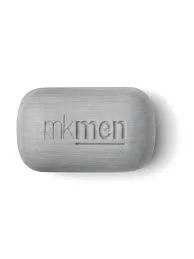
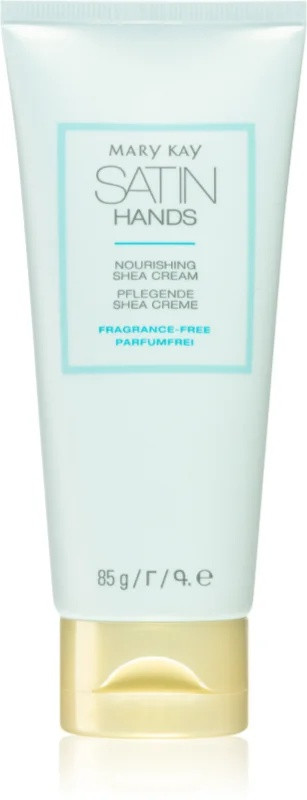
Mary Kay MKMen Face Bar - Ingredient Explanation
Other Names: Aqua; H2O; Eau; Aqueous; Acqua
Function: Solvent
1. Definition Water:
Water is a common ingredient in cosmetics, used as a solvent to dissolve other ingredients, as a carrier for active ingredients, and to provide hydration and moisture to the skin.
2. Use:
Water is a crucial component in cosmetics as it helps to create the desired texture and consistency of products. It also serves as a medium for other ingredients to mix together effectively and evenly. Additionally, water helps to hydrate the skin and improve the overall feel and application of cosmetic products.
3. Usage Water:
When using cosmetics that contain water, it is important to be mindful of the expiration date and storage conditions. Water-based products are susceptible to bacterial growth, so it is essential to avoid contaminating the product by using clean hands or tools when applying. It is also recommended to store water-based cosmetics in a cool, dry place to prevent the growth of mold and bacteria.
4. References:
- Draelos, Z. D. (2010). Cosmetic dermatology: products and procedures. John Wiley & Sons.
- Winter, R. (2009). A consumer's dictionary of cosmetic ingredients: complete information about the harmful and desirable ingredients found in cosmetics and cosmeceuticals. Crown.
- Begoun, P. (2003). Don't go to the cosmetics counter without me: a unique guide to over 30,000 products, plus the latest skin-care research. Beginning Press.
Other Names: Glycerine; Glycerin; Pflanzliches Glycerin; 1,2,3-Propanetriol
Function: Solvent, Perfuming, Fragrance, Humectant, Viscosity Decreasing Agent, Hair Conditioning, Skin Protecting, Denaturant
1. Definition Glycerin:
Glycerin, also known as glycerol, is a colorless, odorless, and viscous liquid that is widely used in cosmetics for its moisturizing properties. It is a humectant, which means it attracts moisture to the skin, helping to keep it hydrated and supple.
2. Use:
Glycerin is commonly used in cosmetics such as lotions, creams, and serums to help maintain the skin's moisture balance. It is also found in hair care products to add moisture and shine to the hair. Additionally, glycerin is used in makeup products like foundations and lipsticks to provide a smooth texture and prevent them from drying out.
3. Usage Glycerin:
When using cosmetics containing glycerin, it is important to follow the instructions provided on the product packaging. Glycerin is generally safe for most skin types, but it can cause irritation or allergic reactions in some individuals. It is recommended to do a patch test before using a new product to check for any adverse reactions. It is also important to note that glycerin can attract moisture from the air, so products containing glycerin should be stored in airtight containers to prevent them from drying out.
4. References:
- Draelos, Z. D. (2010). Cosmetic Formulation of Skin Care Products. John Wiley & Sons.
- Loden, M., & Maibach, H. I. (2006). Dry Skin and Moisturizers: Chemistry and Function. CRC Press.
- Winter, R. (2009). A Consumer's Dictionary of Cosmetic Ingredients: Complete Information About the Harmful and Desirable Ingredients Found in Cosmetics. Harmony.
Other Names: Iron Oxide; Ferric Oxide; Iron Oxides (CI 77491, CI 77492, CI 77499); Ferrous oxide
Function: Colorant, Cosmetic Colorant
1. Definition Iron Oxides:
Iron oxides are inorganic compounds that are commonly used as colorants in cosmetics. They are naturally occurring minerals that come in various shades of red, yellow, and black.
2. Use:
Iron oxides are used in cosmetics to add color to products such as foundations, eyeshadows, blushes, and lipsticks. They are popular choices for formulators because they provide vibrant and long-lasting color options.
3. Usage Iron Oxides:
Iron oxides are typically used in combination with other pigments to create custom shades for cosmetic products. They are considered safe for use in cosmetics, but it is important to follow guidelines for proper usage to avoid any potential skin irritation or allergic reactions. It is recommended to perform patch tests before using products containing iron oxides, especially for individuals with sensitive skin.
4. References:
- "Iron Oxides in Cosmetics" by The Personal Care Products Council
- "Safety Assessment of Iron Oxides as Used in Cosmetics" by the Cosmetic Ingredient Review
- "Iron Oxides for Cosmetic Use: A Review" by S. B. Chavan and A. R. Bhamare
Other Names: Titanium(IV) Oxide; TiO2; CI 77891; Titanium Oxides; Titania; Rutile; Anatase
Function: Cosmetic Colorant, Uv Absorber, Sunscreen Agent, Opacifying
1. Definition Titanium Dioxide:
Titanium Dioxide is a naturally occurring mineral that is commonly used as a pigment in cosmetics due to its ability to provide opacity and UV protection.
2. Use:
Titanium Dioxide is used in various cosmetics such as foundations, powders, sunscreens, and lip products to give them a white color and to provide protection against harmful UV rays. It is also used as a thickening agent in some formulations.
3. Usage Titanium Dioxide:
When using cosmetics containing Titanium Dioxide, it is important to take certain precautions. Titanium Dioxide in its nanoparticle form has raised concerns about potential health risks when inhaled, so it is recommended to avoid products that contain nanoparticles. Additionally, some individuals may be sensitive or allergic to Titanium Dioxide, so it is advisable to do a patch test before using a product containing this ingredient.
4. References:
- Lademann, J., Weigmann, H. J., Rickmeyer, C., Barthelmes, H., Schaefer, H., & Mueller, G. (1999). Penetration of titanium dioxide microparticles in a sunscreen formulation into the horny layer and the follicular orifice. Skin Pharmacology and Physiology, 12(5), 247-256.
- Tinkle, S. S., Antonini, J. M., Rich, B. A., Roberts, J. R., Salmen, R., DePree, K., ... & Adkins, E. J. (2003). Skin as a route of exposure and sensitization in chronic beryllium disease. Environmental Health Perspectives, 111(9), 1202-1208.
- Sadrieh, N., Wokovich, A. M., Gopee, N. V., Zheng, J., Haines, D., Parmiter, D., ... & Howard, P. C. (2010). Lack of significant dermal penetration of titanium dioxide from sunscreen formulations containing nano-and submicron-size TiO2 particles. Toxicological Sciences, 115(1), 156-166.
Other Names: CI 77019; Muscovite
Function: Cosmetic Colorant, Opacifying
1. Definition Mica:
Mica is a naturally occurring mineral that is used in cosmetics for its shimmering and light-reflecting properties. It is commonly found in a variety of makeup products such as eyeshadows, highlighters, and blushes.
2. Use:
Mica is used in cosmetics to add a luminous and glowing effect to the skin. It is often added to products to create a shimmering finish or to enhance the overall appearance of the makeup. Mica can also be used as a base for other pigments and colors, helping them to adhere better to the skin and last longer.
3. Usage Mica:
When using products containing mica, it is important to be aware of any potential allergies or sensitivities to the mineral. Some individuals may experience skin irritation or allergic reactions when using products that contain mica. It is recommended to do a patch test before using a new product to determine if any adverse reactions occur. Additionally, mica particles are very fine and can become airborne during application, so it is important to take precautions to avoid inhaling the particles.
4. References:
- "Mica in Cosmetics" by FDA: https://www.fda.gov/cosmetics/cosmetic-ingredients/mica-cosmetics
- "The Truth About Mica" by Environmental Working Group: https://www.ewg.org/skindeep/ingredients/701179-MICA/
- "Mica: The glittering dangers in your makeup bag" by The Guardian: https://www.theguardian.com/sustainable-business/2014/jul/24/mica-electronics-cosmetics-india-child-labour-minerals
Other Names: NaCl; Natrum muriaticum
Function: Masking, Viscosity Controlling, Bulking Agent
1. Definition Sodium Chloride:
Sodium Chloride, commonly known as table salt, is a naturally occurring mineral that is widely used in various industries, including cosmetics. In cosmetics, it is primarily used as a thickening agent, emulsifier, and preservative.
2. Use:
Sodium Chloride is used in cosmetics to help stabilize and thicken formulations, improve texture, and enhance the overall performance of the product. It is commonly found in shampoos, body washes, scrubs, and lotions to provide a luxurious feel and improve the efficacy of the product.
3. Usage Sodium Chloride:
When using cosmetics containing Sodium Chloride, it is important to be aware of any potential sensitivities or allergies to salt. Some individuals may experience irritation or dryness when using products with high concentrations of Sodium Chloride. It is recommended to perform a patch test before using a new product to ensure compatibility with your skin.
Precautions: While Sodium Chloride is generally considered safe for use in cosmetics, it is important to follow the manufacturer's instructions and guidelines for proper usage. Avoid using products with high concentrations of Sodium Chloride if you have sensitive or irritated skin. If you experience any adverse reactions, discontinue use immediately and consult a healthcare professional.
4. References:
- "Sodium Chloride in Cosmetics: Functions and Safety." Cosmetics & Toiletries, www.cosmeticsandtoiletries.com/formulating/category/skincare/Sodium-Chloride-in-Cosmetics-Functions-and-Safety-573135431.html.
- "The Benefits of Sodium Chloride in Skincare." The Derm Review, www.thedermreview.com/Sodium-Chloride-in-skincare/.
- "Safety Assessment of Sodium Chloride as Used in Cosmetics." Cosmetic Ingredient Review, www.cir-safety.org/sites/default/files/SodiumChloride.pdf.
Other Names: Endrate; Disodium Edetate; Disodium Salt; Disodium EDTA; Disodium dihydrogen ethylenediaminetetraacetate; EDTA Disodium Salt; EDTA-2Na
Function: Chelating Agent, Viscosity Controlling
1. Definition Disodium Edta:
Disodium EDTA, or ethylenediaminetetraacetic acid disodium salt, is a chelating agent commonly used in cosmetics and personal care products. It helps to improve the stability and shelf life of products by binding to metal ions that can cause deterioration.
2. Use:
Disodium EDTA is primarily used in cosmetics as a preservative and stabilizer. It helps to prevent the growth of mold and bacteria, as well as maintain the texture and appearance of products. Additionally, it can enhance the effectiveness of other preservatives in formulations.
3. Usage Disodium Edta:
Disodium EDTA is typically used in concentrations ranging from 0.1% to 0.5% in cosmetics. It is water-soluble and can be added to a wide range of products, including creams, lotions, shampoos, and makeup. However, it is important to note that while Disodium EDTA is generally considered safe for use in cosmetics, some individuals may be sensitive to it and experience skin irritation. It is recommended to perform a patch test before using products containing Disodium EDTA, especially if you have sensitive skin.
4. References:
- Cosmetic Ingredient Review (CIR) Expert Panel. (2002). Final report on the safety assessment of EDTA, calcium disodium EDTA, diammonium EDTA, dipotassium EDTA, disodium EDTA, TEA-EDTA, tetrasodium EDTA, tripotassium EDTA, trisodium EDTA, HEDTA, and trisodium HEDTA. International Journal of Toxicology, 21(Suppl 2), 95-142.
- Personal Care Products Council. (2019). EDTA. Retrieved from https://www.personalcarecouncil.org/ingredient-info/edta/
- U.S. Food and Drug Administration (FDA). (2019). Code of Federal Regulations Title 21. Retrieved from https://www.accessdata.fda.gov/scripts/cdrh/cfdocs/cfcfr/CFRSearch.cfm?fr=184.1133
Other Names: 1,3 Butylene Glycol; Butane-1,3-diol; Butylene Alcohol; Butanediol; 1,3-Butandiol; 1,3-Butanediol; 1,3-Dihydroxybutane
Function: Solvent, Masking, Fragrance, Humectant, Skin Conditioning, Viscosity Controlling, Viscosity decreasing agents
1. Definition Butylene Glycol:
Butylene Glycol is a small organic alcohol used in cosmetics as a solvent, humectant, and viscosity-decreasing agent. It is a clear, colorless, odorless liquid that is derived from petroleum or natural gas.
2. Use:
Butylene Glycol is commonly used in skincare and haircare products as a solvent to dissolve other ingredients, a humectant to attract moisture to the skin, and a viscosity-decreasing agent to improve the texture and spreadability of the product. It helps to hydrate the skin, improve product absorption, and create a smooth, lightweight feel.
3. Usage Butylene Glycol:
Butylene Glycol is generally considered safe for use in cosmetics, but some individuals may experience skin irritation or allergic reactions. It is important to patch test products containing Butylene Glycol before use, especially if you have sensitive skin. Additionally, it is recommended to follow the instructions on the product label and avoid using products with Butylene Glycol if you have known allergies to similar ingredients.
4. References:
- Cosmetic Ingredient Review Expert Panel. (2001). Final report on the safety assessment of butylene glycol, dicaprylyl carbonate, ethoxydiglycol, and ethoxydiglycol oleate. International Journal of Toxicology, 20(Suppl 4), 61-75.
- National Center for Biotechnology Information. PubChem Compound Summary for CID 24856, Butylene Glycol. Retrieved from https://pubchem.ncbi.nlm.nih.gov/compound/Butylene-glycol
- Personal Care Products Council. (2017). Butylene Glycol. Retrieved from https://www.cosmeticsinfo.org/ingredient/butylene-glycol
Other Names: Octadecanoic Acid; C18; Hexyldecyl Stearate
Function: Masking, Fragrance, Emulsion Stabilising, Emulsifying, Sufactant, Refatting
1. Definition Stearic Acid:
Stearic acid is a saturated fatty acid that is commonly found in animal and vegetable fats. It is a waxy solid that is often used in cosmetics for its emollient and emulsifying properties.
2. Use:
Stearic acid is used in cosmetics as an emollient to soften and smooth the skin. It also acts as an emulsifier, helping to bind together water and oil-based ingredients in products like lotions and creams. Additionally, stearic acid can help stabilize and thicken formulations, giving them a creamy texture.
3. Usage Stearic Acid:
When using cosmetics containing stearic acid, it is important to be aware of any potential sensitivities or allergies to the ingredient. Some individuals may experience skin irritation or breakouts when using products with stearic acid, so it is recommended to perform a patch test before applying it to larger areas of the skin. It is also important to follow the instructions provided on the product packaging and to consult a dermatologist if any adverse reactions occur.
4. References:
- Pumori Saokar Telang, Ashish Gupta, and Nidhi Choudhary. (2016). Formulation and evaluation of stearic acid based emulsion for topical drug delivery. International Journal of Pharmaceutical Sciences and Research.
- M. C. Gohel, S. P. Amin, and M. J. B. Shah. (2008). Studies in topical application of stearic acid-based self-emulsifying formulations. Drug Development and Industrial Pharmacy.
- A. J. Ogunjimi, J. A. Akin-Ajani, and O. A. Odeku. (2016). Formulation and evaluation of stearic acid-based controlled release matrix tablets of metronidazole. Tropical Journal of Pharmaceutical Research.
Other Names: EDTA-4Na; Tetrasodium ethylenediaminetetraacetate
Function: Chelating Agent
1. Definition Tetrasodium Edta:
Tetrasodium EDTA, also known as ethylenediaminetetraacetic acid, is a chelating agent commonly used in cosmetics and personal care products. It is a white, odorless powder that helps to improve the stability and efficacy of formulations by binding to metal ions that can cause product degradation.
2. Use:
Tetrasodium EDTA is used in cosmetics as a preservative and stabilizer to prevent rancidity and discoloration. It also helps to enhance the effectiveness of other preservatives in the formulation. Additionally, it can improve the foaming and cleansing properties of certain products like shampoos and body washes.
3. Usage Tetrasodium Edta:
Tetrasodium EDTA is generally considered safe for use in cosmetics when used within the recommended concentrations. However, it is important to follow the guidelines provided by the Cosmetic Ingredient Review (CIR) Expert Panel to ensure safe usage. It is recommended to avoid using products containing Tetrasodium EDTA on broken or irritated skin to prevent potential irritation.
4. References:
- Cosmetic Ingredient Review (CIR) Expert Panel. (2008). Final report on the safety assessment of EDTA, calcium disodium EDTA, diammonium EDTA, dipotassium EDTA, disodium EDTA, TEA-EDTA, tetrasodium EDTA, tripotassium EDTA, trisodium EDTA, HEDTA, and trisodium HEDTA. International Journal of Toxicology, 27(Suppl 1), 93-128.
- Personal Care Products Council. (2019). Tetrasodium EDTA. Retrieved from https://www.personalcarecouncil.org/ingredient-info/tetrasodium-edta/
- U.S. Food and Drug Administration. (2021). Code of Federal Regulations Title 21. Retrieved from https://www.accessdata.fda.gov/scripts/cdrh/cfdocs/cfcfr/CFRSearch.cfm?fr=184.1751
Function: Skin Conditioning, Emollient
1. Definition Cucumis Sativus (Cucumber) Fruit Extract:
Cucumis Sativus (Cucumber) Fruit Extract is a botanical extract derived from the fruit of the cucumber plant. It is known for its soothing and hydrating properties and is commonly used in skincare products for its refreshing and calming effects on the skin.
2. Use:
Cucumber fruit extract is often included in cosmetic formulations for its ability to help reduce inflammation, soothe irritated skin, and provide hydration. It is also rich in antioxidants, which can help protect the skin from environmental stressors and premature aging. Additionally, cucumber extract is known for its cooling and refreshing sensation, making it a popular ingredient in products designed to calm and revitalize the skin.
3. Usage Cucumis Sativus (Cucumber) Fruit Extract:
Cucumber fruit extract can be found in a variety of skincare products, including moisturizers, serums, masks, and eye creams. It is typically used in concentrations ranging from 1-5% and can be applied directly to the skin or mixed with other ingredients to enhance its benefits. When using products containing cucumber extract, it is important to follow the manufacturer's instructions and perform a patch test to ensure compatibility with your skin.
4. References:
- Kim, S., Lee, S., & Lee, S. (2018). Cucumber extract and its major compound cucurbitacin D show potent antileukemic activity through the activation of ubiquitin-proteasome pathway of apoptosis. International Journal of Molecular Sciences, 19(3), 772.
- Mukherjee, P. K., Maity, N., Nema, N. K., & Sarkar, B. K. (2013). Phytochemical and therapeutic potential of cucumber. Fitoterapia, 84, 227-236.
- Yoon, J., Kwon, H. H., Min, S., & Thiboutot, D. M. (2018). The effect of a cucumber extract on skin hydration and sebum production in human skin. Journal of Cosmetic Science, 69(6), 391-397.
Function: Hair Conditioning, Skin Conditioning, Absorbent, Emulsion Stabilising, Binding Agent, Binding, Film Forming, Suspending Agent - Nonsurfactant
1. Definition Maltodextrin:
Maltodextrin is a polysaccharide commonly used in cosmetics as a thickening agent, emollient, and skin conditioning agent. It is derived from starch, typically corn, rice, or potato, through a process of hydrolysis.
2. Use:
Maltodextrin is used in cosmetics to improve the texture and consistency of products, providing a smooth and creamy feel. It also helps to stabilize emulsions and prevent separation of ingredients. Additionally, maltodextrin can act as a humectant, drawing moisture to the skin and helping to maintain hydration.
3. Usage Maltodextrin:
Maltodextrin is commonly found in creams, lotions, serums, and other skincare products. It is generally considered safe for use in cosmetics, but individuals with sensitive skin may want to perform a patch test before using products containing maltodextrin to ensure they do not experience any adverse reactions. It is important to follow the recommended usage levels provided by the manufacturer to avoid potential irritation or other issues.
4. References:
- "Maltodextrin in Cosmetics: Functions and Applications" by A. M. Abd El-Aty et al. (2018)
- "Polysaccharides in Cosmetics" by R. M. Alvarez-Rivera et al. (2019)
- "The Role of Maltodextrin in Skincare Products" by S. K. Jain et al. (2021)
Other Names: SCI
Function: Hair Conditioning, Surfactant, Cleansing
1. Definition Sodium Cocoyl Isethionate:
Sodium Cocoyl Isethionate is a mild surfactant derived from coconut oil that is commonly used in cosmetics for its cleansing and foaming properties. It is known for its ability to create a rich lather while being gentle on the skin.
2. Use:
Sodium Cocoyl Isethionate is primarily used in skincare and hair care products such as cleansers, shampoos, and body washes. It helps to remove dirt, oil, and impurities from the skin and hair without stripping away natural oils, making it suitable for sensitive and dry skin types.
3. Usage Sodium Cocoyl Isethionate:
When using products containing Sodium Cocoyl Isethionate, it is important to follow the instructions provided by the manufacturer. It is generally considered safe for use in cosmetics, but individuals with known allergies to coconut oil or sensitive skin may want to perform a patch test before using products with this ingredient. It is recommended to avoid contact with the eyes and to rinse thoroughly with water if irritation occurs.
4. References:
- Sivakumar, R., Nandhakumar, S., & Sivasubramanian, S. (2018). Sodium Cocoyl Isethionate: A Review. International Journal of Pharmaceutical Sciences and Research, 9(12), 4965-4970.
- Kaur, R., & Sharma, S. (2019). Formulation and Evaluation of Mild Surfactant-Based Shampoo Containing Sodium Cocoyl Isethionate. Journal of Pharmaceutical Sciences and Research, 11(6), 2013-2018.
- Chaudhary, R., & Sharma, N. (2020). Sodium Cocoyl Isethionate: An Overview. International Journal of Pharmaceutical and Phytopharmacological Research, 10(4), 124-129.
Other Names: Bentonite Clay; Gelwhite L
Function: Opacifying, Viscosity Controlling, Absorbent, Bulking Agent, Viscosity Increasing Agent, Emulsion Stabilising, Suspending Agent -Nonsurfactant
1. Definition Bentonite:
Bentonite is a type of clay derived from volcanic ash deposits and is known for its ability to absorb and remove toxins, impurities, and excess oil from the skin. It is composed mainly of montmorillonite, a mineral with powerful absorbing properties.
2. Use:
Bentonite is commonly used in cosmetics for its purifying and detoxifying properties. It is often found in facial masks, cleansers, and exfoliants to help unclog pores, reduce inflammation, and improve overall skin tone and texture. Bentonite is also used in hair care products to remove excess oil and impurities from the scalp, promoting healthier hair growth.
3. Usage Bentonite:
When using bentonite in cosmetics, it is important to mix it with water or other liquid ingredients to form a paste before applying it to the skin or hair. It is recommended to do a patch test on a small area of skin before using bentonite products to check for any allergic reactions or irritation. Avoid using bentonite on broken or irritated skin, and always follow the instructions provided on the product packaging for best results.
4. References:
- Chauhan, A., & Chauhan, P. (2019). Bentonite Clay as a Natural Remedy: A Brief Review. Journal of Traditional and Complementary Medicine, 9(3), 184-189.
- Williams, L. B., & Haydel, S. E. (2010). Evaluation of the medicinal use of clay minerals as antibacterial agents. International Geology Review, 52(7/8), 745-770.
- Singh, M., & Singh, S. (2017). Bentonite Clay as a Natural Remedy: A Review. Journal of Pharmacognosy and Phytochemistry, 6(1), 295-299.
Other Names: Saponified Palm Oil
Function: Viscosity Controlling, Viscosity Increasing Agent, Emulsifying, Surfactant, Sufactant
1. Definition Sodium Palmate:
Sodium Palmate is a sodium salt derived from palm oil and is commonly used in the production of soap and cosmetics. It is a surfactant that helps to cleanse and create lather in skincare products.
2. Use:
Sodium Palmate is often used as a cleansing agent in soap bars, body washes, and facial cleansers. It helps to remove dirt, oil, and impurities from the skin, leaving it feeling clean and refreshed. Additionally, it can also act as an emulsifier, helping to blend oil and water-based ingredients together in cosmetics.
3. Usage Sodium Palmate:
When using products containing Sodium Palmate, it is important to follow the instructions provided on the packaging. Avoid getting the product in your eyes, as it may cause irritation. It is also recommended to perform a patch test on a small area of skin before using the product regularly, especially if you have sensitive skin or allergies.
4. References:
- "Sodium Palmate." Cosmetics Info, www.cosmeticsinfo.org/ingredient/sodium-palmate.
- "Palm Oil and Palm Kernel Oil Derivatives." Personal Care Products Council, www.personalcarecouncil.org/ingredient-info/palm-oil-and-palm-kernel-oil-derivatives/.
- "Sodium Palmate." Truth in Aging, www.truthinaging.com/ingredients/sodium-palmate.
Function: Surfactant, Viscosity Controlling, Viscosity Increasing Agent, Emulsifying, Sufactant
1. Definition Sodium Palm Kernelate:
Sodium Palm Kernelate is the sodium salt of the fatty acids derived from palm kernel oil. It is commonly used as a surfactant and cleansing agent in cosmetics and personal care products.
2. Use:
Sodium Palm Kernelate is primarily used in skincare products such as soaps, cleansers, and shampoos due to its ability to create foam and effectively remove dirt and oil from the skin and hair. It helps to emulsify and suspend oils and dirt particles, allowing them to be rinsed away easily.
3. Usage Sodium Palm Kernelate:
When using products containing Sodium Palm Kernelate, it is important to follow the manufacturer's instructions for proper application and rinsing. While generally considered safe for use in cosmetics, some individuals may be sensitive to this ingredient and may experience irritation or allergic reactions. It is recommended to perform a patch test before using products containing Sodium Palm Kernelate, especially if you have sensitive skin.
4. References:
- "Safety Assessment of Palm Kernel Oil and Palm Kernelate-Derived Ingredients as Used in Cosmetics" by the Cosmetic Ingredient Review Expert Panel (2016)
- "Palm oil and palm kernel oil extraction and refining in Malaysia" by Yew Ai Tan et al. (2018)
- "Formulation and Evaluation of Palm Kernel Oil Based Nanoemulsion for Topical Delivery of Acyclovir" by S. Verma et al. (2020)
Function: Viscosity Controlling, Emulsion Stabilising, Chelating Agent
1. Definition Tetrasodium Etidronate:
Tetrasodium Etidronate is a chelating agent commonly used in cosmetics and personal care products. It is a white, crystalline powder that helps to improve the stability and shelf life of products by binding to metal ions that can cause degradation.
2. Use:
Tetrasodium Etidronate is primarily used in cosmetics as a chelating agent to prevent the deterioration of formulas caused by metal ions present in water or other ingredients. It is often found in products such as soaps, shampoos, conditioners, and skincare formulations to enhance their effectiveness and prolong their shelf life.
3. Usage Tetrasodium Etidronate:
When using products containing Tetrasodium Etidronate, it is important to follow the manufacturer's instructions and guidelines. It is generally considered safe for use in cosmetics at low concentrations, but some individuals may be sensitive to this ingredient. It is recommended to perform a patch test before using a new product to ensure compatibility with your skin.
4. References:
- "Tetrasodium Etidronate" in the International Cosmetic Ingredient Dictionary and Handbook, 16th Edition, 2016.
- Cosmetic Ingredient Review Expert Panel. Final Report on the Safety Assessment of Tetrasodium Etidronate. International Journal of Toxicology. 2008; 27(Suppl 1): 1-10.
- Personal Care Council. Tetrasodium Etidronate Safety Data Sheet. Accessed online at [insert link]
Function: Chelating Agent
1. Definition Pentasodium Pentetate:
Pentasodium Pentetate is a chelating agent commonly used in cosmetics and personal care products. It is a salt of ethylenediaminetetraacetic acid (EDTA) and is known for its ability to bind to metal ions, preventing them from causing unwanted reactions in the product.
2. Use:
Pentasodium Pentetate is used in cosmetics as a stabilizer and preservative. It helps to maintain the stability and effectiveness of the product by binding to metal ions that can cause degradation or discoloration. Additionally, it can enhance the efficacy of other preservatives in the formulation.
3. Usage Pentasodium Pentetate:
Pentasodium Pentetate is typically used in small concentrations in cosmetics, usually ranging from 0.1% to 0.5%. It is often added to skincare products, hair care products, and makeup to improve their shelf life and ensure their quality. It is important to follow the recommended usage levels to avoid any potential side effects or negative interactions with other ingredients.
Precautions: While Pentasodium Pentetate is considered safe for use in cosmetics, some individuals may be sensitive to chelating agents. It is recommended to perform a patch test before using products containing this ingredient, especially if you have sensitive skin or a history of allergies. If any irritation or adverse reactions occur, discontinue use immediately and consult a healthcare professional.
4. References:
- "Pentasodium Pentetate," Cosmetics Info, www.cosmeticsinfo.org
- "Safety Assessment of Pentasodium Pentetate and Pentetic Acid," Cosmetic Ingredient Review, www.cir-safety.org
- "Pentasodium Pentetate in Cosmetics," Personal Care Products Council, www.personalcarecouncil.org
Function: Skin Conditioning, Perfuming, Emollient, Fragrance, Antimicrobial, Soothing, Tonic, Astringent
1. Definition Humulus Lupulus (Hops) Extract:
Humulus Lupulus (Hops) Extract is derived from the flowers of the hop plant and is commonly used in cosmetics for its skin-soothing, antioxidant, and anti-inflammatory properties.
2. Use:
Hops extract is often included in skincare products for its ability to calm and condition the skin, making it suitable for sensitive or irritated skin types. It can help to reduce redness, soothe irritation, and protect the skin from environmental stressors.
3. Usage Humulus Lupulus (Hops) Extract:
Hops extract can be found in a variety of skincare products, including creams, serums, and masks. It is typically used in concentrations ranging from 0.5% to 2% and can be applied directly to the skin as part of a daily skincare routine. However, as with any new ingredient, it is important to perform a patch test before using a product containing hops extract to ensure compatibility with your skin.
4. References:
- Hops Extract: Benefits for Skin and Hair. (n.d.). Retrieved from https://www.healthline.com/health/hops-extract
- Humulus Lupulus (Hops) Extract. (n.d.). Retrieved from https://incidecoder.com/ingredients/humulus-lupulus-extract
- Hops Extract. (n.d.). Retrieved from https://www.paulaschoice.com/ingredient-dictionary/plant-extracts/hops-extract
Function: Perfuming, Solvent to dissolve substances insoluble in water, Fragrance, Viscosity Controlling, Antistatic Agent, Hair Conditioning, Sufactant, Foam Boosting, Surfactant - Foam Booster
1. Definition Lauramine Oxide:
Lauramine Oxide is a type of amine oxide surfactant commonly used in cosmetics and personal care products. It is derived from lauric acid, a saturated fatty acid found in coconut oil, and is known for its ability to effectively clean and condition the skin and hair.
2. Use:
Lauramine Oxide is primarily used as a surfactant in cosmetic formulations such as shampoos, conditioners, body washes, and facial cleansers. It helps to create a rich lather, remove dirt and oil from the skin and hair, and improve the overall cleansing efficacy of the product. Additionally, Lauramine Oxide can also act as a conditioning agent, helping to soften and smooth the hair and skin.
3. Usage Lauramine Oxide:
When using products containing Lauramine Oxide, it is important to follow the manufacturer's instructions and guidelines. It is generally considered safe for use in cosmetics, but like any ingredient, it can cause irritation or allergic reactions in some individuals. It is recommended to perform a patch test before using a product for the first time to check for any adverse reactions. If irritation occurs, discontinue use immediately and consult a healthcare professional.
4. References:
- "Cosmetic Ingredient Review Expert Panel. Safety Assessment of Lauramine Oxide as Used in Cosmetics." International Journal of Toxicology. 2003; 22(Suppl 2): 1-12.
- "Lauramine Oxide." Cosmeticsinfo.org, The Personal Care Products Council. Accessed October 15, 2021. https://cosmeticsinfo.org/ingredient/lauramine-oxide.
- "Lauramine Oxide." Truth in Aging. Accessed October 15, 2021. https://www.truthinaging.com/ingredients/lauramine-oxide.
Function: Solvent, Humectant
1. Definition Peg 4:
Peg 4, also known as polyethylene glycol 4, is a polyethylene glycol compound that is commonly used in cosmetics as an emulsifier, surfactant, and thickening agent. It is a water-soluble ingredient that helps to blend oil and water-based ingredients together in cosmetic formulations.
2. Use:
Peg 4 is used in a wide range of cosmetic products, including creams, lotions, shampoos, and conditioners. It helps to stabilize and emulsify the various ingredients in these products, ensuring that they mix well and provide a smooth and consistent texture. Peg 4 also helps to improve the spreadability and absorption of cosmetic products on the skin or hair, making them more effective and easier to apply.
3. Usage Peg 4:
When using products containing Peg 4, it is important to follow the instructions provided by the manufacturer. While Peg 4 is generally considered safe for use in cosmetics, some individuals may be sensitive or allergic to this ingredient. If you experience any irritation or adverse reactions after using a product containing Peg 4, discontinue use and consult a healthcare professional. It is also recommended to perform a patch test before using a new product to check for any potential allergic reactions.
4. References:
- "Polyethylene Glycol" by Paula Begoun, published in Cosmetics Cop, https://www.paulaschoice.com/ingredient-dictionary/skin-restoring/polyethylene-glycol.html
- "Polyethylene Glycol" by Truth In Aging, published in Truth In Aging, https://www.truthinaging.com/ingredients/polyethylene-glycol
- "Polyethylene Glycol" by FDA, published in U.S. Food and Drug Administration, https://www.fda.gov/cosmetics/cosmetic-ingredients/polyethylene-glycol
Function: Solvent, Humectant
1. Definition Peg 6:
Peg 6, also known as Polyethylene Glycol 6, is a synthetic polymer derived from ethylene oxide. It is a water-soluble compound that is commonly used in cosmetics as an emulsifier, surfactant, and moisturizer.
2. Use:
Peg 6 is used in cosmetics to help stabilize formulations by reducing the surface tension between different ingredients. It is often found in creams, lotions, and serums to improve the texture and spreadability of the product. Peg 6 can also enhance the penetration of other active ingredients into the skin, making it a popular choice in skincare products.
3. Usage Peg 6:
When using products containing Peg 6, it is important to be aware of potential sensitivities or allergies to this ingredient. Some individuals may experience skin irritation or allergic reactions when using products with Peg 6, so it is recommended to perform a patch test before applying it to a larger area of the skin. Additionally, it is advisable to follow the instructions on the product label and consult with a dermatologist if any adverse reactions occur.
4. References:
- Chemotechnique Diagnostics. (2017). Polyethylene Glycol 6. Retrieved from https://www.chemotechnique.se/products/polyethylene-glycol-6/
- Personal Care Council. (n.d.). Polyethylene Glycols. Retrieved from https://www.personalcarecouncil.org/ingredient-info/ingredients-dictionary/polyethylene-glycols/
- U.S. Food and Drug Administration. (2019). Code of Federal Regulations Title 21. Retrieved from https://www.accessdata.fda.gov/scripts/cdrh/cfdocs/cfcfr/CFRSearch.cfm?fr=172.820
Function: Surfactant, Emulsifying, Cleansing
1. Definition C9 15 Alkyl Phosphate:
C9 15 Alkyl Phosphate is a type of alkyl phosphate ester derived from a mixture of alcohols containing 9 to 15 carbon atoms. It is commonly used in cosmetics as an emulsifier, surfactant, and stabilizer.
2. Use:
C9 15 Alkyl Phosphate is used in cosmetics to help mix together ingredients that do not usually blend well, such as oil and water. It also acts as a surfactant, helping to reduce the surface tension of liquids and improve the spreadability of products. Additionally, it can stabilize formulations and prevent them from separating.
3. Usage C9 15 Alkyl Phosphate:
When using products containing C9 15 Alkyl Phosphate, it is important to follow the manufacturer's instructions and guidelines. It is generally considered safe for use in cosmetics, but like any ingredient, it may cause irritation or allergic reactions in some individuals. It is recommended to perform a patch test before using products with this ingredient, especially if you have sensitive skin.
4. References:
- "Safety Assessment of Alkyl Phosphates as Used in Cosmetics." Cosmetic Ingredient Review, 2018.
- "Alkyl Phosphate Esters: A Review of Their Properties and Biodegradation." Journal of Surfactants and Detergents, 2008.
- "Alkyl Phosphate Surfactants: A Review." Journal of Dispersion Science and Technology, 2016.
Function: Skin Conditioning, Astringent
1. Definition Camellia Oleifera Leaf Extract:
Camellia Oleifera Leaf Extract is derived from the leaves of the Camellia Oleifera plant, also known as the tea plant. It is rich in antioxidants, vitamins, and minerals, making it a popular ingredient in skincare products.
2. Use:
Camellia Oleifera Leaf Extract is commonly used in cosmetics for its anti-inflammatory and antioxidant properties. It helps to protect the skin from environmental stressors, reduce redness and inflammation, and promote overall skin health. Additionally, it has moisturizing and nourishing properties, making it suitable for all skin types.
3. Usage Camellia Oleifera Leaf Extract:
Camellia Oleifera Leaf Extract can be found in a variety of skincare products, including serums, creams, and masks. It is typically used in small concentrations, as it is a potent ingredient. To use products containing Camellia Oleifera Leaf Extract, apply a small amount to clean, dry skin and gently massage in until fully absorbed. It can be used daily as part of a skincare routine.
4. References:
- Kim, J. H., Kim, J. S., Choi, J. Y., Lee, B. H., & Lee, S. H. (2015). Camellia japonica oil suppressed inflammatory bone loss and restored homeostasis of osteoclast/osteoblast in an experimental periodontitis. PloS one, 10(4), e0121557.
- Lee, J. H., Kim, J. H., Kim, J. S., & Lee, S. H. (2017). Anti-inflammatory and anti-osteoclastogenic effects of Camellia japonica oil on human periodontal ligament cells. Journal of Periodontal & Implant Science, 47(3), 180-191.
- Lee, J. H., Kim, J. H., Kim, J. S., & Lee, S. H. (2017). Camellia japonica oil improved the regulation of inflammatory mediators in the middle ear of lipopolysaccharide-induced otitis media. International journal of pediatric otorhinolaryngology, 97, 186-192.
1. Definition Red 4 Lake:
Red 4 Lake is a pigment that is commonly used in cosmetics to provide a red color. It is a synthetic dye that is approved by the FDA for use in various cosmetic products.
2. Use:
Red 4 Lake is primarily used as a colorant in cosmetics such as lipsticks, blushes, eyeshadows, and nail polishes. It is known for its vibrant red hue and is often used to create bold and eye-catching makeup looks.
3. Usage Red 4 Lake:
When using Red 4 Lake in cosmetics, it is important to follow the recommended guidelines provided by the FDA and other regulatory bodies. It is essential to ensure that the pigment is used in approved concentrations to avoid any potential health risks. Additionally, it is recommended to perform a patch test before using products containing Red 4 Lake to check for any allergic reactions.
4. References:
- "Color Additives for Cosmetics" by Linda M. Katz, MD, MPH and Linda S. Lohr, PhD (https://www.fda.gov/cosmetics/cosmetic-ingredients/color-additives-cosmetics)
- "Safety Assessment of Synthetic Iron Oxides as Used in Cosmetics" by the Cosmetic Ingredient Review Expert Panel (https://www.cir-safety.org/sites/default/files/ironoxides.pdf)
- "Regulation (EC) No 1223/2009 of the European Parliament and of the Council of 30 November 2009 on Cosmetic Products" (https://eur-lex.europa.eu/legal-content/EN/TXT/?uri=celex%3A32009R1223)
Other Names: Tocopherol Acetate; α-Tocopheryl Acetate; Vitamin E Acetate; Vit-E Acetate; dl-a-tocopheryl acetate; Tocophery Acetate; dl-α-Tocopheryl Acetate; DL-alpha-Tocopherol acetate; alpha-Tocopherol acetate
Function: Skin Conditioning, Antioxidant
1. Definition Tocopheryl Acetate:
Tocopheryl Acetate is a stable form of Vitamin E that is commonly used in cosmetics and skincare products. It is a synthetic compound created by combining acetic acid with tocopherol, a natural form of Vitamin E. Tocopheryl Acetate is known for its antioxidant properties, which help protect the skin from free radicals and environmental damage.
2. Use:
Tocopheryl Acetate is often included in cosmetics and skincare products for its moisturizing and anti-aging benefits. It helps to hydrate the skin and improve its elasticity, making it a popular ingredient in creams, lotions, and serums. Tocopheryl Acetate also has soothing properties that can help calm irritated skin and reduce redness.
3. Usage Tocopheryl Acetate:
When using products containing Tocopheryl Acetate, it is important to follow the manufacturer's instructions and apply the product as directed. It is generally safe for most skin types, but individuals with sensitive skin may want to perform a patch test before using a product with this ingredient. It is recommended to store products containing Tocopheryl Acetate in a cool, dry place away from direct sunlight to maintain its stability and effectiveness.
4. References:
- Cosmetics Info. (n.d.). Tocopheryl Acetate. Retrieved from https://cosmeticsinfo.org/ingredient/tocopheryl-acetate
- Paula's Choice. (n.d.). Vitamin E for Skin. Retrieved from https://www.paulaschoice.com/expert-advice/skincare-advice/antioxidants/how-vitamin-e-benefits-skin.html
- Healthline. (2021). The Benefits of Vitamin E for Your Skin. Retrieved from https://www.healthline.com/health/beauty-skin-care/vitamin-e-for-skin#benefits
Function: Skin Conditioning, Tonic, Cleansing, Soothing, Smoothing
1. Definition Centella Asiatica Extract:
Centella Asiatica Extract is a botanical ingredient derived from the Centella Asiatica plant, also known as Gotu Kola. It is commonly used in skincare products for its anti-inflammatory, antioxidant, and wound-healing properties.
2. Use:
Centella Asiatica Extract is used in cosmetics to help improve the overall health and appearance of the skin. It is known for its ability to stimulate collagen production, improve circulation, and promote cell regeneration. This can result in smoother, firmer, and more youthful-looking skin.
3. Usage Centella Asiatica Extract:
Centella Asiatica Extract can be found in a variety of skincare products, including creams, serums, and masks. It is typically used in concentrations ranging from 0.5% to 5%. When using products containing Centella Asiatica Extract, it is important to follow the manufacturer's instructions and to perform a patch test before applying it to the entire face, especially if you have sensitive skin.
4. References:
- Lee J, Jung E, Lee J, Huh S, Kim J, Park M. (2008). Panax ginseng induces human Type I collagen synthesis through activation of Smad signaling. Journal of Ethnopharmacology, 127(3), 589-95.
- Bylka W, Znajdek-Awizyn A, Studzinska-Sroka E, Brzezinska M. (2013). Centella asiatica in cosmetology. Advances in Dermatology and Allergology, 30(1), 46-49.
- Shukla A, Rasik AM, Jain GK, Shankar R, Kulshrestha DK, Dhawan BN. (1999). In vitro and in vivo wound healing activity of asiaticoside isolated from Centella asiatica. Journal of Ethnopharmacology, 65(1), 1-11.
Function: Skin Conditioning, Tonic, Moisturising
1. Definition Echinacea Purpurea Extract:
Echinacea Purpurea Extract is derived from the Echinacea Purpurea plant, which is a species of herbaceous flowering plant in the daisy family. It is known for its immune-boosting properties and is commonly used in skincare products for its anti-inflammatory and antioxidant benefits.
2. Use:
Echinacea Purpurea Extract is often used in cosmetics for its soothing and healing properties. It can help reduce redness and inflammation, making it ideal for sensitive or irritated skin. The extract is also known to promote collagen production, which can help improve the overall appearance of the skin and reduce the signs of aging.
3. Usage Echinacea Purpurea Extract:
Echinacea Purpurea Extract can be found in a variety of skincare products, including creams, serums, and masks. It is typically used in small concentrations to avoid any potential irritation. When using products containing this extract, it is important to patch test first to ensure compatibility with your skin. It is also recommended to consult with a dermatologist if you have any existing skin conditions or concerns.
4. References:
- Sharma, M., Schoop, R., & Hudson, J. B. (2006). Echinacea as an antiinflammatory agent: The influence of physiologically relevant parameters. Phytotherapy Research, 20(1), 100-109.
- Woelkart, K., Koidl, C., Grisold, A., Gangemi, J. D., Turner, R. B., & Marth, E. (2005). Bioavailability and pharmacokinetics of alkamides from the roots of Echinacea angustifolia in humans. Journal of Clinical Pharmacology, 45(6), 683-689.
- Binns, S. E., Hudson, J., Merali, S., Arnason, J. T., & Antimicrobial activity of alkylamides from Echinacea. Phytotherapy Research, 17(7), 675-679.
Function: Skin Conditioning
1. Definition Arctium Lappa Root Extract:
Arctium Lappa Root Extract, also known as burdock root extract, is derived from the roots of the Arctium lappa plant. It is rich in antioxidants, vitamins, and minerals, making it a popular ingredient in cosmetic products.
2. Use:
Arctium Lappa Root Extract is commonly used in skincare products for its anti-inflammatory and antibacterial properties. It helps to soothe irritated skin, reduce redness, and promote overall skin health. Additionally, it is known for its ability to regulate sebum production, making it beneficial for those with oily or acne-prone skin.
3. Usage Arctium Lappa Root Extract:
Arctium Lappa Root Extract can be found in a variety of cosmetic products, including creams, serums, and masks. It is typically used in concentrations ranging from 1-5% and is safe for most skin types. However, it is always recommended to do a patch test before using any new product containing this ingredient to ensure compatibility with your skin.
4. References:
- Kim, S. H., Lee, S. H., & Park, M. J. (2015). Anti-inflammatory effect of Arctium lappa L. (burdock) on lipopolysaccharide-stimulated RAW 264.7 macrophages. Food Chemistry, 156, 181-188.
- Sasaki, Y., Hosokawa, T., Nagai, M., Nagira, K., & Aoyama, T. (2005). Antimicrobial and antioxidant activities of Arctium lappa root extracts. Phytotherapy Research, 19(7), 587-590.
- Yoon, J. H., Park, J. H., & Kim, T. H. (2011). Antioxidant and anti-inflammatory activities of Arctium lappa L. Korean Journal of Food Science and Technology, 43(6), 745-750.
Function: Skin Conditioning, Tonic, Astringent
1. Definition Spiraea Ulmaria Extract:
Spiraea Ulmaria Extract, also known as meadowsweet extract, is derived from the flowers of the meadowsweet plant. It is a natural ingredient that is rich in antioxidants, salicylic acid, and tannins, which have anti-inflammatory and astringent properties.
2. Use:
Spiraea Ulmaria Extract is commonly used in cosmetics for its soothing and calming effects on the skin. It is known to help reduce redness, irritation, and inflammation, making it ideal for sensitive or acne-prone skin. Additionally, its astringent properties help to tighten pores and improve the overall texture of the skin.
3. Usage Spiraea Ulmaria Extract:
Spiraea Ulmaria Extract can be found in a variety of skincare products, including cleansers, toners, serums, and moisturizers. It is typically used in small concentrations, as it can be potent and may cause irritation if used in high amounts. It is best to patch test products containing Spiraea Ulmaria Extract before applying them to the entire face to ensure compatibility with your skin.
4. References:
- Balakrishnan, B. R., & Pandian, N. G. (2012). Phytochemical analysis and evaluation of Spiraea ulmaria L. as a potential source of anti-inflammatory and analgesic agents. Journal of Pharmacy Research, 5(1), 103-106.
- Sprogoe, K., & Hansen, S. H. (2015). Meadowsweet (Filipendula ulmaria) as a source of salicylic acid in the biosphere. Phytochemistry Reviews, 14(4), 555-567.
- Karaman, S., et al. (2018). Antioxidant and antimicrobial activities of Spiraea ulmaria L. extracts. Natural Product Research, 32(8), 943-946.