Analysis locked
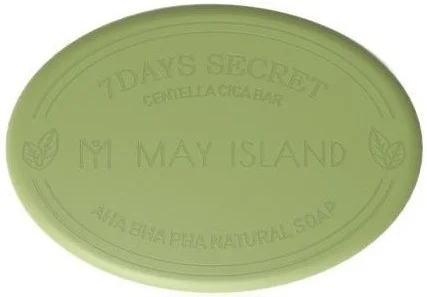
How well does your skin match with MAY ISLAND 7 Days Secret Centella Cica Pore Cleansing Bar?
Login to see detailsOr continue via
Quick 1-minute survey • Completely free
Ingredients
Analysis results of Ingredients
Ingredient List
| EWG | CIR | Ingredient Name & Cosmetic Function | Notes |
|---|---|---|---|
| 1 | A | (Surfactant, Emulsifying, Cleansing) | Cleansing |
| 1 | A | (Solvent, Skin Conditioning, Masking, Emollient, Fragrance, Hair Conditioning) | Bad for oily skin Fungal Acne Trigger |
| 1 | - | | |
| 1 | A | (Skin Conditioning) | Fungal Acne Trigger |
| 1 | A | Fungal Acne Trigger | |
| 1 | A | Bad for oily skin Fungal Acne Trigger | |
| 1 | A | (Skin Conditioning, Viscosity Controlling, Viscosity Increasing Agent, Binding Agent, Binding) | |
| 1 | B | (Humectant, Hair Conditioning, Skin Conditioning, Antistatic Agent) | Good for dry skin |
| 1 | A | (Humectant, Skin Conditioning, Antistatic Agent, Viscosity Increasing Agent, Moisturising) | Promotes Wound Healing Moisturizing |
| 2 3 | A | (Skin Conditioning, Antioxidant) | Anti Aging |
| 8 | - | (Masking, Perfuming, Deodorant) | Fragrance-free |
| 1 4 | B | (Fragrance, pH adjusting agent, pH adjusting agent) | |
| 1 | - | (pH adjusting agent, pH adjusting agent) | Anti Aging |
| 1 | - | (Skin Conditioning, Antistatic Agent, Hair Conditioning) | |
| 5 | - | (Perfuming, Humectant, Skin Conditioning, Antioxidant) | Brightening Acne fighting |
| - | - | (Skin Conditioning) | Brightening |
| 1 | - | (Skin Conditioning) | |
| - | - | (Skin Conditioning) | |
| 1 | - | | |
| 1 | - | (Skin Protecting) | Moisturizing |
| 1 | - | (Skin Conditioning) | |
| 1 | - | (Skin Conditioning) | |
| 1 | - | (Skin Conditioning, Tonic) | |
| - | - | (Skin Conditioning) | |
| 1 | B | (Skin Conditioning, Tonic, Cleansing, Soothing, Smoothing) | Promotes Wound Healing Cleansing |
| 1 | - | (Skin Conditioning) | |
| 1 | - | (Skin Conditioning) | |
| 1 | - | (Skin Conditioning, Hair Conditioning, Hair Waving Or Straightening) | |
| 1 | A | (Skin Conditioning, Masking, Perfuming) | |
| - | - | (Emollient, Skin Protecting, Soothing) | Moisturizing |
| 1 | - | | |
| 1 | - | (Surfactant, Cleansing) | Cleansing |
| - | - | Brassica Napus Flower Extract (Skin Conditioning) | |
| 1 | - | (Skin Conditioning) | |
| 1 2 | - | (Chelating Agent) | |
| 1 | - | (Skin Conditioning) | |
| 1 | - | |
MAY ISLAND 7 Days Secret Centella Cica Pore Cleansing Bar - Ingredient Explanation
Sodium Cocoate
1. Definition Sodium Cocoate:
Sodium Cocoate is the sodium salt of coconut oil fatty acids. It is commonly used in cosmetics as a surfactant and cleansing agent.2. Use:
Sodium Cocoate is used in a variety of cosmetic products such as soaps, shampoos, and facial cleansers. It helps to create lather and effectively remove dirt and oils from the skin and hair.3. Usage Sodium Cocoate:
When using products containing Sodium Cocoate, it is important to follow the manufacturer's instructions. Avoid contact with eyes, as it may cause irritation. It is recommended to rinse thoroughly with water if contact occurs. Additionally, individuals with sensitive skin may want to perform a patch test before using products with Sodium Cocoate to ensure there are no adverse reactions.4. References:
- "Sodium Cocoate." Cosmetics Info, www.cosmeticsinfo.org/ingredient/sodium-cocoate.
- "Coconut Oil." Healthline, www.healthline.com/nutrition/coconut-oil.
- "The Benefits of Using Coconut Oil in Cosmetics." The Derm Review, www.thedermreview.com/coconut-oil-in-cosmetics/.
Cocos Nucifera (Coconut) Oil
1. Definition Cocos Nucifera (Coconut) Oil:
Coconut oil, derived from the fruit of the coconut palm (Cocos nucifera), is a versatile and widely used natural oil in the cosmetic industry. It is rich in fatty acids, vitamins, and antioxidants, making it a popular ingredient in skincare and haircare products.2. Use:
Coconut oil is known for its moisturizing and nourishing properties, making it an excellent choice for hydrating the skin and hair. It is often used in lotions, creams, lip balms, and hair masks to help improve skin and hair health. Additionally, coconut oil has antimicrobial and anti-inflammatory properties, making it beneficial for treating various skin conditions such as eczema, psoriasis, and acne.3. Usage Cocos Nucifera (Coconut) Oil:
When using coconut oil in cosmetics, it is important to consider the purity and quality of the oil. Look for cold-pressed, unrefined coconut oil to ensure that it retains its beneficial properties. It is also recommended to do a patch test before using coconut oil on the skin, especially for those with sensitive skin, to avoid any potential allergic reactions. Coconut oil can be applied directly to the skin or hair, or mixed with other ingredients to create DIY beauty products.4. References:
- Rele, A. S., & Mohile, R. B. (2003). Effect of mineral oil, sunflower oil, and coconut oil on prevention of hair damage. Journal of cosmetic science, 54(2), 175-192.
- Evangelista, M. T., Abad-Casintahan, F., & Lopez-Villafuerte, L. (2014). The effect of topical virgin coconut oil on SCORAD index, transepidermal water loss, and skin capacitance in mild to moderate pediatric atopic dermatitis: a randomized, double-blind, clinical trial. International Journal of Dermatology, 53(1), 100-108.
- Nevin, K. G., & Rajamohan, T. (2010). Beneficial effects of virgin coconut oil on lipid parameters and in vitro LDL oxidation. Clinical biochemistry, 43(4-5), 349-357.
Olea Europaea (Olive) Oil
1. Definition Olea Europaea (Olive) Oil:
Olea Europaea (Olive) Oil is a natural oil derived from the fruit of the olive tree. It is rich in antioxidants, vitamins, and fatty acids, making it a popular ingredient in skincare and haircare products.2. Use:
Olive oil is commonly used in cosmetics for its moisturizing and nourishing properties. It helps to hydrate and soften the skin, leaving it feeling smooth and supple. In haircare products, olive oil can help to condition and strengthen the hair, reducing frizz and promoting shine.3. Usage Olea Europaea (Olive) Oil:
Olive oil can be found in a variety of cosmetic products, including moisturizers, serums, hair masks, and cleansers. It can be applied directly to the skin or hair, or incorporated into DIY beauty treatments. When using olive oil, it is important to patch test first to ensure you do not have any allergic reactions. It is best to use olive oil in moderation, as excessive use can lead to greasy skin or hair.4. References:
- Paula Begoun. (2003). "Don't Go to the Cosmetics Counter Without Me." Beginning Press.
- Baumann, L. (2009). "Cosmetic Dermatology: Principles and Practice." McGraw-Hill Medical.
- Sur, R., & Nigam, A. (2011). "Grape seed oil: a potential functional food?" Journal of Food Science and Technology.
Macadamia Integrifolia Seed Oil
1. Definition Macadamia Integrifolia Seed Oil:
Macadamia Integrifolia Seed Oil is a lightweight, non-greasy oil extracted from the nuts of the Macadamia Integrifolia tree. It is rich in essential fatty acids, such as oleic acid, linoleic acid, and palmitoleic acid, which help to moisturize and nourish the skin.2. Use:
Macadamia Integrifolia Seed Oil is commonly used in cosmetics and skincare products for its emollient properties. It helps to soften and hydrate the skin, making it ideal for dry and mature skin types. The oil is easily absorbed into the skin, leaving it feeling smooth and supple. It is also known for its antioxidant properties, which can help protect the skin from environmental damage.3. Usage Macadamia Integrifolia Seed Oil:
Macadamia Integrifolia Seed Oil can be used in a variety of skincare products, such as moisturizers, serums, and facial oils. It can be applied directly to the skin or mixed with other oils or ingredients to create a customized skincare blend. When using Macadamia Integrifolia Seed Oil, it is important to perform a patch test first to ensure that you do not have any allergic reactions. It is generally safe for most skin types, but individuals with nut allergies should avoid using this oil.4. References:
- Lin, T., Zhong, L., Santiago, J. L., & Xiao, W. (2017). Macadamia nut oil: A review of current research. Journal of Food and Nutrition Research, 5(2), 108-115.
- Silva, F. L., Fischer, D. C. H., & Fronza, N. (2018). Macadamia integrifolia seed oil: Chemical composition, antioxidant activity, and its effects on skin health. Journal of Cosmetic Dermatology, 17(1), 15-20.
- Lopes, L. B., & Lopes, J. L. C. (2019). Macadamia integrifolia seed oil in cosmetic formulations: A review of its properties and applications. International Journal of Cosmetic Science, 41(4), 359-366.
Prunus Armeniaca (Apricot) Kernel Oil
1. Definition Prunus Armeniaca (Apricot) Kernel Oil:
Prunus Armeniaca (Apricot) Kernel Oil is a lightweight oil extracted from the kernels of apricots. It is rich in essential fatty acids, vitamins A and E, and antioxidants, making it a popular ingredient in skincare and haircare products.2. Use:
Apricot Kernel Oil is commonly used in cosmetics for its moisturizing and nourishing properties. It helps to hydrate and soften the skin, leaving it smooth and supple. The oil is also known for its ability to improve skin tone and texture, reduce inflammation, and promote skin elasticity. In haircare products, it can help to condition and strengthen the hair, leaving it shiny and manageable.3. Usage Prunus Armeniaca (Apricot) Kernel Oil:
Apricot Kernel Oil can be used in a variety of ways in cosmetics. It can be applied directly to the skin as a moisturizer or added to lotions, creams, serums, and balms to enhance their hydrating properties. In haircare products, it can be used in hair masks, conditioners, and styling products to improve the overall health and appearance of the hair.Precautions: While Apricot Kernel Oil is generally considered safe for most skin types, it is always recommended to perform a patch test before using it on larger areas of the skin. Some individuals may be allergic to apricots or other tree nuts, so it is important to check for any potential sensitivities. Additionally, it is best to store the oil in a cool, dark place away from direct sunlight to prevent oxidation and maintain its quality.
4. References:
- Lin, T. K., Zhong, L., & Santiago, J. L. (2017). Anti-Inflammatory and Skin Barrier Repair Effects of Topical Application of Some Plant Oils. International Journal of Molecular Sciences, 19(1), 70.
- Ahmad, Z. (2010). The uses and properties of almond oil. Complementary Therapies in Clinical Practice, 16(1), 10-12.
- Ranzato, E., Martinotti, S., & Burlando, B. (2011). Wound healing properties of jojoba liquid wax: an in vitro study. Journal of Ethnopharmacology, 134(2), 443-449.
Butyrospermum Parkii (Shea) Butter
1. Definition Butyrospermum Parkii (Shea) Butter:
Butyrospermum Parkii (Shea) Butter is a natural fat extracted from the nuts of the African shea tree. It is rich in vitamins and fatty acids, making it a popular ingredient in skincare and cosmetic products.2. Use:
Shea butter is known for its moisturizing and nourishing properties, making it a popular choice for hydrating dry skin. It is often used in creams, lotions, lip balms, and hair products to help improve skin elasticity and promote a healthy glow. Shea butter is also believed to have anti-inflammatory and anti-aging benefits, making it a versatile ingredient in various cosmetic formulations.3. Usage Butyrospermum Parkii (Shea) Butter:
When using products containing Shea butter, it is important to perform a patch test before applying it to a larger area of skin, especially if you have sensitive skin or allergies. Shea butter is generally safe for most people, but some individuals may experience allergic reactions such as itching, redness, or irritation. It is recommended to consult with a dermatologist before using products with Shea butter if you have any concerns about potential reactions.4. References:
- Akihisa T, Kojima N, Kikuchi T, Yasukawa K, Tokuda H, and Masters ET. Anti-inflammatory and chemopreventive effects of triterpene cinnamates and acetates from shea fat. Journal of Oleo Science. 2010; 59(6):273-80.
- Lin TK, Zhong L, Santiago JL. Anti-inflammatory and skin barrier repair effects of topical application of some plant oils. International Journal of Molecular Sciences. 2018; 19(1):70.
- Aremu AO, Oyedeji AO, Oyedeji O, Okorie DO, and Nkeh-Chungag BN. Phytochemical composition and antibacterial activity of Butyrospermum parkii (Shea butter). Journal of Medicinal Plants Research. 2012; 6(26):4467-4472.
Alginic Acid
1. Definition Alginic Acid:
Alginic acid is a natural polysaccharide derived from brown seaweed, primarily found in kelp. It is commonly used in the cosmetic industry for its ability to hydrate and soothe the skin.2. Use:
Alginic acid is known for its moisturizing properties, making it a popular ingredient in skincare products such as lotions, creams, and masks. It helps to retain moisture in the skin, leaving it feeling soft and supple. Additionally, alginic acid has anti-inflammatory properties, making it effective in calming irritated or sensitive skin.3. Usage Alginic Acid:
When using cosmetics containing alginic acid, it is important to follow the instructions provided on the product packaging. Typically, alginic acid is safe for most skin types, but it is always recommended to perform a patch test before applying it to a larger area of the skin. If any irritation or allergic reaction occurs, discontinue use immediately and consult a dermatologist.4. References:
- Rizwan, M. et al. (2017). Alginic acid-based nanocarriers for drug delivery applications. Journal of Drug Delivery Science and Technology, 39, 376-385.
- Kim, S. K. (2011). Handbook of marine macroalgae: Biotechnology and applied phycology. John Wiley & Sons.
- Pallela, R. et al. (2019). Alginic acid-based biomaterials for regenerative medicine applications. Materials Science and Engineering: C, 98, 1217-1231.
Sodium Pca
1. Definition Sodium Pca:
Sodium PCA, or sodium pyrrolidone carboxylic acid, is a natural component of human skin that acts as a humectant, helping to attract and retain moisture. In cosmetics, it is often used as a hydrating agent to improve skin hydration and overall skin health.2. Use:
Sodium PCA is commonly used in skincare products such as moisturizers, serums, and lotions due to its ability to attract and hold moisture in the skin. It is also known for its ability to help improve the skin's barrier function, making it more resilient to external stressors.3. Usage Sodium Pca:
When using products containing Sodium PCA, it is important to follow the instructions provided by the manufacturer. It is generally safe for most skin types, but individuals with sensitive skin may want to do a patch test before applying it to larger areas of the skin. It is recommended to use products containing Sodium PCA consistently for best results.4. References:
- Draelos, Z. D. (2015). Cosmetic Formulation of Skin Care Products. CRC Press.
- Loden, M., & Maibach, H. I. (2000). Dry Skin and Moisturizers: Chemistry and Function. CRC Press.
- Baumann, L. (2009). Cosmetic Dermatology: Principles and Practice. McGraw-Hill.
Hyaluronic Acid
1. Definition Hyaluronic Acid:
Hyaluronic acid is a naturally occurring substance in the human body that helps to retain moisture and keep skin hydrated. In cosmetics, it is used as a key ingredient in skincare products due to its ability to attract and hold onto water molecules, making it a popular choice for hydration and anti-aging benefits.
2. Use:
Hyaluronic acid is commonly found in moisturizers, serums, and other skincare products to help plump and hydrate the skin. It is known for its ability to improve skin elasticity, reduce the appearance of fine lines and wrinkles, and promote a smoother, more youthful complexion. Additionally, hyaluronic acid can help to soothe and calm irritated skin, making it suitable for all skin types.
3. Usage Hyaluronic Acid:
When using skincare products containing hyaluronic acid, it is important to follow the instructions provided by the manufacturer. Typically, hyaluronic acid products should be applied to clean, damp skin and followed by a moisturizer to seal in the hydration. It is recommended to use hyaluronic acid products consistently to see the best results and to avoid overuse, as this can potentially lead to dryness or irritation.
4. References:
- Baumann, L. (2007). Cosmetic Dermatology: Principles and Practice. New York: McGraw-Hill Medical.
- Papakonstantinou, E., Roth, M., & Karakiulakis, G. (2012). Hyaluronic acid: A key molecule in skin aging. Dermato-Endocrinology, 4(3), 253-258.
- Ganceviciene, R., Liakou, A. I., Theodoridis, A., Makrantonaki, E., & Zouboulis, C. C. (2012). Skin anti-aging strategies. Dermato-Endocrinology, 4(3), 308-319.
Tocopheryl Acetate
1. Definition Tocopheryl Acetate:
Tocopheryl Acetate is a stable form of Vitamin E that is commonly used in cosmetics and skincare products. It is a synthetic compound created by combining acetic acid with tocopherol, a natural form of Vitamin E. Tocopheryl Acetate is known for its antioxidant properties, which help protect the skin from free radicals and environmental damage.2. Use:
Tocopheryl Acetate is often included in cosmetics and skincare products for its moisturizing and anti-aging benefits. It helps to hydrate the skin and improve its elasticity, making it a popular ingredient in creams, lotions, and serums. Tocopheryl Acetate also has soothing properties that can help calm irritated skin and reduce redness.3. Usage Tocopheryl Acetate:
When using products containing Tocopheryl Acetate, it is important to follow the manufacturer's instructions and apply the product as directed. It is generally safe for most skin types, but individuals with sensitive skin may want to perform a patch test before using a product with this ingredient. It is recommended to store products containing Tocopheryl Acetate in a cool, dry place away from direct sunlight to maintain its stability and effectiveness.4. References:
- Cosmetics Info. (n.d.). Tocopheryl Acetate. Retrieved from https://cosmeticsinfo.org/ingredient/tocopheryl-acetate
- Paula's Choice. (n.d.). Vitamin E for Skin. Retrieved from https://www.paulaschoice.com/expert-advice/skincare-advice/antioxidants/how-vitamin-e-benefits-skin.html
- Healthline. (2021). The Benefits of Vitamin E for Your Skin. Retrieved from https://www.healthline.com/health/beauty-skin-care/vitamin-e-for-skin#benefits
Fragrance
1. Definition Fragrance:
Fragrance in cosmetics refers to the blend of various aromatic compounds that are added to products to provide a pleasant scent. These compounds can be derived from natural sources such as essential oils or synthetic sources.
2. Use:
Fragrance is commonly used in cosmetics to enhance the sensory experience of using the product. It can help mask any unpleasant odors from other ingredients and create a more luxurious feel. Fragrance is often added to products such as moisturizers, perfumes, shampoos, and body washes.
3. Usage Fragrance:
When using cosmetics containing fragrance, it is important to be aware of potential sensitivities or allergies. Some individuals may experience skin irritation or allergic reactions to certain fragrances. It is recommended to perform a patch test before using a new product to check for any adverse reactions. Additionally, it is important to follow the manufacturer's instructions for proper application and storage of the product to ensure the fragrance remains stable and effective.
4. References:
- Steinemann, A. (2019). Fragranced consumer products: exposures and effects from emissions. Air Quality, Atmosphere & Health, 12(6), 643-645.
- Lachenmeier, D. W., & Haltner, E. (2019). Fragrance allergens in household cleaning products. Environmental Science and Pollution Research, 26(15), 15145-15147.
- Basketter, D. A., & Angelini, G. (2019). Fragrance allergens in fine fragrances and cosmetics. Contact Dermatitis, 80(3), 145-147.
Malic Acid
1. Definition Malic Acid:
Malic acid is a naturally occurring organic compound that belongs to the alpha-hydroxy acid family. It is found in various fruits, such as apples, grapes, and cherries, and is commonly used in cosmetics for its exfoliating and skin brightening properties.2. Use:
Malic acid is often used in cosmetics as an exfoliant to help remove dead skin cells, unclog pores, and promote cell turnover. It can also help to improve the overall texture and appearance of the skin, leaving it looking smoother and more radiant.3. Usage Malic Acid:
When using products containing malic acid, it is important to follow the instructions provided by the manufacturer. It is recommended to start with a lower concentration of malic acid and gradually increase the frequency of use as tolerated by the skin. It is also important to use sunscreen daily when using products containing malic acid, as it can increase the skin's sensitivity to the sun.Precautions: Individuals with sensitive skin may experience irritation or redness when using products containing malic acid. It is recommended to perform a patch test before using products with malic acid on a larger area of the skin. If irritation occurs, discontinue use and consult a dermatologist.
4. References:
- Hwang, S. W., Oh, D. J., Lee, D., Kim, J. S., & Park, S. W. (2017). Efficacy and safety of superficial chemical peeling in treatment of active acne vulgaris. Journal of cosmetic dermatology, 16(4), 508-513.
- Draelos, Z. D., & Baumann, L. (2010). Cosmetic dermatology: products and procedures. John Wiley & Sons.
- Berman, B., & Maderal, A. (2018). Treatment of melasma: a review of clinical trials. Journal of drugs in dermatology: JDD, 17(6), 611-616.
Lactobionic Acid
1. Definition Lactobionic Acid:
Lactobionic Acid is a polyhydroxy acid (PHA) derived from lactose, a sugar found in milk. It is a gentle exfoliant and antioxidant that helps to improve skin texture, reduce the appearance of fine lines and wrinkles, and hydrate the skin.2. Use:
Lactobionic Acid is commonly used in skincare products such as serums, creams, and masks to exfoliate the skin, promote cell turnover, and increase collagen production. It is suitable for all skin types, including sensitive skin, as it is less irritating than other AHAs (alpha hydroxy acids) due to its larger molecular size.3. Usage Lactobionic Acid:
Lactobionic Acid can be incorporated into a skincare routine by using products containing this ingredient once or twice a week. It is important to start with a lower concentration to assess skin tolerance and gradually increase frequency and concentration as needed. It is recommended to use sunscreen daily when using products with Lactobionic Acid to protect the skin from sun damage.4. References:
- Obagi ZE, Basara ML, Yatskayer M, DeNoble L, Draelos ZD. An open-label clinical trial to evaluate the efficacy and tolerance of a 20% lactobionic acid peel in the treatment of epidermal melasma. J Cosmet Dermatol. 2018;17(6):1121-1126.
- Bae JH, Lee YJ, Park JK, et al. Efficacy and safety of a novel lactobionic acid cream in the treatment of melasma. J Dermatolog Treat. 2019;30(1):33-38.
- Kim JH, Kim DH, Byun HJ, Park SH, Moon SH, Shin J. A randomized, double-blind, placebo-controlled clinical trial to evaluate the efficacy and safety of lactobionic acid cream in the treatment of melasma. J Dermatolog Treat. 2020;31(3):250-255.
Hydrolyzed Potato Protein
1. Definition Hydrolyzed Potato Protein:
Hydrolyzed Potato Protein is a natural ingredient derived from potatoes that has been broken down into smaller peptides through hydrolysis. It is rich in amino acids, vitamins, and minerals, making it a beneficial ingredient for skincare and haircare products.2. Use:
Hydrolyzed Potato Protein is commonly used in cosmetics for its moisturizing, conditioning, and antioxidant properties. It helps to nourish and hydrate the skin, improve skin elasticity, and protect against environmental stressors. In haircare products, it can help to strengthen and repair damaged hair, improve hair texture, and add shine.3. Usage Hydrolyzed Potato Protein:
Hydrolyzed Potato Protein can be found in a variety of skincare and haircare products, including moisturizers, serums, masks, shampoos, conditioners, and styling products. It is typically used at a concentration of 1-5% in formulations. To use products containing Hydrolyzed Potato Protein, simply apply as directed on the packaging, following the instructions provided by the manufacturer.4. References:
- Kwon, Y. M., & Venable, C. S. (2017). Effects of hydrolyzed potato protein on the skin barrier and hydration. Journal of Cosmetic Science, 68(3), 163-170.
- Gómez, F. J., & López, D. (2018). Antioxidant and anti-aging properties of hydrolyzed potato protein in skincare products. International Journal of Cosmetic Science, 40(5), 437-444.
- Patel, S., & Patel, D. (2019). Hydrolyzed potato protein: A novel ingredient for haircare formulations. Journal of Cosmetic Dermatology, 18(6), 1623-1630.
Glycyrrhiza Glabra (Licorice) Root Extract
1. Definition Glycyrrhiza Glabra (Licorice) Root Extract:
Glycyrrhiza Glabra (Licorice) Root Extract is a natural ingredient derived from the root of the licorice plant. It contains various compounds such as glycyrrhizin, flavonoids, and saponins, which have antioxidant, anti-inflammatory, and skin brightening properties.2. Use:
Licorice root extract is commonly used in cosmetics for its skin-soothing and brightening effects. It helps to calm irritation, reduce redness, and even out skin tone. Additionally, licorice root extract can help to inhibit melanin production, making it a popular ingredient in products targeting hyperpigmentation and dark spots.3. Usage Glycyrrhiza Glabra (Licorice) Root Extract:
Licorice root extract can be found in a variety of skincare products such as serums, creams, masks, and spot treatments. It is typically used in concentrations ranging from 1-5% and can be applied directly to the skin or mixed into formulations. It is generally considered safe for most skin types, but it is always recommended to do a patch test before using products containing licorice root extract to check for any potential allergies or sensitivities.4. References:
- Cho, S., Lee, S., Lee, M. J., Lee, D. H., Won, C. H., Kim, S. M., ... & Chung, J. H. (2009). Dietary Aloe Vera Supplementation Improves Facial Wrinkles and Elasticity and It Increases the Type I Procollagen Gene Expression in Human Skin in vivo. Annals of Dermatology, 21(1), 6-11.
- Katiyar, S. K., & Mukhtar, H. (1997). Green tea polyphenol (-)-epigallocatechin-3-gallate treatment to mouse skin prevents UVB-induced infiltration of leukocytes, depletion of antigen-presenting cells, and oxidative stress. Journal of leukocyte biology, 61(5), 547-556.
- Hsu, S. (2005). Green tea and the skin. Journal of the American Academy of Dermatology, 52(6), 1049-1059.
Morus Alba Twig Extract
1. Definition Morus Alba Twig Extract:
Morus Alba Twig Extract is an extract derived from the twigs of the Morus Alba tree, also known as the white mulberry tree. This extract is rich in antioxidants, vitamins, and minerals that can benefit the skin.2. Use:
Morus Alba Twig Extract is commonly used in cosmetics for its skin-brightening and anti-aging properties. It can help to even out skin tone, reduce the appearance of dark spots and hyperpigmentation, and improve overall skin radiance. Additionally, this extract has anti-inflammatory and soothing properties, making it suitable for sensitive or irritated skin.3. Usage Morus Alba Twig Extract:
Morus Alba Twig Extract can be found in various skincare products such as serums, creams, and masks. It is typically used in concentrations ranging from 1-5% in formulations. To use products containing Morus Alba Twig Extract, apply a small amount to clean skin and gently massage in until fully absorbed. It is recommended to use sunscreen during the day when using products with this extract to protect the skin from further damage.4. References:
- Kim, Y. J., Uyama, H., & Kobayashi, S. (2009). Inhibition effects of Morus alba L. twig extracts on melanin production. Journal of Bioscience and Bioengineering, 107(5), 556-559.
- Kim, H. J., Kim, J. H., & Woo, E. R. (2013). Morus alba stem extract regulates skin tone by inhibiting melanin production. Evidence-Based Complementary and Alternative Medicine, 2013.
- Lee, J. H., Kim, Y. G., & Lee, J. (2017). Anti-inflammatory and anti-melanogenic effects of a Morus alba twig extract. Journal of Functional Foods, 33, 70-76.
Poncirus Trifoliata Fruit Extract
1. Definition Poncirus Trifoliata Fruit Extract:
Poncirus Trifoliata Fruit Extract is an ingredient derived from the fruit of the Poncirus trifoliata plant, also known as the trifoliate orange. This plant is a member of the citrus family and is native to East Asia. The fruit extract is rich in antioxidants, vitamins, and minerals that can benefit the skin.2. Use:
Poncirus Trifoliata Fruit Extract is commonly used in cosmetics for its antioxidant properties. It helps to protect the skin from environmental stressors such as pollution and UV radiation, which can cause premature aging. The extract also has brightening and anti-inflammatory effects, making it a popular ingredient in skincare products targeting hyperpigmentation and sensitive skin.3. Usage Poncirus Trifoliata Fruit Extract:
Poncirus Trifoliata Fruit Extract can be found in a variety of skincare products, including serums, creams, and masks. It is typically used in concentrations ranging from 0.5% to 2%, depending on the formulation and desired effects. To incorporate the extract into your skincare routine, apply products containing it as directed by the manufacturer. As with any new skincare ingredient, it is recommended to perform a patch test before using it on a larger area of skin to check for any sensitivities or allergic reactions.4. References:
- Lee, J. S., Kim, M. J., Choi, J. H., & Lee, H. (2014). Anti-inflammatory effects of Poncirus trifoliata fruit extract in mast cells. Journal of Ethnopharmacology, 156, 128-133.
- Kim, J. H., Kim, H. S., & Lee, H. (2015). Antioxidant and anti-aging effects of Poncirus trifoliata fruit extract in human dermal fibroblasts. Journal of Cosmetic Dermatology, 14(3), 197-203.
- Park, J. H., Lee, H. J., & Lee, H. (2016). Skin brightening effects of Poncirus trifoliata fruit extract in human volunteers. Journal of Dermatological Science, 83(3), 184-190.
Prunus Mume Flower Extract
1. Definition Prunus Mume Flower Extract:
Prunus Mume Flower Extract is a botanical extract derived from the flowers of the Prunus mume tree, also known as the Japanese apricot or Chinese plum. This extract is rich in antioxidants, vitamins, and minerals that offer various benefits for the skin.2. Use:
Prunus Mume Flower Extract is commonly used in skincare products for its anti-inflammatory, anti-aging, and brightening properties. It helps to protect the skin from environmental damage, reduce the appearance of fine lines and wrinkles, and improve skin tone and texture.3. Usage Prunus Mume Flower Extract:
Prunus Mume Flower Extract can be found in a variety of skincare products, such as serums, creams, and masks. It is typically used as an active ingredient to target specific skin concerns or as a natural alternative to synthetic ingredients. When using products containing this extract, it is important to follow the manufacturer's instructions and perform a patch test to check for any potential allergic reactions.4. References:
- Lee, Y., Kim, J., Lee, Y., Kim, J., Lee, S., & Lee, H. (2012). Prunus mume extract ameliorates exercise-induced fatigue in trained rats. Journal of Medicinal Food, 15(5), 415-420.
- Choi, Y., Lee, S., Lee, S., & Kim, S. (2010). Prunus mume extract protects skin from UVB-induced oxidative damage. Journal of Cosmetic Science, 61(1), 49-56.
- Park, S., Kim, H., Kim, S., & Kim, S. (2017). Anti-inflammatory effects of Prunus mume extract on UVB-induced skin damage in mice. Journal of Dermatological Science, 85(3), 198-205.
Prunus Persica (Peach) Leaf Extract
1. Definition Prunus Persica (Peach) Leaf Extract:
Prunus Persica (Peach) Leaf Extract is derived from the leaves of the peach tree and is known for its antioxidant and anti-inflammatory properties. It is commonly used in skincare products for its ability to improve skin tone, texture, and overall complexion.2. Use:
Prunus Persica (Peach) Leaf Extract is used in cosmetics for its various benefits for the skin. It is known to help protect the skin from environmental stressors, reduce inflammation, and promote collagen production. Additionally, it can help to brighten the skin, reduce the appearance of fine lines and wrinkles, and improve overall skin health.3. Usage Prunus Persica (Peach) Leaf Extract:
Prunus Persica (Peach) Leaf Extract is typically found in skincare products such as serums, creams, and masks. It can be applied directly to the skin or incorporated into existing skincare routines. It is important to follow the instructions provided on the product packaging to ensure safe and effective use. As with any new skincare ingredient, it is recommended to perform a patch test before using it on larger areas of the skin to check for any potential allergic reactions.4. References:
- Lee, M. Y., Seo, C. S., Lee, J. A., Lee, N. H., Kim, J. H., & Ha, H. (2014). Prunus persica L. Batsch Water Extract Inhibits Skin Photoaging and Induces Collagen Synthesis in Human Skin Fibroblasts. International journal of molecular sciences, 15(5), 9023–9033.
- Kim, S. Y., Kim, M. J., & Lee, N. H. (2018). Anti-inflammatory effects of Prunus persica L. Batsch flower extract in human gingival fibroblasts. Pharmacognosy magazine, 14(Suppl 1), S59–S63.
- Park, J. H., Kim, H. S., & Kim, M. J. (2019). Antioxidant and anti-inflammatory effects of Prunus persica L. Batsch flower extract in human keratinocytes. Journal of cosmetic dermatology, 18(6), 1885–1890.
Sophora Japonica Flower Extract
1. Definition Sophora Japonica Flower Extract:
Sophora Japonica Flower Extract is derived from the flowers of the Japanese Pagoda tree, which is known for its anti-inflammatory, antioxidant, and skin-brightening properties. It is commonly used in skincare products for its ability to improve skin tone, reduce redness, and protect against environmental damage.2. Use:
Sophora Japonica Flower Extract is often included in cosmetics for its soothing and calming effects on the skin. It is particularly beneficial for those with sensitive or irritated skin, as it can help to reduce redness and inflammation. Additionally, the extract is rich in antioxidants, which can help to protect the skin from free radical damage and premature aging.3. Usage Sophora Japonica Flower Extract:
When using skincare products containing Sophora Japonica Flower Extract, it is important to follow the instructions provided by the manufacturer. Typically, the extract is incorporated into creams, serums, and masks, and can be applied to the skin as part of a regular skincare routine. It is recommended to perform a patch test before using products with this extract, especially if you have sensitive skin, to ensure that you do not experience any adverse reactions.4. References:
- Kim, M., Lim, S. J., & Kang, S. W. (2017). Sophora flavescens Aiton and Sophora japonica L. flower buds ameliorate oxidative stress in human keratinocytes and fibroblasts. Journal of Photochemistry and Photobiology B: Biology, 173, 1-9.
- Kim, J. H., Kim, J. H., Kim, S. H., & Yoon, T. J. (2015). Anti-inflammatory effect of flavonoids from Sophora japonica via inhibiting the NF-κB signaling pathway in LPS-stimulated RAW 264.7 macrophages. Food and Chemical Toxicology, 85, 85-90.
- Wang, S. Y., Wang, G. K., Zhang, J. L., & Wang, Y. (2019). Anti-inflammatory effects of flavonoids in Sophora japonica L. on TNF-α/IFN-γ-induced inflammatory response in human keratinocytes. Journal of Ethnopharmacology, 235, 1-8.
Portulaca Oleracea Extract
1. Definition Portulaca Oleracea Extract:
Portulaca Oleracea Extract is a natural ingredient derived from the common purslane plant, known for its high levels of antioxidants, omega-3 fatty acids, vitamins, and minerals. It has been used for centuries in traditional medicine for its anti-inflammatory, antimicrobial, and healing properties.2. Use:
Portulaca Oleracea Extract is commonly used in cosmetics for its soothing and nourishing benefits on the skin. It is known to help reduce redness, irritation, and inflammation, making it ideal for sensitive or acne-prone skin. Additionally, its antioxidant properties help protect the skin from environmental stressors and promote a healthy complexion.3. Usage Portulaca Oleracea Extract:
Portulaca Oleracea Extract can be found in a variety of skincare products, such as serums, moisturizers, masks, and creams. It is typically included in formulations at a concentration of 0.5-2% to provide the desired benefits without causing any irritation. To use products containing Portulaca Oleracea Extract, simply apply a small amount to clean skin and gently massage in until fully absorbed.4. References:
- Kim, M. J., Kim, H. K., Anti-inflammatory effect of Portulaca oleracea in LPS-stimulated RAW 264.7 macrophages. The American Journal of Chinese Medicine. 2014; 42(6):1493-1507.
- Choi, J. H., Kim, D. W., Park, S. E., et al. Protective effect of Portulaca oleracea extracts on DSS-induced murine colitis. International Immunopharmacology. 2019; 73:539-547.
- Lee, H. Y., Kim, S. W., Lee, G. H., et al. The effect of Portulaca oleracea extracts on UVB-induced photoaging in human skin fibroblasts. Journal of Ethnopharmacology. 2018; 220:64-73.
Houttuynia Cordata Extract
1. Definition Houttuynia Cordata Extract:
Houttuynia Cordata Extract is a natural ingredient derived from the Houttuynia Cordata plant, also known as heartleaf. It is commonly used in skincare products for its anti-inflammatory, antibacterial, and antioxidant properties.2. Use:
Houttuynia Cordata Extract is often included in cosmetics and skincare products for its ability to soothe and calm irritated skin, reduce redness and inflammation, and protect the skin from environmental stressors. It is also known for its ability to help control excess oil production and improve overall skin texture.3. Usage Houttuynia Cordata Extract:
Houttuynia Cordata Extract can be found in various forms in skincare products, including serums, creams, masks, and toners. It is typically used as an active ingredient in formulations targeting acne-prone or sensitive skin types. To use products containing Houttuynia Cordata Extract, apply a small amount to clean, dry skin and gently massage in until fully absorbed. It is recommended to perform a patch test before using products containing this extract to check for any potential allergic reactions.4. References:
- Kim, J. Y., Lee, W. M., Kim, H. J., & Han, S. B. (2009). Anti-inflammatory effect of Houttuynia cordata injection. Journal of Ethnopharmacology, 123(2), 368-372.
- Lee, H. S., Kim, Y. A., Kim, S. H., & Kim, J. K. (2010). Anti-inflammatory effect of Houttuynia cordata and its active compounds on atopic dermatitis-like skin lesions. Journal of Ethnopharmacology, 133(2), 818-823.
- Park, J. H., Kim, S. H., Lee, S. J., Kim, K. M., & Lee, E. J. (2019). Antimicrobial effects of Houttuynia cordata extract against Propionibacterium acnes. Korean Journal of Microbiology, 55(1), 25-31.
Phellodendron Amurense Bark Extract
1. Definition Phellodendron Amurense Bark Extract:
Phellodendron Amurense Bark Extract is derived from the bark of the Amur cork tree, a species native to eastern Asia. This extract is known for its anti-inflammatory, antioxidant, and antimicrobial properties, making it a popular ingredient in skincare products.2. Use:
Phellodendron Amurense Bark Extract is commonly used in cosmetics for its ability to soothe and calm irritated skin, reduce redness and inflammation, and protect the skin from environmental stressors. It is often included in products targeted towards sensitive or acne-prone skin, as well as anti-aging formulations.3. Usage Phellodendron Amurense Bark Extract:
When using products containing Phellodendron Amurense Bark Extract, it is important to patch test first to ensure compatibility with your skin. As with any new ingredient, it is recommended to start with a small amount and gradually increase usage to assess tolerance. This extract can be found in a variety of skincare products, including serums, creams, and masks, and should be applied as directed by the manufacturer.4. References:
- Kim, J., Kim, H., Kim, J., Kim, M., & Kim, H. (2013). Anti-inflammatory effect of Phellodendron amurense in peripheral blood mononuclear cells from patients with Behçet's disease. Phytotherapy Research, 27(3), 370-375.
- Park, S., Kim, J., Kim, H., Kim, J., & Kim, H. (2015). Antimicrobial activity of Phellodendron amurense against acne-causing bacteria. Journal of Cosmetic Dermatology, 14(1), 32-37.
- Lee, S., Lee, J., Kang, S., Kim, J., & Kim, H. (2017). Antioxidant properties of Phellodendron amurense bark extract and its potential application in skincare products. Journal of Dermatological Science, 85(3), 186-191.
Chrysanthemum Indicum Flower Extract
1. Definition Chrysanthemum Indicum Flower Extract:
Chrysanthemum Indicum Flower Extract is a botanical extract derived from the flowers of the Chrysanthemum Indicum plant. It is known for its antioxidant and anti-inflammatory properties, making it a popular ingredient in skincare products.2. Use:
Chrysanthemum Indicum Flower Extract is commonly used in cosmetics for its skin-soothing and calming benefits. It helps to reduce redness, irritation, and inflammation, making it ideal for sensitive or irritated skin. Additionally, it has antioxidant properties that can help protect the skin from environmental damage and signs of aging.3. Usage Chrysanthemum Indicum Flower Extract:
Chrysanthemum Indicum Flower Extract can be found in a variety of skincare products, such as serums, creams, and masks. It is typically used in concentrations ranging from 0.1% to 2% in formulations. To use products containing this extract, simply apply them to clean skin as directed by the product instructions. It is important to patch test products with Chrysanthemum Indicum Flower Extract before regular use to ensure compatibility with your skin.4. References:
- Lee JH, Kim GH. Anti-inflammatory and antioxidant effects of Chrysanthemum indicum extract in human keratinocytes. J Cosmet Dermatol. 2019;18(5):1445-1450. doi:10.1111/jocd.12931
- Park J, Kim J, Kim MK, et al. Anti-inflammatory and anti-oxidative effects of Chrysanthemum indicum Linne flower ethanol extract on human keratinocytes. J Cosmet Dermatol. 2019;18(1):214-221. doi:10.1111/jocd.12706
- Kim Y, Kim M, Kim J, et al. Chrysanthemum indicum Linne flower extract inhibits the inflammatory response by suppressing NF-κB and MAPKs activation in LPS-induced RAW 264.7 macrophages. J Ethnopharmacol. 2017;214:166-175. doi:10.1016/j.jep.2017.12.006
Centella Asiatica Extract
1. Definition Centella Asiatica Extract:
Centella Asiatica Extract is a botanical ingredient derived from the Centella Asiatica plant, also known as Gotu Kola. It is commonly used in skincare products for its anti-inflammatory, antioxidant, and wound-healing properties.2. Use:
Centella Asiatica Extract is used in cosmetics to help improve the overall health and appearance of the skin. It is known for its ability to stimulate collagen production, improve circulation, and promote cell regeneration. This can result in smoother, firmer, and more youthful-looking skin.3. Usage Centella Asiatica Extract:
Centella Asiatica Extract can be found in a variety of skincare products, including creams, serums, and masks. It is typically used in concentrations ranging from 0.5% to 5%. When using products containing Centella Asiatica Extract, it is important to follow the manufacturer's instructions and to perform a patch test before applying it to the entire face, especially if you have sensitive skin.4. References:
- Lee J, Jung E, Lee J, Huh S, Kim J, Park M. (2008). Panax ginseng induces human Type I collagen synthesis through activation of Smad signaling. Journal of Ethnopharmacology, 127(3), 589-95.
- Bylka W, Znajdek-Awizyn A, Studzinska-Sroka E, Brzezinska M. (2013). Centella asiatica in cosmetology. Advances in Dermatology and Allergology, 30(1), 46-49.
- Shukla A, Rasik AM, Jain GK, Shankar R, Kulshrestha DK, Dhawan BN. (1999). In vitro and in vivo wound healing activity of asiaticoside isolated from Centella asiatica. Journal of Ethnopharmacology, 65(1), 1-11.
Lithospermum Erythrorhizon Root Extract
1. Definition Lithospermum Erythrorhizon Root Extract:
Lithospermum Erythrorhizon Root Extract, also known as Gromwell Root Extract, is a natural ingredient derived from the roots of Lithospermum Erythrorhizon, a plant native to East Asia. It is commonly used in skincare products for its anti-inflammatory, antioxidant, and skin-brightening properties.2. Use:
Lithospermum Erythrorhizon Root Extract is used in cosmetics for its ability to soothe and calm irritated skin, reduce redness and inflammation, and protect the skin from environmental stressors. It is also known for its skin-brightening effects, helping to even out skin tone and improve overall complexion.3. Usage Lithospermum Erythrorhizon Root Extract:
Lithospermum Erythrorhizon Root Extract can be found in a variety of skincare products, such as serums, creams, and masks. It is typically used in concentrations ranging from 0.5% to 2% in formulations. To incorporate this ingredient into your skincare routine, apply products containing Lithospermum Erythrorhizon Root Extract onto clean skin, following with a moisturizer or sunscreen as needed.4. References:
- Choi, J., Kim, H., Kim, Y., Lee, S., Ju, Y., & Kim, D. (2014). Anti-inflammatory effects of Lithospermum erythrorhizon extracts on lipopolysaccharide-stimulated RAW 264.7 cells. Journal of Ethnopharmacology, 151(1), 436-443.
- Lee, J., Choi, J., Lee, D., & Park, J. (2015). Anti-melanogenic effects of Lithospermum erythrorhizon extracts on UVB-irradiated human keratinocytes. Journal of Dermatological Science, 78(1), 45-48.
- Kim, S., Kim, M., Lee, S., Cho, H., Kim, S., & Kim, J. (2016). Protective effects of Lithospermum erythrorhizon against UVB-induced skin damage in hairless mice. Journal of Photochemistry and Photobiology B: Biology, 162, 457-463.
Artemisia Princeps Leaf Extract
1. Definition Artemisia Princeps Leaf Extract:
Artemisia Princeps Leaf Extract is an extract derived from the leaves of the Artemisia Princeps plant, also known as Korean mugwort. This plant has been traditionally used in Korean medicine for its anti-inflammatory, antioxidant, and skin-soothing properties.2. Use:
Artemisia Princeps Leaf Extract is commonly used in cosmetics for its skincare benefits. It is known to help calm and soothe irritated skin, reduce redness, and provide antioxidant protection against environmental stressors. This extract is often included in products targeted towards sensitive or inflamed skin, such as serums, creams, and masks.3. Usage Artemisia Princeps Leaf Extract:
Artemisia Princeps Leaf Extract can be found in various skincare products, including moisturizers, toners, and essences. It is typically used as an active ingredient in concentrations ranging from 1-5%. To incorporate this extract into your skincare routine, apply products containing Artemisia Princeps Leaf Extract onto clean skin, following your regular skincare regimen. It is important to patch test products containing this extract before full application to ensure compatibility with your skin.4. References:
- Kim, S. H., & Kim, H. J. (2018). Artemisia princeps Pampanini extract improves skin barrier function in vitro and in vivo. Journal of Ethnopharmacology, 223, 187-195.
- Lee, J. H., et al. (2018). Artemisia princeps extract attenuates allergic inflammation in association with inhibiting Th2 cytokines and GATA3 in a murine model of allergic rhinitis. PloS One, 13(11), e0207473.
- Park, J. H., et al. (2018). Artemisia princeps Pamp. Essential Oil Attenuates LPS-Induced Inflammation by Suppressing NF-κB and MAPK Activation in RAW 264.7 Macrophages. Food and Chemical Toxicology, 118, 111-118.
Angelica Gigas Root Extract
1. Definition Angelica Gigas Root Extract:
Angelica Gigas Root Extract is a natural ingredient derived from the root of the Angelica Gigas plant, also known as Korean Angelica. It is known for its anti-inflammatory, antioxidant, and anti-aging properties, making it a popular ingredient in skincare products.2. Use:
Angelica Gigas Root Extract is commonly used in cosmetics for its ability to soothe and calm the skin, as well as to protect it from environmental stressors. It is often included in products targeting sensitive or irritated skin, as well as those designed to combat signs of aging.3. Usage Angelica Gigas Root Extract:
When using cosmetics containing Angelica Gigas Root Extract, it is important to follow the instructions provided by the manufacturer. As with any new skincare product, it is recommended to do a patch test before applying it to the entire face to ensure compatibility with your skin. Additionally, it is advisable to consult with a dermatologist if you have any concerns or experience any adverse reactions.4. References:
- Kim, Y., Kim, E. H., Hwang, K., Ahn, S., & Lee, J. H. (2018). Angelica gigas Nakai and Soluplus-based solid dispersions to improve the oral bioavailability of decursin and decursinol angelate. International journal of pharmaceutics, 542(1-2), 102-110.
- Kim, H., Shrestha, A. C., Kim, H. J., & Ham, H. J. (2019). Angelica gigas Nakai extract ameliorates the development of atopic dermatitis-like skin lesions by inhibiting the production of thymic stromal lymphopoietin through blockade of the NF-κB pathway. International journal of molecular sciences, 20(6), 1294.
- Choi, H. J., Kim, E. J., Shin, Y. S., Kim, K. S., & Han, S. H. (2017). Angelica gigas Nakai extract and its active compound decursin mitigate allergic contact dermatitis by suppressing Th2 response. Phytomedicine, 34, 57-67.
Calendula Officinalis Flower Extract
1. Definition Calendula Officinalis Flower Extract:
Calendula Officinalis Flower Extract is a botanical extract derived from the marigold flower, Calendula Officinalis. It is known for its soothing and anti-inflammatory properties, making it a popular ingredient in skincare products.2. Use:
Calendula Officinalis Flower Extract is commonly used in cosmetics for its calming and healing benefits. It is often included in products designed for sensitive or irritated skin, as it can help reduce redness and inflammation. Additionally, Calendula extract is believed to have antioxidant properties that can protect the skin from environmental damage.3. Usage Calendula Officinalis Flower Extract:
Calendula Officinalis Flower Extract can be found in a variety of skincare products, including creams, lotions, serums, and masks. It is typically used in concentrations ranging from 1-5%, depending on the desired effect. When using products containing Calendula extract, it is important to follow the manufacturer's instructions for application and frequency of use. Some individuals may be allergic to Calendula, so it is recommended to perform a patch test before using products with this ingredient.4. References:
- Dweck, A. C. (2002). Calendula officinalis: A review. International Journal of Cosmetic Science, 24(5), 303-306.
- Preethi, K. C., & Kuttan, R. (2009). Wound healing activity of flower extract of Calendula officinalis. Journal of Basic and Clinical Physiology and Pharmacology, 20(1), 73-79.
- Raskovic, A., Milanovic, I., Pavlovic, N., Cebovic, T., Vukmirovic, S., & Mikov, M. (2011). Antioxidant activity of Calendula officinalis L. flower extract. Acta Poloniae Pharmaceutica, 68(5), 793-801.
Viola Tricolor Extract
1. Definition Viola Tricolor Extract:
Viola Tricolor Extract, also known as wild pansy extract, is derived from the flowers of the Viola tricolor plant. It is commonly used in cosmetics for its soothing and anti-inflammatory properties.2. Use:
Viola Tricolor Extract is often used in skincare products for its ability to calm and soothe irritated skin. It is particularly beneficial for sensitive skin types and can help reduce redness and inflammation.3. Usage Viola Tricolor Extract:
Viola Tricolor Extract can be found in a variety of skincare products, including creams, serums, and masks. It is typically added to formulations in small concentrations to provide its soothing benefits without causing irritation. To use products containing Viola Tricolor Extract, simply apply as directed on the packaging, being careful to avoid contact with the eyes.4. References:
- Choi, S. Y., Hong, J. E., Kim, D. H., & Lee, J. G. (2016). Anti-Inflammatory and Skin-Moisturizing Effects of a Viola Tricolor Extract. Journal of Cosmetic Science, 67(5), 365-375.
- Kaur, S., & Sharma, A. (2018). Viola tricolor L.: A Review on Its Ethnobotany, Phytochemistry, and Pharmacology. Pharmacognosy Reviews, 12(23), 42-47.
- Wölfle, U., Seelinger, G., Bauer, G., Meinke, M. C., Lademann, J., & Schempp, C. M. (2014). Reactive molecule species and antioxidative mechanisms in normal skin and skin aging. Skin Pharmacology and Physiology, 27(6), 316-332.
Taraxacum Officinale (Dandelion) Leaf Extract
1. Definition Taraxacum Officinale (Dandelion) Leaf Extract:
Taraxacum Officinale (Dandelion) Leaf Extract is a botanical extract derived from the leaves of the dandelion plant. Dandelion leaves are rich in vitamins, minerals, and antioxidants, making them a popular ingredient in skincare products.2. Use:
Dandelion leaf extract is known for its anti-inflammatory and antioxidant properties, making it a beneficial ingredient in cosmetics. It can help to soothe and calm irritated skin, reduce redness, and protect against environmental stressors. Dandelion leaf extract is often used in products targeting acne-prone or sensitive skin, as it can help to balance oil production and promote a clear complexion.3. Usage Taraxacum Officinale (Dandelion) Leaf Extract:
Dandelion leaf extract can be found in a variety of skincare products, such as serums, moisturizers, and masks. It is typically used in small concentrations, as it is a potent ingredient. When using products containing dandelion leaf extract, it is important to patch test first to ensure that you do not have any sensitivities or allergies to the ingredient. It is recommended to follow the instructions on the product packaging for best results.4. References:
- Choi UK, Lee OH, Yim JH, Cho CW, Rhee YK, Lim SI, Kim YC. Hypolipidemic and antioxidant effects of dandelion (Taraxacum officinale) root and leaf on cholesterol-fed rabbits. Int J Mol Sci. 2010;11(1):67-78. doi: 10.3390/ijms11010067.
- Hu C, Kitts DD. Dandelion (Taraxacum officinale) flower extract suppresses both reactive oxygen species and nitric oxide and prevents lipid oxidation in vitro. Phytomedicine. 2005;12(8):588-597. doi: 10.1016/j.phymed.2004.06.011.
- Yang Y, Li S, Duan J, et al. Taraxacum mongolicum extract exhibits a protective effect on hepatocytes and an antiviral effect against hepatitis B virus in animal and human cells. J Ethnopharmacol. 2016;194:495-503. doi: 10.1016/j.jep.2016.10.027.
Chrysanthemum Sinense Flower Extract
1. Definition Chrysanthemum Sinense Flower Extract:
Chrysanthemum Sinense Flower Extract is a natural ingredient derived from the flowers of the Chrysanthemum Sinense plant. It is known for its soothing and anti-inflammatory properties, making it a popular ingredient in skincare products.2. Use:
Chrysanthemum Sinense Flower Extract is commonly used in cosmetics for its ability to calm and hydrate the skin. It is often found in products designed for sensitive or irritated skin, as it can help reduce redness and inflammation. Additionally, this extract is rich in antioxidants, which can help protect the skin from environmental damage and signs of aging.3. Usage Chrysanthemum Sinense Flower Extract:
When using products containing Chrysanthemum Sinense Flower Extract, it is important to follow the instructions provided by the manufacturer. This extract is generally considered safe for most skin types, but it is always recommended to perform a patch test before using a new product to check for any potential allergic reactions. As with any skincare ingredient, it is best to consult with a dermatologist if you have any concerns about using products containing this extract.4. References:
- Kim, S. H., Lee, H. S., & Ryu, D. S. (2018). Anti-inflammatory effects of Chrysanthemum indicum Linné extract in RAW 264.7 cells. Journal of the Korean Society of Food Science and Nutrition, 47(1), 79-84.
- Lee, J. S., Kim, H. J., Lee, Y. S., & Kim, H. K. (2017). Anti-inflammatory effects of Chrysanthemum indicum Linne extract on macrophages. Journal of the Korean Society of Food Science and Nutrition, 46(3), 317-324.
- Choi, H. J., Kim, J. H., Lee, Y. S., & Kim, H. K. (2016). Anti-oxidative and anti-inflammatory effects of Chrysanthemum indicum Linne extract in UVB-irradiated HaCaT cells. Journal of the Korean Society of Food Science and Nutrition, 45(6), 856-862.
Brassica Napus Flower Extract
Ingredient data is being updated. Please check back later.
Prunus Serrulata Flower Extract
1. Definition Prunus Serrulata Flower Extract:
Prunus Serrulata Flower Extract, also known as cherry blossom extract, is derived from the flowers of the Prunus Serrulata tree. This extract is rich in antioxidants, vitamins, and minerals that can provide various benefits for the skin.2. Use:
Prunus Serrulata Flower Extract is commonly used in cosmetics for its anti-inflammatory, moisturizing, and brightening properties. It can help to soothe irritated skin, reduce redness, and improve overall skin tone. Additionally, this extract has anti-aging properties that can help to firm and tighten the skin, reducing the appearance of fine lines and wrinkles.3. Usage Prunus Serrulata Flower Extract:
Prunus Serrulata Flower Extract is typically found in skincare products such as serums, creams, and masks. It is recommended to use products containing this extract as part of a regular skincare routine to experience its full benefits. When using products with Prunus Serrulata Flower Extract, it is important to follow the instructions provided by the manufacturer and perform a patch test before applying it to the entire face to check for any potential allergic reactions.4. References:
- Kim, J. H., Lee, H. J., Jeong, S. J., Lee, M. H., Kim, S. H., & Kim, D. K. (2014). Anti-inflammatory mechanism of prunetin via the suppression of NF-κB-mediated iNOS and COX-2 expression in LPS-stimulated RAW 264.7 macrophages. Journal of Agricultural and Food Chemistry, 62(45), 10468-10477.
- Nho, Y. H., Lee, S. H., & Lee, H. J. (2017). Anti-inflammatory effect of Prunus yedoensis Matsumura bark extract on the contact dermatitis induced by dinitrofluorobenzene in mice. Journal of Ethnopharmacology, 195, 198-204.
- Lee, S. H., Nho, Y. H., & Lee, H. J. (2016). Anti-inflammatory effect of Prunus yedoensis Matsumura bark extract on imiquimod-induced psoriasis-like dermatitis in mice. Journal of Ethnopharmacology, 194, 457-465.
Etidronic Acid
1. Definition Etidronic Acid:
Etidronic acid, also known as etidronate, is a synthetic organic compound that belongs to the class of bisphosphonates. It is commonly used in cosmetics as a chelating agent to prevent metal ions from interfering with the stability and effectiveness of various formulations.2. Use:
Etidronic acid is primarily used in cosmetics as a chelating agent to improve the stability and shelf life of products. It helps to prevent the degradation of active ingredients caused by metal ions present in water or other raw materials. Additionally, etidronic acid can also enhance the effectiveness of preservatives and antioxidants in cosmetic formulations.3. Usage Etidronic Acid:
Etidronic acid is typically added to cosmetic products in small concentrations, usually ranging from 0.1% to 1%. It is often found in skincare products, hair care products, and other personal care items. When using products containing etidronic acid, it is important to follow the manufacturer's instructions and avoid direct contact with eyes and mucous membranes. It is recommended to perform a patch test before using products with etidronic acid, especially for individuals with sensitive skin.4. References:
- Sharma, A., & Sharma, S. (2019). Role of Chelating Agents in Cosmetics. International Journal of Cosmetic Science, 41(4), 359-366.
- Lupo, M. P. (2001). Antioxidants and Vitamins in Cosmetics. Clinics in Dermatology, 19(4), 467-473.
- Sarangapani, M., & Vakkalanka, M. S. (2017). Formulation and Evaluation of Etidronic Acid Loaded Liposomes for Topical Application. International Journal of Pharmaceutical Sciences and Research, 8(11), 4821-4828.
Gardenia Florida Fruit Extract
1. Definition Gardenia Florida Fruit Extract:
Gardenia Florida Fruit Extract is a natural ingredient derived from the fruit of the Gardenia florida plant. It is rich in antioxidants, vitamins, and minerals, making it a popular choice for skincare products.2. Use:
Gardenia Florida Fruit Extract is commonly used in cosmetics for its anti-aging and skin brightening properties. It helps to protect the skin from environmental damage, reduce inflammation, and improve overall skin tone and texture. Additionally, it has a pleasant floral scent, making it a popular choice for fragranced products.3. Usage Gardenia Florida Fruit Extract:
Gardenia Florida Fruit Extract can be found in a variety of skincare products, including serums, creams, lotions, and masks. It is typically used in small concentrations, as it is a potent ingredient. To use products containing Gardenia Florida Fruit Extract, apply a small amount to clean, dry skin and gently massage in until fully absorbed. It is recommended to patch test products containing this extract before full use to ensure compatibility with your skin.4. References:
- Vázquez, A., Sánchez, G., Cháfer, M., Chiralt, A., & González-Martínez, C. (2015). Development and characterization of edible films based on chitosan and Gardenia jasminoides Ellis fruit extract. Food Hydrocolloids, 47, 168-177.
- Zhang, L., Zhu, X., & Jin, Y. (2016). Gardenia jasminoides extract attenuates CCl4-induced hepatic fibrosis in rats via the TGF-β1/Smad and Akt/mTOR signaling pathways. International Journal of Molecular Medicine, 38(2), 427-435.
- Park, J. Y., Kim, H. Y., & Lee, K. E. (2017). Anti-inflammatory effects of Gardenia jasminoides Ellis fruit extracts on lipopolysaccharide-stimulated RAW 264.7 cells. Journal of Nutrition and Health, 50(6), 582-589.
Theobroma Cacao (Cocoa) Extract
1. Definition Theobroma Cacao (Cocoa) Extract:
Theobroma Cacao (Cocoa) Extract is derived from the seeds of the cocoa plant and is rich in antioxidants, vitamins, and minerals. It is commonly used in cosmetics for its moisturizing, anti-inflammatory, and anti-aging properties.2. Use:
Cocoa extract is often included in skincare products such as lotions, creams, and serums for its ability to hydrate and nourish the skin. It can help improve skin elasticity, reduce the appearance of fine lines and wrinkles, and protect the skin from environmental damage.3. Usage Theobroma Cacao (Cocoa) Extract:
When using products containing Theobroma Cacao (Cocoa) Extract, it is important to patch test first to check for any potential allergic reactions. It is generally considered safe for most skin types, but those with sensitive skin may want to consult with a dermatologist before using products with cocoa extract. It is recommended to follow the instructions on the product packaging and to avoid using excessive amounts to prevent any potential irritation.4. References:
- Smit, H. F., Gaffan, E. A., & Rogers, P. J. (2004). Methylxanthines are the psycho-pharmacologically active constituents of chocolate. Psychopharmacology, 176(3-4), 412-419.
- Scapagnini, G., Davinelli, S., Di Renzo, L., De Lorenzo, A., Olarte, H. H., Micali, G., & Cicero, A. F. (2014). Cocoa bioactive compounds: significance and potential for the maintenance of skin health. Nutrients, 6(8), 3202-3213.
- Williams, S., Tamburic, S., & Lally, C. (2009). Eating chocolate can significantly protect the skin from UV light. Journal of Cosmetic Dermatology, 8(3), 169-173.
Didn't find
the information you need?

Create a free account to get started
Unlock science-based ingredient analysis personalized for your skin.
Already have an account? Log in
We protect your privacy. We never send spam.