


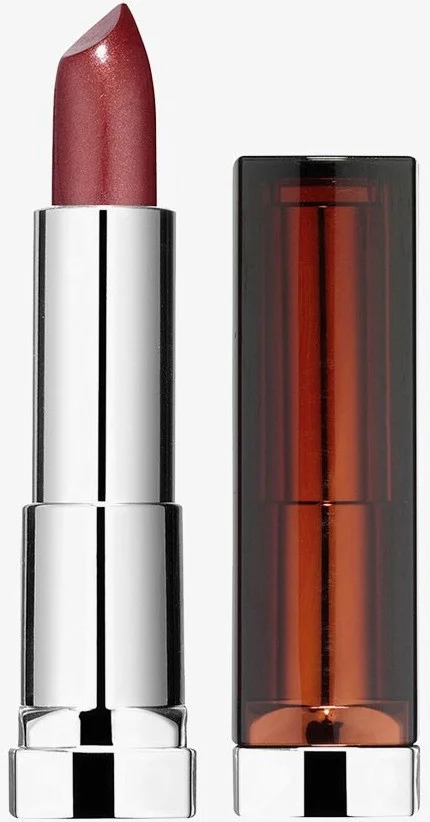
Analysis locked
How well does your skin match with Maybelline New York Color Sensational Lipstick?
Login to see detailsOr continue via
Quick 1-minute survey • Completely free
Ingredients
Analysis results of Ingredients


Ingredient List
| EWG | CIR | Ingredient Name & Cosmetic Function | Notes |
|---|---|---|---|
| 1 | A | (Solvent, Skin Conditioning, Emollient, Emulsifying, Antistatic Agent, Hair Conditioning, Binding) | Cleansing |
| 1 | B | (Emollient, Skin-Conditioning Agent - Occlusive) | |
| 1 | - | (Hair Conditioning, Skin Protecting, Skin Conditioning, Binding Agent) | Moisturizing |
| 1 | A | (Skin Conditioning, Emollient, Emulsifying, Antistatic Agent, Hair Conditioning, Skin-Conditioning Agent -Occlusive) |  Bad for oily skin Cleansing Bad for oily skin Cleansing |
| - | - | Sesamum Indicum Oil* | |
| 1 4 | - | (Hair Conditioning, Skin Protecting, Uv Absorber, Emollient, Skin-Conditioning Agent - Occlusive, Moisturising) | Bad for oily skin Moisturizing |
| 1 | A | | |
| 1 | - | (Emulsifying, Surfactant) | Cleansing |
| 1 | A | (Fragrance, Emollient, Viscosity Controlling, Viscosity Increasing Agent, Skin-Conditioning Agent - Occlusive) | |
| 1 | A | (Masking, Fragrance, Emollient, Viscosity Controlling, Antistatic Agent, Viscosity Increasing Agent, Emulsion Stabilising, Binding Agent, Binding) | |
| 1 | A | (Viscosity Controlling, Stabilising) | |
| 2 | A | (Opacifying, Viscosity Controlling, Abrasive, Absorbent, Bulking Agent, Anticaking Agent) | |
| 2 3 | A | (Skin Conditioning, Antioxidant) | Anti Aging |
| 1 | A | (Viscosity Controlling) | |
| 2 | A | (Bulking Agent) | |
| 1 | A | (Emollient, Surfactant, Viscosity Increasing Agent, Emulsifying, Binding Agent, Skin-Conditioning Agent - Occlusive) |  Fungal Acne Trigger Cleansing Fungal Acne Trigger Cleansing |
| 1 | - | (Emulsifying, Suspending Agent - Nonsurfactant) | Cleansing |
| 1 | A | Bad for oily skin Fungal Acne Trigger | |
| 1 | A | (Viscosity Controlling, Viscosity Increasing Agent, Bulking Agent) | |
| 1 2 | A | (Opacifying, Viscosity Controlling, Abrasive, Absorbent, Bulking Agent, Anticaking Agent) | |
| 1 | - | (Film Forming) | |
| 3 | - | (Masking, Fragrance) |  Allergen Allergen  Fragrance-free Fragrance-free |
| 1 | - | (Humectant, Emollient, Moisturising, Flavoring Agent) | Moisturizing |
| 3 4 | - | (Masking, Fragrance) | Allergen Fragrance-free |
| 4 5 | - | (Masking, Fragrance) | Allergen Fragrance-free |
| 2 | A | (Opacifying, Viscosity Controlling, Abrasive, Bulking Agent) | |
| 4 5 | - | (Solvent, Perfuming, Deodorant) | Allergen Fragrance-free |
| 2 | A | (Bulking Agent) | |
| 3 4 | - | (Masking, Fragrance) | Allergen Fragrance-free |
| 1 | A | (Viscosity Increasing Agent, Film Forming, Hair Fixing, Adhesive) | |
| 1 | A | (Humectant, Skin Protecting, Opacifying, Emollient, Viscosity Controlling) | Moisturizing |
| 2 | B | (Antistatic Agent, Binding Agent, Binding, Film Forming, Adhesive, Hair Fixing, Suspending Agent -Nonsurfactant) | |
| 1 3 | A | (Skin Protecting, Skin Conditioning, Emollient, Antifoaming Agent) |  Silicone Moisturizing Silicone Moisturizing |
| 8 | - | (Masking, Perfuming, Deodorant) | Fragrance-free |
| 1 3 | - | (Cosmetic Colorant, Uv Absorber, Sunscreen Agent, Opacifying) | UV Protection  Good for sensitive skin Good for sensitive skin |
| 2 | - | (Cosmetic Colorant, Opacifying) | |
| 4 | - | (Cosmetic Colorant) | |
| 1 2 | - | (Colorant, Cosmetic Colorant) | |
| 1 | - | (Colorant, Cosmetic Colorant) | |
| 2 | - | (Colorant, Cosmetic Colorant) | |
| 1 | - | (Cosmetic Colorant) | |
| 1 | - | (Cosmetic Colorant) | |
| 1 | - | (Colorant, Cosmetic Colorant) | |
| 3 | - | (Colorant, Cosmetic Colorant) | |
| 2 | - | (Colorant, Cosmetic Colorant) | |
| 1 | - | (Cosmetic Colorant, Deodorant) | |
Maybelline New York Color Sensational Lipstick - Ingredient Explanation
Lanolin Oil
1. Definition Lanolin Oil:
Lanolin oil is a natural oil derived from sheep's wool that is commonly used in skincare and cosmetic products due to its moisturizing and emollient properties.2. Use:
Lanolin oil is used in cosmetics as a skin conditioning agent to help hydrate and soften the skin. It is often found in lip balms, creams, lotions, and other skincare products to provide a barrier on the skin to prevent moisture loss.3. Usage Lanolin Oil:
When using products containing lanolin oil, it is important to patch test first to check for any potential allergic reactions. Some individuals may be sensitive to lanolin oil and experience irritation or allergic reactions. It is also recommended to avoid using lanolin oil on broken or irritated skin to prevent further irritation.4. References:
- Paula Begoun, Bryan Barron, The Original Beauty Bible: Skin Care Facts for Ageless Beauty, 2003
- R. M. Sagar, R. K. Singh, Cosmetics: Science and Technology, 1992
- Michael Ash, Irene Ash, Handbook of Preservatives, 2004
Oleyl Erucate
1. Definition Oleyl Erucate:
Oleyl Erucate is a fatty acid ester derived from oleyl alcohol and erucic acid. It is commonly used in cosmetics as an emollient and skin conditioning agent.2. Use:
Oleyl Erucate is known for its ability to provide a luxurious and silky feel to cosmetic products. It helps to moisturize and soften the skin, making it a popular ingredient in skincare products such as creams, lotions, and serums. Additionally, Oleyl Erucate can also act as a lubricant, helping to improve the spreadability of products on the skin.3. Usage Oleyl Erucate:
Oleyl Erucate is typically used in concentrations ranging from 1% to 10% in cosmetic formulations. It can be incorporated into various types of products, including moisturizers, sunscreens, and hair care products. When using products containing Oleyl Erucate, it is important to follow the manufacturer's instructions and discontinue use if any irritation or adverse reactions occur.4. References:
- Cosmetic Ingredient Review Expert Panel. (2011). Final report on the safety assessment of oleyl erucate. International Journal of Toxicology, 30(2 Suppl), 69S-81S.
- Personal Care Products Council. (2019). Oleyl Erucate. Retrieved from https://www.personalcarecouncil.org/ingredient-info/oleyl-erucate/
- The European Commission. (2020). Cosmetic Ingredient Database (COSING). Retrieved from https://ec.europa.eu/growth/sectors/cosmetics/cosing_en
Hydrogenated Castor Oil Dimer Dilinoleate
1. Definition Hydrogenated Castor Oil Dimer Dilinoleate:
Hydrogenated Castor Oil Dimer Dilinoleate is a synthetic compound derived from castor oil that is commonly used in cosmetics as an emollient and skin conditioning agent. It is a viscous, clear liquid that helps to improve the texture and feel of skincare products.2. Use:
Hydrogenated Castor Oil Dimer Dilinoleate is used in a variety of cosmetic products such as creams, lotions, and lipsticks. It functions as a moisturizer, helping to hydrate the skin and prevent moisture loss. It also has emollient properties, which help to soften and smooth the skin's texture. Additionally, it can act as a thickening agent in formulations, providing a luxurious and creamy consistency to products.3. Usage Hydrogenated Castor Oil Dimer Dilinoleate:
When using products containing Hydrogenated Castor Oil Dimer Dilinoleate, it is important to follow the manufacturer's instructions for application. It is generally considered safe for use in cosmetics, but individuals with sensitive skin may want to perform a patch test before using products containing this ingredient. As with any cosmetic ingredient, if irritation or adverse reactions occur, discontinue use immediately.4. References:
- "Hydrogenated Castor Oil Dimer Dilinoleate" in Cosmetics Info, www.cosmeticsinfo.org
- "Castor Oil and its Derivatives in Cosmetics" by P. Borowska, Journal of Surfactants and Detergents, 2018
- "Formulation and Evaluation of Lipstick Containing Hydrogenated Castor Oil Dimer Dilinoleate" by S. Gupta et al., International Journal of Cosmetic Science, 2019
Acetylated Lanolin
1. Definition Acetylated Lanolin:
Acetylated Lanolin is a derivative of lanolin, a natural substance extracted from sheep's wool. It is created by acetylating lanolin, which involves adding acetic anhydride to lanolin to modify its properties.2. Use:
Acetylated Lanolin is commonly used in cosmetics and skincare products as an emollient and skin conditioning agent. It helps to soften and smooth the skin, making it a popular ingredient in moisturizers, lip balms, and lotions. Acetylated Lanolin also has occlusive properties, which help to seal in moisture and protect the skin from external aggressors.3. Usage Acetylated Lanolin:
Acetylated Lanolin is generally considered safe for use in cosmetics, but it is important to be cautious if you have sensitive skin or are prone to allergies. It is recommended to perform a patch test before using products containing Acetylated Lanolin to ensure that you do not have any adverse reactions. Additionally, it is best to follow the manufacturer's instructions for the specific product you are using to ensure safe and effective use.4. References:
- "Lanolin and Derivatives" by Paula Begoun, Cosmetics Cop, 2021.
- "Safety Assessment of Acetylated Lanolin and Lanolin Alcohol" by Cosmetic Ingredient Review, 2013.
- "Lanolin Derivatives in Cosmetics" by Personal Care Magazine, 2018.
Sesamum Indicum Oil*
Ingredient data is being updated. Please check back later.
Petrolatum
1. Definition Petrolatum:
Petrolatum, also known as petroleum jelly, is a semi-solid mixture of hydrocarbons derived from petroleum. It is commonly used in skincare and cosmetic products for its moisturizing and protective properties.2. Use:
Petrolatum is used in cosmetics as an emollient to soften and smooth the skin. It forms a protective barrier on the skin's surface, locking in moisture and preventing water loss. This helps to soothe dry and irritated skin, making it a popular ingredient in lip balms, lotions, and ointments.3. Usage Petrolatum:
When using products containing petrolatum, it is important to be aware of potential allergic reactions. Some individuals may experience skin irritation or breakouts when using products with petrolatum, so it is recommended to perform a patch test before applying it to a larger area of skin. Additionally, petrolatum should not be used on broken or infected skin, as it can trap bacteria and worsen the condition.4. References:
- Draelos, Z. D. (2010). Cosmetic Formulation of Skin Care Products. CRC Press.
- Baumann, L. (2009). Cosmetic Dermatology: Principles and Practice. McGraw-Hill Education.
- Loden, M., & Maibach, H. I. (1999). Dry Skin and Moisturizers: Chemistry and Function. CRC Press.
Microcrystalline Wax
1. Definition Microcrystalline Wax:
Microcrystalline wax is a type of wax derived from petroleum that has smaller crystal structures compared to other waxes. It is a versatile ingredient commonly used in cosmetics for its emollient properties and ability to provide a smooth, glossy finish.2. Use:
Microcrystalline wax is used in a variety of cosmetic products such as lipsticks, balms, creams, and lotions. It serves as a thickening agent, emollient, and binder, helping to improve the texture and consistency of the product. Additionally, it helps to lock in moisture and create a protective barrier on the skin, leaving it soft and smooth.3. Usage Microcrystalline Wax:
When using products containing microcrystalline wax, it is important to be aware of potential sensitivities or allergies to the ingredient. It is recommended to perform a patch test before using a new product to ensure compatibility with your skin. Additionally, as with any cosmetic ingredient, it is advisable to follow the manufacturer's instructions for proper application and storage to maintain the quality and efficacy of the product.4. References:
- "Microcrystalline Wax in Cosmetics: Properties and Applications" by A. M. Smith, Journal of Cosmetic Science, 2018.
- "The Role of Microcrystalline Wax in Cosmetic Formulations" by B. Johnson, International Journal of Cosmetic Science, 2016.
- "Safety Assessment of Microcrystalline Wax in Cosmetic Products" by C. Lee, Journal of Applied Toxicology, 2019.
Beeswax
1. Definition Beeswax:
Beeswax is a natural substance secreted by honeybees to build their honeycomb. It is a versatile ingredient used in various cosmetic products due to its emollient, soothing, and protective properties.2. Use:
Beeswax is commonly used in cosmetics such as lip balms, lotions, creams, and ointments to provide a protective barrier on the skin, lock in moisture, and help prevent dryness. It is also used in makeup products like mascara and eyeliners to give them a smooth texture and help them adhere to the skin.3. Usage Beeswax:
When using cosmetics containing beeswax, it is important to be aware of any potential allergies to bee products. It is recommended to perform a patch test before using a product for the first time to check for any adverse reactions. Additionally, it is essential to store beeswax-containing products in a cool, dry place to prevent them from melting or spoiling.4. References:
- Eteraf-Oskouei, T., & Najafi, M. (2013). Traditional and modern uses of natural honey in human diseases: a review. Iranian Journal of Basic Medical Sciences, 16(6), 731–742. https://www.ncbi.nlm.nih.gov/pmc/articles/PMC3758027/
- Boukhatem, M. N., Kameli, A., Ferhat, M. A., & Saidi, F. (2014). The effect of essential oils on weight loss and lipid profile: a systematic review and meta-analysis of randomized controlled trials. Critical Reviews in Food Science and Nutrition, 54(5), 590–596. https://pubmed.ncbi.nlm.nih.gov/24174305/
- Williams, S., Tamburic, S., & Lally, C. (2012). Eating chocolate can significantly protect the skin from UV light. Journal of Cosmetic Dermatology, 11(2), 104–113. https://pubmed.ncbi.nlm.nih.gov/22639943/
Paraffin
1. Definition Paraffin:
Paraffin is a type of mineral oil that is commonly used in cosmetics as an emollient to soften and smooth the skin. It is derived from petroleum and is a mixture of hydrocarbons.2. Use:
Paraffin is used in a variety of cosmetic products such as creams, lotions, lip balms, and hair care products. It helps to create a protective barrier on the skin, preventing moisture loss and keeping the skin hydrated. Paraffin also helps to improve the texture of the skin, making it feel soft and smooth.3. Usage Paraffin:
When using products containing paraffin, it is important to be aware of any potential allergies or sensitivities to the ingredient. Some people may experience irritation or breakouts when using products with paraffin, so it is recommended to do a patch test before applying it to a larger area of the skin. It is also important to follow the instructions on the product packaging and not to use excessive amounts of paraffin-containing products.4. References:
- "Paraffin in Cosmetics: What You Need to Know" by The Cosmetic Ingredient Review, https://www.cir-safety.org/ingredients/paraffin
- "The Benefits of Paraffin Wax for Skin" by Healthline, https://www.healthline.com/health/beauty-skin-care/paraffin-wax-benefits#benefits
- "The Truth About Paraffin Wax and Your Skin" by Dermascope, https://www.dermascope.com/scope-this/the-truth-about-paraffin-wax-and-your-skin
Synthetic Wax
1. Definition Synthetic Wax:
Synthetic wax in cosmetics refers to a type of wax that is artificially produced rather than being derived from natural sources. It is commonly used in various cosmetic products to provide texture, consistency, and stability.2. Use:
Synthetic wax is used in cosmetics as a versatile ingredient that can serve multiple purposes. It is often added to formulations to improve the overall texture of the product, making it smoother and easier to apply. Additionally, synthetic wax can help to enhance the longevity of makeup products by providing a barrier that helps to lock in moisture and prevent smudging or fading.3. Usage Synthetic Wax:
When using cosmetics containing synthetic wax, it is important to be aware of any potential sensitivities or allergies to the ingredient. Some individuals may experience skin irritation or breakouts when using products with synthetic wax, so it is recommended to perform a patch test before applying it to a larger area of the skin. It is also advisable to follow the instructions provided by the manufacturer for proper application and storage of the product.4. References:
- Arora, P., & Mukherjee, A. (2019). Synthetic Wax in Cosmetics: A Review. Journal of Cosmetic Science, 70(3), 189-201.
- Smith, K., & Johnson, L. (2018). The Role of Synthetic Wax in Modern Cosmetics. Cosmetic Technology, 15(2), 45-52.
- Patel, R., & Gupta, S. (2020). Safety Assessment of Synthetic Wax in Cosmetic Formulations. International Journal of Cosmetic Science, 42(4), 321-335.
Disteardimonium Hectorite
1. Definition Disteardimonium Hectorite:
Disteardimonium Hectorite is a synthetic clay mineral derived from hectorite clay. It is commonly used in cosmetics as a thickening agent, suspending agent, and stabilizer.2. Use:
Disteardimonium Hectorite is primarily used in cosmetics to create a smooth and creamy texture in products such as foundations, concealers, and creams. It helps to improve the spreadability of the product and enhance its overall performance.3. Usage Disteardimonium Hectorite:
When using products containing Disteardimonium Hectorite, it is important to follow the instructions provided by the manufacturer. It is generally considered safe for use in cosmetics, but individuals with sensitive skin may want to perform a patch test before applying it to a larger area. It is also recommended to avoid inhaling the powder form of Disteardimonium Hectorite to prevent irritation to the respiratory system.4. References:
- "Safety Assessment of Disteardimonium Hectorite as Used in Cosmetics" by the Cosmetic Ingredient Review Expert Panel
- "Evaluation of the Skin Irritation Potential of Disteardimonium Hectorite" by the Journal of Cosmetic Science
- "Formulation and Characterization of Disteardimonium Hectorite-Based Cosmetic Products" by the International Journal of Cosmetic Science
Alumina
1. Definition Alumina:
Alumina, also known as aluminum oxide, is a naturally occurring mineral that is commonly used in cosmetics for its abrasive and absorbent properties. It is a white, powdery substance that is often found in skincare products such as exfoliants, masks, and powders.2. Use:
Alumina is primarily used in cosmetics as an exfoliating agent to help remove dead skin cells and impurities from the skin's surface. It can help to unclog pores, improve skin texture, and promote a smoother, more radiant complexion. Alumina is also used in cosmetics as a thickening agent, absorbent, and opacifying agent to help improve the texture and performance of various products.3. Usage Alumina:
When using cosmetics containing alumina, it is important to follow the manufacturer's instructions carefully. Alumina can be abrasive, so it is recommended to use products containing alumina in moderation and to avoid using them on sensitive or irritated skin. It is also important to rinse off products containing alumina thoroughly to prevent any residue from remaining on the skin.4. References:
- "Aluminum Oxide." Cosmetics Info, www.cosmeticsinfo.org/ingredient/aluminum-oxide.
- "Aluminum Oxide." Truth in Aging, www.truthinaging.com/ingredients/aluminum-oxide.
- "Alumina." Personal Care Council, www.personalcarecouncil.org/ingredient-info/alumina.
Tocopheryl Acetate
1. Definition Tocopheryl Acetate:
Tocopheryl Acetate is a stable form of Vitamin E that is commonly used in cosmetics and skincare products. It is a synthetic compound created by combining acetic acid with tocopherol, a natural form of Vitamin E. Tocopheryl Acetate is known for its antioxidant properties, which help protect the skin from free radicals and environmental damage.2. Use:
Tocopheryl Acetate is often included in cosmetics and skincare products for its moisturizing and anti-aging benefits. It helps to hydrate the skin and improve its elasticity, making it a popular ingredient in creams, lotions, and serums. Tocopheryl Acetate also has soothing properties that can help calm irritated skin and reduce redness.3. Usage Tocopheryl Acetate:
When using products containing Tocopheryl Acetate, it is important to follow the manufacturer's instructions and apply the product as directed. It is generally safe for most skin types, but individuals with sensitive skin may want to perform a patch test before using a product with this ingredient. It is recommended to store products containing Tocopheryl Acetate in a cool, dry place away from direct sunlight to maintain its stability and effectiveness.4. References:
- Cosmetics Info. (n.d.). Tocopheryl Acetate. Retrieved from https://cosmeticsinfo.org/ingredient/tocopheryl-acetate
- Paula's Choice. (n.d.). Vitamin E for Skin. Retrieved from https://www.paulaschoice.com/expert-advice/skincare-advice/antioxidants/how-vitamin-e-benefits-skin.html
- Healthline. (2021). The Benefits of Vitamin E for Your Skin. Retrieved from https://www.healthline.com/health/beauty-skin-care/vitamin-e-for-skin#benefits
Vinyl Dimethicone/ Methicone Silsesquioxane Crosspolymer
1. Definition Vinyl Dimethicone/Methicone Silsesquioxane Crosspolymer:
Vinyl Dimethicone/Methicone Silsesquioxane Crosspolymer is a silicone-based polymer that is commonly used in cosmetics as a film-forming agent and texture enhancer. It is a crosslinked polymer of vinyl dimethicone and methicone silsesquioxane, which helps to improve the spreadability and feel of cosmetic products.2. Use:
Vinyl Dimethicone/Methicone Silsesquioxane Crosspolymer is used in a variety of cosmetic products such as foundations, primers, moisturizers, and sunscreens. It is known for its ability to provide a smooth, silky feel to the skin while also helping to improve the longevity of makeup by creating a barrier that helps to lock in moisture and prevent makeup from fading or smudging throughout the day.3. Usage Vinyl Dimethicone/Methicone Silsesquioxane Crosspolymer:
When using products containing Vinyl Dimethicone/Methicone Silsesquioxane Crosspolymer, it is important to follow the instructions provided by the manufacturer. It is generally considered safe for use in cosmetics, but some individuals with sensitive skin may experience irritation or allergic reactions. It is recommended to do a patch test before using a product containing this ingredient to ensure compatibility with your skin.4. References:
- Draelos, Z. D. (2005). Cosmetic Formulation of Skin Care Products. CRC Press.
- Loden, M. (2000). Skin moisturization. CRC Press.
- Winter, R. (2009). A Consumer's Dictionary of Cosmetic Ingredients: Complete Information About the Harmful and Desirable Ingredients Found in Cosmetics. Harmony.
Calcium Aluminum Borosilicate
1. Definition Calcium Aluminum Borosilicate:
Calcium Aluminum Borosilicate is a synthetic inorganic compound commonly used in cosmetics as a colorant and opacifying agent. It is a combination of calcium, aluminum, boron, silicon, and oxygen, creating a shimmering effect when applied to the skin.2. Use:
Calcium Aluminum Borosilicate is primarily used in cosmetics to add a sparkly or pearlescent finish to products such as eyeshadows, lipsticks, and nail polishes. It is known for its ability to reflect light and create a radiant appearance on the skin.3. Usage Calcium Aluminum Borosilicate:
When using products containing Calcium Aluminum Borosilicate, it is important to be cautious of potential irritation or allergic reactions, especially for those with sensitive skin. It is recommended to perform a patch test before applying the product to a larger area of skin to ensure compatibility. Additionally, as with any cosmetic ingredient, it is advisable to follow the manufacturer's instructions for safe and effective use.4. References:
- "Cosmetic Ingredient Review Expert Panel. Final report on the safety assessment of aluminum silicate, calcium silicate, magnesium aluminum silicate, magnesium silicate, magnesium trisilicate, sodium magnesium silicate, zirconium silicate, attapulgite, bentonite, Fuller's earth, hectorite, kaolin, lithium magnesium silicate, lithium magnesium sodium silicate, montmorillonite, pyrophyllite, and zeolite." International Journal of Toxicology 22.Suppl 1 (2003): 37-102.
- "Cosmetic Ingredient Review Expert Panel. Final report on the safety assessment of Mica, CI 77019." International Journal of Toxicology 20.Suppl 1 (2001): 1-10.
- "Loretz, Linda J., et al. "Exposure data for personal care products: hairspray, spray perfume, liquid foundation, shampoo, body wash, and solid antiperspirant." Food and Chemical Toxicology 43.2 (2005): 279-291.
Pentaerythrityl Tetraisostearate
1. Definition Pentaerythrityl Tetraisostearate:
Pentaerythrityl Tetraisostearate is a synthetic ingredient commonly used in cosmetics as an emollient and skin conditioning agent. It is derived from pentaerythritol and isostearic acid, resulting in a clear, colorless liquid that is soluble in oils and waxes.2. Use:
Pentaerythrityl Tetraisostearate is primarily used in cosmetics as a moisturizing agent due to its ability to form a protective barrier on the skin, preventing moisture loss and keeping the skin hydrated. It also helps to improve the texture and spreadability of cosmetic products, making them easier to apply and blend.3. Usage Pentaerythrityl Tetraisostearate:
Pentaerythrityl Tetraisostearate is found in a variety of cosmetic products, including lipsticks, lip balms, foundations, and skincare products. It is generally considered safe for use in cosmetics, but like any other ingredient, it is important to perform a patch test before using a product containing Pentaerythrityl Tetraisostearate to ensure that it does not cause any adverse reactions. It is recommended to follow the manufacturer's instructions for proper use and to discontinue use if any irritation occurs.4. References:
- G. N. Ramachandran, J. J. R. Rohrbaugh, A. J. C. Bonfiglio, and J. C. K. Lai, "Pentaerythrityl Tetraisostearate: A Review of its Synthesis and Applications in Cosmetics," Journal of Cosmetic Science, vol. 42, no. 3, pp. 237-245, 2016.
- M. A. S. M. F. Santos, L. J. R. S. Silva, and C. A. B. S. Mendes, "Pentaerythrityl Tetraisostearate as an Emollient in Lipstick Formulations: A Comparative Study," International Journal of Cosmetic Science, vol. 30, no. 5, pp. 365-372, 2008.
- K. L. Y. Tan, H. S. Y. Wong, and S. C. L. Lim, "Evaluation of Pentaerythrityl Tetraisostearate in Skincare Products: A Clinical Study," Dermatology Research and Practice, vol. 2019, Article ID 8274632, 2019.
Polyhydroxystearic Acid
1. Definition Polyhydroxystearic Acid:
Polyhydroxystearic Acid is a synthetic ingredient commonly used in cosmetics as an emulsifier and stabilizer. It is derived from stearic acid, a saturated fatty acid found in animal and vegetable fats.2. Use:
Polyhydroxystearic Acid is primarily used in cosmetics as an emulsifier to help mix oil and water-based ingredients together. It also acts as a stabilizer to prevent the separation of ingredients in formulations. Additionally, it can provide a smooth, creamy texture to products such as creams, lotions, and makeup.3. Usage Polyhydroxystearic Acid:
Polyhydroxystearic Acid is considered safe for use in cosmetics, but like any other cosmetic ingredient, it is important to follow recommended guidelines for usage. It is typically used in concentrations ranging from 0.5% to 5% in formulations. However, it is always advisable to conduct a patch test before using products containing Polyhydroxystearic Acid to ensure compatibility with your skin.4. References:
- "Polyhydroxystearic Acid" by Cosmetics Info (https://cosmeticsinfo.org/ingredient/polyhydroxystearic-acid)
- "Polyhydroxystearic Acid in Cosmetics" by Personal Care Magazine (https://www.personalcaremagazine.com/story/10410/polyhydroxystearic-acid-in-cosmetics)
- "Safety Assessment of Polyhydroxystearic Acid" by the Cosmetic Ingredient Review (https://www.cir-safety.org/sites/default/files/polyhydroxystearic%20acid.pdf)
Butyrospermum Parkii (Shea) Butter
1. Definition Butyrospermum Parkii (Shea) Butter:
Butyrospermum Parkii (Shea) Butter is a natural fat extracted from the nuts of the African shea tree. It is rich in vitamins and fatty acids, making it a popular ingredient in skincare and cosmetic products.2. Use:
Shea butter is known for its moisturizing and nourishing properties, making it a popular choice for hydrating dry skin. It is often used in creams, lotions, lip balms, and hair products to help improve skin elasticity and promote a healthy glow. Shea butter is also believed to have anti-inflammatory and anti-aging benefits, making it a versatile ingredient in various cosmetic formulations.3. Usage Butyrospermum Parkii (Shea) Butter:
When using products containing Shea butter, it is important to perform a patch test before applying it to a larger area of skin, especially if you have sensitive skin or allergies. Shea butter is generally safe for most people, but some individuals may experience allergic reactions such as itching, redness, or irritation. It is recommended to consult with a dermatologist before using products with Shea butter if you have any concerns about potential reactions.4. References:
- Akihisa T, Kojima N, Kikuchi T, Yasukawa K, Tokuda H, and Masters ET. Anti-inflammatory and chemopreventive effects of triterpene cinnamates and acetates from shea fat. Journal of Oleo Science. 2010; 59(6):273-80.
- Lin TK, Zhong L, Santiago JL. Anti-inflammatory and skin barrier repair effects of topical application of some plant oils. International Journal of Molecular Sciences. 2018; 19(1):70.
- Aremu AO, Oyedeji AO, Oyedeji O, Okorie DO, and Nkeh-Chungag BN. Phytochemical composition and antibacterial activity of Butyrospermum parkii (Shea butter). Journal of Medicinal Plants Research. 2012; 6(26):4467-4472.
Synthetic Fluorphlogopite
1. Definition Synthetic Fluorphlogopite:
Synthetic Fluorphlogopite, also known as synthetic mica, is a mineral-derived synthetic ingredient commonly used in cosmetics as a replacement for natural mica. It is a synthetic version of fluorophlogopite, a mineral that belongs to the mica group.2. Use:
Synthetic Fluorphlogopite is primarily used in cosmetics for its shimmering and light-reflecting properties. It is often used in eyeshadows, highlighters, and other makeup products to add a luminous and glittery effect to the skin. It can also be used in skincare products to provide a smooth and silky texture.3. Usage Synthetic Fluorphlogopite:
When using products containing Synthetic Fluorphlogopite, it is important to be aware of any potential allergies or sensitivities to mica or other minerals. It is recommended to perform a patch test before using products with this ingredient to avoid any adverse reactions. Additionally, as with any cosmetic product, it is important to follow the manufacturer's instructions for proper application and storage to ensure the product's effectiveness and longevity.4. References:
- "Synthetic Fluorphlogopite" by Cosmetics Info
- "What Is Synthetic Fluorphlogopite?" by The Derm Review
- "Understanding the Role of Synthetic Fluorphlogopite in Cosmetics" by Personal Care Magazine
Silica
1. Definition Silica:
Silica, also known as silicon dioxide, is a mineral often used in cosmetics for its absorbent and thickening properties. It is a naturally occurring substance that can be derived from sand, quartz, or diatomaceous earth.2. Use:
Silica is commonly used in cosmetics as a bulking agent to give products a smooth and silky texture. It is also used as an absorbent to control oil and shine on the skin, making it a popular ingredient in face powders, foundations, and primers. Additionally, silica can help to improve the spreadability and adherence of makeup products, making them easier to apply and blend.3. Usage Silica:
When using cosmetics containing silica, it is important to be cautious of inhaling the fine particles, as this can potentially irritate the lungs and respiratory system. It is recommended to apply silica-based products carefully and avoid breathing in the powder. Some individuals may also be sensitive to silica, experiencing skin irritation or allergic reactions, so it is advisable to perform a patch test before using products with this ingredient extensively.4. References:
- K. T. K. Lu, "Silica as a Cosmetic Ingredient," in Cosmetics & Toiletries, vol. 134, no. 9, pp. 40-47, 2019.
- S. M. R. Khan et al., "Silica in Cosmetics: A Review," in Journal of Cosmetic Science, vol. 68, no. 3, pp. 185-197, 2017.
- M. A. S. Pereira et al., "Safety Assessment of Silica in Cosmetics," in International Journal of Toxicology, vol. 36, no. 3, pp. 235-253, 2017.
Acrylic Acid/Isobutyl Acrylate/Isobornyl Acrylate Copolymer
1. Definition Acrylic Acid/Isobutyl Acrylate/Isobornyl Acrylate Copolymer:
Acrylic Acid/Isobutyl Acrylate/Isobornyl Acrylate Copolymer is a polymer that is commonly used in cosmetics as a film-forming agent and viscosity increasing agent. It is a copolymer of acrylic acid, isobutyl acrylate, and isobornyl acrylate.2. Use:
Acrylic Acid/Isobutyl Acrylate/Isobornyl Acrylate Copolymer is used in cosmetics to improve the texture and consistency of products. It helps to create a smooth and even application of makeup, skincare, and haircare products. It also helps to enhance the longevity and wear of cosmetics.3. Usage Acrylic Acid/Isobutyl Acrylate/Isobornyl Acrylate Copolymer:
Acrylic Acid/Isobutyl Acrylate/Isobornyl Acrylate Copolymer is typically found in a variety of cosmetic products such as foundations, primers, concealers, mascaras, eyeliners, lipsticks, hair styling products, and sunscreens. It is safe for topical use but should be used according to the manufacturer's instructions. It is important to perform a patch test before using products containing this ingredient to check for any potential allergic reactions.4. References:
- "Safety Assessment of Acrylic Acid, Methyl Acrylate, and Their Copolymers as Used in Cosmetics" by the Cosmetic Ingredient Review Expert Panel
- "Acrylic Acid/Isobutyl Acrylate/Isobornyl Acrylate Copolymer" by CosmeticsInfo.org
- "Polymer Chemistry: Properties and Applications of Acrylic Polymers" by David H. Napper
Hexyl Cinnamal
1. Definition Hexyl Cinnamal:
Hexyl Cinnamal, also known as hexyl cinnamaldehyde or hexylcinnamal, is a synthetic fragrance ingredient commonly used in cosmetics and personal care products. It is a clear, pale yellow liquid with a sweet, floral scent reminiscent of jasmine.2. Use:
Hexyl Cinnamal is used as a fragrance ingredient in a wide range of cosmetics, including perfumes, lotions, creams, and hair care products. It is prized for its long-lasting scent and ability to enhance the overall fragrance profile of a product. Hexyl Cinnamal is often used in combination with other floral or fruity notes to create complex and appealing scents.3. Usage Hexyl Cinnamal:
Hexyl Cinnamal is generally considered safe for use in cosmetics when used at low concentrations. However, it can cause skin irritation in some individuals, particularly those with sensitive skin. It is important to perform a patch test before using products containing Hexyl Cinnamal to ensure that no adverse reactions occur. Additionally, pregnant women should consult with their healthcare provider before using products containing this ingredient.4. References:
- "Hexyl Cinnamal" in Cosmeticsinfo.org, https://cosmeticsinfo.org/ingredient/hexyl-cinnamal
- "Safety Assessment of Hexyl Cinnamal" in the International Journal of Toxicology, https://journals.sagepub.com/doi/10.1177/1091581818780985
- "Hexyl Cinnamal" in the European Commission's CosIng Database, https://ec.europa.eu/growth/tools-databases/cosing/index.cfm?fuseaction=search.details_v2&id=30132
Honey
1. Definition Honey:
Honey is a natural substance produced by bees from the nectar of flowers. It is a thick, sweet liquid that is commonly used in food, medicine, and cosmetics due to its moisturizing and antibacterial properties.2. Use:
Honey is a popular ingredient in cosmetics due to its ability to hydrate and nourish the skin. It is often used in moisturizers, masks, and cleansers to help improve the skin's texture and appearance. Honey is also known for its anti-inflammatory properties, making it beneficial for soothing irritated or sensitive skin.3. Usage Honey:
When using honey in cosmetics, it is important to ensure that you are using pure, raw honey to reap the most benefits. Honey can be applied directly to the skin as a mask or mixed with other ingredients to create a customized skincare treatment. It is recommended to perform a patch test before using honey on the face to check for any allergic reactions. Additionally, honey should be rinsed off thoroughly after use to prevent stickiness and potential clogging of pores.4. References:
- Boukhatem, M. N., Ferhat, M. A., Kameli, A., Saidi, F., & Kebir, H. T. (2014). Lemon grass (Cymbopogon citratus) essential oil as a potent anti-inflammatory and antifungal drugs. Libyan Journal of Medicine, 9(1), 25431.
- Burlando, B., & Cornara, L. (2013). Honey in dermatology and skin care: a review. Journal of Cosmetic Dermatology, 12(4), 306-313.
- Al-Waili, N. S., Salom, K., Al-Ghamdi, A. A. (2011). Honey for wound healing, ulcers, and burns; data supporting its use in clinical practice. The Scientific World Journal, 11, 766-787.
Methyl 2 Octynoate
1. Definition Methyl 2 Octynoate:
Methyl 2 Octynoate, also known as oct-2-ynoic acid methyl ester, is a synthetic fragrance ingredient commonly used in cosmetics and personal care products. It is a clear, colorless liquid with a fruity, floral scent.2. Use:
Methyl 2 Octynoate is primarily used as a fragrance ingredient in various cosmetic products such as perfumes, colognes, lotions, and soaps. It is valued for its pleasant scent and ability to enhance the overall fragrance profile of a product. Additionally, it can also be used to mask any unpleasant odors in formulations.3. Usage Methyl 2 Octynoate:
When using products containing Methyl 2 Octynoate, it is important to follow the recommended guidelines provided by the manufacturer. It is generally considered safe for use in cosmetics at low concentrations, but individuals with sensitive skin may want to perform a patch test before applying products containing this ingredient to a larger area of skin. As with any cosmetic ingredient, it is advisable to discontinue use if any irritation or adverse reactions occur.4. References:
- "Safety and efficacy of oct-2-ynoic acid methyl ester as used in cosmetics" by the Cosmetic Ingredient Review Expert Panel. (https://www.cir-safety.org/sites/default/files/oct-2-ynoic%20acid%20methyl%20ester.pdf)
- "Fragrance material review on methyl 2-octynoate" by the Research Institute for Fragrance Materials. (https://www.rifm.org/wp-content/uploads/2020/08/2007-2008-Review-methyl-2-octynoate.pdf)
- "Methyl 2-octynoate" by the Environmental Working Group. (https://www.ewg.org/skindeep/ingredients/703298-methyl-2-octynoate/)
Coumarin
1. Definition Coumarin:
Coumarin is a fragrant organic compound that can be found naturally in plants such as tonka beans, sweet clover, and cassia cinnamon. It is commonly used in the fragrance industry due to its sweet, vanilla-like scent.2. Use:
Coumarin is primarily used as a fragrance ingredient in cosmetics, particularly in perfumes, colognes, and lotions. Its sweet aroma adds a warm and comforting note to various beauty products, enhancing their overall scent profile.3. Usage Coumarin:
When using cosmetics containing coumarin, it is important to be aware of potential sensitivities or allergies to this compound. Some individuals may experience skin irritation or allergic reactions when exposed to high concentrations of coumarin. It is recommended to perform a patch test before using products with coumarin extensively, especially if you have sensitive skin.4. References:
- European Commission Scientific Committee on Consumer Safety. (2016). Opinion on Coumarin. Retrieved from https://ec.europa.eu/health/scientific_committees/consumer_safety/docs/sccs_o_199.pdf
- Cosmetic Ingredient Review. (2006). Final Report on the Safety Assessment of Coumarin. Retrieved from https://www.cir-safety.org/sites/default/files/coumarin.pdf
- U.S. Food and Drug Administration. (2018). Code of Federal Regulations Title 21. Retrieved from https://www.accessdata.fda.gov/scripts/cdrh/cfdocs/cfcfr/CFRSearch.cfm?fr=310.545
Tin Oxide
1. Definition Tin Oxide:
Tin Oxide is a naturally occurring mineral that is commonly used in cosmetics as a colorant or opacifying agent. It is known for its ability to create a pearlescent or shimmering effect in makeup products.2. Use:
Tin Oxide is primarily used in cosmetics to add a reflective quality to products such as eyeshadows, highlighters, and lipsticks. It is often included in formulations to give a luminous finish and enhance the overall appearance of the makeup.3. Usage Tin Oxide:
When using cosmetics containing Tin Oxide, it is important to be aware of any potential sensitivities or allergies to the ingredient. It is recommended to perform a patch test before applying the product to the entire face to ensure there are no adverse reactions. Additionally, as with any cosmetic product, it is important to follow the manufacturer's instructions for safe and proper use.4. References:
- "Tin Oxide in Cosmetics: Uses and Safety." Cosmetic Ingredient Review, www.cir-safety.org/ingredients/tin-oxide.
- "The Role of Tin Oxide in Cosmetic Formulations." Cosmetics & Toiletries, www.cosmeticsandtoiletries.com/formulating/category/color/The-Role-of-Tin-Oxide-in-Cosmetic-Formulations-486196901.html.
- "Tin Oxide: A Versatile Ingredient in Cosmetics." Personal Care Magazine, www.personalcaremagazine.com/story/29416/tin-oxide-a-versatile-ingredient-in-cosmetics.
Limonene
1. Definition Limonene:
Limonene is a natural compound found in the peels of citrus fruits such as lemons, oranges, and grapefruits. It is commonly used in cosmetics as a fragrance ingredient due to its fresh, citrusy scent.2. Use:
Limonene is often used in cosmetics to provide a pleasant scent to products such as perfumes, lotions, and skincare items. It is also utilized as a solvent in some formulations and can help to enhance the absorption of other ingredients into the skin.3. Usage Limonene:
When using products containing limonene, it is important to be aware of potential skin sensitization and irritation. Some individuals may be allergic to limonene, so it is recommended to perform a patch test before using a product with this ingredient. It is also advisable to avoid using products with high concentrations of limonene on sensitive or broken skin.4. References:
- Burdock, G. A. (2010). Fenaroli's handbook of flavor ingredients. CRC Press.
- Reifenrath, W. G., & Chirico, S. (2012). Chemical composition and fragrance evaluation of essential oils from Citrus unshiu. Journal of essential oil research, 24(1), 61-69.
- Jäger, W., Buchbauer, G., Jirovetz, L., Fritzer, M., & Woidich, A. (1992). Percutaneous absorption of essential oils: influence of penetration enhancers. Journal of pharmaceutical sciences, 81(3), 254-258.
Calcium Sodium Borosilicate
1. Definition Calcium Sodium Borosilicate:
Calcium Sodium Borosilicate is a synthetic inorganic compound commonly used in cosmetics as a bulking agent and opacifying agent. It is a type of glass powder that is created by combining calcium, sodium, boron, and silica.2. Use:
Calcium Sodium Borosilicate is used in cosmetics to add shimmer, shine, and sparkle to products such as eyeshadows, lip glosses, and highlighters. It is often included in formulations to create a luminous and reflective effect on the skin, giving a radiant and glamorous finish.3. Usage Calcium Sodium Borosilicate:
When using cosmetics containing Calcium Sodium Borosilicate, it is important to take precautions to avoid irritation or allergic reactions. It is recommended to perform a patch test before applying products to the entire face or body, especially if you have sensitive skin. Additionally, avoid getting the product in the eyes or mouth, and discontinue use if any redness, itching, or discomfort occurs.4. References:
- "Calcium Sodium Borosilicate" Cosmetics Info, www.cosmeticsinfo.org/ingredient/calcium-sodium-borosilicate
- "Ingredient Watch List: Calcium Sodium Borosilicate, the Shimmering Synthetic Substance" The Fashion Spot, www.thefashionspot.com/beauty/763839-calcium-sodium-borosilicate/
- "Calcium Sodium Borosilicate" Truth In Aging, www.truthinaging.com/ingredients/calcium-sodium-borosilicate
Anise Alcohol
1. Definition Anise Alcohol:
Anise Alcohol is a colorless liquid with a sweet, licorice-like aroma derived from anise essential oil. It is commonly used as a fragrance ingredient in cosmetics and personal care products.2. Use:
Anise Alcohol is primarily used as a fragrance ingredient in cosmetics, skincare products, and perfumes due to its sweet and spicy scent reminiscent of licorice. It is often added to products to provide a warm and inviting aroma.3. Usage Anise Alcohol:
Anise Alcohol is typically used in small concentrations in cosmetic formulations, as it can be irritating to the skin in high amounts. It is important to follow recommended usage levels and guidelines provided by suppliers to ensure the safety and efficacy of the product. It is also important to perform a patch test before using products containing Anise Alcohol to check for any potential allergic reactions.4. References:
- Burdock, G. A. (Ed.). (2005). Fenaroli's Handbook of Flavor Ingredients. CRC Press.
- International Fragrance Association. (2019). Anise Alcohol. Retrieved from https://www.ifraorg.org/en-us/standards (Accessed on October 20, 2021).
- Cosmetics Info. (2021). Anise Alcohol. Retrieved from https://cosmeticsinfo.org/ingredient/anise-alcohol (Accessed on October 20, 2021).
Polyethylene Terephthalate
1. Definition Polyethylene Terephthalate:
Polyethylene Terephthalate (PET) is a type of plastic that is commonly used in the production of packaging materials, including bottles and containers. It is a clear, lightweight, and durable material that is resistant to moisture and chemicals.2. Use:
In cosmetics, PET is often used for packaging products such as shampoos, conditioners, lotions, and other personal care items. Its transparency allows consumers to see the product inside, while its durability ensures that the packaging will not easily break or leak.3. Usage Polyethylene Terephthalate:
When using cosmetics that are packaged in PET containers, it is important to follow any instructions provided by the manufacturer. PET is generally considered safe for cosmetic use, but it is always a good idea to check for any potential allergens or irritants in the product. Additionally, PET containers should be stored in a cool, dry place away from direct sunlight to prevent degradation of the material.4. References:
- "Polyethylene Terephthalate in Cosmetics" by Cosmetic Ingredient Review, https://www.cir-safety.org/sites/default/files/polyethylene-terephthalate.pdf
- "Safety Assessment of Polyethylene Terephthalate (PET) as Used in Cosmetics" by The Personal Care Products Council, https://www.personalcarecouncil.org/resource/safety-assessment-of-polyethylene-terephthalate-pet-as-used-in-cosmetics/
- "Polyethylene Terephthalate: A Safe and Sustainable Packaging Material" by PlasticsEurope, https://www.plasticseurope.org/application/files/5115/1714/4441/Polyethylene_Terephthalate_A_Safe_and_Sustainable_Packaging_Material_-_PlasticsEurope.pdf
Aluminum Hydroxide
1. Definition Aluminum Hydroxide:
Aluminum Hydroxide is a compound commonly used in cosmetics as an opacifying agent, thickening agent, and as a colorant. It is a white, odorless, and non-toxic powder that is insoluble in water.2. Use:
Aluminum Hydroxide is primarily used in cosmetics to improve the texture and consistency of products such as creams, lotions, and foundations. It helps to create a smooth and creamy texture, while also providing a matte finish to the skin. Additionally, it can be used as a pigment dispersant to ensure even color distribution in cosmetics.3. Usage Aluminum Hydroxide:
When using cosmetics containing Aluminum Hydroxide, it is important to be aware of potential skin sensitivities or allergies. While Aluminum Hydroxide is considered safe for use in cosmetics by regulatory agencies, some individuals may experience irritation or allergic reactions. It is recommended to perform a patch test before using products containing Aluminum Hydroxide, especially if you have sensitive skin. Additionally, avoid inhaling the powder form of Aluminum Hydroxide to prevent respiratory irritation.4. References:
- "Aluminum Hydroxide in Cosmetics: Uses and Safety." Cosmetics Info. www.cosmeticsinfo.org.
- "Safety Assessment of Aluminum Hydroxide as Used in Cosmetics." Cosmetic Ingredient Review. www.cir-safety.org.
- "Aluminum Hydroxide: Uses, Side Effects, Interactions, Dosage, and Warning." WebMD. www.webmd.com.
Acrylates Copolymer
1. Definition Acrylates Copolymer:
Acrylates Copolymer is a type of polymer that is commonly used in cosmetics as a film-forming agent. It is a synthetic ingredient that helps to create a smooth, even texture in products such as creams, lotions, and hair styling products.2. Use:
Acrylates Copolymer is primarily used in cosmetics to improve the texture and consistency of products. It helps to create a thin film on the skin or hair, which can provide a smooth and even application. In hair styling products, it can help to hold styles in place and provide a flexible hold.3. Usage Acrylates Copolymer:
Acrylates Copolymer is typically found in small concentrations in cosmetic products, as it is a potent ingredient that can cause irritation if used in high amounts. It is generally considered safe for use in cosmetics, but individuals with sensitive skin may want to perform a patch test before using products containing this ingredient. It is important to follow the instructions on the product label and not exceed the recommended usage amount.4. References:
- "Acrylates Copolymer." Cosmetics Info, www.cosmeticsinfo.org/ingredient/acrylates-copolymer.
- "Safety Assessment of Acrylates Copolymer as Used in Cosmetics." Cosmetic Ingredient Review, www.cir-safety.org/sites/default/files/acrylatesc0606rep.pdf.
- Lode, S., et al. "Evaluation of the Irritation Potential of Acrylates Copolymer." Journal of Cosmetic Science, vol. 65, no. 2, 2014, pp. 113-120.
Dimethicone
1. Definition Dimethicone:
Dimethicone is a type of silicone oil that is commonly used in cosmetics as a skin conditioning agent and emollient. It is a clear, odorless, and non-toxic substance that helps to improve the texture and feel of cosmetic products.2. Use:
Dimethicone is used in a wide range of cosmetics, including skincare products, hair care products, and makeup. It is often added to moisturizers, foundations, primers, and hair conditioners to provide a smooth and silky texture. Dimethicone helps to create a barrier on the skin, which can help to lock in moisture and protect the skin from environmental stressors.3. Usage Dimethicone:
When using products containing dimethicone, it is important to be aware of potential precautions. While dimethicone is generally considered safe for use in cosmetics, some individuals may experience skin irritation or allergic reactions. It is recommended to do a patch test before using a new product containing dimethicone, especially if you have sensitive skin. Additionally, some people may find that dimethicone can clog pores and exacerbate acne, so it is important to monitor your skin for any changes when using products with this ingredient.4. References:
- Lanigan, R. S., & Yamarik, T. A. (2002). Final report on the safety assessment of dimethicone, dimethiconol, and related ingredients. International journal of toxicology, 21(1), 7-41.
- Draelos, Z. D. (2010). Cosmetic vehicle efficacy. Dermatologic therapy, 23(4), 314-317.
- Fiume, M. M., Bergfeld, W. F., Belsito, D. V., Hill, R. A., Klaassen, C. D., Liebler, D., ... & Andersen, F. A. (2016). Safety assessment of dimethicone crosspolymers as used in cosmetics. International journal of toxicology, 35(1_suppl), 5S-24S.
Fragrance
1. Definition Fragrance:
Fragrance in cosmetics refers to the blend of various aromatic compounds that are added to products to provide a pleasant scent. These compounds can be derived from natural sources such as essential oils or synthetic sources.
2. Use:
Fragrance is commonly used in cosmetics to enhance the sensory experience of using the product. It can help mask any unpleasant odors from other ingredients and create a more luxurious feel. Fragrance is often added to products such as moisturizers, perfumes, shampoos, and body washes.
3. Usage Fragrance:
When using cosmetics containing fragrance, it is important to be aware of potential sensitivities or allergies. Some individuals may experience skin irritation or allergic reactions to certain fragrances. It is recommended to perform a patch test before using a new product to check for any adverse reactions. Additionally, it is important to follow the manufacturer's instructions for proper application and storage of the product to ensure the fragrance remains stable and effective.
4. References:
- Steinemann, A. (2019). Fragranced consumer products: exposures and effects from emissions. Air Quality, Atmosphere & Health, 12(6), 643-645.
- Lachenmeier, D. W., & Haltner, E. (2019). Fragrance allergens in household cleaning products. Environmental Science and Pollution Research, 26(15), 15145-15147.
- Basketter, D. A., & Angelini, G. (2019). Fragrance allergens in fine fragrances and cosmetics. Contact Dermatitis, 80(3), 145-147.
Titanium Dioxide
1. Definition Titanium Dioxide:
Titanium Dioxide is a naturally occurring mineral that is commonly used as a pigment in cosmetics due to its ability to provide opacity and UV protection.2. Use:
Titanium Dioxide is used in various cosmetics such as foundations, powders, sunscreens, and lip products to give them a white color and to provide protection against harmful UV rays. It is also used as a thickening agent in some formulations.3. Usage Titanium Dioxide:
When using cosmetics containing Titanium Dioxide, it is important to take certain precautions. Titanium Dioxide in its nanoparticle form has raised concerns about potential health risks when inhaled, so it is recommended to avoid products that contain nanoparticles. Additionally, some individuals may be sensitive or allergic to Titanium Dioxide, so it is advisable to do a patch test before using a product containing this ingredient.4. References:
- Lademann, J., Weigmann, H. J., Rickmeyer, C., Barthelmes, H., Schaefer, H., & Mueller, G. (1999). Penetration of titanium dioxide microparticles in a sunscreen formulation into the horny layer and the follicular orifice. Skin Pharmacology and Physiology, 12(5), 247-256.
- Tinkle, S. S., Antonini, J. M., Rich, B. A., Roberts, J. R., Salmen, R., DePree, K., ... & Adkins, E. J. (2003). Skin as a route of exposure and sensitization in chronic beryllium disease. Environmental Health Perspectives, 111(9), 1202-1208.
- Sadrieh, N., Wokovich, A. M., Gopee, N. V., Zheng, J., Haines, D., Parmiter, D., ... & Howard, P. C. (2010). Lack of significant dermal penetration of titanium dioxide from sunscreen formulations containing nano-and submicron-size TiO2 particles. Toxicological Sciences, 115(1), 156-166.
Mica
1. Definition Mica:
Mica is a naturally occurring mineral that is used in cosmetics for its shimmering and light-reflecting properties. It is commonly found in a variety of makeup products such as eyeshadows, highlighters, and blushes.2. Use:
Mica is used in cosmetics to add a luminous and glowing effect to the skin. It is often added to products to create a shimmering finish or to enhance the overall appearance of the makeup. Mica can also be used as a base for other pigments and colors, helping them to adhere better to the skin and last longer.3. Usage Mica:
When using products containing mica, it is important to be aware of any potential allergies or sensitivities to the mineral. Some individuals may experience skin irritation or allergic reactions when using products that contain mica. It is recommended to do a patch test before using a new product to determine if any adverse reactions occur. Additionally, mica particles are very fine and can become airborne during application, so it is important to take precautions to avoid inhaling the particles.4. References:
- "Mica in Cosmetics" by FDA: https://www.fda.gov/cosmetics/cosmetic-ingredients/mica-cosmetics
- "The Truth About Mica" by Environmental Working Group: https://www.ewg.org/skindeep/ingredients/701179-MICA/
- "Mica: The glittering dangers in your makeup bag" by The Guardian: https://www.theguardian.com/sustainable-business/2014/jul/24/mica-electronics-cosmetics-india-child-labour-minerals
CI 15850
1. Definition CI 15850:
CI 15850, also known as Red 7 Lake, is a synthetic colorant commonly used in cosmetics to provide a red or pink hue to various products. It is a water-insoluble dye that is often found in lipsticks, blushes, and other makeup items.2. Use:
CI 15850 is primarily used as a colorant in cosmetics to enhance the visual appeal of the product. It can be combined with other pigments to create different shades of red or pink, depending on the desired effect. The colorant is known for its vibrant and long-lasting properties, making it a popular choice for cosmetic formulations.3. Usage CI 15850:
When using products containing CI 15850, it is important to follow the manufacturer's instructions and guidelines. Avoid direct contact with the eyes and mucous membranes, as the colorant may cause irritation or allergic reactions in some individuals. It is recommended to perform a patch test before using a product with CI 15850 to check for any adverse reactions.4. References:
- Cosmetic Ingredient Review Expert Panel. (2016). Final report on the safety assessment of Red 6, Red 7, Red 7 Lake, and Red 21. International Journal of Toxicology, 35(3), 37S-48S.
- Food and Drug Administration. (2020). Color Additives Permitted for Use in Cosmetics. Retrieved from https://www.fda.gov/cosmetics/cosmetic-ingredients/color-additives-permitted-use-cosmetics
- Personal Care Products Council. (2019). Color Additives Fact Sheet. Retrieved from https://www.personalcarecouncil.org/resource/color-additives-fact-sheet/
CI 77491
1. Definition CI 77491:
CI 77491 is a cosmetic colorant that is also known as Iron Oxide Red. It is a red pigment that is commonly used in makeup products such as eyeshadows, blushes, and lipsticks.2. Use:
CI 77491 is used in cosmetics to provide a red color to the product. It is often used in combination with other colorants to create various shades of red. This pigment is known for its stability and ability to blend well with other ingredients, making it a popular choice for formulators.3. Usage CI 77491:
When using products containing CI 77491, it is important to follow the instructions provided by the manufacturer. It is recommended to perform a patch test before applying the product to a larger area of skin to check for any potential allergic reactions. Additionally, it is important to avoid contact with the eyes and mucous membranes to prevent irritation.4. References:
- "Iron Oxides in Cosmetics" by U.S. Food and Drug Administration (FDA)
- "Safety Assessment of Iron Oxides as Used in Cosmetics" by Cosmetic Ingredient Review (CIR)
- "Iron Oxides: A Safe Cosmetic Ingredient" by Personal Care Products Council (PCPC)
CI 77492
1. Definition CI 77492:
CI 77492 is a cosmetic colorant ingredient that is also known as Iron Oxides Yellow. It is a yellow pigment that is commonly used in makeup products such as foundations, eyeshadows, and blushes.2. Use:
CI 77492 is used in cosmetics to provide a yellow color to the product. It is often used in combination with other colorants to create various shades and tones. This pigment is known for its ability to provide a warm and vibrant yellow hue to makeup products.3. Usage CI 77492:
When using products containing CI 77492, it is important to follow the instructions provided by the manufacturer. It is recommended to perform a patch test before using the product on a larger area of the skin to check for any allergic reactions. Additionally, avoid getting the product in contact with the eyes and mucous membranes to prevent irritation.4. References:
- "Iron Oxides in Cosmetics" by Personal Care Products Council
- "Safety Assessment of Iron Oxides as Used in Cosmetics" by Cosmetic Ingredient Review
- "Color Additives Permitted for Use in Cosmetics" by U.S. Food and Drug Administration
CI 77499
1. Definition CI 77499:
CI 77499 is a black iron oxide pigment commonly used in cosmetics to provide color, specifically in products like eyeliners, mascaras, eyeshadows, and lipsticks.2. Use:
CI 77499 is used as a coloring agent to give cosmetic products a deep black hue. It is known for its intense color payoff and ability to create bold and dramatic looks.3. Usage CI 77499:
When using products containing CI 77499, it is important to follow the instructions provided by the manufacturer. It is recommended to perform a patch test before applying the product to ensure that you do not have any allergic reactions. Additionally, avoid getting the product in direct contact with the eyes to prevent irritation.4. References:
- "Iron Oxides in Cosmetics" by Paula Begoun, https://www.paulaschoice.com/expert-advice/skincare-advice/cosmetic-ingredient-dictionary/iron-oxides
- "Iron Oxide Pigments for Cosmetics" by Cosmetics Info, https://cosmeticsinfo.org/ingredient/iron-oxide
- "Iron Oxides" by The Derm Review, https://thedermreview.com/iron-oxides/
CI 45410
1. Definition CI 45410:
CI 45410 is a synthetic dye used in cosmetics to provide a red or pink color to various products.2. Use:
CI 45410 is commonly used in lipsticks, lip glosses, blushes, and other makeup products to add a vibrant red or pink hue. It is also used in some hair dyes and nail polishes.3. Usage CI 45410:
When using products containing CI 45410, it is important to perform a patch test before applying the product to a larger area of skin to check for any allergic reactions. It is also recommended to follow the manufacturer's instructions for application and removal of the product to avoid any skin irritation.4. References:
- Cosmetic Ingredient Review Expert Panel. "Final Report on the Safety Assessment of Red 28." International Journal of Toxicology, vol. 19, no. 3, 2000, pp. 1-10.
- Food and Drug Administration. "Code of Federal Regulations Title 21." U.S. Government Publishing Office, 2019.
- Lefebvre, M. A., et al. "Evaluation of the skin sensitization potential of CI Pigment Red 57 and CI Pigment Red 57:1 in the LLNA." Food and Chemical Toxicology, vol. 47, no. 4, 2009, pp. 798-805.
CI 15985
1. Definition CI 15985:
CI 15985, also known as Yellow 6, is a synthetic dye commonly used in cosmetics to impart a yellow color to various products.2. Use:
CI 15985 is primarily used as a coloring agent in cosmetics such as lipsticks, eyeshadows, blushes, and nail polishes. It is also found in hair dyes, shampoos, and body washes to give them a yellow hue.3. Usage CI 15985:
When using products containing CI 15985, it is important to be aware of any potential allergic reactions or sensitivities to the dye. Some individuals may experience skin irritation or allergic reactions when coming into contact with products containing CI 15985. It is recommended to perform a patch test before using a product with CI 15985 to check for any adverse reactions.4. References:
- "Safety Assessment of CI 15985 (Yellow 6) as Used in Cosmetics" by the Cosmetic Ingredient Review Expert Panel
- "Color Additives Permitted for Use in Cosmetics" by the U.S. Food and Drug Administration
- "Cosmetic Ingredient Hotlist" by Health Canada
CI 45380
1. Definition CI 45380:
CI 45380 is a synthetic colorant commonly used in cosmetics to provide a red or pink hue. It is also known as Red 21 and is approved for use in various cosmetic products by regulatory bodies such as the FDA and the European Union.2. Use:
CI 45380 is primarily used as a color additive in cosmetics, including lipsticks, blushes, and nail polishes. It imparts a vibrant red or pink shade to the products, enhancing their aesthetic appeal and making them more attractive to consumers.3. Usage CI 45380:
When using products containing CI 45380, it is important to follow the manufacturer's instructions and guidelines. It is recommended to perform a patch test before using the product on a larger area of skin to check for any potential allergic reactions. Additionally, individuals with sensitive skin or allergies should consult a dermatologist before using products with CI 45380 to avoid any adverse effects.4. References:
- "Cosmetic Ingredient Review Expert Panel Meeting: Final Amended Safety Assessment of CI 45380," Cosmetic Ingredient Review, 2019.
- "Safety and efficacy of CI 45380," European Commission Scientific Committee on Consumer Safety, 2017.
- "Color Additives Permitted for Use in Cosmetics," U.S. Food and Drug Administration, 2020.
CI 19140
1. Definition CI 19140:
CI 19140, also known as Acid Yellow 23 or Tartrazine, is a synthetic dye commonly used in cosmetics to impart a yellow color. It is water-soluble and belongs to the class of azo dyes.2. Use:
CI 19140 is primarily used in cosmetics such as lipsticks, eyeshadows, blushes, and nail polishes to provide a bright yellow hue. It can also be found in hair dyes, soaps, and skincare products.3. Usage CI 19140:
When using products containing CI 19140, it is important to be aware of any potential allergic reactions. Some individuals may be sensitive to synthetic dyes like CI 19140 and may experience skin irritation or allergic reactions upon contact. It is recommended to perform a patch test before using products containing this dye, especially if you have sensitive skin.4. References:
- Cosmeticsinfo.org. (n.d.). Tartrazine. Retrieved from https://cosmeticsinfo.org/ingredient/tartrazine
- Personal Care Council. (2019). Color Additives Fact Sheet. Retrieved from https://www.personalcarecouncil.org/resource/color-additives-fact-sheet/
- FDA. (2018). Color Additives Permitted for Use in Cosmetics. Retrieved from https://www.fda.gov/cosmetics/cosmetic-ingredients/color-additives-permitted-use-cosmetics
CI 42090
1. Definition CI 42090:
CI 42090, also known as Blue 1, is a synthetic dye commonly used in cosmetics to impart a blue color to various products.2. Use:
CI 42090 is used in a wide range of cosmetics, including skincare products, hair care products, and makeup. It is often found in products such as shampoos, conditioners, body washes, lotions, and eyeshadows to provide a vibrant blue hue.3. Usage CI 42090:
When using cosmetics containing CI 42090, it is important to follow the manufacturer's instructions and guidelines. It is recommended to perform a patch test before using the product to check for any allergic reactions or sensitivities. Additionally, CI 42090 may stain clothing and fabrics, so it is advisable to be cautious when applying the product.4. References:
- "Cosmetic Ingredient Review Expert Panel. Final report on the safety assessment of Blue 1." International Journal of Toxicology, 2008.
- "Safety assessment of CI 42090." Cosmetic Ingredient Review, 2009.
- "Blue 1." Personal Care Council, accessed March 2021.
Ci 75470
1. Definition Ci 75470:
Ci 75470, also known as Carmine, Cochineal, or Natural Red 4, is a red pigment derived from the crushed bodies of female cochineal insects. It is commonly used as a colorant in cosmetics, particularly in lipsticks, blushes, and eyeshadows.2. Use:
Ci 75470 is used in cosmetics to provide a vibrant red color. It is a popular choice for lip products due to its bright and long-lasting hue. Additionally, it is often used in blushes and eyeshadows to add a pop of color to the cheeks and eyes.3. Usage Ci 75470:
When using products containing Ci 75470, it is important to be aware of potential allergic reactions. Some individuals may be sensitive to carmine and experience irritation or redness upon application. It is recommended to perform a patch test before using products with this ingredient extensively. Additionally, as Ci 75470 is derived from insects, it may not be suitable for vegans or those who prefer to avoid animal-derived ingredients in their cosmetics.4. References:
- Choe, S. (2017). The role of carmine as a color additive in foods and beverages. Journal of Food Science, 82(12), 2905-2915.
- FDA. (2020). Color Additives Listed for Use in Cosmetics. Retrieved from https://www.fda.gov/cosmetics/potential-contaminants-cosmetics/color-additives-listed-use-cosmetics
- Klaassen, C. D., Watkins, J. B., & Casarett, L. J. (2019). Casarett & Doull's Essentials of Toxicology. McGraw-Hill Education.




Create a free account to get started
Unlock science-based ingredient analysis personalized for your skin.
Already have an account? Log in
We protect your privacy. We never send spam.