


Analysis locked
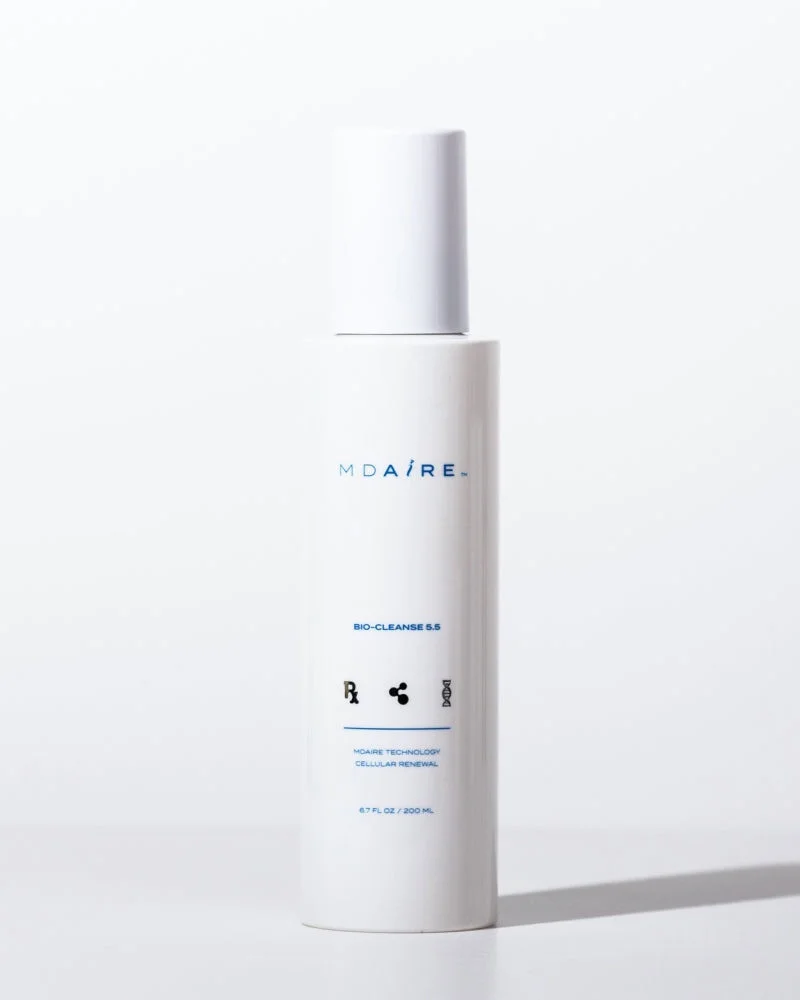
How well does your skin match with MDAiRE Bio-Cleanse 5.5 Face Wash?
Login to see detailsOr continue via
Quick 1-minute survey • Completely free
Ingredients
Analysis results of Ingredients


Ingredient List
| EWG | CIR | Ingredient Name & Cosmetic Function | Notes |
|---|---|---|---|
| - | - | Deionized Water | |
| 1 | - | (Solvent to dissolve substances insoluble in water, Surfactant, Emulsifying, Cleansing, Foam Boosting) | |
| 1 | - | (Hair Conditioning, Skin Conditioning, Viscosity Controlling, Antistatic Agent, Viscosity Increasing Agent, Foam Boosting, Sufactant) | |
| 1 | - | (Skin Conditioning, Solvent to dissolve substances insoluble in water, Sufactant, Foam Boosting, Foaming) | |


MDAiRE Bio-Cleanse 5.5 Face Wash - Ingredient Explanation
Deionized Water
Ingredient data is being updated. Please check back later.
Sodium Laurylglucosides Hydroxypropylsulfonate
1. Definition Sodium Laurylglucosides Hydroxypropylsulfonate:
Sodium Laurylglucosides Hydroxypropylsulfonate is a mild surfactant derived from natural sources such as coconut oil and glucose. It is often used in cosmetics as a cleansing agent and foaming agent.2. Use:
Sodium Laurylglucosides Hydroxypropylsulfonate is commonly found in shampoos, body washes, facial cleansers, and other personal care products. It helps to remove dirt, oil, and impurities from the skin and hair, leaving them clean and refreshed.3. Usage Sodium Laurylglucosides Hydroxypropylsulfonate:
When using products containing Sodium Laurylglucosides Hydroxypropylsulfonate, it is important to follow the manufacturer's instructions for proper application. Avoid getting the product in your eyes, as it may cause irritation. If irritation occurs, rinse thoroughly with water and discontinue use. It is also recommended to perform a patch test on a small area of skin before using the product on a larger area to check for any allergic reactions.4. References:
- "Safety Assessment of Sodium Laurylglucosides Hydroxypropylsulfonate as Used in Cosmetics" by the Cosmetic Ingredient Review Expert Panel
- "Sodium Laurylglucosides Hydroxypropylsulfonate: A Mild Surfactant for Personal Care" by International Journal of Cosmetic Science
- "Formulation and Evaluation of Sodium Laurylglucosides Hydroxypropylsulfonate-based Shampoo" by Journal of Cosmetic Dermatology
Cocamidopropyl Hydroxysultaine
1. Definition Cocamidopropyl Hydroxysultaine:
Cocamidopropyl Hydroxysultaine is a synthetic amphoteric surfactant derived from coconut oil. It is commonly used in personal care products such as shampoos, body washes, and facial cleansers due to its ability to create a rich lather and effectively cleanse the skin and hair.2. Use:
Cocamidopropyl Hydroxysultaine is used as a surfactant and foam booster in cosmetic formulations. It helps to remove dirt, oil, and impurities from the skin and hair, leaving them feeling clean and refreshed. Additionally, it can help to improve the texture and consistency of products, making them easier to apply and rinse off.3. Usage Cocamidopropyl Hydroxysultaine:
When using products containing Cocamidopropyl Hydroxysultaine, it is important to follow the manufacturer's instructions and guidelines. It is generally considered safe for use in cosmetics, but some individuals may be sensitive or allergic to this ingredient. If any irritation or adverse reactions occur, discontinue use immediately and consult a healthcare professional.4. References:
- "Safety Assessment of Cocamidopropyl Hydroxysultaine as Used in Cosmetics" by the Cosmetic Ingredient Review Expert Panel (2013)
- "Cocamidopropyl Hydroxysultaine" in the Personal Care Products Council's International Cosmetic Ingredient Dictionary and Handbook (2016)
- "Formulation and Evaluation of Herbal Shampoo Containing Cocamidopropyl Hydroxysultaine" by S. S. Patil et al. in the International Journal of Pharmaceutical Sciences and Research (2019)
Disodium Lauryl Sulfosuccinate
1. Definition Disodium Lauryl Sulfosuccinate:
Disodium Lauryl Sulfosuccinate is a mild surfactant that is commonly used in cosmetics and personal care products. It is derived from coconut oil and is known for its gentle cleansing properties.2. Use:
Disodium Lauryl Sulfosuccinate is often used in shampoos, body washes, facial cleansers, and other skincare products. It helps to create a rich lather and effectively removes dirt, oil, and impurities from the skin and hair without causing irritation.3. Usage Disodium Lauryl Sulfosuccinate:
When using products containing Disodium Lauryl Sulfosuccinate, it is important to follow the instructions provided by the manufacturer. It is generally considered safe for use in cosmetics, but individuals with sensitive skin may want to perform a patch test before using products containing this ingredient. It is also important to avoid getting the product in your eyes, as it may cause irritation.4. References:
- Kaur, R., & Kaur, S. (2014). Surfactants: Classification, features, and applications. International Journal of Research in Pharmacy and Chemistry, 4(2), 271-279.
- Loffredo, E., & Senesi, N. (2014). Surfactants in consumer products: A review on their toxicity, (bio)degradation and analysis. Environmental Science: Processes & Impacts, 16(9), 2182-2193.
- Lodeiro, P., & Vilar, V. J. (2017). Surfactants in cosmetics. In Surfactants in Tribology, Volume 3 (pp. 1-17). Springer, Cham.
Review

Didn't find
the information you need?




Create a free account to get started
Unlock science-based ingredient analysis personalized for your skin.
Already have an account? Log in
We protect your privacy. We never send spam.