


Analysis locked
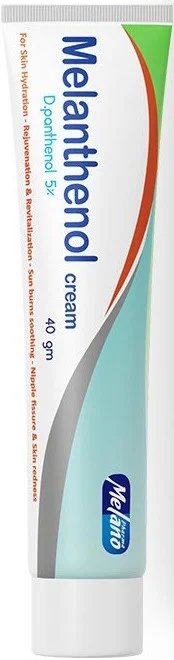
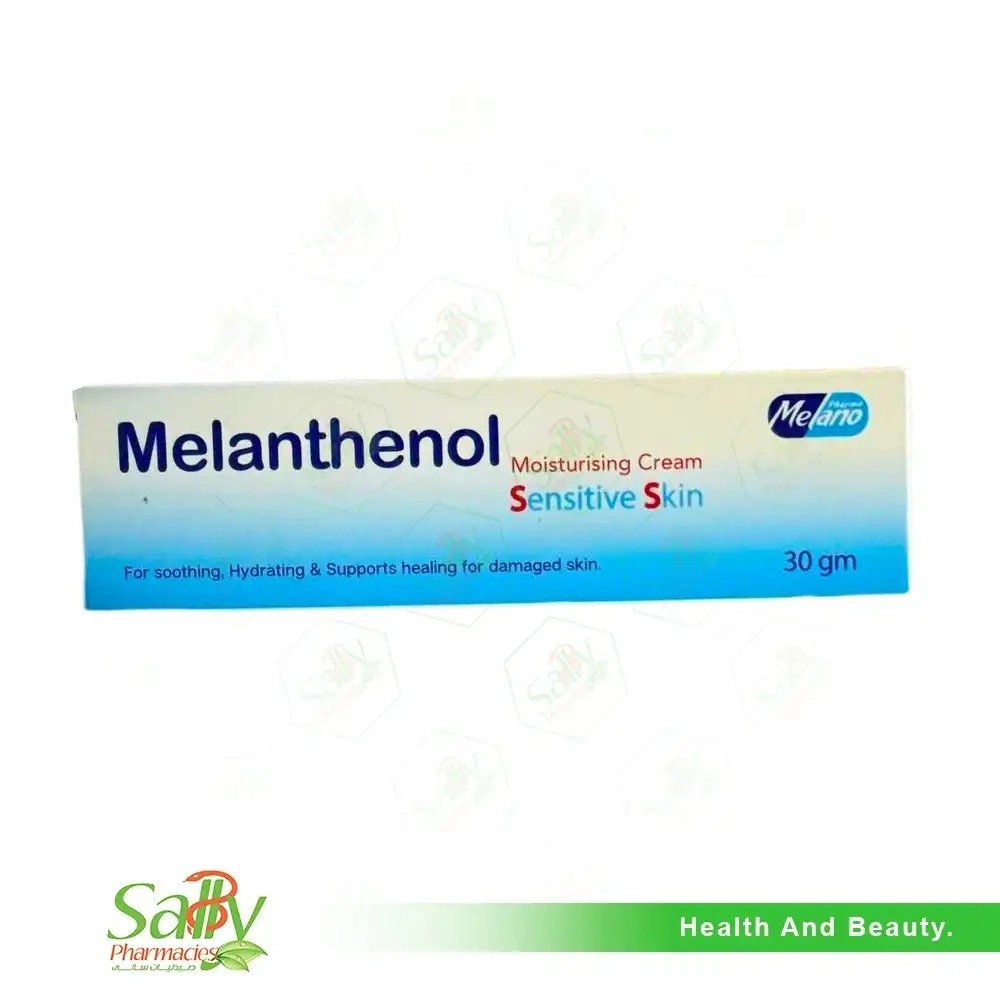
How well does your skin match with Melano Pharma Melanthenol Cream?
Login to see detailsOr continue via
Quick 1-minute survey • Completely free
Ingredients
Analysis results of Ingredients


Ingredient List
| EWG | CIR | Ingredient Name & Cosmetic Function | Notes |
|---|---|---|---|
| 1 | A | (Hair Conditioning, Skin Conditioning, Antistatic Agent) |  |
| 1 | A | (Surfactant, Emulsifying, Cleansing) | |
| 1 | - | | |
| 1 2 | A | (Masking, Fragrance, Chelating Agent, pH adjusting agent, pH adjusting agent) |  |


Melano Pharma Melanthenol Cream - Ingredient Explanation
Panthenol
1. Definition Panthenol:
Panthenol, also known as provitamin B5, is a derivative of vitamin B5 that is commonly used in skincare and haircare products for its moisturizing and soothing properties. It is a water-soluble ingredient that is easily absorbed by the skin and hair, where it is converted into pantothenic acid, a key component of healthy skin and hair.2. Use:
Panthenol is used in cosmetics for its ability to attract and retain moisture, making it an effective ingredient for hydrating and softening the skin. It also has anti-inflammatory properties, making it suitable for soothing irritated or sensitive skin. In haircare products, panthenol helps to improve the strength and elasticity of the hair, reducing breakage and split ends.3. Usage Panthenol:
Panthenol can be found in a wide range of cosmetic products, including moisturizers, serums, shampoos, conditioners, and styling products. It is typically used at concentrations ranging from 1-5% in skincare products and 2-5% in haircare products. Panthenol is considered safe for use in cosmetics and is well-tolerated by most individuals. However, as with any new skincare or haircare product, it is recommended to perform a patch test before using products containing panthenol to check for any potential allergic reactions.4. References:
- Draelos, Z. D. (2010). Cosmetic Formulation of Skin Care Products. CRC Press.
- Baumann, L. (2009). Cosmetic Dermatology: Principles and Practice. McGraw Hill Professional.
- Fiume, M. M., Bergfeld, W. F., Belsito, D. V., Hill, R. A., Klaassen, C. D., Liebler, D. C., ... & Andersen, F. A. (2016). Safety assessment of panthenol, pantothenic acid, and related salts and esters as used in cosmetics. International Journal of Toxicology, 35(2), 42S-61S.
Sodium Stearyl Sulfate
1. Definition Sodium Stearyl Sulfate:
Sodium Stearyl Sulfate is a surfactant and emulsifying agent commonly used in cosmetics and personal care products. It is a white or cream-colored powder that is derived from stearic acid, a saturated fatty acid found in animal and vegetable fats.2. Use:
Sodium Stearyl Sulfate is often included in formulations as a cleansing agent, emulsifier, and foaming agent. It helps to create a lather in products such as shampoos, body washes, and facial cleansers, making them more effective at removing dirt and oil from the skin and hair. Additionally, it helps to stabilize emulsions, ensuring that water and oil-based ingredients remain mixed together in products like lotions and creams.3. Usage Sodium Stearyl Sulfate:
While Sodium Stearyl Sulfate is generally considered safe for use in cosmetics, some individuals with sensitive skin may experience irritation or allergic reactions to this ingredient. It is important to perform a patch test before using products containing Sodium Stearyl Sulfate, especially if you have a history of skin sensitivities. Additionally, it is recommended to avoid using products with high concentrations of Sodium Stearyl Sulfate on broken or damaged skin, as it may cause further irritation.4. References:
- U.S. Food and Drug Administration. (2019). "Code of Federal Regulations Title 21." Retrieved from https://www.accessdata.fda.gov/scripts/cdrh/cfdocs/cfcfr/CFRSearch.cfm?fr=172.822
- Personal Care Products Council. (2021). "Sodium Stearyl Sulfate." Retrieved from https://www.personalcarecouncil.org/ingredient-info/sodium-stearyl-sulfate/
- Environmental Working Group. (n.d.). "Sodium Stearyl Sulfate." Retrieved from https://www.ewg.org/skindeep/ingredients/706058-SODIUM_STEAROYL_LACTYLATE/
Prunus Dulcis (Almond) Oil
1. Definition Prunus Dulcis (Almond) Oil:
Prunus Dulcis (Almond) Oil is a natural oil derived from the seeds of almonds. It is rich in vitamins, minerals, and essential fatty acids, making it a popular ingredient in skincare and hair care products.2. Use:
Almond oil is known for its moisturizing and nourishing properties, making it an excellent choice for dry skin. It can help improve skin elasticity, reduce inflammation, and promote a healthy glow. In hair care products, almond oil can help strengthen and condition the hair, leaving it soft and shiny.3. Usage Prunus Dulcis (Almond) Oil:
Almond oil can be used in a variety of ways in cosmetics. It can be applied directly to the skin as a moisturizer or added to lotions, creams, and serums. In hair care products, almond oil can be used as a conditioning treatment or added to shampoos and conditioners. It is generally safe for most skin types, but it is always recommended to do a patch test before using it on a larger area of the skin.Precautions: While almond oil is generally safe for most people, those with nut allergies should avoid using it. It is also important to choose cold-pressed, organic almond oil to ensure the highest quality and purity.
4. References:
- Prunus Dulcis (Almond) Oil. (n.d.). Retrieved from https://www.ewg.org/skindeep/ingredients/703971-PRUNUS_AMYGDALUS_DULCIS_(SWEET_ALMOND)_OIL/
- Almond Oil in Cosmetics: Benefits and Uses. (2019). Retrieved from https://www.healthline.com/health/almond-oil-for-skin#benefits
- Almond Oil: Benefits, Side Effects, and Precautions. (2020). Retrieved from https://www.webmd.com/vitamins/ai/ingredientmono-59/almond
Citric Acid
1. Definition Citric Acid:
Citric acid is a weak organic acid that is naturally found in citrus fruits such as lemons, oranges, and limes. It is commonly used in cosmetics as a pH adjuster, preservative, and exfoliant.
2. Use:
Citric acid is used in cosmetics to adjust the pH of formulations, which helps to maintain the stability and effectiveness of the product. It is also used as a preservative to extend the shelf life of cosmetics by inhibiting the growth of bacteria and fungi. Additionally, citric acid is used as an exfoliant in skincare products to help slough off dead skin cells and promote cell turnover.
3. Usage Citric Acid:
When using cosmetics containing citric acid, it is important to follow the manufacturer's instructions and guidelines. Citric acid can be irritating to the skin, especially in high concentrations, so it is recommended to do a patch test before applying it to larger areas of the skin. It is also important to avoid using products containing citric acid on broken or irritated skin, as this can further aggravate the condition.
4. References:
- "Citric Acid in Cosmetics: Is It Safe?" by Healthline
- "The Role of Citric Acid in Cosmetics" by The Derm Review
- "Citric Acid: Benefits, Uses, and Side Effects" by Verywell Health
Review
Didn't find
the information you need?







Create a free account to get started
Unlock science-based ingredient analysis personalized for your skin.
Already have an account? Log in
We protect your privacy. We never send spam.