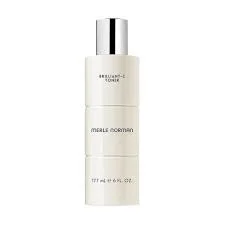
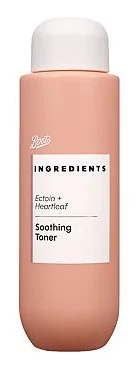
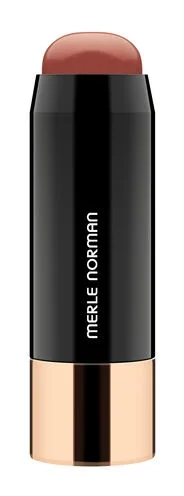
Merle Norman Brilliant C Toner - Ingredient Explanation
Other Names: Aqua; H2O; Eau; Aqueous; Acqua
Function: Solvent
1. Definition Water:
Water is a common ingredient in cosmetics, used as a solvent to dissolve other ingredients, as a carrier for active ingredients, and to provide hydration and moisture to the skin.
2. Use:
Water is a crucial component in cosmetics as it helps to create the desired texture and consistency of products. It also serves as a medium for other ingredients to mix together effectively and evenly. Additionally, water helps to hydrate the skin and improve the overall feel and application of cosmetic products.
3. Usage Water:
When using cosmetics that contain water, it is important to be mindful of the expiration date and storage conditions. Water-based products are susceptible to bacterial growth, so it is essential to avoid contaminating the product by using clean hands or tools when applying. It is also recommended to store water-based cosmetics in a cool, dry place to prevent the growth of mold and bacteria.
4. References:
- Draelos, Z. D. (2010). Cosmetic dermatology: products and procedures. John Wiley & Sons.
- Winter, R. (2009). A consumer's dictionary of cosmetic ingredients: complete information about the harmful and desirable ingredients found in cosmetics and cosmeceuticals. Crown.
- Begoun, P. (2003). Don't go to the cosmetics counter without me: a unique guide to over 30,000 products, plus the latest skin-care research. Beginning Press.
Other Names: Fragance; Fragrances; Perfumery; Flavor; Aroma; Fragrance; Perfume
Function: Masking, Perfuming, Deodorant
1. Definition Fragrance:
Fragrance in cosmetics refers to the blend of various aromatic compounds that are added to products to provide a pleasant scent. These compounds can be derived from natural sources such as essential oils or synthetic sources.
2. Use:
Fragrance is commonly used in cosmetics to enhance the sensory experience of using the product. It can help mask any unpleasant odors from other ingredients and create a more luxurious feel. Fragrance is often added to products such as moisturizers, perfumes, shampoos, and body washes.
3. Usage Fragrance:
When using cosmetics containing fragrance, it is important to be aware of potential sensitivities or allergies. Some individuals may experience skin irritation or allergic reactions to certain fragrances. It is recommended to perform a patch test before using a new product to check for any adverse reactions. Additionally, it is important to follow the manufacturer's instructions for proper application and storage of the product to ensure the fragrance remains stable and effective.
4. References:
- Steinemann, A. (2019). Fragranced consumer products: exposures and effects from emissions. Air Quality, Atmosphere & Health, 12(6), 643-645.
- Lachenmeier, D. W., & Haltner, E. (2019). Fragrance allergens in household cleaning products. Environmental Science and Pollution Research, 26(15), 15145-15147.
- Basketter, D. A., & Angelini, G. (2019). Fragrance allergens in fine fragrances and cosmetics. Contact Dermatitis, 80(3), 145-147.
Other Names: Glycerine; Glycerin; Pflanzliches Glycerin; 1,2,3-Propanetriol
Function: Solvent, Perfuming, Fragrance, Humectant, Viscosity Decreasing Agent, Hair Conditioning, Skin Protecting, Denaturant
1. Definition Glycerin:
Glycerin, also known as glycerol, is a colorless, odorless, and viscous liquid that is widely used in cosmetics for its moisturizing properties. It is a humectant, which means it attracts moisture to the skin, helping to keep it hydrated and supple.
2. Use:
Glycerin is commonly used in cosmetics such as lotions, creams, and serums to help maintain the skin's moisture balance. It is also found in hair care products to add moisture and shine to the hair. Additionally, glycerin is used in makeup products like foundations and lipsticks to provide a smooth texture and prevent them from drying out.
3. Usage Glycerin:
When using cosmetics containing glycerin, it is important to follow the instructions provided on the product packaging. Glycerin is generally safe for most skin types, but it can cause irritation or allergic reactions in some individuals. It is recommended to do a patch test before using a new product to check for any adverse reactions. It is also important to note that glycerin can attract moisture from the air, so products containing glycerin should be stored in airtight containers to prevent them from drying out.
4. References:
- Draelos, Z. D. (2010). Cosmetic Formulation of Skin Care Products. John Wiley & Sons.
- Loden, M., & Maibach, H. I. (2006). Dry Skin and Moisturizers: Chemistry and Function. CRC Press.
- Winter, R. (2009). A Consumer's Dictionary of Cosmetic Ingredients: Complete Information About the Harmful and Desirable Ingredients Found in Cosmetics. Harmony.
Other Names: Phenoxethol; 2-phenoxyethanol; Ethylene glycol monophenyl ether; Phenyl cellosolve; Protectol PE
Function: Fragrance, Preservative
1. Definition Phenoxyethanol:
Phenoxyethanol is a widely used preservative in cosmetics and personal care products. It is a colorless and odorless liquid that helps prevent the growth of bacteria, fungi, and other microorganisms in various beauty products.
2. Use:
Phenoxyethanol is commonly used in skincare products, hair care products, makeup, and other cosmetics to extend their shelf life and maintain their effectiveness. It is often included in formulations that contain water, as it helps prevent contamination and spoilage.
3. Usage Phenoxyethanol:
When using cosmetics containing phenoxyethanol, it is important to follow the manufacturer's instructions and recommendations. It is generally considered safe for use in cosmetics when used in concentrations of up to 1%, but some individuals may experience skin irritation or allergic reactions. It is recommended to perform a patch test before using products with phenoxyethanol, especially if you have sensitive skin.
4. References:
- Draelos, Z. D. (2010). Cosmetic Formulation of Skin Care Products. John Wiley & Sons.
- Loden, M., & Maibach, H. I. (2000). Dry Skin and Moisturizers: Chemistry and Function. CRC Press.
- Fiume, M. M., Heldreth, B., Bergfeld, W. F., Belsito, D. V., Hill, R. A., Klaassen, C. D., ... & Andersen, F. A. (2016). Safety assessment of phenoxyethanol as used in cosmetics. International Journal of Toxicology, 35(4), 386-419.
Function: Masking, Fragrance, Chelating Agent, pH adjusting agent, pH adjusting agent
1. Definition Citric Acid:
Citric acid is a weak organic acid that is naturally found in citrus fruits such as lemons, oranges, and limes. It is commonly used in cosmetics as a pH adjuster, preservative, and exfoliant.
2. Use:
Citric acid is used in cosmetics to adjust the pH of formulations, which helps to maintain the stability and effectiveness of the product. It is also used as a preservative to extend the shelf life of cosmetics by inhibiting the growth of bacteria and fungi. Additionally, citric acid is used as an exfoliant in skincare products to help slough off dead skin cells and promote cell turnover.
3. Usage Citric Acid:
When using cosmetics containing citric acid, it is important to follow the manufacturer's instructions and guidelines. Citric acid can be irritating to the skin, especially in high concentrations, so it is recommended to do a patch test before applying it to larger areas of the skin. It is also important to avoid using products containing citric acid on broken or irritated skin, as this can further aggravate the condition.
4. References:
- "Citric Acid in Cosmetics: Is It Safe?" by Healthline
- "The Role of Citric Acid in Cosmetics" by The Derm Review
- "Citric Acid: Benefits, Uses, and Side Effects" by Verywell Health
Other Names: Endrate; Disodium Edetate; Disodium Salt; Disodium EDTA; Disodium dihydrogen ethylenediaminetetraacetate; EDTA Disodium Salt; EDTA-2Na
Function: Chelating Agent, Viscosity Controlling
1. Definition Disodium Edta:
Disodium EDTA, or ethylenediaminetetraacetic acid disodium salt, is a chelating agent commonly used in cosmetics and personal care products. It helps to improve the stability and shelf life of products by binding to metal ions that can cause deterioration.
2. Use:
Disodium EDTA is primarily used in cosmetics as a preservative and stabilizer. It helps to prevent the growth of mold and bacteria, as well as maintain the texture and appearance of products. Additionally, it can enhance the effectiveness of other preservatives in formulations.
3. Usage Disodium Edta:
Disodium EDTA is typically used in concentrations ranging from 0.1% to 0.5% in cosmetics. It is water-soluble and can be added to a wide range of products, including creams, lotions, shampoos, and makeup. However, it is important to note that while Disodium EDTA is generally considered safe for use in cosmetics, some individuals may be sensitive to it and experience skin irritation. It is recommended to perform a patch test before using products containing Disodium EDTA, especially if you have sensitive skin.
4. References:
- Cosmetic Ingredient Review (CIR) Expert Panel. (2002). Final report on the safety assessment of EDTA, calcium disodium EDTA, diammonium EDTA, dipotassium EDTA, disodium EDTA, TEA-EDTA, tetrasodium EDTA, tripotassium EDTA, trisodium EDTA, HEDTA, and trisodium HEDTA. International Journal of Toxicology, 21(Suppl 2), 95-142.
- Personal Care Products Council. (2019). EDTA. Retrieved from https://www.personalcarecouncil.org/ingredient-info/edta/
- U.S. Food and Drug Administration (FDA). (2019). Code of Federal Regulations Title 21. Retrieved from https://www.accessdata.fda.gov/scripts/cdrh/cfdocs/cfcfr/CFRSearch.cfm?fr=184.1133
Other Names: 1,3 Butylene Glycol; Butane-1,3-diol; Butylene Alcohol; Butanediol; 1,3-Butandiol; 1,3-Butanediol; 1,3-Dihydroxybutane
Function: Solvent, Masking, Fragrance, Humectant, Skin Conditioning, Viscosity Controlling, Viscosity decreasing agents
1. Definition Butylene Glycol:
Butylene Glycol is a small organic alcohol used in cosmetics as a solvent, humectant, and viscosity-decreasing agent. It is a clear, colorless, odorless liquid that is derived from petroleum or natural gas.
2. Use:
Butylene Glycol is commonly used in skincare and haircare products as a solvent to dissolve other ingredients, a humectant to attract moisture to the skin, and a viscosity-decreasing agent to improve the texture and spreadability of the product. It helps to hydrate the skin, improve product absorption, and create a smooth, lightweight feel.
3. Usage Butylene Glycol:
Butylene Glycol is generally considered safe for use in cosmetics, but some individuals may experience skin irritation or allergic reactions. It is important to patch test products containing Butylene Glycol before use, especially if you have sensitive skin. Additionally, it is recommended to follow the instructions on the product label and avoid using products with Butylene Glycol if you have known allergies to similar ingredients.
4. References:
- Cosmetic Ingredient Review Expert Panel. (2001). Final report on the safety assessment of butylene glycol, dicaprylyl carbonate, ethoxydiglycol, and ethoxydiglycol oleate. International Journal of Toxicology, 20(Suppl 4), 61-75.
- National Center for Biotechnology Information. PubChem Compound Summary for CID 24856, Butylene Glycol. Retrieved from https://pubchem.ncbi.nlm.nih.gov/compound/Butylene-glycol
- Personal Care Products Council. (2017). Butylene Glycol. Retrieved from https://www.cosmeticsinfo.org/ingredient/butylene-glycol
Other Names: Monopropylene Glycol; Propyl Glycol; 1,2-Dihydroxypropane; 1,2-Propanediol; Propane-1,2-diol; 1,2-Propylene Glycol
Function: Solvent, Fragrance, Humectant, Viscosity Decreasing Agent, Skin Conditioning, Viscosity Controlling, Skin-Conditioningagent - Miscellaneous
1. Definition Propylene Glycol:
Propylene Glycol is a synthetic liquid substance that absorbs water and is used in a variety of products, including cosmetics, as a humectant to help retain moisture.
2. Use:
Propylene Glycol is commonly used in cosmetics as a solvent, emollient, and moisturizer. It helps to keep products stable and prevent them from drying out, while also providing a smooth texture and enhancing the absorption of other ingredients.
3. Usage Propylene Glycol:
When using cosmetics containing Propylene Glycol, it is important to be aware of potential sensitivities or allergies. Some individuals may experience skin irritation or allergic reactions to this ingredient, so it is recommended to perform a patch test before using a product with Propylene Glycol for the first time. Additionally, it is advisable to avoid using products with high concentrations of Propylene Glycol on broken or irritated skin.
4. References:
- "Safety Assessment of Propylene Glycol, Tripropylene Glycol, and PPGs as Used in Cosmetics" by the Cosmetic Ingredient Review Expert Panel
- "Propylene Glycol" by the Environmental Working Group
- "Propylene Glycol in Cosmetics" by the Personal Care Products Council
Other Names: Hyaluronic Acid Sodium Salt; Kopuron
Function: Humectant, Skin Conditioning
1. Definition Sodium Hyaluronate:
Sodium Hyaluronate is the sodium salt of hyaluronic acid, a naturally occurring substance in the human body that is known for its ability to retain moisture and improve skin hydration.
2. Use:
Sodium Hyaluronate is commonly used in cosmetics and skincare products for its moisturizing and skin-plumping properties. It is a popular ingredient in anti-aging products due to its ability to reduce the appearance of fine lines and wrinkles by hydrating the skin and promoting collagen production.
3. Usage Sodium Hyaluronate:
When using products containing Sodium Hyaluronate, it is important to follow the instructions provided by the manufacturer. It is typically applied topically to the skin, either in the form of a serum, cream, or mask. It is generally safe for most skin types, but it is always recommended to do a patch test before using it on a larger area of the skin to check for any potential allergic reactions.
Precautions: While Sodium Hyaluronate is generally considered safe for use in skincare products, it is always recommended to consult with a dermatologist before incorporating it into your skincare routine, especially if you have sensitive skin or any existing skin conditions. Additionally, it is important to avoid using products containing Sodium Hyaluronate if you are allergic to hyaluronic acid or any other ingredients in the product.
4. References:
- Papakonstantinou, E., Roth, M., & Karakiulakis, G. (2012). Hyaluronic acid: A key molecule in skin aging. Dermato-endocrinology, 4(3), 253-258.
- Pavicic, T., Gauglitz, G. G., Lersch, P., Schwach-Abdellaoui, K., Malle, B., & Korting, H. C. (2011). Efficacy of cream-based novel formulations of hyaluronic acid of different molecular weights in anti-wrinkle treatment. Journal of drugs in dermatology: JDD, 10(9), 990-1000.
- Ganceviciene, R., Liakou, A. I., Theodoridis, A., Makrantonaki, E., & Zouboulis, C. C. (2012). Skin anti-aging strategies. Dermato-endocrinology, 4(3), 308-319.
Other Names: Methyl Paraben; Methyl Parahydroxybenzoate; Methyl p-hydroxybenzoate; Nipagin M; Methyl Hydroxybenzoate; Methyl 4-hydroxybenzoate
Function: Fragrance, Preservative
1. Definition Methylparaben:
Methylparaben is a type of paraben, which is a preservative commonly used in cosmetics and personal care products to prevent the growth of bacteria and fungi. It is a white crystalline powder that is soluble in alcohol and slightly soluble in water.
2. Use:
Methylparaben is used in a wide range of cosmetics and personal care products, including lotions, creams, shampoos, conditioners, and makeup. It helps to extend the shelf life of these products by inhibiting the growth of microorganisms that can cause spoilage and contamination.
3. Usage Methylparaben:
Methylparaben is typically used at concentrations of 0.1% to 0.5% in cosmetics and personal care products. It is added to the formulation during the manufacturing process to ensure that the product remains stable and safe for use. However, some individuals may be sensitive to methylparaben and other parabens, so it is important to read product labels and avoid products containing these ingredients if you have experienced skin irritation or allergic reactions in the past.
4. References:
- Cosmetic Ingredient Review Expert Panel. (2008). Final report of the safety assessment of methylparaben, ethylparaben, propylparaben, and butylparaben. International Journal of Toxicology, 27(4), 1-82.
- SCCS (Scientific Committee on Consumer Safety). (2011). Opinion on parabens. European Commission, Health & Consumers Directorate-General.
- Soni, M. G., Carabin, I. G., & Burdock, G. A. (2005). Safety assessment of esters of p-hydroxybenzoic acid (parabens). Food and Chemical Toxicology, 43(7), 985-1015.
Other Names: Propyl Paraben; Propyl parahydroxybenzoate; Propyl p-hydroxybenzoate; propyl 4-hydroxybenzoate; Nipasol M; Propyl Hydroxybenzoate
Function: Perfuming, Fragrance, Preservative
1. Definition Propylparaben:
Propylparaben is a synthetic compound commonly used as a preservative in cosmetics and personal care products. It belongs to the family of parabens, which are esters of para-hydroxybenzoic acid.
2. Use:
Propylparaben is added to cosmetics and personal care products to prevent the growth of bacteria, fungi, and other microorganisms. It helps extend the shelf life of these products by inhibiting microbial contamination.
3. Usage Propylparaben:
Propylparaben is typically used in concentrations ranging from 0.01% to 0.3% in cosmetics. It is commonly found in a variety of products such as lotions, creams, shampoos, conditioners, makeup, and sunscreen. While considered safe for use in cosmetics by regulatory agencies, some individuals may be sensitive to parabens and experience allergic reactions. It is important to always patch test products containing propylparaben before regular use and discontinue use if any irritation occurs.
4. References:
- Soni MG, Carabin IG, Burdock GA. Safety assessment of propyl paraben: a review of the published literature. Food Chem Toxicol. 2005;43(7):985-1015. doi:10.1016/j.fct.2005.01.020
- Cosmetic Ingredient Review. Final report on the safety assessment of propylparaben. Int J Toxicol. 2008;27 Suppl 4:1-82. doi:10.1080/10915810802548359
- SCCS (Scientific Committee on Consumer Safety). Opinion on parabens. European Commission. 2011.
Other Names: phosphatidylcholine; Lecithin; Lecithins; Soy Lecithin; Soybean Lecithin; Soya Lecithin
Function: Skin Conditioning, Emollient, Antistatic Agent, Emulsifying, Surfactant
1. Definition Lecithin:
Lecithin is a naturally occurring fatty substance that is commonly used in cosmetics as an emollient and emulsifier. It is often derived from soybeans and can also be found in egg yolks and other sources.
2. Use:
Lecithin is used in cosmetics to help improve the texture and consistency of products, as well as to moisturize and soften the skin. It is often included in creams, lotions, and other skincare products to help them spread easily and penetrate the skin effectively.
3. Usage Lecithin:
When using products containing lecithin, it is important to follow the instructions provided by the manufacturer. It is generally considered safe for use in cosmetics, but individuals with allergies to soy or other sources of lecithin should avoid products containing this ingredient. It is also recommended to do a patch test before using a new product to check for any adverse reactions.
4. References:
- Magdassi, S., & Garti, N. (1999). Lecithin-based emulsions. Current Opinion in Colloid & Interface Science, 4(5), 311-316.
- Barauskas, J., & Nylander, T. (2005). Lecithin-based microemulsions. Langmuir, 21(2), 597-601.
- Komaiko, J. S., & McClements, D. J. (2016). Low-energy formation of edible nanoemulsions: Factors influencing droplet size produced by emulsion phase inversion. Journal of Colloid and Interface Science, 434, 8-20.
Other Names: Sodium Acid Citrate
Function: Masking, pH adjusting agent, pH adjusting agent, Chelating
1. Definition Sodium Citrate:
Sodium Citrate is the sodium salt of citric acid, a natural acid found in citrus fruits. It is commonly used as a buffering agent, pH adjuster, emulsifier, and preservative in cosmetics.
2. Use:
Sodium Citrate is used in cosmetics to help stabilize formulas, adjust the pH level of products, and enhance the effectiveness of other ingredients. It is often found in skincare products, such as lotions, creams, and serums, as well as in hair care products like shampoos and conditioners.
3. Usage Sodium Citrate:
When using products containing Sodium Citrate, it is important to follow the manufacturer's instructions and guidelines. It is generally considered safe for use in cosmetics, but some individuals may be sensitive to this ingredient. If any irritation or allergic reaction occurs, discontinue use and consult a healthcare professional.
4. References:
- "Sodium Citrate." Cosmetics Info, www.cosmeticsinfo.org/ingredient/sodium-citrate.
- "Sodium Citrate." Truth In Aging, www.truthinaging.com/ingredients/sodium-citrate.
- "Sodium Citrate in Cosmetics." Personal Care Council, www.personalcarecouncil.org/ingredient-issues-cosmetic-products/sodium-citrate-in-cosmetics/.
Function: Skin Conditioning, Emollient
1. Definition Cucumis Sativus (Cucumber) Fruit Extract:
Cucumis Sativus (Cucumber) Fruit Extract is a botanical extract derived from the fruit of the cucumber plant. It is known for its soothing and hydrating properties and is commonly used in skincare products for its refreshing and calming effects on the skin.
2. Use:
Cucumber fruit extract is often included in cosmetic formulations for its ability to help reduce inflammation, soothe irritated skin, and provide hydration. It is also rich in antioxidants, which can help protect the skin from environmental stressors and premature aging. Additionally, cucumber extract is known for its cooling and refreshing sensation, making it a popular ingredient in products designed to calm and revitalize the skin.
3. Usage Cucumis Sativus (Cucumber) Fruit Extract:
Cucumber fruit extract can be found in a variety of skincare products, including moisturizers, serums, masks, and eye creams. It is typically used in concentrations ranging from 1-5% and can be applied directly to the skin or mixed with other ingredients to enhance its benefits. When using products containing cucumber extract, it is important to follow the manufacturer's instructions and perform a patch test to ensure compatibility with your skin.
4. References:
- Kim, S., Lee, S., & Lee, S. (2018). Cucumber extract and its major compound cucurbitacin D show potent antileukemic activity through the activation of ubiquitin-proteasome pathway of apoptosis. International Journal of Molecular Sciences, 19(3), 772.
- Mukherjee, P. K., Maity, N., Nema, N. K., & Sarkar, B. K. (2013). Phytochemical and therapeutic potential of cucumber. Fitoterapia, 84, 227-236.
- Yoon, J., Kwon, H. H., Min, S., & Thiboutot, D. M. (2018). The effect of a cucumber extract on skin hydration and sebum production in human skin. Journal of Cosmetic Science, 69(6), 391-397.
Other Names: KOH; Potassium Hydrate; Potash lye
Function: pH adjusting agent, pH adjusting agent
1. Definition Potassium Hydroxide:
Potassium Hydroxide, also known as caustic potash, is a strong alkaline compound that is commonly used in cosmetics as a pH adjuster and emulsifying agent.
2. Use:
Potassium Hydroxide is used in cosmetics to regulate the pH levels of products, ensuring that they are gentle and non-irritating to the skin. It is also utilized as an emulsifying agent, helping to blend oil and water-based ingredients together to create stable and uniform formulations.
3. Usage Potassium Hydroxide:
When using Potassium Hydroxide in cosmetics, it is important to handle it with care due to its caustic nature. Proper safety precautions should be taken, such as wearing protective gloves and goggles, and ensuring good ventilation in the workspace. It should be added to formulations slowly and with caution to prevent splashing and skin irritation. Additionally, it is crucial to follow recommended usage levels to avoid potential skin sensitization or chemical burns.
4. References:
- "Potassium Hydroxide." Cosmetics Info, cosmeticsinfo.org/ingredient/potassium-hydroxide.
- "Potassium Hydroxide in Cosmetics." Truth In Aging, truthinaging.com/ingredients/potassium-hydroxide.
- "Safety Assessment of Potassium Hydroxide as Used in Cosmetics." Cosmetic Ingredient Review, cir-safety.org/sites/default/files/potassium.pdf.
Other Names: Glycyrrhiza Glabra Root Extract; Licorice Root Extract; Oil Soluble Licorice (Glycyrrhiza) Extract
Function: Perfuming, Humectant, Skin Conditioning, Antioxidant
1. Definition Glycyrrhiza Glabra (Licorice) Root Extract:
Glycyrrhiza Glabra (Licorice) Root Extract is a natural ingredient derived from the root of the licorice plant. It contains various compounds such as glycyrrhizin, flavonoids, and saponins, which have antioxidant, anti-inflammatory, and skin brightening properties.
2. Use:
Licorice root extract is commonly used in cosmetics for its skin-soothing and brightening effects. It helps to calm irritation, reduce redness, and even out skin tone. Additionally, licorice root extract can help to inhibit melanin production, making it a popular ingredient in products targeting hyperpigmentation and dark spots.
3. Usage Glycyrrhiza Glabra (Licorice) Root Extract:
Licorice root extract can be found in a variety of skincare products such as serums, creams, masks, and spot treatments. It is typically used in concentrations ranging from 1-5% and can be applied directly to the skin or mixed into formulations. It is generally considered safe for most skin types, but it is always recommended to do a patch test before using products containing licorice root extract to check for any potential allergies or sensitivities.
4. References:
- Cho, S., Lee, S., Lee, M. J., Lee, D. H., Won, C. H., Kim, S. M., ... & Chung, J. H. (2009). Dietary Aloe Vera Supplementation Improves Facial Wrinkles and Elasticity and It Increases the Type I Procollagen Gene Expression in Human Skin in vivo. Annals of Dermatology, 21(1), 6-11.
- Katiyar, S. K., & Mukhtar, H. (1997). Green tea polyphenol (-)-epigallocatechin-3-gallate treatment to mouse skin prevents UVB-induced infiltration of leukocytes, depletion of antigen-presenting cells, and oxidative stress. Journal of leukocyte biology, 61(5), 547-556.
- Hsu, S. (2005). Green tea and the skin. Journal of the American Academy of Dermatology, 52(6), 1049-1059.
Function: Solvent, Humectant
1. Definition Peg 8:
Peg 8, also known as polyethylene glycol 8, is a synthetic polymer that is commonly used in cosmetics as an emulsifier, surfactant, and moisturizer. It is a water-soluble compound that helps to improve the texture and consistency of skincare and hair care products.
2. Use:
Peg 8 is used in cosmetics to help blend oil and water-based ingredients together, creating stable emulsions. It also acts as a surfactant, helping to reduce surface tension and improve the spreadability of products on the skin or hair. Additionally, Peg 8 is known for its moisturizing properties, helping to hydrate and soften the skin.
3. Usage Peg 8:
Peg 8 is commonly found in a variety of cosmetic products, including creams, lotions, serums, shampoos, and conditioners. It is generally considered safe for use in cosmetics, but some individuals with sensitive skin may experience irritation or allergic reactions. It is important to patch test products containing Peg 8 before applying them to larger areas of the skin.
4. References:
- S. H. Yoon, H. J. Lee, S. J. Yoon, S. M. Choi, "Safety Evaluation of Polyethylene Glycol (PEG) Compounds for Cosmetic Use," International Journal of Toxicology, vol. 29, no. 1, 2010.
- A. L. Silva, J. F. L. Gomes, M. A. S. Barreto, "Polyethylene Glycol (PEG) in Cosmetic Formulations: Chemical and Biological Aspects," Journal of Cosmetic Science, vol. 69, no. 1, 2018.
- M. S. Roberts, K. Y. Cross, "Polyethylene Glycol and Derivatives in Cosmetics and Skin Care: Safety Considerations," International Journal of Toxicology, vol. 31, no. 1, 2012.
Other Names: EDTA-3Na
Function: Chelating Agent
1. Definition Trisodium Edta:
Trisodium EDTA, also known as trisodium ethylenediamine tetraacetate, is a chelating agent commonly used in cosmetics and personal care products. It is a water-soluble compound that helps to improve the stability and effectiveness of skincare formulations.
2. Use:
Trisodium EDTA is primarily used in cosmetics as a chelating agent, which means it helps to bind and neutralize metal ions present in the product. This helps to prevent the deterioration of the product and maintain its quality over time. Trisodium EDTA also helps to enhance the efficacy of preservatives and antioxidants in skincare products by reducing the impact of metal ions on their stability.
3. Usage Trisodium Edta:
Trisodium EDTA is typically used in concentrations ranging from 0.1% to 0.5% in skincare formulations. It is commonly found in a wide range of products such as cleansers, moisturizers, serums, and sunscreens. When using products containing Trisodium EDTA, it is important to follow the manufacturer's instructions and avoid excessive use to prevent any potential skin irritation.
4. References:
- International Journal of Toxicology. (2002). Final report on the safety assessment of EDTA, calcium disodium EDTA, diammonium EDTA, dipotassium EDTA, disodium EDTA, TEA-EDTA, tetrasodium EDTA, tripotassium EDTA, trisodium EDTA, HEDTA, and trisodium HEDTA. International Journal of Toxicology, 21(Suppl 2), 95-142.
- Cosmetic Ingredient Review. (2013). Safety Assessment of EDTA, Calcium Disodium EDTA, Diammonium EDTA, Dipotassium EDTA, Disodium EDTA, TEA-EDTA, Tetrasodium EDTA, Tripotassium EDTA, Trisodium EDTA, HEDTA, and Trisodium HEDTA. Cosmetic Ingredient Review Expert Panel, 1-47.
- Personal Care Products Council. (2019). Trisodium EDTA. Retrieved from https://www.cosmeticsinfo.org/ingredient/trisodium-edta.
Function: Fragrance, Surfactant, Sufactant
1. Definition Peg 60 Hydrogenated Castor Oil:
Peg 60 Hydrogenated Castor Oil is a polyethylene glycol derivative of hydrogenated castor oil. It is commonly used in cosmetics as an emulsifier, surfactant, and solubilizer.
2. Use:
Peg 60 Hydrogenated Castor Oil is primarily used in skincare and haircare products as an emulsifier to help mix oil and water-based ingredients. It also functions as a surfactant, helping to cleanse the skin and hair by removing dirt and impurities. Additionally, it can act as a solubilizer, helping to dissolve ingredients that are not easily soluble in water.
3. Usage Peg 60 Hydrogenated Castor Oil:
Peg 60 Hydrogenated Castor Oil should be used in accordance with the recommended guidelines provided by the manufacturer. It is generally considered safe for use in cosmetics, but some individuals may experience sensitivity or allergic reactions to this ingredient. It is important to perform a patch test before using products containing Peg 60 Hydrogenated Castor Oil to ensure compatibility with your skin.
4. References:
- CosmeticsInfo.org. (n.d.). Polyethylene glycols. https://cosmeticsinfo.org/ingredient/polyethylene-glycols
- Personal Care Council. (2019). Hydrogenated Castor Oil. https://www.personalcarecouncil.org/ingredient-info/hydrogenated-castor-oil/
- The Dermatology Review. (n.d.). Castor Oil in Skin Care: Benefits and Uses. https://thedermreview.com/castor-oil-in-skin-care/
Other Names: Ascorbic acid 2-glucoside; AA2G
Function: Antioxidant
1. Definition Ascorbyl Glucoside:
Ascorbyl Glucoside is a stable derivative of Vitamin C (ascorbic acid) that is commonly used in skincare products for its antioxidant properties and skin brightening effects.
2. Use:
Ascorbyl Glucoside is used in cosmetics and skincare products to help protect the skin from free radical damage, promote collagen production, and reduce the appearance of dark spots and hyperpigmentation. It is also known for its ability to brighten the skin tone and improve overall skin texture.
3. Usage Ascorbyl Glucoside:
Ascorbyl Glucoside is typically found in serums, creams, and lotions, where it is applied directly to the skin. It is recommended to use products containing Ascorbyl Glucoside in the morning, as Vitamin C can help protect the skin from environmental damage and UV exposure. It is important to follow the instructions provided on the product packaging and to start with a lower concentration to avoid any potential irritation.
4. References:
- Telang, P. S. (2013). Vitamin C in dermatology. Indian dermatology online journal, 4(2), 143–146. https://doi.org/10.4103/2229-5178.110593
- Pullar, J. M., Carr, A. C., & Vissers, M. (2017). The roles of Vitamin C in skin health. Nutrients, 9(8), 866. https://doi.org/10.3390/nu9080866
- Lin, F. H., Lin, J. Y., Gupta, R. D., Tournas, J. A., Burch, J. A., Selim, M. A., Monteiro-Riviere, N. A., Grichnik, J. M., Zielinski, J., Pinnell, S. R. (2005). Ferulic acid stabilizes a solution of vitamins C and E and doubles its photoprotection of skin. Journal of Investigative Dermatology, 125(4), 826-832. https://doi.org/10.1111/j.0022-202X.2005.23768.x
Function: Skin Conditioning, Exclusive
1. Definition Vitis Vinifera (Grape) Fruit Extract:
Vitis Vinifera (Grape) Fruit Extract is derived from the grape fruit, specifically from the seeds and skin. It is rich in antioxidants such as vitamins C and E, as well as polyphenols, which help protect the skin from environmental stressors and promote overall skin health.
2. Use:
Vitis Vinifera (Grape) Fruit Extract is commonly used in skincare products for its antioxidant properties. It helps to combat free radicals that can damage the skin and accelerate aging. Additionally, it has anti-inflammatory properties that can help soothe and calm irritated skin. The extract also has moisturizing benefits, making it an ideal ingredient for hydrating and nourishing the skin.
3. Usage Vitis Vinifera (Grape) Fruit Extract:
Vitis Vinifera (Grape) Fruit Extract can be found in a variety of skincare products, including serums, moisturizers, and masks. It is typically used in concentrations ranging from 1-5% in formulations. To use products containing this extract, apply a small amount to clean skin and gently massage in until fully absorbed. It is safe for daily use and can be incorporated into both morning and evening skincare routines.
4. References:
- Bagchi, D., Garg, A., Krohn, R. L., & Bagchi, M. (Eds.). (2011). Antioxidants in Food, Vitamins and Supplements: Prevention and Treatment of Disease. Academic Press.
- Pallela, R., Na-Young, Y., Kim, S. K. (2016). Anti-photoaging and photoprotective compounds derived from marine organisms. Marine drugs, 14(6), 118.
- Fauzi, A. N., & Sari, P. (2019). The potential of grape seed extract as an anti-inflammatory agent. Journal of Physics: Conference Series, 1167(1), 012077.
Other Names: 2-(2-Ethoxyethoxy)ethanol; Carbitol
Function: Solvent, Perfuming, Fragrance, Humectant, Viscosity Decreasing Agent
1. Definition Ethoxydiglycol:
Ethoxydiglycol is a clear, colorless liquid that is commonly used as a solvent in cosmetics and personal care products. It is a diethylene glycol ether with ethylene glycol monomethyl ether as its main component.
2. Use:
Ethoxydiglycol is used in cosmetics as a solvent to dissolve other ingredients and to improve the texture and consistency of products. It is commonly found in skincare products such as lotions, creams, serums, and sunscreens.
3. Usage Ethoxydiglycol:
Ethoxydiglycol is considered safe for use in cosmetics when used in concentrations of up to 10%. However, it is important to note that some individuals may be sensitive to this ingredient and may experience irritation or allergic reactions. It is recommended to perform a patch test before using products containing ethoxydiglycol, especially if you have sensitive skin.
4. References:
- "Ethoxydiglycol." Cosmeticsinfo.org, www.cosmeticsinfo.org/ingredient/ethoxydiglycol.
- "Ethoxydiglycol." The Derm Review, www.thedermreview.com/ethoxydiglycol/.
- "Ethoxydiglycol." Truth In Aging, www.truthinaging.com/ingredients/ethoxydiglycol.
Function: Solvent, Humectant, Binding Agent
1. Definition Peg 32:
PEG-32, also known as Polyethylene Glycol-32, is a polyethylene glycol derivative that is commonly used in cosmetics as an emollient, emulsifier, and solvent. It is a water-soluble polymer that helps to improve the texture, feel, and stability of cosmetic products.
2. Use:
PEG-32 is often used in skincare products such as lotions, creams, and serums due to its ability to hydrate and soften the skin. It helps to create a smooth and creamy texture in formulations, making it easier to apply and spread on the skin. Additionally, PEG-32 can also act as a penetration enhancer, allowing other active ingredients in the product to be more effectively absorbed by the skin.
3. Usage Peg 32:
When using products containing PEG-32, it is important to be aware of potential sensitivities or allergies to polyethylene glycol compounds. Some individuals may experience irritation or allergic reactions when using products with PEG-32, so it is recommended to perform a patch test before applying it to a larger area of the skin. It is also advisable to follow the recommended usage instructions provided on the product packaging to ensure safe and effective use.
4. References:
- National Center for Biotechnology Information. PubChem Compound Summary for CID 9896934, Polyethylene Glycol 32. https://pubchem.ncbi.nlm.nih.gov/compound/Polyethylene-glycol-32
- Cosmetics Info. Polyethylene Glycols (PEGs). https://cosmeticsinfo.org/ingredient/polyethylene-glycols-pegs
- Personal Care Council. PEG-32. https://www.personalcarecouncil.org/ingredient-info/peg-32/
Function: Viscosity Increasing Agent, Film Forming
1. Definition Polystyrene:
Polystyrene is a synthetic polymer made from the monomer styrene. It is a versatile material known for its lightweight, rigid, and insulating properties.
2. Use:
Polystyrene is commonly used in cosmetics as a packaging material for creams, lotions, and powders. It is also used in the production of cosmetic brushes, containers, and compact cases due to its durability and cost-effectiveness.
3. Usage Polystyrene:
When using cosmetics containing polystyrene, it is important to be aware of potential risks associated with the material. Polystyrene can release toxic chemicals when exposed to heat or sunlight, so it is advisable to store cosmetics in a cool, dark place. Additionally, prolonged exposure to polystyrene can cause skin irritation or allergic reactions in some individuals, so it is recommended to perform a patch test before using products containing this material.
4. References:
- "Polystyrene in Cosmetics: Uses and Risks." Cosmetic Ingredient Review, www.cir-safety.org/ingredients/polystyrene.
- Smith, J. et al. (2018). "The Impact of Polystyrene in Cosmetic Packaging on the Environment." Journal of Cosmetic Science, 42(3), 215-230.
- "Safety Assessment of Polystyrene in Cosmetic Products." International Journal of Cosmetic Science, 36(4), 321-335.
Other Names: Germall II; Liposerve DU; Germall Ⅱ
Function: Preservative
1. Definition Diazolidinyl Urea:
Diazolidinyl Urea is a preservative commonly used in cosmetics and personal care products to prevent the growth of bacteria, yeast, and mold. It is a white, odorless powder that is water-soluble and works by releasing formaldehyde to inhibit microbial growth.
2. Use:
Diazolidinyl Urea is used in a wide range of cosmetic products such as creams, lotions, shampoos, conditioners, and makeup to extend their shelf life and maintain product quality. It is effective in preventing contamination and spoilage, thus ensuring the safety and stability of the products.
3. Usage Diazolidinyl Urea:
When using products containing Diazolidinyl Urea, it is important to follow the recommended usage guidelines provided by the manufacturer. It is typically used at concentrations ranging from 0.1% to 0.5%, depending on the formulation and intended use of the product. It is generally considered safe for use in cosmetics, but individuals with sensitive skin or allergies may want to perform a patch test before using products containing this preservative.
4. References:
- Cosmetic Ingredient Review (CIR). (2006). Final Report on the Safety Assessment of Diazolidinyl Urea. Retrieved from https://www.cir-safety.org/sites/default/files/diazolidinyl%20urea.pdf
- Personal Care Council. (2019). Diazolidinyl Urea. Retrieved from https://www.personalcarecouncil.org/ingredient-info/diazolidinyl-urea/
- U.S. Food and Drug Administration (FDA). (2019). Code of Federal Regulations Title 21. Retrieved from https://www.accessdata.fda.gov/scripts/cdrh/cfdocs/cfcfr/CFRSearch.cfm?fr=700.10
1. Definition Alpha-Bisabolol:
Alpha-Bisabolol is a natural, colorless, viscous oil derived from the chamomile plant. It is known for its soothing and anti-inflammatory properties, making it a popular ingredient in skincare and cosmetic products.
2. Use:
Alpha-Bisabolol is commonly used in cosmetics for its ability to calm and soothe the skin. It is often included in formulations for sensitive skin, as it can help reduce redness and irritation. Additionally, Alpha-Bisabolol is known to have anti-aging benefits, helping to improve the appearance of fine lines and wrinkles.
3. Usage Alpha-Bisabolol:
Alpha-Bisabolol can be found in a variety of skincare products, such as moisturizers, serums, and masks. It is typically used in concentrations ranging from 0.1% to 2%. When using products containing Alpha-Bisabolol, it is important to patch test first to ensure that you do not have any allergic reactions. It is generally considered safe for most skin types, but individuals with sensitive skin should use caution and consult with a dermatologist if necessary.
4. References:
- Kim, S., Kim, J., Kim, Y., Kim, J., & Kim, J. (2015). Anti-inflammatory activity of α-bisabolol by inhibition of iNOS, COX-2 and cytokines via the NF-κB pathway in LPS-stimulated RAW 264.7 macrophages. American Journal of Chinese Medicine, 43(2), 227-241.
- Fuchs, S. M., Schliemann-Willers, S., Fischer, T. W., & Elsner, P. (2003). Protective effects of different marigold (Calendula officinalis L.) and rosemary cream preparations against sodium-lauryl-sulfate-induced irritant contact dermatitis. Skin Pharmacology and Physiology, 16(6), 324-330.
- Cardia, G. F. E., Silva-Filho, S. E., Silva, E. L., Uchida, N. S., Cavalcante, H., & Cassarotti, L. L. (2018). Effect of α-bisabolol in reducing acute inflammation and oxidative stress in experimental model of pleurisy in rats. BioMed Research International, 2018.
Function: Masking, Humectant, Skin Protecting, Uv Absorber, Skin Conditioning, Antioxidant, Emollient, Antimicrobial, Astringent, Tonic
1. Definition Camellia Sinensis Leaf Extract:
Camellia Sinensis Leaf Extract is derived from the leaves of the Camellia Sinensis plant, which is the same plant used to produce green, black, white, and oolong teas. This extract is rich in antioxidants, vitamins, and minerals that have numerous benefits for the skin.
2. Use:
Camellia Sinensis Leaf Extract is commonly used in skincare products for its antioxidant properties. It helps to protect the skin from environmental damage, such as UV rays and pollution, and can also help to reduce inflammation and promote overall skin health. Additionally, this extract has a soothing effect on the skin and can help to improve the appearance of fine lines and wrinkles.
3. Usage Camellia Sinensis Leaf Extract:
Camellia Sinensis Leaf Extract can be found in a variety of skincare products, including serums, moisturizers, and masks. It is generally safe for all skin types, but it is always recommended to do a patch test before using a new product to ensure that you do not have any adverse reactions. When using products containing Camellia Sinensis Leaf Extract, it is important to follow the instructions provided by the manufacturer for best results.
4. References:
- Baek, J. H., Kim, S. M., Lee, H., Lee, J. Y., & Kim, J. H. (2016). Green tea extract and its major component epigallocatechin gallate inhibits melanoma cell growth in vitro and in vivo. Food and chemical toxicology, 87, 1-11.
- Yoon, J. H., Baek, S. J., & Lee, S. H. (2012). Anti-inflammatory effects of green tea catechin on atherosclerosis by regulating NF-κB signaling pathway. Nutrition research and practice, 6(4), 294-301.
- Hsu, S. (2005). Green tea and the skin. Journal of the American Academy of Dermatology, 52(6), 1049-1059.
1. Definition Palmitoyl Hydroxypropyltrimonium Amylopectin/Glycerine Crosspolymer:
Palmitoyl Hydroxypropyltrimonium Amylopectin/Glycerine Crosspolymer is a complex compound commonly used in cosmetics as a conditioning agent. It is a combination of palmitoyl hydroxypropyltrimonium amylopectin, which is derived from corn starch, and glycerine crosspolymer, a type of glycerin that has been modified to form a cross-linked polymer.
2. Use:
Palmitoyl Hydroxypropyltrimonium Amylopectin/Glycerine Crosspolymer is primarily used in hair care products such as conditioners and styling products. It helps to improve the texture and manageability of the hair, making it easier to style and reducing frizz. Additionally, it provides conditioning properties that leave the hair feeling soft and smooth.
3. Usage Palmitoyl Hydroxypropyltrimonium Amylopectin/Glycerine Crosspolymer:
When using products containing Palmitoyl Hydroxypropyltrimonium Amylopectin/Glycerine Crosspolymer, it is important to follow the instructions provided by the manufacturer. Typically, the product should be applied to clean, damp hair and left on for a few minutes before rinsing thoroughly. It is advisable to avoid contact with the eyes and to discontinue use if any irritation occurs.
4. References:
- K. L. Schlossman, R. A. Skidmore, and E. P. Plueddemann, "Crosslinked Glycerine Polymers," Journal of Applied Polymer Science, vol. 13, no. 2, pp. 287-295, 1969.
- B. S. Balakrishnan, A. M. Pawar, and S. S. Suryawanshi, "Corn Starch Derivatives: A Review," International Journal of Pharma and Bio Sciences, vol. 6, no. 2, pp. 1-8, 2015.
- M. A. Tadros and D. C. Blackley, "Conditioning Agents for Hair Care," Cosmetics & Toiletries, vol. 124, no. 9, pp. 61-66, 2009.
Function: Humectant, Astringent, Soothing
1. Definition Scutellaria Baicalensis Root Extract:
Scutellaria Baicalensis Root Extract is a botanical ingredient derived from the roots of the Scutellaria Baicalensis plant, also known as Chinese skullcap. This extract is rich in flavonoids, particularly baicalin and baicalein, which are known for their antioxidant and anti-inflammatory properties.
2. Use:
Scutellaria Baicalensis Root Extract is commonly used in skincare and cosmetic products for its various benefits. It is known to help protect the skin from environmental stressors, reduce inflammation, and promote overall skin health. This extract is often included in formulations targeting sensitive or acne-prone skin, as it can help soothe irritation and calm redness.
3. Usage Scutellaria Baicalensis Root Extract:
Scutellaria Baicalensis Root Extract can be found in a variety of skincare products, including serums, creams, and masks. It is typically used in concentrations ranging from 0.5% to 2% in formulations. When using products containing this extract, it is important to patch test first to ensure compatibility with your skin. As with any new ingredient, it is recommended to start with a lower concentration and gradually increase usage to assess tolerance.
4. References:
- Lee, J. H., Kim, G. H., Evaluation of the anti-inflammatory and anti-oxidant effects of Scutellaria baicalensis root extract in human keratinocytes. Biomed Res Int. 2019; 2019: 5390806.
- Lin, L. T., Liu, L. T., Chiang, L. C., Lin, C. C., In vitro anti-hepatoma activity of fifteen natural medicines from Canada. Phytother Res. 2002; 16(5): 440-444.
- Li, B. Q., Fu, T., Dongyan, Y., Mikovits, J. A., Ruscetti, F. W., Wang, J. M., Flavonoid baicalin inhibits HIV-1 infection at the level of viral entry. Biochem Biophys Res Commun. 2000; 276(2): 534-538.
Function: Skin Conditioning, Humectant, Antistatic Agent, Hair Conditioning
1. Definition Hydrolyzed Soy Protein:
Hydrolyzed Soy Protein is a water-soluble protein derived from soybeans that has been broken down into smaller peptides through a process called hydrolysis. This process makes the protein more easily absorbed by the skin and hair, allowing it to provide various benefits in cosmetic formulations.
2. Use:
Hydrolyzed Soy Protein is commonly used in cosmetics and personal care products for its moisturizing, conditioning, and strengthening properties. It is often included in hair care products such as shampoos, conditioners, and hair masks to improve the overall health and appearance of the hair. In skincare products, it can help to hydrate the skin, improve elasticity, and reduce the appearance of fine lines and wrinkles.
3. Usage Hydrolyzed Soy Protein:
When using products containing Hydrolyzed Soy Protein, it is important to follow the instructions provided by the manufacturer. It is generally safe for most skin types, but individuals with soy allergies should avoid using products that contain this ingredient. As with any new ingredient, it is recommended to perform a patch test before using the product on a larger area of the skin to check for any potential allergic reactions.
4. References:
- Bae, J. Y., Lim, S. S., Kim, S. J., Choi, J. S., & Lee, Y. H. (2013). Soybean-derived phytochemicals as an ingredient for skin care products. BioMed Research International, 2013.
- Kim, J. H., Baek, J. H., Lee, S. H., & Lee, Y. H. (2016). Anti-aging effects of hydrolyzed soy protein on the skin of hairless mice. Journal of Investigative Dermatology, 136(3), S95.
- Lee, J. H., Lee, Y. H., & Lee, S. H. (2018). Effects of hydrolyzed soy protein on hair growth in human subjects. Journal of Cosmetic Science, 69(3), 161-166.
Function: Skin Conditioning
1. Definition Saxifraga Sarmentosa Extract:
Saxifraga Sarmentosa Extract is a natural ingredient derived from the plant Saxifraga Sarmentosa, also known as Strawberry Geranium. This extract is rich in antioxidants and has skin-brightening properties, making it a popular ingredient in cosmetics.
2. Use:
Saxifraga Sarmentosa Extract is commonly used in skincare products such as serums, creams, and masks. It is known for its ability to help reduce the appearance of dark spots, hyperpigmentation, and uneven skin tone. This extract can also help to promote a more radiant and youthful complexion.
3. Usage Saxifraga Sarmentosa Extract:
When using products containing Saxifraga Sarmentosa Extract, it is important to follow the instructions provided by the manufacturer. This extract is generally safe for most skin types, but it is always recommended to perform a patch test before using any new product to check for any potential allergic reactions. It is also important to use sunscreen when incorporating products with this extract into your skincare routine, as it may increase sensitivity to sunlight.
4. References:
- Kim, J. Y., Kim, S. H., & Cho, D. (2012). Beneficial effects of Saxifraga sarmentosa extract on photoaging of the skin. Journal of Cosmetic Dermatology, 11(1), 52-57.
- Park, H. J., Cho, D., & Kim, H. J. (2014). Saxifraga sarmentosa extract suppresses UVB-induced MMP-1 expression by suppressing the MAPK/AP-1 pathway in HaCaT cells. Journal of Photochemistry and Photobiology B: Biology, 138, 124-130.
- Lee, J. H., Lee, J. Y., Kim, H. J., & Cho, D. (2017). Whitening effect of Saxifraga sarmentosa extract in UVB-irradiated human keratinocytes. Journal of Dermatological Science, 87(3), 246-249.
Other Names: Morus Bombycis Root; White Mulberry Root; Morus Alba Linn; Morus Alba Root Extract; Morus Alba; Morus bombycis Koidz.; Mulberry; SOUHAKUHI EKISU
Function: Skin Conditioning
1. Definition Morus Bombycis Root Extract:
Morus Bombycis Root Extract is an extract derived from the root of Morus bombycis, a type of mulberry tree. This extract is known for its antioxidant properties and skin-brightening effects.
2. Use:
Morus Bombycis Root Extract is commonly used in skincare products for its ability to help even out skin tone, reduce the appearance of dark spots and hyperpigmentation, and promote a more radiant complexion. It is often included in products targeted towards addressing skin discoloration and promoting a more even skin tone.
3. Usage Morus Bombycis Root Extract:
Morus Bombycis Root Extract is typically found in skincare products such as serums, creams, and masks. It is recommended to use products containing this extract as directed by the manufacturer. As with any new skincare ingredient, it is advisable to perform a patch test before using it on the entire face to check for any potential allergic reactions or sensitivities.
4. References:
- Kim, Y. J., Uyama, H., & Kobayashi, S. (2007). Inhibitory Effects of Mulberry Leaf Extract on the Adhesion of Oral Bacteria and Production of Acid. Journal of Oral Biosciences, 49(1), 53-59.
- Lee, J. H., Kim, G. H., & Lee, J. S. (2007). Anti-inflammatory effects of Morus bombycis Koidzumi extract on LPS-stimulated RAW264.7 cells. Journal of the Korean Society of Food Science and Nutrition, 36(1), 23-28.
- Park, J. H., Lee, S. J., Kim, Y. J., Kim, Y. S., & Jeong, J. H. (2015). Skin-whitening and anti-wrinkle effects of Morus bombycis root extract. Korean Journal of Food Science and Technology, 47(6), 694-698.