


Analysis locked
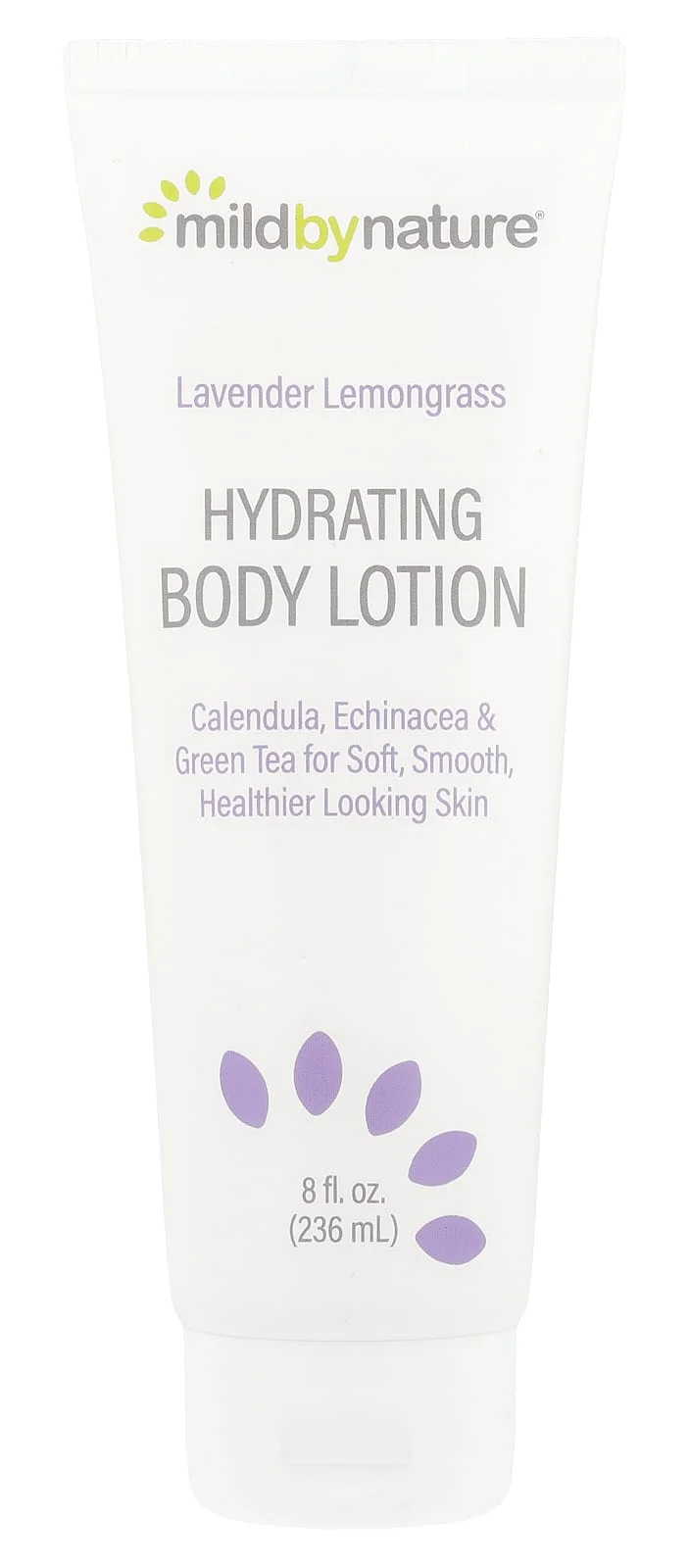
How well does your skin match with Mild By Nature On The Go Hand Cleanser?
Login to see detailsOr continue via
Quick 1-minute survey • Completely free
Ingredients
Analysis results of Ingredients


Ingredient List
| EWG | CIR | Ingredient Name & Cosmetic Function | Notes |
|---|---|---|---|
| 1 | - | (Solvent) | |
| 1 | - |  | |
| - | - | Sodium Decylglucosides Hydroxypropylsulfonate | |
| 3 | - | (Masking, Fragrance, Tonic) |  |


Mild By Nature On The Go Hand Cleanser - Ingredient Explanation
Water
1. Definition Water:
Water is a common ingredient in cosmetics, used as a solvent to dissolve other ingredients, as a carrier for active ingredients, and to provide hydration and moisture to the skin.2. Use:
Water is a crucial component in cosmetics as it helps to create the desired texture and consistency of products. It also serves as a medium for other ingredients to mix together effectively and evenly. Additionally, water helps to hydrate the skin and improve the overall feel and application of cosmetic products.3. Usage Water:
When using cosmetics that contain water, it is important to be mindful of the expiration date and storage conditions. Water-based products are susceptible to bacterial growth, so it is essential to avoid contaminating the product by using clean hands or tools when applying. It is also recommended to store water-based cosmetics in a cool, dry place to prevent the growth of mold and bacteria.4. References:
- Draelos, Z. D. (2010). Cosmetic dermatology: products and procedures. John Wiley & Sons.
- Winter, R. (2009). A consumer's dictionary of cosmetic ingredients: complete information about the harmful and desirable ingredients found in cosmetics and cosmeceuticals. Crown.
- Begoun, P. (2003). Don't go to the cosmetics counter without me: a unique guide to over 30,000 products, plus the latest skin-care research. Beginning Press.
Sorbitan Oleate Decylglucoside Crosspolymer
1. Definition Sorbitan Oleate Decylglucoside Crosspolymer:
Sorbitan Oleate Decylglucoside Crosspolymer is a surfactant and emulsifier commonly used in cosmetics. It is a combination of sorbitan oleate, decylglucoside, and crosspolymer, which helps to stabilize emulsions and improve the texture of cosmetic products.2. Use:
Sorbitan Oleate Decylglucoside Crosspolymer is used in a wide range of cosmetic products such as creams, lotions, and cleansers. It helps to create stable emulsions by reducing the surface tension between oil and water phases, allowing for better blending of ingredients. It also acts as a thickening agent and helps to improve the overall texture and feel of the product.3. Usage Sorbitan Oleate Decylglucoside Crosspolymer:
When using products containing Sorbitan Oleate Decylglucoside Crosspolymer, it is important to follow the manufacturer's instructions for optimal results. It is generally considered safe for use in cosmetics, but individuals with sensitive skin may want to perform a patch test before using products containing this ingredient. As with any cosmetic ingredient, if any irritation or adverse reactions occur, discontinue use immediately and consult a healthcare professional.4. References:
- "Sorbitan Oleate Decylglucoside Crosspolymer." Cosmetics Info, www.cosmeticsinfo.org/ingredient/sorbitan-oleate-decylglucoside-crosspolymer.
- "Safety Assessment of Sorbitan Oleate Decylglucoside Crosspolymer as Used in Cosmetics." Cosmetic Ingredient Review, www.cir-safety.org/sites/default/files/sorbitanoleatedecylglucosidecrosspolymer.pdf.
- "Formulating with Sorbitan Oleate Decylglucoside Crosspolymer." Making Cosmetics, www.makingcosmetics.com/Formulating-with-Sorbitan-Oleate-Decylglucoside-Crosspolymer_ep_125.html.
Sodium Decylglucosides Hydroxypropylsulfonate
Ingredient data is being updated. Please check back later.
(Lemongrass) Cymbopogon Schoenanthus Oil
1. Definition Cymbopogon Schoenanthus Oil:
Cymbopogon Schoenanthus Oil, also known as Lemongrass Oil, is a volatile oil extracted from the leaves of the Cymbopogon Schoenanthus plant. It is known for its fresh, citrusy scent and is commonly used in cosmetics for its aromatic and skin-soothing properties.2. Use:
Cymbopogon Schoenanthus Oil is used in cosmetics as a natural fragrance ingredient and for its skin benefits. It is often found in products such as lotions, creams, soaps, and perfumes. The oil is believed to have antimicrobial, antifungal, and antioxidant properties, making it a popular choice for skincare products.3. Usage Cymbopogon Schoenanthus Oil:
When using Cymbopogon Schoenanthus Oil in cosmetics, it is important to dilute it properly as it is a potent essential oil. It should not be applied directly to the skin in its concentrated form. It is recommended to perform a patch test before using products containing Lemongrass Oil to check for any potential allergic reactions. Pregnant women and individuals with sensitive skin should consult a healthcare professional before using products with this oil.4. References:
- Prakash B., Singh P., Yadav S., and Singh S. Cymbopogon essential oils: chemical compositions and bioactivities. International Journal of Current Microbiology and Applied Sciences, 2017.
- Bakkali F., Averbeck S., Averbeck D., and Idaomar M. Biological effects of essential oils – a review. Food and Chemical Toxicology, 2008.
- Cheel J., Theoduloz C., Rodriguez J., Schmeda-Hirschmann G. Free radical scavengers and antioxidants from Lemongrass (Cymbopogon citratus (DC.) Stapf.). Journal of Agricultural and Food Chemistry, 2005.
Review
Didn't find
the information you need?







Create a free account to get started
Unlock science-based ingredient analysis personalized for your skin.
Already have an account? Log in
We protect your privacy. We never send spam.