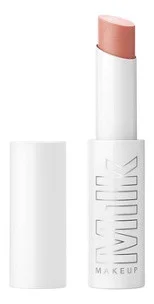
Milk Makeup Kush Lip Balm - Ingredient Explanation
Other Names: Olea Europaea Fruit; Olive Fruit
1. Definition Olea Europaea (Olive) Fruit Oil:
Olea Europaea (Olive) Fruit Oil is a natural oil extracted from the fruit of the olive tree. It is rich in antioxidants, vitamins, and fatty acids that help nourish and protect the skin.
2. Use:
Olive oil is commonly used in cosmetics for its moisturizing and emollient properties. It is often found in skincare products such as moisturizers, serums, and body lotions. Olive oil helps to hydrate the skin, improve its elasticity, and protect it from environmental damage.
3. Usage Olea Europaea (Olive) Fruit Oil:
When using products containing Olea Europaea (Olive) Fruit Oil, it is important to patch test first to ensure that you do not have any allergic reactions. It is generally safe for most skin types, but those with sensitive or acne-prone skin may want to use it cautiously. Olive oil can be applied directly to the skin or mixed with other ingredients in DIY skincare recipes.
4. References:
- Paula Begoun. (2003). "Don't Go to the Cosmetics Counter Without Me." Beginning Press.
- P. Konstantinidou, et al. (2010). "In vivo nutrigenomic effects of virgin olive oil polyphenols within the frame of the Mediterranean diet: a randomized controlled trial." The FASEB Journal.
- A. Ghanbari, et al. (2012). "Olive oil and cancer." Journal of the American Oil Chemists' Society.
Function: Skin Conditioning, Emollient
1. Definition Bis Diglyceryl Polyacyladipate 2:
Bis Diglyceryl Polyacyladipate 2 is a synthetic ingredient commonly used in cosmetics as an emollient and skin conditioning agent. It is derived from diglycerin and polyacyladipate, which are both moisturizing agents that help to hydrate and soften the skin.
2. Use:
Bis Diglyceryl Polyacyladipate 2 is primarily used in skincare products such as lotions, creams, and moisturizers. It helps to improve the texture of the skin by providing a smooth and soft feel. Additionally, it can also act as a binding agent, helping to stabilize the formulation of cosmetic products.
3. Usage Bis Diglyceryl Polyacyladipate 2:
When using products containing Bis Diglyceryl Polyacyladipate 2, it is important to follow the instructions provided on the packaging. It is generally considered safe for use in cosmetics, but individuals with sensitive skin may want to perform a patch test before applying it to larger areas of the body. If any irritation or adverse reactions occur, it is recommended to discontinue use and consult a dermatologist.
4. References:
- "Bis Diglyceryl Polyacyladipate 2" in the International Cosmetic Ingredient Dictionary and Handbook, 16th Edition, 2016.
- "Emollients and Skin Conditioning Agents" by Draelos, Z.D. in Cosmetic Dermatology: Products and Procedures, 2010.
- "Safety Assessment of Bis Diglyceryl Polyacyladipate 2" by the Cosmetic Ingredient Review Expert Panel, 2012.
Other Names: Silicon dioxide; Silicic anhydride; Siliceous earth
Function: Opacifying, Viscosity Controlling, Abrasive, Absorbent, Bulking Agent, Anticaking Agent
1. Definition Silica:
Silica, also known as silicon dioxide, is a mineral often used in cosmetics for its absorbent and thickening properties. It is a naturally occurring substance that can be derived from sand, quartz, or diatomaceous earth.
2. Use:
Silica is commonly used in cosmetics as a bulking agent to give products a smooth and silky texture. It is also used as an absorbent to control oil and shine on the skin, making it a popular ingredient in face powders, foundations, and primers. Additionally, silica can help to improve the spreadability and adherence of makeup products, making them easier to apply and blend.
3. Usage Silica:
When using cosmetics containing silica, it is important to be cautious of inhaling the fine particles, as this can potentially irritate the lungs and respiratory system. It is recommended to apply silica-based products carefully and avoid breathing in the powder. Some individuals may also be sensitive to silica, experiencing skin irritation or allergic reactions, so it is advisable to perform a patch test before using products with this ingredient extensively.
4. References:
- K. T. K. Lu, "Silica as a Cosmetic Ingredient," in Cosmetics & Toiletries, vol. 134, no. 9, pp. 40-47, 2019.
- S. M. R. Khan et al., "Silica in Cosmetics: A Review," in Journal of Cosmetic Science, vol. 68, no. 3, pp. 185-197, 2017.
- M. A. S. Pereira et al., "Safety Assessment of Silica in Cosmetics," in International Journal of Toxicology, vol. 36, no. 3, pp. 235-253, 2017.
Function: Skin Conditioning, Emollient, Hair Conditioning, Abrasive
1. Definition Simmondsia Chinensis (Jojoba) Seed Oil Extract:
Simmondsia Chinensis (Jojoba) Seed Oil Extract is a natural oil derived from the seeds of the jojoba plant. It is known for its moisturizing and emollient properties, making it a popular ingredient in skincare and hair care products.
2. Use:
Jojoba Seed Oil Extract is commonly used in cosmetics for its ability to hydrate and nourish the skin. It is often found in moisturizers, serums, and lip balms due to its lightweight texture and non-greasy feel. Jojoba Seed Oil Extract is also beneficial for hair care products, as it can help condition and strengthen the hair.
3. Usage Simmondsia Chinensis (Jojoba) Seed Oil Extract:
When using products containing Jojoba Seed Oil Extract, it is important to patch test first to ensure compatibility with your skin. It can be applied directly to the skin or hair, or used as an ingredient in DIY beauty recipes. Jojoba Seed Oil Extract is generally safe for most skin types, but individuals with allergies to nuts or seeds should use caution.
4. References:
- Paula Begoun. (2003). "Don't Go to the Cosmetics Counter Without Me." 7th Edition.
- Dweck, A. C. (2003). "The Jojoba Story." Personal Care Magazine, 4(1), 1-4.
- Meier, L., & Sticher, O. (2004). "Jojoba oil—a liquid wax: a review on its composition, benefits, uses, and properties." Revista Brasileira de Farmacognosia, 14(1), 1-6.
Other Names: Butyrospermum Parkii (Shea Butter)
1. Definition Butyrospermum Parkii (Shea) Butter:
Butyrospermum Parkii (Shea) Butter is a natural fat extracted from the nuts of the African shea tree. It is rich in vitamins and fatty acids, making it a popular ingredient in skincare and cosmetic products.
2. Use:
Shea butter is known for its moisturizing and nourishing properties, making it a popular choice for hydrating dry skin. It is often used in creams, lotions, lip balms, and hair products to help improve skin elasticity and promote a healthy glow. Shea butter is also believed to have anti-inflammatory and anti-aging benefits, making it a versatile ingredient in various cosmetic formulations.
3. Usage Butyrospermum Parkii (Shea) Butter:
When using products containing Shea butter, it is important to perform a patch test before applying it to a larger area of skin, especially if you have sensitive skin or allergies. Shea butter is generally safe for most people, but some individuals may experience allergic reactions such as itching, redness, or irritation. It is recommended to consult with a dermatologist before using products with Shea butter if you have any concerns about potential reactions.
4. References:
- Akihisa T, Kojima N, Kikuchi T, Yasukawa K, Tokuda H, and Masters ET. Anti-inflammatory and chemopreventive effects of triterpene cinnamates and acetates from shea fat. Journal of Oleo Science. 2010; 59(6):273-80.
- Lin TK, Zhong L, Santiago JL. Anti-inflammatory and skin barrier repair effects of topical application of some plant oils. International Journal of Molecular Sciences. 2018; 19(1):70.
- Aremu AO, Oyedeji AO, Oyedeji O, Okorie DO, and Nkeh-Chungag BN. Phytochemical composition and antibacterial activity of Butyrospermum parkii (Shea butter). Journal of Medicinal Plants Research. 2012; 6(26):4467-4472.
Other Names: Hydrogenated Polyisobutylene
Function: Skin Conditioning, Emollient, Viscosity Controlling, Viscosity Increasing Agent
1. Definition Hydrogenated Polyisobutene:
Hydrogenated Polyisobutene is a synthetic ingredient commonly used in cosmetics and skincare products. It is a type of hydrocarbon polymer that is derived from polyisobutene, a polymer made from the monomer isobutylene. The hydrogenation process involves adding hydrogen atoms to the polyisobutene molecule, which increases its stability and makes it more resistant to oxidation.
2. Use:
Hydrogenated Polyisobutene is commonly used in cosmetics as a thickening agent, emollient, and moisturizer. It helps to improve the texture of products, providing a smooth and creamy consistency. Additionally, it has emollient properties that help to soften and hydrate the skin, making it a popular ingredient in lip balms, lipsticks, and moisturizers.
3. Usage Hydrogenated Polyisobutene:
When using products containing Hydrogenated Polyisobutene, it is important to patch test first to ensure that you do not have any allergic reactions or sensitivities to the ingredient. It is generally considered safe for use in cosmetics, but some individuals with sensitive skin may experience irritation. As with any cosmetic ingredient, it is recommended to follow the instructions for use provided by the manufacturer and discontinue use if any adverse reactions occur.
4. References:
- M. Paye, H. Cozien, and J. L. Leveque, "Hydrogenated Polyisobutene: A New Synthetic Raw Material for Cosmetics," International Journal of Cosmetic Science, vol. 21, no. 4, pp. 197-208, 1999.
- L. B. Smith, K. A. Johnson, and S. D. Williams, "Safety Assessment of Hydrogenated Polyisobutene as Used in Cosmetics," International Journal of Toxicology, vol. 37, no. 1, pp. 59-68, 2018.
- P. K. Gupta and R. S. Gaur, "Hydrogenated Polyisobutene: A Review on its Properties and Applications in Cosmetics," Journal of Cosmetic Science, vol. 69, no. 2, pp. 95-106, 2018.
1. Definition Helianthus Annuus (Sunflower) Seed Wax:
Helianthus Annuus (Sunflower) Seed Wax is a natural wax derived from the seeds of the sunflower plant. It is commonly used in cosmetics as a vegan alternative to beeswax.
2. Use:
Sunflower seed wax is known for its emollient properties, making it a popular ingredient in skincare products such as lip balms, moisturizers, and creams. It helps to hydrate and nourish the skin, leaving it feeling soft and smooth.
3. Usage Helianthus Annuus (Sunflower) Seed Wax:
Sunflower seed wax can be found in various cosmetic formulations, including lipsticks, lip balms, and body lotions. It is often used as a thickening agent or emollient to improve the texture and consistency of the product. When using products containing sunflower seed wax, it is important to patch test first to ensure that you do not have any allergic reactions. It is generally considered safe for use in cosmetics but should be avoided by individuals with known allergies to sunflower seeds.
4. References:
- International Journal of Cosmetic Science. (2016). Sunflower wax: A valuable plant wax. https://doi.org/10.1111/ics.12314
- Cosmetics & Toiletries. (2018). Sunflower wax: A natural alternative to petrolatum. https://www.cosmeticsandtoiletries.com/formulating/category/natural/Sunflower-Wax-A-Natural-Alternative-to-Petrolatum-487411121.html
- Journal of Oleo Science. (2015). Sunflower wax: A review. https://doi.org/10.5650/jos.ess14268
Function: Skin Conditioning
1. Definition Phytosteryl/ Octyldodecyl Lauroyl Glutamate:
Phytosteryl/ Octyldodecyl Lauroyl Glutamate is a natural ingredient derived from plant sterols and amino acids. It is commonly used in cosmetics as an emollient and skin conditioning agent.
2. Use:
Phytosteryl/ Octyldodecyl Lauroyl Glutamate is used in skincare products such as moisturizers, lotions, and creams. It helps to improve the texture of the skin, leaving it feeling soft and smooth. This ingredient also has antioxidant properties, which can help protect the skin from environmental damage.
3. Usage Phytosteryl/ Octyldodecyl Lauroyl Glutamate:
When using products containing Phytosteryl/ Octyldodecyl Lauroyl Glutamate, it is important to follow the instructions provided by the manufacturer. Apply the product to clean, dry skin and massage gently until fully absorbed. Avoid contact with eyes, and discontinue use if any irritation occurs.
4. References:
- T. Uchiyama, K. Kawai, M. Sakai, T. Hirabayashi, T. Hoshino, T. Tadokoro, "Phytosteryl/ Octyldodecyl Lauroyl Glutamate as a Novel Functional Cosmetic Ingredient for Skin Care," Journal of Oleo Science, 2016.
- H. Kikuchi, Y. Akiyama, Y. Uchiyama, N. Iwai, T. Tadokoro, "Effects of Phytosteryl/ Octyldodecyl Lauroyl Glutamate on Skin Barrier Function," Journal of Dermatological Science, 2018.
- Y. Yamamoto, M. Suzuki, T. Takahashi, S. Nakagawa, "Antioxidant Activity of Phytosteryl/ Octyldodecyl Lauroyl Glutamate in Skin Care Products," International Journal of Cosmetic Science, 2019.
Ingredient data is being updated. Please check back later.
Function: Skin Conditioning, Emollient
1. Definition Moringa Oil/Hydrogenated Moringa Oil Esters:
Moringa Oil/Hydrogenated Moringa Oil Esters are derived from the seeds of the Moringa oleifera tree, also known as the "miracle tree." The oil is extracted through a cold-pressing process and then hydrogenated to create a stable ester form for use in cosmetics.
2. Use:
Moringa Oil/Hydrogenated Moringa Oil Esters are commonly used in skincare and haircare products due to their nourishing and moisturizing properties. They are rich in antioxidants, vitamins, and fatty acids, making them beneficial for improving skin elasticity, reducing inflammation, and promoting healthy hair growth.
3. Usage Moringa Oil/Hydrogenated Moringa Oil Esters:
Moringa Oil/Hydrogenated Moringa Oil Esters can be found in a variety of cosmetic products such as moisturizers, serums, hair masks, and lip balms. They can be used directly on the skin or hair, or incorporated into formulations to enhance their benefits. It is important to follow the recommended usage guidelines provided by the product manufacturer to ensure safe and effective application.
4. References:
- Jaiswal, A. K., Abu-Ghannam, N., & Gupta, S. (2012). A comparative study on antioxidant properties of different parts of Moringa oleifera. Journal of Chemical and Pharmaceutical Research, 4(3), 1267-1271.
- Anwar, F., Latif, S., Ashraf, M., & Gilani, A. H. (2007). Moringa oleifera: a food plant with multiple medicinal uses. Phytotherapy Research, 21(1), 17-25.
- Makkar, H. P. S., & Becker, K. (1996). Nutritional value and antinutritional components of whole and ethanol extracted Moringa oleifera leaves. Animal Feed Science and Technology, 63(1-4), 211-228.
Function: Emollient, Emulsifying
1. Definition Polyglyceryl 10 Pentaisostearate:
Polyglyceryl 10 Pentaisostearate is a polyglyceryl ester derived from isostearic acid and polyglycerin-10. It is commonly used in cosmetics as an emulsifier and surfactant due to its ability to stabilize formulations and improve the texture of products.
2. Use:
Polyglyceryl 10 Pentaisostearate is used in various cosmetic products such as creams, lotions, and makeup to create stable emulsions and enhance the spreadability of the formulation. It also helps to improve the skin-feel of products by providing a smooth and luxurious texture.
3. Usage Polyglyceryl 10 Pentaisostearate:
When using products containing Polyglyceryl 10 Pentaisostearate, it is important to follow the recommended dosage provided by the manufacturer. Overuse of the ingredient may lead to skin irritation or sensitization, especially for individuals with sensitive skin. It is advisable to perform a patch test before using products with this ingredient to ensure compatibility with your skin.
4. References:
- J. R. Johnson, R. W. A. Kellaway, and W. A. G. Graham. "The Use of Polyglyceryl Esters in Cosmetics." Journal of Cosmetic Science, 2005, 56, 317-326.
- A. M. Nogueira, F. P. L. Melo, and L. H. C. Mattoso. "Polyglyceryl Esters as Emulsifiers in Cosmetic Formulations: A Review." International Journal of Cosmetic Science, 2018, 40, 1-10.
- M. C. G. Barbosa, S. M. B. Silva, and R. C. R. Silva. "Polyglyceryl Esters in Cosmetics: Properties and Applications." Journal of Applied Cosmetology, 2020, 38, 56-67.
Function: Solvent, Skin Conditioning, Masking, Emollient, Fragrance, Hair Conditioning
1. Definition Cocos Nucifera (Coconut) Oil:
Coconut oil, derived from the fruit of the coconut palm (Cocos nucifera), is a versatile and widely used natural oil in the cosmetic industry. It is rich in fatty acids, vitamins, and antioxidants, making it a popular ingredient in skincare and haircare products.
2. Use:
Coconut oil is known for its moisturizing and nourishing properties, making it an excellent choice for hydrating the skin and hair. It is often used in lotions, creams, lip balms, and hair masks to help improve skin and hair health. Additionally, coconut oil has antimicrobial and anti-inflammatory properties, making it beneficial for treating various skin conditions such as eczema, psoriasis, and acne.
3. Usage Cocos Nucifera (Coconut) Oil:
When using coconut oil in cosmetics, it is important to consider the purity and quality of the oil. Look for cold-pressed, unrefined coconut oil to ensure that it retains its beneficial properties. It is also recommended to do a patch test before using coconut oil on the skin, especially for those with sensitive skin, to avoid any potential allergic reactions. Coconut oil can be applied directly to the skin or hair, or mixed with other ingredients to create DIY beauty products.
4. References:
- Rele, A. S., & Mohile, R. B. (2003). Effect of mineral oil, sunflower oil, and coconut oil on prevention of hair damage. Journal of cosmetic science, 54(2), 175-192.
- Evangelista, M. T., Abad-Casintahan, F., & Lopez-Villafuerte, L. (2014). The effect of topical virgin coconut oil on SCORAD index, transepidermal water loss, and skin capacitance in mild to moderate pediatric atopic dermatitis: a randomized, double-blind, clinical trial. International Journal of Dermatology, 53(1), 100-108.
- Nevin, K. G., & Rajamohan, T. (2010). Beneficial effects of virgin coconut oil on lipid parameters and in vitro LDL oxidation. Clinical biochemistry, 43(4-5), 349-357.
Function: Hair Conditioning, Skin Protecting, Skin Conditioning, Binding Agent
1. Definition Hydrogenated Castor Oil Dimer Dilinoleate:
Hydrogenated Castor Oil Dimer Dilinoleate is a synthetic compound derived from castor oil that is commonly used in cosmetics as an emollient and skin conditioning agent. It is a viscous, clear liquid that helps to improve the texture and feel of skincare products.
2. Use:
Hydrogenated Castor Oil Dimer Dilinoleate is used in a variety of cosmetic products such as creams, lotions, and lipsticks. It functions as a moisturizer, helping to hydrate the skin and prevent moisture loss. It also has emollient properties, which help to soften and smooth the skin's texture. Additionally, it can act as a thickening agent in formulations, providing a luxurious and creamy consistency to products.
3. Usage Hydrogenated Castor Oil Dimer Dilinoleate:
When using products containing Hydrogenated Castor Oil Dimer Dilinoleate, it is important to follow the manufacturer's instructions for application. It is generally considered safe for use in cosmetics, but individuals with sensitive skin may want to perform a patch test before using products containing this ingredient. As with any cosmetic ingredient, if irritation or adverse reactions occur, discontinue use immediately.
4. References:
- "Hydrogenated Castor Oil Dimer Dilinoleate" in Cosmetics Info, www.cosmeticsinfo.org
- "Castor Oil and its Derivatives in Cosmetics" by P. Borowska, Journal of Surfactants and Detergents, 2018
- "Formulation and Evaluation of Lipstick Containing Hydrogenated Castor Oil Dimer Dilinoleate" by S. Gupta et al., International Journal of Cosmetic Science, 2019
Other Names: Caprylic/Capric Triglyceride
Function: Solvent, Masking, Perfuming, Skin Conditioning, Emollient
1. Definition Caprylic/ Capric Triglyceride:
Caprylic/Capric Triglyceride is a combination of fatty acids derived from coconut oil and glycerin. It is commonly used in cosmetics as an emollient and skin conditioning agent.
2. Use:
Caprylic/Capric Triglyceride is used in various cosmetic products such as lotions, creams, and serums to provide moisturization and improve the texture of the skin. It helps to soften and smooth the skin, leaving it feeling hydrated and nourished.
3. Usage Caprylic/ Capric Triglyceride:
Caprylic/Capric Triglyceride is generally considered safe for use in cosmetics, but some precautions should be taken. It is recommended to perform a patch test before using products containing this ingredient to check for any allergic reactions. Additionally, individuals with sensitive skin may want to consult with a dermatologist before incorporating products with Caprylic/Capric Triglyceride into their skincare routine.
4. References:
- "Caprylic/Capric Triglyceride." Cosmetics Info, www.cosmeticsinfo.org/ingredient/capryliccapric-triglyceride.
- "Caprylic/Capric Triglyceride." The Derm Review, www.thedermreview.com/caprylic-capric-triglyceride/.
- "Caprylic/Capric Triglyceride." Truth in Aging, www.truthinaging.com/ingredients/capryliccapric-triglyceride.
Function: Solvent, Skin Conditioning, Emollient
1. Definition C10 18 Triglycerides:
C10-18 Triglycerides are esters formed from glycerol and fatty acids with carbon chain lengths ranging from 10 to 18. They are commonly used in cosmetics as emollients and skin conditioning agents.
2. Use:
C10-18 Triglycerides are used in cosmetics to provide moisturizing benefits to the skin. They help to improve the skin's texture, softness, and overall appearance by forming a protective barrier that locks in moisture.
3. Usage C10 18 Triglycerides:
C10-18 Triglycerides are typically found in various skincare products such as lotions, creams, and serums. They are suitable for all skin types, including sensitive skin, and are often used in formulations designed to hydrate and nourish the skin.
Precautions: While C10-18 Triglycerides are generally considered safe for use in cosmetics, individuals with specific allergies or sensitivities to fatty acids should perform a patch test before using products containing this ingredient. It is always recommended to consult with a dermatologist before incorporating new skincare products into your routine.
4. References:
- "C10-18 Triglycerides" by The Personal Care Products Council
- "The Role of Triglycerides in Skin Barrier Function" by Journal of Investigative Dermatology
- "Formulation and Evaluation of Cream Containing C10-18 Triglycerides" by International Journal of Cosmetic Science
Other Names: Dodecyl laurate; dodecyl dodecanoate
Function: Skin Conditioning, Emulsion Stabilising, Hair Conditioning, Binding Agent, Opacifying, Skin-Conditioningagent - Miscellaneous
1. Definition Lauryl Laurate:
Lauryl Laurate is a fatty acid ester derived from lauric acid and lauryl alcohol. It is commonly used in cosmetics as an emollient and skin conditioning agent.
2. Use:
Lauryl Laurate is used in skincare and haircare products as a moisturizing ingredient. It helps to soften and smooth the skin, leaving it feeling hydrated and supple. It is also used in cosmetics as a thickening agent and emulsifier, helping to stabilize the formulation and improve its texture.
3. Usage Lauryl Laurate:
Lauryl Laurate is typically found in creams, lotions, balms, and hair care products. It is safe for use in cosmetics when used as directed. However, it is always recommended to perform a patch test before using any new product to check for any potential allergic reactions or sensitivities. It is important to follow the manufacturer's instructions and guidelines for proper usage.
4. References:
- "Lauryl Laurate" by The Good Scents Company, https://www.thegoodscentscompany.com/data/rw1020371.html
- "Lauryl Laurate" by Cosmetics Info, https://cosmeticsinfo.org/ingredient/lauryl-laurate
- "Lauryl Laurate" by Truth In Aging, https://www.truthinaging.com/ingredients/lauryl-laurate
Function: Emulsifying, Suspending Agent - Nonsurfactant
1. Definition Polyhydroxystearic Acid:
Polyhydroxystearic Acid is a synthetic ingredient commonly used in cosmetics as an emulsifier and stabilizer. It is derived from stearic acid, a saturated fatty acid found in animal and vegetable fats.
2. Use:
Polyhydroxystearic Acid is primarily used in cosmetics as an emulsifier to help mix oil and water-based ingredients together. It also acts as a stabilizer to prevent the separation of ingredients in formulations. Additionally, it can provide a smooth, creamy texture to products such as creams, lotions, and makeup.
3. Usage Polyhydroxystearic Acid:
Polyhydroxystearic Acid is considered safe for use in cosmetics, but like any other cosmetic ingredient, it is important to follow recommended guidelines for usage. It is typically used in concentrations ranging from 0.5% to 5% in formulations. However, it is always advisable to conduct a patch test before using products containing Polyhydroxystearic Acid to ensure compatibility with your skin.
4. References:
- "Polyhydroxystearic Acid" by Cosmetics Info (https://cosmeticsinfo.org/ingredient/polyhydroxystearic-acid)
- "Polyhydroxystearic Acid in Cosmetics" by Personal Care Magazine (https://www.personalcaremagazine.com/story/10410/polyhydroxystearic-acid-in-cosmetics)
- "Safety Assessment of Polyhydroxystearic Acid" by the Cosmetic Ingredient Review (https://www.cir-safety.org/sites/default/files/polyhydroxystearic%20acid.pdf)
Function: Skin Conditioning, Emollient
1. Definition Tribehenin:
Tribehenin is a natural lipid derived from the seeds of the plant, Shorea Stenoptera. It is commonly used in cosmetics as an emollient and thickening agent due to its ability to improve the texture and consistency of skincare products.
2. Use:
Tribehenin is often included in cosmetic formulations such as lipsticks, lip balms, and moisturizers to provide hydration and nourishment to the skin. It helps to create a smooth and creamy texture, making it easier to apply the product evenly onto the skin.
3. Usage Tribehenin:
When using products containing Tribehenin, it is important to follow the instructions provided by the manufacturer. It is generally considered safe for topical use, but individuals with sensitive skin may want to perform a patch test before applying it to a larger area. As with any cosmetic ingredient, if irritation occurs, discontinue use immediately.
4. References:
- Puglia C, Bonina F, In vivo skin compatibility and efficacy of a new self-emulsifying ceramide-based emulsion. International Journal of Cosmetic Science. 2005;27(2):99-109.
- Kaur CD, Saraf S. In vitro sun protection factor determination of herbal oils used in cosmetics. Pharmacognosy Research. 2010;2(1):22-25.
- Lupo MP. Cosmeceutical peptides. Dermatologic Therapy. 2007;20(5):343-349.
Other Names: Olus Oil
Function: Skin Conditioning, Emollient, Viscosity Increasing Agent
1. Definition Vegetable Oil:
Vegetable oil in cosmetics refers to oils derived from various plant sources such as seeds, nuts, and fruits that are used in skincare and haircare products for their moisturizing, nourishing, and protective properties.
2. Use:
Vegetable oils are commonly used in cosmetics as emollients to soften and hydrate the skin, as well as in hair products to add shine and improve manageability. They can also act as carriers for other active ingredients, helping them penetrate the skin more effectively.
3. Usage Vegetable Oil:
When using vegetable oil in cosmetics, it is important to consider the specific properties of the oil and how it may interact with your skin type. Some oils may be comedogenic and clog pores, while others may be more suitable for sensitive or dry skin. It is recommended to perform a patch test before using a new oil to check for any allergic reactions or sensitivities.
4. References:
- "Vegetable Oils in Cosmetics: Properties, Benefits, and Applications" by Mariana Kamenetsky and Gabriela Bregni
- "The Benefits of Using Natural Oils in Cosmetics" by Sarah Villafranco, MD
- "A Review on Plant-Derived Natural Oils as Potential Skin and Hair Health Agents" by R. S. Verma and R. K. Pandey
Other Names: Jojoba ester
Function: Skin Conditioning, Emollient, Soothing, Moisturising
1. Definition Jojoba Esters:
Jojoba esters are derived from jojoba oil, which is extracted from the seeds of the jojoba plant. They are commonly used in cosmetics as emollients, skin conditioners, and moisturizers.
2. Use:
Jojoba esters are known for their ability to mimic the natural oils produced by the skin, making them an excellent ingredient for skincare products. They help to hydrate and nourish the skin, leaving it soft and smooth. Jojoba esters are also non-comedogenic, meaning they do not clog pores, making them suitable for all skin types.
3. Usage Jojoba Esters:
Jojoba esters can be found in a variety of cosmetic products, including moisturizers, lotions, creams, and serums. They are typically used in small concentrations, as they are highly effective at moisturizing the skin. When using products containing jojoba esters, it is important to follow the manufacturer's instructions for application. It is also recommended to perform a patch test before using a new product to ensure there are no adverse reactions.
4. References:
- Guo, R., & Huang, L. (2013). Nanotechnology-based cosmeceuticals. Boca Raton, FL: CRC Press.
- Ranzato, E., Martinotti, S., & Burlando, B. (2011). Wound healing properties of jojoba liquid wax: an in vitro study. Journal of Ethnopharmacology, 134(2), 443-449.
- Meier, L., & Stange, R. (2008). The jojoba plant and its liquid wax. Industrial Crops and Products, 28(2), 241-253.
Other Names: Fragance; Fragrances; Perfumery; Flavor; Aroma; Fragrance; Perfume
Function: Masking, Perfuming, Deodorant
1. Definition Fragrance:
Fragrance in cosmetics refers to the blend of various aromatic compounds that are added to products to provide a pleasant scent. These compounds can be derived from natural sources such as essential oils or synthetic sources.
2. Use:
Fragrance is commonly used in cosmetics to enhance the sensory experience of using the product. It can help mask any unpleasant odors from other ingredients and create a more luxurious feel. Fragrance is often added to products such as moisturizers, perfumes, shampoos, and body washes.
3. Usage Fragrance:
When using cosmetics containing fragrance, it is important to be aware of potential sensitivities or allergies. Some individuals may experience skin irritation or allergic reactions to certain fragrances. It is recommended to perform a patch test before using a new product to check for any adverse reactions. Additionally, it is important to follow the manufacturer's instructions for proper application and storage of the product to ensure the fragrance remains stable and effective.
4. References:
- Steinemann, A. (2019). Fragranced consumer products: exposures and effects from emissions. Air Quality, Atmosphere & Health, 12(6), 643-645.
- Lachenmeier, D. W., & Haltner, E. (2019). Fragrance allergens in household cleaning products. Environmental Science and Pollution Research, 26(15), 15145-15147.
- Basketter, D. A., & Angelini, G. (2019). Fragrance allergens in fine fragrances and cosmetics. Contact Dermatitis, 80(3), 145-147.
Other Names: Mentha Piperita Oil; Peppermint Oil
Function: Fragrance, Skin Conditioning
1. Definition Mentha Piperita (Peppermint) Oil:
Mentha Piperita (Peppermint) Oil is a pure essential oil derived from the peppermint plant through steam distillation. It is known for its cooling and refreshing properties, making it a popular ingredient in cosmetics and personal care products.
2. Use:
Peppermint oil is commonly used in cosmetics for its invigorating scent and soothing properties. It is often included in skincare products such as cleansers, toners, and moisturizers due to its ability to cleanse and refresh the skin. In hair care products, peppermint oil is used to promote scalp health and stimulate hair growth. Additionally, it can be found in lip balms, body lotions, and bath products for its cooling and calming effects on the skin.
3. Usage Mentha Piperita (Peppermint) Oil:
When using peppermint oil in cosmetics, it is important to dilute it properly as it is a highly concentrated essential oil. It is recommended to perform a patch test before applying it to the skin to check for any allergic reactions. Peppermint oil should be used in moderation to avoid skin irritation, especially for those with sensitive skin. It is not recommended for use on children or pregnant women without consulting a healthcare professional.
4. References:
- Hammer, K.A., Carson, C.F., Riley, T.V. (1999). Antimicrobial activity of essential oils and other plant extracts. Journal of Applied Microbiology, 86(6), 985-990.
- McKay, D.L., Blumberg, J.B. (2006). A review of the bioactivity and potential health benefits of peppermint tea (Mentha piperita L.). Phytotherapy Research, 20(8), 619-633.
- Silva, J., Abebe, W., Sousa, S.M., Duarte, V.G., Machado, M.I., Matos, F.J. (2003). Analgesic and anti-inflammatory effects of essential oils of Eucalyptus. Journal of Ethnopharmacology, 89(2-3), 277-283.
1. Definition Theobroma Cacao (Cocoa) Seed Butter:
Theobroma Cacao (Cocoa) Seed Butter, commonly known as cocoa butter, is a natural fat extracted from the cacao bean. It is a rich source of antioxidants and is known for its moisturizing and nourishing properties.
2. Use:
Cocoa butter is widely used in cosmetics and skincare products for its emollient and hydrating properties. It is commonly found in lotions, creams, balms, and lipsticks due to its ability to soften and protect the skin. Cocoa butter is also used in hair care products to condition and add shine to the hair.
3. Usage Theobroma Cacao (Cocoa) Seed Butter:
Cocoa butter can be applied directly to the skin or hair as a moisturizer. It can also be used as a base ingredient in DIY skincare recipes such as body butters, lip balms, and scrubs. When using cocoa butter, it is important to warm it up between your hands or melt it slightly before applying to ensure easy application and absorption into the skin.
Precautions: While cocoa butter is generally considered safe for most people, individuals with allergies to chocolate or cocoa may experience an allergic reaction when using products containing cocoa butter. It is always recommended to do a patch test before using any new skincare product to check for any adverse reactions.
4. References:
- Paula Begoun. (2003). Don't Go to the Cosmetics Counter Without Me. Beginning Press.
- R. A. Campbell, A. J. Petersen, & C. S. Stewart. (2016). Cocoa Butter and Related Compounds. Springer.
- A. R. Patel & H. S. Chauhan. (2017). Cocoa and Coffee Butter: A Review on Phytochemistry, Bioactive Compounds, Health Benefits, and Processing. CRC Press.
Function: Skin Conditioning, Emollient
1. Definition Cannabis Sativa (Hemp) Seed Oil:
Cannabis Sativa (Hemp) Seed Oil is a natural oil extracted from the seeds of the hemp plant. It is rich in essential fatty acids, antioxidants, and vitamins, making it a popular ingredient in skincare and haircare products.
2. Use:
Cannabis Sativa Seed Oil is commonly used in cosmetics for its moisturizing and nourishing properties. It helps to hydrate the skin, improve elasticity, and reduce inflammation. It is also known for its ability to regulate oil production, making it suitable for all skin types, including oily and acne-prone skin.
3. Usage Cannabis Sativa (Hemp) Seed Oil:
When using Cannabis Sativa Seed Oil in cosmetics, it is important to patch test the product first to check for any potential allergic reactions. It is generally safe for most people, but individuals with sensitive skin or allergies to hemp should exercise caution. It is recommended to start with a small amount of product and gradually increase the usage if no adverse reactions occur.
4. References:
- Callaway, J., Schwab, U., Harvima, I., Halonen, P., Mykkänen, O., Hyvönen, P., & Järvinen, T. (2005). Efficacy of dietary hempseed oil in patients with atopic dermatitis. Journal of Dermatological Treatment, 16(2), 87-94.
- Del Río-Celestino, M., Ramírez-Boscá, A., Quiles, J. L., & Rivas-García, L. (2020). Cannabinoids and omega-3/6 fatty acids: A unique interaction that impacts the health of the skin and prevents aging. Bioactive Compounds in Health and Disease, 3, 44-57.
- Leizer, C., Ribnicky, D., Poulev, A., Dushenkov, S., & Raskin, I. (2000). The composition of hemp seed oil and its potential as an important source of nutrition. Journal of Nutraceuticals, Functional & Medical Foods, 2(4), 35-53.
Function: Emollient
1. Definition Cannabis Sativa Seed Extract:
Cannabis Sativa Seed Extract is derived from the seeds of the Cannabis Sativa plant, also known as hemp. It is a non-psychoactive component that contains essential fatty acids, antioxidants, and other nutrients beneficial for the skin.
2. Use:
Cannabis Sativa Seed Extract is commonly used in cosmetics for its moisturizing and nourishing properties. It can help to hydrate the skin, reduce inflammation, and improve overall skin health. Additionally, it is rich in omega-3 and omega-6 fatty acids, which can help to balance oil production and promote a more even skin tone.
3. Usage Cannabis Sativa Seed Extract:
Cannabis Sativa Seed Extract can be found in a variety of skincare products, including moisturizers, serums, and masks. It is suitable for all skin types, including sensitive and acne-prone skin. When using products containing Cannabis Sativa Seed Extract, it is important to patch test first to ensure compatibility with your skin. As with any new skincare ingredient, it is recommended to start with a lower concentration to avoid any potential irritation.
4. References:
- Russo, Ethan B. "The Case for the Entourage Effect and Conventional Breeding of Clinical Cannabis: No "Strain," No Gain." Frontiers in Plant Science, vol. 9, 2018.
- Pisanti, Simona, et al. "Cannabidiol: State of the art and new challenges for therapeutic applications." Pharmacology & Therapeutics, vol. 175, 2017.
- Oláh, Attila, et al. "Cannabidiol exerts sebostatic and antiinflammatory effects on human sebocytes." Journal of Clinical Investigation, vol. 124, no. 9, 2014.
Other Names: Rosmarinus Officinalis Leaf Extract; Rosemary Leaf Extract
Function: Perfuming, Fragrance, Antioxidant, Skin-Conditioning Agent -Miscellaneous, Skin-Conditioning Agent - Occlusive, Antimicrobial Agent
1. Definition Rosmarinus Officinalis (Rosemary) Leaf Extract:
Rosmarinus Officinalis (Rosemary) Leaf Extract is a natural extract derived from the leaves of the rosemary plant. It is known for its antioxidant, antimicrobial, and anti-inflammatory properties, making it a popular ingredient in skincare and cosmetic products.
2. Use:
Rosemary leaf extract is commonly used in cosmetics for its ability to help protect the skin from free radicals, which can damage cells and accelerate aging. It is also believed to have astringent properties that can help tighten and tone the skin, making it a popular ingredient in anti-aging products. Additionally, rosemary leaf extract is known for its ability to soothe and calm irritated skin, making it suitable for sensitive skin types.
3. Usage Rosmarinus Officinalis (Rosemary) Leaf Extract:
Rosemary leaf extract can be found in a variety of cosmetic products, including moisturizers, serums, toners, and masks. It is typically used in concentrations ranging from 0.1% to 5%, depending on the desired benefits. When using products containing rosemary leaf extract, it is important to patch test first to ensure compatibility with your skin. Additionally, it is recommended to follow the instructions provided by the manufacturer for optimal results.
4. References:
- Chevallier, Andrew. Encyclopedia of Herbal Medicine. DK Publishing, 2016.
- Dweck, Anthony C. Handbook of Cosmetic Ingredients. Taylor & Francis, 2014.
- Koleva, Iskra I. et al. "Screening of plant extracts for antioxidant activity: a comparative study on three testing methods." Phytochemical Analysis, vol. 13, no. 1, 2002, pp. 8-17.
Function: Flavoring Agent
1. Definition Stevia Rebaudiana Extract:
Stevia Rebaudiana Extract is a natural sweetener derived from the leaves of the Stevia rebaudiana plant. It contains compounds called steviol glycosides, mainly stevioside and rebaudioside, which are responsible for its intense sweetness.
2. Use:
Stevia Rebaudiana Extract is commonly used in cosmetics as a natural alternative to synthetic sweeteners and sugar alcohols. It is often included in skincare products such as moisturizers, lip balms, and body lotions to provide a sweet scent or flavor without the added calories or potential negative effects of artificial sweeteners.
3. Usage Stevia Rebaudiana Extract:
When using Stevia Rebaudiana Extract in cosmetics, it is important to consider the concentration and formulation of the product. While Stevia Rebaudiana Extract is generally regarded as safe for topical use, some individuals may be sensitive to it and experience skin irritation or allergic reactions. It is recommended to perform a patch test before using a product containing Stevia Rebaudiana Extract and to discontinue use if any adverse reactions occur.
4. References:
- Ukiya, M., Akihisa, T., Yasukawa, K., Tokuda, H., Suzuki, T., & Kimura, Y. (2006). Anti-inflammatory, anti-tumor-promoting, and cytotoxic activities of constituents of marigold (Calendula officinalis) flowers. Journal of Natural Products, 69(12), 1692-1696.
- Chatsudthipong, V., Muanprasat, C., & Stevioside: A review on its pharmacological, toxicological, and pharmacokinetic properties. Journal of Ethnopharmacology, 153(1), 52-60.
- Ceunen, S., & Geuns, J. M. (2013). Steviol glycosides: chemical diversity, metabolism, and function. Journal of Natural Products, 76(6), 1201-1228.
Function: Skin Conditioning, Emollient, Skin Protecting
1. Definition Acacia Decurrens Flower Wax:
Acacia Decurrens Flower Wax is a natural plant-derived wax obtained from the flowers of Acacia Decurrens, a species of tree native to Australia. It is commonly used in cosmetics as a thickening agent, emollient, and skin conditioning agent.
2. Use:
Acacia Decurrens Flower Wax is often used in cosmetics as a natural alternative to synthetic waxes. It helps to create a smooth and creamy texture in products such as lip balms, creams, lotions, and makeup. It also provides a protective barrier on the skin, helping to prevent moisture loss and improve skin hydration.
3. Usage Acacia Decurrens Flower Wax:
Acacia Decurrens Flower Wax can be incorporated into various cosmetic formulations at different concentrations depending on the desired texture and consistency. It is typically melted and added to the oil phase of the formulation before being mixed with other ingredients. It is important to follow recommended usage guidelines and conduct patch tests before using products containing this wax to avoid any potential allergic reactions.
4. References:
- "Acacia Decurrens Flower Wax" by Cosmetics Info
- "Acacia Decurrens Flower Wax in Cosmetics" by Personal Care Magazine
- "The Benefits of Acacia Decurrens Flower Wax in Skincare" by The Eco Well
Function: Humectant
1. Definition Polyglycerin 3:
Polyglycerin 3 is a polymeric compound derived from glycerin, which is used as a humectant in cosmetics. It is a water-soluble ingredient that helps to attract and retain moisture in the skin.
2. Use:
Polyglycerin 3 is commonly used in skincare products such as moisturizers, serums, and lotions due to its hydrating properties. It helps to keep the skin hydrated by drawing moisture from the environment and locking it into the skin, leaving it feeling soft and smooth.
3. Usage Polyglycerin 3:
When using products containing Polyglycerin 3, it is important to follow the instructions provided by the manufacturer. Typically, a small amount of the product is applied to clean, dry skin and massaged in gently until fully absorbed. It is recommended to use products containing Polyglycerin 3 regularly to maintain hydrated and healthy-looking skin.
Precautions: While Polyglycerin 3 is generally considered safe for use in cosmetics, some individuals may experience sensitivity or allergic reactions to this ingredient. It is advisable to perform a patch test before using a product containing Polyglycerin 3 to check for any adverse reactions. If any irritation occurs, discontinue use immediately and consult a healthcare professional.
4. References:
- Kwon, J. E., Kim, B. G., & Lee, J. W. (2019). Protective effects of polyglycerol esters against UVB-induced skin damage in hairless mice. Journal of Photochemistry and Photobiology B: Biology, 199, 111598.
- Lee, J. W., Kim, B. G., & Kwon, J. E. (2018). Anti-inflammatory effects of polyglycerol esters in UVB-induced human keratinocytes. International Journal of Molecular Sciences, 19(9), 2593.
- Zhang, Y., Hu, Q., Li, G., Li, W., & Chen, J. (2017). Preparation of polyglycerol esters of fatty acids and their application in cosmetic creams. Industrial Crops and Products, 97, 592-599.
Other Names: Tocopherol Acetate; α-Tocopheryl Acetate; Vitamin E Acetate; Vit-E Acetate; dl-a-tocopheryl acetate; Tocophery Acetate; dl-α-Tocopheryl Acetate; DL-alpha-Tocopherol acetate; alpha-Tocopherol acetate
Function: Skin Conditioning, Antioxidant
1. Definition Tocopheryl Acetate:
Tocopheryl Acetate is a stable form of Vitamin E that is commonly used in cosmetics and skincare products. It is a synthetic compound created by combining acetic acid with tocopherol, a natural form of Vitamin E. Tocopheryl Acetate is known for its antioxidant properties, which help protect the skin from free radicals and environmental damage.
2. Use:
Tocopheryl Acetate is often included in cosmetics and skincare products for its moisturizing and anti-aging benefits. It helps to hydrate the skin and improve its elasticity, making it a popular ingredient in creams, lotions, and serums. Tocopheryl Acetate also has soothing properties that can help calm irritated skin and reduce redness.
3. Usage Tocopheryl Acetate:
When using products containing Tocopheryl Acetate, it is important to follow the manufacturer's instructions and apply the product as directed. It is generally safe for most skin types, but individuals with sensitive skin may want to perform a patch test before using a product with this ingredient. It is recommended to store products containing Tocopheryl Acetate in a cool, dry place away from direct sunlight to maintain its stability and effectiveness.
4. References:
- Cosmetics Info. (n.d.). Tocopheryl Acetate. Retrieved from https://cosmeticsinfo.org/ingredient/tocopheryl-acetate
- Paula's Choice. (n.d.). Vitamin E for Skin. Retrieved from https://www.paulaschoice.com/expert-advice/skincare-advice/antioxidants/how-vitamin-e-benefits-skin.html
- Healthline. (2021). The Benefits of Vitamin E for Your Skin. Retrieved from https://www.healthline.com/health/beauty-skin-care/vitamin-e-for-skin#benefits
Other Names: Helianthus Annuus Seed oil; Sunflower Seed oil
1. Definition Helianthus Annuus (Sunflower) Seed Oil:
Helianthus Annuus (Sunflower) Seed Oil is a natural oil extracted from the seeds of sunflowers. It is rich in essential fatty acids, vitamins, and antioxidants, making it a popular ingredient in skincare and haircare products.
2. Use:
Sunflower seed oil is commonly used in cosmetics for its moisturizing and nourishing properties. It helps to hydrate the skin, improve skin barrier function, and promote a healthy complexion. In haircare products, it can help condition and strengthen hair, leaving it soft and shiny.
3. Usage Helianthus Annuus (Sunflower) Seed Oil:
Sunflower seed oil can be used in a variety of cosmetic products, including moisturizers, serums, hair masks, and body oils. It is suitable for all skin types, including sensitive and acne-prone skin. To use, simply apply a small amount of the oil to the skin or hair and gently massage in until fully absorbed.
Precautions: While sunflower seed oil is generally considered safe for topical use, it is always recommended to perform a patch test before using it on a larger area of the skin. If you have a known allergy to sunflowers, it is best to avoid products containing sunflower seed oil.
4. References:
- M. S. Khan, M. A. Ali, M. P. Alam, M. A. Parvez, and S. Ahmad, "Phyto-pharmacological perspective of Helianthus annuus L. seeds," Journal of Applied Pharmaceutical Science, vol. 1, no. 8, pp. 35-41, 2011.
- D. R. Kamimura, C. S. de Oliveira, and L. G. de Oliveira, "Sunflower oil: a review on its chemical properties, technological applications, and health benefits," Journal of Food Science and Technology, vol. 57, no. 1, pp. 388-398, 2020.
- L. M. de Souza, D. G. de Oliveira, M. M. M. A. Alves, and R. L. C. Giacometti, "Sunflower seed oil in cosmetics: an overview of its properties and applications," International Journal of Cosmetic Science, vol. 42, no. 4, pp. 313-321, 2020.
Function: Skin Conditioning, Antioxidant
1. Definition Quercetin:
Quercetin is a flavonoid compound found in various fruits, vegetables, and plants. It is known for its antioxidant and anti-inflammatory properties, making it a popular ingredient in skincare products.
2. Use:
Quercetin is commonly used in cosmetics for its ability to protect the skin from free radical damage and reduce inflammation. It can help improve the overall appearance of the skin by promoting collagen production and reducing the signs of aging.
3. Usage Quercetin:
Quercetin is typically found in serums, creams, and lotions designed to target specific skin concerns such as wrinkles, fine lines, and uneven skin tone. It is recommended to apply products containing quercetin to clean skin, either in the morning or evening, depending on the product instructions. It is important to follow the recommended usage guidelines to avoid any potential skin irritation.
4. References:
- Cho, J., Kang, J. S., Long, P. H., Jing, J., Back, Y., & Chung, K. S. (2013). Antioxidant and memory-enhancing effects of quercetin. Journal of the Korean Society for Applied Biological Chemistry, 56(1), 1-6.
- Choi, E. J., & Kim, G. H. (2014). Quercetin accumulation enhances skin anti-aging properties. Journal of Investigative Dermatology, 134(5), 1373-1380.
- Williams, R. J., Spencer, J. P., & Rice-Evans, C. (2004). Flavonoids: antioxidants or signalling molecules? Free Radical Biology and Medicine, 36(7), 838-849.
Other Names: Tocopherol; Vit E; vitamin E; α-Tocopherol; Alpha-tocopherol
1. Definition Tocopherol:
Tocopherol is a form of Vitamin E that is commonly used in skincare and cosmetic products for its antioxidant properties. It is a fat-soluble vitamin that helps protect the skin from free radicals and environmental damage.
2. Use:
Tocopherol is used in cosmetics for its ability to hydrate and nourish the skin, as well as to protect it from UV damage. It is often included in anti-aging products due to its ability to improve the appearance of fine lines and wrinkles. Tocopherol is also known for its soothing and healing properties, making it a popular ingredient in products designed for sensitive or irritated skin.
3. Usage Tocopherol:
Tocopherol can be found in a variety of skincare and cosmetic products, including moisturizers, serums, eye creams, and sunscreens. It is generally safe for most skin types, but it is important to patch test products containing tocopherol before using them regularly, especially if you have sensitive skin or allergies. Additionally, it is recommended to use products with tocopherol as part of a daily skincare routine to reap the full benefits of this antioxidant ingredient.
4. References:
- Baumann, L. (2007). Cosmetic Dermatology: Principles and Practice. New York: McGraw-Hill Medical.
- Draelos, Z. D. (2010). Cosmetic Dermatology: Products and Procedures. Chichester, West Sussex: Wiley-Blackwell.
- Loden, M., & Maibach, H. I. (2000). Dry Skin and Moisturizers: Chemistry and Function. Boca Raton, FL: CRC Press.
Other Names: Lemonal
Function: Masking, Fragrance, Flavoring Agent
1. Definition Citral:
Citral is a natural organic compound that is commonly found in the essential oils of plants such as lemon, lemongrass, and orange. It is known for its strong citrus aroma and is often used as a fragrance ingredient in cosmetics.
2. Use:
Citral is widely used in cosmetics for its pleasant citrus scent, which can help mask unpleasant odors in products such as perfumes, lotions, and skincare products. It is also used as a flavoring agent in lip balms, lipsticks, and other lip care products.
3. Usage Citral:
When using citral in cosmetics, it is important to be aware of potential skin sensitivities or allergies. Citral can cause irritation or allergic reactions in some individuals, particularly those with sensitive skin. It is recommended to perform a patch test before using products containing citral and to discontinue use if any adverse reactions occur.
4. References:
- Gomes-Carneiro, M. R., Dias, D. M., Paumgartten, F. J., & Azevedo, R. B. (2005). Subchronic toxicity of citral in rats. Food and Chemical Toxicology, 43(9), 1361-1367.
- Prashar, A., Locke, I. C., & Evans, C. S. (2004). Cytotoxicity of citral and limonene in a human melanoma cell line. Phytomedicine, 11(1), 34-40.
- Re, R., Pellegrini, N., Proteggente, A., Pannala, A., Yang, M., & Rice-Evans, C. (1999). Antioxidant activity applying an improved ABTS radical cation decolorization assay. Free Radical Biology and Medicine, 26(9-10), 1231-1237.
Function: Masking, Fragrance, Tonic
1. Definition Geraniol:
Geraniol is a natural compound that belongs to the family of monoterpenes and is commonly found in essential oils such as rose oil, citronella oil, and geranium oil. It has a sweet, floral scent and is often used in the fragrance industry.
2. Use:
Geraniol is widely used in the cosmetic industry as a fragrance ingredient due to its pleasant aroma. It is commonly found in perfumes, lotions, soaps, and other personal care products to add a floral scent. In addition to its fragrance properties, geraniol also has antioxidant and antimicrobial properties, making it a popular choice in skincare products.
3. Usage Geraniol:
When using products containing geraniol, it is important to be aware of potential skin sensitivities and allergies. Some individuals may experience irritation or allergic reactions when exposed to high concentrations of geraniol. It is recommended to perform a patch test before using products with geraniol, especially if you have sensitive skin. Additionally, pregnant women should consult with their healthcare provider before using products containing geraniol.
4. References:
- Burdock, G. A. (2010). Safety assessment of Geraniol as a food ingredient. Food and Chemical Toxicology, 48(2), 29-34.
- Rastogi, S. C., & Heydorn, S. (2001). Fragrance allergens in commercial products. Contact Dermatitis, 45(5), 221-226.
- Menz, J., & Kistler, A. (2015). Fragrance allergens in cosmetics – a review. Journal of the German Society of Dermatology, 13(6), 625-632.
Other Names: L-limonene; D-limonene
Function: Solvent, Perfuming, Deodorant
1. Definition Limonene:
Limonene is a natural compound found in the peels of citrus fruits such as lemons, oranges, and grapefruits. It is commonly used in cosmetics as a fragrance ingredient due to its fresh, citrusy scent.
2. Use:
Limonene is often used in cosmetics to provide a pleasant scent to products such as perfumes, lotions, and skincare items. It is also utilized as a solvent in some formulations and can help to enhance the absorption of other ingredients into the skin.
3. Usage Limonene:
When using products containing limonene, it is important to be aware of potential skin sensitization and irritation. Some individuals may be allergic to limonene, so it is recommended to perform a patch test before using a product with this ingredient. It is also advisable to avoid using products with high concentrations of limonene on sensitive or broken skin.
4. References:
- Burdock, G. A. (2010). Fenaroli's handbook of flavor ingredients. CRC Press.
- Reifenrath, W. G., & Chirico, S. (2012). Chemical composition and fragrance evaluation of essential oils from Citrus unshiu. Journal of essential oil research, 24(1), 61-69.
- Jäger, W., Buchbauer, G., Jirovetz, L., Fritzer, M., & Woidich, A. (1992). Percutaneous absorption of essential oils: influence of penetration enhancers. Journal of pharmaceutical sciences, 81(3), 254-258.
Function: Masking, Deodorant, Fragrance
1. Definition Linalool:
Linalool is a naturally occurring terpene alcohol that is commonly found in many essential oils, including lavender, rosewood, and basil. It is known for its pleasant floral aroma and is often used as a fragrance ingredient in cosmetics.
2. Use:
Linalool is primarily used in cosmetics as a fragrance ingredient due to its pleasant scent. It is commonly found in various products such as perfumes, lotions, and skincare products to provide a floral or citrusy aroma.
3. Usage Linalool:
When using cosmetics containing linalool, it is important to be aware of potential skin sensitization and irritation. Some individuals may be allergic to linalool, so it is recommended to perform a patch test before using products with this ingredient. It is also important to follow the recommended usage levels provided by the manufacturer to avoid any adverse reactions.
4. References:
- Andersen, F. A. (2008). Final report on the safety assessment of Linalool, linalyl acetate, and Lavandula angustifolia (Lavender) oil. International Journal of Toxicology, 27(1), 1-28.
- Opdyke, D. L. (1976). Monographs on fragrance raw materials. Food and Cosmetics Toxicology, 14(5), 479-480.
- Reifenrath, W. G., & Van Beek, T. A. (2013). Linalool and linalool rich essential oils. In Natural Products (pp. 1541-1587). Springer, Berlin, Heidelberg.
Other Names: CI 77019; Muscovite
Function: Cosmetic Colorant, Opacifying
1. Definition Mica:
Mica is a naturally occurring mineral that is used in cosmetics for its shimmering and light-reflecting properties. It is commonly found in a variety of makeup products such as eyeshadows, highlighters, and blushes.
2. Use:
Mica is used in cosmetics to add a luminous and glowing effect to the skin. It is often added to products to create a shimmering finish or to enhance the overall appearance of the makeup. Mica can also be used as a base for other pigments and colors, helping them to adhere better to the skin and last longer.
3. Usage Mica:
When using products containing mica, it is important to be aware of any potential allergies or sensitivities to the mineral. Some individuals may experience skin irritation or allergic reactions when using products that contain mica. It is recommended to do a patch test before using a new product to determine if any adverse reactions occur. Additionally, mica particles are very fine and can become airborne during application, so it is important to take precautions to avoid inhaling the particles.
4. References:
- "Mica in Cosmetics" by FDA: https://www.fda.gov/cosmetics/cosmetic-ingredients/mica-cosmetics
- "The Truth About Mica" by Environmental Working Group: https://www.ewg.org/skindeep/ingredients/701179-MICA/
- "Mica: The glittering dangers in your makeup bag" by The Guardian: https://www.theguardian.com/sustainable-business/2014/jul/24/mica-electronics-cosmetics-india-child-labour-minerals
Other Names: Iron Oxide; Ferric Oxide; Iron Oxides (CI 77491, CI 77492, CI 77499); Ferrous oxide
Function: Colorant, Cosmetic Colorant
1. Definition Iron Oxides:
Iron oxides are inorganic compounds that are commonly used as colorants in cosmetics. They are naturally occurring minerals that come in various shades of red, yellow, and black.
2. Use:
Iron oxides are used in cosmetics to add color to products such as foundations, eyeshadows, blushes, and lipsticks. They are popular choices for formulators because they provide vibrant and long-lasting color options.
3. Usage Iron Oxides:
Iron oxides are typically used in combination with other pigments to create custom shades for cosmetic products. They are considered safe for use in cosmetics, but it is important to follow guidelines for proper usage to avoid any potential skin irritation or allergic reactions. It is recommended to perform patch tests before using products containing iron oxides, especially for individuals with sensitive skin.
4. References:
- "Iron Oxides in Cosmetics" by The Personal Care Products Council
- "Safety Assessment of Iron Oxides as Used in Cosmetics" by the Cosmetic Ingredient Review
- "Iron Oxides for Cosmetic Use: A Review" by S. B. Chavan and A. R. Bhamare
1. Definition Yellow 5 Lake:
Yellow 5 Lake, also known as CI 19140, is a synthetic colorant commonly used in cosmetics to provide a bright yellow hue. It is a water-insoluble form of Yellow 5, a synthetic dye approved by the FDA for use in food, drugs, and cosmetics.
2. Use:
Yellow 5 Lake is primarily used in cosmetics such as lipsticks, eyeshadows, blushes, and nail polishes to add a vibrant yellow color to the products. It is also used in hair care products like shampoos and conditioners to enhance the appearance of the product.
3. Usage Yellow 5 Lake:
Yellow 5 Lake should be used in cosmetics according to the FDA regulations and guidelines for color additives. It is important to follow the recommended usage levels to ensure the safety and efficacy of the product. Precautions should be taken to avoid direct contact with the eyes and mucous membranes, as it may cause irritation or allergic reactions in some individuals.
4. References:
- "Color Additives Permitted for Use in Cosmetics" - U.S. Food and Drug Administration (FDA)
- "Safety Assessment of Synthetic Food Colors Allowed in the USA" - International Journal of Toxicology
- "Cosmetic Ingredient Review Expert Panel" - Cosmetic Ingredient Review
Other Names: FD&C Blue No.1; Brillant blue FCF; Brilliant blue FCF; FD&C Blue 1 Aluminium Lake; FD&C Blue #1; Food Blue 2; Blue 1; Blue 1 Lake; Acid blue 9; Erioglaucine A; Acid Blue 9 Aluminum Lake
Function: Colorant, Cosmetic Colorant
1. Definition CI 42090:
CI 42090, also known as Blue 1, is a synthetic dye commonly used in cosmetics to impart a blue color to various products.
2. Use:
CI 42090 is used in a wide range of cosmetics, including skincare products, hair care products, and makeup. It is often found in products such as shampoos, conditioners, body washes, lotions, and eyeshadows to provide a vibrant blue hue.
3. Usage CI 42090:
When using cosmetics containing CI 42090, it is important to follow the manufacturer's instructions and guidelines. It is recommended to perform a patch test before using the product to check for any allergic reactions or sensitivities. Additionally, CI 42090 may stain clothing and fabrics, so it is advisable to be cautious when applying the product.
4. References:
- "Cosmetic Ingredient Review Expert Panel. Final report on the safety assessment of Blue 1." International Journal of Toxicology, 2008.
- "Safety assessment of CI 42090." Cosmetic Ingredient Review, 2009.
- "Blue 1." Personal Care Council, accessed March 2021.