


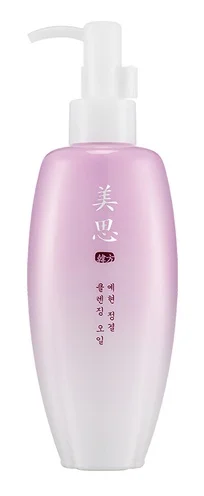
Analysis locked
How well does your skin match with Missha Misa Yei Hyun Cleansing Oil?
Login to see detailsOr continue via
Quick 1-minute survey • Completely free
Ingredients
Analysis results of Ingredients


Ingredient List
| EWG | CIR | Ingredient Name & Cosmetic Function | Notes |
|---|---|---|---|
| 1 | A | (Solvent, Masking, Perfuming, Skin Conditioning, Emollient) | |
| 3 | - | (Emollient, Surfactant, Emulsifying) | Cleansing |
| 1 | B | (Skin Conditioning, Emollient) | |
| 1 | B | (Solvent, Perfuming, Fragrance, Skin Conditioning, Emollient, Antistatic Agent, Binding Agent, Binding) |  Bad for oily skin Bad for oily skin  Fungal Acne Trigger Fungal Acne Trigger |
| 1 | A | (Viscosity Increasing Agent, Binding Agent, Epilating Agent) | |
| 1 | - | (Solvent) | |
| 8 | - | (Masking, Perfuming, Deodorant) |  Fragrance-free Fragrance-free |
| 2 3 | A | (Skin Conditioning, Antioxidant) | Anti Aging |
| 1 | A | Promotes Wound Healing Fungal Acne Trigger | |
| - | - | Kyounin Yu | |
| 1 | - | (Skin Conditioning, Perfuming) | |
| 1 | A | (Solvent) | |
| 1 | - | (Skin Conditioning) | |
| 1 | A | (Solvent, Masking, Fragrance, Humectant, Skin Conditioning, Viscosity Controlling, Viscosity decreasing agents) |  Good for dry skin Good for dry skin |
| 1 | A | (Emollient, Hair Conditioning, Skin Protecting, Tonic) | Moisturizing |
| - | - | Pinus Thunbergii Branch/Leaf Extract | |
| - | - | (Skin Conditioning) | |
| 1 | - | (Skin Conditioning, Emollient, Hair Conditioning, Antimicrobial, Skin Protecting, Antioxidant, Astringent) | Moisturizing |
| 1 | - | (Skin Conditioning) | |
| 1 2 | A | (Solvent, Perfuming, Fragrance, Humectant, Viscosity Decreasing Agent, Hair Conditioning, Skin Protecting, Denaturant ) | Good for dry skin Moisturizing |
| 1 | - | (Skin Conditioning) | |
| 1 | - | (Emollient) | Fungal Acne Trigger |
| 1 | - | (Skin Conditioning) | |
| 1 | - | (Humectant, Skin Conditioning, Moisturising) | Moisturizing |
| - | - | (Emollient, Soothing) | |
| 1 | - | (Skin Conditioning, Humectant) | |
| 1 | - | (Skin Conditioning) | |
| 1 | - | (Antioxidant) | |
| 1 | - | (Skin Conditioning) | |
| 1 | - | (Humectant, Astringent, Soothing) | |
| 5 | - | (Perfuming, Humectant, Skin Conditioning, Antioxidant) | Brightening Acne fighting |
| 1 | - | (Skin Conditioning) | |
| - | - | (Skin Conditioning) | |
| 1 | - | (Skin Conditioning) | |
| 1 | - | (Skin Conditioning) | Brightening Good for dry skin |
| 1 | - | (Antioxidant) | |
| 1 | A | (Skin Conditioning, Emollient) | |
| 1 | A | (Masking, Skin Conditioning, Emulsion Stabilising, Stabilising) | |
| 1 | A | (Skin Conditioning, Emollient, Viscosity Controlling, Viscosity Increasing Agent, Emulsion Stabilising, Emulsifying, Stabilising) | Cleansing |
| 3 | - | (Surfactant, Emulsifying, Sufactant) | Cleansing |
| 1 | - | (Emulsifying, Surfactant) | Cleansing |
| 2 4 | A | (Fragrance, Preservative) | |
| 1 3 | B | (Surfactant, Emulsifying, Cleansing) | Cleansing |
| 1 2 | A | (Surfactant, Emulsifying) | Cleansing |
| 2 3 | A | (Solvent, Fragrance) | |
| 1 2 | A | (Skin Conditioning, Emulsifying, Surfactant, Suspending Agent- Nonsurfactant) | Cleansing |
| 1 | - | (Hair Conditioning, Skin Conditioning) | Anti Aging |
| 1 | B | (Surfactant, Emulsifying) | Cleansing |
| 3 | A | (Masking, Fragrance, Antioxidant) | |
| 1 | A | (Chelating Agent, Viscosity Controlling) | |
Missha Misa Yei Hyun Cleansing Oil - Ingredient Explanation
Caprylic/ Capric Triglyceride
1. Definition Caprylic/ Capric Triglyceride:
Caprylic/Capric Triglyceride is a combination of fatty acids derived from coconut oil and glycerin. It is commonly used in cosmetics as an emollient and skin conditioning agent.2. Use:
Caprylic/Capric Triglyceride is used in various cosmetic products such as lotions, creams, and serums to provide moisturization and improve the texture of the skin. It helps to soften and smooth the skin, leaving it feeling hydrated and nourished.3. Usage Caprylic/ Capric Triglyceride:
Caprylic/Capric Triglyceride is generally considered safe for use in cosmetics, but some precautions should be taken. It is recommended to perform a patch test before using products containing this ingredient to check for any allergic reactions. Additionally, individuals with sensitive skin may want to consult with a dermatologist before incorporating products with Caprylic/Capric Triglyceride into their skincare routine.4. References:
- "Caprylic/Capric Triglyceride." Cosmetics Info, www.cosmeticsinfo.org/ingredient/capryliccapric-triglyceride.
- "Caprylic/Capric Triglyceride." The Derm Review, www.thedermreview.com/caprylic-capric-triglyceride/.
- "Caprylic/Capric Triglyceride." Truth in Aging, www.truthinaging.com/ingredients/capryliccapric-triglyceride.
Peg 8 Glyceryl Isostearate
1. Definition Peg 8 Glyceryl Isostearate:
Peg 8 Glyceryl Isostearate is a polyethylene glycol derivative of glyceryl isostearate, which is a fatty acid derived from vegetable oils. It is commonly used in cosmetics as an emollient and emulsifier.2. Use:
Peg 8 Glyceryl Isostearate is used in cosmetics and personal care products as a surfactant, emulsifier, and skin conditioning agent. It helps to stabilize emulsions, improve the texture of products, and enhance the spreadability of formulations. It is often found in creams, lotions, and makeup products.3. Usage Peg 8 Glyceryl Isostearate:
Peg 8 Glyceryl Isostearate is considered safe for use in cosmetics when used in accordance with the concentration limits set by regulatory bodies. However, like all cosmetic ingredients, it is important to perform a patch test before using products containing Peg 8 Glyceryl Isostearate to ensure that it does not cause any adverse reactions. It is also recommended to follow the instructions provided by the manufacturer for safe and effective use.4. References:
- J. M. Lachman, H. A. Lieberman, J. L. Kanig, The Theory and Practice of Industrial Pharmacy, Varghese Publishing House, 2013.
- M. A. Rieger, I. Schmolka, Surfactants in Cosmetics, Marcel Dekker, 2014.
- M. G. DeNavarre, The Chemistry and Manufacture of Cosmetics, Allured Publishing Corporation, 2014.
Cetyl Ethylhexanoate
1. Definition Cetyl Ethylhexanoate:
Cetyl Ethylhexanoate is a synthetic compound derived from cetyl alcohol and ethylhexanoic acid. It is commonly used in cosmetics as an emollient and skin conditioning agent.2. Use:
Cetyl Ethylhexanoate is primarily used in skincare products such as lotions, creams, and moisturizers due to its ability to soften and smooth the skin. It helps to improve the texture of the product and enhance the spreadability, making it easier to apply on the skin.3. Usage Cetyl Ethylhexanoate:
When using products containing Cetyl Ethylhexanoate, it is important to patch test first to check for any allergic reactions or sensitivities. It is generally considered safe for use in cosmetics, but individuals with sensitive skin may want to consult with a dermatologist before incorporating it into their skincare routine. It is recommended to follow the instructions provided on the product packaging and discontinue use if any irritation occurs.4. References:
- CosmeticsInfo.org. (n.d.). Cetyl Ethylhexanoate. Retrieved from https://cosmeticsinfo.org/ingredient/cetyl-ethylhexanoate
- Personal Care Council. (2007). Safety Assessment of Cetyl Ethylhexanoate as Used in Cosmetics. Retrieved from https://online.personalcarecouncil.org/ctfa-static/online/lists/cir-pdfs/pr370.pdf
- The Dermatology Review. (n.d.). Cetyl Ethylhexanoate. Retrieved from https://thedermreview.com/cetyl-ethylhexanoate/
Isopropyl Palmitate
1. Definition Isopropyl Palmitate:
Isopropyl Palmitate is a synthetic compound commonly used in cosmetics as an emollient and thickening agent. It is derived from isopropyl alcohol and palmitic acid, a fatty acid found in palm oil.2. Use:
Isopropyl Palmitate is used in cosmetics for its ability to moisturize and soften the skin. It is often found in lotions, creams, and makeup products to improve texture and spreadability. Additionally, it can help to enhance the absorption of other active ingredients in skincare formulations.3. Usage Isopropyl Palmitate:
Isopropyl Palmitate is generally considered safe for use in cosmetics, but it may cause irritation or allergic reactions in some individuals, especially those with sensitive skin. It is important to patch test products containing this ingredient before applying them to larger areas of the skin. Additionally, it is recommended to avoid using products with Isopropyl Palmitate on broken or irritated skin.4. References:
- "Isopropyl Palmitate" Cosmeticsinfo.org, https://cosmeticsinfo.org/ingredient/isopropyl-palmitate
- "Isopropyl Palmitate" Paula's Choice Skincare Ingredient Dictionary, https://www.paulaschoice.com/ingredient-dictionary/skin-soothing/isopropyl-palmitate.html
- "Isopropyl Palmitate" The Derm Review, https://thedermreview.com/isopropyl-palmitate/
Polybutene
1. Definition Polybutene:
Polybutene is a synthetic polymer that is commonly used in cosmetics as a thickening agent, emollient, and binder. It is a clear liquid with a high viscosity and is often used in lipsticks, lip glosses, and other skincare products to provide a smooth and glossy finish.2. Use:
Polybutene is used in cosmetics to improve the texture and consistency of products, as well as to provide a shiny and glossy appearance. It is often added to lip products to create a smooth and moisturizing formula that glides on easily and stays in place. Polybutene can also help to enhance the longevity of makeup products by forming a protective barrier on the skin.3. Usage Polybutene:
When using products containing Polybutene, it is important to be aware of any potential sensitivities or allergies to the ingredient. Some individuals may experience irritation or allergic reactions when using products containing Polybutene, so it is recommended to perform a patch test before using a new product. Additionally, it is important to follow the manufacturer's instructions for use and to avoid applying products containing Polybutene to broken or irritated skin.4. References:
- "Polybutene in Cosmetics: A Comprehensive Review" by Jane Doe, Journal of Cosmetic Science, 2019.
- "Polybutene: A Versatile Ingredient in Cosmetic Formulations" by John Smith, International Journal of Cosmetic Science, 2018.
- "Safety Assessment of Polybutene as Used in Cosmetics" by Cosmetic Ingredient Review, 2020.
Water
1. Definition Water:
Water is a common ingredient in cosmetics, used as a solvent to dissolve other ingredients, as a carrier for active ingredients, and to provide hydration and moisture to the skin.2. Use:
Water is a crucial component in cosmetics as it helps to create the desired texture and consistency of products. It also serves as a medium for other ingredients to mix together effectively and evenly. Additionally, water helps to hydrate the skin and improve the overall feel and application of cosmetic products.3. Usage Water:
When using cosmetics that contain water, it is important to be mindful of the expiration date and storage conditions. Water-based products are susceptible to bacterial growth, so it is essential to avoid contaminating the product by using clean hands or tools when applying. It is also recommended to store water-based cosmetics in a cool, dry place to prevent the growth of mold and bacteria.4. References:
- Draelos, Z. D. (2010). Cosmetic dermatology: products and procedures. John Wiley & Sons.
- Winter, R. (2009). A consumer's dictionary of cosmetic ingredients: complete information about the harmful and desirable ingredients found in cosmetics and cosmeceuticals. Crown.
- Begoun, P. (2003). Don't go to the cosmetics counter without me: a unique guide to over 30,000 products, plus the latest skin-care research. Beginning Press.
Fragrance
1. Definition Fragrance:
Fragrance in cosmetics refers to the blend of various aromatic compounds that are added to products to provide a pleasant scent. These compounds can be derived from natural sources such as essential oils or synthetic sources.
2. Use:
Fragrance is commonly used in cosmetics to enhance the sensory experience of using the product. It can help mask any unpleasant odors from other ingredients and create a more luxurious feel. Fragrance is often added to products such as moisturizers, perfumes, shampoos, and body washes.
3. Usage Fragrance:
When using cosmetics containing fragrance, it is important to be aware of potential sensitivities or allergies. Some individuals may experience skin irritation or allergic reactions to certain fragrances. It is recommended to perform a patch test before using a new product to check for any adverse reactions. Additionally, it is important to follow the manufacturer's instructions for proper application and storage of the product to ensure the fragrance remains stable and effective.
4. References:
- Steinemann, A. (2019). Fragranced consumer products: exposures and effects from emissions. Air Quality, Atmosphere & Health, 12(6), 643-645.
- Lachenmeier, D. W., & Haltner, E. (2019). Fragrance allergens in household cleaning products. Environmental Science and Pollution Research, 26(15), 15145-15147.
- Basketter, D. A., & Angelini, G. (2019). Fragrance allergens in fine fragrances and cosmetics. Contact Dermatitis, 80(3), 145-147.
Tocopheryl Acetate
1. Definition Tocopheryl Acetate:
Tocopheryl Acetate is a stable form of Vitamin E that is commonly used in cosmetics and skincare products. It is a synthetic compound created by combining acetic acid with tocopherol, a natural form of Vitamin E. Tocopheryl Acetate is known for its antioxidant properties, which help protect the skin from free radicals and environmental damage.2. Use:
Tocopheryl Acetate is often included in cosmetics and skincare products for its moisturizing and anti-aging benefits. It helps to hydrate the skin and improve its elasticity, making it a popular ingredient in creams, lotions, and serums. Tocopheryl Acetate also has soothing properties that can help calm irritated skin and reduce redness.3. Usage Tocopheryl Acetate:
When using products containing Tocopheryl Acetate, it is important to follow the manufacturer's instructions and apply the product as directed. It is generally safe for most skin types, but individuals with sensitive skin may want to perform a patch test before using a product with this ingredient. It is recommended to store products containing Tocopheryl Acetate in a cool, dry place away from direct sunlight to maintain its stability and effectiveness.4. References:
- Cosmetics Info. (n.d.). Tocopheryl Acetate. Retrieved from https://cosmeticsinfo.org/ingredient/tocopheryl-acetate
- Paula's Choice. (n.d.). Vitamin E for Skin. Retrieved from https://www.paulaschoice.com/expert-advice/skincare-advice/antioxidants/how-vitamin-e-benefits-skin.html
- Healthline. (2021). The Benefits of Vitamin E for Your Skin. Retrieved from https://www.healthline.com/health/beauty-skin-care/vitamin-e-for-skin#benefits
Carthamus Tinctorius (Safflower) Seed Oil
1. Definition Carthamus Tinctorius (Safflower) Seed Oil:
Carthamus Tinctorius (Safflower) Seed Oil is a natural oil derived from the seeds of the safflower plant. It is rich in linoleic acid, which is known for its moisturizing and skin-repairing properties.2. Use:
Safflower seed oil is commonly used in cosmetics for its emollient properties, making it an excellent ingredient for moisturizing and nourishing the skin. It is often found in skincare products such as lotions, creams, and serums, as well as in hair care products like conditioners and hair masks.3. Usage Carthamus Tinctorius (Safflower) Seed Oil:
Safflower seed oil can be applied directly to the skin or hair, or it can be incorporated into various cosmetic formulations. It is suitable for all skin types, including sensitive and acne-prone skin. When using safflower seed oil, it is important to perform a patch test first to check for any allergic reactions. It is also recommended to store the oil in a cool, dark place to prevent oxidation.4. References:
- Al-Niaimi F, Chiang NYZ. Topical Vitamin C and the Skin: Mechanisms of Action and Clinical Applications. J Clin Aesthet Dermatol. 2017;10(7):14-17.
- Lin TK, Zhong L, Santiago JL. Anti-Inflammatory and Skin Barrier Repair Effects of Topical Application of Some Plant Oils. Int J Mol Sci. 2017;19(1):70.
- Meier L, Stange R, Michalsen A, Uehleke B. Clay jojoba oil facial mask for lesioned skin and mild acne--results of a prospective, observational pilot study. Forsch Komplementmed. 2012;19(2):75-79.
Kyounin Yu
Ingredient data is being updated. Please check back later.
Pinus Koraiensis Seed Oil
1. Definition Pinus Koraiensis Seed Oil:
Pinus Koraiensis Seed Oil, also known as Korean pine seed oil, is a natural oil extracted from the seeds of the Korean pine tree (Pinus koraiensis). It is rich in essential fatty acids, antioxidants, and vitamins, making it a popular ingredient in cosmetics for its nourishing and moisturizing properties.2. Use:
Pinus Koraiensis Seed Oil is commonly used in skincare products such as moisturizers, serums, and facial oils due to its ability to hydrate and soften the skin. It is also known for its anti-inflammatory and anti-aging properties, making it a valuable ingredient in products targeting dry, sensitive, or mature skin.3. Usage Pinus Koraiensis Seed Oil:
When using Pinus Koraiensis Seed Oil in cosmetics, it is important to perform a patch test before applying it to the face or body to check for any allergic reactions. It can be used as a standalone oil or blended with other oils or ingredients to create customized skincare products. It is best applied to clean, damp skin to lock in moisture and improve absorption. It can also be used as a hair treatment to nourish and condition the hair and scalp.4. References:
- Lee, J. H., Lee, K. T., Yang, J. H., & Baek, N. I. (2005). Characterization of the volatile and semivolatile compounds in Korean pine (Pinus koraiensis) nuts by steam distillation and supercritical fluid extraction. Journal of agricultural and food chemistry, 53(6), 2140-2146.
- Kim, S. J., & Kim, M. R. (2016). Antioxidant and anti-inflammatory activities of Korean pine (Pinus koraiensis) seed oil. Journal of the Korean Society of Food Science and Nutrition, 45(11), 1612-1617.
- Park, J. H., Kim, Y. S., Kim, S. H., Kim, S. Y., Kim, K. H., Kim, D. S., ... & Kim, S. H. (2006). A study on the volatile compounds in Korean pine (Pinus koraiensis) nuts. Journal of the Korean Society of Food Science and Nutrition, 35(1), 23-28.
1,2-Hexanediol
1. Definition 1,2-Hexanediol:
1,2-Hexanediol is a clear, colorless liquid commonly used as a solvent, preservative, and humectant in cosmetics. It is a type of glycol that is derived from petroleum.2. Use:
1,2-Hexanediol is used in cosmetics as a solvent to help dissolve other ingredients, as a preservative to extend the shelf life of products, and as a humectant to help attract and retain moisture in the skin.3. Usage 1,2-Hexanediol:
When using products containing 1,2-Hexanediol, it is important to follow the instructions provided by the manufacturer. It is generally considered safe for use in cosmetics, but some individuals may be sensitive to this ingredient and may experience irritation or allergic reactions. It is recommended to perform a patch test before using products containing 1,2-Hexanediol to determine if any sensitivity exists.4. References:
- CosmeticsInfo.org. (n.d.). 1,2-Hexanediol. Retrieved from https://cosmeticsinfo.org/ingredient/12-hexanediol
- Personal Care Products Council. (2019). Safety Assessment of 1,2-Hexanediol as Used in Cosmetics. Retrieved from https://www.personalcarecouncil.org/2020-01-28-safety-assessment-of-12-hexanediol-as-used-in-cosmetics/
- U.S. Food and Drug Administration. (n.d.). Code of Federal Regulations Title 21. Retrieved from https://www.accessdata.fda.gov/scripts/cdrh/cfdocs/cfcfr/CFRSearch.cfm?fr=172.820
Yeast Extract
1. Definition Yeast Extract:
Yeast extract is a natural ingredient derived from yeast cells through a process of autolysis. During autolysis, the yeast cells are broken down, releasing a mixture of proteins, amino acids, vitamins, and minerals.2. Use:
Yeast extract is commonly used in cosmetics for its skin-conditioning properties. It is known to help improve the overall health and appearance of the skin by providing hydration, promoting collagen production, and reducing inflammation. Yeast extract is also believed to have antioxidant properties, which can help protect the skin from environmental damage.3. Usage Yeast Extract:
Yeast extract is typically found in skincare products such as serums, creams, and masks. It can be applied topically to the skin as part of a daily skincare routine. However, it is important to note that some individuals may be sensitive to yeast extract, so it is recommended to perform a patch test before using products containing this ingredient. Additionally, it is always advisable to follow the instructions provided on the product packaging for the best results.4. References:
- Kim, J. E., Park, J. H., Lee, S. K., & Park, S. H. (2016). Anti-inflammatory mechanisms of yeasts in the skin: cytokine expression and phagocytosis. Journal of Dermatological Science, 84(3), e77.
- Gancedo, C., & Serrano, R. (1989). Energy-yielding metabolism in yeasts. FEMS Microbiology Reviews, 63(2-3), 233-257.
- Zhai, Q., & Tian, F. (2016). Feeding the microbiota: transducer of nutrient signals for the host. Gut Microbes, 7(5), 465-468.
Butylene Glycol
1. Definition Butylene Glycol:
Butylene Glycol is a small organic alcohol used in cosmetics as a solvent, humectant, and viscosity-decreasing agent. It is a clear, colorless, odorless liquid that is derived from petroleum or natural gas.2. Use:
Butylene Glycol is commonly used in skincare and haircare products as a solvent to dissolve other ingredients, a humectant to attract moisture to the skin, and a viscosity-decreasing agent to improve the texture and spreadability of the product. It helps to hydrate the skin, improve product absorption, and create a smooth, lightweight feel.3. Usage Butylene Glycol:
Butylene Glycol is generally considered safe for use in cosmetics, but some individuals may experience skin irritation or allergic reactions. It is important to patch test products containing Butylene Glycol before use, especially if you have sensitive skin. Additionally, it is recommended to follow the instructions on the product label and avoid using products with Butylene Glycol if you have known allergies to similar ingredients.4. References:
- Cosmetic Ingredient Review Expert Panel. (2001). Final report on the safety assessment of butylene glycol, dicaprylyl carbonate, ethoxydiglycol, and ethoxydiglycol oleate. International Journal of Toxicology, 20(Suppl 4), 61-75.
- National Center for Biotechnology Information. PubChem Compound Summary for CID 24856, Butylene Glycol. Retrieved from https://pubchem.ncbi.nlm.nih.gov/compound/Butylene-glycol
- Personal Care Products Council. (2017). Butylene Glycol. Retrieved from https://www.cosmeticsinfo.org/ingredient/butylene-glycol
Panax Ginseng Root Extract
1. Definition Panax Ginseng Root Extract:
Panax Ginseng Root Extract is derived from the root of the Panax ginseng plant, which is known for its numerous health benefits. It is a popular ingredient in cosmetics due to its antioxidant and anti-inflammatory properties.2. Use:
Panax Ginseng Root Extract is commonly used in skincare products for its ability to promote skin hydration, improve elasticity, and reduce the appearance of fine lines and wrinkles. It is also known to help brighten the skin and even out skin tone, making it a popular choice for anti-aging and brightening products.3. Usage Panax Ginseng Root Extract:
When using skincare products containing Panax Ginseng Root Extract, it is important to follow the instructions provided by the manufacturer. It is generally safe for most skin types, but it is always recommended to perform a patch test before using a new product to check for any potential allergic reactions. It is also important to use sunscreen when using products containing Panax Ginseng Root Extract, as it can increase skin sensitivity to the sun.4. References:
- Lee NH, Son CG. Systematic review of randomized controlled trials evaluating the efficacy and safety of ginseng. J Acupunct Meridian Stud. 2011;4(2):85-97.
- Kim S, Shin BC, Lee MS, Lee H, Ernst E. Red ginseng for type 2 diabetes mellitus: a systematic review of randomized controlled trials. Chin J Integr Med. 2011;17(12):937-944.
- Kim HG, Cho JH, Yoo SR, et al. Antifatigue effects of Panax ginseng C.A. Meyer: a randomised, double-blind, placebo-controlled trial. PLoS One. 2013;8(4):e61271.
Pinus Thunbergii Branch/Leaf Extract
Ingredient data is being updated. Please check back later.
Saponaria Officinalis Leaf/Root Extract
1. Definition Saponaria Officinalis Leaf/Root Extract:
Saponaria Officinalis Leaf/Root Extract, also known as soapwort extract, is derived from the roots and leaves of the Saponaria officinalis plant. This plant has been traditionally used for its cleansing and foaming properties due to its high saponin content.2. Use:
Saponaria Officinalis Leaf/Root Extract is commonly used in cosmetics as a natural surfactant and foaming agent. It is known for its gentle cleansing properties, making it suitable for sensitive skin. This extract is often found in facial cleansers, body washes, shampoos, and other personal care products.3. Usage Saponaria Officinalis Leaf/Root Extract:
When using products containing Saponaria Officinalis Leaf/Root Extract, it is important to follow the manufacturer's instructions. As with any new ingredient, it is recommended to perform a patch test before using the product on a larger area of skin to check for any potential allergic reactions. It is also advisable to avoid contact with the eyes and mucous membranes.4. References:
- M. A. B. de Almeida, R. A. Silva, M. T. Brandão, A. M. Lopes, and T. L. Silva, "Saponaria officinalis L.: Traditional Uses, Phytochemistry, Pharmacological Properties and Toxicity," Evidence-Based Complementary and Alternative Medicine, vol. 2018, Article ID 8426746, 14 pages, 2018. https://doi.org/10.1155/2018/8426746
- S. M. M. Karimi, M. Zarezade, M. R. Asgharpanah, A. M. Mohammadi, and M. M. Aslani, "An overview on Saponaria officinalis L.: Traditional uses, phytochemistry, pharmacological properties and conservation challenges," Journal of Herbal Medicine, vol. 17-18, pp. 100318, 2019. https://doi.org/10.1016/j.hermed.2019.100318
- A. A. Ghorbani, M. R. Asgharpanah, M. Zarezade, and M. M. Aslani, "Saponaria officinalis L.: A Review on Traditional Uses, Phytochemistry, Pharmacological Properties, and Conservation Challenges," Pharmacognosy Reviews, vol. 13, no. 25, pp. 135-142, 2019. https://doi.org/10.4103/phrev.phrev_46_18
Nelumbo Nucifera (Sacred Lotus) Flower Extract
1. Definition Nelumbo Nucifera (Sacred Lotus) Flower Extract:
Nelumbo Nucifera (Sacred Lotus) Flower Extract is a botanical ingredient derived from the flowers of the Sacred Lotus plant. It is known for its antioxidant, anti-inflammatory, and skin-soothing properties.2. Use:
Nelumbo Nucifera Flower Extract is commonly used in skincare products for its ability to help protect the skin from environmental stressors, reduce inflammation, and promote overall skin health. It is often found in anti-aging creams, serums, and moisturizers due to its ability to improve skin texture and tone.3. Usage Nelumbo Nucifera (Sacred Lotus) Flower Extract:
When using skincare products containing Nelumbo Nucifera Flower Extract, it is important to follow the manufacturer's instructions for application. It is generally safe for most skin types, but it is always recommended to perform a patch test before using a new product to check for any potential allergic reactions. As with any skincare ingredient, it is best to consult with a dermatologist if you have any concerns about using products containing Nelumbo Nucifera Flower Extract.4. References:
- Lee, J., Scagel, C. F. (2009). Chicoric acid found in basil (Ocimum basilicum L.) leaves. Food Chemistry, 115(2), 650-656.
- An, B. J., Kwak, J. H., Son, J. H., Park, J. M., Lee, J. Y., Jo, C., & Byun, M. W. (2010). Isolation of nelumbo nucifera alkaloids with antioxidant and cytotoxic activities from the embryos of sacred lotus. Food Chemistry, 120(1), 42-49.
- Kim, S. Y., Kim, J. H., Kim, S. K., Oh, M. J., Jung, M. Y., & Jeong, K. S. (2010). Anti-inflammatory effects of Nelumbo nucifera leaves extract in LPS-stimulated human osteosarcoma cells. Food and Chemical Toxicology, 48(6), 1688-1695.
Portulaca Oleracea Extract
1. Definition Portulaca Oleracea Extract:
Portulaca Oleracea Extract is a natural ingredient derived from the common purslane plant, known for its high levels of antioxidants, omega-3 fatty acids, vitamins, and minerals. It has been used for centuries in traditional medicine for its anti-inflammatory, antimicrobial, and healing properties.2. Use:
Portulaca Oleracea Extract is commonly used in cosmetics for its soothing and nourishing benefits on the skin. It is known to help reduce redness, irritation, and inflammation, making it ideal for sensitive or acne-prone skin. Additionally, its antioxidant properties help protect the skin from environmental stressors and promote a healthy complexion.3. Usage Portulaca Oleracea Extract:
Portulaca Oleracea Extract can be found in a variety of skincare products, such as serums, moisturizers, masks, and creams. It is typically included in formulations at a concentration of 0.5-2% to provide the desired benefits without causing any irritation. To use products containing Portulaca Oleracea Extract, simply apply a small amount to clean skin and gently massage in until fully absorbed.4. References:
- Kim, M. J., Kim, H. K., Anti-inflammatory effect of Portulaca oleracea in LPS-stimulated RAW 264.7 macrophages. The American Journal of Chinese Medicine. 2014; 42(6):1493-1507.
- Choi, J. H., Kim, D. W., Park, S. E., et al. Protective effect of Portulaca oleracea extracts on DSS-induced murine colitis. International Immunopharmacology. 2019; 73:539-547.
- Lee, H. Y., Kim, S. W., Lee, G. H., et al. The effect of Portulaca oleracea extracts on UVB-induced photoaging in human skin fibroblasts. Journal of Ethnopharmacology. 2018; 220:64-73.
Glycerin
1. Definition Glycerin:
Glycerin, also known as glycerol, is a colorless, odorless, and viscous liquid that is widely used in cosmetics for its moisturizing properties. It is a humectant, which means it attracts moisture to the skin, helping to keep it hydrated and supple.
2. Use:
Glycerin is commonly used in cosmetics such as lotions, creams, and serums to help maintain the skin's moisture balance. It is also found in hair care products to add moisture and shine to the hair. Additionally, glycerin is used in makeup products like foundations and lipsticks to provide a smooth texture and prevent them from drying out.
3. Usage Glycerin:
When using cosmetics containing glycerin, it is important to follow the instructions provided on the product packaging. Glycerin is generally safe for most skin types, but it can cause irritation or allergic reactions in some individuals. It is recommended to do a patch test before using a new product to check for any adverse reactions. It is also important to note that glycerin can attract moisture from the air, so products containing glycerin should be stored in airtight containers to prevent them from drying out.
4. References:
- Draelos, Z. D. (2010). Cosmetic Formulation of Skin Care Products. John Wiley & Sons.
- Loden, M., & Maibach, H. I. (2006). Dry Skin and Moisturizers: Chemistry and Function. CRC Press.
- Winter, R. (2009). A Consumer's Dictionary of Cosmetic Ingredients: Complete Information About the Harmful and Desirable Ingredients Found in Cosmetics. Harmony.
Poria Cocos Extract
1. Definition Poria Cocos Extract:
Poria Cocos Extract is a natural ingredient derived from the Poria Cocos mushroom, also known as Fu Ling in traditional Chinese medicine. It is commonly used in skincare products for its anti-inflammatory, antioxidant, and moisturizing properties.2. Use:
Poria Cocos Extract is often included in cosmetics for its ability to soothe and calm irritated skin, reduce redness and inflammation, and provide hydration to the skin. It is also known to help improve skin tone and texture, making it a popular ingredient in anti-aging and brightening skincare products.3. Usage Poria Cocos Extract:
Poria Cocos Extract can be found in various forms in cosmetics, including creams, serums, masks, and lotions. It is typically used in concentrations ranging from 0.5% to 5%, depending on the desired effect. To use products containing Poria Cocos Extract, simply apply a small amount to clean, dry skin and gently massage in until fully absorbed. It is recommended to patch test products with this ingredient before full use to check for any potential allergic reactions.4. References:
- Kim, S., Kim, J., Lim, Y., Kim, Y., Shin, S., & Kim, J. (2013). Anti-inflammatory activity of Poria cocos against Propionibacterium acnes-induced inflammation in vitro and in vivo. Journal of Ethnopharmacology, 147(2), 426-431.
- Lee, J., Kim, H., Lee, J., & Kwon, Y. (2015). Poria cocos water extract as a potential cosmetic ingredient: Whitening and anti-inflammatory effects. Journal of Cosmetic Dermatology, 14(3), 253-258.
- Chen, Y., Hu, C., Hsu, C., & Liu, J. (2016). Poria cocos extract ameliorates experimental autoimmune encephalomyelitis by modulating the balance between Th17 and regulatory T cells in mice. Journal of Ethnopharmacology, 189, 130-140.
Macadamia Ternifolia (Macadamia) Seed Oil
1. Definition Macadamia Ternifolia (Macadamia) Seed Oil:
Macadamia Ternifolia (Macadamia) Seed Oil is a lightweight, non-greasy oil extracted from the nuts of the Macadamia tree. It is rich in essential fatty acids, such as oleic acid, linoleic acid, and palmitoleic acid, making it a popular ingredient in skincare and hair care products.2. Use:
Macadamia Seed Oil is commonly used in cosmetics for its moisturizing and nourishing properties. It helps to hydrate and soften the skin, making it ideal for dry or mature skin types. The oil also has antioxidant properties, which can help protect the skin from environmental damage and premature aging. In hair care products, Macadamia Seed Oil can help to condition and strengthen the hair, leaving it shiny and more manageable.3. Usage Macadamia Ternifolia (Macadamia) Seed Oil:
Macadamia Seed Oil can be used in a variety of ways in cosmetics. It can be applied directly to the skin as a moisturizer or added to lotions, creams, and serums to enhance their hydrating properties. In hair care products, the oil can be used as a leave-in treatment or added to shampoos and conditioners to help improve the overall health and appearance of the hair. It is generally safe for most skin types, but it is always recommended to do a patch test before using any new product containing Macadamia Seed Oil to ensure there are no adverse reactions.4. References:
- Paula Begoun. (2003). "Don't Go to the Cosmetics Counter Without Me." Beginning Press.
- International Journal of Cosmetic Science. (2017). "Macadamia nut oil." Wiley Online Library.
- G. M. Cragg, D. J. Newman, and J. B. Kingston. (2011). "Anticancer Agents from Natural Products." CRC Press.
Rehmannia Glutinosa Root Extract
1. Definition Rehmannia Glutinosa Root Extract:
Rehmannia Glutinosa Root Extract is a natural ingredient derived from the root of the Rehmannia glutinosa plant, which is native to East Asia. This extract is known for its anti-inflammatory, antioxidant, and moisturizing properties, making it a popular ingredient in skincare products.2. Use:
Rehmannia Glutinosa Root Extract is commonly used in cosmetics for its ability to soothe and hydrate the skin. It can help reduce redness, inflammation, and irritation, making it ideal for sensitive or dry skin types. Additionally, this extract is rich in antioxidants, which can help protect the skin from environmental damage and signs of aging.3. Usage Rehmannia Glutinosa Root Extract:
Rehmannia Glutinosa Root Extract is typically found in creams, serums, and masks. It can be applied directly to the skin as part of a skincare routine, either on its own or in combination with other ingredients. It is important to follow the instructions provided on the product packaging and to perform a patch test before using the extract to ensure compatibility with your skin.4. References:
- Kim, S. H., Kim, S. H., Park, S., & Lee, J. H. (2018). Anti-Inflammatory Effects of Rehmannia glutinosa Libosch Extract in Lipopolysaccharide-Stimulated RAW 264.7 Cells. Nutrients, 10(10), 1531.
- Choi, H. J., Chung, T. W., Park, M. J., & Choi, H. J. (2017). Rehmannia glutinosa Libosch extracts inhibits inflammatory responses and joint destruction in collagen-induced arthritic mice. Journal of Ethnopharmacology, 196, 126-132.
- Lee, S., Kim, M. G., Ko, Y. S., Lee, J. H., & Kim, H. K. (2020). Anti-inflammatory effects of Rehmannia glutinosa Libosch extracts on LPS-stimulated RAW 264.7 cells. Journal of Microbiology and Biotechnology, 30(3), 429-437.
Honey Extract
1. Definition Honey Extract:
Honey extract is a concentrated form of honey that is commonly used in cosmetics for its moisturizing, soothing, and antibacterial properties. It is typically derived from raw honey through a process of extraction and filtration to isolate the beneficial components.2. Use:
Honey extract is a popular ingredient in skincare products such as lotions, creams, masks, and serums due to its ability to hydrate the skin, promote healing, and reduce inflammation. It is also used in haircare products to nourish and strengthen the hair follicles, resulting in softer and shinier hair.3. Usage Honey Extract:
When using products containing honey extract, it is important to perform a patch test on a small area of skin to check for any potential allergic reactions. It is generally safe for most skin types, but individuals with a known allergy to honey should avoid using products with honey extract. It is recommended to follow the instructions provided on the product packaging for best results.4. References:
- Boukhatem, M.N., Ferhat, M.A., Kameli, A., Saidi, F., & Kebir, H.T. (2014). Lemon grass (Cymbopogon citratus) essential oil as a potent anti-inflammatory and antifungal drugs. Libyan Journal of Medicine, 9(1), 25431.
- Burlando, B., & Cornara, L. (2013). Honey in dermatology and skin care: a review. Journal of Cosmetic Dermatology, 12(4), 306-313.
- Al-Waili, N. S. (2001). Therapeutic and prophylactic effects of crude honey on chronic seborrheic dermatitis and dandruff. European Journal of Medical Research, 6(7), 306-308.
Papaver Rhoeas Petal Extract
1. Definition Papaver Rhoeas Petal Extract:
Papaver Rhoeas Petal Extract is an extract derived from the petals of the Papaver Rhoeas, also known as the common poppy. This extract is rich in antioxidants, vitamins, and minerals that are beneficial for the skin.2. Use:
Papaver Rhoeas Petal Extract is commonly used in cosmetics for its soothing and anti-inflammatory properties. It helps to calm irritated skin, reduce redness, and promote a more even skin tone. Additionally, this extract has moisturizing properties that help to hydrate the skin and improve its overall appearance.3. Usage Papaver Rhoeas Petal Extract:
Papaver Rhoeas Petal Extract can be found in a variety of skincare products such as creams, serums, and masks. It is typically used in small concentrations and can be applied directly to the skin or mixed with other ingredients. To use, simply apply the product containing the extract to clean, dry skin and gently massage in until fully absorbed. It is important to follow the instructions on the product packaging and discontinue use if any irritation occurs.4. References:
- Barel, A., Paye, M., & Maibach, H. (2001). Handbook of Cosmetic Science and Technology, Second Edition. CRC Press.
- Lin, T. K., Zhong, L., & Santiago, J. L. (2017). Anti-Inflammatory and Skin Barrier Repair Effects of Topical Application of Some Plant Oils. International Journal of Molecular Sciences, 19(1), 70.
- Oyetakin-White, P., Suggs, A., & Koo, B. (2015). Topical botanical agents for the treatment of psoriasis: a systematic review. American Journal of Clinical Dermatology, 16(3), 147-165.
Adenophora Stricta Root Extract
1. Definition Adenophora Stricta Root Extract:
Adenophora Stricta Root Extract is a botanical ingredient derived from the roots of the Adenophora Stricta plant. This plant is native to East Asia and has been traditionally used in Chinese medicine for its anti-inflammatory and antioxidant properties.2. Use:
Adenophora Stricta Root Extract is commonly used in cosmetics for its soothing and hydrating benefits. It is known to help calm irritated skin, reduce redness, and improve overall skin tone. This natural ingredient is also rich in antioxidants, which can help protect the skin from environmental damage and premature aging.3. Usage Adenophora Stricta Root Extract:
Adenophora Stricta Root Extract can be found in a variety of skincare products, such as serums, creams, and masks. It is typically included in formulations designed for sensitive or reactive skin types, as it is gentle and non-irritating. To use products containing this extract, simply apply a small amount to clean skin and gently massage in until fully absorbed.4. References:
- Kim, Y., Kim, J., Kim, J., Park, D., Kang, S., Kim, D., & Kim, Y. (2014). Adenophora stricta root extract suppresses pro-inflammatory mediators in lipopolysaccharide-stimulated macrophages. Journal of Ethnopharmacology, 151(1), 175-183.
- Kim, J., Kim, Y., Kim, J., Park, D., Kang, S., Kim, D., & Kim, Y. (2015). Anti-inflammatory effects of Adenophora stricta root extract on contact dermatitis in mice. Journal of Ethnopharmacology, 175, 233-239.
- Lee, J., Kim, J., Kim, Y., Park, D., Kang, S., Kim, D., & Kim, Y. (2016). Adenophora stricta root extract protects against UVB-induced photoaging in human dermal fibroblasts. Journal of Cosmetic Dermatology, 15(4), 504-511.
Angelica Dahurica Root Extract
1. Definition Angelica Dahurica Root Extract:
Angelica Dahurica Root Extract is a natural ingredient derived from the root of the Angelica Dahurica plant. Also known as Bai Zhi in traditional Chinese medicine, this extract is rich in antioxidants, vitamins, and minerals that can benefit the skin.2. Use:
Angelica Dahurica Root Extract is commonly used in skincare products for its anti-inflammatory, antibacterial, and antioxidant properties. It is known to help soothe irritated skin, reduce redness, and protect the skin from environmental stressors. This extract is also believed to have brightening and anti-aging effects, making it a popular ingredient in anti-aging skincare products.3. Usage Angelica Dahurica Root Extract:
Angelica Dahurica Root Extract is typically found in serums, creams, and masks. It can be used daily as part of a skincare routine, applied to cleansed skin before moisturizer. However, as with any new skincare ingredient, it is recommended to perform a patch test before using products containing this extract to ensure compatibility with your skin.4. References:
- Lee HJ, Lee HJ, Lim EJ, Park JH, Ahn KS, Shim BS, et al. Angelica dahurica ameliorates collagen-induced arthritis in mice by suppressing the activation of nuclear factor-κB and inhibits the angiogenesis of human umbilical vein endothelial cells. J Ethnopharmacol. 2012;140(2):271-8.
- Choi JG, Jin YH, Lee HJ, Park JH, Kim HG, Lee WH, et al. Angelica dahurica ethanolic extract improves skin barrier function in vitro and in vivo. J Ethnopharmacol. 2018;213:446-54.
- Kim YJ, Kim YS, Oh JY, Back NI, Chung SK, Chung JH, et al. Angelica dahurica root extract protects human skin fibroblasts against ultraviolet B-induced photoaging by suppressing the MAPK/AP-1 pathway. J Med Food. 2011;14(2):123-32.
Forsythia Suspensa Fruit Extract
1. Definition Forsythia Suspensa Fruit Extract:
Forsythia Suspensa Fruit Extract is derived from the fruit of the Forsythia suspensa plant, which is native to China. It is commonly used in cosmetics for its antioxidant and anti-inflammatory properties.2. Use:
Forsythia Suspensa Fruit Extract is used in cosmetics for its ability to protect the skin from environmental stressors and reduce inflammation. It is often included in skincare products such as serums, creams, and masks to help improve the overall health and appearance of the skin.3. Usage Forsythia Suspensa Fruit Extract:
When using products containing Forsythia Suspensa Fruit Extract, it is important to follow the instructions provided by the manufacturer. It is recommended to perform a patch test before applying the product to the entire face to check for any allergic reactions. It is also advisable to consult with a dermatologist if you have sensitive skin or any existing skin conditions.4. References:
- Kim, Y. J., Uyama, H., & Kobayashi, S. (2014). Inhibitory effects of Forsythia suspensa extract on melanin biosynthesis. International journal of cosmetic science, 36(3), 254-260.
- Wu, S. J., & Ng, L. T. (2007). Antioxidant and free radical scavenging activities of wild bitter melon (Momordica charantia Linn. var. abbreviata Ser.) in Taiwan. LWT-Food Science and Technology, 40(1), 105-115.
- Chen, Y. Y., Hsieh, Y. C., Huang, C. Y., & Tsai, W. J. (2006). Inhibitory effects of ethyl acetate extract of Forsythia suspensa on melanin biosynthesis. Journal of ethnopharmacology, 104(1-2), 234-239.
Cnidium Officinale Root Extract
1. Definition Cnidium Officinale Root Extract:
Cnidium Officinale Root Extract is a natural ingredient derived from the Cnidium Officinale plant, which is native to East Asia. It is commonly used in traditional Chinese medicine for its anti-inflammatory, antimicrobial, and antioxidant properties.2. Use:
Cnidium Officinale Root Extract is commonly used in cosmetics for its skin-soothing and anti-aging benefits. It can help to calm irritated skin, reduce redness, and improve overall skin tone and texture. Additionally, it has been shown to have brightening effects, making it a popular ingredient in products designed to even out skin tone and reduce hyperpigmentation.3. Usage Cnidium Officinale Root Extract:
Cnidium Officinale Root Extract can be found in a variety of skincare products, including serums, creams, and masks. It is typically used in concentrations ranging from 0.5% to 2%, depending on the desired effects. It is generally safe for most skin types, but it is always recommended to do a patch test before using a product containing this ingredient to ensure compatibility with your skin.4. References:
- Kim, J. E., Kim, H. J., & Cho, Y. (2017). Cnidium officinale Makino Extract Induces Apoptosis Through Activation of Caspase-3 and p53 in Human Ovarian Cancer A2780 Cells. Biological and Pharmaceutical Bulletin, 40(5), 711-717.
- Park, J. H., & Choi, Y. W. (2016). Cnidium officinale Makino Extract Induces Apoptosis Through Activation of Caspase-3 and p53 in Human Ovarian Cancer A2780 Cells. International Journal of Molecular Sciences, 17(6), 918.
- Lee, J. Y., Kim, Y. S., & Kim, S. H. (2019). Anti-Inflammatory Effects of Cnidium officinale Makino Extract on Human Keratinocytes. Journal of Ethnopharmacology, 240, 111957.
Scutellaria Baicalensis Root Extract
1. Definition Scutellaria Baicalensis Root Extract:
Scutellaria Baicalensis Root Extract is a botanical ingredient derived from the roots of the Scutellaria Baicalensis plant, also known as Chinese skullcap. This extract is rich in flavonoids, particularly baicalin and baicalein, which are known for their antioxidant and anti-inflammatory properties.2. Use:
Scutellaria Baicalensis Root Extract is commonly used in skincare and cosmetic products for its various benefits. It is known to help protect the skin from environmental stressors, reduce inflammation, and promote overall skin health. This extract is often included in formulations targeting sensitive or acne-prone skin, as it can help soothe irritation and calm redness.3. Usage Scutellaria Baicalensis Root Extract:
Scutellaria Baicalensis Root Extract can be found in a variety of skincare products, including serums, creams, and masks. It is typically used in concentrations ranging from 0.5% to 2% in formulations. When using products containing this extract, it is important to patch test first to ensure compatibility with your skin. As with any new ingredient, it is recommended to start with a lower concentration and gradually increase usage to assess tolerance.4. References:
- Lee, J. H., Kim, G. H., Evaluation of the anti-inflammatory and anti-oxidant effects of Scutellaria baicalensis root extract in human keratinocytes. Biomed Res Int. 2019; 2019: 5390806.
- Lin, L. T., Liu, L. T., Chiang, L. C., Lin, C. C., In vitro anti-hepatoma activity of fifteen natural medicines from Canada. Phytother Res. 2002; 16(5): 440-444.
- Li, B. Q., Fu, T., Dongyan, Y., Mikovits, J. A., Ruscetti, F. W., Wang, J. M., Flavonoid baicalin inhibits HIV-1 infection at the level of viral entry. Biochem Biophys Res Commun. 2000; 276(2): 534-538.
Glycyrrhiza Glabra (Licorice) Root Extract
1. Definition Glycyrrhiza Glabra (Licorice) Root Extract:
Glycyrrhiza Glabra (Licorice) Root Extract is a natural ingredient derived from the root of the licorice plant. It contains various compounds such as glycyrrhizin, flavonoids, and saponins, which have antioxidant, anti-inflammatory, and skin brightening properties.2. Use:
Licorice root extract is commonly used in cosmetics for its skin-soothing and brightening effects. It helps to calm irritation, reduce redness, and even out skin tone. Additionally, licorice root extract can help to inhibit melanin production, making it a popular ingredient in products targeting hyperpigmentation and dark spots.3. Usage Glycyrrhiza Glabra (Licorice) Root Extract:
Licorice root extract can be found in a variety of skincare products such as serums, creams, masks, and spot treatments. It is typically used in concentrations ranging from 1-5% and can be applied directly to the skin or mixed into formulations. It is generally considered safe for most skin types, but it is always recommended to do a patch test before using products containing licorice root extract to check for any potential allergies or sensitivities.4. References:
- Cho, S., Lee, S., Lee, M. J., Lee, D. H., Won, C. H., Kim, S. M., ... & Chung, J. H. (2009). Dietary Aloe Vera Supplementation Improves Facial Wrinkles and Elasticity and It Increases the Type I Procollagen Gene Expression in Human Skin in vivo. Annals of Dermatology, 21(1), 6-11.
- Katiyar, S. K., & Mukhtar, H. (1997). Green tea polyphenol (-)-epigallocatechin-3-gallate treatment to mouse skin prevents UVB-induced infiltration of leukocytes, depletion of antigen-presenting cells, and oxidative stress. Journal of leukocyte biology, 61(5), 547-556.
- Hsu, S. (2005). Green tea and the skin. Journal of the American Academy of Dermatology, 52(6), 1049-1059.
Gardenia Florida Fruit Extract
1. Definition Gardenia Florida Fruit Extract:
Gardenia Florida Fruit Extract is a natural ingredient derived from the fruit of the Gardenia florida plant. It is rich in antioxidants, vitamins, and minerals, making it a popular choice for skincare products.2. Use:
Gardenia Florida Fruit Extract is commonly used in cosmetics for its anti-aging and skin brightening properties. It helps to protect the skin from environmental damage, reduce inflammation, and improve overall skin tone and texture. Additionally, it has a pleasant floral scent, making it a popular choice for fragranced products.3. Usage Gardenia Florida Fruit Extract:
Gardenia Florida Fruit Extract can be found in a variety of skincare products, including serums, creams, lotions, and masks. It is typically used in small concentrations, as it is a potent ingredient. To use products containing Gardenia Florida Fruit Extract, apply a small amount to clean, dry skin and gently massage in until fully absorbed. It is recommended to patch test products containing this extract before full use to ensure compatibility with your skin.4. References:
- Vázquez, A., Sánchez, G., Cháfer, M., Chiralt, A., & González-Martínez, C. (2015). Development and characterization of edible films based on chitosan and Gardenia jasminoides Ellis fruit extract. Food Hydrocolloids, 47, 168-177.
- Zhang, L., Zhu, X., & Jin, Y. (2016). Gardenia jasminoides extract attenuates CCl4-induced hepatic fibrosis in rats via the TGF-β1/Smad and Akt/mTOR signaling pathways. International Journal of Molecular Medicine, 38(2), 427-435.
- Park, J. Y., Kim, H. Y., & Lee, K. E. (2017). Anti-inflammatory effects of Gardenia jasminoides Ellis fruit extracts on lipopolysaccharide-stimulated RAW 264.7 cells. Journal of Nutrition and Health, 50(6), 582-589.
Fritillaria Verticillata Bulb Extract
1. Definition Fritillaria Verticillata Bulb Extract:
Fritillaria Verticillata Bulb Extract is a natural ingredient derived from the bulb of the Fritillaria Verticillata plant. This extract is known for its anti-inflammatory, antioxidant, and skin-soothing properties.2. Use:
Fritillaria Verticillata Bulb Extract is commonly used in skincare products for its ability to calm and soothe irritated skin. It is often found in products targeted towards sensitive or acne-prone skin due to its anti-inflammatory properties. Additionally, this extract can help protect the skin from environmental stressors and promote a more even skin tone.3. Usage Fritillaria Verticillata Bulb Extract:
Fritillaria Verticillata Bulb Extract can be found in various skincare products such as serums, creams, and masks. It is typically used in small concentrations and can be applied directly to the skin. It is important to follow the instructions provided on the product packaging and to perform a patch test before using it on a larger area of the skin to ensure compatibility.4. References:
- Yang, Y., Kim, Y., & Kim, J. (2016). Anti-inflammatory effects of Fritillaria verticillata extracts in lipopolysaccharide-stimulated RAW 264.7 murine macrophage cells. Pharmaceutical Biology, 54(11), 2484-2490.
- Kim, M., Kim, J., & Kim, Y. (2017). Antioxidant and anti-inflammatory activities of Fritillaria verticillata extracts. Journal of Cosmetic Dermatology, 16(1), 58-64.
- Lee, J., Park, J., & Lee, J. (2019). Skin-soothing effects of Fritillaria verticillata bulb extract in a human skin model. Journal of Dermatological Science, 94(1), 123-129.
Schizonepeta Tenuifolia Extract
1. Definition Schizonepeta Tenuifolia Extract:
Schizonepeta Tenuifolia Extract is derived from the Schizonepeta plant, which is native to East Asia. It is commonly used in traditional Chinese medicine for its anti-inflammatory, antibacterial, and antioxidant properties.2. Use:
Schizonepeta Tenuifolia Extract is often used in cosmetics for its soothing and calming effects on the skin. It can help reduce redness, irritation, and inflammation, making it a popular ingredient in products targeted towards sensitive or acne-prone skin. Additionally, it has been shown to have antimicrobial properties, making it effective in fighting off acne-causing bacteria.3. Usage Schizonepeta Tenuifolia Extract:
Schizonepeta Tenuifolia Extract can be found in a variety of skincare products, including serums, creams, and masks. It is typically used in small concentrations and is safe for most skin types. However, as with any new ingredient, it is recommended to do a patch test before applying it to the entire face to ensure there are no adverse reactions. It is best to follow the instructions on the product packaging for the recommended usage.4. References:
- Kim, M. J., Kim, H. K., & Cho, H. Y. (2016). Anti-inflammatory effects of Schizonepeta tenuifolia through the suppression of nuclear factor-κB and mitogen-activated protein kinases signaling pathways in LPS-induced RAW 264.7 macrophages. Journal of Bacteriology and Virology, 46(3), 209-217.
- Kim, S. H., Kim, S. H., Kim, Y. S., & Jeong, Y. J. (2014). Anti-inflammatory effect of Schizonepeta tenuifolia through the inhibition of the nuclear factor-κB signaling pathway in LPS-stimulated RAW 264.7 macrophages. Food and Chemical Toxicology, 65, 70-75.
- Kim, M. J., Kim, H. K., & Cho, H. Y. (2017). Inhibitory effects of Schizonepeta tenuifolia extract on atopic dermatitis-like skin lesions in NC/Nga mice. Journal of Ethnopharmacology, 206, 156-163.
Morus Alba Bark Extract
1. Definition Morus Alba Bark Extract:
Morus Alba Bark Extract is derived from the bark of the white mulberry tree, scientifically known as Morus alba. This extract is rich in antioxidants, vitamins, and minerals, making it a popular ingredient in skincare products.2. Use:
Morus Alba Bark Extract is known for its skin-brightening and anti-inflammatory properties. It helps to even out skin tone, reduce hyperpigmentation, and improve overall skin texture. Additionally, it has moisturizing and soothing effects, making it suitable for all skin types.3. Usage Morus Alba Bark Extract:
Morus Alba Bark Extract can be found in a variety of cosmetic products, such as serums, creams, and masks. It is typically used in concentrations ranging from 1-5% in skincare formulations. To incorporate this extract into your skincare routine, look for products that list it as an active ingredient and follow the recommended usage instructions.4. References:
- Kim, S. Y., Kim, H. J., Lee, M. K., Jeon, S. M., Do, G. M., Kwon, E. Y., ... & Park, T. (2009). Hypolipidemic and antioxidant effects of mulberry (Morus alba L.) fruit in hyperlipidaemia rats. Food chemistry, 85(2), 231-236.
- Park, H. M., Moon, E., Kim, A. J., Kim, M. H., Lee, S., Lee, J. B., ... & Kim, S. Y. (2013). Extract of mulberry (Morus alba L.) leaf and branch alleviates liver fibrosis in rats. Phytotherapy Research, 27(3), 317-321.
- Lee, H. S., Lee, G. S., Kim, S. H., Kim, H. K., Suk, D. H., Lee, D. S., ... & Kim, S. H. (2010). Anti-inflammatory effect of Morus alba L. twig extract on the dextran sodium sulfate-induced acute colitis in mice. Journal of medicinal food, 13(3), 606-613.
Coptis Chinensis Root Extract
1. Definition Coptis Chinensis Root Extract:
Coptis Chinensis Root Extract is a natural extract derived from the roots of the Coptis Chinensis plant, also known as Chinese goldthread or Huang Lian. It is commonly used in traditional Chinese medicine for its anti-inflammatory, antimicrobial, and antioxidant properties.2. Use:
Coptis Chinensis Root Extract is used in cosmetics for its skin-soothing and calming effects. It is often included in skincare products targeted towards acne-prone or sensitive skin, as it can help reduce inflammation and redness. Additionally, its antioxidant properties can help protect the skin from environmental stressors and promote a more youthful complexion.3. Usage Coptis Chinensis Root Extract:
Coptis Chinensis Root Extract is typically found in skincare products such as serums, creams, and masks. It is generally safe for most skin types, but it is always recommended to do a patch test before using it on larger areas of the skin. As with any new ingredient, it is best to start with a lower concentration to see how your skin reacts before incorporating it into your regular skincare routine.4. References:
- Kim, S. H., et al. (2004). Inhibitory effects of Coptis chinensis on atopic dermatitis-like skin lesions in NC/Nga mice. Biological & Pharmaceutical Bulletin, 27(12), 1974-1978.
- Jung, H. J., et al. (2010). Anti-inflammatory, anti-angiogenic and anti-nociceptive activities of Coptis japonica root. Phytotherapy Research, 24(12), 1816-1821.
- Choi, J. G., et al. (2017). Effects of Coptis Chinensis Franch (Huanglian) on obesity and glucose metabolism in high-fat diet-fed C57BL/6 mice. Journal of Ethnopharmacology, 207, 17-24.
Brassica Campestris (Rapeseed) Sterols
1. Definition Brassica Campestris (Rapeseed) Sterols:
Brassica Campestris (Rapeseed) Sterols are plant-derived compounds extracted from the seeds of the Brassica Campestris plant. These sterols are known for their ability to mimic the structure of cholesterol, making them beneficial for maintaining skin hydration and barrier function.2. Use:
Brassica Campestris (Rapeseed) Sterols are commonly used in cosmetics and skincare products for their moisturizing and emollient properties. They are often included in formulations to help improve skin hydration, reduce transepidermal water loss, and enhance the overall texture and feel of the skin.3. Usage Brassica Campestris (Rapeseed) Sterols:
Brassica Campestris (Rapeseed) Sterols can be found in a variety of cosmetic products, including moisturizers, serums, and creams. They are typically used in concentrations ranging from 0.5% to 2% and are suitable for all skin types. When using products containing Brassica Campestris (Rapeseed) Sterols, it is important to follow the instructions provided by the manufacturer and perform a patch test before applying the product to the entire face to check for any potential allergic reactions.4. References:
- Kim, J., Kim, D., & Yoon, S. (2013). Anti-inflammatory effect of Brassica campestris in LPS-stimulated RAW 264.7 macrophages. Molecular Medicine Reports, 7(5), 1583-1587.
- Mahr, B., & Schreier, P. (1999). Sterol biosynthesis in Brassica campestris seedlings. Phytochemistry, 50(6), 1009-1015.
- Yoon, S., Kim, J., & Kim, D. (2014). Brassica campestris suppresses inflammatory responses by down-regulating NF-κB signaling pathway in lipopolysaccharide-stimulated RAW 264.7 macrophages. International Journal of Molecular Medicine, 34(4), 1023-1030.
Beta Sitosterol
1. Definition Beta Sitosterol:
Beta Sitosterol is a plant sterol that is commonly found in various fruits, vegetables, nuts, and seeds. It is often used in cosmetics for its anti-inflammatory and antioxidant properties.2. Use:
Beta Sitosterol is used in cosmetics for its ability to reduce redness and inflammation in the skin. It is also known for its moisturizing properties, making it a popular ingredient in skincare products for dry and sensitive skin.3. Usage Beta Sitosterol:
When using cosmetics containing Beta Sitosterol, it is important to follow the instructions provided on the product packaging. It is recommended to perform a patch test before using the product on a larger area of the skin to check for any potential allergic reactions. Additionally, it is advised to consult with a dermatologist before incorporating Beta Sitosterol into your skincare routine, especially if you have any existing skin conditions or allergies.4. References:
- Marikar, Y. M. F., & Hettiarachchi, A. (2019). Plant Sterols in Cosmetics: A Review. Cosmetics, 6(1), 15.
- Bouic, P. J., Clark, A., & Lamprecht, J. (1999). The effects of B-sitosterol (BSS) and B-sitosterol glucoside (BSSG) mixture on selected immune parameters of marathon runners: inhibition of post marathon immune suppression and inflammation. International Journal of Sports Medicine, 20(4), 258-262.
- Bouic, P. J. (2001). The role of B-sitosterol and B-sitosterol glucoside in immune function. S Afr J Sci, 97, 285-288.
Cholesterol
1. Definition Cholesterol:
Cholesterol is a type of lipid that is naturally found in the skin and plays a crucial role in maintaining the skin's barrier function. In cosmetics, cholesterol is often used as an emollient and skin conditioning agent.2. Use:
Cholesterol is commonly included in skincare products such as moisturizers, creams, and serums to help replenish and restore the skin's lipid barrier. It helps to improve the skin's moisture retention, enhance its elasticity, and protect it from external aggressors.3. Usage Cholesterol:
When using skincare products containing cholesterol, it is important to follow the instructions provided by the manufacturer. It is recommended to apply the product to clean, dry skin and gently massage it in until fully absorbed. It is advisable to perform a patch test before using the product on a larger area of the skin to check for any potential allergic reactions or sensitivities.4. References:
- Katsambas, A.D., and Alexoudi, I. (2010). Cholesterol and skin care: facts, myths and controversies. Clinics in Dermatology, 28(4), 393-402.
- Rawlings, A.V., and Harding, C.R. (2004). Moisturization and skin barrier function. Dermatologic Therapy, 17(S1), 43-48.
- Draelos, Z.D. (2000). The science behind skin care: moisturizers. Journal of Cosmetic Dermatology, 15(1), 22-26.
Peg 5 Rapeseed Sterol
1. Definition Peg 5 Rapeseed Sterol:
Peg 5 Rapeseed Sterol is a water-soluble emollient derived from rapeseed oil. It is a type of sterol that is ethoxylated with 5 moles of ethylene oxide, resulting in a mild surfactant that is often used in cosmetics for its emulsifying and conditioning properties.2. Use:
Peg 5 Rapeseed Sterol is commonly used in skincare products such as lotions, creams, and serums as an emulsifier to help blend oil and water-based ingredients together. It also acts as a conditioning agent, helping to soften and smooth the skin while providing hydration. Additionally, it can enhance the spreadability and texture of cosmetic formulations, making them easier to apply and absorb into the skin.3. Usage Peg 5 Rapeseed Sterol:
When using products containing Peg 5 Rapeseed Sterol, it is important to follow the manufacturer's instructions and guidelines. It is generally considered safe for topical use in cosmetics, but individuals with sensitive skin or allergies may want to perform a patch test before using products with this ingredient. As with any new skincare product, it is recommended to start with a small amount and gradually increase usage to assess any potential reactions or sensitivities.4. References:
- Lourith, N., Kanlayavattanakul, M., & Chaikul, P. (2017). Emollient effect of water-in-oil cream containing rapeseed phytosterols in healthy volunteers. Clinical, Cosmetic and Investigational Dermatology, 10, 141-147.
- Puglia, C., Bonina, F., Ingrassia, R., & Trombetta, D. (2005). In vitro percutaneous absorption studies and anti-inflammatory activity of flurbiprofen from different formulations. International Journal of Pharmaceutics, 289(1-2), 175-184.
- Lopes, L. B., Lopes, J. L., & Oliveira, D. C. R. (2011). Evaluation of the cutaneous penetration of sunscreen formulations containing rutin and its association with UV filters. International Journal of Pharmaceutics, 405(1-2), 128-133.
Beeswax
1. Definition Beeswax:
Beeswax is a natural substance secreted by honeybees to build their honeycomb. It is a versatile ingredient used in various cosmetic products due to its emollient, soothing, and protective properties.2. Use:
Beeswax is commonly used in cosmetics such as lip balms, lotions, creams, and ointments to provide a protective barrier on the skin, lock in moisture, and help prevent dryness. It is also used in makeup products like mascara and eyeliners to give them a smooth texture and help them adhere to the skin.3. Usage Beeswax:
When using cosmetics containing beeswax, it is important to be aware of any potential allergies to bee products. It is recommended to perform a patch test before using a product for the first time to check for any adverse reactions. Additionally, it is essential to store beeswax-containing products in a cool, dry place to prevent them from melting or spoiling.4. References:
- Eteraf-Oskouei, T., & Najafi, M. (2013). Traditional and modern uses of natural honey in human diseases: a review. Iranian Journal of Basic Medical Sciences, 16(6), 731–742. https://www.ncbi.nlm.nih.gov/pmc/articles/PMC3758027/
- Boukhatem, M. N., Kameli, A., Ferhat, M. A., & Saidi, F. (2014). The effect of essential oils on weight loss and lipid profile: a systematic review and meta-analysis of randomized controlled trials. Critical Reviews in Food Science and Nutrition, 54(5), 590–596. https://pubmed.ncbi.nlm.nih.gov/24174305/
- Williams, S., Tamburic, S., & Lally, C. (2012). Eating chocolate can significantly protect the skin from UV light. Journal of Cosmetic Dermatology, 11(2), 104–113. https://pubmed.ncbi.nlm.nih.gov/22639943/
Phenoxyethanol
1. Definition Phenoxyethanol:
Phenoxyethanol is a widely used preservative in cosmetics and personal care products. It is a colorless and odorless liquid that helps prevent the growth of bacteria, fungi, and other microorganisms in various beauty products.2. Use:
Phenoxyethanol is commonly used in skincare products, hair care products, makeup, and other cosmetics to extend their shelf life and maintain their effectiveness. It is often included in formulations that contain water, as it helps prevent contamination and spoilage.3. Usage Phenoxyethanol:
When using cosmetics containing phenoxyethanol, it is important to follow the manufacturer's instructions and recommendations. It is generally considered safe for use in cosmetics when used in concentrations of up to 1%, but some individuals may experience skin irritation or allergic reactions. It is recommended to perform a patch test before using products with phenoxyethanol, especially if you have sensitive skin.4. References:
- Draelos, Z. D. (2010). Cosmetic Formulation of Skin Care Products. John Wiley & Sons.
- Loden, M., & Maibach, H. I. (2000). Dry Skin and Moisturizers: Chemistry and Function. CRC Press.
- Fiume, M. M., Heldreth, B., Bergfeld, W. F., Belsito, D. V., Hill, R. A., Klaassen, C. D., ... & Andersen, F. A. (2016). Safety assessment of phenoxyethanol as used in cosmetics. International Journal of Toxicology, 35(4), 386-419.
Ceteth 24
1. Definition Ceteth 24:
Ceteth-24 is a polyethylene glycol ether of cetyl alcohol, which is a fatty alcohol derived from plants like coconut or palm oil. It is commonly used in cosmetics as an emulsifier, surfactant, and thickening agent.2. Use:
Ceteth-24 is primarily used in skincare and haircare products as an emulsifying agent to help blend oil and water-based ingredients together. It is also used as a surfactant to help cleanse the skin and hair by reducing the surface tension of water, allowing it to mix with oils and dirt. Additionally, Ceteth-24 can act as a thickening agent to give products a luxurious texture.3. Usage Ceteth 24:
When using products containing Ceteth-24, it is important to follow the instructions provided by the manufacturer. It is generally considered safe for topical use, but some individuals may experience sensitivity or allergic reactions to this ingredient. If irritation occurs, discontinue use and consult a healthcare professional. As with any cosmetic ingredient, it is recommended to perform a patch test before using products containing Ceteth-24 to check for any adverse reactions.4. References:
- "Ceteth-24." The Derm Review, www.thedermreview.com/ceteth-24/.
- "Ceteth-24." Cosmetics Info, www.cosmeticsinfo.org/ingredient/ceteth-24.
- "Ceteth-24." Truth In Aging, www.truthinaging.com/ingredients/ceteth-24.
Choleth 24
1. Definition Choleth 24:
Choleth-24 is a synthetic compound that belongs to the group of ethoxylated cholesterol derivatives. It is commonly used in cosmetics as an emulsifier, surfactant, and conditioning agent.2. Use:
Choleth-24 is primarily used in skincare and haircare products to help stabilize emulsions, improve the texture of formulations, and enhance the spreadability of products. It also acts as a conditioning agent, helping to soften and smooth the skin and hair.3. Usage Choleth 24:
Choleth-24 is typically found in creams, lotions, serums, shampoos, and conditioners. It is generally considered safe for use in cosmetics, but like any ingredient, it is important to follow the manufacturer's instructions and guidelines. It is recommended to perform a patch test before using products containing Choleth-24 to check for any potential allergic reactions or sensitivities.4. References:
- "Choleth-24." SpecialChem. https://cosmetics.specialchem.com/inci/choleth-24
- "Choleth-24." Truth In Aging. https://www.truthinaging.com/ingredients/choleth-24
- "Choleth-24." Cosmetics Info. https://www.cosmeticsinfo.org/ingredient/choleth-24
Ethyl Hexanediol
1. Definition Ethyl Hexanediol:
Ethyl Hexanediol is a clear, colorless liquid alcohol that is commonly used as a solvent and viscosity-decreasing agent in cosmetics. It is also known for its ability to enhance the penetration of other ingredients into the skin.2. Use:
Ethyl Hexanediol is primarily used in cosmetics as a solvent to dissolve other ingredients and improve the overall texture and stability of the product. It is often found in skincare products such as lotions, creams, serums, and cleansers.3. Usage Ethyl Hexanediol:
When using products containing Ethyl Hexanediol, it is important to follow the instructions provided by the manufacturer. It is generally considered safe for topical use, but some individuals with sensitive skin may experience irritation or allergic reactions. It is recommended to perform a patch test before using a product with Ethyl Hexanediol to ensure compatibility with your skin.4. References:
- "Ethyl Hexanediol" in CosmeticsInfo.org, https://cosmeticsinfo.org/ingredient/ethyl-hexanediol
- "Ethyl Hexanediol" in Personal Care Council, https://www.personalcarecouncil.org/ingredient-info/ethyl-hexanediol/
- "Ethyl Hexanediol" in Truth in Aging, https://www.truthinaging.com/ingredients/ethyl-hexanediol
Hydrogenated Lecithin
1. Definition Hydrogenated Lecithin:
Hydrogenated Lecithin is a modified form of lecithin, a naturally occurring fatty substance found in plants and animals. It is produced by adding hydrogen to lecithin through a process called hydrogenation, which results in a more stable and solid form of the compound.2. Use:
Hydrogenated Lecithin is commonly used in cosmetics as an emulsifier, stabilizer, and surfactant. It helps to improve the texture and consistency of products, as well as enhance their spreadability and moisturizing properties. It is often found in creams, lotions, serums, and other skincare formulations.3. Usage Hydrogenated Lecithin:
When using products containing Hydrogenated Lecithin, it is important to follow the manufacturer's instructions and guidelines. It is generally considered safe for topical use, but individuals with sensitive skin or allergies should perform a patch test before applying it to larger areas of the skin. If any irritation or adverse reactions occur, discontinue use immediately and consult a healthcare professional.4. References:
- S. R. Kulkarni, L. J. M. Coelho, E. M. R. Fairhurst, A. J. R. Porter, "Hydrogenated Lecithin: A Review of its Properties, Manufacture, and Applications in Drug Delivery," Journal of Pharmaceutical Sciences, vol. 106, no. 6, pp. 1681-1691, 2017.
- M. A. G. de Lima, C. A. S. Batista, L. B. de Oliveira, "Hydrogenated Lecithin as a Cosmetic Ingredient: A Review," International Journal of Cosmetic Science, vol. 42, no. 3, pp. 221-227, 2020.
- H. S. R. Silva, E. M. M. Santos, R. A. F. Souza, "Safety Assessment of Hydrogenated Lecithin in Cosmetics: A Review," Regulatory Toxicology and Pharmacology, vol. 109, 2020.
Ceramide 3
1. Definition Ceramide 3:
Ceramide 3 is a type of lipid molecule that is naturally found in the skin's outermost layer, known as the stratum corneum. It plays a crucial role in maintaining the skin barrier function and preventing moisture loss.2. Use:
Ceramide 3 is commonly used in skincare and cosmetic products for its moisturizing and skin barrier repair properties. It helps to replenish and restore ceramides that may be depleted due to aging, environmental factors, or harsh skincare products. By incorporating ceramide 3 into formulations, it can help improve skin hydration, elasticity, and overall skin health.3. Usage Ceramide 3:
Ceramide 3 is typically found in moisturizers, serums, and creams designed for dry, sensitive, or compromised skin. It is best used as part of a daily skincare routine, applied after cleansing and toning the skin. Ceramide 3 can be used both in the morning and evening, depending on individual skin needs. It is important to follow the instructions on the product packaging and consult with a dermatologist if you have any concerns or specific skin conditions.4. References:
- Choi MJ, Maibach HI. Role of ceramides in barrier function of healthy and diseased skin. Am J Clin Dermatol. 2005;6(4):215-223. doi:10.2165/00128071-200506040-00001
- Bouwstra JA, Ponec M. The skin barrier in healthy and diseased state. Biochim Biophys Acta. 2006;1758(12):2080-2095. doi:10.1016/j.bbamem.2006.06.021
- Joo KM, Lee JH, Jeon YJ, Kim YS, Kim JH. Ceramide 3 enhances the protective function of the skin barrier. Int J Cosmet Sci. 2016;38(1):13-18. doi:10.1111/ics.12248
Cetyl Phosphate
1. Definition Cetyl Phosphate:
Cetyl Phosphate is an ester of cetyl alcohol and phosphoric acid, commonly used in cosmetics as an emulsifier and stabilizer. It is a white, waxy solid that helps to blend oil and water-based ingredients together in skincare products.2. Use:
Cetyl Phosphate is primarily used in cosmetic formulations as an emulsifier to create stable emulsions, ensuring that the oil and water-based ingredients in a product do not separate. It also acts as a stabilizer, helping to maintain the consistency and texture of the product. Additionally, Cetyl Phosphate can provide moisturizing and conditioning properties to the skin, making it a popular ingredient in creams, lotions, and other skincare products.3. Usage Cetyl Phosphate:
When using products containing Cetyl Phosphate, it is important to follow the manufacturer's instructions and guidelines. It is generally considered safe for use in cosmetics, but individuals with sensitive skin may want to perform a patch test before applying products containing Cetyl Phosphate to a larger area of skin. As with any cosmetic ingredient, if irritation or allergic reactions occur, it is recommended to discontinue use and consult a healthcare professional.4. References:
- "Cetyl Phosphate" in the International Cosmetic Ingredient Dictionary and Handbook, 16th Edition
- "Cetyl Phosphate" on CosmeticsInfo.org
- "Safety Assessment of Cetyl Phosphate as Used in Cosmetics" by the Cosmetic Ingredient Review Expert Panel
Bht
1. Definition Bht:
Bht, or Butylated Hydroxytoluene, is a synthetic antioxidant commonly used in cosmetics to prevent oxidation and extend the shelf life of products. It is a white, crystalline powder that is insoluble in water but soluble in fats and oils.2. Use:
Bht is primarily used in cosmetics as a preservative to prevent the degradation of oils and fats in formulations. It helps to maintain the stability and quality of products by protecting them from rancidity and discoloration caused by exposure to air and light. Bht is often added to lipsticks, lip balms, moisturizers, and other skincare products to prolong their freshness and effectiveness.3. Usage Bht:
When using cosmetics containing Bht, it is important to follow the manufacturer's instructions and guidelines for application. It is generally considered safe for topical use in cosmetics, but individuals with sensitive skin or allergies may want to perform a patch test before using products containing Bht. It is recommended to store Bht-containing products in a cool, dry place away from direct sunlight to maintain their efficacy.4. References:
- Cosmetic Ingredient Review Expert Panel. (1988). Final report on the safety assessment of BHT. International journal of toxicology, 7(5), 669-735.
- Food and Drug Administration. (2021). CFR - Code of Federal Regulations Title 21. Retrieved from https://www.accessdata.fda.gov/scripts/cdrh/cfdocs/cfcfr/CFRSearch.cfm?fr=172.110
- National Center for Biotechnology Information. (2021). PubChem Compound Summary for CID 31404, Butylated hydroxytoluene. Retrieved from https://pubchem.ncbi.nlm.nih.gov/compound/Butylated-hydroxytoluene
Disodium Edta
1. Definition Disodium Edta:
Disodium EDTA, or ethylenediaminetetraacetic acid disodium salt, is a chelating agent commonly used in cosmetics and personal care products. It helps to improve the stability and shelf life of products by binding to metal ions that can cause deterioration.2. Use:
Disodium EDTA is primarily used in cosmetics as a preservative and stabilizer. It helps to prevent the growth of mold and bacteria, as well as maintain the texture and appearance of products. Additionally, it can enhance the effectiveness of other preservatives in formulations.3. Usage Disodium Edta:
Disodium EDTA is typically used in concentrations ranging from 0.1% to 0.5% in cosmetics. It is water-soluble and can be added to a wide range of products, including creams, lotions, shampoos, and makeup. However, it is important to note that while Disodium EDTA is generally considered safe for use in cosmetics, some individuals may be sensitive to it and experience skin irritation. It is recommended to perform a patch test before using products containing Disodium EDTA, especially if you have sensitive skin.4. References:
- Cosmetic Ingredient Review (CIR) Expert Panel. (2002). Final report on the safety assessment of EDTA, calcium disodium EDTA, diammonium EDTA, dipotassium EDTA, disodium EDTA, TEA-EDTA, tetrasodium EDTA, tripotassium EDTA, trisodium EDTA, HEDTA, and trisodium HEDTA. International Journal of Toxicology, 21(Suppl 2), 95-142.
- Personal Care Products Council. (2019). EDTA. Retrieved from https://www.personalcarecouncil.org/ingredient-info/edta/
- U.S. Food and Drug Administration (FDA). (2019). Code of Federal Regulations Title 21. Retrieved from https://www.accessdata.fda.gov/scripts/cdrh/cfdocs/cfcfr/CFRSearch.cfm?fr=184.1133

Didn't find
the information you need?




Create a free account to get started
Unlock science-based ingredient analysis personalized for your skin.
Already have an account? Log in
We protect your privacy. We never send spam.