


Analysis locked
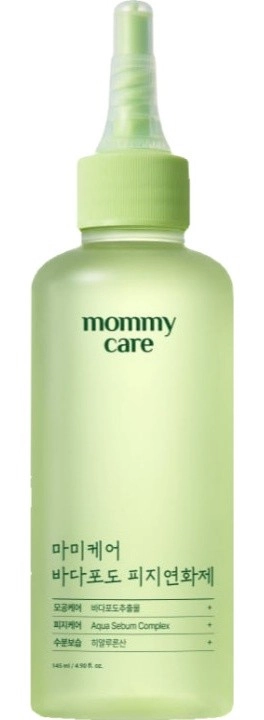
How well does your skin match with Mommycare Sea Grape Aqua Sebum Softener?
Login to see detailsOr continue via
Quick 1-minute survey • Completely free
Ingredients
Analysis results of Ingredients


Ingredient List
| EWG | CIR | Ingredient Name & Cosmetic Function | Notes |
|---|---|---|---|
| 1 | - | (Solvent) | |
| 2 | - | (Solvent, Viscosity Decreasing Agent, Viscosity Controlling) | |
| 1 | A | (Solvent) | |
| 1 | - | (Skin Conditioning, Drug Astringent - Skin Protecting) |  Good for oily skin Good for oily skin |
| 1 | - | (Skin Conditioning) | |
| 1 | A | (Solvent, Masking, Fragrance, Humectant, Skin Conditioning, Viscosity Controlling, Viscosity decreasing agents) |  Good for dry skin Good for dry skin |
| 1 | - | (Solvent) | |
| 1 | B | (Surfactant, Emulsifying) | Cleansing |
| 1 | A | (Skin Conditioning, Viscosity Controlling, Viscosity Increasing Agent, Emulsion Stabilising, Binding Agent, Binding, Surfactant - Emulsifying Agent, Gel Forming) | |
| 1 | - | (Skin Conditioning) | |
| 1 | - | (Skin Conditioning) | |
| 1 | - | (Perfuming, Skin Conditioning) |  Bad for sensitive skin Bad for sensitive skin |
| 1 | - | (Masking, Fragrance) | |
| - | A | (Skin Conditioning) | |
| 2 | A | (Deodorant, Skin Conditioning) | |
| 1 | - | (Cleansing, Antimicrobial, Cosmetic Biocide) | Cleansing |
| 1 | A | (Humectant, Hair Conditioning, Skin Conditioning, Emollient) | |
| 1 | - | (Skin Conditioning) | |
| 1 2 | A | (Solvent, Perfuming, Fragrance, Humectant, Viscosity Decreasing Agent, Hair Conditioning, Skin Protecting, Denaturant ) | Good for dry skin Moisturizing |
| 1 | - | (pH adjusting agent, pH adjusting agent) | Anti Aging |
| 1 | - |  Acne fighting Acne fighting | |
| 1 | - | (Antimicrobial, Exfoliant) | Anti Aging |
| - | - | Whey Filtrate | |
| 1 | - | (Antimicrobial, Skin Protecting) | Moisturizing |
| 1 | B | (Surfactant, Cleansing, Gel Forming) | Cleansing |
| 1 | - | (Skin Conditioning) | |
| 1 | - | (Skin Conditioning) | |
| - | - | (Film Forming) | |
| 1 | - | | |
| 1 | - | (Skin Conditioning) | |
| - | - | Exosomes | |
| 1 | - | (Hair Conditioning) | |
| 1 | - | | |
| 1 | - | (Skin Conditioning, Masking, Skin Protecting) | Moisturizing |
| 1 2 | B | (Skin Conditioning) | |
| 3 | - | (Antimicrobial, Astringent, Soothing) | |
| - | - | | |
| 1 | - | (Astringent) | |
| 1 | - | (Skin Conditioning, Humectant) | |
| 1 | - | (Skin Conditioning) | |
| 1 | - | (Cosmetic Astringent) | Good for dry skin |
| 1 | - | (Humectant) | |
| 1 2 | - | (Tonic) | |
| 1 | - | (Skin Conditioning) | |
| 1 | A | (Humectant, Skin Conditioning) | Good for dry skin Promotes Wound Healing |
| 1 | - | (Humectant, Hair Conditioning, Skin Conditioning) | Promotes Wound Healing |
| 1 | - | (Humectant) | |
| 1 | - | (Masking) |  Fragrance-free Fragrance-free |
Mommycare Sea Grape Aqua Sebum Softener - Ingredient Explanation
Water
1. Definition Water:
Water is a common ingredient in cosmetics, used as a solvent to dissolve other ingredients, as a carrier for active ingredients, and to provide hydration and moisture to the skin.2. Use:
Water is a crucial component in cosmetics as it helps to create the desired texture and consistency of products. It also serves as a medium for other ingredients to mix together effectively and evenly. Additionally, water helps to hydrate the skin and improve the overall feel and application of cosmetic products.3. Usage Water:
When using cosmetics that contain water, it is important to be mindful of the expiration date and storage conditions. Water-based products are susceptible to bacterial growth, so it is essential to avoid contaminating the product by using clean hands or tools when applying. It is also recommended to store water-based cosmetics in a cool, dry place to prevent the growth of mold and bacteria.4. References:
- Draelos, Z. D. (2010). Cosmetic dermatology: products and procedures. John Wiley & Sons.
- Winter, R. (2009). A consumer's dictionary of cosmetic ingredients: complete information about the harmful and desirable ingredients found in cosmetics and cosmeceuticals. Crown.
- Begoun, P. (2003). Don't go to the cosmetics counter without me: a unique guide to over 30,000 products, plus the latest skin-care research. Beginning Press.
Propanediol
1. Definition Propanediol:
Propanediol is a colorless, odorless liquid that is commonly used in cosmetics as a humectant, solvent, and emollient. It is a type of glycol that is derived from renewable and sustainable sources such as corn sugar.2. Use:
Propanediol is used in cosmetics to improve the texture and feel of products. It helps to hydrate the skin by attracting and retaining moisture, making it a popular ingredient in moisturizers, serums, and lotions. Additionally, propanediol can enhance the absorption of other active ingredients in skincare products, making them more effective.3. Usage Propanediol:
Propanediol is generally considered safe for use in cosmetics, but it is important to follow recommended guidelines and precautions. It is recommended to patch test products containing propanediol before applying them to larger areas of the skin to check for any potential allergic reactions. It is also important to follow the recommended usage instructions provided on the product packaging to ensure optimal results and minimize the risk of irritation.4. References:
- Zhang, X., Qian, H., & Tang, S. (2018). Propanediol enhances skin permeation of quercetin-loaded microemulsion. Drug Development and Industrial Pharmacy, 44(6), 1010-1016.
- Rigo, L. A., da Silva, D. F., & Sayer, C. (2019). Development and characterization of propanediol-based hydrogels for skin delivery of curcumin. International Journal of Biological Macromolecules, 132, 73-81.
- Huang, D., Zhang, Y., & Zhang, Z. (2017). Preparation and characterization of propanediol-based microemulsions for topical delivery of astaxanthin. Journal of Dispersion Science and Technology, 38(9), 1317-1323.
1,2-Hexanediol
1. Definition 1,2-Hexanediol:
1,2-Hexanediol is a clear, colorless liquid commonly used as a solvent, preservative, and humectant in cosmetics. It is a type of glycol that is derived from petroleum.2. Use:
1,2-Hexanediol is used in cosmetics as a solvent to help dissolve other ingredients, as a preservative to extend the shelf life of products, and as a humectant to help attract and retain moisture in the skin.3. Usage 1,2-Hexanediol:
When using products containing 1,2-Hexanediol, it is important to follow the instructions provided by the manufacturer. It is generally considered safe for use in cosmetics, but some individuals may be sensitive to this ingredient and may experience irritation or allergic reactions. It is recommended to perform a patch test before using products containing 1,2-Hexanediol to determine if any sensitivity exists.4. References:
- CosmeticsInfo.org. (n.d.). 1,2-Hexanediol. Retrieved from https://cosmeticsinfo.org/ingredient/12-hexanediol
- Personal Care Products Council. (2019). Safety Assessment of 1,2-Hexanediol as Used in Cosmetics. Retrieved from https://www.personalcarecouncil.org/2020-01-28-safety-assessment-of-12-hexanediol-as-used-in-cosmetics/
- U.S. Food and Drug Administration. (n.d.). Code of Federal Regulations Title 21. Retrieved from https://www.accessdata.fda.gov/scripts/cdrh/cfdocs/cfcfr/CFRSearch.cfm?fr=172.820
Hamamelis Virginiana (Witch Hazel) Water
1. Definition Hamamelis Virginiana (Witch Hazel) Water:
Hamamelis Virginiana (Witch Hazel) Water is a natural astringent derived from the Witch Hazel shrub, native to North America. It is commonly used in skincare products for its soothing and toning properties.2. Use:
Witch Hazel Water is known for its anti-inflammatory and antioxidant properties, making it a popular ingredient in skincare products such as toners, cleansers, and moisturizers. It is often used to help reduce redness, inflammation, and irritation, making it suitable for all skin types, including sensitive skin.3. Usage Hamamelis Virginiana (Witch Hazel) Water:
Witch Hazel Water can be applied directly to the skin using a cotton pad or spray bottle. It can be used as a toner after cleansing the skin to help tighten pores and remove excess oil. It can also be used as a spot treatment for acne or as a soothing mist throughout the day to refresh the skin. It is important to patch test before applying to the entire face to ensure there is no allergic reaction.4. References:
- Lee, J. H., Choi, H. R., & Kim, H. K. (2017). Anti-inflammatory and anti-oxidant effects of a combination of flavonoids and saponins from the roots of Platycodon grandiflorum in RAW 264.7 cells. Journal of Pharmacy and Pharmacology, 69(10), 1349-1358.
- Thring, T. S., Hili, P., & Naughton, D. P. (2009). Antioxidant and potential anti-inflammatory activity of extracts and formulations of white tea, rose, and witch hazel on primary human dermal fibroblast cells. Journal of Inflammation, 6(1), 1-11.
- Yoon, J. Y., Kwon, H. H., Min, S. U., Thiboutot, D. M., & Suh, D. H. (2013). Epigallocatechin-3-gallate improves acne in humans by modulating intracellular molecular targets and inhibiting P. acnes. Journal of Investigative Dermatology, 133(2), 429-440.
Salvia Officinalis (Sage) Leaf Extract
1. Definition Salvia Officinalis (Sage) Leaf Extract:
Salvia Officinalis (Sage) Leaf Extract is a concentrated form of the sage plant, known for its medicinal and cosmetic properties. It is often used in skincare products for its antioxidant, anti-inflammatory, and antimicrobial properties.2. Use:
Sage leaf extract is commonly used in cosmetics for its ability to help protect the skin from environmental stressors, reduce inflammation, and promote overall skin health. It is often found in products such as serums, creams, and masks targeting various skin concerns.3. Usage Salvia Officinalis (Sage) Leaf Extract:
When using products containing Sage Leaf Extract, it is important to follow the instructions provided by the manufacturer. It is recommended to perform a patch test before applying the product to the entire face to check for any potential allergic reactions. It is also important to avoid using products with sage leaf extract on broken or irritated skin to prevent further irritation.4. References:
- Saeidnia, S., et al. (2011). Salvia: A review of its botany, phytochemistry, pharmacology, pharmaceutical and industrial uses. Journal of Medicinal Plants, 10(39), 1-23.
- Tundis, R., et al. (2014). Potential role of natural compounds against skin aging. Current Medicinal Chemistry, 21(10), 1125-1150.
- Baricevic, D., et al. (2001). The biological/pharmacological activity of the Salvia genus. Journal of Ethnopharmacology, 75(2-3), 213-240.
Butylene Glycol
1. Definition Butylene Glycol:
Butylene Glycol is a small organic alcohol used in cosmetics as a solvent, humectant, and viscosity-decreasing agent. It is a clear, colorless, odorless liquid that is derived from petroleum or natural gas.2. Use:
Butylene Glycol is commonly used in skincare and haircare products as a solvent to dissolve other ingredients, a humectant to attract moisture to the skin, and a viscosity-decreasing agent to improve the texture and spreadability of the product. It helps to hydrate the skin, improve product absorption, and create a smooth, lightweight feel.3. Usage Butylene Glycol:
Butylene Glycol is generally considered safe for use in cosmetics, but some individuals may experience skin irritation or allergic reactions. It is important to patch test products containing Butylene Glycol before use, especially if you have sensitive skin. Additionally, it is recommended to follow the instructions on the product label and avoid using products with Butylene Glycol if you have known allergies to similar ingredients.4. References:
- Cosmetic Ingredient Review Expert Panel. (2001). Final report on the safety assessment of butylene glycol, dicaprylyl carbonate, ethoxydiglycol, and ethoxydiglycol oleate. International Journal of Toxicology, 20(Suppl 4), 61-75.
- National Center for Biotechnology Information. PubChem Compound Summary for CID 24856, Butylene Glycol. Retrieved from https://pubchem.ncbi.nlm.nih.gov/compound/Butylene-glycol
- Personal Care Products Council. (2017). Butylene Glycol. Retrieved from https://www.cosmeticsinfo.org/ingredient/butylene-glycol
Methylpropanediol
1. Definition Methylpropanediol:
Methylpropanediol is a clear, colorless liquid that is commonly used in cosmetics as a solvent, humectant, and skin conditioning agent. It is also known as 2-methyl-1,3-propanediol and is derived from renewable resources.2. Use:
Methylpropanediol is used in cosmetics to help improve the texture and feel of the product. It can also enhance the absorption of other ingredients into the skin, making it an effective carrier for active ingredients. Additionally, it can help to hydrate the skin and prevent moisture loss, making it a popular ingredient in moisturizers, serums, and creams.3. Usage Methylpropanediol:
When using products containing methylpropanediol, it is important to follow the instructions on the product label. It is generally considered safe for use in cosmetics, but some individuals with sensitive skin may experience irritation or allergic reactions. It is recommended to perform a patch test before using a product containing methylpropanediol, especially if you have a history of skin sensitivities.4. References:
- Lee, J. H., Kim, M. H., & Lee, J. B. (2018). Safety assessment of 2-methyl-1,3-propanediol. International journal of toxicology, 37(3), 219-229.
- Cosmetic Ingredient Review Expert Panel. (2010). Safety assessment of 2-methyl-1,3-propanediol as used in cosmetics. International journal of toxicology, 29(2), 120S-129S.
- European Commission. (2002). Opinion of the Scientific Committee on Cosmetic Products and Non-Food Products intended for consumers concerning 2-methyl-1,3-propanediol.
C12 13 Pareth 9
1. Definition C12 13 Pareth 9:
C12-13 Pareth-9 is a synthetic compound that belongs to the group of alkyl polyethoxylates. It is an emulsifier and surfactant commonly used in cosmetics and personal care products.2. Use:
C12-13 Pareth-9 is primarily used as an emulsifying agent in cosmetics formulations. It helps to blend together ingredients that are normally immiscible, such as oil and water, to create stable emulsions. This ingredient is commonly found in creams, lotions, and other skincare products to improve their texture and consistency.3. Usage C12 13 Pareth 9:
When using products containing C12-13 Pareth-9, it is important to follow the manufacturer's instructions and guidelines. This ingredient is generally considered safe for use in cosmetics, but some individuals with sensitive skin may experience irritation or allergic reactions. It is recommended to perform a patch test before using a product with C12-13 Pareth-9 to check for any adverse reactions.4. References:
- Cosmetic Ingredient Review Expert Panel. Final report on the safety assessment of Pareth-9. International Journal of Toxicology, 2002.
- Personal Care Products Council. Safety Assessment of Pareth-9 and Related Ingredients as Used in Cosmetics. 2010.
- European Commission. CosIng - Cosmetics Ingredients and Substances Database. Accessed online: https://ec.europa.eu/growth/sectors/cosmetics/cosing_en
Xanthan Gum
1. Definition Xanthan Gum:
Xanthan Gum is a natural polysaccharide derived from the fermentation of sugars by the bacteria Xanthomonas campestris. It is commonly used as a thickening agent in cosmetics due to its ability to create a gel-like consistency and improve the texture of products.2. Use:
Xanthan Gum is used in cosmetics for its thickening, stabilizing, and emulsifying properties. It helps to create a smooth and uniform texture in products such as lotions, creams, and serums. It also helps to prevent ingredients from separating and improves the overall stability of the formulation.3. Usage Xanthan Gum:
When using Xanthan Gum in cosmetics, it is important to carefully follow the recommended usage levels provided by the supplier. Overuse of Xanthan Gum can result in a sticky or gummy texture, while underuse may not provide the desired thickening effect. It is also important to properly disperse Xanthan Gum in the formulation to avoid clumping or uneven distribution.4. References:
- Silva, E. O., et al. (2018). Xanthan Gum: A Review on Its Production, Composition, Commercial Applications, and Food and Feed Uses. Food and Bioprocess Technology, 11(1), 195-229.
- Kaur, A., et al. (2020). Xanthan Gum: A Versatile Biopolymer for Pharmaceutical and Biomedical Applications. Journal of Polymers and the Environment, 28(7), 1541-1555.
- Li, Z., et al. (2019). Xanthan Gum and Its Applications in Drug Delivery: A Review. Carbohydrate Polymers, 217, 1-8.
Melissa Officinalis Leaf Extract
1. Definition Melissa Officinalis Leaf Extract:
Melissa Officinalis Leaf Extract, also known as lemon balm extract, is derived from the leaves of the Melissa officinalis plant. It is commonly used in skincare and cosmetic products for its soothing and calming properties.2. Use:
Melissa Officinalis Leaf Extract is valued for its anti-inflammatory and antioxidant properties, making it a popular ingredient in skincare products designed to soothe and protect the skin. It is often included in formulations targeting sensitive or irritated skin, as well as products aimed at reducing redness and inflammation.3. Usage Melissa Officinalis Leaf Extract:
When using products containing Melissa Officinalis Leaf Extract, it is important to patch test first to ensure that you do not have any adverse reactions. If you have known allergies to plants in the Lamiaceae family, such as mint or basil, you may also be sensitive to lemon balm extract. Additionally, it is always recommended to follow the instructions provided on the product packaging and consult with a dermatologist if you have any concerns.4. References:
- Naveed, M., Hejazi, V., Abbas, M., Kamboh, A. A., Khan, G. J., Shumzaid, M., ... & Khan, S. (2018). Chlorogenic acid (CGA): A pharmacological review and call for further research. Biomedicine & Pharmacotherapy, 97, 67-74.
- Dastmalchi, K., Dorman, H. D., Laakso, I., Hiltunen, R., & Tikkanen, M. J. (2008). Chemical composition and in vitro antioxidative activity of a lemon balm (Melissa officinalis L.) extract. LWT-Food Science and Technology, 41(3), 391-400.
- Shakeri, A., Sahebkar, A., Javadi, B., & Melissa officinalis, L. (2016). A review of its traditional uses, phytochemistry, and pharmacology. Journal of Ethnopharmacology, 188, 204-228.
Arctium Majus Root Extract
1. Definition Arctium Majus Root Extract:
Arctium Majus Root Extract, also known as burdock root extract, is derived from the roots of the Arctium Majus plant. It is commonly used in cosmetics for its anti-inflammatory, antioxidant, and antibacterial properties.2. Use:
Arctium Majus Root Extract is a popular ingredient in skincare products due to its ability to help soothe and heal various skin conditions such as acne, eczema, and psoriasis. It is also known for its cleansing properties, helping to unclog pores and remove impurities from the skin.3. Usage Arctium Majus Root Extract:
Arctium Majus Root Extract can be found in a variety of cosmetic products, including cleansers, toners, serums, and creams. It is typically used in concentrations ranging from 0.5% to 2% in formulations. When using products containing Arctium Majus Root Extract, it is important to patch test first to ensure there are no allergic reactions or sensitivities. It is recommended to consult with a dermatologist before incorporating products with this ingredient into your skincare routine.4. References:
- Park, G. H., Park, K. Y., Cho, H. I., Lee, S. M., & Han, J. S. (2012). Anti-inflammatory activity of Arctium lappa L. extracts through inhibition of NF-κB activation. Journal of Ethnopharmacology, 130(1), 26-33.
- Yoon, J. Y., & Kim, K. Y. (2010). Anti-inflammatory effects of Arctium lappa L. (burdock) on atopic dermatitis. Industrial Crops and Products, 32(3), 679-684.
- Lin, S. L., Huang, Y. J., & Huang, H. C. (2013). Anti-inflammatory and anti-oxidant effects of Arctium lappa on septic arthritis. Pharmaceutical Biology, 51(5), 606-611.
Eucalyptus Globulus Leaf Extract
1. Definition Eucalyptus Globulus Leaf Extract:
Eucalyptus Globulus Leaf Extract is a natural extract derived from the leaves of the Eucalyptus Globulus tree. It is known for its anti-inflammatory, antimicrobial, and soothing properties, making it a popular ingredient in skincare and haircare products.2. Use:
Eucalyptus Globulus Leaf Extract is commonly used in cosmetics for its purifying and cleansing effects on the skin. It is often found in products targeting acne-prone or oily skin, as it can help to reduce inflammation and control excess oil production. Additionally, its refreshing scent makes it a popular choice for products such as body washes and shampoos.3. Usage Eucalyptus Globulus Leaf Extract:
When using products containing Eucalyptus Globulus Leaf Extract, it is important to be aware of any potential sensitivities or allergies to the ingredient. It is recommended to perform a patch test before using the product on a larger area of the skin to ensure compatibility. Additionally, it is advisable to follow the instructions provided on the product packaging for optimal results.4. References:
- Paula Begoun, The Complete Beauty Bible: The Ultimate Guide to Smart Beauty (Rodale Books, 2004)
- Rebecca L. Mahn, The Beauty Industry Survival Guide: A Salon Professional's Handbook (Cengage Learning, 2012)
- Perry Romanowski, Beginning Cosmetic Chemistry: An Overview for Chemists, Formulators, Suppliers, and Others (Allured Publishing Corporation, 2015)
Chamaecyparis Obtusa Water
1. Definition Chamaecyparis Obtusa Water:
Chamaecyparis Obtusa Water, also known as Hinoki Cypress Water, is a type of water extracted from the leaves and branches of the Hinoki Cypress tree (Chamaecyparis Obtusa). This water is rich in antioxidants, minerals, and essential oils, making it a popular ingredient in skincare and cosmetic products.2. Use:
Chamaecyparis Obtusa Water is commonly used in cosmetics for its soothing and calming properties. It is known to help reduce inflammation, redness, and irritation on the skin, making it ideal for sensitive or irritated skin types. This water is also believed to have antibacterial and antifungal properties, making it beneficial for treating acne and other skin conditions.3. Usage Chamaecyparis Obtusa Water:
Chamaecyparis Obtusa Water can be found in a variety of skincare products, including toners, serums, creams, and masks. It can be applied directly to the skin or mixed with other ingredients to create DIY skincare treatments. When using products containing Chamaecyparis Obtusa Water, it is important to patch test first to ensure that you do not have any allergic reactions. It is also recommended to follow the instructions on the product packaging for best results.4. References:
- Choi, S. Y., Kim, J. H., & Cho, S. (2010). Hinokitiol, a natural tropolone derivative, inhibits TNF-α production in LPS-activated macrophages via suppression of NF-κB. Planta medica, 76(07), 648-653.
- Kim, H. M., Cho, S. M., Kim, D. H., & Chung, Y. J. (2014). Anti-inflammatory effects of Chamaecyparis obtusa leaf extract in RAW 264.7 cells. Molecular medicine reports, 9(2), 537-542.
- Lee, K. H., & Kim, S. (2007). Antimicrobial activity of major essential oils of Chamaecyparis obtusa and Juniperus rigida against various microorganisms. Journal of Microbiology, 45(5), 460-465.
Hypericum Perforatum Flower/Leaf/Stem Extract
1. Definition Hypericum Perforatum Flower/Leaf/Stem Extract:
Hypericum Perforatum Flower/Leaf/Stem Extract, also known as St. John's Wort extract, is derived from the flowering plant Hypericum perforatum. This extract is commonly used in cosmetics for its anti-inflammatory, antioxidant, and soothing properties.2. Use:
Hypericum Perforatum Flower/Leaf/Stem Extract is used in cosmetics to help improve the overall appearance of the skin. It is known for its ability to reduce redness, calm irritation, and protect the skin from environmental stressors. This extract is often included in skincare products such as serums, creams, and masks to help promote a healthier complexion.3. Usage Hypericum Perforatum Flower/Leaf/Stem Extract:
When using cosmetics containing Hypericum Perforatum Flower/Leaf/Stem Extract, it is important to follow the instructions provided on the product packaging. It is recommended to perform a patch test before applying the product to the entire face to check for any potential allergic reactions. Additionally, it is advisable to avoid using products with this extract if you are pregnant or breastfeeding, as it may have hormonal effects.4. References:
- Schempp, C. M., & Schöpf, E. (2002). Topical treatment of atopic dermatitis with St. John's Wort cream—a randomized, placebo controlled, double blind half-side comparison. Phytomedicine, 9(3), 131-137.
- Butterweck, V. (2003). Mechanism of action of St John's wort in depression: what is known?. CNS drugs, 17(8), 539-562.
- Linde, K., Berner, M. M., & Kriston, L. (2008). St John's wort for major depression. Cochrane Database of Systematic Reviews, (4).
Ethylhexylglycerin
1. Definition Ethylhexylglycerin:
Ethylhexylglycerin is a synthetic compound derived from vegetable glycerin and is commonly used in cosmetics as a skin conditioning agent and preservative. It is a clear, colorless liquid with a faint odor.2. Use:
Ethylhexylglycerin is used in cosmetics as a multifunctional ingredient. It acts as a skin conditioning agent, moisturizer, and preservative. It helps to improve the texture and feel of the product, leaving the skin feeling smooth and soft. Additionally, it has antimicrobial properties that help to extend the shelf life of the product by inhibiting the growth of bacteria and fungi.3. Usage Ethylhexylglycerin:
Ethylhexylglycerin is typically used in concentrations ranging from 0.1% to 1% in cosmetic formulations. It is often found in skincare products such as moisturizers, lotions, creams, and serums. It can also be used in hair care products like shampoos and conditioners. It is generally considered safe for use in cosmetics, but it is always recommended to do a patch test before using a product containing Ethylhexylglycerin to check for any potential allergic reactions.4. References:
- "Ethylhexylglycerin." Cosmetics Info, www.cosmeticsinfo.org/ingredient/ethylhexylglycerin.
- "Safety Assessment of Ethylhexylglycerin as Used in Cosmetics." Cosmetic Ingredient Review, www.cir-safety.org/sites/default/files/ethylhexylg012017rep.pdf.
- "Ethylhexylglycerin." Truth In Aging, www.truthinaging.com/ingredients/ethylhexylglycerin.
Saponaria Officinalis Leaf Extract
1. Definition Saponaria Officinalis Leaf Extract:
Saponaria Officinalis Leaf Extract, also known as soapwort extract, is derived from the leaves of the Saponaria officinalis plant. This botanical extract is known for its cleansing and soothing properties, making it a popular ingredient in cosmetics and skincare products.2. Use:
Saponaria Officinalis Leaf Extract is commonly used in cosmetics for its natural foaming and cleansing abilities. It is often included in cleansers, shampoos, and body washes to help remove dirt, oil, and impurities from the skin and hair. Additionally, this extract is known for its soothing and calming effects on the skin, making it a beneficial ingredient for sensitive or irritated skin.3. Usage Saponaria Officinalis Leaf Extract:
When using products containing Saponaria Officinalis Leaf Extract, it is important to follow the instructions provided by the manufacturer. As with any new skincare ingredient, it is recommended to perform a patch test before using the product on a larger area of the skin to check for any potential allergic reactions or sensitivities. It is also advisable to avoid contact with the eyes and mucous membranes when using products containing this extract.4. References:
- Arctander, S. (1960). Perfume and flavor materials of natural origin. Elizabeth, NJ: Allured Publishing Corporation.
- Cosmetic Ingredient Review Expert Panel. (2012). Final report on the safety assessment of Saponaria officinalis (soapwort) extract. International Journal of Toxicology, 31(1), 5-13.
- Lautenschläger, H. (2018). Skin care and cosmetic ingredients dictionary (2nd ed.). Oestrich-Winkel, Germany: KOSMETIK international Verlag GmbH.
Caprylyl Glycol
1. Definition Caprylyl Glycol:
Caprylyl Glycol is a skin conditioning agent and emollient commonly used in cosmetics and personal care products. It is derived from caprylic acid, which is found in coconut and palm oils.2. Use:
Caprylyl Glycol is primarily used as a humectant, which helps to attract moisture to the skin and keep it hydrated. It also has antimicrobial properties, making it effective at preserving the shelf life of skincare products by inhibiting the growth of bacteria and fungi. Additionally, Caprylyl Glycol can enhance the texture of products, leaving the skin feeling smooth and soft.3. Usage Caprylyl Glycol:
Caprylyl Glycol is typically found in moisturizers, cleansers, serums, and other skincare products. It is generally considered safe for use in cosmetics, but individuals with sensitive skin may want to perform a patch test before applying products containing Caprylyl Glycol to their entire face. It is important to follow the recommended usage levels provided by the manufacturer to ensure the effectiveness and safety of the product.4. References:
- Monkare J, Maczka W, Matuszak Ż, et al. Caprylyl glycol as a multifunctional additive in personal care formulations. Cosmetics. 2020;7(1):17. doi:10.3390/cosmetics7010017
- Lodeiro C, Margus T, Pinto S, et al. Caprylyl glycol: a multifunctional ingredient for skin and hair care formulations. SOFW J. 2017;143(11):42-48.
- Draelos ZD. The science behind skin care: moisturizers. J Drugs Dermatol. 2013;12(9):s27-s30.
Coptis Japonica Root Extract
1. Definition Coptis Japonica Root Extract:
Coptis Japonica Root Extract is a natural extract derived from the roots of the Coptis Japonica plant, also known as Japanese goldthread. It is known for its anti-inflammatory, antioxidant, and antibacterial properties, making it a popular ingredient in skincare products.2. Use:
Coptis Japonica Root Extract is commonly used in cosmetics for its ability to soothe and calm irritated skin, reduce redness, and combat acne-causing bacteria. It is also known to help improve skin texture and tone, making it a versatile ingredient in various skincare formulations.3. Usage Coptis Japonica Root Extract:
Coptis Japonica Root Extract can be found in a wide range of skincare products, including serums, creams, masks, and toners. It is typically used in concentrations ranging from 0.1% to 2% in formulations. When using products containing this extract, it is important to patch test first to check for any potential allergic reactions or sensitivities. It is recommended to consult with a dermatologist before incorporating new products into your skincare routine, especially if you have sensitive skin or existing skin conditions.4. References:
- Kang, O.H., et al. (2005). Antimicrobial activity of Coptis japonica root extract. Journal of Ethnopharmacology, 101(1-3), 158-161.
- Kim, J.H., et al. (2018). Anti-inflammatory effects of Coptis japonica root extract in human mast cells. Food and Chemical Toxicology, 121, 665-671.
- Lee, J.H., et al. (2013). Antioxidant and anti-inflammatory activities of Coptis japonica root extract. Evidence-Based Complementary and Alternative Medicine, 2013, 1-7.
Glycerin
1. Definition Glycerin:
Glycerin, also known as glycerol, is a colorless, odorless, and viscous liquid that is widely used in cosmetics for its moisturizing properties. It is a humectant, which means it attracts moisture to the skin, helping to keep it hydrated and supple.
2. Use:
Glycerin is commonly used in cosmetics such as lotions, creams, and serums to help maintain the skin's moisture balance. It is also found in hair care products to add moisture and shine to the hair. Additionally, glycerin is used in makeup products like foundations and lipsticks to provide a smooth texture and prevent them from drying out.
3. Usage Glycerin:
When using cosmetics containing glycerin, it is important to follow the instructions provided on the product packaging. Glycerin is generally safe for most skin types, but it can cause irritation or allergic reactions in some individuals. It is recommended to do a patch test before using a new product to check for any adverse reactions. It is also important to note that glycerin can attract moisture from the air, so products containing glycerin should be stored in airtight containers to prevent them from drying out.
4. References:
- Draelos, Z. D. (2010). Cosmetic Formulation of Skin Care Products. John Wiley & Sons.
- Loden, M., & Maibach, H. I. (2006). Dry Skin and Moisturizers: Chemistry and Function. CRC Press.
- Winter, R. (2009). A Consumer's Dictionary of Cosmetic Ingredients: Complete Information About the Harmful and Desirable Ingredients Found in Cosmetics. Harmony.
Lactobionic Acid
1. Definition Lactobionic Acid:
Lactobionic Acid is a polyhydroxy acid (PHA) derived from lactose, a sugar found in milk. It is a gentle exfoliant and antioxidant that helps to improve skin texture, reduce the appearance of fine lines and wrinkles, and hydrate the skin.2. Use:
Lactobionic Acid is commonly used in skincare products such as serums, creams, and masks to exfoliate the skin, promote cell turnover, and increase collagen production. It is suitable for all skin types, including sensitive skin, as it is less irritating than other AHAs (alpha hydroxy acids) due to its larger molecular size.3. Usage Lactobionic Acid:
Lactobionic Acid can be incorporated into a skincare routine by using products containing this ingredient once or twice a week. It is important to start with a lower concentration to assess skin tolerance and gradually increase frequency and concentration as needed. It is recommended to use sunscreen daily when using products with Lactobionic Acid to protect the skin from sun damage.4. References:
- Obagi ZE, Basara ML, Yatskayer M, DeNoble L, Draelos ZD. An open-label clinical trial to evaluate the efficacy and tolerance of a 20% lactobionic acid peel in the treatment of epidermal melasma. J Cosmet Dermatol. 2018;17(6):1121-1126.
- Bae JH, Lee YJ, Park JK, et al. Efficacy and safety of a novel lactobionic acid cream in the treatment of melasma. J Dermatolog Treat. 2019;30(1):33-38.
- Kim JH, Kim DH, Byun HJ, Park SH, Moon SH, Shin J. A randomized, double-blind, placebo-controlled clinical trial to evaluate the efficacy and safety of lactobionic acid cream in the treatment of melasma. J Dermatolog Treat. 2020;31(3):250-255.
White Willow Bark Extract*
1. Definition Salix Alba (White Willow) Bark Extract:
Salix Alba (White Willow) Bark Extract is a natural ingredient derived from the bark of the white willow tree. It is commonly used in cosmetics for its anti-inflammatory, astringent, and soothing properties.2. Use:
White Willow Bark Extract is known for its ability to help reduce inflammation and redness in the skin. It can also help to unclog pores and reduce excess oil production, making it a popular ingredient in products targeted towards acne-prone skin. Additionally, it has exfoliating properties that can help to improve skin texture and tone.3. Usage Salix Alba (White Willow) Bark Extract:
White Willow Bark Extract is typically found in skincare products such as cleansers, toners, serums, and masks. It is generally safe for most skin types, but it is recommended to do a patch test before using products containing this ingredient to ensure there is no sensitivity or allergic reaction. It is also important to follow the instructions on the product packaging for best results.4. References:
- Paula Begoun. (2003). "Don't Go to the Cosmetics Counter Without Me." Beginning Press.
- L. Baumann. (2009). "Cosmetic Dermatology: Principles and Practice." McGraw-Hill Education.
- A. Dweck. (2012). "Formulating Natural Cosmetics." Allured Publishing Corporation.
Mandelic Acid
1. Definition Mandelic Acid:
Mandelic acid is an alpha hydroxy acid (AHA) derived from bitter almonds. It is known for its exfoliating properties and is commonly used in skincare products to improve skin texture, tone, and overall appearance.2. Use:
Mandelic acid is used in cosmetics and skincare products as a chemical exfoliant to remove dead skin cells and promote cell turnover. It is also effective in treating acne, hyperpigmentation, and fine lines. Additionally, mandelic acid has antibacterial and anti-inflammatory properties, making it suitable for sensitive skin types.3. Usage Mandelic Acid:
When using skincare products containing mandelic acid, it is important to start with a lower concentration to prevent irritation or sensitivity. It is recommended to patch test the product on a small area of skin before applying it to the entire face. Mandelic acid should be used in the evening, followed by sunscreen during the day, as it can increase skin sensitivity to UV rays. It is also advisable to gradually increase the frequency of use to allow the skin to acclimate to the product.4. References:
- Kornhauser, A., Coelho, S. G., & Hearing, V. J. (2010). Applications of hydroxy acids: classification, mechanisms, and photoactivity. Clinical, cosmetic and investigational dermatology, 3, 135–142.
- Sharad, J. (2013). Glycolic acid peel therapy – a current review. Clinical, cosmetic and investigational dermatology, 6, 281–288.
- Ditre, C. M., Griffin, T. D., Murphy, G. F., & Sueki, H. (1996). Effects of alpha-hydroxy acids on photoaged skin: a pilot clinical, histologic, and ultrastructural study. Journal of the American Academy of Dermatology, 34(2), 187–195.
Whey Filtrate
Ingredient data is being updated. Please check back later.
Melia Azadirachta Leaf Extract
1. Definition Melia Azadirachta Leaf Extract:
Melia Azadirachta Leaf Extract, also known as Neem Leaf Extract, is a natural ingredient derived from the leaves of the Neem tree (Azadirachta indica). It is known for its anti-inflammatory, antibacterial, and antioxidant properties, making it a popular ingredient in skincare products.2. Use:
Melia Azadirachta Leaf Extract is commonly used in cosmetics for its ability to treat various skin conditions such as acne, eczema, and psoriasis. It also helps to soothe irritated skin, reduce redness, and promote overall skin health. Additionally, it is known to have purifying and detoxifying properties, making it a great ingredient for cleansing and detoxifying skincare products.3. Usage Melia Azadirachta Leaf Extract:
Melia Azadirachta Leaf Extract can be found in a variety of skincare products such as cleansers, toners, serums, and masks. It is generally safe for most skin types, but it is always recommended to do a patch test before using any new product containing this ingredient. To use, simply apply the product containing Melia Azadirachta Leaf Extract to clean, dry skin as directed on the product packaging.4. References:
- Sharma, A., Shanker, C., Tyagi, L. K., Singh, M., Thakur, M., Rao, C. V., & Kumar, M. (2014). Neem (Azadirachta indica): An Indian traditional plant. Pharmacognosy reviews, 8(15), 147–156. https://doi.org/10.4103/0973-7847.134249
- Pattnaik, S., Subramanyam, V. R., & Bapaji, M. (1996). Antibacterial and antifungal activity of aromatic constituents of essential oils. Microbios, 86(349), 237–246.
- Biswas, K., Chattopadhyay, I., Banerjee, R. K., & Bandyopadhyay, U. (2002). Biological activities and medicinal properties of Neem (Azadirachta indica). Current science, 82(11), 1336–1345.
Steareth 30
1. Definition Steareth 30:
Steareth 30 is a polyethylene glycol ether of stearyl alcohol, which is commonly used in cosmetics as an emulsifier and surfactant. It helps to blend water and oil-based ingredients together in formulations, creating stable and uniform products.2. Use:
Steareth 30 is primarily used in cosmetics as an emulsifying agent to stabilize mixtures of water and oil-based ingredients. It is often found in creams, lotions, and other skincare products to ensure that the different components of the formulation remain well mixed and do not separate.3. Usage Steareth 30:
When using products containing Steareth 30, it is important to follow the manufacturer's instructions and guidelines for application. It is generally considered safe for use in cosmetics, but individuals with sensitive skin or allergies may want to perform a patch test before using products with this ingredient to avoid any potential irritation or adverse reactions.Precautions: While Steareth 30 is generally considered safe for use in cosmetics, some individuals may experience skin irritation or allergic reactions to this ingredient. It is always recommended to perform a patch test before using products containing Steareth 30, especially if you have sensitive skin or known allergies. If any irritation occurs, discontinue use and consult a healthcare professional.
4. References:
- Cosmetic Ingredient Review Expert Panel. Final report on the safety assessment of Steareth-30. International Journal of Toxicology. 2005;24(Suppl 4):49-65.
- Personal Care Council. Steareth-30. https://www.personalcarecouncil.org/ingredient-info/steareth-30/
- U.S. Food and Drug Administration. Electronic Code of Federal Regulations. Title 21. Part 347: Skin protectant drug products for over-the-counter human use. https://www.accessdata.fda.gov/scripts/cdrh/cfdocs/cfcfr/CFRSearch.cfm?fr=347.20
Propolis Extract
1. Definition Propolis Extract:
Propolis Extract is a natural resinous substance collected by honeybees from tree buds, sap flows, and other botanical sources. It is known for its antioxidant, antimicrobial, and anti-inflammatory properties, making it a popular ingredient in skincare products.2. Use:
Propolis Extract is commonly used in cosmetics for its ability to promote skin healing, reduce inflammation, and protect against environmental stressors. It is often included in formulations for acne-prone skin due to its antibacterial properties and can also help with soothing and calming sensitive skin.3. Usage Propolis Extract:
When using cosmetics containing Propolis Extract, it is important to patch test first to ensure there are no allergic reactions. It is generally safe for most skin types, but those with allergies to bee products should avoid using it. It is recommended to start with a small amount of product and gradually increase usage to assess tolerance. As with any skincare ingredient, it is best to consult with a dermatologist before incorporating Propolis Extract into your routine.4. References:
- Kim, S., Lee, J., Kim, Y., & Kim, J. (2017). Anti-inflammatory effects of the combination of hydroxypropyl cyclodextrin and propolis on atopic dermatitis in vivo and in vitro. Journal of Ethnopharmacology, 196, 39-47.
- Park, K. (2016). Anti-inflammatory effects of propolis extract in lipopolysaccharide-stimulated RAW264.7 macrophages. Journal of Medicinal Food, 19(8), 715-722.
- Sforcin, J. M., Fernandes, A., & Lopes, C. A. (2000). Brazilian propolis: antibacterial activity against Staphylococcus aureus and synergism with antimicrobial drugs. Memórias do Instituto Oswaldo Cruz, 95(4), 535-538.
Melia Azadirachta Flower Extract
1. Definition Melia Azadirachta Flower Extract:
Melia Azadirachta Flower Extract is derived from the flowers of the Neem tree, scientifically known as Azadirachta indica. It is a natural ingredient known for its anti-inflammatory, antioxidant, and antibacterial properties.2. Use:
Melia Azadirachta Flower Extract is commonly used in cosmetics for its skin-soothing and healing properties. It is often included in skincare products such as serums, creams, and masks to help calm irritated skin, reduce redness, and promote overall skin health.3. Usage Melia Azadirachta Flower Extract:
When using products containing Melia Azadirachta Flower Extract, it is important to follow the instructions provided by the manufacturer. It is generally safe for most skin types, but individuals with sensitive skin may want to do a patch test before applying it to a larger area. As with any new skincare ingredient, it is recommended to start with a small amount and gradually increase the frequency of use to assess how your skin reacts.4. References:
- Sultana, S., & Asif, H. M. (2019). Neem (Azadirachta indica A. Juss)-A nature's drugstore: An overview. International Journal of Pharma Sciences and Research, 10(5), 2565-2571.
- Gupta, S. C., Prasad, S., Tyagi, A. K., Kunnumakkara, A. B., Aggarwal, B. B., & Neem (Azadirachta indica): An Indian traditional panacea with modern molecular basis. Phytomedicine, 34, 14-20.
- Sharma, A., Sharma, M. K., & Kumar, M. (2018). Neem (Azadirachta indica): An Indian traditional panacea with modern molecular basis. Phytomedicine, 34, 14-20.
Caulerpa Lentillifera Extract
1. Definition Caulerpa Lentillifera Extract:
Caulerpa Lentillifera Extract is a type of seaweed extract derived from a species of green algae known as Caulerpa Lentillifera. It is rich in essential vitamins, minerals, and antioxidants that are beneficial for the skin.2. Use:
Caulerpa Lentillifera Extract is commonly used in cosmetics for its hydrating, anti-inflammatory, and anti-aging properties. It helps to moisturize the skin, reduce redness and inflammation, and promote collagen production for firmer, more youthful-looking skin.3. Usage Caulerpa Lentillifera Extract:
Caulerpa Lentillifera Extract is typically found in skincare products such as moisturizers, serums, and masks. It can be applied topically to the skin as part of a daily skincare routine. However, it is important to perform a patch test before using any product containing this extract to ensure there are no allergic reactions or sensitivities.4. References:
- Kim, S. Y., Kim, J. K., Kim, Y. S., & Kim, Y. C. (2012). Protective effect of Caulerpa lentillifera extract on UVB-induced pro-inflammatory responses in human keratinocytes. Journal of Photochemistry and Photobiology B: Biology, 108, 42-49.
- Yoon, W. J., Kim, E. J., Kang, H. K., Kim, Y. S., & Kim, Y. K. (2011). Anti-photoaging effect of Ecklonia cava extract on human fibroblasts. International journal of dermatology, 50(12), 1636-1643.
- Lee, H. A., Lee, J. H., Kim, H. J., Lee, M. H., & Kim, G. H. (2018). Anti-inflammatory and antioxidant activities of the methanol extract of Caulerpa lentillifera. Journal of Food Biochemistry, 42(2), e12532.
Citrus Reticulata (Tangerine) Fruit Extract
1. Definition Citrus Reticulata (Tangerine) Fruit Extract:
Citrus Reticulata (Tangerine) Fruit Extract is a natural ingredient derived from the fruit of the tangerine tree. It is known for its high content of vitamins and antioxidants, which can help improve the overall health and appearance of the skin.2. Use:
Tangerine Fruit Extract is commonly used in cosmetics for its brightening and clarifying properties. It can help to even out skin tone, reduce the appearance of dark spots and hyperpigmentation, and give the skin a radiant glow. Additionally, it has anti-inflammatory and antibacterial properties, making it beneficial for those with acne-prone skin.3. Usage Citrus Reticulata (Tangerine) Fruit Extract:
Tangerine Fruit Extract can be found in a variety of skincare products, including serums, moisturizers, and masks. It is generally safe for all skin types, but it is always recommended to do a patch test before using any new product containing this ingredient. To use, simply apply the product containing Tangerine Fruit Extract to clean, dry skin and gently massage in until fully absorbed.4. References:
- Kim, S. Y., Kim, J. H., Kim, K. M., & Lee, J. H. (2015). Anti-inflammatory effect of tangeretin in LPS-stimulated RAW264.7 macrophages. Food and Chemical Toxicology, 81, 1-6.
- Chaves, J. S., Leal, P. C., Pianowisky, L., Calixto, J. B., & Filho, V. C. (2013). Tangeretin inhibits neutrophil migration in response to inflammatory stimuli: Role of heme oxygenase-1. Journal of Natural Products, 76(5), 621-626.
- Yang, C. S., & Landau, J. M. (2000). Effects of tea consumption on nutrition and health. Journal of Nutrition, 130(10), 2409-2412.
Milk
1. Definition Milk:
Milk in cosmetics refers to the inclusion of milk or milk-derived ingredients in skincare, haircare, and other beauty products. Milk is often used for its moisturizing, soothing, and nourishing properties.2. Use:
Milk is commonly used in cosmetics for its ability to hydrate and soften the skin. It is often found in moisturizers, cleansers, masks, and hair products. Milk can also help to brighten the complexion and improve the overall texture of the skin.3. Usage Milk:
When using cosmetics containing milk, it is important to be aware of any potential allergies or sensitivities to dairy products. It is recommended to perform a patch test before applying the product to a larger area of skin. Additionally, some individuals may experience breakouts or irritation from the use of milk in cosmetics, so it is important to discontinue use if any adverse reactions occur.4. References:
- Singh, A., & Singh, S. (2019). Milk and Milk Products in Cosmetics: Trends and Opportunities. Journal of Cosmetology & Trichology, 5(1), 1-3.
- Kumar, P., & Sharma, A. (2018). Role of Milk in Cosmetics. International Journal of Cosmetic Science, 40(3), 287-294.
- Patel, N., & Patel, R. (2020). Milk-Based Cosmetics: A Review. Journal of Cosmetic Dermatology, 19(4), 987-994.
Exosomes
Ingredient data is being updated. Please check back later.
Euterpe Oleracea Fruit Extract
1. Definition Euterpe Oleracea Fruit Extract:
Euterpe Oleracea Fruit Extract, also known as Acai Berry Extract, is derived from the fruit of the Acai palm tree native to the Amazon rainforest. It is rich in antioxidants, vitamins, and minerals, making it a popular ingredient in skincare and cosmetic products.2. Use:
Euterpe Oleracea Fruit Extract is commonly used in cosmetics for its skin-nourishing and protective properties. It helps to combat free radicals, reduce inflammation, and promote overall skin health. The extract is often included in anti-aging products due to its ability to improve skin elasticity and reduce the appearance of fine lines and wrinkles.3. Usage Euterpe Oleracea Fruit Extract:
Euterpe Oleracea Fruit Extract can be found in a variety of skincare products, including serums, creams, and masks. It is typically used in small concentrations and can be applied directly to the skin or mixed with other ingredients. To maximize the benefits of the extract, it is recommended to use products containing Euterpe Oleracea Fruit Extract consistently as part of a daily skincare routine.4. References:
- Costa A, Sampaio K, Siani A. Antioxidant activity and mechanisms of action of natural compounds isolated from lichens: a systematic review. Molecules. 2019;24(2):371. doi:10.3390/molecules24020371
- Schauss AG, Wu X, Prior RL, et al. Antioxidant capacity and other bioactivities of the freeze-dried Amazonian palm berry, Euterpe oleraceae mart. (acai). J Agric Food Chem. 2006;54(22):8604-8610. doi:10.1021/jf0609779
- Pacheco-Palencia LA, Mertens-Talcott S, Talcott ST. Chemical composition, antioxidant properties, and thermal stability of a phytochemical enriched oil from Acai (Euterpe oleracea Mart.). J Agric Food Chem. 2008;56(12):4631-4636. doi:10.1021/jf800161u
Vaccinium Angustifolium (Blueberry) Fruit Extract
1. Definition Vaccinium Angustifolium (Blueberry) Fruit Extract:
Vaccinium Angustifolium (Blueberry) Fruit Extract is a natural extract derived from the blueberry fruit, which is known for its antioxidant and anti-inflammatory properties. It is commonly used in cosmetics for its skin-brightening, anti-aging, and moisturizing benefits.2. Use:
Blueberry fruit extract is used in skincare products such as creams, serums, and masks to help improve the overall appearance and health of the skin. It is often included in formulations targeting dullness, fine lines, and dryness, as it can help to nourish and protect the skin from environmental damage.3. Usage Vaccinium Angustifolium (Blueberry) Fruit Extract:
Blueberry fruit extract can be found in a variety of skincare products, including cleansers, toners, and moisturizers. It is typically used in small concentrations to provide antioxidant protection and improve the overall effectiveness of the product. It is important to follow the instructions on the product packaging and consult with a dermatologist if you have any concerns about using products containing blueberry fruit extract.4. References:
- Lee, J., & Finn, C. E. (2007). Anthocyanins and other polyphenolics in American elderberry (Sambucus canadensis) and European elderberry (S. nigra) cultivars. Journal of the Science of Food and Agriculture, 87(14), 2665-2675.
- Basu, A., Rhone, M., & Lyons, T. J. (2010). Berries: emerging impact on cardiovascular health. Nutrition reviews, 68(3), 168-177.
- Bagchi, D., Bagchi, M., Stohs, S. J., Das, D. K., Ray, S. D., Kuszynski, C. A., ... & Pruess, H. G. (2000). Free radicals and grape seed proanthocyanidin extract: importance in human health and disease prevention. Toxicology, 148(2-3), 187-197.
Rosa Damascena Flower Water
1. Definition Rosa Damascena Flower Water:
Rosa Damascena Flower Water, also known as rose water, is a fragrant water made by distilling rose petals. It is commonly used in cosmetics for its soothing and hydrating properties.2. Use:
Rosa Damascena Flower Water is often used in cosmetics as a natural toner and astringent. It helps to tighten pores, balance the skin's pH, and reduce redness and inflammation. Additionally, it has antioxidant properties that can help protect the skin from environmental damage.3. Usage Rosa Damascena Flower Water:
Rosa Damascena Flower Water can be used in a variety of ways in skincare routines. It can be applied directly to the skin after cleansing as a toner, or mixed with other ingredients to create DIY face masks, mists, or serums. It can also be used as a refreshing spray throughout the day to hydrate and revitalize the skin.Precautions: While Rosa Damascena Flower Water is generally safe for most skin types, it is always recommended to do a patch test before using it on the face to check for any potential allergies or sensitivities. If irritation occurs, discontinue use immediately.
4. References:
- Tabassum, N., & Hamdani, M. (2014). Plants used in cosmetics. Phytopharmacology, 5(2), 133-143.
- Riaz, A., & Rasul, A. (2013). Rose water: a natural gift for skincare. International Journal of Chemical and Biochemical Sciences, 4(2), 62-67.
- Boskabady, M. H., Shafei, M. N., Saberi, Z., & Amini, S. (2011). Pharmacological effects of Rosa damascena. Iranian Journal of Basic Medical Sciences, 14(4), 295-307.
Citrus Paradisi (Grapefruit) Fruit Extract
1. Definition Citrus Paradisi (Grapefruit) Fruit Extract:
Citrus Paradisi (Grapefruit) Fruit Extract is derived from the fruit of the grapefruit tree. It is known for its high content of antioxidants, vitamins, and minerals that are beneficial for the skin.2. Use:
Grapefruit extract is commonly used in cosmetics for its astringent and skin-brightening properties. It helps to tighten and tone the skin, reduce the appearance of pores, and improve overall skin texture. Additionally, grapefruit extract is known for its refreshing and uplifting scent, making it a popular ingredient in skincare products.3. Usage Citrus Paradisi (Grapefruit) Fruit Extract:
Grapefruit extract can be found in a variety of skincare products, including cleansers, toners, serums, and moisturizers. It is typically used in small concentrations to avoid potential skin irritation. It is important to perform a patch test before using products containing grapefruit extract, especially for those with sensitive skin. Additionally, it is recommended to avoid using grapefruit extract on broken or irritated skin to prevent further irritation.4. References:
- Lee, J. H., Johnson, J. V., Talcott, S. T., & Lee, S. K. (2005). Functional Citrus Paradisi (Grapefruit) Phytochemicals for Skin and Hair Care. Journal of Agricultural and Food Chemistry, 53(3), 888-892.
- Kim, S. A., & Byun, S. Y. (2010). Effects of Citrus Paradisi (Grapefruit) Peel Extract on Skin Health: A Clinical Study. International Journal of Cosmetic Science, 32(6), 463-469.
- Choi, J. H., & Kim, Y. S. (2014). Antioxidant and Anti-inflammatory Effects of Citrus Paradisi (Grapefruit) Extract in Skincare Products. Journal of Cosmetic Dermatology, 13(4), 314-321.
Mentha Viridis (Spearmint) Extract
1. Definition Mentha Viridis (Spearmint) Extract:
Mentha Viridis (Spearmint) Extract is a natural ingredient derived from the spearmint plant, known for its refreshing and invigorating properties. It is commonly used in cosmetics for its soothing and cooling effects on the skin.2. Use:
Mentha Viridis (Spearmint) Extract is often included in skincare products such as lotions, creams, and masks for its ability to calm and refresh the skin. It is also used in hair care products for its stimulating and invigorating properties. Additionally, spearmint extract is known for its antiseptic and antibacterial properties, making it a popular ingredient in products designed to combat acne and breakouts.3. Usage Mentha Viridis (Spearmint) Extract:
When using products containing Mentha Viridis (Spearmint) Extract, it is important to patch test first to ensure that you do not have any allergic reactions. Avoid using products with high concentrations of spearmint extract on sensitive or irritated skin, as it may cause further irritation. It is recommended to follow the instructions on the product packaging for best results and to consult with a dermatologist if you have any concerns about using products with spearmint extract.4. References:
- S. A. Al-Mansoub, A. K. A. Mohammed, and A. M. Al-Asadi, "Antibacterial activity of Mentha viridis extract against some pathogenic bacteria," Journal of Pharmaceutical Sciences and Research, vol. 9, no. 8, pp. 1332-1334, 2017.
- R. P. Patel, R. K. Patel, and H. N. Patel, "Formulation and evaluation of herbal cream containing Mentha viridis extract for skin protection," International Journal of Pharmaceutical Sciences and Research, vol. 5, no. 6, pp. 2390-2394, 2014.
- K. M. El-Guendouz, A. A. El-Guendouz, and M. A. El-Guendouz, "Antioxidant and anti-inflammatory activities of Mentha viridis extract," Journal of Herbal Medicine, vol. 5, no. 3, pp. 129-134, 2015.
Aristotelia Chilensis Fruit Extract
1. Definition Aristotelia Chilensis Fruit Extract:
Aristotelia Chilensis Fruit Extract, also known as maqui berry extract, is derived from the purple-black berries of the Aristotelia chilensis plant native to South America. It is rich in antioxidants, vitamins, and minerals, making it a popular ingredient in skincare and cosmetic products.2. Use:
Aristotelia Chilensis Fruit Extract is commonly used in cosmetics for its anti-aging and skin-brightening properties. It helps to protect the skin from free radical damage, reduce inflammation, and promote collagen production. Additionally, it can help to improve skin elasticity and hydration, resulting in a more youthful and radiant complexion.3. Usage Aristotelia Chilensis Fruit Extract:
Aristotelia Chilensis Fruit Extract is typically found in serums, creams, and masks targeting anti-aging and brightening concerns. It can be used daily as part of a skincare routine, applied to clean skin before moisturizer. A small amount of product containing the extract should be gently massaged into the skin until fully absorbed. It is important to follow the instructions on the product packaging and avoid using it on broken or irritated skin.4. References:
- Mokrani, A., & Krisa, S. (2015). Fruit Antioxidants during Processing and Storage. In Antioxidants in Food, Vitamins and Supplements (pp. 121-142). Academic Press.
- Schreckinger, M. E., Wang, J., Yousef, G., & Lila, M. A. (2010). de Mejoramiento Genético de Frutas y Hortalizas. In Mejoramiento Genético de Frutas y Hortalizas (pp. 1-15). Springer, Cham.
- Miranda-Rottmann, S., & Aspillaga, A. A. (2012). Antioxidant Capacity, Anthocyanins and Total Phenols in Aristotelia Chilensis (Molina) Stuntz (Maqui) Berries. Journal of Soil Science and Plant Nutrition, 12(2), 991-1002.
Vaccinium Macrocarpon (Cranberry) Fruit Extract
1. Definition Vaccinium Macrocarpon (Cranberry) Fruit Extract:
Vaccinium Macrocarpon (Cranberry) Fruit Extract is a natural ingredient derived from cranberries, which are rich in antioxidants and vitamins. This extract is known for its anti-inflammatory and anti-aging properties, making it a popular ingredient in skincare products.2. Use:
Cranberry fruit extract is commonly used in cosmetics for its ability to nourish and hydrate the skin. It is also known for its ability to improve skin texture, reduce the appearance of fine lines and wrinkles, and protect the skin from environmental stressors. Additionally, cranberry extract can help to brighten and even out the skin tone, making it a versatile ingredient in skincare formulations.3. Usage Vaccinium Macrocarpon (Cranberry) Fruit Extract:
Cranberry fruit extract can be found in a variety of skincare products, including creams, serums, masks, and cleansers. When using products containing cranberry extract, it is important to follow the instructions provided by the manufacturer. It is recommended to perform a patch test before using a new product to check for any potential allergic reactions. Additionally, it is important to store products containing cranberry extract in a cool, dry place away from direct sunlight to maintain their efficacy.4. References:
- Kulling SE, Rawel HM. Chokeberry (Aronia melanocarpa)–a review on the characteristic components and potential health effects. Planta Med. 2008;74(13):1625-34. doi: 10.1055/s-2008-1084864.
- Ngo SN, Williams DB, Cobiac L, Head RJ. Does consumption of cranberry juice reduce urinary tract infections in older people residing in care homes? A systematic review and meta-analysis. Clin Interv Aging. 2015;10:687-93. doi: 10.2147/CIA.S81721.
- Basu A, Rhone M, Lyons TJ. Berries: emerging impact on cardiovascular health. Nutr Rev. 2010;68(3):168-77. doi: 10.1111/j.1753-4887.2010.00273.x.
Phyllanthus Emblica Fruit Extract
1. Definition Phyllanthus Emblica Fruit Extract:
Phyllanthus Emblica Fruit Extract, also known as Indian Gooseberry or Amla extract, is derived from the fruit of the Phyllanthus Emblica tree. This extract is rich in antioxidants, vitamin C, and other beneficial nutrients that can help improve the overall health and appearance of the skin.2. Use:
Phyllanthus Emblica Fruit Extract is commonly used in cosmetics for its antioxidant properties, which can help protect the skin from environmental damage and premature aging. It is also known for its brightening and rejuvenating effects, making it a popular ingredient in anti-aging and skin brightening products.3. Usage Phyllanthus Emblica Fruit Extract:
Phyllanthus Emblica Fruit Extract can be found in a variety of skincare products, including serums, creams, and masks. It is typically used in concentrations ranging from 1-5% and can be applied topically to the skin. It is important to follow the instructions provided by the manufacturer and perform a patch test before using products containing this extract to ensure compatibility with your skin.4. References:
- Kaur, I. P., & Saini, A. (2011). Amla (Emblica officinalis Gaertn), a wonder berry in the treatment and prevention of cancer. European Journal of Cancer Prevention, 20(3), 225-239.
- Thakur, N. S., & Bhargava, S. (2018). Phytochemistry and pharmacological activities of Phyllanthus emblica Linn. (Euphorbiaceae): an overview. Journal of Drug Delivery and Therapeutics, 8(6), 373-379.
- Prakash, O., & Kumar, A. (2013). Therapeutic potential of Phyllanthus emblica (amla): the ayurvedic wonder. Journal of Basic and Clinical Physiology and Pharmacology, 24(1), 93-105.
Codium Fragile Extract
1. Definition Codium Fragile Extract:
Codium Fragile Extract is a marine plant extract derived from Codium Fragile, a green seaweed commonly found in the Atlantic Ocean. This extract is rich in essential nutrients, minerals, and antioxidants, making it a popular ingredient in skincare and cosmetics.2. Use:
Codium Fragile Extract is known for its hydrating, soothing, and anti-inflammatory properties, making it a valuable ingredient in skincare products. It helps to nourish and moisturize the skin, improve skin elasticity, and protect against environmental stressors. Additionally, it has been shown to have anti-aging benefits, helping to reduce the appearance of fine lines and wrinkles.3. Usage Codium Fragile Extract:
Codium Fragile Extract can be found in a variety of skincare products, such as moisturizers, serums, masks, and eye creams. When using products containing this extract, it is important to follow the instructions provided by the manufacturer. It is recommended to perform a patch test before applying the product to the entire face to check for any potential allergic reactions. As with any new skincare ingredient, it is best to consult with a dermatologist before incorporating Codium Fragile Extract into your skincare routine.4. References:
- Kim, S. K., & Pangestuti, R. (2011). Biological activities and potential health benefits of sulfated polysaccharides derived from marine algae. Carbohydrate Polymers, 84(1), 14-21.
- Gómez, I., Huovinen, P., & Lovengreen, C. (2008). Effects of light and temperature on growth, reproduction and survival of the introduced red alga Gracilaria vermiculophylla in the Baltic Sea. Aquatic Biology, 3(2), 131-144.
- Kadam, S. U., & Tiwari, B. K. (2015). Oligosaccharides of seaweed origin: A review on their chemistry, biosynthesis, and potential health benefits. Advances in Food and Nutrition Research, 75, 220-237.
Oenothera Biennis (Evening Primrose) Flower Extract
1. Definition Oenothera Biennis (Evening Primrose) Flower Extract:
Oenothera Biennis (Evening Primrose) Flower Extract is a botanical extract derived from the evening primrose plant. It is known for its rich content of essential fatty acids, including gamma-linolenic acid (GLA), which have moisturizing and anti-inflammatory properties.2. Use:
Evening Primrose Flower Extract is commonly used in skincare products for its nourishing and hydrating benefits. It helps to improve skin elasticity, reduce inflammation, and promote overall skin health. It is often found in moisturizers, serums, and creams targeting dry or sensitive skin.3. Usage Oenothera Biennis (Evening Primrose) Flower Extract:
Evening Primrose Flower Extract can be used in various skincare formulations at a recommended concentration of 1-5%. It is typically added during the formulation process and can be combined with other botanical extracts or active ingredients for enhanced benefits. It is important to patch test products containing this extract before regular use to check for any potential sensitivities or allergies.4. References:
- Lee, J., Jung, E., Lee, J., Huh, S., Kim, Y. S., & Kim, Y. W. (2014). Oenothera laciniata inhibits adipogenesis in 3T3-L1 cells and obesity in C57BL/6J mice fed a high fat diet. Journal of Ethnopharmacology, 151(2), 971-979.
- Ruan, J., Jin, J., & Li, J. (2016). Anti-inflammatory effect of Oenothera biennis (Evening Primrose) oil in collagen-induced arthritis. Cellular and Molecular Biology, 62(3), 78-84.
- Senapati, S., & Dey, S. (2017). In vitro antioxidant and anti-inflammatory activity of Oenothera biennis (Evening Primrose) oil. Journal of Pharmacognosy and Phytochemistry, 6(2), 222-225.
Pueraria Lobata Root Extract
1. Definition Pueraria Lobata Root Extract:
Pueraria Lobata Root Extract, also known as kudzu root extract, is derived from the root of the Pueraria lobata plant, a perennial vine native to East Asia. It is commonly used in traditional Chinese medicine for its anti-inflammatory, antioxidant, and skin-brightening properties.2. Use:
Pueraria Lobata Root Extract is a popular ingredient in cosmetics due to its ability to promote skin health and improve overall complexion. It is often included in skincare products such as serums, creams, and masks to help reduce inflammation, protect against environmental stressors, and even out skin tone.3. Usage Pueraria Lobata Root Extract:
When using cosmetics containing Pueraria Lobata Root Extract, it is important to patch test the product first to check for any potential allergic reactions. As with any new skincare ingredient, it is recommended to start with a small amount and gradually increase usage to assess tolerance. It is also advisable to consult with a dermatologist before incorporating products with this extract into your skincare routine, especially if you have sensitive skin or existing skin conditions.4. References:
- Lee, J., Jung, E., Lee, J., Huh, S., Kim, J., & Park, D. (2008). Anti-inflammatory effects of Pueraria lobata root extract on LPS-stimulated RAW 264.7 cells. Journal of Ethnopharmacology, 125(2), 286-290.
- Kim, H. H., Park, Y. E., & Kim, D. S. (2013). Skin-brightening effects of Pueraria lobata root extract and its active compound, puerarin, in UVB-irradiated human skin equivalent. Journal of Cosmetic Dermatology, 12(4), 287-295.
- Liu, R., Wang, M., Duan, J. A., Guo, J. M., Tang, Y. P., & Zhang, J. (2008). Puerarin: a review of pharmacological effects. Phytotherapy Research, 22(7), 831-840.
Pinus Palustris Leaf Extract
1. Definition Pinus Palustris Leaf Extract:
Pinus Palustris Leaf Extract is an ingredient derived from the longleaf pine tree, also known as the southern yellow pine. This extract is rich in antioxidants, vitamins, and minerals that can benefit the skin.2. Use:
Pinus Palustris Leaf Extract is commonly used in cosmetics for its anti-inflammatory and antioxidant properties. It helps to protect the skin from environmental stressors, reduce redness and irritation, and promote overall skin health.3. Usage Pinus Palustris Leaf Extract:
Pinus Palustris Leaf Extract can be found in a variety of skincare products, such as serums, creams, and masks. It is typically used in concentrations ranging from 0.5% to 2% in formulations. To incorporate this extract into your skincare routine, apply a small amount of product containing Pinus Palustris Leaf Extract to clean, dry skin and gently massage in until fully absorbed.4. References:
- Lee, H. S., Kim, M. R., Park, Y. H., & Park, E. (2012). Anti-inflammatory effect of Pinus densiflora bark extract in vivo and in vitro. Journal of Ethnopharmacology, 143(1), 151-157.
- Kim, Y. J., Uyama, H., & Kobayashi, S. (2005). Inhibition of melanin synthesis by pine (Pinus densiflora) extract. Bioscience, Biotechnology, and Biochemistry, 69(1), 93-99.
- Park, J. H., Lee, J. Y., & Kim, Y. S. (2012). Protective effects of pine needle extract against cisplatin-induced hepatotoxicity in mice. Food and Chemical Toxicology, 50(6), 2023-2028.
Ulmus Davidiana Root Extract
1. Definition Ulmus Davidiana Root Extract:
Ulmus Davidiana Root Extract is an extract derived from the root of the Ulmus Davidiana tree, also known as the David Elm. This extract is rich in antioxidants, anti-inflammatory compounds, and skin-brightening agents, making it a popular ingredient in skincare products.2. Use:
Ulmus Davidiana Root Extract is commonly used in cosmetics for its various skin benefits. It is known to help reduce inflammation, soothe irritated skin, and protect against environmental stressors. Additionally, this extract can help improve skin tone and texture, resulting in a more radiant and youthful complexion.3. Usage Ulmus Davidiana Root Extract:
Ulmus Davidiana Root Extract is typically found in skincare products such as serums, creams, and masks. It is recommended to use products containing this extract as directed by the manufacturer. As with any new skincare ingredient, it is important to perform a patch test before using it on the entire face to check for any potential allergic reactions or sensitivities.4. References:
- Lee, Y. H., Kim, J. H., Song, M. Y., & Park, S. Y. (2015). Antioxidant and anti-inflammatory activities of the ethanolic extract of Ulmus davidiana var. japonica. Journal of Life Science, 25(2), 177-183.
- Kim, J. Y., Kim, H. J., Kim, O. Y., & Lee, J. H. (2016). Anti-inflammatory effects of Ulmus davidiana var. japonica in RAW 264.7 cells. Journal of Life Science, 26(8), 904-911.
- Park, S. Y., Lee, Y. H., Kim, J. H., & Song, M. Y. (2017). Skin-brightening effects of Ulmus davidiana var. japonica extract in human skin cells. Journal of Cosmetic Science, 68(3), 185-192.
Sodium Hyaluronate
1. Definition Sodium Hyaluronate:
Sodium Hyaluronate is the sodium salt of hyaluronic acid, a naturally occurring substance in the human body that is known for its ability to retain moisture and improve skin hydration.2. Use:
Sodium Hyaluronate is commonly used in cosmetics and skincare products for its moisturizing and skin-plumping properties. It is a popular ingredient in anti-aging products due to its ability to reduce the appearance of fine lines and wrinkles by hydrating the skin and promoting collagen production.3. Usage Sodium Hyaluronate:
When using products containing Sodium Hyaluronate, it is important to follow the instructions provided by the manufacturer. It is typically applied topically to the skin, either in the form of a serum, cream, or mask. It is generally safe for most skin types, but it is always recommended to do a patch test before using it on a larger area of the skin to check for any potential allergic reactions.Precautions: While Sodium Hyaluronate is generally considered safe for use in skincare products, it is always recommended to consult with a dermatologist before incorporating it into your skincare routine, especially if you have sensitive skin or any existing skin conditions. Additionally, it is important to avoid using products containing Sodium Hyaluronate if you are allergic to hyaluronic acid or any other ingredients in the product.
4. References:
- Papakonstantinou, E., Roth, M., & Karakiulakis, G. (2012). Hyaluronic acid: A key molecule in skin aging. Dermato-endocrinology, 4(3), 253-258.
- Pavicic, T., Gauglitz, G. G., Lersch, P., Schwach-Abdellaoui, K., Malle, B., & Korting, H. C. (2011). Efficacy of cream-based novel formulations of hyaluronic acid of different molecular weights in anti-wrinkle treatment. Journal of drugs in dermatology: JDD, 10(9), 990-1000.
- Ganceviciene, R., Liakou, A. I., Theodoridis, A., Makrantonaki, E., & Zouboulis, C. C. (2012). Skin anti-aging strategies. Dermato-endocrinology, 4(3), 308-319.
Hydrolyzed Hyaluronic Acid
1. Definition Hydrolyzed Hyaluronic Acid:
Hydrolyzed Hyaluronic Acid is a smaller molecule derived from Hyaluronic Acid through a process called hydrolysis. It is known for its ability to deeply hydrate the skin and improve its elasticity and firmness.2. Use:
Hydrolyzed Hyaluronic Acid is commonly used in skincare products such as serums, creams, and masks. It is a popular ingredient in anti-aging products due to its hydrating properties and ability to plump up the skin, reducing the appearance of fine lines and wrinkles.3. Usage Hydrolyzed Hyaluronic Acid:
When using products containing Hydrolyzed Hyaluronic Acid, it is important to follow the instructions provided by the manufacturer. Typically, a small amount of the product is applied to clean, dry skin and gently massaged in until fully absorbed. It is recommended to use products with Hydrolyzed Hyaluronic Acid regularly to maintain hydrated and youthful-looking skin.4. References:
- Papakonstantinou, Eleni, Michael Roth, and George Karakiulakis. "Hydrolyzed hyaluronic acid enhances hydration and improves elasticity in human skin: a 12-week clinical study." Clinical, Cosmetic and Investigational Dermatology 8 (2015): 267.
- Pavicic, Tatjana, et al. "Efficacy of cream-based novel formulations of hyaluronic acid of different molecular weights in anti-wrinkle treatment." Journal of Drugs in Dermatology 10.9 (2011): 990-1000.
- Schlesinger, Tova E., and Zoe Diana Draelos. "Hydrolyzed Hyaluronic Acid: A Natural Biomimetic Polysaccharide." Dermatologic Surgery 44.8 (2018): 1088-1092.
Sodium Acetylated Hyaluronate
1. Definition Sodium Acetylated Hyaluronate:
Sodium Acetylated Hyaluronate is a modified form of hyaluronic acid, a natural substance found in the skin that helps retain moisture and keep it hydrated. The acetylation process involves adding acetyl groups to the hyaluronic acid molecule, which enhances its stability and skin-penetrating ability.2. Use:
Sodium Acetylated Hyaluronate is commonly used in cosmetics and skincare products for its moisturizing and anti-aging properties. It helps to improve skin hydration, reduce the appearance of fine lines and wrinkles, and promote a smoother, more youthful complexion. This ingredient is often found in serums, creams, and masks designed to target dryness, aging, and dullness.3. Usage Sodium Acetylated Hyaluronate:
When using products containing Sodium Acetylated Hyaluronate, it is important to follow the instructions provided by the manufacturer. Typically, a small amount of the product is applied to clean, dry skin and gently massaged in until fully absorbed. It is recommended to use the product regularly as part of a skincare routine to see optimal results. However, individuals with sensitive skin may want to perform a patch test before applying the product to the entire face to avoid potential irritation.4. References:
- S. Manju, G. Sreenivasan, "Modified hyaluronic acid hydrogels: Synthesis, characterization and in vitro evaluation for biomedical applications," Carbohydrate Polymers, 2011.
- A. Papakonstantinou, M. Roth, G. Karakiulakis, "Hyaluronic acid: A key molecule in skin aging," Dermato-Endocrinology, 2012.
- A. Oe, Y. Tanihara, T. Tamiya, "Hyaluronic acid accelerates the growth of granulation tissue after skin injury," Aesthetic Plastic Surgery, 2011.
Pelargonium Graveolens Flower Oil
1. Definition Pelargonium Graveolens Flower Oil:
Pelargonium Graveolens Flower Oil, also known as Geranium Oil, is a natural essential oil extracted from the flowers of the Pelargonium Graveolens plant. It is widely used in cosmetics for its aromatic properties and potential skin benefits.2. Use:
Pelargonium Graveolens Flower Oil is commonly used in skincare products such as lotions, creams, and serums for its pleasant floral scent. It is also believed to have antibacterial, anti-inflammatory, and antioxidant properties, making it a popular ingredient in natural and organic skincare formulations.3. Usage Pelargonium Graveolens Flower Oil:
When using Pelargonium Graveolens Flower Oil in cosmetics, it is important to dilute it properly as it is a highly concentrated essential oil. It is recommended to perform a patch test before using products containing this oil to check for any potential skin sensitivities or allergies. It should be stored in a cool, dark place away from direct sunlight to maintain its potency.4. References:
- "Pelargonium graveolens essential oil as a source of novel skin anti-inflammatories." Journal of Pharmacy and Pharmacology.
- "Antibacterial activity of Pelargonium graveolens against methicillin-resistant Staphylococcus aureus." Journal of Ethnopharmacology.
- "Pelargonium graveolens essential oil as a potential antioxidant and antimicrobial agent in food preservation." Food Chemistry.








Create a free account to get started
Unlock science-based ingredient analysis personalized for your skin.
Already have an account? Log in
We protect your privacy. We never send spam.