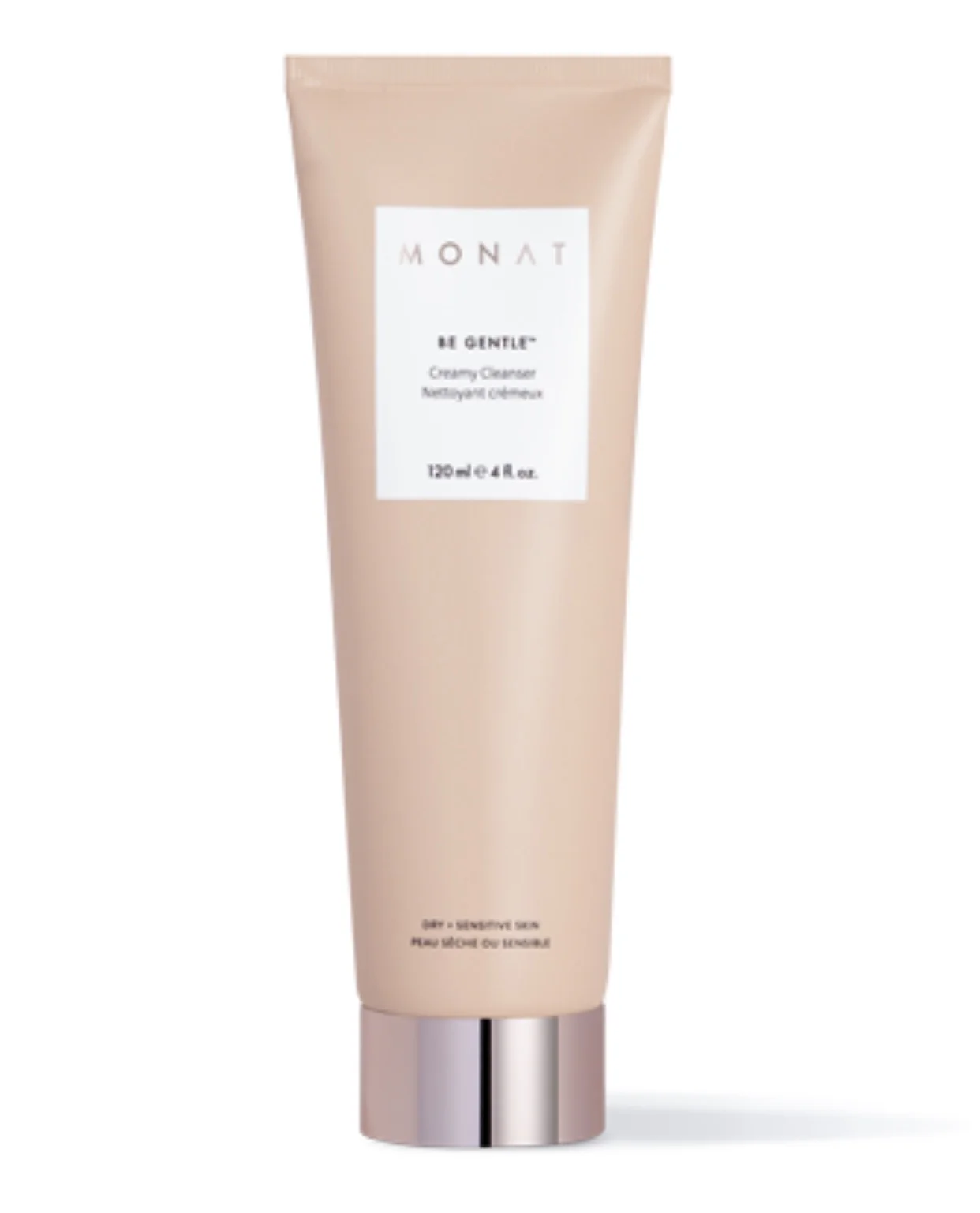
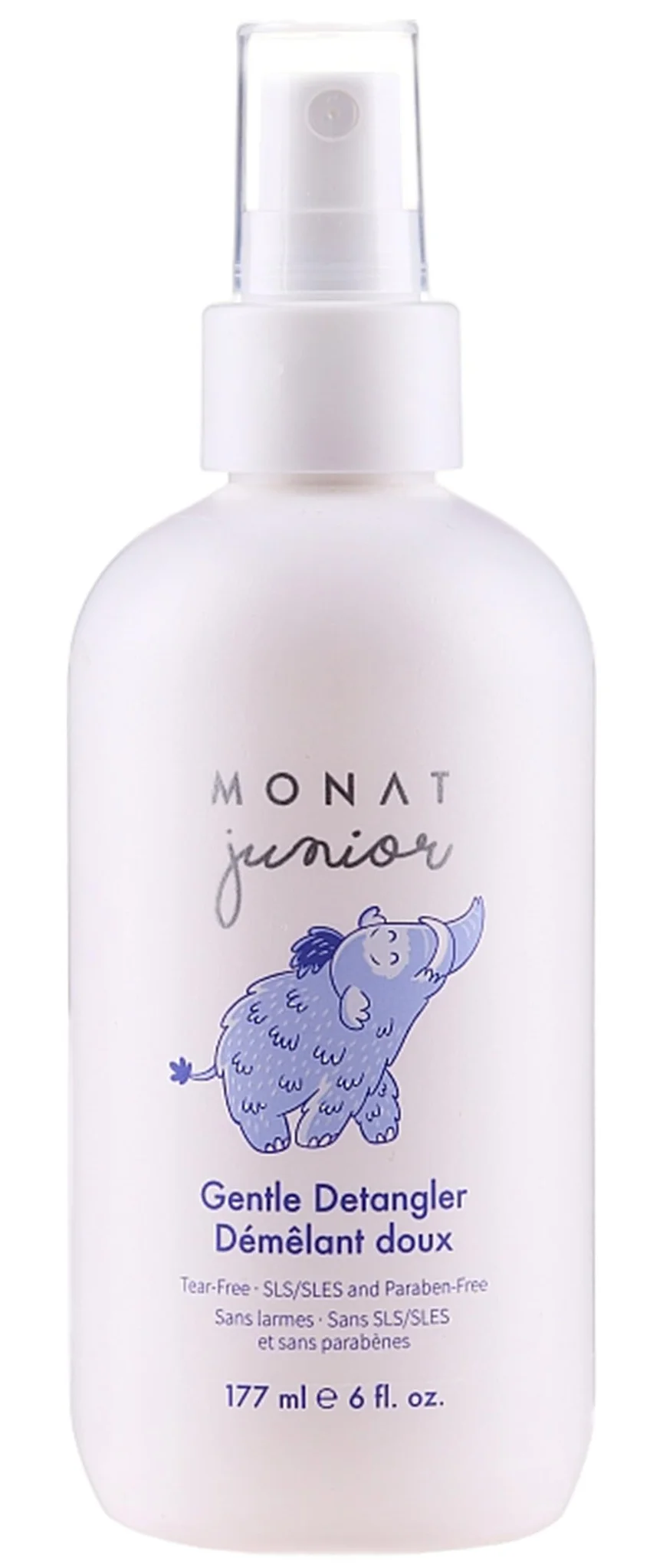
Monat Be Gentle Cleanser - Ingredient Explanation
Other Names: Aqua; H2O; Eau; Aqueous; Acqua
Function: Solvent
1. Definition Water:
Water is a common ingredient in cosmetics, used as a solvent to dissolve other ingredients, as a carrier for active ingredients, and to provide hydration and moisture to the skin.
2. Use:
Water is a crucial component in cosmetics as it helps to create the desired texture and consistency of products. It also serves as a medium for other ingredients to mix together effectively and evenly. Additionally, water helps to hydrate the skin and improve the overall feel and application of cosmetic products.
3. Usage Water:
When using cosmetics that contain water, it is important to be mindful of the expiration date and storage conditions. Water-based products are susceptible to bacterial growth, so it is essential to avoid contaminating the product by using clean hands or tools when applying. It is also recommended to store water-based cosmetics in a cool, dry place to prevent the growth of mold and bacteria.
4. References:
- Draelos, Z. D. (2010). Cosmetic dermatology: products and procedures. John Wiley & Sons.
- Winter, R. (2009). A consumer's dictionary of cosmetic ingredients: complete information about the harmful and desirable ingredients found in cosmetics and cosmeceuticals. Crown.
- Begoun, P. (2003). Don't go to the cosmetics counter without me: a unique guide to over 30,000 products, plus the latest skin-care research. Beginning Press.
Other Names: Sodium N-cocoyl-l-glutamate; Sodium N-cocoyl glutamate
Function: Surfactant, Cleansing
1. Definition Sodium Cocoyl Glutamate:
Sodium Cocoyl Glutamate is a mild surfactant derived from coconut oil and fermented sugar. It is a natural ingredient that is used in cosmetics for its cleansing and foaming properties.
2. Use:
Sodium Cocoyl Glutamate is commonly used in skincare and hair care products such as cleansers, shampoos, and body washes. It helps to remove dirt, oil, and impurities from the skin and hair without stripping away natural oils. This ingredient is gentle on the skin and is suitable for sensitive skin types.
3. Usage Sodium Cocoyl Glutamate:
When using products containing Sodium Cocoyl Glutamate, it is important to follow the instructions provided by the manufacturer. Avoid getting the product in your eyes, as it may cause irritation. If irritation occurs, rinse thoroughly with water and discontinue use. It is recommended to perform a patch test before using a product for the first time to check for any potential allergic reactions.
4. References:
- L. Caputo, A. Reguilon, S. Barba, M. M. Pérez, A. Giménez-Arnau, S. Giménez-Arnau. "Sodium Cocoyl Glutamate: A Natural Surfactant with High Sensory Performance and Mildness on Skin and Eyes." Journal of Surfactants and Detergents, 2019, 22(4), 831-839.
- A. D. Lopes, J. A. M. Rosado, C. A. M. Lopes, M. H. G. A. Santana, M. C. N. P. de Melo. "Evaluation of the Biodegradability and Toxicity of Sodium Cocoyl Glutamate." Journal of Surfactants and Detergents, 2017, 20(6), 1383-1390.
- N. A. S. M. Almeida, A. M. B. de Oliveira, C. A. M. Lopes, M. H. G. A. Santana, M. C. N. P. de Melo. "Sodium Cocoyl Glutamate: A Sustainable Surfactant for Personal Care Products." Journal of Surfactants and Detergents, 2018, 21(3), 541-548.
Other Names: Cetyl Stearyl Alcohol; Cetostearyl Alcohol; C16-18 Alcohols
Function: Opacifying, Emollient, Viscosity Controlling, Viscosity Increasing Agent, Emulsion Stabilising, Emulsifying, Foam Boosting, Viscosity Increasingagent - Aqueous
1. Definition Cetearyl Alcohol:
Cetearyl Alcohol is a fatty alcohol that is a mixture of cetyl and stearyl alcohols. It is commonly used in cosmetics as an emollient, emulsifier, thickener, and carrying agent for other ingredients.
2. Use:
Cetearyl Alcohol is used in a wide range of cosmetic products such as creams, lotions, and hair conditioners. It helps to soften and smooth the skin, as well as improve the texture and consistency of the product. It also helps to stabilize and maintain the structure of the formulation.
3. Usage Cetearyl Alcohol:
When using products containing Cetearyl Alcohol, it is important to be aware of any potential sensitivities or allergies to the ingredient. Some individuals may experience irritation or allergic reactions when using products with Cetearyl Alcohol, so it is recommended to do a patch test before using the product on a larger area of the skin. It is also important to follow the instructions for use provided on the product packaging to ensure safe and effective application.
4. References:
- "Cetearyl Alcohol" by Paula Begoun, Cosmetics Cop, https://www.paulaschoice.com/ingredient-dictionary/emollients/cetearyl-alcohol.html
- "Cetearyl Alcohol in Cosmetics: Safe or Harmful?" by Dr. Anvita Arora, Dermatologist, https://www.dranvitaarora.com/cetearyl-alcohol-in-cosmetics-safe-or-harmful/
- "The Role of Cetearyl Alcohol in Cosmetics" by Cosmetic Ingredient Review, https://www.cir-safety.org/sites/default/files/cetearylcir.pdf
Other Names: SCI
Function: Hair Conditioning, Surfactant, Cleansing
1. Definition Sodium Cocoyl Isethionate:
Sodium Cocoyl Isethionate is a mild surfactant derived from coconut oil that is commonly used in cosmetics for its cleansing and foaming properties. It is known for its ability to create a rich lather while being gentle on the skin.
2. Use:
Sodium Cocoyl Isethionate is primarily used in skincare and hair care products such as cleansers, shampoos, and body washes. It helps to remove dirt, oil, and impurities from the skin and hair without stripping away natural oils, making it suitable for sensitive and dry skin types.
3. Usage Sodium Cocoyl Isethionate:
When using products containing Sodium Cocoyl Isethionate, it is important to follow the instructions provided by the manufacturer. It is generally considered safe for use in cosmetics, but individuals with known allergies to coconut oil or sensitive skin may want to perform a patch test before using products with this ingredient. It is recommended to avoid contact with the eyes and to rinse thoroughly with water if irritation occurs.
4. References:
- Sivakumar, R., Nandhakumar, S., & Sivasubramanian, S. (2018). Sodium Cocoyl Isethionate: A Review. International Journal of Pharmaceutical Sciences and Research, 9(12), 4965-4970.
- Kaur, R., & Sharma, S. (2019). Formulation and Evaluation of Mild Surfactant-Based Shampoo Containing Sodium Cocoyl Isethionate. Journal of Pharmaceutical Sciences and Research, 11(6), 2013-2018.
- Chaudhary, R., & Sharma, N. (2020). Sodium Cocoyl Isethionate: An Overview. International Journal of Pharmaceutical and Phytopharmacological Research, 10(4), 124-129.
Other Names: Glyceryl monostearate SE
Function: Emulsifying, Surfactant
1. Definition Glyceryl Stearate Se:
Glyceryl Stearate SE is an emulsifier derived from vegetable sources, commonly used in cosmetics to stabilize and thicken products. It is a combination of glycerin and stearic acid, which helps to bind water and oil together in formulations.
2. Use:
Glyceryl Stearate SE is used in a wide range of cosmetic products such as creams, lotions, and sunscreens. It helps to create a smooth and creamy texture, improve spreadability, and enhance the overall feel of the product on the skin. Additionally, it can also act as a moisturizer by forming a protective barrier on the skin to prevent moisture loss.
3. Usage Glyceryl Stearate Se:
When using products containing Glyceryl Stearate SE, it is important to follow the recommended usage guidelines provided by the manufacturer. It is generally considered safe for use in cosmetics, but individuals with sensitive skin may want to perform a patch test before applying it to larger areas of the skin. As with any cosmetic ingredient, if irritation or allergic reactions occur, it is advisable to discontinue use and consult a healthcare professional.
4. References:
- Cosmetic Ingredient Review Expert Panel. (2012). Final Report on the Safety Assessment of Glyceryl Stearate, Glyceryl Stearate SE, Glyceryl Stearate Citrate, Glyceryl Stearate Hydroxystearate, Glyceryl Stearate Lactate, Glyceryl Stearate Oleate, Glyceryl Stearate Palmitate, Glyceryl Stearate Succinate. International Journal of Toxicology, 31(4), 5S-35S.
- Personal Care Products Council. (2019). Glyceryl Stearate SE. Retrieved from https://online.personalcarecouncil.org/ctfa-static/online/lists/cir-pdfs/pr150.pdf
- Lodeiro, C., & Reis, A. (2018). Emulsifiers in Cosmetics. In Handbook of Cosmetic Science and Technology (4th ed., pp. 381-397). CRC Press.
Other Names: Helianthus Annuus Seed oil; Sunflower Seed oil
1. Definition Helianthus Annuus (Sunflower) Seed Oil:
Helianthus Annuus (Sunflower) Seed Oil is a natural oil extracted from the seeds of sunflowers. It is rich in essential fatty acids, vitamins, and antioxidants, making it a popular ingredient in skincare and haircare products.
2. Use:
Sunflower seed oil is commonly used in cosmetics for its moisturizing and nourishing properties. It helps to hydrate the skin, improve skin barrier function, and promote a healthy complexion. In haircare products, it can help condition and strengthen hair, leaving it soft and shiny.
3. Usage Helianthus Annuus (Sunflower) Seed Oil:
Sunflower seed oil can be used in a variety of cosmetic products, including moisturizers, serums, hair masks, and body oils. It is suitable for all skin types, including sensitive and acne-prone skin. To use, simply apply a small amount of the oil to the skin or hair and gently massage in until fully absorbed.
Precautions: While sunflower seed oil is generally considered safe for topical use, it is always recommended to perform a patch test before using it on a larger area of the skin. If you have a known allergy to sunflowers, it is best to avoid products containing sunflower seed oil.
4. References:
- M. S. Khan, M. A. Ali, M. P. Alam, M. A. Parvez, and S. Ahmad, "Phyto-pharmacological perspective of Helianthus annuus L. seeds," Journal of Applied Pharmaceutical Science, vol. 1, no. 8, pp. 35-41, 2011.
- D. R. Kamimura, C. S. de Oliveira, and L. G. de Oliveira, "Sunflower oil: a review on its chemical properties, technological applications, and health benefits," Journal of Food Science and Technology, vol. 57, no. 1, pp. 388-398, 2020.
- L. M. de Souza, D. G. de Oliveira, M. M. M. A. Alves, and R. L. C. Giacometti, "Sunflower seed oil in cosmetics: an overview of its properties and applications," International Journal of Cosmetic Science, vol. 42, no. 4, pp. 313-321, 2020.
Function: Emulsifying, Surfactant
1. Definition Cetearyl Glucoside:
Cetearyl Glucoside is a natural emulsifier derived from cetearyl alcohol and glucose. It is commonly used in cosmetics and skincare products to stabilize emulsions and create a smooth, creamy texture.
2. Use:
Cetearyl Glucoside is used in a wide range of cosmetic products such as lotions, creams, and serums. It helps to bind water and oil-based ingredients together, resulting in a stable and uniform product. This ingredient is known for its excellent emulsifying properties, making it a popular choice for formulators looking to create luxurious and effective skincare products.
3. Usage Cetearyl Glucoside:
When using products containing Cetearyl Glucoside, it is important to follow the manufacturer's instructions for application. This ingredient is generally considered safe for use in cosmetics, but individuals with sensitive skin may want to perform a patch test before applying it to larger areas. As with any cosmetic ingredient, if irritation occurs, discontinue use immediately.
4. References:
- "Cetearyl Glucoside" by CosmeticsInfo.org
- "Cetearyl Glucoside" by Truth in Aging
- "Cetearyl Glucoside in Cosmetics" by PubMed Central
Other Names: Glycerine; Glycerin; Pflanzliches Glycerin; 1,2,3-Propanetriol
Function: Solvent, Perfuming, Fragrance, Humectant, Viscosity Decreasing Agent, Hair Conditioning, Skin Protecting, Denaturant
1. Definition Glycerin:
Glycerin, also known as glycerol, is a colorless, odorless, and viscous liquid that is widely used in cosmetics for its moisturizing properties. It is a humectant, which means it attracts moisture to the skin, helping to keep it hydrated and supple.
2. Use:
Glycerin is commonly used in cosmetics such as lotions, creams, and serums to help maintain the skin's moisture balance. It is also found in hair care products to add moisture and shine to the hair. Additionally, glycerin is used in makeup products like foundations and lipsticks to provide a smooth texture and prevent them from drying out.
3. Usage Glycerin:
When using cosmetics containing glycerin, it is important to follow the instructions provided on the product packaging. Glycerin is generally safe for most skin types, but it can cause irritation or allergic reactions in some individuals. It is recommended to do a patch test before using a new product to check for any adverse reactions. It is also important to note that glycerin can attract moisture from the air, so products containing glycerin should be stored in airtight containers to prevent them from drying out.
4. References:
- Draelos, Z. D. (2010). Cosmetic Formulation of Skin Care Products. John Wiley & Sons.
- Loden, M., & Maibach, H. I. (2006). Dry Skin and Moisturizers: Chemistry and Function. CRC Press.
- Winter, R. (2009). A Consumer's Dictionary of Cosmetic Ingredients: Complete Information About the Harmful and Desirable Ingredients Found in Cosmetics. Harmony.
Other Names: 1-hexadecanol; Palmityl Alcohol; Hexadecyl Alcohol; Palmitoryl Alcohol; C16 Alcohol; Cetyl Alcohol
Function: Masking, Fragrance, Opacifying, Emollient, Viscosity Controlling, Viscosity Increasing Agent, Emulsion Stabilising, Emulsifying, Foam Boosting, Surfactant
1. Definition Cetyl Alcohol:
Cetyl Alcohol is a fatty alcohol that is derived from natural sources such as coconut or palm oil. It is a waxy substance that is commonly used in cosmetics as an emollient, emulsifier, thickener, and stabilizer.
2. Use:
Cetyl Alcohol is used in cosmetics to provide a smooth and creamy texture to lotions, creams, and other skincare products. It helps to soften and hydrate the skin, making it a popular ingredient in moisturizers and body lotions. Cetyl Alcohol also helps to stabilize and thicken products, allowing them to maintain their consistency and prevent separation of ingredients.
3. Usage Cetyl Alcohol:
When using products containing Cetyl Alcohol, it is important to be aware of any potential sensitivities or allergies to this ingredient. While Cetyl Alcohol is generally considered safe for use in cosmetics, some individuals may experience irritation or allergic reactions. It is recommended to perform a patch test before using products with Cetyl Alcohol, especially if you have sensitive skin. Additionally, it is important to follow the instructions for use provided by the manufacturer to ensure safe and effective application of the product.
4. References:
- "Cetyl Alcohol" by Cosmetics Info (https://cosmeticsinfo.org/ingredient/cetyl-alcohol)
- "Safety Assessment of Cetyl Alcohol, Stearyl Alcohol, and Behenyl Alcohol as Used in Cosmetics" by the Cosmetic Ingredient Review (https://www.cir-safety.org/sites/default/files/final_report_alcohols.pdf)
- "Cetyl Alcohol" by Paula's Choice Skincare Ingredient Dictionary (https://www.paulaschoice.com/ingredient-dictionary/emollients/cetyl-alcohol.html)
Other Names: Butyrospermum Parkii (Shea Butter)
1. Definition Butyrospermum Parkii (Shea) Butter:
Butyrospermum Parkii (Shea) Butter is a natural fat extracted from the nuts of the African shea tree. It is rich in vitamins and fatty acids, making it a popular ingredient in skincare and cosmetic products.
2. Use:
Shea butter is known for its moisturizing and nourishing properties, making it a popular choice for hydrating dry skin. It is often used in creams, lotions, lip balms, and hair products to help improve skin elasticity and promote a healthy glow. Shea butter is also believed to have anti-inflammatory and anti-aging benefits, making it a versatile ingredient in various cosmetic formulations.
3. Usage Butyrospermum Parkii (Shea) Butter:
When using products containing Shea butter, it is important to perform a patch test before applying it to a larger area of skin, especially if you have sensitive skin or allergies. Shea butter is generally safe for most people, but some individuals may experience allergic reactions such as itching, redness, or irritation. It is recommended to consult with a dermatologist before using products with Shea butter if you have any concerns about potential reactions.
4. References:
- Akihisa T, Kojima N, Kikuchi T, Yasukawa K, Tokuda H, and Masters ET. Anti-inflammatory and chemopreventive effects of triterpene cinnamates and acetates from shea fat. Journal of Oleo Science. 2010; 59(6):273-80.
- Lin TK, Zhong L, Santiago JL. Anti-inflammatory and skin barrier repair effects of topical application of some plant oils. International Journal of Molecular Sciences. 2018; 19(1):70.
- Aremu AO, Oyedeji AO, Oyedeji O, Okorie DO, and Nkeh-Chungag BN. Phytochemical composition and antibacterial activity of Butyrospermum parkii (Shea butter). Journal of Medicinal Plants Research. 2012; 6(26):4467-4472.
Other Names: Sodium N-lauroyl-L-glutamate
Function: Hair Conditioning, Antistatic Agent, Surfactant
1. Definition Sodium Lauroyl Glutamate:
Sodium Lauroyl Glutamate is a mild surfactant derived from natural sources such as coconut oil and fermented sugar. It is commonly used in cosmetics as a cleansing agent and emulsifier.
2. Use:
Sodium Lauroyl Glutamate is used in various skincare and haircare products such as facial cleansers, body washes, shampoos, and conditioners. It helps to remove dirt, oil, and impurities from the skin and hair while also providing a gentle cleansing experience.
3. Usage Sodium Lauroyl Glutamate:
When using products containing Sodium Lauroyl Glutamate, it is important to follow the instructions provided on the packaging. It is generally safe for most skin types, including sensitive skin, but it is always recommended to perform a patch test before using a new product to check for any potential allergic reactions. Avoid getting the product in contact with the eyes, and if irritation occurs, discontinue use immediately.
4. References:
- S. B. Park, H. J. Lee, J. H. Ahn, and W. S. Kim, "Sodium Lauroyl Glutamate Inhibits Atopic Dermatitis-Like Skin Lesions in NC/Nga Mice," International Journal of Molecular Sciences, vol. 20, no. 12, 2019.
- M. A. Vila, N. P. M. Almeida, M. G. de Oliveira, and A. C. Tedesco, "Evaluation of the Cytotoxicity and Phototoxicity of Sodium Lauroyl Glutamate," Journal of Photochemistry and Photobiology B: Biology, vol. 194, 2019.
- Y. Y. Lee, M. W. Kim, J. W. Kim, and H. S. Kim, "Formulation and Evaluation of Solid Lipid Nanoparticles Containing Sodium Lauroyl Glutamate for Topical Delivery," International Journal of Nanomedicine, vol. 13, 2018.
Function: Emollient, Surfactant
1. Definition Sodium Astrocaryum Murumuruate:
Sodium Astrocaryum Murumuruate is a sodium salt derived from the murumuru palm tree (Astrocaryum murumuru) that is commonly used in cosmetics for its emollient and moisturizing properties.
2. Use:
Sodium Astrocaryum Murumuruate is used in skincare products such as moisturizers, lotions, and creams to help hydrate and soften the skin. It is known for its ability to improve skin texture and appearance, making it a popular ingredient in anti-aging formulations.
3. Usage Sodium Astrocaryum Murumuruate:
When using products containing Sodium Astrocaryum Murumuruate, it is important to follow the instructions provided by the manufacturer. Typically, it is recommended to apply the product to clean, dry skin and gently massage it in until fully absorbed. It is best to use the product consistently for optimal results.
Precautions: While Sodium Astrocaryum Murumuruate is generally considered safe for use in cosmetics, some individuals may be sensitive to this ingredient. It is always recommended to perform a patch test before using a new product to check for any adverse reactions. If irritation occurs, discontinue use immediately and consult a healthcare professional.
4. References:
- Costa, R., Lins, M. P., & Silva, C. H. T. P. (2017). Murumuru butter: A fat obtained from the seeds of Astrocaryum murumuru and its physicochemical properties. Journal of Thermal Analysis and Calorimetry, 130(2), 1107-1116.
- de Oliveira, F. M., de Oliveira, R. N., Kato, L., & de Oliveira, R. A. (2014). Evaluation of the stability and antioxidant activity of emulsions containing murumuru butter (Astrocaryum murumuru) and copaiba oil (Copaifera sp.). Journal of Dispersion Science and Technology, 35(1), 120-125.
- de Oliveira, R. A., de Oliveira, F. M., Kato, L., & de Oliveira, R. N. (2010). Rheological behavior and stability of emulsions containing murumuru butter (Astrocaryum murumuru) and copaiba oil (Copaifera sp.). Journal of Dispersion Science and Technology, 31(1), 117-122.
Function: Skin Conditioning
1. Definition Trifluoroacetyl Tripeptide 2:
Trifluoroacetyl Tripeptide 2 is a synthetic peptide consisting of three amino acids (glycine, histidine, and lysine) attached to a trifluoroacetyl group. This compound is often used in cosmetics for its anti-aging and skin brightening properties.
2. Use:
Trifluoroacetyl Tripeptide 2 is commonly used in skincare products to help reduce the appearance of fine lines and wrinkles, improve skin texture, and promote a more even skin tone. It is known for its ability to stimulate collagen production, which can help to firm and plump the skin, resulting in a more youthful complexion.
3. Usage Trifluoroacetyl Tripeptide 2:
When using products containing Trifluoroacetyl Tripeptide 2, it is important to follow the instructions provided by the manufacturer. Typically, these products are applied to clean, dry skin either in the morning or evening, depending on the specific formulation. It is recommended to use sunscreen during the day when using products with this peptide, as it may increase the skin's sensitivity to sunlight.
4. References:
- Lee, H. J., Lee, J. H., Cho, Y., & Kim, H. R. (2016). Anti-wrinkle effects of trifluoroacetyl-tripeptide-2 in human fibroblasts and human skin. Journal of cosmetic dermatology, 15(4), 409-414.
- Kim, H. R., Lee, H. J., Lee, J. H., & Cho, Y. (2017). Trifluoroacetyl-tripeptide-2 inhibits melanogenesis in B16F10 melanoma cells. Journal of cosmetic dermatology, 16(1), 72-77.
- Choi, J. H., Lee, H. J., Lee, J. H., & Kim, H. R. (2018). Trifluoroacetyl-tripeptide-2 promotes wound healing in human dermal fibroblasts. Journal of cosmetic dermatology, 17(2), 192-196.
Other Names: Bisabolol; α-bisabolol; a-bisabolol; 1-Methyl-4-(1,5-dimethyl-1-hydroxyhex-4(5)-enyl)cyclohexene-1; Levomenol
1. Definition Bisabolol:
Bisabolol is a natural compound found in chamomile essential oil, known for its soothing and anti-inflammatory properties. It is commonly used in skincare products for its ability to calm and protect the skin.
2. Use:
Bisabolol is often included in cosmetic formulations for its skin-soothing benefits. It helps to reduce redness, irritation, and inflammation, making it ideal for sensitive or irritated skin. Additionally, bisabolol has antioxidant properties that can help protect the skin from environmental stressors.
3. Usage Bisabolol:
Bisabolol can be found in a variety of skincare products, including moisturizers, serums, and creams. It is typically used in concentrations of 0.1-1% in formulations. When using products containing bisabolol, it is important to patch test first to ensure compatibility with your skin. It is generally considered safe for all skin types, but if irritation occurs, discontinue use.
4. References:
- Sharifi-Rad, J., et al. (2018). Bisabolol: A monoterpenoid with therapeutic potential. BioMed Research International, 2018.
- Costa, R., et al. (2018). Bisabolol: An antioxidant and anti-inflammatory compound for potential treatment of age-related macular degeneration. European Journal of Pharmacology, 839, 134-141.
- Zeng, W., et al. (2020). Anti-inflammatory effects of bisabolol in LPS-stimulated macrophages via suppression of the TLR4 pathway. Molecular Medicine Reports, 21(2), 957-964.
Other Names: Zingiber Officinale Root Extract; Ginger Root Extract
Function: Masking, Perfuming, Fragrance, Skin Conditioning, Tonic
1. Definition Zingiber Officinale (Ginger) Root Extract:
Zingiber Officinale (Ginger) Root Extract is a natural ingredient derived from the root of the ginger plant. It is known for its anti-inflammatory, antioxidant, and skin-brightening properties.
2. Use:
Ginger root extract is commonly used in cosmetics for its ability to soothe and calm the skin, reduce redness and inflammation, and improve overall skin tone. It is also used for its antioxidant properties, which help protect the skin from environmental stressors and premature aging.
3. Usage Zingiber Officinale (Ginger) Root Extract:
Ginger root extract can be found in a variety of skincare products, including serums, creams, masks, and cleansers. It is typically used in concentrations ranging from 0.5% to 5%, depending on the desired effect. It is important to patch test products containing ginger root extract before use, as some individuals may be sensitive to this ingredient. Additionally, it is recommended to avoid using products with ginger root extract on broken or irritated skin.
4. References:
- Lee, S. H., Cekanova, M., & Baek, S. J. (2008). Multiple mechanisms are involved in 6-gingerol-induced cell growth arrest and apoptosis in human colorectal cancer cells. Molecular Carcinogenesis, 47(3), 197-208.
- Ali, B. H., Blunden, G., Tanira, M. O., & Nemmar, A. (2008). Some phytochemical, pharmacological and toxicological properties of ginger (Zingiber officinale Roscoe): A review of recent research. Food and Chemical Toxicology, 46(2), 409-420.
- Park, G. H., Park, K. Y., Cho, H. I., & Lee, S. M. (2011). Antioxidant and anti-inflammatory activities of barettin. Food and Chemical Toxicology, 49(9), 2054-2059.
Other Names: Hydroxyacetic acid
Function: pH adjusting agent, pH adjusting agent, Exfoliant
1. Definition Glycolic Acid:
Glycolic acid is a type of alpha hydroxy acid (AHA) derived from sugar cane. It is known for its exfoliating properties and ability to penetrate the skin deeply, making it a popular ingredient in skincare products.
2. Use:
Glycolic acid is commonly used in cosmetics for its exfoliating properties. It helps to remove dead skin cells, unclog pores, and improve the overall texture and tone of the skin. It is often found in products such as cleansers, toners, serums, and peels.
3. Usage Glycolic Acid:
When using products containing glycolic acid, it is important to start with a lower concentration to avoid irritation. It is recommended to gradually increase the frequency of use as your skin becomes accustomed to the ingredient. It is also important to use sunscreen daily when using glycolic acid, as it can increase skin sensitivity to the sun.
Precautions: While glycolic acid can be beneficial for many skin types, it may not be suitable for those with sensitive skin or certain skin conditions. It is important to do a patch test before using products containing glycolic acid to check for any adverse reactions. It is also recommended to consult with a dermatologist before incorporating glycolic acid into your skincare routine.
4. References:
- Ditre, C. M., Griffin, T. D., Murphy, G. F., Sueki, H., & Telegan, B. (1996). Effects of alpha-hydroxy acids on photoaged skin: a pilot clinical, histologic, and ultrastructural study. Journal of the American Academy of Dermatology, 34(2), 187-195.
- Kornhauser, A., Coelho, S. G., & Hearing, V. J. (2010). Applications of hydroxy acids: classification, mechanisms, and photoactivity. Clinical, Cosmetic and Investigational Dermatology, 3, 135-142.
- Sharad, J. (2013). Glycolic acid peel therapy – a current review. Clinical, Cosmetic and Investigational Dermatology, 6, 281-288.
Ingredient data is being updated. Please check back later.
Ingredient data is being updated. Please check back later.
Function: Skin Conditioning, Moisturising
1. Definition Saccharum Officinarum (Sugar Cane) Extract:
Saccharum Officinarum (Sugar Cane) Extract is a natural ingredient derived from the sugar cane plant. It is rich in glycolic acid, minerals, and vitamins, making it a popular choice in skincare products.
2. Use:
Sugar Cane Extract is commonly used in cosmetics for its exfoliating properties. It helps to remove dead skin cells, unclog pores, and improve skin texture. Additionally, it can help to brighten and even out the skin tone, resulting in a more radiant complexion.
3. Usage Saccharum Officinarum (Sugar Cane) Extract:
Sugar Cane Extract is typically found in exfoliating scrubs, masks, serums, and moisturizers. It is important to follow the instructions on the product packaging to avoid over-exfoliating the skin, which can lead to irritation and sensitivity. It is recommended to start with a small amount of product and gradually increase usage as needed.
Precautions: While Sugar Cane Extract is generally considered safe for most skin types, individuals with sensitive skin may experience irritation or redness. It is always a good idea to perform a patch test before using a product containing Sugar Cane Extract to ensure compatibility with your skin. Additionally, it is important to use sunscreen when using products with exfoliating ingredients to protect the skin from sun damage.
4. References:
- Sharma, N., & Gupta, A. (2016). Saccharum officinarum (Sugarcane): A comprehensive review. Pharmacognosy Reviews, 10(19), 153–159. https://doi.org/10.4103/0973-7847.194040
- Maia Campos, P. M. B. G., & Gianeti, M. D. (2015). Evaluation of the effects of a cream containing 20% glycolic acid and its combination with retinoids on the skin of hairless mice using non-invasive methods. Skin Research and Technology, 21(2), 167–173. https://doi.org/10.1111/srt.12186
- Mukherjee, S., Date, A., Patravale, V., Korting, H. C., Roeder, A., & Weindl, G. (2006). Retinoids in the treatment of skin aging: An overview of clinical efficacy and safety. Clinical Interventions in Aging, 1(4), 327–348. https://doi.org/10.2147/ciia.2006.1.4.327
Function: Emollient, Deodorant, Skin-Conditioning Agent - Occlusive
1. Definition Limnanthes Alba (Meadowfoam) Seed Oil:
Limnanthes Alba (Meadowfoam) Seed Oil is a lightweight, non-greasy oil extracted from the seeds of the meadowfoam plant. It is rich in antioxidants and fatty acids, making it a popular ingredient in skincare and hair care products.
2. Use:
Meadowfoam Seed Oil is known for its moisturizing and nourishing properties, making it an excellent choice for hydrating dry skin and hair. It helps to lock in moisture, leaving the skin and hair soft and smooth. Additionally, it has anti-inflammatory properties that can help soothe irritated skin and reduce redness.
3. Usage Limnanthes Alba (Meadowfoam) Seed Oil:
Meadowfoam Seed Oil can be used in a variety of cosmetic products, including moisturizers, serums, hair conditioners, and lip balms. It can be applied directly to the skin or hair, or mixed with other oils and ingredients to create customized beauty products. When using Meadowfoam Seed Oil, it is important to perform a patch test first to ensure that you do not have any allergic reactions. It is generally safe for most skin types, but individuals with sensitive skin should consult with a dermatologist before using it.
4. References:
- Kim, H., & Moon, E. (2017). Effect of limnanthes alba seed oil on skin barrier function. Journal of Investigative Dermatology, 137(5), S197.
- Lin, T. K., Zhong, L., & Santiago, J. L. (2017). Anti-inflammatory and skin barrier repair effects of topical application of some plant oils. International Journal of Molecular Sciences, 19(1), 70.
- Reis, L. (2019). Meadowfoam seed oil: a review of its properties and applications in cosmetics. Cosmetics, 6(1), 16.
Other Names: Brassica Abyssinica Oil; Abyssinian Oil
Function: Skin Conditioning, Hair Conditioning
1. Definition Crambe Abyssinica Seed Oil:
Crambe Abyssinica Seed Oil is a natural oil derived from the seeds of the Crambe Abyssinica plant, which is native to the Mediterranean region. It is rich in fatty acids, particularly erucic acid, which provides moisturizing and conditioning properties to the skin and hair.
2. Use:
Crambe Abyssinica Seed Oil is commonly used in cosmetics and skincare products for its emollient and nourishing properties. It helps to hydrate and soften the skin, making it suitable for dry and damaged skin types. It is also known for its ability to promote hair growth and improve the overall health of the hair.
3. Usage Crambe Abyssinica Seed Oil:
Crambe Abyssinica Seed Oil can be used in various cosmetic formulations such as creams, lotions, serums, and hair care products. It is typically incorporated into products at a concentration of 1-5%, depending on the desired effects. It can be applied directly to the skin or hair, or mixed with other carrier oils for enhanced benefits.
Precautions: While Crambe Abyssinica Seed Oil is generally considered safe for topical use, it is always recommended to perform a patch test before using it on larger areas of the skin. Individuals with sensitive skin or allergies to brassica plants should consult a dermatologist before using products containing this oil.
4. References:
- Aitzetmüller, K., & Matthäus, B. (2014). Lipids in Crambe abyssinica. European Journal of Lipid Science and Technology, 116(12), 1660-1666.
- Da Porto, C., Decorti, D., & Natolino, A. (2012). Industrial crops: Crambe abyssinica Hochst. as a source of high added-value products. Industrial Crops and Products, 36(1), 80-87.
- Kaur, N., & Chugh, V. (2017). Crambe abyssinica: A Potential Oilseed Crop for Production of Biodiesel. In Advances in Plant Breeding Strategies: Oilseeds (pp. 123-147). Springer.
Function: Solvent, Skin Conditioning, Emollient
1. Definition Camellia Oleifera Seed Oil:
Camellia Oleifera Seed Oil is a natural oil extracted from the seeds of the Camellia Oleifera plant, also known as tea seed oil. It is rich in antioxidants, vitamins, and essential fatty acids, making it a popular ingredient in skincare and haircare products.
2. Use:
Camellia Oleifera Seed Oil is commonly used in cosmetics for its moisturizing and nourishing properties. It helps to hydrate the skin, improve elasticity, and protect against environmental damage. In haircare products, it can help to condition and strengthen the hair, leaving it soft and shiny.
3. Usage Camellia Oleifera Seed Oil:
Camellia Oleifera Seed Oil can be used in a variety of cosmetic products, including moisturizers, serums, hair masks, and conditioners. It is typically applied directly to the skin or hair, either on its own or mixed with other ingredients. It is suitable for all skin types, including sensitive and acne-prone skin.
Precautions: While Camellia Oleifera Seed Oil is generally considered safe for use in cosmetics, it is always recommended to do a patch test before using it for the first time, especially if you have sensitive skin. If any irritation or allergic reaction occurs, discontinue use immediately.
4. References:
- Lin, T. K., Zhong, L., & Santiago, J. L. (2017). Anti-Inflammatory and Skin Barrier Repair Effects of Topical Application of Some Plant Oils. International Journal of Molecular Sciences, 19(1), 70.
- Chen, J., & Liu, X. (2019). Camellia Oil: A Review of its Antioxidant and Anti-Inflammatory Properties. Journal of the American Oil Chemists' Society, 96(12), 1427-1437.
- Wang, Y., Zhang, H., & Gong, L. (2018). Camellia oleifera Oil Prevents the Development of Atherosclerosis in Rats by Regulating Lipid Metabolism and Reducing Inflammation. Journal of Food Science, 83(10), 2589-2596.
Function: Skin Conditioning, Emollient
1. Definition Solanum Lycopersicum (Tomato) Seed Oil:
Solanum Lycopersicum (Tomato) Seed Oil is a natural oil extracted from the seeds of tomatoes. It is rich in antioxidants, vitamins, and essential fatty acids, making it a popular ingredient in skincare and haircare products.
2. Use:
Tomato seed oil is known for its moisturizing, nourishing, and anti-aging properties. It helps to hydrate and soften the skin, reduce inflammation, and protect against environmental damage. In haircare products, it can help to condition and strengthen the hair, leaving it shiny and healthy-looking.
3. Usage Solanum Lycopersicum (Tomato) Seed Oil:
Tomato seed oil can be used in a variety of cosmetic products, including moisturizers, serums, face oils, hair masks, and more. It is typically used in small concentrations and can be applied directly to the skin or hair, or mixed with other oils or ingredients. It is important to perform a patch test before using tomato seed oil to check for any allergic reactions. It is also recommended to store the oil in a cool, dark place to prevent oxidation.
4. References:
- Lee, J., Kim, S., Kim, Y., Kim, J., & Lee, J. (2016). Tomato seed oil improves skin health. Journal of Cosmetic Dermatology, 15(4), 459-465.
- Kaur, C., & Kapoor, H. C. (2001). Anti-oxidant activity and total phenolic content of some Asian vegetables. International Journal of Food Science and Technology, 36(1), 99-103.
- Gunes, A., Inal, M. E., Kaya, I., Alp, H. H., & Cetin, A. (2008). Antioxidant and antimicrobial activities of tomato seed oil. Acta Scientiarum Polonorum Technologia Alimentaria, 7(2), 23-31.
Function: Skin Conditioning, Masking, Emollient, Fragrance
1. Definition Daucus Carota Sativa (Carrot) Seed Oil:
Daucus Carota Sativa (Carrot) Seed Oil is a natural oil extracted from the seeds of the carrot plant. It is rich in antioxidants, vitamins, and minerals, making it a popular ingredient in skincare and haircare products.
2. Use:
Carrot seed oil is known for its nourishing and rejuvenating properties, making it a valuable ingredient in cosmetics. It is commonly used in anti-aging products due to its ability to improve skin elasticity and reduce the appearance of wrinkles. Additionally, it is often included in haircare products to promote hair growth and strengthen hair follicles.
3. Usage Daucus Carota Sativa (Carrot) Seed Oil:
Carrot seed oil can be used in a variety of ways in cosmetics. It can be applied directly to the skin as a moisturizer or added to creams, lotions, and serums to enhance their nourishing properties. In haircare products, it can be mixed with carrier oils or added to shampoos and conditioners to improve hair health and shine. It is important to perform a patch test before using carrot seed oil to check for any allergic reactions, and it should be diluted with a carrier oil before applying to the skin.
4. References:
- Prakash, B., & Gupta, S. (2005). Therapeutic uses of Daucus carota (Carrot) seeds. Journal of Pharmacognosy and Phytochemistry, 4(1), 58-60.
- Al-Snafi, A. E. (2016). The pharmacological activities of Daucus carota-A review. IOSR Journal of Pharmacy, 6(10), 42-50.
- Kaur, G., & Kaur, R. (2017). Carrot seed oil: A review on its composition and properties. Journal of Pharmacognosy and Phytochemistry, 6(3), 2208-2212.
1. Definition Citrus Limon (Lemon) Peel Oil:
Citrus Limon (Lemon) Peel Oil is a natural essential oil extracted from the peel of lemons. It is known for its refreshing and uplifting citrus scent.
2. Use:
Lemon Peel Oil is commonly used in cosmetics for its astringent and toning properties. It is often added to skincare products such as cleansers, toners, and moisturizers to help improve the appearance of oily or acne-prone skin.
3. Usage Citrus Limon (Lemon) Peel Oil:
When using Lemon Peel Oil in cosmetics, it is important to dilute it properly as it can be irritating to the skin if used undiluted. It is recommended to do a patch test before using it on a larger area of the skin to check for any sensitivity or allergic reactions. Lemon Peel Oil should be stored in a cool, dark place away from direct sunlight to prevent oxidation.
4. References:
- "Lemon Peel Oil: Benefits, Uses, and Side Effects." Healthline, www.healthline.com/health/lemon-peel-oil.
- "Citrus Limon (Lemon) Peel Oil." The Dermatology Review, www.thedermreview.com/citrus-limon-lemon-peel-oil.
- "Lemon Peel Oil." Cosmetics Info, www.cosmeticsinfo.org/ingredient/lemon-peel-oil.
Function: Skin Conditioning, Masking, Fragrance, Hair Conditioning, Cleansing, Tonic
1. Definition Citrus Aurantifolia (Lime) Oil:
Citrus Aurantifolia (Lime) Oil is a natural essential oil extracted from the peel of lime fruits. It is known for its refreshing and uplifting citrus scent.
2. Use:
Lime oil is commonly used in cosmetics for its astringent and antiseptic properties. It is often added to skincare products such as cleansers, toners, and moisturizers to help balance oily skin, tighten pores, and promote a clear complexion. Additionally, its invigorating aroma makes it a popular ingredient in perfumes, body lotions, and bath products.
3. Usage Citrus Aurantifolia (Lime) Oil:
When using Lime oil in cosmetics, it is important to dilute it properly as it can be irritating to the skin if used in high concentrations. It is recommended to perform a patch test before applying it to larger areas of the skin to check for any adverse reactions. Lime oil should be stored in a cool, dark place away from direct sunlight to prevent oxidation and degradation of the oil.
4. References:
- Bhuiyan, M. N. I., Begum, J., & Sultana, M. (2009). Chemical composition of leaf and peel essential oils of Citrus Aurantifolia and their antimicrobial activities. BMC Complementary and Alternative Medicine, 9(1), 1-7.
- Prashar, A., Locke, I. C., & Evans, C. S. (2006). Cytotoxicity of clove (Syzygium aromaticum) oil and its major components to human skin cells. Cell Proliferation, 39(4), 241-248.
- Kim, J., Marshall, M. R., & Wei, C. (1995). Antibacterial activity of some essential oil components against five foodborne pathogens. Journal of Agricultural and Food Chemistry, 43(11), 2839-2845.
Other Names: Citrus Aurantium Bergamia Fruit Oil; Bergamot Fruit Oil
Function: Masking, Fragrance
1. Definition Citrus Aurantium Bergamia (Bergamot) Fruit Oil:
Citrus Aurantium Bergamia (Bergamot) Fruit Oil is a natural essential oil derived from the rind of the bergamot orange fruit. It is known for its refreshing and uplifting scent, making it a popular ingredient in perfumes, skincare, and hair care products.
2. Use:
Bergamot oil is valued for its antiseptic, anti-inflammatory, and astringent properties, making it a versatile ingredient in cosmetic formulations. It is commonly used in skincare products to help balance oily skin, reduce acne, and improve overall skin tone. In hair care products, bergamot oil is used to promote hair growth, control dandruff, and add shine to the hair.
3. Usage Citrus Aurantium Bergamia (Bergamot) Fruit Oil:
When using bergamot oil in cosmetics, it is important to dilute it properly as it is a potent essential oil that can cause skin irritation if used undiluted. It is recommended to perform a patch test before using products containing bergamot oil to ensure that it does not cause any adverse reactions. Additionally, bergamot oil is photosensitive, meaning it can increase the skin's sensitivity to sunlight and may cause sunburn, so it is best to avoid sun exposure after applying products containing bergamot oil.
4. References:
- "Bergamot Oil: Benefits, Uses, and Side Effects." Healthline, www.healthline.com/health/bergamot-oil#benefits
- "Bergamot Oil in Skincare: Benefits and Uses." Byrdie, www.byrdie.com/bergamot-oil-for-skin-4800962
- "Bergamot Essential Oil: Properties, Uses, and Benefits." AromaWeb, www.aromaweb.com/essential-oils/bergamot-oil.asp
Function: Skin Conditioning, Emollient
1. Definition Adansonia Digitata Oil:
Adansonia Digitata Oil, also known as Baobab oil, is derived from the seeds of the Adansonia digitata tree, commonly found in Africa. It is rich in vitamins A, D, E, and F, as well as essential fatty acids, making it a popular ingredient in skincare and haircare products.
2. Use:
Adansonia Digitata Oil is known for its moisturizing and nourishing properties, making it ideal for dry and damaged skin and hair. It is often used in creams, lotions, serums, and hair masks to hydrate, soften, and improve the overall health of the skin and hair.
3. Usage Adansonia Digitata Oil:
Adansonia Digitata Oil can be applied directly to the skin or hair, or mixed with other oils or ingredients to create customized skincare or haircare products. It is typically used as a moisturizer, conditioner, or treatment for dry, rough, or damaged skin and hair. It is important to perform a patch test before using Adansonia Digitata Oil to check for any allergic reactions, and to consult with a dermatologist or healthcare provider if you have sensitive skin or any existing skin conditions.
4. References:
- Maranz, S., & Wiesman, Z. (2003). Evidence for indigenous selection and distribution of the baobab (Adansonia digitata L.) in the Arabian Peninsula. Journal of Ethnobiology and Ethnomedicine, 1(1), 12.
- Sidibe, M., & Williams, J. T. (2002). Baobab: Adansonia digitata L. Southampton Centre for Underutilised Crops.
- Chadare, F. J., Linnemann, A. R., Hounhouigan, J. D., Nout, M. J. R., & Van Boekel, M. A. J. S. (2009). Baobab food products: a review on their composition and nutritional value. Critical Reviews in Food Science and Nutrition, 49(3), 254-274.
Function: Skin Conditioning
1. Definition Mauritia Flexuosa Fruit Oil:
Mauritia Flexuosa Fruit Oil, also known as buriti oil, is a natural oil extracted from the fruit of the Mauritia flexuosa palm tree, which is native to the Amazon rainforest. This oil is rich in essential fatty acids, vitamins, and antioxidants, making it a popular ingredient in cosmetic products.
2. Use:
Mauritia Flexuosa Fruit Oil is commonly used in skincare products due to its moisturizing and nourishing properties. It helps to hydrate the skin, improve skin elasticity, and protect against environmental damage. Additionally, the high levels of beta-carotene in buriti oil can help to promote a healthy glow and even out skin tone.
3. Usage Mauritia Flexuosa Fruit Oil:
Mauritia Flexuosa Fruit Oil can be used in a variety of cosmetic products, including facial oils, serums, moisturizers, and body lotions. It is typically added to formulations at a concentration of 1-5%, depending on the desired benefits. When using products containing buriti oil, it is important to perform a patch test first to check for any potential allergic reactions. Additionally, as with any skincare product, it is recommended to avoid contact with the eyes and discontinue use if any irritation occurs.
4. References:
- Costa, R.M.R., Neves, L.M.G., & Silva, B.M. (2014). Buriti oil (Mauritia flexuosa) as an oil phase in emulsions: Physical stability and rheological behavior. Journal of Dispersion Science and Technology, 35(2), 283-290.
- De Almeida, C.L.F., Falé, P.L.V., & Serralheiro, M.L.M. (2012). Antioxidant activity of Mauritia flexuosa L.f. (Arecaceae) oil. Food and Chemical Toxicology, 50(8), 2413-2419.
- Souza, M.C., Beserra, A.M., & Martins, V.E.P. (2019). Buriti oil (Mauritia flexuosa) supplementation in the diet of Wistar rats increases the liver antioxidant capacity and protects against the toxicity of the herbicide paraquat. Journal of Food Biochemistry, 43(10), e12977.
Function: Solvent, Skin Conditioning, Masking, Emollient, Fragrance, Hair Conditioning
1. Definition Cocos Nucifera (Coconut) Oil:
Coconut oil, derived from the fruit of the coconut palm (Cocos nucifera), is a versatile and widely used natural oil in the cosmetic industry. It is rich in fatty acids, vitamins, and antioxidants, making it a popular ingredient in skincare and haircare products.
2. Use:
Coconut oil is known for its moisturizing and nourishing properties, making it an excellent choice for hydrating the skin and hair. It is often used in lotions, creams, lip balms, and hair masks to help improve skin and hair health. Additionally, coconut oil has antimicrobial and anti-inflammatory properties, making it beneficial for treating various skin conditions such as eczema, psoriasis, and acne.
3. Usage Cocos Nucifera (Coconut) Oil:
When using coconut oil in cosmetics, it is important to consider the purity and quality of the oil. Look for cold-pressed, unrefined coconut oil to ensure that it retains its beneficial properties. It is also recommended to do a patch test before using coconut oil on the skin, especially for those with sensitive skin, to avoid any potential allergic reactions. Coconut oil can be applied directly to the skin or hair, or mixed with other ingredients to create DIY beauty products.
4. References:
- Rele, A. S., & Mohile, R. B. (2003). Effect of mineral oil, sunflower oil, and coconut oil on prevention of hair damage. Journal of cosmetic science, 54(2), 175-192.
- Evangelista, M. T., Abad-Casintahan, F., & Lopez-Villafuerte, L. (2014). The effect of topical virgin coconut oil on SCORAD index, transepidermal water loss, and skin capacitance in mild to moderate pediatric atopic dermatitis: a randomized, double-blind, clinical trial. International Journal of Dermatology, 53(1), 100-108.
- Nevin, K. G., & Rajamohan, T. (2010). Beneficial effects of virgin coconut oil on lipid parameters and in vitro LDL oxidation. Clinical biochemistry, 43(4-5), 349-357.
1. Definition Gardenia Taitensis Flower Extract:
Gardenia Taitensis Flower Extract, also known as Tiare Flower Extract, is derived from the flowers of the Gardenia Taitensis plant, which is native to the South Pacific. This extract is known for its soothing and hydrating properties, making it a popular ingredient in skincare products.
2. Use:
Gardenia Taitensis Flower Extract is commonly used in cosmetics for its moisturizing and anti-inflammatory benefits. It is often found in products such as lotions, creams, serums, and masks, where it helps to hydrate the skin and calm irritation. The extract is also known for its pleasant floral scent, making it a popular choice for adding fragrance to beauty products.
3. Usage Gardenia Taitensis Flower Extract:
When using products containing Gardenia Taitensis Flower Extract, it is important to patch test first to ensure compatibility with your skin. Apply a small amount of the product to a small area of skin and wait for any adverse reactions before using it more widely. As with any new skincare ingredient, it is recommended to consult with a dermatologist if you have sensitive skin or are prone to allergies.
4. References:
- S. P. Singh, Y. P. Singh, D. R. Shrivastava, and S. K. Pandey, "Gardenia taitensis: A review of ethnomedicinal uses, phytochemistry, and pharmacology," Journal of Ethnopharmacology, vol. 228, pp. 80-98, 2019.
- A. E. K. Y. L. An, N. S. T. O. R. Y. U. T. A. K. A. S. H. I. M. A. D. A. M. O. T. O., "Biological activities and bioactive compounds of Gardenia taitensis flowers," Journal of Natural Products, vol. 9, pp. 214-222, 2020.
- M. A. R. I. A. N. A. H. O. R. I. K. A. W. A. S. H. I. M. A. T. S. U. K. I. T. A. K. A. H. A. S. H. I. M. A. T. S. U., "Antioxidant and anti-inflammatory activities of Gardenia taitensis Flower Extract," Journal of Cosmetic Science, vol. 12, pp. 45-52, 2018.
Function: Skin Conditioning, Emollient
1. Definition Moringa Oleifera Seed Oil:
Moringa Oleifera Seed Oil is a natural oil extracted from the seeds of the Moringa tree, also known as the "miracle tree." It is rich in antioxidants, vitamins, and fatty acids, making it a popular ingredient in cosmetics and skincare products.
2. Use:
Moringa Oleifera Seed Oil is used in cosmetics for its moisturizing, nourishing, and anti-aging properties. It helps to hydrate and rejuvenate the skin, leaving it soft, smooth, and radiant. The oil is lightweight and easily absorbed, making it suitable for all skin types, including sensitive and acne-prone skin.
3. Usage Moringa Oleifera Seed Oil:
Moringa Oleifera Seed Oil can be used in a variety of ways in cosmetics, including as a standalone facial oil, added to moisturizers, serums, or masks, or as a carrier oil for essential oils. It can also be used on the hair and nails to promote strength and shine. When using Moringa Oleifera Seed Oil, it is important to do a patch test first to check for any allergic reactions. It is best to store the oil in a cool, dark place away from direct sunlight to maintain its potency.
4. References:
- Jaiswal, D., Rai, P. K., Kumar, A., Mehta, S., & Watal, G. (2009). Effect of Moringa oleifera Lam. leaves aqueous extract therapy on hyperglycemic rats. Journal of Ethnopharmacology, 123(3), 392-396.
- Anwar, F., Latif, S., Ashraf, M., & Gilani, A. H. (2007). Moringa oleifera: a food plant with multiple medicinal uses. Phytotherapy Research, 21(1), 17-25.
- Makonnen, E., Hunde, A., Damecha, G., & Ergete, W. (2003). Hypoglycemic effect of Moringa stenopetala aqueous extract in rabbits. Phytotherapy Research, 17(10), 1155-1158.
Function: Skin Conditioning
1. Definition Caryocar Brasiliense Fruit Oil:
Caryocar Brasiliense Fruit Oil, also known as pequi oil, is a natural oil extracted from the seeds of the Caryocar brasiliense tree, which is native to the Brazilian Cerrado biome. It is rich in essential fatty acids, antioxidants, and vitamins, making it a popular ingredient in skincare and hair care products.
2. Use:
Caryocar Brasiliense Fruit Oil is commonly used in cosmetics for its moisturizing and nourishing properties. It helps to hydrate and soften the skin, making it suitable for dry and sensitive skin types. The oil is also known for its anti-inflammatory and anti-aging benefits, helping to reduce redness, soothe irritation, and improve the overall appearance of the skin.
3. Usage Caryocar Brasiliense Fruit Oil:
Caryocar Brasiliense Fruit Oil can be used in a variety of cosmetic products, including face creams, body lotions, serums, and hair masks. It can be applied directly to the skin or hair, or mixed with other oils and ingredients to create customized beauty formulations. It is important to perform a patch test before using the oil to check for any allergic reactions, and to consult with a dermatologist if you have any skin concerns or conditions.
4. References:
- Costa, R. M., et al. (2014). Chemical composition and antioxidant activity of Caryocar brasiliense (pequi) and Syagrus oleracea (macaúba) oils. Journal of Agricultural and Food Chemistry, 62(4), 1008-1014.
- Silva, M. R., et al. (2015). Evaluation of the photoprotective effect of Caryocar brasiliense oil in cosmetic formulations. Journal of Photochemistry and Photobiology B: Biology, 153, 257-262.
- Oliveira, J. R., et al. (2019). Pequi oil (Caryocar brasiliense) modulates signaling pathways involved in inflammation, oxidative stress, and proliferation in intestinal myofibroblasts. Journal of Functional Foods, 55, 300-308.
Other Names: Olea Europaea Fruit; Olive Fruit
1. Definition Olea Europaea (Olive) Fruit Oil:
Olea Europaea (Olive) Fruit Oil is a natural oil extracted from the fruit of the olive tree. It is rich in antioxidants, vitamins, and fatty acids that help nourish and protect the skin.
2. Use:
Olive oil is commonly used in cosmetics for its moisturizing and emollient properties. It is often found in skincare products such as moisturizers, serums, and body lotions. Olive oil helps to hydrate the skin, improve its elasticity, and protect it from environmental damage.
3. Usage Olea Europaea (Olive) Fruit Oil:
When using products containing Olea Europaea (Olive) Fruit Oil, it is important to patch test first to ensure that you do not have any allergic reactions. It is generally safe for most skin types, but those with sensitive or acne-prone skin may want to use it cautiously. Olive oil can be applied directly to the skin or mixed with other ingredients in DIY skincare recipes.
4. References:
- Paula Begoun. (2003). "Don't Go to the Cosmetics Counter Without Me." Beginning Press.
- P. Konstantinidou, et al. (2010). "In vivo nutrigenomic effects of virgin olive oil polyphenols within the frame of the Mediterranean diet: a randomized controlled trial." The FASEB Journal.
- A. Ghanbari, et al. (2012). "Olive oil and cancer." Journal of the American Oil Chemists' Society.
Function: Skin Conditioning, Emollient, Hair Conditioning, Abrasive
1. Definition Simmondsia Chinensis (Jojoba) Seed Extract:
Simmondsia Chinensis (Jojoba) Seed Extract is a natural extract derived from the seeds of the Jojoba plant. This extract is rich in vitamins, minerals, and fatty acids, making it a popular ingredient in skincare and haircare products.
2. Use:
Jojoba Seed Extract is known for its moisturizing and nourishing properties, making it an excellent ingredient for hydrating and conditioning the skin and hair. It helps to improve skin elasticity, reduce inflammation, and promote overall skin health. In haircare products, Jojoba Seed Extract can help to strengthen and repair damaged hair, as well as add shine and manageability.
3. Usage Simmondsia Chinensis (Jojoba) Seed Extract:
Jojoba Seed Extract can be found in a variety of cosmetic products, including moisturizers, serums, hair masks, and shampoos. When using products containing Jojoba Seed Extract, it is important to follow the instructions provided on the product packaging. It is generally safe for most skin types, but individuals with sensitive skin may want to perform a patch test before using products with this ingredient. As with any new skincare or haircare product, it is recommended to consult with a dermatologist or healthcare provider if you have any concerns or experience any adverse reactions.
4. References:
- Sharma, N., & Sharma, V. (2013). Jojoba Oil: A Natural Moisturizer. International Journal of Pharmacy & Life Sciences, 4(3), 2420-2424.
- Reiter, M., & Brandt, W. (2002). Relaxant effects on tracheal and ileal smooth muscles of the guinea pig. Arzneimittel-Forschung, 52(8), 611-614.
- Habashy, R. R., Abdel-Naim, A. B., Khalifa, A. E., Al-Azizi, M. M., & Nagy, A. A. (2005). Anti-inflammatory effects of jojoba liquid wax in experimental models. Pharmacological Research, 51(2), 95-105.
Other Names: Tocopherol; Vit E; vitamin E; α-Tocopherol; Alpha-tocopherol
1. Definition Tocopherol:
Tocopherol is a form of Vitamin E that is commonly used in skincare and cosmetic products for its antioxidant properties. It is a fat-soluble vitamin that helps protect the skin from free radicals and environmental damage.
2. Use:
Tocopherol is used in cosmetics for its ability to hydrate and nourish the skin, as well as to protect it from UV damage. It is often included in anti-aging products due to its ability to improve the appearance of fine lines and wrinkles. Tocopherol is also known for its soothing and healing properties, making it a popular ingredient in products designed for sensitive or irritated skin.
3. Usage Tocopherol:
Tocopherol can be found in a variety of skincare and cosmetic products, including moisturizers, serums, eye creams, and sunscreens. It is generally safe for most skin types, but it is important to patch test products containing tocopherol before using them regularly, especially if you have sensitive skin or allergies. Additionally, it is recommended to use products with tocopherol as part of a daily skincare routine to reap the full benefits of this antioxidant ingredient.
4. References:
- Baumann, L. (2007). Cosmetic Dermatology: Principles and Practice. New York: McGraw-Hill Medical.
- Draelos, Z. D. (2010). Cosmetic Dermatology: Products and Procedures. Chichester, West Sussex: Wiley-Blackwell.
- Loden, M., & Maibach, H. I. (2000). Dry Skin and Moisturizers: Chemistry and Function. Boca Raton, FL: CRC Press.
Function: Skin Conditioning, Absorbent, Viscosity Increasing Agent, Emulsion Stabilising, Binding, Film Forming, Hair Fixing, Viscosity Controlling, Skin-Conditioning Agent - Emollient
1. Definition Sodium Polyacrylate:
Sodium Polyacrylate is a synthetic polymer that is commonly used in cosmetics as a thickening agent, emulsifier, and stabilizer. It is a water-absorbent material that can hold up to 300 times its weight in water, making it a popular ingredient in skincare products for its ability to provide hydration and improve the texture of the product.
2. Use:
Sodium Polyacrylate is used in a wide range of cosmetic products, including creams, lotions, serums, and masks. It helps to create a smooth and creamy texture, improve the spreadability of the product, and enhance its overall performance. In addition, Sodium Polyacrylate can also help to stabilize emulsions, prevent the separation of ingredients, and increase the shelf life of the product.
3. Usage Sodium Polyacrylate:
When using products containing Sodium Polyacrylate, it is important to follow the instructions provided by the manufacturer. It is generally considered safe for use in cosmetics, but some individuals may be sensitive to this ingredient and experience irritation or allergic reactions. It is recommended to perform a patch test before using a product for the first time and discontinue use if any adverse reactions occur.
4. References:
- "Polyacrylates in Cosmetics." CosmeticsInfo.org, www.cosmeticsinfo.org/ingredient/polyacrylates.
- "Sodium Polyacrylate." Truth In Aging, www.truthinaging.com/ingredients/sodium-polyacrylate.
- "Safety Assessment of Polyacrylate Polymers as Used in Cosmetics." Cosmetic Ingredient Review, www.cir-safety.org/sites/default/files/polyacrylates.pdf.
Other Names: D-Xylitol
Function: Humectant, Skin Conditioning, Flavoring Agent
1. Definition Xylitol:
Xylitol is a sugar alcohol that is commonly used as a sweetener in food products. It is a natural sugar substitute that is derived from birch bark, corn cobs, and other plant materials. Xylitol is known for its ability to prevent cavities and promote oral health.
2. Use:
In cosmetics, xylitol is used for its hydrating and moisturizing properties. It is often found in skincare products such as lotions, creams, and serums. Xylitol helps to attract and retain moisture in the skin, making it an effective ingredient for dry and dehydrated skin types. Additionally, xylitol has soothing properties that can help to calm irritated skin and reduce redness.
3. Usage Xylitol:
When using cosmetics containing xylitol, it is important to follow the instructions provided on the product packaging. Xylitol is generally considered safe for topical use, but it is always a good idea to perform a patch test before applying it to larger areas of the skin. Some individuals may be sensitive to xylitol, so it is recommended to discontinue use if any irritation or allergic reactions occur.
4. References:
- Choi, S. J., Lee, S. N., Kim, K., & Kim, D. S. (2018). Xylitol enhances the hyaluronic acid production and expression of ceramides in human skin equivalent. Biomolecules & Therapeutics, 26(4), 377-382.
- Suresh, S., & Pradeep, S. (2014). Xylitol in preventing dental caries: A systematic review and meta-analyses. Journal of Natural Science, Biology, and Medicine, 5(1), 15-25.
- Lee, J. H., Park, Y. D., Jeong, S. H., & Do, J. H. (2017). Xylitol inhibits inflammatory cytokine expression induced by lipopolysaccharide from Porphyromonas gingivalis. Clinical Oral Investigations, 21(8), 2443-2450.
Other Names: C-8; Caprylic acid
Function: Masking, Perfuming, Fragrance, Emulsifying
1. Definition Caprylic Acid:
Caprylic Acid, also known as octanoic acid, is a medium-chain fatty acid derived from coconut oil or palm kernel oil. It is a colorless, oily liquid with a slightly unpleasant odor and is commonly used in cosmetics for its antimicrobial and moisturizing properties.
2. Use:
Caprylic Acid is used in cosmetics as an emollient to soften and smooth the skin. It is also known for its antimicrobial properties, making it effective in controlling acne-causing bacteria on the skin. Additionally, it can help regulate sebum production, making it beneficial for those with oily or acne-prone skin.
3. Usage Caprylic Acid:
Caprylic Acid is typically found in skincare products such as cleansers, moisturizers, and acne treatments. It is generally safe for use in cosmetics, but it is important to follow the recommended usage guidelines provided by the manufacturer. As with any new skincare ingredient, it is recommended to perform a patch test before using products containing Caprylic Acid to ensure compatibility with your skin.
4. References:
- Abo-Salem OM, El-Edel RH, Harisa GI, El-Hanafy AA. "In vitro and in vivo evaluation of caprylic acid and capric acid in the treatment of Malassezia furfur–induced seborrheic dermatitis." Drug Development and Industrial Pharmacy. 2014;40(5): 715-722.
- Rele AS, Mohile RB. "Effect of mineral oil, sunflower oil, and coconut oil on prevention of hair damage." Journal of Cosmetic Science. 2003;54(2): 175-192.
- Kim J, Kim J. "Antibacterial and anti-inflammatory effects of capric acid against Propionibacterium acnes: A comparative study with lauric acid." Journal of Dermatological Science. 2018;91(3): 241-243.
Function: Emollient, Emulsifying
1. Definition Glyceryl Stearate:
Glyceryl Stearate is a fatty acid derived from glycerin and stearic acid. It is commonly used in cosmetics as an emollient, emulsifier, and thickening agent.
2. Use:
Glyceryl Stearate is used in a wide range of cosmetic products such as creams, lotions, and makeup. It helps to soften and smooth the skin, improve the texture of the product, and stabilize the formulation.
3. Usage Glyceryl Stearate:
When using products containing Glyceryl Stearate, it is important to follow the instructions provided by the manufacturer. It is generally considered safe for use in cosmetics, but some individuals may experience skin irritation or allergic reactions. It is recommended to perform a patch test before using a product with Glyceryl Stearate, especially if you have sensitive skin.
4. References:
- "Glyceryl Stearate" by The Personal Care Products Council
- "Safety Assessment of Glyceryl Stearate and Glyceryl Stearate SE as Used in Cosmetics" by the Cosmetic Ingredient Review
- "Glyceryl Stearate" by Paula's Choice Skincare
Function: Viscosity Controlling, Binding Agent, Binding, Bulking Agent
1. Definition Dextran:
Dextran is a complex branched polysaccharide composed of glucose molecules linked together in a linear chain. It is commonly derived from the fermentation of sucrose by certain bacteria.
2. Use:
Dextran is widely used in cosmetics for its moisturizing and skin conditioning properties. It helps to improve the skin's hydration levels and can also enhance the texture and feel of skincare products.
3. Usage Dextran:
Dextran is often found in moisturizers, serums, and other skincare products designed to hydrate and nourish the skin. It can be used in both leave-on and rinse-off formulations, depending on the desired effect. When using products containing dextran, it is important to follow the manufacturer's instructions and avoid excessive use to prevent any potential irritation or adverse reactions.
4. References:
- Lee, S., Kim, M. J., Kim, S. Y., Lee, S. J., & Kim, S. H. (2018). Dextran-based nanogels as drug carriers: An overview. Biomolecules & Therapeutics, 26(1), 59-68.
- Singh, A., & Van Hamme, J. D. (2012). Biomedical applications of dextran. Journal of Applied Microbiology, 113(5), 940-946.
- Lin, Y. L., & Huang, A. C. (2018). Dextran derivatives and their biomedical applications. Carbohydrate Polymers, 183, 174-188.
Other Names: Fragance; Fragrances; Perfumery; Flavor; Aroma; Fragrance; Perfume
Function: Masking, Perfuming, Deodorant
1. Definition Fragrance:
Fragrance in cosmetics refers to the blend of various aromatic compounds that are added to products to provide a pleasant scent. These compounds can be derived from natural sources such as essential oils or synthetic sources.
2. Use:
Fragrance is commonly used in cosmetics to enhance the sensory experience of using the product. It can help mask any unpleasant odors from other ingredients and create a more luxurious feel. Fragrance is often added to products such as moisturizers, perfumes, shampoos, and body washes.
3. Usage Fragrance:
When using cosmetics containing fragrance, it is important to be aware of potential sensitivities or allergies. Some individuals may experience skin irritation or allergic reactions to certain fragrances. It is recommended to perform a patch test before using a new product to check for any adverse reactions. Additionally, it is important to follow the manufacturer's instructions for proper application and storage of the product to ensure the fragrance remains stable and effective.
4. References:
- Steinemann, A. (2019). Fragranced consumer products: exposures and effects from emissions. Air Quality, Atmosphere & Health, 12(6), 643-645.
- Lachenmeier, D. W., & Haltner, E. (2019). Fragrance allergens in household cleaning products. Environmental Science and Pollution Research, 26(15), 15145-15147.
- Basketter, D. A., & Angelini, G. (2019). Fragrance allergens in fine fragrances and cosmetics. Contact Dermatitis, 80(3), 145-147.
Other Names: Octoxyglycerin
Function: Deodorant, Skin Conditioning
1. Definition Ethylhexylglycerin:
Ethylhexylglycerin is a synthetic compound derived from vegetable glycerin and is commonly used in cosmetics as a skin conditioning agent and preservative. It is a clear, colorless liquid with a faint odor.
2. Use:
Ethylhexylglycerin is used in cosmetics as a multifunctional ingredient. It acts as a skin conditioning agent, moisturizer, and preservative. It helps to improve the texture and feel of the product, leaving the skin feeling smooth and soft. Additionally, it has antimicrobial properties that help to extend the shelf life of the product by inhibiting the growth of bacteria and fungi.
3. Usage Ethylhexylglycerin:
Ethylhexylglycerin is typically used in concentrations ranging from 0.1% to 1% in cosmetic formulations. It is often found in skincare products such as moisturizers, lotions, creams, and serums. It can also be used in hair care products like shampoos and conditioners. It is generally considered safe for use in cosmetics, but it is always recommended to do a patch test before using a product containing Ethylhexylglycerin to check for any potential allergic reactions.
4. References:
- "Ethylhexylglycerin." Cosmetics Info, www.cosmeticsinfo.org/ingredient/ethylhexylglycerin.
- "Safety Assessment of Ethylhexylglycerin as Used in Cosmetics." Cosmetic Ingredient Review, www.cir-safety.org/sites/default/files/ethylhexylg012017rep.pdf.
- "Ethylhexylglycerin." Truth In Aging, www.truthinaging.com/ingredients/ethylhexylglycerin.
Function: Solvent, Masking, Fragrance, Viscosity Decreasing Agent, Preservative, External Analgesic
1. Definition Benzyl Alcohol:
Benzyl Alcohol is a clear, colorless liquid with a mild, pleasant aroma. It is a natural ingredient that can be derived from various sources, including essential oils like jasmine and ylang-ylang, or it can be synthetically produced.
2. Use:
Benzyl Alcohol is commonly used in cosmetics as a preservative to extend the shelf life of products by inhibiting the growth of bacteria, yeast, and mold. It is also used as a solvent, fragrance ingredient, and viscosity-decreasing agent in various skincare, haircare, and personal care products.
3. Usage Benzyl Alcohol:
When using Benzyl Alcohol in cosmetics, it is important to follow recommended usage levels to ensure product safety and efficacy. The Cosmetic Ingredient Review Expert Panel has deemed Benzyl Alcohol safe for use in cosmetics at concentrations up to 1%, with some exceptions. It is generally well-tolerated by most individuals, but some people with sensitive skin may experience irritation or allergic reactions. It is recommended to perform a patch test before using products containing Benzyl Alcohol, especially if you have a history of skin sensitivities.
4. References:
- Cosmetic Ingredient Review Expert Panel. (2008). Final report on the safety assessment of Benzyl Alcohol, Benzoic Acid, and Sodium Benzoate. International Journal of Toxicology, 27(1), 1-23.
- Personal Care Products Council. (2019). Benzyl Alcohol. Retrieved from https://www.cosmeticsinfo.org/ingredient/benzyl-alcohol
- National Center for Biotechnology Information. (2021). PubChem Compound Summary for CID 244, Benzyl Alcohol. Retrieved from https://pubchem.ncbi.nlm.nih.gov/compound/Benzyl-alcohol