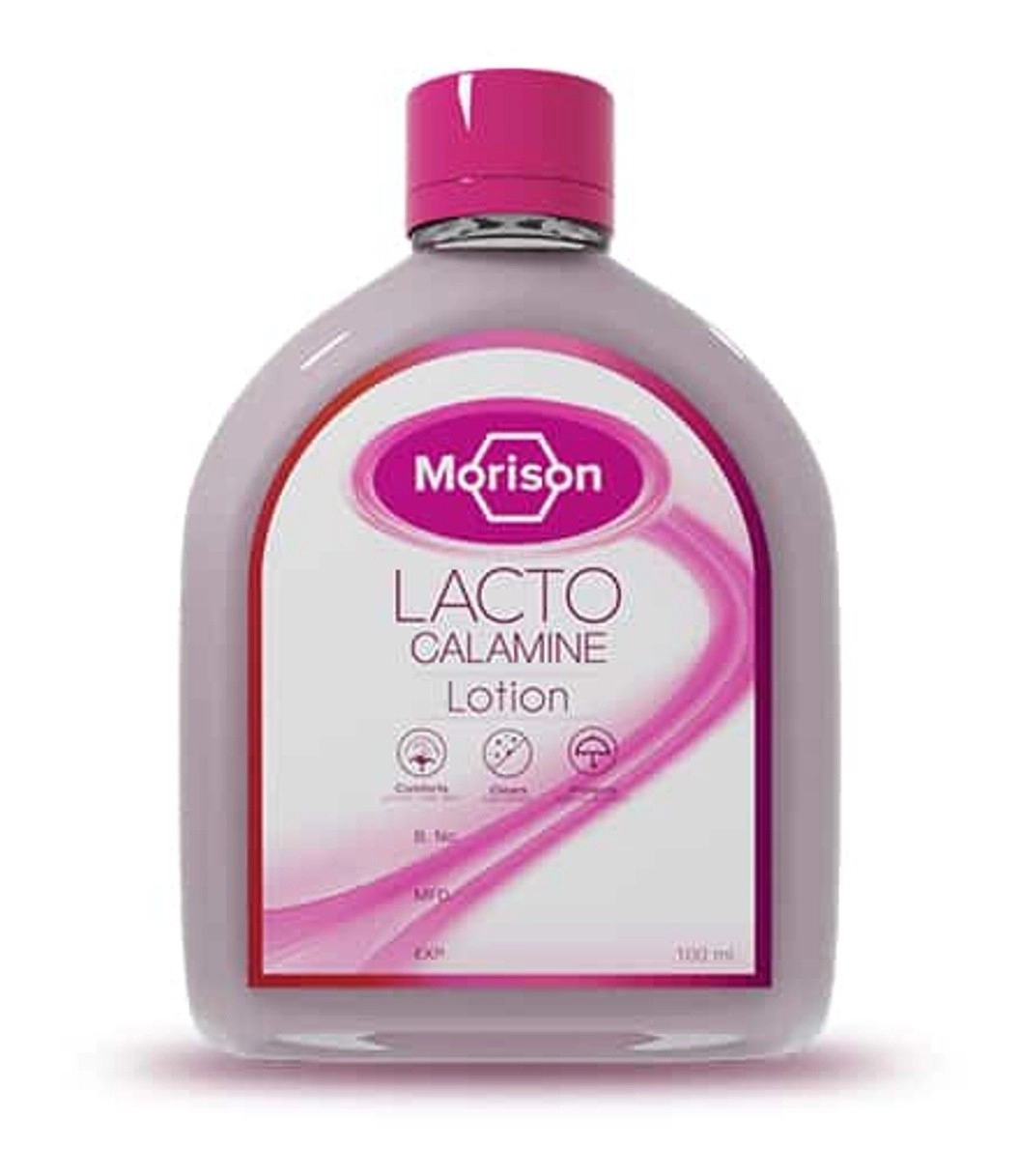
Morrson PLC Lacto Calamine - Ingredient Explanation
Other Names: Aqua; H2O; Eau; Aqueous; Acqua
Function: Solvent
1. Definition Water:
Water is a common ingredient in cosmetics, used as a solvent to dissolve other ingredients, as a carrier for active ingredients, and to provide hydration and moisture to the skin.
2. Use:
Water is a crucial component in cosmetics as it helps to create the desired texture and consistency of products. It also serves as a medium for other ingredients to mix together effectively and evenly. Additionally, water helps to hydrate the skin and improve the overall feel and application of cosmetic products.
3. Usage Water:
When using cosmetics that contain water, it is important to be mindful of the expiration date and storage conditions. Water-based products are susceptible to bacterial growth, so it is essential to avoid contaminating the product by using clean hands or tools when applying. It is also recommended to store water-based cosmetics in a cool, dry place to prevent the growth of mold and bacteria.
4. References:
- Draelos, Z. D. (2010). Cosmetic dermatology: products and procedures. John Wiley & Sons.
- Winter, R. (2009). A consumer's dictionary of cosmetic ingredients: complete information about the harmful and desirable ingredients found in cosmetics and cosmeceuticals. Crown.
- Begoun, P. (2003). Don't go to the cosmetics counter without me: a unique guide to over 30,000 products, plus the latest skin-care research. Beginning Press.
Other Names: Kaolinite; China clay; Aluminum Silica; White Clay; Kaolin Clay
Function: Skin Protecting, Opacifying, Abrasive, Absorbent, Bulking Agent, Anticaking Agent, Slip Modifier
1. Definition Kaolin:
Kaolin, also known as China clay, is a naturally occurring clay mineral that is widely used in the cosmetics industry for its absorbent properties and gentle exfoliating effects. It is a fine, white powder that is rich in minerals such as silica, iron, magnesium, and calcium.
2. Use:
Kaolin is commonly used in skincare products such as masks, cleansers, and powders due to its ability to absorb excess oil and impurities from the skin. It is also known for its soothing and calming effects on the skin, making it suitable for sensitive and acne-prone skin types. Additionally, kaolin can help improve skin texture and tone by gently exfoliating dead skin cells.
3. Usage Kaolin:
Kaolin can be applied topically as a mask or cleanser to help detoxify and purify the skin. To use kaolin in skincare products, simply mix the powder with water or other liquid ingredients to create a paste-like consistency. Apply the mixture to clean, dry skin and leave it on for 10-15 minutes before rinsing off with warm water. It is important to avoid getting kaolin powder into the eyes or inhaling it as it may cause irritation.
4. References:
- Dweck, A. C. (2012). Formulating with kaolin. Personal Care Magazine, 9(3), 25-28.
- Williams, L. B., & Haydel, S. E. (2010). Evaluation of the medicinal use of clay minerals as antibacterial agents. International Geology Review, 52(7/8), 745-770.
- Lin, Y. C., & Lin, J. H. (2008). Kaolin and its industrial uses. Journal of the Chinese Ceramic Society, 36(6), 805-811.
Other Names: hamamelis; hamanelis; hamamelis virginiana; Witch Hazel
1. Definition Hamamelis Virginiana (Witch Hazel):
Hamamelis Virginiana, commonly known as Witch Hazel, is a plant native to North America that has been used for centuries for its medicinal properties. Witch Hazel extract is derived from the leaves and bark of the plant and is known for its astringent, anti-inflammatory, and antioxidant properties.
2. Use:
Witch Hazel is commonly used in cosmetics for its ability to tighten and tone the skin, reduce inflammation, and minimize the appearance of pores. It is often found in toners, cleansers, and moisturizers for its soothing and clarifying effects on the skin. Witch Hazel is also used in hair care products to help balance oil production and promote a healthy scalp.
3. Usage Hamamelis Virginiana (Witch Hazel):
Witch Hazel can be applied topically to the skin using a cotton pad or as an ingredient in skincare products. It is generally safe for most skin types, but it is recommended to do a patch test before using it on the face or body to check for any allergic reactions. Witch Hazel should not be ingested and should be kept out of reach of children.
4. References:
- Chevallier, Andrew. Encyclopedia of Herbal Medicine: The Definitive Home Reference Guide to 550 Key Herbs with all their Uses as Remedies for Common Ailments. DK Publishing, 2016.
- Duke, James A., and Mary Jo Bogenschutz-Godwin. Handbook of Medicinal Herbs, Second Edition. CRC Press, 2002.
- Reuter, J., et al. "Investigations on the anti-inflammatory activity of a herbal drug combination of stinging nettle herb, couch grass root and witch hazel leaves." Phytomedicine 10.8 (2003): 700-708.
Other Names: Castor Oil; Ricinus Communis Oil; Ricinus Communis Seed Oil
1. Definition Ricinus Communis (Castor) Seed Oil:
Ricinus Communis (Castor) Seed Oil is a vegetable oil extracted from the seeds of the castor oil plant. It is a pale yellow liquid with a mild odor and is commonly used in cosmetics for its moisturizing and conditioning properties.
2. Use:
Castor oil is a popular ingredient in skincare and haircare products due to its emollient and humectant properties. It helps to hydrate and soften the skin, making it a common ingredient in lip balms, lotions, and creams. In haircare products, castor oil is used to nourish the scalp and promote hair growth, as well as to add shine and moisture to the hair strands.
3. Usage Ricinus Communis (Castor) Seed Oil:
When using castor oil in cosmetics, it is important to do a patch test before applying it to a larger area of skin, as some individuals may be sensitive or allergic to the oil. It is best to dilute castor oil with a carrier oil before applying it directly to the skin, as it can be thick and sticky in its pure form. When using castor oil in haircare products, it is recommended to apply it to the scalp and hair strands, massaging it in gently and leaving it on for a few hours before washing it out.
4. References:
- Park, H. M., & Cho, J. H. (2018). Ricinus communis L. (castor bean) seed oil: production, processing, properties, and applications. Journal of the American Oil Chemists' Society, 95(11), 1377-1388.
- Vieira, C., et al. (2018). Ricinus communis L. (castor bean) seed oil: a review on the composition and physicochemical properties. Journal of the American Oil Chemists' Society, 95(1), 1-10.
- Reis, F. S., et al. (2016). Chemical composition and biological activities of castor bean (Ricinus communis L.) seed oil: a review. Journal of the American Oil Chemists' Society, 93(3), 291-303.
Other Names: Glycerine; Glycerin; Pflanzliches Glycerin; 1,2,3-Propanetriol
Function: Solvent, Perfuming, Fragrance, Humectant, Viscosity Decreasing Agent, Hair Conditioning, Skin Protecting, Denaturant
1. Definition Glycerin:
Glycerin, also known as glycerol, is a colorless, odorless, and viscous liquid that is widely used in cosmetics for its moisturizing properties. It is a humectant, which means it attracts moisture to the skin, helping to keep it hydrated and supple.
2. Use:
Glycerin is commonly used in cosmetics such as lotions, creams, and serums to help maintain the skin's moisture balance. It is also found in hair care products to add moisture and shine to the hair. Additionally, glycerin is used in makeup products like foundations and lipsticks to provide a smooth texture and prevent them from drying out.
3. Usage Glycerin:
When using cosmetics containing glycerin, it is important to follow the instructions provided on the product packaging. Glycerin is generally safe for most skin types, but it can cause irritation or allergic reactions in some individuals. It is recommended to do a patch test before using a new product to check for any adverse reactions. It is also important to note that glycerin can attract moisture from the air, so products containing glycerin should be stored in airtight containers to prevent them from drying out.
4. References:
- Draelos, Z. D. (2010). Cosmetic Formulation of Skin Care Products. John Wiley & Sons.
- Loden, M., & Maibach, H. I. (2006). Dry Skin and Moisturizers: Chemistry and Function. CRC Press.
- Winter, R. (2009). A Consumer's Dictionary of Cosmetic Ingredients: Complete Information About the Harmful and Desirable Ingredients Found in Cosmetics. Harmony.
Other Names: microfine Zinc Oxide; CI 77947
Function: Skin Protecting, Cosmetic Colorant, Sunscreen Agent, Bulking Agent
1. Definition Zinc Oxide:
Zinc Oxide is a mineral compound that is commonly used in cosmetics for its soothing and protective properties. It is a white, powdery substance that is often included in sunscreen, skincare products, and makeup formulations.
2. Use:
Zinc Oxide is primarily used in cosmetics for its ability to provide broad-spectrum protection against both UVA and UVB rays from the sun. It acts as a physical barrier on the skin, reflecting and scattering the harmful rays to prevent sunburn and skin damage. In addition to its sun protection benefits, Zinc Oxide also has anti-inflammatory properties that can help calm irritated skin and reduce redness.
3. Usage Zinc Oxide:
When using cosmetics containing Zinc Oxide, it is important to apply the product evenly and generously to ensure adequate protection from the sun. Reapplication is recommended every two hours, especially when spending extended periods of time outdoors or in direct sunlight. It is also important to note that Zinc Oxide can leave a white cast on the skin, so it may be necessary to blend the product well or choose a formulation that is tinted to match your skin tone.
4. References:
- Draelos, Z. D. (2010). Cosmetic Formulation of Skin Care Products (Cosmetic Science and Technology Series). CRC Press.
- Wang, S. Q., & Lim, H. W. (2007). Current status of the sunscreen regulation in the United States: 2011 Food and Drug Administration's final rule on labeling and effectiveness testing. Journal of the American Academy of Dermatology, 66(3), 489-496.
- Nasir, A., Kalam, A., Singh, P., & Sharma, K. (2019). Zinc oxide nanoparticles: a review of their biological synthesis, antimicrobial activity, uptake, translocation and biotransformation in plants. Journal of Materials Science, 54(2), 1016-1042.
Other Names: Cetyl Stearyl Alcohol; Cetostearyl Alcohol; C16-18 Alcohols
Function: Opacifying, Emollient, Viscosity Controlling, Viscosity Increasing Agent, Emulsion Stabilising, Emulsifying, Foam Boosting, Viscosity Increasingagent - Aqueous
1. Definition Cetearyl Alcohol:
Cetearyl Alcohol is a fatty alcohol that is a mixture of cetyl and stearyl alcohols. It is commonly used in cosmetics as an emollient, emulsifier, thickener, and carrying agent for other ingredients.
2. Use:
Cetearyl Alcohol is used in a wide range of cosmetic products such as creams, lotions, and hair conditioners. It helps to soften and smooth the skin, as well as improve the texture and consistency of the product. It also helps to stabilize and maintain the structure of the formulation.
3. Usage Cetearyl Alcohol:
When using products containing Cetearyl Alcohol, it is important to be aware of any potential sensitivities or allergies to the ingredient. Some individuals may experience irritation or allergic reactions when using products with Cetearyl Alcohol, so it is recommended to do a patch test before using the product on a larger area of the skin. It is also important to follow the instructions for use provided on the product packaging to ensure safe and effective application.
4. References:
- "Cetearyl Alcohol" by Paula Begoun, Cosmetics Cop, https://www.paulaschoice.com/ingredient-dictionary/emollients/cetearyl-alcohol.html
- "Cetearyl Alcohol in Cosmetics: Safe or Harmful?" by Dr. Anvita Arora, Dermatologist, https://www.dranvitaarora.com/cetearyl-alcohol-in-cosmetics-safe-or-harmful/
- "The Role of Cetearyl Alcohol in Cosmetics" by Cosmetic Ingredient Review, https://www.cir-safety.org/sites/default/files/cetearylcir.pdf
Other Names: Tween 60; POE (20) Sorbitan monostearate; Polyoxyethylene (20) sorbitan monostearate
Function: Emulsifying, Surfactant
1. Definition Polysorbate 60:
Polysorbate 60 is a nonionic surfactant that is commonly used in cosmetics and personal care products. It is a yellowish liquid that is derived from sorbitol and oleic acid.
2. Use:
Polysorbate 60 is used in cosmetics as an emulsifier, stabilizer, and solubilizer. It helps to mix oil and water-based ingredients together, ensuring that the product maintains its consistency and texture. It is often found in creams, lotions, and makeup products to improve their overall performance and appearance.
3. Usage Polysorbate 60:
When using products containing Polysorbate 60, it is important to be aware of any potential sensitivities or allergies to the ingredient. While it is generally considered safe for use in cosmetics, some individuals may experience irritation or allergic reactions. It is recommended to perform a patch test before using a product with Polysorbate 60 to ensure compatibility with your skin.
4. References:
- "Polysorbate 60." Cosmetics Info, www.cosmeticsinfo.org/ingredient/polysorbate-60.
- "Polysorbate 60." Truth In Aging, www.truthinaging.com/ingredients/polysorbate-60.
- "Polysorbate 60." The Derm Review, www.thedermreview.com/polysorbate-60/.
Function: Solvent, Humectant, Binding Agent
1. Definition Peg 150:
Peg 150 is a polyethylene glycol (PEG) compound that is commonly used in cosmetics as an emulsifier, surfactant, and solvent. It is a water-soluble ingredient that helps to create stable mixtures of oil and water in cosmetic products.
2. Use:
Peg 150 is used in a wide range of cosmetic products, including creams, lotions, shampoos, and conditioners. It helps to improve the texture and consistency of these products, making them easier to apply and spread on the skin or hair. Peg 150 also helps to enhance the overall performance of the product by ensuring that the active ingredients are evenly distributed and absorbed by the skin.
3. Usage Peg 150:
When using cosmetic products containing Peg 150, it is important to follow the instructions provided on the product packaging. It is generally considered safe for use in cosmetics, but some individuals may be sensitive or allergic to PEG compounds. If you experience any irritation or adverse reactions while using a product containing Peg 150, discontinue use and consult a dermatologist.
4. References:
- Cosmetic Ingredient Review Expert Panel. Final report on the safety assessment of PEG-150 distearate, PEG-150 stearate, PEG-150 distearate, PEG-150 stearate, and PEG-150 distearate. International Journal of Toxicology. 2003; 22(Suppl 2): 1-18.
- Klaassen CD, Watkins JB. Casarett & Doull's Essentials of Toxicology. McGraw-Hill Education; 2015.
- Loden M. The clinical benefit of moisturizers. Journal of the European Academy of Dermatology and Venereology. 2005; 19(6): 672-688.
Ingredient data is being updated. Please check back later.
Function: Surfactant, Emulsifying, Sufactant
1. Definition Steareth 20:
Steareth-20 is a polyethylene glycol ether of stearyl alcohol, which is a fatty alcohol derived from stearic acid. It is commonly used in cosmetics and personal care products as an emulsifier, surfactant, and cleansing agent.
2. Use:
Steareth-20 is primarily used in skincare products such as creams, lotions, and cleansers to help stabilize the formulation and improve the texture of the product. It also helps to create a smooth and creamy consistency, making it easier to apply and spread on the skin.
3. Usage Steareth 20:
When using products containing Steareth-20, it is important to follow the manufacturer's instructions and guidelines. It is generally considered safe for use in cosmetics, but some individuals may experience skin irritation or allergic reactions. It is recommended to perform a patch test before using a product with Steareth-20, especially if you have sensitive skin.
Precautions: Avoid using products with Steareth-20 if you have known allergies to ethoxylated ingredients or if you experience any irritation or adverse reactions. Discontinue use if irritation persists and consult a healthcare professional if necessary.
4. References:
- "Steareth-20" in Cosmetics Info, https://cosmeticsinfo.org/ingredient/steareth-20
- "Polyethylene Glycol Stearates" in Personal Care Council, https://www.personalcarecouncil.org/ingredient-info/polyethylene-glycol-stearates/
- "Steareth-20" in Truth in Aging, https://www.truthinaging.com/ingredients/steareth-20
Function: Skin Protecting, Opacifying
1. Definition Zinc Carbonate:
Zinc Carbonate is a white, odorless, and tasteless powder that is commonly used in cosmetics as a colorant and skin protectant. It is a mineral-based compound that is formed by the reaction of zinc oxide with carbon dioxide.
2. Use:
Zinc Carbonate is primarily used in cosmetics as a pigment to provide a white color to products such as powders, foundations, and creams. It is also used as a skin protectant due to its soothing and calming properties, making it ideal for sensitive or irritated skin.
3. Usage Zinc Carbonate:
When using Zinc Carbonate in cosmetics, it is important to follow the recommended guidelines and usage levels provided by the manufacturer. It should be incorporated into formulations carefully to ensure even distribution and proper color payoff. Precautions should be taken to avoid inhaling the powder or getting it in contact with the eyes or mucous membranes.
4. References:
- "Zinc Carbonate." Cosmetics Info, www.cosmeticsinfo.org/ingredient/zinc-carbonate.
- "Zinc Carbonate." Personal Care Council, www.personalcarecouncil.org/ingredient/zinc-carbonate/.
- "Zinc Carbonate in Cosmetics." The Derm Review, www.thedermreview.com/zinc-carbonate/.
Other Names: Carbolic acid
Function: Fragrance, Antimicrobial Agent, Cosmetic Biocide, Denaturant , Preservative, Deodorant, Exfoliant, Externalanalgesic
1. Definition Phenol:
Phenol, also known as carbolic acid, is a chemical compound that is commonly used in cosmetics for its antiseptic and exfoliating properties. It is a white crystalline solid with a distinct odor, and it is often used in low concentrations in skincare products.
2. Use:
Phenol is used in cosmetics for its ability to kill bacteria and other microorganisms on the skin, making it a popular ingredient in acne treatments and antiseptic cleansers. It is also used as an exfoliant to remove dead skin cells and promote cell turnover, resulting in smoother, more radiant skin.
3. Usage Phenol:
When using cosmetics containing phenol, it is important to follow the instructions provided on the product packaging. Phenol can be irritating to the skin, especially in high concentrations, so it is recommended to do a patch test before using it on a larger area of the skin. It is also important to avoid using phenol-containing products near the eyes, mouth, or other mucous membranes to prevent irritation or adverse reactions.
4. References:
- Draelos, Zoe Diana. "Cosmetic Formulation of Skin Care Products." John Wiley & Sons, 2015.
- Winter, Ruth A. "A Consumer's Dictionary of Cosmetic Ingredients." Three Rivers Press, 2009.
- Baumann, Leslie. "Cosmeceuticals and Cosmetic Ingredients." McGraw-Hill Education, 2015.
Other Names: SLS; Sodium Lauryl Sulphate; Sodium Dodecyl Sulphate; Sodium Dodecyl Sulfate; Akyposal SDS; A13-00356; Aquarex ME; Aquarex methyl; Sulfuric acid monododecyl ester sodium salt
Function: Denaturant , Emulsifying, Surfactant, Cleansing, Foaming
1. Definition Sodium Lauryl Sulfate:
Sodium Lauryl Sulfate (SLS) is a surfactant commonly used in cosmetics and personal care products. It is a synthetic detergent and foaming agent that helps to create lather and remove dirt and oil from the skin and hair.
2. Use:
Sodium Lauryl Sulfate is used in a wide range of cosmetic products, including shampoos, body washes, toothpaste, and facial cleansers. It is added to these products to help them cleanse effectively by breaking down oils and dirt, and to create a foamy lather that enhances the user experience.
3. Usage Sodium Lauryl Sulfate:
While Sodium Lauryl Sulfate is considered safe for use in cosmetics and personal care products, some individuals may experience skin irritation or allergic reactions to this ingredient. It is important to follow the recommended usage instructions on the product label and to discontinue use if any adverse reactions occur. Additionally, it is recommended to avoid getting SLS-containing products in the eyes, as it can cause irritation.
4. References:
- National Center for Biotechnology Information. PubChem Compound Summary for CID 3423265, Sodium lauryl sulfate. https://pubchem.ncbi.nlm.nih.gov/compound/Sodium-lauryl-sulfate
- Environmental Working Group. Sodium Lauryl Sulfate. https://www.ewg.org/skindeep/ingredients/706089-SODIUM_LAURYL_SULFATE/
- U.S. Food and Drug Administration. Code of Federal Regulations Title 21, Section 310.545 Sodium lauryl sulfate. https://www.accessdata.fda.gov/scripts/cdrh/cfdocs/cfcfr/CFRSearch.cfm?fr=310.545
Other Names: natri benzoat
Function: Masking, Fragrance, Preservative, Anticorrosive
1. Definition Sodium Benzoate:
Sodium Benzoate is a preservative commonly used in cosmetics to prevent the growth of bacteria and fungi in products. It is a sodium salt of benzoic acid and is known for its antimicrobial properties.
2. Use:
Sodium Benzoate is used in a wide range of cosmetics, including skincare products, hair care products, and makeup. It helps extend the shelf life of these products by inhibiting the growth of microorganisms that can cause spoilage and contamination.
3. Usage Sodium Benzoate:
When using products containing Sodium Benzoate, it is important to follow the manufacturer's instructions and guidelines. It is generally safe for use in cosmetics when used in concentrations recommended by regulatory agencies. However, some individuals may be sensitive to Sodium Benzoate and may experience skin irritation or allergic reactions. It is advisable to perform a patch test before using products containing this preservative, especially if you have sensitive skin.
4. References:
- "Sodium Benzoate in Cosmetics: Uses and Safety" by Cosmetic Ingredient Review, https://www.cir-safety.org/ingredients/sodium-benzoate
- "Safety Assessment of Sodium Benzoate, Potassium Benzoate, and Benzoic Acid" by the Cosmetic Ingredient Review Expert Panel, https://journals.sagepub.com/doi/abs/10.1177/1091581815591024
- "Preservatives in Cosmetics" by the U.S. Food and Drug Administration, https://www.fda.gov/cosmetics/cosmetic-ingredients/preservatives-cosmetics
Other Names: Iron Oxide; Ferric Oxide; Iron Oxides (CI 77491, CI 77492, CI 77499); Ferrous oxide
Function: Colorant, Cosmetic Colorant
1. Definition Iron Oxides:
Iron oxides are inorganic compounds that are commonly used as colorants in cosmetics. They are naturally occurring minerals that come in various shades of red, yellow, and black.
2. Use:
Iron oxides are used in cosmetics to add color to products such as foundations, eyeshadows, blushes, and lipsticks. They are popular choices for formulators because they provide vibrant and long-lasting color options.
3. Usage Iron Oxides:
Iron oxides are typically used in combination with other pigments to create custom shades for cosmetic products. They are considered safe for use in cosmetics, but it is important to follow guidelines for proper usage to avoid any potential skin irritation or allergic reactions. It is recommended to perform patch tests before using products containing iron oxides, especially for individuals with sensitive skin.
4. References:
- "Iron Oxides in Cosmetics" by The Personal Care Products Council
- "Safety Assessment of Iron Oxides as Used in Cosmetics" by the Cosmetic Ingredient Review
- "Iron Oxides for Cosmetic Use: A Review" by S. B. Chavan and A. R. Bhamare
Other Names: Fragance; Fragrances; Perfumery; Flavor; Aroma; Fragrance; Perfume
Function: Masking, Perfuming, Deodorant
1. Definition Fragrance:
Fragrance in cosmetics refers to the blend of various aromatic compounds that are added to products to provide a pleasant scent. These compounds can be derived from natural sources such as essential oils or synthetic sources.
2. Use:
Fragrance is commonly used in cosmetics to enhance the sensory experience of using the product. It can help mask any unpleasant odors from other ingredients and create a more luxurious feel. Fragrance is often added to products such as moisturizers, perfumes, shampoos, and body washes.
3. Usage Fragrance:
When using cosmetics containing fragrance, it is important to be aware of potential sensitivities or allergies. Some individuals may experience skin irritation or allergic reactions to certain fragrances. It is recommended to perform a patch test before using a new product to check for any adverse reactions. Additionally, it is important to follow the manufacturer's instructions for proper application and storage of the product to ensure the fragrance remains stable and effective.
4. References:
- Steinemann, A. (2019). Fragranced consumer products: exposures and effects from emissions. Air Quality, Atmosphere & Health, 12(6), 643-645.
- Lachenmeier, D. W., & Haltner, E. (2019). Fragrance allergens in household cleaning products. Environmental Science and Pollution Research, 26(15), 15145-15147.
- Basketter, D. A., & Angelini, G. (2019). Fragrance allergens in fine fragrances and cosmetics. Contact Dermatitis, 80(3), 145-147.