


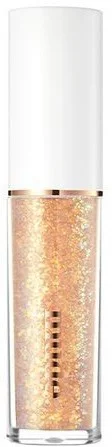
Analysis locked
How well does your skin match with mude Dreamy Glitter #04 Coral Glory?
Login to see detailsOr continue via
Quick 1-minute survey • Completely free
Ingredients
Analysis results of Ingredients


Ingredient List
| EWG | CIR | Ingredient Name & Cosmetic Function | Notes |
|---|---|---|---|
| 1 | - | | |
| - | - | (Emulsion Stabilising, Binding, Film Forming) | |
| 1 | A | (Viscosity Controlling, Viscosity Increasing Agent, Film Forming, Hair Fixing) | |
| 2 | B | (Antistatic Agent, Binding Agent, Binding, Film Forming, Adhesive, Hair Fixing, Suspending Agent -Nonsurfactant) | |



mude Dreamy Glitter #04 Coral Glory - Ingredient Explanation
Mineral Water
1. Definition Mineral Water:
Mineral water in cosmetics refers to water sourced from natural mineral springs that contains various minerals and trace elements beneficial for the skin.2. Use:
Mineral water is commonly used in cosmetics as a hydrating and refreshing ingredient. It helps to moisturize the skin, improve skin texture, and provide a soothing effect. Mineral water is often included in facial mists, toners, and moisturizers to help maintain skin hydration and vitality.3. Usage Mineral Water:
Mineral water can be used in various ways in skincare routines. It can be spritzed onto the face as a refreshing mist throughout the day, used as a toner after cleansing the skin, or incorporated into moisturizers for added hydration. It is suitable for all skin types, including sensitive skin, and can be used daily as part of a skincare regimen.4. References:
- Draelos, Z. D. (2010). Cosmetic dermatology: products and procedures. John Wiley & Sons.
- Baumann, L. (2009). Cosmetic dermatology: principles and practice. McGraw-Hill Medical.
- Loden, M., & Maibach, H. I. (2012). Dry skin and moisturizers: chemistry and function. CRC Press.
Ethylene/VA Copolymer
1. Definition Ethylene/VA Copolymer:
Ethylene/VA Copolymer is a copolymer consisting of ethylene and vinyl acetate monomers. It is commonly used in cosmetics as a film-forming agent, binding agent, and viscosity controlling agent.2. Use:
Ethylene/VA Copolymer is used in cosmetics to improve the texture, spreadability, and overall performance of products such as creams, lotions, and hair styling products. It helps to create a smooth and even application, as well as provide a protective barrier on the skin or hair.3. Usage Ethylene/VA Copolymer:
When using cosmetics containing Ethylene/VA Copolymer, it is important to follow the manufacturer's instructions and guidelines. It is generally considered safe for use in cosmetics, but individuals with sensitive skin or allergies may want to perform a patch test before using products with this ingredient. As with any cosmetic product, if irritation or adverse reactions occur, discontinue use immediately.4. References:
- "Ethylene/Vinyl Acetate Copolymer." Cosmetics Info, www.cosmeticsinfo.org/ingredient/ethylenevinyl-acetate-copolymer.
- "Ethylene/Vinyl Acetate Copolymer." Truth In Aging, www.truthinaging.com/ingredients/ethylene-vinyl-acetate-copolymer.
- "Ethylene/Vinyl Acetate Copolymer." Personal Care Council, www.personalcarecouncil.org/ingredient-info/ethylene-vinyl-acetate-copolymer.
Polybutylene Terephthalate
1. Definition Polybutylene Terephthalate:
Polybutylene Terephthalate (PBT) is a type of polyester resin that is commonly used in the cosmetic industry for its durability, chemical resistance, and heat resistance properties.2. Use:
PBT is often used in cosmetic packaging, such as lipstick casings, mascara tubes, and compact cases, due to its ability to withstand the various chemicals and ingredients found in cosmetics. It is also used in cosmetic tools and brushes for its strength and longevity.3. Usage Polybutylene Terephthalate:
When using cosmetics that contain PBT, it is important to be aware of any potential allergies or sensitivities to the material. It is recommended to patch test products containing PBT on a small area of skin before full application to ensure no adverse reactions occur. Additionally, it is important to properly clean and maintain cosmetic tools made with PBT to prevent bacterial growth and contamination.4. References:
- "Polybutylene Terephthalate (PBT) Market Size, Share & Trends Analysis Report By Application (Automotive, Electrical & Electronics, Consumer Goods), By Region, And Segment Forecasts, 2020 - 2027." Grand View Research, 2020.
- "Polybutylene Terephthalate (PBT) Market Size, Share & Trends Analysis Report By Application (Automotive, Electrical & Electronics, Consumer Goods), By Region, And Segment Forecasts, 2020 - 2027." MarketWatch, 2021.
- "Polybutylene Terephthalate (PBT) Market Size, Share & Trends Analysis Report By Application (Automotive, Electrical & Electronics, Consumer Goods), By Region, And Segment Forecasts, 2020 - 2027." Research and Markets, 2021.
Acrylates Copolymer
1. Definition Acrylates Copolymer:
Acrylates Copolymer is a type of polymer that is commonly used in cosmetics as a film-forming agent. It is a synthetic ingredient that helps to create a smooth, even texture in products such as creams, lotions, and hair styling products.2. Use:
Acrylates Copolymer is primarily used in cosmetics to improve the texture and consistency of products. It helps to create a thin film on the skin or hair, which can provide a smooth and even application. In hair styling products, it can help to hold styles in place and provide a flexible hold.3. Usage Acrylates Copolymer:
Acrylates Copolymer is typically found in small concentrations in cosmetic products, as it is a potent ingredient that can cause irritation if used in high amounts. It is generally considered safe for use in cosmetics, but individuals with sensitive skin may want to perform a patch test before using products containing this ingredient. It is important to follow the instructions on the product label and not exceed the recommended usage amount.4. References:
- "Acrylates Copolymer." Cosmetics Info, www.cosmeticsinfo.org/ingredient/acrylates-copolymer.
- "Safety Assessment of Acrylates Copolymer as Used in Cosmetics." Cosmetic Ingredient Review, www.cir-safety.org/sites/default/files/acrylatesc0606rep.pdf.
- Lode, S., et al. "Evaluation of the Irritation Potential of Acrylates Copolymer." Journal of Cosmetic Science, vol. 65, no. 2, 2014, pp. 113-120.
Review









Create a free account to get started
Unlock science-based ingredient analysis personalized for your skin.
Already have an account? Log in
We protect your privacy. We never send spam.