


Analysis locked
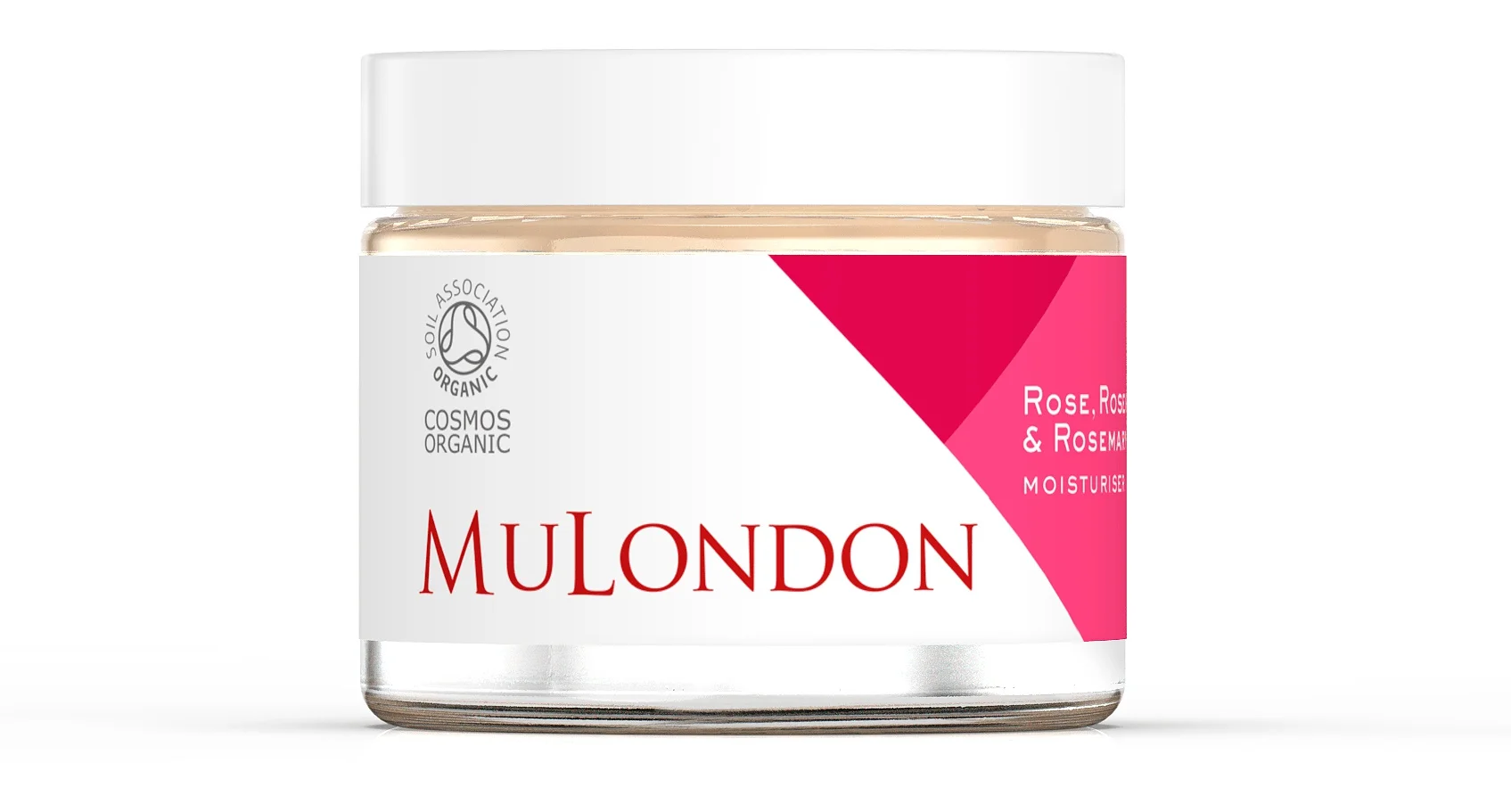
How well does your skin match with MuLondon Rose, Rosehip & Rosemary Moisturiser?
Login to see detailsOr continue via
Quick 1-minute survey • Completely free
Ingredients
Analysis results of Ingredients


Ingredient List
| EWG | CIR | Ingredient Name & Cosmetic Function | Notes |
|---|---|---|---|
| 1 | - | | |
| - | - | Cocos Nucifera [Coconut Butter]* | |
| 1 | A | (Hair Conditioning, Skin Conditioning, Emollient, Viscosity Controlling) |  |
| 3 | - | |
MuLondon Rose, Rosehip & Rosemary Moisturiser - Ingredient Explanation
Vitellaria Paradoxa (Shea Butter)
1. Definition Vitellaria Nilotica (East African Shea Butter):
Vitellaria Nilotica, also known as East African Shea Butter, is a natural fat extracted from the nuts of the Vitellaria Nilotica tree, which is native to East Africa. It is similar to the more commonly known West African Shea Butter but is considered to have a higher content of olein, making it softer and creamier in texture.2. Use:
Vitellaria Nilotica is widely used in cosmetics for its moisturizing and nourishing properties. It is rich in vitamins A and E, essential fatty acids, and antioxidants, making it a popular ingredient in skincare products such as lotions, creams, balms, and soaps. It is known to help improve skin elasticity, reduce inflammation, and protect the skin from environmental damage.3. Usage Vitellaria Nilotica (East African Shea Butter):
When using Vitellaria Nilotica in cosmetics, it is important to ensure that you are using a high-quality, unrefined product to maximize its benefits. It can be applied directly to the skin or hair as a moisturizer or used as an ingredient in DIY skincare recipes. It is generally safe for most skin types, but it is always recommended to do a patch test before using it on a larger area to check for any allergic reactions.4. References:
- Tchokponhoue DA, Oumorou M, Houssou P, et al. Chemical composition and physicochemical characteristics of Vitellaria paradoxa butter from Benin. Food Sci Nutr. 2018;6(1):236-242. doi:10.1002/fsn3.545
- Maranz S, Wiesman Z. Influence of climate on the tocopherol content of shea butter. J Agric Food Chem. 2004;52(9):2934-2937. doi:10.1021/jf035487l
- Nour A, El-Hadary A, El-Lakany A. Formulation and evaluation of anti-wrinkle cream with shea butter and its in vivo efficacy on skin elasticity improvement. J Cosmet Dermatol. 2018;17(2):207-216. doi:10.1111/jocd.12528
Cocos Nucifera [Coconut Butter]*
Ingredient data is being updated. Please check back later.
Simmondsia Chinensis (Jojoba) Seed Oil
1. Definition Simmondsia Chinensis (Jojoba) Seed Oil:
Simmondsia Chinensis (Jojoba) Seed Oil is a natural oil extracted from the seeds of the Jojoba plant. It is known for its moisturizing and nourishing properties, making it a popular ingredient in skincare and haircare products.2. Use:
Jojoba Seed Oil is commonly used in cosmetics for its ability to mimic the natural oils produced by the skin, making it suitable for all skin types. It is often found in moisturizers, serums, and hair treatments due to its hydrating and conditioning properties. Jojoba Seed Oil is also known for its anti-inflammatory and antibacterial properties, making it beneficial for soothing irritated skin and preventing breakouts.3. Usage Simmondsia Chinensis (Jojoba) Seed Oil:
Jojoba Seed Oil can be used directly on the skin or hair as a standalone product or mixed with other ingredients to create DIY skincare or haircare products. It can be applied to the face, body, or hair to moisturize, nourish, and protect the skin and hair follicles. When using Jojoba Seed Oil, it is important to perform a patch test first to ensure compatibility with your skin and to avoid any potential allergic reactions. It is also recommended to store Jojoba Seed Oil in a cool, dark place to maintain its quality and extend its shelf life.4. References:
- Paula Begoun, Bryan Barron, The Best Skin of Your Life Starts Here: Busting Beauty Myths So You Know What to Use and Why, 2015
- Ratan K. Choudhary, Avinash Kumar, Om Prakash, Mahendra Singh, Handbook of Medicinal Plants: Utilisation and Conservation, 2018
- Jennifer Peace Rhind, Fragrance and Wellbeing: Plant Aromatics and Their Influence on the Psyche, 2013
Rosa Damascena [Rose Otto] Essential Oil*
1. Definition Rosa Damascena (Rose) Oil:
Rosa Damascena (Rose) Oil is a highly concentrated essential oil derived from the petals of the Damask Rose. It is known for its sweet, floral scent and numerous skincare benefits.2. Use:
Rose oil is commonly used in cosmetics for its hydrating, soothing, and anti-inflammatory properties. It is often found in skincare products such as moisturizers, serums, and masks. Rose oil is also used in perfumes for its pleasant aroma.3. Usage Rosa Damascena (Rose) Oil:
When using products containing Rose Oil, it is important to do a patch test first to check for any allergic reactions. It is recommended to dilute the oil with a carrier oil before applying it directly to the skin. Rose oil can be applied topically to the face, body, and hair for moisturizing and calming effects. It can also be added to baths for a luxurious and aromatic experience.4. References:
- Baser, K. H. C., Buchbauer, G., & Kirimer, N. (2011). Rose oil: Source, production, and composition. In Handbook of Essential Oils (pp. 469-495). CRC Press.
- Boskabady, M. H., Shafei, M. N., Saberi, Z., & Amini, S. (2011). Pharmacological effects of Rosa damascena. Iranian Journal of Basic Medical Sciences, 14(4), 295–307.
- Hongratanaworakit, T. (2010). Relaxing effects of rose oil on humans. Natural Product Communications, 5(1), 157-162.
Review

Didn't find
the information you need?










Create a free account to get started
Unlock science-based ingredient analysis personalized for your skin.
Already have an account? Log in
We protect your privacy. We never send spam.