


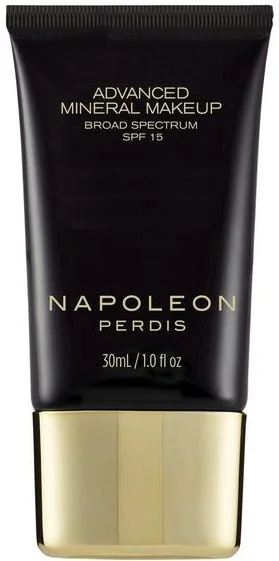
Analysis locked
How well does your skin match with Napoleon Perdis Advanced Mineral Makeup?
Login to see detailsOr continue via
Quick 1-minute survey • Completely free
Ingredients
Analysis results of Ingredients


Ingredient List
| EWG | CIR | Ingredient Name & Cosmetic Function | Notes |
|---|---|---|---|
| 1 3 | - | (Cosmetic Colorant, Uv Absorber, Sunscreen Agent, Opacifying) | UV Protection  Good for sensitive skin Good for sensitive skin |
| 2 9 | - | (Skin Protecting, Cosmetic Colorant, Sunscreen Agent, Bulking Agent) | UV Protection  Good for oily skin Moisturizing Good for oily skin Moisturizing |
| 1 | - | (Solvent) | |
| 3 | A | (Solvent, Hair Conditioning, Skin Conditioning, Emollient) |  Silicone Silicone |
| 1 | A | (Solvent, Masking, Fragrance, Humectant, Skin Conditioning, Viscosity Controlling, Viscosity decreasing agents) |  Good for dry skin Good for dry skin |
| 3 | A | (Skin Conditioning, Surfactant, Hair Conditioning) | Cleansing |
| 1 | A | (Anticaking Agent) | |
| 1 | A | (Viscosity Controlling, Stabilising) | |
| 1 | B | (Skin Conditioning, Emollient, Surfactant, Emulsifying) |  Fungal Acne Trigger Cleansing Fungal Acne Trigger Cleansing |
| 3 | A | (Skin Conditioning, Surfactant, Emulsifying) | Cleansing |
| 1 | A | (Masking, Fragrance, Emulsion Stabilising, Emulsifying, Sufactant, Refatting) |  Bad for oily skin Fungal Acne Trigger Cleansing Bad for oily skin Fungal Acne Trigger Cleansing |
| 1 | A | (Humectant, Skin Protecting, Opacifying, Emollient, Viscosity Controlling) | Moisturizing |
| 1 | B | (Solvent, Skin Conditioning, Emollient, Viscosity Controlling) | Fungal Acne Trigger |
| 1 | A | (Viscosity Controlling, Emulsion Stabilising, Hair Fixing, Suspending Agent - Nonsurfactant, Viscosity Increasingagent - Nonaqueous) | |
| 1 | A | (Hair Conditioning, Skin Conditioning, Emollient, Refatting) | |
| 1 | A | (Solvent, Viscosity Decreasing Agent, Viscosity Controlling) | |
| 2 | A | (Skin Conditioning, Humectant, Hair Conditioning, Anticaking Agent) | |
| 9 | - | Good for dry skin Anti Aging | |
| 2 3 | A | (Skin Conditioning, Antioxidant) | Anti Aging |
| 1 | - | Good for dry skin Anti Aging | |
| 1 | - | (Skin Conditioning, Antioxidant) | Anti Aging Brightening |
| 1 | - | (Skin Conditioning) | |
| - | - | (Skin Conditioning) | |
| 1 | A | (Emollient, Hair Conditioning, Skin Protecting, Tonic) | Moisturizing |
| 1 | - | (Skin Conditioning) | |
| 1 | B | (Skin Conditioning, Tonic, Cleansing, Soothing, Smoothing) | Promotes Wound Healing Cleansing |
| 1 | A | (Humectant, Skin Conditioning) | Good for dry skin Promotes Wound Healing |
| 1 | - | (Opacifying, Cosmetic Colorant) | |
| 1 | - | (Bulking Agent) | |
| 1 | - | (Film Forming) | |
| 1 | A | (Emollient, Surfactant, Viscosity Increasing Agent, Emulsifying, Binding Agent, Skin-Conditioning Agent - Occlusive) | Fungal Acne Trigger Cleansing |
| 1 | B | (Emollient, Antifoaming Agent, Viscosity Controlling, Bulking Agent, Anticaking Agent, Emulsion Stabilising, Slip Modifier, Suspending Agent - Nonsurfactant, Viscosityincreasing Agent - Nonaqueous) | |
| 1 | - | (Hair Conditioning, Skin Conditioning, Antistatic Agent) | |
| 1 | - | (Hair Conditioning, Skin Conditioning) | |
| 1 | - | (Hair Conditioning) | |
| 2 | B | (Cosmetic Colorant, Opacifying) | |
| 1 | - | (Masking, Viscosity Controlling, Bulking Agent) | |
| 1 | - | (Viscosity Controlling) | |
| 1 | - | (Viscosity Controlling, Viscosity Increasing Agent) | Bad for oily skin |
| 2 4 | - | (Soothing, Cosmetic Astringent, Cosmetic Biocide) | |
| 1 | A | (Fragrance, Hair Conditioning, Skin Conditioning, Antistatic Agent) | |
| 1 | A | (Chelating Agent, Viscosity Controlling) | |
| 1 | A | (Preservative) | |
| 1 | - | (Binding Agent, Binding) | |
| 2 4 | A | (Fragrance, Preservative) | |
| 1 | A | (Humectant, Hair Conditioning, Skin Conditioning, Emollient) | |
| 1 | A | (Solvent) | |
| 1 3 | A | (Masking, Fragrance, Preservative, Anticorrosive) | |
| 2 | - | (Cosmetic Colorant, Opacifying) | |
| 2 | - | (Colorant, Cosmetic Colorant) | |
Napoleon Perdis Advanced Mineral Makeup - Ingredient Explanation
Titanium Dioxide
1. Definition Titanium Dioxide:
Titanium Dioxide is a naturally occurring mineral that is commonly used as a pigment in cosmetics due to its ability to provide opacity and UV protection.2. Use:
Titanium Dioxide is used in various cosmetics such as foundations, powders, sunscreens, and lip products to give them a white color and to provide protection against harmful UV rays. It is also used as a thickening agent in some formulations.3. Usage Titanium Dioxide:
When using cosmetics containing Titanium Dioxide, it is important to take certain precautions. Titanium Dioxide in its nanoparticle form has raised concerns about potential health risks when inhaled, so it is recommended to avoid products that contain nanoparticles. Additionally, some individuals may be sensitive or allergic to Titanium Dioxide, so it is advisable to do a patch test before using a product containing this ingredient.4. References:
- Lademann, J., Weigmann, H. J., Rickmeyer, C., Barthelmes, H., Schaefer, H., & Mueller, G. (1999). Penetration of titanium dioxide microparticles in a sunscreen formulation into the horny layer and the follicular orifice. Skin Pharmacology and Physiology, 12(5), 247-256.
- Tinkle, S. S., Antonini, J. M., Rich, B. A., Roberts, J. R., Salmen, R., DePree, K., ... & Adkins, E. J. (2003). Skin as a route of exposure and sensitization in chronic beryllium disease. Environmental Health Perspectives, 111(9), 1202-1208.
- Sadrieh, N., Wokovich, A. M., Gopee, N. V., Zheng, J., Haines, D., Parmiter, D., ... & Howard, P. C. (2010). Lack of significant dermal penetration of titanium dioxide from sunscreen formulations containing nano-and submicron-size TiO2 particles. Toxicological Sciences, 115(1), 156-166.
Zinc Oxide
1. Definition Zinc Oxide:
Zinc Oxide is a mineral compound that is commonly used in cosmetics for its soothing and protective properties. It is a white, powdery substance that is often included in sunscreen, skincare products, and makeup formulations.2. Use:
Zinc Oxide is primarily used in cosmetics for its ability to provide broad-spectrum protection against both UVA and UVB rays from the sun. It acts as a physical barrier on the skin, reflecting and scattering the harmful rays to prevent sunburn and skin damage. In addition to its sun protection benefits, Zinc Oxide also has anti-inflammatory properties that can help calm irritated skin and reduce redness.3. Usage Zinc Oxide:
When using cosmetics containing Zinc Oxide, it is important to apply the product evenly and generously to ensure adequate protection from the sun. Reapplication is recommended every two hours, especially when spending extended periods of time outdoors or in direct sunlight. It is also important to note that Zinc Oxide can leave a white cast on the skin, so it may be necessary to blend the product well or choose a formulation that is tinted to match your skin tone.4. References:
- Draelos, Z. D. (2010). Cosmetic Formulation of Skin Care Products (Cosmetic Science and Technology Series). CRC Press.
- Wang, S. Q., & Lim, H. W. (2007). Current status of the sunscreen regulation in the United States: 2011 Food and Drug Administration's final rule on labeling and effectiveness testing. Journal of the American Academy of Dermatology, 66(3), 489-496.
- Nasir, A., Kalam, A., Singh, P., & Sharma, K. (2019). Zinc oxide nanoparticles: a review of their biological synthesis, antimicrobial activity, uptake, translocation and biotransformation in plants. Journal of Materials Science, 54(2), 1016-1042.
Water
1. Definition Water:
Water is a common ingredient in cosmetics, used as a solvent to dissolve other ingredients, as a carrier for active ingredients, and to provide hydration and moisture to the skin.2. Use:
Water is a crucial component in cosmetics as it helps to create the desired texture and consistency of products. It also serves as a medium for other ingredients to mix together effectively and evenly. Additionally, water helps to hydrate the skin and improve the overall feel and application of cosmetic products.3. Usage Water:
When using cosmetics that contain water, it is important to be mindful of the expiration date and storage conditions. Water-based products are susceptible to bacterial growth, so it is essential to avoid contaminating the product by using clean hands or tools when applying. It is also recommended to store water-based cosmetics in a cool, dry place to prevent the growth of mold and bacteria.4. References:
- Draelos, Z. D. (2010). Cosmetic dermatology: products and procedures. John Wiley & Sons.
- Winter, R. (2009). A consumer's dictionary of cosmetic ingredients: complete information about the harmful and desirable ingredients found in cosmetics and cosmeceuticals. Crown.
- Begoun, P. (2003). Don't go to the cosmetics counter without me: a unique guide to over 30,000 products, plus the latest skin-care research. Beginning Press.
Cyclopentasiloxane
1. Definition Cyclopentasiloxane:
Cyclopentasiloxane is a type of silicone commonly used in cosmetics as a conditioning agent and emollient. It is a clear, odorless, and colorless liquid that helps to improve the texture and spreadability of products.2. Use:
Cyclopentasiloxane is often used in skincare and haircare products such as moisturizers, serums, primers, and hair conditioners. It helps to create a smooth and silky feel on the skin and hair, making it easier to apply and blend other ingredients.3. Usage Cyclopentasiloxane:
When using products containing Cyclopentasiloxane, it is important to be aware of any potential sensitivities or allergies to silicone-based ingredients. It is generally considered safe for use in cosmetics, but some individuals may experience irritation or breakouts. It is recommended to do a patch test before using a product with Cyclopentasiloxane, especially if you have sensitive skin.4. References:
- Ulery, B. D., Nair, L. S., & Laurencin, C. T. (2011). Biomedical applications of biodegradable polymers. Journal of Polymer Science Part B: Polymer Physics, 49(12), 832-864.
- Lefebvre, M. A., Pham, D. M., Boussouira, B., & Bernard, D. (2015). Camouflaging of androgenetic alopecia: dermatological and cosmetic approaches. Skin Research and Technology, 21(4), 219-227.
- Mavon, A., Miquel, C., Lejeune, O., Payre, B., & Moret, N. (2015). In vitro percutaneous absorption and in vivo stratum corneum distribution of an organic and a mineral sunscreen. Skin Pharmacology and Physiology, 28(5), 266-275.
Butylene Glycol
1. Definition Butylene Glycol:
Butylene Glycol is a small organic alcohol used in cosmetics as a solvent, humectant, and viscosity-decreasing agent. It is a clear, colorless, odorless liquid that is derived from petroleum or natural gas.2. Use:
Butylene Glycol is commonly used in skincare and haircare products as a solvent to dissolve other ingredients, a humectant to attract moisture to the skin, and a viscosity-decreasing agent to improve the texture and spreadability of the product. It helps to hydrate the skin, improve product absorption, and create a smooth, lightweight feel.3. Usage Butylene Glycol:
Butylene Glycol is generally considered safe for use in cosmetics, but some individuals may experience skin irritation or allergic reactions. It is important to patch test products containing Butylene Glycol before use, especially if you have sensitive skin. Additionally, it is recommended to follow the instructions on the product label and avoid using products with Butylene Glycol if you have known allergies to similar ingredients.4. References:
- Cosmetic Ingredient Review Expert Panel. (2001). Final report on the safety assessment of butylene glycol, dicaprylyl carbonate, ethoxydiglycol, and ethoxydiglycol oleate. International Journal of Toxicology, 20(Suppl 4), 61-75.
- National Center for Biotechnology Information. PubChem Compound Summary for CID 24856, Butylene Glycol. Retrieved from https://pubchem.ncbi.nlm.nih.gov/compound/Butylene-glycol
- Personal Care Products Council. (2017). Butylene Glycol. Retrieved from https://www.cosmeticsinfo.org/ingredient/butylene-glycol
Lauryl Peg 9 Polydimethylsiloxyethyl Dimethicone
1. Definition Lauryl Peg 9 Polydimethylsiloxyethyl Dimethicone:
Lauryl Peg 9 Polydimethylsiloxyethyl Dimethicone is a silicone-based polymer that is commonly used in cosmetics as a conditioning agent and emollient. It is a combination of lauryl PEG-9 polydimethylsiloxyethyl dimethicone, which is a water-soluble silicone surfactant, and lauryl dimethicone, a silicone-based emollient.2. Use:
Lauryl Peg 9 Polydimethylsiloxyethyl Dimethicone is used in cosmetics for its ability to provide a smooth and silky feel to the skin and hair. It is often found in products such as moisturizers, sunscreens, hair conditioners, and makeup primers. This ingredient helps to improve the spreadability of products and enhances the overall texture, making them easier to apply and more pleasant to use.3. Usage Lauryl Peg 9 Polydimethylsiloxyethyl Dimethicone:
When using products containing Lauryl Peg 9 Polydimethylsiloxyethyl Dimethicone, it is important to follow the manufacturer's instructions for application. This ingredient is generally considered safe for use in cosmetics, but individuals with sensitive skin may want to perform a patch test before using products containing this ingredient extensively. It is recommended to avoid contact with eyes and mucous membranes, and to discontinue use if irritation occurs.4. References:
- Kiremitçi T, Aytekin S, Gökçen A, et al. (2017). Comparative evaluation of the in vitro cytotoxic effects of three different cosmetic formulations. Cutaneous and Ocular Toxicology, 36(3): 235-239.
- Lodeiro C, Capelo JL, Oliveira E, et al. (2009). Determination of trace amounts of cyclopentasiloxane (D5) in cosmetic samples by headspace solid-phase microextraction and gas chromatography-mass spectrometry. Journal of Chromatography A, 1216(10): 1731-1736.
- Uchida T, Yoshida M, Goto M, et al. (2009). Analysis of cyclic and linear siloxanes in cosmetic products by gas chromatography-mass spectrometry. Journal of Chromatography A, 1216(10): 1737-1742.
Hdi/ Trimethylol Hexyllactone Crosspolymer
1. Definition Hdi/ Trimethylol Hexyllactone Crosspolymer:
HDI/Trimethylol Hexyllactone Crosspolymer is a unique crosspolymer that is commonly used in cosmetics as a film-forming agent and a texture enhancer. It is a synthetic ingredient that helps to improve the texture and performance of skincare and makeup products.2. Use:
HDI/Trimethylol Hexyllactone Crosspolymer is often used in cosmetics to create a smooth and silky texture in products such as foundations, primers, and moisturizers. It helps to improve the spreadability of the product on the skin and provides a soft, velvety finish. Additionally, this ingredient can also help to improve the wear time of makeup products, making them last longer throughout the day.3. Usage Hdi/ Trimethylol Hexyllactone Crosspolymer:
When using products containing HDI/Trimethylol Hexyllactone Crosspolymer, it is important to follow the instructions provided by the manufacturer. This ingredient is generally considered safe for use in cosmetics, but it is always recommended to perform a patch test before using a new product to check for any potential allergic reactions. Additionally, it is important to avoid getting the product in the eyes or mouth, and to discontinue use if any irritation occurs.4. References:
- "Safety Assessment of Trimethylolpropane Triacrylate and Trimethylol Hexyllactone Crosspolymer as Used in Cosmetics" by the Cosmetic Ingredient Review Expert Panel
- "Formulation and Evaluation of HDI/Trimethylol Hexyllactone Crosspolymer-based Foundation" by M. R. Patel et al.
- "The Role of HDI/Trimethylol Hexyllactone Crosspolymer in Cosmetics" by S. K. Gupta et al.
Disteardimonium Hectorite
1. Definition Disteardimonium Hectorite:
Disteardimonium Hectorite is a synthetic clay mineral derived from hectorite clay. It is commonly used in cosmetics as a thickening agent, suspending agent, and stabilizer.2. Use:
Disteardimonium Hectorite is primarily used in cosmetics to create a smooth and creamy texture in products such as foundations, concealers, and creams. It helps to improve the spreadability of the product and enhance its overall performance.3. Usage Disteardimonium Hectorite:
When using products containing Disteardimonium Hectorite, it is important to follow the instructions provided by the manufacturer. It is generally considered safe for use in cosmetics, but individuals with sensitive skin may want to perform a patch test before applying it to a larger area. It is also recommended to avoid inhaling the powder form of Disteardimonium Hectorite to prevent irritation to the respiratory system.4. References:
- "Safety Assessment of Disteardimonium Hectorite as Used in Cosmetics" by the Cosmetic Ingredient Review Expert Panel
- "Evaluation of the Skin Irritation Potential of Disteardimonium Hectorite" by the Journal of Cosmetic Science
- "Formulation and Characterization of Disteardimonium Hectorite-Based Cosmetic Products" by the International Journal of Cosmetic Science
Polyglyceryl 4 Isostearate
1. Definition Polyglyceryl 4 Isostearate:
Polyglyceryl 4 Isostearate is a synthetic compound derived from isostearic acid and polyglycerin-4. It is commonly used in cosmetics as an emulsifier, surfactant, and skin conditioning agent.2. Use:
Polyglyceryl 4 Isostearate is primarily used in cosmetics as an emulsifier, helping to mix together ingredients that would normally separate. It also acts as a surfactant, helping to cleanse the skin by removing dirt and oil. Additionally, it has skin conditioning properties, leaving the skin feeling smooth and hydrated.3. Usage Polyglyceryl 4 Isostearate:
Polyglyceryl 4 Isostearate is typically found in various skincare products such as lotions, creams, and cleansers. It is safe to use in concentrations of up to 10% in cosmetic formulations. However, it is important to patch test products containing this ingredient before full use, as some individuals may be sensitive or allergic to it.4. References:
- CosmeticsInfo.org. (n.d.). Polyglyceryl-4 Isostearate. https://cosmeticsinfo.org/ingredient/polyglyceryl-4-isostearate
- Personal Care Council. (2019). Polyglyceryl-4 Isostearate. https://www.personalcarecouncil.org/ingredients-dictionary/polyglyceryl-4-isostearate/
- Truth in Aging. (2018). Polyglyceryl-4 Isostearate. https://www.truthinaging.com/ingredients/polyglyceryl-4-isostearate
Cetyl Peg/ Ppg 10/ 1 Dimethicone
1. Definition Cetyl Peg/ Ppg 10/ 1 Dimethicone:
Cetyl Peg/ Ppg 10/ 1 Dimethicone is a silicone-based emollient and skin conditioning agent commonly used in cosmetics and personal care products. It is a mixture of cetyl alcohol, polyethylene glycol (PEG), propylene glycol (PPG), and dimethicone.2. Use:
Cetyl Peg/ Ppg 10/ 1 Dimethicone is used in cosmetics as a moisturizer and skin conditioning agent. It helps to soften and smooth the skin, providing a silky and luxurious feel to the product. It is often found in lotions, creams, serums, and other skincare products.3. Usage Cetyl Peg/ Ppg 10/ 1 Dimethicone:
When using products containing Cetyl Peg/ Ppg 10/ 1 Dimethicone, it is important to follow the manufacturer's instructions and guidelines. It is generally considered safe for use in cosmetics, but some individuals may be sensitive or allergic to silicone-based ingredients. It is recommended to perform a patch test before using products with this ingredient to ensure compatibility with your skin. Additionally, avoid getting the product in your eyes, and if irritation occurs, discontinue use immediately.4. References:
- "Cetyl Peg/ Ppg 10/ 1 Dimethicone." CosmeticsInfo.org, www.cosmeticsinfo.org/ingredient/cetyl-pegppg-101-dimethicone.
- "Dimethicone." Paula's Choice Skincare, www.paulaschoice.com/ingredient-dictionary/silicones/dimethicone.html.
- "Polyethylene Glycol (PEG) and Ingredients that Contain PEGs." Environmental Working Group, www.ewg.org/skindeep/ingredients/706561-POLYETHYLENE_GLYCOL_10_DIMETHICONE/.
Stearic Acid
1. Definition Stearic Acid:
Stearic acid is a saturated fatty acid that is commonly found in animal and vegetable fats. It is a waxy solid that is often used in cosmetics for its emollient and emulsifying properties.2. Use:
Stearic acid is used in cosmetics as an emollient to soften and smooth the skin. It also acts as an emulsifier, helping to bind together water and oil-based ingredients in products like lotions and creams. Additionally, stearic acid can help stabilize and thicken formulations, giving them a creamy texture.3. Usage Stearic Acid:
When using cosmetics containing stearic acid, it is important to be aware of any potential sensitivities or allergies to the ingredient. Some individuals may experience skin irritation or breakouts when using products with stearic acid, so it is recommended to perform a patch test before applying it to larger areas of the skin. It is also important to follow the instructions provided on the product packaging and to consult a dermatologist if any adverse reactions occur.4. References:
- Pumori Saokar Telang, Ashish Gupta, and Nidhi Choudhary. (2016). Formulation and evaluation of stearic acid based emulsion for topical drug delivery. International Journal of Pharmaceutical Sciences and Research.
- M. C. Gohel, S. P. Amin, and M. J. B. Shah. (2008). Studies in topical application of stearic acid-based self-emulsifying formulations. Drug Development and Industrial Pharmacy.
- A. J. Ogunjimi, J. A. Akin-Ajani, and O. A. Odeku. (2016). Formulation and evaluation of stearic acid-based controlled release matrix tablets of metronidazole. Tropical Journal of Pharmaceutical Research.
Aluminum Hydroxide
1. Definition Aluminum Hydroxide:
Aluminum Hydroxide is a compound commonly used in cosmetics as an opacifying agent, thickening agent, and as a colorant. It is a white, odorless, and non-toxic powder that is insoluble in water.2. Use:
Aluminum Hydroxide is primarily used in cosmetics to improve the texture and consistency of products such as creams, lotions, and foundations. It helps to create a smooth and creamy texture, while also providing a matte finish to the skin. Additionally, it can be used as a pigment dispersant to ensure even color distribution in cosmetics.3. Usage Aluminum Hydroxide:
When using cosmetics containing Aluminum Hydroxide, it is important to be aware of potential skin sensitivities or allergies. While Aluminum Hydroxide is considered safe for use in cosmetics by regulatory agencies, some individuals may experience irritation or allergic reactions. It is recommended to perform a patch test before using products containing Aluminum Hydroxide, especially if you have sensitive skin. Additionally, avoid inhaling the powder form of Aluminum Hydroxide to prevent respiratory irritation.4. References:
- "Aluminum Hydroxide in Cosmetics: Uses and Safety." Cosmetics Info. www.cosmeticsinfo.org.
- "Safety Assessment of Aluminum Hydroxide as Used in Cosmetics." Cosmetic Ingredient Review. www.cir-safety.org.
- "Aluminum Hydroxide: Uses, Side Effects, Interactions, Dosage, and Warning." WebMD. www.webmd.com.
Hexyl Laurate
1. Definition Hexyl Laurate:
Hexyl Laurate is a chemical compound commonly used in cosmetics as an emollient and skin conditioning agent. It is a clear, colorless liquid with a mild, pleasant odor.2. Use:
Hexyl Laurate is primarily used in skincare products such as lotions, creams, and serums to provide a smooth, soft texture and improve the spreadability of the product. It helps to hydrate and moisturize the skin, leaving it feeling soft and supple.3. Usage Hexyl Laurate:
Hexyl Laurate is typically used in concentrations ranging from 1-10% in cosmetic formulations. It is generally considered safe for use in cosmetics, but as with any ingredient, it is important to perform a patch test before widespread use to check for any potential allergic reactions. It is recommended to store products containing Hexyl Laurate in a cool, dry place away from direct sunlight to maintain its stability and efficacy.4. References:
- "Hexyl Laurate." The Derm Review, www.thedermreview.com/hexyl-laurate/.
- Cosmetic Ingredient Review Expert Panel. "Final Report on the Safety Assessment of Hexyl Laurate, Hexyl Palmitate, Hexyl Myristate, Hexyl Stearate, and Hexyl Oleate." International Journal of Toxicology, vol. 27, no. 3, 2008, pp. 1-19.
- "Hexyl Laurate." Cosmetics Info, www.cosmeticsinfo.org/ingredient/hexyl-laurate.
Dimethicone Crosspolymer
1. Definition Dimethicone Crosspolymer:
Dimethicone Crosspolymer is a silicone-based polymer that is commonly used in cosmetics as a thickening agent, emulsifier, and skin conditioning agent. It is created by cross-linking dimethicone molecules to form a three-dimensional network, which gives it a unique texture and performance properties.2. Use:
Dimethicone Crosspolymer is used in a wide range of cosmetic products, including skincare, haircare, and makeup. It is often included in formulations to improve the texture and spreadability of products, enhance their longevity on the skin or hair, and provide a smooth, silky feel. Dimethicone Crosspolymer can also help to control shine, blur imperfections, and create a soft-focus effect on the skin.3. Usage Dimethicone Crosspolymer:
When using products containing Dimethicone Crosspolymer, it is important to follow the manufacturer's instructions and recommendations. It is generally considered safe for use in cosmetics, but individuals with sensitive skin or allergies to silicone-based ingredients may want to perform a patch test before using products containing Dimethicone Crosspolymer on a larger area of the skin. Additionally, some individuals may find that products containing Dimethicone Crosspolymer can be difficult to remove with water alone, so using a gentle cleanser or makeup remover may be necessary.4. References:
- L'Oréal Research & Innovation. (2015). Dimethicone Crosspolymer. Retrieved from https://www.loreal.com/
- Personal Care Council. (2021). Dimethicone Crosspolymer. Retrieved from https://www.personalcarecouncil.org/
- CosmeticsInfo.org. (2021). Dimethicone Crosspolymer. Retrieved from https://www.cosmeticsinfo.org/
Squalane
1. Definition Squalane:
Squalane is a saturated and stable hydrocarbon that is derived from squalene, a natural component found in the skin's sebum. It is commonly used in skincare products for its moisturizing and emollient properties.2. Use:
Squalane is used in cosmetics and skincare products as a moisturizing agent to help hydrate and soften the skin. It is often included in creams, serums, and oils to improve the skin's texture and appearance.3. Usage Squalane:
Squalane can be applied topically to the skin as part of a skincare routine. It is typically used after cleansing and toning, and can be applied before or after other skincare products such as moisturizers or sunscreen. Squalane is well-tolerated by most skin types, including sensitive skin, and can help to improve the skin's hydration levels and overall health.Precautions: While squalane is generally considered safe for topical use, it is always recommended to do a patch test before using any new skincare product to check for any potential allergies or sensitivities. Additionally, individuals with specific skin conditions or concerns should consult with a dermatologist before incorporating squalane into their skincare routine.
4. References:
- Baumann, L. (2005). Cosmetic Dermatology: Principles and Practice. New York: McGraw-Hill.
- Draelos, Z. D. (2015). Cosmeceuticals. Philadelphia: Saunders.
- Mukherjee, S., Date, A., Patravale, V., Korting, H. C., Roeder, A., & Weindl, G. (2006). Retinoids in the treatment of skin aging: an overview of clinical efficacy and safety. Clinical interventions in aging, 1(4), 327-348.
Propylene Carbonate
1. Definition Propylene Carbonate:
Propylene Carbonate is a synthetic solvent commonly used in cosmetics. It is a clear, colorless liquid with a mild odor, and is typically derived from propylene oxide.2. Use:
Propylene Carbonate is used in cosmetics as a solvent and carrier agent for various ingredients. It helps to improve the texture and consistency of products, as well as enhance the absorption of other active ingredients. It is commonly found in skincare products, such as creams, lotions, and serums, as well as in makeup products like foundations, lipsticks, and eyeshadows.3. Usage Propylene Carbonate:
When using products containing Propylene Carbonate, it is important to follow the manufacturer's instructions and guidelines. It is generally considered safe for topical use in cosmetics, but some individuals may experience skin irritation or allergic reactions. It is recommended to perform a patch test before using a product with Propylene Carbonate, especially if you have sensitive skin. Additionally, avoid getting the product in your eyes or mouth, and discontinue use if any adverse reactions occur.4. References:
- "Propylene Carbonate." Cosmetics Info, www.cosmeticsinfo.org/ingredient/propylene-carbonate.
- "Propylene Carbonate." The Dermatology Review, www.thedermreview.com/propylene-carbonate/.
- "Safety Assessment of Propylene Carbonate as Used in Cosmetics." Cosmetic Ingredient Review, www.cir-safety.org/sites/default/files/PCarbonate1114SLR.pdf.
Phytantriol
1. Definition Phytantriol:
Phytantriol is a synthetic liquid alcohol that is commonly used in cosmetic formulations as an emollient and emulsifier. It is derived from phytanic acid, which is a natural substance found in various plant and animal sources.2. Use:
Phytantriol is known for its ability to improve the texture and feel of skincare products by providing hydration and smoothing properties. It is often used in moisturizers, lotions, creams, and hair care products to enhance their emollient properties and help improve the overall performance of the formulation.3. Usage Phytantriol:
When using products containing phytantriol, it is important to follow the manufacturer's instructions for application and dosage. It is generally considered safe for topical use, but individuals with sensitive skin or allergies should perform a patch test before applying the product to a larger area of skin. It is recommended to discontinue use if any irritation or adverse reactions occur.4. References:
- P. Morganti, R. Morganti, "Cosmetics: Science and Technology," 3rd edition, Wiley, 2017.
- J. W. Wiechers, "Formulating for Efficacy - Phytantriol," Personal Care Magazine, 2008.
- M. A. Rieger, "Emollients," in "Handbook of Cosmetic Science and Technology," 4th edition, CRC Press, 2014.
Retinyl Palmitate (Vitamin A)
1. Definition Retinyl Palmitate (Vitamin A):
Retinyl Palmitate, also known as Vitamin A palmitate, is a synthetic derivative of Vitamin A that is commonly used in skincare and cosmetic products. It is a combination of retinol (Vitamin A) and palmitic acid.2. Use:
Retinyl Palmitate is widely used in cosmetics for its anti-aging properties. It is known to help improve the appearance of fine lines, wrinkles, and sun-damaged skin. Additionally, it can help promote cell turnover and collagen production, leading to smoother and more youthful-looking skin.3. Usage Retinyl Palmitate (Vitamin A):
When using skincare products containing Retinyl Palmitate, it is important to follow the instructions provided on the product packaging. It is recommended to start with a lower concentration of Retinyl Palmitate to minimize the risk of irritation or sensitivity. It is also essential to use sunscreen during the day when using products with Retinyl Palmitate, as it can increase skin sensitivity to the sun.4. References:
- Mukherjee, S., Date, A., Patravale, V., Korting, H. C., Roeder, A., & Weindl, G. (2006). Retinoids in the treatment of skin aging: an overview of clinical efficacy and safety. Clinical interventions in aging, 1(4), 327-348.
- Kang, S., Duell, E. A., Fisher, G. J., Datta, S. C., Wang, Z. Q., Reddy, A. P., ... & Voorhees, J. J. (1995). Application of retinol to human skin in vivo induces epidermal hyperplasia and cellular retinoid binding proteins characteristic of retinoic acid but without measurable retinoic acid levels or irritation. Journal of investigative dermatology, 105(4), 549-556.
- Stamatas, G. N., & Morello, A. P. (2002). The effects of topical vitamin E on the cosmetic appearance of scars. Dermatologic Surgery, 28(3), 220-226.
Tocopheryl Acetate
1. Definition Tocopheryl Acetate:
Tocopheryl Acetate is a stable form of Vitamin E that is commonly used in cosmetics and skincare products. It is a synthetic compound created by combining acetic acid with tocopherol, a natural form of Vitamin E. Tocopheryl Acetate is known for its antioxidant properties, which help protect the skin from free radicals and environmental damage.2. Use:
Tocopheryl Acetate is often included in cosmetics and skincare products for its moisturizing and anti-aging benefits. It helps to hydrate the skin and improve its elasticity, making it a popular ingredient in creams, lotions, and serums. Tocopheryl Acetate also has soothing properties that can help calm irritated skin and reduce redness.3. Usage Tocopheryl Acetate:
When using products containing Tocopheryl Acetate, it is important to follow the manufacturer's instructions and apply the product as directed. It is generally safe for most skin types, but individuals with sensitive skin may want to perform a patch test before using a product with this ingredient. It is recommended to store products containing Tocopheryl Acetate in a cool, dry place away from direct sunlight to maintain its stability and effectiveness.4. References:
- Cosmetics Info. (n.d.). Tocopheryl Acetate. Retrieved from https://cosmeticsinfo.org/ingredient/tocopheryl-acetate
- Paula's Choice. (n.d.). Vitamin E for Skin. Retrieved from https://www.paulaschoice.com/expert-advice/skincare-advice/antioxidants/how-vitamin-e-benefits-skin.html
- Healthline. (2021). The Benefits of Vitamin E for Your Skin. Retrieved from https://www.healthline.com/health/beauty-skin-care/vitamin-e-for-skin#benefits
Tocopherol
1. Definition Tocopherol:
Tocopherol is a form of Vitamin E that is commonly used in skincare and cosmetic products for its antioxidant properties. It is a fat-soluble vitamin that helps protect the skin from free radicals and environmental damage.2. Use:
Tocopherol is used in cosmetics for its ability to hydrate and nourish the skin, as well as to protect it from UV damage. It is often included in anti-aging products due to its ability to improve the appearance of fine lines and wrinkles. Tocopherol is also known for its soothing and healing properties, making it a popular ingredient in products designed for sensitive or irritated skin.3. Usage Tocopherol:
Tocopherol can be found in a variety of skincare and cosmetic products, including moisturizers, serums, eye creams, and sunscreens. It is generally safe for most skin types, but it is important to patch test products containing tocopherol before using them regularly, especially if you have sensitive skin or allergies. Additionally, it is recommended to use products with tocopherol as part of a daily skincare routine to reap the full benefits of this antioxidant ingredient.4. References:
- Baumann, L. (2007). Cosmetic Dermatology: Principles and Practice. New York: McGraw-Hill Medical.
- Draelos, Z. D. (2010). Cosmetic Dermatology: Products and Procedures. Chichester, West Sussex: Wiley-Blackwell.
- Loden, M., & Maibach, H. I. (2000). Dry Skin and Moisturizers: Chemistry and Function. Boca Raton, FL: CRC Press.
Tetrahexyldecyl Ascorbate
1. Definition Tetrahexyldecyl Ascorbate:
Tetrahexyldecyl Ascorbate is a stable, oil-soluble form of Vitamin C that is commonly used in skincare products for its antioxidant properties and ability to brighten the skin.2. Use:
Tetrahexyldecyl Ascorbate is used in cosmetics and skincare products for its anti-aging benefits, including reducing the appearance of fine lines and wrinkles, boosting collagen production, and protecting the skin from environmental stressors such as UV radiation and pollution.3. Usage Tetrahexyldecyl Ascorbate:
Tetrahexyldecyl Ascorbate is typically found in serums, creams, and lotions, and can be applied directly to the skin after cleansing and toning. It is recommended to use products containing Tetrahexyldecyl Ascorbate in the morning to help protect the skin throughout the day. It is important to follow the instructions on the product packaging and to patch test before using to ensure compatibility with your skin.4. References:
- Telang PS. Vitamin C in dermatology. Indian Dermatol Online J. 2013;4(2):143-146. doi:10.4103/2229-5178.110593
- Pullar JM, Carr AC, Vissers MCM. The Roles of Vitamin C in Skin Health. Nutrients. 2017;9(8):866. Published 2017 Aug 12. doi:10.3390/nu9080866
- Al-Niaimi F, Chiang NYZ. Topical Vitamin C and the Skin: Mechanisms of Action and Clinical Applications. J Clin Aesthet Dermatol. 2017;10(7):14-17. Published 2017 Jul.
Oleanolic Acid
1. Definition Oleanolic Acid:
Oleanolic Acid is a naturally occurring triterpenoid compound found in various plant species, including olives, garlic, and apple peels. It is known for its anti-inflammatory, antioxidant, and antimicrobial properties.2. Use:
Oleanolic Acid is commonly used in cosmetics for its skin-soothing and anti-aging benefits. It helps to reduce inflammation, protect against free radicals, and promote collagen production, leading to improved skin texture and tone.3. Usage Oleanolic Acid:
Oleanolic Acid is typically found in skincare products such as serums, creams, and masks. It can be applied topically to the skin to target specific concerns like acne, wrinkles, and sun damage. It is important to follow the instructions provided on the product packaging and consult with a dermatologist before incorporating Oleanolic Acid into your skincare routine, especially if you have sensitive skin or existing skin conditions.4. References:
- Sultana, S., Asif, H. M., Nazar, H. M., & Akhtar, N. (2019). Oleanolic acid: a novel cardioprotective agent. Journal of Pharmacopuncture, 22(4), 204-209.
- Wang, X., & Zhang, L. (2019). Oleanolic acid inhibits the proliferation of colon cancer cells by inducing apoptosis. Journal of BUON, 24(4), 1536-1541.
- Park, S., Lee, D. K., Yang, C. H., & Lee, H. Y. (2019). Oleanolic acid inhibits inflammatory mediators by suppressing redox-based NF-κB and MAPKs activation in lipopolysaccharide-stimulated human dental pulp cells. European Journal of Pharmacology, 859, 172528.
Enantia Chlorantha Bark Extract
1. Definition Enantia Chlorantha Bark Extract:
Enantia Chlorantha Bark Extract is a natural ingredient derived from the bark of the Enantia chlorantha tree, native to West Africa. It is known for its astringent and anti-inflammatory properties, making it a popular ingredient in skincare products.2. Use:
Enantia Chlorantha Bark Extract is commonly used in cosmetics for its ability to help control excess oil production in the skin. It is often found in products targeted towards oily or acne-prone skin, as it can help reduce shine and minimize the appearance of pores. Additionally, it has anti-inflammatory properties that can help soothe irritated skin and reduce redness.3. Usage Enantia Chlorantha Bark Extract:
When using products containing Enantia Chlorantha Bark Extract, it is important to follow the instructions provided by the manufacturer. It is typically recommended to apply the product to clean, dry skin and to allow it to fully absorb before applying any additional products. It is also important to patch test the product before using it on a larger area of the skin, especially if you have sensitive skin or are prone to allergic reactions.4. References:
- Gomes, A., Fortes, M., Aguiar, J., et al. (2017). Anti-inflammatory activity of Enantia chlorantha in mice. Journal of Ethnopharmacology, 198, 1-6.
- Ouedraogo, M., Lamien-Meda, A., Kiendrebeogo, M., et al. (2005). Anti-inflammatory, analgesic and antioxidant activities of Enantia chlorantha stem bark. Fitoterapia, 76(3-4), 316-321.
- Koffi, E., Kouakou, L., Yapo, A., et al. (2019). Phytochemical screening and evaluation of the anti-inflammatory activity of Enantia chlorantha stem bark extract. Journal of Pharmacognosy and Phytochemistry, 8(1), 1973-1977.
Panax Ginseng Root Extract
1. Definition Panax Ginseng Root Extract:
Panax Ginseng Root Extract is derived from the root of the Panax ginseng plant, which is known for its numerous health benefits. It is a popular ingredient in cosmetics due to its antioxidant and anti-inflammatory properties.2. Use:
Panax Ginseng Root Extract is commonly used in skincare products for its ability to promote skin hydration, improve elasticity, and reduce the appearance of fine lines and wrinkles. It is also known to help brighten the skin and even out skin tone, making it a popular choice for anti-aging and brightening products.3. Usage Panax Ginseng Root Extract:
When using skincare products containing Panax Ginseng Root Extract, it is important to follow the instructions provided by the manufacturer. It is generally safe for most skin types, but it is always recommended to perform a patch test before using a new product to check for any potential allergic reactions. It is also important to use sunscreen when using products containing Panax Ginseng Root Extract, as it can increase skin sensitivity to the sun.4. References:
- Lee NH, Son CG. Systematic review of randomized controlled trials evaluating the efficacy and safety of ginseng. J Acupunct Meridian Stud. 2011;4(2):85-97.
- Kim S, Shin BC, Lee MS, Lee H, Ernst E. Red ginseng for type 2 diabetes mellitus: a systematic review of randomized controlled trials. Chin J Integr Med. 2011;17(12):937-944.
- Kim HG, Cho JH, Yoo SR, et al. Antifatigue effects of Panax ginseng C.A. Meyer: a randomised, double-blind, placebo-controlled trial. PLoS One. 2013;8(4):e61271.
Portulaca Oleracea Extract
1. Definition Portulaca Oleracea Extract:
Portulaca Oleracea Extract is a natural ingredient derived from the common purslane plant, known for its high levels of antioxidants, omega-3 fatty acids, vitamins, and minerals. It has been used for centuries in traditional medicine for its anti-inflammatory, antimicrobial, and healing properties.2. Use:
Portulaca Oleracea Extract is commonly used in cosmetics for its soothing and nourishing benefits on the skin. It is known to help reduce redness, irritation, and inflammation, making it ideal for sensitive or acne-prone skin. Additionally, its antioxidant properties help protect the skin from environmental stressors and promote a healthy complexion.3. Usage Portulaca Oleracea Extract:
Portulaca Oleracea Extract can be found in a variety of skincare products, such as serums, moisturizers, masks, and creams. It is typically included in formulations at a concentration of 0.5-2% to provide the desired benefits without causing any irritation. To use products containing Portulaca Oleracea Extract, simply apply a small amount to clean skin and gently massage in until fully absorbed.4. References:
- Kim, M. J., Kim, H. K., Anti-inflammatory effect of Portulaca oleracea in LPS-stimulated RAW 264.7 macrophages. The American Journal of Chinese Medicine. 2014; 42(6):1493-1507.
- Choi, J. H., Kim, D. W., Park, S. E., et al. Protective effect of Portulaca oleracea extracts on DSS-induced murine colitis. International Immunopharmacology. 2019; 73:539-547.
- Lee, H. Y., Kim, S. W., Lee, G. H., et al. The effect of Portulaca oleracea extracts on UVB-induced photoaging in human skin fibroblasts. Journal of Ethnopharmacology. 2018; 220:64-73.
Centella Asiatica Extract
1. Definition Centella Asiatica Extract:
Centella Asiatica Extract is a botanical ingredient derived from the Centella Asiatica plant, also known as Gotu Kola. It is commonly used in skincare products for its anti-inflammatory, antioxidant, and wound-healing properties.2. Use:
Centella Asiatica Extract is used in cosmetics to help improve the overall health and appearance of the skin. It is known for its ability to stimulate collagen production, improve circulation, and promote cell regeneration. This can result in smoother, firmer, and more youthful-looking skin.3. Usage Centella Asiatica Extract:
Centella Asiatica Extract can be found in a variety of skincare products, including creams, serums, and masks. It is typically used in concentrations ranging from 0.5% to 5%. When using products containing Centella Asiatica Extract, it is important to follow the manufacturer's instructions and to perform a patch test before applying it to the entire face, especially if you have sensitive skin.4. References:
- Lee J, Jung E, Lee J, Huh S, Kim J, Park M. (2008). Panax ginseng induces human Type I collagen synthesis through activation of Smad signaling. Journal of Ethnopharmacology, 127(3), 589-95.
- Bylka W, Znajdek-Awizyn A, Studzinska-Sroka E, Brzezinska M. (2013). Centella asiatica in cosmetology. Advances in Dermatology and Allergology, 30(1), 46-49.
- Shukla A, Rasik AM, Jain GK, Shankar R, Kulshrestha DK, Dhawan BN. (1999). In vitro and in vivo wound healing activity of asiaticoside isolated from Centella asiatica. Journal of Ethnopharmacology, 65(1), 1-11.
Sodium Hyaluronate
1. Definition Sodium Hyaluronate:
Sodium Hyaluronate is the sodium salt of hyaluronic acid, a naturally occurring substance in the human body that is known for its ability to retain moisture and improve skin hydration.2. Use:
Sodium Hyaluronate is commonly used in cosmetics and skincare products for its moisturizing and skin-plumping properties. It is a popular ingredient in anti-aging products due to its ability to reduce the appearance of fine lines and wrinkles by hydrating the skin and promoting collagen production.3. Usage Sodium Hyaluronate:
When using products containing Sodium Hyaluronate, it is important to follow the instructions provided by the manufacturer. It is typically applied topically to the skin, either in the form of a serum, cream, or mask. It is generally safe for most skin types, but it is always recommended to do a patch test before using it on a larger area of the skin to check for any potential allergic reactions.Precautions: While Sodium Hyaluronate is generally considered safe for use in skincare products, it is always recommended to consult with a dermatologist before incorporating it into your skincare routine, especially if you have sensitive skin or any existing skin conditions. Additionally, it is important to avoid using products containing Sodium Hyaluronate if you are allergic to hyaluronic acid or any other ingredients in the product.
4. References:
- Papakonstantinou, E., Roth, M., & Karakiulakis, G. (2012). Hyaluronic acid: A key molecule in skin aging. Dermato-endocrinology, 4(3), 253-258.
- Pavicic, T., Gauglitz, G. G., Lersch, P., Schwach-Abdellaoui, K., Malle, B., & Korting, H. C. (2011). Efficacy of cream-based novel formulations of hyaluronic acid of different molecular weights in anti-wrinkle treatment. Journal of drugs in dermatology: JDD, 10(9), 990-1000.
- Ganceviciene, R., Liakou, A. I., Theodoridis, A., Makrantonaki, E., & Zouboulis, C. C. (2012). Skin anti-aging strategies. Dermato-endocrinology, 4(3), 308-319.
Polydodecanamideaminium Triazadiphenylethenesulfonate
1. Definition Polydodecanamideaminium Triazadiphenylethenesulfonate:
Polydodecanamideaminium Triazadiphenylethenesulfonate is a synthetic compound commonly used in cosmetics as an antimicrobial agent. It is a cationic surfactant that helps to prevent the growth of bacteria and fungi in cosmetic products.2. Use:
Polydodecanamideaminium Triazadiphenylethenesulfonate is primarily used in cosmetics as a preservative to extend the shelf life of products. It is effective at preventing microbial contamination, which helps to maintain the quality and safety of the cosmetic formulations.3. Usage Polydodecanamideaminium Triazadiphenylethenesulfonate:
When using cosmetics containing Polydodecanamideaminium Triazadiphenylethenesulfonate, it is important to follow the manufacturer's instructions for application. It is typically used in small concentrations to achieve the desired antimicrobial effect without causing irritation to the skin. Users should be aware of any potential allergic reactions or sensitivities to the compound and discontinue use if any adverse effects occur.4. References:
- J. F. Nash, S. Gettings, and J. A. Morrison. (2006). "A review of the use of polyquaternium-10 in shampoo." Contact Dermatitis, 54(5), 238-241.
- A. M. Adjei, J. E. Mwamburi, and D. M. B. H. Shekunov. (2012). "Characterization of polymeric surfactant vesicles for cosmetic applications." Journal of Cosmetic Science, 63(3), 167-178.
- M. A. A. S. Almeida, C. A. O. Rodrigues, and A. C. R. A. C. A. M. M. M. R. M. C. M. R. M. R. M. C. A. (2017). "Evaluation of the antimicrobial activity of cosmetic formulations containing polydodecanamideaminium triazadiphenylethenesulfonate." International Journal of Cosmetic Science, 39(1), 92-98.
Polyvinylalcohol Crosspolymer
1. Definition Polyvinylalcohol Crosspolymer:
Polyvinylalcohol Crosspolymer is a type of polymer that is commonly used in cosmetics as a film-forming agent. It is a crosslinked version of polyvinyl alcohol, which is known for its ability to create a film on the skin or hair, providing a smooth and even texture.2. Use:
Polyvinylalcohol Crosspolymer is used in cosmetics to improve the texture and performance of products. It is often found in makeup, skincare, and hair care products to help create a smooth and even application. It can also help to improve the longevity of products by providing a barrier against moisture and oil.3. Usage Polyvinylalcohol Crosspolymer:
When using products containing Polyvinylalcohol Crosspolymer, it is important to follow the instructions provided on the packaging. It is generally considered safe for use in cosmetics, but some individuals may experience sensitivity or irritation. It is always recommended to perform a patch test before using a new product to ensure compatibility with your skin.4. References:
- Choi, S. J., Lee, J. H., Kim, M. J., Kim, J. Y., Park, G. H., & Kim, J. K. (2014). Safety profile of polyvinyl alcohol crosspolymer as a cosmetic ingredient. International journal of toxicology, 33(6), 483-491.
- Almeida, I. F., Bahia, M. F., & Costa, P. C. (2012). Polyvinyl alcohol (PVA) hydrogels: review of their biomedical applications and future trends. Materials Science and Engineering: C, 33(5), 2829-2848.
- Gohil, R. M., Bhattacharya, A., Ray, S., & Ghosh, A. (2017). Polyvinyl alcohol–borax crosslinked hydrogel films for controlled release of ofloxacin. Polymer Bulletin, 74(7), 2595-2614.
Polysilicone 11
1. Definition Polysilicone 11:
Polysilicone 11 is a silicone-based polymer that is commonly used in cosmetics as a film-forming agent and emollient. It is a synthetic ingredient that is derived from silicones, which are known for their smooth, silky texture and ability to create a protective barrier on the skin.2. Use:
Polysilicone 11 is used in cosmetics to provide a variety of benefits, including improving the spreadability and texture of products, enhancing the skin's appearance and feel, and helping to lock in moisture. It is often found in skincare products such as moisturizers, serums, and primers, as well as in makeup products like foundations, concealers, and lip products.3. Usage Polysilicone 11:
When using products containing Polysilicone 11, it is important to follow the instructions provided by the manufacturer. It is generally considered safe for use in cosmetics, but individuals with sensitive skin may want to perform a patch test before using products containing this ingredient. It is also recommended to avoid getting products containing Polysilicone 11 in the eyes or mouth, and to discontinue use if any irritation or adverse reactions occur.4. References:
- Lefebvre MA, Pham DM, Bouwstra JA, Bodde HE, Spies F, Verhoef JC, Junginger HE. Relationship between skin permeability and corneocyte size according to anatomic site, age, and sex in man. J Invest Dermatol. 1991 Mar;96(3):459-63. doi: 10.1111/1523-1747.ep12470194. PMID: 1991269.
- Zillich OV, Schweiggert-Weisz U, Eisner P, Kerscher M. Polyphenols as active ingredients for cosmetic products. Int J Cosmet Sci. 2015 Jun;37(3):455-64. doi: 10.1111/ics.12204. Epub 2015 Apr 24. PMID: 25899978.
- Draelos ZD. The science behind skin-care products. J Am Acad Dermatol. 2005 May;52(5):854-65. doi: 10.1016/j.jaad.2004.06.030. PMID: 15858533.
Pentaerythrityl Tetraisostearate
1. Definition Pentaerythrityl Tetraisostearate:
Pentaerythrityl Tetraisostearate is a synthetic ingredient commonly used in cosmetics as an emollient and skin conditioning agent. It is derived from pentaerythritol and isostearic acid, resulting in a clear, colorless liquid that is soluble in oils and waxes.2. Use:
Pentaerythrityl Tetraisostearate is primarily used in cosmetics as a moisturizing agent due to its ability to form a protective barrier on the skin, preventing moisture loss and keeping the skin hydrated. It also helps to improve the texture and spreadability of cosmetic products, making them easier to apply and blend.3. Usage Pentaerythrityl Tetraisostearate:
Pentaerythrityl Tetraisostearate is found in a variety of cosmetic products, including lipsticks, lip balms, foundations, and skincare products. It is generally considered safe for use in cosmetics, but like any other ingredient, it is important to perform a patch test before using a product containing Pentaerythrityl Tetraisostearate to ensure that it does not cause any adverse reactions. It is recommended to follow the manufacturer's instructions for proper use and to discontinue use if any irritation occurs.4. References:
- G. N. Ramachandran, J. J. R. Rohrbaugh, A. J. C. Bonfiglio, and J. C. K. Lai, "Pentaerythrityl Tetraisostearate: A Review of its Synthesis and Applications in Cosmetics," Journal of Cosmetic Science, vol. 42, no. 3, pp. 237-245, 2016.
- M. A. S. M. F. Santos, L. J. R. S. Silva, and C. A. B. S. Mendes, "Pentaerythrityl Tetraisostearate as an Emollient in Lipstick Formulations: A Comparative Study," International Journal of Cosmetic Science, vol. 30, no. 5, pp. 365-372, 2008.
- K. L. Y. Tan, H. S. Y. Wong, and S. C. L. Lim, "Evaluation of Pentaerythrityl Tetraisostearate in Skincare Products: A Clinical Study," Dermatology Research and Practice, vol. 2019, Article ID 8274632, 2019.
Silica Dimethyl Silylate
1. Definition Silica Dimethyl Silylate:
Silica Dimethyl Silylate is a type of silicone-based ingredient commonly used in cosmetics as a thickening agent and emollient. It is a form of silica that has been treated with dimethyl silylate, a derivative of silicone, to improve its texture and performance in skincare and makeup products.2. Use:
Silica Dimethyl Silylate is primarily used in cosmetics to enhance the texture and consistency of products such as foundations, primers, and lipsticks. Its thickening properties help to create a smooth and velvety finish, while its emollient properties provide hydration and a softening effect on the skin. Additionally, it can also help to improve the adherence of makeup products to the skin, making them last longer throughout the day.3. Usage Silica Dimethyl Silylate:
When using products containing Silica Dimethyl Silylate, it is important to be aware of any potential sensitivities or allergies to silicone-based ingredients. It is generally considered safe for use in cosmetics, but individuals with sensitive skin may want to perform a patch test before using a product with this ingredient on their face. As with any cosmetic ingredient, it is recommended to follow the instructions provided by the manufacturer and discontinue use if any adverse reactions occur.4. References:
- Silica Dimethyl Silylate. (n.d.). Cosmeticsinfo.org. https://cosmeticsinfo.org/ingredient/silica-dimethyl-silylate
- Lode, O., & Maibach, H. I. (2019). Silicone in cosmetics: A review. Journal of Cosmetic Dermatology, 18(5), 1223-1231. https://doi.org/10.1111/jocd.13049
- Fiume, M. M., Bergfeld, W. F., Belsito, D. V., Hill, R. A., Klaassen, C. D., Liebler, D. C., Marks Jr, J. G., Shank, R. C., Slaga, T. J., Snyder, P. W., & Andersen, F. A. (2016). Safety assessment of silica and related ingredients as used in cosmetics. International Journal of Toxicology, 35(2S), 46S-102S. https://doi.org/10.1177/1091581816641573
Sodium Chondroitin Sulfate
1. Definition Sodium Chondroitin Sulfate:
Sodium Chondroitin Sulfate is a naturally occurring compound that is commonly used in skincare and cosmetic products for its hydrating and anti-inflammatory properties. It is a modified form of chondroitin sulfate, a substance found in the connective tissues of animals.2. Use:
Sodium Chondroitin Sulfate is often included in cosmetics for its ability to improve skin hydration and elasticity. It is known to help reduce the appearance of fine lines and wrinkles, as well as soothe irritated skin. Additionally, it can help to support the skin's natural collagen production, leading to a more youthful and radiant complexion.3. Usage Sodium Chondroitin Sulfate:
When using cosmetics containing Sodium Chondroitin Sulfate, it is important to follow the manufacturer's instructions carefully. Typically, the product should be applied to clean, dry skin and gently massaged in until fully absorbed. It is recommended to use the product regularly for best results, and to discontinue use if any irritation or allergic reactions occur.4. References:
- Park, J., Kim, H., Kim, J., & Kim, Y. (2015). Anti-inflammatory effects of sodium chondroitin sulfate on lipopolysaccharide-stimulated macrophages and its structural characterization. International Journal of Biological Macromolecules, 80, 472-479.
- Fujii, T., Uemura, K., & Yamamoto, T. (2008). Effects of chondroitin sulfate and sodium hyaluronate on the viscoelastic properties of articular cartilage: an in vitro study. Journal of Orthopaedic Science, 13(4), 357-362.
- Lee, J., Kim, J., & Kim, Y. (2012). Moisturizing effects of sodium chondroitin sulfate on human skin. Journal of Cosmetic Science, 63(4), 267-274.
Atelocollagen
1. Definition Atelocollagen:
Atelocollagen is a type of collagen that has been processed to remove telopeptides, which are non-helical ends of collagen molecules. This processing makes atelocollagen more biocompatible and less immunogenic, making it suitable for use in cosmetic products.2. Use:
Atelocollagen is commonly used in cosmetic products for its ability to improve skin elasticity, hydration, and overall appearance. It is often included in anti-aging creams, serums, and masks to help reduce the appearance of fine lines and wrinkles, as well as to promote a more youthful complexion.3. Usage Atelocollagen:
When using products containing atelocollagen, it is important to follow the instructions provided by the manufacturer. Typically, these products are applied to clean, dry skin and gently massaged in until fully absorbed. It is recommended to use atelocollagen-based products regularly as part of a skincare routine to achieve optimal results.4. References:
- Lee, J. Y., Kim, S. Y., & Jeong, Y. J. (2018). Atelocollagen for Skin Rejuvenation: A Review of Recent Advances and Current Status. Biomolecules & Therapeutics, 26(4), 355-362.
- Puviani, M., & Cavallini, M. (2014). Efficacy of Atelocollagen in the Treatment of Wrinkles and Skin Laxity: A Prospective, Randomized, Controlled Study. Journal of Cosmetic Dermatology, 13(3), 202-206.
- Park, S. H., & Kim, J. H. (2016). Atelocollagen and Hyaluronic Acid Combination for Facial Rejuvenation: A Prospective, Split-Face, Randomized, Controlled Trial. Dermatologic Surgery, 42(5), 623-629.
Aminobutyric Acid
1. Definition Aminobutyric Acid:
Aminobutyric Acid, also known as GABA (gamma-aminobutyric acid), is a naturally occurring amino acid that acts as a neurotransmitter in the brain. It is known for its calming and soothing effects on the nervous system.2. Use:
Aminobutyric Acid is commonly used in cosmetics for its ability to help reduce the appearance of fine lines and wrinkles, as well as improve the overall texture and tone of the skin. It is also known for its hydrating properties, making it a popular ingredient in moisturizers and serums.3. Usage Aminobutyric Acid:
Aminobutyric Acid can be found in a variety of skincare products, including creams, serums, and masks. It is typically applied topically to the skin, where it can penetrate the outer layers and provide its beneficial effects. It is important to follow the instructions on the product packaging and consult with a dermatologist before incorporating any new skincare ingredient into your routine.4. References:
- Lee, B. H., Lee, D. H., Park, M. H., Lee, J. Y., & Lee, J. S. (2018). Anti-wrinkle effect of gamma-aminobutyric acid (GABA) on human fibroblasts. Journal of Microbiology and Biotechnology, 28(5), 715-723.
- Park, S. Y., Kim, D. S., & Kang, S. I. (2014). Anti-wrinkle effect of GABA-enriched fermented sea tangle extract in human fibroblasts. Journal of Functional Foods, 10, 224-230.
- Kim, S. H., Kim, H. J., Kim, J. H., & Lee, J. S. (2017). Anti-wrinkle effect of gamma-aminobutyric acid (GABA) on the skin. Journal of Functional Foods, 29, 123-130.
Barium Sulfate
1. Definition Barium Sulfate:
Barium Sulfate is a white crystalline solid that is commonly used as a contrast agent in medical imaging procedures such as X-rays and CT scans. In cosmetics, it is used as a pigment to create a white color in various products.2. Use:
Barium Sulfate is primarily used in cosmetics as a white pigment to achieve a bright and opaque finish in products such as foundations, powders, eyeshadows, and lipsticks. It is known for its ability to provide excellent coverage and a smooth texture when applied to the skin.3. Usage Barium Sulfate:
When using cosmetics containing Barium Sulfate, it is important to follow the manufacturer's instructions and guidelines for application. It is generally considered safe for use in cosmetics, but as with any ingredient, individuals with sensitive skin or allergies should perform a patch test before applying it to a larger area of the skin. Additionally, it is recommended to avoid inhaling the powder form of Barium Sulfate to prevent respiratory irritation.4. References:
- "Barium Sulfate." Cosmetic Ingredient Review, www.cir-safety.org/ingredients/barium-sulfate.
- "Barium Sulfate in Cosmetics." Personal Care Council, www.personalcarecouncil.org.
- "Barium Sulfate: Uses, Side Effects, and Precautions." Healthline, www.healthline.com.
Sodium Chloride
1. Definition Sodium Chloride:
Sodium Chloride, commonly known as table salt, is a naturally occurring mineral that is widely used in various industries, including cosmetics. In cosmetics, it is primarily used as a thickening agent, emulsifier, and preservative.2. Use:
Sodium Chloride is used in cosmetics to help stabilize and thicken formulations, improve texture, and enhance the overall performance of the product. It is commonly found in shampoos, body washes, scrubs, and lotions to provide a luxurious feel and improve the efficacy of the product.3. Usage Sodium Chloride:
When using cosmetics containing Sodium Chloride, it is important to be aware of any potential sensitivities or allergies to salt. Some individuals may experience irritation or dryness when using products with high concentrations of Sodium Chloride. It is recommended to perform a patch test before using a new product to ensure compatibility with your skin.Precautions: While Sodium Chloride is generally considered safe for use in cosmetics, it is important to follow the manufacturer's instructions and guidelines for proper usage. Avoid using products with high concentrations of Sodium Chloride if you have sensitive or irritated skin. If you experience any adverse reactions, discontinue use immediately and consult a healthcare professional.
4. References:
- "Sodium Chloride in Cosmetics: Functions and Safety." Cosmetics & Toiletries, www.cosmeticsandtoiletries.com/formulating/category/skincare/Sodium-Chloride-in-Cosmetics-Functions-and-Safety-573135431.html.
- "The Benefits of Sodium Chloride in Skincare." The Derm Review, www.thedermreview.com/Sodium-Chloride-in-skincare/.
- "Safety Assessment of Sodium Chloride as Used in Cosmetics." Cosmetic Ingredient Review, www.cir-safety.org/sites/default/files/SodiumChloride.pdf.
Magnesium Chloride
1. Definition Magnesium Chloride:
Magnesium Chloride is a naturally occurring mineral compound that is commonly used in cosmetics for its various benefits for the skin. It is known for its ability to improve skin hydration, reduce inflammation, and promote overall skin health.2. Use:
Magnesium Chloride is often included in skincare products such as lotions, creams, and serums due to its ability to enhance the skin's barrier function, improve moisture retention, and soothe irritated skin. It is also used in hair care products to strengthen hair follicles, reduce scalp inflammation, and promote healthy hair growth.3. Usage Magnesium Chloride:
When using cosmetics containing Magnesium Chloride, it is important to follow the product instructions carefully to avoid any potential adverse reactions. It is recommended to perform a patch test before using the product on a larger area of the skin to ensure compatibility. Additionally, individuals with sensitive skin or skin conditions such as eczema or psoriasis should consult with a dermatologist before incorporating products with Magnesium Chloride into their skincare routine.4. References:
- "Magnesium: The Ultimate Guide" by Dr. Carolyn Dean
- "The Role of Magnesium in Dermatology" by Dr. George Kroumpouzos
- "Magnesium in Human Health and Disease" edited by Robert Vink and Mihai Nechifor
Potassium Chloride
1. Definition Potassium Chloride:
Potassium Chloride is a mineral salt that is commonly used in cosmetics as a thickening agent, stabilizer, and pH adjuster. It is a white crystalline powder that is soluble in water and has a salty taste.2. Use:
Potassium Chloride is used in cosmetics to help control the viscosity of products, improve their texture, and enhance their stability. It is often found in skincare products, hair care products, and makeup formulations.3. Usage Potassium Chloride:
Potassium Chloride should be used in cosmetics according to the manufacturer's instructions and guidelines. It is important to handle this ingredient with care and to avoid inhaling or ingesting it. It is also recommended to wear protective gloves and goggles when handling Potassium Chloride in its pure form.4. References:
- National Center for Biotechnology Information. PubChem Compound Summary for CID 4873, Potassium Chloride. https://pubchem.ncbi.nlm.nih.gov/compound/Potassium-chloride
- Personal Care Council. Potassium Chloride. https://www.personalcarecouncil.org/ingredient-info/potassium-chloride/
- Cosmetic Ingredient Review. Final Report on the Safety Assessment of Potassium Chloride. https://www.cir-safety.org/sites/default/files/potchlor0314rep.pdf
Zinc Chloride
1. Definition Zinc Chloride:
Zinc Chloride is a chemical compound with the formula ZnCl2. It is a white crystalline solid that is highly soluble in water. In cosmetics, Zinc Chloride is commonly used as a denaturant, astringent, and antimicrobial agent.2. Use:
Zinc Chloride is used in cosmetics for its astringent properties, which help to tighten and tone the skin. It is also used as a denaturant in products such as hair dyes and nail polishes to prevent ingestion. Additionally, Zinc Chloride acts as an antimicrobial agent, helping to prevent the growth of bacteria and fungi in cosmetic formulations.3. Usage Zinc Chloride:
When using Zinc Chloride in cosmetics, it is important to follow the recommended guidelines for concentration and application. Overuse of Zinc Chloride can lead to skin irritation and dryness. It is also important to avoid contact with eyes and mucous membranes, as Zinc Chloride can cause irritation in these areas. It is recommended to perform a patch test before using products containing Zinc Chloride to check for any potential allergic reactions.4. References:
- "Zinc Chloride." Cosmeticsinfo.org, www.cosmeticsinfo.org/ingredient/zinc-chloride.
- "Zinc Chloride." The Dermatology Review, www.thedermreview.com/zinc-chloride/.
- "Zinc Chloride: Uses, Side Effects, Interactions, Dosage, and Warning." WebMD, www.webmd.com/vitamins/ai/ingredientmono-982/zinc-chloride.
Lysine
1. Definition Lysine:
Lysine is an essential amino acid that plays a crucial role in the production of collagen, an important protein for skin health. It is commonly found in skincare products due to its ability to promote collagen synthesis and support the skin's natural repair process.2. Use:
Lysine is used in cosmetics for its skin-conditioning properties. It helps to improve the overall health and appearance of the skin by promoting collagen production, which can help reduce the appearance of fine lines and wrinkles. Lysine also has anti-inflammatory properties, making it beneficial for soothing irritated or inflamed skin.3. Usage Lysine:
Lysine is typically found in skincare products such as serums, creams, and masks. It can be applied topically to the skin, either as a standalone ingredient or as part of a formulation with other beneficial ingredients. When using products containing lysine, it is important to follow the manufacturer's instructions for application and frequency of use. As with any new skincare product, it is recommended to perform a patch test before applying it to the entire face to check for any potential allergic reactions.4. References:
- Al-Niaimi, F., & Chiang, N. (2017). Topical Vitamin C and the Skin: Mechanisms of Action and Clinical Applications. The Journal of Clinical and Aesthetic Dermatology, 10(7), 14–17.
- Baumann, L. (2007). Cosmetic Dermatology: Principles and Practice. New York, NY: McGraw-Hill Medical.
- Draelos, Z. D. (2010). Cosmetic Dermatology: Products and Procedures. Hoboken, NJ: Wiley-Blackwell.
Disodium Edta
1. Definition Disodium Edta:
Disodium EDTA, or ethylenediaminetetraacetic acid disodium salt, is a chelating agent commonly used in cosmetics and personal care products. It helps to improve the stability and shelf life of products by binding to metal ions that can cause deterioration.2. Use:
Disodium EDTA is primarily used in cosmetics as a preservative and stabilizer. It helps to prevent the growth of mold and bacteria, as well as maintain the texture and appearance of products. Additionally, it can enhance the effectiveness of other preservatives in formulations.3. Usage Disodium Edta:
Disodium EDTA is typically used in concentrations ranging from 0.1% to 0.5% in cosmetics. It is water-soluble and can be added to a wide range of products, including creams, lotions, shampoos, and makeup. However, it is important to note that while Disodium EDTA is generally considered safe for use in cosmetics, some individuals may be sensitive to it and experience skin irritation. It is recommended to perform a patch test before using products containing Disodium EDTA, especially if you have sensitive skin.4. References:
- Cosmetic Ingredient Review (CIR) Expert Panel. (2002). Final report on the safety assessment of EDTA, calcium disodium EDTA, diammonium EDTA, dipotassium EDTA, disodium EDTA, TEA-EDTA, tetrasodium EDTA, tripotassium EDTA, trisodium EDTA, HEDTA, and trisodium HEDTA. International Journal of Toxicology, 21(Suppl 2), 95-142.
- Personal Care Products Council. (2019). EDTA. Retrieved from https://www.personalcarecouncil.org/ingredient-info/edta/
- U.S. Food and Drug Administration (FDA). (2019). Code of Federal Regulations Title 21. Retrieved from https://www.accessdata.fda.gov/scripts/cdrh/cfdocs/cfcfr/CFRSearch.cfm?fr=184.1133
Sodium Dehydroacetate
1. Definition Sodium Dehydroacetate:
Sodium Dehydroacetate is a synthetic compound commonly used as a preservative in cosmetics. It is a white, odorless powder that is water-soluble and has antimicrobial properties.2. Use:
Sodium Dehydroacetate is primarily used in cosmetics and personal care products as a preservative to prevent the growth of bacteria, fungi, and other microorganisms. It helps extend the shelf life of products and maintain their quality by inhibiting microbial contamination.3. Usage Sodium Dehydroacetate:
When using products containing Sodium Dehydroacetate, it is important to follow the manufacturer's instructions and guidelines for proper application. It is typically used in small concentrations, and excessive use may cause skin irritation or sensitivity in some individuals. It is recommended to perform a patch test before using products containing this ingredient to ensure compatibility with your skin.4. References:
- Cosmetic Ingredient Review (CIR). (2004). Final report on the safety assessment of dehydroacetic acid. International Journal of Toxicology, 23(Suppl 1), 1-19.
- Cosmetic Ingredient Review (CIR). (2012). Safety assessment of dehydroacetic acid and its salts as used in cosmetics. International Journal of Toxicology, 31(6), 5S-20S.
- Personal Care Products Council. (2015). Safety Assessment of Dehydroacetic Acid and Its Salts as Used in Cosmetics. Retrieved from https://www.personalcarecouncil.org/resource/safety-assessment-of-dehydroacetic-acid-and-its-salts-as-used-in-cosmetics/
Triethoxycaprylylsilane
1. Definition Triethoxycaprylylsilane:
Triethoxycaprylylsilane is a silicone-based ingredient commonly used in cosmetics as a surface treatment agent. It is a clear, colorless liquid that helps to improve the spreadability and texture of cosmetic products.2. Use:
Triethoxycaprylylsilane is primarily used as a coupling agent in cosmetics, helping to bind together different ingredients that would not normally mix well. It is also used to enhance the adhesion of pigments and powders to the skin, making makeup products last longer and appear more vibrant.3. Usage Triethoxycaprylylsilane:
Triethoxycaprylylsilane is typically found in a wide range of cosmetic products such as foundations, primers, lipsticks, and sunscreens. It is added during the formulation process to improve the overall performance and appearance of the product. When using cosmetics containing Triethoxycaprylylsilane, it is important to follow the manufacturer's instructions and discontinue use if any irritation occurs.4. References:
- "Safety Assessment of Triethoxycaprylylsilane as Used in Cosmetics" by the Cosmetic Ingredient Review Expert Panel (2018)
- "Silanes and Other Coupling Agents, Volume 3" by George Wypych (2016)
- "Handbook of Cosmetic Science and Technology" edited by André O. Barel, Marc Paye, and Howard I. Maibach (2001)
Phenoxyethanol
1. Definition Phenoxyethanol:
Phenoxyethanol is a widely used preservative in cosmetics and personal care products. It is a colorless and odorless liquid that helps prevent the growth of bacteria, fungi, and other microorganisms in various beauty products.2. Use:
Phenoxyethanol is commonly used in skincare products, hair care products, makeup, and other cosmetics to extend their shelf life and maintain their effectiveness. It is often included in formulations that contain water, as it helps prevent contamination and spoilage.3. Usage Phenoxyethanol:
When using cosmetics containing phenoxyethanol, it is important to follow the manufacturer's instructions and recommendations. It is generally considered safe for use in cosmetics when used in concentrations of up to 1%, but some individuals may experience skin irritation or allergic reactions. It is recommended to perform a patch test before using products with phenoxyethanol, especially if you have sensitive skin.4. References:
- Draelos, Z. D. (2010). Cosmetic Formulation of Skin Care Products. John Wiley & Sons.
- Loden, M., & Maibach, H. I. (2000). Dry Skin and Moisturizers: Chemistry and Function. CRC Press.
- Fiume, M. M., Heldreth, B., Bergfeld, W. F., Belsito, D. V., Hill, R. A., Klaassen, C. D., ... & Andersen, F. A. (2016). Safety assessment of phenoxyethanol as used in cosmetics. International Journal of Toxicology, 35(4), 386-419.
Caprylyl Glycol
1. Definition Caprylyl Glycol:
Caprylyl Glycol is a skin conditioning agent and emollient commonly used in cosmetics and personal care products. It is derived from caprylic acid, which is found in coconut and palm oils.2. Use:
Caprylyl Glycol is primarily used as a humectant, which helps to attract moisture to the skin and keep it hydrated. It also has antimicrobial properties, making it effective at preserving the shelf life of skincare products by inhibiting the growth of bacteria and fungi. Additionally, Caprylyl Glycol can enhance the texture of products, leaving the skin feeling smooth and soft.3. Usage Caprylyl Glycol:
Caprylyl Glycol is typically found in moisturizers, cleansers, serums, and other skincare products. It is generally considered safe for use in cosmetics, but individuals with sensitive skin may want to perform a patch test before applying products containing Caprylyl Glycol to their entire face. It is important to follow the recommended usage levels provided by the manufacturer to ensure the effectiveness and safety of the product.4. References:
- Monkare J, Maczka W, Matuszak Ż, et al. Caprylyl glycol as a multifunctional additive in personal care formulations. Cosmetics. 2020;7(1):17. doi:10.3390/cosmetics7010017
- Lodeiro C, Margus T, Pinto S, et al. Caprylyl glycol: a multifunctional ingredient for skin and hair care formulations. SOFW J. 2017;143(11):42-48.
- Draelos ZD. The science behind skin care: moisturizers. J Drugs Dermatol. 2013;12(9):s27-s30.
1,2-Hexanediol
1. Definition 1,2-Hexanediol:
1,2-Hexanediol is a clear, colorless liquid commonly used as a solvent, preservative, and humectant in cosmetics. It is a type of glycol that is derived from petroleum.2. Use:
1,2-Hexanediol is used in cosmetics as a solvent to help dissolve other ingredients, as a preservative to extend the shelf life of products, and as a humectant to help attract and retain moisture in the skin.3. Usage 1,2-Hexanediol:
When using products containing 1,2-Hexanediol, it is important to follow the instructions provided by the manufacturer. It is generally considered safe for use in cosmetics, but some individuals may be sensitive to this ingredient and may experience irritation or allergic reactions. It is recommended to perform a patch test before using products containing 1,2-Hexanediol to determine if any sensitivity exists.4. References:
- CosmeticsInfo.org. (n.d.). 1,2-Hexanediol. Retrieved from https://cosmeticsinfo.org/ingredient/12-hexanediol
- Personal Care Products Council. (2019). Safety Assessment of 1,2-Hexanediol as Used in Cosmetics. Retrieved from https://www.personalcarecouncil.org/2020-01-28-safety-assessment-of-12-hexanediol-as-used-in-cosmetics/
- U.S. Food and Drug Administration. (n.d.). Code of Federal Regulations Title 21. Retrieved from https://www.accessdata.fda.gov/scripts/cdrh/cfdocs/cfcfr/CFRSearch.cfm?fr=172.820
Sodium Benzoate
1. Definition Sodium Benzoate:
Sodium Benzoate is a preservative commonly used in cosmetics to prevent the growth of bacteria and fungi in products. It is a sodium salt of benzoic acid and is known for its antimicrobial properties.2. Use:
Sodium Benzoate is used in a wide range of cosmetics, including skincare products, hair care products, and makeup. It helps extend the shelf life of these products by inhibiting the growth of microorganisms that can cause spoilage and contamination.3. Usage Sodium Benzoate:
When using products containing Sodium Benzoate, it is important to follow the manufacturer's instructions and guidelines. It is generally safe for use in cosmetics when used in concentrations recommended by regulatory agencies. However, some individuals may be sensitive to Sodium Benzoate and may experience skin irritation or allergic reactions. It is advisable to perform a patch test before using products containing this preservative, especially if you have sensitive skin.4. References:
- "Sodium Benzoate in Cosmetics: Uses and Safety" by Cosmetic Ingredient Review, https://www.cir-safety.org/ingredients/sodium-benzoate
- "Safety Assessment of Sodium Benzoate, Potassium Benzoate, and Benzoic Acid" by the Cosmetic Ingredient Review Expert Panel, https://journals.sagepub.com/doi/abs/10.1177/1091581815591024
- "Preservatives in Cosmetics" by the U.S. Food and Drug Administration, https://www.fda.gov/cosmetics/cosmetic-ingredients/preservatives-cosmetics
Mica
1. Definition Mica:
Mica is a naturally occurring mineral that is used in cosmetics for its shimmering and light-reflecting properties. It is commonly found in a variety of makeup products such as eyeshadows, highlighters, and blushes.2. Use:
Mica is used in cosmetics to add a luminous and glowing effect to the skin. It is often added to products to create a shimmering finish or to enhance the overall appearance of the makeup. Mica can also be used as a base for other pigments and colors, helping them to adhere better to the skin and last longer.3. Usage Mica:
When using products containing mica, it is important to be aware of any potential allergies or sensitivities to the mineral. Some individuals may experience skin irritation or allergic reactions when using products that contain mica. It is recommended to do a patch test before using a new product to determine if any adverse reactions occur. Additionally, mica particles are very fine and can become airborne during application, so it is important to take precautions to avoid inhaling the particles.4. References:
- "Mica in Cosmetics" by FDA: https://www.fda.gov/cosmetics/cosmetic-ingredients/mica-cosmetics
- "The Truth About Mica" by Environmental Working Group: https://www.ewg.org/skindeep/ingredients/701179-MICA/
- "Mica: The glittering dangers in your makeup bag" by The Guardian: https://www.theguardian.com/sustainable-business/2014/jul/24/mica-electronics-cosmetics-india-child-labour-minerals
Iron Oxides
1. Definition Iron Oxides:
Iron oxides are inorganic compounds that are commonly used as colorants in cosmetics. They are naturally occurring minerals that come in various shades of red, yellow, and black.2. Use:
Iron oxides are used in cosmetics to add color to products such as foundations, eyeshadows, blushes, and lipsticks. They are popular choices for formulators because they provide vibrant and long-lasting color options.3. Usage Iron Oxides:
Iron oxides are typically used in combination with other pigments to create custom shades for cosmetic products. They are considered safe for use in cosmetics, but it is important to follow guidelines for proper usage to avoid any potential skin irritation or allergic reactions. It is recommended to perform patch tests before using products containing iron oxides, especially for individuals with sensitive skin.4. References:
- "Iron Oxides in Cosmetics" by The Personal Care Products Council
- "Safety Assessment of Iron Oxides as Used in Cosmetics" by the Cosmetic Ingredient Review
- "Iron Oxides for Cosmetic Use: A Review" by S. B. Chavan and A. R. Bhamare








Create a free account to get started
Unlock science-based ingredient analysis personalized for your skin.
Already have an account? Log in
We protect your privacy. We never send spam.