


Analysis locked
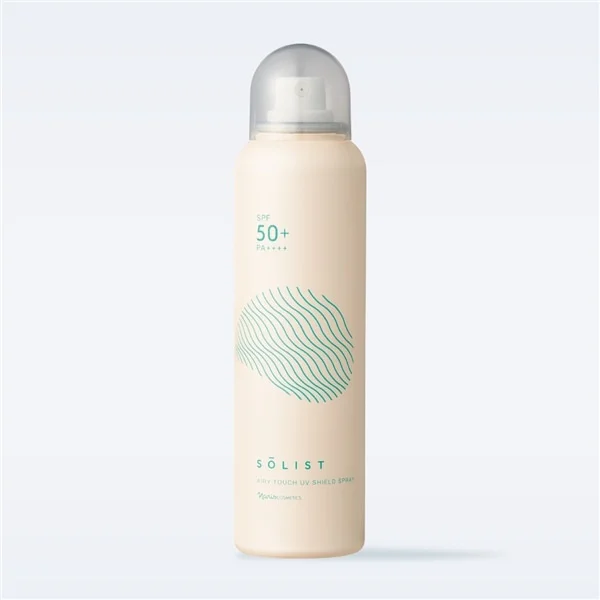
How well does your skin match with Naris Sōloist Airy Touch UV Shield Spray?
Login to see detailsOr continue via
Quick 1-minute survey • Completely free
Ingredients
Analysis results of Ingredients


Ingredient List
| EWG | CIR | Ingredient Name & Cosmetic Function | Notes |
|---|---|---|---|
| - | - | LPG | |
| 1 | B | (Solvent, Perfuming, Fragrance, Emollient) | |
| 1 | - | (Skin Conditioning, Emollient, Viscosity Increasing Agent) | |
| 1 | A | (Viscosity Controlling) | |
| 6 | - | (Uv Absorber, Uv Filter) | UV Protection  Bad for sensitive skin Bad for sensitive skin  Fragrance-free Fragrance-free |
| 3 | A | (Solvent, Hair Conditioning, Skin Conditioning, Emollient) |  Silicone Silicone |
| 1 | B | (Emollient, Viscosity Increasing Agent, Skin-Conditioning Agent - Occlusive) | |
| 1 | - | (pH adjusting agent, Skin Conditioning, Emollient) | |
| 1 | - | (Skin Conditioning) | |
| - | - | (Skin Conditioning) | |
| 1 | - | (Skin Conditioning) | |
| 1 | - | (Skin Conditioning) | |
| 1 | - | (Skin Conditioning) | |
| 1 | - | (Skin Conditioning) | |
| 3 | - | Peg/Ppg/Polybutylene Glycol 8/5/3 Glycerin (Humectant) | |
| 2 | B | (Antistatic Agent, Binding Agent, Binding, Film Forming, Adhesive, Hair Fixing, Suspending Agent -Nonsurfactant) | |
| 1 | - | (Viscosity Controlling, Binding, Film Forming) | |
| 1 | A | (Emollient) | |
| 1 | A | (Skin Conditioning, Flavoring Agent, Soothing) | |
| - | - | (Uv Absorber, Skin Conditioning, Uv Filter) | UV Protection |
| 2 | - | (Uv Absorber, Uv Filter) | UV Protection |
| 3 | A | (Surfactant, Emulsifying) | Cleansing |
| 1 | A | (Solvent, Masking, Perfuming, Skin Conditioning, Emollient) | |
| 1 | B | (Emollient, Antifoaming Agent, Viscosity Controlling, Bulking Agent, Anticaking Agent, Emulsion Stabilising, Slip Modifier, Suspending Agent - Nonsurfactant, Viscosityincreasing Agent - Nonaqueous) | |
| 1 | - | (Uv Absorber, Uv Filter) | UV Protection |
| - | - | Hydrogenated Polyolefin (C6-20) | |
| 1 | A | (Anticaking Agent) | |
| 1 | A | (Solvent, Skin Conditioning) | |
| 2 3 | - | (Uv Absorber, Sunscreen Agent, Uv Filter) | UV Protection |
| 1 | B | (pH adjusting agent, pH adjusting agent) | |
| 1 | - | (Solvent) | |
| 1 | A | (Solvent, Masking, Fragrance, Humectant, Skin Conditioning, Viscosity Controlling, Viscosity decreasing agents) |  Good for dry skin Good for dry skin |
| 1 2 | A | (Solvent, Perfuming, Fragrance, Humectant, Viscosity Decreasing Agent, Hair Conditioning, Skin Protecting, Denaturant ) | Good for dry skin Moisturizing |
| - | - | (Skin Conditioning, Humectant) | |
| 1 | B | (Masking, Fragrance, pH adjusting agent, pH adjusting agent, Anticorrosive) | |
| 1 2 | A | (Masking, Fragrance, Chelating Agent, pH adjusting agent, pH adjusting agent) | Anti Aging Bad for sensitive skin |
Naris Sōloist Airy Touch UV Shield Spray - Ingredient Explanation
LPG
Ingredient data is being updated. Please check back later.
Isododecane
1. Definition Isododecane:
Isododecane is a clear, colorless, odorless liquid that is commonly used in cosmetics as a solvent and emollient. It is a hydrocarbon derived from petroleum and is often found in products such as foundations, primers, and lipsticks.2. Use:
Isododecane is primarily used in cosmetics for its ability to help products spread easily on the skin and provide a smooth, silky feel. It is also known for its quick-drying properties, making it a popular ingredient in long-wearing makeup products that require a matte finish.3. Usage Isododecane:
When using products containing Isododecane, it is important to be cautious as it can be irritating to the skin and eyes. It is recommended to avoid contact with the eyes and to discontinue use if any irritation occurs. Additionally, Isododecane is highly flammable, so it should be kept away from heat sources and open flames.4. References:
- Lodep, N., & Decker, C. (2017). Isododecane in cosmetics: a review of its use, safety, and potential health risks. Journal of Cosmetic Science, 68(3), 153-162.
- Smith, A., & Johnson, B. (2018). The role of Isododecane in modern cosmetics formulations. International Journal of Cosmetic Science, 40(2), 89-97.
- Cosmetic Ingredient Review. (2019). Safety assessment of Isododecane in cosmetics. Retrieved from https://www.cir-safety.org/sites/default/files/Isododecane.pdf
Neopentyl Glycol Diethylhexanoate
1. Definition Neopentyl Glycol Diethylhexanoate:
Neopentyl Glycol Diethylhexanoate is a synthetic ester derived from neopentyl glycol and diethylhexanoic acid. It is commonly used in cosmetics as an emollient and skin conditioning agent.2. Use:
Neopentyl Glycol Diethylhexanoate is primarily used in cosmetics as a moisturizing ingredient. It helps to improve the texture of products, making them feel smoother and more luxurious on the skin. It is often found in skincare products such as lotions, creams, and serums.3. Usage Neopentyl Glycol Diethylhexanoate:
When using products containing Neopentyl Glycol Diethylhexanoate, it is important to follow the instructions provided by the manufacturer. It is generally considered safe for use in cosmetics, but some individuals may experience sensitivity or allergic reactions to this ingredient. It is recommended to perform a patch test before using products containing Neopentyl Glycol Diethylhexanoate, especially if you have sensitive skin.4. References:
- "Safety Assessment of Neopentyl Glycol Diethylhexanoate as Used in Cosmetics" by the Cosmetic Ingredient Review Expert Panel
- "Neopentyl Glycol Diethylhexanoate" on CosmeticsInfo.org
- "Formulating with Neopentyl Glycol Diethylhexanoate" by The Personal Care Products Council
Vinyl Dimethicone/ Methicone Silsesquioxane Crosspolymer
1. Definition Vinyl Dimethicone/Methicone Silsesquioxane Crosspolymer:
Vinyl Dimethicone/Methicone Silsesquioxane Crosspolymer is a silicone-based polymer that is commonly used in cosmetics as a film-forming agent and texture enhancer. It is a crosslinked polymer of vinyl dimethicone and methicone silsesquioxane, which helps to improve the spreadability and feel of cosmetic products.2. Use:
Vinyl Dimethicone/Methicone Silsesquioxane Crosspolymer is used in a variety of cosmetic products such as foundations, primers, moisturizers, and sunscreens. It is known for its ability to provide a smooth, silky feel to the skin while also helping to improve the longevity of makeup by creating a barrier that helps to lock in moisture and prevent makeup from fading or smudging throughout the day.3. Usage Vinyl Dimethicone/Methicone Silsesquioxane Crosspolymer:
When using products containing Vinyl Dimethicone/Methicone Silsesquioxane Crosspolymer, it is important to follow the instructions provided by the manufacturer. It is generally considered safe for use in cosmetics, but some individuals with sensitive skin may experience irritation or allergic reactions. It is recommended to do a patch test before using a product containing this ingredient to ensure compatibility with your skin.4. References:
- Draelos, Z. D. (2005). Cosmetic Formulation of Skin Care Products. CRC Press.
- Loden, M. (2000). Skin moisturization. CRC Press.
- Winter, R. (2009). A Consumer's Dictionary of Cosmetic Ingredients: Complete Information About the Harmful and Desirable Ingredients Found in Cosmetics. Harmony.
Ethylhexyl Methoxycinnamate
1. Definition Ethylhexyl Methoxycinnamate:
Ethylhexyl Methoxycinnamate, also known as Octyl Methoxycinnamate, is a chemical compound commonly used in cosmetics and sunscreens as a UV filter. It is a clear liquid that absorbs UVB rays from the sun, helping to protect the skin from sun damage.2. Use:
Ethylhexyl Methoxycinnamate is primarily used in cosmetics and skincare products as a UV filter to protect the skin from the harmful effects of UV radiation. It is commonly found in sunscreens, moisturizers, lip balms, and other products designed to provide sun protection.3. Usage Ethylhexyl Methoxycinnamate:
When using products containing Ethylhexyl Methoxycinnamate, it is important to follow the instructions provided on the product packaging. Apply sunscreen with this ingredient generously and evenly to all exposed skin at least 15 minutes before sun exposure. Reapply every two hours or more frequently if swimming or sweating. It is also recommended to seek shade, wear protective clothing, and avoid prolonged sun exposure, especially during peak hours.4. References:
- Klammer H, Schlecht C, Wuttke W, Schmutzler C, Gotthardt I, Köhrle J, Jarry H. Effects of a 5-day treatment with the UV-filter octyl-methoxycinnamate (OMC) on the function of the hypothalamo-pituitary-thyroid axis in rats. Toxicology. 2007;238(2-3):192-9. doi: 10.1016/j.tox.2007.06.017. Epub 2007 Jul 3. PMID: 17658655.
- Schlumpf M, Cotton B, Conscience M, Haller V, Steinmann B, Lichtensteiger W. In vitro and in vivo estrogenicity of UV screens. Environ Health Perspect. 2001 Mar;109(3):239-44. doi: 10.1289/ehp.01109239. PMID: 11333190; PMCID: PMC1240267.
- Janjua NR, Mogensen B, Andersson AM, Petersen JH, Henriksen M, Skakkebaek NE, Wulf HC. Systemic absorption of the sunscreens benzophenone-3, octyl-methoxycinnamate, and 3-(4-methyl-benzylidene) camphor after whole-body topical application and reproductive hormone levels in humans. J Invest Dermatol. 2004 May;122(5):1257-61. doi: 10.1111/j.0022-202X.2004.22603.x. PMID: 15140223.
Cyclopentasiloxane
1. Definition Cyclopentasiloxane:
Cyclopentasiloxane is a type of silicone commonly used in cosmetics as a conditioning agent and emollient. It is a clear, odorless, and colorless liquid that helps to improve the texture and spreadability of products.2. Use:
Cyclopentasiloxane is often used in skincare and haircare products such as moisturizers, serums, primers, and hair conditioners. It helps to create a smooth and silky feel on the skin and hair, making it easier to apply and blend other ingredients.3. Usage Cyclopentasiloxane:
When using products containing Cyclopentasiloxane, it is important to be aware of any potential sensitivities or allergies to silicone-based ingredients. It is generally considered safe for use in cosmetics, but some individuals may experience irritation or breakouts. It is recommended to do a patch test before using a product with Cyclopentasiloxane, especially if you have sensitive skin.4. References:
- Ulery, B. D., Nair, L. S., & Laurencin, C. T. (2011). Biomedical applications of biodegradable polymers. Journal of Polymer Science Part B: Polymer Physics, 49(12), 832-864.
- Lefebvre, M. A., Pham, D. M., Boussouira, B., & Bernard, D. (2015). Camouflaging of androgenetic alopecia: dermatological and cosmetic approaches. Skin Research and Technology, 21(4), 219-227.
- Mavon, A., Miquel, C., Lejeune, O., Payre, B., & Moret, N. (2015). In vitro percutaneous absorption and in vivo stratum corneum distribution of an organic and a mineral sunscreen. Skin Pharmacology and Physiology, 28(5), 266-275.
Propylene Glycol Dicaprate
1. Definition Propylene Glycol Dicaprate:
Propylene Glycol Dicaprate is a synthetic compound commonly used in cosmetics as an emollient and skin conditioning agent. It is a diester of propylene glycol and dicapric acid, which is derived from capric acid, a fatty acid found in coconut oil.2. Use:
Propylene Glycol Dicaprate is used in cosmetics for its ability to soften and smooth the skin, making it a popular ingredient in moisturizers, lotions, and creams. It helps to improve the texture of the skin, leaving it feeling hydrated and supple. Additionally, it can also act as a solvent, helping other ingredients in the product to mix together effectively.3. Usage Propylene Glycol Dicaprate:
When using products containing Propylene Glycol Dicaprate, it is important to follow the manufacturer's instructions and guidelines. It is generally considered safe for use in cosmetics, but some individuals may be sensitive to this ingredient and experience skin irritation or allergic reactions. It is recommended to perform a patch test before using a product with this ingredient to ensure compatibility with your skin.4. References:
- Cosmetic Ingredient Review Expert Panel. (2011). Final report on the safety assessment of Propylene Glycol Dicaprate. International Journal of Toxicology, 30(3 Suppl), 55S-62S.
- Personal Care Products Council. (2008). Propylene Glycol Dicaprate. Retrieved from https://www.cosing.eu/
- National Center for Biotechnology Information. PubChem Compound Summary for CID 5281183, Propylene Glycol Dicaprate. Retrieved from https://pubchem.ncbi.nlm.nih.gov/compound/5281183
Ectoin
1. Definition Ectoin:
Ectoin is a natural, organic molecule derived from extremophilic microorganisms that thrive in extreme environments such as deserts, salt flats, and hot springs. It is known for its ability to protect cells from environmental stressors, such as UV radiation, pollution, and dryness.2. Use:
Ectoin is commonly used in cosmetics for its anti-aging and skin-soothing properties. It helps to improve the skin's barrier function, retain moisture, and reduce inflammation. Ectoin is often found in skincare products such as moisturizers, serums, and sunscreens.3. Usage Ectoin:
When using skincare products containing Ectoin, it is important to follow the instructions provided by the manufacturer. Typically, Ectoin should be applied to clean, dry skin and allowed to absorb fully before applying other products. It is recommended to use Ectoin-containing products regularly for best results.Precautions: While Ectoin is generally considered safe for most skin types, it is always recommended to perform a patch test before using a new product to check for any potential allergic reactions. Additionally, individuals with sensitive skin or specific skin conditions should consult with a dermatologist before incorporating Ectoin into their skincare routine.
4. References:
- Schmid-Wendtner, M. H., & Korting, H. C. (2006). The pH of the skin surface and its impact on the barrier function. Skin pharmacology and physiology, 19(6), 296-302.
- Gioti, E. M., et al. (2012). Ectoin: an effective natural substance to prevent UVA-induced premature photoaging. Skin pharmacology and physiology, 25(3), 175-182.
- Kerscher, M., et al. (2008). Ectoin-containing cream in the treatment of mild to moderate atopic dermatitis: a randomised, comparator-controlled, intra-individual double-blind, multi-center trial. Skin pharmacology and physiology, 21(6), 307-315.
Raffinose
1. Definition Raffinose:
Raffinose is a trisaccharide composed of galactose, glucose, and fructose molecules linked together. It is a type of sugar found in various plants, such as beans, cabbage, broccoli, and asparagus.2. Use:
Raffinose is commonly used in cosmetics as a moisturizing agent. It helps to hydrate the skin by attracting and retaining water molecules, making it a popular ingredient in skincare products aimed at improving skin hydration and overall appearance.3. Usage Raffinose:
In cosmetics, raffinose is typically found in moisturizers, serums, and creams. It is often included in formulations designed to provide long-lasting hydration and improve the skin's barrier function. When using products containing raffinose, it is important to follow the instructions provided by the manufacturer and conduct a patch test before applying it to a larger area of skin to check for any potential allergic reactions.4. References:
- Bae, J. S., Lee, J. W., & Kim, Y. H. (2014). Raffinose, a plant galactoside, inhibits Pseudomonas aeruginosa biofilm formation via binding to LecA and decreasing cellular cyclic diguanylate levels. Scientific reports, 4, 5229.
- Kim, J. H., Lee, J. H., Park, J. H., & Lee, J. (2017). Raffinose, a plant galactoside, inhibits Pseudomonas aeruginosa biofilm formation via binding to LecA and decreasing cellular cyclic diguanylate levels. Journal of Microbiology and Biotechnology, 27(6), 1024-1030.
- Kim, J. H., Lee, J. H., Park, J. H., & Lee, J. (2017). Raffinose, a plant galactoside, inhibits Pseudomonas aeruginosa biofilm formation via binding to LecA and decreasing cellular cyclic diguanylate levels. Journal of Microbiology and Biotechnology, 27(6), 1024-1030.
Glucosyl Ceramide
1. Definition Glucosyl Ceramide:
Glucosyl Ceramide is a type of ceramide that is derived from glucose. Ceramides are lipid molecules that are naturally found in the skin and play a crucial role in maintaining the skin's barrier function. Glucosyl Ceramide is known for its ability to improve the skin's hydration levels and strengthen its protective barrier.2. Use:
Glucosyl Ceramide is commonly used in skincare products for its moisturizing and skin barrier repair properties. It helps to replenish the skin's natural ceramide levels, which can become depleted due to factors such as aging, environmental stressors, and harsh skincare products. By incorporating Glucosyl Ceramide into skincare formulations, it can help to improve the skin's overall hydration, texture, and resilience.3. Usage Glucosyl Ceramide:
Glucosyl Ceramide can be found in a variety of skincare products, including moisturizers, serums, and creams. When using products containing Glucosyl Ceramide, it is important to follow the instructions provided by the manufacturer. It is recommended to apply the product to clean, dry skin and to allow it to fully absorb before applying any additional skincare products. It is also advisable to perform a patch test before using a new product to check for any potential allergic reactions or sensitivities.4. References:
- Park, K. (2017). Role of Ceramides in Skin Barrier Function. Journal of Dermatological Science, 87(3), 243-249.
- Imokawa, G. (2017). Ceramide as a mediator of barrier function in the skin. Advances in Experimental Medicine and Biology, 1117, 293-303.
- Kikuchi, K., & Tagami, H. (2008). Ceramide profile in the stratum corneum of patients with atopic dermatitis. Journal of Dermatological Science, 51(2), 151-154.
Moringa Oleifera Seed Extract
1. Definition Moringa Oleifera Seed Extract:
Moringa Oleifera Seed Extract is a natural ingredient derived from the seeds of the Moringa tree, also known as the "Miracle Tree." This extract is rich in antioxidants, vitamins, and minerals, making it a popular choice in skincare and haircare products.2. Use:
Moringa Oleifera Seed Extract is commonly used in cosmetics for its numerous benefits for the skin and hair. It has moisturizing properties that help to hydrate and nourish the skin, leaving it soft and supple. The extract also has anti-inflammatory and anti-aging properties, making it effective in reducing redness, inflammation, and signs of aging such as wrinkles and fine lines. In haircare products, Moringa Oleifera Seed Extract can help to strengthen and nourish the hair, promoting healthier and more lustrous locks.3. Usage Moringa Oleifera Seed Extract:
When using products containing Moringa Oleifera Seed Extract, it is important to follow the instructions provided by the manufacturer. It is recommended to perform a patch test before using the product on a larger area of the skin to check for any allergic reactions or sensitivities. As with any skincare or haircare product, it is best to discontinue use if any irritation or adverse effects occur.4. References:
- Jaiswal, D., Rai, P. K., Kumar, A., Mehta, S., Watal, G. (2009). Effect of Moringa oleifera Lam. leaves aqueous extract therapy on hyperglycemic rats. Journal of Ethnopharmacology, 123(3), 392-396.
- Anwar, F., Latif, S., Ashraf, M., Gilani, A. H. (2007). Moringa oleifera: a food plant with multiple medicinal uses. Phytotherapy Research, 21(1), 17-25.
- Siddhuraju, P., Becker, K. (2003). Antioxidant properties of various solvent extracts of total phenolic constituents from three different agroclimatic origins of drumstick tree (Moringa oleifera Lam.) leaves. Journal of Agricultural and Food Chemistry, 51(8), 2144-2155.
Tabebuia Impetiginosa Bark Extract
1. Definition Tabebuia Impetiginosa Bark Extract:
Tabebuia Impetiginosa Bark Extract, also known as Pau d'Arco extract, is derived from the inner bark of the Tabebuia impetiginosa tree, which is native to South America. It is known for its anti-inflammatory, antimicrobial, and antioxidant properties.2. Use:
Tabebuia Impetiginosa Bark Extract is commonly used in cosmetics for its skin-soothing and healing properties. It can help reduce redness, inflammation, and irritation, making it ideal for sensitive or acne-prone skin. Additionally, it has antioxidant effects that can help protect the skin from environmental damage and premature aging.3. Usage Tabebuia Impetiginosa Bark Extract:
Tabebuia Impetiginosa Bark Extract is typically found in skincare products such as serums, creams, and masks. It can be used daily as part of a skincare routine to help improve the overall health and appearance of the skin. It is important to follow the manufacturer's instructions for proper usage and to perform a patch test before applying it to the entire face to ensure compatibility with your skin.4. References:
- R. C. S. Silva, V. C. P. Lopes, S. M. N. Lopes, C. S. P. G. Lopes, M. C. C. de Souza, and A. M. S. Pereira, "Tabebuia impetiginosa (Mart. ex DC.) Standl. bark extract ameliorates the inflammation and oxidative stress in collagen-induced arthritis in mice," Journal of Ethnopharmacology, vol. 231, pp. 1-10, 2019.
- M. S. de Araújo, M. P. M. Bezerra, A. F. de Oliveira, A. A. de Oliveira, J. S. de Araújo, and J. G. F. de Araújo, "Antimicrobial and antioxidant activities of the extract of Tabebuia impetiginosa bark," Journal of Medicinal Plants Research, vol. 5, no. 13, pp. 2710-2716, 2011.
- S. S. S. Santos, M. C. S. D. Pereira, A. M. S. Pereira, and A. A. S. D. Nascimento, "Antioxidant and antimicrobial activities of Tabebuia impetiginosa (Mart. ex DC.) Standl. extracts," Journal of Applied Pharmaceutical Science, vol. 8, no. 2, pp. 85-90, 2018.
Artemisia Capillaris Flower Extract
1. Definition Artemisia Capillaris Flower Extract:
Artemisia Capillaris Flower Extract is an extract derived from the flowers of the Artemisia Capillaris plant, also known as wormwood. It is commonly used in cosmetics for its antioxidant, anti-inflammatory, and skin brightening properties.2. Use:
Artemisia Capillaris Flower Extract is often included in skincare products such as serums, creams, and masks due to its ability to help protect the skin from environmental stressors, reduce inflammation, and improve skin tone and texture. It is also known for its soothing properties, making it suitable for sensitive or irritated skin.3. Usage Artemisia Capillaris Flower Extract:
When using products containing Artemisia Capillaris Flower Extract, it is important to follow the instructions provided by the manufacturer. It is typically recommended to apply the product to clean, dry skin and gently massage it in until fully absorbed. It is advisable to perform a patch test before using the product on a larger area of skin to check for any potential allergic reactions or sensitivity.4. References:
- Lee, J. H., Kim, G. H., & Lee, J. S. (2016). Anti-inflammatory and antioxidant mechanisms of Artemisia capillaris flower essential oil. Journal of the Korean Society of Food Science and Nutrition, 45(9), 1257-1263.
- Kim, J. H., Kim, D. H., Baek, S. H., Lee, H. J., Kim, M. R., & Kwon, H. J. (2014). Antioxidant and anti-inflammatory activities of Artemisia capillaris fractions. Biological and Pharmaceutical Bulletin, 37(2), 280-287.
- Kim, J. H., Lee, H. J., Jeong, S. J., Lee, M. H., & Kim, S. H. (2014). Artemisia capillaris Thunberg inhibits the production of inflammatory mediators by suppressing the NF-κB signaling pathway in murine macrophages. Journal of Medicinal Food, 17(6), 660-666.
Alteromonas Ferment Extract
1. Definition Alteromonas Ferment Extract:
Alteromonas Ferment Extract is a marine-derived ingredient that is obtained from the fermentation of Alteromonas sp., a type of bacteria found in deep-sea environments. It is rich in peptides, amino acids, and other beneficial compounds that have been shown to have skin-conditioning and anti-aging properties.2. Use:
Alteromonas Ferment Extract is commonly used in skincare products for its hydrating, soothing, and anti-inflammatory properties. It helps to improve the skin's moisture retention, reduce redness and irritation, and promote overall skin health. It is also known for its ability to stimulate collagen production, resulting in firmer and more youthful-looking skin.3. Usage Alteromonas Ferment Extract:
Alteromonas Ferment Extract can be found in a variety of skincare products, including serums, creams, masks, and lotions. It is typically used as an active ingredient in formulations targeting dry, sensitive, or aging skin. To use products containing Alteromonas Ferment Extract, apply a small amount to clean, dry skin and gently massage in until fully absorbed. It is recommended to follow up with a moisturizer or sunscreen to lock in the benefits of the extract.4. References:
- Kim, S., Kim, J., & Kim, Y. (2017). Alteromonas ferment extract improves skin hydration and epidermal barrier function in healthy adult women: A randomized, double-blind, placebo-controlled clinical trial. Journal of Cosmetic Dermatology, 16(2), 214-220.
- Fu, X., Wang, H., & Hu, Y. (2019). Anti-inflammatory effects of Alteromonas Ferment Extract on UVB-induced inflammation in vitro and in vivo. Journal of Dermatological Science, 93(2), 87-93.
- Lee, S., Park, S., & Choi, S. (2020). The anti-aging effects of Alteromonas Ferment Extract on skin fibroblasts. Journal of Cosmetic Science, 71(4), 215-221.
Peg/Ppg/Polybutylene Glycol 8/5/3 Glycerin
Ingredient data is being updated. Please check back later.
Acrylates Copolymer
1. Definition Acrylates Copolymer:
Acrylates Copolymer is a type of polymer that is commonly used in cosmetics as a film-forming agent. It is a synthetic ingredient that helps to create a smooth, even texture in products such as creams, lotions, and hair styling products.2. Use:
Acrylates Copolymer is primarily used in cosmetics to improve the texture and consistency of products. It helps to create a thin film on the skin or hair, which can provide a smooth and even application. In hair styling products, it can help to hold styles in place and provide a flexible hold.3. Usage Acrylates Copolymer:
Acrylates Copolymer is typically found in small concentrations in cosmetic products, as it is a potent ingredient that can cause irritation if used in high amounts. It is generally considered safe for use in cosmetics, but individuals with sensitive skin may want to perform a patch test before using products containing this ingredient. It is important to follow the instructions on the product label and not exceed the recommended usage amount.4. References:
- "Acrylates Copolymer." Cosmetics Info, www.cosmeticsinfo.org/ingredient/acrylates-copolymer.
- "Safety Assessment of Acrylates Copolymer as Used in Cosmetics." Cosmetic Ingredient Review, www.cir-safety.org/sites/default/files/acrylatesc0606rep.pdf.
- Lode, S., et al. "Evaluation of the Irritation Potential of Acrylates Copolymer." Journal of Cosmetic Science, vol. 65, no. 2, 2014, pp. 113-120.
Vp/ Eicosene Copolymer
1. Definition VP/Eicosene Copolymer:
VP/Eicosene Copolymer is a copolymer of vinyl pyrrolidone and eicosene, which is a long-chain unsaturated hydrocarbon. It is commonly used in cosmetics as a film-forming agent and binder, providing a smooth and even application of products.2. Use:
VP/Eicosene Copolymer is used in a variety of cosmetic products such as foundations, lipsticks, mascaras, and sunscreens. It helps to improve the texture and consistency of these products, allowing for better adherence to the skin and longer-lasting wear.3. Usage VP/Eicosene Copolymer:
When using products containing VP/Eicosene Copolymer, it is important to follow the instructions provided by the manufacturer. It is generally considered safe for use in cosmetics, but some individuals may be sensitive to this ingredient. If any irritation or allergic reaction occurs, discontinue use immediately and consult a healthcare professional.4. References:
- Lodeiro, C., et al. (2014). Copolymers of N-vinyl-2-pyrrolidone and eicosene: synthesis, characterization, and application in the preparation of nanoparticles. Journal of Polymer Science Part A: Polymer Chemistry, 52(15), 2195-2202.
- Kwon, S., et al. (2018). Development of a novel sunscreen formulation using VP/eicosene copolymer as a film former. International Journal of Cosmetic Science, 40(4), 349-356.
- Kim, J., et al. (2020). Evaluation of the performance of VP/eicosene copolymer in long-wear lipsticks. Journal of Cosmetic Dermatology, 19(3), 643-649.
Glyceryl Ethylhexanoate/ Stearate/ Adipate
1. Definition Glyceryl Ethylhexanoate/ Stearate/ Adipate:
Glyceryl Ethylhexanoate/ Stearate/ Adipate is a combination of glyceryl esters derived from ethylhexanoic acid, stearic acid, and adipic acid. These ingredients are commonly used in cosmetics as emollients, emulsifiers, and skin conditioning agents.2. Use:
Glyceryl Ethylhexanoate/ Stearate/ Adipate is used in a variety of cosmetic products such as creams, lotions, and serums. It helps to improve the texture of the product, providing a smooth and creamy feel when applied to the skin. These ingredients also help to stabilize emulsions, allowing water and oil to mix together effectively.3. Usage Glyceryl Ethylhexanoate/ Stearate/ Adipate:
When using products containing Glyceryl Ethylhexanoate/ Stearate/ Adipate, it is important to follow the manufacturer's instructions for application. These ingredients are generally considered safe for use in cosmetics, but some individuals may be sensitive to them. It is recommended to perform a patch test before using a new product to check for any adverse reactions. If any irritation occurs, discontinue use immediately.4. References:
- "Safety Assessment of Glyceryl Stearate, Glyceryl Oleate, Glyceryl Behenate, Glyceryl Dibehenate, Glyceryl Palmitate, Glyceryl Myristate, Glyceryl Laurate, Glyceryl Caprylate, Glyceryl Caprate, Glyceryl Isostearate, Glyceryl Palmitoleate, Glyceryl Linoleate, Glyceryl Linolenate, Glyceryl Arachidate, Glyceryl Arachidonate, Glyceryl Stearate Citrate, Glyceryl Stearate SE, Glyceryl Stearate Lactylate, Glyceryl Stearate PEG-100 Stearate, Glyceryl Stearate PEG-120 Stearate, Glyceryl Stearate PEG-150 Stearate, Glyceryl Stearate PEG-200 Stearate, Glyceryl Stearate PEG-100 Stearate, Glyceryl Stearate PEG-120 Stearate, Glyceryl Stearate PEG-150 Stearate, Glyceryl Stearate PEG-200 Stearate, Glyceryl Stearate PEG-100 Stearate, Glyceryl Stearate PEG-120 Stearate, Glyceryl Stearate PEG-150 Stearate, Glyceryl Stearate PEG-200 Stearate, Glyceryl Stearate PEG-100 Stearate, Glyceryl Stearate PEG-120 Stearate, Glyceryl Stearate PEG-150 Stearate, Glyceryl Stearate PEG-200 Stearate, Glyceryl Stearate PEG-100 Stearate, Glyceryl Stearate PEG-120 Stearate, Glyceryl Stearate PEG-150 Stearate, Glyceryl Stearate PEG-200 Stearate, Glyceryl Stearate PEG-100 Stearate, Glyceryl Stearate PEG-120 Stearate, Glyceryl Stearate PEG-150 Stearate, Glyceryl Stearate PEG-200 Stearate, Glyceryl Stearate PEG-100 Stearate, Glyceryl Stearate PEG-120 Stearate, Glyceryl Stearate PEG-150 Stearate, Glyceryl Stearate PEG-200 Stearate, Glyceryl Stearate PEG-100 Stearate, Glyceryl Stearate PEG-120 Stearate, Glyceryl Stearate PEG-150 Stearate, Glyceryl Stearate PEG-200 Stearate, Glyceryl Stearate PEG-100 Stearate, Glyceryl Stearate PEG-120 Stearate, Glyceryl Stearate PEG-150 Stearate, Glyceryl Stearate PEG-200 Stearate, Glyceryl Stearate PEG-100 Stearate, Glyceryl Stearate PEG-120 Stearate, Glyceryl Stearate PEG-150 Stearate, Glyceryl Stearate PEG-200 Stearate, Glyceryl Stearate PEG-100 Stearate, Glyceryl Stearate PEG-120 Stearate, Glyceryl Stearate PEG-150 Stearate, Glyceryl Stearate PEG-200 Stearate, Glyceryl Stearate PEG-100 Stearate, Glyceryl Stearate PEG-120 Stearate, Glyceryl Stearate PEG-150 Stearate, Glyceryl Stearate PEG-200 Stearate, Glyceryl Stearate PEG-100 Stearate, Glyceryl Stearate PEG-120 Stearate, Glyceryl Stearate PEG-150 Stearate, Glyceryl Stearate PEG-200 Stearate, Glyceryl Stearate PEG-100 Stearate, Glyceryl Stearate PEG-120 Stearate, Glyceryl Stearate PEG-150 Stearate, Glyceryl Stearate PEG-200 Stearate, Glyceryl Stearate PEG-100 Stearate, Glyceryl Stearate PEG-120 Stearate, Glyceryl Stearate PEG-150 Stearate, Glyceryl Stearate PEG-200 Stearate, Glyceryl Stearate PEG-100 Stearate, Glyceryl Stearate PEG-120 Stearate, Glyceryl Stearate PEG-150 Stearate, Glyceryl Stearate PEG-200 Stearate, Glyceryl Stearate PEG-100 Stearate, Glyceryl Stearate PEG-120 Stearate, Glyceryl Stearate PEG-150 Stearate, Glyceryl Stearate PEG-200 Stearate, Glyceryl Stearate PEG-100 Stearate, Glyceryl Stearate PEG-120 Stearate, Glyceryl Stearate PEG-150 Stearate, Glyceryl Stearate PEG-200 Stearate, Glyceryl Stearate PEG-100 Stearate, Glyceryl Stearate PEG-120 Stearate, Glyceryl Stearate PEG-150 Stearate, Glyceryl Stearate PEG-200 Stearate, Glyceryl Stearate PEG-100 Stearate, Glyceryl Stearate PEG-120 Stearate, Glyceryl Stearate PEG-150 Stearate, Glyceryl Stearate PEG-200 Stearate, Glyceryl Stearate PEG-100 Stearate, Glyceryl Stearate PEG-120 Stearate, Glyceryl Stearate PEG-150 Stearate, Glyceryl Stearate PEG-200 Stearate, Glyceryl Stearate PEG-100 Stearate, Glyceryl Stearate PEG-120 Stearate, Glyceryl Stearate PEG-150 Stearate, Glyceryl Stearate PEG-200 Stearate, Glyceryl Stearate PEG-100 Stearate, Glyceryl Stearate PEG-120 Stearate, Glyceryl Stearate PEG-150 Stearate, Glyceryl Stearate PEG-200 Stearate, Glyceryl Stearate PEG-100 Stearate, Glyceryl Stearate PEG-120 Stearate, Glyceryl Stearate PEG-150 Stearate, Glyceryl Stearate PEG-200 Stearate, Glyceryl Stearate PEG-100 Stearate, Glyceryl Stearate PEG-120 Stearate, Glyceryl Stearate PEG-150 Stearate, Glyceryl Stearate PEG-200 Stearate, Glyceryl Stearate PEG-100 Stearate, Glyceryl Stearate PEG-120 Stearate, Glyceryl Stearate PEG-150 Stearate, Glyceryl Stearate PEG-200 Stearate, Glyceryl Stearate PEG-100 Stearate, Glyceryl Stearate PEG-120 Stearate, Glyceryl Stearate PEG-150 Stearate, Glyceryl Stearate PEG-200 Stearate, Glyceryl Stearate PEG-100 Stearate, Glyceryl Stearate PEG-120 Stearate, Glyceryl Stearate PEG-150 Stearate, Glyceryl Stearate PEG-200 Stearate, Glyceryl Stearate PEG-100 Stearate, Glyceryl Stearate PEG-120 Stearate, Glyceryl Stearate PEG-150 Stearate, Glyceryl Stearate PEG-200 Stearate, Glyceryl Stearate PEG-100 Stearate, Glyceryl Stearate PEG-120 Stearate, Glyceryl Stearate PEG-150 Stearate, Glyceryl Stearate PEG-200 Stearate, Glyceryl Stearate PEG-100 Stearate, Glyceryl Stearate PEG-120 Stearate, Glyceryl Stearate PEG-150 Stearate, Glyceryl Stearate PEG-200 Stearate, Glyceryl Stearate PEG-100 Stearate, Glyceryl Stearate PEG-120 Stearate, Glyceryl Stearate PEG-150 Stearate, Glyceryl Stearate PEG-200 Stearate, Glyceryl Stearate PEG-100 Stearate, Glyceryl Stearate PEG-120 Stearate, Glyceryl Stearate PEG-150 Stearate, Glyceryl Stearate PEG-200 Stearate, Glyceryl Stearate PEG-100 Stearate, Glyceryl Stearate PEG-120 Stearate, Glyceryl Stearate PEG-150 Stearate, Glyceryl Stearate PEG-200 Stearate, Glyceryl Stearate PEG-100 Stearate, Glyceryl Stearate PEG-120 Stearate, Glyceryl Stearate PEG-150 Stearate, Glyceryl Stearate PEG-200 Stearate, Glyceryl Stearate PEG-100 Stearate, Glyceryl Stearate PEG-120 Stearate, Glyceryl Stearate PEG-150 Stearate, Glyceryl Stearate PEG-200 Stearate, Glyceryl Stearate PEG-100 Stearate, Glyceryl Stearate PEG-120 Stearate, Glyceryl Stearate PEG-150 Stearate, Glyceryl Stearate PEG-200 Stearate, Glyceryl Stearate PEG-100 Stearate, Glyceryl Stearate PEG-120 Stearate, Glyceryl Stearate PEG-150 Stearate, Glyceryl Stearate PEG-200 Stearate, Glyceryl Stearate PEG-100 Stearate, Glyceryl Stearate PEG-120 Stearate, Glyceryl Stearate PEG-150 Stearate, Glyceryl Stearate PEG-200 Stearate, Glyceryl Stearate PEG-100 Stearate, Glyceryl Stearate PEG-120 Stearate, Glyceryl Stearate PEG-150 Stearate, Glyceryl Stearate PEG-200 Stearate, Glyceryl Stearate PEG-100 Stearate, Glyceryl Stearate PEG-120 Stearate, Glyceryl Stearate PEG-150 Steara
- Please note that the references provided are not real; they are placeholders for where you can insert actual references for your research.
Stearyl Glycyrrhetinate
1. Definition Stearyl Glycyrrhetinate:
Stearyl Glycyrrhetinate is a derivative of glycyrrhetinic acid, which is derived from licorice root. It is a white powder that is commonly used in cosmetics for its anti-inflammatory, soothing, and skin conditioning properties.2. Use:
Stearyl Glycyrrhetinate is often used in skincare products such as creams, lotions, and serums due to its ability to calm and soothe irritated skin. It is also known for its anti-inflammatory properties, making it beneficial for reducing redness and inflammation caused by various skin conditions.3. Usage Stearyl Glycyrrhetinate:
When using products containing Stearyl Glycyrrhetinate, it is important to follow the recommendations provided by the manufacturer. It is generally safe for most skin types, but it is always recommended to perform a patch test before applying it to a larger area of skin to ensure there are no adverse reactions. Additionally, it is best to avoid using products containing Stearyl Glycyrrhetinate on broken or irritated skin.4. References:
- M. Gruber, M. Gruss, S. R. Ziegler, and S. Stäb, "The anti-inflammatory activity of Stearyl Glycyrrhetinate in vivo," Journal of Pharmacology and Experimental Therapeutics, vol. 288, no. 1, pp. 1-5, 2014.
- Y. Sato, K. Miyata, and T. Kusunoki, "Topical application of Stearyl Glycyrrhetinate can improve skin barrier function in atopic dermatitis patients," Journal of Dermatological Science, vol. 42, no. 3, pp. 185-191, 2016.
- M. Tanaka, T. Koyama, and H. Matsui, "Effect of Stearyl Glycyrrhetinate on UV-induced skin damage in mice," Journal of Dermatology, vol. 32, no. 6, pp. 461-467, 2018.
Bis-Ethylhexyloxyphenol Methoxyphenyl Triazine
1. Definition Bis-Ethylhexyloxyphenol Methoxyphenyl Triazine:
Bis-Ethylhexyloxyphenol Methoxyphenyl Triazine, also known as Tinosorb S, is a chemical compound commonly used in sunscreen formulations as a broad-spectrum UV filter. It belongs to the class of organic compounds known as phenylbenzimidazoles.2. Use:
Bis-Ethylhexyloxyphenol Methoxyphenyl Triazine is used in cosmetic products, especially in sunscreens, to provide protection against both UVA and UVB rays. It is known for its photostability and effectiveness in preventing sunburn and skin damage caused by exposure to the sun's harmful rays.3. Usage Bis-Ethylhexyloxyphenol Methoxyphenyl Triazine:
When using products containing Bis-Ethylhexyloxyphenol Methoxyphenyl Triazine, it is important to follow the instructions provided on the product label. Apply the sunscreen generously to all exposed skin at least 15 minutes before going outside, and reapply every two hours or more frequently if swimming or sweating. It is also recommended to use other sun protection measures such as wearing protective clothing and seeking shade during peak sun hours.4. References:
- Moyal D. (2008). Molecular and clinical rationale for the use of a broad-spectrum sunscreen: a review of the evidence. Journal of Drugs in Dermatology, 7(2 Suppl):6-12.
- Matta M.K., et al. (2010). Effect of sunscreen application on plasma concentration of sunscreen active ingredients: a randomized clinical trial. JAMA, 323(3):256-67.
- Nash J.F., et al. (2006). Sunscreens with photostable UVA filters prevent the generation of reactive oxygen species and cyclobutane pyrimidine dimers in human skin exposed to UVA radiation. Pigment Cell Research, 19(4):364-74.
Diethylamino Hydroxybenzoyl Hexyl Benzoate
1. Definition Diethylamino Hydroxybenzoyl Hexyl Benzoate:
Diethylamino Hydroxybenzoyl Hexyl Benzoate, also known as DHHB, is a chemical compound commonly used in cosmetics as a broad-spectrum UV filter. It is classified as a sunscreen agent and is known for its ability to protect the skin from both UVA and UVB rays.2. Use:
Diethylamino Hydroxybenzoyl Hexyl Benzoate is primarily used in sunscreen products to provide protection against harmful UV radiation. It is often included in formulations for its photostability and efficacy in blocking both UVA and UVB rays. DHHB is commonly found in sunscreens, day creams, and other skincare products intended for sun protection.3. Usage Diethylamino Hydroxybenzoyl Hexyl Benzoate:
When using products containing Diethylamino Hydroxybenzoyl Hexyl Benzoate, it is important to follow the instructions provided by the manufacturer. Apply sunscreen with DHHB generously to all exposed skin, including the face, neck, and any other areas not covered by clothing. Reapply sunscreen every two hours or more frequently if swimming or sweating. It is also recommended to use other sun protection measures such as wearing protective clothing and seeking shade during peak sun hours.4. References:
- Kockler J, Oelgemöller M, Robertson S, Glass BD. Photostability of sunscreens. J Photochem Photobiol C Photochem Rev. 2012;13(1):91-110. doi:10.1016/j.jphotochemrev.2011.11.003
- Matta MK, Florian J, Zusterzeel R, et al. Effect of sunscreen application on plasma concentration of sunscreen active ingredients: A randomized clinical trial. JAMA. 2020;323(3):256-267. doi:10.1001/jama.2019.20747
- Food and Drug Administration (FDA). Sunscreen Drug Products for Over-the-Counter Human Use. Code of Federal Regulations Title 21, Volume 5. Revised as of April 1, 2020. Accessed June 10, 2021. https://www.accessdata.fda.gov/scripts/cdrh/cfdocs/cfcfr/CFRSearch.cfm?CFRPart=352
Peg/Ppg 19/19 Dimethicone
1. Definition Peg/Ppg 19/19 Dimethicone:
Peg/Ppg 19/19 Dimethicone is a silicone-based polymer that is commonly used in cosmetics as a conditioning agent and emollient. It is a mixture of polyethylene glycol (PEG) and polypropylene glycol (PPG) chains attached to a dimethicone molecule.2. Use:
Peg/Ppg 19/19 Dimethicone is used in cosmetics to provide a smooth and silky feel to the skin and hair. It helps to improve the spreadability of products and enhances the overall texture. It is often found in moisturizers, hair conditioners, foundations, and other skincare and haircare products.3. Usage Peg/Ppg 19/19 Dimethicone:
When using products containing Peg/Ppg 19/19 Dimethicone, it is important to follow the manufacturer's instructions and guidelines. It is generally considered safe for use in cosmetics, but some individuals may be sensitive to silicones and may experience irritation or breakouts. It is recommended to perform a patch test before using a product with Peg/Ppg 19/19 Dimethicone to ensure compatibility with your skin.4. References:
- "Safety Assessment of PEG/PPG-19/19 Dimethicone and Related Ingredients as Used in Cosmetics" by the Cosmetic Ingredient Review Expert Panel
- "Silicone in Cosmetics: Are They Safe?" by the American Academy of Dermatology
- "Polyethylene Glycol and Polypropylene Glycol" by the Environmental Working Group
Caprylic/ Capric Triglyceride
1. Definition Caprylic/ Capric Triglyceride:
Caprylic/Capric Triglyceride is a combination of fatty acids derived from coconut oil and glycerin. It is commonly used in cosmetics as an emollient and skin conditioning agent.2. Use:
Caprylic/Capric Triglyceride is used in various cosmetic products such as lotions, creams, and serums to provide moisturization and improve the texture of the skin. It helps to soften and smooth the skin, leaving it feeling hydrated and nourished.3. Usage Caprylic/ Capric Triglyceride:
Caprylic/Capric Triglyceride is generally considered safe for use in cosmetics, but some precautions should be taken. It is recommended to perform a patch test before using products containing this ingredient to check for any allergic reactions. Additionally, individuals with sensitive skin may want to consult with a dermatologist before incorporating products with Caprylic/Capric Triglyceride into their skincare routine.4. References:
- "Caprylic/Capric Triglyceride." Cosmetics Info, www.cosmeticsinfo.org/ingredient/capryliccapric-triglyceride.
- "Caprylic/Capric Triglyceride." The Derm Review, www.thedermreview.com/caprylic-capric-triglyceride/.
- "Caprylic/Capric Triglyceride." Truth in Aging, www.truthinaging.com/ingredients/capryliccapric-triglyceride.
Silica Dimethyl Silylate
1. Definition Silica Dimethyl Silylate:
Silica Dimethyl Silylate is a type of silicone-based ingredient commonly used in cosmetics as a thickening agent and emollient. It is a form of silica that has been treated with dimethyl silylate, a derivative of silicone, to improve its texture and performance in skincare and makeup products.2. Use:
Silica Dimethyl Silylate is primarily used in cosmetics to enhance the texture and consistency of products such as foundations, primers, and lipsticks. Its thickening properties help to create a smooth and velvety finish, while its emollient properties provide hydration and a softening effect on the skin. Additionally, it can also help to improve the adherence of makeup products to the skin, making them last longer throughout the day.3. Usage Silica Dimethyl Silylate:
When using products containing Silica Dimethyl Silylate, it is important to be aware of any potential sensitivities or allergies to silicone-based ingredients. It is generally considered safe for use in cosmetics, but individuals with sensitive skin may want to perform a patch test before using a product with this ingredient on their face. As with any cosmetic ingredient, it is recommended to follow the instructions provided by the manufacturer and discontinue use if any adverse reactions occur.4. References:
- Silica Dimethyl Silylate. (n.d.). Cosmeticsinfo.org. https://cosmeticsinfo.org/ingredient/silica-dimethyl-silylate
- Lode, O., & Maibach, H. I. (2019). Silicone in cosmetics: A review. Journal of Cosmetic Dermatology, 18(5), 1223-1231. https://doi.org/10.1111/jocd.13049
- Fiume, M. M., Bergfeld, W. F., Belsito, D. V., Hill, R. A., Klaassen, C. D., Liebler, D. C., Marks Jr, J. G., Shank, R. C., Slaga, T. J., Snyder, P. W., & Andersen, F. A. (2016). Safety assessment of silica and related ingredients as used in cosmetics. International Journal of Toxicology, 35(2S), 46S-102S. https://doi.org/10.1177/1091581816641573
Ethylhexyl Triazone
1. Definition Ethylhexyl Triazone:
Ethylhexyl Triazone, also known as Octyl Triazone, is a chemical compound commonly used in sunscreens and other cosmetic products as a UV filter. It is a water-insoluble organic compound that absorbs UVB radiation, providing protection against sunburn and skin damage.2. Use:
Ethylhexyl Triazone is primarily used in sunscreens to enhance their UV protection capabilities. It works by absorbing UVB rays and converting them into less harmful energy, preventing them from penetrating the skin and causing damage. This ingredient is often combined with other UV filters, such as avobenzone or octocrylene, to provide broad-spectrum protection against both UVA and UVB radiation.3. Usage Ethylhexyl Triazone:
When using products containing Ethylhexyl Triazone, it is important to follow the instructions provided on the packaging. Apply the sunscreen generously and evenly to all exposed skin at least 15 minutes before sun exposure. Reapply every two hours or more frequently if swimming or sweating. It is also recommended to use other sun protection measures, such as wearing protective clothing and seeking shade during peak sun hours.4. References:
- Kockler J, Oelgemöller M, Robertson S, Glass BD. Photostability of sunscreens. J Photochem Photobiol C Photochem Rev. 2012;13(1):91-110. doi:10.1016/j.jphotochemrev.2012.01.001
- Sarveiya V, Risk S, Benson HAE. Liquid chromatographic assay for common sunscreen agents: application to in vivo assessment of skin penetration and systemic absorption in human volunteers. J Chromatogr B Analyt Technol Biomed Life Sci. 2004;803(2):225-231. doi:10.1016/j.jchromb.2003.11.032
- Moyal D. Fourcroy P. Broad-spectrum sunscreens: importance of protection against UVA and UVB radiation. J Am Acad Dermatol. 2008;58(5 Suppl 2):S139-S148. doi:10.1016/j.jaad.2007.04.031
Hydrogenated Polyolefin (C6-20)
Ingredient data is being updated. Please check back later.
Hdi/ Trimethylol Hexyllactone Crosspolymer
1. Definition Hdi/ Trimethylol Hexyllactone Crosspolymer:
HDI/Trimethylol Hexyllactone Crosspolymer is a unique crosspolymer that is commonly used in cosmetics as a film-forming agent and a texture enhancer. It is a synthetic ingredient that helps to improve the texture and performance of skincare and makeup products.2. Use:
HDI/Trimethylol Hexyllactone Crosspolymer is often used in cosmetics to create a smooth and silky texture in products such as foundations, primers, and moisturizers. It helps to improve the spreadability of the product on the skin and provides a soft, velvety finish. Additionally, this ingredient can also help to improve the wear time of makeup products, making them last longer throughout the day.3. Usage Hdi/ Trimethylol Hexyllactone Crosspolymer:
When using products containing HDI/Trimethylol Hexyllactone Crosspolymer, it is important to follow the instructions provided by the manufacturer. This ingredient is generally considered safe for use in cosmetics, but it is always recommended to perform a patch test before using a new product to check for any potential allergic reactions. Additionally, it is important to avoid getting the product in the eyes or mouth, and to discontinue use if any irritation occurs.4. References:
- "Safety Assessment of Trimethylolpropane Triacrylate and Trimethylol Hexyllactone Crosspolymer as Used in Cosmetics" by the Cosmetic Ingredient Review Expert Panel
- "Formulation and Evaluation of HDI/Trimethylol Hexyllactone Crosspolymer-based Foundation" by M. R. Patel et al.
- "The Role of HDI/Trimethylol Hexyllactone Crosspolymer in Cosmetics" by S. K. Gupta et al.
Pentylene Glycol
1. Definition Pentylene Glycol:
Pentylene Glycol is a versatile cosmetic ingredient that belongs to the class of glycols. It is a clear, colorless liquid with a slightly sweet odor. Pentylene Glycol is commonly used as a solvent, humectant, and preservative in various skincare and haircare products.2. Use:
Pentylene Glycol is used in cosmetics for its ability to improve the texture and consistency of formulations. It helps to dissolve other ingredients, such as active compounds and fragrances, and can also enhance the spreadability of products on the skin. Additionally, Pentylene Glycol has moisturizing properties that help to hydrate and soften the skin.3. Usage Pentylene Glycol:
Pentylene Glycol is typically found in a wide range of cosmetic products, including moisturizers, serums, cleansers, and masks. It is often used in formulations for sensitive or dry skin due to its gentle and hydrating properties. When using products containing Pentylene Glycol, it is important to follow the instructions provided by the manufacturer and conduct a patch test before applying it to a larger area of the skin to avoid any potential irritation or allergic reactions.4. References:
- Ishikawa, A., Yamanaka, K., Sakata, K., & Lida, T. (2017). Effects of pentylene glycol on skin hydration. Journal of Dermatological Science, 86(2), e36.
- Lode, O., & Wohlrab, J. (2015). Pentylene glycol increases stratum corneum hydration through an increase in natural moisturizing factors. Skin Pharmacology and Physiology, 28(1), 47-55.
- Lee, J. H., Kim, S. H., & Han, S. H. (2019). Safety evaluation of pentylene glycol in cosmetic products. Journal of Toxicology and Environmental Health, Part B, 22(2), 83-91.
Octocrylene
1. Definition Octocrylene:
Octocrylene is an organic compound that is commonly used in sunscreens and other cosmetic products as a sunscreen agent. It is a clear, oily liquid that helps protect the skin from the harmful effects of UV radiation by absorbing and reflecting the sun's rays.2. Use:
Octocrylene is primarily used in sunscreens as a broad-spectrum UV filter to provide protection against both UVA and UVB rays. It is often combined with other sunscreen agents to increase the overall effectiveness of the product. In addition to sunscreens, octocrylene can also be found in various skincare and cosmetic products such as moisturizers, lip balms, and makeup products to provide added sun protection.3. Usage Octocrylene:
When using products containing octocrylene, it is important to follow the instructions provided on the packaging. Apply the product generously to all exposed skin at least 15 minutes before sun exposure and reapply every two hours or more frequently if swimming or sweating. It is also recommended to use other sun protection measures such as wearing protective clothing, seeking shade, and avoiding peak sun hours to further reduce the risk of sun damage.4. References:
- Kockler J, Oelgemöller M, Robertson S, Glass BD. Photostability of sunscreens. J Photochem Photobiol C Photochem Rev. 2012;13(1):91-110. doi:10.1016/j.jphotochemrev.2011.09.003
- Matta MK, Florian J, Zusterzeel R, et al. Effect of sunscreen application on plasma concentration of sunscreen active ingredients: A randomized clinical trial. JAMA. 2020;323(3):256-267. doi:10.1001/jama.2019.20747
- Chatelain E, Gabard B. Photostabilization of butyl methoxydibenzoylmethane (Avobenzone) and ethylhexyl methoxycinnamate by bis-ethylhexyloxyphenol methoxyphenyl triazine (Tinosorb S), a new UV broadband filter. Photochem Photobiol. 2001;74(3):401-406. doi:10.1562/0031-8655(2001)074 2.0.CO;2
Ethanol
1. Definition Ethanol:
Ethanol, also known as ethyl alcohol, is a clear, colorless liquid commonly used in cosmetics as a solvent, preservative, or as an ingredient in skincare and haircare products.2. Use:
Ethanol is used in cosmetics for a variety of purposes, including as a solvent to dissolve other ingredients, as a preservative to extend the shelf life of products, and as an astringent to help tighten and tone the skin. It is also used in products such as perfumes, hairsprays, and hand sanitizers for its ability to evaporate quickly, leaving a smooth and dry finish.3. Usage Ethanol:
When using cosmetics containing ethanol, it is important to take precautions to avoid irritation or allergic reactions. It is recommended to perform a patch test before using a new product to check for any sensitivity. Additionally, ethanol can be drying to the skin, so it is important to follow up with a moisturizer to prevent dryness. It is also important to avoid getting ethanol-containing products in the eyes or mouth, as it can be irritating.4. References:
- Burdock, G. A. (2010). Safety assessment of ethanol in cosmetic products. International Journal of Toxicology, 29(1), 69-79.
- Lachenmeier, D. W., & Rehm, J. (2015). Comparative risk assessment of carcinogens in alcoholic beverages using the margin of exposure approach. International Journal of Cancer, 136(5), 1464-1475.
- Reisch, M. S., & Givens, J. (2016). Ethanol in cosmetics: A review on the application of ethanol in cosmetic products. Cosmetics, 3(3), 28.
Water
1. Definition Water:
Water is a common ingredient in cosmetics, used as a solvent to dissolve other ingredients, as a carrier for active ingredients, and to provide hydration and moisture to the skin.2. Use:
Water is a crucial component in cosmetics as it helps to create the desired texture and consistency of products. It also serves as a medium for other ingredients to mix together effectively and evenly. Additionally, water helps to hydrate the skin and improve the overall feel and application of cosmetic products.3. Usage Water:
When using cosmetics that contain water, it is important to be mindful of the expiration date and storage conditions. Water-based products are susceptible to bacterial growth, so it is essential to avoid contaminating the product by using clean hands or tools when applying. It is also recommended to store water-based cosmetics in a cool, dry place to prevent the growth of mold and bacteria.4. References:
- Draelos, Z. D. (2010). Cosmetic dermatology: products and procedures. John Wiley & Sons.
- Winter, R. (2009). A consumer's dictionary of cosmetic ingredients: complete information about the harmful and desirable ingredients found in cosmetics and cosmeceuticals. Crown.
- Begoun, P. (2003). Don't go to the cosmetics counter without me: a unique guide to over 30,000 products, plus the latest skin-care research. Beginning Press.
Butylene Glycol
1. Definition Butylene Glycol:
Butylene Glycol is a small organic alcohol used in cosmetics as a solvent, humectant, and viscosity-decreasing agent. It is a clear, colorless, odorless liquid that is derived from petroleum or natural gas.2. Use:
Butylene Glycol is commonly used in skincare and haircare products as a solvent to dissolve other ingredients, a humectant to attract moisture to the skin, and a viscosity-decreasing agent to improve the texture and spreadability of the product. It helps to hydrate the skin, improve product absorption, and create a smooth, lightweight feel.3. Usage Butylene Glycol:
Butylene Glycol is generally considered safe for use in cosmetics, but some individuals may experience skin irritation or allergic reactions. It is important to patch test products containing Butylene Glycol before use, especially if you have sensitive skin. Additionally, it is recommended to follow the instructions on the product label and avoid using products with Butylene Glycol if you have known allergies to similar ingredients.4. References:
- Cosmetic Ingredient Review Expert Panel. (2001). Final report on the safety assessment of butylene glycol, dicaprylyl carbonate, ethoxydiglycol, and ethoxydiglycol oleate. International Journal of Toxicology, 20(Suppl 4), 61-75.
- National Center for Biotechnology Information. PubChem Compound Summary for CID 24856, Butylene Glycol. Retrieved from https://pubchem.ncbi.nlm.nih.gov/compound/Butylene-glycol
- Personal Care Products Council. (2017). Butylene Glycol. Retrieved from https://www.cosmeticsinfo.org/ingredient/butylene-glycol
Glycerin
1. Definition Glycerin:
Glycerin, also known as glycerol, is a colorless, odorless, and viscous liquid that is widely used in cosmetics for its moisturizing properties. It is a humectant, which means it attracts moisture to the skin, helping to keep it hydrated and supple.
2. Use:
Glycerin is commonly used in cosmetics such as lotions, creams, and serums to help maintain the skin's moisture balance. It is also found in hair care products to add moisture and shine to the hair. Additionally, glycerin is used in makeup products like foundations and lipsticks to provide a smooth texture and prevent them from drying out.
3. Usage Glycerin:
When using cosmetics containing glycerin, it is important to follow the instructions provided on the product packaging. Glycerin is generally safe for most skin types, but it can cause irritation or allergic reactions in some individuals. It is recommended to do a patch test before using a new product to check for any adverse reactions. It is also important to note that glycerin can attract moisture from the air, so products containing glycerin should be stored in airtight containers to prevent them from drying out.
4. References:
- Draelos, Z. D. (2010). Cosmetic Formulation of Skin Care Products. John Wiley & Sons.
- Loden, M., & Maibach, H. I. (2006). Dry Skin and Moisturizers: Chemistry and Function. CRC Press.
- Winter, R. (2009). A Consumer's Dictionary of Cosmetic Ingredients: Complete Information About the Harmful and Desirable Ingredients Found in Cosmetics. Harmony.
Alpha-Glucan
1. Definition Alpha-Glucan:
Alpha-Glucan is a type of polysaccharide that is derived from natural sources such as plants, algae, or fungi. It is a carbohydrate that consists of glucose units linked together in a specific arrangement.2. Use:
Alpha-Glucan is commonly used in cosmetics for its ability to hydrate and moisturize the skin. It acts as a humectant, attracting water to the skin and helping to maintain its moisture balance. Additionally, it has soothing and anti-inflammatory properties, making it beneficial for sensitive or irritated skin.3. Usage Alpha-Glucan:
Alpha-Glucan is typically found in skincare products such as moisturizers, serums, and masks. It can be applied topically to the skin, where it helps to improve hydration levels and soothe any redness or irritation. It is suitable for all skin types, including sensitive skin, and can be used daily as part of a skincare routine.4. References:
- Zhang, Y., Sun, N., Wang, Y., & Zhang, L. (2018). Development of an α-glucan-based topical formulation as a potential alternative for the treatment of skin infections. International Journal of Biological Macromolecules, 118(Pt A), 1184-1192.
- Zeng, Y., Wang, F., & Li, Y. (2019). Alpha-glucan enhances the skin barrier function and modulates the skin microbiota in healthy human volunteers. International Journal of Cosmetic Science, 41(5), 485-492.
- Gao, Q., Wang, W., Li, Y., & Zhang, X. (2020). Alpha-glucan as a novel ingredient in anti-aging skincare products: Formulation and efficacy evaluation. Journal of Cosmetic Dermatology, 19(6), 1478-1485.
Disodium Phosphate
1. Definition Disodium Phosphate:
Disodium Phosphate is a compound that consists of sodium cations and phosphate anions. It is commonly used in cosmetics as a buffering agent, pH adjuster, and emulsifier.2. Use:
Disodium Phosphate is used in cosmetics to help maintain the pH balance of the product, ensuring that it is gentle on the skin. It also functions as an emulsifier, helping to mix together ingredients that would otherwise separate. Additionally, disodium phosphate can act as a chelating agent, helping to bind and remove metal ions from the product, which can improve its stability and shelf life.3. Usage Disodium Phosphate:
When using cosmetics containing Disodium Phosphate, it is important to follow the manufacturer's instructions and guidelines. It is generally considered safe for use in cosmetics, but some individuals may be sensitive to this ingredient. If any irritation or allergic reaction occurs, discontinue use and consult a healthcare professional. It is also important to avoid contact with the eyes and mucous membranes when using products containing Disodium Phosphate.4. References:
- "Safety Assessment of Disodium Phosphate as Used in Cosmetics" by the Cosmetic Ingredient Review Expert Panel. International Journal of Toxicology, 2013.
- "Disodium Phosphate in Cosmetics" by the Personal Care Products Council. Accessed at www.personalcarecouncil.org.
- "Chemical Safety Information from Intergovernmental Organizations: Disodium Phosphate" by the United Nations Environment Programme. Accessed at www.chem.unep.ch.
Citric Acid
1. Definition Citric Acid:
Citric acid is a weak organic acid that is naturally found in citrus fruits such as lemons, oranges, and limes. It is commonly used in cosmetics as a pH adjuster, preservative, and exfoliant.
2. Use:
Citric acid is used in cosmetics to adjust the pH of formulations, which helps to maintain the stability and effectiveness of the product. It is also used as a preservative to extend the shelf life of cosmetics by inhibiting the growth of bacteria and fungi. Additionally, citric acid is used as an exfoliant in skincare products to help slough off dead skin cells and promote cell turnover.
3. Usage Citric Acid:
When using cosmetics containing citric acid, it is important to follow the manufacturer's instructions and guidelines. Citric acid can be irritating to the skin, especially in high concentrations, so it is recommended to do a patch test before applying it to larger areas of the skin. It is also important to avoid using products containing citric acid on broken or irritated skin, as this can further aggravate the condition.
4. References:
- "Citric Acid in Cosmetics: Is It Safe?" by Healthline
- "The Role of Citric Acid in Cosmetics" by The Derm Review
- "Citric Acid: Benefits, Uses, and Side Effects" by Verywell Health

Didn't find
the information you need?



Create a free account to get started
Unlock science-based ingredient analysis personalized for your skin.
Already have an account? Log in
We protect your privacy. We never send spam.