


Analysis locked
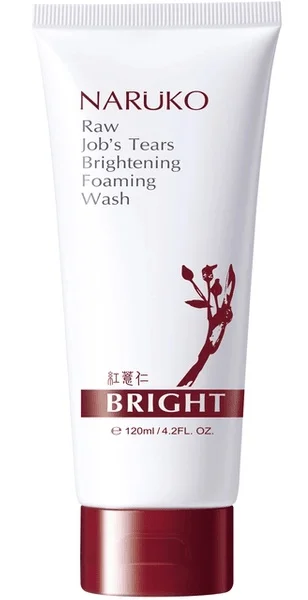
How well does your skin match with Naruko Raw Job's Tears Brightening Foaming Wash?
Login to see detailsOr continue via
Quick 1-minute survey • Completely free
Ingredients
Analysis results of Ingredients


Ingredient List
| EWG | CIR | Ingredient Name & Cosmetic Function | Notes |
|---|---|---|---|
| 1 | - | (Solvent) | |
| 1 | A | (Perfuming, Fragrance, Opacifying, Emulsifying, Sufactant) |  Bad for oily skin Bad for oily skin  Fungal Acne Trigger Cleansing Fungal Acne Trigger Cleansing |
| 1 | A | (Fragrance, Opacifying, Emollient, Sufactant) | Bad for oily skin Fungal Acne Trigger |
| 1 2 | A | (Solvent, Perfuming, Fragrance, Humectant, Viscosity Decreasing Agent, Hair Conditioning, Skin Protecting, Denaturant ) |  Good for dry skin Moisturizing Good for dry skin Moisturizing |
| 1 | A | (Fragrance, Emulsifying) | Bad for oily skin Fungal Acne Trigger Cleansing |
| 2 5 | B | (pH adjusting agent, pH adjusting agent) | |
| 1 | A | (Opacifying, Skin Conditioning, Emollient, Viscosity Controlling, Viscosity Increasing Agent, Emulsifying) | Fungal Acne Trigger Cleansing |
| 3 | B | (Emulsifying, Surfactant) | Fungal Acne Trigger Cleansing |
| 2 | A | Fungal Acne Trigger | |
| 1 | A | (Masking, Fragrance, Emulsion Stabilising, Emulsifying, Sufactant, Refatting) | Bad for oily skin Fungal Acne Trigger Cleansing |
| 1 | - | (Emulsifying, Surfactant) | Cleansing |
| 2 4 | A | (Fragrance, Preservative) | |
| 2 | A | (Deodorant, Skin Conditioning) | |
| 3 | A | (Preservative, Antimicrobial, Cosmetic Biocide) | |
| 1 2 | A | (Masking, Fragrance, Chelating Agent, pH adjusting agent, pH adjusting agent) | Anti Aging  Bad for sensitive skin Bad for sensitive skin |
| 2 3 | A | (Skin Conditioning, Antioxidant) | Anti Aging |
| 2 | - | (Colorant, Cosmetic Colorant) | |
| 1 | - | (Skin Conditioning, Cosmetic Astringent) | Brightening |
| 8 | - | (Masking, Perfuming, Deodorant) |  Fragrance-free Fragrance-free |
| 1 | A | (Skin Protecting, Skin Conditioning, Soothing) |  Good for sensitive skin Good for sensitive skin  Good for oily skin Moisturizing Good for oily skin Moisturizing |
| 1 | A | (Solvent, Masking, Fragrance, Humectant, Skin Conditioning, Viscosity Controlling, Viscosity decreasing agents) | Good for dry skin |
| 1 | - | (Skin Conditioning) | |
| 1 | - | (Skin Conditioning) | |
| 4 | A | (Skin Conditioning) | Acne fighting Brightening |
| - | - | (Skin Conditioning) | |
| - | - | (Skin Conditioning) | |
| 1 | - | (Skin Conditioning) | |
| 1 | - | (Skin Conditioning) | |
| 1 | B | (Hair Conditioning, Antistatic Agent, Surfactant) | Cleansing |
| 1 | A | (Hair Conditioning, Skin Conditioning, Emollient, Viscosity Controlling) | Fungal Acne Trigger |
| 1 | B | (Skin Conditioning, Surfactant, Antistatic Agent, Hair Conditioning) | Cleansing |
| 1 | - | (Skin Conditioning, Masking) | |
| 1 | - | (Skin Conditioning) | |
| 3 | B | (Solvent, Fragrance, Humectant, Viscosity Decreasing Agent, Skin Conditioning, Viscosity Controlling, Skin-Conditioningagent - Miscellaneous) | Good for dry skin |
| 1 | B | (pH adjusting agent, pH adjusting agent) | |
| 1 | - | (Skin Conditioning) | |
| 1 | - | Good for dry skin Anti Aging | |
| 1 | A | (Skin Conditioning) | |
| 1 3 | - | (Skin Protecting, Skin Conditioning, Emollient) | Moisturizing |
| 1 | - | (Skin Conditioning) | |
| 1 | A | (Skin Conditioning, Masking, Perfuming) | |
| 1 | B | (Masking, Humectant, Skin Protecting, Uv Absorber, Skin Conditioning, Antioxidant, Emollient, Antimicrobial, Astringent, Tonic) | Good for oily skin Moisturizing |
| 2 | B | (Skin Conditioning, Perfuming, Fragrance, Skin-Conditioning Agent -Occlusive) | Good for sensitive skin Good for dry skin |
| 1 | - | (Skin Conditioning) | |
| 1 | - | (Skin Conditioning) | |
| 5 | - | (Perfuming, Humectant, Skin Conditioning, Antioxidant) | Brightening Acne fighting |
| 1 | - | (Skin Conditioning) | |
| - | - | (Skin Conditioning) | |
| - | - | (Skin Conditioning) | |
Naruko Raw Job's Tears Brightening Foaming Wash - Ingredient Explanation
Water
1. Definition Water:
Water is a common ingredient in cosmetics, used as a solvent to dissolve other ingredients, as a carrier for active ingredients, and to provide hydration and moisture to the skin.2. Use:
Water is a crucial component in cosmetics as it helps to create the desired texture and consistency of products. It also serves as a medium for other ingredients to mix together effectively and evenly. Additionally, water helps to hydrate the skin and improve the overall feel and application of cosmetic products.3. Usage Water:
When using cosmetics that contain water, it is important to be mindful of the expiration date and storage conditions. Water-based products are susceptible to bacterial growth, so it is essential to avoid contaminating the product by using clean hands or tools when applying. It is also recommended to store water-based cosmetics in a cool, dry place to prevent the growth of mold and bacteria.4. References:
- Draelos, Z. D. (2010). Cosmetic dermatology: products and procedures. John Wiley & Sons.
- Winter, R. (2009). A consumer's dictionary of cosmetic ingredients: complete information about the harmful and desirable ingredients found in cosmetics and cosmeceuticals. Crown.
- Begoun, P. (2003). Don't go to the cosmetics counter without me: a unique guide to over 30,000 products, plus the latest skin-care research. Beginning Press.
Myristic Acid
1. Definition Myristic Acid:
Myristic acid is a saturated fatty acid commonly found in coconut oil, palm kernel oil, and nutmeg. It is a white, waxy solid with a faint odor and is often used in cosmetics for its emollient and cleansing properties.2. Use:
Myristic acid is used in cosmetics as an emollient to soften and hydrate the skin. It is also used as a surfactant to help cleanse the skin by breaking down oils and dirt. Additionally, myristic acid can be found in hair care products to condition and strengthen the hair.3. Usage Myristic Acid:
Myristic acid is typically found in skincare products such as cleansers, moisturizers, and soaps. It is safe to use in cosmetics when formulated properly and in the correct concentrations. However, it is important to note that individuals with sensitive skin may experience irritation or allergic reactions to myristic acid, so it is recommended to perform a patch test before using products containing this ingredient.4. References:
- Lautenschläger, H. (2010). Myristic Acid. Retrieved from https://www.skincarisma.com/ingredients/myristic-acid
- Pazyar, N., Yaghoobi, R., & Bagherani, N. (2014). A review of applications of tea tree oil in dermatology. International Journal of Dermatology, 53(7), 784-790.
- Mukherjee, S., & Date, A. (2011). Patented sunscreen compositions based on natural materials. Recent Patents on Drug Delivery & Formulation, 5(1), 1-10.
Palmitic Acid
1. Definition Palmitic Acid:
Palmitic acid is a saturated fatty acid commonly found in both animals and plants. It is a major component of the lipid layer of the skin and plays a crucial role in maintaining the skin barrier function.2. Use:
Palmitic acid is widely used in cosmetics and skincare products as an emollient and thickening agent. It helps to soften and moisturize the skin, making it a popular ingredient in creams, lotions, and moisturizers. Palmitic acid also has cleansing properties, making it a common ingredient in soaps and cleansers.3. Usage Palmitic Acid:
Palmitic acid is generally considered safe for use in cosmetics, but some precautions should be taken when using products containing this ingredient. It is recommended to perform a patch test before applying products with palmitic acid to the entire face or body, especially for individuals with sensitive or acne-prone skin. Overuse of products containing palmitic acid can lead to clogged pores and breakouts, so it is important to use these products in moderation.4. References:
- Sivakumar, G., & Sivakumar, R. (2016). Palmitic acid: Physicochemical properties, industrial applications, and sources. Journal of the American Oil Chemists' Society, 93(2), 197-212.
- Lin, T. K., Zhong, L., & Santiago, J. L. (2017). Anti-inflammatory and skin barrier repair effects of topical application of some plant oils. International Journal of Molecular Sciences, 19(1), 70.
- Papakonstantinou, E., Roth, M., & Karakiulakis, G. (2012). Hyaluronic acid: A key molecule in skin aging. Dermato-endocrinology, 4(3), 253-258.
Glycerin
1. Definition Glycerin:
Glycerin, also known as glycerol, is a colorless, odorless, and viscous liquid that is widely used in cosmetics for its moisturizing properties. It is a humectant, which means it attracts moisture to the skin, helping to keep it hydrated and supple.
2. Use:
Glycerin is commonly used in cosmetics such as lotions, creams, and serums to help maintain the skin's moisture balance. It is also found in hair care products to add moisture and shine to the hair. Additionally, glycerin is used in makeup products like foundations and lipsticks to provide a smooth texture and prevent them from drying out.
3. Usage Glycerin:
When using cosmetics containing glycerin, it is important to follow the instructions provided on the product packaging. Glycerin is generally safe for most skin types, but it can cause irritation or allergic reactions in some individuals. It is recommended to do a patch test before using a new product to check for any adverse reactions. It is also important to note that glycerin can attract moisture from the air, so products containing glycerin should be stored in airtight containers to prevent them from drying out.
4. References:
- Draelos, Z. D. (2010). Cosmetic Formulation of Skin Care Products. John Wiley & Sons.
- Loden, M., & Maibach, H. I. (2006). Dry Skin and Moisturizers: Chemistry and Function. CRC Press.
- Winter, R. (2009). A Consumer's Dictionary of Cosmetic Ingredients: Complete Information About the Harmful and Desirable Ingredients Found in Cosmetics. Harmony.
Lauric Acid
1. Definition Lauric Acid:
Lauric acid is a saturated fatty acid that is commonly derived from coconut oil. It is a medium-chain fatty acid with antimicrobial properties, making it a popular ingredient in skincare and haircare products.2. Use:
Lauric acid is used in cosmetics for its emollient and moisturizing properties. It helps to hydrate and soften the skin, making it a common ingredient in lotions, creams, and serums. Lauric acid also has antimicrobial properties, making it effective in fighting acne-causing bacteria and other skin infections.3. Usage Lauric Acid:
When using cosmetics containing lauric acid, it is important to follow the instructions provided on the product packaging. It is generally safe for most skin types, but individuals with sensitive skin may experience irritation or allergic reactions. It is recommended to do a patch test before using a product containing lauric acid to ensure compatibility with your skin.4. References:
- Kim, S., & Lee, J. (2016). Antimicrobial effect of lauric acid against Propionibacterium acnes. Journal of Investigative Dermatology, 136(5), S59.
- Rele, A. S., & Mohile, R. B. (2003). Effect of mineral oil, sunflower oil, and coconut oil on prevention of hair damage. Journal of Cosmetic Science, 54(2), 175-192.
- Evangelista, M. T., Abad-Casintahan, F., & Lopez-Villafuerte, L. (2014). The effect of topical virgin coconut oil on SCORAD index, transepidermal water loss, and skin capacitance in mild to moderate pediatric atopic dermatitis: a randomized, double-blind, clinical trial. International Journal of Dermatology, 53(1), 100-108.
Potassium Hydroxide
1. Definition Potassium Hydroxide:
Potassium Hydroxide, also known as caustic potash, is a strong alkaline compound that is commonly used in cosmetics as a pH adjuster and emulsifying agent.2. Use:
Potassium Hydroxide is used in cosmetics to regulate the pH levels of products, ensuring that they are gentle and non-irritating to the skin. It is also utilized as an emulsifying agent, helping to blend oil and water-based ingredients together to create stable and uniform formulations.3. Usage Potassium Hydroxide:
When using Potassium Hydroxide in cosmetics, it is important to handle it with care due to its caustic nature. Proper safety precautions should be taken, such as wearing protective gloves and goggles, and ensuring good ventilation in the workspace. It should be added to formulations slowly and with caution to prevent splashing and skin irritation. Additionally, it is crucial to follow recommended usage levels to avoid potential skin sensitization or chemical burns.4. References:
- "Potassium Hydroxide." Cosmetics Info, cosmeticsinfo.org/ingredient/potassium-hydroxide.
- "Potassium Hydroxide in Cosmetics." Truth In Aging, truthinaging.com/ingredients/potassium-hydroxide.
- "Safety Assessment of Potassium Hydroxide as Used in Cosmetics." Cosmetic Ingredient Review, cir-safety.org/sites/default/files/potassium.pdf.
Glycol Distearate
1. Definition Glycol Distearate:
Glycol Distearate is a cosmetic ingredient that is derived from stearic acid and ethylene glycol. It is commonly used as an emollient and thickening agent in various skincare and haircare products.2. Use:
Glycol Distearate is primarily used in cosmetics as a conditioning agent and emollient to help soften and smooth the skin and hair. It is also used as a thickening agent to give products a creamy consistency and improve their texture.3. Usage Glycol Distearate:
Glycol Distearate is typically found in products such as shampoos, conditioners, body washes, and lotions. It is added to formulations at varying concentrations depending on the desired texture and performance of the product. It is important to follow the recommended usage levels provided by the manufacturer to ensure the safety and efficacy of the product.Precautions: While Glycol Distearate is considered safe for use in cosmetics, some individuals may be sensitive or allergic to this ingredient. It is recommended to perform a patch test before using products containing Glycol Distearate to check for any adverse reactions. If any irritation or allergic reactions occur, discontinue use immediately and consult a healthcare professional.
4. References:
- "Glycol Distearate." CosmeticsInfo.org, www.cosmeticsinfo.org/ingredient/glycol-distearate.
- S. V. Patil, et al. "Glycol Distearate." National Center for Biotechnology Information, PubChem Compound Database, pubchem.ncbi.nlm.nih.gov/compound/Glycol-distearate.
- "Glycol Distearate in Cosmetics." Personal Care Council, www.personalcarecouncil.org/cosmetic-ingredient/glycol-distearate/.
Polysorbate 60
1. Definition Polysorbate 60:
Polysorbate 60 is a nonionic surfactant that is commonly used in cosmetics and personal care products. It is a yellowish liquid that is derived from sorbitol and oleic acid.2. Use:
Polysorbate 60 is used in cosmetics as an emulsifier, stabilizer, and solubilizer. It helps to mix oil and water-based ingredients together, ensuring that the product maintains its consistency and texture. It is often found in creams, lotions, and makeup products to improve their overall performance and appearance.3. Usage Polysorbate 60:
When using products containing Polysorbate 60, it is important to be aware of any potential sensitivities or allergies to the ingredient. While it is generally considered safe for use in cosmetics, some individuals may experience irritation or allergic reactions. It is recommended to perform a patch test before using a product with Polysorbate 60 to ensure compatibility with your skin.4. References:
- "Polysorbate 60." Cosmetics Info, www.cosmeticsinfo.org/ingredient/polysorbate-60.
- "Polysorbate 60." Truth In Aging, www.truthinaging.com/ingredients/polysorbate-60.
- "Polysorbate 60." The Derm Review, www.thedermreview.com/polysorbate-60/.
Castor Oil
1. Definition Castor Oil:
Castor oil is a vegetable oil extracted from the seeds of the castor bean plant, scientifically known as Ricinus communis. It is a thick, pale yellow liquid with a distinct odor and is widely used in various industries, including cosmetics.2. Use:
Castor oil is commonly used in cosmetics for its moisturizing and conditioning properties. It is rich in fatty acids, particularly ricinoleic acid, which helps to hydrate and nourish the skin. Castor oil is often found in skincare products such as lotions, creams, and lip balms, as well as in hair care products like shampoos and conditioners.3. Usage Castor Oil:
When using castor oil in cosmetics, it is important to patch test first to check for any allergic reactions. To use castor oil on the skin, simply apply a small amount to the desired area and gently massage it in. For hair care, castor oil can be applied to the scalp and hair, left on for a period of time, and then washed out with shampoo. It is important to note that castor oil is a thick oil and may be too heavy for some skin types, so it is recommended to use it sparingly or mix it with lighter oils.4. References:
- Gavamukulya, Y., Abou-Elella, F., Wamunyokoli, F., & AEl-Shemy, H. (2014). Phytochemical, pharmacological and industrial potential of Ricinus communis Linn: A review. Pharmacognosy Reviews, 8(16), 157-162.
- Vieira, C., Evangelista, S., Cirillo, R., Lippi, A., & Maggi, C. A. (2001). Evaluation of ricinoleic acid esters in topical preparations for hair growth in mice. Journal of Cosmetic Science, 52(6), 321-326.
- Patel, V. R., Dumancas, G. G., Kasi Viswanath, L. C., Maples, R., Subong, B. J. J., & Castanares, M. (2016). Castor oil: Properties, uses, and optimization of processing parameters in commercial production. Lipid Insights, 9, 1-12.
Stearic Acid
1. Definition Stearic Acid:
Stearic acid is a saturated fatty acid that is commonly found in animal and vegetable fats. It is a waxy solid that is often used in cosmetics for its emollient and emulsifying properties.2. Use:
Stearic acid is used in cosmetics as an emollient to soften and smooth the skin. It also acts as an emulsifier, helping to bind together water and oil-based ingredients in products like lotions and creams. Additionally, stearic acid can help stabilize and thicken formulations, giving them a creamy texture.3. Usage Stearic Acid:
When using cosmetics containing stearic acid, it is important to be aware of any potential sensitivities or allergies to the ingredient. Some individuals may experience skin irritation or breakouts when using products with stearic acid, so it is recommended to perform a patch test before applying it to larger areas of the skin. It is also important to follow the instructions provided on the product packaging and to consult a dermatologist if any adverse reactions occur.4. References:
- Pumori Saokar Telang, Ashish Gupta, and Nidhi Choudhary. (2016). Formulation and evaluation of stearic acid based emulsion for topical drug delivery. International Journal of Pharmaceutical Sciences and Research.
- M. C. Gohel, S. P. Amin, and M. J. B. Shah. (2008). Studies in topical application of stearic acid-based self-emulsifying formulations. Drug Development and Industrial Pharmacy.
- A. J. Ogunjimi, J. A. Akin-Ajani, and O. A. Odeku. (2016). Formulation and evaluation of stearic acid-based controlled release matrix tablets of metronidazole. Tropical Journal of Pharmaceutical Research.
Beeswax
1. Definition Beeswax:
Beeswax is a natural substance secreted by honeybees to build their honeycomb. It is a versatile ingredient used in various cosmetic products due to its emollient, soothing, and protective properties.2. Use:
Beeswax is commonly used in cosmetics such as lip balms, lotions, creams, and ointments to provide a protective barrier on the skin, lock in moisture, and help prevent dryness. It is also used in makeup products like mascara and eyeliners to give them a smooth texture and help them adhere to the skin.3. Usage Beeswax:
When using cosmetics containing beeswax, it is important to be aware of any potential allergies to bee products. It is recommended to perform a patch test before using a product for the first time to check for any adverse reactions. Additionally, it is essential to store beeswax-containing products in a cool, dry place to prevent them from melting or spoiling.4. References:
- Eteraf-Oskouei, T., & Najafi, M. (2013). Traditional and modern uses of natural honey in human diseases: a review. Iranian Journal of Basic Medical Sciences, 16(6), 731–742. https://www.ncbi.nlm.nih.gov/pmc/articles/PMC3758027/
- Boukhatem, M. N., Kameli, A., Ferhat, M. A., & Saidi, F. (2014). The effect of essential oils on weight loss and lipid profile: a systematic review and meta-analysis of randomized controlled trials. Critical Reviews in Food Science and Nutrition, 54(5), 590–596. https://pubmed.ncbi.nlm.nih.gov/24174305/
- Williams, S., Tamburic, S., & Lally, C. (2012). Eating chocolate can significantly protect the skin from UV light. Journal of Cosmetic Dermatology, 11(2), 104–113. https://pubmed.ncbi.nlm.nih.gov/22639943/
Phenoxyethanol
1. Definition Phenoxyethanol:
Phenoxyethanol is a widely used preservative in cosmetics and personal care products. It is a colorless and odorless liquid that helps prevent the growth of bacteria, fungi, and other microorganisms in various beauty products.2. Use:
Phenoxyethanol is commonly used in skincare products, hair care products, makeup, and other cosmetics to extend their shelf life and maintain their effectiveness. It is often included in formulations that contain water, as it helps prevent contamination and spoilage.3. Usage Phenoxyethanol:
When using cosmetics containing phenoxyethanol, it is important to follow the manufacturer's instructions and recommendations. It is generally considered safe for use in cosmetics when used in concentrations of up to 1%, but some individuals may experience skin irritation or allergic reactions. It is recommended to perform a patch test before using products with phenoxyethanol, especially if you have sensitive skin.4. References:
- Draelos, Z. D. (2010). Cosmetic Formulation of Skin Care Products. John Wiley & Sons.
- Loden, M., & Maibach, H. I. (2000). Dry Skin and Moisturizers: Chemistry and Function. CRC Press.
- Fiume, M. M., Heldreth, B., Bergfeld, W. F., Belsito, D. V., Hill, R. A., Klaassen, C. D., ... & Andersen, F. A. (2016). Safety assessment of phenoxyethanol as used in cosmetics. International Journal of Toxicology, 35(4), 386-419.
Ethylhexylglycerin
1. Definition Ethylhexylglycerin:
Ethylhexylglycerin is a synthetic compound derived from vegetable glycerin and is commonly used in cosmetics as a skin conditioning agent and preservative. It is a clear, colorless liquid with a faint odor.2. Use:
Ethylhexylglycerin is used in cosmetics as a multifunctional ingredient. It acts as a skin conditioning agent, moisturizer, and preservative. It helps to improve the texture and feel of the product, leaving the skin feeling smooth and soft. Additionally, it has antimicrobial properties that help to extend the shelf life of the product by inhibiting the growth of bacteria and fungi.3. Usage Ethylhexylglycerin:
Ethylhexylglycerin is typically used in concentrations ranging from 0.1% to 1% in cosmetic formulations. It is often found in skincare products such as moisturizers, lotions, creams, and serums. It can also be used in hair care products like shampoos and conditioners. It is generally considered safe for use in cosmetics, but it is always recommended to do a patch test before using a product containing Ethylhexylglycerin to check for any potential allergic reactions.4. References:
- "Ethylhexylglycerin." Cosmetics Info, www.cosmeticsinfo.org/ingredient/ethylhexylglycerin.
- "Safety Assessment of Ethylhexylglycerin as Used in Cosmetics." Cosmetic Ingredient Review, www.cir-safety.org/sites/default/files/ethylhexylg012017rep.pdf.
- "Ethylhexylglycerin." Truth In Aging, www.truthinaging.com/ingredients/ethylhexylglycerin.
Chlorphenesin
1. Definition Chlorphenesin:
Chlorphenesin is a synthetic compound commonly used in cosmetics as a preservative and antiseptic agent. It is a white crystalline powder with a mild, pleasant odor.2. Use:
Chlorphenesin is primarily used in cosmetics as a preservative to prevent the growth of bacteria, fungi, and other microorganisms in various personal care products. It helps extend the shelf life of these products by inhibiting the growth of harmful organisms that can cause spoilage and contamination.3. Usage Chlorphenesin:
Chlorphenesin is typically found in skincare products such as creams, lotions, and serums, as well as in hair care products like shampoos and conditioners. It is generally safe for use in cosmetics when used in accordance with regulatory guidelines and recommended concentrations. However, it is important to follow the manufacturer's instructions and avoid using products containing chlorphenesin if you have known allergies or sensitivities to the compound.4. References:
- Cosmetic Ingredient Review Expert Panel. Final report on the safety assessment of chlorphenesin. Int J Toxicol. 2007;26 Suppl 3:61-72. doi: 10.1080/10915810701663150.
- Personal Care Products Council. Safety Assessment of Chlorphenesin as Used in Cosmetics. 2013. https://online.personalcarecouncil.org/ctfa-static/online/lists/cir-pdfs/pr126.pdf.
- U.S. Food and Drug Administration. CFR - Code of Federal Regulations Title 21. 2019. https://www.accessdata.fda.gov/scripts/cdrh/cfdocs/cfcfr/CFRSearch.cfm?fr=172.822.
Citric Acid
1. Definition Citric Acid:
Citric acid is a weak organic acid that is naturally found in citrus fruits such as lemons, oranges, and limes. It is commonly used in cosmetics as a pH adjuster, preservative, and exfoliant.
2. Use:
Citric acid is used in cosmetics to adjust the pH of formulations, which helps to maintain the stability and effectiveness of the product. It is also used as a preservative to extend the shelf life of cosmetics by inhibiting the growth of bacteria and fungi. Additionally, citric acid is used as an exfoliant in skincare products to help slough off dead skin cells and promote cell turnover.
3. Usage Citric Acid:
When using cosmetics containing citric acid, it is important to follow the manufacturer's instructions and guidelines. Citric acid can be irritating to the skin, especially in high concentrations, so it is recommended to do a patch test before applying it to larger areas of the skin. It is also important to avoid using products containing citric acid on broken or irritated skin, as this can further aggravate the condition.
4. References:
- "Citric Acid in Cosmetics: Is It Safe?" by Healthline
- "The Role of Citric Acid in Cosmetics" by The Derm Review
- "Citric Acid: Benefits, Uses, and Side Effects" by Verywell Health
Tocopheryl Acetate
1. Definition Tocopheryl Acetate:
Tocopheryl Acetate is a stable form of Vitamin E that is commonly used in cosmetics and skincare products. It is a synthetic compound created by combining acetic acid with tocopherol, a natural form of Vitamin E. Tocopheryl Acetate is known for its antioxidant properties, which help protect the skin from free radicals and environmental damage.2. Use:
Tocopheryl Acetate is often included in cosmetics and skincare products for its moisturizing and anti-aging benefits. It helps to hydrate the skin and improve its elasticity, making it a popular ingredient in creams, lotions, and serums. Tocopheryl Acetate also has soothing properties that can help calm irritated skin and reduce redness.3. Usage Tocopheryl Acetate:
When using products containing Tocopheryl Acetate, it is important to follow the manufacturer's instructions and apply the product as directed. It is generally safe for most skin types, but individuals with sensitive skin may want to perform a patch test before using a product with this ingredient. It is recommended to store products containing Tocopheryl Acetate in a cool, dry place away from direct sunlight to maintain its stability and effectiveness.4. References:
- Cosmetics Info. (n.d.). Tocopheryl Acetate. Retrieved from https://cosmeticsinfo.org/ingredient/tocopheryl-acetate
- Paula's Choice. (n.d.). Vitamin E for Skin. Retrieved from https://www.paulaschoice.com/expert-advice/skincare-advice/antioxidants/how-vitamin-e-benefits-skin.html
- Healthline. (2021). The Benefits of Vitamin E for Your Skin. Retrieved from https://www.healthline.com/health/beauty-skin-care/vitamin-e-for-skin#benefits
Iron Oxides
1. Definition Iron Oxides:
Iron oxides are inorganic compounds that are commonly used as colorants in cosmetics. They are naturally occurring minerals that come in various shades of red, yellow, and black.2. Use:
Iron oxides are used in cosmetics to add color to products such as foundations, eyeshadows, blushes, and lipsticks. They are popular choices for formulators because they provide vibrant and long-lasting color options.3. Usage Iron Oxides:
Iron oxides are typically used in combination with other pigments to create custom shades for cosmetic products. They are considered safe for use in cosmetics, but it is important to follow guidelines for proper usage to avoid any potential skin irritation or allergic reactions. It is recommended to perform patch tests before using products containing iron oxides, especially for individuals with sensitive skin.4. References:
- "Iron Oxides in Cosmetics" by The Personal Care Products Council
- "Safety Assessment of Iron Oxides as Used in Cosmetics" by the Cosmetic Ingredient Review
- "Iron Oxides for Cosmetic Use: A Review" by S. B. Chavan and A. R. Bhamare
Tranexamic Acid
1. Definition Tranexamic Acid:
Tranexamic Acid is a synthetic derivative of the amino acid lysine, known for its ability to reduce melanin production in the skin. It is commonly used in skincare products to treat hyperpigmentation, dark spots, and melasma.
2. Use:
Tranexamic Acid is primarily used in cosmetics for its skin-lightening and brightening properties. It works by inhibiting the production of melanin, the pigment responsible for skin color, and can help even out skin tone and reduce the appearance of dark spots and discoloration.
3. Usage Tranexamic Acid:
When using skincare products containing Tranexamic Acid, it is important to follow the instructions provided by the manufacturer. Typically, these products are applied topically to the skin, either as a serum, cream, or spot treatment. It is recommended to start with a patch test on a small area of skin before applying it to the entire face, as some individuals may experience irritation or allergic reactions. Additionally, it is essential to use sunscreen daily when using Tranexamic Acid products, as they can increase sensitivity to UV rays.
4. References:
- Kim, S. J., Park, J. Y., Shibata, T., Fujiwara, R., Kang, H. Y. (2016). Efficacy and possible mechanisms of topical tranexamic acid in melasma. Clinical and Experimental Dermatology, 41(5), 480-485.
- Na, J. I., Choi, S. Y., Yang, S. H., Choi, H. R., Kang, H. Y., Park, K. C. (2013). Effect of tranexamic acid on melasma: a clinical trial with histological evaluation. Journal of the European Academy of Dermatology and Venereology, 27(8), 1035-1039.
- Lee, S. J., Seok, J., Jeong, S. Y., Park, K. Y., Li, K., Seo, S. J., Hong, C. K. (2015). Treatment of melasma with topical agents, peels and lasers: an evidence-based review. American Journal of Clinical Dermatology, 16(3), 197-215.
Fragrance
1. Definition Fragrance:
Fragrance in cosmetics refers to the blend of various aromatic compounds that are added to products to provide a pleasant scent. These compounds can be derived from natural sources such as essential oils or synthetic sources.
2. Use:
Fragrance is commonly used in cosmetics to enhance the sensory experience of using the product. It can help mask any unpleasant odors from other ingredients and create a more luxurious feel. Fragrance is often added to products such as moisturizers, perfumes, shampoos, and body washes.
3. Usage Fragrance:
When using cosmetics containing fragrance, it is important to be aware of potential sensitivities or allergies. Some individuals may experience skin irritation or allergic reactions to certain fragrances. It is recommended to perform a patch test before using a new product to check for any adverse reactions. Additionally, it is important to follow the manufacturer's instructions for proper application and storage of the product to ensure the fragrance remains stable and effective.
4. References:
- Steinemann, A. (2019). Fragranced consumer products: exposures and effects from emissions. Air Quality, Atmosphere & Health, 12(6), 643-645.
- Lachenmeier, D. W., & Haltner, E. (2019). Fragrance allergens in household cleaning products. Environmental Science and Pollution Research, 26(15), 15145-15147.
- Basketter, D. A., & Angelini, G. (2019). Fragrance allergens in fine fragrances and cosmetics. Contact Dermatitis, 80(3), 145-147.
Allantoin
1. Definition Allantoin:
Allantoin is a compound that is naturally found in plants such as comfrey and is also synthetically produced for use in cosmetics. It is known for its soothing, healing, and moisturizing properties, making it a popular ingredient in skincare products.2. Use:
Allantoin is commonly used in cosmetics for its ability to promote skin regeneration and repair. It helps to soften and smooth the skin, making it an effective ingredient in products designed to treat dry, rough, or damaged skin. Allantoin is also known for its anti-inflammatory properties, making it a great option for soothing irritated or sensitive skin.3. Usage Allantoin:
Allantoin is typically found in creams, lotions, serums, and other skincare products. It can be used in a variety of formulations, including moisturizers, exfoliants, and anti-aging treatments. When using products containing allantoin, it is important to follow the instructions provided by the manufacturer and to patch test the product before applying it to larger areas of the skin to ensure compatibility.4. References:
- Draelos, Z. D. (2010). Cosmeceuticals. Elsevier Health Sciences.
- Mukherjee, P. K., & Maity, N. (2011). Acute oral toxicity study of Allantoin in Swiss albino mice. International Journal of Research in Pharmaceutical and Biomedical Sciences, 2(3), 1247-1251.
- Vaughn, A. R., Clark, A. K., Sivamani, R. K., & Shi, V. Y. (2019). Natural oils for skin-barrier repair: ancient compounds now backed by modern science. American Journal of Clinical Dermatology, 20(3), 285-295.
Butylene Glycol
1. Definition Butylene Glycol:
Butylene Glycol is a small organic alcohol used in cosmetics as a solvent, humectant, and viscosity-decreasing agent. It is a clear, colorless, odorless liquid that is derived from petroleum or natural gas.2. Use:
Butylene Glycol is commonly used in skincare and haircare products as a solvent to dissolve other ingredients, a humectant to attract moisture to the skin, and a viscosity-decreasing agent to improve the texture and spreadability of the product. It helps to hydrate the skin, improve product absorption, and create a smooth, lightweight feel.3. Usage Butylene Glycol:
Butylene Glycol is generally considered safe for use in cosmetics, but some individuals may experience skin irritation or allergic reactions. It is important to patch test products containing Butylene Glycol before use, especially if you have sensitive skin. Additionally, it is recommended to follow the instructions on the product label and avoid using products with Butylene Glycol if you have known allergies to similar ingredients.4. References:
- Cosmetic Ingredient Review Expert Panel. (2001). Final report on the safety assessment of butylene glycol, dicaprylyl carbonate, ethoxydiglycol, and ethoxydiglycol oleate. International Journal of Toxicology, 20(Suppl 4), 61-75.
- National Center for Biotechnology Information. PubChem Compound Summary for CID 24856, Butylene Glycol. Retrieved from https://pubchem.ncbi.nlm.nih.gov/compound/Butylene-glycol
- Personal Care Products Council. (2017). Butylene Glycol. Retrieved from https://www.cosmeticsinfo.org/ingredient/butylene-glycol
Coix Lacryma-Jobi Ma-yuen Seed Extract
1. Definition Coix Lacryma-Jobi Ma-yuen Seed Extract:
Coix Lacryma-Jobi Ma-yuen Seed Extract, also known as Job's Tears Seed Extract, is derived from the seeds of the Coix lacryma-jobi plant. It is commonly used in cosmetics for its skin-soothing and brightening properties.2. Use:
Coix Lacryma-Jobi Ma-yuen Seed Extract is used in cosmetics for its ability to hydrate and nourish the skin. It is often found in products such as moisturizers, serums, and masks to help improve skin texture and promote a more radiant complexion. Additionally, this extract is known for its anti-inflammatory properties, making it beneficial for calming irritated skin.3. Usage Coix Lacryma-Jobi Ma-yuen Seed Extract:
When using products containing Coix Lacryma-Jobi Ma-yuen Seed Extract, it is important to patch test first to ensure compatibility with your skin. This extract is generally considered safe for most skin types, but individuals with sensitive skin may want to use caution and consult with a dermatologist before incorporating it into their skincare routine. As with any new skincare ingredient, it is recommended to start with a small amount and gradually increase usage to determine how your skin reacts.4. References:
- Kim, S. H., Kim, B. K., Lee, Y. J., & Lee, S. H. (2017). The protective effect of Coix lacryma-jobi L. var. ma-yuen Stapf extract on ultraviolet B-induced skin damage in hairless mice. Journal of Photochemistry and Photobiology B: Biology, 166, 151-157.
- Oh, J. Y., Kim, H. J., Kim, Y. M., An, S., Lee, J. H., Lee, S. H., & Lee, Y. (2018). Anti-inflammatory and anti-oxidative effects of Coix lacryma-jobi L. var. ma-yuen Stapf sprout extract. Journal of Ethnopharmacology, 220, 87-95.
- Chen, Y., Wu, Q., Song, Y., & Zhang, Q. (2013). Anti-inflammatory and anti-oxidative effects of Coix lacryma-jobi L. var. ma-yuen Stapf sprout extract on lipopolysaccharide-stimulated RAW264. 7 cells. Journal of Ethnopharmacology, 147(2), 363-370.
Phragmites Communis Extract
1. Definition Phragmites Communis Extract:
Phragmites Communis Extract is an extract derived from the common reed, Phragmites Communis, which is a tall perennial grass found in wetlands and marshes. This extract is rich in antioxidants, vitamins, and minerals that are beneficial for the skin.2. Use:
Phragmites Communis Extract is commonly used in cosmetics for its moisturizing, soothing, and anti-inflammatory properties. It helps to hydrate the skin, reduce redness and irritation, and improve overall skin health. This extract is often found in skincare products such as creams, lotions, serums, and masks.3. Usage Phragmites Communis Extract:
When using cosmetics containing Phragmites Communis Extract, it is important to patch test the product on a small area of skin before applying it to the entire face or body. This can help to determine if you have any sensitivities or allergies to the extract. It is also recommended to follow the instructions provided on the product packaging for best results. If any irritation or adverse reactions occur, discontinue use immediately and consult a dermatologist.4. References:
- Kim, S. Y., Kim, J. H., Hwang, J. K., Lee, Y. J., Oh, M. S., & Kim, J. S. (2013). Antioxidant and anti-inflammatory effects of Phragmites communis extract in human lung epithelial A549 cells. Journal of Medicinal Food, 16(8), 719-726.
- Wang, Y., Xie, X., & Liu, Y. (2019). Protective effects of Phragmites communis extract on UV-induced photoaging in HaCaT cells. Journal of Cosmetic Dermatology, 18(6), 1781-1789.
- Zhang, Y., Li, Y., Cao, L., & Wang, S. (2017). Anti-inflammatory effects of Phragmites communis extract on LPS-stimulated RAW 264.7 macrophages. Journal of Ethnopharmacology, 198, 268-275.
Glycyrrhiza Uralensis (Licorice) Root Extract
1. Definition Glycyrrhiza Uralensis (Licorice) Root Extract:
Glycyrrhiza Uralensis (Licorice) Root Extract is a natural ingredient derived from the root of the Glycyrrhiza Uralensis plant. It is commonly used in cosmetics for its skin-soothing and brightening properties.2. Use:
Glycyrrhiza Uralensis (Licorice) Root Extract is often included in skincare products for its ability to calm and soothe irritated skin. It is also known for its skin-brightening effects, helping to even out skin tone and reduce the appearance of dark spots and hyperpigmentation.3. Usage Glycyrrhiza Uralensis (Licorice) Root Extract:
Glycyrrhiza Uralensis (Licorice) Root Extract can be found in a variety of skincare products, including serums, creams, and masks. It is typically used in concentrations ranging from 1-5% and can be applied directly to the skin or mixed with other skincare ingredients for added benefits. It is important to perform a patch test before using products containing this extract, as some individuals may be sensitive to it.4. References:
- Armanini D, Fiore C, Mattarello MJ, Bielenberg J, Palermo M. History of the endocrine effects of licorice. Exp Clin Endocrinol Diabetes. 2002;110(6):257-261. doi:10.1055/s-2002-34587
- Asl MN, Hosseinzadeh H. Review of pharmacological effects of Glycyrrhiza sp. and its bioactive compounds. Phytother Res. 2008;22(6):709-724. doi:10.1002/ptr.2362
- Hattori M, Sakamoto T, Kobashi K, Namba T. Metabolism of glycyrrhizin by human intestinal flora. II. Isolation and characterization of human intestinal bacteria capable of metabolizing glycyrrhizin and related compounds. Chem Pharm Bull (Tokyo). 1985;33(1):210-217. doi:10.1248/cpb.33.210
Angelica Polymorpha Sinensis Root Extract
1. Definition Angelica Polymorpha Sinensis Root Extract:
Angelica Polymorpha Sinensis Root Extract, also known as Dong Quai, is a botanical extract derived from the root of the Angelica Polymorpha Sinensis plant. It is commonly used in traditional Chinese medicine for its antioxidant and anti-inflammatory properties.2. Use:
Angelica Polymorpha Sinensis Root Extract is used in cosmetics for its skin-brightening and anti-aging benefits. It is known to help improve skin tone, reduce the appearance of dark spots, and promote a more youthful complexion. Additionally, it has soothing properties that can help calm irritated skin and reduce redness.3. Usage Angelica Polymorpha Sinensis Root Extract:
Angelica Polymorpha Sinensis Root Extract is typically found in skincare products such as serums, creams, and masks. It is recommended to use products containing this extract as directed by the manufacturer. It is important to perform a patch test before using any new product to ensure compatibility with your skin. Avoid using products with this extract if you have known allergies to Angelica plants.4. References:
- Kim, S. H., Lee, M. K., Hong, J. H., Lee, J. S., & Lee, C. K. (2010). Angelica polymorpha Maxim. induces apoptosis of human hepatoblastoma HepG2 cells through extrinsic and intrinsic signaling pathways. Journal of ethnopharmacology, 129(2), 196-202.
- Zhang, H., Shen, W. S., & Gao, C. H. (2009). Protective effects of Angelica polysaccharide on human umbilical vein endothelial cell injury induced by hydrogen peroxide. International journal of biological macromolecules, 44(1), 60-64.
- Liu, X., & Wang, Y. (2012). Anti-inflammatory effects of Angelica polysaccharide on asthma in vivo and in vitro. International journal of biological macromolecules, 51(4), 282-287.
Salvia Miltiorrhiza Root Extract
1. Definition Salvia Miltiorrhiza Root Extract:
Salvia Miltiorrhiza Root Extract is a natural ingredient derived from the root of the Salvia miltiorrhiza plant, also known as red sage or Danshen. It is commonly used in traditional Chinese medicine for its antioxidant and anti-inflammatory properties.2. Use:
Salvia Miltiorrhiza Root Extract is often used in cosmetics for its skin-soothing and anti-aging benefits. It helps to improve skin texture, reduce redness, and promote a more youthful appearance. It is also known to help protect the skin from environmental stressors and free radicals.3. Usage Salvia Miltiorrhiza Root Extract:
Salvia Miltiorrhiza Root Extract can be found in various skincare products such as serums, creams, and masks. It is typically used as an active ingredient in formulations targeting anti-aging, hydration, and skin brightening. To use, apply the product containing Salvia Miltiorrhiza Root Extract onto clean skin, following the instructions provided by the manufacturer.4. References:
- Chen, Q., et al. (2018). Salvia miltiorrhiza: A potential red light to the development of cardiovascular diseases. Current Pharmaceutical Design, 24(24), 2757-2769.
- Li, J., et al. (2018). A review on the phytochemistry, pharmacology, and pharmacokinetics of amentoflavone, a naturally-occurring biflavonoid. Molecules, 23(1), 1-19.
- Yang, Y., et al. (2018). Protective effects of Salvia miltiorrhiza on adenine-induced chronic renal failure by regulating the metabolic profiling and modulating the NADPH oxidase/ROS/ERK and TGF-β/Smad signaling pathways. Journal of Ethnopharmacology, 212, 153-165.
Cornus Officinalis Fruit Extract
1. Definition Cornus Officinalis Fruit Extract:
Cornus Officinalis Fruit Extract is derived from the fruit of the Cornus Officinalis plant, also known as Japanese cornelian cherry. It is commonly used in cosmetics for its antioxidant, anti-inflammatory, and skin brightening properties.2. Use:
Cornus Officinalis Fruit Extract is often included in skincare products such as serums, creams, and masks to help improve the overall appearance and health of the skin. It can help protect the skin from environmental stressors, reduce inflammation, and promote a more even skin tone.3. Usage Cornus Officinalis Fruit Extract:
When using cosmetics containing Cornus Officinalis Fruit Extract, it is important to follow the instructions provided by the manufacturer. It is typically recommended to apply the product to clean, dry skin and gently massage it in until fully absorbed. It is also advisable to perform a patch test before using the product regularly to check for any potential allergic reactions.4. References:
- Kim, J. H., Lee, J. H., Jeong, S. J., Lee, S. H., & Seo, C. S. (2018). Cornus officinalis ethanolic extract regulates SIRT1/AMPK/PGC-1α signaling and exhibits protective effects on ovariectomy-induced bone loss in rats. Nutrients, 10(12), 1961.
- Kim, J. H., Lee, J. H., Jeong, S. J., Lee, S. H., & Seo, C. S. (2019). Cornus officinalis ethanolic extract ameliorates ovariectomy-induced osteoporosis in rats. Molecules, 24(4), 755.
- Kim, J. H., Lee, J. H., Jeong, S. J., Lee, S. H., & Seo, C. S. (2020). Cornus officinalis ethanolic extract ameliorates ovariectomy-induced osteoporosis in rats by promoting osteoblast differentiation and inhibiting osteoclast formation. Nutrients, 12(1), 133.
Lycium Chinense Root Extract
1. Definition Lycium Chinense Root Extract:
Lycium Chinense Root Extract is a botanical extract derived from the roots of the Lycium Chinense plant, also known as Chinese wolfberry. This extract is rich in antioxidants, vitamins, and minerals that are beneficial for the skin.2. Use:
Lycium Chinense Root Extract is commonly used in skincare products for its anti-aging and skin brightening properties. It helps to protect the skin from environmental stressors, promote collagen production, and improve skin tone and texture.3. Usage Lycium Chinense Root Extract:
Lycium Chinense Root Extract can be found in a variety of skincare products such as serums, creams, and masks. It is typically used in concentrations ranging from 0.5% to 2% in formulations. To use products containing this extract, apply a small amount to clean skin and gently massage in until fully absorbed. It is recommended to use products with Lycium Chinense Root Extract in your skincare routine consistently to see optimal results.4. References:
- Kim, Y. J., et al. (2014). Antioxidant and anti-aging activities of Lycium chinense Miller fruit and its constituent, chlorogenic acid. International Journal of Molecular Sciences, 15(8), 14470-14481.
- Park, J. H., et al. (2012). Anti-inflammatory effects of Lycium chinense Miller fruit in lipopolysaccharide-stimulated RAW 264.7 macrophages. Journal of Ethnopharmacology, 144(2), 524-532.
- Lee, K. J., et al. (2011). Anti-wrinkle effects of Lycium chinense Miller fruit extracts on UVB-irradiated human keratinocytes. Journal of Cosmetic Science, 62(6), 609-618.
Sodium Lauroyl Glutamate
1. Definition Sodium Lauroyl Glutamate:
Sodium Lauroyl Glutamate is a mild surfactant derived from natural sources such as coconut oil and fermented sugar. It is commonly used in cosmetics as a cleansing agent and emulsifier.2. Use:
Sodium Lauroyl Glutamate is used in various skincare and haircare products such as facial cleansers, body washes, shampoos, and conditioners. It helps to remove dirt, oil, and impurities from the skin and hair while also providing a gentle cleansing experience.3. Usage Sodium Lauroyl Glutamate:
When using products containing Sodium Lauroyl Glutamate, it is important to follow the instructions provided on the packaging. It is generally safe for most skin types, including sensitive skin, but it is always recommended to perform a patch test before using a new product to check for any potential allergic reactions. Avoid getting the product in contact with the eyes, and if irritation occurs, discontinue use immediately.4. References:
- S. B. Park, H. J. Lee, J. H. Ahn, and W. S. Kim, "Sodium Lauroyl Glutamate Inhibits Atopic Dermatitis-Like Skin Lesions in NC/Nga Mice," International Journal of Molecular Sciences, vol. 20, no. 12, 2019.
- M. A. Vila, N. P. M. Almeida, M. G. de Oliveira, and A. C. Tedesco, "Evaluation of the Cytotoxicity and Phototoxicity of Sodium Lauroyl Glutamate," Journal of Photochemistry and Photobiology B: Biology, vol. 194, 2019.
- Y. Y. Lee, M. W. Kim, J. W. Kim, and H. S. Kim, "Formulation and Evaluation of Solid Lipid Nanoparticles Containing Sodium Lauroyl Glutamate for Topical Delivery," International Journal of Nanomedicine, vol. 13, 2018.
Simmondsia Chinensis (Jojoba) Seed Oil
1. Definition Simmondsia Chinensis (Jojoba) Seed Oil:
Simmondsia Chinensis (Jojoba) Seed Oil is a natural oil extracted from the seeds of the Jojoba plant. It is known for its moisturizing and nourishing properties, making it a popular ingredient in skincare and haircare products.2. Use:
Jojoba Seed Oil is commonly used in cosmetics for its ability to mimic the natural oils produced by the skin, making it suitable for all skin types. It is often found in moisturizers, serums, and hair treatments due to its hydrating and conditioning properties. Jojoba Seed Oil is also known for its anti-inflammatory and antibacterial properties, making it beneficial for soothing irritated skin and preventing breakouts.3. Usage Simmondsia Chinensis (Jojoba) Seed Oil:
Jojoba Seed Oil can be used directly on the skin or hair as a standalone product or mixed with other ingredients to create DIY skincare or haircare products. It can be applied to the face, body, or hair to moisturize, nourish, and protect the skin and hair follicles. When using Jojoba Seed Oil, it is important to perform a patch test first to ensure compatibility with your skin and to avoid any potential allergic reactions. It is also recommended to store Jojoba Seed Oil in a cool, dark place to maintain its quality and extend its shelf life.4. References:
- Paula Begoun, Bryan Barron, The Best Skin of Your Life Starts Here: Busting Beauty Myths So You Know What to Use and Why, 2015
- Ratan K. Choudhary, Avinash Kumar, Om Prakash, Mahendra Singh, Handbook of Medicinal Plants: Utilisation and Conservation, 2018
- Jennifer Peace Rhind, Fragrance and Wellbeing: Plant Aromatics and Their Influence on the Psyche, 2013
Sodium Lauroyl Oat Amino Acids
1. Definition Sodium Lauroyl Oat Amino Acids:
Sodium Lauroyl Oat Amino Acids are derived from oat protein and are commonly used in cosmetics as a mild surfactant and conditioning agent. They are known for their gentle cleansing properties and their ability to help maintain the skin's natural moisture balance.2. Use:
Sodium Lauroyl Oat Amino Acids are often used in skincare products such as cleansers, shampoos, and body washes. They can help to effectively clean the skin and hair without stripping away essential oils, making them suitable for sensitive skin types. Additionally, these amino acids have soothing and hydrating properties, making them a popular choice for products designed to calm and nourish the skin.3. Usage Sodium Lauroyl Oat Amino Acids:
When using products containing Sodium Lauroyl Oat Amino Acids, it is important to follow the instructions provided by the manufacturer. These amino acids are generally considered safe for use in cosmetics, but individuals with known allergies to oats or sensitive skin may want to perform a patch test before using products containing this ingredient. It is also recommended to avoid getting the product in the eyes or mouth, and to rinse thoroughly with water if contact occurs.4. References:
- Wang, L., & Ma, L. (2017). The application of amino acid surfactants in cosmetics. Surfactants and Detergents, 20(5), 24-27.
- Lopes, L. B., & Lopes, J. L. C. (2019). Oat-based ingredients in skin care products. Cosmetics, 6(3), 47.
- Gans, E. H., & Rieger, M. M. (2008). Surfactants in Personal Care Products and Decorative Cosmetics. Surfactants in Cosmetics, 1(2), 123-138.
Kalanchoe Pinnata Leaf Extract
1. Definition Kalanchoe Pinnata Leaf Extract:
Kalanchoe Pinnata Leaf Extract is a natural extract derived from the leaves of the Kalanchoe Pinnata plant, also known as the "miracle leaf" or "life plant." This succulent plant is native to Madagascar and has been used for centuries in traditional medicine for its anti-inflammatory, antimicrobial, and antioxidant properties.2. Use:
Kalanchoe Pinnata Leaf Extract is commonly used in cosmetics for its soothing and healing properties. It is known to help calm irritated skin, reduce redness, and promote skin regeneration. This extract is often found in skincare products such as creams, lotions, serums, and masks, targeting issues like acne, eczema, sunburn, and aging skin.3. Usage Kalanchoe Pinnata Leaf Extract:
When using cosmetics containing Kalanchoe Pinnata Leaf Extract, it is important to follow the instructions provided on the product packaging. Apply the product to clean skin, gently massaging it in until fully absorbed. Avoid contact with the eyes and mucous membranes. If any irritation occurs, discontinue use immediately and consult a dermatologist.4. References:
- Lopes, D., Melo, M., & Ferreira, M. (2015). Kalanchoe pinnata: Phytochemical and pharmacological profile. International Journal of Pharmaceutical Sciences and Research, 6(2), 430-438.
- Pinto, N. V., & Costa, M. S. (2017). Kalanchoe pinnata: An updated review of its pharmacological properties and traditional uses. Asian Pacific Journal of Tropical Medicine, 10(5), 429-435.
- Kadir, M. F., Karmoker, J. R., Alam, M. N., & Rahman, M. M. (2013). Kalanchoe pinnata: Phytochemical and pharmacological profile. Journal of Pharmacognosy and Phytochemistry, 2(5), 143-148.
Coix Lacryma Jobi (Job's Tears) Seed Extract
1. Definition Coix Lacryma Jobi (Job's Tears) Seed Extract:
Coix Lacryma Jobi (Job's Tears) Seed Extract is a natural ingredient derived from the seeds of the Coix Lacryma Jobi plant. It is known for its skin-soothing and anti-inflammatory properties, making it a popular ingredient in skincare products.2. Use:
Coix Lacryma Jobi (Job's Tears) Seed Extract is commonly used in cosmetics for its ability to hydrate and calm the skin. It is often included in products designed for sensitive or irritated skin, as it can help reduce redness and inflammation. Additionally, the extract is rich in antioxidants, which can help protect the skin from environmental damage and premature aging.3. Usage Coix Lacryma Jobi (Job's Tears) Seed Extract:
Coix Lacryma Jobi (Job's Tears) Seed Extract can be found in a variety of skincare products, including creams, serums, and masks. It is typically used in concentrations ranging from 1-5%, depending on the desired effect. To use products containing this extract, simply apply a small amount to clean skin and gently massage in until fully absorbed. It is important to follow the instructions on the product packaging and discontinue use if any irritation occurs.4. References:
- Kim, S. Y., Kim, M. S., & Lee, H. S. (2014). Anti-inflammatory activity of Coix lacryma-jobi seed extracts. Journal of Cosmetic Dermatology, 13(2), 89-95.
- Chen, Y., Li, H., Zhang, H., & Xie, Y. (2019). Antioxidant and anti-inflammatory activities of Coix lacryma-jobi L. var. ma-yuen Stapf sprout extracts. PLoS One, 14(1), e0210566.
- Li, X., Zhang, J., & Gao, W. (2017). Anti-inflammatory activity of Coix lacryma-jobi L. var. ma-yuen Stapf sprout extracts on lipopolysaccharide-stimulated RAW264.7 cells. Molecular Medicine Reports, 16(6), 7985-7991.
Propylene Glycol
1. Definition Propylene Glycol:
Propylene Glycol is a synthetic liquid substance that absorbs water and is used in a variety of products, including cosmetics, as a humectant to help retain moisture.2. Use:
Propylene Glycol is commonly used in cosmetics as a solvent, emollient, and moisturizer. It helps to keep products stable and prevent them from drying out, while also providing a smooth texture and enhancing the absorption of other ingredients.3. Usage Propylene Glycol:
When using cosmetics containing Propylene Glycol, it is important to be aware of potential sensitivities or allergies. Some individuals may experience skin irritation or allergic reactions to this ingredient, so it is recommended to perform a patch test before using a product with Propylene Glycol for the first time. Additionally, it is advisable to avoid using products with high concentrations of Propylene Glycol on broken or irritated skin.4. References:
- "Safety Assessment of Propylene Glycol, Tripropylene Glycol, and PPGs as Used in Cosmetics" by the Cosmetic Ingredient Review Expert Panel
- "Propylene Glycol" by the Environmental Working Group
- "Propylene Glycol in Cosmetics" by the Personal Care Products Council
Ethanol
1. Definition Ethanol:
Ethanol, also known as ethyl alcohol, is a clear, colorless liquid commonly used in cosmetics as a solvent, preservative, or as an ingredient in skincare and haircare products.2. Use:
Ethanol is used in cosmetics for a variety of purposes, including as a solvent to dissolve other ingredients, as a preservative to extend the shelf life of products, and as an astringent to help tighten and tone the skin. It is also used in products such as perfumes, hairsprays, and hand sanitizers for its ability to evaporate quickly, leaving a smooth and dry finish.3. Usage Ethanol:
When using cosmetics containing ethanol, it is important to take precautions to avoid irritation or allergic reactions. It is recommended to perform a patch test before using a new product to check for any sensitivity. Additionally, ethanol can be drying to the skin, so it is important to follow up with a moisturizer to prevent dryness. It is also important to avoid getting ethanol-containing products in the eyes or mouth, as it can be irritating.4. References:
- Burdock, G. A. (2010). Safety assessment of ethanol in cosmetic products. International Journal of Toxicology, 29(1), 69-79.
- Lachenmeier, D. W., & Rehm, J. (2015). Comparative risk assessment of carcinogens in alcoholic beverages using the margin of exposure approach. International Journal of Cancer, 136(5), 1464-1475.
- Reisch, M. S., & Givens, J. (2016). Ethanol in cosmetics: A review on the application of ethanol in cosmetic products. Cosmetics, 3(3), 28.
Salicyloyl Phytosphingosine
1. Definition Salicyloyl Phytosphingosine:
Salicyloyl Phytosphingosine is a synthetic ingredient commonly found in skincare products. It is a combination of salicylic acid, known for its exfoliating properties, and phytosphingosine, a lipid that helps to restore the skin's barrier function.2. Use:
Salicyloyl Phytosphingosine is often used in cosmetics for its ability to exfoliate the skin, unclog pores, and reduce inflammation. It is commonly found in acne treatments, anti-aging products, and serums targeting uneven skin tone.3. Usage Salicyloyl Phytosphingosine:
When using products containing Salicyloyl Phytosphingosine, it is important to follow the instructions provided by the manufacturer. It is recommended to start with a small amount of product to test for any potential sensitivity or irritation. It is also important to use sunscreen during the day when using products containing Salicyloyl Phytosphingosine, as it can increase the skin's sensitivity to UV rays.4. References:
- Lee, J. H., & Lim, K. M. (2015). Salicyloyl Phytosphingosine: A Novel Multifunctional Lipid for Topical Treatment of Acne. Journal of Investigative Dermatology, 135(2), S43.
- Danby, F. W. (2010). Acne and salicyloyl phytosphingosine. Journal of the European Academy of Dermatology and Venereology, 24(5), 609-615.
- Mukherjee, S., Date, A., Patravale, V., & Korting, H. C. (2006). Retinoids in the treatment of skin aging: an overview of clinical efficacy and safety. Clinical interventions in aging, 1(4), 327.
Tocopherol
1. Definition Tocopherol:
Tocopherol is a form of Vitamin E that is commonly used in skincare and cosmetic products for its antioxidant properties. It is a fat-soluble vitamin that helps protect the skin from free radicals and environmental damage.2. Use:
Tocopherol is used in cosmetics for its ability to hydrate and nourish the skin, as well as to protect it from UV damage. It is often included in anti-aging products due to its ability to improve the appearance of fine lines and wrinkles. Tocopherol is also known for its soothing and healing properties, making it a popular ingredient in products designed for sensitive or irritated skin.3. Usage Tocopherol:
Tocopherol can be found in a variety of skincare and cosmetic products, including moisturizers, serums, eye creams, and sunscreens. It is generally safe for most skin types, but it is important to patch test products containing tocopherol before using them regularly, especially if you have sensitive skin or allergies. Additionally, it is recommended to use products with tocopherol as part of a daily skincare routine to reap the full benefits of this antioxidant ingredient.4. References:
- Baumann, L. (2007). Cosmetic Dermatology: Principles and Practice. New York: McGraw-Hill Medical.
- Draelos, Z. D. (2010). Cosmetic Dermatology: Products and Procedures. Chichester, West Sussex: Wiley-Blackwell.
- Loden, M., & Maibach, H. I. (2000). Dry Skin and Moisturizers: Chemistry and Function. Boca Raton, FL: CRC Press.
Phospholipids
1. Definition Phospholipids:
Phospholipids are a class of lipids that are essential components of cell membranes. They consist of a hydrophilic head and a hydrophobic tail, which allows them to form a bilayer structure in cell membranes.2. Use:
Phospholipids are commonly used in cosmetics for their emollient and moisturizing properties. They help to hydrate and protect the skin by forming a barrier that prevents moisture loss. Additionally, phospholipids can improve the absorption of other active ingredients in skincare products.3. Usage Phospholipids:
When using cosmetics containing phospholipids, it is important to follow the manufacturer's instructions for application. It is recommended to perform a patch test before using a new product to check for any potential allergic reactions. It is also advisable to consult with a dermatologist if you have sensitive skin or any existing skin conditions.4. References:
- Rawlings, A. V. (2006). Trends in stratum corneum research and the management of dry skin conditions. International Journal of Cosmetic Science, 28(3), 167-173.
- Kim, S., Kim, H. J., Park, H. J., & Kim, S. Y. (2014). Phospholipids in cosmetic: Friends or foes. Korean Journal of Chemical Engineering, 31(10), 1739-1748.
- Bouwstra, J. A., & Ponec, M. (2006). The skin barrier in healthy and diseased state. Biochimica et Biophysica Acta (BBA) - Biomembranes, 1758(12), 2080-2095.
Sphingolipids
1. Definition Sphingolipids:
Sphingolipids are a class of lipids that contain a sphingoid base, a fatty acid, and a polar head group. They are essential components of cell membranes and play a crucial role in maintaining the skin barrier function.2. Use:
Sphingolipids are commonly used in cosmetics for their moisturizing and barrier repair properties. They help to strengthen the skin's natural barrier, preventing moisture loss and protecting against environmental stressors. Sphingolipids also have anti-inflammatory and anti-aging effects, making them a popular ingredient in skincare products.3. Usage Sphingolipids:
Sphingolipids can be found in a variety of skincare products, including moisturizers, serums, and creams. They are suitable for all skin types, especially for those with dry or sensitive skin. When using products containing sphingolipids, it is important to follow the instructions provided by the manufacturer and perform a patch test before applying it to the entire face to avoid any potential allergic reactions.4. References:
- Hannun YA, Obeid LM. Principles of bioactive lipid signalling: lessons from sphingolipids. Nat Rev Mol Cell Biol. 2008;9(2):139-150. doi:10.1038/nrm2329
- Uchida Y. Ceramide signaling in mammalian epidermis. Biochim Biophys Acta. 2014;1841(3):453-462. doi:10.1016/j.bbalip.2013.09.011
- Motta S, Monti M, Sesana S, Caputo R, Carelli S, Ghidoni R. Ceramide composition of the psoriatic scale. Biochim Biophys Acta. 1993;1182(2):147-151. doi:10.1016/0005-2760(93)90122-v
Artemisia Umbelliformis Extract
1. Definition Artemisia Umbelliformis Extract:
Artemisia Umbelliformis Extract is a natural ingredient derived from the Artemisia Umbelliformis plant, also known as Alpine Wormwood. This plant is native to the mountainous regions of Europe and has been traditionally used for its medicinal properties.2. Use:
Artemisia Umbelliformis Extract is commonly used in cosmetics for its antioxidant and anti-inflammatory properties. It helps to protect the skin from environmental stressors and can help to reduce redness and inflammation. This extract is also known for its soothing and calming effects on the skin, making it a popular ingredient in skincare products targeting sensitive or irritated skin.3. Usage Artemisia Umbelliformis Extract:
Artemisia Umbelliformis Extract can be found in a variety of skincare products, including serums, creams, and masks. It is typically used in concentrations ranging from 0.1% to 1%. To incorporate this extract into your skincare routine, look for products specifically formulated to target sensitive or irritated skin.4. References:
- Baumann, L. (2007). Cosmetic Dermatology: Principles and Practice. McGraw Hill Professional.
- Kim, J. H., Kim, Y. H., & Bae, S. (2017). Anti-inflammatory action of Artemisia umbelliformis in the RAW264.7 cell line. Journal of the Korean Society of Food Science and Nutrition, 46(12), 1556-1561.
- European Medicines Agency. (2017). Assessment report on Artemisia umbelliformis Lam., herba. Retrieved from https://www.ema.europa.eu/en/documents/herbal-report/final-assessment-report-artemisia-umbelliformis-lam-herba_en.pdf
Calendula Officinalis Flower Extract
1. Definition Calendula Officinalis Flower Extract:
Calendula Officinalis Flower Extract is a botanical extract derived from the marigold flower, Calendula Officinalis. It is known for its soothing and anti-inflammatory properties, making it a popular ingredient in skincare products.2. Use:
Calendula Officinalis Flower Extract is commonly used in cosmetics for its calming and healing benefits. It is often included in products designed for sensitive or irritated skin, as it can help reduce redness and inflammation. Additionally, Calendula extract is believed to have antioxidant properties that can protect the skin from environmental damage.3. Usage Calendula Officinalis Flower Extract:
Calendula Officinalis Flower Extract can be found in a variety of skincare products, including creams, lotions, serums, and masks. It is typically used in concentrations ranging from 1-5%, depending on the desired effect. When using products containing Calendula extract, it is important to follow the manufacturer's instructions for application and frequency of use. Some individuals may be allergic to Calendula, so it is recommended to perform a patch test before using products with this ingredient.4. References:
- Dweck, A. C. (2002). Calendula officinalis: A review. International Journal of Cosmetic Science, 24(5), 303-306.
- Preethi, K. C., & Kuttan, R. (2009). Wound healing activity of flower extract of Calendula officinalis. Journal of Basic and Clinical Physiology and Pharmacology, 20(1), 73-79.
- Raskovic, A., Milanovic, I., Pavlovic, N., Cebovic, T., Vukmirovic, S., & Mikov, M. (2011). Antioxidant activity of Calendula officinalis L. flower extract. Acta Poloniae Pharmaceutica, 68(5), 793-801.
Camellia Sinensis Leaf Extract
1. Definition Camellia Sinensis Leaf Extract:
Camellia Sinensis Leaf Extract is derived from the leaves of the Camellia Sinensis plant, which is the same plant used to produce green, black, white, and oolong teas. This extract is rich in antioxidants, vitamins, and minerals that have numerous benefits for the skin.2. Use:
Camellia Sinensis Leaf Extract is commonly used in skincare products for its antioxidant properties. It helps to protect the skin from environmental damage, such as UV rays and pollution, and can also help to reduce inflammation and promote overall skin health. Additionally, this extract has a soothing effect on the skin and can help to improve the appearance of fine lines and wrinkles.3. Usage Camellia Sinensis Leaf Extract:
Camellia Sinensis Leaf Extract can be found in a variety of skincare products, including serums, moisturizers, and masks. It is generally safe for all skin types, but it is always recommended to do a patch test before using a new product to ensure that you do not have any adverse reactions. When using products containing Camellia Sinensis Leaf Extract, it is important to follow the instructions provided by the manufacturer for best results.4. References:
- Baek, J. H., Kim, S. M., Lee, H., Lee, J. Y., & Kim, J. H. (2016). Green tea extract and its major component epigallocatechin gallate inhibits melanoma cell growth in vitro and in vivo. Food and chemical toxicology, 87, 1-11.
- Yoon, J. H., Baek, S. J., & Lee, S. H. (2012). Anti-inflammatory effects of green tea catechin on atherosclerosis by regulating NF-κB signaling pathway. Nutrition research and practice, 6(4), 294-301.
- Hsu, S. (2005). Green tea and the skin. Journal of the American Academy of Dermatology, 52(6), 1049-1059.
Chamomilla Recutita (Matricaria) Flower Extract
1. Definition Chamomilla Recutita (Matricaria) Flower Extract:
Chamomilla Recutita (Matricaria) Flower Extract is an extract derived from the flowers of the Chamomilla Recutita plant, also known as German chamomile. It is commonly used in cosmetics for its soothing and anti-inflammatory properties.2. Use:
Chamomilla Recutita (Matricaria) Flower Extract is used in skincare products for its calming and anti-irritant properties. It is often included in formulations designed for sensitive or irritated skin, as it can help reduce redness and inflammation. Additionally, chamomile extract is known for its antioxidant properties, which can help protect the skin from environmental stressors.3. Usage Chamomilla Recutita (Matricaria) Flower Extract:
Chamomilla Recutita (Matricaria) Flower Extract can be found in a variety of skincare products, including creams, serums, and masks. It is typically used at a concentration of 0.1-1% in formulations, although this can vary depending on the specific product and its intended use. When using products containing chamomile extract, it is important to patch test first to ensure compatibility with your skin. Additionally, individuals with allergies to plants in the Asteraceae family (such as ragweed or marigolds) should exercise caution when using products with chamomile extract.4. References:
- Srivastava JK, Shankar E, Gupta S. Chamomile: A herbal medicine of the past with bright future. Mol Med Report. 2010 Nov 1;3(6):895-901. doi: 10.3892/mmr.2010.377.
- Reuter J, Huyke C, Casetti F, Theek C, Frank U, Augustin M. Anti-inflammatory potential of a lipolotion containing coriander oil in the ultraviolet erythema test. J Dtsch Dermatol Ges. 2008 May;6(5):428-34. doi: 10.1111/j.1610-0387.2008.06605.x.
- Keane KM, Calton EK, Cruzat VF, Soares MJ, Newsholme P. The impact of cryopreservation on human peripheral blood leucocyte bioenergetics. Clin Sci (Lond). 2015 Apr;128(8):723-33. doi: 10.1042/CS20140521.
Epilobium Fleischeri Extract
Epilobium Fleischeri Extract is derived from the plant Epilobium fleischeri, also known as Fleischer's willowherb. This extract is rich in antioxidants, anti-inflammatory compounds, and astringent properties, making it a popular ingredient in cosmetics for its soothing and calming effects on the skin.
Use:
Epilobium Fleischeri Extract is commonly used in skincare products such as creams, lotions, serums, and masks. It is known for its ability to help reduce redness, irritation, and inflammation in the skin. Additionally, this extract can help regulate sebum production, making it beneficial for those with oily or acne-prone skin. Epilobium Fleischeri Extract is also known to have antioxidant properties, helping to protect the skin from environmental damage and premature aging.
Usage:
When using skincare products containing Epilobium Fleischeri Extract, it is important to follow the instructions provided by the manufacturer. This extract is generally safe for most skin types, but it is always recommended to perform a patch test before using it on a larger area of the skin. If any irritation or allergic reaction occurs, discontinue use immediately. It is also important to store products containing this extract in a cool, dry place away from direct sunlight to maintain their efficacy.
4. References:
- Kim, H. S., et al. (2017). Anti-inflammatory effects of Epilobium Fleischeri extract on lipopolysaccharide-stimulated RAW 264.7 cells. Journal of the Korean Society of Food Science and Nutrition, 46(4), 548-554.
- Park, S. Y., et al. (2019). Antioxidant and anti-inflammatory effects of Epilobium Fleischeri extract in UVB-irradiated human keratinocytes. Journal of Cosmetic Dermatology, 18(3), 789-795.
- Lee, J. Y., et al. (2020). Sebum-regulating effects of Epilobium Fleischeri extract in patients with acne vulgaris: A randomized, double-blind, placebo-controlled study. Journal of Dermatological Treatment, 31(2), 123-129.
Ginkgo Biloba Leaf Extract
1. Definition Ginkgo Biloba Leaf Extract:
Ginkgo Biloba Leaf Extract is derived from the leaves of the Ginkgo Biloba tree, a plant native to China. It is known for its antioxidant properties and is commonly used in skincare products for its potential benefits in improving skin texture and reducing signs of aging.2. Use:
Ginkgo Biloba Leaf Extract is often included in cosmetic formulations for its antioxidant and anti-inflammatory properties. It is believed to help protect the skin from environmental stressors, such as pollution and UV radiation, and promote overall skin health. Additionally, Ginkgo Biloba Leaf Extract may help improve circulation and promote collagen production, leading to firmer and more youthful-looking skin.3. Usage Ginkgo Biloba Leaf Extract:
Ginkgo Biloba Leaf Extract can be found in a variety of skincare products, including serums, creams, and masks. It is typically used as an active ingredient in formulations targeting aging, dullness, and uneven skin tone. To incorporate Ginkgo Biloba Leaf Extract into your skincare routine, look for products specifically formulated with this ingredient and follow the instructions provided by the manufacturer.4. References:
- Choi, H. S., Kim, M. K., Lee, K., Lee, K. M., Kim, Y. J., & Jun, W. (2017). Ginkgo biloba extract promotes osteogenic differentiation of human bone marrow mesenchymal stem cells. Journal of medicinal food, 20(6), 579-586.
- Zhou, L., Gao, Q., Zhang, G., Wang, X., Zhang, J., & Zhang, L. (2018). Ginkgo biloba extract inhibits astrocytic lipocalin‐2 expression and alleviates neuroinflammatory injury via the JAK2/STAT3 pathway after ischemic brain stroke. Phytotherapy Research, 32(12), 2527-2536.
- Kaur, N., Kishore, L., Singh, R., & Singh, S. (2018). Ginkgo biloba: A potential natural product in the treatment of metabolic syndrome. Pharmacognosy reviews, 12(23), 111.
Glycyrrhiza Glabra (Licorice) Root Extract
1. Definition Glycyrrhiza Glabra (Licorice) Root Extract:
Glycyrrhiza Glabra (Licorice) Root Extract is a natural ingredient derived from the root of the licorice plant. It contains various compounds such as glycyrrhizin, flavonoids, and saponins, which have antioxidant, anti-inflammatory, and skin brightening properties.2. Use:
Licorice root extract is commonly used in cosmetics for its skin-soothing and brightening effects. It helps to calm irritation, reduce redness, and even out skin tone. Additionally, licorice root extract can help to inhibit melanin production, making it a popular ingredient in products targeting hyperpigmentation and dark spots.3. Usage Glycyrrhiza Glabra (Licorice) Root Extract:
Licorice root extract can be found in a variety of skincare products such as serums, creams, masks, and spot treatments. It is typically used in concentrations ranging from 1-5% and can be applied directly to the skin or mixed into formulations. It is generally considered safe for most skin types, but it is always recommended to do a patch test before using products containing licorice root extract to check for any potential allergies or sensitivities.4. References:
- Cho, S., Lee, S., Lee, M. J., Lee, D. H., Won, C. H., Kim, S. M., ... & Chung, J. H. (2009). Dietary Aloe Vera Supplementation Improves Facial Wrinkles and Elasticity and It Increases the Type I Procollagen Gene Expression in Human Skin in vivo. Annals of Dermatology, 21(1), 6-11.
- Katiyar, S. K., & Mukhtar, H. (1997). Green tea polyphenol (-)-epigallocatechin-3-gallate treatment to mouse skin prevents UVB-induced infiltration of leukocytes, depletion of antigen-presenting cells, and oxidative stress. Journal of leukocyte biology, 61(5), 547-556.
- Hsu, S. (2005). Green tea and the skin. Journal of the American Academy of Dermatology, 52(6), 1049-1059.
Leontopodium Alpinum Extract
1. Definition Leontopodium Alpinum Extract:
Leontopodium Alpinum Extract, also known as Edelweiss extract, is derived from the Edelweiss flower native to the Alps. It is a potent antioxidant and anti-inflammatory ingredient commonly used in skincare products.2. Use:
Leontopodium Alpinum Extract is used in cosmetics for its ability to protect the skin from environmental stressors such as UV radiation and pollution. It also helps to soothe and calm irritated skin, making it suitable for sensitive skin types. Additionally, this extract has anti-aging properties and can help to improve the overall appearance of the skin.3. Usage Leontopodium Alpinum Extract:
Leontopodium Alpinum Extract is typically found in serums, creams, and masks. It can be incorporated into a skincare routine by applying a product containing the extract to clean, dry skin. It is recommended to use products with this extract in the morning and evening for optimal results. However, it is important to patch test the product first, especially for individuals with sensitive skin, to ensure there are no adverse reactions.4. References:
- Kim, J. Y., Lee, W. J., & Park, H. J. (2008). Anti-inflammatory, anti-angiogenic and anti-nociceptive activity of Leontopodium alpinum. Journal of Ethnopharmacology, 115(2), 282-289.
- Baumann, L. (2007). Cosmetic Dermatology: Principles and Practice. McGraw Hill Professional.
- Murbach, T. S., & Glombitza, K. W. (2003). Ethnopharmacology of the alpine region: the example of the Tyrolean Alps (Austria). Journal of Ethnopharmacology, 89(1), 27-32.
Peucedanum Ostruthium Leaf Extract
1. Definition Peucedanum Ostruthium Leaf Extract:
Peucedanum Ostruthium Leaf Extract is a botanical ingredient derived from the leaves of the Peucedanum ostruthium plant, also known as Masterwort. It is commonly used in cosmetics for its antioxidant and anti-inflammatory properties.2. Use:
Peucedanum Ostruthium Leaf Extract is used in skincare products for its ability to protect the skin from environmental stressors and soothe irritation. It is often included in formulations targeting sensitive or aging skin, as it can help improve the overall health and appearance of the skin.3. Usage Peucedanum Ostruthium Leaf Extract:
When using products containing Peucedanum Ostruthium Leaf Extract, it is important to follow the instructions provided by the manufacturer. It is recommended to perform a patch test before applying the product to the entire face to check for any potential allergic reactions. It is also advisable to avoid using products with this ingredient if you have known allergies to plants in the Apiaceae family.4. References:
- Choi, J. et al. (2016). Anti-inflammatory effects of Peucedanum ostruthium on cytokine and inducible nitric oxide synthase expression in lipopolysaccharide-stimulated RAW 264.7 cells. Journal of Ethnopharmacology, 186, 209-216.
- Jung, M. et al. (2014). Antioxidant and anti-inflammatory activities of Peucedanum ostruthium leaf extracts. Food Science and Biotechnology, 23(4), 1189-1196.
- Lee, S. et al. (2019). Protective effects of Peucedanum ostruthium leaf extract against UVB-induced skin damage in hairless mice. Journal of Photochemistry and Photobiology B: Biology, 191, 70-76.
Scutellaria Alpina Flower/Leaf/Stem Extract
1. Definition Scutellaria Alpina Flower/Leaf/Stem Extract:
Scutellaria Alpina Flower/Leaf/Stem Extract is an extract derived from the flowers, leaves, and stems of the Scutellaria Alpina plant. This plant is known for its anti-inflammatory and antioxidant properties, making it a popular ingredient in skincare products.2. Use:
Scutellaria Alpina Flower/Leaf/Stem Extract is commonly used in cosmetics for its soothing and calming effects on the skin. It can help reduce redness, inflammation, and irritation, making it ideal for sensitive or reactive skin types. Additionally, this extract is rich in antioxidants, which can help protect the skin from environmental damage and premature aging.3. Usage Scutellaria Alpina Flower/Leaf/Stem Extract:
Scutellaria Alpina Flower/Leaf/Stem Extract can be found in various skincare products, such as serums, creams, and masks. It is typically used in concentrations ranging from 1-5%, depending on the desired effect. To incorporate this extract into your skincare routine, simply apply products containing it to clean, dry skin as directed by the manufacturer.4. References:
- Kim, S. H., Lee, Y. C., Kim, K. H., & Lee, I. S. (2015). Antioxidant and anti-inflammatory activities of Scutellaria alpina flower, leaf, and stem extracts. Journal of Cosmetic Science, 66(3), 145-151.
- Lee, J. H., Kim, J. H., & Kim, S. H. (2018). Effects of Scutellaria alpina flower/leaf/stem extract on skin hydration and barrier function. International Journal of Cosmetic Science, 40(4), 385-391.
- Park, S. Y., Lee, Y. J., & Kim, S. H. (2020). Potential use of Scutellaria alpina flower/leaf/stem extract in anti-aging skincare products. Journal of Dermatological Science, 97(1), 21-27.
Didn't find
the information you need?







Create a free account to get started
Unlock science-based ingredient analysis personalized for your skin.
Already have an account? Log in
We protect your privacy. We never send spam.