


Analysis locked
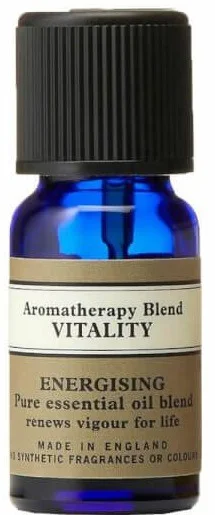
How well does your skin match with Neal's Yard Remedies Aromatherapy Blend Vitality?
Login to see detailsOr continue via
Quick 1-minute survey • Completely free
Ingredients
Analysis results of Ingredients


Ingredient List
| EWG | CIR | Ingredient Name & Cosmetic Function | Notes |
|---|---|---|---|
| 2 | - | (Perfuming) | |
| 1 | - | | |
| 5 | - | | |
| - | - | Clove Bud Oil | |

Neal's Yard Remedies Aromatherapy Blend Vitality - Ingredient Explanation
Cedrus Atlantica Wood Oil
1. Definition Cedrus Atlantica Wood Oil:
Cedrus Atlantica Wood Oil, also known as Cedarwood oil, is an essential oil extracted from the wood of the Cedrus atlantica tree. It is known for its woody, warm, and calming aroma.2. Use:
Cedrus Atlantica Wood Oil is commonly used in cosmetics for its aromatic properties and potential skin benefits. It is often included in skincare products such as lotions, creams, and serums for its soothing and calming effects on the skin. Additionally, it is believed to have antiseptic and astringent properties that can help with acne-prone skin.3. Usage Cedrus Atlantica Wood Oil:
When using Cedrus Atlantica Wood Oil in cosmetics, it is important to dilute it properly as it is a potent essential oil. It is recommended to perform a patch test before using it on larger areas of the skin to check for any potential allergic reactions. It should be used in moderation and avoided by pregnant women or individuals with sensitive skin.4. References:
- Tisserand, R., & Young, R. (2014). Essential Oil Safety: A Guide for Health Care Professionals (2nd ed.). Churchill Livingstone.
- Lis-Balchin, M. (2006). Aromatherapy Science: A Guide for Healthcare Professionals. Pharmaceutical Press.
- Baser, K. H. C., & Buchbauer, G. (2010). Handbook of Essential Oils: Science, Technology, and Applications. CRC Press.
Piper Nigrum (Pepper) Fruit Oil
1. Definition Piper Nigrum (Pepper) Fruit Oil:
Piper Nigrum (Pepper) Fruit Oil is an essential oil derived from the fruit of the Piper Nigrum plant, commonly known as black pepper. It is known for its spicy, warm, and invigorating aroma.2. Use:
Piper Nigrum (Pepper) Fruit Oil is commonly used in cosmetics for its aromatic properties and potential skincare benefits. It is often included in products such as perfumes, lotions, and creams to add a warm and spicy scent. Additionally, it is believed to have antioxidant and antimicrobial properties that can help protect the skin from environmental stressors and promote a clear complexion.3. Usage Piper Nigrum (Pepper) Fruit Oil:
When using Piper Nigrum (Pepper) Fruit Oil in cosmetics, it is important to dilute it properly before applying it to the skin. It is recommended to perform a patch test before using it to check for any potential skin sensitivities or allergic reactions. It should be used in moderation to avoid skin irritation, and it is advisable to consult with a healthcare professional before incorporating it into your skincare routine, especially if you have sensitive skin or existing skin conditions.4. References:
- Prashar, A., & Locke, I. C. (2004). Essential oils. In Natural Antimicrobial Systems and Food Preservation (pp. 205-238). CRC Press.
- Ali, B., Al-Wabel, N. A., Shams, S., Ahamad, A., Khan, S. A., & Anwar, F. (2015). Essential oils used in aromatherapy: A systemic review. Asian Pacific Journal of Tropical Biomedicine, 5(8), 601-611.
- Bakkali, F., Averbeck, S., Averbeck, D., & Idaomar, M. (2008). Biological effects of essential oils–a review. Food and chemical toxicology, 46(2), 446-475.
Eugenia Caryophyllus
1. Definition Eugenia Caryophyllus:
Eugenia Caryophyllus, commonly known as clove, is a plant native to Indonesia and Madagascar. The essential oil extracted from the flower buds of the clove plant is widely used in cosmetics for its aromatic and medicinal properties.2. Use:
Eugenia Caryophyllus is used in cosmetics for its antibacterial, antifungal, and anti-inflammatory properties. It is commonly found in skincare products such as lotions, creams, and serums due to its ability to help soothe skin irritations, reduce redness, and fight acne-causing bacteria. Additionally, the warm and spicy aroma of clove oil is often used in perfumes and fragrances to add a unique and exotic scent.3. Usage Eugenia Caryophyllus:
When using products containing Eugenia Caryophyllus, it is important to dilute the essential oil properly to avoid skin irritation or allergic reactions. It is recommended to do a patch test before applying clove oil directly to the skin to check for any adverse reactions. Pregnant women and individuals with sensitive skin should consult with a healthcare professional before using products containing clove oil.4. References:
- Prashar, A., Locke, I. C., & Evans, C. S. (2006). Cytotoxicity of clove (Syzygium aromaticum) oil and its major components to human skin cells. Cell Proliferation, 39(4), 241-248.
- Han, X., & Parker, T. L. (2017). Anti-inflammatory activity of clove (Eugenia caryophyllata) essential oil in human dermal fibroblasts. Pharmaceutical Biology, 55(1), 1619-1622.
- Chaieb, K., Hajlaoui, H., Zmantar, T., Kahla-Nakbi, A. B., Rouabhia, M., Mahdouani, K., & Bakhrouf, A. (2007). The chemical composition and biological activity of clove essential oil, Eugenia caryophyllata (Syzigium aromaticum L. Myrtaceae): a short review. Phytotherapy Research, 21(6), 501-506.
Clove Bud Oil
Ingredient data is being updated. Please check back later.
Review











Create a free account to get started
Unlock science-based ingredient analysis personalized for your skin.
Already have an account? Log in
We protect your privacy. We never send spam.