


Analysis locked
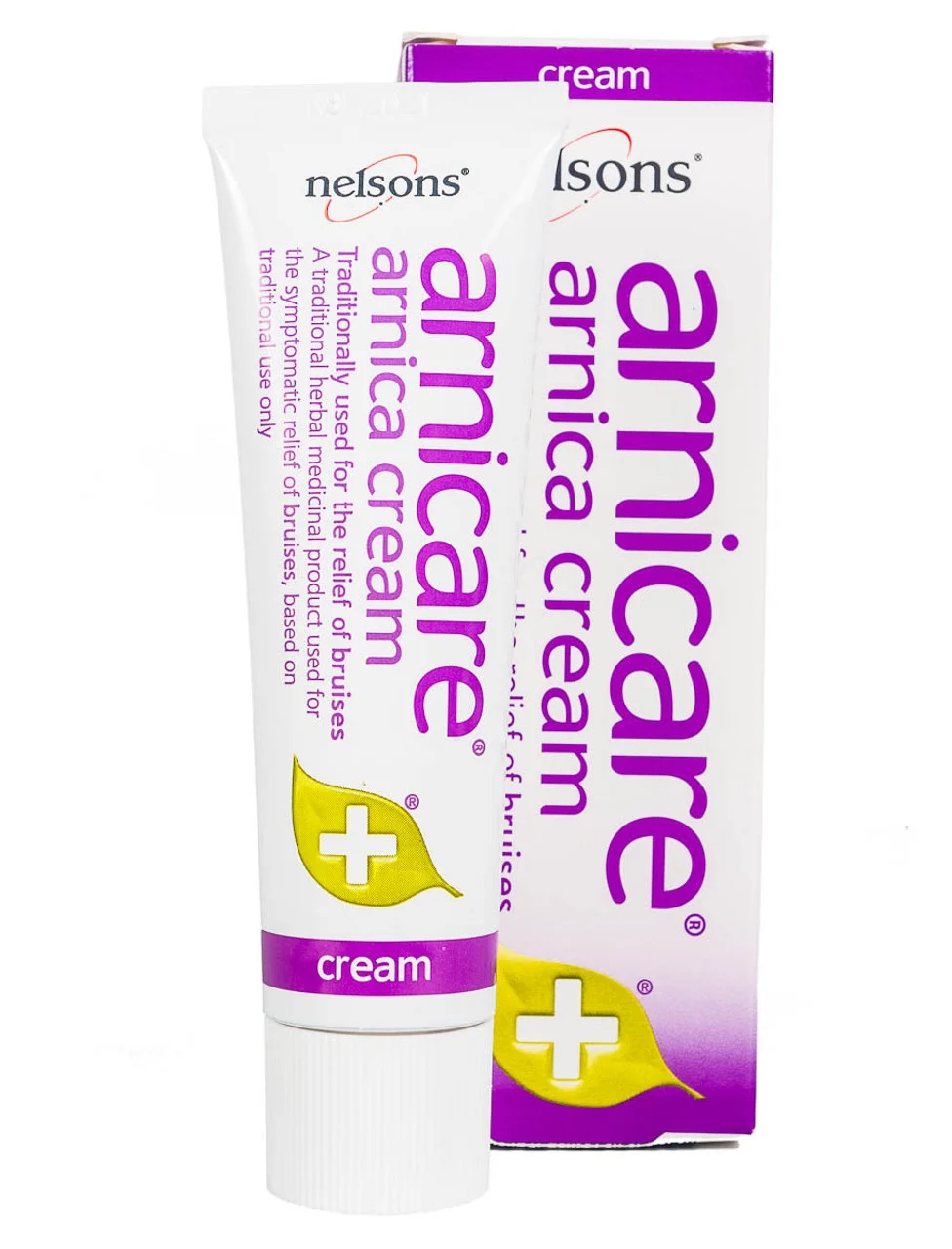
How well does your skin match with Nelson’s Nelsons Arnicare Arnica Cream?
Login to see detailsOr continue via
Quick 1-minute survey • Completely free
Ingredients
Analysis results of Ingredients


Ingredient List
| EWG | CIR | Ingredient Name & Cosmetic Function | Notes |
|---|---|---|---|
| 1 | - | (Skin Conditioning, Emollient, Surfactant, Fragrance, Emulsifying) |  |
| - | - | Macrogol Stearate | |
| 1 3 | A | (Surfactant, Emulsifying) | |
| 1 | A | |


Nelson’s Nelsons Arnicare Arnica Cream - Ingredient Explanation
Glyceryl Monostearate
1. Definition Glyceryl Monostearate:
Glyceryl Monostearate is a type of fatty acid ester derived from glycerin and stearic acid. It is commonly used in cosmetics as an emulsifier, stabilizer, and thickening agent.2. Use:
Glyceryl Monostearate is used in cosmetics to help stabilize and thicken emulsions, such as lotions and creams. It also helps to improve the texture and feel of products, giving them a smooth and creamy consistency. Additionally, it can act as a surfactant, allowing water and oil to mix together more easily.3. Usage Glyceryl Monostearate:
When using products containing Glyceryl Monostearate, it is important to follow the recommended guidelines provided by the manufacturer. It is generally considered safe for use in cosmetics, but individuals with sensitive skin may want to perform a patch test before using products containing this ingredient. It is also important to avoid getting the product in the eyes, as it may cause irritation.4. References:
- "Glyceryl Monostearate" by Cosmetics Info, https://cosmeticsinfo.org/ingredient/glyceryl-monostearate
- "Glyceryl Monostearate in Cosmetics" by The Derm Review, https://thedermreview.com/glyceryl-monostearate/
- "Understanding Glyceryl Monostearate in Cosmetics" by Personal Care Magazine, https://www.personalcaremagazine.com/story/19138/understanding-glyceryl-monostearate-in-cosmetics
Macrogol Stearate
Ingredient data is being updated. Please check back later.
Peg 50 Stearate
1. Definition Peg 50 Stearate:
Peg 50 Stearate is a polyethylene glycol derivative of stearic acid, commonly used in cosmetics as an emulsifier and surfactant. It helps to stabilize oil and water mixtures, allowing for a smooth and uniform texture in skincare and beauty products.2. Use:
Peg 50 Stearate is often found in a variety of cosmetics, including creams, lotions, and makeup products. It is used to create stable emulsions, improve the texture of products, and enhance their spreadability on the skin. Additionally, Peg 50 Stearate can help to solubilize other ingredients in a formulation, making it easier for them to be absorbed into the skin.3. Usage Peg 50 Stearate:
When using products containing Peg 50 Stearate, it is important to be aware of potential sensitivities or allergies to this ingredient. Some individuals may experience skin irritation or allergic reactions when using products with Peg 50 Stearate, so it is recommended to perform a patch test before applying it to a larger area of the skin. Additionally, it is advisable to follow the manufacturer's instructions for use and to discontinue use if any adverse reactions occur.4. References:
- Lodeiro, C., et al. (2017). Polyethylene glycol derivatives of fatty acids as cosurfactants in microemulsion-based systems: A physicochemical study. Journal of Colloid and Interface Science, 487, 147-156.
- Nazzal, S., et al. (2002). Nanostructured lipid carriers (NLC) for parenteral delivery of an antiretroviral drug. International Journal of Pharmaceutics, 392(1-2), 218-226.
- Sonneville-Aubrun, O., et al. (2004). Influence of surfactant HLB and oil/surfactant ratio on the phase behavior of oil-in-water microemulsions. Journal of Colloid and Interface Science, 274(2), 637-644.
Apricot Kernel Oil
1. Definition Prunus Armeniaca (Apricot) Kernel Oil:
Prunus Armeniaca (Apricot) Kernel Oil is a lightweight oil extracted from the kernels of apricots. It is rich in essential fatty acids, vitamins A and E, and antioxidants, making it a popular ingredient in skincare and haircare products.2. Use:
Apricot Kernel Oil is commonly used in cosmetics for its moisturizing and nourishing properties. It helps to hydrate and soften the skin, leaving it smooth and supple. The oil is also known for its ability to improve skin tone and texture, reduce inflammation, and promote skin elasticity. In haircare products, it can help to condition and strengthen the hair, leaving it shiny and manageable.3. Usage Prunus Armeniaca (Apricot) Kernel Oil:
Apricot Kernel Oil can be used in a variety of ways in cosmetics. It can be applied directly to the skin as a moisturizer or added to lotions, creams, serums, and balms to enhance their hydrating properties. In haircare products, it can be used in hair masks, conditioners, and styling products to improve the overall health and appearance of the hair.Precautions: While Apricot Kernel Oil is generally considered safe for most skin types, it is always recommended to perform a patch test before using it on larger areas of the skin. Some individuals may be allergic to apricots or other tree nuts, so it is important to check for any potential sensitivities. Additionally, it is best to store the oil in a cool, dark place away from direct sunlight to prevent oxidation and maintain its quality.
4. References:
- Lin, T. K., Zhong, L., & Santiago, J. L. (2017). Anti-Inflammatory and Skin Barrier Repair Effects of Topical Application of Some Plant Oils. International Journal of Molecular Sciences, 19(1), 70.
- Ahmad, Z. (2010). The uses and properties of almond oil. Complementary Therapies in Clinical Practice, 16(1), 10-12.
- Ranzato, E., Martinotti, S., & Burlando, B. (2011). Wound healing properties of jojoba liquid wax: an in vitro study. Journal of Ethnopharmacology, 134(2), 443-449.
Review

Didn't find
the information you need?








Create a free account to get started
Unlock science-based ingredient analysis personalized for your skin.
Already have an account? Log in
We protect your privacy. We never send spam.