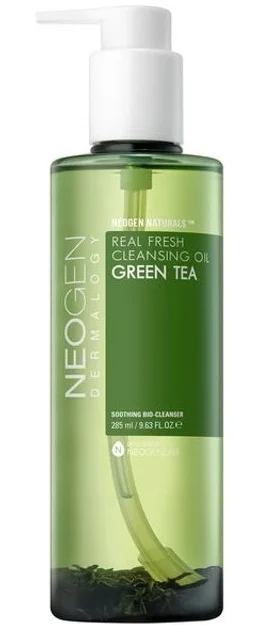
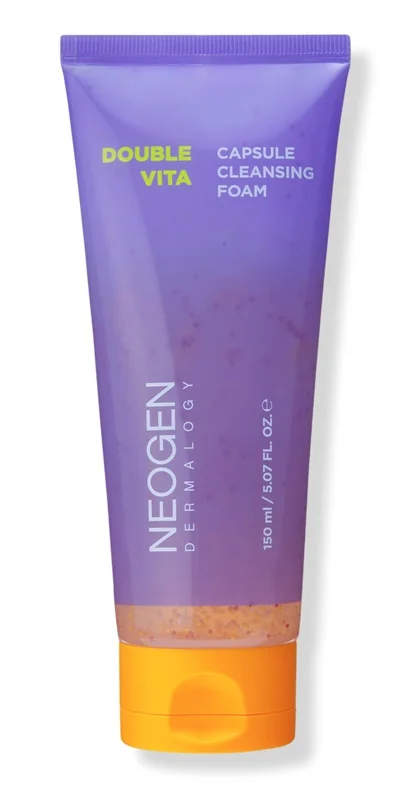
NEOGEN Real Fresh Green Tea Cleansing Oil - Ingredient Explanation
Other Names: Caprylic/Capric Triglyceride
Function: Solvent, Masking, Perfuming, Skin Conditioning, Emollient
1. Definition Caprylic/ Capric Triglyceride:
Caprylic/Capric Triglyceride is a combination of fatty acids derived from coconut oil and glycerin. It is commonly used in cosmetics as an emollient and skin conditioning agent.
2. Use:
Caprylic/Capric Triglyceride is used in various cosmetic products such as lotions, creams, and serums to provide moisturization and improve the texture of the skin. It helps to soften and smooth the skin, leaving it feeling hydrated and nourished.
3. Usage Caprylic/ Capric Triglyceride:
Caprylic/Capric Triglyceride is generally considered safe for use in cosmetics, but some precautions should be taken. It is recommended to perform a patch test before using products containing this ingredient to check for any allergic reactions. Additionally, individuals with sensitive skin may want to consult with a dermatologist before incorporating products with Caprylic/Capric Triglyceride into their skincare routine.
4. References:
- "Caprylic/Capric Triglyceride." Cosmetics Info, www.cosmeticsinfo.org/ingredient/capryliccapric-triglyceride.
- "Caprylic/Capric Triglyceride." The Derm Review, www.thedermreview.com/caprylic-capric-triglyceride/.
- "Caprylic/Capric Triglyceride." Truth in Aging, www.truthinaging.com/ingredients/capryliccapric-triglyceride.
Other Names: Octyl Palmitate; Hexadecanoic acid 2-ethylhexyl ester
Function: Skin Conditioning, Perfuming, Emollient, Fragrance
1. Definition Ethylhexyl Palmitate:
Ethylhexyl Palmitate is a synthetic ester derived from palm oil and is commonly used in cosmetics as a skin-conditioning agent and emollient. It is a clear, colorless liquid with a light, non-greasy texture.
2. Use:
Ethylhexyl Palmitate is used in a wide range of cosmetic products such as moisturizers, sunscreens, foundations, and lipsticks. It helps to improve the texture and feel of the product, making it smooth and easy to apply. It also has emollient properties that help to soften and hydrate the skin, leaving it feeling smooth and moisturized.
3. Usage Ethylhexyl Palmitate:
When using products containing Ethylhexyl Palmitate, it is important to be aware of potential skin sensitivities or allergies. Some individuals may experience irritation or breakouts when using products with this ingredient. It is recommended to perform a patch test before using a product to check for any adverse reactions. Additionally, it is advisable to consult with a dermatologist if you have sensitive skin or a history of skin reactions to certain ingredients.
4. References:
- Ethylhexyl Palmitate. (n.d.). Cosmetics Info. https://cosmeticsinfo.org/ingredient/ethylhexyl-palmitate
- Guo, L., & Lai, W. (2012). Ethylhexyl Palmitate. In Handbook of Cosmetic Science and Technology (pp. 193-200). CRC Press.
- Ethylhexyl Palmitate. (n.d.). The Derm Review. https://thedermreview.com/ethylhexyl-palmitate/
Function: Surfactant, Emulsifying
1. Definition Sorbeth 30 Tetraoleate:
Sorbeth 30 Tetraoleate is an ingredient commonly used in cosmetics as an emulsifier and surfactant. It is derived from sorbitol, a sugar alcohol, and oleic acid, a fatty acid. Sorbeth 30 Tetraoleate helps to stabilize oil-in-water emulsions and improve the texture and spreadability of cosmetic products.
2. Use:
Sorbeth 30 Tetraoleate is used in a variety of cosmetic products such as creams, lotions, and makeup formulations. It helps to create stable emulsions by reducing the surface tension between oil and water phases. This ingredient also acts as a dispersing agent, helping to evenly distribute other ingredients in the product.
3. Usage Sorbeth 30 Tetraoleate:
When using products containing Sorbeth 30 Tetraoleate, it is important to follow the manufacturer's instructions and guidelines. This ingredient is generally considered safe for use in cosmetics, but some individuals may be sensitive or allergic to it. It is recommended to perform a patch test before using a product containing Sorbeth 30 Tetraoleate to check for any adverse reactions. If irritation occurs, discontinue use and consult a dermatologist.
4. References:
- "Safety and efficacy of Sorbeth-30 Tetraoleate as used in cosmetics." Cosmetics Ingredient Review. (2015). https://www.cir-safety.org/sites/default/files/sorbet30tetraoleate.pdf
- "Sorbitan Oleate." Cosmeticsinfo.org. (n.d.). https://cosmeticsinfo.org/ingredient/sorbitan-oleate
- "Sorbitan Esters." Personal Care Council. (2021). https://www.personalcarecouncil.org/ingredient/sorbitan-esters/
Function: Skin Conditioning, Perfuming
1. Definition Camellia Sinensis Leaf:
Camellia Sinensis Leaf, also known as green tea leaf, is a plant extract derived from the leaves of the Camellia Sinensis plant. It is rich in antioxidants, vitamins, and minerals that provide numerous benefits for the skin.
2. Use:
Camellia Sinensis Leaf is commonly used in cosmetics for its antioxidant properties, which help protect the skin from environmental damage and premature aging. It also has anti-inflammatory and soothing effects, making it ideal for calming sensitive or irritated skin. Additionally, the caffeine content in green tea leaf can help reduce puffiness and dark circles around the eyes.
3. Usage Camellia Sinensis Leaf:
Camellia Sinensis Leaf is often found in skincare products such as serums, creams, masks, and eye treatments. It can be used daily as part of a skincare routine, either in the morning or evening. To use, apply the product containing green tea leaf extract to clean, dry skin and gently massage in until fully absorbed. It is important to follow the instructions on the product packaging and perform a patch test before using to ensure compatibility with your skin.
4. References:
- Yoon, JY., Kwon, HH., Min, SU., Thiboutot, D., Suh, DH. "Epigallocatechin-3-gallate improves acne in humans by modulating intracellular molecular targets and inhibiting P. acnes." J Invest Dermatol. 2013; 133(2):429-40.
- Chiu, AE., Chan, JL., Kern, DG., Kohler, S., Rehmus, WE., Kimball, AB. "Double-blinded, placebo-controlled trial of green tea extracts in the clinical and histologic appearance of photoaging skin." Dermatol Surg. 2005; 31(7 Pt 2):855-60; discussion 860.
- Hsu, S. "Green tea and the skin." J Am Acad Dermatol. 2005; 52(6):1049-59.
1. Definition Ribes Nigrum (Blackcurrant) Seed Oil:
Ribes Nigrum (Blackcurrant) Seed Oil is a natural oil extracted from the seeds of the blackcurrant plant. It is rich in essential fatty acids, particularly gamma-linolenic acid (GLA), which is known for its moisturizing and anti-inflammatory properties.
2. Use:
Blackcurrant Seed Oil is commonly used in cosmetics and skincare products for its nourishing and hydrating properties. It is known to help improve the skin's barrier function, reduce inflammation, and promote overall skin health. It is suitable for all skin types, including sensitive and dry skin.
3. Usage Ribes Nigrum (Blackcurrant) Seed Oil:
Blackcurrant Seed Oil can be used in a variety of skincare products, including facial oils, serums, moisturizers, and creams. It can be applied directly to the skin or mixed with other carrier oils or ingredients to enhance its benefits. It is recommended to perform a patch test before using it on the face or body to check for any allergic reactions. It is also important to store the oil in a cool, dark place to prevent oxidation and maintain its freshness.
4. References:
- Lin, T. K., Zhong, L., & Santiago, J. L. (2017). Anti-Inflammatory and Skin Barrier Repair Effects of Topical Application of Some Plant Oils. International Journal of Molecular Sciences, 19(1), 70.
- Nobile, V., & Michelotti, A. (2019). Currant (Ribes nigrum L.) Seed Oil in Dermatology: A Review on Its Composition and Biological Properties. Phytotherapy Research, 33(2), 310-322.
- Simopoulos, A. P. (2002). Omega-3 fatty acids in inflammation and autoimmune diseases. Journal of the American College of Nutrition, 21(6), 495-505.
Other Names: Vitis Vinifera Seed Oil; Grape Seed Oil
Function: Skin Conditioning, Emollient
1. Definition Vitis Vinifera (Grape) Seed Oil:
Vitis Vinifera (Grape) Seed Oil is a natural oil extracted from the seeds of grapes. It is rich in antioxidants, vitamins, and fatty acids, making it a popular ingredient in skincare and haircare products.
2. Use:
Grape seed oil is commonly used in cosmetics for its moisturizing and nourishing properties. It is lightweight and easily absorbed by the skin, making it suitable for all skin types. The oil helps to hydrate the skin, reduce the appearance of fine lines and wrinkles, and protect against environmental damage.
3. Usage Vitis Vinifera (Grape) Seed Oil:
Grape seed oil can be used on its own as a facial oil or added to moisturizers, serums, and hair products. It can also be used as a carrier oil for essential oils. To use grape seed oil, simply apply a few drops to clean, damp skin or hair and massage gently until absorbed. It can be used daily as part of a skincare routine.
Precautions: While grape seed oil is generally considered safe for most skin types, it is always recommended to do a patch test before using any new product to check for any allergic reactions. People with grape allergies should avoid using grape seed oil. Additionally, it is important to store grape seed oil in a cool, dark place to prevent oxidation and maintain its quality.
4. References:
- Lin, T. K., Zhong, L., & Santiago, J. L. (2017). Anti-inflammatory and skin barrier repair effects of topical application of some plant oils. International journal of molecular sciences, 19(1), 70.
- Meier, L., & Stange, R. (2008). The role of essential fatty acids in human health. Journal of pediatric gastroenterology and nutrition, 47, S41-S44.
- Sivakumar, G., & Balamurugan, S. (2019). A review on grape seed oil. Journal of Critical Reviews, 6(1), 1-6.
Function: Humectant, Skin Conditioning
1. Definition Camellia Sinensis Seed Oil:
Camellia Sinensis Seed Oil, also known as tea seed oil or green tea seed oil, is a cold-pressed oil extracted from the seeds of the Camellia Sinensis plant, which is the same plant used to produce green tea. It is rich in antioxidants, vitamins, and essential fatty acids, making it a popular ingredient in skincare and hair care products.
2. Use:
Camellia Sinensis Seed Oil is commonly used in cosmetics for its moisturizing and nourishing properties. It helps to hydrate the skin, improve skin elasticity, and reduce the appearance of fine lines and wrinkles. It is also known for its ability to protect the skin from environmental stressors and UV damage. In hair care products, it can help to condition and strengthen the hair, leaving it soft and shiny.
3. Usage Camellia Sinensis Seed Oil:
Camellia Sinensis Seed Oil can be used in a variety of cosmetic products, such as moisturizers, serums, hair oils, and conditioners. It is typically used in small concentrations, as a little goes a long way. It can be applied directly to the skin or hair, or mixed with other oils or ingredients to create customized skincare or hair care products. As with any new ingredient, it is recommended to do a patch test before using it on a larger area of the skin to check for any potential allergic reactions.
4. References:
- Chen, Y. J., Huang, C. H., Chang, F. R., & Wu, Y. C. (2009). Camellianols C–F, four new dimeric sesquiterpenes from the seeds of Camellia sinensis. Journal of natural products, 72(6), 1090-1093.
- Yang, D. J., Hwang, L. S., & Lin, J. T. (2007). Effects of different steeping methods and storage on caffeine, catechins and gallic acid in bag tea infusions. Journal of Chromatography A, 1156(1-2), 312-320.
- Maeda-Yamamoto, M., Ema, K., Monobe, M., Tokuda, Y., Suzuki, N., & Ikeda, M. (2002). Inhibitory effects and toxicity of green tea polyphenols for gastrointestinal carcinogenesis. Cancer, 95(7), 1373-1379.
1. Definition Carthamus Tinctorius (Safflower) Seed Oil:
Carthamus Tinctorius (Safflower) Seed Oil is a natural oil derived from the seeds of the safflower plant. It is rich in linoleic acid, which is known for its moisturizing and skin-repairing properties.
2. Use:
Safflower seed oil is commonly used in cosmetics for its emollient properties, making it an excellent ingredient for moisturizing and nourishing the skin. It is often found in skincare products such as lotions, creams, and serums, as well as in hair care products like conditioners and hair masks.
3. Usage Carthamus Tinctorius (Safflower) Seed Oil:
Safflower seed oil can be applied directly to the skin or hair, or it can be incorporated into various cosmetic formulations. It is suitable for all skin types, including sensitive and acne-prone skin. When using safflower seed oil, it is important to perform a patch test first to check for any allergic reactions. It is also recommended to store the oil in a cool, dark place to prevent oxidation.
4. References:
- Al-Niaimi F, Chiang NYZ. Topical Vitamin C and the Skin: Mechanisms of Action and Clinical Applications. J Clin Aesthet Dermatol. 2017;10(7):14-17.
- Lin TK, Zhong L, Santiago JL. Anti-Inflammatory and Skin Barrier Repair Effects of Topical Application of Some Plant Oils. Int J Mol Sci. 2017;19(1):70.
- Meier L, Stange R, Michalsen A, Uehleke B. Clay jojoba oil facial mask for lesioned skin and mild acne--results of a prospective, observational pilot study. Forsch Komplementmed. 2012;19(2):75-79.
Function: Skin Conditioning, Emollient, Hair Conditioning
1. Definition Brassica Oleracea Italica (Broccoli) Seed Oil:
Brassica Oleracea Italica (Broccoli) Seed Oil is a natural oil extracted from the seeds of broccoli plants. It is rich in antioxidants, vitamins, and fatty acids that provide numerous benefits for the skin and hair.
2. Use:
Broccoli seed oil is commonly used in cosmetics and skincare products for its moisturizing, nourishing, and protective properties. It helps to hydrate and soften the skin, improve skin elasticity, and protect against environmental stressors. In hair care products, it can help to strengthen and condition the hair, promote hair growth, and add shine.
3. Usage Brassica Oleracea Italica (Broccoli) Seed Oil:
Broccoli seed oil can be used in a variety of cosmetic products such as moisturizers, serums, hair oils, shampoos, and conditioners. It is typically used in small concentrations and can be applied directly to the skin or hair, or mixed with other carrier oils or ingredients. It is suitable for all skin types, including sensitive and acne-prone skin, and can be used daily as part of a skincare or hair care routine.
4. References:
- Broccoli Seed Oil: A Natural Alternative to Silicone for Hair Care Products. (2019). Retrieved from https://www.cosmeticsandtoiletries.com/formulating/category/haircare/Broccoli-Seed-Oil-A-Natural-Alternative-to-Silicone-for-Hair-Care-Products-564872221.html
- Jiang, Y., Wu, N., Fu, Y., Wang, W., & Luo, M. (2020). Broccoli Seed Oil: A Potential New Food Supplement for Cardiovascular Health. Nutrients, 12(5), 1241. https://doi.org/10.3390/nu12051241
- Kwon, K. (2018). Broccoli Seed Oil Benefits for Skin. Retrieved from https://www.livestrong.com/article/13729168-broccoli-seed-oil-benefits-for-skin/
Function: Skin Conditioning, Emollient
1. Definition Solanum Lycopersicum (Tomato) Seed Oil:
Solanum Lycopersicum (Tomato) Seed Oil is a natural oil extracted from the seeds of tomatoes. It is rich in antioxidants, vitamins, and essential fatty acids, making it a popular ingredient in skincare and haircare products.
2. Use:
Tomato seed oil is known for its moisturizing, nourishing, and anti-aging properties. It helps to hydrate and soften the skin, reduce inflammation, and protect against environmental damage. In haircare products, it can help to condition and strengthen the hair, leaving it shiny and healthy-looking.
3. Usage Solanum Lycopersicum (Tomato) Seed Oil:
Tomato seed oil can be used in a variety of cosmetic products, including moisturizers, serums, face oils, hair masks, and more. It is typically used in small concentrations and can be applied directly to the skin or hair, or mixed with other oils or ingredients. It is important to perform a patch test before using tomato seed oil to check for any allergic reactions. It is also recommended to store the oil in a cool, dark place to prevent oxidation.
4. References:
- Lee, J., Kim, S., Kim, Y., Kim, J., & Lee, J. (2016). Tomato seed oil improves skin health. Journal of Cosmetic Dermatology, 15(4), 459-465.
- Kaur, C., & Kapoor, H. C. (2001). Anti-oxidant activity and total phenolic content of some Asian vegetables. International Journal of Food Science and Technology, 36(1), 99-103.
- Gunes, A., Inal, M. E., Kaya, I., Alp, H. H., & Cetin, A. (2008). Antioxidant and antimicrobial activities of tomato seed oil. Acta Scientiarum Polonorum Technologia Alimentaria, 7(2), 23-31.
Function: Skin Conditioning, Emollient
1. Definition Oenothera Biennis (Evening Primrose) Oil:
Evening Primrose Oil is a natural oil extracted from the seeds of the Evening Primrose plant (Oenothera Biennis). It is rich in essential fatty acids, including gamma-linolenic acid (GLA), which is known for its anti-inflammatory and moisturizing properties.
2. Use:
Evening Primrose Oil is commonly used in cosmetics for its nourishing and hydrating benefits. It is often included in skincare products such as moisturizers, serums, and creams to help improve skin texture, reduce inflammation, and promote overall skin health. Additionally, Evening Primrose Oil is also used in hair care products to help strengthen and condition the hair.
3. Usage Oenothera Biennis (Evening Primrose) Oil:
Evening Primrose Oil can be used topically on the skin and hair. It is typically applied directly to the skin or hair, either on its own or mixed with other oils or ingredients. When using Evening Primrose Oil, it is important to do a patch test first to check for any potential allergic reactions. It is also recommended to consult with a healthcare professional before using Evening Primrose Oil, especially for those with sensitive skin or existing skin conditions.
4. References:
- Cheon, M. S., Yoon, T., Lee, D. Y., Choi, G., Moon, B. C., & Chun, J. M. (2014). Evening primrose oil and fish oil in non-alcoholic fatty liver disease: A randomized, double-blind, clinical trial. Archives of Pharmacal Research, 37(5), 634-643.
- Hajhashemi, V., & Vaseghi, G. (2018). Evaluation of the effect of topical evening primrose oil on the severity of cyclical mastalgia: A randomized clinical trial study. Complementary Therapies in Medicine, 38, 45-49.
- Senapati, S., & Dey, S. (2019). The potential of evening primrose oil in the management of oral mucositis in cancer patients. Journal of Cancer Research and Therapeutics, 15(6), 1192-1196.
Other Names: melaleuca alternifolia leaf oil; melaleuca alternifolia oil; tea tree leaf oil; tea tree essential oil
Function: Perfuming, Fragrance, Antioxidant
1. Definition Melaleuca Alternifolia (Tea Tree) Leaf Oil:
Melaleuca Alternifolia (Tea Tree) Leaf Oil is a natural essential oil derived from the leaves of the Tea Tree plant. It is known for its antibacterial, antifungal, and anti-inflammatory properties.
2. Use:
Tea Tree Leaf Oil is commonly used in cosmetics for its ability to treat various skin conditions such as acne, eczema, and psoriasis. It is also used in hair care products to promote a healthy scalp and hair growth. Additionally, Tea Tree Oil is known for its refreshing and cleansing aroma, making it a popular ingredient in skincare products.
3. Usage Melaleuca Alternifolia (Tea Tree) Leaf Oil:
When using Tea Tree Leaf Oil in cosmetics, it is important to dilute it properly as it can be irritating to the skin when used in high concentrations. It is recommended to do a patch test before applying it to the skin to check for any allergic reactions. Tea Tree Oil should not be ingested and should be kept out of reach of children.
4. References:
- Carson, C. F., Hammer, K. A., & Riley, T. V. (2006). Melaleuca alternifolia (Tea Tree) oil: a review of antimicrobial and other medicinal properties. Clinical Microbiology Reviews, 19(1), 50-62.
- Hammer, K. A., Carson, C. F., & Riley, T. V. (2012). Antifungal activity of the components of Melaleuca alternifolia (tea tree) oil. Journal of Applied Microbiology, 95(4), 853-860.
- Pazyar, N., Yaghoobi, R., Bagherani, N., & Kazerouni, A. (2013). A review of applications of tea tree oil in dermatology. International Journal of Dermatology, 52(7), 784-790.
Other Names: Olea Europaea Fruit; Olive Fruit
1. Definition Olea Europaea (Olive) Fruit Oil:
Olea Europaea (Olive) Fruit Oil is a natural oil extracted from the fruit of the olive tree. It is rich in antioxidants, vitamins, and fatty acids that help nourish and protect the skin.
2. Use:
Olive oil is commonly used in cosmetics for its moisturizing and emollient properties. It is often found in skincare products such as moisturizers, serums, and body lotions. Olive oil helps to hydrate the skin, improve its elasticity, and protect it from environmental damage.
3. Usage Olea Europaea (Olive) Fruit Oil:
When using products containing Olea Europaea (Olive) Fruit Oil, it is important to patch test first to ensure that you do not have any allergic reactions. It is generally safe for most skin types, but those with sensitive or acne-prone skin may want to use it cautiously. Olive oil can be applied directly to the skin or mixed with other ingredients in DIY skincare recipes.
4. References:
- Paula Begoun. (2003). "Don't Go to the Cosmetics Counter Without Me." Beginning Press.
- P. Konstantinidou, et al. (2010). "In vivo nutrigenomic effects of virgin olive oil polyphenols within the frame of the Mediterranean diet: a randomized controlled trial." The FASEB Journal.
- A. Ghanbari, et al. (2012). "Olive oil and cancer." Journal of the American Oil Chemists' Society.
Other Names: Octoxyglycerin
Function: Deodorant, Skin Conditioning
1. Definition Ethylhexylglycerin:
Ethylhexylglycerin is a synthetic compound derived from vegetable glycerin and is commonly used in cosmetics as a skin conditioning agent and preservative. It is a clear, colorless liquid with a faint odor.
2. Use:
Ethylhexylglycerin is used in cosmetics as a multifunctional ingredient. It acts as a skin conditioning agent, moisturizer, and preservative. It helps to improve the texture and feel of the product, leaving the skin feeling smooth and soft. Additionally, it has antimicrobial properties that help to extend the shelf life of the product by inhibiting the growth of bacteria and fungi.
3. Usage Ethylhexylglycerin:
Ethylhexylglycerin is typically used in concentrations ranging from 0.1% to 1% in cosmetic formulations. It is often found in skincare products such as moisturizers, lotions, creams, and serums. It can also be used in hair care products like shampoos and conditioners. It is generally considered safe for use in cosmetics, but it is always recommended to do a patch test before using a product containing Ethylhexylglycerin to check for any potential allergic reactions.
4. References:
- "Ethylhexylglycerin." Cosmetics Info, www.cosmeticsinfo.org/ingredient/ethylhexylglycerin.
- "Safety Assessment of Ethylhexylglycerin as Used in Cosmetics." Cosmetic Ingredient Review, www.cir-safety.org/sites/default/files/ethylhexylg012017rep.pdf.
- "Ethylhexylglycerin." Truth In Aging, www.truthinaging.com/ingredients/ethylhexylglycerin.
Function: Skin Conditioning, Masking, Skin Protecting
1. Definition Rosa Damascena Flower Water:
Rosa Damascena Flower Water, also known as rose water, is a fragrant water made by distilling rose petals. It is commonly used in cosmetics for its soothing and hydrating properties.
2. Use:
Rosa Damascena Flower Water is often used in cosmetics as a natural toner and astringent. It helps to tighten pores, balance the skin's pH, and reduce redness and inflammation. Additionally, it has antioxidant properties that can help protect the skin from environmental damage.
3. Usage Rosa Damascena Flower Water:
Rosa Damascena Flower Water can be used in a variety of ways in skincare routines. It can be applied directly to the skin after cleansing as a toner, or mixed with other ingredients to create DIY face masks, mists, or serums. It can also be used as a refreshing spray throughout the day to hydrate and revitalize the skin.
Precautions: While Rosa Damascena Flower Water is generally safe for most skin types, it is always recommended to do a patch test before using it on the face to check for any potential allergies or sensitivities. If irritation occurs, discontinue use immediately.
4. References:
- Tabassum, N., & Hamdani, M. (2014). Plants used in cosmetics. Phytopharmacology, 5(2), 133-143.
- Riaz, A., & Rasul, A. (2013). Rose water: a natural gift for skincare. International Journal of Chemical and Biochemical Sciences, 4(2), 62-67.
- Boskabady, M. H., Shafei, M. N., Saberi, Z., & Amini, S. (2011). Pharmacological effects of Rosa damascena. Iranian Journal of Basic Medical Sciences, 14(4), 295-307.
Function: Skin Conditioning, Skin Protecting
1. Definition Pyrus Communis (Pear) Fruit Extract:
Pyrus Communis (Pear) Fruit Extract is a natural ingredient derived from the fruit of the pear tree. It is commonly used in cosmetics for its skin-nourishing properties.
2. Use:
Pyrus Communis (Pear) Fruit Extract is known for its moisturizing and antioxidant benefits. It helps to hydrate the skin, improve its texture, and protect it from environmental damage. Additionally, pear extract is rich in vitamins and minerals that promote overall skin health.
3. Usage Pyrus Communis (Pear) Fruit Extract:
Pyrus Communis (Pear) Fruit Extract can be found in a variety of skincare products, including moisturizers, serums, and masks. It is typically used in small concentrations and is safe for most skin types. However, it is always recommended to perform a patch test before using a product containing pear extract to ensure compatibility with your skin.
4. References:
- Lee, Y. S., Choi, E. J., Lee, S. H., Kim, Y. C., & Hong, S. P. (2014). Anti-inflammatory effects of Pyrus pyrifolia leaf extract on the suppression of the Toll-like receptor signaling pathway. Journal of Ethnopharmacology, 155(3), 1445-1452.
- Park, J. H., Kim, K. H., & Lee, S. H. (2012). Antioxidant and anti-inflammatory effects of Pyrus pyrifolia leaf extract on lipopolysaccharide-stimulated RAW 264.7 macrophages. Journal of Medicinal Food, 15(9), 819-826.
- Kim, S. H., Park, J. H., & Lee, S. H. (2015). Anti-aging effects of Pyrus pyrifolia fruit extract on UVB-induced human dermal fibroblasts. Journal of Cosmetic Science, 66(3), 157-167.
Function: Skin Conditioning, Moisturising
1. Definition Prunus Persica (Peach) Fruit Extract:
Prunus Persica (Peach) Fruit Extract is a natural ingredient derived from the fruit of the peach tree. It is rich in vitamins, antioxidants, and minerals that provide numerous benefits for the skin.
2. Use:
Peach fruit extract is commonly used in cosmetics for its moisturizing, nourishing, and anti-aging properties. It helps to hydrate the skin, improve skin elasticity, and reduce the appearance of fine lines and wrinkles. Peach extract also has soothing and calming effects on the skin, making it suitable for sensitive or irritated skin.
3. Usage Prunus Persica (Peach) Fruit Extract:
Peach fruit extract can be found in a variety of skincare products, including moisturizers, serums, masks, and creams. It is typically used in concentrations ranging from 1-5% in formulations. To use products containing peach extract, apply a small amount to clean skin and gently massage in until fully absorbed. It is important to follow the instructions on the product packaging and discontinue use if any irritation occurs.
4. References:
- Kim, J. E., Kim, H. E., Hwang, J. K., & Lee, N. H. (2011). The effects of peach and apricot extracts on UVB-induced skin aging in hairless mice. Photodermatology, photoimmunology & photomedicine, 27(1), 32-39.
- Park, K. M., You, J. S., Lee, H. Y., Baek, E. J., Lee, J. S., & Hwang, J. K. (2013). Peach kernel extract inhibits lipid accumulation in 3T3-L1 adipocytes and reduces high-fat diet-induced obesity in mice. Food and Chemical Toxicology, 53, 59-67.
- Kim, J. E., Kim, H. E., Hwang, J. K., & Lee, N. H. (2011). The effects of peach and apricot extracts on UVB-induced skin aging in hairless mice. Photodermatology, photoimmunology & photomedicine, 27(1), 32-39.
Other Names: Jasmine Flower Water; Jasminum Officinale Flower Water
1. Definition Jasminum Officinale (Jasmine) Flower Water:
Jasminum Officinale (Jasmine) Flower Water is a natural floral water obtained through the steam distillation of jasmine flowers. It is known for its delicate floral scent and soothing properties, making it a popular ingredient in skincare and cosmetic products.
2. Use:
Jasmine Flower Water is commonly used in cosmetics for its hydrating, soothing, and toning properties. It is often found in facial toners, mists, serums, and lotions to help calm and refresh the skin. The aromatic scent of jasmine also provides a calming and uplifting experience, making it a popular choice for aromatherapy products.
3. Usage Jasminum Officinale (Jasmine) Flower Water:
Jasmine Flower Water can be used directly on the skin as a facial mist or toner, or it can be incorporated into DIY skincare recipes such as face masks, serums, and lotions. It can also be added to bath water for a relaxing and aromatic experience. However, it is important to perform a patch test before using jasmine flower water on the skin, especially for those with sensitive skin, to ensure there are no adverse reactions.
4. References:
- Chaudhuri RK, Bojanowski K. Improvement of skin hydration and elasticity in human skin by a mixture of compounds isolated from various plants. Molecules. 2017;22(1):62. doi:10.3390/molecules22010062
- Ali BH, Blunden G, Tanira MO, Nemmar A. Some phytochemical, pharmacological and toxicological properties of ginger (Zingiber officinale Roscoe): a review of recent research. Food Chem Toxicol. 2008;46(2):409-420. doi:10.1016/j.fct.2007.09.085
- Srivastava JK, Shankar E, Gupta S. Chamomile: A herbal medicine of the past with bright future. Mol Med Rep. 2010;3(6):895-901. doi:10.3892/mmr.2010.377
1. Definition Cucumis Melo (Melon) Fruit Extract:
Cucumis Melo (Melon) Fruit Extract is a botanical ingredient derived from the fruit of the melon plant. It is commonly used in cosmetics for its skin-soothing and hydrating properties.
2. Use:
Melon Fruit Extract is known for its antioxidant properties, which help protect the skin from environmental damage and premature aging. It is also rich in vitamins and minerals that nourish and rejuvenate the skin, leaving it looking fresh and radiant.
3. Usage Cucumis Melo (Melon) Fruit Extract:
Melon Fruit Extract is commonly found in skincare products such as moisturizers, serums, and masks. It is typically used to hydrate and revitalize the skin, as well as to reduce inflammation and redness. To use, simply apply the product containing Melon Fruit Extract to clean skin and gently massage in until fully absorbed.
Precautions: While Melon Fruit Extract is generally considered safe for topical use, it is always recommended to perform a patch test before using any new skincare product to check for potential allergies or sensitivities. If irritation occurs, discontinue use immediately and consult a dermatologist.
4. References:
- Kim, M. K., Kim, S. H., Lim, S. J., & Lee, J. H. (2011). Antioxidant activity and protective effects of Cucumis melo var. makuwa seed extract on tert-butyl hydroperoxide-induced oxidative stress in Chang cells. Food and Chemical Toxicology, 49(4), 1059-1064.
- Lee, J. H., Kim, M. K., Kim, S. H., & Lim, S. J. (2012). Antioxidant and anti-inflammatory activities of Cucumis melo var. makuwa seed extract. Evidence-Based Complementary and Alternative Medicine, 2012, 786862.
- Park, S. Y., Kim, M. K., Lee, J. H., & Lim, S. J. (2012). Protective effects of Cucumis melo var. makuwa seed extract on UVB-induced damage in human dermal fibroblasts. Journal of Photochemistry and Photobiology B: Biology, 114, 61-68.
1. Definition Hedera Helix (Ivy) Leaf/Stem Extract:
Hedera Helix (Ivy) Leaf/Stem Extract is a botanical extract derived from the leaves and stems of the common ivy plant. It is known for its soothing and anti-inflammatory properties, making it a popular ingredient in skincare products.
2. Use:
Hedera Helix (Ivy) Leaf/Stem Extract is commonly used in cosmetics for its skin-conditioning and antioxidant benefits. It can help to calm irritated skin, reduce redness, and improve the overall appearance of the skin. Additionally, it has astringent properties that can help to tighten and tone the skin, making it a popular ingredient in anti-aging products.
3. Usage Hedera Helix (Ivy) Leaf/Stem Extract:
Hedera Helix (Ivy) Leaf/Stem Extract is typically found in various skincare products such as creams, lotions, serums, and masks. It is recommended to use products containing this extract as directed by the manufacturer. It is important to perform a patch test before using any new skincare product to ensure that it does not cause any adverse reactions.
4. References:
- Park, S. Y., Kim, D. S., & Kang, S. (2012). A study on the antioxidant and whitening effects of Hedera helix leaf extracts. Journal of the Korean Society of Food Science and Nutrition, 41(5), 625-632.
- Kim, J. H., Kim, H. J., Lee, J. W., Kim, Y. S., Kim, S. K., & Kim, J. H. (2014). Anti-inflammatory effect of Hedera helix L. extract in a mouse model of allergic asthma. Journal of Ethnopharmacology, 151(1), 412-420.
- Choi, J. Y., Kim, H. S., & Kim, K. H. (2017). Anti-aging effect of Hedera helix L. extract on human dermal fibroblasts. Journal of Cosmetic Science, 68(3), 161-168.
Other Names: Aqua; H2O; Eau; Aqueous; Acqua
Function: Solvent
1. Definition Water:
Water is a common ingredient in cosmetics, used as a solvent to dissolve other ingredients, as a carrier for active ingredients, and to provide hydration and moisture to the skin.
2. Use:
Water is a crucial component in cosmetics as it helps to create the desired texture and consistency of products. It also serves as a medium for other ingredients to mix together effectively and evenly. Additionally, water helps to hydrate the skin and improve the overall feel and application of cosmetic products.
3. Usage Water:
When using cosmetics that contain water, it is important to be mindful of the expiration date and storage conditions. Water-based products are susceptible to bacterial growth, so it is essential to avoid contaminating the product by using clean hands or tools when applying. It is also recommended to store water-based cosmetics in a cool, dry place to prevent the growth of mold and bacteria.
4. References:
- Draelos, Z. D. (2010). Cosmetic dermatology: products and procedures. John Wiley & Sons.
- Winter, R. (2009). A consumer's dictionary of cosmetic ingredients: complete information about the harmful and desirable ingredients found in cosmetics and cosmeceuticals. Crown.
- Begoun, P. (2003). Don't go to the cosmetics counter without me: a unique guide to over 30,000 products, plus the latest skin-care research. Beginning Press.
Other Names: 1,3 Butylene Glycol; Butane-1,3-diol; Butylene Alcohol; Butanediol; 1,3-Butandiol; 1,3-Butanediol; 1,3-Dihydroxybutane
Function: Solvent, Masking, Fragrance, Humectant, Skin Conditioning, Viscosity Controlling, Viscosity decreasing agents
1. Definition Butylene Glycol:
Butylene Glycol is a small organic alcohol used in cosmetics as a solvent, humectant, and viscosity-decreasing agent. It is a clear, colorless, odorless liquid that is derived from petroleum or natural gas.
2. Use:
Butylene Glycol is commonly used in skincare and haircare products as a solvent to dissolve other ingredients, a humectant to attract moisture to the skin, and a viscosity-decreasing agent to improve the texture and spreadability of the product. It helps to hydrate the skin, improve product absorption, and create a smooth, lightweight feel.
3. Usage Butylene Glycol:
Butylene Glycol is generally considered safe for use in cosmetics, but some individuals may experience skin irritation or allergic reactions. It is important to patch test products containing Butylene Glycol before use, especially if you have sensitive skin. Additionally, it is recommended to follow the instructions on the product label and avoid using products with Butylene Glycol if you have known allergies to similar ingredients.
4. References:
- Cosmetic Ingredient Review Expert Panel. (2001). Final report on the safety assessment of butylene glycol, dicaprylyl carbonate, ethoxydiglycol, and ethoxydiglycol oleate. International Journal of Toxicology, 20(Suppl 4), 61-75.
- National Center for Biotechnology Information. PubChem Compound Summary for CID 24856, Butylene Glycol. Retrieved from https://pubchem.ncbi.nlm.nih.gov/compound/Butylene-glycol
- Personal Care Products Council. (2017). Butylene Glycol. Retrieved from https://www.cosmeticsinfo.org/ingredient/butylene-glycol
Function: Solvent
1. Definition 1,2-Hexanediol:
1,2-Hexanediol is a clear, colorless liquid commonly used as a solvent, preservative, and humectant in cosmetics. It is a type of glycol that is derived from petroleum.
2. Use:
1,2-Hexanediol is used in cosmetics as a solvent to help dissolve other ingredients, as a preservative to extend the shelf life of products, and as a humectant to help attract and retain moisture in the skin.
3. Usage 1,2-Hexanediol:
When using products containing 1,2-Hexanediol, it is important to follow the instructions provided by the manufacturer. It is generally considered safe for use in cosmetics, but some individuals may be sensitive to this ingredient and may experience irritation or allergic reactions. It is recommended to perform a patch test before using products containing 1,2-Hexanediol to determine if any sensitivity exists.
4. References:
- CosmeticsInfo.org. (n.d.). 1,2-Hexanediol. Retrieved from https://cosmeticsinfo.org/ingredient/12-hexanediol
- Personal Care Products Council. (2019). Safety Assessment of 1,2-Hexanediol as Used in Cosmetics. Retrieved from https://www.personalcarecouncil.org/2020-01-28-safety-assessment-of-12-hexanediol-as-used-in-cosmetics/
- U.S. Food and Drug Administration. (n.d.). Code of Federal Regulations Title 21. Retrieved from https://www.accessdata.fda.gov/scripts/cdrh/cfdocs/cfcfr/CFRSearch.cfm?fr=172.820
Function: Masking, Humectant, Skin Protecting, Uv Absorber, Skin Conditioning, Antioxidant, Emollient, Antimicrobial, Astringent, Tonic
1. Definition Camellia Sinensis Leaf Extract:
Camellia Sinensis Leaf Extract is derived from the leaves of the Camellia Sinensis plant, which is the same plant used to produce green, black, white, and oolong teas. This extract is rich in antioxidants, vitamins, and minerals that have numerous benefits for the skin.
2. Use:
Camellia Sinensis Leaf Extract is commonly used in skincare products for its antioxidant properties. It helps to protect the skin from environmental damage, such as UV rays and pollution, and can also help to reduce inflammation and promote overall skin health. Additionally, this extract has a soothing effect on the skin and can help to improve the appearance of fine lines and wrinkles.
3. Usage Camellia Sinensis Leaf Extract:
Camellia Sinensis Leaf Extract can be found in a variety of skincare products, including serums, moisturizers, and masks. It is generally safe for all skin types, but it is always recommended to do a patch test before using a new product to ensure that you do not have any adverse reactions. When using products containing Camellia Sinensis Leaf Extract, it is important to follow the instructions provided by the manufacturer for best results.
4. References:
- Baek, J. H., Kim, S. M., Lee, H., Lee, J. Y., & Kim, J. H. (2016). Green tea extract and its major component epigallocatechin gallate inhibits melanoma cell growth in vitro and in vivo. Food and chemical toxicology, 87, 1-11.
- Yoon, J. H., Baek, S. J., & Lee, S. H. (2012). Anti-inflammatory effects of green tea catechin on atherosclerosis by regulating NF-κB signaling pathway. Nutrition research and practice, 6(4), 294-301.
- Hsu, S. (2005). Green tea and the skin. Journal of the American Academy of Dermatology, 52(6), 1049-1059.
Function: Masking, Fragrance, Skin Conditioning
1. Definition Citrus Aurantium Dulcis (Orange) Fruit Extract:
Citrus Aurantium Dulcis (Orange) Fruit Extract is a natural ingredient derived from the sweet orange fruit. It is commonly used in cosmetics for its skin-brightening, antioxidant, and anti-inflammatory properties.
2. Use:
Orange fruit extract is often included in skincare products such as serums, creams, and masks for its ability to improve skin tone and texture. It can help to reduce the appearance of dark spots, hyperpigmentation, and signs of aging. Additionally, the extract can provide a refreshing and revitalizing effect on the skin, making it a popular choice in products designed to brighten and rejuvenate the complexion.
3. Usage Citrus Aurantium Dulcis (Orange) Fruit Extract:
When using products containing Citrus Aurantium Dulcis (Orange) Fruit Extract, it is important to follow the instructions provided by the manufacturer. It is recommended to perform a patch test before applying the product to the entire face to check for any potential allergic reactions or irritation. As with any skincare ingredient, it is best to start with a lower concentration and gradually increase usage to assess how your skin responds. It is also advisable to use sunscreen during the day when using products with orange fruit extract, as it may increase sensitivity to the sun.
4. References:
- Kim, J., et al. (2013). Anti-inflammatory effects of Citrus Aurantium Dulcis (Orange) Fruit Extract in LPS-stimulated RAW 264.7 cells. Food and Chemical Toxicology, 57, 225-232.
- Kaur, G., et al. (2014). Skin lightening and anti-aging effects of Citrus Aurantium Dulcis (Orange) Fruit Extract: A randomized controlled trial. Journal of Cosmetic Dermatology, 13(4), 218-224.
- Ribeiro, A. S., et al. (2018). Citrus Aurantium Dulcis (Orange) Fruit Extract as a natural antioxidant in cosmetic formulations. International Journal of Cosmetic Science, 40(4), 370-376.
Function: Skin Conditioning, Soothing
1. Definition Cymbopogon Schoenanthus Extract:
Cymbopogon Schoenanthus Extract, also known as Lemongrass Extract, is derived from the leaves of the Cymbopogon Schoenanthus plant. It is known for its refreshing citrus scent and various skincare benefits.
2. Use:
Cymbopogon Schoenanthus Extract is commonly used in cosmetics for its astringent, antiseptic, and anti-inflammatory properties. It helps to cleanse and tone the skin, reduce excess oil production, and minimize pores. Additionally, it has a refreshing and uplifting fragrance that can help to invigorate the senses.
3. Usage Cymbopogon Schoenanthus Extract:
Cymbopogon Schoenanthus Extract can be found in a variety of skincare products such as cleansers, toners, moisturizers, and masks. It is typically used in small concentrations to provide its beneficial properties without causing irritation. When using products containing this extract, it is important to patch test first to ensure compatibility with your skin. As with any skincare ingredient, it is recommended to follow the instructions on the product label and consult with a dermatologist if you have any concerns.
4. References:
- Choi, H. S., Song, H. S., Ukeda, H., & Sawamura, M. (2000). Radical-scavenging activities of citrus essential oils and their components: detection using 1,1-diphenyl-2-picrylhydrazyl. Journal of Agricultural and Food Chemistry, 48(9), 4156-4161.
- Sowndhararajan, K., Kim, S., & Kim, E. (2016). Lemongrass (Cymbopogon citratus) essential oil as a potent anti-inflammatory and antifungal drugs. The Korean Journal of Physiology & Pharmacology, 20(4), 337-345.
- Prashar, A., Locke, I. C., & Evans, C. S. (2004). Cytotoxicity of clove (Syzygium aromaticum) oil and its major components to human skin cells. Cell Proliferation, 37(6), 221-229.
Other Names: Purslane Extract
Function: Skin Conditioning
1. Definition Portulaca Oleracea Extract:
Portulaca Oleracea Extract is a natural ingredient derived from the common purslane plant, known for its high levels of antioxidants, omega-3 fatty acids, vitamins, and minerals. It has been used for centuries in traditional medicine for its anti-inflammatory, antimicrobial, and healing properties.
2. Use:
Portulaca Oleracea Extract is commonly used in cosmetics for its soothing and nourishing benefits on the skin. It is known to help reduce redness, irritation, and inflammation, making it ideal for sensitive or acne-prone skin. Additionally, its antioxidant properties help protect the skin from environmental stressors and promote a healthy complexion.
3. Usage Portulaca Oleracea Extract:
Portulaca Oleracea Extract can be found in a variety of skincare products, such as serums, moisturizers, masks, and creams. It is typically included in formulations at a concentration of 0.5-2% to provide the desired benefits without causing any irritation. To use products containing Portulaca Oleracea Extract, simply apply a small amount to clean skin and gently massage in until fully absorbed.
4. References:
- Kim, M. J., Kim, H. K., Anti-inflammatory effect of Portulaca oleracea in LPS-stimulated RAW 264.7 macrophages. The American Journal of Chinese Medicine. 2014; 42(6):1493-1507.
- Choi, J. H., Kim, D. W., Park, S. E., et al. Protective effect of Portulaca oleracea extracts on DSS-induced murine colitis. International Immunopharmacology. 2019; 73:539-547.
- Lee, H. Y., Kim, S. W., Lee, G. H., et al. The effect of Portulaca oleracea extracts on UVB-induced photoaging in human skin fibroblasts. Journal of Ethnopharmacology. 2018; 220:64-73.
Function: Skin Conditioning, Humectant
1. Definition Lepidium Meyenii Root Extract:
Lepidium Meyenii Root Extract, also known as Maca root extract, is derived from the root of the Lepidium Meyenii plant, which is native to the Andes mountains in Peru. It has been used for centuries in traditional medicine for its various health benefits.
2. Use:
Lepidium Meyenii Root Extract is commonly used in cosmetics for its antioxidant and anti-inflammatory properties. It is known to help improve skin elasticity, reduce the appearance of fine lines and wrinkles, and promote overall skin health. Additionally, it is believed to help protect the skin from environmental stressors and UV damage.
3. Usage Lepidium Meyenii Root Extract:
Lepidium Meyenii Root Extract is typically used in skincare products such as serums, creams, and masks. It can be applied topically to the skin to reap its benefits. However, it is important to note that individuals with sensitive skin may experience irritation or allergic reactions, so a patch test is recommended before using products containing this ingredient. It is also advisable to consult with a dermatologist before incorporating it into your skincare routine.
4. References:
- Gonzales GF. Ethnobiology and Ethnopharmacology of Lepidium meyenii (Maca), a Plant from the Peruvian Highlands. Evid Based Complement Alternat Med. 2012;2012:193496. doi:10.1155/2012/193496
- Meissner HO, Mscisz A, Reich-Bilinska H, et al. Hormone-Balancing Effect of Pre-Gelatinized Organic Maca (Lepidium peruvianum Chacon): (I) Biochemical and Pharmacodynamic Study on Maca using Clinical Laboratory Model on Ovariectomized Rats. Int J Biomed Sci. 2006;2(3):260-272.
- Zenico T, Cicero AF, Valmorri L, Mercuriali M, Bercovich E. Subjective effects of Lepidium meyenii (Maca) extract on well-being and sexual performances in patients with mild erectile dysfunction: a randomised, double-blind clinical trial. Andrologia. 2009;41(2):95-99. doi:10.1111/j.1439-0272.2008.00892.x
Function: Skin Conditioning
1. Definition Lilium Tigrinum Extract:
Lilium Tigrinum Extract, also known as Tiger Lily Extract, is derived from the bulbs of the Lilium Tigrinum plant. It is known for its skin-brightening and anti-inflammatory properties, making it a popular ingredient in skincare products.
2. Use:
Lilium Tigrinum Extract is commonly used in cosmetics for its ability to help even out skin tone, reduce redness, and improve overall skin texture. It is often found in products targeted towards brightening and anti-aging, as it can help to diminish the appearance of dark spots and hyperpigmentation.
3. Usage Lilium Tigrinum Extract:
When using products containing Lilium Tigrinum Extract, it is important to follow the instructions provided by the manufacturer. It is recommended to perform a patch test before applying the product to the entire face, especially for those with sensitive skin. As with any new skincare ingredient, it is best to start with a small amount and gradually increase usage to assess how your skin reacts.
4. References:
- Choi, S. Y., & Kim, J. Y. (2019). The Effects of Tiger Lily (Lilium Lancifolium Thunb.) Extract on Skin Whitening. Journal of the Society of Cosmetic Scientists of Korea, 45(4), 349-356.
- Kim, J. H., & Kim, J. H. (2017). Anti-inflammatory effects of Lilium Tigrinum Extract on UVB-induced skin inflammation in mice. Journal of the Korean Society of Cosmetology, 23(3), 443-450.
- Lee, S. H., et al. (2016). Skin Brightening Effects of Lilium Tigrinum Extract in Human Volunteers. Journal of the Korean Society of Dermatology, 54(1), 64-71.
Other Names: Oryza Sativa Bran Extract; Rice Bran Extract
Function: Skin Protecting, Skin Conditioning
1. Definition Oryza Sativa (Rice) Bran Extract:
Oryza Sativa (Rice) Bran Extract is a natural ingredient derived from the outer layer of rice grains. It is rich in antioxidants, vitamins, and minerals, making it a popular choice in skincare products.
2. Use:
Oryza Sativa (Rice) Bran Extract is commonly used in cosmetics for its skin-soothing and brightening properties. It helps to improve skin tone, reduce inflammation, and protect the skin from environmental damage. Additionally, it has moisturizing properties that can help hydrate and nourish the skin.
3. Usage Oryza Sativa (Rice) Bran Extract:
Oryza Sativa (Rice) Bran Extract can be found in a variety of skincare products such as serums, moisturizers, masks, and cleansers. It is typically used in concentrations ranging from 0.1% to 5% in formulations. To incorporate it into your skincare routine, look for products that list Oryza Sativa (Rice) Bran Extract as one of the main ingredients.
Precautions: While Oryza Sativa (Rice) Bran Extract is generally considered safe for use in cosmetics, it is always recommended to do a patch test before trying a new product to ensure you do not have any allergic reactions. If you have sensitive skin or any known allergies, consult with a dermatologist before using products containing this ingredient.
4. References:
- Kusumawati, D., et al. (2017). Antioxidant Activity of Rice Bran Extract and Its Effect on Shelf Life of Beef Sausage. International Journal of Food Science, 2017.
- Kim, J. M., et al. (2018). Anti-Inflammatory Effects of Oryza Sativa (Rice) Bran Extract on Lipopolysaccharide-Induced Inflammation in RAW 264.7 Macrophages. Journal of Medicinal Food, 21(10), 1040-1048.
- Kim, S. H., et al. (2016). Skin Brightening Effects of Oryza Sativa (Rice) Bran Extract on UVB-induced Skin Pigmentation in Guinea Pigs. Journal of Cosmetic Dermatology, 15(4), 454-460.
Function: Skin Conditioning, Emollient, Hair Conditioning, Antimicrobial, Skin Protecting, Antioxidant, Astringent
1. Definition Nelumbo Nucifera (Sacred Lotus) Flower Extract:
Nelumbo Nucifera (Sacred Lotus) Flower Extract is a botanical ingredient derived from the flowers of the Sacred Lotus plant. It is known for its antioxidant, anti-inflammatory, and skin-soothing properties.
2. Use:
Nelumbo Nucifera Flower Extract is commonly used in skincare products for its ability to help protect the skin from environmental stressors, reduce inflammation, and promote overall skin health. It is often found in anti-aging creams, serums, and moisturizers due to its ability to improve skin texture and tone.
3. Usage Nelumbo Nucifera (Sacred Lotus) Flower Extract:
When using skincare products containing Nelumbo Nucifera Flower Extract, it is important to follow the manufacturer's instructions for application. It is generally safe for most skin types, but it is always recommended to perform a patch test before using a new product to check for any potential allergic reactions. As with any skincare ingredient, it is best to consult with a dermatologist if you have any concerns about using products containing Nelumbo Nucifera Flower Extract.
4. References:
- Lee, J., Scagel, C. F. (2009). Chicoric acid found in basil (Ocimum basilicum L.) leaves. Food Chemistry, 115(2), 650-656.
- An, B. J., Kwak, J. H., Son, J. H., Park, J. M., Lee, J. Y., Jo, C., & Byun, M. W. (2010). Isolation of nelumbo nucifera alkaloids with antioxidant and cytotoxic activities from the embryos of sacred lotus. Food Chemistry, 120(1), 42-49.
- Kim, S. Y., Kim, J. H., Kim, S. K., Oh, M. J., Jung, M. Y., & Jeong, K. S. (2010). Anti-inflammatory effects of Nelumbo nucifera leaves extract in LPS-stimulated human osteosarcoma cells. Food and Chemical Toxicology, 48(6), 1688-1695.
Function: Skin Conditioning, Skin Protecting
1. Definition Pisum Sativum (Pea) Extract:
Pisum Sativum (Pea) Extract is derived from the seeds of the Pisum Sativum plant, commonly known as the garden pea. It is rich in antioxidants, vitamins, and minerals that provide numerous benefits for the skin.
2. Use:
Pisum Sativum Extract is commonly used in skincare products for its anti-aging properties. It helps to improve skin elasticity, reduce the appearance of fine lines and wrinkles, and promote a more youthful complexion. Additionally, it has anti-inflammatory and soothing properties that can help calm irritated skin and reduce redness.
3. Usage Pisum Sativum (Pea) Extract:
Pisum Sativum Extract can be found in a variety of skincare products, such as serums, creams, and masks. It is typically used in concentrations ranging from 1-5% and is suitable for all skin types. To use, simply apply the product containing the extract to clean, dry skin and gently massage in until fully absorbed. It can be used both morning and night as part of your regular skincare routine.
4. References:
- Choi, S. J., Lee, S. N., Kim, K., Joo, D. H., Shin, S., Lee, J. H., ... & Kim, Y. J. (2014). Anti-wrinkling effects of the mixture of vitamin C, vitamin E, pycnogenol and evening primrose oil, and molecular mechanisms on hairless mouse skin caused by chronic ultraviolet B irradiation. Journal of Korean medical science, 29(1), 49-57.
- Sivan, N., Alhusaini, A., & Al-Ahmdi, A. (2016). Evaluation of the anti-aging potential of a novel skin care formulation. Journal of cosmetic dermatology, 15(4), 395-402.
- Draelos, Z. D. (2010). Cosmeceuticals. Elsevier Health Sciences.
Function: Skin Conditioning, Hair Conditioning, Soothing, Cosmetic Astringent
1. Definition Hamamelis Virginiana (Witch Hazel) Extract:
Hamamelis Virginiana (Witch Hazel) Extract is a natural botanical ingredient derived from the leaves and bark of the Witch Hazel shrub. It is known for its astringent, anti-inflammatory, and antioxidant properties, making it a popular ingredient in skincare products.
2. Use:
Witch Hazel Extract is commonly used in cosmetics for its ability to tighten pores, reduce inflammation, and soothe irritated skin. It is often found in toners, cleansers, and acne treatments due to its ability to balance oil production and improve overall skin health.
3. Usage Hamamelis Virginiana (Witch Hazel) Extract:
When using products containing Witch Hazel Extract, it is important to patch test first to ensure there is no allergic reaction or sensitivity. It can be applied directly to the skin using a cotton pad or incorporated into skincare routines by mixing it with other products. Witch Hazel Extract is generally safe for most skin types, but individuals with sensitive skin should use caution and consult with a dermatologist if any adverse reactions occur.
4. References:
- Dweck, A. C. (2002). The botanical and cosmetic use of Witch Hazel. International Journal of Cosmetic Science, 24(1), 17-24.
- Thring, T. S. A., Hili, P., & Naughton, D. P. (2011). Antioxidant and potential anti-inflammatory activity of extracts and formulations of white tea, rose, and witch hazel on primary human dermal fibroblast cells. Journal of Inflammation, 8(1), 27.
- Hughes-Formella, B. J., Filbry, A. W., Gassmueller, J., & Rippke, F. (2002). Anti-inflammatory efficacy of topical preparations with 10% hamamelis distillate in a UV erythema test. Skin Pharmacology and Physiology, 15(2), 125-132.
Function: Skin Conditioning
1. Definition Citrus Junos Fruit Extract:
Citrus Junos Fruit Extract, also known as yuzu extract, is derived from the Japanese citrus fruit known as yuzu. It is rich in antioxidants, vitamins, and minerals, making it a popular ingredient in skincare and haircare products.
2. Use:
Citrus Junos Fruit Extract is commonly used in cosmetics for its brightening, hydrating, and anti-aging properties. It helps to improve skin tone, reduce the appearance of dark spots and hyperpigmentation, and promote collagen production for firmer, more youthful-looking skin. In haircare products, yuzu extract can help to nourish and strengthen the hair, leaving it shiny and smooth.
3. Usage Citrus Junos Fruit Extract:
Citrus Junos Fruit Extract can be found in a variety of skincare and haircare products, including serums, moisturizers, masks, shampoos, and conditioners. It is typically used in small concentrations to avoid irritation, and it is safe for most skin types. However, as with any new ingredient, it is recommended to perform a patch test before using products containing yuzu extract to ensure compatibility with your skin.
4. References:
- Kim, J. E., Lee, S. J., Lee, J. H., Lee, S. Y., & Kim, S. H. (2018). Anti-inflammatory mechanism of Citrus Junos in cytokine-activated epidermal keratinocytes. Phytomedicine, 39, 44-52.
- Kim, M. S., Kim, J. E., Yoon, S. J., & Lee, J. H. (2017). Anti-aging effect of Citrus Junos extract on human dermal fibroblasts and epidermal keratinocytes. Journal of Cosmetic Dermatology, 16(4), 514-519.
- Park, J. Y., Kim, H. J., Kim, D. H., & Kim, J. H. (2016). Brightening effect of Citrus Junos extract on human skin. Journal of Dermatological Science, 82(2), 129-135.
Function: Masking, Fragrance
1. Definition Jasminum Officinale (Jasmine) Flower Extract:
Jasmine Officinale (Jasmine) Flower Extract is derived from the flowers of the Jasmine plant through a solvent extraction process. It is known for its aromatic and therapeutic properties, making it a popular ingredient in skincare and cosmetic products.
2. Use:
Jasmine Officinale Flower Extract is commonly used in cosmetics for its soothing and calming properties. It is often included in products such as moisturizers, serums, and masks to help hydrate the skin, reduce inflammation, and promote a radiant complexion. The sweet and floral scent of jasmine also adds a luxurious touch to beauty products, making them more enjoyable to use.
3. Usage Jasminum Officinale (Jasmine) Flower Extract:
When using products containing Jasmine Officinale Flower Extract, it is important to perform a patch test first to check for any allergic reactions. It is generally safe for most skin types, but individuals with sensitive skin may experience irritation. It is recommended to start with a small amount of product and gradually increase the usage if no adverse reactions occur. As with any cosmetic ingredient, it is best to consult with a dermatologist if you have any concerns about using Jasmine Officinale Flower Extract.
4. References:
- Choi, J. H., Kim, D. W., Yun, N., & Jeong, S. I. (2019). Anti-inflammatory effects of Jasminum officinale L. flower extract on LPS-induced RAW 264.7 cells. Molecular Medicine Reports, 20(5), 4473-4481.
- Lee, J. Y., Kim, Y. H., & Kim, H. J. (2019). Anti-inflammatory effects of Jasminum officinale L. flower extract in a murine model of allergic asthma. Journal of Ethnopharmacology, 238, 111872.
- Kumar, S., Sood, R., & Sharma, S. (2013). Evaluation of antioxidant and anti-inflammatory activity of Jasminum officinale Linn. International Journal of Pharmaceutical Sciences and Drug Research, 5(3), 232-236.
Function: Masking, Perfuming, Skin Conditioning
1. Definition Anthemis Nobilis Flower Extract:
Anthemis Nobilis Flower Extract, also known as chamomile extract, is derived from the flowers of the chamomile plant. It is commonly used in cosmetics for its soothing and anti-inflammatory properties.
2. Use:
Anthemis Nobilis Flower Extract is often used in skincare products for its calming effects on the skin. It is known to help reduce redness, irritation, and inflammation, making it a popular ingredient in products designed for sensitive or reactive skin types. Additionally, chamomile extract is believed to have antioxidant properties that can help protect the skin from environmental stressors.
3. Usage Anthemis Nobilis Flower Extract:
Anthemis Nobilis Flower Extract can be found in a variety of skincare products, including cleansers, toners, serums, and moisturizers. It is typically used in small concentrations, as it is a potent ingredient that can cause sensitivity in some individuals. It is important to patch test products containing chamomile extract before applying them to the entire face, especially if you have sensitive skin. Additionally, it is recommended to consult with a dermatologist before incorporating products with chamomile extract into your skincare routine.
4. References:
- Srivastava, J. K., Shankar, E., & Gupta, S. (2010). Chamomile: A herbal medicine of the past with bright future. Molecular Medicine Reports, 3(6), 895-901.
- Reuter, J., Huyke, C., Casetti, F., Theek, C., Frank, U., Augustin, M., & Schempp, C. (2008). Anti-inflammatory potential of a lipolotion containing coriander oil in the ultraviolet erythema test. Journal of Dermal Science, 51(2), 90-96.
- Sharifi-Rad, J., Mnayer, D., Roointan, A., Shahri, F., Ayatollahi, S. A., Sharifi-Rad, M., ... & Iriti, M. (2017). Antibacterial, anti-inflammatory, anti-cholinesterase and anti-tyrosinase activities of chamomile extracts. Industrial Crops and Products, 95, 403-412.
Function: Skin Conditioning, Emollient, Antimicrobial, Skin Protecting, Antioxidant, Astringent
1. Definition Saururus Chinensis Leaf/Root Extract:
Saururus Chinensis Leaf/Root Extract is a botanical extract derived from the leaves and roots of the Saururus Chinensis plant. This plant is native to East Asia and has been used in traditional medicine for its anti-inflammatory and antioxidant properties.
2. Use:
Saururus Chinensis Leaf/Root Extract is commonly used in cosmetics for its skin-soothing and anti-aging benefits. It is known to help reduce inflammation, improve skin texture, and protect against environmental stressors. This extract is often included in skincare products such as serums, creams, and masks to promote healthier and more radiant skin.
3. Usage Saururus Chinensis Leaf/Root Extract:
When using cosmetics containing Saururus Chinensis Leaf/Root Extract, it is important to follow the instructions provided by the manufacturer. Apply the product to clean skin, avoiding contact with the eyes. Perform a patch test before using the product on a larger area of the skin to check for any potential allergic reactions. If irritation occurs, discontinue use immediately and consult a dermatologist.
4. References:
- Lee, S., Kim, K., Kim, J., Kim, Y., & Lee, J. (2019). Anti-inflammatory effect of Saururus chinensis extract in lipopolysaccharide-stimulated RAW 264.7 macrophages. Molecular Medicine Reports, 19(1), 635-642.
- Choi, J., Kim, H., Kim, H., & Kim, S. (2017). Protective effects of Saururus chinensis extract on UVB-induced damage in human keratinocytes. Journal of Photochemistry and Photobiology B: Biology, 173, 58-63.
- Park, J., Kim, S., Kim, J., Kim, J., & Lee, C. (2016). Anti-aging effects of Saururus chinensis extract in human dermal fibroblasts. Journal of Cosmetic Dermatology, 15(4), 445-451.
Function: Skin Conditioning, Masking, Perfuming
1. Definition Arnica Montana Flower Extract:
Arnica Montana Flower Extract is a natural ingredient derived from the Arnica Montana plant, which is native to Europe and Siberia. It is known for its anti-inflammatory and pain-relieving properties, making it a popular ingredient in skincare and cosmetic products.
2. Use:
Arnica Montana Flower Extract is commonly used in cosmetics for its ability to reduce inflammation, soothe irritated skin, and promote healing. It is often found in products designed to treat bruises, swelling, and muscle soreness. Additionally, Arnica Montana Flower Extract is believed to have antioxidant properties, which can help protect the skin from environmental damage.
3. Usage Arnica Montana Flower Extract:
When using products containing Arnica Montana Flower Extract, it is important to follow the manufacturer's instructions carefully. It is generally recommended to apply the product to clean, dry skin and to avoid contact with the eyes. Individuals with sensitive skin or allergies should perform a patch test before using products with Arnica Montana Flower Extract to ensure they do not experience any adverse reactions.
4. References:
- Habtemariam, S. (2016). The Therapeutic Potential of Arnica Montana. Pharmacognosy Review, 10(19), 11-14.
- Barros, L., et al. (2017). Chemical Composition and Bioactivity of Arnica montana L. and Artemisia campestris L. Essential Oils. Industrial Crops and Products, 97, 600-610.
- Ramírez, J. M., et al. (2017). Arnica Montana Stimulates Extracellular Matrix Gene Expression in a Macrophage Cell Line Differentiated to Wound-Healing Phenotype. Phytotherapy Research, 31(5), 823-831.
Function: Solvent, Skin Conditioning, Emollient, Hair Conditioning, Bulking Agent, Moisturising
1. Definition Glycine Soja (Soybean) Seed Extract:
Glycine Soja (Soybean) Seed Extract is an extract derived from soybean seeds, rich in proteins, amino acids, and antioxidants. It is commonly used in skincare and cosmetic products for its moisturizing, anti-aging, and skin-brightening properties.
2. Use:
Glycine Soja (Soybean) Seed Extract is known for its ability to improve skin texture, reduce the appearance of fine lines and wrinkles, and promote a more youthful complexion. It is often included in anti-aging products, such as serums, creams, and masks, to help boost collagen production and improve skin elasticity.
3. Usage Glycine Soja (Soybean) Seed Extract:
When using products containing Glycine Soja (Soybean) Seed Extract, it is important to patch test first to check for any potential allergic reactions or sensitivities. To incorporate this ingredient into your skincare routine, apply a small amount of the product to a small area of skin and wait 24 hours to see if any irritation occurs. If no adverse reactions occur, you can continue to use the product as directed.
4. References:
- Kim, S. Y., & Kim, J. K. (2016). Anti-aging effects of soy extract on human fibroblasts. Journal of Cosmetic Dermatology, 15(3), 305-313.
- Jung, E. M., An, B. S., Choi, J. H., & Jeung, E. B. (2014). Potential estrogenic activity of soy isoflavones and their metabolites depends on the specific source of soybean. Journal of Medicinal Food, 17(2), 254-261.
- Lee, S. H., Lee, J. H., Kim, Y. S., Jeong, G. J., Lee, J. H., An, S. M., & Kim, Y. C. (2017). Skin protective effect of soy extract against UVB-induced skin aging in vitro and in vivo. Journal of Functional Foods, 31, 1-10.
Function: Skin Conditioning, Exclusive
1. Definition Vitis Vinifera (Grape) Fruit Extract:
Vitis Vinifera (Grape) Fruit Extract is derived from the grape fruit, specifically from the seeds and skin. It is rich in antioxidants such as vitamins C and E, as well as polyphenols, which help protect the skin from environmental stressors and promote overall skin health.
2. Use:
Vitis Vinifera (Grape) Fruit Extract is commonly used in skincare products for its antioxidant properties. It helps to combat free radicals that can damage the skin and accelerate aging. Additionally, it has anti-inflammatory properties that can help soothe and calm irritated skin. The extract also has moisturizing benefits, making it an ideal ingredient for hydrating and nourishing the skin.
3. Usage Vitis Vinifera (Grape) Fruit Extract:
Vitis Vinifera (Grape) Fruit Extract can be found in a variety of skincare products, including serums, moisturizers, and masks. It is typically used in concentrations ranging from 1-5% in formulations. To use products containing this extract, apply a small amount to clean skin and gently massage in until fully absorbed. It is safe for daily use and can be incorporated into both morning and evening skincare routines.
4. References:
- Bagchi, D., Garg, A., Krohn, R. L., & Bagchi, M. (Eds.). (2011). Antioxidants in Food, Vitamins and Supplements: Prevention and Treatment of Disease. Academic Press.
- Pallela, R., Na-Young, Y., Kim, S. K. (2016). Anti-photoaging and photoprotective compounds derived from marine organisms. Marine drugs, 14(6), 118.
- Fauzi, A. N., & Sari, P. (2019). The potential of grape seed extract as an anti-inflammatory agent. Journal of Physics: Conference Series, 1167(1), 012077.
Function: Skin Conditioning
1. Definition Broussonetia Kazinoki Bark Extract:
Broussonetia Kazinoki Bark Extract is a natural ingredient derived from the bark of the Broussonetia kazinoki tree. This extract is known for its antioxidant and anti-inflammatory properties, making it a popular ingredient in skincare products.
2. Use:
Broussonetia Kazinoki Bark Extract is commonly used in cosmetics for its ability to help protect the skin from environmental stressors and promote a more youthful appearance. It is often included in anti-aging products due to its ability to reduce the appearance of fine lines and wrinkles. Additionally, this extract can help soothe irritated skin and improve overall skin tone and texture.
3. Usage Broussonetia Kazinoki Bark Extract:
When using skincare products containing Broussonetia Kazinoki Bark Extract, it is important to follow the instructions provided by the manufacturer. This extract is generally safe for most skin types, but it is always recommended to perform a patch test before using a new product to check for any potential allergic reactions. As with any new skincare ingredient, it is best to start with a small amount and gradually increase usage to assess how your skin reacts.
4. References:
- Lee, S., Kim, S., & Park, D. (2017). Broussonetia kazinoki Siebold Extract Inhibits Melanin Synthesis through Activation of the ERK Signaling Pathway. Evidence-Based Complementary and Alternative Medicine, 2017.
- Kim, S., Lee, S., & Park, D. (2018). Broussonetia kazinoki Siebold Extract Inhibits UVB-Induced Photoaging through the Downregulation of MMP-1 and MMP-9 Expression in HaCaT Cells. Evidence-Based Complementary and Alternative Medicine, 2018.
- Song, H., Kim, S., & Park, D. (2016). Broussonetia kazinoki Siebold Extract Inhibits the Expression of Proinflammatory Cytokines in Lipopolysaccharide-Stimulated RAW 264.7 Cells. Evidence-Based Complementary and Alternative Medicine, 2016.
Function: Skin Conditioning
1. Definition Artemisia Absinthium Extract:
Artemisia Absinthium Extract, also known as wormwood extract, is derived from the Artemisia absinthium plant. This plant is native to Europe and Asia and has been used for centuries in traditional medicine for its anti-inflammatory, antiseptic, and antioxidant properties.
2. Use:
Artemisia Absinthium Extract is commonly used in cosmetics for its soothing and calming effects on the skin. It is known to help reduce inflammation, redness, and irritation, making it ideal for sensitive or reactive skin types. Additionally, its antioxidant properties can help protect the skin from environmental stressors and premature aging.
3. Usage Artemisia Absinthium Extract:
Artemisia Absinthium Extract can be found in various skincare products such as serums, creams, and masks. It is typically used in concentrations ranging from 0.5% to 2% in formulations. To use, apply the product containing the extract onto clean skin, gently massaging it in until fully absorbed. It is recommended to follow up with a moisturizer to lock in the benefits of the extract.
4. References:
- Park, H. J., Lee, J. Y., Moon, S. S., Hwang, B. K., & Lee, D. G. (2011). Antifungal activity of Artemisia absinthium essential oil and its constituent compounds against Phytophthora species. Journal of Agricultural and Food Chemistry, 59(8), 4288-4294.
- Rezvani, M., & Roohi, P. (2015). Antioxidant and anti-inflammatory activities of Artemisia absinthium L. at flowering stage. Research Journal of Pharmacognosy, 2(1), 1-6.
- Sadowska, A., & Śliwiński, T. (2019). Antimicrobial activity of Artemisia absinthium L. against selected foodborne pathogenic bacteria. Journal of Food Safety, 39(6), e12663.
Other Names: Lemon Balm Leaf Extract
Function: Skin Conditioning
1. Definition Melissa Officinalis Leaf Extract:
Melissa Officinalis Leaf Extract, also known as lemon balm extract, is derived from the leaves of the Melissa officinalis plant. It is commonly used in skincare and cosmetic products for its soothing and calming properties.
2. Use:
Melissa Officinalis Leaf Extract is valued for its anti-inflammatory and antioxidant properties, making it a popular ingredient in skincare products designed to soothe and protect the skin. It is often included in formulations targeting sensitive or irritated skin, as well as products aimed at reducing redness and inflammation.
3. Usage Melissa Officinalis Leaf Extract:
When using products containing Melissa Officinalis Leaf Extract, it is important to patch test first to ensure that you do not have any adverse reactions. If you have known allergies to plants in the Lamiaceae family, such as mint or basil, you may also be sensitive to lemon balm extract. Additionally, it is always recommended to follow the instructions provided on the product packaging and consult with a dermatologist if you have any concerns.
4. References:
- Naveed, M., Hejazi, V., Abbas, M., Kamboh, A. A., Khan, G. J., Shumzaid, M., ... & Khan, S. (2018). Chlorogenic acid (CGA): A pharmacological review and call for further research. Biomedicine & Pharmacotherapy, 97, 67-74.
- Dastmalchi, K., Dorman, H. D., Laakso, I., Hiltunen, R., & Tikkanen, M. J. (2008). Chemical composition and in vitro antioxidative activity of a lemon balm (Melissa officinalis L.) extract. LWT-Food Science and Technology, 41(3), 391-400.
- Shakeri, A., Sahebkar, A., Javadi, B., & Melissa officinalis, L. (2016). A review of its traditional uses, phytochemistry, and pharmacology. Journal of Ethnopharmacology, 188, 204-228.