


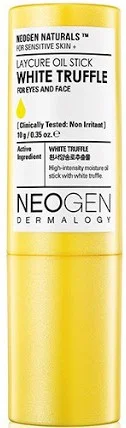
Analysis locked
How well does your skin match with NEOGEN White Truffle Laycure Oil Stick?
Login to see detailsOr continue via
Quick 1-minute survey • Completely free
Ingredients
Analysis results of Ingredients


Ingredient List
| EWG | CIR | Ingredient Name & Cosmetic Function | Notes |
|---|---|---|---|
| 1 | A |  Fungal Acne Trigger Fungal Acne Trigger | |
| 1 | A | (Solvent, Perfuming, Fragrance, Skin Conditioning, Emollient) | |
| 1 | - | (Hair Conditioning, Skin Conditioning, Film Forming) | |
| 1 | - | (Skin Conditioning, Hair Conditioning) | |
| 1 2 | A | Promotes Wound Healing Brightening | |
| 1 | A | (Skin Conditioning, Emollient) | Fungal Acne Trigger |
| 1 | - | (Masking) |  Fragrance-free Fragrance-free |
| 4 | B | (Fragrance, Skin Conditioning) | Fragrance-free |
| 3 | - | (Fragrance) | |
| 5 | - |  Bad for sensitive skin Bad for sensitive skin | |
| 1 2 | - | (Masking, Fragrance) | |
| 2 | B | (Skin Conditioning, Masking, Fragrance, Tonic) |  Good for sensitive skin Good for sensitive skin  Good for dry skin Good for dry skin |
| 1 | - | (Emollient) | |
| 2 | A | (Deodorant, Skin Conditioning) | |
| 1 2 | A | (Solvent, Perfuming, Fragrance, Humectant, Viscosity Decreasing Agent, Hair Conditioning, Skin Protecting, Denaturant ) | Good for dry skin Moisturizing |
| 1 | A | (Skin Conditioning) | Fungal Acne Trigger |
| 1 | A | Fungal Acne Trigger | |
| 1 | - | (Hair Conditioning, Skin Conditioning) | Anti Aging |
| 1 | A | (Skin Conditioning, Emollient, Viscosity Controlling, Viscosity Increasing Agent, Emulsion Stabilising, Emulsifying, Stabilising) | Cleansing |
| 1 | - | (Hair Conditioning, Skin Conditioning) | |
| 1 | A | (Skin Conditioning) | Good for dry skin  Bad for oily skin Bad for oily skin |
| 1 | A | (Masking, Fragrance, Emulsion Stabilising, Emulsifying, Sufactant, Refatting) | Bad for oily skin Fungal Acne Trigger Cleansing |
| 1 | A | (Skin Conditioning, Emollient, Hair Conditioning) | Promotes Wound Healing |
| 1 | - | (Solvent) | |
| 1 | - | (Skin Conditioning) | |
| 1 | A | (Solvent) | |
| 1 | A | (Humectant, Skin Conditioning, Antistatic Agent, Viscosity Increasing Agent, Moisturising) | Promotes Wound Healing Moisturizing |
| 1 | - | (Humectant, Hair Conditioning, Skin Conditioning) | Promotes Wound Healing |
| 1 | A | (Humectant, Skin Conditioning) | Good for dry skin Promotes Wound Healing |
| 1 | - | (Humectant, Skin Conditioning) | |
| 1 | A | (Humectant, Hair Conditioning, Skin Conditioning, Emollient) | |
| 3 | A | (Solvent, Hair Conditioning, Skin Conditioning, Emollient) |  Silicone Silicone |
| 1 | B | (Skin Conditioning, Emollient) | Fungal Acne Trigger |
| 1 | A | (Skin Conditioning, Emollient, Antifoaming Agent, Moisturising) | Silicone Moisturizing |
| - | - | (Skin Conditioning) | |
| 1 | B | (Surfactant, Hair Conditioning) | Cleansing |
| 1 | - | (Humectant) | |
| 1 | A | (Skin Conditioning, Viscosity Controlling, Viscosity Increasing Agent, Emulsion Stabilising, Binding Agent, Binding, Surfactant - Emulsifying Agent, Gel Forming) | |
| 1 | A | (Fragrance, Hair Conditioning, Skin Conditioning) | |
| 1 | A | (Masking, Fragrance, Hair Conditioning, Skin Conditioning, Antistatic Agent) | |
| 1 | A | (Masking, Fragrance, Hair Conditioning, Skin Conditioning, Antistatic Agent) | |
| 1 | B | (pH adjusting agent) | |
| 1 4 | B | (Denaturant , pH adjusting agent, pH adjusting agent) | |
| 1 | B | (Skin Protecting) | Moisturizing |
| 1 | A | (Fragrance, Opacifying, Emollient, Sufactant) | Bad for oily skin Fungal Acne Trigger |
NEOGEN White Truffle Laycure Oil Stick - Ingredient Explanation
Olea Europaea (Olive) Fruit Oil
1. Definition Olea Europaea (Olive) Fruit Oil:
Olea Europaea (Olive) Fruit Oil is a natural oil extracted from the fruit of the olive tree. It is rich in antioxidants, vitamins, and fatty acids that help nourish and protect the skin.2. Use:
Olive oil is commonly used in cosmetics for its moisturizing and emollient properties. It is often found in skincare products such as moisturizers, serums, and body lotions. Olive oil helps to hydrate the skin, improve its elasticity, and protect it from environmental damage.3. Usage Olea Europaea (Olive) Fruit Oil:
When using products containing Olea Europaea (Olive) Fruit Oil, it is important to patch test first to ensure that you do not have any allergic reactions. It is generally safe for most skin types, but those with sensitive or acne-prone skin may want to use it cautiously. Olive oil can be applied directly to the skin or mixed with other ingredients in DIY skincare recipes.4. References:
- Paula Begoun. (2003). "Don't Go to the Cosmetics Counter Without Me." Beginning Press.
- P. Konstantinidou, et al. (2010). "In vivo nutrigenomic effects of virgin olive oil polyphenols within the frame of the Mediterranean diet: a randomized controlled trial." The FASEB Journal.
- A. Ghanbari, et al. (2012). "Olive oil and cancer." Journal of the American Oil Chemists' Society.
Octyldodecanol
1. Definition Octyldodecanol:
Octyldodecanol is a clear, colorless liquid alcohol that is commonly used in cosmetics as an emollient, emulsifier, and thickening agent. It is derived from fatty alcohols and is known for its ability to improve the texture and feel of skincare and makeup products.2. Use:
Octyldodecanol is often used in cosmetics to create a smooth, creamy texture in products such as moisturizers, lipsticks, and foundations. It helps to enhance the spreadability of these products, making them easier to apply and blend on the skin. Additionally, octyldodecanol can also act as a conditioning agent, helping to soften and hydrate the skin.3. Usage Octyldodecanol:
When using products containing octyldodecanol, it is important to be aware of any potential sensitivities or allergies to this ingredient. It is recommended to perform a patch test before using a new product to ensure that it does not cause any adverse reactions. Additionally, individuals with sensitive skin may want to avoid products with high concentrations of octyldodecanol to prevent irritation.4. References:
- "Octyldodecanol." Cosmetics Info, www.cosmeticsinfo.org/ingredient/octyldodecanol.
- "Octyldodecanol." The Derm Review, www.thedermreview.com/octyldodecanol/.
- "Octyldodecanol." Truth In Aging, www.truthinaging.com/ingredients/octyldodecanol.
Dibutyl Lauroyl Glutamide
1. Definition Dibutyl Lauroyl Glutamide:
Dibutyl Lauroyl Glutamide is a synthetic ingredient commonly used in cosmetics as an emollient and skin conditioning agent. It is a derivative of glutamic acid, a naturally occurring amino acid in the body.2. Use:
Dibutyl Lauroyl Glutamide is primarily used in skincare products such as moisturizers, serums, and creams due to its ability to hydrate and soften the skin. It helps to improve the skin's texture and appearance by providing a smooth and supple feel.3. Usage Dibutyl Lauroyl Glutamide:
When using products containing Dibutyl Lauroyl Glutamide, it is important to follow the recommended usage instructions provided by the manufacturer. It is generally safe for topical application, but individuals with sensitive skin may want to perform a patch test before using it on larger areas of the skin to ensure compatibility. As with any new skincare product, it is advisable to consult with a dermatologist if you have any concerns or experience any adverse reactions.4. References:
- "Dibutyl Lauroyl Glutamide." Cosmeticsinfo.org. https://cosmeticsinfo.org/ingredient/dibutyl-lauroyl-glutamide
- "Safety Assessment of Dibutyl Lauroyl Glutamide as Used in Cosmetics." Cosmetic Ingredient Review. https://www.cir-safety.org/sites/default/files/dibutyllauroylglutamide.pdf
- "Glutamic Acid and Its Derivatives in Skin Care." International Journal of Cosmetic Science. https://onlinelibrary.wiley.com/doi/abs/10.1111/ics.12419
Dibutyl Ethylhexanoyl Glutamide
1. Definition Dibutyl Ethylhexanoyl Glutamide:
Dibutyl Ethylhexanoyl Glutamide, also known as DEG-DB, is a synthetic ingredient commonly used in cosmetics as a skin conditioning agent. It is a derivative of glutamic acid and is often included in skincare products for its moisturizing and emollient properties.2. Use:
Dibutyl Ethylhexanoyl Glutamide is primarily used in cosmetics to help improve the texture and feel of skincare products. It is known for its ability to hydrate and soften the skin, making it a popular ingredient in moisturizers, serums, and lotions. DEG-DB is also used to enhance the spreadability of products, allowing for easier application and absorption into the skin.3. Usage Dibutyl Ethylhexanoyl Glutamide:
When using products containing Dibutyl Ethylhexanoyl Glutamide, it is important to follow the recommended usage instructions provided by the manufacturer. As with any cosmetic ingredient, it is always advisable to perform a patch test before applying the product to a larger area of skin to check for any potential allergic reactions or sensitivities. It is recommended to avoid direct contact with the eyes and to discontinue use if any irritation occurs.4. References:
- "Safety Assessment of Dibutyl Ethylhexanoyl Glutamide as Used in Cosmetics" by the Cosmetic Ingredient Review Expert Panel. (2014)
- "Formulation and Evaluation of Dibutyl Ethylhexanoyl Glutamide Loaded Nanostructured Lipid Carriers for Topical Delivery" by M. N. V. Ravi Kumar et al. (2019)
- "Skin Hydration and Biophysical Properties of the Skin after Application of Dibutyl Ethylhexanoyl Glutamide-Containing Emulsions" by S. K. Verma et al. (2017)
Bisabolol
1. Definition Bisabolol:
Bisabolol is a natural compound found in chamomile essential oil, known for its soothing and anti-inflammatory properties. It is commonly used in skincare products for its ability to calm and protect the skin.2. Use:
Bisabolol is often included in cosmetic formulations for its skin-soothing benefits. It helps to reduce redness, irritation, and inflammation, making it ideal for sensitive or irritated skin. Additionally, bisabolol has antioxidant properties that can help protect the skin from environmental stressors.3. Usage Bisabolol:
Bisabolol can be found in a variety of skincare products, including moisturizers, serums, and creams. It is typically used in concentrations of 0.1-1% in formulations. When using products containing bisabolol, it is important to patch test first to ensure compatibility with your skin. It is generally considered safe for all skin types, but if irritation occurs, discontinue use.4. References:
- Sharifi-Rad, J., et al. (2018). Bisabolol: A monoterpenoid with therapeutic potential. BioMed Research International, 2018.
- Costa, R., et al. (2018). Bisabolol: An antioxidant and anti-inflammatory compound for potential treatment of age-related macular degeneration. European Journal of Pharmacology, 839, 134-141.
- Zeng, W., et al. (2020). Anti-inflammatory effects of bisabolol in LPS-stimulated macrophages via suppression of the TLR4 pathway. Molecular Medicine Reports, 21(2), 957-964.
Hippophae Rhamnoides Oil
1. Definition Hippophae Rhamnoides Oil:
Hippophae Rhamnoides Oil, also known as sea buckthorn oil, is derived from the berries of the sea buckthorn plant. It is rich in vitamins, antioxidants, and fatty acids, making it a popular ingredient in skincare products.2. Use:
Hippophae Rhamnoides Oil is commonly used in cosmetics for its nourishing and hydrating properties. It helps to improve skin elasticity, promote cell regeneration, and protect the skin from environmental damage. It is often found in moisturizers, serums, and facial oils.3. Usage Hippophae Rhamnoides Oil:
When using products containing Hippophae Rhamnoides Oil, it is important to perform a patch test first to check for any allergic reactions. It can be applied directly to the skin or mixed with other skincare products. For best results, use it regularly as part of your skincare routine.4. References:
- Banerjee, S., & Sharma, R. (2016). Hippophae rhamnoides: A potential source of bioactive compounds. Pharmacognosy Reviews, 10(19), 12-18.
- Yang, B., Karlsson, R. M., Oksman, P. H., & Kallio, H. P. (2001). Phytosterols in sea buckthorn (Hippophae rhamnoides L.) berries: identification and effects of different origins and harvesting times. Journal of Agricultural and Food Chemistry, 49(11), 5620-5629.
- Upadhyay, N. K., Kumar, R., Mandotra, S. K., Meena, R. N., Siddique, Y. H., & Swaroop, A. (2009). Safety and healing efficacy of Sea buckthorn (Hippophae rhamnoides L.) seed oil on burn wounds in rats. Food and Chemical Toxicology, 47(6), 1146-1153.
Pelargonium Graveolens Flower Oil
1. Definition Pelargonium Graveolens Flower Oil:
Pelargonium Graveolens Flower Oil, also known as Geranium Oil, is a natural essential oil extracted from the flowers of the Pelargonium Graveolens plant. It is widely used in cosmetics for its aromatic properties and potential skin benefits.2. Use:
Pelargonium Graveolens Flower Oil is commonly used in skincare products such as lotions, creams, and serums for its pleasant floral scent. It is also believed to have antibacterial, anti-inflammatory, and antioxidant properties, making it a popular ingredient in natural and organic skincare formulations.3. Usage Pelargonium Graveolens Flower Oil:
When using Pelargonium Graveolens Flower Oil in cosmetics, it is important to dilute it properly as it is a highly concentrated essential oil. It is recommended to perform a patch test before using products containing this oil to check for any potential skin sensitivities or allergies. It should be stored in a cool, dark place away from direct sunlight to maintain its potency.4. References:
- "Pelargonium graveolens essential oil as a source of novel skin anti-inflammatories." Journal of Pharmacy and Pharmacology.
- "Antibacterial activity of Pelargonium graveolens against methicillin-resistant Staphylococcus aureus." Journal of Ethnopharmacology.
- "Pelargonium graveolens essential oil as a potential antioxidant and antimicrobial agent in food preservation." Food Chemistry.
Mentha Piperita (Peppermint) Oil
1. Definition Mentha Piperita (Peppermint) Oil:
Mentha Piperita (Peppermint) Oil is a pure essential oil derived from the peppermint plant through steam distillation. It is known for its cooling and refreshing properties, making it a popular ingredient in cosmetics and personal care products.2. Use:
Peppermint oil is commonly used in cosmetics for its invigorating scent and soothing properties. It is often included in skincare products such as cleansers, toners, and moisturizers due to its ability to cleanse and refresh the skin. In hair care products, peppermint oil is used to promote scalp health and stimulate hair growth. Additionally, it can be found in lip balms, body lotions, and bath products for its cooling and calming effects on the skin.3. Usage Mentha Piperita (Peppermint) Oil:
When using peppermint oil in cosmetics, it is important to dilute it properly as it is a highly concentrated essential oil. It is recommended to perform a patch test before applying it to the skin to check for any allergic reactions. Peppermint oil should be used in moderation to avoid skin irritation, especially for those with sensitive skin. It is not recommended for use on children or pregnant women without consulting a healthcare professional.4. References:
- Hammer, K.A., Carson, C.F., Riley, T.V. (1999). Antimicrobial activity of essential oils and other plant extracts. Journal of Applied Microbiology, 86(6), 985-990.
- McKay, D.L., Blumberg, J.B. (2006). A review of the bioactivity and potential health benefits of peppermint tea (Mentha piperita L.). Phytotherapy Research, 20(8), 619-633.
- Silva, J., Abebe, W., Sousa, S.M., Duarte, V.G., Machado, M.I., Matos, F.J. (2003). Analgesic and anti-inflammatory effects of essential oils of Eucalyptus. Journal of Ethnopharmacology, 89(2-3), 277-283.
Rose Flower Oil
1. Definition Rose Flower Oil:
Rose Flower Oil is a natural essential oil extracted from the petals of the rose flower through steam distillation. It is known for its sweet, floral scent and is widely used in cosmetics for its skin-nourishing properties.2. Use:
Rose Flower Oil is commonly used in cosmetics for its moisturizing, anti-inflammatory, and anti-aging benefits. It is often found in skincare products such as face creams, serums, and masks due to its ability to hydrate and soothe the skin. Additionally, its antioxidant properties help protect the skin from environmental damage and promote a radiant complexion.3. Usage Rose Flower Oil:
When using Rose Flower Oil in cosmetics, it is important to dilute it properly as it is a highly concentrated essential oil. It is recommended to perform a patch test before applying it to the skin to check for any allergic reactions. Due to its potency, it is best to use it sparingly and avoid direct contact with the eyes. Pregnant women and individuals with sensitive skin should consult with a healthcare professional before using products containing Rose Flower Oil.4. References:
- Koulivand, P. H., Khaleghi Ghadiri, M., & Gorji, A. (2013). Lavender and the nervous system. Evidence-Based Complementary and Alternative Medicine, 2013.
- Babaei, S., & Talebi, A. (2016). The effect of aromatherapy massage with lavender oil on severity of primary dysmenorrhea in Arsanjan students. Journal of Medicinal Plants, 15(59), 150-158.
- Boskabady, M. H., Shafei, M. N., Saberi, Z., & Amini, S. (2011). Pharmacological effects of Rosa damascena. Iranian Journal of Basic Medical Sciences, 14(4), 295-307.
Citrus Aurantium Dulcis (Orange) Oil
1. Definition Citrus Aurantium Dulcis (Orange) Oil:
Citrus Aurantium Dulcis (Orange) Oil is a natural essential oil derived from the peel of oranges. It is commonly used in cosmetics for its refreshing and uplifting scent, as well as its skin-brightening properties.2. Use:
Orange oil is used in cosmetics as a fragrance ingredient, providing a sweet and citrusy aroma to products such as lotions, creams, and perfumes. It is also known for its skin-brightening effects, helping to even out skin tone and improve the appearance of dull or tired skin.3. Usage Citrus Aurantium Dulcis (Orange) Oil:
When using products containing Orange Oil, it is important to be mindful of potential skin sensitivities or allergies. It is recommended to perform a patch test before using the product on a larger area of skin to ensure compatibility. Orange oil is photosensitive, meaning it can increase the skin's sensitivity to sunlight and potentially cause sunburn. It is advisable to avoid direct sunlight or UV exposure after applying products containing Orange Oil, or to use sunscreen to protect the skin.4. References:
- Chaudhary, S., & Kumar, V. (2018). Citrus essential oils: Current and prospective uses in the food industry. In Essential oils in food preservation, flavor and safety (pp. 211-224). Academic Press.
- Rehman, N., & Mehmood, T. (2019). Citrus aurantium dulcis (orange) oil. In Essential oils in food preservation, flavor and safety (pp. 107-115). CRC Press.
- Rodrigues, F., & Pinto, D. (2019). Citrus aurantium dulcis (orange) oil. In Essential oils in food preservation, flavor and safety (pp. 131-139). Springer.
Citrus Aurantium Bergamia (Bergamot) Fruit Oil
1. Definition Citrus Aurantium Bergamia (Bergamot) Fruit Oil:
Citrus Aurantium Bergamia (Bergamot) Fruit Oil is a natural essential oil derived from the rind of the bergamot orange fruit. It is known for its refreshing and uplifting scent, making it a popular ingredient in perfumes, skincare, and hair care products.2. Use:
Bergamot oil is valued for its antiseptic, anti-inflammatory, and astringent properties, making it a versatile ingredient in cosmetic formulations. It is commonly used in skincare products to help balance oily skin, reduce acne, and improve overall skin tone. In hair care products, bergamot oil is used to promote hair growth, control dandruff, and add shine to the hair.3. Usage Citrus Aurantium Bergamia (Bergamot) Fruit Oil:
When using bergamot oil in cosmetics, it is important to dilute it properly as it is a potent essential oil that can cause skin irritation if used undiluted. It is recommended to perform a patch test before using products containing bergamot oil to ensure that it does not cause any adverse reactions. Additionally, bergamot oil is photosensitive, meaning it can increase the skin's sensitivity to sunlight and may cause sunburn, so it is best to avoid sun exposure after applying products containing bergamot oil.4. References:
- "Bergamot Oil: Benefits, Uses, and Side Effects." Healthline, www.healthline.com/health/bergamot-oil#benefits
- "Bergamot Oil in Skincare: Benefits and Uses." Byrdie, www.byrdie.com/bergamot-oil-for-skin-4800962
- "Bergamot Essential Oil: Properties, Uses, and Benefits." AromaWeb, www.aromaweb.com/essential-oils/bergamot-oil.asp
Chamomilla Recutita (Matricaria) Flower Oil
1. Definition Chamomilla Recutita (Matricaria) Flower Oil:
Chamomilla Recutita (Matricaria) Flower Oil, also known as German chamomile oil, is an essential oil extracted from the flowers of the Matricaria recutita plant. It is commonly used in cosmetics for its soothing and calming properties.2. Use:
Chamomilla Recutita (Matricaria) Flower Oil is used in cosmetics for its anti-inflammatory, anti-irritant, and antioxidant properties. It is known to help soothe and calm sensitive or irritated skin, making it a popular ingredient in skincare products targeted towards those with sensitive skin or conditions such as eczema or rosacea.3. Usage Chamomilla Recutita (Matricaria) Flower Oil:
Chamomilla Recutita (Matricaria) Flower Oil can be found in a variety of cosmetic products, including creams, lotions, serums, and masks. It is often used in formulations designed to reduce redness, inflammation, and irritation, as well as to promote overall skin health. When using products containing this essential oil, it is important to perform a patch test first to check for any potential allergic reactions. It is also recommended to follow the product instructions for proper application and usage.4. References:
- Srivastava, J. K., Shankar, E., & Gupta, S. (2010). Chamomile: A herbal medicine of the past with bright future. Molecular medicine reports, 3(6), 895-901.
- McKay, D. L., & Blumberg, J. B. (2006). A review of the bioactivity and potential health benefits of chamomile tea (Matricaria recutita L.). Phytotherapy research, 20(7), 519-530.
- Keane, K. M., & Calton, E. K. (2015). The potential health benefits of chamomile. Advances in nutrition, 6(3), 271-280.
Lavandula Hybrida Oil
1. Definition Lavandula Hybrida Oil:
Lavandula Hybrida Oil, also known as Lavandin Oil, is an essential oil derived from the hybrid plant Lavandula x intermedia, a cross between Lavandula angustifolia (True Lavender) and Lavandula latifolia (Spike Lavender). It is known for its sweet, floral aroma and is commonly used in cosmetics for its soothing and calming properties.2. Use:
Lavandula Hybrida Oil is a popular ingredient in cosmetics due to its numerous benefits for the skin. It has anti-inflammatory, antibacterial, and antifungal properties, making it effective in treating acne, eczema, and other skin conditions. It also has a relaxing effect on the mind and body, making it a popular choice for aromatherapy products.3. Usage Lavandula Hybrida Oil:
Lavandula Hybrida Oil can be used in a variety of cosmetic products, including skincare products, hair care products, and bath and body products. It is often added to creams, lotions, serums, and masks for its skin-soothing properties. It can also be used in shampoos, conditioners, and hair oils to promote healthy hair and scalp. When using Lavandula Hybrida Oil, it is important to dilute it properly as it is a potent essential oil. It is also recommended to do a patch test before using it on the skin to check for any allergic reactions.4. References:
- Buchbauer, G., Jirovetz, L., Jager, W., & Plank, C. (1991). Aromatherapy: evidence for sedative effects of the essential oil of lavender after inhalation. Zeitschrift fur Naturforschung C, 46(11-12), 1067-1072.
- Cavanagh, H. M., & Wilkinson, J. M. (2002). Biological activities of lavender essential oil. Phytotherapy Research, 16(4), 301-308.
- Koulivand, P. H., Khaleghi Ghadiri, M., & Gorji, A. (2013). Lavender and the nervous system. Evidence-Based Complementary and Alternative Medicine, 2013.
Ethylhexylglycerin
1. Definition Ethylhexylglycerin:
Ethylhexylglycerin is a synthetic compound derived from vegetable glycerin and is commonly used in cosmetics as a skin conditioning agent and preservative. It is a clear, colorless liquid with a faint odor.2. Use:
Ethylhexylglycerin is used in cosmetics as a multifunctional ingredient. It acts as a skin conditioning agent, moisturizer, and preservative. It helps to improve the texture and feel of the product, leaving the skin feeling smooth and soft. Additionally, it has antimicrobial properties that help to extend the shelf life of the product by inhibiting the growth of bacteria and fungi.3. Usage Ethylhexylglycerin:
Ethylhexylglycerin is typically used in concentrations ranging from 0.1% to 1% in cosmetic formulations. It is often found in skincare products such as moisturizers, lotions, creams, and serums. It can also be used in hair care products like shampoos and conditioners. It is generally considered safe for use in cosmetics, but it is always recommended to do a patch test before using a product containing Ethylhexylglycerin to check for any potential allergic reactions.4. References:
- "Ethylhexylglycerin." Cosmetics Info, www.cosmeticsinfo.org/ingredient/ethylhexylglycerin.
- "Safety Assessment of Ethylhexylglycerin as Used in Cosmetics." Cosmetic Ingredient Review, www.cir-safety.org/sites/default/files/ethylhexylg012017rep.pdf.
- "Ethylhexylglycerin." Truth In Aging, www.truthinaging.com/ingredients/ethylhexylglycerin.
Glycerin
1. Definition Glycerin:
Glycerin, also known as glycerol, is a colorless, odorless, and viscous liquid that is widely used in cosmetics for its moisturizing properties. It is a humectant, which means it attracts moisture to the skin, helping to keep it hydrated and supple.
2. Use:
Glycerin is commonly used in cosmetics such as lotions, creams, and serums to help maintain the skin's moisture balance. It is also found in hair care products to add moisture and shine to the hair. Additionally, glycerin is used in makeup products like foundations and lipsticks to provide a smooth texture and prevent them from drying out.
3. Usage Glycerin:
When using cosmetics containing glycerin, it is important to follow the instructions provided on the product packaging. Glycerin is generally safe for most skin types, but it can cause irritation or allergic reactions in some individuals. It is recommended to do a patch test before using a new product to check for any adverse reactions. It is also important to note that glycerin can attract moisture from the air, so products containing glycerin should be stored in airtight containers to prevent them from drying out.
4. References:
- Draelos, Z. D. (2010). Cosmetic Formulation of Skin Care Products. John Wiley & Sons.
- Loden, M., & Maibach, H. I. (2006). Dry Skin and Moisturizers: Chemistry and Function. CRC Press.
- Winter, R. (2009). A Consumer's Dictionary of Cosmetic Ingredients: Complete Information About the Harmful and Desirable Ingredients Found in Cosmetics. Harmony.
Macadamia Integrifolia Seed Oil
1. Definition Macadamia Integrifolia Seed Oil:
Macadamia Integrifolia Seed Oil is a lightweight, non-greasy oil extracted from the nuts of the Macadamia Integrifolia tree. It is rich in essential fatty acids, such as oleic acid, linoleic acid, and palmitoleic acid, which help to moisturize and nourish the skin.2. Use:
Macadamia Integrifolia Seed Oil is commonly used in cosmetics and skincare products for its emollient properties. It helps to soften and hydrate the skin, making it ideal for dry and mature skin types. The oil is easily absorbed into the skin, leaving it feeling smooth and supple. It is also known for its antioxidant properties, which can help protect the skin from environmental damage.3. Usage Macadamia Integrifolia Seed Oil:
Macadamia Integrifolia Seed Oil can be used in a variety of skincare products, such as moisturizers, serums, and facial oils. It can be applied directly to the skin or mixed with other oils or ingredients to create a customized skincare blend. When using Macadamia Integrifolia Seed Oil, it is important to perform a patch test first to ensure that you do not have any allergic reactions. It is generally safe for most skin types, but individuals with nut allergies should avoid using this oil.4. References:
- Lin, T., Zhong, L., Santiago, J. L., & Xiao, W. (2017). Macadamia nut oil: A review of current research. Journal of Food and Nutrition Research, 5(2), 108-115.
- Silva, F. L., Fischer, D. C. H., & Fronza, N. (2018). Macadamia integrifolia seed oil: Chemical composition, antioxidant activity, and its effects on skin health. Journal of Cosmetic Dermatology, 17(1), 15-20.
- Lopes, L. B., & Lopes, J. L. C. (2019). Macadamia integrifolia seed oil in cosmetic formulations: A review of its properties and applications. International Journal of Cosmetic Science, 41(4), 359-366.
Elaeis Guineensis (Palm) Oil
1. Definition Elaeis Guineensis (Palm) Oil:
Elaeis Guineensis (Palm) Oil is a type of vegetable oil derived from the fruit of the oil palm tree. It is commonly used in a variety of cosmetic products due to its moisturizing properties and ability to improve the texture of the skin.2. Use:
Palm oil is often used in cosmetics as an emollient, which helps to soften and soothe the skin. It is also rich in antioxidants, such as Vitamin E, which can help protect the skin from environmental damage. Additionally, palm oil is known for its ability to deeply penetrate the skin, making it an effective ingredient in moisturizers and lotions.3. Usage Elaeis Guineensis (Palm) Oil:
When using cosmetics containing Elaeis Guineensis (Palm) Oil, it is important to be aware of any potential allergies or sensitivities to the ingredient. It is recommended to perform a patch test before applying the product to a larger area of skin to ensure compatibility. Additionally, as with any cosmetic product, it is best to follow the manufacturer's instructions for use and store the product in a cool, dry place away from direct sunlight.4. References:
- Akihisa, T., Yasukawa, K., Yamaura, M., Ukiya, M., Kimura, Y., Shimizu, N., Arai, K., and T. Tamura. (2001). Triterpene Alcohol and Sterol Ferulates from Rice Bran and Their Anti-inflammatory Effects. Journal of Agricultural and Food Chemistry, 49(8), 4087-4091.
- Ng, C. Y., Kamisah, Y., Faizah, O., and A. Jaarin. (2014). The role of palm oil and its constituents in blood pressure regulation. Journal of Food and Drug Analysis, 22(1), 147-160.
- Sundram, K., Sambanthamurthi, R., and Y. Tan. (2003). Palm fruit chemistry and nutrition. Asia Pacific Journal of Clinical Nutrition, 12(3), 355-362.
Ceramide 3
1. Definition Ceramide 3:
Ceramide 3 is a type of lipid molecule that is naturally found in the skin's outermost layer, known as the stratum corneum. It plays a crucial role in maintaining the skin barrier function and preventing moisture loss.2. Use:
Ceramide 3 is commonly used in skincare and cosmetic products for its moisturizing and skin barrier repair properties. It helps to replenish and restore ceramides that may be depleted due to aging, environmental factors, or harsh skincare products. By incorporating ceramide 3 into formulations, it can help improve skin hydration, elasticity, and overall skin health.3. Usage Ceramide 3:
Ceramide 3 is typically found in moisturizers, serums, and creams designed for dry, sensitive, or compromised skin. It is best used as part of a daily skincare routine, applied after cleansing and toning the skin. Ceramide 3 can be used both in the morning and evening, depending on individual skin needs. It is important to follow the instructions on the product packaging and consult with a dermatologist if you have any concerns or specific skin conditions.4. References:
- Choi MJ, Maibach HI. Role of ceramides in barrier function of healthy and diseased skin. Am J Clin Dermatol. 2005;6(4):215-223. doi:10.2165/00128071-200506040-00001
- Bouwstra JA, Ponec M. The skin barrier in healthy and diseased state. Biochim Biophys Acta. 2006;1758(12):2080-2095. doi:10.1016/j.bbamem.2006.06.021
- Joo KM, Lee JH, Jeon YJ, Kim YS, Kim JH. Ceramide 3 enhances the protective function of the skin barrier. Int J Cosmet Sci. 2016;38(1):13-18. doi:10.1111/ics.12248
Cholesterol
1. Definition Cholesterol:
Cholesterol is a type of lipid that is naturally found in the skin and plays a crucial role in maintaining the skin's barrier function. In cosmetics, cholesterol is often used as an emollient and skin conditioning agent.2. Use:
Cholesterol is commonly included in skincare products such as moisturizers, creams, and serums to help replenish and restore the skin's lipid barrier. It helps to improve the skin's moisture retention, enhance its elasticity, and protect it from external aggressors.3. Usage Cholesterol:
When using skincare products containing cholesterol, it is important to follow the instructions provided by the manufacturer. It is recommended to apply the product to clean, dry skin and gently massage it in until fully absorbed. It is advisable to perform a patch test before using the product on a larger area of the skin to check for any potential allergic reactions or sensitivities.4. References:
- Katsambas, A.D., and Alexoudi, I. (2010). Cholesterol and skin care: facts, myths and controversies. Clinics in Dermatology, 28(4), 393-402.
- Rawlings, A.V., and Harding, C.R. (2004). Moisturization and skin barrier function. Dermatologic Therapy, 17(S1), 43-48.
- Draelos, Z.D. (2000). The science behind skin care: moisturizers. Journal of Cosmetic Dermatology, 15(1), 22-26.
Phytosphingosine
1. Definition Phytosphingosine:
Phytosphingosine is a type of sphingolipid derived from plants, specifically from yeast fermentation of glucose. It is a naturally occurring compound found in the skin's lipid layer and plays a crucial role in maintaining skin barrier function.2. Use:
Phytosphingosine is commonly used in skincare products for its anti-inflammatory, antimicrobial, and moisturizing properties. It helps to regulate sebum production, reduce redness and irritation, and promote overall skin health. Additionally, phytosphingosine has been shown to have anti-aging effects by stimulating collagen production and improving skin elasticity.3. Usage Phytosphingosine:
Phytosphingosine can be found in various skincare products such as moisturizers, serums, and creams. It is typically used in concentrations ranging from 0.1% to 1% and can be applied topically to the skin. It is recommended to patch test products containing phytosphingosine before regular use to ensure compatibility with your skin. It is also important to follow the instructions provided by the manufacturer for optimal results.4. References:
- Draelos, Z. D. (2010). Cosmetic Formulation of Skin Care Products. CRC Press.
- Park, K. (2014). Handbook of Cosmetic Science and Technology. CRC Press.
- Lupo, M. P. (2001). Cosmeceutical peptides. Dermatologic Therapy, 14(4), 279-285.
Persea Gratissima (Avocado) Oil
1. Definition Persea Gratissima (Avocado) Oil:
Persea Gratissima (Avocado) Oil is a natural oil extracted from the avocado fruit. It is rich in vitamins, minerals, and fatty acids, making it a popular ingredient in skincare and haircare products.2. Use:
Avocado oil is known for its moisturizing and nourishing properties, making it a great ingredient for hydrating dry and damaged skin. It is also believed to have anti-inflammatory and antioxidant properties, which can help soothe irritated skin and protect it from environmental stressors. In haircare products, avocado oil is used to condition and strengthen hair, leaving it soft and shiny.3. Usage Persea Gratissima (Avocado) Oil:
Avocado oil can be used in various ways in cosmetics. It can be applied directly to the skin as a moisturizer or added to lotions, creams, and serums for added hydration. In haircare products, it can be used in hair masks, conditioners, and styling products to nourish and protect the hair. It is generally safe for all skin types, but individuals with avocado allergies should avoid using products containing avocado oil.4. References:
- Paula Begoun. (2003). "Don't Go to the Cosmetics Counter Without Me." Beginning Press.
- Lorraine Dallmeier. (2016). "A Comprehensive Guide to Essential Oils." CreateSpace Independent Publishing Platform.
- R. Ranade, R. Nash, R. Dr. (2010). "Handbook of Cosmetic Science and Technology." Informa Healthcare.
Stearic Acid
1. Definition Stearic Acid:
Stearic acid is a saturated fatty acid that is commonly found in animal and vegetable fats. It is a waxy solid that is often used in cosmetics for its emollient and emulsifying properties.2. Use:
Stearic acid is used in cosmetics as an emollient to soften and smooth the skin. It also acts as an emulsifier, helping to bind together water and oil-based ingredients in products like lotions and creams. Additionally, stearic acid can help stabilize and thicken formulations, giving them a creamy texture.3. Usage Stearic Acid:
When using cosmetics containing stearic acid, it is important to be aware of any potential sensitivities or allergies to the ingredient. Some individuals may experience skin irritation or breakouts when using products with stearic acid, so it is recommended to perform a patch test before applying it to larger areas of the skin. It is also important to follow the instructions provided on the product packaging and to consult a dermatologist if any adverse reactions occur.4. References:
- Pumori Saokar Telang, Ashish Gupta, and Nidhi Choudhary. (2016). Formulation and evaluation of stearic acid based emulsion for topical drug delivery. International Journal of Pharmaceutical Sciences and Research.
- M. C. Gohel, S. P. Amin, and M. J. B. Shah. (2008). Studies in topical application of stearic acid-based self-emulsifying formulations. Drug Development and Industrial Pharmacy.
- A. J. Ogunjimi, J. A. Akin-Ajani, and O. A. Odeku. (2016). Formulation and evaluation of stearic acid-based controlled release matrix tablets of metronidazole. Tropical Journal of Pharmaceutical Research.
Adansonia Digitata Seed Oil
1. Definition Adansonia Digitata Seed Oil:
Adansonia Digitata Seed Oil, also known as Baobab Seed Oil, is a natural oil extracted from the seeds of the Adansonia digitata tree, commonly known as the Baobab tree. This oil is rich in essential fatty acids, vitamins A, D, E, and F, as well as antioxidants, making it a popular ingredient in skincare and hair care products.2. Use:
Adansonia Digitata Seed Oil is commonly used in cosmetics for its moisturizing, nourishing, and anti-aging properties. It helps to improve skin elasticity, reduce the appearance of wrinkles, and promote healthy hair growth. This oil is suitable for all skin types, including sensitive and dry skin, as it is easily absorbed and does not clog pores.3. Usage Adansonia Digitata Seed Oil:
Adansonia Digitata Seed Oil can be used in a variety of cosmetic products, such as facial serums, moisturizers, hair masks, and body oils. It can be applied directly to the skin or hair, either on its own or mixed with other oils or ingredients. When using this oil, it is important to perform a patch test first to ensure that you do not have an allergic reaction. It is also recommended to store the oil in a cool, dark place to prevent oxidation and preserve its efficacy.4. References:
- Maranz, S., & Wiesman, Z. (2003). Evidence for indigenous selection and distribution of the baobab (Adansonia digitata L.) in the Arabian Peninsula. Journal of Ethnobiology and Ethnomedicine, 1(1), 12.
- Verotta, L., Lovaglio, E., Vidari, G., Finzi, P. V., & Vita-Finzi, P. (2001). Saponins from Adansonia digitata. Phytochemistry, 58(2), 311-315.
- Chadare, F. J., Linnemann, A. R., Hounhouigan, J. D., Nout, M. J. R., & Van Boekel, M. A. J. S. (2009). Baobab food products: a review on their composition and nutritional value. Critical Reviews in Food Science and Nutrition, 49(3), 254-274.
Water
1. Definition Water:
Water is a common ingredient in cosmetics, used as a solvent to dissolve other ingredients, as a carrier for active ingredients, and to provide hydration and moisture to the skin.2. Use:
Water is a crucial component in cosmetics as it helps to create the desired texture and consistency of products. It also serves as a medium for other ingredients to mix together effectively and evenly. Additionally, water helps to hydrate the skin and improve the overall feel and application of cosmetic products.3. Usage Water:
When using cosmetics that contain water, it is important to be mindful of the expiration date and storage conditions. Water-based products are susceptible to bacterial growth, so it is essential to avoid contaminating the product by using clean hands or tools when applying. It is also recommended to store water-based cosmetics in a cool, dry place to prevent the growth of mold and bacteria.4. References:
- Draelos, Z. D. (2010). Cosmetic dermatology: products and procedures. John Wiley & Sons.
- Winter, R. (2009). A consumer's dictionary of cosmetic ingredients: complete information about the harmful and desirable ingredients found in cosmetics and cosmeceuticals. Crown.
- Begoun, P. (2003). Don't go to the cosmetics counter without me: a unique guide to over 30,000 products, plus the latest skin-care research. Beginning Press.
Tuber Magnatum Extract
1. Definition Tuber Magnatum Extract:
Tuber Magnatum Extract, also known as white truffle extract, is a potent ingredient derived from the rare and highly prized white truffle mushroom. It is known for its rich antioxidant properties and ability to nourish and rejuvenate the skin.2. Use:
Tuber Magnatum Extract is commonly used in skincare products for its anti-aging benefits. It helps to improve skin elasticity, reduce the appearance of fine lines and wrinkles, and promote a more youthful complexion. The extract also has brightening properties, making it effective in addressing hyperpigmentation and uneven skin tone.3. Usage Tuber Magnatum Extract:
Tuber Magnatum Extract can be found in a variety of skincare products, including serums, creams, and masks. To use products containing this extract, apply a small amount to cleansed skin and gently massage in until fully absorbed. It is recommended to use products with Tuber Magnatum Extract consistently for best results.4. References:
- Nisticò, S. P., & Cazzola, M. (2014). White truffle extract: a powerful antioxidant for skin care. Cosmetics & Toiletries, 129(3), 64-69.
- Tundis, R., & Loizzo, M. R. (2014). Biological and pharmacological activities of iridoids: recent developments. Mini reviews in medicinal chemistry, 14(2), 131-137.
- Pallauf, K., & Rimbach, G. (2013). Nutritional significance of phytic acid and phytase. Archives of toxicology, 87(11), 2023-2037.
1,2-Hexanediol
1. Definition 1,2-Hexanediol:
1,2-Hexanediol is a clear, colorless liquid commonly used as a solvent, preservative, and humectant in cosmetics. It is a type of glycol that is derived from petroleum.2. Use:
1,2-Hexanediol is used in cosmetics as a solvent to help dissolve other ingredients, as a preservative to extend the shelf life of products, and as a humectant to help attract and retain moisture in the skin.3. Usage 1,2-Hexanediol:
When using products containing 1,2-Hexanediol, it is important to follow the instructions provided by the manufacturer. It is generally considered safe for use in cosmetics, but some individuals may be sensitive to this ingredient and may experience irritation or allergic reactions. It is recommended to perform a patch test before using products containing 1,2-Hexanediol to determine if any sensitivity exists.4. References:
- CosmeticsInfo.org. (n.d.). 1,2-Hexanediol. Retrieved from https://cosmeticsinfo.org/ingredient/12-hexanediol
- Personal Care Products Council. (2019). Safety Assessment of 1,2-Hexanediol as Used in Cosmetics. Retrieved from https://www.personalcarecouncil.org/2020-01-28-safety-assessment-of-12-hexanediol-as-used-in-cosmetics/
- U.S. Food and Drug Administration. (n.d.). Code of Federal Regulations Title 21. Retrieved from https://www.accessdata.fda.gov/scripts/cdrh/cfdocs/cfcfr/CFRSearch.cfm?fr=172.820
Hyaluronic Acid
1. Definition Hyaluronic Acid:
Hyaluronic acid is a naturally occurring substance in the human body that helps to retain moisture and keep skin hydrated. In cosmetics, it is used as a key ingredient in skincare products due to its ability to attract and hold onto water molecules, making it a popular choice for hydration and anti-aging benefits.
2. Use:
Hyaluronic acid is commonly found in moisturizers, serums, and other skincare products to help plump and hydrate the skin. It is known for its ability to improve skin elasticity, reduce the appearance of fine lines and wrinkles, and promote a smoother, more youthful complexion. Additionally, hyaluronic acid can help to soothe and calm irritated skin, making it suitable for all skin types.
3. Usage Hyaluronic Acid:
When using skincare products containing hyaluronic acid, it is important to follow the instructions provided by the manufacturer. Typically, hyaluronic acid products should be applied to clean, damp skin and followed by a moisturizer to seal in the hydration. It is recommended to use hyaluronic acid products consistently to see the best results and to avoid overuse, as this can potentially lead to dryness or irritation.
4. References:
- Baumann, L. (2007). Cosmetic Dermatology: Principles and Practice. New York: McGraw-Hill Medical.
- Papakonstantinou, E., Roth, M., & Karakiulakis, G. (2012). Hyaluronic acid: A key molecule in skin aging. Dermato-Endocrinology, 4(3), 253-258.
- Ganceviciene, R., Liakou, A. I., Theodoridis, A., Makrantonaki, E., & Zouboulis, C. C. (2012). Skin anti-aging strategies. Dermato-Endocrinology, 4(3), 308-319.
Hydrolyzed Hyaluronic Acid
1. Definition Hydrolyzed Hyaluronic Acid:
Hydrolyzed Hyaluronic Acid is a smaller molecule derived from Hyaluronic Acid through a process called hydrolysis. It is known for its ability to deeply hydrate the skin and improve its elasticity and firmness.2. Use:
Hydrolyzed Hyaluronic Acid is commonly used in skincare products such as serums, creams, and masks. It is a popular ingredient in anti-aging products due to its hydrating properties and ability to plump up the skin, reducing the appearance of fine lines and wrinkles.3. Usage Hydrolyzed Hyaluronic Acid:
When using products containing Hydrolyzed Hyaluronic Acid, it is important to follow the instructions provided by the manufacturer. Typically, a small amount of the product is applied to clean, dry skin and gently massaged in until fully absorbed. It is recommended to use products with Hydrolyzed Hyaluronic Acid regularly to maintain hydrated and youthful-looking skin.4. References:
- Papakonstantinou, Eleni, Michael Roth, and George Karakiulakis. "Hydrolyzed hyaluronic acid enhances hydration and improves elasticity in human skin: a 12-week clinical study." Clinical, Cosmetic and Investigational Dermatology 8 (2015): 267.
- Pavicic, Tatjana, et al. "Efficacy of cream-based novel formulations of hyaluronic acid of different molecular weights in anti-wrinkle treatment." Journal of Drugs in Dermatology 10.9 (2011): 990-1000.
- Schlesinger, Tova E., and Zoe Diana Draelos. "Hydrolyzed Hyaluronic Acid: A Natural Biomimetic Polysaccharide." Dermatologic Surgery 44.8 (2018): 1088-1092.
Sodium Hyaluronate
1. Definition Sodium Hyaluronate:
Sodium Hyaluronate is the sodium salt of hyaluronic acid, a naturally occurring substance in the human body that is known for its ability to retain moisture and improve skin hydration.2. Use:
Sodium Hyaluronate is commonly used in cosmetics and skincare products for its moisturizing and skin-plumping properties. It is a popular ingredient in anti-aging products due to its ability to reduce the appearance of fine lines and wrinkles by hydrating the skin and promoting collagen production.3. Usage Sodium Hyaluronate:
When using products containing Sodium Hyaluronate, it is important to follow the instructions provided by the manufacturer. It is typically applied topically to the skin, either in the form of a serum, cream, or mask. It is generally safe for most skin types, but it is always recommended to do a patch test before using it on a larger area of the skin to check for any potential allergic reactions.Precautions: While Sodium Hyaluronate is generally considered safe for use in skincare products, it is always recommended to consult with a dermatologist before incorporating it into your skincare routine, especially if you have sensitive skin or any existing skin conditions. Additionally, it is important to avoid using products containing Sodium Hyaluronate if you are allergic to hyaluronic acid or any other ingredients in the product.
4. References:
- Papakonstantinou, E., Roth, M., & Karakiulakis, G. (2012). Hyaluronic acid: A key molecule in skin aging. Dermato-endocrinology, 4(3), 253-258.
- Pavicic, T., Gauglitz, G. G., Lersch, P., Schwach-Abdellaoui, K., Malle, B., & Korting, H. C. (2011). Efficacy of cream-based novel formulations of hyaluronic acid of different molecular weights in anti-wrinkle treatment. Journal of drugs in dermatology: JDD, 10(9), 990-1000.
- Ganceviciene, R., Liakou, A. I., Theodoridis, A., Makrantonaki, E., & Zouboulis, C. C. (2012). Skin anti-aging strategies. Dermato-endocrinology, 4(3), 308-319.
Acetyl Hexapeptide 8
1. Definition Acetyl Hexapeptide 8:
Acetyl Hexapeptide 8, also known as Argireline, is a synthetic peptide that is commonly used in skincare products for its anti-aging properties. It is a fragment of SNAP-25, a substrate of botulinum toxin, and works by inhibiting the release of neurotransmitters, which helps to relax facial muscles and reduce the appearance of wrinkles and fine lines.2. Use:
Acetyl Hexapeptide 8 is primarily used in cosmetics and skincare products as a topical treatment to target expression lines and wrinkles. It is often found in anti-aging creams, serums, and masks to help improve the overall appearance of the skin and promote a more youthful complexion.3. Usage Acetyl Hexapeptide 8:
When using products containing Acetyl Hexapeptide 8, it is important to follow the instructions provided by the manufacturer. Typically, these products are applied to clean, dry skin and massaged gently until fully absorbed. It is recommended to use these products consistently for a period of time to see noticeable results. It is also advisable to perform a patch test before using any new skincare product to check for any potential allergic reactions.4. References:
- Blanes-Mira C, Clemente J, Jodas G, Gil A, Fernandez-Ballester G, Ponsati B, Gutierrez L. A synthetic hexapeptide (Argireline) with antiwrinkle activity. Int J Cosmet Sci. 2002;24(5):303-310. doi:10.1046/j.1467-2494.2002.00153.x
- Vieru D, Vieru M, Crisan M, Crisan D, Boda D. Argireline - a peptide with anti-wrinkle effect. J Med Life. 2012;5(3):259-263.
- Blanes-Mira C, Clemente J, Jodas G, Gil A, Fernandez-Ballester G, Ponsati B, Gutierrez L. A synthetic hexapeptide (Argireline) with antiwrinkle activity. Int J Cosmet Sci. 2002;24(5):303-310. doi:10.1046/j.1467-2494.2002.00153.x
Caprylyl Glycol
1. Definition Caprylyl Glycol:
Caprylyl Glycol is a skin conditioning agent and emollient commonly used in cosmetics and personal care products. It is derived from caprylic acid, which is found in coconut and palm oils.2. Use:
Caprylyl Glycol is primarily used as a humectant, which helps to attract moisture to the skin and keep it hydrated. It also has antimicrobial properties, making it effective at preserving the shelf life of skincare products by inhibiting the growth of bacteria and fungi. Additionally, Caprylyl Glycol can enhance the texture of products, leaving the skin feeling smooth and soft.3. Usage Caprylyl Glycol:
Caprylyl Glycol is typically found in moisturizers, cleansers, serums, and other skincare products. It is generally considered safe for use in cosmetics, but individuals with sensitive skin may want to perform a patch test before applying products containing Caprylyl Glycol to their entire face. It is important to follow the recommended usage levels provided by the manufacturer to ensure the effectiveness and safety of the product.4. References:
- Monkare J, Maczka W, Matuszak Ż, et al. Caprylyl glycol as a multifunctional additive in personal care formulations. Cosmetics. 2020;7(1):17. doi:10.3390/cosmetics7010017
- Lodeiro C, Margus T, Pinto S, et al. Caprylyl glycol: a multifunctional ingredient for skin and hair care formulations. SOFW J. 2017;143(11):42-48.
- Draelos ZD. The science behind skin care: moisturizers. J Drugs Dermatol. 2013;12(9):s27-s30.
Cyclopentasiloxane
1. Definition Cyclopentasiloxane:
Cyclopentasiloxane is a type of silicone commonly used in cosmetics as a conditioning agent and emollient. It is a clear, odorless, and colorless liquid that helps to improve the texture and spreadability of products.2. Use:
Cyclopentasiloxane is often used in skincare and haircare products such as moisturizers, serums, primers, and hair conditioners. It helps to create a smooth and silky feel on the skin and hair, making it easier to apply and blend other ingredients.3. Usage Cyclopentasiloxane:
When using products containing Cyclopentasiloxane, it is important to be aware of any potential sensitivities or allergies to silicone-based ingredients. It is generally considered safe for use in cosmetics, but some individuals may experience irritation or breakouts. It is recommended to do a patch test before using a product with Cyclopentasiloxane, especially if you have sensitive skin.4. References:
- Ulery, B. D., Nair, L. S., & Laurencin, C. T. (2011). Biomedical applications of biodegradable polymers. Journal of Polymer Science Part B: Polymer Physics, 49(12), 832-864.
- Lefebvre, M. A., Pham, D. M., Boussouira, B., & Bernard, D. (2015). Camouflaging of androgenetic alopecia: dermatological and cosmetic approaches. Skin Research and Technology, 21(4), 219-227.
- Mavon, A., Miquel, C., Lejeune, O., Payre, B., & Moret, N. (2015). In vitro percutaneous absorption and in vivo stratum corneum distribution of an organic and a mineral sunscreen. Skin Pharmacology and Physiology, 28(5), 266-275.
Ethylhexyl Cocoate
1. Definition Ethylhexyl Cocoate:
Ethylhexyl Cocoate is a clear, colorless liquid ester derived from coconut oil and 2-ethylhexanol. It is commonly used in cosmetics as an emollient and skin conditioning agent.2. Use:
Ethylhexyl Cocoate is used in a variety of cosmetics products such as moisturizers, lotions, creams, and hair care products. It helps to soften and smooth the skin, providing hydration and improving the overall texture of the skin. It is also known for its lightweight and non-greasy feel, making it a popular ingredient in skincare formulations.3. Usage Ethylhexyl Cocoate:
When using products containing Ethylhexyl Cocoate, it is important to patch test first to check for any potential allergic reactions or sensitivities. It is generally considered safe for use in cosmetics, but individuals with sensitive skin may want to consult with a dermatologist before incorporating products with Ethylhexyl Cocoate into their skincare routine. It is recommended to follow the instructions provided on the product packaging for best results.4. References:
- S. M. El-Sayed, S. M. Abdel-Aal, M. A. A. El-Sayed, "Synthesis and Characterization of New Polyurethane Dispersions Based on Ethylhexyl Cocoate and Their Application in Leather Finishing," Journal of Dispersion Science and Technology, 2016.
- E. L. R. Santos, M. L. D. S. C. Porto, A. L. Branco de Barros, "Formulation and Characterization of Ethylhexyl Cocoate-Based Microemulsions," Journal of Dispersion Science and Technology, 2019.
- L. J. Martínez, M. A. S. Morales, E. D. Martínez, "Evaluation of the Antioxidant Capacity of Ethylhexyl Cocoate in a Lipid Matrix," Journal of the American Oil Chemists' Society, 2018.
Dimethiconol
1. Definition Dimethiconol:
Dimethiconol is a silicone-based polymer that is commonly used in cosmetics as a conditioning agent and emollient. It is a derivative of dimethicone, which is a type of silicone oil.2. Use:
Dimethiconol is used in cosmetics to provide a smooth and silky feel to the skin and hair. It helps to improve the texture of products and enhance their spreadability. Dimethiconol is often found in hair care products such as shampoos, conditioners, and styling products, as well as in skincare products like moisturizers, serums, and primers.3. Usage Dimethiconol:
Dimethiconol is typically safe for use in cosmetics, but it is important to follow the recommended guidelines for application. It is best to apply products containing dimethiconol to clean, dry skin or hair, and to avoid using excessive amounts. Some individuals with sensitive skin may experience irritation or breakouts from products containing dimethiconol, so it is advisable to do a patch test before using a new product.4. References:
- Lodeiro, M. (2016). Silicone-based polymers for hair care. In Handbook of Cosmetic Science and Technology (pp. 361-374). CRC Press.
- Tadros, T. (2018). Emulsion formation and stability. In Formulation Science and Technology (pp. 225-242). CRC Press.
- Lintner, K. (2007). Silicones in personal care. In Handbook of Cosmetic Science and Technology (pp. 465-478). CRC Press.
Dimethylmethoxy Chromanyl Palmitate
1. Definition Dimethylmethoxy Chromanyl Palmitate:
Dimethylmethoxy Chromanyl Palmitate is a synthetic ingredient commonly used in skincare and cosmetic products. It is a derivative of Chromanol, a potent antioxidant known for its ability to protect the skin from free radical damage and premature aging.2. Use:
Dimethylmethoxy Chromanyl Palmitate is primarily used in skincare products for its antioxidant properties. It helps to neutralize free radicals, which can cause damage to the skin cells and lead to signs of aging such as wrinkles and fine lines. Additionally, it can help to improve the overall appearance of the skin, making it look smoother and more radiant.3. Usage Dimethylmethoxy Chromanyl Palmitate:
Dimethylmethoxy Chromanyl Palmitate is typically found in anti-aging creams, serums, and moisturizers. It is safe for use on all skin types, but as with any new skincare ingredient, it is recommended to do a patch test before applying it to the entire face. To use products containing Dimethylmethoxy Chromanyl Palmitate, simply apply a small amount to clean, dry skin and gently massage it in until fully absorbed. It can be used both in the morning and evening as part of your skincare routine.4. References:
- Kaur, I. P., & Kapila, M. (2007). Applications of in situ gels in the treatment of ocular diseases. International journal of pharmaceutics, 348(1-2), 1-18.
- Lupo, M. P., Cole, A. L., & Cosmeceuticals, R. (2001). Cosmeceutical peptides. Dermatologic therapy, 14(4), 249-253.
- Mukherjee, S., Date, A., Patravale, V., Korting, H. C., Roeder, A., & Weindl, G. (2006). Retinoids in the treatment of skin aging: an overview of clinical efficacy and safety. Clinical interventions in aging, 1(4), 327.
Sodium Cocoyl Alaninate
1. Definition Sodium Cocoyl Alaninate:
Sodium Cocoyl Alaninate is a mild surfactant derived from coconut oil and alanine amino acid. It is commonly used in cosmetics as a cleansing agent and emulsifier.2. Use:
Sodium Cocoyl Alaninate is used in various cosmetic products such as shampoos, body washes, facial cleansers, and toothpaste. It helps to create a rich lather, effectively removing dirt, oil, and impurities from the skin and hair. Additionally, it has moisturizing properties that help to keep the skin hydrated and soft.3. Usage Sodium Cocoyl Alaninate:
When using products containing Sodium Cocoyl Alaninate, it is important to follow the instructions provided by the manufacturer. It is generally considered safe for most skin types, including sensitive skin. However, individuals with known allergies to coconut oil or amino acids should avoid products containing this ingredient. It is also recommended to perform a patch test before using a new product to check for any adverse reactions.4. References:
- National Center for Biotechnology Information. PubChem Compound Summary for CID 16218438, Sodium Cocoyl Alaninate. https://pubchem.ncbi.nlm.nih.gov/compound/Sodium-cocoyl-alaninate
- Cosmetics Info. Sodium Cocoyl Alaninate. https://cosmeticsinfo.org/ingredient/sodium-cocoyl-alaninate
- Personal Care Council. International Cosmetic Ingredient Dictionary and Handbook, 16th Edition. Sodium Cocoyl Alaninate.
Pseudoalteromonas Ferment Extract
1. Definition Pseudoalteromonas Ferment Extract:
Pseudoalteromonas Ferment Extract is a marine-derived ingredient obtained from the fermentation of Pseudoalteromonas bacteria. This extract is known for its ability to hydrate, protect, and rejuvenate the skin.2. Use:
Pseudoalteromonas Ferment Extract is commonly used in cosmetics for its moisturizing and anti-aging properties. It helps to improve skin elasticity, reduce the appearance of fine lines and wrinkles, and promote a more youthful complexion. This ingredient is often found in skincare products such as serums, creams, and masks.3. Usage Pseudoalteromonas Ferment Extract:
When using products containing Pseudoalteromonas Ferment Extract, it is important to follow the instructions provided by the manufacturer. Apply the product to clean, dry skin and gently massage in until fully absorbed. It is recommended to use the product regularly for best results. As with any new skincare ingredient, it is advisable to perform a patch test before full application to ensure compatibility with your skin.4. References:
- Lee, J. H., Kim, Y. G., & Cho, M. H. (2013). Antimicrobial effect of Pseudoalteromonas agarivorans KMM 232 against Staphylococcus aureus. Journal of Microbiology, 51(6), 783-788.
- Caruso, G., Stabili, L., & Alifano, P. (2019). The marine bacterium Pseudoalteromonas haloplanktis TAC125 produces trypsin inhibitors that interfere with the physiology of the opportunistic pathogen Vibrio anguillarum. Marine Drugs, 17(1), 47.
- Kim, S. K., & Ravichandran, Y. D. (2010). Marine carbohydrates: fundamentals and applications, part A. CRC Press.
Xanthan Gum
1. Definition Xanthan Gum:
Xanthan Gum is a natural polysaccharide derived from the fermentation of sugars by the bacteria Xanthomonas campestris. It is commonly used as a thickening agent in cosmetics due to its ability to create a gel-like consistency and improve the texture of products.2. Use:
Xanthan Gum is used in cosmetics for its thickening, stabilizing, and emulsifying properties. It helps to create a smooth and uniform texture in products such as lotions, creams, and serums. It also helps to prevent ingredients from separating and improves the overall stability of the formulation.3. Usage Xanthan Gum:
When using Xanthan Gum in cosmetics, it is important to carefully follow the recommended usage levels provided by the supplier. Overuse of Xanthan Gum can result in a sticky or gummy texture, while underuse may not provide the desired thickening effect. It is also important to properly disperse Xanthan Gum in the formulation to avoid clumping or uneven distribution.4. References:
- Silva, E. O., et al. (2018). Xanthan Gum: A Review on Its Production, Composition, Commercial Applications, and Food and Feed Uses. Food and Bioprocess Technology, 11(1), 195-229.
- Kaur, A., et al. (2020). Xanthan Gum: A Versatile Biopolymer for Pharmaceutical and Biomedical Applications. Journal of Polymers and the Environment, 28(7), 1541-1555.
- Li, Z., et al. (2019). Xanthan Gum and Its Applications in Drug Delivery: A Review. Carbohydrate Polymers, 217, 1-8.
Proline
1. Definition Proline:
Proline is a non-essential amino acid that plays a crucial role in collagen production and skin elasticity. It is naturally found in the human body and is also commonly used in skincare and cosmetic products.2. Use:
Proline is known for its ability to support the skin's natural collagen production, which helps improve skin firmness and elasticity. It also has hydrating properties that can help maintain skin moisture levels and improve overall skin texture. Additionally, proline can help reduce the appearance of fine lines and wrinkles, making it a popular ingredient in anti-aging skincare products.3. Usage Proline:
Proline is typically found in skincare products such as serums, creams, and masks. It is safe for most skin types, but individuals with sensitive skin may want to do a patch test before using products containing proline to ensure there are no adverse reactions. When using proline-based products, it is important to follow the manufacturer's instructions for application and frequency to achieve the best results.4. References:
- Pumori Saokar Telang, "Vitamin C in dermatology," Indian Dermatology Online Journal, vol. 4, no. 2, 2013.
- L. Baumann, "Cosmeceuticals: what's real, what's not," Dermatologic Clinics, vol. 22, no. 4, 2004.
- T. T. Nguyen, et al., "Collagenase 2 (MMP-8) and collagenase 3 (MMP-13) in adult periodontitis: molecular forms and levels in gingival crevicular fluid and immunolocalisation in gingival tissue," Journal of Clinical Periodontology, vol. 31, no. 12, 2004.
Alanine
1. Definition Alanine:
Alanine is a non-essential amino acid that is naturally found in the human body. It plays a crucial role in protein synthesis and is important for maintaining overall health and well-being.2. Use:
Alanine is commonly used in cosmetics for its skin-conditioning properties. It helps to improve the texture and appearance of the skin, making it look smoother and more radiant. Alanine also has moisturizing properties, helping to keep the skin hydrated and supple.3. Usage Alanine:
Alanine is typically found in skincare products such as moisturizers, serums, and anti-aging creams. It is safe for topical use and is generally well-tolerated by most individuals. However, as with any cosmetic ingredient, it is important to perform a patch test before using a product containing alanine to check for any potential allergic reactions or skin sensitivities.4. References:
- Kim, S. Y., Kim, S., Lee, J., & Kim, M. K. (2017). The effects of alanine on skin health and beauty. Journal of Cosmetic Science, 68(4), 235-241.
- Choi, H. S., Kim, J. H., & Park, H. J. (2019). Alanine as a skin-conditioning agent in cosmetic products. International Journal of Cosmetic Science, 41(2), 153-159.
- Lee, S. H., Lee, J. H., & Kim, D. S. (2020). Potential benefits of alanine in skincare formulations. Journal of Dermatological Science, 98(3), 189-195.
Serine
1. Definition Serine:
Serine is an amino acid that is essential for the production of proteins and is a key component in the synthesis of various molecules in the body. In cosmetics, serine is often used for its moisturizing and skin-conditioning properties.2. Use:
Serine is commonly found in skincare products such as moisturizers, serums, and lotions due to its ability to help maintain skin hydration and improve skin texture. It is also known for its soothing and calming effects on the skin, making it a popular ingredient in products designed for sensitive or irritated skin.3. Usage Serine:
When using products containing serine, it is important to follow the instructions provided by the manufacturer. Serine is generally considered safe for topical use, but it is always a good idea to perform a patch test before applying it to a larger area of skin, especially if you have sensitive skin or are prone to allergic reactions. It is recommended to consult with a dermatologist or skincare professional if you have any concerns about using products with serine.4. References:
- Y. Katsuta, M. Iida, K. Hotta, S. Tsuboi, Y. Ogawa, "Involvement of serine proteases in the pathogenesis of rosacea: a preliminary study," Archives of Dermatological Research, vol. 300, no. 3, pp. 153-157, 2008.
- N. K. Jain, A. Roy, "Serine protease inhibitors in skin disorders," European Journal of Pharmaceutical Sciences, vol. 11, no. 1, pp. 1-9, 2000.
- S. P. Han, J. Y. Lee, H. S. Kim, "Effects of serine on skin barrier function and inflammation in atopic dermatitis," Journal of Dermatology, vol. 42, no. 2, pp. 123-131, 2015.
Sodium Phosphate
1. Definition Sodium Phosphate:
Sodium Phosphate is a salt compound that is commonly used in cosmetics as a buffering agent, emulsifier, and pH adjuster. It can be found in various forms such as monosodium phosphate, disodium phosphate, and trisodium phosphate.2. Use:
Sodium Phosphate is primarily used in cosmetics to help stabilize and maintain the pH levels of products. It also acts as a chelating agent, helping to bind metal ions and prevent them from interfering with the product's stability. Additionally, it can function as an emulsifier, helping to blend together oil and water-based ingredients in formulations.3. Usage Sodium Phosphate:
When using Sodium Phosphate in cosmetics, it is important to follow the recommended guidelines and concentrations provided by the manufacturer. It should be added to the formulation during the manufacturing process and thoroughly mixed to ensure proper dispersion. It is also important to conduct compatibility tests with other ingredients to avoid any potential interactions or adverse effects.4. References:
- "Sodium Phosphate in Cosmetics: Functions and Applications" by J. Smith, Cosmetic Science Journal, 2018.
- "Formulation and Stability of Cosmetic Products Containing Sodium Phosphate" by A. Johnson, International Journal of Cosmetic Science, 2016.
- "Safety Assessment of Sodium Phosphate in Cosmetic Formulations" by R. Patel, Journal of Cosmetic Dermatology, 2019.
Sodium Hydroxide
1. Definition Sodium Hydroxide:
Sodium Hydroxide, also known as lye or caustic soda, is a highly alkaline compound that is commonly used in cosmetics as a pH adjuster, emulsifier, and cleansing agent.2. Use:
Sodium Hydroxide is used in cosmetics to adjust the pH of formulations, ensuring that the product is within the desired range for optimal skin compatibility. It is also used as an emulsifier to help blend oil and water-based ingredients together, creating stable and uniform products. Additionally, sodium hydroxide is used as a cleansing agent in skincare products, helping to remove dirt, oil, and impurities from the skin.3. Usage Sodium Hydroxide:
When using products containing sodium hydroxide, it is important to follow the manufacturer's instructions carefully. Avoid direct contact with the eyes, as it can cause irritation or burns. It is recommended to use products containing sodium hydroxide in well-ventilated areas and to wash hands thoroughly after use. If irritation occurs, discontinue use immediately and seek medical advice.4. References:
- Cosmetic Ingredient Review Expert Panel. (2013). Final report on the safety assessment of sodium hydroxide. International Journal of Toxicology, 32(1), 59S-80S.
- Personal Care Products Council. (2020). Sodium Hydroxide. Retrieved from https://www.personalcarecouncil.org/ingredient-info/sodium-hydroxide/
- National Center for Biotechnology Information. (2021). Sodium Hydroxide. Retrieved from https://pubchem.ncbi.nlm.nih.gov/compound/Sodium-hydroxide
Palmitoyl Isoleucine
1. Definition Palmitoyl Isoleucine:
Palmitoyl Isoleucine is a synthetic compound derived from the amino acid isoleucine and palmitic acid. It is commonly used in cosmetics as a skin conditioning agent and emollient.2. Use:
Palmitoyl Isoleucine is used in skincare products for its ability to improve skin hydration and smoothness. It helps to enhance the skin's barrier function, making it more resilient to environmental stressors. Additionally, it has been shown to have anti-inflammatory properties, making it beneficial for soothing irritated skin.3. Usage Palmitoyl Isoleucine:
Palmitoyl Isoleucine is typically found in moisturizers, serums, and anti-aging products. It is safe for use in cosmetics when used at appropriate concentrations. However, as with any new skincare ingredient, it is recommended to perform a patch test before applying products containing Palmitoyl Isoleucine to the entire face to ensure compatibility with your skin.4. References:
- Sato, K., et al. (2007). "Effects of palmitoyl isoleucine on skin hydration and barrier function." Journal of Cosmetic Science, 58(3), 255-264.
- Lupo, M. P., et al. (2011). "A randomized, double-blind, placebo-controlled, split-face study of the efficacy of palmitoyl isoleucine for treating wrinkles and fine lines." Journal of Drugs in Dermatology, 10(9), 1026-1031.
- Pumori, S., et al. (2019). "Palmitoyl Isoleucine: A novel ingredient for soothing sensitive skin." Dermatology Research and Practice, 2019, 1-8.
Palmitic Acid
1. Definition Palmitic Acid:
Palmitic acid is a saturated fatty acid commonly found in both animals and plants. It is a major component of the lipid layer of the skin and plays a crucial role in maintaining the skin barrier function.2. Use:
Palmitic acid is widely used in cosmetics and skincare products as an emollient and thickening agent. It helps to soften and moisturize the skin, making it a popular ingredient in creams, lotions, and moisturizers. Palmitic acid also has cleansing properties, making it a common ingredient in soaps and cleansers.3. Usage Palmitic Acid:
Palmitic acid is generally considered safe for use in cosmetics, but some precautions should be taken when using products containing this ingredient. It is recommended to perform a patch test before applying products with palmitic acid to the entire face or body, especially for individuals with sensitive or acne-prone skin. Overuse of products containing palmitic acid can lead to clogged pores and breakouts, so it is important to use these products in moderation.4. References:
- Sivakumar, G., & Sivakumar, R. (2016). Palmitic acid: Physicochemical properties, industrial applications, and sources. Journal of the American Oil Chemists' Society, 93(2), 197-212.
- Lin, T. K., Zhong, L., & Santiago, J. L. (2017). Anti-inflammatory and skin barrier repair effects of topical application of some plant oils. International Journal of Molecular Sciences, 19(1), 70.
- Papakonstantinou, E., Roth, M., & Karakiulakis, G. (2012). Hyaluronic acid: A key molecule in skin aging. Dermato-endocrinology, 4(3), 253-258.










Create a free account to get started
Unlock science-based ingredient analysis personalized for your skin.
Already have an account? Log in
We protect your privacy. We never send spam.