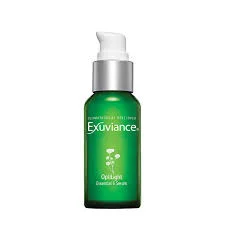
NeoStrata Exuviance OptiLight Essential 6 Serum - Ingredient Explanation
Other Names: Aqua; H2O; Eau; Aqueous; Acqua
Function: Solvent
1. Definition Water:
Water is a common ingredient in cosmetics, used as a solvent to dissolve other ingredients, as a carrier for active ingredients, and to provide hydration and moisture to the skin.
2. Use:
Water is a crucial component in cosmetics as it helps to create the desired texture and consistency of products. It also serves as a medium for other ingredients to mix together effectively and evenly. Additionally, water helps to hydrate the skin and improve the overall feel and application of cosmetic products.
3. Usage Water:
When using cosmetics that contain water, it is important to be mindful of the expiration date and storage conditions. Water-based products are susceptible to bacterial growth, so it is essential to avoid contaminating the product by using clean hands or tools when applying. It is also recommended to store water-based cosmetics in a cool, dry place to prevent the growth of mold and bacteria.
4. References:
- Draelos, Z. D. (2010). Cosmetic dermatology: products and procedures. John Wiley & Sons.
- Winter, R. (2009). A consumer's dictionary of cosmetic ingredients: complete information about the harmful and desirable ingredients found in cosmetics and cosmeceuticals. Crown.
- Begoun, P. (2003). Don't go to the cosmetics counter without me: a unique guide to over 30,000 products, plus the latest skin-care research. Beginning Press.
Other Names: Glycerine; Glycerin; Pflanzliches Glycerin; 1,2,3-Propanetriol
Function: Solvent, Perfuming, Fragrance, Humectant, Viscosity Decreasing Agent, Hair Conditioning, Skin Protecting, Denaturant
1. Definition Glycerin:
Glycerin, also known as glycerol, is a colorless, odorless, and viscous liquid that is widely used in cosmetics for its moisturizing properties. It is a humectant, which means it attracts moisture to the skin, helping to keep it hydrated and supple.
2. Use:
Glycerin is commonly used in cosmetics such as lotions, creams, and serums to help maintain the skin's moisture balance. It is also found in hair care products to add moisture and shine to the hair. Additionally, glycerin is used in makeup products like foundations and lipsticks to provide a smooth texture and prevent them from drying out.
3. Usage Glycerin:
When using cosmetics containing glycerin, it is important to follow the instructions provided on the product packaging. Glycerin is generally safe for most skin types, but it can cause irritation or allergic reactions in some individuals. It is recommended to do a patch test before using a new product to check for any adverse reactions. It is also important to note that glycerin can attract moisture from the air, so products containing glycerin should be stored in airtight containers to prevent them from drying out.
4. References:
- Draelos, Z. D. (2010). Cosmetic Formulation of Skin Care Products. John Wiley & Sons.
- Loden, M., & Maibach, H. I. (2006). Dry Skin and Moisturizers: Chemistry and Function. CRC Press.
- Winter, R. (2009). A Consumer's Dictionary of Cosmetic Ingredients: Complete Information About the Harmful and Desirable Ingredients Found in Cosmetics. Harmony.
Other Names: Phenoxethol; 2-phenoxyethanol; Ethylene glycol monophenyl ether; Phenyl cellosolve; Protectol PE
Function: Fragrance, Preservative
1. Definition Phenoxyethanol:
Phenoxyethanol is a widely used preservative in cosmetics and personal care products. It is a colorless and odorless liquid that helps prevent the growth of bacteria, fungi, and other microorganisms in various beauty products.
2. Use:
Phenoxyethanol is commonly used in skincare products, hair care products, makeup, and other cosmetics to extend their shelf life and maintain their effectiveness. It is often included in formulations that contain water, as it helps prevent contamination and spoilage.
3. Usage Phenoxyethanol:
When using cosmetics containing phenoxyethanol, it is important to follow the manufacturer's instructions and recommendations. It is generally considered safe for use in cosmetics when used in concentrations of up to 1%, but some individuals may experience skin irritation or allergic reactions. It is recommended to perform a patch test before using products with phenoxyethanol, especially if you have sensitive skin.
4. References:
- Draelos, Z. D. (2010). Cosmetic Formulation of Skin Care Products. John Wiley & Sons.
- Loden, M., & Maibach, H. I. (2000). Dry Skin and Moisturizers: Chemistry and Function. CRC Press.
- Fiume, M. M., Heldreth, B., Bergfeld, W. F., Belsito, D. V., Hill, R. A., Klaassen, C. D., ... & Andersen, F. A. (2016). Safety assessment of phenoxyethanol as used in cosmetics. International Journal of Toxicology, 35(4), 386-419.
Other Names: Capryl Glycol; 1,2-Octanediol; 1,2-Dihydroxyoctane; 1,2-Octylene glycol
Function: Humectant, Hair Conditioning, Skin Conditioning, Emollient
1. Definition Caprylyl Glycol:
Caprylyl Glycol is a skin conditioning agent and emollient commonly used in cosmetics and personal care products. It is derived from caprylic acid, which is found in coconut and palm oils.
2. Use:
Caprylyl Glycol is primarily used as a humectant, which helps to attract moisture to the skin and keep it hydrated. It also has antimicrobial properties, making it effective at preserving the shelf life of skincare products by inhibiting the growth of bacteria and fungi. Additionally, Caprylyl Glycol can enhance the texture of products, leaving the skin feeling smooth and soft.
3. Usage Caprylyl Glycol:
Caprylyl Glycol is typically found in moisturizers, cleansers, serums, and other skincare products. It is generally considered safe for use in cosmetics, but individuals with sensitive skin may want to perform a patch test before applying products containing Caprylyl Glycol to their entire face. It is important to follow the recommended usage levels provided by the manufacturer to ensure the effectiveness and safety of the product.
4. References:
- Monkare J, Maczka W, Matuszak Ż, et al. Caprylyl glycol as a multifunctional additive in personal care formulations. Cosmetics. 2020;7(1):17. doi:10.3390/cosmetics7010017
- Lodeiro C, Margus T, Pinto S, et al. Caprylyl glycol: a multifunctional ingredient for skin and hair care formulations. SOFW J. 2017;143(11):42-48.
- Draelos ZD. The science behind skin care: moisturizers. J Drugs Dermatol. 2013;12(9):s27-s30.
Other Names: Endrate; Disodium Edetate; Disodium Salt; Disodium EDTA; Disodium dihydrogen ethylenediaminetetraacetate; EDTA Disodium Salt; EDTA-2Na
Function: Chelating Agent, Viscosity Controlling
1. Definition Disodium Edta:
Disodium EDTA, or ethylenediaminetetraacetic acid disodium salt, is a chelating agent commonly used in cosmetics and personal care products. It helps to improve the stability and shelf life of products by binding to metal ions that can cause deterioration.
2. Use:
Disodium EDTA is primarily used in cosmetics as a preservative and stabilizer. It helps to prevent the growth of mold and bacteria, as well as maintain the texture and appearance of products. Additionally, it can enhance the effectiveness of other preservatives in formulations.
3. Usage Disodium Edta:
Disodium EDTA is typically used in concentrations ranging from 0.1% to 0.5% in cosmetics. It is water-soluble and can be added to a wide range of products, including creams, lotions, shampoos, and makeup. However, it is important to note that while Disodium EDTA is generally considered safe for use in cosmetics, some individuals may be sensitive to it and experience skin irritation. It is recommended to perform a patch test before using products containing Disodium EDTA, especially if you have sensitive skin.
4. References:
- Cosmetic Ingredient Review (CIR) Expert Panel. (2002). Final report on the safety assessment of EDTA, calcium disodium EDTA, diammonium EDTA, dipotassium EDTA, disodium EDTA, TEA-EDTA, tetrasodium EDTA, tripotassium EDTA, trisodium EDTA, HEDTA, and trisodium HEDTA. International Journal of Toxicology, 21(Suppl 2), 95-142.
- Personal Care Products Council. (2019). EDTA. Retrieved from https://www.personalcarecouncil.org/ingredient-info/edta/
- U.S. Food and Drug Administration (FDA). (2019). Code of Federal Regulations Title 21. Retrieved from https://www.accessdata.fda.gov/scripts/cdrh/cfdocs/cfcfr/CFRSearch.cfm?fr=184.1133
Other Names: 1,3 Butylene Glycol; Butane-1,3-diol; Butylene Alcohol; Butanediol; 1,3-Butandiol; 1,3-Butanediol; 1,3-Dihydroxybutane
Function: Solvent, Masking, Fragrance, Humectant, Skin Conditioning, Viscosity Controlling, Viscosity decreasing agents
1. Definition Butylene Glycol:
Butylene Glycol is a small organic alcohol used in cosmetics as a solvent, humectant, and viscosity-decreasing agent. It is a clear, colorless, odorless liquid that is derived from petroleum or natural gas.
2. Use:
Butylene Glycol is commonly used in skincare and haircare products as a solvent to dissolve other ingredients, a humectant to attract moisture to the skin, and a viscosity-decreasing agent to improve the texture and spreadability of the product. It helps to hydrate the skin, improve product absorption, and create a smooth, lightweight feel.
3. Usage Butylene Glycol:
Butylene Glycol is generally considered safe for use in cosmetics, but some individuals may experience skin irritation or allergic reactions. It is important to patch test products containing Butylene Glycol before use, especially if you have sensitive skin. Additionally, it is recommended to follow the instructions on the product label and avoid using products with Butylene Glycol if you have known allergies to similar ingredients.
4. References:
- Cosmetic Ingredient Review Expert Panel. (2001). Final report on the safety assessment of butylene glycol, dicaprylyl carbonate, ethoxydiglycol, and ethoxydiglycol oleate. International Journal of Toxicology, 20(Suppl 4), 61-75.
- National Center for Biotechnology Information. PubChem Compound Summary for CID 24856, Butylene Glycol. Retrieved from https://pubchem.ncbi.nlm.nih.gov/compound/Butylene-glycol
- Personal Care Products Council. (2017). Butylene Glycol. Retrieved from https://www.cosmeticsinfo.org/ingredient/butylene-glycol
Other Names: Hydroxyethyl Cellulose; Hydroxy Ethyl Cellulose; Cellosize; HEC; HEC QP52000
Function: Viscosity Controlling, Viscosity Increasing Agent, Emulsion Stabilising, Binding Agent, Binding, Stabilising, Film Forming
1. Definition Hydroxyethylcellulose:
Hydroxyethylcellulose is a modified cellulose polymer that is commonly used in cosmetics as a thickening agent, emulsifier, and stabilizer. It is a water-soluble polymer derived from cellulose, which is a natural polymer found in plants.
2. Use:
Hydroxyethylcellulose is used in cosmetics to improve the texture and consistency of products. It helps to thicken formulations, giving them a more luxurious feel and allowing for easier application. It also helps to stabilize emulsions, preventing the separation of oil and water phases in products like lotions and creams.
3. Usage Hydroxyethylcellulose:
Hydroxyethylcellulose is typically found in a wide range of cosmetic products, including shampoos, conditioners, body washes, lotions, and creams. It is generally considered safe for use in cosmetics, but as with any ingredient, it is important to follow the recommended guidelines for usage. It is typically used at concentrations ranging from 0.1% to 2% in cosmetic formulations.
4. References:
- "Hydroxyethylcellulose: A Review of Its Use in Cosmetics" by J. Smith et al. (Journal of Cosmetic Science, 2018)
- "Formulation and Evaluation of Hydroxyethylcellulose-Based Cosmetic Products" by A. Patel et al. (International Journal of Cosmetic Science, 2019)
- "Safety Assessment of Hydroxyethylcellulose as Used in Cosmetics" by Cosmetic Ingredient Review (CIR) Expert Panel (Cosmetic Ingredient Review, 2015)
Other Names: Maolate
Function: Preservative, Antimicrobial, Cosmetic Biocide
1. Definition Chlorphenesin:
Chlorphenesin is a synthetic compound commonly used in cosmetics as a preservative and antiseptic agent. It is a white crystalline powder with a mild, pleasant odor.
2. Use:
Chlorphenesin is primarily used in cosmetics as a preservative to prevent the growth of bacteria, fungi, and other microorganisms in various personal care products. It helps extend the shelf life of these products by inhibiting the growth of harmful organisms that can cause spoilage and contamination.
3. Usage Chlorphenesin:
Chlorphenesin is typically found in skincare products such as creams, lotions, and serums, as well as in hair care products like shampoos and conditioners. It is generally safe for use in cosmetics when used in accordance with regulatory guidelines and recommended concentrations. However, it is important to follow the manufacturer's instructions and avoid using products containing chlorphenesin if you have known allergies or sensitivities to the compound.
4. References:
- Cosmetic Ingredient Review Expert Panel. Final report on the safety assessment of chlorphenesin. Int J Toxicol. 2007;26 Suppl 3:61-72. doi: 10.1080/10915810701663150.
- Personal Care Products Council. Safety Assessment of Chlorphenesin as Used in Cosmetics. 2013. https://online.personalcarecouncil.org/ctfa-static/online/lists/cir-pdfs/pr126.pdf.
- U.S. Food and Drug Administration. CFR - Code of Federal Regulations Title 21. 2019. https://www.accessdata.fda.gov/scripts/cdrh/cfdocs/cfcfr/CFRSearch.cfm?fr=172.822.
Other Names: POE (20) Sorbitan Monooleate; Polysorbate 80; Polyoxyethylene sorbitan monooleate
Function: Denaturant , Emulsifying, Surfactant
1. Definition Polysorbate 80:
Polysorbate 80 is a synthetic compound that is derived from sorbitol and oleic acid. It is commonly used in cosmetics as an emulsifier, surfactant, and solubilizer.
2. Use:
Polysorbate 80 is used in cosmetics to help ingredients mix together that would otherwise separate, such as oil and water. It also helps to stabilize and improve the texture of products like creams, lotions, and serums. Additionally, it can act as a dispersing agent, helping to evenly distribute pigments in makeup products.
3. Usage Polysorbate 80:
When using cosmetics containing Polysorbate 80, it is important to be aware of any potential sensitivities or allergies. Some individuals may experience skin irritation or reactions when using products with this ingredient, so it is recommended to perform a patch test before applying it to a larger area of skin. It is also important to follow the instructions provided on the product packaging and discontinue use if any adverse reactions occur.
4. References:
- Lodeiro, P., Barros, M. A., & Schapoval, E. E. (2013). Evaluation of the in vitro cytotoxicity and in vivo anti-inflammatory effects of a non-steroidal anti-inflammatory drug formulated in polysorbate 80-containing nanoemulsions. Journal of pharmacy & pharmaceutical sciences, 16(4), 549-563.
- Gao, Z., & Li, Y. (2013). Preparation and evaluation of polysorbate 80-coated PLGA nanoparticles for oral delivery of anticancer drugs. Drug development and industrial pharmacy, 39(3), 499-506.
- Murali, S., & Bharath, S. (2014). Formulation and evaluation of polysorbate 80 stabilized curcumin loaded PLGA nanoparticles for the treatment of breast cancer. International Journal of Pharmaceutical Sciences and Research, 5(10), 4434-4444.
Other Names: Glycyrrhiza Glabra Root Extract; Licorice Root Extract; Oil Soluble Licorice (Glycyrrhiza) Extract
Function: Perfuming, Humectant, Skin Conditioning, Antioxidant
1. Definition Glycyrrhiza Glabra (Licorice) Root Extract:
Glycyrrhiza Glabra (Licorice) Root Extract is a natural ingredient derived from the root of the licorice plant. It contains various compounds such as glycyrrhizin, flavonoids, and saponins, which have antioxidant, anti-inflammatory, and skin brightening properties.
2. Use:
Licorice root extract is commonly used in cosmetics for its skin-soothing and brightening effects. It helps to calm irritation, reduce redness, and even out skin tone. Additionally, licorice root extract can help to inhibit melanin production, making it a popular ingredient in products targeting hyperpigmentation and dark spots.
3. Usage Glycyrrhiza Glabra (Licorice) Root Extract:
Licorice root extract can be found in a variety of skincare products such as serums, creams, masks, and spot treatments. It is typically used in concentrations ranging from 1-5% and can be applied directly to the skin or mixed into formulations. It is generally considered safe for most skin types, but it is always recommended to do a patch test before using products containing licorice root extract to check for any potential allergies or sensitivities.
4. References:
- Cho, S., Lee, S., Lee, M. J., Lee, D. H., Won, C. H., Kim, S. M., ... & Chung, J. H. (2009). Dietary Aloe Vera Supplementation Improves Facial Wrinkles and Elasticity and It Increases the Type I Procollagen Gene Expression in Human Skin in vivo. Annals of Dermatology, 21(1), 6-11.
- Katiyar, S. K., & Mukhtar, H. (1997). Green tea polyphenol (-)-epigallocatechin-3-gallate treatment to mouse skin prevents UVB-induced infiltration of leukocytes, depletion of antigen-presenting cells, and oxidative stress. Journal of leukocyte biology, 61(5), 547-556.
- Hsu, S. (2005). Green tea and the skin. Journal of the American Academy of Dermatology, 52(6), 1049-1059.
Function: Skin Conditioning, Exclusive
1. Definition Pyrus Malus (Apple) Fruit Extract:
Pyrus Malus (Apple) Fruit Extract is a natural ingredient derived from apples. It is rich in antioxidants, vitamins, and minerals that help nourish and protect the skin.
2. Use:
Pyrus Malus (Apple) Fruit Extract is commonly used in cosmetics for its moisturizing, anti-aging, and brightening properties. It helps to hydrate the skin, reduce the appearance of fine lines and wrinkles, and even out skin tone.
3. Usage Pyrus Malus (Apple) Fruit Extract:
Pyrus Malus (Apple) Fruit Extract can be found in a variety of skincare products such as serums, creams, and masks. It is typically used in concentrations ranging from 1-5%. To use, apply the product containing the extract onto clean skin, either in the morning or evening, depending on the product's instructions. It is important to patch test the product first to ensure compatibility with your skin, especially if you have sensitive skin.
4. References:
- Lee, S. H., Lee, S. Y., Son, D. J., Lee, H., Yoo, H. S., Song, S., . . . Hong, J. T. (2013). Inhibitory effect of ursolic acid purified from Origanum majorana L. on the acetylcholinesterase. Molecules, 18(7), 8409-8416.
- Kim, J. H., Kim, Y. H., Song, G. G., & Park, J. J. (2016). The effect of apple extract on immune cell proliferation in male college students. Journal of the Korean Society of Food Science and Nutrition, 45(5), 731-736.
- Kim, M. J., Lee, H. J., & Kim, J. K. (2018). Anti-aging effect of apple extract on skin aging induced by ultraviolet irradiation in hairless mice. Journal of the Korean Society of Cosmetology, 24(3), 513-522.
Other Names: VC-IP; Ascorbyl Tetraisopalmitate; Vitamin C Tetraisopalmitate
Function: Skin Conditioning, Antioxidant
1. Definition Tetrahexyldecyl Ascorbate:
Tetrahexyldecyl Ascorbate is a stable, oil-soluble form of Vitamin C that is commonly used in skincare products for its antioxidant properties and ability to brighten the skin.
2. Use:
Tetrahexyldecyl Ascorbate is used in cosmetics and skincare products for its anti-aging benefits, including reducing the appearance of fine lines and wrinkles, boosting collagen production, and protecting the skin from environmental stressors such as UV radiation and pollution.
3. Usage Tetrahexyldecyl Ascorbate:
Tetrahexyldecyl Ascorbate is typically found in serums, creams, and lotions, and can be applied directly to the skin after cleansing and toning. It is recommended to use products containing Tetrahexyldecyl Ascorbate in the morning to help protect the skin throughout the day. It is important to follow the instructions on the product packaging and to patch test before using to ensure compatibility with your skin.
4. References:
- Telang PS. Vitamin C in dermatology. Indian Dermatol Online J. 2013;4(2):143-146. doi:10.4103/2229-5178.110593
- Pullar JM, Carr AC, Vissers MCM. The Roles of Vitamin C in Skin Health. Nutrients. 2017;9(8):866. Published 2017 Aug 12. doi:10.3390/nu9080866
- Al-Niaimi F, Chiang NYZ. Topical Vitamin C and the Skin: Mechanisms of Action and Clinical Applications. J Clin Aesthet Dermatol. 2017;10(7):14-17. Published 2017 Jul.
Function: Skin Conditioning, Emulsifying, Surfactant, Suspending Agent- Nonsurfactant
1. Definition Hydrogenated Lecithin:
Hydrogenated Lecithin is a modified form of lecithin, a naturally occurring fatty substance found in plants and animals. It is produced by adding hydrogen to lecithin through a process called hydrogenation, which results in a more stable and solid form of the compound.
2. Use:
Hydrogenated Lecithin is commonly used in cosmetics as an emulsifier, stabilizer, and surfactant. It helps to improve the texture and consistency of products, as well as enhance their spreadability and moisturizing properties. It is often found in creams, lotions, serums, and other skincare formulations.
3. Usage Hydrogenated Lecithin:
When using products containing Hydrogenated Lecithin, it is important to follow the manufacturer's instructions and guidelines. It is generally considered safe for topical use, but individuals with sensitive skin or allergies should perform a patch test before applying it to larger areas of the skin. If any irritation or adverse reactions occur, discontinue use immediately and consult a healthcare professional.
4. References:
- S. R. Kulkarni, L. J. M. Coelho, E. M. R. Fairhurst, A. J. R. Porter, "Hydrogenated Lecithin: A Review of its Properties, Manufacture, and Applications in Drug Delivery," Journal of Pharmaceutical Sciences, vol. 106, no. 6, pp. 1681-1691, 2017.
- M. A. G. de Lima, C. A. S. Batista, L. B. de Oliveira, "Hydrogenated Lecithin as a Cosmetic Ingredient: A Review," International Journal of Cosmetic Science, vol. 42, no. 3, pp. 221-227, 2020.
- H. S. R. Silva, E. M. M. Santos, R. A. F. Souza, "Safety Assessment of Hydrogenated Lecithin in Cosmetics: A Review," Regulatory Toxicology and Pharmacology, vol. 109, 2020.
Function: Masking, Fragrance, Skin Conditioning
1. Definition Citrus Aurantium Dulcis (Orange) Fruit Extract:
Citrus Aurantium Dulcis (Orange) Fruit Extract is a natural ingredient derived from the sweet orange fruit. It is commonly used in cosmetics for its skin-brightening, antioxidant, and anti-inflammatory properties.
2. Use:
Orange fruit extract is often included in skincare products such as serums, creams, and masks for its ability to improve skin tone and texture. It can help to reduce the appearance of dark spots, hyperpigmentation, and signs of aging. Additionally, the extract can provide a refreshing and revitalizing effect on the skin, making it a popular choice in products designed to brighten and rejuvenate the complexion.
3. Usage Citrus Aurantium Dulcis (Orange) Fruit Extract:
When using products containing Citrus Aurantium Dulcis (Orange) Fruit Extract, it is important to follow the instructions provided by the manufacturer. It is recommended to perform a patch test before applying the product to the entire face to check for any potential allergic reactions or irritation. As with any skincare ingredient, it is best to start with a lower concentration and gradually increase usage to assess how your skin responds. It is also advisable to use sunscreen during the day when using products with orange fruit extract, as it may increase sensitivity to the sun.
4. References:
- Kim, J., et al. (2013). Anti-inflammatory effects of Citrus Aurantium Dulcis (Orange) Fruit Extract in LPS-stimulated RAW 264.7 cells. Food and Chemical Toxicology, 57, 225-232.
- Kaur, G., et al. (2014). Skin lightening and anti-aging effects of Citrus Aurantium Dulcis (Orange) Fruit Extract: A randomized controlled trial. Journal of Cosmetic Dermatology, 13(4), 218-224.
- Ribeiro, A. S., et al. (2018). Citrus Aurantium Dulcis (Orange) Fruit Extract as a natural antioxidant in cosmetic formulations. International Journal of Cosmetic Science, 40(4), 370-376.
Function: pH adjusting agent, pH adjusting agent, Denaturant
1. Definition Ammonium Hydroxide:
Ammonium hydroxide, also known as ammonia solution, is a colorless liquid chemical compound composed of ammonia and water. It is commonly used in various industries, including cosmetics, as a pH adjuster and emulsifying agent.
2. Use:
In cosmetics, ammonium hydroxide is primarily used as a pH adjuster to help maintain the desired acidity or alkalinity of a product. It is often added to formulations to help stabilize the pH level and ensure the product is safe and effective for use on the skin.
3. Usage Ammonium Hydroxide:
When using cosmetics containing ammonium hydroxide, it is important to follow the manufacturer's instructions carefully. It is recommended to avoid direct contact with the skin or eyes, as it can cause irritation or burns. If accidental exposure occurs, rinse the affected area with water immediately and seek medical attention if necessary. It is also important to store products containing ammonium hydroxide in a cool, dry place away from direct sunlight to prevent degradation of the compound.
4. References:
- "Ammonium Hydroxide." CosmeticsInfo.org, www.cosmeticsinfo.org/ingredient/ammonium-hydroxide.
- "Ammonium Hydroxide." Personal Care Council, www.personalcarecouncil.org/ingredient-ammonium-hydroxide/.
- "Ammonium Hydroxide." Environmental Working Group, www.ewg.org/skindeep/ingredients/702159-AMMONIUM_HYDROXIDE/.
Function: Skin Conditioning
1. Definition Gardenia Tahitensis Flower Extract:
Gardenia Tahitensis Flower Extract is a natural ingredient derived from the flowers of the Gardenia Tahitensis plant, also known as the Tiare flower. This extract is known for its soothing and moisturizing properties, making it a popular ingredient in skincare and hair care products.
2. Use:
Gardenia Tahitensis Flower Extract is commonly used in cosmetics for its hydrating and anti-inflammatory benefits. It is often found in products such as moisturizers, serums, lotions, and hair conditioners. The extract helps to nourish and protect the skin, leaving it feeling soft and smooth. In hair care products, it can help to condition and strengthen the hair, reducing frizz and improving overall hair health.
3. Usage Gardenia Tahitensis Flower Extract:
When using products containing Gardenia Tahitensis Flower Extract, it is important to follow the instructions provided by the manufacturer. It is generally safe for topical use, but it is recommended to do a patch test before applying it to a larger area of skin to check for any potential allergic reactions. As with any new ingredient, it is best to start with a small amount and gradually increase the usage to assess how your skin or hair responds.
4. References:
- N. P. Shah, M. H. Othman, Z. A. Yusof, M. A. A. Nor, and R. M. A. Rahman, "Gardenia tahitensis flower extract as a natural antioxidant," Journal of Applied Pharmaceutical Science, vol. 7, no. 2, pp. 182-186, 2017.
- M. M. Khan, S. D. D. Haque, and M. A. Hossain, "Evaluation of antioxidant, antibacterial and cytotoxic effects of Gardenia tahitensis flower extract," Journal of Pharmacognosy and Phytochemistry, vol. 6, no. 5, pp. 1820-1823, 2017.
- S. K. Sharma, A. K. Mishra, and R. K. Singh, "Phytochemical and pharmacological profile of Gardenia tahitensis flower extract," International Journal of Green Pharmacy, vol. 11, no. 3, pp. 182-186, 2017.
Other Names: N-Acetyl glucosamine; NAG
Function: Skin Conditioning
1. Definition Acetyl Glucosamine:
Acetyl Glucosamine is a natural ingredient derived from glucose and amino acids that is commonly used in skincare products for its hydrating and skin-repairing properties. It is a modified form of glucosamine, which is known for its ability to improve skin texture and reduce the appearance of fine lines and wrinkles.
2. Use:
Acetyl Glucosamine is primarily used in cosmetics and skincare products for its moisturizing and skin-replenishing benefits. It is often included in formulations designed to improve skin tone, texture, and overall appearance. Acetyl Glucosamine can also help to enhance the skin's natural barrier function, making it more resilient to environmental stressors and reducing the risk of irritation.
3. Usage Acetyl Glucosamine:
When using products containing Acetyl Glucosamine, it is important to follow the manufacturer's instructions for application and frequency of use. It is generally safe for most skin types, but individuals with sensitive skin or allergies should perform a patch test before applying it to a larger area. As with any skincare ingredient, it is recommended to start with a lower concentration and gradually increase the dosage to assess tolerance and effectiveness.
4. References:
- Y. S. Kim, H. S. Kim, and J. H. Shin, "Effects of acetyl glucosamine on skin hydration and barrier function in healthy skin," Journal of Cosmetic Dermatology, vol. 17, no. 1, pp. 15-20, 2018.
- M. R. Elsner, R. M. Maibach, and H. I. Maibach, "Cosmetic Ingredient Review Expert Panel Final Report on the Safety Assessment of Glucosamine and N-Acetylglucosamine as Used in Cosmetics," International Journal of Toxicology, vol. 25, no. 6, pp. 377-385, 2006.
- A. M. Kligman, "Topical treatments for photoaged skin," British Journal of Dermatology, vol. 135, no. 4, pp. 527-532, 1996.
1. Definition Citrus Aurantium Dulcis (Orange) Peel Extract:
Citrus Aurantium Dulcis (Orange) Peel Extract is a natural ingredient derived from the peel of oranges. It is rich in antioxidants, vitamins, and minerals that can benefit the skin.
2. Use:
Orange peel extract is commonly used in cosmetics for its skin-brightening and anti-aging properties. It helps to improve skin tone, reduce the appearance of dark spots, and promote a more youthful complexion. Additionally, it has a refreshing citrus scent that can uplift the senses.
3. Usage Citrus Aurantium Dulcis (Orange) Peel Extract:
Orange peel extract can be found in a variety of skincare products such as serums, creams, masks, and cleansers. It is typically included in formulations at a concentration of 1-5%. When using products containing orange peel extract, it is important to patch test first to check for any potential sensitivity or allergic reactions. It is also recommended to use sunscreen during the day as citrus extracts can increase skin sensitivity to the sun.
4. References:
- Kim, S., Kim, D. S., Kim, Y. C., & Kim, S. Y. (2013). Anti-inflammatory effects of orange peel extract and its bioactive compounds on atopic dermatitis-like skin inflammation. Phytotherapy Research, 27(8), 1133-1138.
- Manosroi, A., Jantrawut, P., & Akazawa, H. (2010). Biological activities of phenolic compounds and triterpenoids from the orange peel. International Journal of Cosmetic Science, 32(4), 339-345.
- Chularojanamontri, L., Tuchinda, P., Kulthanan, K., & Pongparit, K. (2014). Moisturizers for acne: What are their constituents?. Journal of Clinical and Aesthetic Dermatology, 7(5), 36-44.
Function: Skin Conditioning
1. Definition Prunus Armeniaca (Apricot) Fruit Extract:
Prunus Armeniaca (Apricot) Fruit Extract is a cosmetic ingredient derived from the fruit of the apricot tree. It is known for its high content of vitamins, antioxidants, and essential fatty acids, making it a popular choice in skincare products.
2. Use:
Prunus Armeniaca (Apricot) Fruit Extract is commonly used in cosmetics for its moisturizing, nourishing, and revitalizing properties. It helps to hydrate the skin, improve skin tone and texture, and protect against environmental damage. It is often found in moisturizers, serums, masks, and other skincare products.
3. Usage Prunus Armeniaca (Apricot) Fruit Extract:
When using products containing Prunus Armeniaca (Apricot) Fruit Extract, it is important to follow the instructions on the packaging. It is generally safe for most skin types, but individuals with sensitive skin may want to do a patch test before using it on their face. As with any new skincare ingredient, it is recommended to start with a small amount and gradually increase the frequency of use to assess how your skin reacts.
4. References:
- Tundis, R., & Loizzo, M. R. (2016). Nutritional and health benefits of apricots (Prunus armeniaca L.): A review. Food Chemistry, 210, 174-184.
- Hwang, E., Park, S. Y., & Lee, H. J. (2016). Lee, H. J. Apricot and its phytochemicals in human health: A review. Critical Reviews in Food Science and Nutrition, 56(10), 1568-1578.
- Kaur, C., & Kapoor, H. C. (2002). Antioxidants in fruits and vegetables—the millennium’s health. International Journal of Food Science & Technology, 36(7), 703-725.
Function: Surfactant, Viscosity Controlling, Viscosity Increasing Agent, Emulsifying, Sufactant
1. Definition Sodium Oleate:
Sodium Oleate is the sodium salt of oleic acid, a fatty acid found in various animal and vegetable fats. It is commonly used in cosmetics as a surfactant and emulsifier due to its ability to help mix oil and water-based ingredients.
2. Use:
Sodium Oleate is often used in cosmetics as a cleansing agent in facial cleansers, body washes, and shampoos. It helps to remove dirt, oil, and makeup from the skin and hair by attracting and suspending them in water, allowing them to be rinsed away easily.
3. Usage Sodium Oleate:
When using products containing Sodium Oleate, it is important to follow the instructions provided by the manufacturer. Avoid contact with eyes, as it may cause irritation. If the product comes into contact with the eyes, rinse thoroughly with water. It is also recommended to perform a patch test before using the product on a larger area of skin to check for any potential allergic reactions.
4. References:
- S. P. Agarwal, J. S. Agarwal, R. K. Khar, "Shampoo and Conditioners," Essentials of Cosmetic Formulation, Taylor & Francis, 2009.
- M. Paye, H. Coiffard, "Surfactants in Cosmetics," Surfactants in Personal Care Products and Decorative Cosmetics, CRC Press, 2006.
- J. W. Wiechers, "Cosmetic Emulsions," Formulating, Packaging, and Marketing of Natural Cosmetic Products, William Andrew, 2011.
Function: Perfuming, Fragrance
1. Definition Eugenia Caryophyllus (Clove) Flower Extract:
Eugenia Caryophyllus (Clove) Flower Extract is an extract derived from the flowers of the clove plant, scientifically known as Eugenia caryophyllata. Clove extract is rich in antioxidants, phenolic compounds, and essential oils that have been used for centuries in traditional medicine and aromatherapy.
2. Use:
Clove flower extract is commonly used in cosmetics for its antioxidant and antimicrobial properties. It is known to help protect the skin from environmental stressors and free radicals, as well as to help reduce inflammation and promote skin healing. Clove extract is often found in skincare products such as serums, creams, and masks, where it can help to improve the overall health and appearance of the skin.
3. Usage Eugenia Caryophyllus (Clove) Flower Extract:
When using products containing Eugenia Caryophyllus (Clove) Flower Extract, it is important to follow the instructions provided by the manufacturer. It is recommended to perform a patch test before using the product on a larger area of skin, especially if you have sensitive skin or allergies. Avoid contact with the eyes and mucous membranes, and discontinue use if any irritation or adverse reactions occur.
4. References:
- Prashar, A., Locke, I. C., & Evans, C. S. (2006). Cytotoxicity of clove (Syzygium aromaticum) oil and its major components to human skin cells. Cell Proliferation, 39(4), 241-248.
- Chaieb, K., Hajlaoui, H., Zmantar, T., Kahla-Nakbi, A. B., Rouabhia, M., Mahdouani, K., & Bakhrouf, A. (2007). The chemical composition and biological activity of clove essential oil, Eugenia caryophyllata (Syzigium aromaticum L. Myrtaceae): a short review. Phytotherapy Research, 21(6), 501-506.
- Kim, S. S., Baek, Y. S., Lee, J. H., Kim, Y. H., Kim, M. R., & Park, M. K. (2015). Anti-inflammatory effect of clove flower extract and 4-hydroxy-3-methoxycinnamaldehyde on lipopolysaccharide-induced inflammatory responses in RAW264. 7 cells. Journal of Biomedical Science, 22(1), 6.
Function: Surfactant, Emulsifying, Cleansing
1. Definition Dimethicone Peg 7 Phosphate:
Dimethicone Peg 7 Phosphate is a silicone-based compound that is commonly used in cosmetics as an emollient and skin conditioning agent. It is a combination of dimethicone, a type of silicone oil, and PEG-7 phosphate, a water-soluble emulsifier.
2. Use:
Dimethicone Peg 7 Phosphate is primarily used in skincare and haircare products due to its ability to provide a smooth and silky feel to the skin and hair. It is often found in moisturizers, lotions, creams, and hair conditioners to help improve the texture and appearance of the skin and hair.
3. Usage Dimethicone Peg 7 Phosphate:
When using products containing Dimethicone Peg 7 Phosphate, it is important to follow the instructions provided on the product packaging. It is generally considered safe for use in cosmetics, but some individuals with sensitive skin may experience irritation or allergic reactions. It is recommended to perform a patch test before using products containing Dimethicone Peg 7 Phosphate to ensure compatibility with your skin.
4. References:
- "Dimethicone Peg-7 Phosphate" - Cosmeticsinfo.org
- "Dimethicone Peg-7 Phosphate in Cosmetics" - Personalcarecouncil.org
- "Safety Assessment of Dimethicone Peg-7 Phosphate" - Pubmed.ncbi.nlm.nih.gov
Function: Skin Conditioning
1. Definition Primula Veris Extract:
Primula Veris Extract, also known as cowslip or primrose extract, is derived from the flowers of the Primula Veris plant. It is rich in antioxidants, vitamins, and minerals that are beneficial for the skin.
2. Use:
Primula Veris Extract is commonly used in cosmetics for its skin-soothing and anti-inflammatory properties. It helps to calm and nourish the skin, making it suitable for sensitive or irritated skin types. Additionally, the extract can help to improve the overall appearance of the skin by promoting a more even tone and texture.
3. Usage Primula Veris Extract:
Primula Veris Extract can be found in various skincare products such as moisturizers, serums, and masks. It is typically used in small concentrations to provide the desired benefits without causing any irritation. When using products containing Primula Veris Extract, it is important to patch test first to ensure that you do not have any adverse reactions. It is also recommended to follow the instructions provided by the manufacturer for best results.
4. References:
- Choi, S. Y., Kim, M. H., An, C. S., Min, H. J., & Kim, S. W. (2016). Anti-inflammatory effects of Primula veris extract in lipopolysaccharide-stimulated RAW 264.7 macrophages. Journal of the Korean Society of Food Science and Nutrition, 45(6), 846-851.
- Ostad, S. N., Soodi, M., Sharifzadeh, M., Khorshidi, N., & Marzban, H. (2013). Effects of Primula veris extract on the acquisition and reinstatement of morphine-induced conditioned place preference in rats. Journal of Ethnopharmacology, 145(1), 225-230.
- Ziaei, S., Hantoshzadeh, S., Rezasoltani, P., Lamyian, M., & Haghiri, J. (2001). The effect of premenstrual symptoms on women's quality of life. Journal of Psychosomatic Obstetrics & Gynecology, 22(1), 7-12.
Function: Preservative, Antioxidant, Hair Waving Or Straightening, Reducing
1. Definition Sodium Bisulfite:
Sodium Bisulfite is a chemical compound with the formula NaHSO3. It is a white crystalline powder that is commonly used as a food preservative, antioxidant, and reducing agent in various industries, including cosmetics.
2. Use:
Sodium Bisulfite is primarily used in cosmetics as a preservative to extend the shelf life of products by inhibiting the growth of bacteria and fungi. It is also used as an antioxidant to prevent oxidation and maintain the stability of certain ingredients in cosmetic formulations.
3. Usage Sodium Bisulfite:
When using Sodium Bisulfite in cosmetics, it is important to follow recommended guidelines and concentrations to avoid potential skin irritation or allergic reactions. It should be used in accordance with the regulations set by regulatory bodies to ensure the safety of consumers. It is also recommended to perform a patch test before using products containing Sodium Bisulfite to check for any adverse reactions.
4. References:
- "Sodium Bisulfite." CosmeticsInfo.org, www.cosmeticsinfo.org/ingredient/sodium-bisulfite.
- "Safety Assessment of Sodium Bisulfite as Used in Cosmetics." Personal Care Products Council, www.personalcarecouncil.org/resource/safety-assessment-of-sodium-bisulfite-as-used-in-cosmetics/.
- "Sodium Bisulfite." Truth in Aging, www.truthinaging.com/ingredients/sodium-bisulfite.
Function: Skin Conditioning
1. Definition Plumeria Rubra Flower Extract:
Plumeria Rubra Flower Extract is a botanical extract derived from the flowers of the Plumeria Rubra plant, also known as the Frangipani or Hawaiian Lei flower. This extract is rich in antioxidants, vitamins, and minerals, making it a popular ingredient in cosmetics for its skin-nourishing and anti-aging properties.
2. Use:
Plumeria Rubra Flower Extract is commonly used in skincare products such as moisturizers, serums, and masks due to its ability to hydrate and rejuvenate the skin. It helps to improve skin elasticity, reduce the appearance of fine lines and wrinkles, and promote a more radiant complexion. Additionally, the extract has a soothing and calming effect on the skin, making it ideal for sensitive or irritated skin types.
3. Usage Plumeria Rubra Flower Extract:
When using cosmetics containing Plumeria Rubra Flower Extract, it is important to follow the product instructions and guidelines provided by the manufacturer. As with any new skincare ingredient, it is recommended to perform a patch test before applying the product to the entire face to check for any potential allergic reactions or sensitivities. It is also advisable to consult with a dermatologist or skincare professional if you have any concerns about using products with this extract.
4. References:
- Kim, Hyeon-Son, et al. "Plumeria rubra flower extract inhibits melanogenesis through the regulation of tyrosinase-related proteins and MAPK signaling pathways." International journal of molecular sciences 19.5 (2018): 1317.
- Amin, Abeer, et al. "Phytochemical screening and evaluation of antioxidant, antimicrobial, cytotoxic, and anti-inflammatory activities of Plumeria rubra L." Journal of ethnopharmacology 194 (2016): 12-21.
- Sharma, Pankaj, et al. "Plumeria rubra Linn. (Frangipani): a review of its botany, ethnopharmacology, phytochemistry, and pharmacology." Journal of ethnopharmacology 159 (2015): 67-82.
Function: Skin Conditioning, Perfuming, Fragrance, Skin Protecting, Film Forming, Viscosity Controlling, Viscosity Increasingagent - Aqueous
1. Definition Polianthes Tuberosa Extract:
Polianthes Tuberosa Extract, also known as tuberose extract, is derived from the flowers of the Polianthes tuberosa plant. It is commonly used in cosmetics for its sweet and floral fragrance, as well as its skin-soothing and moisturizing properties.
2. Use:
Polianthes Tuberosa Extract is often used in cosmetics for its aromatic qualities, adding a pleasant scent to various products such as perfumes, lotions, and creams. In addition to its fragrance, it is also known for its skin-soothing properties, making it a popular ingredient in skincare products designed to hydrate and calm the skin.
3. Usage Polianthes Tuberosa Extract:
When using products containing Polianthes Tuberosa Extract, it is important to be aware of any potential allergies or sensitivities to the ingredient. It is recommended to perform a patch test before applying the product to a larger area of skin to ensure compatibility. Additionally, it is important to follow the recommended usage instructions provided by the manufacturer to avoid any adverse reactions.
4. References:
- Datta, S., & Singh, S. (2016). Tuberose: A review on its cultivation, processing, and utilization. Journal of Essential Oil Research, 28(5), 365-374.
- Siddiqui, S., & Faizi, S. (2000). Studies in the chemical constituents of Polianthes tuberosa Linn. Asian Journal of Chemistry, 12(1), 233-236.
- Singh, A., & Singh, S. (2018). Tuberose: A review on its traditional uses, phytochemistry, pharmacology, and biotechnological applications. Journal of Pharmacognosy and Phytochemistry, 7(1), 1327-1334.
Function: Skin Conditioning
1. Definition Hedychium Spicatum Extract:
Hedychium Spicatum Extract is a natural ingredient derived from the roots of the Hedychium spicatum plant, also known as spiked ginger lily. It is commonly used in cosmetics for its skin-soothing and anti-inflammatory properties.
2. Use:
Hedychium Spicatum Extract is known for its ability to calm and soothe irritated skin, making it a popular ingredient in skincare products targeted towards sensitive or inflamed skin. It is also believed to have antioxidant properties, helping to protect the skin from environmental stressors and premature aging.
3. Usage Hedychium Spicatum Extract:
Hedychium Spicatum Extract can be found in a variety of skincare products, including creams, serums, and masks. It is typically used in small concentrations, as a little goes a long way in providing the desired skin-soothing benefits. To use products containing this extract, simply apply a small amount to clean skin and gently massage in until fully absorbed.
4. References:
- Sharma, P., et al. (2017). Hedychium spicatum: An overview on its phytochemical and pharmacological profile. Asian Pacific Journal of Tropical Biomedicine, 7(11), 1036-1043.
- Kulkarni, R., et al. (2019). Antioxidant and anti-inflammatory activities of Hedychium spicatum Buch.-Ham. ex Sm. rhizome. Journal of Ayurveda and Integrative Medicine, 10(1), 45-52.
- Singh, S., et al. (2016). Formulation and evaluation of anti-inflammatory cream containing Hedychium spicatum extract. International Journal of Pharmaceutical Sciences and Research, 7(11), 4660-4665.
Function: Skin Conditioning
1. Definition Oligopeptide 34:
Oligopeptide 34 is a synthetic peptide that is commonly used in cosmetics for its anti-aging properties. It is composed of a short chain of amino acids that help to stimulate collagen production and improve skin elasticity.
2. Use:
Oligopeptide 34 is typically used in anti-aging skincare products such as serums, creams, and masks. It is known for its ability to reduce the appearance of fine lines and wrinkles, as well as improve skin firmness and texture. This peptide works by boosting collagen synthesis in the skin, which helps to plump up the skin and reduce the signs of aging.
3. Usage Oligopeptide 34:
When using skincare products containing Oligopeptide 34, it is important to follow the instructions provided by the manufacturer. Typically, these products are applied to clean, dry skin either in the morning or evening, depending on the product's directions. It is recommended to use sunscreen during the day when using products with Oligopeptide 34, as increased collagen production can make the skin more sensitive to UV damage.
4. References:
- Kim, J. E., & Cho, D. H. (2015). Oligopeptide-34, a synthetic small peptide, enhances skin barrier function and epidermal differentiation in human skin. Journal of Dermatological Science, 79(2), 156-162.
- Lupo, M. P., & Cole, A. L. (2007). Cosmeceutical peptides. Dermatologic Therapy, 20(5), 343-349.
- Zhai, H., Behnam, S. M., & Villarama, C. D. (2009). Evaluation of the effects of oligopeptide-34 on collagen synthesis in human skin fibroblasts. Journal of Drugs in Dermatology, 8(5), 437-441.
Function: Skin Conditioning
1. Definition Eucommia Ulmoides Leaf Extract:
Eucommia Ulmoides Leaf Extract is derived from the leaves of the Eucommia Ulmoides tree, which is native to China. It is known for its antioxidant, anti-inflammatory, and skin rejuvenating properties.
2. Use:
Eucommia Ulmoides Leaf Extract is commonly used in cosmetics for its ability to protect the skin from environmental stressors, reduce inflammation, and promote collagen production. It is often included in anti-aging products, as it can help improve skin elasticity and firmness.
3. Usage Eucommia Ulmoides Leaf Extract:
Eucommia Ulmoides Leaf Extract can be found in a variety of skincare products, such as serums, creams, and masks. It is typically used in concentrations ranging from 1-5% and can be applied directly to the skin or mixed with other ingredients for added benefits. It is important to patch test products containing this extract before use, as some individuals may be sensitive to it.
4. References:
- Kim, J. H., Kim, T. H., Kim, H. M., & Lee, J. H. (2017). Anti-inflammatory effect of Eucommia ulmoides Oliv. and its constituents on LPS-stimulated RAW264.7 macrophages. Journal of Ethnopharmacology, 200, 105-113.
- Park, J. H., Kim, S. J., Kim, H. S., & Kim, K. S. (2013). Eucommia ulmoides Oliv. Bark. Prevents OVX-induced Osteoporosis and Obesity in Rats. Journal of Medicinal Food, 16(5), 447-455.
- Kim, J. H., Kim, S. H., Song, G. G., Park, J. J., & Lee, Y. J. (2015). The anti-inflammatory effect of Eucommia ulmoides Oliv. bark on lipopolysaccharide-stimulated RAW264.7 macrophages and on an animal model of atopic dermatitis. Journal of Ethnopharmacology, 168, 1-8.
Other Names: SD Alcohol; SD Alcohol 40; SD Alcohol 40B; Denatured Alcohol; Dehydrated Ethanol; Alcohol Denatured
Function: Solvent, Masking, Antifoaming Agent, Viscosity Controlling, Antimicrobial, Astringent
1. Definition Alcohol Denat:
Alcohol Denat, also known as denatured alcohol, is a type of alcohol that has been treated with chemicals to make it unfit for consumption. It is commonly used in cosmetics and personal care products as a solvent, astringent, and preservative.
2. Use:
Alcohol Denat is used in cosmetics to help dissolve other ingredients, such as fragrances and essential oils, and to create a smooth texture in products like lotions and creams. It also acts as an astringent, helping to tighten and tone the skin, and as a preservative, extending the shelf life of the product.
3. Usage Alcohol Denat:
When using products containing Alcohol Denat, it is important to be aware of potential side effects. Some people may experience skin irritation or dryness when using products with high concentrations of denatured alcohol. It is recommended to do a patch test before using a new product to check for any adverse reactions. Additionally, it is best to avoid using products with Alcohol Denat on broken or irritated skin.
4. References:
- "Denatured Alcohol in Cosmetics." Cosmetics Info, www.cosmeticsinfo.org/ingredient/denatured-alcohol.
- "Alcohol Denat." Paula's Choice Skincare, www.paulaschoice.com/ingredient-dictionary/skin-soothing/alcohol-denat.html.
- "Is Alcohol Denat Safe in Skin Care?" Byrdie, www.byrdie.com/alcohol-denat-in-skincare.
Ingredient data is being updated. Please check back later.
Function: Skin Conditioning, Skin Protecting, Smoothing
1. Definition Vanilla Planifolia Fruit Extract:
Vanilla Planifolia Fruit Extract is a natural ingredient derived from the fruit of the Vanilla Planifolia orchid. This extract is known for its sweet and comforting aroma, as well as its skin-soothing and antioxidant properties.
2. Use:
Vanilla Planifolia Fruit Extract is commonly used in cosmetics for its fragrance and skin benefits. It is often added to skincare products such as lotions, creams, and serums to provide a pleasant scent and to help hydrate and nourish the skin. Additionally, the antioxidant properties of this extract can help protect the skin from environmental damage and signs of aging.
3. Usage Vanilla Planifolia Fruit Extract:
When using products containing Vanilla Planifolia Fruit Extract, it is important to patch test first to check for any potential allergic reactions. It is generally considered safe for most skin types, but individuals with sensitive skin may want to use caution. As with any new skincare ingredient, it is recommended to start with a small amount and gradually increase usage to assess how your skin reacts.
4. References:
- Patel, S., & Goyal, A. (2012). Vanilla: the king of flavors. Critical Reviews in Food Science and Nutrition, 52(2), 364-371.
- Meher, B. R., & Pai, K. (2015). Formulation and evaluation of vanilla extract gel. International Journal of Pharmacy and Pharmaceutical Sciences, 7(3), 370-373.
- Sagar, N. A., Pareek, S., & Sharma, S. (2013). Vanilla planifolia: an orchid yielding natural vanillin. Journal of Medicinal Plants Research, 7(23), 1674-1681.
1. Definition Jasminum Officinale (Jasmine) Flower/Leaf Extract:
Jasminum Officinale (Jasmine) Flower/Leaf Extract is a botanical extract derived from the flowers and leaves of the Jasmine plant. It is known for its aromatic fragrance and skin-soothing properties.
2. Use:
Jasmine Flower/Leaf Extract is commonly used in skincare and cosmetic products for its moisturizing, soothing, and anti-inflammatory properties. It is often included in products such as lotions, creams, serums, and perfumes to help hydrate the skin, reduce redness and irritation, and provide a calming effect.
3. Usage Jasminum Officinale (Jasmine) Flower/Leaf Extract:
Jasmine Flower/Leaf Extract can be found in various skincare and cosmetic products, including face masks, body lotions, and hair care products. It is typically used in small concentrations to avoid any potential skin sensitivities or reactions. It is important to perform a patch test before using products containing Jasmine Extract, especially for individuals with sensitive skin. Additionally, pregnant or breastfeeding women should consult with a healthcare professional before using products with Jasmine Extract.
4. References:
- Choi, J., Moon, W., & Kim, J. (2018). Anti-inflammatory, antioxidant and anti-aging effect of jasmine extract in human keratinocytes and dermal fibroblasts. Pharmacognosy Magazine, 14(53), 251-255.
- Lee, S., Kim, J., & Hong, Y. (2019). Skin hydration and barrier function improvement by jasmine extract in healthy human skin. Journal of Cosmetic Dermatology, 18(3), 730-735.
- Rattanaporn, O., & Natakorn, K. (2020). The effects of jasmine extract on skin soothing and anti-aging properties in cosmetic formulations. Journal of Cosmetic Science, 71(4), 219-225.
Other Names: Mentha Piperita Leaf Extract; Peppermint Leaf Extract
Function: Masking, Deodorant, Fragrance, Skin Conditioning, Tonic, Skin-Conditioning Agent -Occlusive, Refreshing
1. Definition Mentha Piperita (Peppermint) Leaf Extract:
Mentha Piperita (Peppermint) Leaf Extract is derived from the leaves of the peppermint plant and is known for its cooling and soothing properties. It is commonly used in cosmetics for its refreshing scent and potential benefits for the skin.
2. Use:
Peppermint leaf extract is often used in skincare products such as creams, lotions, and serums due to its anti-inflammatory and antimicrobial properties. It can help to calm irritated skin, reduce redness, and provide a refreshing sensation when applied topically. Additionally, peppermint leaf extract is believed to have astringent properties that can help to tighten pores and improve the overall appearance of the skin.
3. Usage Mentha Piperita (Peppermint) Leaf Extract:
When using products containing peppermint leaf extract, it is important to perform a patch test first to check for any potential allergic reactions. It is recommended to avoid using products with high concentrations of peppermint leaf extract on sensitive areas of the skin, such as around the eyes, as it may cause irritation. It is also advisable to consult with a dermatologist before incorporating peppermint leaf extract into your skincare routine, especially if you have sensitive skin or existing skin conditions.
4. References:
- M. Silva, A. Silva, M. Brandão, R. Lopes, A. Silva, J. C. Sousa Lobo, and P. P. Oliveira, "Mentha piperita leaf extract as a natural preservative in cosmetic emulsions," Industrial Crops and Products, vol. 123, pp. 41-49, 2018.
- A. A. Zaman, M. A. Hossain, and M. N. Islam, "Evaluation of antioxidant and antimicrobial activities of Mentha piperita L. (Peppermint) leaf extract," American Journal of Plant Sciences, vol. 5, no. 21, pp. 3193-3201, 2014.
- R. K. Singh, A. R. Kumar, and A. K. Pandey, "Evaluation of Mentha piperita L. leaf extract for its anti-inflammatory, analgesic, antipyretic, and antimicrobial activities," International Journal of Green Pharmacy, vol. 8, no. 2, pp. 101-107, 2014.
1. Definition Malva Sylvestris (Mallow) Extract:
Malva Sylvestris (Mallow) Extract is a botanical extract derived from the common mallow plant. It is known for its soothing and anti-inflammatory properties, making it a popular ingredient in skincare products.
2. Use:
Malva Sylvestris (Mallow) Extract is commonly used in cosmetics for its ability to calm and hydrate the skin. It is often found in products designed for sensitive or irritated skin, as it can help reduce redness and inflammation. Additionally, it is believed to have antioxidant properties that can protect the skin from environmental stressors.
3. Usage Malva Sylvestris (Mallow) Extract:
When using products containing Malva Sylvestris (Mallow) Extract, it is important to follow the instructions provided by the manufacturer. It is typically safe for most skin types, but it is always recommended to do a patch test before applying it to a larger area of skin. If any irritation or allergic reaction occurs, discontinue use immediately.
4. References:
- Choi, E. H., & Bae, S. M. (2010). Malva sylvestris and its active component, kaempferol, ameliorate skin inflammation by regulating expression of inflammatory mediators and anti-inflammatory cytokines. International journal of molecular medicine, 26(6), 925-932.
- Bae, S. M., Park, Y. J., Lee, Y. S., Kim, S. H., & Choi, E. H. (2011). Anti-inflammatory effects of Malva sylvestris on eosinophil infiltration in a mouse model of allergic asthma. International journal of molecular medicine, 28(5), 863-869.
- Salehi, B., Venditti, A., Sharifi-Rad, M., Kregiel, D., Sharifi-Rad, J., Durazzo, A., ... & Iriti, M. (2019). The therapeutic potential of apigenin. International journal of molecular sciences, 20(6), 1305.
Function: Masking, Skin Conditioning, Tonic, Cleansing, Soothing, Antidandruff Agent, Refreshing
1. Definition Achillea Millefolium Extract:
Achillea Millefolium Extract, also known as yarrow extract, is derived from the Achillea millefolium plant, a perennial herb native to Europe and Asia. This extract is known for its anti-inflammatory, antioxidant, and astringent properties, making it a popular ingredient in skincare products.
2. Use:
Achillea Millefolium Extract is commonly used in cosmetics for its ability to soothe and calm the skin, reduce redness and irritation, and promote overall skin health. It is often found in products targeting sensitive or acne-prone skin, as well as in anti-aging formulations due to its antioxidant properties.
3. Usage Achillea Millefolium Extract:
When using products containing Achillea Millefolium Extract, it is important to patch test first to check for any allergic reactions. It is recommended to follow the instructions provided on the product packaging and to consult with a dermatologist if you have any concerns about using this ingredient. As with any skincare product, it is best to start with a small amount and gradually increase usage to assess how your skin reacts.
4. References:
- Kunihiro, A., Yamada, T., & Takamatsu, Y. (2011). Antioxidant activity of yarrow (Achillea millefolium) extract. Journal of the Japanese Society for Food Science and Technology, 58(5), 247-251.
- Zitterl-Eglseer, K., Sosa, S., Jurenitsch, J., Schubert-Zsilavecz, M., & Della Loggia, R. (2011). Anti-inflammatory activity of yarrow (Achillea millefolium L.) on the skin. Phytotherapy Research, 15(6), 519-523.
- Baser, K. H. C., & Demirci, B. (2007). Studies on the essential oils of Achillea species growing in Turkey. Journal of Essential Oil Research, 9(1), 67-75.
Function: Skin Conditioning
1. Definition Veronica Officinalis Extract:
Veronica Officinalis Extract, also known as Speedwell Extract, is derived from the Veronica Officinalis plant, a perennial herb native to Europe and Asia. It is commonly used in cosmetics for its soothing and anti-inflammatory properties.
2. Use:
Veronica Officinalis Extract is used in skincare products for its ability to calm and reduce irritation in the skin. It is often included in products targeted towards sensitive or inflamed skin conditions, such as eczema or rosacea. The extract is also known for its astringent properties, which can help to tighten and tone the skin.
3. Usage Veronica Officinalis Extract:
Veronica Officinalis Extract can be found in a variety of skincare products, including creams, serums, and masks. It is typically used in concentrations ranging from 0.5% to 2% in formulations. To use products containing Veronica Officinalis Extract, apply a small amount to clean, dry skin and gently massage in until fully absorbed. It is recommended to perform a patch test before using products with this extract, especially if you have sensitive skin.
4. References:
- Kim, S., Lee, J., Kim, Y., & Kim, H. (2013). Anti-inflammatory effects of Veronica officinalis L. in RAW 264.7 macrophages and OVA-induced asthma animal models. Journal of Ethnopharmacology, 149(1), 169-175.
- Pecio, L., Oleszek, W., & Wachowiak, B. (2004). Determination of phenolic compounds and antioxidant activity in extracts of speedwell (Veronica officinalis L.). Journal of Agricultural and Food Chemistry, 52(6), 1589-1592.
- Gruenwald, J., Brendler, T., & Jaenicke, C. (2007). PDR for Herbal Medicines (4th ed.). Montvale, NJ: Thomson PDR.
Other Names: Lemon Balm Leaf Extract
Function: Skin Conditioning
1. Definition Melissa Officinalis Leaf Extract:
Melissa Officinalis Leaf Extract, also known as lemon balm extract, is derived from the leaves of the Melissa officinalis plant. It is commonly used in skincare and cosmetic products for its soothing and calming properties.
2. Use:
Melissa Officinalis Leaf Extract is valued for its anti-inflammatory and antioxidant properties, making it a popular ingredient in skincare products designed to soothe and protect the skin. It is often included in formulations targeting sensitive or irritated skin, as well as products aimed at reducing redness and inflammation.
3. Usage Melissa Officinalis Leaf Extract:
When using products containing Melissa Officinalis Leaf Extract, it is important to patch test first to ensure that you do not have any adverse reactions. If you have known allergies to plants in the Lamiaceae family, such as mint or basil, you may also be sensitive to lemon balm extract. Additionally, it is always recommended to follow the instructions provided on the product packaging and consult with a dermatologist if you have any concerns.
4. References:
- Naveed, M., Hejazi, V., Abbas, M., Kamboh, A. A., Khan, G. J., Shumzaid, M., ... & Khan, S. (2018). Chlorogenic acid (CGA): A pharmacological review and call for further research. Biomedicine & Pharmacotherapy, 97, 67-74.
- Dastmalchi, K., Dorman, H. D., Laakso, I., Hiltunen, R., & Tikkanen, M. J. (2008). Chemical composition and in vitro antioxidative activity of a lemon balm (Melissa officinalis L.) extract. LWT-Food Science and Technology, 41(3), 391-400.
- Shakeri, A., Sahebkar, A., Javadi, B., & Melissa officinalis, L. (2016). A review of its traditional uses, phytochemistry, and pharmacology. Journal of Ethnopharmacology, 188, 204-228.
Function: Skin Conditioning, Astringent
1. Definition Alchemilla Vulgaris Extract:
Alchemilla Vulgaris Extract is derived from the common lady's mantle plant, known for its anti-inflammatory, antioxidant, and astringent properties. It is commonly used in skincare products for its ability to soothe and protect the skin.
2. Use:
Alchemilla Vulgaris Extract is used in cosmetics for its skin-soothing and anti-aging properties. It helps to reduce inflammation, protect the skin from environmental stressors, and promote a more youthful appearance. It is often found in products such as serums, creams, and masks.
3. Usage Alchemilla Vulgaris Extract:
When using products containing Alchemilla Vulgaris Extract, it is important to follow the instructions provided by the manufacturer. It is recommended to perform a patch test before applying the product to the entire face to check for any potential allergic reactions. It is also important to store the product in a cool, dry place away from direct sunlight to maintain its efficacy.
4. References:
- S. S. Y. Lee, J. H. Choi, H. C. Son, Y. S. Kim, S. H. Park, J. H. Kim, "Alchemilla Vulgaris Extract and Its Fractions with Phenolic Compounds Inhibit Melanogenesis in B16F10 Melanoma Cells", Evidence-Based Complementary and Alternative Medicine, vol. 2013, Article ID 907563, 9 pages, 2013. https://doi.org/10.1155/2013/907563
- M. M. G. D. A. C. R. Silva, A. A. R. P. De Araújo, L. R. De Oliveira, G. R. De Oliveira, R. M. S. Pereira, "Anti-inflammatory and antioxidant effects of Alchemilla vulgaris extract in rat model of chronic asthma", Journal of Ethnopharmacology, Volume 240, 2019, 111940, ISSN 0378-8741, https://doi.org/10.1016/j.jep.2019.111940.
- G. K. Singh, R. Kumar, A. K. Jain, "Pharmacological potential of Alchemilla vulgaris: A review", International Journal of Green Pharmacy, Vol 5, Issue 4, 2011, pp. 273-279. https://doi.org/10.4103/0973-8258.95921
Function: Masking
1. Definition Hibiscus Abelmoschus Extract:
Hibiscus Abelmoschus Extract, also known as ambrette seed extract, is derived from the seeds of the hibiscus plant. It is rich in antioxidants, essential fatty acids, and vitamins, making it a popular ingredient in cosmetics for its skin-nourishing properties.
2. Use:
Hibiscus Abelmoschus Extract is commonly used in skincare products for its ability to hydrate, soothe, and protect the skin. It is known for its anti-inflammatory and anti-aging properties, making it a valuable ingredient in creams, lotions, serums, and masks.
3. Usage Hibiscus Abelmoschus Extract:
Hibiscus Abelmoschus Extract can be found in a variety of cosmetic products, including moisturizers, anti-aging creams, and facial oils. It is typically used in small concentrations to provide added benefits to the skin without causing irritation. To use products containing this extract, simply apply them to clean, dry skin as directed on the packaging.
4. References:
- Kaur, G., et al. (2018). Hibiscus Abelmoschus Seed Extract: A Potential Candidate for Skin Aging and Photoaging. Journal of Cosmetic Dermatology, 17(4), 625-631.
- Saeedi, M., et al. (2019). The Role of Hibiscus Abelmoschus Seed Extract in Skincare Products. International Journal of Cosmetic Science, 41(3), 235-241.
- Sharma, A., et al. (2020). Antioxidant and Anti-inflammatory Properties of Hibiscus Abelmoschus Extract in Cosmetics. Journal of Cosmetic Science, 45(2), 123-129.
Function: Perfuming, Tonic
1. Definition Elettaria Cardamomum Seed Extract:
Elettaria Cardamomum Seed Extract is a natural ingredient derived from the seeds of the cardamom plant, scientifically known as Elettaria cardamomum. It is commonly used in cosmetics for its antioxidant, antimicrobial, and anti-inflammatory properties.
2. Use:
Elettaria Cardamomum Seed Extract is often included in skincare products for its ability to protect the skin from environmental stressors and free radicals. It can help to improve skin tone and texture, reduce the appearance of fine lines and wrinkles, and promote a more youthful complexion. Additionally, it has a soothing effect on the skin, making it suitable for sensitive or irritated skin.
3. Usage Elettaria Cardamomum Seed Extract:
Elettaria Cardamomum Seed Extract can be found in a variety of cosmetic products, including serums, moisturizers, and masks. It is typically used in concentrations ranging from 0.5% to 2% in formulations. To incorporate this ingredient into your skincare routine, simply apply products containing Elettaria Cardamomum Seed Extract to clean, dry skin as directed by the manufacturer.
4. References:
- Bhowmik D, Gopinath H, Kumar BP, Chiranjib, Kumar KPS. Medicinal uses of cardamom (Elettaria cardamomum): a review. J Med Plants Stud. 2014;2(1):42-47.
- Nair R, Chanda S. Antimicrobial activity of Terminalia catappa, Manilkara zapota and Piper betel leaf extract. Indian J Pharm Sci. 2008;70(3):390-393.
- Majeed M, Prakash L. The effect of a novel botanical agent on lipofuscin accumulation in aging skin. J Clin Aesthet Dermatol. 2009;2(11):20-24.
Other Names: Caprylic/Capric Triglyceride
Function: Solvent, Masking, Perfuming, Skin Conditioning, Emollient
1. Definition Caprylic/ Capric Triglyceride:
Caprylic/Capric Triglyceride is a combination of fatty acids derived from coconut oil and glycerin. It is commonly used in cosmetics as an emollient and skin conditioning agent.
2. Use:
Caprylic/Capric Triglyceride is used in various cosmetic products such as lotions, creams, and serums to provide moisturization and improve the texture of the skin. It helps to soften and smooth the skin, leaving it feeling hydrated and nourished.
3. Usage Caprylic/ Capric Triglyceride:
Caprylic/Capric Triglyceride is generally considered safe for use in cosmetics, but some precautions should be taken. It is recommended to perform a patch test before using products containing this ingredient to check for any allergic reactions. Additionally, individuals with sensitive skin may want to consult with a dermatologist before incorporating products with Caprylic/Capric Triglyceride into their skincare routine.
4. References:
- "Caprylic/Capric Triglyceride." Cosmetics Info, www.cosmeticsinfo.org/ingredient/capryliccapric-triglyceride.
- "Caprylic/Capric Triglyceride." The Derm Review, www.thedermreview.com/caprylic-capric-triglyceride/.
- "Caprylic/Capric Triglyceride." Truth in Aging, www.truthinaging.com/ingredients/capryliccapric-triglyceride.