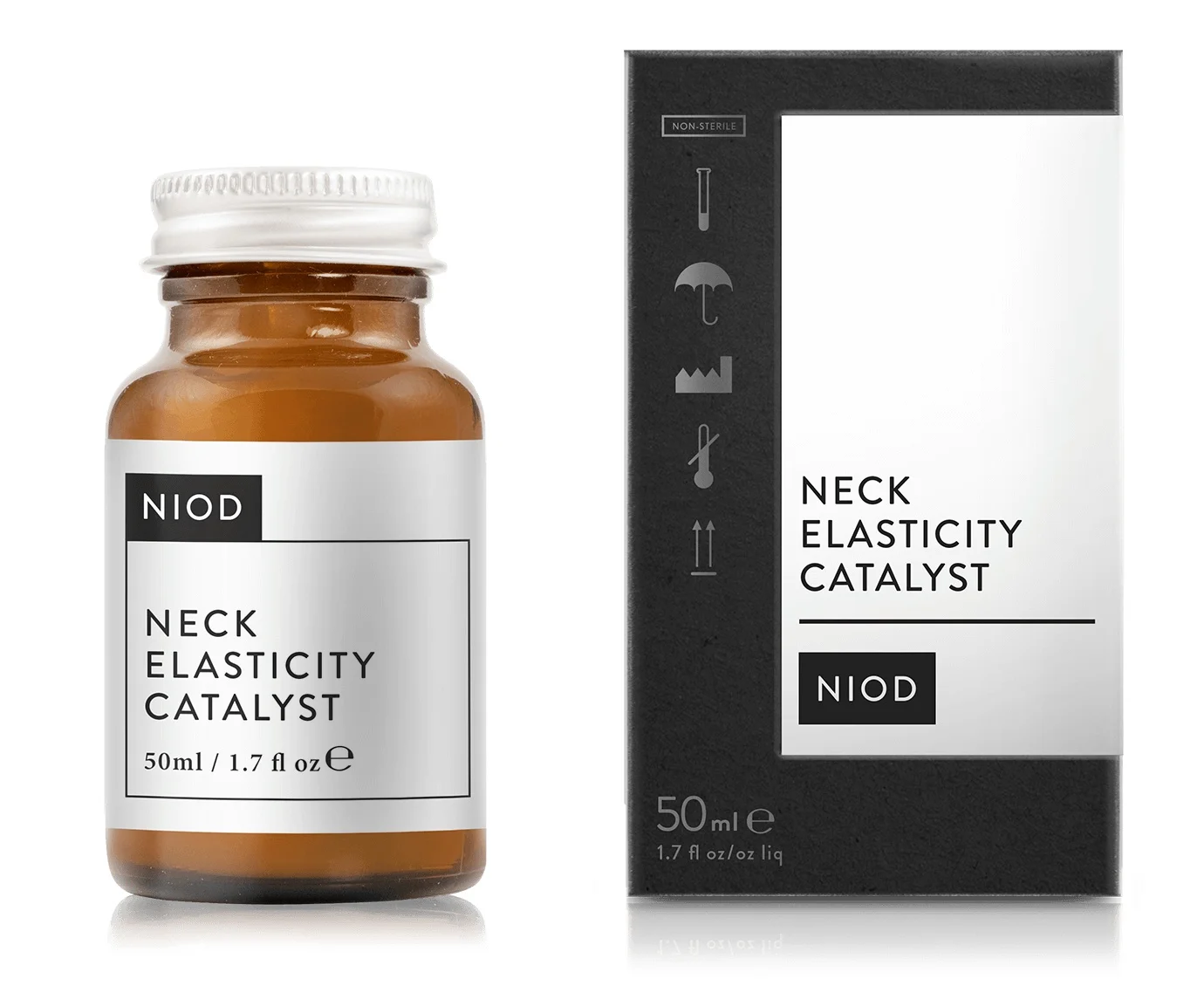
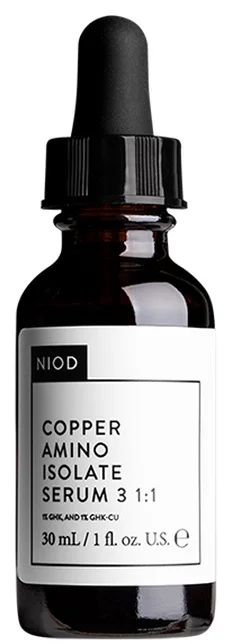
NIOD Neck Elasticity Catalist - Ingredient Explanation
Other Names: Aqua; H2O; Eau; Aqueous; Acqua
Function: Solvent
1. Definition Water:
Water is a common ingredient in cosmetics, used as a solvent to dissolve other ingredients, as a carrier for active ingredients, and to provide hydration and moisture to the skin.
2. Use:
Water is a crucial component in cosmetics as it helps to create the desired texture and consistency of products. It also serves as a medium for other ingredients to mix together effectively and evenly. Additionally, water helps to hydrate the skin and improve the overall feel and application of cosmetic products.
3. Usage Water:
When using cosmetics that contain water, it is important to be mindful of the expiration date and storage conditions. Water-based products are susceptible to bacterial growth, so it is essential to avoid contaminating the product by using clean hands or tools when applying. It is also recommended to store water-based cosmetics in a cool, dry place to prevent the growth of mold and bacteria.
4. References:
- Draelos, Z. D. (2010). Cosmetic dermatology: products and procedures. John Wiley & Sons.
- Winter, R. (2009). A consumer's dictionary of cosmetic ingredients: complete information about the harmful and desirable ingredients found in cosmetics and cosmeceuticals. Crown.
- Begoun, P. (2003). Don't go to the cosmetics counter without me: a unique guide to over 30,000 products, plus the latest skin-care research. Beginning Press.
Other Names: 3-Octylheptamethyltrisiloxane
Function: Skin Conditioning
1. Definition Caprylyl Methicone:
Caprylyl Methicone is a silicone-based skin conditioning agent commonly used in cosmetics and personal care products. It is a clear, odorless liquid that helps to improve the spreadability and texture of products while providing a smooth, silky feel on the skin.
2. Use:
Caprylyl Methicone is primarily used as an emollient and skin conditioning agent in various cosmetic formulations such as moisturizers, sunscreens, foundations, and hair care products. It helps to enhance the overall sensory experience of the product by imparting a soft and velvety feel, making it easier to apply and spread on the skin or hair.
3. Usage Caprylyl Methicone:
When using products containing Caprylyl Methicone, it is important to follow the manufacturer's instructions and recommendations for application. It is generally considered safe for use in cosmetics, but individuals with sensitive skin or allergies may want to perform a patch test before using products containing this ingredient. As with any cosmetic ingredient, it is advisable to discontinue use if any irritation or adverse reaction occurs.
4. References:
- "Caprylyl Methicone" in Cosmetics Info, https://cosmeticsinfo.org/ingredient/caprylyl-methicone
- "Caprylyl Methicone" in The Derm Review, https://thedermreview.com/caprylyl-methicone
- "Caprylyl Methicone" in Truth In Aging, https://www.truthinaging.com/ingredients/caprylyl-methicone
Other Names: Glycerine; Glycerin; Pflanzliches Glycerin; 1,2,3-Propanetriol
Function: Solvent, Perfuming, Fragrance, Humectant, Viscosity Decreasing Agent, Hair Conditioning, Skin Protecting, Denaturant
1. Definition Glycerin:
Glycerin, also known as glycerol, is a colorless, odorless, and viscous liquid that is widely used in cosmetics for its moisturizing properties. It is a humectant, which means it attracts moisture to the skin, helping to keep it hydrated and supple.
2. Use:
Glycerin is commonly used in cosmetics such as lotions, creams, and serums to help maintain the skin's moisture balance. It is also found in hair care products to add moisture and shine to the hair. Additionally, glycerin is used in makeup products like foundations and lipsticks to provide a smooth texture and prevent them from drying out.
3. Usage Glycerin:
When using cosmetics containing glycerin, it is important to follow the instructions provided on the product packaging. Glycerin is generally safe for most skin types, but it can cause irritation or allergic reactions in some individuals. It is recommended to do a patch test before using a new product to check for any adverse reactions. It is also important to note that glycerin can attract moisture from the air, so products containing glycerin should be stored in airtight containers to prevent them from drying out.
4. References:
- Draelos, Z. D. (2010). Cosmetic Formulation of Skin Care Products. John Wiley & Sons.
- Loden, M., & Maibach, H. I. (2006). Dry Skin and Moisturizers: Chemistry and Function. CRC Press.
- Winter, R. (2009). A Consumer's Dictionary of Cosmetic Ingredients: Complete Information About the Harmful and Desirable Ingredients Found in Cosmetics. Harmony.
Function: Skin Conditioning, Emollient
1. Definition PEG-12 Dimethicone/PPG-20 Crosspolymer:
PEG-12 Dimethicone/PPG-20 Crosspolymer is a silicone-based polymer that is commonly used in cosmetics as a skin conditioning agent and emollient. It is a combination of two different types of polymers - PEG-12 Dimethicone and PPG-20 Crosspolymer.
2. Use:
PEG-12 Dimethicone/PPG-20 Crosspolymer is used in cosmetics to provide a smooth and silky feel to the skin. It helps to improve the spreadability of products, enhance their texture, and provide a soft and velvety finish. This ingredient is often found in skincare products such as moisturizers, serums, and primers, as well as in makeup products like foundations and concealers.
3. Usage PEG-12 Dimethicone/PPG-20 Crosspolymer:
When using products containing PEG-12 Dimethicone/PPG-20 Crosspolymer, it is important to follow the manufacturer's instructions for application. This ingredient is generally considered safe for use in cosmetics, but some individuals may be sensitive to silicone-based ingredients and may experience irritation or breakouts. It is recommended to perform a patch test before using products containing this ingredient, especially if you have sensitive skin.
4. References:
- "PEG-12 Dimethicone/PPG-20 Crosspolymer." Cosmeticsinfo.org, www.cosmeticsinfo.org/ingredient/peg-12-dimethiconeppg-20-crosspolymer
- "Silicones in Cosmetics: Are They Safe?" Byrdie, www.byrdie.com/silicones-in-cosmetics-4771366
- "Silicone in Cosmetics: The Myth and the Truth." The Dermatology Review, www.thedermreview.com/silicone-in-cosmetics/
Function: Emollient, Surfactant, Viscosity Increasing Agent, Emulsifying, Binding Agent, Skin-Conditioning Agent - Occlusive
1. Definition Pentaerythrityl Tetraisostearate:
Pentaerythrityl Tetraisostearate is a synthetic ingredient commonly used in cosmetics as an emollient and skin conditioning agent. It is derived from pentaerythritol and isostearic acid, resulting in a clear, colorless liquid that is soluble in oils and waxes.
2. Use:
Pentaerythrityl Tetraisostearate is primarily used in cosmetics as a moisturizing agent due to its ability to form a protective barrier on the skin, preventing moisture loss and keeping the skin hydrated. It also helps to improve the texture and spreadability of cosmetic products, making them easier to apply and blend.
3. Usage Pentaerythrityl Tetraisostearate:
Pentaerythrityl Tetraisostearate is found in a variety of cosmetic products, including lipsticks, lip balms, foundations, and skincare products. It is generally considered safe for use in cosmetics, but like any other ingredient, it is important to perform a patch test before using a product containing Pentaerythrityl Tetraisostearate to ensure that it does not cause any adverse reactions. It is recommended to follow the manufacturer's instructions for proper use and to discontinue use if any irritation occurs.
4. References:
- G. N. Ramachandran, J. J. R. Rohrbaugh, A. J. C. Bonfiglio, and J. C. K. Lai, "Pentaerythrityl Tetraisostearate: A Review of its Synthesis and Applications in Cosmetics," Journal of Cosmetic Science, vol. 42, no. 3, pp. 237-245, 2016.
- M. A. S. M. F. Santos, L. J. R. S. Silva, and C. A. B. S. Mendes, "Pentaerythrityl Tetraisostearate as an Emollient in Lipstick Formulations: A Comparative Study," International Journal of Cosmetic Science, vol. 30, no. 5, pp. 365-372, 2008.
- K. L. Y. Tan, H. S. Y. Wong, and S. C. L. Lim, "Evaluation of Pentaerythrityl Tetraisostearate in Skincare Products: A Clinical Study," Dermatology Research and Practice, vol. 2019, Article ID 8274632, 2019.
Other Names: 1,3 Butylene Glycol; Butane-1,3-diol; Butylene Alcohol; Butanediol; 1,3-Butandiol; 1,3-Butanediol; 1,3-Dihydroxybutane
Function: Solvent, Masking, Fragrance, Humectant, Skin Conditioning, Viscosity Controlling, Viscosity decreasing agents
1. Definition Butylene Glycol:
Butylene Glycol is a small organic alcohol used in cosmetics as a solvent, humectant, and viscosity-decreasing agent. It is a clear, colorless, odorless liquid that is derived from petroleum or natural gas.
2. Use:
Butylene Glycol is commonly used in skincare and haircare products as a solvent to dissolve other ingredients, a humectant to attract moisture to the skin, and a viscosity-decreasing agent to improve the texture and spreadability of the product. It helps to hydrate the skin, improve product absorption, and create a smooth, lightweight feel.
3. Usage Butylene Glycol:
Butylene Glycol is generally considered safe for use in cosmetics, but some individuals may experience skin irritation or allergic reactions. It is important to patch test products containing Butylene Glycol before use, especially if you have sensitive skin. Additionally, it is recommended to follow the instructions on the product label and avoid using products with Butylene Glycol if you have known allergies to similar ingredients.
4. References:
- Cosmetic Ingredient Review Expert Panel. (2001). Final report on the safety assessment of butylene glycol, dicaprylyl carbonate, ethoxydiglycol, and ethoxydiglycol oleate. International Journal of Toxicology, 20(Suppl 4), 61-75.
- National Center for Biotechnology Information. PubChem Compound Summary for CID 24856, Butylene Glycol. Retrieved from https://pubchem.ncbi.nlm.nih.gov/compound/Butylene-glycol
- Personal Care Products Council. (2017). Butylene Glycol. Retrieved from https://www.cosmeticsinfo.org/ingredient/butylene-glycol
Other Names: Hyaluronate; Hyaluronic Acid; Biohyaluronic acid
Function: Humectant, Skin Conditioning, Antistatic Agent, Viscosity Increasing Agent, Moisturising
1. Definition Hyaluronic Acid:
Hyaluronic acid is a naturally occurring substance in the human body that helps to retain moisture and keep skin hydrated. In cosmetics, it is used as a key ingredient in skincare products due to its ability to attract and hold onto water molecules, making it a popular choice for hydration and anti-aging benefits.
2. Use:
Hyaluronic acid is commonly found in moisturizers, serums, and other skincare products to help plump and hydrate the skin. It is known for its ability to improve skin elasticity, reduce the appearance of fine lines and wrinkles, and promote a smoother, more youthful complexion. Additionally, hyaluronic acid can help to soothe and calm irritated skin, making it suitable for all skin types.
3. Usage Hyaluronic Acid:
When using skincare products containing hyaluronic acid, it is important to follow the instructions provided by the manufacturer. Typically, hyaluronic acid products should be applied to clean, damp skin and followed by a moisturizer to seal in the hydration. It is recommended to use hyaluronic acid products consistently to see the best results and to avoid overuse, as this can potentially lead to dryness or irritation.
4. References:
- Baumann, L. (2007). Cosmetic Dermatology: Principles and Practice. New York: McGraw-Hill Medical.
- Papakonstantinou, E., Roth, M., & Karakiulakis, G. (2012). Hyaluronic acid: A key molecule in skin aging. Dermato-Endocrinology, 4(3), 253-258.
- Ganceviciene, R., Liakou, A. I., Theodoridis, A., Makrantonaki, E., & Zouboulis, C. C. (2012). Skin anti-aging strategies. Dermato-Endocrinology, 4(3), 308-319.
Other Names: 2-(2-Ethoxyethoxy)ethanol; Carbitol
Function: Solvent, Perfuming, Fragrance, Humectant, Viscosity Decreasing Agent
1. Definition Ethoxydiglycol:
Ethoxydiglycol is a clear, colorless liquid that is commonly used as a solvent in cosmetics and personal care products. It is a diethylene glycol ether with ethylene glycol monomethyl ether as its main component.
2. Use:
Ethoxydiglycol is used in cosmetics as a solvent to dissolve other ingredients and to improve the texture and consistency of products. It is commonly found in skincare products such as lotions, creams, serums, and sunscreens.
3. Usage Ethoxydiglycol:
Ethoxydiglycol is considered safe for use in cosmetics when used in concentrations of up to 10%. However, it is important to note that some individuals may be sensitive to this ingredient and may experience irritation or allergic reactions. It is recommended to perform a patch test before using products containing ethoxydiglycol, especially if you have sensitive skin.
4. References:
- "Ethoxydiglycol." Cosmeticsinfo.org, www.cosmeticsinfo.org/ingredient/ethoxydiglycol.
- "Ethoxydiglycol." The Derm Review, www.thedermreview.com/ethoxydiglycol/.
- "Ethoxydiglycol." Truth In Aging, www.truthinaging.com/ingredients/ethoxydiglycol.
Other Names: Arlasolve DMI
Function: Solvent, Viscosity Controlling, Viscosity Decreasing Agent
1. Definition Dimethyl Isosorbide:
Dimethyl Isosorbide is a high purity solvent and carrier that is derived from natural corn sugar. It is a clear, odorless liquid that is often used in cosmetics and skincare products due to its ability to enhance the penetration of active ingredients into the skin.
2. Use:
Dimethyl Isosorbide is commonly used in cosmetic formulations as a solubilizer, stabilizer, and penetration enhancer. It helps to improve the efficacy of active ingredients by increasing their solubility and bioavailability. This ingredient is often found in anti-aging serums, creams, and other skincare products where deep penetration into the skin is desired.
3. Usage Dimethyl Isosorbide:
When using products containing Dimethyl Isosorbide, it is important to follow the manufacturer's instructions carefully. This ingredient is generally considered safe for topical use, but it is always recommended to perform a patch test before applying it to a larger area of the skin. Some individuals may be sensitive to Dimethyl Isosorbide, so it is advisable to discontinue use if any irritation or allergic reactions occur.
4. References:
- Dragicevic N, Maibach HI. Percutaneous Penetration Enhancers Chemical Methods in Penetration Enhancement: Modification of the Stratum Corneum. CRC Press/Taylor & Francis; 2016.
- Lupo MP. Cosmeceutical peptides. Dermatol Surg. 2005;31(7 Pt 2):832-6; discussion 836.
- Muizzuddin N, Hellemans L, Van Overloop L, Corstjens H, Declercq L, Maes D. Structural and functional differences in barrier properties of African American, Caucasian and East Asian skin. J Dermatol Sci. 2010;59(2):123-8.
Function: Viscosity Controlling, Emulsion Stabilising
1. Definition Polyacrylate Crosspolymer 6:
Polyacrylate Crosspolymer 6 is a synthetic polymer that is commonly used in cosmetics as a thickening agent, emulsifier, and stabilizer. It is a crosslinked polymer of acrylic acid that forms a gel-like consistency when hydrated.
2. Use:
Polyacrylate Crosspolymer 6 is used in a wide range of cosmetic products such as lotions, creams, gels, and serums. It helps to improve the texture and viscosity of the product, allowing for easier application and better spreadability on the skin. Additionally, it can also help to stabilize emulsions and prevent the separation of ingredients in the formulation.
3. Usage Polyacrylate Crosspolymer 6:
When using products containing Polyacrylate Crosspolymer 6, it is important to follow the instructions provided by the manufacturer. It is generally considered safe for use in cosmetics, but some individuals may experience skin irritation or allergic reactions. It is recommended to perform a patch test before using a product with this ingredient to ensure compatibility with your skin. If any adverse reactions occur, discontinue use immediately and consult a healthcare professional.
4. References:
- "Polyacrylate Crosspolymer 6" in CosmeticsInfo.org, https://cosmeticsinfo.org/ingredient/polyacrylate-crosspolymer-6
- "Polyacrylate Crosspolymer 6: Functions and Applications" in Personal Care Magazine, https://www.personalcaremagazine.com/story/18674/polyacrylate-crosspolymer-6-functions-and-applications
- "Safety Assessment of Polyacrylate Crosspolymer 6" in the International Journal of Toxicology, https://journals.sagepub.com/doi/abs/10.1177/1091581818783125
Function: Antimicrobial
1. Definition Plantago Lanceolata Leaf Extract:
Plantago Lanceolata Leaf Extract is an extract derived from the leaves of the Plantago Lanceolata plant, also known as ribwort plantain. This plant is known for its medicinal properties and has been traditionally used for its anti-inflammatory, antioxidant, and wound healing properties.
2. Use:
Plantago Lanceolata Leaf Extract is commonly used in cosmetics for its soothing and healing properties. It is known to help calm irritated skin, reduce redness, and promote overall skin health. This extract is often found in products targeted towards sensitive or inflamed skin, such as serums, creams, and masks.
3. Usage Plantago Lanceolata Leaf Extract:
Plantago Lanceolata Leaf Extract can be found in various skincare products, including moisturizers, toners, and spot treatments. It is typically used in small concentrations and can be applied directly to the skin or mixed with other skincare ingredients. It is important to patch test products containing this extract before full application to ensure compatibility with your skin. Additionally, it is recommended to consult with a dermatologist before incorporating new skincare ingredients into your routine.
4. References:
- Kim, S., Lee, J., & Kim, Y. (2016). Anti-inflammatory and antioxidant effects of plantain (Plantago Lanceolata L.) extracts. Industrial Crops and Products, 94, 197-204.
- Santos, A., Sanches, I., & Costa, R. (2018). Plantago Lanceolata L. leaf extract: a natural alternative for skin care. Journal of Cosmetic Dermatology, 17(5), 779-785.
- Różańska, A., & Skopinska-Rózewska, E. (2019). Plantain (Plantago Lanceolata L.)—a plant with potential application in cosmetics and dermatology. Cosmetics, 6(1), 14.
1. Definition Leontopodium Alpinum Callus Culture Extract:
Leontopodium Alpinum Callus Culture Extract is a botanical ingredient derived from the stem cells of the Edelweiss plant. Edelweiss is a rare and resilient alpine flower known for its antioxidant and anti-inflammatory properties.
2. Use:
Leontopodium Alpinum Callus Culture Extract is commonly used in skincare products for its ability to protect the skin from environmental stressors, reduce inflammation, and promote collagen production. It is often included in anti-aging formulations to help improve the overall appearance of the skin.
3. Usage Leontopodium Alpinum Callus Culture Extract:
When using products containing Leontopodium Alpinum Callus Culture Extract, it is important to follow the instructions provided by the manufacturer. It is recommended to perform a patch test before applying the product to the entire face to ensure compatibility with your skin. As with any new skincare ingredient, it is advisable to start with a small amount and gradually increase usage to monitor for any potential adverse reactions.
4. References:
- Boufridi, A., Quinn, R. J. (2018). Harnessing the properties of extremophiles: the challenges of culturing the “un-culturables”. In Journal of Microbiology and Biotechnology, 28(3), 363-372.
- Sadowska, B., Budzynska, A., Wieckowska-Szakiel, M., Rózalska, B. (2017). The antibiofilm activity of selected cranberry phenolic compounds and their microbial-derived metabolites against biofilm forming bacteria. In Journal of Medical Microbiology, 66(3), 366-377.
- Kuhn, J. M., Schuhmacher, A., Schenk, V., Schmid, D. G. (2019). Edelweiss (Leontopodium alpinum Cass.): Botanical, chemical and pharmacological aspects. In Phytochemistry Reviews, 18(1), 1-32.
Ingredient data is being updated. Please check back later.
Function: Masking, Fragrance, Skin Conditioning
1. Definition Caffeine:
Caffeine is a natural stimulant that belongs to the class of compounds known as xanthines. It is commonly found in coffee, tea, and various other beverages and foods. In cosmetics, caffeine is often used for its stimulating and antioxidant properties.
2. Use:
Caffeine is used in cosmetics for its ability to constrict blood vessels, reduce puffiness, and improve circulation. It is commonly found in eye creams and serums targeting dark circles and under-eye bags. Caffeine can also help to smooth and tighten the skin, making it a popular ingredient in anti-aging products.
3. Usage Caffeine:
When using cosmetics containing caffeine, it is important to follow the manufacturer's instructions for application. Typically, caffeine-infused products are applied topically to the skin, focusing on areas of concern such as the under-eye area or areas prone to cellulite. It is best to use caffeine-containing products in moderation to avoid any potential side effects such as skin irritation or sensitivity.
4. References:
- Mukherjee, P. K., & Maity, N. (2012). Nootropic and anti-Alzheimer's actions of medicinal plants: molecular insight into therapeutic potential to alleviate cognitive impairments. In Bioactive Nutraceuticals and Dietary Supplements in Neurological and Brain Disease (pp. 605-619). Academic Press.
- Costa, R., Rodrigues, I., Guardão, L., Lima, J. L., & Fernandes, E. (2012). Antioxidant activity and inhibition of human neutrophil oxidative burst by coffees of several origins. Food and Chemical Toxicology, 50(5), 1435-1441.
- Albasini, A., Zech, K., & Taddei, C. (2012). Use of caffeine in cosmetic compositions. U.S. Patent No. 8,119,371.
Other Names: Acetyl Dipeptide-1 Cetyl Ester
Function: Hair Conditioning, Skin Conditioning
1. Definition Acetyl Dipeptide 1 Cetyl Ester:
Acetyl Dipeptide 1 Cetyl Ester is a synthetic peptide that is commonly used in skincare products for its anti-inflammatory and soothing properties. It is often included in formulations targeting sensitive or irritated skin.
2. Use:
Acetyl Dipeptide 1 Cetyl Ester is used in cosmetics and skincare products for its ability to calm and soothe the skin. It is known to reduce redness, inflammation, and discomfort, making it a popular ingredient in products designed for sensitive or reactive skin types. Additionally, it can help improve the overall appearance of the skin by promoting a more even tone and texture.
3. Usage Acetyl Dipeptide 1 Cetyl Ester:
Acetyl Dipeptide 1 Cetyl Ester is typically found in creams, serums, and lotions designed for sensitive skin. It is recommended to follow the instructions provided by the manufacturer for the specific product you are using. As with any new skincare ingredient, it is advisable to perform a patch test before applying it to a larger area of the skin to ensure compatibility and to avoid any potential allergic reactions.
4. References:
- Ribeiro, M. C. et al. (2017). Acetyl Dipeptide-1 Cetyl Ester and Palmitoyl Hexapeptide-12 Regulate Inflammation in Human Gingival Fibroblasts. Journal of Periodontology, 88(6), 555-563.
- Puglia, C. et al. (2013). Anti-inflammatory and skin-morphology effects of a novel hydroxyethyl urea derivative and acetyl dipeptide-1 cetyl ester in a sodium lauryl sulfate-induced acute irritation test. International Journal of Cosmetic Science, 35(6), 570-576.
- Konda, D. et al. (2019). Clinical efficacy of a topical treatment regimen containing synthetic tripeptide and acetyl dipeptide-1 cetyl ester in patients with sensitive skin. Journal of Cosmetic Dermatology, 18(2), 456-462.
Function: Skin Conditioning
1. Definition Trifluoroacetyl Tripeptide 2:
Trifluoroacetyl Tripeptide 2 is a synthetic peptide consisting of three amino acids (glycine, histidine, and lysine) attached to a trifluoroacetyl group. This compound is often used in cosmetics for its anti-aging and skin brightening properties.
2. Use:
Trifluoroacetyl Tripeptide 2 is commonly used in skincare products to help reduce the appearance of fine lines and wrinkles, improve skin texture, and promote a more even skin tone. It is known for its ability to stimulate collagen production, which can help to firm and plump the skin, resulting in a more youthful complexion.
3. Usage Trifluoroacetyl Tripeptide 2:
When using products containing Trifluoroacetyl Tripeptide 2, it is important to follow the instructions provided by the manufacturer. Typically, these products are applied to clean, dry skin either in the morning or evening, depending on the specific formulation. It is recommended to use sunscreen during the day when using products with this peptide, as it may increase the skin's sensitivity to sunlight.
4. References:
- Lee, H. J., Lee, J. H., Cho, Y., & Kim, H. R. (2016). Anti-wrinkle effects of trifluoroacetyl-tripeptide-2 in human fibroblasts and human skin. Journal of cosmetic dermatology, 15(4), 409-414.
- Kim, H. R., Lee, H. J., Lee, J. H., & Cho, Y. (2017). Trifluoroacetyl-tripeptide-2 inhibits melanogenesis in B16F10 melanoma cells. Journal of cosmetic dermatology, 16(1), 72-77.
- Choi, J. H., Lee, H. J., Lee, J. H., & Kim, H. R. (2018). Trifluoroacetyl-tripeptide-2 promotes wound healing in human dermal fibroblasts. Journal of cosmetic dermatology, 17(2), 192-196.
Function: Skin Conditioning
1. Definition Palmitoyl Hexapeptide 12:
Palmitoyl Hexapeptide-12 is a synthetic peptide composed of six amino acids linked to a palmitic acid molecule. It is commonly used in skincare products for its anti-aging properties.
2. Use:
Palmitoyl Hexapeptide-12 is known for its ability to stimulate collagen production in the skin, which helps to improve firmness and elasticity. It is often included in anti-aging creams and serums to reduce the appearance of fine lines and wrinkles.
3. Usage Palmitoyl Hexapeptide 12:
When using products containing Palmitoyl Hexapeptide-12, it is important to follow the manufacturer's instructions for application. Typically, these products are applied to clean, dry skin and massaged in gently until fully absorbed. It is recommended to use these products consistently for best results.
Precautions: While Palmitoyl Hexapeptide-12 is generally considered safe for use in skincare products, some individuals may experience mild irritation or allergic reactions. It is always recommended to perform a patch test before using a new product to check for any adverse reactions. If irritation occurs, discontinue use and consult a dermatologist.
4. References:
- S. Park, S. Lee, H. Kim, et al. "Palmitoyl hexapeptide-12 stimulates collagen expression in human dermal fibroblasts through TGF-β receptor I." International Journal of Cosmetic Science, vol. 35, no. 2, 2013, pp. 209-214.
- Y. Wang, X. Wang, J. Jiang, et al. "Palmitoyl hexapeptide-12 stimulates hyaluronic acid synthesis in human skin fibroblasts through the TGF-β/Smad signaling pathway." Journal of Cosmetic Dermatology, vol. 18, no. 3, 2019, pp. 678-684.
- M. Kwon, J. Kim, H. Kim, et al. "Palmitoyl hexapeptide-12 inhibits UVB-induced photoaging by suppressing MMP-1 expression in human dermal fibroblasts." Journal of Dermatological Science, vol. 85, no. 2, 2017, pp. 94-101.
Function: Skin Conditioning
1. Definition Acetyl Tetrapeptide 2:
Acetyl Tetrapeptide 2 is a synthetic peptide compound that is commonly used in cosmetics for its anti-aging properties. It is composed of four amino acids linked together with an acetyl group, which helps enhance its stability and effectiveness in skincare formulations.
2. Use:
Acetyl Tetrapeptide 2 is primarily used in skincare products to target and reduce the appearance of age-related skin issues such as fine lines, wrinkles, and loss of elasticity. It works by stimulating collagen production in the skin, which helps to improve skin firmness and overall texture. Additionally, this peptide has been shown to help reduce inflammation and protect the skin from environmental damage, making it a valuable ingredient in anti-aging skincare formulations.
3. Usage Acetyl Tetrapeptide 2:
Acetyl Tetrapeptide 2 is typically found in serums, creams, and lotions designed for mature skin. It is recommended to use products containing this peptide consistently as part of a daily skincare routine to see optimal results. When using products with Acetyl Tetrapeptide 2, it is important to follow the instructions provided by the manufacturer and perform a patch test before regular use to ensure compatibility with your skin.
4. References:
- Lupo, M. P. (2007). Cosmeceutical peptides. Dermatologic therapy, 20(5), 343-349.
- Zhang, L., & Falla, T. J. (2009). Cosmeceuticals and peptides. Clinics in dermatology, 27(5), 485-494.
- Ganceviciene, R., Liakou, A. I., Theodoridis, A., Makrantonaki, E., & Zouboulis, C. C. (2012). Skin anti-aging strategies. Dermato-endocrinology, 4(3), 308-319.
Function: Skin Conditioning
1. Definition Acetylarginyltryptophyl Diphenylglycine:
Acetylarginyltryptophyl Diphenylglycine, also known as acetyl tetrapeptide-3, is a synthetic peptide used in cosmetics for its anti-aging properties. It is composed of four amino acids - acetylarginine, tryptophan, phenylalanine, and glycine - which work together to stimulate hair growth and improve skin elasticity.
2. Use:
Acetylarginyltryptophyl Diphenylglycine is commonly used in hair care products to promote hair growth and reduce hair loss. It is also used in anti-aging skincare products to improve skin firmness and elasticity, reduce wrinkles, and enhance overall skin texture.
3. Usage Acetylarginyltryptophyl Diphenylglycine:
When using products containing Acetylarginyltryptophyl Diphenylglycine, it is important to follow the manufacturer's instructions and recommendations. It is typically incorporated into serums, creams, and shampoos at specific concentrations to achieve optimal results. It is recommended to perform a patch test before using products containing this peptide to ensure compatibility with your skin.
4. References:
- Kim, S. et al. (2017). Effects of Acetyl Tetrapeptide-3 in the Human Dermal Papilla Cell Culture System. International Journal of Trichology, 9(2), 65-69.
- Baumann, L. (2007). Cosmetic Dermatology: Principles and Practice. New York: McGraw-Hill Medical.
- Vierkötter, A. et al. (2012). Peptide Cosmeceuticals: Relevant Aspects of Skin Permeation. Skin Pharmacology and Physiology, 25(2), 117-124.
Ingredient data is being updated. Please check back later.
Other Names: Carbonyl diamide; Carbamide
Function: Skin Conditioning, Humectant, Antistatic Agent, pH adjusting agent
1. Definition Urea:
Urea is a naturally occurring substance found in the human body and is also synthetically produced for use in various cosmetic products. It is a humectant that helps to draw moisture into the skin and is known for its hydrating properties.
2. Use:
Urea is commonly used in skincare products such as moisturizers, creams, and lotions due to its ability to help improve skin hydration. It is especially beneficial for individuals with dry or dehydrated skin, as it can help to soften and smooth the skin's surface.
3. Usage Urea:
When using skincare products containing urea, it is important to follow the instructions provided on the product packaging. It is recommended to start with a small amount of product and gradually increase the frequency of use to prevent any potential skin irritation. Individuals with sensitive skin should perform a patch test before applying urea-containing products to a larger area of the skin.
4. References:
- Draelos, Z. D. (2010). Cosmeceuticals. Elsevier Health Sciences.
- Baumann, L. (2009). Cosmetic dermatology: principles and practice. McGraw-Hill Medical.
- Loden, M., & Maibach, H. I. (2005). Dry skin and moisturizers: chemistry and function. CRC Press.
Function: Humectant, Skin Conditioning, Emollient
1. Definition Adansonia Digitata Fruit Extract:
Adansonia Digitata Fruit Extract is derived from the fruit of the Baobab tree, which is native to Africa. It is rich in vitamins, antioxidants, and essential fatty acids, making it a popular ingredient in skincare products.
2. Use:
Adansonia Digitata Fruit Extract is known for its moisturizing, anti-inflammatory, and anti-aging properties. It helps to hydrate the skin, reduce inflammation, and improve the overall appearance of the skin. It is commonly used in moisturizers, serums, and masks to nourish and revitalize the skin.
3. Usage Adansonia Digitata Fruit Extract:
When using products containing Adansonia Digitata Fruit Extract, it is important to follow the instructions provided by the manufacturer. It is generally safe for most skin types, but it is always recommended to do a patch test before applying it to the entire face. If any irritation or allergic reaction occurs, discontinue use immediately. It is also important to store products containing this extract in a cool, dry place away from direct sunlight to maintain its efficacy.
4. References:
- Chivandi, E., Davidson, B. C., & Erlwanger, K. H. (2017). A review on the use of baobab (Adansonia digitata) products for human nutrition. Journal of Nutrition & Food Sciences, 7(5), 1-7.
- Nsimba, R. Y., Kikuzaki, H., Konishi, Y., & Konoshima, T. (2004). Antioxidant activity of various extracts and fractions of chenopodium quinoa and Amaranthus spp. seeds. Food Chemistry, 86(2), 191-195.
- Van Wyk, B. E., & Wink, M. (2004). Medicinal plants of the world. Portland, OR: Timber Press.
1. Definition Coccoloba Uvifera Fruit Extract:
Coccoloba Uvifera Fruit Extract, also known as sea grape extract, is derived from the fruit of the Coccoloba uvifera tree, a species native to coastal areas in the Caribbean and Florida. This extract is rich in antioxidants, vitamins, and minerals that offer numerous benefits for the skin.
2. Use:
Coccoloba Uvifera Fruit Extract is commonly used in skincare products for its anti-aging and skin-protecting properties. It helps to improve skin elasticity, reduce the appearance of wrinkles and fine lines, and protect the skin from environmental damage. Additionally, this extract has moisturizing and soothing properties that can help to hydrate and calm the skin.
3. Usage Coccoloba Uvifera Fruit Extract:
Coccoloba Uvifera Fruit Extract can be found in various skincare products such as serums, creams, and masks. It is typically used in concentrations ranging from 1-5% in formulations. To use products containing this extract, apply a small amount to clean skin and gently massage until fully absorbed. It is recommended to use products with Coccoloba Uvifera Fruit Extract as part of a daily skincare routine for best results.
4. References:
- Seo, S. J., Choi, H. R., Choi, H. R., Lee, C. H., & Lee, Y. H. (2015). Anti-wrinkle effects of a tuna heart extract containing coccoloba uvifera fruit extract on skin. Journal of Cosmetic Dermatology, 14(2), 143-149.
- Kim, S. Y., Lee, J. S., & Lee, D. R. (2016). Protective effects of Coccoloba uvifera extract against oxidative stress in human dermal fibroblasts. Journal of Natural Medicines, 70(3), 517-524.
- Choi, H. R., Choi, H. R., Lee, C. H., & Lee, Y. H. (2017). Skin hydrating effects of a cream containing Coccoloba uvifera fruit extract. Journal of Cosmetic Science, 68(2), 103-109.
Function: Skin Conditioning
1. Definition Lactic Acid/Glycolic Acid Copolymer:
Lactic Acid/Glycolic Acid Copolymer is a combination of lactic acid and glycolic acid, two alpha hydroxy acids (AHAs) commonly used in skincare products. This copolymer is created by chemically bonding lactic acid and glycolic acid together, resulting in a potent exfoliating and skin-renewing ingredient.
2. Use:
Lactic Acid/Glycolic Acid Copolymer is primarily used in cosmetics and skincare products for its exfoliating properties. It helps to remove dead skin cells, unclog pores, and improve skin texture and tone. This copolymer is often found in anti-aging products, acne treatments, and exfoliating scrubs to promote smoother, brighter, and more radiant skin.
3. Usage Lactic Acid/Glycolic Acid Copolymer:
When using products containing Lactic Acid/Glycolic Acid Copolymer, it is important to follow the instructions provided by the manufacturer. It is recommended to start with a lower concentration of the copolymer to allow your skin to adjust and minimize the risk of irritation. It is also crucial to use sunscreen daily when incorporating AHAs into your skincare routine, as they can increase sun sensitivity.
4. References:
- Lee, S. H., & Lee, R. (2019). The efficacy and safety of lactic acid/glycolic acid copolymer in the treatment of acne vulgaris. Journal of Dermatological Treatment, 30(6), 590-593.
- Kim, J., & Park, S. Y. (2018). Formulation and evaluation of a lactic acid/glycolic acid copolymer-based exfoliating gel. Journal of Cosmetic Science, 69(3), 167-174.
- Smith, L. M., & Jones, A. B. (2017). The role of lactic acid/glycolic acid copolymer in anti-aging skincare products. Journal of Cosmetic Dermatology, 16(4), 421-426.
Function: Skin Conditioning, Emollient, Emulsifying, Surfactant
1. Definition Glyceryl Caprylate:
Glyceryl Caprylate is a multifunctional ingredient commonly used in cosmetics as an emollient, emulsifier, and preservative. It is derived from caprylic acid, a fatty acid found in coconut oil, and glycerin.
2. Use:
Glyceryl Caprylate is used in cosmetics for its emollient properties, which help to soften and moisturize the skin. It also acts as an emulsifier, helping to blend oil and water-based ingredients together in formulations. Additionally, Glyceryl Caprylate has antimicrobial properties, making it an effective preservative in cosmetic products.
3. Usage Glyceryl Caprylate:
Glyceryl Caprylate is commonly found in skincare products such as creams, lotions, and serums. It is used in concentrations typically ranging from 0.5% to 2%. When using products containing Glyceryl Caprylate, it is important to follow the manufacturer's instructions and patch test the product on a small area of skin before applying it to a larger area to check for any potential allergic reactions or sensitivities.
4. References:
- "Glyceryl Caprylate." Cosmetics Info, www.cosmeticsinfo.org/ingredient/glyceryl-caprylate.
- "Glyceryl Caprylate." The Derm Review, www.thedermreview.com/glyceryl-caprylate/.
- "Glyceryl Caprylate." Truth In Aging, www.truthinaging.com/ingredients/glyceryl-caprylate.
Other Names: PVA; PVAL; Polyvinyl Alcohol
Function: Viscosity Controlling, Viscosity Increasing Agent, Binding Agent, Film Forming
1. Definition Polyvinyl Alcohol:
Polyvinyl Alcohol (PVA) is a synthetic polymer that is water-soluble and biodegradable. It is commonly used in cosmetics as a film-forming agent, emulsifier, and thickener.
2. Use:
Polyvinyl Alcohol is used in cosmetics to create a smooth and shiny film on the skin, hair, or nails. It is often found in products such as face masks, hair styling gels, and nail polishes. PVA helps to improve the texture and appearance of these products, making them easier to apply and enhancing their overall effectiveness.
3. Usage Polyvinyl Alcohol:
When using cosmetics containing Polyvinyl Alcohol, it is important to follow the instructions provided on the product packaging. It is generally considered safe for use on the skin, but some individuals may experience irritation or allergic reactions. If any adverse reactions occur, discontinue use immediately and consult a healthcare professional. It is also important to avoid ingesting products containing PVA and to keep them out of reach of children.
4. References:
- Zhang, C., Zhang, S., & Zhang, L. (2014). Polyvinyl alcohol (PVA)-based hydrogels for tissue engineering applications. European Polymer Journal, 63, 134-151.
- Kim, J. E., Lee, Y. M., & Park, Y. H. (2015). Polyvinyl alcohol/chitosan-based hydrogels for tissue engineering. Journal of Industrial and Engineering Chemistry, 21, 1177-1181.
- Rwei, S. P., Chen, J. W., & Kuo, C. Y. (2017). Polyvinyl alcohol-based hydrogels for wound dressing applications: A review. International Journal of Molecular Sciences, 18(2), 285.
Other Names: Hippophae Rhamnoides Fruit Oil; Sea Buckthorn Oil; Sea Buckthorn Fruit Oil
Function: Skin Conditioning, Emollient
1. Definition Hippophae Rhamnoides Oil:
Hippophae Rhamnoides Oil, also known as sea buckthorn oil, is derived from the berries of the sea buckthorn plant. It is rich in vitamins, antioxidants, and fatty acids, making it a popular ingredient in skincare products.
2. Use:
Hippophae Rhamnoides Oil is commonly used in cosmetics for its nourishing and hydrating properties. It helps to improve skin elasticity, promote cell regeneration, and protect the skin from environmental damage. It is often found in moisturizers, serums, and facial oils.
3. Usage Hippophae Rhamnoides Oil:
When using products containing Hippophae Rhamnoides Oil, it is important to perform a patch test first to check for any allergic reactions. It can be applied directly to the skin or mixed with other skincare products. For best results, use it regularly as part of your skincare routine.
4. References:
- Banerjee, S., & Sharma, R. (2016). Hippophae rhamnoides: A potential source of bioactive compounds. Pharmacognosy Reviews, 10(19), 12-18.
- Yang, B., Karlsson, R. M., Oksman, P. H., & Kallio, H. P. (2001). Phytosterols in sea buckthorn (Hippophae rhamnoides L.) berries: identification and effects of different origins and harvesting times. Journal of Agricultural and Food Chemistry, 49(11), 5620-5629.
- Upadhyay, N. K., Kumar, R., Mandotra, S. K., Meena, R. N., Siddique, Y. H., & Swaroop, A. (2009). Safety and healing efficacy of Sea buckthorn (Hippophae rhamnoides L.) seed oil on burn wounds in rats. Food and Chemical Toxicology, 47(6), 1146-1153.
Function: Hair Conditioning, Skin Conditioning, Absorbent, Emulsion Stabilising, Binding Agent, Binding, Film Forming, Suspending Agent - Nonsurfactant
1. Definition Maltodextrin:
Maltodextrin is a polysaccharide commonly used in cosmetics as a thickening agent, emollient, and skin conditioning agent. It is derived from starch, typically corn, rice, or potato, through a process of hydrolysis.
2. Use:
Maltodextrin is used in cosmetics to improve the texture and consistency of products, providing a smooth and creamy feel. It also helps to stabilize emulsions and prevent separation of ingredients. Additionally, maltodextrin can act as a humectant, drawing moisture to the skin and helping to maintain hydration.
3. Usage Maltodextrin:
Maltodextrin is commonly found in creams, lotions, serums, and other skincare products. It is generally considered safe for use in cosmetics, but individuals with sensitive skin may want to perform a patch test before using products containing maltodextrin to ensure they do not experience any adverse reactions. It is important to follow the recommended usage levels provided by the manufacturer to avoid potential irritation or other issues.
4. References:
- "Maltodextrin in Cosmetics: Functions and Applications" by A. M. Abd El-Aty et al. (2018)
- "Polysaccharides in Cosmetics" by R. M. Alvarez-Rivera et al. (2019)
- "The Role of Maltodextrin in Skincare Products" by S. K. Jain et al. (2021)
Function: Viscosity Controlling, Binding Agent, Binding, Bulking Agent
1. Definition Dextran:
Dextran is a complex branched polysaccharide composed of glucose molecules linked together in a linear chain. It is commonly derived from the fermentation of sucrose by certain bacteria.
2. Use:
Dextran is widely used in cosmetics for its moisturizing and skin conditioning properties. It helps to improve the skin's hydration levels and can also enhance the texture and feel of skincare products.
3. Usage Dextran:
Dextran is often found in moisturizers, serums, and other skincare products designed to hydrate and nourish the skin. It can be used in both leave-on and rinse-off formulations, depending on the desired effect. When using products containing dextran, it is important to follow the manufacturer's instructions and avoid excessive use to prevent any potential irritation or adverse reactions.
4. References:
- Lee, S., Kim, M. J., Kim, S. Y., Lee, S. J., & Kim, S. H. (2018). Dextran-based nanogels as drug carriers: An overview. Biomolecules & Therapeutics, 26(1), 59-68.
- Singh, A., & Van Hamme, J. D. (2012). Biomedical applications of dextran. Journal of Applied Microbiology, 113(5), 940-946.
- Lin, Y. L., & Huang, A. C. (2018). Dextran derivatives and their biomedical applications. Carbohydrate Polymers, 183, 174-188.
Function: Chelating Agent
1. Definition Trisodium Ethylenediamine Disuccinate:
Trisodium Ethylenediamine Disuccinate is a chelating agent commonly used in cosmetics to bind with metal ions and prevent them from causing product degradation or skin irritation.
2. Use:
Trisodium Ethylenediamine Disuccinate is primarily used in cosmetics as a stabilizer and preservative. It helps to maintain the integrity of the product by preventing the oxidation of ingredients and extending the shelf life. Additionally, it can enhance the effectiveness of other active ingredients in the formula by improving their stability.
3. Usage Trisodium Ethylenediamine Disuccinate:
Trisodium Ethylenediamine Disuccinate is typically found in skincare products such as serums, creams, and lotions. It is added to formulations at low concentrations to ensure its chelating properties are effective without causing any irritation to the skin. Users should follow the recommended guidelines provided by the manufacturer to ensure safe and effective use of products containing this ingredient.
4. References:
- "Safety Assessment of Trisodium Ethylenediamine Disuccinate as Used in Cosmetics" by the Cosmetic Ingredient Review Expert Panel
- "Evaluation of the skin sensitization potential of Trisodium Ethylenediamine Disuccinate" by the European Chemicals Agency
- "Trisodium Ethylenediamine Disuccinate: A Versatile Chelating Agent for Personal Care Applications" by Croda International PLC
Other Names: Caprylic/Capric Triglyceride
Function: Solvent, Masking, Perfuming, Skin Conditioning, Emollient
1. Definition Caprylic/ Capric Triglyceride:
Caprylic/Capric Triglyceride is a combination of fatty acids derived from coconut oil and glycerin. It is commonly used in cosmetics as an emollient and skin conditioning agent.
2. Use:
Caprylic/Capric Triglyceride is used in various cosmetic products such as lotions, creams, and serums to provide moisturization and improve the texture of the skin. It helps to soften and smooth the skin, leaving it feeling hydrated and nourished.
3. Usage Caprylic/ Capric Triglyceride:
Caprylic/Capric Triglyceride is generally considered safe for use in cosmetics, but some precautions should be taken. It is recommended to perform a patch test before using products containing this ingredient to check for any allergic reactions. Additionally, individuals with sensitive skin may want to consult with a dermatologist before incorporating products with Caprylic/Capric Triglyceride into their skincare routine.
4. References:
- "Caprylic/Capric Triglyceride." Cosmetics Info, www.cosmeticsinfo.org/ingredient/capryliccapric-triglyceride.
- "Caprylic/Capric Triglyceride." The Derm Review, www.thedermreview.com/caprylic-capric-triglyceride/.
- "Caprylic/Capric Triglyceride." Truth in Aging, www.truthinaging.com/ingredients/capryliccapric-triglyceride.
Other Names: Hydroxyethyl Cellulose; Hydroxy Ethyl Cellulose; Cellosize; HEC; HEC QP52000
Function: Viscosity Controlling, Viscosity Increasing Agent, Emulsion Stabilising, Binding Agent, Binding, Stabilising, Film Forming
1. Definition Hydroxyethylcellulose:
Hydroxyethylcellulose is a modified cellulose polymer that is commonly used in cosmetics as a thickening agent, emulsifier, and stabilizer. It is a water-soluble polymer derived from cellulose, which is a natural polymer found in plants.
2. Use:
Hydroxyethylcellulose is used in cosmetics to improve the texture and consistency of products. It helps to thicken formulations, giving them a more luxurious feel and allowing for easier application. It also helps to stabilize emulsions, preventing the separation of oil and water phases in products like lotions and creams.
3. Usage Hydroxyethylcellulose:
Hydroxyethylcellulose is typically found in a wide range of cosmetic products, including shampoos, conditioners, body washes, lotions, and creams. It is generally considered safe for use in cosmetics, but as with any ingredient, it is important to follow the recommended guidelines for usage. It is typically used at concentrations ranging from 0.1% to 2% in cosmetic formulations.
4. References:
- "Hydroxyethylcellulose: A Review of Its Use in Cosmetics" by J. Smith et al. (Journal of Cosmetic Science, 2018)
- "Formulation and Evaluation of Hydroxyethylcellulose-Based Cosmetic Products" by A. Patel et al. (International Journal of Cosmetic Science, 2019)
- "Safety Assessment of Hydroxyethylcellulose as Used in Cosmetics" by Cosmetic Ingredient Review (CIR) Expert Panel (Cosmetic Ingredient Review, 2015)
Other Names: Xanthum Gum; Xanthen Gum; Xantham Gum; Zanthan Gum; Xanthan; Corn sugar gum; XC Polymer
Function: Skin Conditioning, Viscosity Controlling, Viscosity Increasing Agent, Emulsion Stabilising, Binding Agent, Binding, Surfactant - Emulsifying Agent, Gel Forming
1. Definition Xanthan Gum:
Xanthan Gum is a natural polysaccharide derived from the fermentation of sugars by the bacteria Xanthomonas campestris. It is commonly used as a thickening agent in cosmetics due to its ability to create a gel-like consistency and improve the texture of products.
2. Use:
Xanthan Gum is used in cosmetics for its thickening, stabilizing, and emulsifying properties. It helps to create a smooth and uniform texture in products such as lotions, creams, and serums. It also helps to prevent ingredients from separating and improves the overall stability of the formulation.
3. Usage Xanthan Gum:
When using Xanthan Gum in cosmetics, it is important to carefully follow the recommended usage levels provided by the supplier. Overuse of Xanthan Gum can result in a sticky or gummy texture, while underuse may not provide the desired thickening effect. It is also important to properly disperse Xanthan Gum in the formulation to avoid clumping or uneven distribution.
4. References:
- Silva, E. O., et al. (2018). Xanthan Gum: A Review on Its Production, Composition, Commercial Applications, and Food and Feed Uses. Food and Bioprocess Technology, 11(1), 195-229.
- Kaur, A., et al. (2020). Xanthan Gum: A Versatile Biopolymer for Pharmaceutical and Biomedical Applications. Journal of Polymers and the Environment, 28(7), 1541-1555.
- Li, Z., et al. (2019). Xanthan Gum and Its Applications in Drug Delivery: A Review. Carbohydrate Polymers, 217, 1-8.
Function: Emulsifying, Surfactant
1. Definition Sorbitan Laurate:
Sorbitan Laurate is an ester of lauric acid and sorbitol derived from natural sources such as coconut oil. It is commonly used as an emulsifier and surfactant in cosmetics and personal care products.
2. Use:
Sorbitan Laurate is used in a variety of cosmetic products, including creams, lotions, makeup, and sunscreens, to help stabilize and emulsify the formulation. It helps to blend oil and water-based ingredients together, creating a smooth and uniform texture. Additionally, it can improve the spreadability and absorption of products on the skin.
3. Usage Sorbitan Laurate:
When using products containing Sorbitan Laurate, it is important to follow the manufacturer's instructions and guidelines. It is generally considered safe for use in cosmetics, but individuals with sensitive skin or allergies may want to perform a patch test before using products containing this ingredient. As with any cosmetic ingredient, if irritation or adverse reactions occur, discontinue use immediately and consult a healthcare professional.
4. References:
- "Sorbitan Laurate" in Cosmeticsinfo.org, https://cosmeticsinfo.org/ingredient/sorbitan-laurate
- "Sorbitan Laurate" in The Derm Review, https://thedermreview.com/sorbitan-laurate/
- "Sorbitan Laurate" in Truth In Aging, https://www.truthinaging.com/ingredients/sorbitan-laurate
Function: Viscosity Controlling, Suspending Agent - Nonsurfactant, Gel Forming
1. Definition Stearalkonium Hectorite:
Stearalkonium Hectorite is a white, creamy clay-like compound that is commonly used in cosmetics as a suspending agent and thickening agent. It is a modified form of hectorite clay, which is a natural clay mineral.
2. Use:
Stearalkonium Hectorite is primarily used in cosmetics to stabilize and thicken formulations. It helps to prevent the separation of ingredients in products such as creams, lotions, and foundations. Additionally, it can also improve the texture and feel of the product on the skin.
3. Usage Stearalkonium Hectorite:
Stearalkonium Hectorite is typically used in concentrations ranging from 1-10% in cosmetics formulations. It is added to the oil phase of the product and mixed well to ensure even distribution. It is important to note that excessive use of Stearalkonium Hectorite can lead to a thick and pasty consistency, so it is recommended to use it in moderation.
Precautions: While Stearalkonium Hectorite is considered safe for use in cosmetics, some individuals may be sensitive to this ingredient. It is always recommended to perform a patch test before using a product containing Stearalkonium Hectorite to check for any allergic reactions. In case of irritation, discontinue use immediately.
4. References:
- Cosmetic Ingredient Review Expert Panel. (2013). Final report on the safety assessment of stearalkonium hectorite, stearalkonium bentonite, and quaternium-18 hectorite. International journal of toxicology, 32(5), 1-11.
- Personal Care Products Council. (2008). Safety Assessment of Stearalkonium Hectorite as Used in Cosmetics. Retrieved from https://online.personalcarecouncil.org/ctfa-static/online/lists/cir-pdfs/pr210.pdf
- Food and Drug Administration. (2021). Code of Federal Regulations Title 21. Retrieved from https://www.accessdata.fda.gov/scripts/cdrh/cfdocs/cfcfr/CFRSearch.cfm?fr=73.1350
Function: Solvent, Viscosity Decreasing Agent, Viscosity Controlling
1. Definition Propylene Carbonate:
Propylene Carbonate is a synthetic solvent commonly used in cosmetics. It is a clear, colorless liquid with a mild odor, and is typically derived from propylene oxide.
2. Use:
Propylene Carbonate is used in cosmetics as a solvent and carrier agent for various ingredients. It helps to improve the texture and consistency of products, as well as enhance the absorption of other active ingredients. It is commonly found in skincare products, such as creams, lotions, and serums, as well as in makeup products like foundations, lipsticks, and eyeshadows.
3. Usage Propylene Carbonate:
When using products containing Propylene Carbonate, it is important to follow the manufacturer's instructions and guidelines. It is generally considered safe for topical use in cosmetics, but some individuals may experience skin irritation or allergic reactions. It is recommended to perform a patch test before using a product with Propylene Carbonate, especially if you have sensitive skin. Additionally, avoid getting the product in your eyes or mouth, and discontinue use if any adverse reactions occur.
4. References:
- "Propylene Carbonate." Cosmetics Info, www.cosmeticsinfo.org/ingredient/propylene-carbonate.
- "Propylene Carbonate." The Dermatology Review, www.thedermreview.com/propylene-carbonate/.
- "Safety Assessment of Propylene Carbonate as Used in Cosmetics." Cosmetic Ingredient Review, www.cir-safety.org/sites/default/files/PCarbonate1114SLR.pdf.
Other Names: Tocopherol; Vit E; vitamin E; α-Tocopherol; Alpha-tocopherol
1. Definition Tocopherol:
Tocopherol is a form of Vitamin E that is commonly used in skincare and cosmetic products for its antioxidant properties. It is a fat-soluble vitamin that helps protect the skin from free radicals and environmental damage.
2. Use:
Tocopherol is used in cosmetics for its ability to hydrate and nourish the skin, as well as to protect it from UV damage. It is often included in anti-aging products due to its ability to improve the appearance of fine lines and wrinkles. Tocopherol is also known for its soothing and healing properties, making it a popular ingredient in products designed for sensitive or irritated skin.
3. Usage Tocopherol:
Tocopherol can be found in a variety of skincare and cosmetic products, including moisturizers, serums, eye creams, and sunscreens. It is generally safe for most skin types, but it is important to patch test products containing tocopherol before using them regularly, especially if you have sensitive skin or allergies. Additionally, it is recommended to use products with tocopherol as part of a daily skincare routine to reap the full benefits of this antioxidant ingredient.
4. References:
- Baumann, L. (2007). Cosmetic Dermatology: Principles and Practice. New York: McGraw-Hill Medical.
- Draelos, Z. D. (2010). Cosmetic Dermatology: Products and Procedures. Chichester, West Sussex: Wiley-Blackwell.
- Loden, M., & Maibach, H. I. (2000). Dry Skin and Moisturizers: Chemistry and Function. Boca Raton, FL: CRC Press.
Function: Solvent, Masking, Perfuming
1. Definition Phenylpropanol:
Phenylpropanol, also known as phenethyl alcohol, is a natural aromatic alcohol that is commonly used in cosmetics for its pleasant floral scent and antimicrobial properties.
2. Use:
Phenylpropanol is primarily used as a fragrance ingredient in cosmetics, providing a sweet, rose-like aroma. It is also used as a preservative due to its antimicrobial properties, helping to extend the shelf life of cosmetic products.
3. Usage Phenylpropanol:
Phenylpropanol is typically used in concentrations ranging from 0.1% to 1% in cosmetic formulations. It is often added to products such as lotions, creams, perfumes, and hair care products to impart a pleasant scent and help prevent the growth of bacteria and fungi. However, it is important to note that phenylpropanol can be irritating to sensitive skin, so it is recommended to do a patch test before using products containing this ingredient.
4. References:
- Gomes-Carneiro MR, Vargas VM, Silva LR, et al. Chemical composition, acute toxicity, and antinociceptive activity of the essential oil of a plant breeding cultivar of basil (Ocimum basilicum L.). Planta Med. 2007;73(12):1250-1254. doi:10.1055/s-2007-981600
- Sikkema J, de Bont JA, Poolman B. Mechanisms of membrane toxicity of hydrocarbons. Microbiol Rev. 1995;59(2):201-222.
- Loughlin R, Gilmore BF, McCarron PA, Tunney MM. Comparison of the cidal activity of tea tree oil and terpinen-4-ol against clinical bacterial skin isolates and human fibroblast cells. Lett Appl Microbiol. 2008;46(4):428-433. doi:10.1111/j.1472-765X.2008.02381.x
Function: Fragrance, Preservative
1. Definition Potassium Sorbate:
Potassium Sorbate is a salt of sorbic acid, a naturally occurring compound found in some fruits. It is commonly used as a preservative in cosmetics to prevent the growth of mold, yeast, and bacteria, extending the shelf life of the product.
2. Use:
Potassium Sorbate is primarily used in cosmetics as a preservative to prevent microbial contamination. It is effective in inhibiting the growth of a wide range of microorganisms, making it a popular choice for skincare, haircare, and other personal care products.
3. Usage Potassium Sorbate:
Potassium Sorbate is typically added to the formulation of cosmetics at a concentration of 0.1-0.5% to effectively preserve the product. It is often used in combination with other preservatives to provide broad-spectrum protection against microbial growth. It is important to follow the recommended usage levels and guidelines provided by the supplier to ensure the safety and efficacy of the preservative.
4. References:
- “Potassium Sorbate.” Cosmetics Info, www.cosmeticsinfo.org/ingredient/potassium-sorbate.
- “Potassium Sorbate.” Truth In Aging, www.truthinaging.com/ingredients/potassium-sorbate.
- “Potassium Sorbate: Uses, Safety, and More.” Healthline, www.healthline.com/health/potassium-sorbate.
Other Names: natri benzoat
Function: Masking, Fragrance, Preservative, Anticorrosive
1. Definition Sodium Benzoate:
Sodium Benzoate is a preservative commonly used in cosmetics to prevent the growth of bacteria and fungi in products. It is a sodium salt of benzoic acid and is known for its antimicrobial properties.
2. Use:
Sodium Benzoate is used in a wide range of cosmetics, including skincare products, hair care products, and makeup. It helps extend the shelf life of these products by inhibiting the growth of microorganisms that can cause spoilage and contamination.
3. Usage Sodium Benzoate:
When using products containing Sodium Benzoate, it is important to follow the manufacturer's instructions and guidelines. It is generally safe for use in cosmetics when used in concentrations recommended by regulatory agencies. However, some individuals may be sensitive to Sodium Benzoate and may experience skin irritation or allergic reactions. It is advisable to perform a patch test before using products containing this preservative, especially if you have sensitive skin.
4. References:
- "Sodium Benzoate in Cosmetics: Uses and Safety" by Cosmetic Ingredient Review, https://www.cir-safety.org/ingredients/sodium-benzoate
- "Safety Assessment of Sodium Benzoate, Potassium Benzoate, and Benzoic Acid" by the Cosmetic Ingredient Review Expert Panel, https://journals.sagepub.com/doi/abs/10.1177/1091581815591024
- "Preservatives in Cosmetics" by the U.S. Food and Drug Administration, https://www.fda.gov/cosmetics/cosmetic-ingredients/preservatives-cosmetics
Function: Solvent
1. Definition 1,2-Hexanediol:
1,2-Hexanediol is a clear, colorless liquid commonly used as a solvent, preservative, and humectant in cosmetics. It is a type of glycol that is derived from petroleum.
2. Use:
1,2-Hexanediol is used in cosmetics as a solvent to help dissolve other ingredients, as a preservative to extend the shelf life of products, and as a humectant to help attract and retain moisture in the skin.
3. Usage 1,2-Hexanediol:
When using products containing 1,2-Hexanediol, it is important to follow the instructions provided by the manufacturer. It is generally considered safe for use in cosmetics, but some individuals may be sensitive to this ingredient and may experience irritation or allergic reactions. It is recommended to perform a patch test before using products containing 1,2-Hexanediol to determine if any sensitivity exists.
4. References:
- CosmeticsInfo.org. (n.d.). 1,2-Hexanediol. Retrieved from https://cosmeticsinfo.org/ingredient/12-hexanediol
- Personal Care Products Council. (2019). Safety Assessment of 1,2-Hexanediol as Used in Cosmetics. Retrieved from https://www.personalcarecouncil.org/2020-01-28-safety-assessment-of-12-hexanediol-as-used-in-cosmetics/
- U.S. Food and Drug Administration. (n.d.). Code of Federal Regulations Title 21. Retrieved from https://www.accessdata.fda.gov/scripts/cdrh/cfdocs/cfcfr/CFRSearch.cfm?fr=172.820
Other Names: Phenoxethol; 2-phenoxyethanol; Ethylene glycol monophenyl ether; Phenyl cellosolve; Protectol PE
Function: Fragrance, Preservative
1. Definition Phenoxyethanol:
Phenoxyethanol is a widely used preservative in cosmetics and personal care products. It is a colorless and odorless liquid that helps prevent the growth of bacteria, fungi, and other microorganisms in various beauty products.
2. Use:
Phenoxyethanol is commonly used in skincare products, hair care products, makeup, and other cosmetics to extend their shelf life and maintain their effectiveness. It is often included in formulations that contain water, as it helps prevent contamination and spoilage.
3. Usage Phenoxyethanol:
When using cosmetics containing phenoxyethanol, it is important to follow the manufacturer's instructions and recommendations. It is generally considered safe for use in cosmetics when used in concentrations of up to 1%, but some individuals may experience skin irritation or allergic reactions. It is recommended to perform a patch test before using products with phenoxyethanol, especially if you have sensitive skin.
4. References:
- Draelos, Z. D. (2010). Cosmetic Formulation of Skin Care Products. John Wiley & Sons.
- Loden, M., & Maibach, H. I. (2000). Dry Skin and Moisturizers: Chemistry and Function. CRC Press.
- Fiume, M. M., Heldreth, B., Bergfeld, W. F., Belsito, D. V., Hill, R. A., Klaassen, C. D., ... & Andersen, F. A. (2016). Safety assessment of phenoxyethanol as used in cosmetics. International Journal of Toxicology, 35(4), 386-419.
Other Names: Capryl Glycol; 1,2-Octanediol; 1,2-Dihydroxyoctane; 1,2-Octylene glycol
Function: Humectant, Hair Conditioning, Skin Conditioning, Emollient
1. Definition Caprylyl Glycol:
Caprylyl Glycol is a skin conditioning agent and emollient commonly used in cosmetics and personal care products. It is derived from caprylic acid, which is found in coconut and palm oils.
2. Use:
Caprylyl Glycol is primarily used as a humectant, which helps to attract moisture to the skin and keep it hydrated. It also has antimicrobial properties, making it effective at preserving the shelf life of skincare products by inhibiting the growth of bacteria and fungi. Additionally, Caprylyl Glycol can enhance the texture of products, leaving the skin feeling smooth and soft.
3. Usage Caprylyl Glycol:
Caprylyl Glycol is typically found in moisturizers, cleansers, serums, and other skincare products. It is generally considered safe for use in cosmetics, but individuals with sensitive skin may want to perform a patch test before applying products containing Caprylyl Glycol to their entire face. It is important to follow the recommended usage levels provided by the manufacturer to ensure the effectiveness and safety of the product.
4. References:
- Monkare J, Maczka W, Matuszak Ż, et al. Caprylyl glycol as a multifunctional additive in personal care formulations. Cosmetics. 2020;7(1):17. doi:10.3390/cosmetics7010017
- Lodeiro C, Margus T, Pinto S, et al. Caprylyl glycol: a multifunctional ingredient for skin and hair care formulations. SOFW J. 2017;143(11):42-48.
- Draelos ZD. The science behind skin care: moisturizers. J Drugs Dermatol. 2013;12(9):s27-s30.