


Analysis locked
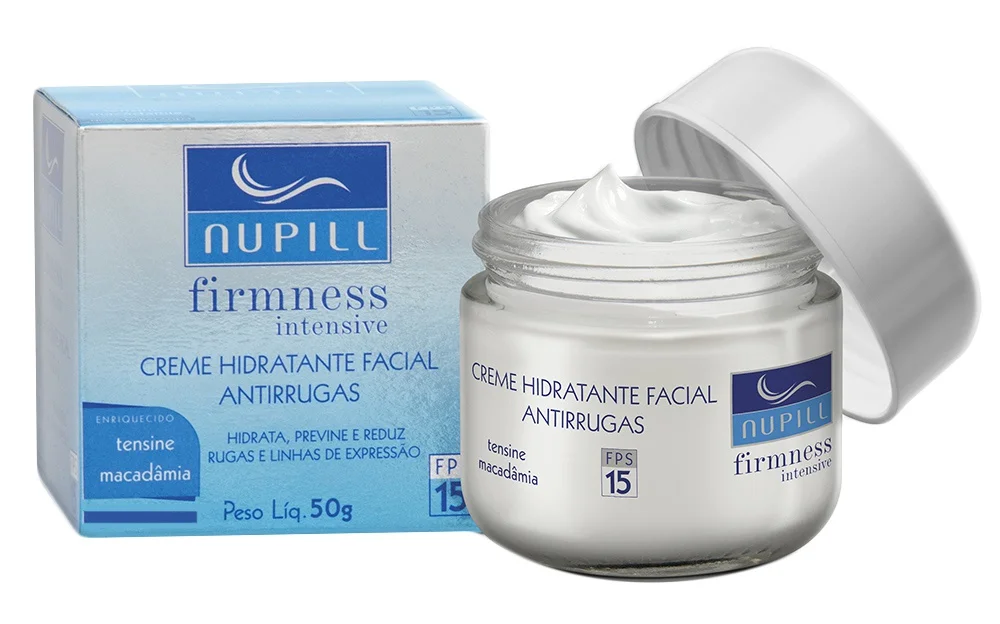
How well does your skin match with Nupill Creme Facial Hidratante Antirrugas?
Login to see detailsOr continue via
Quick 1-minute survey • Completely free
Ingredients
Analysis results of Ingredients


Ingredient List
| EWG | CIR | Ingredient Name & Cosmetic Function | Notes |
|---|---|---|---|
| 1 | - | (Solvent) | |
| 1 | A | (Masking, Skin Protecting) | |
| - | - | Gossypium (Cotton) Seed Oil | |
| 1 | A |  |



Nupill Creme Facial Hidratante Antirrugas - Ingredient Explanation
Water
1. Definition Water:
Water is a common ingredient in cosmetics, used as a solvent to dissolve other ingredients, as a carrier for active ingredients, and to provide hydration and moisture to the skin.2. Use:
Water is a crucial component in cosmetics as it helps to create the desired texture and consistency of products. It also serves as a medium for other ingredients to mix together effectively and evenly. Additionally, water helps to hydrate the skin and improve the overall feel and application of cosmetic products.3. Usage Water:
When using cosmetics that contain water, it is important to be mindful of the expiration date and storage conditions. Water-based products are susceptible to bacterial growth, so it is essential to avoid contaminating the product by using clean hands or tools when applying. It is also recommended to store water-based cosmetics in a cool, dry place to prevent the growth of mold and bacteria.4. References:
- Draelos, Z. D. (2010). Cosmetic dermatology: products and procedures. John Wiley & Sons.
- Winter, R. (2009). A consumer's dictionary of cosmetic ingredients: complete information about the harmful and desirable ingredients found in cosmetics and cosmeceuticals. Crown.
- Begoun, P. (2003). Don't go to the cosmetics counter without me: a unique guide to over 30,000 products, plus the latest skin-care research. Beginning Press.
Vitis Vinifera (Grape)
1. Definition Vitis Vinifera (Grape):
Vitis Vinifera, commonly known as grape, is a species of grapevine native to the Mediterranean region. It is widely cultivated for its fruit, which is used to make wine, grape juice, and raisins. Grape seed extract and grape seed oil are also derived from Vitis Vinifera and are known for their potential health and skincare benefits.2. Use:
Vitis Vinifera is used in cosmetics for its antioxidant properties. Grape seed extract is rich in proanthocyanidins, which are powerful antioxidants that help protect the skin from free radical damage and premature aging. It is also known to have anti-inflammatory and anti-microbial properties, making it beneficial for treating acne and other skin conditions. Grape seed oil is lightweight and easily absorbed by the skin, making it a popular ingredient in moisturizers, serums, and other skincare products.3. Usage Vitis Vinifera (Grape):
When using Vitis Vinifera in cosmetics, it is important to perform a patch test first to check for any allergic reactions. It is generally considered safe for most skin types, but those with sensitive skin may want to consult with a dermatologist before incorporating it into their skincare routine. Grape seed extract and grape seed oil can be found in a variety of skincare products, including facial serums, moisturizers, and masks. They can be used daily as part of a skincare regimen to help protect and nourish the skin.4. References:
- Bagchi, D., Garg, A., Krohn, R. L., & Bagchi, M. (2002). Protective effects of grape seed proanthocyanidins and selected antioxidants against TPA-induced hepatic and brain lipid peroxidation and DNA fragmentation, and peritoneal macrophage activation in mice. General Pharmacology: The Vascular System, 35(4), 209-216.
- Park, Y. J., Kim, Y. K., & Park, S. N. (2019). Anti-inflammatory and skin-moisturizing effects of a cosmetic formulation including Vitis vinifera fruit extract and hyaluronic acid. Journal of Cosmetic Dermatology, 18(3), 765-772.
- Farris, P. K. (2011). Topical vitamin C: a useful agent for treating photoaging and other dermatologic conditions. Dermatologic Surgery, 31(7), 814-818.
Gossypium (Cotton) Seed Oil
Ingredient data is being updated. Please check back later.
Theobroma Cacao (Cocoa)
1. Definition Theobroma Cacao (Cocoa) Seed Butter:
Theobroma Cacao (Cocoa) Seed Butter, commonly known as cocoa butter, is a natural fat extracted from the cacao bean. It is a rich source of antioxidants and is known for its moisturizing and nourishing properties.2. Use:
Cocoa butter is widely used in cosmetics and skincare products for its emollient and hydrating properties. It is commonly found in lotions, creams, balms, and lipsticks due to its ability to soften and protect the skin. Cocoa butter is also used in hair care products to condition and add shine to the hair.3. Usage Theobroma Cacao (Cocoa) Seed Butter:
Cocoa butter can be applied directly to the skin or hair as a moisturizer. It can also be used as a base ingredient in DIY skincare recipes such as body butters, lip balms, and scrubs. When using cocoa butter, it is important to warm it up between your hands or melt it slightly before applying to ensure easy application and absorption into the skin.Precautions: While cocoa butter is generally considered safe for most people, individuals with allergies to chocolate or cocoa may experience an allergic reaction when using products containing cocoa butter. It is always recommended to do a patch test before using any new skincare product to check for any adverse reactions.
4. References:
- Paula Begoun. (2003). Don't Go to the Cosmetics Counter Without Me. Beginning Press.
- R. A. Campbell, A. J. Petersen, & C. S. Stewart. (2016). Cocoa Butter and Related Compounds. Springer.
- A. R. Patel & H. S. Chauhan. (2017). Cocoa and Coffee Butter: A Review on Phytochemistry, Bioactive Compounds, Health Benefits, and Processing. CRC Press.
Review

Didn't find
the information you need?






Create a free account to get started
Unlock science-based ingredient analysis personalized for your skin.
Already have an account? Log in
We protect your privacy. We never send spam.