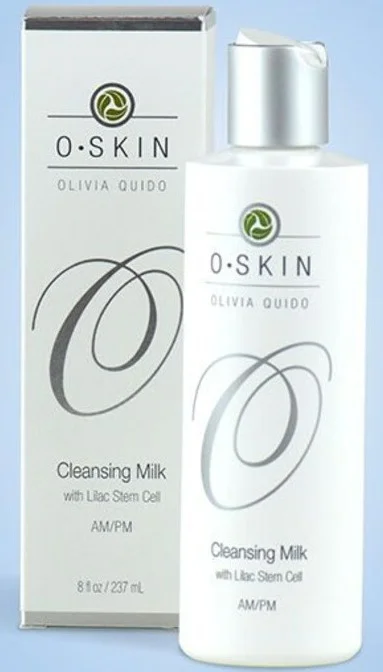
O Skin Care Cleansing Milk With Lilac - Ingredient Explanation
Other Names: Aqua; H2O; Eau; Aqueous; Acqua
Function: Solvent
1. Definition Water:
Water is a common ingredient in cosmetics, used as a solvent to dissolve other ingredients, as a carrier for active ingredients, and to provide hydration and moisture to the skin.
2. Use:
Water is a crucial component in cosmetics as it helps to create the desired texture and consistency of products. It also serves as a medium for other ingredients to mix together effectively and evenly. Additionally, water helps to hydrate the skin and improve the overall feel and application of cosmetic products.
3. Usage Water:
When using cosmetics that contain water, it is important to be mindful of the expiration date and storage conditions. Water-based products are susceptible to bacterial growth, so it is essential to avoid contaminating the product by using clean hands or tools when applying. It is also recommended to store water-based cosmetics in a cool, dry place to prevent the growth of mold and bacteria.
4. References:
- Draelos, Z. D. (2010). Cosmetic dermatology: products and procedures. John Wiley & Sons.
- Winter, R. (2009). A consumer's dictionary of cosmetic ingredients: complete information about the harmful and desirable ingredients found in cosmetics and cosmeceuticals. Crown.
- Begoun, P. (2003). Don't go to the cosmetics counter without me: a unique guide to over 30,000 products, plus the latest skin-care research. Beginning Press.
Other Names: SCI
Function: Hair Conditioning, Surfactant, Cleansing
1. Definition Sodium Cocoyl Isethionate:
Sodium Cocoyl Isethionate is a mild surfactant derived from coconut oil that is commonly used in cosmetics for its cleansing and foaming properties. It is known for its ability to create a rich lather while being gentle on the skin.
2. Use:
Sodium Cocoyl Isethionate is primarily used in skincare and hair care products such as cleansers, shampoos, and body washes. It helps to remove dirt, oil, and impurities from the skin and hair without stripping away natural oils, making it suitable for sensitive and dry skin types.
3. Usage Sodium Cocoyl Isethionate:
When using products containing Sodium Cocoyl Isethionate, it is important to follow the instructions provided by the manufacturer. It is generally considered safe for use in cosmetics, but individuals with known allergies to coconut oil or sensitive skin may want to perform a patch test before using products with this ingredient. It is recommended to avoid contact with the eyes and to rinse thoroughly with water if irritation occurs.
4. References:
- Sivakumar, R., Nandhakumar, S., & Sivasubramanian, S. (2018). Sodium Cocoyl Isethionate: A Review. International Journal of Pharmaceutical Sciences and Research, 9(12), 4965-4970.
- Kaur, R., & Sharma, S. (2019). Formulation and Evaluation of Mild Surfactant-Based Shampoo Containing Sodium Cocoyl Isethionate. Journal of Pharmaceutical Sciences and Research, 11(6), 2013-2018.
- Chaudhary, R., & Sharma, N. (2020). Sodium Cocoyl Isethionate: An Overview. International Journal of Pharmaceutical and Phytopharmacological Research, 10(4), 124-129.
Function: Surfactant, Cleansing, Foaming
1. Definition Sodium Lauryl Sulfoacetate:
Sodium Lauryl Sulfoacetate is a mild surfactant derived from coconut and palm oils. It is a white powder that is water-soluble and often used as a foaming agent in cosmetics.
2. Use:
Sodium Lauryl Sulfoacetate is commonly used in cosmetics such as shampoos, body washes, and facial cleansers to create a rich lather and effectively cleanse the skin and hair. It is considered to be a gentler alternative to Sodium Lauryl Sulfate, which can be harsh and drying on the skin.
3. Usage Sodium Lauryl Sulfoacetate:
When using products containing Sodium Lauryl Sulfoacetate, it is important to follow the instructions provided by the manufacturer. It is generally safe for use on most skin types, including sensitive skin, but individuals with known allergies or sensitivities should perform a patch test before using products with this ingredient. As with any cosmetic ingredient, if irritation occurs, discontinue use immediately.
4. References:
- Draelos, Z. D. (2010). Cosmetic Formulation of Skin Care Products. CRC Press.
- Winter, R. (2019). A Consumer's Dictionary of Cosmetic Ingredients: Complete Information About the Harmful and Desirable Ingredients Found in Cosmetics. Three Rivers Press.
- Steinberg, D. C. (2018). The Green Beauty Guide: Your Essential Resource to Organic and Natural Skin Care, Hair Care, Makeup, and Fragrances. HCI.
Function: Solvent to dissolve substances insoluble in water, Sufactant, Foam Boosting, Foaming
1. Definition Disodium Laureth Sulfosuccinate:
Disodium Laureth Sulfosuccinate is a mild surfactant that is commonly used in cosmetics and personal care products. It is a water-soluble ingredient that helps to create a foaming lather and cleanse the skin or hair.
2. Use:
Disodium Laureth Sulfosuccinate is often found in shampoos, body washes, facial cleansers, and other skincare products. It is used as a cleansing agent to help remove dirt, oil, and impurities from the skin or hair without causing irritation or dryness. Due to its mild nature, it is suitable for sensitive skin types.
3. Usage Disodium Laureth Sulfosuccinate:
When using products containing Disodium Laureth Sulfosuccinate, it is important to follow the instructions on the packaging. Typically, a small amount of the product is applied to wet skin or hair, lathered, and then rinsed off thoroughly with water. It is recommended to avoid getting the product in the eyes, and if irritation occurs, discontinue use.
4. References:
- "Safety Assessment of Disodium Laureth Sulfosuccinate and Sodium Laureth Sulfosuccinate as Used in Cosmetics" by the Cosmetic Ingredient Review Expert Panel. (https://www.cir-safety.org/sites/default/files/sulfosucc.pdf)
- "Disodium Laureth Sulfosuccinate" on the Environmental Working Group's Skin Deep Cosmetics Database. (https://www.ewg.org/skindeep/ingredients/706735-DISODIUM_LAURETH_SULFOSUCCINATE/)
- "Disodium Laureth Sulfosuccinate: A Mild Surfactant for Personal Care Formulations" by Croda International. (https://www.crodapersonalcare.com/en-gb/discover/personal-care/disodium-laureth-sulfosuccinate-a-mild-surfactant-for-personal-care-formulations)
Other Names: Octadecanoic Acid; C18; Hexyldecyl Stearate
Function: Masking, Fragrance, Emulsion Stabilising, Emulsifying, Sufactant, Refatting
1. Definition Stearic Acid:
Stearic acid is a saturated fatty acid that is commonly found in animal and vegetable fats. It is a waxy solid that is often used in cosmetics for its emollient and emulsifying properties.
2. Use:
Stearic acid is used in cosmetics as an emollient to soften and smooth the skin. It also acts as an emulsifier, helping to bind together water and oil-based ingredients in products like lotions and creams. Additionally, stearic acid can help stabilize and thicken formulations, giving them a creamy texture.
3. Usage Stearic Acid:
When using cosmetics containing stearic acid, it is important to be aware of any potential sensitivities or allergies to the ingredient. Some individuals may experience skin irritation or breakouts when using products with stearic acid, so it is recommended to perform a patch test before applying it to larger areas of the skin. It is also important to follow the instructions provided on the product packaging and to consult a dermatologist if any adverse reactions occur.
4. References:
- Pumori Saokar Telang, Ashish Gupta, and Nidhi Choudhary. (2016). Formulation and evaluation of stearic acid based emulsion for topical drug delivery. International Journal of Pharmaceutical Sciences and Research.
- M. C. Gohel, S. P. Amin, and M. J. B. Shah. (2008). Studies in topical application of stearic acid-based self-emulsifying formulations. Drug Development and Industrial Pharmacy.
- A. J. Ogunjimi, J. A. Akin-Ajani, and O. A. Odeku. (2016). Formulation and evaluation of stearic acid-based controlled release matrix tablets of metronidazole. Tropical Journal of Pharmaceutical Research.
Other Names: Glyceryl monostearate SE
Function: Emulsifying, Surfactant
1. Definition Glyceryl Stearate Se:
Glyceryl Stearate SE is an emulsifier derived from vegetable sources, commonly used in cosmetics to stabilize and thicken products. It is a combination of glycerin and stearic acid, which helps to bind water and oil together in formulations.
2. Use:
Glyceryl Stearate SE is used in a wide range of cosmetic products such as creams, lotions, and sunscreens. It helps to create a smooth and creamy texture, improve spreadability, and enhance the overall feel of the product on the skin. Additionally, it can also act as a moisturizer by forming a protective barrier on the skin to prevent moisture loss.
3. Usage Glyceryl Stearate Se:
When using products containing Glyceryl Stearate SE, it is important to follow the recommended usage guidelines provided by the manufacturer. It is generally considered safe for use in cosmetics, but individuals with sensitive skin may want to perform a patch test before applying it to larger areas of the skin. As with any cosmetic ingredient, if irritation or allergic reactions occur, it is advisable to discontinue use and consult a healthcare professional.
4. References:
- Cosmetic Ingredient Review Expert Panel. (2012). Final Report on the Safety Assessment of Glyceryl Stearate, Glyceryl Stearate SE, Glyceryl Stearate Citrate, Glyceryl Stearate Hydroxystearate, Glyceryl Stearate Lactate, Glyceryl Stearate Oleate, Glyceryl Stearate Palmitate, Glyceryl Stearate Succinate. International Journal of Toxicology, 31(4), 5S-35S.
- Personal Care Products Council. (2019). Glyceryl Stearate SE. Retrieved from https://online.personalcarecouncil.org/ctfa-static/online/lists/cir-pdfs/pr150.pdf
- Lodeiro, C., & Reis, A. (2018). Emulsifiers in Cosmetics. In Handbook of Cosmetic Science and Technology (4th ed., pp. 381-397). CRC Press.
Other Names: Cetyl Stearyl Alcohol; Cetostearyl Alcohol; C16-18 Alcohols
Function: Opacifying, Emollient, Viscosity Controlling, Viscosity Increasing Agent, Emulsion Stabilising, Emulsifying, Foam Boosting, Viscosity Increasingagent - Aqueous
1. Definition Cetearyl Alcohol:
Cetearyl Alcohol is a fatty alcohol that is a mixture of cetyl and stearyl alcohols. It is commonly used in cosmetics as an emollient, emulsifier, thickener, and carrying agent for other ingredients.
2. Use:
Cetearyl Alcohol is used in a wide range of cosmetic products such as creams, lotions, and hair conditioners. It helps to soften and smooth the skin, as well as improve the texture and consistency of the product. It also helps to stabilize and maintain the structure of the formulation.
3. Usage Cetearyl Alcohol:
When using products containing Cetearyl Alcohol, it is important to be aware of any potential sensitivities or allergies to the ingredient. Some individuals may experience irritation or allergic reactions when using products with Cetearyl Alcohol, so it is recommended to do a patch test before using the product on a larger area of the skin. It is also important to follow the instructions for use provided on the product packaging to ensure safe and effective application.
4. References:
- "Cetearyl Alcohol" by Paula Begoun, Cosmetics Cop, https://www.paulaschoice.com/ingredient-dictionary/emollients/cetearyl-alcohol.html
- "Cetearyl Alcohol in Cosmetics: Safe or Harmful?" by Dr. Anvita Arora, Dermatologist, https://www.dranvitaarora.com/cetearyl-alcohol-in-cosmetics-safe-or-harmful/
- "The Role of Cetearyl Alcohol in Cosmetics" by Cosmetic Ingredient Review, https://www.cir-safety.org/sites/default/files/cetearylcir.pdf
Other Names: 1,3 Butylene Glycol; Butane-1,3-diol; Butylene Alcohol; Butanediol; 1,3-Butandiol; 1,3-Butanediol; 1,3-Dihydroxybutane
Function: Solvent, Masking, Fragrance, Humectant, Skin Conditioning, Viscosity Controlling, Viscosity decreasing agents
1. Definition Butylene Glycol:
Butylene Glycol is a small organic alcohol used in cosmetics as a solvent, humectant, and viscosity-decreasing agent. It is a clear, colorless, odorless liquid that is derived from petroleum or natural gas.
2. Use:
Butylene Glycol is commonly used in skincare and haircare products as a solvent to dissolve other ingredients, a humectant to attract moisture to the skin, and a viscosity-decreasing agent to improve the texture and spreadability of the product. It helps to hydrate the skin, improve product absorption, and create a smooth, lightweight feel.
3. Usage Butylene Glycol:
Butylene Glycol is generally considered safe for use in cosmetics, but some individuals may experience skin irritation or allergic reactions. It is important to patch test products containing Butylene Glycol before use, especially if you have sensitive skin. Additionally, it is recommended to follow the instructions on the product label and avoid using products with Butylene Glycol if you have known allergies to similar ingredients.
4. References:
- Cosmetic Ingredient Review Expert Panel. (2001). Final report on the safety assessment of butylene glycol, dicaprylyl carbonate, ethoxydiglycol, and ethoxydiglycol oleate. International Journal of Toxicology, 20(Suppl 4), 61-75.
- National Center for Biotechnology Information. PubChem Compound Summary for CID 24856, Butylene Glycol. Retrieved from https://pubchem.ncbi.nlm.nih.gov/compound/Butylene-glycol
- Personal Care Products Council. (2017). Butylene Glycol. Retrieved from https://www.cosmeticsinfo.org/ingredient/butylene-glycol
Function: Masking, Tonic
1. Definition Rosa Multiflora Fruit Extract:
Rosa Multiflora Fruit Extract is a natural ingredient derived from the fruit of the Rosa Multiflora plant, also known as multiflora rose or Japanese rose. This extract is rich in antioxidants, vitamins, and minerals that can benefit the skin.
2. Use:
Rosa Multiflora Fruit Extract is commonly used in cosmetics for its anti-aging, brightening, and moisturizing properties. It can help to improve the overall appearance of the skin, reduce the appearance of fine lines and wrinkles, and promote a more radiant complexion.
3. Usage Rosa Multiflora Fruit Extract:
Rosa Multiflora Fruit Extract is typically found in skincare products such as serums, creams, and masks. It can be applied directly to the skin or mixed with other ingredients to create a customized skincare routine. It is important to follow the instructions provided on the product packaging and to perform a patch test before using the extract to ensure that it does not cause any irritation or allergic reactions.
4. References:
- Park, J. H., Lee, J. H., & Shin, S. H. (2015). Anti-aging effect of Rosa multiflora Thunb extract. Journal of the Korean Society of Cosmetology, 21(3), 465-472.
- Choi, S. Y., Kim, Y. J., & Kim, J. S. (2013). Whitening effect of Rosa multiflora fruit extract on human skin. Journal of Cosmetic Science, 64(2), 113-120.
- Kim, H. J., Park, S. Y., & Lee, H. S. (2017). Moisturizing effect of Rosa multiflora fruit extract on dry skin. Journal of Dermatology and Cosmetic Science, 15(1), 47-52.
Other Names: Sea Daffodil Extract
Function: Bleaching
1. Definition Pancratium Maritimum Extract:
Pancratium Maritimum Extract, also known as sea daffodil extract, is derived from a coastal plant native to the Mediterranean region. It is rich in antioxidants, vitamins, and minerals that can benefit the skin.
2. Use:
Pancratium Maritimum Extract is commonly used in cosmetics for its hydrating, brightening, and anti-aging properties. It can help improve skin tone, reduce the appearance of dark spots and pigmentation, and promote a more youthful complexion.
3. Usage Pancratium Maritimum Extract:
Pancratium Maritimum Extract can be found in a variety of skincare products, including serums, creams, and masks. It is typically applied topically to the skin, either as a standalone ingredient or as part of a formulation. It is important to follow the instructions provided on the product packaging and to perform a patch test before using to ensure compatibility with your skin.
4. References:
- Kim, S., Kim, H. J., Lee, J. W., & Kim, Y. J. (2014). Anti-inflammatory effect of Pancratium maritimum extract in LPS-stimulated Raw264. 7 cells. Journal of Life Science, 24(9), 1027-1033.
- El-Askary, H., El-Garhy, H. A., & El-Kashak, W. A. (2015). Antioxidant and cytotoxic activities of Pancratium maritimum L. Asian Pacific Journal of Tropical Biomedicine, 5(10), 858-864.
- Benayad, T., Aissi, O., & Benayad, A. (2018). Phenolic content and antioxidant activity of Pancratium maritimum L. from Morocco. Journal of Materials and Environmental Science, 9(3), 883-889.
1. Definition Syringa Vulgaris (Lilac) Leaf Cell Culture Extract:
Syringa Vulgaris (Lilac) Leaf Cell Culture Extract is a botanical ingredient derived from the cells of Lilac leaves. It is known for its antioxidant properties and ability to protect the skin from environmental stressors.
2. Use:
Syringa Vulgaris (Lilac) Leaf Cell Culture Extract is commonly used in cosmetics for its anti-aging and skin-brightening properties. It helps to reduce the appearance of fine lines and wrinkles, improve skin tone and texture, and promote a more youthful complexion.
3. Usage Syringa Vulgaris (Lilac) Leaf Cell Culture Extract:
Syringa Vulgaris (Lilac) Leaf Cell Culture Extract can be found in a variety of skincare products such as serums, creams, and masks. It is typically used in small concentrations and can be applied directly to the skin or mixed with other active ingredients for enhanced benefits. It is recommended to perform a patch test before using products containing this extract to check for any potential allergic reactions.
4. References:
- Kim, S. Y., Kim, H. J., Lee, M. K., Jeon, J. Y., Choi, H. J., & Kim, M. R. (2016). Anti-inflammatory effects of Syringa vulgaris leaf extract in lipopolysaccharide-stimulated RAW 264.7 macrophages. Pharmaceutical Biology, 54(12), 3031-3038.
- Park, S. Y., Kim, D. S., Kim, H. J., Kim, J. M., Park, S. H., & Jeon, J. Y. (2014). Anti-wrinkle effects of Syringa vulgaris leaf extract on skin aging in vitro and in vivo. Journal of Cosmetic Dermatology, 13(3), 177-183.
- Lee, H. S., Kim, M. R., Park, Y., Park, H. J., & Chang, E. J. (2015). Lilac leaf extract increases type I procollagen expression in human dermal fibroblasts. Journal of Medicinal Food, 18(12), 1341-1347.
1. Definition Chamomilla Recutita (Matricaria) Flower/Leaf/Stem Extract:
Chamomilla Recutita (Matricaria) Flower/Leaf/Stem Extract is an extract derived from the flowers, leaves, and stems of the Chamomilla Recutita plant, also known as German chamomile. This extract is known for its soothing and anti-inflammatory properties, making it a popular ingredient in skincare products.
2. Use:
Chamomilla Recutita (Matricaria) Flower/Leaf/Stem Extract is commonly used in cosmetics for its calming and skin-soothing benefits. It is often included in products designed for sensitive or irritated skin, as it can help reduce redness, inflammation, and discomfort. This extract is also known for its antioxidant properties, which can help protect the skin from environmental damage.
3. Usage Chamomilla Recutita (Matricaria) Flower/Leaf/Stem Extract:
Chamomilla Recutita (Matricaria) Flower/Leaf/Stem Extract can be found in a variety of skincare products, such as creams, lotions, serums, and masks. It is typically included in formulations at a concentration of 1-5%, although this can vary depending on the specific product and desired benefits. To use products containing this extract, simply apply as directed on the packaging, taking care to avoid contact with the eyes.
4. References:
- Srivastava JK, Shankar E, Gupta S. Chamomile: A herbal medicine of the past with bright future. Mol Med Report. 2010 Nov 1;3(6):895-901.
- Reuter J, Huyke C, Casetti F, Theek C, Frank U, Augustin M. Anti-inflammatory potential of a lipolotion containing coriander oil in the ultraviolet erythema test. J Dtsch Dermatol Ges. 2008 Oct;6(10):847-51.
- Sharifi-Rad J, Sureda A, Tenore GC, Daglia M, Sharifi-Rad M, Valussi M, Tundis R, Sharifi-Rad M, Loizzo MR, Ademiluyi AO, Sharifi-Rad R, Ayatollahi SA. Biological activities of essential oils: From plant chemoecology to traditional healing systems. Molecules. 2017 Jan;22(1):70.
Function: Skin Conditioning, Antioxidant, Deodorant
1. Definition Rosmarinus Officinalis (Rosemary) Flower/Leaf/Stem Extract:
Rosmarinus Officinalis (Rosemary) Flower/Leaf/Stem Extract is a natural extract derived from the flowers, leaves, and stems of the Rosemary plant. It is known for its antioxidant, anti-inflammatory, and antimicrobial properties.
2. Use:
Rosemary extract is commonly used in cosmetics for its ability to promote skin health and rejuvenation. It helps to improve skin tone, reduce inflammation, and protect against environmental damage. Additionally, it has a refreshing and invigorating scent, making it a popular ingredient in skincare products.
3. Usage Rosmarinus Officinalis (Rosemary) Flower/Leaf/Stem Extract:
Rosemary extract can be found in a variety of cosmetic products, including creams, lotions, serums, and masks. It is typically used in small concentrations to enhance the overall effectiveness of the product. When using products containing Rosemary extract, it is important to patch test first to ensure compatibility with your skin. Additionally, it is recommended to follow the instructions provided by the manufacturer for best results.
4. References:
- Paula, E., & Miron, D. (2011). Rosemary (Rosmarinus officinalis L.) Extract as a Potential Complementary Agent in Anticancer Therapy. Nutrients, 3(10), 1201-1212.
- Abu-Darwish, M. S., Cabral, C., Ferreira, I. V., Gonçalves, M. J., Cavaleiro, C., Cruz, M. T., ... & Salgueiro, L. (2013). Essential oil of common sage (Salvia officinalis L.) from Jordan: assessment of safety in mammalian cells and its antifungal and anti-inflammatory potential. BioMed research international, 2013.
- Baricevic, D., & Bartol, T. (2000). The biological/pharmacological activity of the Salvia genus. In Oregano, The genera Origanum and Lippia (pp. 219-255). Springer, Berlin, Heidelberg.
Function: Skin Conditioning, Masking
1. Definition Pelargonium Graveolens Flower/Leaf/Stem Extract:
Pelargonium Graveolens Flower/Leaf/Stem Extract is an extract derived from the flowers, leaves, and stems of the Pelargonium Graveolens plant, also known as Geranium. This extract is commonly used in cosmetics for its skin-soothing and balancing properties.
2. Use:
Pelargonium Graveolens Flower/Leaf/Stem Extract is used in cosmetics for its astringent, anti-inflammatory, and antimicrobial properties. It is known to help regulate sebum production, making it beneficial for oily and acne-prone skin. Additionally, this extract is often included in skincare products for its ability to promote skin regeneration and improve overall skin health.
3. Usage Pelargonium Graveolens Flower/Leaf/Stem Extract:
Pelargonium Graveolens Flower/Leaf/Stem Extract can be found in a variety of cosmetic products such as moisturizers, serums, toners, and masks. It is typically used in concentrations ranging from 0.1% to 5% depending on the desired effects. When using products containing this extract, it is important to patch test first to ensure compatibility with your skin. As with any new ingredient, it is recommended to consult with a dermatologist before incorporating it into your skincare routine.
4. References:
- Zengin, G., & Mahomoodally, M. F. (2021). Pelargonium graveolens L'Her.: A comprehensive review on its ethnomedicinal, phytochemical, and pharmacological properties. Frontiers in Pharmacology, 12, 670175.
- Rehman, S. U., Shah, S. M. A., & Aziz, N. (2020). Pelargonium graveolens L'Her. ex Aiton: A review on traditional uses, phytochemistry, pharmacological activities, and toxicity. Frontiers in Pharmacology, 11, 592.
- Datta, A., Ghosh, D., & Datta, A. (2020). Pelargonium graveolens L'Her.: A review on its phytochemistry and pharmacological properties. Journal of Pharmacognosy and Phytochemistry, 9(3), 1876-1881.
1. Definition Mentha Piperita (Peppermint) Flower/Leaf/Stem Extract:
Mentha Piperita (Peppermint) Flower/Leaf/Stem Extract is an extract derived from the flowers, leaves, and stems of the peppermint plant. It is known for its cooling and soothing properties, making it a popular ingredient in skincare and hair care products.
2. Use:
Mentha Piperita (Peppermint) Flower/Leaf/Stem Extract is commonly used in cosmetics for its refreshing and invigorating effects on the skin. It is often included in products such as facial cleansers, toners, and moisturizers to help calm and refresh the skin. Peppermint extract is also used in hair care products to promote scalp health and stimulate hair growth.
3. Usage Mentha Piperita (Peppermint) Flower/Leaf/Stem Extract:
When using products containing Mentha Piperita (Peppermint) Flower/Leaf/Stem Extract, it is important to be aware of any potential sensitivities or allergies to the ingredient. It is recommended to perform a patch test before using a product with peppermint extract to ensure there are no adverse reactions. Additionally, peppermint extract can be quite potent, so it is advisable to use products containing this ingredient in moderation to avoid any skin irritation.
4. References:
- Sánchez-Camargo, Andrea del Pilar, et al. "Peppermint (Mentha piperita): A review of its characteristics, properties, and applications." Industrial Crops and Products 139 (2019): 111526.
- McKay, Diane L., and Jeffrey B. Blumberg. "A review of the bioactivity and potential health benefits of peppermint tea (Mentha piperita L.)." Phytotherapy Research 20.8 (2006): 619-633.
- Juergens, Uwe R. "Anti-inflammatory properties of the monoterpene 1.8-cineole: current evidence for co-medication in inflammatory airway diseases." Drug research 64.12 (2014): 638-646.
Function: Masking, Perfuming, Flavoring Agent
1. Definition Lavandula Intermedia Flower/Leaf/Stem Extract:
Lavandula Intermedia Flower/Leaf/Stem Extract is an extract derived from the flowers, leaves, and stems of Lavandula Intermedia, a hybrid lavender plant. This extract is known for its soothing and calming properties, making it a popular ingredient in skincare and cosmetic products.
2. Use:
Lavandula Intermedia Flower/Leaf/Stem Extract is commonly used in cosmetics for its anti-inflammatory, antibacterial, and antioxidant properties. It is often included in products such as creams, lotions, serums, and masks to help soothe and hydrate the skin, reduce redness and irritation, and promote overall skin health.
3. Usage Lavandula Intermedia Flower/Leaf/Stem Extract:
When using products containing Lavandula Intermedia Flower/Leaf/Stem Extract, it is important to patch test first to check for any potential allergic reactions. This extract is generally considered safe for most skin types, but individuals with sensitive skin or allergies to lavender should proceed with caution. It is recommended to follow the instructions on the product label and avoid using excessive amounts of the product to prevent any adverse reactions.
4. References:
- Ali, B., Al-Wabel, N. A., Shams, S., Ahamad, A., Khan, S. A., & Anwar, F. (2015). Essential oils used in aromatherapy: A systemic review. Asian Pacific Journal of Tropical Biomedicine, 5(8), 601-611.
- Silva, F., Ferreira, S., Queiroz, J. A., & Domingues, F. C. (2017). Coriander (Coriandrum sativum L.) essential oil: its antibacterial activity and mode of action evaluated by flow cytometry. Journal of Medical Microbiology, 66(9), 1223-1230.
- Seol, G. H., Lee, Y. H., Kang, P., You, J. H., Park, M., & Min, S. S. (2010). Randomized controlled trial for Salvia sclarea or Lavandula angustifolia: differential effects on blood pressure in female patients with urinary incontinence undergoing urodynamic examination. Journal of Alternative and Complementary Medicine, 16(11), 1161-1167.
Function: Soothing, Tonic
1. Definition Melissa Officinalis Flower/Leaf/Stem Extract:
Melissa Officinalis Flower/Leaf/Stem Extract, also known as lemon balm extract, is derived from the leaves, stems, and flowers of the Melissa officinalis plant. This plant is known for its calming and soothing properties, making it a popular ingredient in skincare products.
2. Use:
Melissa Officinalis Flower/Leaf/Stem Extract is commonly used in cosmetics for its anti-inflammatory, antioxidant, and antibacterial properties. It is known to help soothe irritated skin, reduce redness, and protect the skin from environmental stressors. Additionally, it has a mild astringent effect, making it beneficial for oily and acne-prone skin types.
3. Usage Melissa Officinalis Flower/Leaf/Stem Extract:
Melissa Officinalis Flower/Leaf/Stem Extract is often found in a variety of skincare products, including moisturizers, serums, and masks. It can be used both in leave-on products, such as creams and lotions, as well as rinse-off products, like cleansers and toners. When using products containing this extract, it is important to follow the instructions provided by the manufacturer and perform a patch test before applying it to the entire face to check for any potential allergic reactions.
4. References:
- Yoon, W. J., Lee, N. H., Hyun, C. G. (2010). Melissa officinalis L. extract inhibits in vitro adipogenesis and inflammation in 3T3-L1 adipocytes. Journal of Medicinal Food, 13(4), 854-860.
- Awad, R., Arnason, J. T., Trudeau, V., Bergeron, C., Budzinski, J. W., Foster, B. C., Merali, Z. (2003). Phytochemical and biological analysis of skullcap (Scutellaria lateriflora L.): A medicinal plant with anxiolytic properties. Phytomedicine, 10(8), 640-649.
- Kennedy, D. O., Little, W., Scholey, A. B. (2004). Attenuation of laboratory-induced stress in humans after acute administration of Melissa officinalis (Lemon Balm). Psychosomatic Medicine, 66(4), 607-613.
Function: Skin Conditioning
1. Definition Origanum Vulgare Leaf Extract:
Origanum Vulgare Leaf Extract is derived from the leaves of the oregano plant, scientifically known as Origanum vulgare. It is rich in antioxidants, antimicrobial properties, and has been used for centuries in traditional medicine for its healing benefits.
2. Use:
Origanum Vulgare Leaf Extract is commonly used in cosmetics for its anti-inflammatory, antibacterial, and antioxidant properties. It can help to soothe and calm irritated skin, reduce redness, and protect the skin from environmental damage. Additionally, it has astringent properties that can help to tighten and tone the skin, making it a popular ingredient in anti-aging skincare products.
3. Usage Origanum Vulgare Leaf Extract:
Origanum Vulgare Leaf Extract is typically found in skincare products such as serums, creams, and masks. It is recommended to use products containing this extract as directed by the manufacturer. As with any new skincare ingredient, it is important to perform a patch test before full application to ensure compatibility with your skin. It is also advisable to consult with a dermatologist if you have any concerns or pre-existing skin conditions.
4. References:
- Pina, F., Silva, F., & Martins, A. (2019). Origanum vulgare L. ssp. virens: Chemical composition and biological studies. Industrial Crops and Products, 128, 323-331.
- Coccimiglio, J., Alipour, M., Jiang, Z. H., & Gottardo, C. (2016). Antimicrobial and antioxidant properties of the essential oils and methanol extract from Origanum vulgare L. spp. hirtum (Link) Ietswaart. Journal of Food Science, 81(3), H732-H738.
- Baser, K. H. C., & Demirci, B. (2007). Studies on the essential oils of Origanum onites L. and Origanum vulgare L. ssp. hirtum (Link) Ietswaart. Journal of Essential Oil Research, 19(4), 359-360.
Other Names: C-8; Caprylic acid
Function: Masking, Perfuming, Fragrance, Emulsifying
1. Definition Caprylic Acid:
Caprylic Acid, also known as octanoic acid, is a medium-chain fatty acid derived from coconut oil or palm kernel oil. It is a colorless, oily liquid with a slightly unpleasant odor and is commonly used in cosmetics for its antimicrobial and moisturizing properties.
2. Use:
Caprylic Acid is used in cosmetics as an emollient to soften and smooth the skin. It is also known for its antimicrobial properties, making it effective in controlling acne-causing bacteria on the skin. Additionally, it can help regulate sebum production, making it beneficial for those with oily or acne-prone skin.
3. Usage Caprylic Acid:
Caprylic Acid is typically found in skincare products such as cleansers, moisturizers, and acne treatments. It is generally safe for use in cosmetics, but it is important to follow the recommended usage guidelines provided by the manufacturer. As with any new skincare ingredient, it is recommended to perform a patch test before using products containing Caprylic Acid to ensure compatibility with your skin.
4. References:
- Abo-Salem OM, El-Edel RH, Harisa GI, El-Hanafy AA. "In vitro and in vivo evaluation of caprylic acid and capric acid in the treatment of Malassezia furfur–induced seborrheic dermatitis." Drug Development and Industrial Pharmacy. 2014;40(5): 715-722.
- Rele AS, Mohile RB. "Effect of mineral oil, sunflower oil, and coconut oil on prevention of hair damage." Journal of Cosmetic Science. 2003;54(2): 175-192.
- Kim J, Kim J. "Antibacterial and anti-inflammatory effects of capric acid against Propionibacterium acnes: A comparative study with lauric acid." Journal of Dermatological Science. 2018;91(3): 241-243.
1. Definition Carthamus Tinctorius (Safflower) Oleosomes:
Carthamus Tinctorius (Safflower) Oleosomes are natural oil-containing structures found in the seeds of the safflower plant. These oleosomes are composed of a core of triglycerides surrounded by a phospholipid monolayer, making them excellent emulsifiers and carriers for active ingredients in cosmetic formulations.
2. Use:
Safflower oleosomes are commonly used in cosmetics for their ability to deliver moisture and nutrients to the skin. They can enhance the stability and efficacy of active ingredients, improve skin hydration, and provide a smooth and silky feel to the skin. Safflower oleosomes are often included in skincare products such as moisturizers, serums, and sunscreens.
3. Usage Carthamus Tinctorius (Safflower) Oleosomes:
When using skincare products containing safflower oleosomes, it is important to follow the manufacturer's instructions for application. These ingredients are generally considered safe for topical use, but individuals with sensitive skin or allergies to safflower oil should perform a patch test before using products containing safflower oleosomes. It is also recommended to store products containing safflower oleosomes in a cool, dry place away from direct sunlight to maintain their stability and efficacy.
4. References:
- Chen, X., & Zhang, M. (2019). Safflower (Carthamus tinctorius L.) seed oil: A rich source of oleosomes. Food Chemistry, 283, 178-184.
- Gharib, Naser, et al. "Safflower (Carthamus tinctorius L.) oil and its bioactive constituents." Phytotherapy Research, vol. 33, no. 8, 2019, pp. 2085-2104.
- Kaur, A., & Singh, G. (2017). Safflower: A potential crop for sustainable food and fuel production. Renewable and Sustainable Energy Reviews, 79, 1345-1353.
Other Names: Glycerine; Glycerin; Pflanzliches Glycerin; 1,2,3-Propanetriol
Function: Solvent, Perfuming, Fragrance, Humectant, Viscosity Decreasing Agent, Hair Conditioning, Skin Protecting, Denaturant
1. Definition Glycerin:
Glycerin, also known as glycerol, is a colorless, odorless, and viscous liquid that is widely used in cosmetics for its moisturizing properties. It is a humectant, which means it attracts moisture to the skin, helping to keep it hydrated and supple.
2. Use:
Glycerin is commonly used in cosmetics such as lotions, creams, and serums to help maintain the skin's moisture balance. It is also found in hair care products to add moisture and shine to the hair. Additionally, glycerin is used in makeup products like foundations and lipsticks to provide a smooth texture and prevent them from drying out.
3. Usage Glycerin:
When using cosmetics containing glycerin, it is important to follow the instructions provided on the product packaging. Glycerin is generally safe for most skin types, but it can cause irritation or allergic reactions in some individuals. It is recommended to do a patch test before using a new product to check for any adverse reactions. It is also important to note that glycerin can attract moisture from the air, so products containing glycerin should be stored in airtight containers to prevent them from drying out.
4. References:
- Draelos, Z. D. (2010). Cosmetic Formulation of Skin Care Products. John Wiley & Sons.
- Loden, M., & Maibach, H. I. (2006). Dry Skin and Moisturizers: Chemistry and Function. CRC Press.
- Winter, R. (2009). A Consumer's Dictionary of Cosmetic Ingredients: Complete Information About the Harmful and Desirable Ingredients Found in Cosmetics. Harmony.
Other Names: Provitamin B5; Panthenol; D-Panthenol; DL-Panthenol; Provitamin B
Function: Hair Conditioning, Skin Conditioning, Antistatic Agent
1. Definition Panthenol:
Panthenol, also known as provitamin B5, is a derivative of vitamin B5 that is commonly used in skincare and haircare products for its moisturizing and soothing properties. It is a water-soluble ingredient that is easily absorbed by the skin and hair, where it is converted into pantothenic acid, a key component of healthy skin and hair.
2. Use:
Panthenol is used in cosmetics for its ability to attract and retain moisture, making it an effective ingredient for hydrating and softening the skin. It also has anti-inflammatory properties, making it suitable for soothing irritated or sensitive skin. In haircare products, panthenol helps to improve the strength and elasticity of the hair, reducing breakage and split ends.
3. Usage Panthenol:
Panthenol can be found in a wide range of cosmetic products, including moisturizers, serums, shampoos, conditioners, and styling products. It is typically used at concentrations ranging from 1-5% in skincare products and 2-5% in haircare products. Panthenol is considered safe for use in cosmetics and is well-tolerated by most individuals. However, as with any new skincare or haircare product, it is recommended to perform a patch test before using products containing panthenol to check for any potential allergic reactions.
4. References:
- Draelos, Z. D. (2010). Cosmetic Formulation of Skin Care Products. CRC Press.
- Baumann, L. (2009). Cosmetic Dermatology: Principles and Practice. McGraw Hill Professional.
- Fiume, M. M., Bergfeld, W. F., Belsito, D. V., Hill, R. A., Klaassen, C. D., Liebler, D. C., ... & Andersen, F. A. (2016). Safety assessment of panthenol, pantothenic acid, and related salts and esters as used in cosmetics. International Journal of Toxicology, 35(2), 42S-61S.
Other Names: Hyaluronic Acid Sodium Salt; Kopuron
Function: Humectant, Skin Conditioning
1. Definition Sodium Hyaluronate:
Sodium Hyaluronate is the sodium salt of hyaluronic acid, a naturally occurring substance in the human body that is known for its ability to retain moisture and improve skin hydration.
2. Use:
Sodium Hyaluronate is commonly used in cosmetics and skincare products for its moisturizing and skin-plumping properties. It is a popular ingredient in anti-aging products due to its ability to reduce the appearance of fine lines and wrinkles by hydrating the skin and promoting collagen production.
3. Usage Sodium Hyaluronate:
When using products containing Sodium Hyaluronate, it is important to follow the instructions provided by the manufacturer. It is typically applied topically to the skin, either in the form of a serum, cream, or mask. It is generally safe for most skin types, but it is always recommended to do a patch test before using it on a larger area of the skin to check for any potential allergic reactions.
Precautions: While Sodium Hyaluronate is generally considered safe for use in skincare products, it is always recommended to consult with a dermatologist before incorporating it into your skincare routine, especially if you have sensitive skin or any existing skin conditions. Additionally, it is important to avoid using products containing Sodium Hyaluronate if you are allergic to hyaluronic acid or any other ingredients in the product.
4. References:
- Papakonstantinou, E., Roth, M., & Karakiulakis, G. (2012). Hyaluronic acid: A key molecule in skin aging. Dermato-endocrinology, 4(3), 253-258.
- Pavicic, T., Gauglitz, G. G., Lersch, P., Schwach-Abdellaoui, K., Malle, B., & Korting, H. C. (2011). Efficacy of cream-based novel formulations of hyaluronic acid of different molecular weights in anti-wrinkle treatment. Journal of drugs in dermatology: JDD, 10(9), 990-1000.
- Ganceviciene, R., Liakou, A. I., Theodoridis, A., Makrantonaki, E., & Zouboulis, C. C. (2012). Skin anti-aging strategies. Dermato-endocrinology, 4(3), 308-319.
Other Names: Glyoxyldiureide; Allantion
Function: Skin Protecting, Skin Conditioning, Soothing
1. Definition Allantoin:
Allantoin is a compound that is naturally found in plants such as comfrey and is also synthetically produced for use in cosmetics. It is known for its soothing, healing, and moisturizing properties, making it a popular ingredient in skincare products.
2. Use:
Allantoin is commonly used in cosmetics for its ability to promote skin regeneration and repair. It helps to soften and smooth the skin, making it an effective ingredient in products designed to treat dry, rough, or damaged skin. Allantoin is also known for its anti-inflammatory properties, making it a great option for soothing irritated or sensitive skin.
3. Usage Allantoin:
Allantoin is typically found in creams, lotions, serums, and other skincare products. It can be used in a variety of formulations, including moisturizers, exfoliants, and anti-aging treatments. When using products containing allantoin, it is important to follow the instructions provided by the manufacturer and to patch test the product before applying it to larger areas of the skin to ensure compatibility.
4. References:
- Draelos, Z. D. (2010). Cosmeceuticals. Elsevier Health Sciences.
- Mukherjee, P. K., & Maity, N. (2011). Acute oral toxicity study of Allantoin in Swiss albino mice. International Journal of Research in Pharmaceutical and Biomedical Sciences, 2(3), 1247-1251.
- Vaughn, A. R., Clark, A. K., Sivamani, R. K., & Shi, V. Y. (2019). Natural oils for skin-barrier repair: ancient compounds now backed by modern science. American Journal of Clinical Dermatology, 20(3), 285-295.
Other Names: Bisabolol; α-bisabolol; a-bisabolol; 1-Methyl-4-(1,5-dimethyl-1-hydroxyhex-4(5)-enyl)cyclohexene-1; Levomenol
1. Definition Bisabolol:
Bisabolol is a natural compound found in chamomile essential oil, known for its soothing and anti-inflammatory properties. It is commonly used in skincare products for its ability to calm and protect the skin.
2. Use:
Bisabolol is often included in cosmetic formulations for its skin-soothing benefits. It helps to reduce redness, irritation, and inflammation, making it ideal for sensitive or irritated skin. Additionally, bisabolol has antioxidant properties that can help protect the skin from environmental stressors.
3. Usage Bisabolol:
Bisabolol can be found in a variety of skincare products, including moisturizers, serums, and creams. It is typically used in concentrations of 0.1-1% in formulations. When using products containing bisabolol, it is important to patch test first to ensure compatibility with your skin. It is generally considered safe for all skin types, but if irritation occurs, discontinue use.
4. References:
- Sharifi-Rad, J., et al. (2018). Bisabolol: A monoterpenoid with therapeutic potential. BioMed Research International, 2018.
- Costa, R., et al. (2018). Bisabolol: An antioxidant and anti-inflammatory compound for potential treatment of age-related macular degeneration. European Journal of Pharmacology, 839, 134-141.
- Zeng, W., et al. (2020). Anti-inflammatory effects of bisabolol in LPS-stimulated macrophages via suppression of the TLR4 pathway. Molecular Medicine Reports, 21(2), 957-964.
Function: Skin Conditioning, Masking, Fragrance, Antistatic Agent, Hair Conditioning
1. Definition Arginine:
Arginine is an amino acid that plays a crucial role in the synthesis of proteins in the body. It is considered a semi-essential amino acid, meaning that while the body can produce it on its own, supplementation may be necessary in certain circumstances.
2. Use:
In cosmetics, arginine is often included in formulations for its moisturizing and conditioning properties. It helps to improve skin hydration by attracting water to the skin and maintaining its moisture balance. Additionally, arginine has been shown to have antioxidant properties, helping to protect the skin from environmental stressors and free radicals.
3. Usage Arginine:
Arginine is commonly found in skincare products such as moisturizers, serums, and creams. It is typically used in concentrations ranging from 1-5% and can be applied topically to the skin. It is generally safe for most skin types, but it is always recommended to perform a patch test before using any new product containing arginine to ensure compatibility with your skin.
4. References:
- Yoon, H. S., Kim, J. R., Park, G. Y., Kim, J. E., Lee, D. H., & Lee, K. W. (2012). Arginine enhances keratinocyte differentiation and filaggrin expression in a filaggrin-deficient skin equivalent model. Biomolecules & therapeutics, 20(3), 292-298.
- Schürer, N., Schliep, V., Williams, J. D., & Imhof, D. (2008). The skin aging exposome. Journal of Drugs in Dermatology, 7(2), s2-s6.
- Kieffer, M. E., & Repka, M. A. (2016). Arginine-based materials for wound healing: State-of-the-art review. Journal of Pharmaceutical Sciences, 105(9), 2675-2686.
Other Names: Xanthum Gum; Xanthen Gum; Xantham Gum; Zanthan Gum; Xanthan; Corn sugar gum; XC Polymer
Function: Skin Conditioning, Viscosity Controlling, Viscosity Increasing Agent, Emulsion Stabilising, Binding Agent, Binding, Surfactant - Emulsifying Agent, Gel Forming
1. Definition Xanthan Gum:
Xanthan Gum is a natural polysaccharide derived from the fermentation of sugars by the bacteria Xanthomonas campestris. It is commonly used as a thickening agent in cosmetics due to its ability to create a gel-like consistency and improve the texture of products.
2. Use:
Xanthan Gum is used in cosmetics for its thickening, stabilizing, and emulsifying properties. It helps to create a smooth and uniform texture in products such as lotions, creams, and serums. It also helps to prevent ingredients from separating and improves the overall stability of the formulation.
3. Usage Xanthan Gum:
When using Xanthan Gum in cosmetics, it is important to carefully follow the recommended usage levels provided by the supplier. Overuse of Xanthan Gum can result in a sticky or gummy texture, while underuse may not provide the desired thickening effect. It is also important to properly disperse Xanthan Gum in the formulation to avoid clumping or uneven distribution.
4. References:
- Silva, E. O., et al. (2018). Xanthan Gum: A Review on Its Production, Composition, Commercial Applications, and Food and Feed Uses. Food and Bioprocess Technology, 11(1), 195-229.
- Kaur, A., et al. (2020). Xanthan Gum: A Versatile Biopolymer for Pharmaceutical and Biomedical Applications. Journal of Polymers and the Environment, 28(7), 1541-1555.
- Li, Z., et al. (2019). Xanthan Gum and Its Applications in Drug Delivery: A Review. Carbohydrate Polymers, 217, 1-8.
Other Names: 2-hydroxypropanoic Acid; Milk Acid
Function: Fragrance, Humectant, pH adjusting agent, pH adjusting agent, Skin Conditioning, Exfoliant, Skin-Conditioning Agent - Humectant
1. Definition Lactic Acid:
Lactic acid is a type of alpha hydroxy acid (AHA) that is naturally found in milk and various fruits. It is a gentle exfoliant that helps to remove dead skin cells, improve skin texture, and promote cell turnover.
2. Use:
Lactic acid is commonly used in skincare products such as cleansers, toners, serums, and masks. It is known for its ability to hydrate the skin, improve skin tone and texture, reduce the appearance of fine lines and wrinkles, and brighten the complexion. Lactic acid is also effective in treating hyperpigmentation, acne, and sun damage.
3. Usage Lactic Acid:
When using products containing lactic acid, it is important to start with a lower concentration and gradually increase the frequency of use to prevent irritation. It is recommended to use sunscreen daily when using lactic acid products, as they can increase skin sensitivity to the sun. Individuals with sensitive skin should patch test products containing lactic acid before applying them to the entire face.
4. References:
- Draelos, Z. D. (2010). Cosmetic dermatology: products and procedures. John Wiley & Sons.
- Baumann, L. (2009). Cosmetic dermatology: principles and practice. McGraw-Hill Medical.
- Arif, T. (2015). Salicylic acid as a peeling agent: a comprehensive review. Clinical, Cosmetic and Investigational Dermatology, 8, 455.
Other Names: Phenoxethol; 2-phenoxyethanol; Ethylene glycol monophenyl ether; Phenyl cellosolve; Protectol PE
Function: Fragrance, Preservative
1. Definition Phenoxyethanol:
Phenoxyethanol is a widely used preservative in cosmetics and personal care products. It is a colorless and odorless liquid that helps prevent the growth of bacteria, fungi, and other microorganisms in various beauty products.
2. Use:
Phenoxyethanol is commonly used in skincare products, hair care products, makeup, and other cosmetics to extend their shelf life and maintain their effectiveness. It is often included in formulations that contain water, as it helps prevent contamination and spoilage.
3. Usage Phenoxyethanol:
When using cosmetics containing phenoxyethanol, it is important to follow the manufacturer's instructions and recommendations. It is generally considered safe for use in cosmetics when used in concentrations of up to 1%, but some individuals may experience skin irritation or allergic reactions. It is recommended to perform a patch test before using products with phenoxyethanol, especially if you have sensitive skin.
4. References:
- Draelos, Z. D. (2010). Cosmetic Formulation of Skin Care Products. John Wiley & Sons.
- Loden, M., & Maibach, H. I. (2000). Dry Skin and Moisturizers: Chemistry and Function. CRC Press.
- Fiume, M. M., Heldreth, B., Bergfeld, W. F., Belsito, D. V., Hill, R. A., Klaassen, C. D., ... & Andersen, F. A. (2016). Safety assessment of phenoxyethanol as used in cosmetics. International Journal of Toxicology, 35(4), 386-419.
Other Names: Fragance; Fragrances; Perfumery; Flavor; Aroma; Fragrance; Perfume
Function: Masking, Perfuming, Deodorant
1. Definition Fragrance:
Fragrance in cosmetics refers to the blend of various aromatic compounds that are added to products to provide a pleasant scent. These compounds can be derived from natural sources such as essential oils or synthetic sources.
2. Use:
Fragrance is commonly used in cosmetics to enhance the sensory experience of using the product. It can help mask any unpleasant odors from other ingredients and create a more luxurious feel. Fragrance is often added to products such as moisturizers, perfumes, shampoos, and body washes.
3. Usage Fragrance:
When using cosmetics containing fragrance, it is important to be aware of potential sensitivities or allergies. Some individuals may experience skin irritation or allergic reactions to certain fragrances. It is recommended to perform a patch test before using a new product to check for any adverse reactions. Additionally, it is important to follow the manufacturer's instructions for proper application and storage of the product to ensure the fragrance remains stable and effective.
4. References:
- Steinemann, A. (2019). Fragranced consumer products: exposures and effects from emissions. Air Quality, Atmosphere & Health, 12(6), 643-645.
- Lachenmeier, D. W., & Haltner, E. (2019). Fragrance allergens in household cleaning products. Environmental Science and Pollution Research, 26(15), 15145-15147.
- Basketter, D. A., & Angelini, G. (2019). Fragrance allergens in fine fragrances and cosmetics. Contact Dermatitis, 80(3), 145-147.