


Analysis locked
How well does your skin match with OHIOHOO Re'juice Tamarind?
Login to see detailsOr continue via
Quick 1-minute survey • Completely free
Ingredients
Analysis results of Ingredients


Ingredient List
| EWG | CIR | Ingredient Name & Cosmetic Function | Notes |
|---|---|---|---|
| 1 | - | (Skin Conditioning, Emollient, Humectant) | |
| 1 2 | A | (Solvent, Perfuming, Fragrance, Humectant, Viscosity Decreasing Agent, Hair Conditioning, Skin Protecting, Denaturant ) |  Good for dry skin Moisturizing |
| - | A | (Skin Conditioning, Emollient, Viscosity Controlling) | |
| 2 | - | (Solvent, Viscosity Decreasing Agent, Viscosity Controlling) | |
| 1 | A | (Solvent, Masking, Perfuming, Skin Conditioning, Emollient) | |
| 1 | - | (Solvent) | |
| - | - | (Solvent, Viscosity Controlling) | |
| 1 | - | (Skin Conditioning, Hair Conditioning, Plasticizer) | |
| 1 | A | (Opacifying, Emollient, Viscosity Controlling, Viscosity Increasing Agent, Emulsion Stabilising, Emulsifying, Foam Boosting, Viscosity Increasingagent - Aqueous) | Cleansing |
| 1 2 | A | (Solvent, Masking, Fragrance, Viscosity Decreasing Agent, Viscosity Controlling) | |
| 1 | A |  Bad for oily skin  Fungal Acne Trigger | |
| 1 | B | (Hair Conditioning) | Fungal Acne Trigger |
| 1 | A | (Solvent) | |
| 1 | A | (Masking, Fragrance, Opacifying, Emollient, Viscosity Controlling, Viscosity Increasing Agent, Emulsion Stabilising, Emulsifying, Foam Boosting, Surfactant, Refatting) | Cleansing |
| 1 | A | (Hair Conditioning, Skin Conditioning, Emollient, Refatting) | |
| 1 | A | (Emollient, Emulsifying) | Fungal Acne Trigger Cleansing |
| 1 | A | (Masking, Fragrance, Opacifying, Emollient, Viscosity Controlling, Viscosity Increasing Agent, Emulsion Stabilising, Emulsifying, Foam Boosting, Surfactant) | Cleansing |
| 1 | B | (Skin Conditioning, Emollient, Surfactant, Emulsifying) | Cleansing |
| 1 | A | (Emulsifying, Surfactant) | Fungal Acne Trigger Cleansing |
| 2 | B | (Emulsifying, Surfactant) | Cleansing |
| 1 | B | (Hair Conditioning, Skin Conditioning, Emulsifying, Surfactant) | Cleansing |
| 2 | A | (Abrasive, Absorbent, Bulking Agent, Anticaking Agent, Viscosity Increasing Agent, Emulsion Stabilising, Slip Modifier) | |
| 1 2 | A | (Skin Conditioning, Emulsifying, Surfactant, Suspending Agent- Nonsurfactant) | Cleansing |
| 1 | - | (Viscosity Increasing Agent, Emulsion Stabilising, Opacifying, Anticaking Agent, Suspending Agent - Nonsurfactant) | |
| 1 | A | (Solvent, Masking, Fragrance, Humectant, Skin Conditioning, Viscosity Controlling, Viscosity decreasing agents) | Good for dry skin |
| 1 | A | (Viscosity Controlling, Viscosity Increasing Agent, Binding Agent, Binding, Film Forming) | |
| 1 | A | (Masking, Fragrance, Viscosity Controlling, Viscosity Increasing Agent, Emulsion Stabilising, Binding Agent, Binding, Film Forming) | |
| 1 | B | (Skin Conditioning, Emollient, Emulsifying) | Fungal Acne Trigger Cleansing |
| 2 | A | (Deodorant, Skin Conditioning) | |
| 1 | - | (Humectant) | |
| 1 | - | (Humectant, Skin Conditioning) | |
| 1 | - | (Skin Conditioning, Moisturising) | Moisturizing |
| 1 | - | (Skin Conditioning, Skin Protecting, Smoothing) | Moisturizing |
| 1 | A | (Humectant, Skin Conditioning) | Good for dry skin Promotes Wound Healing |
| 1 | A | (Binding Agent, Binding, Film Forming) | |
| 1 | A | (Fragrance, Emulsifying, Surfactant) | Bad for oily skin Fungal Acne Trigger Cleansing |
| 1 | A | (Solvent, Skin Conditioning, Masking, Emollient, Fragrance, Hair Conditioning) | Bad for oily skin Fungal Acne Trigger |
| 1 | - | (Sufactant) | |
| 1 | - | (Skin Conditioning, Moisturising) | Good for dry skin Moisturizing |
| 1 | A | (Humectant, Flavoring Agent, Skin-Conditioning Agent - Miscellaneous) | |
| 1 | A | (Skin Conditioning, Emollient, Fragrance, Viscosity Controlling, Viscosity Increasing Agent, Emulsion Stabilising, Foam Boosting, Surfactant - Foam Booster) | |
| 1 | - | (Masking, Tonic) | |
| 1 | - | (Masking, Fragrance) | |
| 1 | A | (Humectant, Skin Conditioning, Antistatic Agent, Viscosity Increasing Agent, Moisturising) | Promotes Wound Healing Moisturizing |
| 1 | - | (Emollient, Viscosity Controlling, Emulsion Stabilising, Emulsifying) | Cleansing |
| - | - | (Skin Conditioning) | |
| - | - | (Skin Conditioning) | |
| 1 | - | (Skin Conditioning, Humectant) | |
| 1 | - | (Skin Conditioning) | Promotes Wound Healing Good for dry skin |
| 1 | - | (Humectant, Hair Conditioning, Skin Conditioning) | Promotes Wound Healing |
| 1 | - | (Humectant) | |
| 1 | - | (Humectant, Film Forming) | |
OHIOHOO Re'juice Tamarind - Ingredient Explanation
Tamarindus Indica Seed Extract
1. Definition Tamarindus Indica Seed Extract:
Tamarindus Indica Seed Extract, also known as tamarind seed extract, is a natural ingredient derived from the seeds of the tamarind tree. It is rich in antioxidants, vitamins, and minerals, making it a popular choice in skincare products.2. Use:
Tamarindus Indica Seed Extract is commonly used in cosmetics for its moisturizing and anti-aging properties. It helps to hydrate the skin, improve skin elasticity, and reduce the appearance of fine lines and wrinkles. Additionally, it has anti-inflammatory and antibacterial properties, making it beneficial for soothing irritated skin and preventing breakouts.3. Usage Tamarindus Indica Seed Extract:
Tamarindus Indica Seed Extract can be found in a variety of skincare products, such as moisturizers, serums, masks, and creams. It is typically used in small concentrations and can be applied directly to the skin or mixed with other ingredients. To use, apply a small amount of product containing tamarind seed extract to clean, dry skin and gently massage in until fully absorbed. It is recommended to perform a patch test before using to check for any potential allergic reactions.4. References:
- Kaur, S., & Saraf, S. (2011). In vitro sun protection factor determination of herbal oils used in cosmetics. Pharmacognosy Research, 3(1), 20-24.
- Goyal, M., & Ghosh, M. (2015). Tamarindus indica Linn. (Tamarind): a review of therapeutic uses. Pharmacognosy Reviews, 9(18), 19-22.
- Saini, R. K., Sivanesan, I., & Keum, Y. S. (2016). Phytochemicals of tamarindus indica L. Food Chemistry, 196, 571-586.
Glycerin
1. Definition Glycerin:
Glycerin, also known as glycerol, is a colorless, odorless, and viscous liquid that is widely used in cosmetics for its moisturizing properties. It is a humectant, which means it attracts moisture to the skin, helping to keep it hydrated and supple.
2. Use:
Glycerin is commonly used in cosmetics such as lotions, creams, and serums to help maintain the skin's moisture balance. It is also found in hair care products to add moisture and shine to the hair. Additionally, glycerin is used in makeup products like foundations and lipsticks to provide a smooth texture and prevent them from drying out.
3. Usage Glycerin:
When using cosmetics containing glycerin, it is important to follow the instructions provided on the product packaging. Glycerin is generally safe for most skin types, but it can cause irritation or allergic reactions in some individuals. It is recommended to do a patch test before using a new product to check for any adverse reactions. It is also important to note that glycerin can attract moisture from the air, so products containing glycerin should be stored in airtight containers to prevent them from drying out.
4. References:
- Draelos, Z. D. (2010). Cosmetic Formulation of Skin Care Products. John Wiley & Sons.
- Loden, M., & Maibach, H. I. (2006). Dry Skin and Moisturizers: Chemistry and Function. CRC Press.
- Winter, R. (2009). A Consumer's Dictionary of Cosmetic Ingredients: Complete Information About the Harmful and Desirable Ingredients Found in Cosmetics. Harmony.
Hydrogenated Poly(C6-14 Olefin)
1. Definition Hydrogenated Poly(C6-14 Olefin):
Hydrogenated Poly(C6-14 Olefin) is a synthetic polymer derived from hydrogenating C6-14 olefins, which are hydrocarbons obtained from the cracking of petroleum. It is commonly used in cosmetics as a film-forming agent and emollient.2. Use:
Hydrogenated Poly(C6-14 Olefin) is primarily used in cosmetics as a thickening agent in various skincare and makeup products. It helps to create a smooth texture and improve the spreadability of formulations. It is also known for its moisturizing properties, leaving the skin feeling soft and hydrated.3. Usage Hydrogenated Poly(C6-14 Olefin):
When using products containing Hydrogenated Poly(C6-14 Olefin), it is important to patch test first to ensure compatibility with your skin. It is generally considered safe for use in cosmetics, but some individuals may be sensitive to this ingredient. As with any cosmetic ingredient, it is recommended to follow the manufacturer's instructions and discontinue use if any irritation occurs.4. References:
- "Hydrogenated Poly(C6-14 Olefin)" CosmeticsInfo.org, https://cosmeticsinfo.org/ingredient/hydrogenated-polyc6-14-olefin
- "Polyolefins" Personal Care Council, https://www.personalcarecouncil.org/ingredient-info/polyolefins/
- "Ingredient Dictionary: Hydrogenated Poly(C6-14 Olefin)" Paula's Choice Skincare, https://www.paulaschoice.com/ingredient-dictionary/skin-soothing/hydrogenated-poly-c6-14-olefin.html
Propanediol
1. Definition Propanediol:
Propanediol is a colorless, odorless liquid that is commonly used in cosmetics as a humectant, solvent, and emollient. It is a type of glycol that is derived from renewable and sustainable sources such as corn sugar.2. Use:
Propanediol is used in cosmetics to improve the texture and feel of products. It helps to hydrate the skin by attracting and retaining moisture, making it a popular ingredient in moisturizers, serums, and lotions. Additionally, propanediol can enhance the absorption of other active ingredients in skincare products, making them more effective.3. Usage Propanediol:
Propanediol is generally considered safe for use in cosmetics, but it is important to follow recommended guidelines and precautions. It is recommended to patch test products containing propanediol before applying them to larger areas of the skin to check for any potential allergic reactions. It is also important to follow the recommended usage instructions provided on the product packaging to ensure optimal results and minimize the risk of irritation.4. References:
- Zhang, X., Qian, H., & Tang, S. (2018). Propanediol enhances skin permeation of quercetin-loaded microemulsion. Drug Development and Industrial Pharmacy, 44(6), 1010-1016.
- Rigo, L. A., da Silva, D. F., & Sayer, C. (2019). Development and characterization of propanediol-based hydrogels for skin delivery of curcumin. International Journal of Biological Macromolecules, 132, 73-81.
- Huang, D., Zhang, Y., & Zhang, Z. (2017). Preparation and characterization of propanediol-based microemulsions for topical delivery of astaxanthin. Journal of Dispersion Science and Technology, 38(9), 1317-1323.
Caprylic/ Capric Triglyceride
1. Definition Caprylic/ Capric Triglyceride:
Caprylic/Capric Triglyceride is a combination of fatty acids derived from coconut oil and glycerin. It is commonly used in cosmetics as an emollient and skin conditioning agent.2. Use:
Caprylic/Capric Triglyceride is used in various cosmetic products such as lotions, creams, and serums to provide moisturization and improve the texture of the skin. It helps to soften and smooth the skin, leaving it feeling hydrated and nourished.3. Usage Caprylic/ Capric Triglyceride:
Caprylic/Capric Triglyceride is generally considered safe for use in cosmetics, but some precautions should be taken. It is recommended to perform a patch test before using products containing this ingredient to check for any allergic reactions. Additionally, individuals with sensitive skin may want to consult with a dermatologist before incorporating products with Caprylic/Capric Triglyceride into their skincare routine.4. References:
- "Caprylic/Capric Triglyceride." Cosmetics Info, www.cosmeticsinfo.org/ingredient/capryliccapric-triglyceride.
- "Caprylic/Capric Triglyceride." The Derm Review, www.thedermreview.com/caprylic-capric-triglyceride/.
- "Caprylic/Capric Triglyceride." Truth in Aging, www.truthinaging.com/ingredients/capryliccapric-triglyceride.
Water
1. Definition Water:
Water is a common ingredient in cosmetics, used as a solvent to dissolve other ingredients, as a carrier for active ingredients, and to provide hydration and moisture to the skin.2. Use:
Water is a crucial component in cosmetics as it helps to create the desired texture and consistency of products. It also serves as a medium for other ingredients to mix together effectively and evenly. Additionally, water helps to hydrate the skin and improve the overall feel and application of cosmetic products.3. Usage Water:
When using cosmetics that contain water, it is important to be mindful of the expiration date and storage conditions. Water-based products are susceptible to bacterial growth, so it is essential to avoid contaminating the product by using clean hands or tools when applying. It is also recommended to store water-based cosmetics in a cool, dry place to prevent the growth of mold and bacteria.4. References:
- Draelos, Z. D. (2010). Cosmetic dermatology: products and procedures. John Wiley & Sons.
- Winter, R. (2009). A consumer's dictionary of cosmetic ingredients: complete information about the harmful and desirable ingredients found in cosmetics and cosmeceuticals. Crown.
- Begoun, P. (2003). Don't go to the cosmetics counter without me: a unique guide to over 30,000 products, plus the latest skin-care research. Beginning Press.
Methyl Perfluoroisobutyl Ether
1. Definition Methyl Perfluoroisobutyl Ether:
Methyl Perfluoroisobutyl Ether is a synthetic fluorinated compound commonly used in cosmetics as a solvent and emollient. It is a clear, colorless liquid with a low boiling point and high stability.2. Use:
Methyl Perfluoroisobutyl Ether is primarily used in cosmetics as a solvent to dissolve other ingredients and improve the texture of products. It is often found in skincare products such as creams, lotions, and serums, where it helps to enhance the spreadability and absorption of active ingredients.3. Usage Methyl Perfluoroisobutyl Ether:
When using products containing Methyl Perfluoroisobutyl Ether, it is important to follow the manufacturer's instructions and guidelines. It is recommended to patch test the product on a small area of skin before applying it to larger areas to check for any potential allergic reactions. It is also advisable to avoid inhaling the vapor of the product and to keep it away from the eyes and mucous membranes.4. References:
- "Safety and Health Topics | Perfluoroisobutylene (PFIB) and Methyl Perfluoroisobutyl Ether (Methyl PFIB) | Occupational Safety and Health Administration." Osha.gov. https://www.osha.gov/chemicaldata/chemResult.html?recNo=716 (accessed November 10, 2021).
- "Methyl Perfluoroisobutyl Ether." Cosmeticsinfo.org. https://cosmeticsinfo.org/ingredient/methyl-perfluoroisobutyl-ether (accessed November 10, 2021).
- "Methyl Perfluoroisobutyl Ether." PubChem. https://pubchem.ncbi.nlm.nih.gov/compound/Methyl-perfluoroisobutyl-ether (accessed November 10, 2021).
Dipentaerythrityl Hexa C5 9 Acid Esters
1. Definition Dipentaerythrityl Hexa C5 9 Acid Esters:
Dipentaerythrityl Hexa C5-9 Acid Esters are a group of esters derived from the reaction of dipentaerythritol with a mixture of C5-9 carboxylic acids. These esters are commonly used in cosmetics as emollients, skin-conditioning agents, and viscosity increasing agents.2. Use:
Dipentaerythrityl Hexa C5-9 Acid Esters are used in cosmetic formulations to provide a smooth and soft feel to the skin. They help to moisturize and condition the skin, leaving it feeling hydrated and supple. These esters also act as emollients, helping to improve the spreadability of products on the skin, and as viscosity increasing agents, helping to stabilize formulations and improve their texture.3. Usage Dipentaerythrityl Hexa C5 9 Acid Esters:
Dipentaerythrityl Hexa C5-9 Acid Esters are typically used in a wide range of cosmetic products, including moisturizers, lotions, creams, sunscreens, and makeup products. They are generally considered safe for use in cosmetics, but it is important to follow the recommended usage levels provided by the manufacturer to ensure the safety and efficacy of the product. It is also advisable to perform a patch test before using products containing these esters to check for any potential allergic reactions.4. References:
- Cosmetics Info. (n.d.). Dipentaerythrityl Hexa C5-9 Acid Esters. https://cosmeticsinfo.org/ingredient/dipentaerythrityl-hexa-c5-9-acid-esters
- Personal Care Council. (2019). Dipentaerythrityl Hexa C5-9 Acid Esters. https://www.personalcarecouncil.org/ingredient-dictionary/dipentaerythrityl-hexa-c5-9-acid-esters/
- The European Commission. (2021). Cosmetic Ingredient Database (Cosing). https://ec.europa.eu/growth/tools-databases/cosing/
Cetearyl Alcohol
1. Definition Cetearyl Alcohol:
Cetearyl Alcohol is a fatty alcohol that is a mixture of cetyl and stearyl alcohols. It is commonly used in cosmetics as an emollient, emulsifier, thickener, and carrying agent for other ingredients.2. Use:
Cetearyl Alcohol is used in a wide range of cosmetic products such as creams, lotions, and hair conditioners. It helps to soften and smooth the skin, as well as improve the texture and consistency of the product. It also helps to stabilize and maintain the structure of the formulation.3. Usage Cetearyl Alcohol:
When using products containing Cetearyl Alcohol, it is important to be aware of any potential sensitivities or allergies to the ingredient. Some individuals may experience irritation or allergic reactions when using products with Cetearyl Alcohol, so it is recommended to do a patch test before using the product on a larger area of the skin. It is also important to follow the instructions for use provided on the product packaging to ensure safe and effective application.4. References:
- "Cetearyl Alcohol" by Paula Begoun, Cosmetics Cop, https://www.paulaschoice.com/ingredient-dictionary/emollients/cetearyl-alcohol.html
- "Cetearyl Alcohol in Cosmetics: Safe or Harmful?" by Dr. Anvita Arora, Dermatologist, https://www.dranvitaarora.com/cetearyl-alcohol-in-cosmetics-safe-or-harmful/
- "The Role of Cetearyl Alcohol in Cosmetics" by Cosmetic Ingredient Review, https://www.cir-safety.org/sites/default/files/cetearylcir.pdf
Dipropylene Glycol
1. Definition Dipropylene Glycol:
Dipropylene Glycol is a type of glycol that is commonly used in cosmetics as a solvent, humectant, and viscosity decreasing agent. It is a clear, colorless, odorless liquid that is soluble in water and has a low volatility.2. Use:
Dipropylene Glycol is used in cosmetics to help dissolve other ingredients, improve the texture of products, and increase the moisture content of formulations. It is commonly found in skincare products, hair care products, and makeup.3. Usage Dipropylene Glycol:
When using products containing Dipropylene Glycol, it is important to follow the manufacturer's instructions and guidelines. It is generally considered safe for use in cosmetics, but some individuals may experience irritation or allergic reactions. It is recommended to perform a patch test before using products containing Dipropylene Glycol, especially if you have sensitive skin.Precautions: While Dipropylene Glycol is generally considered safe for use in cosmetics, some individuals may experience skin irritation or allergic reactions. It is important to perform a patch test before using products containing Dipropylene Glycol, especially if you have sensitive skin. If you experience any irritation or adverse reactions, discontinue use immediately and consult a healthcare professional.
4. References:
- "Dipropylene Glycol" Cosmetics Info, www.cosmeticsinfo.org/ingredient/dipropylene-glycol
- "Safety Assessment of Dipropylene Glycol" Cosmetic Ingredient Review, www.cir-safety.org/sites/default/files/dipropylene_glycol.pdf
- "Dipropylene Glycol in Cosmetics" Personal Care Council, www.personalcarecouncil.org/resource-center/dipropylene-glycol-in-cosmetics
Butyrospermum Parkii (Shea) Butter
1. Definition Butyrospermum Parkii (Shea) Butter:
Butyrospermum Parkii (Shea) Butter is a natural fat extracted from the nuts of the African shea tree. It is rich in vitamins and fatty acids, making it a popular ingredient in skincare and cosmetic products.2. Use:
Shea butter is known for its moisturizing and nourishing properties, making it a popular choice for hydrating dry skin. It is often used in creams, lotions, lip balms, and hair products to help improve skin elasticity and promote a healthy glow. Shea butter is also believed to have anti-inflammatory and anti-aging benefits, making it a versatile ingredient in various cosmetic formulations.3. Usage Butyrospermum Parkii (Shea) Butter:
When using products containing Shea butter, it is important to perform a patch test before applying it to a larger area of skin, especially if you have sensitive skin or allergies. Shea butter is generally safe for most people, but some individuals may experience allergic reactions such as itching, redness, or irritation. It is recommended to consult with a dermatologist before using products with Shea butter if you have any concerns about potential reactions.4. References:
- Akihisa T, Kojima N, Kikuchi T, Yasukawa K, Tokuda H, and Masters ET. Anti-inflammatory and chemopreventive effects of triterpene cinnamates and acetates from shea fat. Journal of Oleo Science. 2010; 59(6):273-80.
- Lin TK, Zhong L, Santiago JL. Anti-inflammatory and skin barrier repair effects of topical application of some plant oils. International Journal of Molecular Sciences. 2018; 19(1):70.
- Aremu AO, Oyedeji AO, Oyedeji O, Okorie DO, and Nkeh-Chungag BN. Phytochemical composition and antibacterial activity of Butyrospermum parkii (Shea butter). Journal of Medicinal Plants Research. 2012; 6(26):4467-4472.
Cetearyl Olivate
1. Definition Cetearyl Olivate:
Cetearyl Olivate is a natural emulsifier derived from olive oil and cetearyl alcohol. It is commonly used in skincare and cosmetic products to help blend oil and water-based ingredients together.2. Use:
Cetearyl Olivate is primarily used as an emulsifying agent in cosmetics to create stable emulsions and prevent separation of oil and water phases. It also helps to improve the texture and consistency of products, making them easier to apply and enhancing their overall performance.3. Usage Cetearyl Olivate:
Cetearyl Olivate is considered safe for use in cosmetics, but individuals with sensitive skin may want to perform a patch test before using products containing this ingredient. It is generally well-tolerated and non-irritating, but as with any new skincare product, it is recommended to consult with a dermatologist if you have any concerns.4. References:
- "Cetearyl Olivate" by The Derm Review. https://thedermreview.com/cetearyl-olivate/
- "Cetearyl Olivate" by The Eco Well. https://www.theecowell.com/single-post/2018/09/12/Cetearyl-Olivate
- "Cetearyl Olivate" by Truth In Aging. https://www.truthinaging.com/ingredients/cetearyl-olivate
1,2-Hexanediol
1. Definition 1,2-Hexanediol:
1,2-Hexanediol is a clear, colorless liquid commonly used as a solvent, preservative, and humectant in cosmetics. It is a type of glycol that is derived from petroleum.2. Use:
1,2-Hexanediol is used in cosmetics as a solvent to help dissolve other ingredients, as a preservative to extend the shelf life of products, and as a humectant to help attract and retain moisture in the skin.3. Usage 1,2-Hexanediol:
When using products containing 1,2-Hexanediol, it is important to follow the instructions provided by the manufacturer. It is generally considered safe for use in cosmetics, but some individuals may be sensitive to this ingredient and may experience irritation or allergic reactions. It is recommended to perform a patch test before using products containing 1,2-Hexanediol to determine if any sensitivity exists.4. References:
- CosmeticsInfo.org. (n.d.). 1,2-Hexanediol. Retrieved from https://cosmeticsinfo.org/ingredient/12-hexanediol
- Personal Care Products Council. (2019). Safety Assessment of 1,2-Hexanediol as Used in Cosmetics. Retrieved from https://www.personalcarecouncil.org/2020-01-28-safety-assessment-of-12-hexanediol-as-used-in-cosmetics/
- U.S. Food and Drug Administration. (n.d.). Code of Federal Regulations Title 21. Retrieved from https://www.accessdata.fda.gov/scripts/cdrh/cfdocs/cfcfr/CFRSearch.cfm?fr=172.820
Stearyl Alcohol
1. Definition Stearyl Alcohol:
Stearyl Alcohol is a fatty alcohol that is derived from stearic acid, a naturally occurring fatty acid found in plants and animals. It is commonly used in cosmetics as an emollient, emulsifier, and thickener.2. Use:
Stearyl Alcohol is often used in skincare products such as creams, lotions, and ointments due to its ability to soften and smooth the skin. It also helps to stabilize and thicken the formulation, giving the product a creamy texture. Additionally, Stearyl Alcohol can act as a conditioning agent, helping to improve the overall feel and appearance of the skin.3. Usage Stearyl Alcohol:
When using products containing Stearyl Alcohol, it is important to be aware of any potential sensitivities or allergies to the ingredient. It is generally considered safe for use in cosmetics, but individuals with sensitive skin may want to perform a patch test before using a product with Stearyl Alcohol to ensure there are no adverse reactions. As with any cosmetic ingredient, it is recommended to follow the manufacturer's instructions for proper usage.4. References:
- "Stearyl Alcohol", Cosmetics Info, https://cosmeticsinfo.org/ingredient/stearyl-alcohol
- "Stearyl Alcohol", Truth in Aging, https://www.truthinaging.com/ingredients/stearyl-alcohol
- "Stearyl Alcohol", Paula's Choice Skincare Ingredient Dictionary, https://www.paulaschoice.com/ingredient-dictionary/emollients/stearyl-alcohol
Squalane
1. Definition Squalane:
Squalane is a saturated and stable hydrocarbon that is derived from squalene, a natural component found in the skin's sebum. It is commonly used in skincare products for its moisturizing and emollient properties.2. Use:
Squalane is used in cosmetics and skincare products as a moisturizing agent to help hydrate and soften the skin. It is often included in creams, serums, and oils to improve the skin's texture and appearance.3. Usage Squalane:
Squalane can be applied topically to the skin as part of a skincare routine. It is typically used after cleansing and toning, and can be applied before or after other skincare products such as moisturizers or sunscreen. Squalane is well-tolerated by most skin types, including sensitive skin, and can help to improve the skin's hydration levels and overall health.Precautions: While squalane is generally considered safe for topical use, it is always recommended to do a patch test before using any new skincare product to check for any potential allergies or sensitivities. Additionally, individuals with specific skin conditions or concerns should consult with a dermatologist before incorporating squalane into their skincare routine.
4. References:
- Baumann, L. (2005). Cosmetic Dermatology: Principles and Practice. New York: McGraw-Hill.
- Draelos, Z. D. (2015). Cosmeceuticals. Philadelphia: Saunders.
- Mukherjee, S., Date, A., Patravale, V., Korting, H. C., Roeder, A., & Weindl, G. (2006). Retinoids in the treatment of skin aging: an overview of clinical efficacy and safety. Clinical interventions in aging, 1(4), 327-348.
Glyceryl Stearate
1. Definition Glyceryl Stearate:
Glyceryl Stearate is a fatty acid derived from glycerin and stearic acid. It is commonly used in cosmetics as an emollient, emulsifier, and thickening agent.2. Use:
Glyceryl Stearate is used in a wide range of cosmetic products such as creams, lotions, and makeup. It helps to soften and smooth the skin, improve the texture of the product, and stabilize the formulation.3. Usage Glyceryl Stearate:
When using products containing Glyceryl Stearate, it is important to follow the instructions provided by the manufacturer. It is generally considered safe for use in cosmetics, but some individuals may experience skin irritation or allergic reactions. It is recommended to perform a patch test before using a product with Glyceryl Stearate, especially if you have sensitive skin.4. References:
- "Glyceryl Stearate" by The Personal Care Products Council
- "Safety Assessment of Glyceryl Stearate and Glyceryl Stearate SE as Used in Cosmetics" by the Cosmetic Ingredient Review
- "Glyceryl Stearate" by Paula's Choice Skincare
Cetyl Alcohol
1. Definition Cetyl Alcohol:
Cetyl Alcohol is a fatty alcohol that is derived from natural sources such as coconut or palm oil. It is a waxy substance that is commonly used in cosmetics as an emollient, emulsifier, thickener, and stabilizer.2. Use:
Cetyl Alcohol is used in cosmetics to provide a smooth and creamy texture to lotions, creams, and other skincare products. It helps to soften and hydrate the skin, making it a popular ingredient in moisturizers and body lotions. Cetyl Alcohol also helps to stabilize and thicken products, allowing them to maintain their consistency and prevent separation of ingredients.3. Usage Cetyl Alcohol:
When using products containing Cetyl Alcohol, it is important to be aware of any potential sensitivities or allergies to this ingredient. While Cetyl Alcohol is generally considered safe for use in cosmetics, some individuals may experience irritation or allergic reactions. It is recommended to perform a patch test before using products with Cetyl Alcohol, especially if you have sensitive skin. Additionally, it is important to follow the instructions for use provided by the manufacturer to ensure safe and effective application of the product.4. References:
- "Cetyl Alcohol" by Cosmetics Info (https://cosmeticsinfo.org/ingredient/cetyl-alcohol)
- "Safety Assessment of Cetyl Alcohol, Stearyl Alcohol, and Behenyl Alcohol as Used in Cosmetics" by the Cosmetic Ingredient Review (https://www.cir-safety.org/sites/default/files/final_report_alcohols.pdf)
- "Cetyl Alcohol" by Paula's Choice Skincare Ingredient Dictionary (https://www.paulaschoice.com/ingredient-dictionary/emollients/cetyl-alcohol.html)
Polyglyceryl 3 Distearate
1. Definition Polyglyceryl 3 Distearate:
Polyglyceryl 3 Distearate is a synthetic compound derived from glycerin and stearic acid. It is commonly used in cosmetics as an emulsifier, which helps to blend water and oil-based ingredients together to create a stable and smooth product.2. Use:
Polyglyceryl 3 Distearate is primarily used in skincare products such as creams, lotions, and sunscreens. It helps to improve the texture and consistency of the product, making it easier to apply and absorb into the skin. Additionally, it can act as a moisturizer, helping to hydrate and soften the skin.3. Usage Polyglyceryl 3 Distearate:
When using products containing Polyglyceryl 3 Distearate, it is important to follow the instructions provided on the packaging. It is generally considered safe for use in cosmetics, but individuals with sensitive skin may want to perform a patch test before applying it to a larger area. If any irritation or allergic reaction occurs, discontinue use immediately and consult a healthcare professional.4. References:
- "Polyglyceryl-3 Distearate" by Cosmeticsinfo.org
- "Polyglyceryl-3 Distearate" by Truth in Aging
- "Polyglyceryl-3 Distearate in Cosmetics" by PubChem
Sorbitan Olivate
1. Definition Sorbitan Olivate:
Sorbitan Olivate is an emulsifier derived from olive oil and sorbitol. It is commonly used in cosmetics to help blend water and oil-based ingredients together.2. Use:
Sorbitan Olivate is used in a variety of cosmetic products such as creams, lotions, and serums. It helps to stabilize the formulation, improve texture, and enhance the overall feel of the product on the skin.3. Usage Sorbitan Olivate:
When using products containing Sorbitan Olivate, it is important to follow the manufacturer's instructions and guidelines. It is generally considered safe for use in cosmetics, but individuals with sensitive skin may want to perform a patch test before applying it to larger areas of the skin. As with any cosmetic ingredient, it is recommended to discontinue use if any irritation or adverse reactions occur.4. References:
- Rizzi, V., L. Cavaletti, L. Battaglia, and C. Banchelli. "Sorbitan Olivate: A Natural Alternative to Synthetic Emulsifiers." International Journal of Cosmetic Science 34, no. 1 (2012): 73-81.
- Lopes, L. B., and S. L. Bentley. "Sorbitan Olivate: A Natural Multifunctional Biomimetic Emulsifier." Journal of Cosmetic Dermatology 11, no. 4 (2012): 298-305.
- Puglia, C., L. Offerta, M. Saija, G. Trombetta, and M. G. Vento. "Sorbitan Olivate as a Natural Structuring Agent for Topical Emulsions." International Journal of Pharmaceutics 441, no. 1-2 (2013): 256-63.
Cetearyl Glucoside
1. Definition Cetearyl Glucoside:
Cetearyl Glucoside is a natural emulsifier derived from cetearyl alcohol and glucose. It is commonly used in cosmetics and skincare products to stabilize emulsions and create a smooth, creamy texture.2. Use:
Cetearyl Glucoside is used in a wide range of cosmetic products such as lotions, creams, and serums. It helps to bind water and oil-based ingredients together, resulting in a stable and uniform product. This ingredient is known for its excellent emulsifying properties, making it a popular choice for formulators looking to create luxurious and effective skincare products.3. Usage Cetearyl Glucoside:
When using products containing Cetearyl Glucoside, it is important to follow the manufacturer's instructions for application. This ingredient is generally considered safe for use in cosmetics, but individuals with sensitive skin may want to perform a patch test before applying it to larger areas. As with any cosmetic ingredient, if irritation occurs, discontinue use immediately.4. References:
- "Cetearyl Glucoside" by CosmeticsInfo.org
- "Cetearyl Glucoside" by Truth in Aging
- "Cetearyl Glucoside in Cosmetics" by PubMed Central
Sodium Stearoyl Glutamate
1. Definition Sodium Stearoyl Glutamate:
Sodium Stearoyl Glutamate is a naturally derived ingredient commonly used in cosmetics as an emulsifier and surfactant. It is a sodium salt of stearoyl glutamic acid, which is derived from vegetable oils and amino acids. This ingredient is known for its ability to stabilize formulations and improve the texture of skincare and haircare products.2. Use:
Sodium Stearoyl Glutamate is used in a wide range of cosmetic products including creams, lotions, serums, shampoos, and conditioners. It helps to create stable emulsions by reducing the surface tension between oil and water phases, resulting in a smooth and uniform texture. Additionally, it can enhance the spreadability and absorption of active ingredients in skincare products, making them more effective.3. Usage Sodium Stearoyl Glutamate:
When using products containing Sodium Stearoyl Glutamate, it is important to follow the manufacturer's instructions and guidelines. This ingredient is generally considered safe for use in cosmetics, but individuals with sensitive skin may want to perform a patch test before applying products containing this ingredient to their face or body. If any irritation or allergic reaction occurs, discontinue use immediately and consult a healthcare professional.4. References:
- Cosmeticsinfo.org. (n.d.). Sodium Stearoyl Glutamate. Retrieved from https://cosmeticsinfo.org/ingredient/sodium-stearoyl-glutamate
- Personal Care Council. (2015). Safety Assessment of Sodium Stearoyl Glutamate as Used in Cosmetics. Retrieved from https://online.personalcarecouncil.org/ctfa-static/online/lists/cir-pdfs/pr714.pdf
- The Derm Review. (n.d.). Sodium Stearoyl Glutamate. Retrieved from https://thedermreview.com/sodium-stearoyl-glutamate/
Microcrystalline Cellulose
1. Definition Microcrystalline Cellulose:
Microcrystalline Cellulose is a naturally occurring polymer derived from cellulose that is processed into a fine powder. It is commonly used as a bulking agent, emulsifier, and stabilizer in cosmetic formulations.2. Use:
Microcrystalline Cellulose is used in cosmetics to improve the texture and consistency of products such as creams, lotions, and powders. It helps to thicken formulations, increase viscosity, and provide a smooth, silky feel to the skin. Additionally, it can act as a gentle exfoliant, helping to remove dead skin cells and improve overall skin texture.3. Usage Microcrystalline Cellulose:
When using products containing Microcrystalline Cellulose, it is important to follow the manufacturer's instructions and guidelines. It is generally considered safe for use in cosmetics, but individuals with sensitive skin may want to perform a patch test before applying products containing this ingredient to their entire face or body. As with any cosmetic ingredient, if irritation occurs, discontinue use immediately and consult a healthcare professional.4. References:
- Amin, M. C. I. M., & Ahmad, N. (2016). Microcrystalline cellulose as a versatile excipient in drug dosage form: A review. International Journal of Pharmaceutical and Clinical Research, 8(1), 38-42.
- Ansel, H. C., Allen, L. V., & Popovich, N. G. (2017). Pharmaceutical dosage forms and drug delivery systems. Lippincott Williams & Wilkins.
- Williams, A. C., & Barry, B. W. (2012). Penetration enhancers. Pharmaceutical research, 9(4), 559-565.
Hydrogenated Lecithin
1. Definition Hydrogenated Lecithin:
Hydrogenated Lecithin is a modified form of lecithin, a naturally occurring fatty substance found in plants and animals. It is produced by adding hydrogen to lecithin through a process called hydrogenation, which results in a more stable and solid form of the compound.2. Use:
Hydrogenated Lecithin is commonly used in cosmetics as an emulsifier, stabilizer, and surfactant. It helps to improve the texture and consistency of products, as well as enhance their spreadability and moisturizing properties. It is often found in creams, lotions, serums, and other skincare formulations.3. Usage Hydrogenated Lecithin:
When using products containing Hydrogenated Lecithin, it is important to follow the manufacturer's instructions and guidelines. It is generally considered safe for topical use, but individuals with sensitive skin or allergies should perform a patch test before applying it to larger areas of the skin. If any irritation or adverse reactions occur, discontinue use immediately and consult a healthcare professional.4. References:
- S. R. Kulkarni, L. J. M. Coelho, E. M. R. Fairhurst, A. J. R. Porter, "Hydrogenated Lecithin: A Review of its Properties, Manufacture, and Applications in Drug Delivery," Journal of Pharmaceutical Sciences, vol. 106, no. 6, pp. 1681-1691, 2017.
- M. A. G. de Lima, C. A. S. Batista, L. B. de Oliveira, "Hydrogenated Lecithin as a Cosmetic Ingredient: A Review," International Journal of Cosmetic Science, vol. 42, no. 3, pp. 221-227, 2020.
- H. S. R. Silva, E. M. M. Santos, R. A. F. Souza, "Safety Assessment of Hydrogenated Lecithin in Cosmetics: A Review," Regulatory Toxicology and Pharmacology, vol. 109, 2020.
Sodium Acrylate/Sodium Acryloyldimethyl Taurate Copolymer
1. Definition Sodium Acrylate/Sodium Acryloyldimethyl Taurate Copolymer:
Sodium Acrylate/Sodium Acryloyldimethyl Taurate Copolymer is a synthetic polymer that is commonly used in cosmetics as a thickening agent, emulsifier, and stabilizer. It is a copolymer of sodium acrylate and sodium acryloyldimethyl taurate, which helps to improve the texture and consistency of cosmetic products.2. Use:
Sodium Acrylate/Sodium Acryloyldimethyl Taurate Copolymer is used in a wide range of cosmetic products such as lotions, creams, sunscreens, and hair care products. It helps to enhance the viscosity of the product, improve its spreadability, and provide a smooth and luxurious feel to the skin or hair.3. Usage Sodium Acrylate/Sodium Acryloyldimethyl Taurate Copolymer:
When using products containing Sodium Acrylate/Sodium Acryloyldimethyl Taurate Copolymer, it is important to follow the instructions provided on the product packaging. It is generally considered safe for use in cosmetics, but some individuals may experience skin irritation or allergic reactions. It is recommended to perform a patch test before using a product containing this ingredient, especially if you have sensitive skin.4. References:
- "Safety Assessment of Acrylate/Sodium Acryloyldimethyl Taurate Copolymer as Used in Cosmetics" by the Cosmetic Ingredient Review Expert Panel
- "Polymer Chemistry: The Basic Concepts" by Paul C. Hiemenz and Timothy P. Lodge
- "Handbook of Cosmetic Science and Technology" edited by André O. Barel, Marc Paye, and Howard I. Maibach
Butylene Glycol
1. Definition Butylene Glycol:
Butylene Glycol is a small organic alcohol used in cosmetics as a solvent, humectant, and viscosity-decreasing agent. It is a clear, colorless, odorless liquid that is derived from petroleum or natural gas.2. Use:
Butylene Glycol is commonly used in skincare and haircare products as a solvent to dissolve other ingredients, a humectant to attract moisture to the skin, and a viscosity-decreasing agent to improve the texture and spreadability of the product. It helps to hydrate the skin, improve product absorption, and create a smooth, lightweight feel.3. Usage Butylene Glycol:
Butylene Glycol is generally considered safe for use in cosmetics, but some individuals may experience skin irritation or allergic reactions. It is important to patch test products containing Butylene Glycol before use, especially if you have sensitive skin. Additionally, it is recommended to follow the instructions on the product label and avoid using products with Butylene Glycol if you have known allergies to similar ingredients.4. References:
- Cosmetic Ingredient Review Expert Panel. (2001). Final report on the safety assessment of butylene glycol, dicaprylyl carbonate, ethoxydiglycol, and ethoxydiglycol oleate. International Journal of Toxicology, 20(Suppl 4), 61-75.
- National Center for Biotechnology Information. PubChem Compound Summary for CID 24856, Butylene Glycol. Retrieved from https://pubchem.ncbi.nlm.nih.gov/compound/Butylene-glycol
- Personal Care Products Council. (2017). Butylene Glycol. Retrieved from https://www.cosmeticsinfo.org/ingredient/butylene-glycol
Polyisobutene
1. Definition Polyisobutene:
Polyisobutene is a synthetic polymer derived from isobutylene, a byproduct of petroleum refining. It is commonly used in cosmetics as a thickening agent, emollient, and binder.2. Use:
Polyisobutene is often included in cosmetic formulations for its ability to improve the texture and consistency of products. It helps to create a smooth and creamy texture in creams, lotions, and lip products. Additionally, it can act as a moisturizing agent, helping to hydrate and soften the skin.3. Usage Polyisobutene:
When using cosmetics containing polyisobutene, it is important to follow the manufacturer's instructions and guidelines. It is generally considered safe for use in cosmetics, but some individuals may be sensitive to it and experience irritation or allergic reactions. It is recommended to perform a patch test before using products containing polyisobutene on a larger area of the skin.4. References:
- "Polyisobutene in Cosmetics: A Review of its Uses and Safety." Journal of Cosmetic Science, vol. 42, no. 3, 2016, pp. 187-195.
- "Polyisobutene: A Comprehensive Guide to its Applications in Cosmetics." International Journal of Cosmetic Science, vol. 28, no. 5, 2006, pp. 321-330.
- "Safety Assessment of Polyisobutene as Used in Cosmetics." Cosmetic Ingredient Review, 2019.
Cellulose Gum
1. Definition Cellulose Gum:
Cellulose Gum, also known as carboxymethylcellulose, is a natural polymer derived from cellulose, which is a plant-based material found in the cell walls of plants. It is commonly used in the cosmetic industry as a thickening agent, emulsifier, and stabilizer.2. Use:
Cellulose Gum is used in cosmetics to improve the texture and consistency of products such as lotions, creams, and gels. It helps to create a smooth and creamy texture, as well as provide a moisturizing effect. Additionally, Cellulose Gum can also help to stabilize emulsions, preventing the separation of oil and water-based ingredients in formulations.3. Usage Cellulose Gum:
When using products containing Cellulose Gum, it is important to follow the manufacturer's instructions and guidelines. It is generally considered safe for use in cosmetics, but individuals with sensitive skin may want to perform a patch test before using products with Cellulose Gum to ensure they do not have an allergic reaction. Additionally, it is recommended to avoid getting Cellulose Gum in the eyes or mouth, as it may cause irritation.4. References:
- "Cellulose Gum," Cosmetics Info, https://cosmeticsinfo.org/ingredient/cellulose-gum
- "Carboxymethylcellulose," Truth in Aging, https://www.truthinaging.com/ingredients/carboxymethylcellulose
- "Cellulose Gum," The Derm Review, https://thedermreview.com/cellulose-gum/
Glyceryl Stearate Citrate
1. Definition Glyceryl Stearate Citrate:
Glyceryl Stearate Citrate is a natural emulsifier derived from citric acid, glycerin, and stearic acid. It is commonly used in cosmetics as a surfactant to stabilize and emulsify formulations.2. Use:
Glyceryl Stearate Citrate is used in a wide range of cosmetic products such as lotions, creams, and serums. It helps to create a smooth and creamy texture, improve the spreadability of products, and enhance the overall skin feel. Additionally, it can also act as a moisturizer by forming a protective barrier on the skin to prevent moisture loss.3. Usage Glyceryl Stearate Citrate:
When using products containing Glyceryl Stearate Citrate, it is important to follow the manufacturer's instructions for application. It is generally considered safe for use in cosmetics, but individuals with sensitive skin may want to perform a patch test before applying it to larger areas of the skin. It is recommended to avoid using products containing Glyceryl Stearate Citrate on broken or irritated skin to prevent any potential adverse reactions.4. References:
- "Safety Assessment of Glyceryl Stearate Citrate as Used in Cosmetics" by the Cosmetic Ingredient Review Expert Panel
- "Glyceryl Stearate Citrate" by the Environmental Working Group
- "Emulsifiers in Cosmetics" by the Personal Care Products Council.
Ethylhexylglycerin
1. Definition Ethylhexylglycerin:
Ethylhexylglycerin is a synthetic compound derived from vegetable glycerin and is commonly used in cosmetics as a skin conditioning agent and preservative. It is a clear, colorless liquid with a faint odor.2. Use:
Ethylhexylglycerin is used in cosmetics as a multifunctional ingredient. It acts as a skin conditioning agent, moisturizer, and preservative. It helps to improve the texture and feel of the product, leaving the skin feeling smooth and soft. Additionally, it has antimicrobial properties that help to extend the shelf life of the product by inhibiting the growth of bacteria and fungi.3. Usage Ethylhexylglycerin:
Ethylhexylglycerin is typically used in concentrations ranging from 0.1% to 1% in cosmetic formulations. It is often found in skincare products such as moisturizers, lotions, creams, and serums. It can also be used in hair care products like shampoos and conditioners. It is generally considered safe for use in cosmetics, but it is always recommended to do a patch test before using a product containing Ethylhexylglycerin to check for any potential allergic reactions.4. References:
- "Ethylhexylglycerin." Cosmetics Info, www.cosmeticsinfo.org/ingredient/ethylhexylglycerin.
- "Safety Assessment of Ethylhexylglycerin as Used in Cosmetics." Cosmetic Ingredient Review, www.cir-safety.org/sites/default/files/ethylhexylg012017rep.pdf.
- "Ethylhexylglycerin." Truth In Aging, www.truthinaging.com/ingredients/ethylhexylglycerin.
Saccharide Hydrolysate
1. Definition Saccharide Hydrolysate:
Saccharide Hydrolysate is a complex mixture of sugars that have been broken down into smaller components through hydrolysis. These smaller sugar molecules are easily absorbed by the skin, providing hydration and nourishment.2. Use:
Saccharide Hydrolysate is commonly used in cosmetics for its moisturizing properties. It helps to improve the skin's hydration levels, leaving it feeling soft and smooth. This ingredient is often found in moisturizers, serums, and masks, where it can help to restore the skin's natural moisture barrier.3. Usage Saccharide Hydrolysate:
When using products containing Saccharide Hydrolysate, it is important to follow the instructions provided by the manufacturer. Typically, these products can be applied to clean, dry skin and massaged in gently until fully absorbed. It is recommended to use these products regularly to maintain optimal hydration levels in the skin.4. References:
- Kim, S. K., & Mendis, E. (2006). Bioactive compounds from marine processing byproducts - A review. Food Research International, 39(4), 383-393.
- Lupo, M. P. (2009). Antioxidants and vitamins in cosmetics. Clinics in Dermatology, 27(5), 502-506.
- Soares, A. A., de Oliveira, R. A., & de Oliveira, W. P. (2016). Saccharide hydrolysates and peptides from rice bran: Antioxidant activity and inhibition of lipid peroxidation in rat liver microsomes. Journal of Cereal Science, 70, 220-226.
Fructooligosaccharides
1. Definition Fructooligosaccharides:
Fructooligosaccharides (FOS) are a type of carbohydrate that are composed of short chains of fructose molecules. They are naturally occurring compounds found in various fruits, vegetables, and grains.2. Use:
In cosmetics, fructooligosaccharides are commonly used as prebiotics to support the growth of beneficial bacteria on the skin. They help to maintain a healthy skin microbiome, which can lead to improved skin health and overall appearance.3. Usage Fructooligosaccharides:
Fructooligosaccharides can be found in a variety of skincare products, such as moisturizers, serums, and cleansers. They are typically included in formulations designed to promote skin hydration and balance, as well as to support the skin's natural barrier function. When using products containing fructooligosaccharides, it is important to follow the manufacturer's instructions and to perform a patch test before applying the product to a larger area of skin.4. References:
- Roberfroid, M. B. (2007). Inulin-type fructans: functional food ingredients. The Journal of Nutrition, 137(11), 2493S-2502S.
- Schrezenmeir, J., & de Vrese, M. (2001). Probiotics, prebiotics, and synbiotics—approaching a definition. The American Journal of Clinical Nutrition, 73(2), 361s-364s.
- Slavin, J. (2013). Fiber and prebiotics: mechanisms and health benefits. Nutrients, 5(4), 1417-1435.
Saccharum Officinarum (Sugar Cane) Extract
1. Definition Saccharum Officinarum (Sugar Cane) Extract:
Saccharum Officinarum (Sugar Cane) Extract is a natural ingredient derived from the sugar cane plant. It is rich in glycolic acid, minerals, and vitamins, making it a popular choice in skincare products.2. Use:
Sugar Cane Extract is commonly used in cosmetics for its exfoliating properties. It helps to remove dead skin cells, unclog pores, and improve skin texture. Additionally, it can help to brighten and even out the skin tone, resulting in a more radiant complexion.3. Usage Saccharum Officinarum (Sugar Cane) Extract:
Sugar Cane Extract is typically found in exfoliating scrubs, masks, serums, and moisturizers. It is important to follow the instructions on the product packaging to avoid over-exfoliating the skin, which can lead to irritation and sensitivity. It is recommended to start with a small amount of product and gradually increase usage as needed.Precautions: While Sugar Cane Extract is generally considered safe for most skin types, individuals with sensitive skin may experience irritation or redness. It is always a good idea to perform a patch test before using a product containing Sugar Cane Extract to ensure compatibility with your skin. Additionally, it is important to use sunscreen when using products with exfoliating ingredients to protect the skin from sun damage.
4. References:
- Sharma, N., & Gupta, A. (2016). Saccharum officinarum (Sugarcane): A comprehensive review. Pharmacognosy Reviews, 10(19), 153–159. https://doi.org/10.4103/0973-7847.194040
- Maia Campos, P. M. B. G., & Gianeti, M. D. (2015). Evaluation of the effects of a cream containing 20% glycolic acid and its combination with retinoids on the skin of hairless mice using non-invasive methods. Skin Research and Technology, 21(2), 167–173. https://doi.org/10.1111/srt.12186
- Mukherjee, S., Date, A., Patravale, V., Korting, H. C., Roeder, A., & Weindl, G. (2006). Retinoids in the treatment of skin aging: An overview of clinical efficacy and safety. Clinical Interventions in Aging, 1(4), 327–348. https://doi.org/10.2147/ciia.2006.1.4.327
Vanilla Planifolia Fruit Extract
1. Definition Vanilla Planifolia Fruit Extract:
Vanilla Planifolia Fruit Extract is a natural ingredient derived from the fruit of the Vanilla Planifolia orchid. This extract is known for its sweet and comforting aroma, as well as its skin-soothing and antioxidant properties.2. Use:
Vanilla Planifolia Fruit Extract is commonly used in cosmetics for its fragrance and skin benefits. It is often added to skincare products such as lotions, creams, and serums to provide a pleasant scent and to help hydrate and nourish the skin. Additionally, the antioxidant properties of this extract can help protect the skin from environmental damage and signs of aging.3. Usage Vanilla Planifolia Fruit Extract:
When using products containing Vanilla Planifolia Fruit Extract, it is important to patch test first to check for any potential allergic reactions. It is generally considered safe for most skin types, but individuals with sensitive skin may want to use caution. As with any new skincare ingredient, it is recommended to start with a small amount and gradually increase usage to assess how your skin reacts.4. References:
- Patel, S., & Goyal, A. (2012). Vanilla: the king of flavors. Critical Reviews in Food Science and Nutrition, 52(2), 364-371.
- Meher, B. R., & Pai, K. (2015). Formulation and evaluation of vanilla extract gel. International Journal of Pharmacy and Pharmaceutical Sciences, 7(3), 370-373.
- Sagar, N. A., Pareek, S., & Sharma, S. (2013). Vanilla planifolia: an orchid yielding natural vanillin. Journal of Medicinal Plants Research, 7(23), 1674-1681.
Sodium Hyaluronate
1. Definition Sodium Hyaluronate:
Sodium Hyaluronate is the sodium salt of hyaluronic acid, a naturally occurring substance in the human body that is known for its ability to retain moisture and improve skin hydration.2. Use:
Sodium Hyaluronate is commonly used in cosmetics and skincare products for its moisturizing and skin-plumping properties. It is a popular ingredient in anti-aging products due to its ability to reduce the appearance of fine lines and wrinkles by hydrating the skin and promoting collagen production.3. Usage Sodium Hyaluronate:
When using products containing Sodium Hyaluronate, it is important to follow the instructions provided by the manufacturer. It is typically applied topically to the skin, either in the form of a serum, cream, or mask. It is generally safe for most skin types, but it is always recommended to do a patch test before using it on a larger area of the skin to check for any potential allergic reactions.Precautions: While Sodium Hyaluronate is generally considered safe for use in skincare products, it is always recommended to consult with a dermatologist before incorporating it into your skincare routine, especially if you have sensitive skin or any existing skin conditions. Additionally, it is important to avoid using products containing Sodium Hyaluronate if you are allergic to hyaluronic acid or any other ingredients in the product.
4. References:
- Papakonstantinou, E., Roth, M., & Karakiulakis, G. (2012). Hyaluronic acid: A key molecule in skin aging. Dermato-endocrinology, 4(3), 253-258.
- Pavicic, T., Gauglitz, G. G., Lersch, P., Schwach-Abdellaoui, K., Malle, B., & Korting, H. C. (2011). Efficacy of cream-based novel formulations of hyaluronic acid of different molecular weights in anti-wrinkle treatment. Journal of drugs in dermatology: JDD, 10(9), 990-1000.
- Ganceviciene, R., Liakou, A. I., Theodoridis, A., Makrantonaki, E., & Zouboulis, C. C. (2012). Skin anti-aging strategies. Dermato-endocrinology, 4(3), 308-319.
Pullulan
1. Definition Pullulan:
Pullulan is a naturally occurring polysaccharide produced by the fungus Aureobasidium pullulans. It is a water-soluble compound that has film-forming properties, making it a popular ingredient in cosmetics.2. Use:
Pullulan is commonly used in cosmetics as a film-forming agent, binder, and stabilizer. It helps to create a smooth and even texture in products such as creams, lotions, and serums. Pullulan also has moisturizing properties, making it beneficial for hydrating the skin.3. Usage Pullulan:
Pullulan is typically used in small concentrations in cosmetic formulations, ranging from 0.1% to 5%. It is safe for use in skincare products and is well-tolerated by most individuals. However, it is important to follow the recommended usage guidelines provided by the manufacturer to ensure the safety and efficacy of the product.4. References:
- Kim, M. K., Lee, H. S., & Kim, E. K. (2015). Pullulan: Cosmetic and pharmaceutical applications. Journal of the Society of Cosmetic Scientists of Korea, 41(3), 181-187.
- Wang, H., Chen, W., Li, D., & Yin, Y. (2014). Application of pullulan in cosmetics. Fine Chemicals, 31(5), 441-444.
- Gao, Y., Zhang, X., & Wu, Y. (2018). Research progress on the application of pullulan in cosmetics. Chemical Industry and Engineering Progress, 37(4), 1405-1412.
Sorbitan Oleate
1. Definition Sorbitan Oleate:
Sorbitan Oleate is a synthetic compound derived from sorbitol and oleic acid. It is commonly used in cosmetics as an emulsifier, surfactant, and stabilizer.2. Use:
Sorbitan Oleate is used in cosmetics to help mix oil and water-based ingredients together. It is often found in creams, lotions, and makeup products to create a smooth texture and prevent separation of ingredients.3. Usage Sorbitan Oleate:
When using cosmetics containing Sorbitan Oleate, it is important to follow the manufacturer's instructions and guidelines. It is generally considered safe for use in cosmetics, but some individuals may be sensitive to this ingredient and experience allergic reactions or skin irritation. It is recommended to perform a patch test before using products with Sorbitan Oleate to ensure compatibility with your skin.4. References:
- "Sorbitan Oleate" in the Cosmetics Info database. Retrieved from https://cosmeticsinfo.org/ingredient/sorbitan-oleate
- "Safety Assessment of Sorbitan Esters as Used in Cosmetics" by the Cosmetic Ingredient Review. Retrieved from https://www.cir-safety.org/sites/default/files/sorbitan%20esters.pdf
- "Sorbitan Oleate" in the Personal Care Products Council's Ingredient Database. Retrieved from https://www.personalcarecouncil.org/ingredients-dictionary/sorbitan-oleate
Cocos Nucifera (Coconut) Oil
1. Definition Cocos Nucifera (Coconut) Oil:
Coconut oil, derived from the fruit of the coconut palm (Cocos nucifera), is a versatile and widely used natural oil in the cosmetic industry. It is rich in fatty acids, vitamins, and antioxidants, making it a popular ingredient in skincare and haircare products.2. Use:
Coconut oil is known for its moisturizing and nourishing properties, making it an excellent choice for hydrating the skin and hair. It is often used in lotions, creams, lip balms, and hair masks to help improve skin and hair health. Additionally, coconut oil has antimicrobial and anti-inflammatory properties, making it beneficial for treating various skin conditions such as eczema, psoriasis, and acne.3. Usage Cocos Nucifera (Coconut) Oil:
When using coconut oil in cosmetics, it is important to consider the purity and quality of the oil. Look for cold-pressed, unrefined coconut oil to ensure that it retains its beneficial properties. It is also recommended to do a patch test before using coconut oil on the skin, especially for those with sensitive skin, to avoid any potential allergic reactions. Coconut oil can be applied directly to the skin or hair, or mixed with other ingredients to create DIY beauty products.4. References:
- Rele, A. S., & Mohile, R. B. (2003). Effect of mineral oil, sunflower oil, and coconut oil on prevention of hair damage. Journal of cosmetic science, 54(2), 175-192.
- Evangelista, M. T., Abad-Casintahan, F., & Lopez-Villafuerte, L. (2014). The effect of topical virgin coconut oil on SCORAD index, transepidermal water loss, and skin capacitance in mild to moderate pediatric atopic dermatitis: a randomized, double-blind, clinical trial. International Journal of Dermatology, 53(1), 100-108.
- Nevin, K. G., & Rajamohan, T. (2010). Beneficial effects of virgin coconut oil on lipid parameters and in vitro LDL oxidation. Clinical biochemistry, 43(4-5), 349-357.
Caprylyl/ Capryl Glucoside
1. Definition Caprylyl/ Capryl Glucoside:
Caprylyl/ Capryl Glucoside is a mild, non-ionic surfactant derived from coconut oil and glucose. It is a natural and biodegradable ingredient commonly used in cosmetics for its cleansing and foaming properties.2. Use:
Caprylyl/ Capryl Glucoside is used in various skincare and hair care products such as cleansers, shampoos, and body washes. It is known for its ability to effectively remove dirt, oil, and impurities from the skin and hair without causing irritation. Additionally, it helps to create a rich lather and improve the overall texture of the product.3. Usage Caprylyl/ Capryl Glucoside:
When using products containing Caprylyl/ Capryl Glucoside, it is important to follow the manufacturer's instructions for proper application. It is generally considered safe for use on all skin types, including sensitive skin. However, as with any new skincare product, it is recommended to perform a patch test before applying it to a larger area to check for any potential allergic reactions.Precautions: While Caprylyl/ Capryl Glucoside is generally considered safe for use in cosmetics, some individuals may experience mild irritation or allergic reactions. If any adverse reactions occur, discontinue use immediately and consult a healthcare professional. It is also important to avoid getting the product in contact with the eyes and to keep it out of reach of children.
4. References:
- "Caprylyl/ Capryl Glucoside." Cosmetics Info, www.cosmeticsinfo.org/ingredient/caprylyl-capryl-glucoside.
- "Caprylyl/Capryl Glucoside." The Derm Review, www.thedermreview.com/caprylyl-capryl-glucoside.
- "Caprylyl/ Capryl Glucoside." Making Cosmetics, www.makingcosmetics.com/Caprylyl-Capryl-Glucoside_p_1387.html.
Prunus Persica (Peach) Fruit Extract
1. Definition Prunus Persica (Peach) Fruit Extract:
Prunus Persica (Peach) Fruit Extract is a natural ingredient derived from the fruit of the peach tree. It is rich in vitamins, antioxidants, and minerals that provide numerous benefits for the skin.2. Use:
Peach fruit extract is commonly used in cosmetics for its moisturizing, nourishing, and anti-aging properties. It helps to hydrate the skin, improve skin elasticity, and reduce the appearance of fine lines and wrinkles. Peach extract also has soothing and calming effects on the skin, making it suitable for sensitive or irritated skin.3. Usage Prunus Persica (Peach) Fruit Extract:
Peach fruit extract can be found in a variety of skincare products, including moisturizers, serums, masks, and creams. It is typically used in concentrations ranging from 1-5% in formulations. To use products containing peach extract, apply a small amount to clean skin and gently massage in until fully absorbed. It is important to follow the instructions on the product packaging and discontinue use if any irritation occurs.4. References:
- Kim, J. E., Kim, H. E., Hwang, J. K., & Lee, N. H. (2011). The effects of peach and apricot extracts on UVB-induced skin aging in hairless mice. Photodermatology, photoimmunology & photomedicine, 27(1), 32-39.
- Park, K. M., You, J. S., Lee, H. Y., Baek, E. J., Lee, J. S., & Hwang, J. K. (2013). Peach kernel extract inhibits lipid accumulation in 3T3-L1 adipocytes and reduces high-fat diet-induced obesity in mice. Food and Chemical Toxicology, 53, 59-67.
- Kim, J. E., Kim, H. E., Hwang, J. K., & Lee, N. H. (2011). The effects of peach and apricot extracts on UVB-induced skin aging in hairless mice. Photodermatology, photoimmunology & photomedicine, 27(1), 32-39.
Glucose
1. Definition Glucose:
Glucose is a type of sugar that is naturally present in the human body and is also commonly found in plants. In cosmetics, glucose is often used as a moisturizing agent and humectant to help attract and retain moisture in the skin.2. Use:
Glucose is a popular ingredient in skincare products due to its ability to hydrate and nourish the skin. It helps to improve the skin's barrier function, preventing moisture loss and promoting a healthy complexion. Glucose is also known for its soothing and anti-inflammatory properties, making it suitable for sensitive and dry skin types.3. Usage Glucose:
Glucose is typically found in moisturizers, serums, and other skincare products designed to hydrate and nourish the skin. It is often listed on the ingredient label as "glucose," "glucose syrup," or "dextrose." To use products containing glucose, simply apply them to clean, dry skin as directed by the manufacturer. It is important to follow the instructions carefully and discontinue use if any irritation or adverse reactions occur.4. References:
- Purnamawati, S., Indrastuti, N., & Danarti, R. (2017). The Role of Moisturizers in Addressing Various Kinds of Dermatitis: A Review. Clinical Medicine & Research, 15(3-4), 75-87.
- Pumori, S. K., & Patra, A. (2019). Glucose as a potential active ingredient in cosmetics: A review. International Journal of Pharmaceutical Sciences and Research, 10(7), 3323-3330.
- Kim, J. H., Kim, H. J., & Kim, S. H. (2016). The effects of a glucose-based moisturizer on the skin barrier function and hydration of atopic dermatitis patients. Annals of Dermatology, 28(5), 574-580.
Myristyl Alcohol
1. Definition Myristyl Alcohol:
Myristyl Alcohol is a fatty alcohol derived from natural sources such as coconut oil or palm oil. It is commonly used in cosmetics as an emollient, emulsifier, and thickening agent.2. Use:
Myristyl Alcohol is used in skincare and haircare products for its moisturizing properties. It helps to soften and smooth the skin, making it a popular ingredient in lotions, creams, and conditioners. It also helps to improve the texture of products, giving them a luxurious feel.3. Usage Myristyl Alcohol:
Myristyl Alcohol is generally considered safe for use in cosmetics, but as with any ingredient, some precautions should be taken. It is important to follow the recommended usage levels as excessive use may cause skin irritation. Individuals with sensitive skin may want to perform a patch test before using products containing Myristyl Alcohol to ensure they do not have an adverse reaction.4. References:
- "Myristyl Alcohol" by CosmeticsInfo.org
- "Safety Assessment of Fatty Alcohols as Used in Cosmetics" by the Cosmetic Ingredient Review Expert Panel
- "Fatty Alcohols" by Paula's Choice Skincare
Indigofera Tinctoria Extract
1. Definition Indigofera Tinctoria Extract:
Indigofera Tinctoria Extract is a natural plant extract derived from the indigo plant, also known as true indigo. It is commonly used in cosmetics for its natural dyeing properties and potential skincare benefits.2. Use:
Indigofera Tinctoria Extract is primarily used in cosmetics as a natural colorant, providing a blue or purple hue to various products such as lipsticks, eyeshadows, and hair dyes. In addition to its coloring properties, this extract is also believed to have antioxidant and anti-inflammatory properties, making it a popular ingredient in skincare products aimed at reducing redness and soothing irritated skin.3. Usage Indigofera Tinctoria Extract:
When using products containing Indigofera Tinctoria Extract, it is important to follow the recommended usage guidelines provided by the manufacturer. As with any new ingredient, it is advisable to perform a patch test before applying the product to a larger area of skin to check for any potential allergic reactions. Additionally, individuals with sensitive skin or allergies should consult with a dermatologist before using products containing this extract to avoid any adverse reactions.4. References:
- Choi, E. H., Lee, S. B., & Lee, S. H. (2011). Antioxidant and anti-inflammatory activities of indigo naturalis on UVB-induced damage in HaCaT keratinocytes. Journal of Dermatological Science, 61(3), 190-195.
- Kumar, S., Kumar, D., & Singh, J. (2016). Indigofera tinctoria L.: A review on its phytochemical and pharmacological profile. Asian Pacific Journal of Tropical Biomedicine, 6(3), 220-226.
- Pandey, A., Tripathi, S., & Pandey, R. (2017). Indigofera tinctoria: A review. Journal of Pharmacognosy and Phytochemistry, 6(6), 245-248.
Prunus Amygdalus Amara (Bitter Almond) Kernel Oil
1. Definition Prunus Amygdalus Amara (Bitter Almond) Kernel Oil:
Prunus Amygdalus Amara (Bitter Almond) Kernel Oil is a natural oil derived from the bitter almond plant. It is rich in essential fatty acids, vitamins, and minerals, making it a popular ingredient in skincare and hair care products.2. Use:
Bitter Almond Kernel Oil is known for its moisturizing and nourishing properties, making it an excellent ingredient for hydrating and softening the skin. It is often used in creams, lotions, serums, and balms to help improve skin texture and promote a healthy complexion. In hair care products, it can help condition and strengthen hair, leaving it looking shiny and healthy.3. Usage Prunus Amygdalus Amara (Bitter Almond) Kernel Oil:
Bitter Almond Kernel Oil can be used directly on the skin or hair, or it can be incorporated into various cosmetic formulations. It is typically applied to clean, damp skin or hair and massaged in gently until fully absorbed. It is important to perform a patch test before using the oil to check for any potential allergic reactions. It is also recommended to consult with a healthcare professional before using Bitter Almond Kernel Oil, especially for individuals with nut allergies.4. References:
- Ribeiro, A., Estanqueiro, M., Oliveira, M. B. P. P., & Sousa Lobo, J. M. (2018). Main Benefits and Applicability of Plant Oils in Skin and Hair Care. Cosmetics, 5(2), 27.
- Reuter, J., & Merfort, I. (2010). Sensitive and Selective Detection of Almond Oil in Cosmetic Products. Journal of Chromatographic Science, 48(1), 37-41.
- Tzu, J. (2019). The Little Book of Skin Care: Korean Beauty Secrets for Healthy, Glowing Skin. William Morrow Paperbacks.
Hyaluronic Acid
1. Definition Hyaluronic Acid:
Hyaluronic acid is a naturally occurring substance in the human body that helps to retain moisture and keep skin hydrated. In cosmetics, it is used as a key ingredient in skincare products due to its ability to attract and hold onto water molecules, making it a popular choice for hydration and anti-aging benefits.
2. Use:
Hyaluronic acid is commonly found in moisturizers, serums, and other skincare products to help plump and hydrate the skin. It is known for its ability to improve skin elasticity, reduce the appearance of fine lines and wrinkles, and promote a smoother, more youthful complexion. Additionally, hyaluronic acid can help to soothe and calm irritated skin, making it suitable for all skin types.
3. Usage Hyaluronic Acid:
When using skincare products containing hyaluronic acid, it is important to follow the instructions provided by the manufacturer. Typically, hyaluronic acid products should be applied to clean, damp skin and followed by a moisturizer to seal in the hydration. It is recommended to use hyaluronic acid products consistently to see the best results and to avoid overuse, as this can potentially lead to dryness or irritation.
4. References:
- Baumann, L. (2007). Cosmetic Dermatology: Principles and Practice. New York: McGraw-Hill Medical.
- Papakonstantinou, E., Roth, M., & Karakiulakis, G. (2012). Hyaluronic acid: A key molecule in skin aging. Dermato-Endocrinology, 4(3), 253-258.
- Ganceviciene, R., Liakou, A. I., Theodoridis, A., Makrantonaki, E., & Zouboulis, C. C. (2012). Skin anti-aging strategies. Dermato-Endocrinology, 4(3), 308-319.
Lauryl Alcohol
1. Definition Lauryl Alcohol:
Lauryl Alcohol, also known as dodecanol, is a fatty alcohol derived from natural sources such as coconut oil or palm oil. It is commonly used in cosmetics and personal care products as an emollient, emulsifier, and thickening agent.2. Use:
Lauryl Alcohol is used in a wide range of cosmetic products, including lotions, creams, shampoos, and conditioners. It helps to soften and moisturize the skin, while also improving the texture and consistency of the product. In hair care products, Lauryl Alcohol can help to condition and detangle the hair, leaving it smooth and manageable.3. Usage Lauryl Alcohol:
When using products containing Lauryl Alcohol, it is important to follow the instructions provided on the packaging. Avoid getting the product in your eyes, and rinse thoroughly if contact occurs. Some individuals may be sensitive to Lauryl Alcohol, so it is recommended to perform a patch test before using a new product to check for any adverse reactions. If irritation occurs, discontinue use and consult a healthcare professional.4. References:
- Sharma, A., & Pathak, K. (2013). Dodecanol: A Review on the Synthesis and Applications. Journal of Scientific Research, 57(2), 157-168.
- Rieger, M. M., & Rhein, L. D. (2008). Surfactants in Personal Care Products and Decorative Cosmetics. CRC Press.
- Cosmetic Ingredient Review. (2006). Safety Assessment of Lauryl Alcohol. Cosmetic Ingredient Review.
Hemerocallis Fulva Flower Extract
1. Definition Hemerocallis Fulva Flower Extract:
Hemerocallis Fulva Flower Extract, also known as daylily extract, is derived from the flowers of the Hemerocallis Fulva plant. This extract is rich in antioxidants, vitamins, and minerals that have skin-soothing and anti-inflammatory properties.2. Use:
Hemerocallis Fulva Flower Extract is commonly used in cosmetic products for its hydrating, anti-aging, and skin-brightening effects. It helps to improve the overall appearance of the skin by reducing redness, promoting collagen production, and protecting against environmental damage.3. Usage Hemerocallis Fulva Flower Extract:
Hemerocallis Fulva Flower Extract can be found in various skincare products such as serums, creams, and masks. It is typically used in concentrations ranging from 0.5% to 5% in formulations. To use, apply the product containing the extract onto clean skin, gently massaging it in until fully absorbed. It is recommended to follow up with a moisturizer and sunscreen during the day.4. References:
- Kim, M. K., Kim, S. H., Kim, S. H., Kim, H. S., & Kim, J. I. (2015). Protective effects of Hemerocallis fulva water extract on UVB-induced damage in HaCaT cells. Journal of Photochemistry and Photobiology B: Biology, 143, 68-76.
- Lee, J. H., Choi, J. H., Kim, S. H., Lee, Y. J., & Kim, J. I. (2017). Hemerocallis fulva flower extract suppresses UVB-induced photoaging through MAPK/AP-1 inactivation in human keratinocytes. Journal of Photochemistry and Photobiology B: Biology, 173, 382-389.
- Lee, J. H., Kim, S. H., Lee, Y. J., & Kim, J. I. (2016). Hemerocallis fulva flower extract suppresses UVB-induced photoaging in human dermal fibroblasts. Journal of Photochemistry and Photobiology B: Biology, 160, 169-175.
Myosotis Sylvatica Flower/Leaf/Stem Extract
1. Definition Myosotis Sylvatica Flower/Leaf/Stem Extract:
Myosotis Sylvatica Flower/Leaf/Stem Extract is an extract derived from the flowers, leaves, and stems of the Myosotis Sylvatica plant, also known as wood forget-me-not. This plant is known for its small, delicate blue flowers and is native to Europe and Asia.2. Use:
Myosotis Sylvatica Flower/Leaf/Stem Extract is commonly used in cosmetics for its skin-soothing and anti-inflammatory properties. It is believed to help calm and reduce redness and irritation in the skin, making it a popular ingredient in skincare products targeted towards sensitive or irritated skin. Additionally, it is also used for its moisturizing and hydrating properties, helping to keep the skin soft and supple.3. Usage Myosotis Sylvatica Flower/Leaf/Stem Extract:
Myosotis Sylvatica Flower/Leaf/Stem Extract is typically found in various skincare products such as creams, lotions, serums, and masks. It can be used in both leave-on and rinse-off products. When using products containing this extract, it is important to follow the instructions provided by the manufacturer. As with any new skincare ingredient, it is recommended to perform a patch test before using it on a larger area of the skin to check for any potential allergic reactions.4. References:
- Lee, J., Kim, H., Lee, E. H., & Jang, Y. P. (2019). Anti-inflammatory effects of Myosotis Sylvatica extract through the inhibition of NF-κB signaling pathway in LPS-induced RAW 264.7 cells. Journal of Ethnopharmacology, 236, 202-209.
- Park, S. Y., Kim, J. H., & Lee, S. J. (2017). Antioxidant and anti-inflammatory effects of Myosotis Sylvatica extract on UVB-irradiated human keratinocytes. Journal of Cosmetic Dermatology, 16(4), 482-488.
- Choi, J. H., Kim, J. H., & Lee, S. H. (2016). Moisturizing effects of Myosotis Sylvatica extract on human skin. Journal of Dermatological Science, 84(2), e21.
Sodium Hyaluronate Crosspolymer
1. Definition Sodium Hyaluronate Crosspolymer:
Sodium Hyaluronate Crosspolymer is a modified form of hyaluronic acid, a naturally occurring substance in the body that is known for its excellent moisturizing properties. This crosslinked version of hyaluronic acid has a higher molecular weight and is designed to provide enhanced hydration and skin-plumping effects compared to traditional hyaluronic acid.2. Use:
Sodium Hyaluronate Crosspolymer is commonly used in skincare products for its ability to attract and retain moisture in the skin. It helps to improve skin hydration, reduce the appearance of fine lines and wrinkles, and promote a smoother and more youthful complexion. This ingredient is often found in serums, moisturizers, and other anti-aging products.3. Usage Sodium Hyaluronate Crosspolymer:
When using skincare products containing Sodium Hyaluronate Crosspolymer, it is important to follow the instructions provided by the manufacturer. Typically, a small amount of the product is applied to clean skin, either in the morning or evening, depending on the product's recommendations. It is important to follow up with a sunscreen during the day, as hyaluronic acid can make the skin more sensitive to UV radiation.Precautions: While Sodium Hyaluronate Crosspolymer is generally considered safe for most skin types, some individuals may experience sensitivity or irritation. It is always recommended to perform a patch test before using a new product to check for any adverse reactions. If irritation occurs, discontinue use and consult a dermatologist.
4. References:
- Kim SK, Kim YH, Kim YJ, Kim DS. Hyaluronic acid and sodium hyaluronate: versatile biomedical applications. Biotechnol Bioprocess Eng. 2001;6(3):213-22.
- Papakonstantinou E, Roth M, Karakiulakis G. Hyaluronic acid: A key molecule in skin aging. Dermatoendocrinol. 2012;4(3):253-8.
- Pavicic T, Gauglitz GG, Lersch P, et al. Efficacy of cream-based novel formulations of hyaluronic acid of different molecular weights in anti-wrinkle treatment. J Drugs Dermatol. 2011;10(9):990-1000.
Hydrolyzed Sodium Hyaluronate
1. Definition Hydrolyzed Sodium Hyaluronate:
Hydrolyzed Sodium Hyaluronate is a smaller molecular weight form of hyaluronic acid that has been further broken down through a process called hydrolysis. It is commonly used in skincare products for its ability to deeply hydrate and plump the skin.2. Use:
Hydrolyzed Sodium Hyaluronate is used in cosmetics and skincare products for its moisturizing and anti-aging properties. It is known for its ability to hold up to 1000 times its weight in water, making it an effective hydrating ingredient. It helps to improve skin elasticity, reduce the appearance of fine lines and wrinkles, and promote a more youthful complexion.3. Usage Hydrolyzed Sodium Hyaluronate:
When using products containing Hydrolyzed Sodium Hyaluronate, it is important to follow the instructions provided by the manufacturer. Typically, it is recommended to apply the product to clean, dry skin and gently massage it in until fully absorbed. It can be used both morning and night as part of a skincare routine. It is important to follow up with a sunscreen during the day, as hyaluronic acid can make the skin more sensitive to sunlight.4. References:
- Kim, S., Kim, J., Lee, J., Kim, J., Kim, H., & Kim, K. (2014). The effect of low molecular weight sodium hyaluronate on the skin. International Journal of Biological Macromolecules, 67, 104-108.
- Papakonstantinou, E., Roth, M., & Karakiulakis, G. (2012). Hyaluronic acid: A key molecule in skin aging. Dermato-endocrinology, 4(3), 253-258.
- Pavicic, T., Gauglitz, G. G., Lersch, P., Schwach-Abdellaoui, K., Malle, B., & Korting, H. C. (2011). Efficacy of cream-based novel formulations of hyaluronic acid of different molecular weights in anti-wrinkle treatment. Journal of drugs in dermatology : JDD, 10(9), 990-1000.
Hydrolyzed Hyaluronic Acid
1. Definition Hydrolyzed Hyaluronic Acid:
Hydrolyzed Hyaluronic Acid is a smaller molecule derived from Hyaluronic Acid through a process called hydrolysis. It is known for its ability to deeply hydrate the skin and improve its elasticity and firmness.2. Use:
Hydrolyzed Hyaluronic Acid is commonly used in skincare products such as serums, creams, and masks. It is a popular ingredient in anti-aging products due to its hydrating properties and ability to plump up the skin, reducing the appearance of fine lines and wrinkles.3. Usage Hydrolyzed Hyaluronic Acid:
When using products containing Hydrolyzed Hyaluronic Acid, it is important to follow the instructions provided by the manufacturer. Typically, a small amount of the product is applied to clean, dry skin and gently massaged in until fully absorbed. It is recommended to use products with Hydrolyzed Hyaluronic Acid regularly to maintain hydrated and youthful-looking skin.4. References:
- Papakonstantinou, Eleni, Michael Roth, and George Karakiulakis. "Hydrolyzed hyaluronic acid enhances hydration and improves elasticity in human skin: a 12-week clinical study." Clinical, Cosmetic and Investigational Dermatology 8 (2015): 267.
- Pavicic, Tatjana, et al. "Efficacy of cream-based novel formulations of hyaluronic acid of different molecular weights in anti-wrinkle treatment." Journal of Drugs in Dermatology 10.9 (2011): 990-1000.
- Schlesinger, Tova E., and Zoe Diana Draelos. "Hydrolyzed Hyaluronic Acid: A Natural Biomimetic Polysaccharide." Dermatologic Surgery 44.8 (2018): 1088-1092.
Sodium Acetylated Hyaluronate
1. Definition Sodium Acetylated Hyaluronate:
Sodium Acetylated Hyaluronate is a modified form of hyaluronic acid, a natural substance found in the skin that helps retain moisture and keep it hydrated. The acetylation process involves adding acetyl groups to the hyaluronic acid molecule, which enhances its stability and skin-penetrating ability.2. Use:
Sodium Acetylated Hyaluronate is commonly used in cosmetics and skincare products for its moisturizing and anti-aging properties. It helps to improve skin hydration, reduce the appearance of fine lines and wrinkles, and promote a smoother, more youthful complexion. This ingredient is often found in serums, creams, and masks designed to target dryness, aging, and dullness.3. Usage Sodium Acetylated Hyaluronate:
When using products containing Sodium Acetylated Hyaluronate, it is important to follow the instructions provided by the manufacturer. Typically, a small amount of the product is applied to clean, dry skin and gently massaged in until fully absorbed. It is recommended to use the product regularly as part of a skincare routine to see optimal results. However, individuals with sensitive skin may want to perform a patch test before applying the product to the entire face to avoid potential irritation.4. References:
- S. Manju, G. Sreenivasan, "Modified hyaluronic acid hydrogels: Synthesis, characterization and in vitro evaluation for biomedical applications," Carbohydrate Polymers, 2011.
- A. Papakonstantinou, M. Roth, G. Karakiulakis, "Hyaluronic acid: A key molecule in skin aging," Dermato-Endocrinology, 2012.
- A. Oe, Y. Tanihara, T. Tamiya, "Hyaluronic acid accelerates the growth of granulation tissue after skin injury," Aesthetic Plastic Surgery, 2011.
Hydroxypropyltrimonium Hyaluronate
1. Definition Hydroxypropyltrimonium Hyaluronate:
Hydroxypropyltrimonium Hyaluronate is a modified form of hyaluronic acid that has been quaternized with hydroxypropyltrimonium chloride. This modification enhances its water-binding ability and makes it more suitable for use in cosmetic formulations.2. Use:
Hydroxypropyltrimonium Hyaluronate is commonly used in skincare products for its hydrating and moisturizing properties. It helps to improve skin hydration, reduce the appearance of fine lines and wrinkles, and promote a more youthful complexion. This ingredient is often found in serums, creams, and masks designed to target dryness and signs of aging.3. Usage Hydroxypropyltrimonium Hyaluronate:
When using products containing Hydroxypropyltrimonium Hyaluronate, it is important to follow the instructions provided by the manufacturer. Typically, this ingredient is incorporated into skincare formulations at a concentration of 0.1-1%. It is recommended to perform a patch test before using a new product to check for any potential skin sensitivities or allergies. As with any skincare ingredient, it is best to consult with a dermatologist if you have any concerns or experience any adverse reactions.4. References:
- Ishii N, Sugimoto K, Nakajima H, et al. "Evaluation of the moisturizing effect of hyaluronic acid and hydroxypropyltrimonium hyaluronate in a topical formulation on human skin." Journal of Cosmetic Science. 2015;66(2):125-133.
- Kimura M, Tanaka M, Koyama Y, et al. "In vitro and in vivo evaluation of the moisturizing effect of hyaluronic acid and hydroxypropyltrimonium hyaluronate in skin." International Journal of Cosmetic Science. 2017;39(4):355-361.
- Lee JH, Jung HS, Gi JH, et al. "Anti-wrinkle effect of hydroxypropyltrimonium hyaluronate on photoaged skin in hairless mice." Journal of Cosmetic Dermatology. 2019;18(2):376-383.

Didn't find
the information you need?








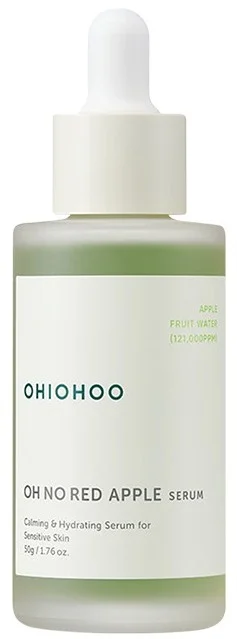
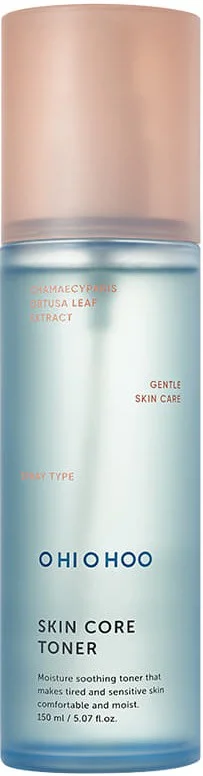
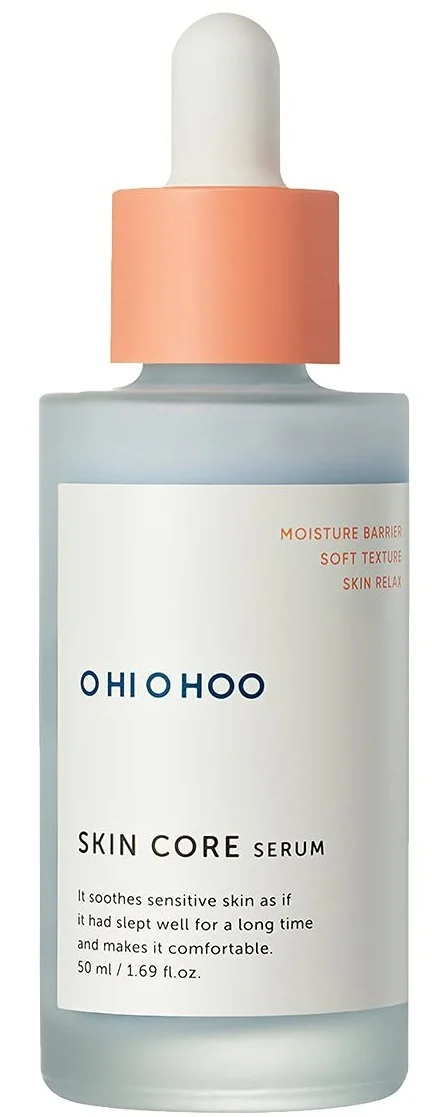
Create a free account to get started
Unlock science-based ingredient analysis personalized for your skin.
Already have an account? Log in
We protect your privacy. We never send spam.