


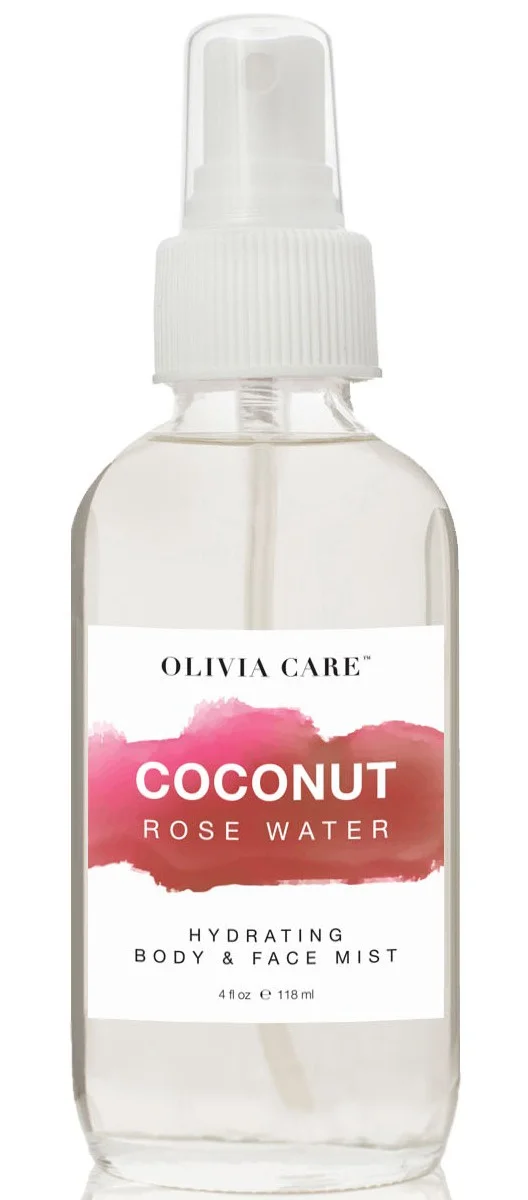
Analysis locked
How well does your skin match with Olivia Care Coconut Rose Water?
Login to see detailsOr continue via
Quick 1-minute survey • Completely free
Ingredients
Analysis results of Ingredients


Ingredient List
| EWG | CIR | Ingredient Name & Cosmetic Function | Notes |
|---|---|---|---|
| 1 | - | (Solvent) | |
| 1 | - | (Skin Conditioning, Masking, Skin Protecting) | |
| 1 | - | | |
| 1 | - | (Masking, Fragrance) | |


Olivia Care Coconut Rose Water - Ingredient Explanation
Water
1. Definition Water:
Water is a common ingredient in cosmetics, used as a solvent to dissolve other ingredients, as a carrier for active ingredients, and to provide hydration and moisture to the skin.2. Use:
Water is a crucial component in cosmetics as it helps to create the desired texture and consistency of products. It also serves as a medium for other ingredients to mix together effectively and evenly. Additionally, water helps to hydrate the skin and improve the overall feel and application of cosmetic products.3. Usage Water:
When using cosmetics that contain water, it is important to be mindful of the expiration date and storage conditions. Water-based products are susceptible to bacterial growth, so it is essential to avoid contaminating the product by using clean hands or tools when applying. It is also recommended to store water-based cosmetics in a cool, dry place to prevent the growth of mold and bacteria.4. References:
- Draelos, Z. D. (2010). Cosmetic dermatology: products and procedures. John Wiley & Sons.
- Winter, R. (2009). A consumer's dictionary of cosmetic ingredients: complete information about the harmful and desirable ingredients found in cosmetics and cosmeceuticals. Crown.
- Begoun, P. (2003). Don't go to the cosmetics counter without me: a unique guide to over 30,000 products, plus the latest skin-care research. Beginning Press.
Rosa Damascena (Rose) Flower Water
1. Definition Rosa Damascena (Rose) Flower Water:
Rosa Damascena (Rose) Flower Water is a byproduct of the steam distillation of rose petals to extract rose essential oil. It is a fragrant and soothing floral water that retains some of the beneficial properties of the rose plant.2. Use:
Rosa Damascena (Rose) Flower Water is commonly used in cosmetics for its hydrating, toning, and soothing properties. It is often found in facial toners, mists, serums, and creams to help hydrate the skin, reduce redness and inflammation, and promote a glowing complexion. It is suitable for all skin types, including sensitive and mature skin.3. Usage Rosa Damascena (Rose) Flower Water:
Rosa Damascena (Rose) Flower Water can be used in a variety of ways in skincare routines. It can be applied directly to the skin as a toner or facial mist, or used as an ingredient in DIY skincare recipes. Simply spritz onto the face after cleansing or apply with a cotton pad to tone and refresh the skin. It can also be mixed with other skincare products to enhance their hydrating and soothing properties.Precautions: While Rosa Damascena (Rose) Flower Water is generally safe for use on the skin, it is always recommended to perform a patch test before using any new skincare product, especially if you have sensitive skin or allergies. If irritation occurs, discontinue use immediately. Additionally, store the product in a cool, dry place away from direct sunlight to prolong its shelf life.
4. References:
- Ali, B., Al-Wabel, N. A., Shams, S., Ahamad, A., Khan, S. A., & Anwar, F. (2015). Essential oils used in aromatherapy: A systemic review. Asian Pacific Journal of Tropical Biomedicine, 5(8), 601-611.
- Saad, B., Azaizeh, H., Abu-Hijleh, G., & Said, O. (2007). Safety of traditional Arab herbal medicine. Evidence-Based Complementary and Alternative Medicine, 4(3), 315-323.
- Han, X., & Parker, T. L. (2017). Anti-inflammatory, tissue remodeling, immunomodulatory, and anticancer activities of oregano (Origanum vulgare) essential oil in a human skin disease model. Biochimie Open, 4, 73-77.
Vegetable Glycerin
1. Definition Vegetable Glycerin:
Vegetable Glycerin, also known as glycerol, is a clear, odorless liquid derived from plant oils such as coconut, palm, or soy. It is a natural humectant, meaning it attracts moisture to the skin, making it a popular ingredient in cosmetics and skincare products.2. Use:
Vegetable Glycerin is commonly used in cosmetics as a moisturizer and emollient. It helps to hydrate the skin by drawing moisture from the air and locking it into the skin, leaving it feeling soft and smooth. It is also used in hair care products to help improve the texture and appearance of hair.3. Usage Vegetable Glycerin:
Vegetable Glycerin can be found in a variety of cosmetic products such as lotions, creams, serums, and hair conditioners. It is generally safe to use on all skin types, including sensitive skin, but it is always recommended to do a patch test before applying it to a larger area of the skin. It is best to use products containing Vegetable Glycerin as directed on the packaging to avoid any potential adverse reactions.4. References:
- Sharma, R., & Mahajan, V. K. (2018). Role of humectants in cosmetic products. Indian Dermatology Online Journal, 9(4), 244–249. https://doi.org/10.4103/idoj.IDOJ_265_17
- Draelos, Z. D. (2018). Cosmetic Formulation of Skin Care Products. In Cosmeceuticals, 3rd Edition (pp. 25-43). Elsevier. https://doi.org/10.1016/B978-0-12-802005-1.00003-7
- Burdock, G. A. (2005). Encyclopedia of Food and Color Additives (Vol. 1). CRC Press.
Cocos Nucifera (Coconut) Water
1. Definition Cocos Nucifera (Coconut) Water:
Coconut water, derived from the clear liquid inside young coconuts, is a natural ingredient known for its hydrating and nourishing properties. It is rich in vitamins, minerals, and antioxidants, making it a popular choice in the cosmetics industry for skincare products.2. Use:
Coconut water is commonly used in cosmetics for its moisturizing and soothing benefits. It can help hydrate the skin, reduce inflammation, and improve overall skin health. Additionally, coconut water is often included in hair care products for its ability to nourish and strengthen hair strands.3. Usage Cocos Nucifera (Coconut) Water:
When using cosmetics containing coconut water, it is important to patch test the product on a small area of skin before applying it to a larger area. This can help identify any potential allergic reactions or sensitivities. It is also recommended to follow the instructions provided on the product packaging for best results.4. References:
- Gavazzoni Dias, M.F.R. (2015). Hair cosmetics: an overview. International Journal of Trichology, 7(1), 2–15. doi:10.4103/0974-7753.153450
- Evangelista, M.T., Abad-Casintahan, F., & Lopez-Villafuerte, L. (2014). The effect of topical virgin coconut oil on SCORAD index, transepidermal water loss, and skin capacitance in mild to moderate pediatric atopic dermatitis: a randomized, double‐blind, clinical trial. International Journal of Dermatology, 53(1), 100–108. doi:10.1111/ijd.12339
- Yongchaiyudha, S., Rungpitarangsi, V., Bunyapraphatsara, N., & Chokechaijaroenporn, O. (2000). Antidiabetic and antioxidant activities of medicinal plants. In S. P. P. Kam, P. P. P. P. T. K. P. P. P. P. P. P. P. P. P. P. P. K. P. P. P. P. P. P. P. P. P. P. P. P. P. P. P. P. P. P. P. P. P. P. P. P. P. P. P. P. P. P. P. P. P. P. P. P. P. P. P. P. P. P. P. P. P. P. P. P. P. P. P. P. P. P. P. P. P. P. P. P. P. P. P. P. P. P. P. P. P. P. P. P. P. P. P. P. P. P. P. P. P. P. P. P. P. P.
Review

Didn't find
the information you need?




Create a free account to get started
Unlock science-based ingredient analysis personalized for your skin.
Already have an account? Log in
We protect your privacy. We never send spam.