


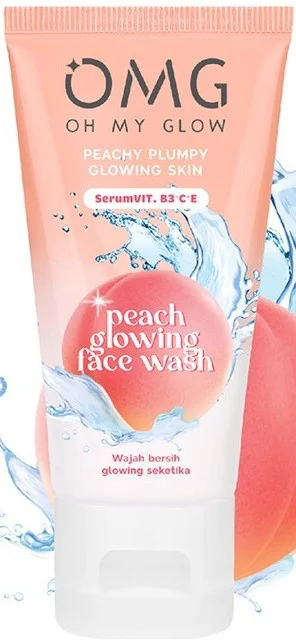
Analysis locked
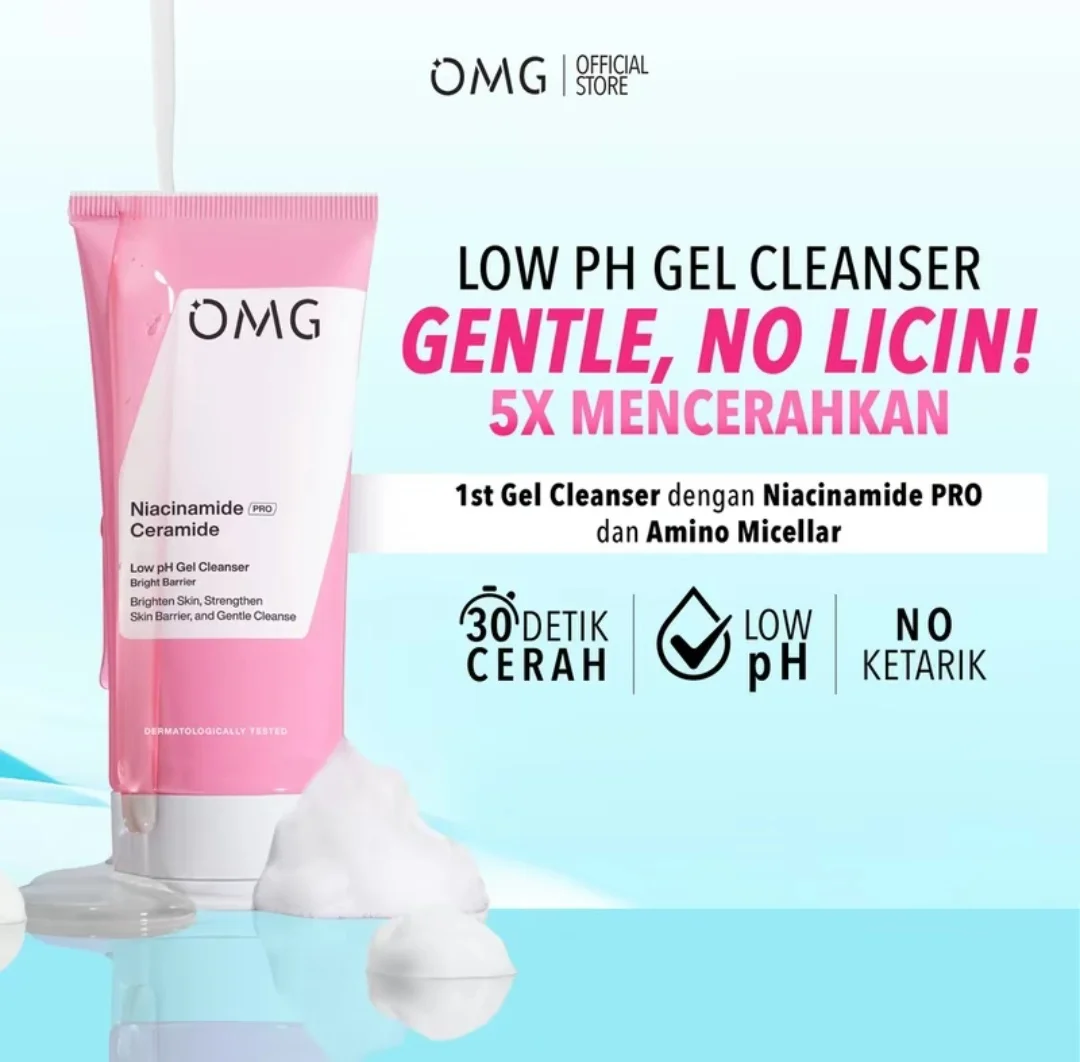
How well does your skin match with OMG Oh My Glow Omg?
Login to see detailsOr continue via
Quick 1-minute survey • Completely free
Ingredients
Analysis results of Ingredients


Ingredient List
| EWG | CIR | Ingredient Name & Cosmetic Function | Notes |
|---|---|---|---|
| - | - | (Japanese) Mugwort Extract + (0.5%) | |
| 1 3 | B | (Masking, Fragrance, Hair Conditioning, Denaturant , Preservative, Skin Conditioning, Exfoliant, Antidandruff Agent, Antiacne Agent, Keratolytic, Corn/Callus/Wart Remover) |   |
| 3 | - | (Antioxidant) | |
| 1 | - | (Hair Conditioning, Skin Conditioning, Antistatic Agent) | |


OMG Oh My Glow Omg - Ingredient Explanation
(Japanese) Mugwort Extract + (0.5%)
Ingredient data is being updated. Please check back later.
Salicylic Acid
1. Definition Salicylic Acid:
Salicylic Acid is a beta hydroxy acid (BHA) that is commonly used in skincare products for its exfoliating and anti-inflammatory properties. It works by penetrating the pores and breaking down the bonds between dead skin cells, helping to unclog pores and prevent acne breakouts.
2. Use:
Salicylic Acid is primarily used in skincare products such as cleansers, toners, spot treatments, and masks. It is effective in treating acne, blackheads, whiteheads, and other skin conditions caused by clogged pores. Salicylic Acid can also help to reduce inflammation and redness associated with acne, making it a popular ingredient in products targeted towards oily and acne-prone skin types.
3. Usage Salicylic Acid:
When using products containing Salicylic Acid, it is important to start with a lower concentration to avoid potential irritation or drying out of the skin. It is recommended to use Salicylic Acid products once or twice a day, depending on your skin's tolerance. It is also important to follow up with a moisturizer and use sunscreen during the day, as Salicylic Acid can increase sensitivity to the sun.
4. References:
- Kornhauser, A., Coelho, S. G., & Hearing, V. J. (2010). Applications of hydroxy acids: classification, mechanisms, and photoactivity. Clinical, Cosmetic and Investigational Dermatology, 3, 135–142. https://doi.org/10.2147/CCID.S9042
- Arif, T. (2015). Salicylic acid as a peeling agent: a comprehensive review. Clinical, Cosmetic and Investigational Dermatology, 8, 455–461. https://doi.org/10.2147/CCID.S84765
- Chien, A. L., Qi, J., Rainer, B., & Sachs, D. L. (2018). Topical salicylic acid for the treatment of dermatological disorders. Journal of Drugs in Dermatology, 17(6), 725–730. https://jddonline.com/articles/dermatology/S1545961618P0725X/1
Zinc
1. Definition Zinc:
Zinc is a naturally occurring mineral that is commonly used in cosmetics for its various benefits. It is known for its anti-inflammatory and antibacterial properties, making it a popular ingredient in skincare products.2. Use:
Zinc is used in cosmetics for its ability to help soothe and protect the skin. It is often found in products such as sunscreen, acne treatments, and diaper rash creams. Zinc oxide, a form of zinc, is commonly used in sunscreens as a physical barrier to protect the skin from harmful UV rays.3. Usage Zinc:
When using cosmetics containing zinc, it is important to follow the instructions provided on the product label. Zinc can be used topically on the skin, but it is essential to avoid getting it in the eyes or ingesting it. Some individuals may be allergic to zinc, so it is recommended to perform a patch test before using products with this ingredient to check for any adverse reactions.4. References:
- "Zinc Oxide." Cosmetics Info, www.cosmeticsinfo.org/ingredient/zinc-oxide.
- "Zinc in Dermatology: A Review." NCBI, www.ncbi.nlm.nih.gov/pmc/articles/PMC4120804/.
- "Zinc." The Dermatology Review, www.thedermreview.com/zinc/.
Vitamin B3
1. Definition Vitamin B3:
Vitamin B3, also known as niacinamide, is a water-soluble vitamin that belongs to the B-complex group. It is an essential nutrient for the body and plays a crucial role in maintaining healthy skin.2. Use:
Vitamin B3 is commonly used in cosmetics for its various benefits for the skin. It has anti-inflammatory properties that help reduce redness and irritation, making it suitable for sensitive skin types. Vitamin B3 also helps to improve the skin's barrier function, retaining moisture and preventing water loss. Additionally, it can help to reduce the appearance of fine lines and wrinkles, as well as hyperpigmentation.3. Usage Vitamin B3:
Vitamin B3 can be found in a variety of skincare products, such as serums, moisturizers, and creams. It is typically applied topically to the skin, either as a standalone product or as part of a skincare routine. When using products containing Vitamin B3, it is important to follow the instructions provided by the manufacturer. It is generally safe for most skin types, but it is always recommended to perform a patch test before using a new product to ensure compatibility with your skin.4. References:
- Schagen, S. K., Zampeli, V. A., Makrantonaki, E., & Zouboulis, C. C. (2012). Discovering the link between nutrition and skin aging. Dermato-endocrinology, 4(3), 298-307.
- Bissett, D. L., Oblong, J. E., & Berge, C. A. (2005). Niacinamide: A B vitamin that improves aging facial skin appearance. Dermatologic Surgery, 31, 860-865.
- Draelos, Z. D., & Matsubara, A. (2006). The effect of 2% niacinamide on facial sebum production. Journal of Cosmetic and Laser Therapy, 8(2), 96-101.
Review








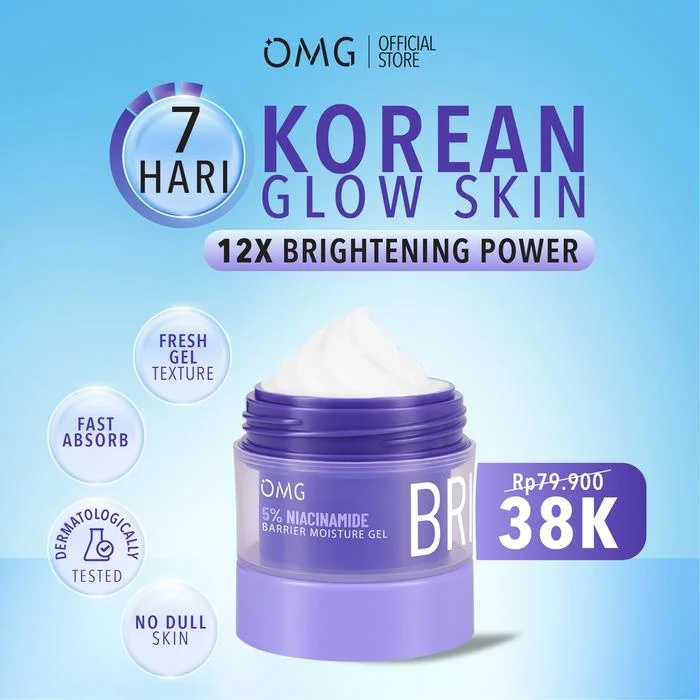
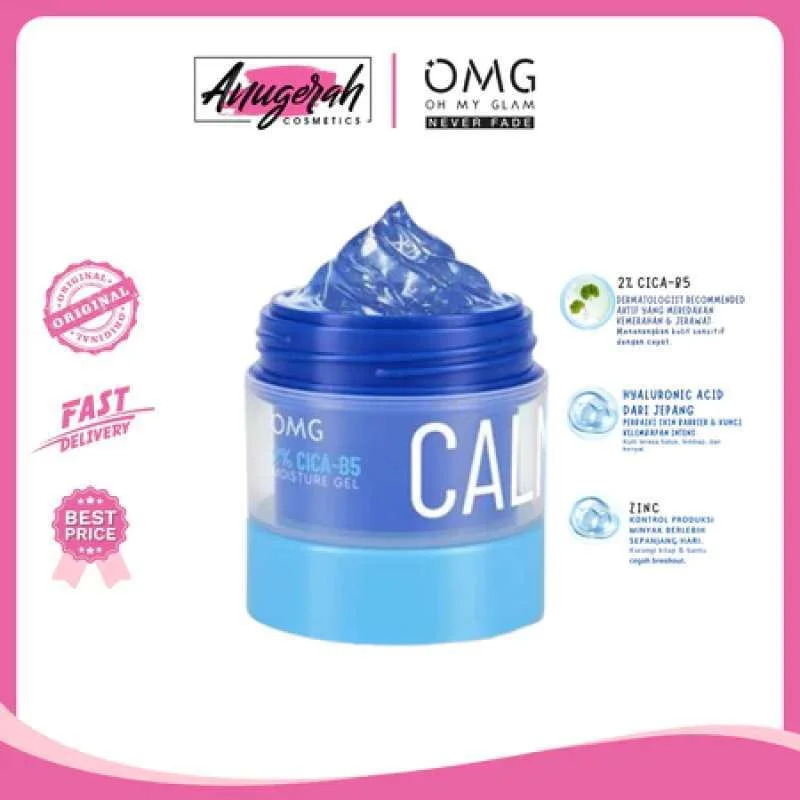
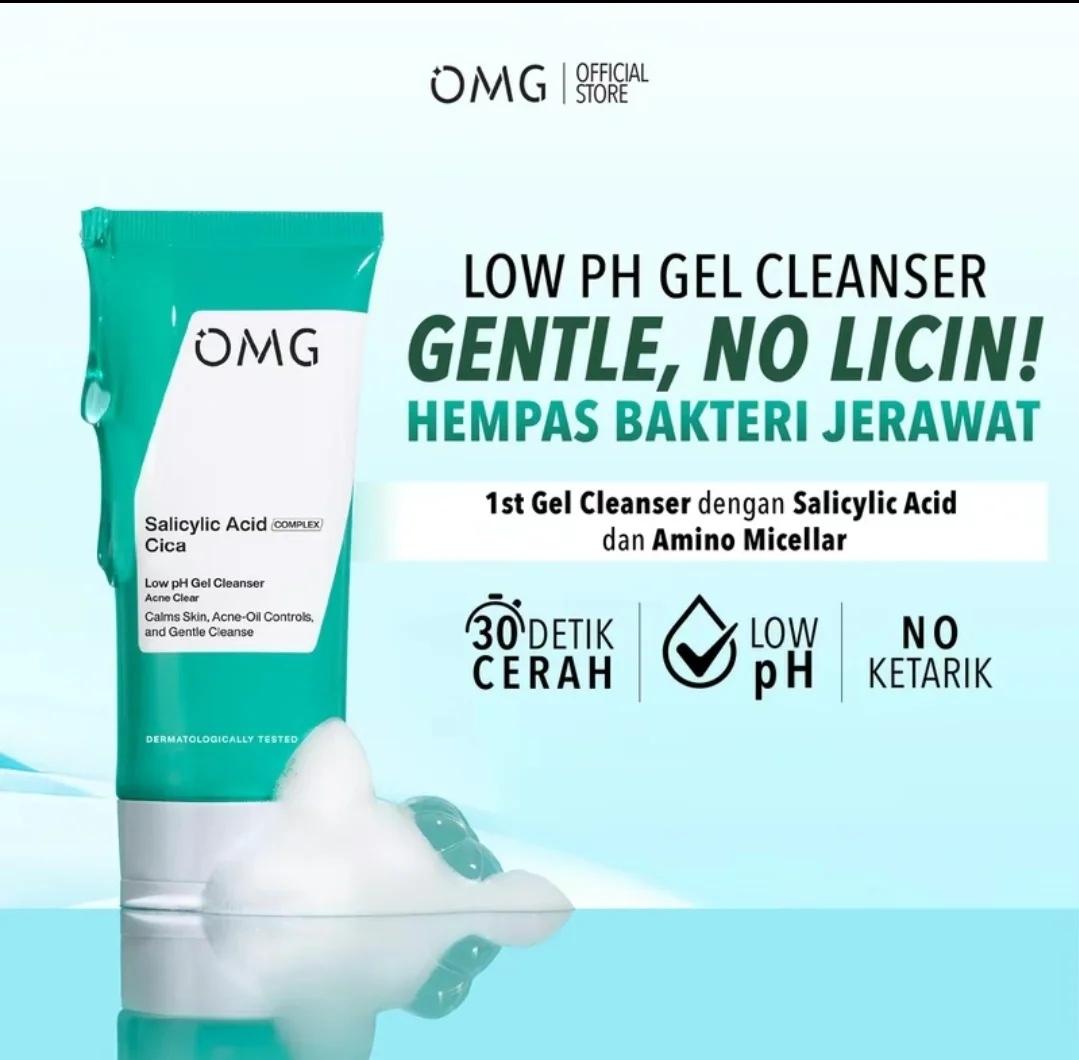
Create a free account to get started
Unlock science-based ingredient analysis personalized for your skin.
Already have an account? Log in
We protect your privacy. We never send spam.