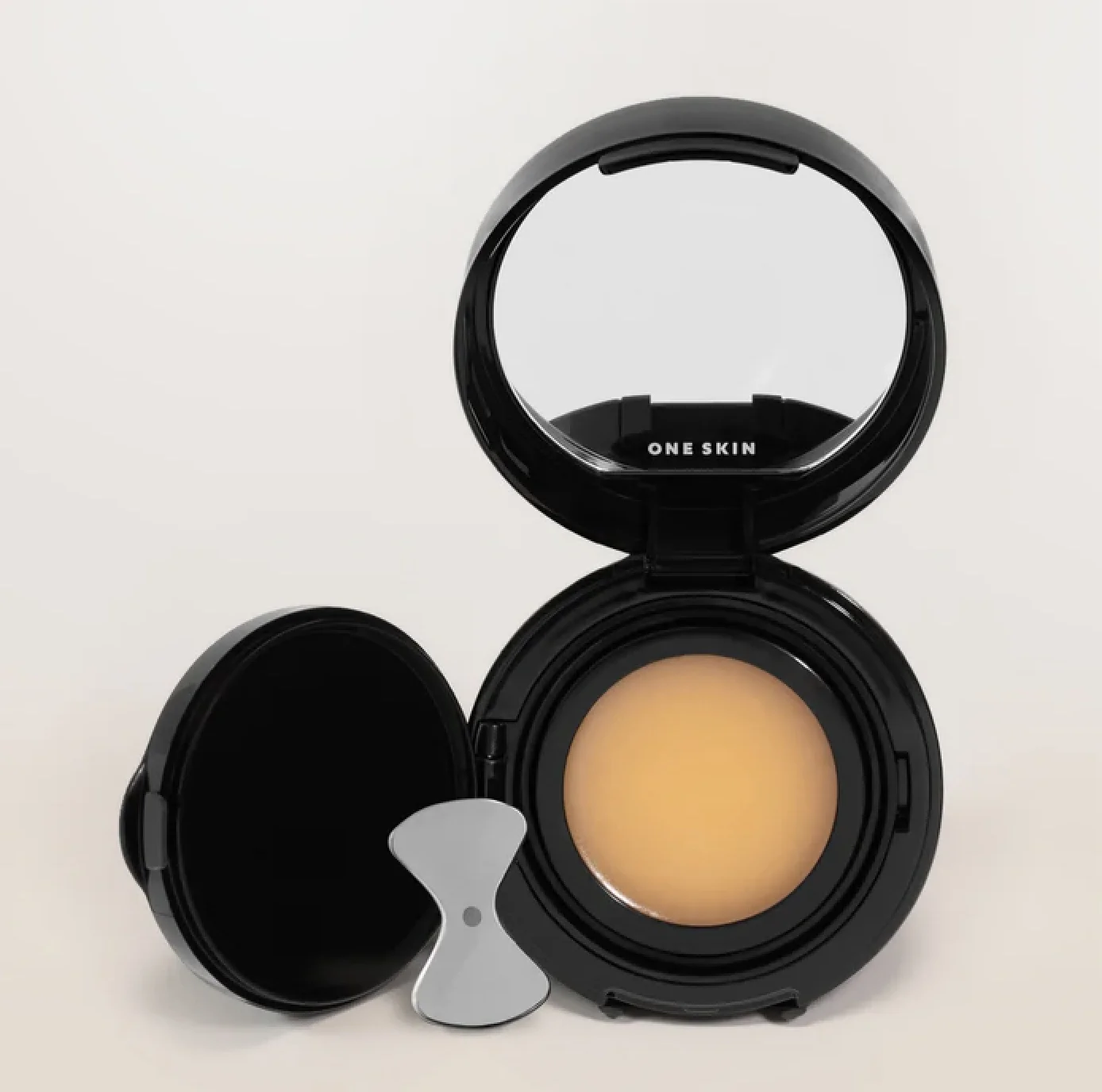
One Skin Os-01 Face SPF 30+ - Ingredient Explanation
Other Names: Aqua; H2O; Eau; Aqueous; Acqua
Function: Solvent
1. Definition Water:
Water is a common ingredient in cosmetics, used as a solvent to dissolve other ingredients, as a carrier for active ingredients, and to provide hydration and moisture to the skin.
2. Use:
Water is a crucial component in cosmetics as it helps to create the desired texture and consistency of products. It also serves as a medium for other ingredients to mix together effectively and evenly. Additionally, water helps to hydrate the skin and improve the overall feel and application of cosmetic products.
3. Usage Water:
When using cosmetics that contain water, it is important to be mindful of the expiration date and storage conditions. Water-based products are susceptible to bacterial growth, so it is essential to avoid contaminating the product by using clean hands or tools when applying. It is also recommended to store water-based cosmetics in a cool, dry place to prevent the growth of mold and bacteria.
4. References:
- Draelos, Z. D. (2010). Cosmetic dermatology: products and procedures. John Wiley & Sons.
- Winter, R. (2009). A consumer's dictionary of cosmetic ingredients: complete information about the harmful and desirable ingredients found in cosmetics and cosmeceuticals. Crown.
- Begoun, P. (2003). Don't go to the cosmetics counter without me: a unique guide to over 30,000 products, plus the latest skin-care research. Beginning Press.
Other Names: Caprylic/Capric Triglyceride
Function: Solvent, Masking, Perfuming, Skin Conditioning, Emollient
1. Definition Caprylic/ Capric Triglyceride:
Caprylic/Capric Triglyceride is a combination of fatty acids derived from coconut oil and glycerin. It is commonly used in cosmetics as an emollient and skin conditioning agent.
2. Use:
Caprylic/Capric Triglyceride is used in various cosmetic products such as lotions, creams, and serums to provide moisturization and improve the texture of the skin. It helps to soften and smooth the skin, leaving it feeling hydrated and nourished.
3. Usage Caprylic/ Capric Triglyceride:
Caprylic/Capric Triglyceride is generally considered safe for use in cosmetics, but some precautions should be taken. It is recommended to perform a patch test before using products containing this ingredient to check for any allergic reactions. Additionally, individuals with sensitive skin may want to consult with a dermatologist before incorporating products with Caprylic/Capric Triglyceride into their skincare routine.
4. References:
- "Caprylic/Capric Triglyceride." Cosmetics Info, www.cosmeticsinfo.org/ingredient/capryliccapric-triglyceride.
- "Caprylic/Capric Triglyceride." The Derm Review, www.thedermreview.com/caprylic-capric-triglyceride/.
- "Caprylic/Capric Triglyceride." Truth in Aging, www.truthinaging.com/ingredients/capryliccapric-triglyceride.
Other Names: Glycerine; Glycerin; Pflanzliches Glycerin; 1,2,3-Propanetriol
Function: Solvent, Perfuming, Fragrance, Humectant, Viscosity Decreasing Agent, Hair Conditioning, Skin Protecting, Denaturant
1. Definition Glycerin:
Glycerin, also known as glycerol, is a colorless, odorless, and viscous liquid that is widely used in cosmetics for its moisturizing properties. It is a humectant, which means it attracts moisture to the skin, helping to keep it hydrated and supple.
2. Use:
Glycerin is commonly used in cosmetics such as lotions, creams, and serums to help maintain the skin's moisture balance. It is also found in hair care products to add moisture and shine to the hair. Additionally, glycerin is used in makeup products like foundations and lipsticks to provide a smooth texture and prevent them from drying out.
3. Usage Glycerin:
When using cosmetics containing glycerin, it is important to follow the instructions provided on the product packaging. Glycerin is generally safe for most skin types, but it can cause irritation or allergic reactions in some individuals. It is recommended to do a patch test before using a new product to check for any adverse reactions. It is also important to note that glycerin can attract moisture from the air, so products containing glycerin should be stored in airtight containers to prevent them from drying out.
4. References:
- Draelos, Z. D. (2010). Cosmetic Formulation of Skin Care Products. John Wiley & Sons.
- Loden, M., & Maibach, H. I. (2006). Dry Skin and Moisturizers: Chemistry and Function. CRC Press.
- Winter, R. (2009). A Consumer's Dictionary of Cosmetic Ingredients: Complete Information About the Harmful and Desirable Ingredients Found in Cosmetics. Harmony.
Function: Viscosity Controlling, Viscosity Increasing Agent
1. Definition Methyl Dihydroabietate:
Methyl Dihydroabietate is a synthetic ester derived from abietic acid, a natural resin found in coniferous trees. It is commonly used in cosmetics as a fragrance ingredient and emollient.
2. Use:
Methyl Dihydroabietate is primarily used in cosmetics for its pleasant pine-like scent, which can add a fresh and clean aroma to various products. It also functions as an emollient, helping to soften and smooth the skin.
3. Usage Methyl Dihydroabietate:
Methyl Dihydroabietate is typically found in skincare products such as lotions, creams, and serums, as well as in hair care products like shampoos and conditioners. It is generally considered safe for use in cosmetics, but it is important to follow recommended guidelines and concentrations to avoid any potential skin irritation or allergic reactions.
Precautions: While Methyl Dihydroabietate is generally regarded as safe for use in cosmetics, individuals with sensitive skin or allergies should perform a patch test before using products containing this ingredient. It is also important to follow recommended usage concentrations to prevent any adverse reactions.
4. References:
- "Methyl Dihydroabietate." Cosmetics Info, www.cosmeticsinfo.org/ingredient/methyl-dihydroabietate.
- "Safety Assessment of Methyl Dihydroabietate as Used in Cosmetics." Cosmetic Ingredient Review, www.cir-safety.org/sites/default/files/methyl_dihydroabietate.pdf.
- "Methyl Dihydroabietate." Truth In Aging, www.truthinaging.com/ingredients/methyl-dihydroabietate.
Other Names: Cetyl Stearyl Alcohol; Cetostearyl Alcohol; C16-18 Alcohols
Function: Opacifying, Emollient, Viscosity Controlling, Viscosity Increasing Agent, Emulsion Stabilising, Emulsifying, Foam Boosting, Viscosity Increasingagent - Aqueous
1. Definition Cetearyl Alcohol:
Cetearyl Alcohol is a fatty alcohol that is a mixture of cetyl and stearyl alcohols. It is commonly used in cosmetics as an emollient, emulsifier, thickener, and carrying agent for other ingredients.
2. Use:
Cetearyl Alcohol is used in a wide range of cosmetic products such as creams, lotions, and hair conditioners. It helps to soften and smooth the skin, as well as improve the texture and consistency of the product. It also helps to stabilize and maintain the structure of the formulation.
3. Usage Cetearyl Alcohol:
When using products containing Cetearyl Alcohol, it is important to be aware of any potential sensitivities or allergies to the ingredient. Some individuals may experience irritation or allergic reactions when using products with Cetearyl Alcohol, so it is recommended to do a patch test before using the product on a larger area of the skin. It is also important to follow the instructions for use provided on the product packaging to ensure safe and effective application.
4. References:
- "Cetearyl Alcohol" by Paula Begoun, Cosmetics Cop, https://www.paulaschoice.com/ingredient-dictionary/emollients/cetearyl-alcohol.html
- "Cetearyl Alcohol in Cosmetics: Safe or Harmful?" by Dr. Anvita Arora, Dermatologist, https://www.dranvitaarora.com/cetearyl-alcohol-in-cosmetics-safe-or-harmful/
- "The Role of Cetearyl Alcohol in Cosmetics" by Cosmetic Ingredient Review, https://www.cir-safety.org/sites/default/files/cetearylcir.pdf
Function: Masking, Fragrance, Skin Conditioning, Emollient
1. Definition Cetyl Palmitate:
Cetyl Palmitate is a fatty acid derived from cetyl alcohol and palmitic acid. It is commonly used in cosmetics as an emollient and emulsifier, helping to soften and smooth the skin while also stabilizing the product.
2. Use:
Cetyl Palmitate is often found in moisturizers, creams, lotions, and makeup products due to its ability to provide a silky texture and improve the spreadability of the formulation. It is also used in hair care products to condition and soften the hair.
3. Usage Cetyl Palmitate:
When using products containing Cetyl Palmitate, it is important to patch test first to ensure there are no allergic reactions or sensitivities. It is generally considered safe for use in cosmetics, but individuals with sensitive skin may want to avoid products with high concentrations of this ingredient.
4. References:
- "Cetyl Palmitate" by Cosmetics Info, https://cosmeticsinfo.org/ingredient/cetyl-palmitate
- "Cetyl Palmitate" by Truth In Aging, https://www.truthinaging.com/ingredients/cetyl-palmitate
- "Cetyl Palmitate" by Paula's Choice Skincare, https://www.paulaschoice.com/ingredient-dictionary/emollients/cetyl-palmitate.html
Function: Surfactant, Cleansing, Foaming
1. Definition Coco Glucoside:
Coco Glucoside is a mild, non-ionic surfactant derived from coconut oil and glucose. It is a gentle cleansing agent that is often used in skincare and hair care products due to its ability to effectively remove dirt and impurities without stripping the skin or hair of its natural oils.
2. Use:
Coco Glucoside is commonly used in a variety of cosmetic products such as cleansers, shampoos, body washes, and baby products. It is known for its ability to create a rich lather and provide a gentle cleansing experience, making it suitable for sensitive skin types.
3. Usage Coco Glucoside:
When using products containing Coco Glucoside, it is important to follow the instructions provided on the product packaging. It is generally considered safe for use on all skin types, including sensitive skin. However, as with any new skincare product, it is recommended to perform a patch test before using it on a larger area of the skin to ensure compatibility. Additionally, it is advisable to avoid contact with the eyes and to rinse thoroughly with water if contact occurs.
4. References:
- "Coco Glucoside." The Derm Review, www.thedermreview.com/coco-glucoside/.
- "Coco Glucoside." Skin Deep Cosmetics Database, www.ewg.org/skindeep/ingredients/702450-COCO-GLUCOSIDE/.
- "Coco Glucoside: A Gentle Cleansing Agent for Skin and Hair." Formulator Sample Shop, www.formulatorsampleshop.com/Coco-Glucoside-p/coco-glucoside.htm.
Other Names: Caprylyl/Capryl Glucoside
Function: Sufactant
1. Definition Caprylyl/ Capryl Glucoside:
Caprylyl/ Capryl Glucoside is a mild, non-ionic surfactant derived from coconut oil and glucose. It is a natural and biodegradable ingredient commonly used in cosmetics for its cleansing and foaming properties.
2. Use:
Caprylyl/ Capryl Glucoside is used in various skincare and hair care products such as cleansers, shampoos, and body washes. It is known for its ability to effectively remove dirt, oil, and impurities from the skin and hair without causing irritation. Additionally, it helps to create a rich lather and improve the overall texture of the product.
3. Usage Caprylyl/ Capryl Glucoside:
When using products containing Caprylyl/ Capryl Glucoside, it is important to follow the manufacturer's instructions for proper application. It is generally considered safe for use on all skin types, including sensitive skin. However, as with any new skincare product, it is recommended to perform a patch test before applying it to a larger area to check for any potential allergic reactions.
Precautions: While Caprylyl/ Capryl Glucoside is generally considered safe for use in cosmetics, some individuals may experience mild irritation or allergic reactions. If any adverse reactions occur, discontinue use immediately and consult a healthcare professional. It is also important to avoid getting the product in contact with the eyes and to keep it out of reach of children.
4. References:
- "Caprylyl/ Capryl Glucoside." Cosmetics Info, www.cosmeticsinfo.org/ingredient/caprylyl-capryl-glucoside.
- "Caprylyl/Capryl Glucoside." The Derm Review, www.thedermreview.com/caprylyl-capryl-glucoside.
- "Caprylyl/ Capryl Glucoside." Making Cosmetics, www.makingcosmetics.com/Caprylyl-Capryl-Glucoside_p_1387.html.
Other Names: Arlacel 40
Function: Surfactant, Emulsifying
1. Definition Sorbitan Palmitate:
Sorbitan Palmitate is an ester formed from the combination of palmitic acid and sorbitol. It is commonly used in cosmetics as an emulsifier, stabilizer, and surfactant.
2. Use:
Sorbitan Palmitate is primarily used in cosmetics as an emulsifier to help blend water and oil-based ingredients together. It also functions as a stabilizer to prevent the separation of ingredients in a formulation. Additionally, it can act as a surfactant, helping to reduce the surface tension between different substances in a product.
3. Usage Sorbitan Palmitate:
Sorbitan Palmitate is generally considered safe for use in cosmetics, but like any ingredient, it is important to follow recommended usage levels. It is typically used in concentrations ranging from 0.1% to 5% in formulations. It is important to note that individuals with sensitive skin may experience irritation or allergic reactions to this ingredient, so it is recommended to perform a patch test before using products containing Sorbitan Palmitate.
4. References:
- "Sorbitan Palmitate" - CosmeticsInfo.org
- "Safety Assessment of Sorbitan Esters as Used in Cosmetics" - Cosmetic Ingredient Review
- "Emulsifiers in Cosmetics" - International Journal of Cosmetic Science
Other Names: OLIVEM 1000; OLIVEM 900; Cetearyl Olivate; Cetearyl Olivate / Sorbitan Olivate; Cetearyl Olivate and Sorbitan Olivate
Function: Emulsifying, Surfactant
1. Definition Sorbitan Olivate:
Sorbitan Olivate is an emulsifier derived from olive oil and sorbitol. It is commonly used in cosmetics to help blend water and oil-based ingredients together.
2. Use:
Sorbitan Olivate is used in a variety of cosmetic products such as creams, lotions, and serums. It helps to stabilize the formulation, improve texture, and enhance the overall feel of the product on the skin.
3. Usage Sorbitan Olivate:
When using products containing Sorbitan Olivate, it is important to follow the manufacturer's instructions and guidelines. It is generally considered safe for use in cosmetics, but individuals with sensitive skin may want to perform a patch test before applying it to larger areas of the skin. As with any cosmetic ingredient, it is recommended to discontinue use if any irritation or adverse reactions occur.
4. References:
- Rizzi, V., L. Cavaletti, L. Battaglia, and C. Banchelli. "Sorbitan Olivate: A Natural Alternative to Synthetic Emulsifiers." International Journal of Cosmetic Science 34, no. 1 (2012): 73-81.
- Lopes, L. B., and S. L. Bentley. "Sorbitan Olivate: A Natural Multifunctional Biomimetic Emulsifier." Journal of Cosmetic Dermatology 11, no. 4 (2012): 298-305.
- Puglia, C., L. Offerta, M. Saija, G. Trombetta, and M. G. Vento. "Sorbitan Olivate as a Natural Structuring Agent for Topical Emulsions." International Journal of Pharmaceutics 441, no. 1-2 (2013): 256-63.
Other Names: Shea Butter Nut Extract; Shea Nut Extract
Function: Emollient
Definition Butyrospermum Parkii Nut Extract
Butyrospermum Parkii Nut Extract, commonly known as shea nut extract, is derived from the nuts of the Butyrospermum parkii tree, also referred to as the shea tree. This extract is utilized in cosmetics for its rich composition of fatty acids, vitamins, and antioxidants, which offer various benefits for skin health and appearance.
Use
Shea nut extract is prized in cosmetics for its moisturizing, soothing, and anti-inflammatory properties. It is commonly incorporated into skincare formulations, including creams, lotions, balms, and serums, to hydrate and nourish the skin. Additionally, shea nut extract helps to improve skin elasticity, reduce the appearance of wrinkles, and promote a smoother complexion.
Usage Butyrospermum Parkii Nut Extract
In cosmetic products, Butyrospermum Parkii Nut Extract is applied topically to the skin. It is suitable for daily use and can be incorporated into both daytime and nighttime skincare routines. Users typically apply products containing shea nut extract to clean, dry skin, gently massaging the formulation until absorbed. Shea nut extract can be found in a variety of skincare products, catering to different skin types and concerns.
Precautions: While shea nut extract is generally considered safe for topical use, individuals with nut allergies should exercise caution and perform a patch test before using products containing this extract. Although allergic reactions to shea nut extract are rare, it is essential to be vigilant, especially for those with known sensitivities. Additionally, users should follow recommended application guidelines and discontinue use if any adverse reactions occur.
References
- Akihisa, T., Kojima, N., Katoh, N., Ichimura, Y., Suzuki, H., Fukatsu, M., & Maranz, S. (2010). Triterpene alcohols from the flowers of Butyrospermum parkii and their anti-inflammatory effects. Journal of Oleo Science, 59(6), 273-280.
- Lin, T. K., Zhong, L., & Santiago, J. L. (2017). Anti-inflammatory and skin barrier repair effects of topical application of some plant oils. International Journal of Molecular Sciences, 19(1), 70.
- Soma, Y., Kashima, M., Imaizumi, A., Takahama, H., Kawakami, T., & Mizoguchi, M. (2009). Moisturizing effects of topical nicotinamide on atopic dry skin. International Journal of Dermatology, 48(5), 596-602.
Function: Antioxidant, Preservative
1. Definition Ethyl Ferulate:
Ethyl Ferulate is a natural compound derived from ferulic acid, which is commonly found in plants such as rice bran, wheat germ, and oats. It is often used in cosmetics for its antioxidant properties and ability to protect the skin from free radicals and UV damage.
2. Use:
Ethyl Ferulate is commonly used in skincare products such as serums, creams, and lotions due to its ability to improve the overall health and appearance of the skin. It is known for its anti-aging benefits, including reducing the appearance of fine lines and wrinkles, as well as brightening and evening out the skin tone.
3. Usage Ethyl Ferulate:
When using products containing Ethyl Ferulate, it is important to follow the instructions provided by the manufacturer. It is typically applied to clean, dry skin as part of a daily skincare routine. It is recommended to use sunscreen in conjunction with Ethyl Ferulate products to maximize protection against UV damage.
4. References:
- Yoon HS, Moon SC, Kim ND, Park BS, Jeong MH, Yoo YH, Kim ND. Ethyl ferulate inhibits UVB-induced wrinkle formation. J Dermatol Sci. 2006 Nov;44(2):115-7. doi: 10.1016/j.jdermsci.2006.08.006. Epub 2006 Sep 12. PMID: 16971194.
- Kim YH, Park BS, Park HJ, Moon SC, Yoo YH, Kim ND. Inhibitory effects of ethyl acetate extract of Poncirus trifoliata on UVB-induced matrix-metalloproteinase expression in human dermal fibroblasts. J Ethnopharmacol. 2006 Apr 21;105(1-2):49-56. doi: 10.1016/j.jep.2005.10.030. Epub 2005 Dec 27. PMID: 16386794.
- Zhang J, Xue Z, Zhang Z, Li L, Cui Y, Chen Y, Chen H, Wang Z, Wang H. Ethyl ferulate, a component of A. sinensis, inhibits cellular senescence in human dermal fibroblasts. J Ethnopharmacol. 2016 Dec 4;193:625-633. doi: 10.1016/j.jep.2016.10.030. Epub 2016 Oct 19. PMID: 27771389.
Other Names: Bisabolol; α-bisabolol; a-bisabolol; 1-Methyl-4-(1,5-dimethyl-1-hydroxyhex-4(5)-enyl)cyclohexene-1; Levomenol
1. Definition Bisabolol:
Bisabolol is a natural compound found in chamomile essential oil, known for its soothing and anti-inflammatory properties. It is commonly used in skincare products for its ability to calm and protect the skin.
2. Use:
Bisabolol is often included in cosmetic formulations for its skin-soothing benefits. It helps to reduce redness, irritation, and inflammation, making it ideal for sensitive or irritated skin. Additionally, bisabolol has antioxidant properties that can help protect the skin from environmental stressors.
3. Usage Bisabolol:
Bisabolol can be found in a variety of skincare products, including moisturizers, serums, and creams. It is typically used in concentrations of 0.1-1% in formulations. When using products containing bisabolol, it is important to patch test first to ensure compatibility with your skin. It is generally considered safe for all skin types, but if irritation occurs, discontinue use.
4. References:
- Sharifi-Rad, J., et al. (2018). Bisabolol: A monoterpenoid with therapeutic potential. BioMed Research International, 2018.
- Costa, R., et al. (2018). Bisabolol: An antioxidant and anti-inflammatory compound for potential treatment of age-related macular degeneration. European Journal of Pharmacology, 839, 134-141.
- Zeng, W., et al. (2020). Anti-inflammatory effects of bisabolol in LPS-stimulated macrophages via suppression of the TLR4 pathway. Molecular Medicine Reports, 21(2), 957-964.
Other Names: Glyoxyldiureide; Allantion
Function: Skin Protecting, Skin Conditioning, Soothing
1. Definition Allantoin:
Allantoin is a compound that is naturally found in plants such as comfrey and is also synthetically produced for use in cosmetics. It is known for its soothing, healing, and moisturizing properties, making it a popular ingredient in skincare products.
2. Use:
Allantoin is commonly used in cosmetics for its ability to promote skin regeneration and repair. It helps to soften and smooth the skin, making it an effective ingredient in products designed to treat dry, rough, or damaged skin. Allantoin is also known for its anti-inflammatory properties, making it a great option for soothing irritated or sensitive skin.
3. Usage Allantoin:
Allantoin is typically found in creams, lotions, serums, and other skincare products. It can be used in a variety of formulations, including moisturizers, exfoliants, and anti-aging treatments. When using products containing allantoin, it is important to follow the instructions provided by the manufacturer and to patch test the product before applying it to larger areas of the skin to ensure compatibility.
4. References:
- Draelos, Z. D. (2010). Cosmeceuticals. Elsevier Health Sciences.
- Mukherjee, P. K., & Maity, N. (2011). Acute oral toxicity study of Allantoin in Swiss albino mice. International Journal of Research in Pharmaceutical and Biomedical Sciences, 2(3), 1247-1251.
- Vaughn, A. R., Clark, A. K., Sivamani, R. K., & Shi, V. Y. (2019). Natural oils for skin-barrier repair: ancient compounds now backed by modern science. American Journal of Clinical Dermatology, 20(3), 285-295.
Other Names: Hydrolyzed Jojoba Ester
Function: Skin Conditioning, Surfactant, Emulsion Stabilising, Emulsifying, Hair Conditioning, Film Forming, Skin-Conditioning Agent -Occlusive
1. Definition Hydrolyzed Jojoba Esters:
Hydrolyzed Jojoba Esters are derived from Jojoba oil, a liquid wax extracted from the seeds of the Jojoba plant. Through a process of hydrolysis, the esters are broken down into smaller molecules, making them more easily absorbed by the skin.
2. Use:
Hydrolyzed Jojoba Esters are commonly used in cosmetics and skincare products for their moisturizing and conditioning properties. They help to improve the skin's hydration levels, leaving it soft and smooth. Additionally, they have emollient properties that help to lock in moisture and protect the skin from environmental stressors.
3. Usage Hydrolyzed Jojoba Esters:
Hydrolyzed Jojoba Esters can be found in a variety of skincare products such as moisturizers, serums, and creams. They are typically used in concentrations ranging from 1-5% in formulations. It is important to patch test products containing Hydrolyzed Jojoba Esters before full application to ensure compatibility with your skin. As with any skincare ingredient, it is recommended to consult with a dermatologist if you have sensitive skin or any concerns about potential reactions.
4. References:
- R. E. Schinella, D. G. Tournier, F. Prieto, and J. M. Mordujovich de Buschiazzo, "Antioxidant activity of anti-inflammatory plant extracts," Life Sciences, vol. 70, no. 9, pp. 1023-1033, 2002.
- A. F. F. Santos, R. C. M. S. Lima, C. G. Pedrosa, and E. O. Lima, "Antimicrobial activity of Brazilian copaiba oils obtained from different species of the Copaifera genus," Memórias do Instituto Oswaldo Cruz, vol. 103, no. 3, pp. 277-281, 2008.
- A. G. Ferreira, M. A. F. Prado, L. H. A. Santos, and R. C. R. Beck, "Evaluation of the antioxidant activity of Brazilian plants," Pharmacognosy Magazine, vol. 6, no. 24, pp. 70-78, 2010.
Other Names: Acacia senegal gum; Senegal Gum
Function: Masking, Fragrance, Film Forming, Adhesive
1. Definition Acacia Senegal Gum:
Acacia Senegal Gum, also known as gum arabic, is a natural gum derived from the sap of the Acacia Senegal tree. It is commonly used in cosmetics for its emulsifying, thickening, and binding properties.
2. Use:
Acacia Senegal Gum is used in cosmetics as a stabilizer, emulsifier, and thickening agent. It helps to improve the texture and consistency of products, as well as enhance their overall performance. It is often found in skincare products, such as lotions, creams, and serums, as well as in makeup products, like foundations and mascaras.
3. Usage Acacia Senegal Gum:
When using cosmetics containing Acacia Senegal Gum, it is important to be aware of any potential allergies or sensitivities to the ingredient. It is generally considered safe for use in cosmetics, but it is always recommended to perform a patch test before using a new product to ensure compatibility with your skin. Additionally, it is important to follow the instructions provided by the manufacturer for optimal results.
4. References:
- E. P. B. Ngouémazong, A. M. Njintang, V. Minka, J. Scher, P. Villeneuve, C. M. F. Mbofung, Characterization of Acacia (Acacia senegal (L.) Willd.) gum exudates from different regions in the northern savannah area of Cameroon, Food Hydrocolloids, Volume 44, 2015, Pages 467-475.
- M. I. Osman, A. H. Eltayeb, A. M. El Tinay, S. B. Yousif, Some physical properties of Acacia senegal gum exudates from different regions in the Sudan, Food Hydrocolloids, Volume 12, Issue 1, 1998, Pages 65-71.
- E. F. Mohamed, A. M. El Tinay, A. H. Eltayeb, M. I. Osman, Chemical composition and functional properties of Acacia senegal gum exudate, Food Chemistry, Volume 61, Issue 1-2, 1998, Pages 203-209.
Function: Emulsifying, Suspending Agent - Nonsurfactant
1. Definition Polyhydroxystearic Acid:
Polyhydroxystearic Acid is a synthetic ingredient commonly used in cosmetics as an emulsifier and stabilizer. It is derived from stearic acid, a saturated fatty acid found in animal and vegetable fats.
2. Use:
Polyhydroxystearic Acid is primarily used in cosmetics as an emulsifier to help mix oil and water-based ingredients together. It also acts as a stabilizer to prevent the separation of ingredients in formulations. Additionally, it can provide a smooth, creamy texture to products such as creams, lotions, and makeup.
3. Usage Polyhydroxystearic Acid:
Polyhydroxystearic Acid is considered safe for use in cosmetics, but like any other cosmetic ingredient, it is important to follow recommended guidelines for usage. It is typically used in concentrations ranging from 0.5% to 5% in formulations. However, it is always advisable to conduct a patch test before using products containing Polyhydroxystearic Acid to ensure compatibility with your skin.
4. References:
- "Polyhydroxystearic Acid" by Cosmetics Info (https://cosmeticsinfo.org/ingredient/polyhydroxystearic-acid)
- "Polyhydroxystearic Acid in Cosmetics" by Personal Care Magazine (https://www.personalcaremagazine.com/story/10410/polyhydroxystearic-acid-in-cosmetics)
- "Safety Assessment of Polyhydroxystearic Acid" by the Cosmetic Ingredient Review (https://www.cir-safety.org/sites/default/files/polyhydroxystearic%20acid.pdf)
Function: Surfactant, Viscosity Increasing Agent, Emulsifying
1. Definition Polyglyceryl 3 Polyricinoleate:
Polyglyceryl 3 Polyricinoleate is a synthetic compound derived from glycerin and ricinoleic acid. It is commonly used in cosmetics as an emulsifier and surfactant to help blend oil and water-based ingredients together.
2. Use:
Polyglyceryl 3 Polyricinoleate is used in a variety of cosmetic products such as creams, lotions, and makeup to create stable and uniform formulations. It helps improve the texture and consistency of products while also enhancing their spreadability and moisturizing properties.
3. Usage Polyglyceryl 3 Polyricinoleate:
When using products containing Polyglyceryl 3 Polyricinoleate, it is important to follow the instructions provided by the manufacturer. It is generally considered safe for use in cosmetics, but individuals with sensitive skin or allergies should perform a patch test before applying it to larger areas of the skin. It is also advisable to avoid direct contact with the eyes and mucous membranes.
4. References:
- "Polyglyceryl-3 Polyricinoleate" - Cosmetics Info. (https://cosmeticsinfo.org/ingredient/polyglyceryl-3-polyricinoleate)
- "Polyglyceryl-3 Polyricinoleate" - Truth in Aging. (https://www.truthinaging.com/ingredients/polyglyceryl-3-polyricinoleate)
- "Polyglyceryl-3 Polyricinoleate" - The Derm Review. (https://thedermreview.com/polyglyceryl-3-polyricinoleate/)
Other Names: Isooctadecanoic acid; 16-Methylheptadecanoic acid
Function: Binding Agent, Binding, Emulsifying
1. Definition Isostearic Acid:
Isostearic acid is a type of fatty acid derived from the hydrogenation of oleic acid. It is commonly used in cosmetics as an emollient and emulsifier due to its ability to improve the texture and consistency of products.
2. Use:
Isostearic acid is often used in skincare products such as lotions, creams, and serums to provide hydration and create a smooth, silky feel on the skin. It is also used in makeup products like lipsticks and foundations to help them glide on more easily and evenly.
3. Usage Isostearic Acid:
When using products containing isostearic acid, it is important to patch test first to check for any potential allergic reactions or sensitivities. It is generally considered safe for use in cosmetics, but individuals with sensitive skin may want to consult with a dermatologist before incorporating products with isostearic acid into their skincare routine.
4. References:
- "Isostearic Acid" by Cosmetics Info (https://cosmeticsinfo.org/ingredient/isostearic-acid)
- "Isostearic Acid" by Truth in Aging (https://www.truthinaging.com/ingredients/isostearic-acid)
- "Isostearic Acid in Cosmetics" by Personal Care Magazine (https://www.personalcaremagazine.com/story/31115/isostearic-acid-in-cosmetics)
Other Names: phosphatidylcholine; Lecithin; Lecithins; Soy Lecithin; Soybean Lecithin; Soya Lecithin
Function: Skin Conditioning, Emollient, Antistatic Agent, Emulsifying, Surfactant
1. Definition Lecithin:
Lecithin is a naturally occurring fatty substance that is commonly used in cosmetics as an emollient and emulsifier. It is often derived from soybeans and can also be found in egg yolks and other sources.
2. Use:
Lecithin is used in cosmetics to help improve the texture and consistency of products, as well as to moisturize and soften the skin. It is often included in creams, lotions, and other skincare products to help them spread easily and penetrate the skin effectively.
3. Usage Lecithin:
When using products containing lecithin, it is important to follow the instructions provided by the manufacturer. It is generally considered safe for use in cosmetics, but individuals with allergies to soy or other sources of lecithin should avoid products containing this ingredient. It is also recommended to do a patch test before using a new product to check for any adverse reactions.
4. References:
- Magdassi, S., & Garti, N. (1999). Lecithin-based emulsions. Current Opinion in Colloid & Interface Science, 4(5), 311-316.
- Barauskas, J., & Nylander, T. (2005). Lecithin-based microemulsions. Langmuir, 21(2), 597-601.
- Komaiko, J. S., & McClements, D. J. (2016). Low-energy formation of edible nanoemulsions: Factors influencing droplet size produced by emulsion phase inversion. Journal of Colloid and Interface Science, 434, 8-20.
Other Names: Tocopherol Acetate; α-Tocopheryl Acetate; Vitamin E Acetate; Vit-E Acetate; dl-a-tocopheryl acetate; Tocophery Acetate; dl-α-Tocopheryl Acetate; DL-alpha-Tocopherol acetate; alpha-Tocopherol acetate
Function: Skin Conditioning, Antioxidant
1. Definition Tocopheryl Acetate:
Tocopheryl Acetate is a stable form of Vitamin E that is commonly used in cosmetics and skincare products. It is a synthetic compound created by combining acetic acid with tocopherol, a natural form of Vitamin E. Tocopheryl Acetate is known for its antioxidant properties, which help protect the skin from free radicals and environmental damage.
2. Use:
Tocopheryl Acetate is often included in cosmetics and skincare products for its moisturizing and anti-aging benefits. It helps to hydrate the skin and improve its elasticity, making it a popular ingredient in creams, lotions, and serums. Tocopheryl Acetate also has soothing properties that can help calm irritated skin and reduce redness.
3. Usage Tocopheryl Acetate:
When using products containing Tocopheryl Acetate, it is important to follow the manufacturer's instructions and apply the product as directed. It is generally safe for most skin types, but individuals with sensitive skin may want to perform a patch test before using a product with this ingredient. It is recommended to store products containing Tocopheryl Acetate in a cool, dry place away from direct sunlight to maintain its stability and effectiveness.
4. References:
- Cosmetics Info. (n.d.). Tocopheryl Acetate. Retrieved from https://cosmeticsinfo.org/ingredient/tocopheryl-acetate
- Paula's Choice. (n.d.). Vitamin E for Skin. Retrieved from https://www.paulaschoice.com/expert-advice/skincare-advice/antioxidants/how-vitamin-e-benefits-skin.html
- Healthline. (2021). The Benefits of Vitamin E for Your Skin. Retrieved from https://www.healthline.com/health/beauty-skin-care/vitamin-e-for-skin#benefits
Other Names: VC-IP; Ascorbyl Tetraisopalmitate; Vitamin C Tetraisopalmitate
Function: Skin Conditioning, Antioxidant
1. Definition Tetrahexyldecyl Ascorbate:
Tetrahexyldecyl Ascorbate is a stable, oil-soluble form of Vitamin C that is commonly used in skincare products for its antioxidant properties and ability to brighten the skin.
2. Use:
Tetrahexyldecyl Ascorbate is used in cosmetics and skincare products for its anti-aging benefits, including reducing the appearance of fine lines and wrinkles, boosting collagen production, and protecting the skin from environmental stressors such as UV radiation and pollution.
3. Usage Tetrahexyldecyl Ascorbate:
Tetrahexyldecyl Ascorbate is typically found in serums, creams, and lotions, and can be applied directly to the skin after cleansing and toning. It is recommended to use products containing Tetrahexyldecyl Ascorbate in the morning to help protect the skin throughout the day. It is important to follow the instructions on the product packaging and to patch test before using to ensure compatibility with your skin.
4. References:
- Telang PS. Vitamin C in dermatology. Indian Dermatol Online J. 2013;4(2):143-146. doi:10.4103/2229-5178.110593
- Pullar JM, Carr AC, Vissers MCM. The Roles of Vitamin C in Skin Health. Nutrients. 2017;9(8):866. Published 2017 Aug 12. doi:10.3390/nu9080866
- Al-Niaimi F, Chiang NYZ. Topical Vitamin C and the Skin: Mechanisms of Action and Clinical Applications. J Clin Aesthet Dermatol. 2017;10(7):14-17. Published 2017 Jul.
Ingredient data is being updated. Please check back later.
Function: Viscosity Controlling, Binding, Absorbent, Bulking Agent
1. Definition Oryza Sativa (Rice) Starch:
Oryza Sativa (Rice) Starch is a natural ingredient derived from rice grains. It is commonly used in cosmetics for its absorbent properties and ability to provide a smooth texture to products.
2. Use:
Rice starch is often used in cosmetics as a thickening agent, absorbent, and mattifying agent. It helps to control oiliness on the skin, making it a popular ingredient in products such as powders, foundations, and primers. Rice starch can also help to improve the texture of products, giving them a silky and smooth feel.
3. Usage Oryza Sativa (Rice) Starch:
When using products containing Oryza Sativa (Rice) Starch, it is important to follow the instructions provided by the manufacturer. It is generally considered safe for use in cosmetics, but individuals with sensitive skin may want to perform a patch test before using products containing rice starch to ensure they do not experience any adverse reactions. Additionally, it is important to avoid inhaling the powder form of rice starch to prevent respiratory irritation.
4. References:
- Cho, S., Lee, S., Lee, M. J., Lee, D. H., Won, C. H., Kim, S. M., ... & Chung, J. H. (2009). Dietary Aloe Vera Supplementation Improves Facial Wrinkles and Elasticity and It Increases the Type I Procollagen Gene Expression in Human Skin in vivo. Annals of Dermatology, 21(1), 6-11.
- Kim, J., Kim, D. E., Lee, M. S., Kim, J. Y., Lee, H. H., & Kim, S. Y. (2015). Anti-inflammatory effects of Angelica gigas extract on RAW 264.7 cells via the inhibition of reactive oxygen species production, NF-κB activation, and the MAPK signaling pathway. Food and Chemical Toxicology, 77, 117-125.
- Tsai, M. J., Huang, Y. B., Wu, P. C., Tsai, Y. H., & Wu, Y. Y. (2015). Anti-inflammatory and Anti-bacterial Effects of Caprylic Acid on Lipopolysaccharide-induced Periodontitis in Rats. Journal of Periodontal Research, 50(6), 766-772.
Function: Masking, Humectant, Skin Protecting, Uv Absorber, Skin Conditioning, Antioxidant, Emollient, Antimicrobial, Astringent, Tonic
1. Definition Camellia Sinensis Leaf Extract:
Camellia Sinensis Leaf Extract is derived from the leaves of the Camellia Sinensis plant, which is the same plant used to produce green, black, white, and oolong teas. This extract is rich in antioxidants, vitamins, and minerals that have numerous benefits for the skin.
2. Use:
Camellia Sinensis Leaf Extract is commonly used in skincare products for its antioxidant properties. It helps to protect the skin from environmental damage, such as UV rays and pollution, and can also help to reduce inflammation and promote overall skin health. Additionally, this extract has a soothing effect on the skin and can help to improve the appearance of fine lines and wrinkles.
3. Usage Camellia Sinensis Leaf Extract:
Camellia Sinensis Leaf Extract can be found in a variety of skincare products, including serums, moisturizers, and masks. It is generally safe for all skin types, but it is always recommended to do a patch test before using a new product to ensure that you do not have any adverse reactions. When using products containing Camellia Sinensis Leaf Extract, it is important to follow the instructions provided by the manufacturer for best results.
4. References:
- Baek, J. H., Kim, S. M., Lee, H., Lee, J. Y., & Kim, J. H. (2016). Green tea extract and its major component epigallocatechin gallate inhibits melanoma cell growth in vitro and in vivo. Food and chemical toxicology, 87, 1-11.
- Yoon, J. H., Baek, S. J., & Lee, S. H. (2012). Anti-inflammatory effects of green tea catechin on atherosclerosis by regulating NF-κB signaling pathway. Nutrition research and practice, 6(4), 294-301.
- Hsu, S. (2005). Green tea and the skin. Journal of the American Academy of Dermatology, 52(6), 1049-1059.
Function: Hair Conditioning
1. Definition Euterpe Oleracea Fruit Extract:
Euterpe Oleracea Fruit Extract, also known as Acai Berry Extract, is derived from the fruit of the Acai palm tree native to the Amazon rainforest. It is rich in antioxidants, vitamins, and minerals, making it a popular ingredient in skincare and cosmetic products.
2. Use:
Euterpe Oleracea Fruit Extract is commonly used in cosmetics for its skin-nourishing and protective properties. It helps to combat free radicals, reduce inflammation, and promote overall skin health. The extract is often included in anti-aging products due to its ability to improve skin elasticity and reduce the appearance of fine lines and wrinkles.
3. Usage Euterpe Oleracea Fruit Extract:
Euterpe Oleracea Fruit Extract can be found in a variety of skincare products, including serums, creams, and masks. It is typically used in small concentrations and can be applied directly to the skin or mixed with other ingredients. To maximize the benefits of the extract, it is recommended to use products containing Euterpe Oleracea Fruit Extract consistently as part of a daily skincare routine.
4. References:
- Costa A, Sampaio K, Siani A. Antioxidant activity and mechanisms of action of natural compounds isolated from lichens: a systematic review. Molecules. 2019;24(2):371. doi:10.3390/molecules24020371
- Schauss AG, Wu X, Prior RL, et al. Antioxidant capacity and other bioactivities of the freeze-dried Amazonian palm berry, Euterpe oleraceae mart. (acai). J Agric Food Chem. 2006;54(22):8604-8610. doi:10.1021/jf0609779
- Pacheco-Palencia LA, Mertens-Talcott S, Talcott ST. Chemical composition, antioxidant properties, and thermal stability of a phytochemical enriched oil from Acai (Euterpe oleracea Mart.). J Agric Food Chem. 2008;56(12):4631-4636. doi:10.1021/jf800161u
Function: Hair Conditioning, Hair Waving Or Straightening
1. Definition Caesalpinia Spinosa Fruit Pod Extract:
Caesalpinia Spinosa Fruit Pod Extract is a natural ingredient derived from the fruit pods of the Caesalpinia spinosa tree, also known as tara. This extract is rich in antioxidants, tannins, and flavonoids, which can help protect the skin from environmental stressors and improve its overall appearance.
2. Use:
Caesalpinia Spinosa Fruit Pod Extract is commonly used in cosmetics for its anti-inflammatory, antioxidant, and skin-soothing properties. It can help reduce redness, irritation, and signs of aging, making it a popular ingredient in skincare products such as serums, creams, and masks.
3. Usage Caesalpinia Spinosa Fruit Pod Extract:
When using products containing Caesalpinia Spinosa Fruit Pod Extract, it is important to follow the instructions provided by the manufacturer. This extract is generally considered safe for topical use, but it is always recommended to perform a patch test before applying it to a larger area of skin to check for any potential allergic reactions. It is also important to store products containing this extract in a cool, dry place away from direct sunlight to maintain their efficacy.
4. References:
- Vargas, L., et al. (2019). Chemical composition and antioxidant activity of tara (Caesalpinia spinosa) pods extract. Industrial Crops and Products, 128, 144-149.
- Pinto, M., et al. (2017). Anti-inflammatory and antinociceptive activities of Caesalpinia spinosa pod extract. Journal of Ethnopharmacology, 199, 1-8.
- Gómez, J., et al. (2015). Skin anti-inflammatory activity of tara (Caesalpinia spinosa) pods extract. Pharmaceutical Biology, 53(7), 1043-1049.
1. Definition Helianthus Annuus (Sunflower) Sprout Extract:
Helianthus Annuus (Sunflower) Sprout Extract is a botanical ingredient derived from the sprouts of the sunflower plant. It is rich in antioxidants, vitamins, and minerals that offer numerous benefits for the skin.
2. Use:
Sunflower sprout extract is commonly used in cosmetics for its anti-inflammatory, moisturizing, and anti-aging properties. It helps to protect the skin from environmental stressors, promote collagen production, and improve skin elasticity. Additionally, it can help to reduce the appearance of fine lines and wrinkles, brighten the skin, and soothe irritation.
3. Usage Helianthus Annuus (Sunflower) Sprout Extract:
Sunflower sprout extract can be found in a variety of skincare products, including serums, moisturizers, and masks. It is typically used in concentrations ranging from 0.5% to 5% in formulations. To use products containing sunflower sprout extract, apply a small amount to clean skin and gently massage in until fully absorbed. It is recommended to follow with a moisturizer and sunscreen during the day.
4. References:
- Lee, S., Kim, J., Seo, J. H., & Lee, Y. H. (2014). Anti-inflammatory effect of sunflower sprout extract. International Journal of Cosmetic Science, 36(4), 369-375.
- Park, H. J., & Lee, S. J. (2016). Antioxidant and anti-aging activities of sunflower sprout extract. Journal of Cosmetic Dermatology, 15(2), 218-224.
- Kim, E. H., Kim, A., Kim, J. Y., & Kim, S. (2018). Brightening effect of sunflower sprout extract on human skin. Journal of Dermatological Science, 89(3), e66.
Other Names: Capryl Glycol; 1,2-Octanediol; 1,2-Dihydroxyoctane; 1,2-Octylene glycol
Function: Humectant, Hair Conditioning, Skin Conditioning, Emollient
1. Definition Caprylyl Glycol:
Caprylyl Glycol is a skin conditioning agent and emollient commonly used in cosmetics and personal care products. It is derived from caprylic acid, which is found in coconut and palm oils.
2. Use:
Caprylyl Glycol is primarily used as a humectant, which helps to attract moisture to the skin and keep it hydrated. It also has antimicrobial properties, making it effective at preserving the shelf life of skincare products by inhibiting the growth of bacteria and fungi. Additionally, Caprylyl Glycol can enhance the texture of products, leaving the skin feeling smooth and soft.
3. Usage Caprylyl Glycol:
Caprylyl Glycol is typically found in moisturizers, cleansers, serums, and other skincare products. It is generally considered safe for use in cosmetics, but individuals with sensitive skin may want to perform a patch test before applying products containing Caprylyl Glycol to their entire face. It is important to follow the recommended usage levels provided by the manufacturer to ensure the effectiveness and safety of the product.
4. References:
- Monkare J, Maczka W, Matuszak Ż, et al. Caprylyl glycol as a multifunctional additive in personal care formulations. Cosmetics. 2020;7(1):17. doi:10.3390/cosmetics7010017
- Lodeiro C, Margus T, Pinto S, et al. Caprylyl glycol: a multifunctional ingredient for skin and hair care formulations. SOFW J. 2017;143(11):42-48.
- Draelos ZD. The science behind skin care: moisturizers. J Drugs Dermatol. 2013;12(9):s27-s30.
Other Names: Octoxyglycerin
Function: Deodorant, Skin Conditioning
1. Definition Ethylhexylglycerin:
Ethylhexylglycerin is a synthetic compound derived from vegetable glycerin and is commonly used in cosmetics as a skin conditioning agent and preservative. It is a clear, colorless liquid with a faint odor.
2. Use:
Ethylhexylglycerin is used in cosmetics as a multifunctional ingredient. It acts as a skin conditioning agent, moisturizer, and preservative. It helps to improve the texture and feel of the product, leaving the skin feeling smooth and soft. Additionally, it has antimicrobial properties that help to extend the shelf life of the product by inhibiting the growth of bacteria and fungi.
3. Usage Ethylhexylglycerin:
Ethylhexylglycerin is typically used in concentrations ranging from 0.1% to 1% in cosmetic formulations. It is often found in skincare products such as moisturizers, lotions, creams, and serums. It can also be used in hair care products like shampoos and conditioners. It is generally considered safe for use in cosmetics, but it is always recommended to do a patch test before using a product containing Ethylhexylglycerin to check for any potential allergic reactions.
4. References:
- "Ethylhexylglycerin." Cosmetics Info, www.cosmeticsinfo.org/ingredient/ethylhexylglycerin.
- "Safety Assessment of Ethylhexylglycerin as Used in Cosmetics." Cosmetic Ingredient Review, www.cir-safety.org/sites/default/files/ethylhexylg012017rep.pdf.
- "Ethylhexylglycerin." Truth In Aging, www.truthinaging.com/ingredients/ethylhexylglycerin.
Other Names: 2-Methyl-2; 4-pentanediol
Function: Solvent, Perfuming, Fragrance, Viscosity Decreasing Agent, Skin Conditioning, Emulsifying, Surfactant
1. Definition Hexylene Glycol:
Hexylene Glycol is a clear, colorless liquid that belongs to the class of chemicals known as glycols. It is commonly used in cosmetics as a solvent, emollient, and humectant.
2. Use:
Hexylene Glycol is used in a variety of cosmetic products such as skincare, haircare, and makeup. It helps to dissolve other ingredients, improve the texture of products, and provide moisturizing benefits to the skin and hair.
3. Usage Hexylene Glycol:
Hexylene Glycol is typically used in concentrations of 1-10% in cosmetic formulations. It is considered to be safe for use in cosmetics when used as directed. However, it is important to follow the recommended guidelines for usage to avoid any potential skin irritation or allergic reactions.
Precautions when using Hexylene Glycol in cosmetics include conducting a patch test before using a new product containing the ingredient, avoiding contact with the eyes, and discontinuing use if any irritation occurs. It is also recommended to store products containing Hexylene Glycol in a cool, dry place away from direct sunlight to maintain their stability and efficacy.
4. References:
- Cosmetic Ingredient Review Expert Panel. "Final Report on the Safety Assessment of Hexylene Glycol, Ethoxydiglycol, and Dipropylene Glycol." International Journal of Toxicology, vol. 20, no. 3, 2001, pp. 61-75.
- Personal Care Products Council. "Hexylene Glycol." The Personal Care Products Council, www.cosmeticsinfo.org/ingredient/hexylene-glycol.
- PubChem. "Hexylene Glycol." National Center for Biotechnology Information, U.S. National Library of Medicine, pubchem.ncbi.nlm.nih.gov/compound/hexylene_glycol.
Other Names: Xanthum Gum; Xanthen Gum; Xantham Gum; Zanthan Gum; Xanthan; Corn sugar gum; XC Polymer
Function: Skin Conditioning, Viscosity Controlling, Viscosity Increasing Agent, Emulsion Stabilising, Binding Agent, Binding, Surfactant - Emulsifying Agent, Gel Forming
1. Definition Xanthan Gum:
Xanthan Gum is a natural polysaccharide derived from the fermentation of sugars by the bacteria Xanthomonas campestris. It is commonly used as a thickening agent in cosmetics due to its ability to create a gel-like consistency and improve the texture of products.
2. Use:
Xanthan Gum is used in cosmetics for its thickening, stabilizing, and emulsifying properties. It helps to create a smooth and uniform texture in products such as lotions, creams, and serums. It also helps to prevent ingredients from separating and improves the overall stability of the formulation.
3. Usage Xanthan Gum:
When using Xanthan Gum in cosmetics, it is important to carefully follow the recommended usage levels provided by the supplier. Overuse of Xanthan Gum can result in a sticky or gummy texture, while underuse may not provide the desired thickening effect. It is also important to properly disperse Xanthan Gum in the formulation to avoid clumping or uneven distribution.
4. References:
- Silva, E. O., et al. (2018). Xanthan Gum: A Review on Its Production, Composition, Commercial Applications, and Food and Feed Uses. Food and Bioprocess Technology, 11(1), 195-229.
- Kaur, A., et al. (2020). Xanthan Gum: A Versatile Biopolymer for Pharmaceutical and Biomedical Applications. Journal of Polymers and the Environment, 28(7), 1541-1555.
- Li, Z., et al. (2019). Xanthan Gum and Its Applications in Drug Delivery: A Review. Carbohydrate Polymers, 217, 1-8.
Function: Chelating Agent
1. Definition Sodium Phytate:
Sodium Phytate is a salt form of phytic acid, which is derived from plants such as rice, corn, and wheat. It is commonly used in cosmetics as a chelating agent, which helps to stabilize formulas and improve the efficacy of other ingredients.
2. Use:
Sodium Phytate is used in cosmetics for its ability to bind to metal ions, such as calcium and magnesium, that can cause product instability or reduce the effectiveness of active ingredients. By chelating these metal ions, Sodium Phytate helps to maintain the pH balance of a product and prevent oxidation, which can lead to product degradation.
3. Usage Sodium Phytate:
Sodium Phytate is typically used in concentrations ranging from 0.1% to 1% in cosmetic formulations. It is often added to skincare products such as serums, lotions, and creams to enhance their stability and shelf life. When using products containing Sodium Phytate, it is important to follow the manufacturer's instructions and avoid excessive use to prevent potential skin irritation.
4. References:
- "Phytic Acid and Its Applications in Cosmetics" by J. M. M. M. Santos, et al. (2019)
- "Chelating Agents in Cosmetics" by R. P. Singh, et al. (2017)
- "Formulating with Chelating Agents" by A. B. Smith, et al. (2015)
Other Names: Monopropylene Glycol; Propyl Glycol; 1,2-Dihydroxypropane; 1,2-Propanediol; Propane-1,2-diol; 1,2-Propylene Glycol
Function: Solvent, Fragrance, Humectant, Viscosity Decreasing Agent, Skin Conditioning, Viscosity Controlling, Skin-Conditioningagent - Miscellaneous
1. Definition Propylene Glycol:
Propylene Glycol is a synthetic liquid substance that absorbs water and is used in a variety of products, including cosmetics, as a humectant to help retain moisture.
2. Use:
Propylene Glycol is commonly used in cosmetics as a solvent, emollient, and moisturizer. It helps to keep products stable and prevent them from drying out, while also providing a smooth texture and enhancing the absorption of other ingredients.
3. Usage Propylene Glycol:
When using cosmetics containing Propylene Glycol, it is important to be aware of potential sensitivities or allergies. Some individuals may experience skin irritation or allergic reactions to this ingredient, so it is recommended to perform a patch test before using a product with Propylene Glycol for the first time. Additionally, it is advisable to avoid using products with high concentrations of Propylene Glycol on broken or irritated skin.
4. References:
- "Safety Assessment of Propylene Glycol, Tripropylene Glycol, and PPGs as Used in Cosmetics" by the Cosmetic Ingredient Review Expert Panel
- "Propylene Glycol" by the Environmental Working Group
- "Propylene Glycol in Cosmetics" by the Personal Care Products Council
Other Names: Phenoxethol; 2-phenoxyethanol; Ethylene glycol monophenyl ether; Phenyl cellosolve; Protectol PE
Function: Fragrance, Preservative
1. Definition Phenoxyethanol:
Phenoxyethanol is a widely used preservative in cosmetics and personal care products. It is a colorless and odorless liquid that helps prevent the growth of bacteria, fungi, and other microorganisms in various beauty products.
2. Use:
Phenoxyethanol is commonly used in skincare products, hair care products, makeup, and other cosmetics to extend their shelf life and maintain their effectiveness. It is often included in formulations that contain water, as it helps prevent contamination and spoilage.
3. Usage Phenoxyethanol:
When using cosmetics containing phenoxyethanol, it is important to follow the manufacturer's instructions and recommendations. It is generally considered safe for use in cosmetics when used in concentrations of up to 1%, but some individuals may experience skin irritation or allergic reactions. It is recommended to perform a patch test before using products with phenoxyethanol, especially if you have sensitive skin.
4. References:
- Draelos, Z. D. (2010). Cosmetic Formulation of Skin Care Products. John Wiley & Sons.
- Loden, M., & Maibach, H. I. (2000). Dry Skin and Moisturizers: Chemistry and Function. CRC Press.
- Fiume, M. M., Heldreth, B., Bergfeld, W. F., Belsito, D. V., Hill, R. A., Klaassen, C. D., ... & Andersen, F. A. (2016). Safety assessment of phenoxyethanol as used in cosmetics. International Journal of Toxicology, 35(4), 386-419.
Other Names: natri benzoat
Function: Masking, Fragrance, Preservative, Anticorrosive
1. Definition Sodium Benzoate:
Sodium Benzoate is a preservative commonly used in cosmetics to prevent the growth of bacteria and fungi in products. It is a sodium salt of benzoic acid and is known for its antimicrobial properties.
2. Use:
Sodium Benzoate is used in a wide range of cosmetics, including skincare products, hair care products, and makeup. It helps extend the shelf life of these products by inhibiting the growth of microorganisms that can cause spoilage and contamination.
3. Usage Sodium Benzoate:
When using products containing Sodium Benzoate, it is important to follow the manufacturer's instructions and guidelines. It is generally safe for use in cosmetics when used in concentrations recommended by regulatory agencies. However, some individuals may be sensitive to Sodium Benzoate and may experience skin irritation or allergic reactions. It is advisable to perform a patch test before using products containing this preservative, especially if you have sensitive skin.
4. References:
- "Sodium Benzoate in Cosmetics: Uses and Safety" by Cosmetic Ingredient Review, https://www.cir-safety.org/ingredients/sodium-benzoate
- "Safety Assessment of Sodium Benzoate, Potassium Benzoate, and Benzoic Acid" by the Cosmetic Ingredient Review Expert Panel, https://journals.sagepub.com/doi/abs/10.1177/1091581815591024
- "Preservatives in Cosmetics" by the U.S. Food and Drug Administration, https://www.fda.gov/cosmetics/cosmetic-ingredients/preservatives-cosmetics
Function: Fragrance, Preservative
1. Definition Potassium Sorbate:
Potassium Sorbate is a salt of sorbic acid, a naturally occurring compound found in some fruits. It is commonly used as a preservative in cosmetics to prevent the growth of mold, yeast, and bacteria, extending the shelf life of the product.
2. Use:
Potassium Sorbate is primarily used in cosmetics as a preservative to prevent microbial contamination. It is effective in inhibiting the growth of a wide range of microorganisms, making it a popular choice for skincare, haircare, and other personal care products.
3. Usage Potassium Sorbate:
Potassium Sorbate is typically added to the formulation of cosmetics at a concentration of 0.1-0.5% to effectively preserve the product. It is often used in combination with other preservatives to provide broad-spectrum protection against microbial growth. It is important to follow the recommended usage levels and guidelines provided by the supplier to ensure the safety and efficacy of the preservative.
4. References:
- “Potassium Sorbate.” Cosmetics Info, www.cosmeticsinfo.org/ingredient/potassium-sorbate.
- “Potassium Sorbate.” Truth In Aging, www.truthinaging.com/ingredients/potassium-sorbate.
- “Potassium Sorbate: Uses, Safety, and More.” Healthline, www.healthline.com/health/potassium-sorbate.
Function: Binding Agent, Binding
1. Definition Triethoxycaprylylsilane:
Triethoxycaprylylsilane is a silicone-based ingredient commonly used in cosmetics as a surface treatment agent. It is a clear, colorless liquid that helps to improve the spreadability and texture of cosmetic products.
2. Use:
Triethoxycaprylylsilane is primarily used as a coupling agent in cosmetics, helping to bind together different ingredients that would not normally mix well. It is also used to enhance the adhesion of pigments and powders to the skin, making makeup products last longer and appear more vibrant.
3. Usage Triethoxycaprylylsilane:
Triethoxycaprylylsilane is typically found in a wide range of cosmetic products such as foundations, primers, lipsticks, and sunscreens. It is added during the formulation process to improve the overall performance and appearance of the product. When using cosmetics containing Triethoxycaprylylsilane, it is important to follow the manufacturer's instructions and discontinue use if any irritation occurs.
4. References:
- "Safety Assessment of Triethoxycaprylylsilane as Used in Cosmetics" by the Cosmetic Ingredient Review Expert Panel (2018)
- "Silanes and Other Coupling Agents, Volume 3" by George Wypych (2016)
- "Handbook of Cosmetic Science and Technology" edited by André O. Barel, Marc Paye, and Howard I. Maibach (2001)
Other Names: Aluminium oxide; Corundum
Function: Opacifying, Viscosity Controlling, Abrasive, Absorbent, Bulking Agent, Anticaking Agent
1. Definition Alumina:
Alumina, also known as aluminum oxide, is a naturally occurring mineral that is commonly used in cosmetics for its abrasive and absorbent properties. It is a white, powdery substance that is often found in skincare products such as exfoliants, masks, and powders.
2. Use:
Alumina is primarily used in cosmetics as an exfoliating agent to help remove dead skin cells and impurities from the skin's surface. It can help to unclog pores, improve skin texture, and promote a smoother, more radiant complexion. Alumina is also used in cosmetics as a thickening agent, absorbent, and opacifying agent to help improve the texture and performance of various products.
3. Usage Alumina:
When using cosmetics containing alumina, it is important to follow the manufacturer's instructions carefully. Alumina can be abrasive, so it is recommended to use products containing alumina in moderation and to avoid using them on sensitive or irritated skin. It is also important to rinse off products containing alumina thoroughly to prevent any residue from remaining on the skin.
4. References:
- "Aluminum Oxide." Cosmetics Info, www.cosmeticsinfo.org/ingredient/aluminum-oxide.
- "Aluminum Oxide." Truth in Aging, www.truthinaging.com/ingredients/aluminum-oxide.
- "Alumina." Personal Care Council, www.personalcarecouncil.org/ingredient-info/alumina.
Function: Absorbent, Opacifying, pH adjusting agent, pH adjusting agent
1. Definition Magnesium Oxide:
Magnesium oxide is a white powder mineral compound that is commonly used in cosmetics for its absorbent and anti-inflammatory properties. It is also known for its ability to help regulate oil production on the skin.
2. Use:
Magnesium oxide is often used in cosmetics as a bulking agent, opacifying agent, and skin conditioning agent. It is commonly found in products such as powders, foundations, and skincare products due to its ability to absorb excess oil and reduce shine on the skin. Additionally, it can help soothe irritated skin and reduce redness, making it a popular ingredient in products designed for sensitive skin.
3. Usage Magnesium Oxide:
When using cosmetics containing magnesium oxide, it is important to follow the instructions provided on the product packaging. It is generally safe for most skin types, but individuals with sensitive skin may want to perform a patch test before using products with this ingredient to ensure they do not experience any adverse reactions. Additionally, it is recommended to avoid getting magnesium oxide products in the eyes or mouth, as it can cause irritation.
4. References:
- Kaur, I. P., & Rana, C. (2016). Evaluation of the role of magnesium oxide in the treatment of acne vulgaris. Clinical, Cosmetic and Investigational Dermatology, 9, 7-11.
- Park, S. Y., Kim, D. S., & Kang, S. (2017). Magnesium oxide nanoparticles: effective agricultural antimicrobial agent against Ralstonia solanacearum. Journal of Nanoscience and Nanotechnology, 17(3), 2020-2026.
- Gębarowski, T., & Krysiak, E. (2020). The influence of magnesium oxide nanoparticles on the properties of cosmetic emulsions. Journal of Cosmetic Science, 71(2), 135-146.
Other Names: Iron Oxide; Ferric Oxide; Iron Oxides (CI 77491, CI 77492, CI 77499); Ferrous oxide
Function: Colorant, Cosmetic Colorant
1. Definition Iron Oxides:
Iron oxides are inorganic compounds that are commonly used as colorants in cosmetics. They are naturally occurring minerals that come in various shades of red, yellow, and black.
2. Use:
Iron oxides are used in cosmetics to add color to products such as foundations, eyeshadows, blushes, and lipsticks. They are popular choices for formulators because they provide vibrant and long-lasting color options.
3. Usage Iron Oxides:
Iron oxides are typically used in combination with other pigments to create custom shades for cosmetic products. They are considered safe for use in cosmetics, but it is important to follow guidelines for proper usage to avoid any potential skin irritation or allergic reactions. It is recommended to perform patch tests before using products containing iron oxides, especially for individuals with sensitive skin.
4. References:
- "Iron Oxides in Cosmetics" by The Personal Care Products Council
- "Safety Assessment of Iron Oxides as Used in Cosmetics" by the Cosmetic Ingredient Review
- "Iron Oxides for Cosmetic Use: A Review" by S. B. Chavan and A. R. Bhamare