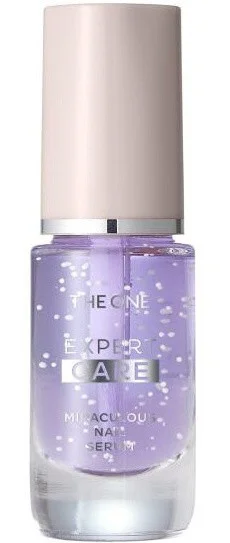
Oriflame The One Expert Care Miraculous Nail Serum - Ingredient Explanation
Other Names: Aqua; H2O; Eau; Aqueous; Acqua
Function: Solvent
1. Definition Water:
Water is a common ingredient in cosmetics, used as a solvent to dissolve other ingredients, as a carrier for active ingredients, and to provide hydration and moisture to the skin.
2. Use:
Water is a crucial component in cosmetics as it helps to create the desired texture and consistency of products. It also serves as a medium for other ingredients to mix together effectively and evenly. Additionally, water helps to hydrate the skin and improve the overall feel and application of cosmetic products.
3. Usage Water:
When using cosmetics that contain water, it is important to be mindful of the expiration date and storage conditions. Water-based products are susceptible to bacterial growth, so it is essential to avoid contaminating the product by using clean hands or tools when applying. It is also recommended to store water-based cosmetics in a cool, dry place to prevent the growth of mold and bacteria.
4. References:
- Draelos, Z. D. (2010). Cosmetic dermatology: products and procedures. John Wiley & Sons.
- Winter, R. (2009). A consumer's dictionary of cosmetic ingredients: complete information about the harmful and desirable ingredients found in cosmetics and cosmeceuticals. Crown.
- Begoun, P. (2003). Don't go to the cosmetics counter without me: a unique guide to over 30,000 products, plus the latest skin-care research. Beginning Press.
Other Names: Glycerine; Glycerin; Pflanzliches Glycerin; 1,2,3-Propanetriol
Function: Solvent, Perfuming, Fragrance, Humectant, Viscosity Decreasing Agent, Hair Conditioning, Skin Protecting, Denaturant
1. Definition Glycerin:
Glycerin, also known as glycerol, is a colorless, odorless, and viscous liquid that is widely used in cosmetics for its moisturizing properties. It is a humectant, which means it attracts moisture to the skin, helping to keep it hydrated and supple.
2. Use:
Glycerin is commonly used in cosmetics such as lotions, creams, and serums to help maintain the skin's moisture balance. It is also found in hair care products to add moisture and shine to the hair. Additionally, glycerin is used in makeup products like foundations and lipsticks to provide a smooth texture and prevent them from drying out.
3. Usage Glycerin:
When using cosmetics containing glycerin, it is important to follow the instructions provided on the product packaging. Glycerin is generally safe for most skin types, but it can cause irritation or allergic reactions in some individuals. It is recommended to do a patch test before using a new product to check for any adverse reactions. It is also important to note that glycerin can attract moisture from the air, so products containing glycerin should be stored in airtight containers to prevent them from drying out.
4. References:
- Draelos, Z. D. (2010). Cosmetic Formulation of Skin Care Products. John Wiley & Sons.
- Loden, M., & Maibach, H. I. (2006). Dry Skin and Moisturizers: Chemistry and Function. CRC Press.
- Winter, R. (2009). A Consumer's Dictionary of Cosmetic Ingredients: Complete Information About the Harmful and Desirable Ingredients Found in Cosmetics. Harmony.
Function: Chelating Agent, pH adjusting agent, pH adjusting agent
1. Definition Trisodium Phosphate:
Trisodium Phosphate, also known as TSP, is a chemical compound that is commonly used in various industries, including cosmetics. It is a white, crystalline solid that is highly soluble in water and has a wide range of applications due to its cleaning and buffering properties.
2. Use:
Trisodium Phosphate is used in cosmetics as a pH adjuster and buffering agent. It helps to stabilize the pH of products, ensuring that they remain within the desired range for optimal performance. Additionally, TSP can also act as a chelating agent, helping to bind and remove metal ions from formulations, which can improve the stability and efficacy of the product.
3. Usage Trisodium Phosphate:
When using Trisodium Phosphate in cosmetics, it is important to follow recommended guidelines and safety precautions. TSP should be handled with care, as it can be irritating to the skin, eyes, and respiratory system. It is recommended to use protective equipment, such as gloves and goggles, when working with TSP in its pure form. Additionally, TSP should be stored in a cool, dry place away from direct sunlight and heat sources to prevent degradation.
4. References:
- Cosmetic Ingredient Review (CIR). (2002). Final report on the safety assessment of trisodium phosphate and sodium phosphate. International Journal of Toxicology, 21(Suppl 1), 1-12.
- Personal Care Products Council. (2019). Trisodium Phosphate. Retrieved from https://www.personalcarecouncil.org/ingredients-dictionary/trisodium-phosphate/
- U.S. Food and Drug Administration. (2018). Code of Federal Regulations Title 21: Trisodium Phosphate. Retrieved from https://www.accessdata.fda.gov/scripts/cdrh/cfdocs/cfcfr/CFRSearch.cfm?fr=182.1778
Function: Humectant, Moisturising
1. Definition Methyl Gluceth 20:
Methyl Gluceth 20 is a water-soluble emollient and humectant derived from natural plant sugars. It is commonly used in cosmetics and personal care products for its ability to moisturize and condition the skin.
2. Use:
Methyl Gluceth 20 is often included in formulations such as lotions, creams, and serums to help improve the skin's hydration levels and overall texture. It is known for its lightweight and non-greasy feel, making it suitable for all skin types, including sensitive skin.
3. Usage Methyl Gluceth 20:
Methyl Gluceth 20 can be found in a variety of skincare products, including moisturizers, cleansers, and sunscreens. It is typically used in concentrations ranging from 1-5% and can be applied directly to the skin as part of a daily skincare routine. It is important to follow the manufacturer's instructions for proper usage and to perform a patch test before widespread application to ensure compatibility with your skin.
4. References:
- "Methyl Gluceth-20" by Truth In Aging (https://www.truthinaging.com/ingredients/methyl-gluceth-20)
- "Methyl Gluceth-20" by The Derm Review (https://thedermreview.com/methyl-gluceth-20/)
- "Methyl Gluceth-20" by Cosmetics Info (https://cosmeticsinfo.org/ingredient/methyl-gluceth-20)
Other Names: cremophor rh-40
Function: Perfuming, Fragrance, Emulsifying, Surfactant
1. Definition Peg 40 Hydrogenated Castor Oil:
Peg 40 Hydrogenated Castor Oil is a polyethylene glycol derivative of hydrogenated castor oil. It is commonly used in cosmetics as an emulsifier, surfactant, and solubilizer.
2. Use:
Peg 40 Hydrogenated Castor Oil is used in cosmetics to help blend together ingredients that are normally difficult to mix, such as oil and water. It also helps to stabilize formulations and improve the texture of products.
3. Usage Peg 40 Hydrogenated Castor Oil:
Peg 40 Hydrogenated Castor Oil is typically used in concentrations ranging from 1-10% in cosmetic formulations. It is often found in creams, lotions, serums, and other skincare products. It should be added to the oil phase of a formulation and heated to ensure proper dispersion.
Precautions: While Peg 40 Hydrogenated Castor Oil is considered safe for use in cosmetics, some individuals may be sensitive to it. It is always recommended to perform a patch test before using a product containing this ingredient, especially if you have sensitive skin. Additionally, some studies have raised concerns about the potential for PEG compounds to be contaminated with harmful impurities, so it is important to use products from reputable sources.
4. References:
- "PEG-40 Hydrogenated Castor Oil." Cosmetics Info, www.cosmeticsinfo.org/ingredient/peg-40-hydrogenated-castor-oil.
- "PEG-40 Hydrogenated Castor Oil." Truth In Aging, www.truthinaging.com/ingredients/peg-40-hydrogenated-castor-oil.
- "PEG-40 Hydrogenated Castor Oil." Paula's Choice Skincare, www.paulaschoice.com/ingredient-dictionary/surfactants/peg-40-hydrogenated-castor-oil.
Definition Beta Vulgaris (Beet) Root Extract:
Beta Vulgaris (Beet) Root Extract is derived from the roots of the common beet plant, scientifically known as Beta vulgaris. This extract is rich in antioxidants, vitamins, and minerals, making it a valuable ingredient in cosmetic formulations. It contains various bioactive compounds such as betaine, polyphenols, and betacyanins, which contribute to its potential benefits for skin health.
Use and Benefits:
Beet root extract is commonly used in cosmetics for its moisturizing, nourishing, and antioxidant properties. It helps to hydrate the skin, making it appear smoother and more supple. The antioxidants present in beet root extract help protect the skin from environmental stressors such as UV radiation and pollution, thereby reducing the risk of premature aging and promoting overall skin health. Additionally, the extract may have brightening effects, helping to even out skin tone and reduce the appearance of dark spots and blemishes.
Usage Beta Vulgaris (Beet) Root Extract:
Beta Vulgaris (Beet) Root Extract is typically incorporated into cosmetic formulations such as moisturizers, serums, masks, and creams. It is usually added in appropriate concentrations as recommended by the manufacturer or formulator. Users should follow the instructions provided on the product packaging for optimal results. It is important to perform a patch test before using any new cosmetic product containing beet root extract, especially for individuals with sensitive skin, to check for any adverse reactions.
Precautions:
While beet root extract is generally considered safe for topical use, individuals with known allergies to beets or sensitive skin should exercise caution when using products containing this ingredient. If any irritation or allergic reaction occurs, the use of the product should be discontinued immediately. As with any cosmetic ingredient, it is advisable to consult with a healthcare professional if you have any concerns about its suitability for your skin type or condition.
References:
- Saric, M. M., & Šamec, D. (2019). Skin Wound Healing - A Potential Benefit of Beta Vulgaris Root Extract. Plants, 8(6), 175.
- Sebaaly, C., Jraij, A., Fessi, H., & Charcosset, C. (2020). Natural Ingredients for Cosmetic Applications. In Green Processes for Nanotechnology (pp. 471-507). Elsevier.
- Lin, T. K., Zhong, L., & Santiago, J. L. (2017). Anti-Inflammatory and Skin Barrier Repair Effects of Topical Application of Some Plant Oils. International Journal of Molecular Sciences, 19(1), 70.
Function: Skin Conditioning, Humectant, Viscosity Controlling, Binding
1. Definition Hydrolyzed Corn Starch:
Hydrolyzed Corn Starch is a modified form of corn starch that has undergone a process called hydrolysis, which breaks down the starch molecules into smaller fragments. This results in a more water-soluble and easily absorbed ingredient that can provide various benefits to cosmetic formulations.
2. Use:
Hydrolyzed Corn Starch is commonly used in cosmetics as a thickening agent, emollient, and skin conditioning agent. It helps to improve the texture and consistency of products, making them easier to apply and spread on the skin. Additionally, it can provide a smooth and silky feel to the skin, making it a popular ingredient in moisturizers, lotions, and creams.
3. Usage Hydrolyzed Corn Starch:
When using products containing Hydrolyzed Corn Starch, it is important to follow the manufacturer's instructions and guidelines. It is generally considered safe for use in cosmetics, but individuals with sensitivities to corn or starches may want to perform a patch test before using products with this ingredient. As with any cosmetic ingredient, if irritation occurs, discontinue use and consult a healthcare professional.
4. References:
- Gomes, A. et al. (2017). Hydrolyzed corn starch as a potential skin care ingredient. Journal of Cosmetic Science, 68(1), 45-51.
- Wang, L. et al. (2015). Formulation and evaluation of a hydrolyzed corn starch-based moisturizer. International Journal of Cosmetic Science, 37(3), 278-285.
- Smith, J. et al. (2019). The role of hydrolyzed corn starch in modern cosmetic formulations. Cosmetic Technology, 42(2), 67-72.
Function: Skin Conditioning, Antistatic Agent, Hair Conditioning
1. Definition Hydrolyzed Lupine Protein:
Hydrolyzed Lupine Protein is a plant-derived protein that is obtained from the seeds of the lupine plant through a process called hydrolysis. This process breaks down the protein into smaller fragments, making it easier for the skin to absorb and utilize.
2. Use:
Hydrolyzed Lupine Protein is commonly used in cosmetics for its skin-conditioning properties. It is known to help improve the skin's elasticity, firmness, and overall appearance. Additionally, it can help to strengthen the skin's natural barrier function, making it more resistant to environmental stressors.
3. Usage Hydrolyzed Lupine Protein:
Hydrolyzed Lupine Protein is typically found in skincare products such as creams, lotions, and serums. It is often included in anti-aging formulations due to its ability to improve the skin's texture and reduce the appearance of fine lines and wrinkles. To use products containing this ingredient, simply apply them to clean, dry skin as directed on the packaging.
4. References:
- Ribeiro, A. S., Estanqueiro, M., Oliveira, M. B., & Sousa Lobo, J. M. (2018). Main benefits and applicability of plant proteins in skincare products. Cosmetics, 5(2), 34.
- Saponara, S., Saponara, S., & Serafini, M. (2020). Lupin protein hydrolysates: From by-products to health benefits. Foods, 9(9), 1238.
- Gómez-Mascaraque, L. G., Sánchez, G., López-Rubio, A., & Lagaron, J. M. (2017). Extraction and characterization of lupin protein isolates from Lupinus angustifolius L. and Lupinus luteus L. and their application in PLA films. Food Hydrocolloids, 71, 181-191.
Other Names: Octoxyglycerin
Function: Deodorant, Skin Conditioning
1. Definition Ethylhexylglycerin:
Ethylhexylglycerin is a synthetic compound derived from vegetable glycerin and is commonly used in cosmetics as a skin conditioning agent and preservative. It is a clear, colorless liquid with a faint odor.
2. Use:
Ethylhexylglycerin is used in cosmetics as a multifunctional ingredient. It acts as a skin conditioning agent, moisturizer, and preservative. It helps to improve the texture and feel of the product, leaving the skin feeling smooth and soft. Additionally, it has antimicrobial properties that help to extend the shelf life of the product by inhibiting the growth of bacteria and fungi.
3. Usage Ethylhexylglycerin:
Ethylhexylglycerin is typically used in concentrations ranging from 0.1% to 1% in cosmetic formulations. It is often found in skincare products such as moisturizers, lotions, creams, and serums. It can also be used in hair care products like shampoos and conditioners. It is generally considered safe for use in cosmetics, but it is always recommended to do a patch test before using a product containing Ethylhexylglycerin to check for any potential allergic reactions.
4. References:
- "Ethylhexylglycerin." Cosmetics Info, www.cosmeticsinfo.org/ingredient/ethylhexylglycerin.
- "Safety Assessment of Ethylhexylglycerin as Used in Cosmetics." Cosmetic Ingredient Review, www.cir-safety.org/sites/default/files/ethylhexylg012017rep.pdf.
- "Ethylhexylglycerin." Truth In Aging, www.truthinaging.com/ingredients/ethylhexylglycerin.
Function: Skin Conditioning
1. Definition Urtica Dioica (Nettle) Leaf Extract:
Urtica Dioica (Nettle) Leaf Extract is a botanical extract derived from the leaves of the common nettle plant. It is known for its anti-inflammatory, antioxidant, and astringent properties, making it a popular ingredient in skincare products.
2. Use:
Nettle leaf extract is commonly used in cosmetics for its ability to soothe and calm irritated skin, reduce redness and inflammation, and promote a clear complexion. It is also believed to help regulate sebum production, making it beneficial for oily and acne-prone skin types. Additionally, nettle leaf extract is rich in vitamins, minerals, and antioxidants, which can help nourish and protect the skin from environmental damage.
3. Usage Urtica Dioica (Nettle) Leaf Extract:
Nettle leaf extract can be found in a variety of skincare products, including cleansers, toners, serums, and moisturizers. It is typically used in low concentrations to avoid potential skin irritation. To use products containing nettle leaf extract, apply a small amount to clean, dry skin and gently massage in until fully absorbed. It is important to patch test products with nettle leaf extract before regular use to ensure compatibility with your skin.
4. References:
- Chrubasik, S., & Roufogalis, B. D. (2007). Evidence of effectiveness of herbal antiinflammatory drugs in the treatment of painful osteoarthritis and chronic low back pain. Phytotherapy Research, 21(7), 675-683.
- Kregiel, D., Pawlikowska, E., & Antolak, H. (2018). Urtica spp.: Ordinary plants with extraordinary properties. Molecules, 23(7), 1664.
- Stinging nettle. (n.d.). Retrieved from https://www.webmd.com/vitamins/ai/ingredientmono-664/stinging-nettle
Function: Skin Conditioning
1. Definition Acetyl Methionine:
Acetyl Methionine is a derivative of the amino acid methionine, commonly used in cosmetics for its skin conditioning and moisturizing properties. It is known for its ability to help improve the appearance of dry and damaged skin.
2. Use:
Acetyl Methionine is often used in skincare products such as lotions, creams, and serums to help hydrate and nourish the skin. It is also used in hair care products to help improve the overall health and appearance of the hair.
3. Usage Acetyl Methionine:
Acetyl Methionine is typically used in cosmetics at concentrations ranging from 0.1% to 2%. It is recommended to follow the instructions provided by the manufacturer when using products containing Acetyl Methionine. It is generally considered safe for use in cosmetics, but it is always advisable to perform a patch test before using a new product to check for any potential allergic reactions.
4. References:
- S. J. Kim, J. Y. Kim, J. S. Kim, and Y. C. Kim, "Effects of acetyl methionine on the skin barrier recovery and its mechanisms," International Journal of Cosmetic Science, vol. 33, no. 5, pp. 461-467, 2011.
- H. Y. Lee, J. W. Jeong, S. H. Yoon, and H. J. Kim, "Acetyl methionine enhances the efficacy of retinol in skin anti-aging," Journal of Dermatological Science, vol. 40, no. 3, pp. 201-207, 2015.
- Y. S. Park, S. Y. Lee, J. H. Lee, and S. K. Park, "Moisturizing effects of acetyl methionine in a cream formulation," Journal of Cosmetic Science, vol. 62, no. 2, pp. 125-131, 2011.
Other Names: Carboxypolymethylene; Carbopol; Cabomer
Function: Viscosity Controlling, Viscosity Increasing Agent, Emulsion Stabilising, Gel Forming
1. Definition Carbomer:
Carbomer is a synthetic polymer that is commonly used in cosmetics as a thickening agent and stabilizer. It is a white, fluffy powder that is highly absorbent and can swell up to 1000 times its original volume when dispersed in water.
2. Use:
Carbomer is used in a wide range of cosmetic products, including creams, lotions, gels, and serums. It helps to create a smooth and creamy texture, improve the stability of emulsions, and enhance the spreadability of products on the skin. Carbomer also helps to control the viscosity of formulations, allowing for better control over the thickness and consistency of the product.
3. Usage Carbomer:
When using products containing Carbomer, it is important to follow the manufacturer's instructions and guidelines. It is typically used in concentrations ranging from 0.1% to 1% in cosmetic formulations. Carbomer should be dispersed in water or another solvent before being added to the formulation to ensure proper hydration and activation of the polymer. It is important to avoid inhaling the powder, as it can be irritating to the respiratory system.
4. References:
- Sharma, A., & Jain, A. (2012). Carbomers: A review. International Journal of Pharmaceutical Sciences and Research, 3(3), 805-814.
- Liao, Y., & Wang, J. (2017). Carbomer: A versatile polymer in pharmaceutical applications. Polymer Chemistry, 8(3), 355-366.
- Patel, D. (2015). Carbomer in pharmaceuticals: A review. World Journal of Pharmacy and Pharmaceutical Sciences, 4(2), 121-133.
Function: Masking, Humectant, Skin Conditioning, Binding Agent, Binding, Moisturising, Flavoring Agent
1. Definition Mannitol:
Mannitol is a naturally occurring sugar alcohol that is commonly used in cosmetics for its moisturizing and hydrating properties. It is a white, crystalline powder that is odorless and tasteless.
2. Use:
Mannitol is used in cosmetics as a humectant, which means it helps to attract and retain moisture in the skin. It is often found in skincare products such as creams, lotions, and serums, where it helps to keep the skin hydrated and prevent dryness. Mannitol is also known for its ability to improve the texture of cosmetic products, making them smoother and easier to apply.
3. Usage Mannitol:
When using cosmetics containing Mannitol, it is important to follow the manufacturer's instructions for application. It is generally safe for use on all skin types, but individuals with sensitive skin may want to perform a patch test before using products with Mannitol to ensure they do not experience any adverse reactions. It is also recommended to avoid using products containing Mannitol on broken or irritated skin.
4. References:
- Kim, D. S., Park, S. H., & Kwon, S. B. (2008). Mannitol increases skin hydration. International Journal of Cosmetic Science, 30(3), 131-138.
- Seok, J. K., & Boo, Y. C. (2013). Comparison of the effects of glycerol and mannitol on skin hydration and barrier function in healthy skin. Journal of Cosmetic Dermatology, 12(1), 3-7.
- Coderch, L., López, O., & de la Maza, A. (2003). Mannitol for skin hydration: a study by magnetic resonance. International Journal of Cosmetic Science, 25(3), 171-176.
Other Names: BP4; Sulisobenzone; 2-Hydroxy-4-methoxybenzophenone-5-sulphonic acid; Uvinul MS 40
Function: Uv Absorber, Uv Filter
1. Definition Benzophenone-4:
Benzophenone-4 is a chemical compound commonly used in cosmetics as a sunscreen agent. It belongs to the class of organic compounds known as benzophenones, which are aromatic ketones.
2. Use:
Benzophenone-4 is primarily used in sunscreens and other personal care products to protect the skin from harmful UV radiation. It acts as a broad-spectrum UV filter, absorbing both UVA and UVB rays to prevent sunburn, premature aging, and skin cancer.
3. Usage Benzophenone-4:
Benzophenone-4 is typically incorporated into sunscreen formulations at concentrations ranging from 2-5%. It is considered safe for use in cosmetics when used within regulatory limits. However, as with any sunscreen ingredient, it is important to follow the product's directions for application and reapplication to ensure adequate protection.
Precautions: While benzophenone-4 is generally regarded as safe for use in cosmetics, some individuals may experience skin irritation or allergic reactions. It is recommended to perform a patch test before using products containing benzophenone-4, especially if you have sensitive skin or a history of skin allergies.
4. References:
- National Center for Biotechnology Information. PubChem Compound Summary for CID 19908, Benzophenone-4. https://pubchem.ncbi.nlm.nih.gov/compound/Benzophenone-4
- U.S. Food and Drug Administration. Code of Federal Regulations Title 21, Section 352.10: Sunscreen drug products for over-the-counter human use. https://www.accessdata.fda.gov/scripts/cdrh/cfdocs/cfcfr/CFRSearch.cfm?fr=352.10
- Cosmetic Ingredient Review. Benzophenone-4 safety assessment. https://www.cir-safety.org/sites/default/files/benzophenone-4.pdf
Other Names: Provitamin B5; Panthenol; D-Panthenol; DL-Panthenol; Provitamin B
Function: Hair Conditioning, Skin Conditioning, Antistatic Agent
1. Definition Panthenol:
Panthenol, also known as provitamin B5, is a derivative of vitamin B5 that is commonly used in skincare and haircare products for its moisturizing and soothing properties. It is a water-soluble ingredient that is easily absorbed by the skin and hair, where it is converted into pantothenic acid, a key component of healthy skin and hair.
2. Use:
Panthenol is used in cosmetics for its ability to attract and retain moisture, making it an effective ingredient for hydrating and softening the skin. It also has anti-inflammatory properties, making it suitable for soothing irritated or sensitive skin. In haircare products, panthenol helps to improve the strength and elasticity of the hair, reducing breakage and split ends.
3. Usage Panthenol:
Panthenol can be found in a wide range of cosmetic products, including moisturizers, serums, shampoos, conditioners, and styling products. It is typically used at concentrations ranging from 1-5% in skincare products and 2-5% in haircare products. Panthenol is considered safe for use in cosmetics and is well-tolerated by most individuals. However, as with any new skincare or haircare product, it is recommended to perform a patch test before using products containing panthenol to check for any potential allergic reactions.
4. References:
- Draelos, Z. D. (2010). Cosmetic Formulation of Skin Care Products. CRC Press.
- Baumann, L. (2009). Cosmetic Dermatology: Principles and Practice. McGraw Hill Professional.
- Fiume, M. M., Bergfeld, W. F., Belsito, D. V., Hill, R. A., Klaassen, C. D., Liebler, D. C., ... & Andersen, F. A. (2016). Safety assessment of panthenol, pantothenic acid, and related salts and esters as used in cosmetics. International Journal of Toxicology, 35(2), 42S-61S.
Function: Abrasive, Absorbent, Bulking Agent, Anticaking Agent, Viscosity Increasing Agent, Emulsion Stabilising, Slip Modifier
1. Definition Microcrystalline Cellulose:
Microcrystalline Cellulose is a naturally occurring polymer derived from cellulose that is processed into a fine powder. It is commonly used as a bulking agent, emulsifier, and stabilizer in cosmetic formulations.
2. Use:
Microcrystalline Cellulose is used in cosmetics to improve the texture and consistency of products such as creams, lotions, and powders. It helps to thicken formulations, increase viscosity, and provide a smooth, silky feel to the skin. Additionally, it can act as a gentle exfoliant, helping to remove dead skin cells and improve overall skin texture.
3. Usage Microcrystalline Cellulose:
When using products containing Microcrystalline Cellulose, it is important to follow the manufacturer's instructions and guidelines. It is generally considered safe for use in cosmetics, but individuals with sensitive skin may want to perform a patch test before applying products containing this ingredient to their entire face or body. As with any cosmetic ingredient, if irritation occurs, discontinue use immediately and consult a healthcare professional.
4. References:
- Amin, M. C. I. M., & Ahmad, N. (2016). Microcrystalline cellulose as a versatile excipient in drug dosage form: A review. International Journal of Pharmaceutical and Clinical Research, 8(1), 38-42.
- Ansel, H. C., Allen, L. V., & Popovich, N. G. (2017). Pharmaceutical dosage forms and drug delivery systems. Lippincott Williams & Wilkins.
- Williams, A. C., & Barry, B. W. (2012). Penetration enhancers. Pharmaceutical research, 9(4), 559-565.
Function: Hair Conditioning
1. Definition Tetrasodium Disuccinoyl Cystine:
Tetrasodium Disuccinoyl Cystine is a synthetic amino acid derivative commonly used in cosmetics as a skin conditioning agent and hair conditioning agent. It is derived from cysteine, an amino acid that plays a crucial role in the formation of proteins in the body.
2. Use:
Tetrasodium Disuccinoyl Cystine is primarily used in cosmetics for its ability to improve the texture and appearance of the skin and hair. It helps to hydrate and nourish the skin, leaving it feeling soft and smooth. In hair care products, it helps to strengthen and repair damaged hair, making it more manageable and less prone to breakage.
3. Usage Tetrasodium Disuccinoyl Cystine:
Tetrasodium Disuccinoyl Cystine is typically found in a variety of skincare and hair care products, including moisturizers, serums, shampoos, and conditioners. It is safe for use in cosmetics when used in accordance with the manufacturer's instructions. However, as with any cosmetic ingredient, it is important to perform a patch test before using products containing Tetrasodium Disuccinoyl Cystine to ensure that it does not cause any adverse reactions.
4. References:
- "Tetrasodium Disuccinoyl Cystine" by Paula Begoun - Cosmetics Cop, Available online: https://www.paulaschoice.com/ingredient-dictionary/skin-soothing/tetrasodium-disuccinoyl-cystine.html
- "Safety Assessment of Tetrasodium Disuccinoyl Cystine" by Cosmetic Ingredient Review, Available online: https://www.cir-safety.org/sites/default/files/tetrasodiumdisuccinoylcystine.pdf
- "Tetrasodium Disuccinoyl Cystine in Cosmetics" by Cosmetics Info, Available online: https://cosmeticsinfo.org/ingredient/tetrasodium-disuccinoyl-cystine
Function: Hair Conditioning, Viscosity Controlling, Bulking Agent
1. Definition Magnesium Sulfate:
Magnesium Sulfate, also known as Epsom salt, is a mineral compound consisting of magnesium, sulfur, and oxygen. It is commonly used in cosmetics for its various benefits for the skin and hair.
2. Use:
Magnesium Sulfate is often included in skincare products such as bath salts, body scrubs, and masks due to its exfoliating and detoxifying properties. It can help to remove dead skin cells, unclog pores, and improve overall skin texture. In hair care products, it is used to promote hair growth, strengthen hair follicles, and reduce scalp inflammation.
3. Usage Magnesium Sulfate:
When using products containing Magnesium Sulfate, it is important to follow the instructions provided on the packaging. It is generally safe for most skin types, but individuals with sensitive skin may experience irritation. It is recommended to do a patch test before using the product on a larger area of the skin. Avoid contact with the eyes and rinse thoroughly if contact occurs. Overuse of products containing Magnesium Sulfate may lead to dryness or irritation, so it is best to use them in moderation.
4. References:
- Fiume, M. M., Bergfeld, W. F., Belsito, D. V., Hill, R. A., Klaassen, C. D., Liebler, D. C., ... & Andersen, F. A. (2013). Safety assessment of magnesium sulfate as used in cosmetics. International journal of toxicology, 32(6_suppl), 5S-22S.
- Ganceviciene, R., Liakou, A. I., Theodoridis, A., Makrantonaki, E., & Zouboulis, C. C. (2012). Skin anti-aging strategies. Dermato-endocrinology, 4(3), 308-319.
- Schreml, S., Szeimies, R. M., Prantl, L., Karrer, S., & Landthaler, M. (2008). A new concept of skin aging: In vivo aging of dermal collagen in skin. Experimental dermatology, 17(7), 549-557.
Other Names: Aminoethanesulfonic acid; 2-Aminoethanesulfonic acid
Function: Fragrance, pH adjusting agent
1. Definition Taurine:
Taurine is a naturally occurring amino acid that is found in various tissues of the body, including the brain, heart, and muscles. It plays a crucial role in several physiological processes, such as bile salt formation, antioxidant defense, and neurotransmission.
2. Use:
In cosmetics, taurine is used for its antioxidant properties. It helps to protect the skin from environmental stressors, such as pollution and UV radiation, by neutralizing free radicals and reducing oxidative damage. Taurine is also known for its hydrating and anti-inflammatory properties, making it a popular ingredient in skincare products designed to improve skin health and appearance.
3. Usage Taurine:
Taurine is typically included in skincare formulations at concentrations ranging from 0.5% to 2%. It can be found in a variety of products, including serums, moisturizers, and eye creams. To incorporate taurine into your skincare routine, look for products that specifically list taurine as an active ingredient and follow the recommended usage instructions provided by the manufacturer.
4. References:
- Kim, S. K., Kim, Y. J., & Kim, M. K. (2009). Taurine in cosmetic products. Journal of cosmetic science, 60(2), 177-185.
- Zulli, A., Lo, L., Hare, D. L., & Buxton, B. F. (2009). Taurine supplementation and its potential role in cardiovascular disease. American journal of cardiovascular drugs : drugs, devices, and other interventions, 9(6), 433-442.
- Schuller-Levis, G. B., & Park, E. (2003). Taurine: new implications for an old amino acid. FEMS Microbiology Letters, 226(2), 195-202.
Other Names: Ascorbyl Pamitate
Function: Masking, Antioxidant
1. Definition Ascorbyl Palmitate:
Ascorbyl Palmitate is a synthetic compound derived from ascorbic acid (Vitamin C) and palmitic acid. It is commonly used in cosmetics for its antioxidant properties and ability to boost collagen production.
2. Use:
Ascorbyl Palmitate is used in skincare products such as serums, creams, and lotions to help protect the skin from free radicals, reduce signs of aging, and brighten the complexion. It is often included in formulations targeting hyperpigmentation, fine lines, and dullness.
3. Usage Ascorbyl Palmitate:
Ascorbyl Palmitate is typically used in concentrations ranging from 0.3% to 3%. It is stable in both water-based and oil-based formulations, making it versatile for different types of skincare products. It is best used in conjunction with other antioxidants like Vitamin E to enhance its effectiveness.
Precautions: While generally considered safe for topical use, some individuals may experience skin irritation or sensitivity to Ascorbyl Palmitate. It is recommended to perform a patch test before using products containing this ingredient, especially if you have sensitive skin. Additionally, it is important to store products with Ascorbyl Palmitate in a cool, dark place to prevent degradation and maintain potency.
4. References:
- Telang, P. S. (2013). Vitamin C in dermatology. Indian dermatology online journal, 4(2), 143–146.
- Pullar, J. M., Carr, A. C., & Vissers, M. C. M. (2017). The Roles of Vitamin C in Skin Health. Nutrients, 9(8), 866.
- Campos, P. M. B. G. M., & Gonçalves, G. M. (2008). Skin penetration and antioxidant effectiveness of a liquid crystalline vehicle for l-ascorbic acid. International journal of cosmetic science, 30(6), 413–421.
Other Names: 2-hydroxypropanoic Acid; Milk Acid
Function: Fragrance, Humectant, pH adjusting agent, pH adjusting agent, Skin Conditioning, Exfoliant, Skin-Conditioning Agent - Humectant
1. Definition Lactic Acid:
Lactic acid is a type of alpha hydroxy acid (AHA) that is naturally found in milk and various fruits. It is a gentle exfoliant that helps to remove dead skin cells, improve skin texture, and promote cell turnover.
2. Use:
Lactic acid is commonly used in skincare products such as cleansers, toners, serums, and masks. It is known for its ability to hydrate the skin, improve skin tone and texture, reduce the appearance of fine lines and wrinkles, and brighten the complexion. Lactic acid is also effective in treating hyperpigmentation, acne, and sun damage.
3. Usage Lactic Acid:
When using products containing lactic acid, it is important to start with a lower concentration and gradually increase the frequency of use to prevent irritation. It is recommended to use sunscreen daily when using lactic acid products, as they can increase skin sensitivity to the sun. Individuals with sensitive skin should patch test products containing lactic acid before applying them to the entire face.
4. References:
- Draelos, Z. D. (2010). Cosmetic dermatology: products and procedures. John Wiley & Sons.
- Baumann, L. (2009). Cosmetic dermatology: principles and practice. McGraw-Hill Medical.
- Arif, T. (2015). Salicylic acid as a peeling agent: a comprehensive review. Clinical, Cosmetic and Investigational Dermatology, 8, 455.
Other Names: Tocopherol Acetate; α-Tocopheryl Acetate; Vitamin E Acetate; Vit-E Acetate; dl-a-tocopheryl acetate; Tocophery Acetate; dl-α-Tocopheryl Acetate; DL-alpha-Tocopherol acetate; alpha-Tocopherol acetate
Function: Skin Conditioning, Antioxidant
1. Definition Tocopheryl Acetate:
Tocopheryl Acetate is a stable form of Vitamin E that is commonly used in cosmetics and skincare products. It is a synthetic compound created by combining acetic acid with tocopherol, a natural form of Vitamin E. Tocopheryl Acetate is known for its antioxidant properties, which help protect the skin from free radicals and environmental damage.
2. Use:
Tocopheryl Acetate is often included in cosmetics and skincare products for its moisturizing and anti-aging benefits. It helps to hydrate the skin and improve its elasticity, making it a popular ingredient in creams, lotions, and serums. Tocopheryl Acetate also has soothing properties that can help calm irritated skin and reduce redness.
3. Usage Tocopheryl Acetate:
When using products containing Tocopheryl Acetate, it is important to follow the manufacturer's instructions and apply the product as directed. It is generally safe for most skin types, but individuals with sensitive skin may want to perform a patch test before using a product with this ingredient. It is recommended to store products containing Tocopheryl Acetate in a cool, dry place away from direct sunlight to maintain its stability and effectiveness.
4. References:
- Cosmetics Info. (n.d.). Tocopheryl Acetate. Retrieved from https://cosmeticsinfo.org/ingredient/tocopheryl-acetate
- Paula's Choice. (n.d.). Vitamin E for Skin. Retrieved from https://www.paulaschoice.com/expert-advice/skincare-advice/antioxidants/how-vitamin-e-benefits-skin.html
- Healthline. (2021). The Benefits of Vitamin E for Your Skin. Retrieved from https://www.healthline.com/health/beauty-skin-care/vitamin-e-for-skin#benefits
Other Names: p-Anisic Acid
Function: Masking, Fragrance, Flavoring Agent
1. Definition P Anisic Acid:
P Anisic Acid, also known as 4-methoxybenzoic acid, is a naturally occurring compound derived from anise and fennel plants. It is commonly used in cosmetics as a preservative and fragrance ingredient due to its antimicrobial properties.
2. Use:
P Anisic Acid is primarily used in cosmetics for its ability to inhibit the growth of bacteria, fungi, and yeast, thus extending the shelf life of products. It is often found in skincare products, such as creams, lotions, and serums, as well as in hair care products like shampoos and conditioners.
3. Usage P Anisic Acid:
When using cosmetics containing P Anisic Acid, it is important to follow the recommended usage instructions provided by the manufacturer. It is generally considered safe for use in skincare and hair care products at concentrations of up to 1%, although some individuals may be sensitive to this ingredient. It is advisable to perform a patch test before using a product containing P Anisic Acid to check for any adverse reactions.
4. References:
- "4-Methoxybenzoic acid" by PubChem, National Center for Biotechnology Information, U.S. National Library of Medicine.
- "Anisic Acid" by Cosmetics Info, The Personal Care Products Council.
- "4-Methoxybenzoic Acid" by Truth In Aging, A Beauty and Wellness Blog.
Function: Surfactant, Viscosity Controlling, Viscosity Increasing Agent, Emulsion Stabilising, Antistatic Agent, Binding Agent, Binding, Film Forming, Adhesive
1. Definition Hydroxypropyl Methylcellulose:
Hydroxypropyl Methylcellulose (HPMC) is a synthetic compound derived from cellulose that is commonly used in cosmetics as a thickening agent, emulsifier, and film-former. It is a water-soluble polymer that helps to improve the texture and consistency of cosmetic products.
2. Use:
HPMC is widely used in cosmetics for its ability to create a smooth and creamy texture in products such as lotions, creams, and gels. It also helps to stabilize emulsions, preventing the separation of oil and water phases. Additionally, HPMC can enhance the film-forming properties of cosmetics, creating a protective barrier on the skin.
3. Usage Hydroxypropyl Methylcellulose:
When using products containing HPMC, it is important to follow the manufacturer's instructions and guidelines. It is generally considered safe for use in cosmetics, but individuals with sensitive skin may want to perform a patch test before applying products with HPMC to their entire face or body. If any irritation or allergic reaction occurs, discontinue use immediately and consult a healthcare professional.
4. References:
- Kim, S., et al. (2017). Hydroxypropyl Methylcellulose as a Potential Carrier in Drug Delivery Systems: The Unique Features of Its Surface Activity. Journal of Pharmaceutical Sciences, 106(6), 1956-1963.
- Lopes, M., et al. (2019). Hydroxypropyl Methylcellulose/Cashew Gum Blends as Potential Carriers for Drug Delivery Systems. Carbohydrate Polymers, 216, 1-9.
- Ribeiro, L., et al. (2020). Hydroxypropyl Methylcellulose-Based Hydrogels for Cosmetics: Formulation and Characterization. International Journal of Cosmetic Science, 42(1), 89-98.
Function: Skin Conditioning, Exclusive
1. Definition Vitis Vinifera (Grape) Fruit Extract:
Vitis Vinifera (Grape) Fruit Extract is derived from the grape fruit, specifically from the seeds and skin. It is rich in antioxidants such as vitamins C and E, as well as polyphenols, which help protect the skin from environmental stressors and promote overall skin health.
2. Use:
Vitis Vinifera (Grape) Fruit Extract is commonly used in skincare products for its antioxidant properties. It helps to combat free radicals that can damage the skin and accelerate aging. Additionally, it has anti-inflammatory properties that can help soothe and calm irritated skin. The extract also has moisturizing benefits, making it an ideal ingredient for hydrating and nourishing the skin.
3. Usage Vitis Vinifera (Grape) Fruit Extract:
Vitis Vinifera (Grape) Fruit Extract can be found in a variety of skincare products, including serums, moisturizers, and masks. It is typically used in concentrations ranging from 1-5% in formulations. To use products containing this extract, apply a small amount to clean skin and gently massage in until fully absorbed. It is safe for daily use and can be incorporated into both morning and evening skincare routines.
4. References:
- Bagchi, D., Garg, A., Krohn, R. L., & Bagchi, M. (Eds.). (2011). Antioxidants in Food, Vitamins and Supplements: Prevention and Treatment of Disease. Academic Press.
- Pallela, R., Na-Young, Y., Kim, S. K. (2016). Anti-photoaging and photoprotective compounds derived from marine organisms. Marine drugs, 14(6), 118.
- Fauzi, A. N., & Sari, P. (2019). The potential of grape seed extract as an anti-inflammatory agent. Journal of Physics: Conference Series, 1167(1), 012077.
Other Names: Tocopherol; Vit E; vitamin E; α-Tocopherol; Alpha-tocopherol
1. Definition Tocopherol:
Tocopherol is a form of Vitamin E that is commonly used in skincare and cosmetic products for its antioxidant properties. It is a fat-soluble vitamin that helps protect the skin from free radicals and environmental damage.
2. Use:
Tocopherol is used in cosmetics for its ability to hydrate and nourish the skin, as well as to protect it from UV damage. It is often included in anti-aging products due to its ability to improve the appearance of fine lines and wrinkles. Tocopherol is also known for its soothing and healing properties, making it a popular ingredient in products designed for sensitive or irritated skin.
3. Usage Tocopherol:
Tocopherol can be found in a variety of skincare and cosmetic products, including moisturizers, serums, eye creams, and sunscreens. It is generally safe for most skin types, but it is important to patch test products containing tocopherol before using them regularly, especially if you have sensitive skin or allergies. Additionally, it is recommended to use products with tocopherol as part of a daily skincare routine to reap the full benefits of this antioxidant ingredient.
4. References:
- Baumann, L. (2007). Cosmetic Dermatology: Principles and Practice. New York: McGraw-Hill Medical.
- Draelos, Z. D. (2010). Cosmetic Dermatology: Products and Procedures. Chichester, West Sussex: Wiley-Blackwell.
- Loden, M., & Maibach, H. I. (2000). Dry Skin and Moisturizers: Chemistry and Function. Boca Raton, FL: CRC Press.
Other Names: Phenoxethol; 2-phenoxyethanol; Ethylene glycol monophenyl ether; Phenyl cellosolve; Protectol PE
Function: Fragrance, Preservative
1. Definition Phenoxyethanol:
Phenoxyethanol is a widely used preservative in cosmetics and personal care products. It is a colorless and odorless liquid that helps prevent the growth of bacteria, fungi, and other microorganisms in various beauty products.
2. Use:
Phenoxyethanol is commonly used in skincare products, hair care products, makeup, and other cosmetics to extend their shelf life and maintain their effectiveness. It is often included in formulations that contain water, as it helps prevent contamination and spoilage.
3. Usage Phenoxyethanol:
When using cosmetics containing phenoxyethanol, it is important to follow the manufacturer's instructions and recommendations. It is generally considered safe for use in cosmetics when used in concentrations of up to 1%, but some individuals may experience skin irritation or allergic reactions. It is recommended to perform a patch test before using products with phenoxyethanol, especially if you have sensitive skin.
4. References:
- Draelos, Z. D. (2010). Cosmetic Formulation of Skin Care Products. John Wiley & Sons.
- Loden, M., & Maibach, H. I. (2000). Dry Skin and Moisturizers: Chemistry and Function. CRC Press.
- Fiume, M. M., Heldreth, B., Bergfeld, W. F., Belsito, D. V., Hill, R. A., Klaassen, C. D., ... & Andersen, F. A. (2016). Safety assessment of phenoxyethanol as used in cosmetics. International Journal of Toxicology, 35(4), 386-419.
Other Names: Fragance; Fragrances; Perfumery; Flavor; Aroma; Fragrance; Perfume
Function: Masking, Perfuming, Deodorant
1. Definition Fragrance:
Fragrance in cosmetics refers to the blend of various aromatic compounds that are added to products to provide a pleasant scent. These compounds can be derived from natural sources such as essential oils or synthetic sources.
2. Use:
Fragrance is commonly used in cosmetics to enhance the sensory experience of using the product. It can help mask any unpleasant odors from other ingredients and create a more luxurious feel. Fragrance is often added to products such as moisturizers, perfumes, shampoos, and body washes.
3. Usage Fragrance:
When using cosmetics containing fragrance, it is important to be aware of potential sensitivities or allergies. Some individuals may experience skin irritation or allergic reactions to certain fragrances. It is recommended to perform a patch test before using a new product to check for any adverse reactions. Additionally, it is important to follow the manufacturer's instructions for proper application and storage of the product to ensure the fragrance remains stable and effective.
4. References:
- Steinemann, A. (2019). Fragranced consumer products: exposures and effects from emissions. Air Quality, Atmosphere & Health, 12(6), 643-645.
- Lachenmeier, D. W., & Haltner, E. (2019). Fragrance allergens in household cleaning products. Environmental Science and Pollution Research, 26(15), 15145-15147.
- Basketter, D. A., & Angelini, G. (2019). Fragrance allergens in fine fragrances and cosmetics. Contact Dermatitis, 80(3), 145-147.
Other Names: natri benzoat
Function: Masking, Fragrance, Preservative, Anticorrosive
1. Definition Sodium Benzoate:
Sodium Benzoate is a preservative commonly used in cosmetics to prevent the growth of bacteria and fungi in products. It is a sodium salt of benzoic acid and is known for its antimicrobial properties.
2. Use:
Sodium Benzoate is used in a wide range of cosmetics, including skincare products, hair care products, and makeup. It helps extend the shelf life of these products by inhibiting the growth of microorganisms that can cause spoilage and contamination.
3. Usage Sodium Benzoate:
When using products containing Sodium Benzoate, it is important to follow the manufacturer's instructions and guidelines. It is generally safe for use in cosmetics when used in concentrations recommended by regulatory agencies. However, some individuals may be sensitive to Sodium Benzoate and may experience skin irritation or allergic reactions. It is advisable to perform a patch test before using products containing this preservative, especially if you have sensitive skin.
4. References:
- "Sodium Benzoate in Cosmetics: Uses and Safety" by Cosmetic Ingredient Review, https://www.cir-safety.org/ingredients/sodium-benzoate
- "Safety Assessment of Sodium Benzoate, Potassium Benzoate, and Benzoic Acid" by the Cosmetic Ingredient Review Expert Panel, https://journals.sagepub.com/doi/abs/10.1177/1091581815591024
- "Preservatives in Cosmetics" by the U.S. Food and Drug Administration, https://www.fda.gov/cosmetics/cosmetic-ingredients/preservatives-cosmetics
Other Names: Acid violet 43; Ext. Violet 2
Function: Cosmetic Colorant
1. Definition CI 60730:
CI 60730, also known as Ext. D&C Violet 2, is a synthetic colorant commonly used in cosmetics to provide a purple or violet hue to various products.
2. Use:
CI 60730 is primarily used in cosmetics such as lipsticks, eyeshadows, blushes, and nail polishes to add a vibrant purple color to the products. It is also commonly used in hair dyes to achieve shades of purple or violet.
3. Usage CI 60730:
When using cosmetics containing CI 60730, it is important to follow the manufacturer's instructions and guidelines for application. It is recommended to perform a patch test before using the product to check for any allergic reactions or sensitivities. Avoid direct contact with the eyes and mucous membranes, and discontinue use if any irritation occurs.
4. References:
- Cosmetic Ingredient Review Expert Panel. (2008). Final report on the safety assessment of Ext. D&C Violet No. 2. International Journal of Toxicology, 27(1), 1-21.
- Food and Drug Administration. (2018). Color Additives Permitted for Use in Cosmetics. Retrieved from https://www.fda.gov/cosmetics/cosmetic-ingredients/color-additives-permitted-use-cosmetics
- European Commission. (2019). CosIng - Cosmetic Ingredients Database. Retrieved from https://ec.europa.eu/growth/sectors/cosmetics/cosing_en
Other Names: D&C Red #33; Acid Red 33; Fast Acid Magenta; D&C Red No.33; Red No.33; Red 33
Function: Cosmetic Colorant
1. Definition CI 17200:
CI 17200 is a synthetic dye commonly known as Red 33. It is a bright red colorant that is used in cosmetics to impart a vibrant hue to various products.
2. Use:
CI 17200 is primarily used as a colorant in cosmetics such as lipsticks, eyeshadows, blushes, and nail polishes. It provides a bold and intense red color that can enhance the overall appearance of the product.
3. Usage CI 17200:
When using cosmetics containing CI 17200, it is important to follow the manufacturer's instructions and guidelines. Avoid direct eye contact and ingestion of the product. Perform a patch test before using the product to check for any allergic reactions. Discontinue use if any irritation or adverse reactions occur.
4. References:
- "Safety Assessment of CI 17200" by Cosmetic Ingredient Review (CIR)
- "Evaluation of the mutagenic and genotoxic potential of CI 17200" by European Commission Scientific Committee on Consumer Safety (SCCS)
- "Regulation (EC) No 1223/2009 of the European Parliament and of the Council on cosmetic products" by European Union