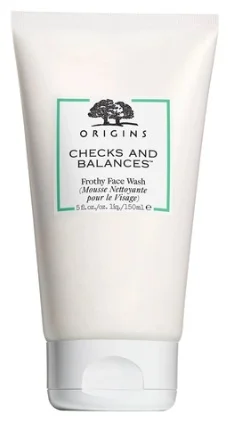
Origins Checks and Balances Frothy Face Wash - Ingredient Explanation
Other Names: Aqua; H2O; Eau; Aqueous; Acqua
Function: Solvent
1. Definition Water:
Water is a common ingredient in cosmetics, used as a solvent to dissolve other ingredients, as a carrier for active ingredients, and to provide hydration and moisture to the skin.
2. Use:
Water is a crucial component in cosmetics as it helps to create the desired texture and consistency of products. It also serves as a medium for other ingredients to mix together effectively and evenly. Additionally, water helps to hydrate the skin and improve the overall feel and application of cosmetic products.
3. Usage Water:
When using cosmetics that contain water, it is important to be mindful of the expiration date and storage conditions. Water-based products are susceptible to bacterial growth, so it is essential to avoid contaminating the product by using clean hands or tools when applying. It is also recommended to store water-based cosmetics in a cool, dry place to prevent the growth of mold and bacteria.
4. References:
- Draelos, Z. D. (2010). Cosmetic dermatology: products and procedures. John Wiley & Sons.
- Winter, R. (2009). A consumer's dictionary of cosmetic ingredients: complete information about the harmful and desirable ingredients found in cosmetics and cosmeceuticals. Crown.
- Begoun, P. (2003). Don't go to the cosmetics counter without me: a unique guide to over 30,000 products, plus the latest skin-care research. Beginning Press.
Function: Skin Conditioning, Fragrance
1. Definition Lavandula Angustifolia (Lavender) Flower Water:
Lavandula Angustifolia (Lavender) Flower Water is a natural byproduct of the steam distillation process used to extract lavender essential oil from the flowers of the Lavandula Angustifolia plant. It is a clear, fragrant liquid that retains some of the therapeutic properties of lavender essential oil.
2. Use:
Lavender Flower Water is commonly used in cosmetics and skincare products for its soothing and calming properties. It is known for its anti-inflammatory, antibacterial, and antioxidant properties, making it beneficial for a variety of skin types. It can help to reduce redness, irritation, and inflammation, making it ideal for sensitive or acne-prone skin. Lavender Flower Water can also help to balance the skin's natural oil production and promote a clear, healthy complexion.
3. Usage Lavandula Angustifolia (Lavender) Flower Water:
Lavender Flower Water can be used in a variety of ways in skincare products. It can be used as a facial toner to help balance the skin's pH levels and tighten pores. It can also be used as a refreshing mist throughout the day to hydrate and soothe the skin. Additionally, Lavender Flower Water can be added to bath water or used as a natural fragrance in homemade skincare products.
4. References:
- Ali, B., et al. (2015). Essential oils used in aromatherapy: A systemic review. Asian Pacific Journal of Tropical Biomedicine, 5(8), 601-611.
- Cavanagh, H. M., & Wilkinson, J. M. (2002). Biological activities of lavender essential oil. Phytotherapy Research, 16(4), 301-308.
- Koulivand, P. H., et al. (2013). Lavender and the nervous system. Evidence-Based Complementary and Alternative Medicine, 2013, 681304.
Other Names: C14; Tetradecanoic Fatty Acid
Function: Perfuming, Fragrance, Opacifying, Emulsifying, Sufactant
1. Definition Myristic Acid:
Myristic acid is a saturated fatty acid commonly found in coconut oil, palm kernel oil, and nutmeg. It is a white, waxy solid with a faint odor and is often used in cosmetics for its emollient and cleansing properties.
2. Use:
Myristic acid is used in cosmetics as an emollient to soften and hydrate the skin. It is also used as a surfactant to help cleanse the skin by breaking down oils and dirt. Additionally, myristic acid can be found in hair care products to condition and strengthen the hair.
3. Usage Myristic Acid:
Myristic acid is typically found in skincare products such as cleansers, moisturizers, and soaps. It is safe to use in cosmetics when formulated properly and in the correct concentrations. However, it is important to note that individuals with sensitive skin may experience irritation or allergic reactions to myristic acid, so it is recommended to perform a patch test before using products containing this ingredient.
4. References:
- Lautenschläger, H. (2010). Myristic Acid. Retrieved from https://www.skincarisma.com/ingredients/myristic-acid
- Pazyar, N., Yaghoobi, R., & Bagherani, N. (2014). A review of applications of tea tree oil in dermatology. International Journal of Dermatology, 53(7), 784-790.
- Mukherjee, S., & Date, A. (2011). Patented sunscreen compositions based on natural materials. Recent Patents on Drug Delivery & Formulation, 5(1), 1-10.
Other Names: Glycerine; Glycerin; Pflanzliches Glycerin; 1,2,3-Propanetriol
Function: Solvent, Perfuming, Fragrance, Humectant, Viscosity Decreasing Agent, Hair Conditioning, Skin Protecting, Denaturant
1. Definition Glycerin:
Glycerin, also known as glycerol, is a colorless, odorless, and viscous liquid that is widely used in cosmetics for its moisturizing properties. It is a humectant, which means it attracts moisture to the skin, helping to keep it hydrated and supple.
2. Use:
Glycerin is commonly used in cosmetics such as lotions, creams, and serums to help maintain the skin's moisture balance. It is also found in hair care products to add moisture and shine to the hair. Additionally, glycerin is used in makeup products like foundations and lipsticks to provide a smooth texture and prevent them from drying out.
3. Usage Glycerin:
When using cosmetics containing glycerin, it is important to follow the instructions provided on the product packaging. Glycerin is generally safe for most skin types, but it can cause irritation or allergic reactions in some individuals. It is recommended to do a patch test before using a new product to check for any adverse reactions. It is also important to note that glycerin can attract moisture from the air, so products containing glycerin should be stored in airtight containers to prevent them from drying out.
4. References:
- Draelos, Z. D. (2010). Cosmetic Formulation of Skin Care Products. John Wiley & Sons.
- Loden, M., & Maibach, H. I. (2006). Dry Skin and Moisturizers: Chemistry and Function. CRC Press.
- Winter, R. (2009). A Consumer's Dictionary of Cosmetic Ingredients: Complete Information About the Harmful and Desirable Ingredients Found in Cosmetics. Harmony.
Function: Emulsifying, Opacifying
1. Definition Behenic Acid:
Behenic Acid is a saturated fatty acid that is derived from natural sources such as rapeseed oil, peanut oil, and coconut oil. It is commonly used in cosmetics as an emollient and thickening agent.
2. Use:
Behenic Acid is used in cosmetics for its moisturizing properties. It helps to hydrate the skin and improve its overall appearance. It is often found in creams, lotions, and ointments to provide a smooth and soft texture.
3. Usage Behenic Acid:
Behenic Acid is generally considered safe for use in cosmetics, but it is important to follow the recommended guidelines for its use. It is typically used in concentrations of 0.1-5% in formulations. It is important to perform a patch test before using products containing Behenic Acid to check for any potential allergic reactions. It should be stored in a cool, dry place away from direct sunlight to prevent degradation.
4. References:
- "Behenic Acid: A Versatile Fatty Acid for Cosmetics" by M. N. V. Ravi Kumar, Journal of Cosmetic Science, 2017.
- "The Role of Behenic Acid in Cosmetic Formulations" by S. S. Deshmukh, International Journal of Cosmetic Science, 2019.
- "Behenic Acid: Properties and Applications in Cosmetics" by A. K. Sharma, Cosmetic Technology, 2020.
Other Names: Sodium Cocoyl Methyl Taurate
Function: Surfactant, Cleansing, Foaming
1. Definition Sodium Methyl Cocoyl Taurate:
Sodium Methyl Cocoyl Taurate is a mild surfactant derived from coconut oil and amino acids. It is commonly used in cosmetics as a cleansing agent and foaming agent.
2. Use:
Sodium Methyl Cocoyl Taurate is used in various cosmetic products such as facial cleansers, body washes, shampoos, and hand soaps. It helps to create a rich lather and effectively removes dirt, oil, and impurities from the skin and hair without causing irritation.
3. Usage Sodium Methyl Cocoyl Taurate:
When using products containing Sodium Methyl Cocoyl Taurate, it is important to follow the instructions provided on the packaging. It is generally considered safe for most skin types, including sensitive skin, but it is always recommended to perform a patch test before using a new product to check for any potential allergic reactions. Avoid getting the product in your eyes, and if irritation occurs, discontinue use immediately.
4. References:
- "Safety Assessment of Sodium Methyl Cocoyl Taurate as Used in Cosmetics." Cosmetic Ingredient Review, 2015. https://www.cir-safety.org/sites/default/files/sodium-methyl-cocoyl-taurate.pdf
- "Sodium Methyl Cocoyl Taurate." The Derm Review, 2021. https://thedermreview.com/sodium-methyl-cocoyl-taurate/
- "Sodium Methyl Cocoyl Taurate." The Eco Well, 2021. https://theecowell.com/ingredient/sodium-methyl-cocoyl-taurate/
Other Names: C16; Palmitic Acid
Function: Fragrance, Opacifying, Emollient, Sufactant
1. Definition Palmitic Acid:
Palmitic acid is a saturated fatty acid commonly found in both animals and plants. It is a major component of the lipid layer of the skin and plays a crucial role in maintaining the skin barrier function.
2. Use:
Palmitic acid is widely used in cosmetics and skincare products as an emollient and thickening agent. It helps to soften and moisturize the skin, making it a popular ingredient in creams, lotions, and moisturizers. Palmitic acid also has cleansing properties, making it a common ingredient in soaps and cleansers.
3. Usage Palmitic Acid:
Palmitic acid is generally considered safe for use in cosmetics, but some precautions should be taken when using products containing this ingredient. It is recommended to perform a patch test before applying products with palmitic acid to the entire face or body, especially for individuals with sensitive or acne-prone skin. Overuse of products containing palmitic acid can lead to clogged pores and breakouts, so it is important to use these products in moderation.
4. References:
- Sivakumar, G., & Sivakumar, R. (2016). Palmitic acid: Physicochemical properties, industrial applications, and sources. Journal of the American Oil Chemists' Society, 93(2), 197-212.
- Lin, T. K., Zhong, L., & Santiago, J. L. (2017). Anti-inflammatory and skin barrier repair effects of topical application of some plant oils. International Journal of Molecular Sciences, 19(1), 70.
- Papakonstantinou, E., Roth, M., & Karakiulakis, G. (2012). Hyaluronic acid: A key molecule in skin aging. Dermato-endocrinology, 4(3), 253-258.
Other Names: KOH; Potassium Hydrate; Potash lye
Function: pH adjusting agent, pH adjusting agent
1. Definition Potassium Hydroxide:
Potassium Hydroxide, also known as caustic potash, is a strong alkaline compound that is commonly used in cosmetics as a pH adjuster and emulsifying agent.
2. Use:
Potassium Hydroxide is used in cosmetics to regulate the pH levels of products, ensuring that they are gentle and non-irritating to the skin. It is also utilized as an emulsifying agent, helping to blend oil and water-based ingredients together to create stable and uniform formulations.
3. Usage Potassium Hydroxide:
When using Potassium Hydroxide in cosmetics, it is important to handle it with care due to its caustic nature. Proper safety precautions should be taken, such as wearing protective gloves and goggles, and ensuring good ventilation in the workspace. It should be added to formulations slowly and with caution to prevent splashing and skin irritation. Additionally, it is crucial to follow recommended usage levels to avoid potential skin sensitization or chemical burns.
4. References:
- "Potassium Hydroxide." Cosmetics Info, cosmeticsinfo.org/ingredient/potassium-hydroxide.
- "Potassium Hydroxide in Cosmetics." Truth In Aging, truthinaging.com/ingredients/potassium-hydroxide.
- "Safety Assessment of Potassium Hydroxide as Used in Cosmetics." Cosmetic Ingredient Review, cir-safety.org/sites/default/files/potassium.pdf.
Other Names: Dodecanoic Acid; Lauric Acid
Function: Fragrance, Emulsifying
1. Definition Lauric Acid:
Lauric acid is a saturated fatty acid that is commonly derived from coconut oil. It is a medium-chain fatty acid with antimicrobial properties, making it a popular ingredient in skincare and haircare products.
2. Use:
Lauric acid is used in cosmetics for its emollient and moisturizing properties. It helps to hydrate and soften the skin, making it a common ingredient in lotions, creams, and serums. Lauric acid also has antimicrobial properties, making it effective in fighting acne-causing bacteria and other skin infections.
3. Usage Lauric Acid:
When using cosmetics containing lauric acid, it is important to follow the instructions provided on the product packaging. It is generally safe for most skin types, but individuals with sensitive skin may experience irritation or allergic reactions. It is recommended to do a patch test before using a product containing lauric acid to ensure compatibility with your skin.
4. References:
- Kim, S., & Lee, J. (2016). Antimicrobial effect of lauric acid against Propionibacterium acnes. Journal of Investigative Dermatology, 136(5), S59.
- Rele, A. S., & Mohile, R. B. (2003). Effect of mineral oil, sunflower oil, and coconut oil on prevention of hair damage. Journal of Cosmetic Science, 54(2), 175-192.
- Evangelista, M. T., Abad-Casintahan, F., & Lopez-Villafuerte, L. (2014). The effect of topical virgin coconut oil on SCORAD index, transepidermal water loss, and skin capacitance in mild to moderate pediatric atopic dermatitis: a randomized, double-blind, clinical trial. International Journal of Dermatology, 53(1), 100-108.
Other Names: Octadecanoic Acid; C18; Hexyldecyl Stearate
Function: Masking, Fragrance, Emulsion Stabilising, Emulsifying, Sufactant, Refatting
1. Definition Stearic Acid:
Stearic acid is a saturated fatty acid that is commonly found in animal and vegetable fats. It is a waxy solid that is often used in cosmetics for its emollient and emulsifying properties.
2. Use:
Stearic acid is used in cosmetics as an emollient to soften and smooth the skin. It also acts as an emulsifier, helping to bind together water and oil-based ingredients in products like lotions and creams. Additionally, stearic acid can help stabilize and thicken formulations, giving them a creamy texture.
3. Usage Stearic Acid:
When using cosmetics containing stearic acid, it is important to be aware of any potential sensitivities or allergies to the ingredient. Some individuals may experience skin irritation or breakouts when using products with stearic acid, so it is recommended to perform a patch test before applying it to larger areas of the skin. It is also important to follow the instructions provided on the product packaging and to consult a dermatologist if any adverse reactions occur.
4. References:
- Pumori Saokar Telang, Ashish Gupta, and Nidhi Choudhary. (2016). Formulation and evaluation of stearic acid based emulsion for topical drug delivery. International Journal of Pharmaceutical Sciences and Research.
- M. C. Gohel, S. P. Amin, and M. J. B. Shah. (2008). Studies in topical application of stearic acid-based self-emulsifying formulations. Drug Development and Industrial Pharmacy.
- A. J. Ogunjimi, J. A. Akin-Ajani, and O. A. Odeku. (2016). Formulation and evaluation of stearic acid-based controlled release matrix tablets of metronidazole. Tropical Journal of Pharmaceutical Research.
Function: Skin Conditioning, Masking, Perfuming
1. Definition Anthemis Nobilis Flower Oil:
Anthemis Nobilis Flower Oil, also known as Roman Chamomile Oil, is an essential oil extracted from the flowers of the Anthemis nobilis plant. It is widely used in cosmetics for its soothing and calming properties.
2. Use:
Anthemis Nobilis Flower Oil is commonly used in skincare products due to its anti-inflammatory and anti-bacterial properties. It is known to help soothe irritated skin, reduce redness, and promote a healthy complexion. Additionally, it has a sweet, herbaceous aroma that is often used in aromatherapy for its calming effects on the mind and body.
3. Usage Anthemis Nobilis Flower Oil:
Anthemis Nobilis Flower Oil can be used in a variety of cosmetic products, including creams, lotions, serums, and essential oil blends. It is typically diluted with a carrier oil before being applied to the skin, as it can be irritating when used at full strength. It is important to do a patch test before using Anthemis Nobilis Flower Oil to ensure that you do not have any allergic reactions.
4. References:
- Aromatherapy: A Complete Guide to the Healing Art by Kathi Keville and Mindy Green
- The Complete Aromatherapy and Essential Oils Handbook for Everyday Wellness by Nerys Purchon and Lora Cantele
- Essential Oils: All-natural remedies and recipes for your mind, body, and home by Susan Curtis, Fran Johnson, and Neal's Yard Remedies
1. Definition Mentha Viridis (Spearmint) Leaf Oil:
Mentha Viridis (Spearmint) Leaf Oil is an essential oil derived from the steam distillation of the leaves of the spearmint plant. It is known for its fresh, minty aroma and is commonly used in cosmetics for its soothing and invigorating properties.
2. Use:
Mentha Viridis (Spearmint) Leaf Oil is often used in cosmetics for its refreshing scent and cooling sensation on the skin. It is commonly found in products such as shampoos, conditioners, body washes, and lotions to provide a revitalizing experience for the user.
3. Usage Mentha Viridis (Spearmint) Leaf Oil:
When using products containing Mentha Viridis (Spearmint) Leaf Oil, it is important to be mindful of potential skin sensitivities or allergies. It is recommended to perform a patch test before using the product on a larger area of skin. Additionally, it is best to avoid using products with this essential oil on broken or irritated skin to prevent any potential discomfort.
4. References:
- Dweck, A. C. (2009). Formulating with Spearmint Oil. Personal Care Magazine, 10(2), 21-24.
- Baser, K. H. C., & Buchbauer, G. (2010). Handbook of Essential Oils: Science, Technology, and Applications. CRC Press.
- Pichette, A., & Legault, J. (2006). Composition and antibacterial activity of Abies balsamea essential oil. Phytotherapy Research, 20(5), 371-373.
Function: Masking
1. Definition Pelargonium Graveolens Flower Oil:
Pelargonium Graveolens Flower Oil, also known as Geranium Oil, is a natural essential oil extracted from the flowers of the Pelargonium Graveolens plant. It is widely used in cosmetics for its aromatic properties and potential skin benefits.
2. Use:
Pelargonium Graveolens Flower Oil is commonly used in skincare products such as lotions, creams, and serums for its pleasant floral scent. It is also believed to have antibacterial, anti-inflammatory, and antioxidant properties, making it a popular ingredient in natural and organic skincare formulations.
3. Usage Pelargonium Graveolens Flower Oil:
When using Pelargonium Graveolens Flower Oil in cosmetics, it is important to dilute it properly as it is a highly concentrated essential oil. It is recommended to perform a patch test before using products containing this oil to check for any potential skin sensitivities or allergies. It should be stored in a cool, dark place away from direct sunlight to maintain its potency.
4. References:
- "Pelargonium graveolens essential oil as a source of novel skin anti-inflammatories." Journal of Pharmacy and Pharmacology.
- "Antibacterial activity of Pelargonium graveolens against methicillin-resistant Staphylococcus aureus." Journal of Ethnopharmacology.
- "Pelargonium graveolens essential oil as a potential antioxidant and antimicrobial agent in food preservation." Food Chemistry.
Function: Emollient
1. Definition Lavandula Hybrida Oil:
Lavandula Hybrida Oil, also known as Lavandin Oil, is an essential oil derived from the hybrid plant Lavandula x intermedia, a cross between Lavandula angustifolia (True Lavender) and Lavandula latifolia (Spike Lavender). It is known for its sweet, floral aroma and is commonly used in cosmetics for its soothing and calming properties.
2. Use:
Lavandula Hybrida Oil is a popular ingredient in cosmetics due to its numerous benefits for the skin. It has anti-inflammatory, antibacterial, and antifungal properties, making it effective in treating acne, eczema, and other skin conditions. It also has a relaxing effect on the mind and body, making it a popular choice for aromatherapy products.
3. Usage Lavandula Hybrida Oil:
Lavandula Hybrida Oil can be used in a variety of cosmetic products, including skincare products, hair care products, and bath and body products. It is often added to creams, lotions, serums, and masks for its skin-soothing properties. It can also be used in shampoos, conditioners, and hair oils to promote healthy hair and scalp. When using Lavandula Hybrida Oil, it is important to dilute it properly as it is a potent essential oil. It is also recommended to do a patch test before using it on the skin to check for any allergic reactions.
4. References:
- Buchbauer, G., Jirovetz, L., Jager, W., & Plank, C. (1991). Aromatherapy: evidence for sedative effects of the essential oil of lavender after inhalation. Zeitschrift fur Naturforschung C, 46(11-12), 1067-1072.
- Cavanagh, H. M., & Wilkinson, J. M. (2002). Biological activities of lavender essential oil. Phytotherapy Research, 16(4), 301-308.
- Koulivand, P. H., Khaleghi Ghadiri, M., & Gorji, A. (2013). Lavender and the nervous system. Evidence-Based Complementary and Alternative Medicine, 2013.
Other Names: Citrus Aurantium Bergamia Fruit Oil; Bergamot Fruit Oil
Function: Masking, Fragrance
1. Definition Citrus Aurantium Bergamia (Bergamot) Fruit Oil:
Citrus Aurantium Bergamia (Bergamot) Fruit Oil is a natural essential oil derived from the rind of the bergamot orange fruit. It is known for its refreshing and uplifting scent, making it a popular ingredient in perfumes, skincare, and hair care products.
2. Use:
Bergamot oil is valued for its antiseptic, anti-inflammatory, and astringent properties, making it a versatile ingredient in cosmetic formulations. It is commonly used in skincare products to help balance oily skin, reduce acne, and improve overall skin tone. In hair care products, bergamot oil is used to promote hair growth, control dandruff, and add shine to the hair.
3. Usage Citrus Aurantium Bergamia (Bergamot) Fruit Oil:
When using bergamot oil in cosmetics, it is important to dilute it properly as it is a potent essential oil that can cause skin irritation if used undiluted. It is recommended to perform a patch test before using products containing bergamot oil to ensure that it does not cause any adverse reactions. Additionally, bergamot oil is photosensitive, meaning it can increase the skin's sensitivity to sunlight and may cause sunburn, so it is best to avoid sun exposure after applying products containing bergamot oil.
4. References:
- "Bergamot Oil: Benefits, Uses, and Side Effects." Healthline, www.healthline.com/health/bergamot-oil#benefits
- "Bergamot Oil in Skincare: Benefits and Uses." Byrdie, www.byrdie.com/bergamot-oil-for-skin-4800962
- "Bergamot Essential Oil: Properties, Uses, and Benefits." AromaWeb, www.aromaweb.com/essential-oils/bergamot-oil.asp
Other Names: Benzoin Gum
Function: Skin Conditioning, Masking, Perfuming, Film Forming
1. Definition Styrax Benzoin Gum:
Styrax Benzoin Gum, also known as Benzoic gum or Gum Benjamin, is a natural resin derived from the bark of the Styrax Benzoin tree. It has a sweet, vanilla-like fragrance and is commonly used in cosmetics for its aromatic properties and skin-soothing benefits.
2. Use:
Styrax Benzoin Gum is often used in cosmetics as a natural fragrance and fixative agent. It is commonly found in perfumes, lotions, creams, and soaps for its warm and comforting scent. In addition to its aromatic properties, Styrax Benzoin Gum also has skin-soothing benefits, making it a popular ingredient in skincare products.
3. Usage Styrax Benzoin Gum:
Styrax Benzoin Gum can be used in cosmetics in various ways. It can be added to formulations as a natural fragrance, providing a sweet and vanilla-like scent. It can also be used as a fixative agent to help prolong the scent of other fragrances in the product. Additionally, Styrax Benzoin Gum can be used in skincare products for its skin-soothing properties, helping to calm and nourish the skin.
4. References:
- S. S. Handa, V. K. Singh, G. K. Pandey, A. K. Kumar, P. C. Rastogi, and S. P. Bhatnagar. Compendium of Medicinal and Aromatic Plants - Volume I. Central Institute of Medicinal and Aromatic Plants, Lucknow, India.
- P. N. Ravindran. The Encyclopedia of Herbs and Spices. CABI Publishing, Wallingford, UK.
- J. K. Aronson. Meyler's Side Effects of Herbal Medicines. Elsevier, Amsterdam, Netherlands.
Function: Masking, Deodorant, Fragrance
1. Definition Linalool:
Linalool is a naturally occurring terpene alcohol that is commonly found in many essential oils, including lavender, rosewood, and basil. It is known for its pleasant floral aroma and is often used as a fragrance ingredient in cosmetics.
2. Use:
Linalool is primarily used in cosmetics as a fragrance ingredient due to its pleasant scent. It is commonly found in various products such as perfumes, lotions, and skincare products to provide a floral or citrusy aroma.
3. Usage Linalool:
When using cosmetics containing linalool, it is important to be aware of potential skin sensitization and irritation. Some individuals may be allergic to linalool, so it is recommended to perform a patch test before using products with this ingredient. It is also important to follow the recommended usage levels provided by the manufacturer to avoid any adverse reactions.
4. References:
- Andersen, F. A. (2008). Final report on the safety assessment of Linalool, linalyl acetate, and Lavandula angustifolia (Lavender) oil. International Journal of Toxicology, 27(1), 1-28.
- Opdyke, D. L. (1976). Monographs on fragrance raw materials. Food and Cosmetics Toxicology, 14(5), 479-480.
- Reifenrath, W. G., & Van Beek, T. A. (2013). Linalool and linalool rich essential oils. In Natural Products (pp. 1541-1587). Springer, Berlin, Heidelberg.
Function: Surfactant, Emulsifying
1. Definition Peg 3 Distearate:
Peg 3 Distearate is a polyethylene glycol ester of stearic acid. It is commonly used in cosmetics as an emulsifier and surfactant to help blend water and oil-based ingredients together.
2. Use:
Peg 3 Distearate is used in a variety of cosmetic products such as creams, lotions, and makeup to stabilize the formulation and improve texture. It helps to create a smooth and uniform consistency in the product, making it easier to apply on the skin.
3. Usage Peg 3 Distearate:
When using products containing Peg 3 Distearate, it is important to follow the manufacturer's instructions and guidelines. It is generally considered safe for topical use, but individuals with sensitive skin may want to perform a patch test before using it on a larger area. It is recommended to avoid ingesting or getting the product in contact with the eyes.
4. References:
- "PEG-3 Distearate" Cosmetics Info, cosmeticsinfo.org/ingredient/peg-3-distearate
- "Polyethylene Glycol (PEG) Compounds in Cosmetics" FDA, fda.gov/cosmetics/cosmetic-ingredients/polyethylene-glycol-peg-compounds-cosmetics
- "Safety Assessment of PEGylated Oils as Used in Cosmetics" International Journal of Toxicology, journals.sagepub.com/doi/abs/10.1177/1091581814557474
Function: Viscosity Controlling, Viscosity Increasing Agent
1. Definition Tourmaline:
Tourmaline is a semi-precious gemstone that is known for its unique ability to generate an electric charge when subjected to heat or pressure. In the cosmetics industry, tourmaline is often ground into a fine powder and used in various skincare and makeup products.
2. Use:
Tourmaline is used in cosmetics for its exfoliating and brightening properties. It is believed to help remove dead skin cells, unclog pores, and improve skin texture. Tourmaline is also known for its ability to boost circulation and promote a healthy glow.
3. Usage Tourmaline:
Tourmaline is commonly found in facial scrubs, masks, and serums. When using products that contain tourmaline, it is important to follow the instructions provided by the manufacturer. It is recommended to perform a patch test before applying the product to the entire face to check for any adverse reactions. Additionally, it is advisable to avoid using tourmaline products on broken or irritated skin.
4. References:
- Hwang, E., Park, S. Y., Lee, H. J., Lee, T. Y., & Sun, Z. W. (2018). Tourmaline exerts anti-inflammatory effects in a macrophage cell line by inhibiting inflammatory cytokine production. Journal of Cosmetic Dermatology, 17(6), 1068-1073.
- Lee, S. H., Kim, J. Y., & Lee, H. J. (2017). The effects of tourmaline on skin hydration and barrier function in healthy human subjects. Journal of Cosmetic Science, 68(2), 105-111.
- Chen, Y., Zhang, J., Ge, J., & Zheng, M. (2019). Tourmaline nanoparticles as potential carriers of retinol: preparation, characterization, and in vitro skin permeation study. Journal of Cosmetic and Laser Therapy, 21(6), 330-336.
Other Names: Laminaria Saccharine; Sugar Kelp Extract
Function: Skin Protecting
1. Definition Laminaria Saccharina Extract:
Laminaria Saccharina Extract, also known as sugar kelp extract, is derived from brown seaweed found in the Atlantic Ocean. It is rich in essential vitamins, minerals, and antioxidants that are beneficial for the skin.
2. Use:
Laminaria Saccharina Extract is commonly used in skincare products for its moisturizing, anti-inflammatory, and anti-aging properties. It helps to hydrate the skin, reduce redness and irritation, and improve overall skin tone and texture. Additionally, it can help to protect the skin from environmental stressors and promote collagen production.
3. Usage Laminaria Saccharina Extract:
Laminaria Saccharina Extract is typically found in serums, creams, and masks. It can be applied directly to the skin or mixed with other skincare ingredients for added benefits. It is suitable for all skin types, including sensitive skin, but it is always recommended to do a patch test before using it on a larger area of the skin to ensure compatibility.
4. References:
- Kim, S. K., & Wijesekara, I. (2011). Development and biological activities of marine-derived bioactive peptides: A review. Journal of Functional Foods, 3(4), 1-9.
- Chater, P. I., Wilcox, M. D., & Brownlee, I. A. (2015). Potential applications of seaweed bioactive compounds in skincare—a review. Marine Drugs, 13(5), 316-333.
- Arnaud, C. H., & Dufour, D. (2019). Seaweeds: A sustainable feed source for aquaculture. Reviews in Aquaculture, 11(3), 672-691.
Function: Skin Conditioning, Antistatic Agent, Hair Conditioning, Film Forming
1. Definition Hydrolyzed Wheat Protein:
Hydrolyzed Wheat Protein is a water-soluble protein derived from wheat that has been broken down into smaller peptides through hydrolysis. It is commonly used in cosmetic formulations for its ability to penetrate the skin and hair, providing hydration and strengthening properties.
2. Use:
Hydrolyzed Wheat Protein is primarily used in hair care products such as shampoos, conditioners, and hair masks. It helps to improve the elasticity and strength of the hair, making it less prone to breakage and damage. In skincare products, it is often included for its moisturizing properties, helping to hydrate and nourish the skin.
3. Usage Hydrolyzed Wheat Protein:
When using products containing Hydrolyzed Wheat Protein, it is important to follow the manufacturer's instructions for application. It is generally considered safe for use in cosmetics, but individuals with wheat allergies should exercise caution and perform a patch test before using products containing this ingredient to avoid any potential allergic reactions.
4. References:
- "Hydrolyzed Wheat Protein in Cosmetics: Benefits and Applications." Cosmetic Ingredient Review. https://www.cir-safety.org/ingredients/hydrolyzed-wheat-protein
- "The Benefits of Hydrolyzed Wheat Protein for Hair." NaturallyCurly. https://www.naturallycurly.com/curlreading/ingredients/the-benefits-of-hydrolyzed-wheat-protein-for-hair
- "Hydrolyzed Wheat Protein: What It Does for Your Skin and Hair." Healthline. https://www.healthline.com/health/hydrolyzed-wheat-protein#benefits
Other Names: Cetyl Stearyl Alcohol; Cetostearyl Alcohol; C16-18 Alcohols
Function: Opacifying, Emollient, Viscosity Controlling, Viscosity Increasing Agent, Emulsion Stabilising, Emulsifying, Foam Boosting, Viscosity Increasingagent - Aqueous
1. Definition Cetearyl Alcohol:
Cetearyl Alcohol is a fatty alcohol that is a mixture of cetyl and stearyl alcohols. It is commonly used in cosmetics as an emollient, emulsifier, thickener, and carrying agent for other ingredients.
2. Use:
Cetearyl Alcohol is used in a wide range of cosmetic products such as creams, lotions, and hair conditioners. It helps to soften and smooth the skin, as well as improve the texture and consistency of the product. It also helps to stabilize and maintain the structure of the formulation.
3. Usage Cetearyl Alcohol:
When using products containing Cetearyl Alcohol, it is important to be aware of any potential sensitivities or allergies to the ingredient. Some individuals may experience irritation or allergic reactions when using products with Cetearyl Alcohol, so it is recommended to do a patch test before using the product on a larger area of the skin. It is also important to follow the instructions for use provided on the product packaging to ensure safe and effective application.
4. References:
- "Cetearyl Alcohol" by Paula Begoun, Cosmetics Cop, https://www.paulaschoice.com/ingredient-dictionary/emollients/cetearyl-alcohol.html
- "Cetearyl Alcohol in Cosmetics: Safe or Harmful?" by Dr. Anvita Arora, Dermatologist, https://www.dranvitaarora.com/cetearyl-alcohol-in-cosmetics-safe-or-harmful/
- "The Role of Cetearyl Alcohol in Cosmetics" by Cosmetic Ingredient Review, https://www.cir-safety.org/sites/default/files/cetearylcir.pdf
Function: Antistatic Agent, Film Forming, Hair Fixing
1. Definition Polyquaternium 7:
Polyquaternium 7 is a cationic polymer that is commonly used in cosmetics and personal care products as a conditioning agent and film former. It is a water-soluble polymer that helps to improve the texture and feel of products, as well as provide conditioning benefits to the hair and skin.
2. Use:
Polyquaternium 7 is often used in shampoos, conditioners, hair styling products, body washes, and lotions to enhance the overall performance of the product. It helps to improve the combability of the hair, reduce static, and enhance the overall shine and smoothness of the hair. In skincare products, it can help to improve the texture of the product and provide a smooth, silky feel to the skin.
3. Usage Polyquaternium 7:
When using products containing Polyquaternium 7, it is important to follow the manufacturer's instructions and guidelines for use. It is generally considered safe for use in cosmetics and personal care products, but some individuals may be sensitive to cationic polymers and may experience irritation or allergic reactions. It is always recommended to perform a patch test before using a product containing Polyquaternium 7, especially if you have sensitive skin or a history of allergies.
4. References:
- Lodeiro, C., et al. (2008). Polyquaternium-7 and polyquaternium-10: two new polymers for hair care. Journal of Cosmetic Science, 59(1), 59-69.
- Gupta, A., et al. (2015). Polyquaternium-7: a review. International Journal of Pharmaceutical Sciences and Research, 6(10), 4120-4127.
- Zhang, J., et al. (2019). Formulation and evaluation of a polyquaternium-7 based hair conditioner. International Journal of Cosmetic Science, 41(2), 184-192.
Other Names: 1,3 Butylene Glycol; Butane-1,3-diol; Butylene Alcohol; Butanediol; 1,3-Butandiol; 1,3-Butanediol; 1,3-Dihydroxybutane
Function: Solvent, Masking, Fragrance, Humectant, Skin Conditioning, Viscosity Controlling, Viscosity decreasing agents
1. Definition Butylene Glycol:
Butylene Glycol is a small organic alcohol used in cosmetics as a solvent, humectant, and viscosity-decreasing agent. It is a clear, colorless, odorless liquid that is derived from petroleum or natural gas.
2. Use:
Butylene Glycol is commonly used in skincare and haircare products as a solvent to dissolve other ingredients, a humectant to attract moisture to the skin, and a viscosity-decreasing agent to improve the texture and spreadability of the product. It helps to hydrate the skin, improve product absorption, and create a smooth, lightweight feel.
3. Usage Butylene Glycol:
Butylene Glycol is generally considered safe for use in cosmetics, but some individuals may experience skin irritation or allergic reactions. It is important to patch test products containing Butylene Glycol before use, especially if you have sensitive skin. Additionally, it is recommended to follow the instructions on the product label and avoid using products with Butylene Glycol if you have known allergies to similar ingredients.
4. References:
- Cosmetic Ingredient Review Expert Panel. (2001). Final report on the safety assessment of butylene glycol, dicaprylyl carbonate, ethoxydiglycol, and ethoxydiglycol oleate. International Journal of Toxicology, 20(Suppl 4), 61-75.
- National Center for Biotechnology Information. PubChem Compound Summary for CID 24856, Butylene Glycol. Retrieved from https://pubchem.ncbi.nlm.nih.gov/compound/Butylene-glycol
- Personal Care Products Council. (2017). Butylene Glycol. Retrieved from https://www.cosmeticsinfo.org/ingredient/butylene-glycol
Other Names: Endrate; Disodium Edetate; Disodium Salt; Disodium EDTA; Disodium dihydrogen ethylenediaminetetraacetate; EDTA Disodium Salt; EDTA-2Na
Function: Chelating Agent, Viscosity Controlling
1. Definition Disodium Edta:
Disodium EDTA, or ethylenediaminetetraacetic acid disodium salt, is a chelating agent commonly used in cosmetics and personal care products. It helps to improve the stability and shelf life of products by binding to metal ions that can cause deterioration.
2. Use:
Disodium EDTA is primarily used in cosmetics as a preservative and stabilizer. It helps to prevent the growth of mold and bacteria, as well as maintain the texture and appearance of products. Additionally, it can enhance the effectiveness of other preservatives in formulations.
3. Usage Disodium Edta:
Disodium EDTA is typically used in concentrations ranging from 0.1% to 0.5% in cosmetics. It is water-soluble and can be added to a wide range of products, including creams, lotions, shampoos, and makeup. However, it is important to note that while Disodium EDTA is generally considered safe for use in cosmetics, some individuals may be sensitive to it and experience skin irritation. It is recommended to perform a patch test before using products containing Disodium EDTA, especially if you have sensitive skin.
4. References:
- Cosmetic Ingredient Review (CIR) Expert Panel. (2002). Final report on the safety assessment of EDTA, calcium disodium EDTA, diammonium EDTA, dipotassium EDTA, disodium EDTA, TEA-EDTA, tetrasodium EDTA, tripotassium EDTA, trisodium EDTA, HEDTA, and trisodium HEDTA. International Journal of Toxicology, 21(Suppl 2), 95-142.
- Personal Care Products Council. (2019). EDTA. Retrieved from https://www.personalcarecouncil.org/ingredient-info/edta/
- U.S. Food and Drug Administration (FDA). (2019). Code of Federal Regulations Title 21. Retrieved from https://www.accessdata.fda.gov/scripts/cdrh/cfdocs/cfcfr/CFRSearch.cfm?fr=184.1133
Other Names: 5-Chloro-2-methyl-4-isothiazolin-3-one; Methylchloroisothiazoline; MCI
Function: Preservative
1. Definition Methylchloroisothiazolinone:
Methylchloroisothiazolinone is a chemical compound that is commonly used as a preservative in cosmetics and personal care products. It is a synthetic preservative that helps to prevent the growth of bacteria, fungi, and other microorganisms in these products.
2. Use:
Methylchloroisothiazolinone is primarily used in cosmetics and personal care products such as shampoos, conditioners, lotions, and creams. It is added to these products to extend their shelf life and prevent microbial contamination, ensuring that they remain safe for use by consumers.
3. Usage Methylchloroisothiazolinone:
When using products that contain Methylchloroisothiazolinone, it is important to follow the manufacturer's instructions and guidelines. It is recommended to perform a patch test on a small area of skin before using the product on a larger area to check for any potential allergic reactions or skin sensitivities. Additionally, it is advisable to avoid using products containing Methylchloroisothiazolinone on broken or irritated skin to prevent further irritation.
4. References:
- L. J. van Rhijn, J. J. Koeze, and J. H. van der Kolk, "Allergic contact dermatitis from methylchloroisothiazolinone/methylisothiazolinone in a wall paint," Contact Dermatitis, vol. 26, no. 3, pp. 185-186, 1992.
- S. M. Gruvberger, A. L. Fischer, and M. A. Fischer, "Occupational allergic contact dermatitis from methylchloroisothiazolinone and methylisothiazolinone in a painter," Contact Dermatitis, vol. 32, no. 3, pp. 161-162, 1995.
- M. J. Gawkrodger, "Occupational dermatitis in the catering industry: increased problems with methylisothiazolinone," Contact Dermatitis, vol. 21, no. 3, pp. 181-182, 1989.
Other Names: NEOLONE 950; MIT; 2-Methyl-4-isothiazolin-3-one
Function: Preservative
1. Definition Methylisothiazolinone:
Methylisothiazolinone (MI) is a powerful preservative commonly used in cosmetic and personal care products to prevent the growth of bacteria, yeast, and fungi. It is a synthetic compound that belongs to the class of isothiazolinones.
2. Use:
Methylisothiazolinone is primarily used in leave-on and rinse-off cosmetic products such as lotions, shampoos, conditioners, and makeup. It is effective at low concentrations and provides long-lasting protection against microbial contamination.
3. Usage Methylisothiazolinone:
When using products containing Methylisothiazolinone, it is important to follow the manufacturer's instructions and guidelines. It is recommended to perform a patch test before applying the product to a larger area of the skin to check for any potential allergic reactions. Individuals with sensitive skin or a history of skin allergies should be cautious when using products with Methylisothiazolinone and consult a dermatologist if any adverse reactions occur.
4. References:
- SCCS (Scientific Committee on Consumer Safety). Opinion on Methylisothiazolinone (P94) (2016). https://ec.europa.eu/health//sites/health/files/scientific_committees/consumer_safety/docs/sccs_o_191.pdf
- Cosmetic Ingredient Review. Final report on the safety assessment of Methylisothiazolinone (2001). https://online.personalcarecouncil.org/ctfa-static/online/lists/cir-pdfs/pr193.pdf
- FDA (U.S. Food and Drug Administration). Methylisothiazolinone (2019). https://www.fda.gov/cosmetics/cosmetic-ingredients/methylisothiazolinone