


Analysis locked
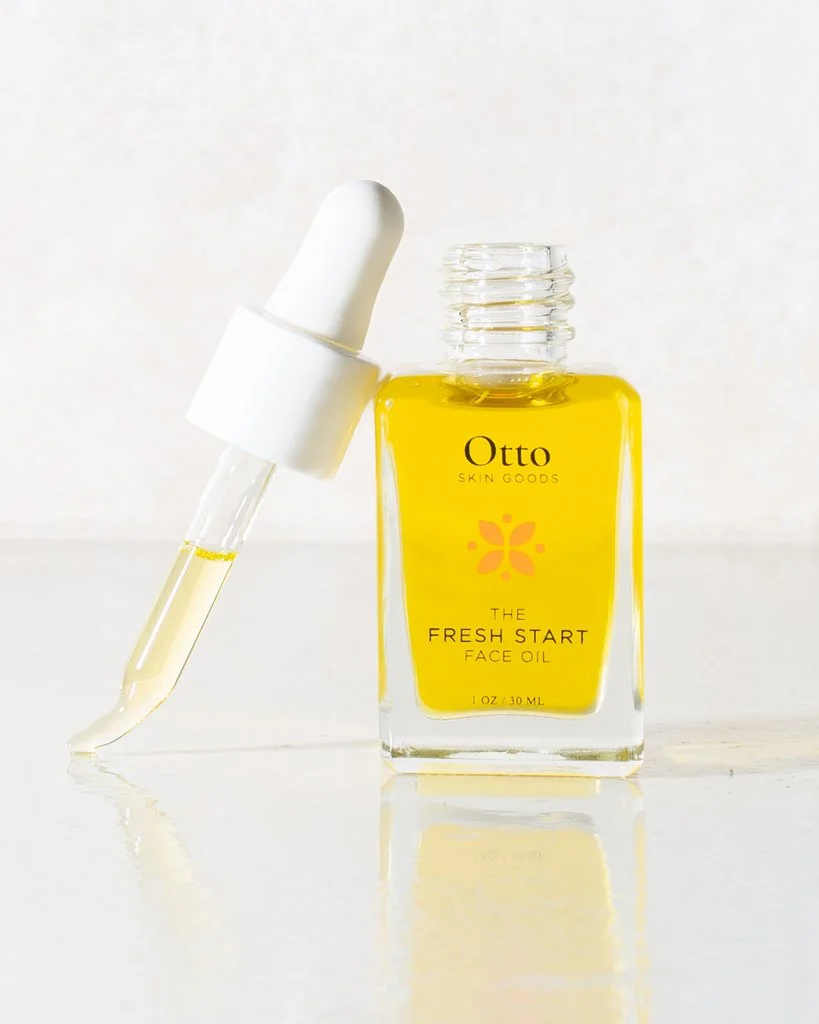
How well does your skin match with Otto Skin Goods The Fresh Start Facial Oil?
Login to see detailsOr continue via
Quick 1-minute survey • Completely free
Ingredients
Analysis results of Ingredients


Ingredient List
| EWG | CIR | Ingredient Name & Cosmetic Function | Notes |
|---|---|---|---|
| 1 | A | (Skin Conditioning, Emollient) |   |
| 1 | - | (Skin Conditioning, Antioxidant) | |
| 1 | - | | |
| 1 | - | |

Otto Skin Goods The Fresh Start Facial Oil - Ingredient Explanation
Vitis Vinifera (Grape) Seed Oil
1. Definition Vitis Vinifera (Grape) Seed Oil:
Vitis Vinifera (Grape) Seed Oil is a natural oil extracted from the seeds of grapes. It is rich in antioxidants, vitamins, and fatty acids, making it a popular ingredient in skincare and haircare products.2. Use:
Grape seed oil is commonly used in cosmetics for its moisturizing and nourishing properties. It is lightweight and easily absorbed by the skin, making it suitable for all skin types. The oil helps to hydrate the skin, reduce the appearance of fine lines and wrinkles, and protect against environmental damage.3. Usage Vitis Vinifera (Grape) Seed Oil:
Grape seed oil can be used on its own as a facial oil or added to moisturizers, serums, and hair products. It can also be used as a carrier oil for essential oils. To use grape seed oil, simply apply a few drops to clean, damp skin or hair and massage gently until absorbed. It can be used daily as part of a skincare routine.Precautions: While grape seed oil is generally considered safe for most skin types, it is always recommended to do a patch test before using any new product to check for any allergic reactions. People with grape allergies should avoid using grape seed oil. Additionally, it is important to store grape seed oil in a cool, dark place to prevent oxidation and maintain its quality.
4. References:
- Lin, T. K., Zhong, L., & Santiago, J. L. (2017). Anti-inflammatory and skin barrier repair effects of topical application of some plant oils. International journal of molecular sciences, 19(1), 70.
- Meier, L., & Stange, R. (2008). The role of essential fatty acids in human health. Journal of pediatric gastroenterology and nutrition, 47, S41-S44.
- Sivakumar, G., & Balamurugan, S. (2019). A review on grape seed oil. Journal of Critical Reviews, 6(1), 1-6.
Tetrahexyldecyl Ascorbate
1. Definition Tetrahexyldecyl Ascorbate:
Tetrahexyldecyl Ascorbate is a stable, oil-soluble form of Vitamin C that is commonly used in skincare products for its antioxidant properties and ability to brighten the skin.2. Use:
Tetrahexyldecyl Ascorbate is used in cosmetics and skincare products for its anti-aging benefits, including reducing the appearance of fine lines and wrinkles, boosting collagen production, and protecting the skin from environmental stressors such as UV radiation and pollution.3. Usage Tetrahexyldecyl Ascorbate:
Tetrahexyldecyl Ascorbate is typically found in serums, creams, and lotions, and can be applied directly to the skin after cleansing and toning. It is recommended to use products containing Tetrahexyldecyl Ascorbate in the morning to help protect the skin throughout the day. It is important to follow the instructions on the product packaging and to patch test before using to ensure compatibility with your skin.4. References:
- Telang PS. Vitamin C in dermatology. Indian Dermatol Online J. 2013;4(2):143-146. doi:10.4103/2229-5178.110593
- Pullar JM, Carr AC, Vissers MCM. The Roles of Vitamin C in Skin Health. Nutrients. 2017;9(8):866. Published 2017 Aug 12. doi:10.3390/nu9080866
- Al-Niaimi F, Chiang NYZ. Topical Vitamin C and the Skin: Mechanisms of Action and Clinical Applications. J Clin Aesthet Dermatol. 2017;10(7):14-17. Published 2017 Jul.
Sclerocarya Birrea (Marula) Oil
1. Definition Sclerocarya Birrea (Marula) Oil:
Sclerocarya Birrea (Marula) Oil is a natural oil extracted from the kernels of the Marula tree, which is native to Southern Africa. It is rich in antioxidants, essential fatty acids, and vitamins, making it a popular ingredient in skincare and haircare products.2. Use:
Marula oil is known for its moisturizing and nourishing properties, making it suitable for all skin types, including dry, sensitive, and aging skin. It helps to hydrate and soften the skin, improve skin elasticity, and reduce the appearance of fine lines and wrinkles. In haircare products, Marula oil can help to condition and strengthen the hair, reduce frizz, and add shine.3. Usage Sclerocarya Birrea (Marula) Oil:
Marula oil can be used on its own as a facial oil or added to skincare products such as moisturizers, serums, and masks. It can also be used in haircare products like shampoos, conditioners, and hair oils. When using Marula oil, it is important to do a patch test first to check for any allergic reactions. It is recommended to apply a small amount of oil to a small area of skin and wait 24 hours to see if any irritation occurs. Marula oil should be stored in a cool, dark place away from direct sunlight to maintain its potency.4. References:
- Maranz, S., Wiesman, Z. (2003). Evidence for indigenous selection and distribution of the marula tree (Sclerocarya birrea (A. Rich.) Hochst.) in Southern Africa. Agroforestry Systems, 59(3), 245-255.
- Van Wyk, B. E., & Gericke, N. (2000). People's Plants: A Guide to Useful Plants of Southern Africa. Briza Publications.
- Mncwangi, N., Chen, W., Vermaak, I., Viljoen, A. M., & Gericke, N. (2011). Devil's claw—A review of the ethnobotany, phytochemistry and biological activity of Harpagophytum procumbens. Journal of Ethnopharmacology, 137(1), 1-21.
Rose Hips Seed Oil
1. Definition Rose Hips Seed Oil:
Rose Hips Seed Oil is a natural oil extracted from the seeds of rose hips, which are the fruit of the rose plant. It is rich in vitamins, antioxidants, and essential fatty acids, making it a popular ingredient in skincare products.2. Use:
Rose Hips Seed Oil is commonly used in cosmetics for its hydrating, anti-aging, and skin brightening properties. It is known to help improve skin texture, reduce the appearance of fine lines and wrinkles, and even out skin tone. Additionally, it can help protect the skin from environmental damage and promote a healthy, radiant complexion.3. Usage Rose Hips Seed Oil:
Rose Hips Seed Oil can be used in various ways in skincare products, including as a standalone oil or as an ingredient in creams, serums, and masks. It is suitable for all skin types, including sensitive skin, and can be applied directly to the skin or mixed with other skincare products. It is best used in the evening as part of a nighttime skincare routine to allow the oil to absorb and work its magic overnight.4. References:
- Lin TK, Zhong L, Santiago JL. Anti-inflammatory and skin barrier repair effects of topical application of some plant oils. Int J Mol Sci. 2017;19(1):70. doi:10.3390/ijms19010070
- Phetcharat L, Wongsuphasawat K, Winther K. The effectiveness of a standardized rose hip powder, containing seeds and shells of Rosa canina, on cell longevity, skin wrinkles, moisture, and elasticity. Clin Interv Aging. 2015;10:1849-1856. doi:10.2147/CIA.S90092
- Schwager J, Richard N, Schoop R, Wolfram S. A novel rose hip preparation with enhanced anti-inflammatory and chondroprotective effects. Mediators Inflamm. 2014;2014:105710. doi:10.1155/2014/105710
Review

Didn't find
the information you need?





Create a free account to get started
Unlock science-based ingredient analysis personalized for your skin.
Already have an account? Log in
We protect your privacy. We never send spam.