Ingredients
Analysis results of Ingredients


Ingredient List
| EWG | CIR | Ingredient Name & Cosmetic Function | Notes |
|---|---|---|---|
| 1 | - | (Solvent, Masking, Viscosity Controlling, Antifoaming Agent, Antimicrobial, Astringent) |    |
| 1 | A | (Solvent, Skin Conditioning, Emollient, Film Forming, Plasticizer) | |
| 2 | - | (Uv Absorber, Uv Filter) | |
| 1 | - | (Skin Conditioning, Emollient) | |


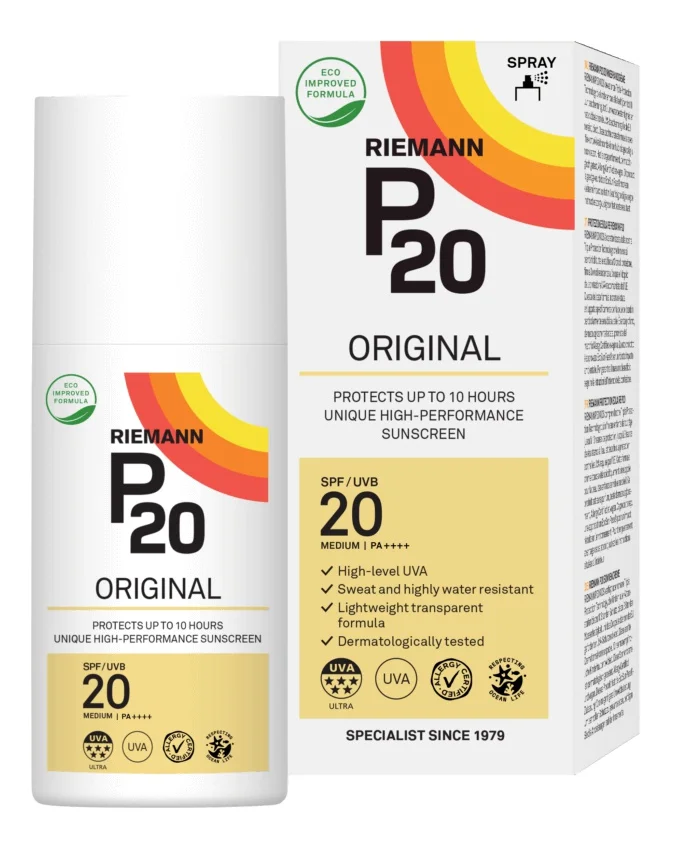
P20 Riemann Sunscreen Spray SPF 20 - Ingredient Explanation
Alcohol Denatured
1. Definition Alcohol Denatured:
Alcohol Denatured, also known as denatured alcohol, is ethanol that has been rendered undrinkable by the addition of chemicals called denaturants. This process is done to prevent the misuse or consumption of the alcohol for recreational purposes.2. Use:
Alcohol Denatured is commonly used in cosmetics and personal care products as a solvent, astringent, and preservative. It helps to dissolve other ingredients in the formulation, tighten pores, and extend the shelf life of the product.3. Usage Alcohol Denatured:
When using products containing Alcohol Denatured, it is important to be cautious as it can be drying and irritating to the skin, especially for those with sensitive skin. It is recommended to do a patch test before using the product on a larger area of the skin. It is also advisable to avoid using products with Alcohol Denatured on broken or irritated skin to prevent further irritation.4. References:
- "Denatured Alcohol in Cosmetics." Cosmetics Info, www.cosmeticsinfo.org/ingredient/denatured-alcohol.
- "Alcohol Denat." Paula's Choice Skincare, www.paulaschoice.com/ingredient-dictionary/solvents/alcohol-denat.html.
- "Denatured Alcohol." The Dermatology Review, www.thedermreview.com/denatured-alcohol/.
Dibutyl Adipate
1. Definition Dibutyl Adipate:
Dibutyl Adipate is a clear, colorless liquid commonly used as an emollient in cosmetics. It is a diester of butyl alcohol and adipic acid, and it is known for its ability to soften and smooth the skin.2. Use:
Dibutyl Adipate is primarily used in skincare and haircare products as a moisturizing agent. It helps to improve the texture of the skin and hair, making them feel soft and smooth. Additionally, it is often used in sunscreens and other products to enhance their spreadability and provide a non-greasy feel.3. Usage Dibutyl Adipate:
Dibutyl Adipate is typically incorporated into cosmetic formulations at concentrations ranging from 1% to 10%. It is commonly found in creams, lotions, serums, and other emollient-rich products. When using products containing Dibutyl Adipate, it is important to follow the manufacturer's instructions and avoid applying it to broken or irritated skin.Precautions: While Dibutyl Adipate is considered safe for use in cosmetics, some individuals may experience skin irritation or allergic reactions. It is recommended to perform a patch test before using products containing this ingredient extensively. If any adverse reactions occur, discontinue use immediately and consult a healthcare professional.
4. References:
- Cosmetic Ingredient Review Expert Panel. Final Report on the Safety Assessment of Dibutyl Adipate. International Journal of Toxicology. 2003; 22(Suppl 2): 1-10.
- Personal Care Products Council. Dibutyl Adipate. https://www.cosmeticsinfo.org/ingredient/dibutyl-adipate. Accessed November 15, 2021.
- U.S. Food and Drug Administration. Code of Federal Regulations Title 21. https://www.accessdata.fda.gov/scripts/cdrh/cfdocs/cfcfr/CFRSearch.cfm?fr=178.3720. Accessed November 15, 2021.
Diethylamino Hydroxybenzoyl Hexyl Benzoate
1. Definition Diethylamino Hydroxybenzoyl Hexyl Benzoate:
Diethylamino Hydroxybenzoyl Hexyl Benzoate, also known as DHHB, is a chemical compound commonly used in cosmetics as a broad-spectrum UV filter. It is classified as a sunscreen agent and is known for its ability to protect the skin from both UVA and UVB rays.2. Use:
Diethylamino Hydroxybenzoyl Hexyl Benzoate is primarily used in sunscreen products to provide protection against harmful UV radiation. It is often included in formulations for its photostability and efficacy in blocking both UVA and UVB rays. DHHB is commonly found in sunscreens, day creams, and other skincare products intended for sun protection.3. Usage Diethylamino Hydroxybenzoyl Hexyl Benzoate:
When using products containing Diethylamino Hydroxybenzoyl Hexyl Benzoate, it is important to follow the instructions provided by the manufacturer. Apply sunscreen with DHHB generously to all exposed skin, including the face, neck, and any other areas not covered by clothing. Reapply sunscreen every two hours or more frequently if swimming or sweating. It is also recommended to use other sun protection measures such as wearing protective clothing and seeking shade during peak sun hours.4. References:
- Kockler J, Oelgemöller M, Robertson S, Glass BD. Photostability of sunscreens. J Photochem Photobiol C Photochem Rev. 2012;13(1):91-110. doi:10.1016/j.jphotochemrev.2011.11.003
- Matta MK, Florian J, Zusterzeel R, et al. Effect of sunscreen application on plasma concentration of sunscreen active ingredients: A randomized clinical trial. JAMA. 2020;323(3):256-267. doi:10.1001/jama.2019.20747
- Food and Drug Administration (FDA). Sunscreen Drug Products for Over-the-Counter Human Use. Code of Federal Regulations Title 21, Volume 5. Revised as of April 1, 2020. Accessed June 10, 2021. https://www.accessdata.fda.gov/scripts/cdrh/cfdocs/cfcfr/CFRSearch.cfm?CFRPart=352
Phenoxyethyl Caprylate
1. Definition Phenoxyethyl Caprylate:
Phenoxyethyl Caprylate is a synthetic ester derived from caprylic acid and phenoxyethanol. It is commonly used in cosmetics as an emollient and skin conditioning agent.2. Use:
Phenoxyethyl Caprylate is used in cosmetics and personal care products as a moisturizer and emollient. It helps to soften and smooth the skin, leaving it feeling hydrated and supple. It is often found in creams, lotions, and serums, where it helps to improve the texture and feel of the product.3. Usage Phenoxyethyl Caprylate:
Phenoxyethyl Caprylate is typically used in concentrations ranging from 0.5% to 5% in cosmetic formulations. It is generally considered safe for use in skincare products, but it is always recommended to perform a patch test before using a new product containing this ingredient. It is important to follow the recommended usage levels and guidelines provided by the manufacturer to ensure the safety and efficacy of the product.4. References:
- "Safety Assessment of Phenoxyethanol, Ethylhexylglycerin, Caprylyl Glycol, and Hexylene Glycol as Used in Cosmetics." Cosmetic Ingredient Review, 2018.
- "Phenoxyethyl Caprylate." The Derm Review, www.thedermreview.com/phenoxyethyl-caprylate/.
- "Phenoxyethyl Caprylate." Truth In Aging, www.truthinaging.com/ingredients/phenoxyethyl-caprylate.