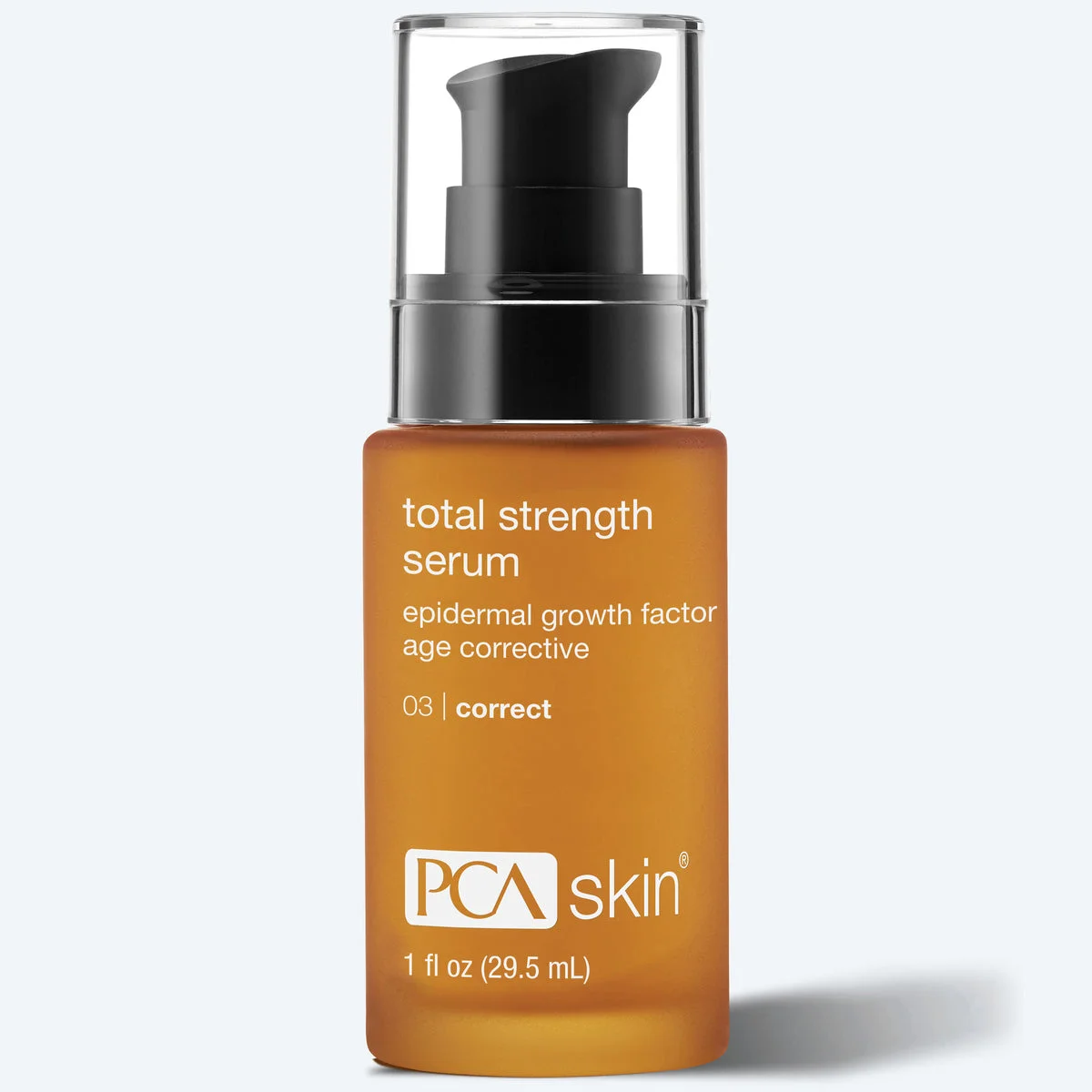
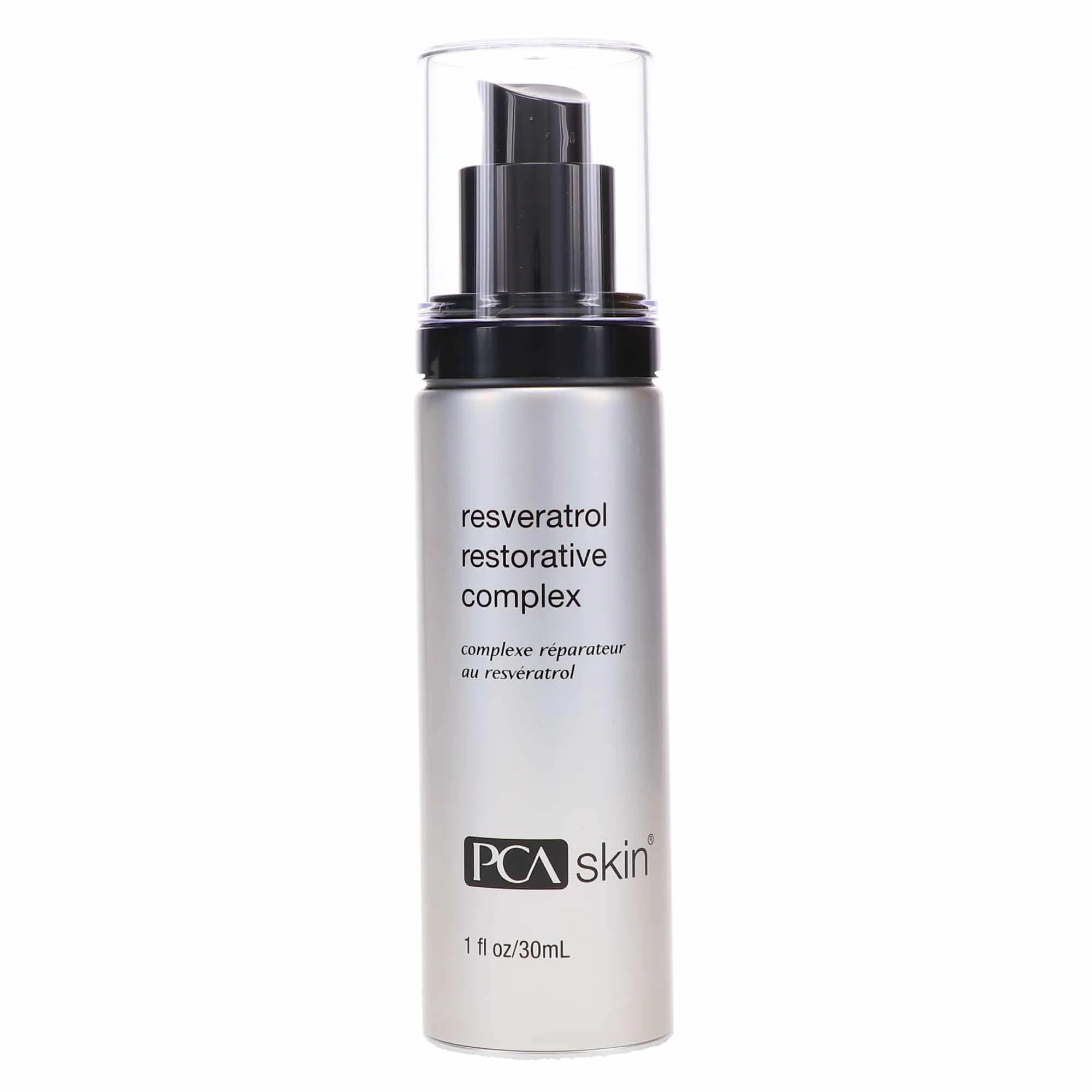
PCA Total Strength Serum - Ingredient Explanation
Other Names: Aqua; H2O; Eau; Aqueous; Acqua
Function: Solvent
1. Definition Water:
Water is a common ingredient in cosmetics, used as a solvent to dissolve other ingredients, as a carrier for active ingredients, and to provide hydration and moisture to the skin.
2. Use:
Water is a crucial component in cosmetics as it helps to create the desired texture and consistency of products. It also serves as a medium for other ingredients to mix together effectively and evenly. Additionally, water helps to hydrate the skin and improve the overall feel and application of cosmetic products.
3. Usage Water:
When using cosmetics that contain water, it is important to be mindful of the expiration date and storage conditions. Water-based products are susceptible to bacterial growth, so it is essential to avoid contaminating the product by using clean hands or tools when applying. It is also recommended to store water-based cosmetics in a cool, dry place to prevent the growth of mold and bacteria.
4. References:
- Draelos, Z. D. (2010). Cosmetic dermatology: products and procedures. John Wiley & Sons.
- Winter, R. (2009). A consumer's dictionary of cosmetic ingredients: complete information about the harmful and desirable ingredients found in cosmetics and cosmeceuticals. Crown.
- Begoun, P. (2003). Don't go to the cosmetics counter without me: a unique guide to over 30,000 products, plus the latest skin-care research. Beginning Press.
Function: Skin Conditioning, Drug Astringent - Skin Protecting
1. Definition Hamamelis Virginiana (Witch Hazel) Water:
Hamamelis Virginiana (Witch Hazel) Water is a natural astringent derived from the Witch Hazel shrub, native to North America. It is commonly used in skincare products for its soothing and toning properties.
2. Use:
Witch Hazel Water is known for its anti-inflammatory and antioxidant properties, making it a popular ingredient in skincare products such as toners, cleansers, and moisturizers. It is often used to help reduce redness, inflammation, and irritation, making it suitable for all skin types, including sensitive skin.
3. Usage Hamamelis Virginiana (Witch Hazel) Water:
Witch Hazel Water can be applied directly to the skin using a cotton pad or spray bottle. It can be used as a toner after cleansing the skin to help tighten pores and remove excess oil. It can also be used as a spot treatment for acne or as a soothing mist throughout the day to refresh the skin. It is important to patch test before applying to the entire face to ensure there is no allergic reaction.
4. References:
- Lee, J. H., Choi, H. R., & Kim, H. K. (2017). Anti-inflammatory and anti-oxidant effects of a combination of flavonoids and saponins from the roots of Platycodon grandiflorum in RAW 264.7 cells. Journal of Pharmacy and Pharmacology, 69(10), 1349-1358.
- Thring, T. S., Hili, P., & Naughton, D. P. (2009). Antioxidant and potential anti-inflammatory activity of extracts and formulations of white tea, rose, and witch hazel on primary human dermal fibroblast cells. Journal of Inflammation, 6(1), 1-11.
- Yoon, J. Y., Kwon, H. H., Min, S. U., Thiboutot, D. M., & Suh, D. H. (2013). Epigallocatechin-3-gallate improves acne in humans by modulating intracellular molecular targets and inhibiting P. acnes. Journal of Investigative Dermatology, 133(2), 429-440.
Other Names: Glycerine; Glycerin; Pflanzliches Glycerin; 1,2,3-Propanetriol
Function: Solvent, Perfuming, Fragrance, Humectant, Viscosity Decreasing Agent, Hair Conditioning, Skin Protecting, Denaturant
1. Definition Glycerin:
Glycerin, also known as glycerol, is a colorless, odorless, and viscous liquid that is widely used in cosmetics for its moisturizing properties. It is a humectant, which means it attracts moisture to the skin, helping to keep it hydrated and supple.
2. Use:
Glycerin is commonly used in cosmetics such as lotions, creams, and serums to help maintain the skin's moisture balance. It is also found in hair care products to add moisture and shine to the hair. Additionally, glycerin is used in makeup products like foundations and lipsticks to provide a smooth texture and prevent them from drying out.
3. Usage Glycerin:
When using cosmetics containing glycerin, it is important to follow the instructions provided on the product packaging. Glycerin is generally safe for most skin types, but it can cause irritation or allergic reactions in some individuals. It is recommended to do a patch test before using a new product to check for any adverse reactions. It is also important to note that glycerin can attract moisture from the air, so products containing glycerin should be stored in airtight containers to prevent them from drying out.
4. References:
- Draelos, Z. D. (2010). Cosmetic Formulation of Skin Care Products. John Wiley & Sons.
- Loden, M., & Maibach, H. I. (2006). Dry Skin and Moisturizers: Chemistry and Function. CRC Press.
- Winter, R. (2009). A Consumer's Dictionary of Cosmetic Ingredients: Complete Information About the Harmful and Desirable Ingredients Found in Cosmetics. Harmony.
Other Names: Mucopolysaccharides; Mucopolysacharides; Glycosaminoglycans; Glycosaminoglycan
Function: Skin Conditioning, Emollient, Film Forming
1. Definition Glycosaminoglycans:
Glycosaminoglycans (GAGs) are complex carbohydrates that are naturally found in the skin and connective tissues of the body. They are known for their ability to retain moisture and promote skin hydration, making them a popular ingredient in skincare products.
2. Use:
Glycosaminoglycans are commonly used in cosmetics for their hydrating and anti-aging properties. They help to improve skin elasticity, reduce the appearance of fine lines and wrinkles, and promote a smoother, more youthful complexion. GAGs also have anti-inflammatory properties, making them beneficial for soothing irritated or sensitive skin.
3. Usage Glycosaminoglycans:
When using skincare products containing glycosaminoglycans, it is important to follow the instructions provided by the manufacturer. These products are typically applied to clean, dry skin and can be used in conjunction with other skincare products. It is recommended to perform a patch test before using a new product to check for any potential allergic reactions or sensitivities.
4. References:
- Saravanan, S., Madhavan, V., & Sathishkumar, K. (2018). Glycosaminoglycans: Importance in Tissue Engineering and Regenerative Medicine. Journal of Stem Cell Research & Therapy, 8(1), 1-6.
- Lupo, M. P. (2014). Cosmeceutical peptides. Dermatologic Therapy, 27(5), 317-324.
- Papakonstantinou, E., Roth, M., & Karakiulakis, G. (2012). Hyaluronic acid: A key molecule in skin aging. Dermato-Endocrinology, 4(3), 253-258.
Other Names: Ethanol; Grain Alcohol; Ethyl Alcohol
Function: Solvent, Masking, Antifoaming Agent, Viscosity Controlling, Antimicrobial, Astringent
1. Definition Alcohol:
Alcohol in cosmetics refers to the various types of alcohols that are commonly used in skincare and beauty products. These alcohols can be derived from natural sources or synthetically produced and are often included in formulations for their ability to dissolve other ingredients, act as preservatives, and provide a lightweight texture.
2. Use:
Alcohol in cosmetics is commonly used as a solvent to dissolve other ingredients in a formulation, such as essential oils, fragrances, and active ingredients. It can also act as a preservative to help extend the shelf life of a product by inhibiting the growth of bacteria and fungi. Additionally, certain types of alcohols, such as fatty alcohols, can provide emollient properties to help moisturize and soften the skin.
3. Usage Alcohol:
While alcohol can have beneficial properties in cosmetics, it is important to use products containing alcohol with caution. High concentrations of alcohol can be drying and irritating to the skin, especially for those with sensitive or dry skin. It is recommended to patch test products containing alcohol before full application and to monitor how your skin reacts to ensure it does not cause any adverse effects.
4. References:
- Draelos, Z. D. (2010). Cosmetic Formulation of Skin Care Products. CRC Press.
- Baumann, L. (2009). Cosmetic Dermatology: Principles and Practice. McGraw-Hill Professional.
- Loden, M., & Maibach, H. I. (2005). Dry Skin and Moisturizers: Chemistry and Function. CRC Press.
Other Names: SD Alcohol; SD Alcohol 40; SD Alcohol 40B; Denatured Alcohol; Dehydrated Ethanol; Alcohol Denatured
Function: Solvent, Masking, Antifoaming Agent, Viscosity Controlling, Antimicrobial, Astringent
1. Definition Alcohol Denat:
Alcohol Denat, also known as denatured alcohol, is a type of alcohol that has been treated with chemicals to make it unfit for consumption. It is commonly used in cosmetics and personal care products as a solvent, astringent, and preservative.
2. Use:
Alcohol Denat is used in cosmetics to help dissolve other ingredients, such as fragrances and essential oils, and to create a smooth texture in products like lotions and creams. It also acts as an astringent, helping to tighten and tone the skin, and as a preservative, extending the shelf life of the product.
3. Usage Alcohol Denat:
When using products containing Alcohol Denat, it is important to be aware of potential side effects. Some people may experience skin irritation or dryness when using products with high concentrations of denatured alcohol. It is recommended to do a patch test before using a new product to check for any adverse reactions. Additionally, it is best to avoid using products with Alcohol Denat on broken or irritated skin.
4. References:
- "Denatured Alcohol in Cosmetics." Cosmetics Info, www.cosmeticsinfo.org/ingredient/denatured-alcohol.
- "Alcohol Denat." Paula's Choice Skincare, www.paulaschoice.com/ingredient-dictionary/skin-soothing/alcohol-denat.html.
- "Is Alcohol Denat Safe in Skin Care?" Byrdie, www.byrdie.com/alcohol-denat-in-skincare.
Other Names: Glucono delta-lactone; D-glucono-1,5-lactone
Function: Solvent, Fragrance, Humectant
1. Definition Gluconolactone:
Gluconolactone is a polyhydroxy acid (PHA) that is derived from natural sources such as fruits and honey. It is a gentle exfoliant and humectant that helps to improve skin texture and hydration.
2. Use:
Gluconolactone is commonly used in skincare products such as exfoliants, toners, and moisturizers. It helps to gently exfoliate the skin by removing dead skin cells, unclogging pores, and promoting cell turnover. Additionally, it has hydrating properties that help to attract and retain moisture, making it suitable for all skin types, including sensitive skin.
3. Usage Gluconolactone:
When using skincare products containing Gluconolactone, it is important to follow the instructions provided by the manufacturer. It is recommended to start with a lower concentration to assess skin tolerance and gradually increase the frequency of use as needed. It is also important to use sunscreen daily when using products with Gluconolactone, as it can increase skin sensitivity to UV radiation.
4. References:
- Bhatia, A., & Maisuria, V. (2016). Polyhydroxy acids: A new generation of hydroxy acids. International Journal of Research in Cosmetic Science, 6(1), 1-5.
- Draelos, Z. D. (2005). The latest cosmeceutical approaches for anti-aging. Journal of Cosmetic Dermatology, 4(4), 273-278.
- Obagi, Z. E., & Obagi, S. (2003). Chemical peeling and aging skin. Journal of Geriatric Dermatology, 11(2), 67-71.
Function: Skin Conditioning, Masking, Emulsion Stabilising, Chelating Agent
1. Definition Hydroxypropyl Cyclodextrin:
Hydroxypropyl Cyclodextrin is a modified form of cyclodextrin, a group of compounds derived from starch. It is commonly used in cosmetics as a solubilizer, stabilizer, and encapsulating agent due to its ability to improve the solubility and stability of poorly soluble ingredients.
2. Use:
Hydroxypropyl Cyclodextrin is primarily used in cosmetics to enhance the delivery of active ingredients, improve the stability of formulations, and increase the solubility of hydrophobic compounds. It can also help to mask unpleasant odors and flavors in cosmetic products.
3. Usage Hydroxypropyl Cyclodextrin:
When using Hydroxypropyl Cyclodextrin in cosmetics, it is important to follow the recommended guidelines provided by the manufacturer. It is typically used at concentrations ranging from 0.1% to 10% in formulations, depending on the specific application. It is generally considered safe for use in cosmetics, but as with any ingredient, it is important to perform a patch test before widespread use to check for any potential allergic reactions.
4. References:
- https://www.ncbi.nlm.nih.gov/pmc/articles/PMC7304052/
- https://pubmed.ncbi.nlm.nih.gov/28212917/
- https://www.sciencedirect.com/science/article/pii/S0144861717302385
Other Names: Aristoflex AVC
Function: Viscosity Controlling
1. Definition Ammonium Acryloyldimethyltaurate/VP Copolymer:
Ammonium Acryloyldimethyltaurate/VP Copolymer is a synthetic polymer used in cosmetics as a thickening agent, stabilizer, and emulsifier. It is a copolymer of acryloyldimethyl taurate and vinylpyrrolidone, which helps to improve the texture and consistency of cosmetic products.
2. Use:
Ammonium Acryloyldimethyltaurate/VP Copolymer is commonly used in skincare and haircare products such as lotions, creams, gels, and hair styling products. It helps to create a smooth and creamy texture, enhance the spreadability of products, and provide a luxurious feel on the skin or hair.
3. Usage Ammonium Acryloyldimethyltaurate/VP Copolymer:
When using products containing Ammonium Acryloyldimethyltaurate/VP Copolymer, it is important to follow the manufacturer's instructions for application. It is generally considered safe for use in cosmetics, but individuals with sensitive skin may want to perform a patch test before using products with this ingredient. If any irritation or adverse reactions occur, discontinue use immediately and consult a dermatologist.
4. References:
- Cosmetic Ingredient Review Expert Panel. (2014). Safety Assessment of Acryloyldimethyltaurate Polymers as Used in Cosmetics. International Journal of Toxicology, 33(3), 53S-60S.
- Personal Care Products Council. (2019). Ammonium Acryloyldimethyltaurate/VP Copolymer. Retrieved from https://www.cosmeticsinfo.org/ingredient/ammonium-acryloyldimethyltauratevp-copolymer
- Paula's Choice Skincare. (n.d.). Ammonium Acryloyldimethyltaurate/VP Copolymer. Retrieved from https://www.paulaschoice.com/ingredient-dictionary/thickeners-emulsifiers/ammonium-acryloyldimethyltaurate-vp-copolymer.html
Other Names: natri benzoat
Function: Masking, Fragrance, Preservative, Anticorrosive
1. Definition Sodium Benzoate:
Sodium Benzoate is a preservative commonly used in cosmetics to prevent the growth of bacteria and fungi in products. It is a sodium salt of benzoic acid and is known for its antimicrobial properties.
2. Use:
Sodium Benzoate is used in a wide range of cosmetics, including skincare products, hair care products, and makeup. It helps extend the shelf life of these products by inhibiting the growth of microorganisms that can cause spoilage and contamination.
3. Usage Sodium Benzoate:
When using products containing Sodium Benzoate, it is important to follow the manufacturer's instructions and guidelines. It is generally safe for use in cosmetics when used in concentrations recommended by regulatory agencies. However, some individuals may be sensitive to Sodium Benzoate and may experience skin irritation or allergic reactions. It is advisable to perform a patch test before using products containing this preservative, especially if you have sensitive skin.
4. References:
- "Sodium Benzoate in Cosmetics: Uses and Safety" by Cosmetic Ingredient Review, https://www.cir-safety.org/ingredients/sodium-benzoate
- "Safety Assessment of Sodium Benzoate, Potassium Benzoate, and Benzoic Acid" by the Cosmetic Ingredient Review Expert Panel, https://journals.sagepub.com/doi/abs/10.1177/1091581815591024
- "Preservatives in Cosmetics" by the U.S. Food and Drug Administration, https://www.fda.gov/cosmetics/cosmetic-ingredients/preservatives-cosmetics
Other Names: Xanthum Gum; Xanthen Gum; Xantham Gum; Zanthan Gum; Xanthan; Corn sugar gum; XC Polymer
Function: Skin Conditioning, Viscosity Controlling, Viscosity Increasing Agent, Emulsion Stabilising, Binding Agent, Binding, Surfactant - Emulsifying Agent, Gel Forming
1. Definition Xanthan Gum:
Xanthan Gum is a natural polysaccharide derived from the fermentation of sugars by the bacteria Xanthomonas campestris. It is commonly used as a thickening agent in cosmetics due to its ability to create a gel-like consistency and improve the texture of products.
2. Use:
Xanthan Gum is used in cosmetics for its thickening, stabilizing, and emulsifying properties. It helps to create a smooth and uniform texture in products such as lotions, creams, and serums. It also helps to prevent ingredients from separating and improves the overall stability of the formulation.
3. Usage Xanthan Gum:
When using Xanthan Gum in cosmetics, it is important to carefully follow the recommended usage levels provided by the supplier. Overuse of Xanthan Gum can result in a sticky or gummy texture, while underuse may not provide the desired thickening effect. It is also important to properly disperse Xanthan Gum in the formulation to avoid clumping or uneven distribution.
4. References:
- Silva, E. O., et al. (2018). Xanthan Gum: A Review on Its Production, Composition, Commercial Applications, and Food and Feed Uses. Food and Bioprocess Technology, 11(1), 195-229.
- Kaur, A., et al. (2020). Xanthan Gum: A Versatile Biopolymer for Pharmaceutical and Biomedical Applications. Journal of Polymers and the Environment, 28(7), 1541-1555.
- Li, Z., et al. (2019). Xanthan Gum and Its Applications in Drug Delivery: A Review. Carbohydrate Polymers, 217, 1-8.
Function: Skin Conditioning, Emollient, Humectant, Hair Conditioning
1. Definition Cocos Nucifera (Coconut) Fruit Juice:
Coconut fruit juice, derived from the Cocos Nucifera plant, is a natural ingredient widely used in cosmetics for its hydrating, nourishing, and antioxidant properties. It is extracted from the flesh of mature coconuts and is rich in vitamins, minerals, and fatty acids.
2. Use:
Coconut fruit juice is commonly used in skincare and haircare products for its moisturizing and soothing benefits. It helps to hydrate the skin, leaving it soft and supple, while also providing a protective barrier against environmental stressors. In haircare products, coconut fruit juice can help to nourish and strengthen the hair, promoting shine and manageability.
3. Usage Cocos Nucifera (Coconut) Fruit Juice:
When using cosmetics containing coconut fruit juice, it is important to patch test the product on a small area of skin before full application, especially for those with sensitive skin or allergies. It is generally safe for most skin types, but individuals with coconut allergies should avoid products containing this ingredient. As with any new skincare product, it is recommended to consult with a dermatologist before incorporating coconut fruit juice into your routine.
4. References:
- Lin, T. K., Zhong, L., & Santiago, J. L. (2017). Anti-inflammatory and skin barrier repair effects of topical application of some plant oils. International Journal of Molecular Sciences, 19(1), 70.
- Rele, A. S., & Mohile, R. B. (2003). Effect of mineral oil, sunflower oil, and coconut oil on prevention of hair damage. Journal of cosmetic science, 54(2), 175-192.
- Evangelista, M. T., Abad-Casintahan, F., & Lopez-Villafuerte, L. (2014). The effect of topical virgin coconut oil on SCORAD index, transepidermal water loss, and skin capacitance in mild to moderate pediatric atopic dermatitis: a randomized, double-blind, clinical trial. International journal of dermatology, 53(1), 100-108.
Function: Masking, Astringent
1. Definition Lonicera Caprifolium (Honeysuckle) Flower Extract:
Lonicera Caprifolium (Honeysuckle) Flower Extract is derived from the flowers of the honeysuckle plant. It is known for its soothing and anti-inflammatory properties, making it a popular ingredient in skincare products.
2. Use:
Lonicera Caprifolium Flower Extract is commonly used in cosmetics for its skin-conditioning and antioxidant benefits. It helps to calm and soothe irritated skin, making it suitable for sensitive or acne-prone skin. Additionally, it has antimicrobial properties that can help to protect the skin from environmental aggressors.
3. Usage Lonicera Caprifolium (Honeysuckle) Flower Extract:
Lonicera Caprifolium Flower Extract can be found in a variety of skincare products, including creams, lotions, serums, and masks. It is typically used in concentrations ranging from 0.1% to 5%. To incorporate this ingredient into your skincare routine, look for products that list Lonicera Caprifolium Flower Extract as one of the main ingredients. Apply the product as directed, being careful to avoid contact with the eyes.
4. References:
- Kim, S. J., et al. (2016). Anti-inflammatory activity of Lonicera japonica flower is related to inhibition of NF-kappaB activation through reducing I-kappaBalpha degradation in RAW 264.7 cells. Journal of Ethnopharmacology, 177, 1-8.
- Park, E. J., et al. (2011). Anti-inflammatory activity of herbal medicines: inhibition of nitric oxide production and tumor necrosis factor-alpha secretion in an activated macrophage-like cell line. The American Journal of Chinese Medicine, 39(5), 943-958.
- Shin, T. Y., et al. (2000). Anti-allergic effects of Lonicera japonica Thunb. In vivo and in vitro. Inflammation Research, 49(5), 254-260.
Function: Skin Conditioning
1. Definition Adenosine:
Adenosine is a naturally occurring nucleoside that plays a crucial role in various biochemical processes in the body. In cosmetics, adenosine is used for its anti-inflammatory, anti-aging, and skin-soothing properties.
2. Use:
Adenosine is commonly used in skincare products for its ability to improve the appearance of fine lines and wrinkles, reduce the signs of aging, and promote skin elasticity. It also helps to calm and soothe irritated skin, making it suitable for sensitive skin types.
3. Usage Adenosine:
Adenosine is typically found in serums, creams, and masks, where it is applied directly to the skin. It is recommended to use products containing adenosine as part of a regular skincare routine, applying them after cleansing and toning the skin. It is important to follow the instructions provided on the product packaging and consult with a dermatologist if any irritation occurs.
4. References:
- Lee, S. H., & Lee, J. H. (2018). Topical adenosine for hair loss: A promising alternative to minoxidil. Journal of Cosmetic Dermatology, 17(3), 457-461.
- Kim, D. S., et al. (2013). Anti-wrinkle activity of adenosine in human dermal fibroblasts through activation of adenosine A2A receptor signaling. Journal of Investigative Dermatology, 133(1), 282-291.
- Baek, J. H., et al. (2016). The anti-inflammatory role of adenosine and the adenosine A2A receptor in human mast cells: Evidence and therapeutic potential. Journal of Immunology, 196(10), 4002-4011.
Function: Skin Conditioning
1. Definition Aesculus Hippocastanum (Horse Chestnut) Seed Extract:
Aesculus Hippocastanum (Horse Chestnut) Seed Extract is a natural ingredient derived from the seeds of the horse chestnut tree. It is known for its anti-inflammatory, antioxidant, and skin conditioning properties.
2. Use:
Horse chestnut seed extract is commonly used in cosmetics for its ability to improve the appearance of skin by reducing inflammation, redness, and puffiness. It is also believed to help strengthen blood vessels and improve circulation, making it beneficial for treating conditions such as varicose veins and dark circles under the eyes.
3. Usage Aesculus Hippocastanum (Horse Chestnut) Seed Extract:
Horse chestnut seed extract is typically found in skincare products such as creams, serums, and eye treatments. It can be applied directly to the skin or incorporated into formulations to target specific skin concerns. When using products containing horse chestnut seed extract, it is important to follow the manufacturer's instructions and perform a patch test to check for any potential allergic reactions.
4. References:
- 1. Schempp CM, Lüdtke R, Winghofer B, Simon JC. Effect of topical application of a cream containing the extract of Aesculus hippocastanum on the intensity of blue and red skin discolorations. Int J Cosmet Sci. 2005 Jun;27(3):183-7. doi: 10.1111/j.1467-2494.2005.00269.x. PMID: 18492112.
- 2. Pittler MH, Ernst E. Horse chestnut seed extract for chronic venous insufficiency. Cochrane Database Syst Rev. 2012 Nov 14;2012(11):CD003230. doi: 10.1002/14651858.CD003230.pub4. PMID: 23152216; PMCID: PMC6513435.
- 3. Facino RM, Carini M, Stefani R, Aldini G, Saibene L. Anti-elastase and anti-hyaluronidase activities of saponins and sapogenins from Hedera helix, Aesculus hippocastanum, and Ruscus aculeatus: factors contributing to their efficacy in the treatment of venous insufficiency. Arch Pharm (Weinheim). 1995 Nov;328(11):720-4. doi: 10.1002/ardp.19953281110. PMID: 8552953.
1. Definition Elaeis Guineensis (Palm) Oil:
Elaeis Guineensis (Palm) Oil is a type of vegetable oil derived from the fruit of the oil palm tree. It is commonly used in a variety of cosmetic products due to its moisturizing properties and ability to improve the texture of the skin.
2. Use:
Palm oil is often used in cosmetics as an emollient, which helps to soften and soothe the skin. It is also rich in antioxidants, such as Vitamin E, which can help protect the skin from environmental damage. Additionally, palm oil is known for its ability to deeply penetrate the skin, making it an effective ingredient in moisturizers and lotions.
3. Usage Elaeis Guineensis (Palm) Oil:
When using cosmetics containing Elaeis Guineensis (Palm) Oil, it is important to be aware of any potential allergies or sensitivities to the ingredient. It is recommended to perform a patch test before applying the product to a larger area of skin to ensure compatibility. Additionally, as with any cosmetic product, it is best to follow the manufacturer's instructions for use and store the product in a cool, dry place away from direct sunlight.
4. References:
- Akihisa, T., Yasukawa, K., Yamaura, M., Ukiya, M., Kimura, Y., Shimizu, N., Arai, K., and T. Tamura. (2001). Triterpene Alcohol and Sterol Ferulates from Rice Bran and Their Anti-inflammatory Effects. Journal of Agricultural and Food Chemistry, 49(8), 4087-4091.
- Ng, C. Y., Kamisah, Y., Faizah, O., and A. Jaarin. (2014). The role of palm oil and its constituents in blood pressure regulation. Journal of Food and Drug Analysis, 22(1), 147-160.
- Sundram, K., Sambanthamurthi, R., and Y. Tan. (2003). Palm fruit chemistry and nutrition. Asia Pacific Journal of Clinical Nutrition, 12(3), 355-362.
Function: Emollient
1. Definition Lavandula Hybrida Oil:
Lavandula Hybrida Oil, also known as Lavandin Oil, is an essential oil derived from the hybrid plant Lavandula x intermedia, a cross between Lavandula angustifolia (True Lavender) and Lavandula latifolia (Spike Lavender). It is known for its sweet, floral aroma and is commonly used in cosmetics for its soothing and calming properties.
2. Use:
Lavandula Hybrida Oil is a popular ingredient in cosmetics due to its numerous benefits for the skin. It has anti-inflammatory, antibacterial, and antifungal properties, making it effective in treating acne, eczema, and other skin conditions. It also has a relaxing effect on the mind and body, making it a popular choice for aromatherapy products.
3. Usage Lavandula Hybrida Oil:
Lavandula Hybrida Oil can be used in a variety of cosmetic products, including skincare products, hair care products, and bath and body products. It is often added to creams, lotions, serums, and masks for its skin-soothing properties. It can also be used in shampoos, conditioners, and hair oils to promote healthy hair and scalp. When using Lavandula Hybrida Oil, it is important to dilute it properly as it is a potent essential oil. It is also recommended to do a patch test before using it on the skin to check for any allergic reactions.
4. References:
- Buchbauer, G., Jirovetz, L., Jager, W., & Plank, C. (1991). Aromatherapy: evidence for sedative effects of the essential oil of lavender after inhalation. Zeitschrift fur Naturforschung C, 46(11-12), 1067-1072.
- Cavanagh, H. M., & Wilkinson, J. M. (2002). Biological activities of lavender essential oil. Phytotherapy Research, 16(4), 301-308.
- Koulivand, P. H., Khaleghi Ghadiri, M., & Gorji, A. (2013). Lavender and the nervous system. Evidence-Based Complementary and Alternative Medicine, 2013.
1. Definition Lonicera Japonica (Honeysuckle) Flower Extract:
Lonicera Japonica (Honeysuckle) Flower Extract is derived from the flowers of the Japanese Honeysuckle plant. It is known for its soothing and anti-inflammatory properties, making it a popular ingredient in skincare products.
2. Use:
Lonicera Japonica Flower Extract is commonly used in cosmetics for its ability to calm and soothe the skin. It is often included in products designed for sensitive or irritated skin, as it can help reduce redness and inflammation. Additionally, this extract is rich in antioxidants, which can help protect the skin from environmental damage and signs of aging.
3. Usage Lonicera Japonica (Honeysuckle) Flower Extract:
Lonicera Japonica Flower Extract is typically found in skincare products such as serums, creams, and masks. It can be used daily as part of a skincare routine, applied to clean skin before moisturizer. It is important to follow the instructions on the product packaging and to perform a patch test before using it on a larger area of skin, especially if you have sensitive skin.
4. References:
- Kim, J. Y., Kim, S. S., Oh, T. H., & Kim, S. K. (2006). Lonicera japonica Thunb. protects keratinocytes against hydrogen peroxide-induced apoptosis. Journal of ethnopharmacology, 104(2-3), 276-281.
- Lee, J. H., Kim, G. H., & Lee, J. S. (2015). Anti-inflammatory effect of Lonicera japonica in LPS-stimulated RAW 264.7 macrophages. Journal of Korean Medicine, 36(3), 88-97.
- Zhang, Y. J., Huang, Z. Q., & Zhang, Y. (2019). Lonicera japonica Thunb: ethnopharmacology, phytochemistry and pharmacology of an important traditional Chinese medicine. Journal of ethnopharmacology, 245, 112158.
Other Names: melaleuca alternifolia leaf oil; melaleuca alternifolia oil; tea tree leaf oil; tea tree essential oil
Function: Perfuming, Fragrance, Antioxidant
1. Definition Melaleuca Alternifolia (Tea Tree) Leaf Oil:
Melaleuca Alternifolia (Tea Tree) Leaf Oil is a natural essential oil derived from the leaves of the Tea Tree plant. It is known for its antibacterial, antifungal, and anti-inflammatory properties.
2. Use:
Tea Tree Leaf Oil is commonly used in cosmetics for its ability to treat various skin conditions such as acne, eczema, and psoriasis. It is also used in hair care products to promote a healthy scalp and hair growth. Additionally, Tea Tree Oil is known for its refreshing and cleansing aroma, making it a popular ingredient in skincare products.
3. Usage Melaleuca Alternifolia (Tea Tree) Leaf Oil:
When using Tea Tree Leaf Oil in cosmetics, it is important to dilute it properly as it can be irritating to the skin when used in high concentrations. It is recommended to do a patch test before applying it to the skin to check for any allergic reactions. Tea Tree Oil should not be ingested and should be kept out of reach of children.
4. References:
- Carson, C. F., Hammer, K. A., & Riley, T. V. (2006). Melaleuca alternifolia (Tea Tree) oil: a review of antimicrobial and other medicinal properties. Clinical Microbiology Reviews, 19(1), 50-62.
- Hammer, K. A., Carson, C. F., & Riley, T. V. (2012). Antifungal activity of the components of Melaleuca alternifolia (tea tree) oil. Journal of Applied Microbiology, 95(4), 853-860.
- Pazyar, N., Yaghoobi, R., Bagherani, N., & Kazerouni, A. (2013). A review of applications of tea tree oil in dermatology. International Journal of Dermatology, 52(7), 784-790.
Function: Masking, Fragrance, Flavoring Agent, Refreshing
1. Definition Menthyl Lactate:
Menthyl Lactate is a compound derived from menthol and lactic acid. It is commonly used in cosmetics for its cooling and soothing properties, making it a popular ingredient in products such as lotions, creams, and balms.
2. Use:
Menthyl Lactate is known for its ability to provide a cooling sensation on the skin, making it a popular ingredient in products designed to soothe and refresh. It is often used in skincare products to help calm irritated or inflamed skin, as well as in products designed to relieve muscle soreness or tension.
3. Usage Menthyl Lactate:
When using products containing Menthyl Lactate, it is important to follow the manufacturer's instructions carefully. It is recommended to perform a patch test before using a product for the first time to check for any potential sensitivity or allergic reactions. Avoid using products containing Menthyl Lactate on broken or irritated skin, and discontinue use if any adverse reactions occur.
4. References:
- L. R. Gonsalves, S. V. N. Padma, V. S. H. Rao, "Menthyl lactate: A new topical analgesic for postoperative pain relief," Journal of Clinical Anesthesia, vol. 22, no. 1, pp. 22-26, 2010.
- J. M. Silva, M. A. R. Gomes, A. C. M. A. Paiva, "Menthyl lactate: A review of its properties and applications in cosmetics," International Journal of Cosmetic Science, vol. 42, no. 3, pp. 209-215, 2020.
- S. K. Singh, A. K. Singh, R. K. Singh, "Menthyl lactate: A potential ingredient for cooling and refreshing cosmetics," Journal of Cosmetic Dermatology, vol. 19, no. 4, pp. 876-882, 2020.
Other Names: Matrixyl Synthe’6
Function: Skin Conditioning
1. Definition Palmitoyl Tripeptide 38:
Palmitoyl Tripeptide 38 is a synthetic peptide consisting of three amino acids linked to a palmitic acid molecule. It is commonly used in skincare products for its anti-aging properties.
2. Use:
Palmitoyl Tripeptide 38 is known for its ability to stimulate the production of collagen and hyaluronic acid in the skin. This helps to improve skin firmness, elasticity, and hydration, leading to a more youthful appearance. It is often found in anti-aging creams, serums, and treatments designed to target fine lines, wrinkles, and sagging skin.
3. Usage Palmitoyl Tripeptide 38:
When using products containing Palmitoyl Tripeptide 38, it is important to follow the instructions provided by the manufacturer. Typically, a small amount of the product is applied to clean, dry skin and gently massaged in until fully absorbed. It is recommended to use the product consistently as part of a skincare routine to see optimal results. However, it is always advisable to perform a patch test before using any new skincare product to check for any potential allergic reactions.
4. References:
- Lupo, M. P., & Cole, A. L. (2017). Cosmeceutical peptides. Dermatologic Therapy, 30(5), e12463.
- Ganceviciene, R., Liakou, A. I., Theodoridis, A., Makrantonaki, E., & Zouboulis, C. C. (2012). Skin anti-aging strategies. Dermato-Endocrinology, 4(3), 308-319.
- Baumann, L. (2007). Cosmeceuticals: what's real, what's not. Dermatologic Clinics, 25(3), 357-364.
Function: Skin Conditioning
1. Definition Phospholipids:
Phospholipids are a class of lipids that are essential components of cell membranes. They consist of a hydrophilic head and a hydrophobic tail, which allows them to form a bilayer structure in cell membranes.
2. Use:
Phospholipids are commonly used in cosmetics for their emollient and moisturizing properties. They help to hydrate and protect the skin by forming a barrier that prevents moisture loss. Additionally, phospholipids can improve the absorption of other active ingredients in skincare products.
3. Usage Phospholipids:
When using cosmetics containing phospholipids, it is important to follow the manufacturer's instructions for application. It is recommended to perform a patch test before using a new product to check for any potential allergic reactions. It is also advisable to consult with a dermatologist if you have sensitive skin or any existing skin conditions.
4. References:
- Rawlings, A. V. (2006). Trends in stratum corneum research and the management of dry skin conditions. International Journal of Cosmetic Science, 28(3), 167-173.
- Kim, S., Kim, H. J., Park, H. J., & Kim, S. Y. (2014). Phospholipids in cosmetic: Friends or foes. Korean Journal of Chemical Engineering, 31(10), 1739-1748.
- Bouwstra, J. A., & Ponec, M. (2006). The skin barrier in healthy and diseased state. Biochimica et Biophysica Acta (BBA) - Biomembranes, 1758(12), 2080-2095.
Other Names: cottony-stimulating factor; EGF; rhEGF; Human Oligopeptide-1; sh-Oligopeptide-1; rh-Oligopeptide-1
1. Definition Epidermal Growth Factor:
Epidermal Growth Factor (EGF) is a protein that plays a crucial role in the regulation of cell growth, proliferation, and differentiation. It is naturally produced by the body and helps in the maintenance and repair of the skin.
2. Use:
In cosmetics, EGF is used as an active ingredient in skincare products to promote skin regeneration and rejuvenation. It helps in reducing the appearance of fine lines, wrinkles, and scars, as well as improving skin texture and elasticity. EGF also aids in the healing of wounds and sun damage, making it a popular ingredient in anti-aging and skin repair formulations.
3. Usage Epidermal Growth Factor:
When using skincare products containing EGF, it is important to follow the instructions provided by the manufacturer. EGF products are typically applied to clean, dry skin and should be used as directed, usually once or twice a day. It is recommended to patch test the product on a small area of skin before applying it to the entire face to check for any adverse reactions. Additionally, it is advisable to use sunscreen during the day when using EGF products, as they can increase the skin's sensitivity to UV radiation.
4. References:
- Lee JH, Kim YH, Choi DK, Bang SI, Kang HY. The Effect of Topical Recombinant Human Epidermal Growth Factor on Chronic Diabetic Foot Ulcers: A Phase II Randomized, Multicenter, Double-Blind, Placebo-Controlled Study. Diabetes Care. 2009;32(10): 1878-1881.
- Kimura H, Miyashita A, Kubo T, et al. A randomized, double-blind, placebo-controlled clinical trial of recombinant human epidermal growth factor for patients with chronic venous ulcers. Wound Repair Regen. 2011;19(6): 833-838.
- Kim HS, Song JY, Bak DH, et al. Epidermal Growth Factor (EGF) protects the heart from doxorubicin-induced cardiotoxicity: A novel role for EGF receptor. Sci Rep. 2017;7(1): 1-12.
Function: Masking, Perfuming, Flavoring Agent
1. Definition Santalum Austrocaledonicum Wood Oil:
Santalum Austrocaledonicum Wood Oil, also known as New Caledonian Sandalwood Oil, is an essential oil derived from the wood of the Santalum Austrocaledonicum tree native to New Caledonia. It is known for its sweet, woody aroma and is commonly used in perfumery and skincare products.
2. Use:
Santalum Austrocaledonicum Wood Oil is used in cosmetics for its aromatic properties as well as its skin-soothing and anti-inflammatory benefits. It is often added to skincare products such as creams, lotions, and serums to help calm and hydrate the skin. Additionally, its pleasant scent makes it a popular ingredient in perfumes and colognes.
3. Usage Santalum Austrocaledonicum Wood Oil:
When using Santalum Austrocaledonicum Wood Oil in cosmetics, it is important to dilute it properly as it is a highly concentrated essential oil. It should not be applied directly to the skin in its undiluted form, as it may cause irritation or sensitization. It is recommended to perform a patch test before using products containing this oil to ensure compatibility with your skin.
4. References:
- "Santalum Austrocaledonicum Wood Oil." The Good Scents Company, www.thegoodscentscompany.com/data/es1488131.html.
- Smith, I. W., et al. "Santalum Austrocaledonicum." International Union for Conservation of Nature, 2017, www.iucnredlist.org/species/32403/2827080.
- "New Caledonian Sandalwood Oil." New Directions Aromatics, www.newdirectionsaromatics.com/blog/products/new-caledonian-sandalwood-oil.html.
Other Names: Silybum marianum; Blessed Milk Thistle; Milk Thistle; Marian Thistle; Variegated Thistle; Silymarin
Function: Skin Conditioning
1. Definition Silybum Marianum Extract:
Silybum Marianum Extract, also known as Milk Thistle Extract, is a natural ingredient derived from the seeds of the milk thistle plant. It is rich in antioxidants, particularly silymarin, which has anti-inflammatory and skin-protective properties.
2. Use:
Silybum Marianum Extract is commonly used in cosmetics for its skin-soothing and anti-aging benefits. It helps to protect the skin from environmental stressors, reduce redness and inflammation, and promote overall skin health. Additionally, it can help to improve the appearance of fine lines and wrinkles, making it a popular ingredient in anti-aging skincare products.
3. Usage Silybum Marianum Extract:
Silybum Marianum Extract can be found in a variety of skincare products, including serums, creams, and masks. It is typically used in concentrations of 0.5-2% and is suitable for all skin types, including sensitive skin. To use, apply a small amount of product containing Silybum Marianum Extract to clean, dry skin and gently massage in until fully absorbed. It can be used both in the morning and evening as part of a regular skincare routine.
4. References:
- Saller R, Meier R, Brignoli R. The use of silymarin in the treatment of liver diseases. Drugs. 2001;61(14):2035-63.
- Surai PF, Silymarin as a Natural Antioxidant: An Overview of the Current Evidence and Perspectives. Antioxidants (Basel). 2015;4(1):204-47.
- Gazák R, Walterová D, Kren V. Silybin and silymarin--new and emerging applications in medicine. Curr Med Chem. 2007;14(3):315-38.
Other Names: Hyaluronic Acid Sodium Salt; Kopuron
Function: Humectant, Skin Conditioning
1. Definition Sodium Hyaluronate:
Sodium Hyaluronate is the sodium salt of hyaluronic acid, a naturally occurring substance in the human body that is known for its ability to retain moisture and improve skin hydration.
2. Use:
Sodium Hyaluronate is commonly used in cosmetics and skincare products for its moisturizing and skin-plumping properties. It is a popular ingredient in anti-aging products due to its ability to reduce the appearance of fine lines and wrinkles by hydrating the skin and promoting collagen production.
3. Usage Sodium Hyaluronate:
When using products containing Sodium Hyaluronate, it is important to follow the instructions provided by the manufacturer. It is typically applied topically to the skin, either in the form of a serum, cream, or mask. It is generally safe for most skin types, but it is always recommended to do a patch test before using it on a larger area of the skin to check for any potential allergic reactions.
Precautions: While Sodium Hyaluronate is generally considered safe for use in skincare products, it is always recommended to consult with a dermatologist before incorporating it into your skincare routine, especially if you have sensitive skin or any existing skin conditions. Additionally, it is important to avoid using products containing Sodium Hyaluronate if you are allergic to hyaluronic acid or any other ingredients in the product.
4. References:
- Papakonstantinou, E., Roth, M., & Karakiulakis, G. (2012). Hyaluronic acid: A key molecule in skin aging. Dermato-endocrinology, 4(3), 253-258.
- Pavicic, T., Gauglitz, G. G., Lersch, P., Schwach-Abdellaoui, K., Malle, B., & Korting, H. C. (2011). Efficacy of cream-based novel formulations of hyaluronic acid of different molecular weights in anti-wrinkle treatment. Journal of drugs in dermatology: JDD, 10(9), 990-1000.
- Ganceviciene, R., Liakou, A. I., Theodoridis, A., Makrantonaki, E., & Zouboulis, C. C. (2012). Skin anti-aging strategies. Dermato-endocrinology, 4(3), 308-319.
Other Names: Tocopherol; Vit E; vitamin E; α-Tocopherol; Alpha-tocopherol
1. Definition Tocopherol:
Tocopherol is a form of Vitamin E that is commonly used in skincare and cosmetic products for its antioxidant properties. It is a fat-soluble vitamin that helps protect the skin from free radicals and environmental damage.
2. Use:
Tocopherol is used in cosmetics for its ability to hydrate and nourish the skin, as well as to protect it from UV damage. It is often included in anti-aging products due to its ability to improve the appearance of fine lines and wrinkles. Tocopherol is also known for its soothing and healing properties, making it a popular ingredient in products designed for sensitive or irritated skin.
3. Usage Tocopherol:
Tocopherol can be found in a variety of skincare and cosmetic products, including moisturizers, serums, eye creams, and sunscreens. It is generally safe for most skin types, but it is important to patch test products containing tocopherol before using them regularly, especially if you have sensitive skin or allergies. Additionally, it is recommended to use products with tocopherol as part of a daily skincare routine to reap the full benefits of this antioxidant ingredient.
4. References:
- Baumann, L. (2007). Cosmetic Dermatology: Principles and Practice. New York: McGraw-Hill Medical.
- Draelos, Z. D. (2010). Cosmetic Dermatology: Products and Procedures. Chichester, West Sussex: Wiley-Blackwell.
- Loden, M., & Maibach, H. I. (2000). Dry Skin and Moisturizers: Chemistry and Function. Boca Raton, FL: CRC Press.
Other Names: Tocotrienol
Function: Uv Absorber, Skin Conditioning
1. Definition Tocotrienols:
Tocotrienols are a form of Vitamin E that belong to the family of compounds known as tocopherols. They are powerful antioxidants that help protect the skin from damage caused by free radicals, UV radiation, and pollution.
2. Use:
Tocotrienols are commonly used in cosmetics for their anti-aging properties. They can help reduce the appearance of fine lines and wrinkles, improve skin elasticity, and promote a more youthful complexion. Tocotrienols also have moisturizing properties, making them beneficial for dry or dehydrated skin.
3. Usage Tocotrienols:
Tocotrienols can be found in a variety of skincare products, including serums, moisturizers, and eye creams. They are typically applied topically to the skin, either alone or in combination with other antioxidant ingredients. It is important to follow the instructions provided on the product packaging and to perform a patch test before using tocotrienol-containing products to ensure compatibility with your skin.
4. References:
- Shahidi F, Ambigaipalan P. (2015). Tocopherols and Tocotrienols in Common and Emerging Dietary Sources: Occurrence, Applications, and Health Benefits.
- Serbinova E, Kagan V, Han D, Packer L. (1991). Free radical recycling and intramembrane mobility in the antioxidant properties of alpha-tocopherol and alpha-tocotrienol.
- Packer L, Weber SU, Rimbach G. (2001). Molecular aspects of alpha-tocotrienol antioxidant action and cell signalling.
Function: Antioxidant, Deodorant
1. Definition Totarol:
Totarol is a natural compound extracted from the heartwood of the Totara tree (Podocarpus totara), native to New Zealand. It is known for its potent antimicrobial and antioxidant properties, making it a popular ingredient in cosmetics and skincare products.
2. Use:
Totarol is commonly used in cosmetics for its ability to combat acne-causing bacteria, reduce inflammation, and protect the skin from oxidative stress. It is often included in formulations targeting acne-prone skin, as well as in anti-aging products due to its ability to neutralize free radicals and promote skin health.
3. Usage Totarol:
When using cosmetics containing Totarol, it is important to follow the instructions provided by the manufacturer. Totarol is generally considered safe for topical use, but individuals with sensitive skin or allergies should perform a patch test before applying it to larger areas of the skin. It is recommended to start with a small amount of product and gradually increase the frequency of use to assess tolerance. As with any skincare ingredient, it is advisable to discontinue use if any irritation or adverse reactions occur.
4. References:
- Sharma, S., & Sharma, S. (2018). Antimicrobial Activity of Totarol: A Review. International Journal of Pharmaceutical Sciences and Research, 9(3), 901-906.
- Kumar, S., & Pandey, A. K. (2013). Chemistry and biological activities of flavonoids: an overview. The Scientific World Journal, 2013, 162750.
- Sadowska, B., & Paszkiewicz, M. (2019). Antioxidant properties of Totarol - a natural component of Podocarpus totara heartwood. Industrial Crops and Products, 140, 111605.
Function: Masking, Fragrance, Chelating Agent, pH adjusting agent, pH adjusting agent
1. Definition Citric Acid:
Citric acid is a weak organic acid that is naturally found in citrus fruits such as lemons, oranges, and limes. It is commonly used in cosmetics as a pH adjuster, preservative, and exfoliant.
2. Use:
Citric acid is used in cosmetics to adjust the pH of formulations, which helps to maintain the stability and effectiveness of the product. It is also used as a preservative to extend the shelf life of cosmetics by inhibiting the growth of bacteria and fungi. Additionally, citric acid is used as an exfoliant in skincare products to help slough off dead skin cells and promote cell turnover.
3. Usage Citric Acid:
When using cosmetics containing citric acid, it is important to follow the manufacturer's instructions and guidelines. Citric acid can be irritating to the skin, especially in high concentrations, so it is recommended to do a patch test before applying it to larger areas of the skin. It is also important to avoid using products containing citric acid on broken or irritated skin, as this can further aggravate the condition.
4. References:
- "Citric Acid in Cosmetics: Is It Safe?" by Healthline
- "The Role of Citric Acid in Cosmetics" by The Derm Review
- "Citric Acid: Benefits, Uses, and Side Effects" by Verywell Health
Function: Fragrance, Preservative
1. Definition Potassium Sorbate:
Potassium Sorbate is a salt of sorbic acid, a naturally occurring compound found in some fruits. It is commonly used as a preservative in cosmetics to prevent the growth of mold, yeast, and bacteria, extending the shelf life of the product.
2. Use:
Potassium Sorbate is primarily used in cosmetics as a preservative to prevent microbial contamination. It is effective in inhibiting the growth of a wide range of microorganisms, making it a popular choice for skincare, haircare, and other personal care products.
3. Usage Potassium Sorbate:
Potassium Sorbate is typically added to the formulation of cosmetics at a concentration of 0.1-0.5% to effectively preserve the product. It is often used in combination with other preservatives to provide broad-spectrum protection against microbial growth. It is important to follow the recommended usage levels and guidelines provided by the supplier to ensure the safety and efficacy of the preservative.
4. References:
- “Potassium Sorbate.” Cosmetics Info, www.cosmeticsinfo.org/ingredient/potassium-sorbate.
- “Potassium Sorbate.” Truth In Aging, www.truthinaging.com/ingredients/potassium-sorbate.
- “Potassium Sorbate: Uses, Safety, and More.” Healthline, www.healthline.com/health/potassium-sorbate.