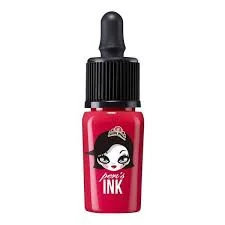
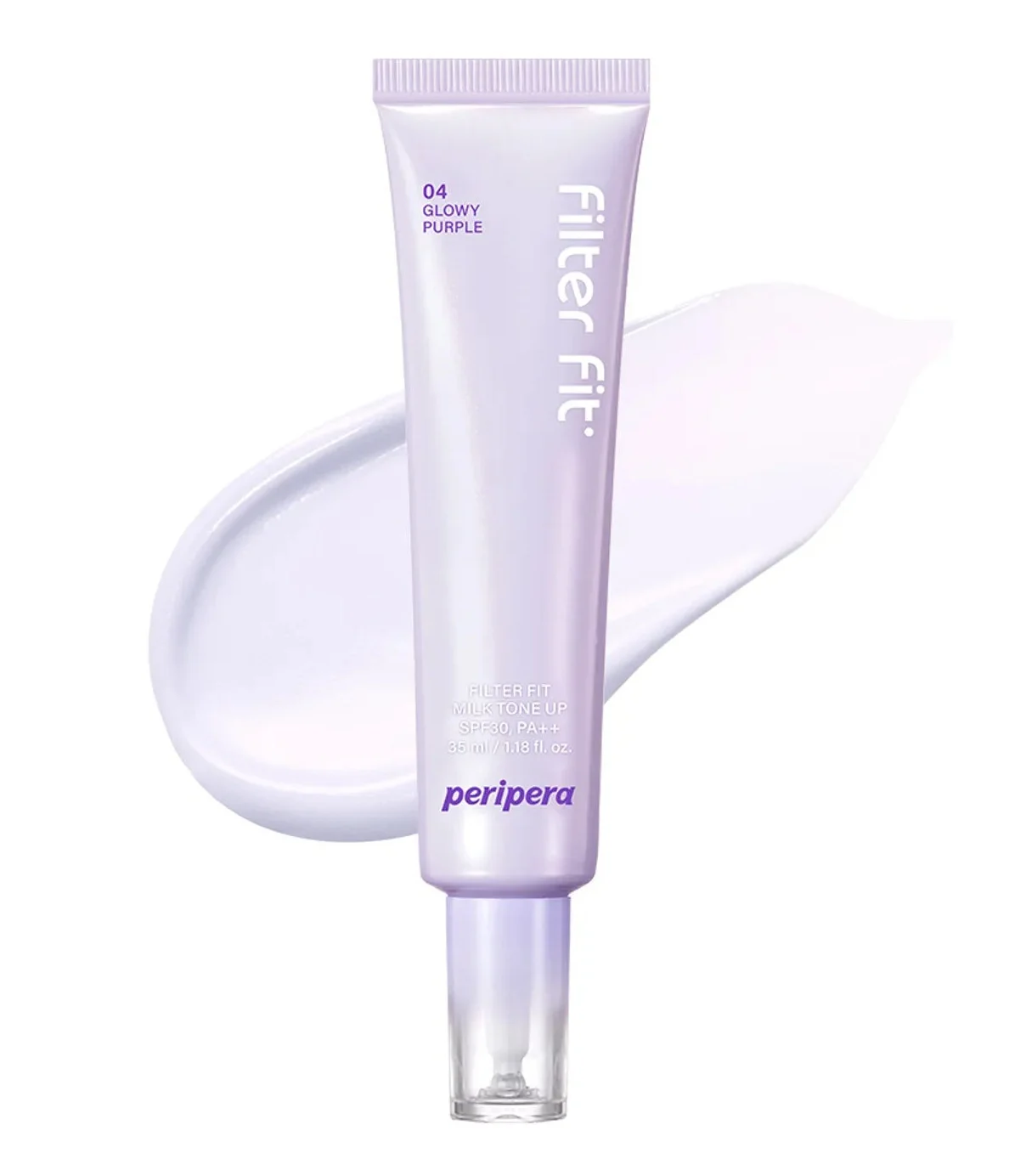
Peripera Peri's Ink No Spoiler - Ingredient Explanation
Other Names: Aqua; H2O; Eau; Aqueous; Acqua
Function: Solvent
1. Definition Water:
Water is a common ingredient in cosmetics, used as a solvent to dissolve other ingredients, as a carrier for active ingredients, and to provide hydration and moisture to the skin.
2. Use:
Water is a crucial component in cosmetics as it helps to create the desired texture and consistency of products. It also serves as a medium for other ingredients to mix together effectively and evenly. Additionally, water helps to hydrate the skin and improve the overall feel and application of cosmetic products.
3. Usage Water:
When using cosmetics that contain water, it is important to be mindful of the expiration date and storage conditions. Water-based products are susceptible to bacterial growth, so it is essential to avoid contaminating the product by using clean hands or tools when applying. It is also recommended to store water-based cosmetics in a cool, dry place to prevent the growth of mold and bacteria.
4. References:
- Draelos, Z. D. (2010). Cosmetic dermatology: products and procedures. John Wiley & Sons.
- Winter, R. (2009). A consumer's dictionary of cosmetic ingredients: complete information about the harmful and desirable ingredients found in cosmetics and cosmeceuticals. Crown.
- Begoun, P. (2003). Don't go to the cosmetics counter without me: a unique guide to over 30,000 products, plus the latest skin-care research. Beginning Press.
Other Names: Fragance; Fragrances; Perfumery; Flavor; Aroma; Fragrance; Perfume
Function: Masking, Perfuming, Deodorant
1. Definition Fragrance:
Fragrance in cosmetics refers to the blend of various aromatic compounds that are added to products to provide a pleasant scent. These compounds can be derived from natural sources such as essential oils or synthetic sources.
2. Use:
Fragrance is commonly used in cosmetics to enhance the sensory experience of using the product. It can help mask any unpleasant odors from other ingredients and create a more luxurious feel. Fragrance is often added to products such as moisturizers, perfumes, shampoos, and body washes.
3. Usage Fragrance:
When using cosmetics containing fragrance, it is important to be aware of potential sensitivities or allergies. Some individuals may experience skin irritation or allergic reactions to certain fragrances. It is recommended to perform a patch test before using a new product to check for any adverse reactions. Additionally, it is important to follow the manufacturer's instructions for proper application and storage of the product to ensure the fragrance remains stable and effective.
4. References:
- Steinemann, A. (2019). Fragranced consumer products: exposures and effects from emissions. Air Quality, Atmosphere & Health, 12(6), 643-645.
- Lachenmeier, D. W., & Haltner, E. (2019). Fragrance allergens in household cleaning products. Environmental Science and Pollution Research, 26(15), 15145-15147.
- Basketter, D. A., & Angelini, G. (2019). Fragrance allergens in fine fragrances and cosmetics. Contact Dermatitis, 80(3), 145-147.
Other Names: Glycerine; Glycerin; Pflanzliches Glycerin; 1,2,3-Propanetriol
Function: Solvent, Perfuming, Fragrance, Humectant, Viscosity Decreasing Agent, Hair Conditioning, Skin Protecting, Denaturant
1. Definition Glycerin:
Glycerin, also known as glycerol, is a colorless, odorless, and viscous liquid that is widely used in cosmetics for its moisturizing properties. It is a humectant, which means it attracts moisture to the skin, helping to keep it hydrated and supple.
2. Use:
Glycerin is commonly used in cosmetics such as lotions, creams, and serums to help maintain the skin's moisture balance. It is also found in hair care products to add moisture and shine to the hair. Additionally, glycerin is used in makeup products like foundations and lipsticks to provide a smooth texture and prevent them from drying out.
3. Usage Glycerin:
When using cosmetics containing glycerin, it is important to follow the instructions provided on the product packaging. Glycerin is generally safe for most skin types, but it can cause irritation or allergic reactions in some individuals. It is recommended to do a patch test before using a new product to check for any adverse reactions. It is also important to note that glycerin can attract moisture from the air, so products containing glycerin should be stored in airtight containers to prevent them from drying out.
4. References:
- Draelos, Z. D. (2010). Cosmetic Formulation of Skin Care Products. John Wiley & Sons.
- Loden, M., & Maibach, H. I. (2006). Dry Skin and Moisturizers: Chemistry and Function. CRC Press.
- Winter, R. (2009). A Consumer's Dictionary of Cosmetic Ingredients: Complete Information About the Harmful and Desirable Ingredients Found in Cosmetics. Harmony.
Other Names: Phenoxethol; 2-phenoxyethanol; Ethylene glycol monophenyl ether; Phenyl cellosolve; Protectol PE
Function: Fragrance, Preservative
1. Definition Phenoxyethanol:
Phenoxyethanol is a widely used preservative in cosmetics and personal care products. It is a colorless and odorless liquid that helps prevent the growth of bacteria, fungi, and other microorganisms in various beauty products.
2. Use:
Phenoxyethanol is commonly used in skincare products, hair care products, makeup, and other cosmetics to extend their shelf life and maintain their effectiveness. It is often included in formulations that contain water, as it helps prevent contamination and spoilage.
3. Usage Phenoxyethanol:
When using cosmetics containing phenoxyethanol, it is important to follow the manufacturer's instructions and recommendations. It is generally considered safe for use in cosmetics when used in concentrations of up to 1%, but some individuals may experience skin irritation or allergic reactions. It is recommended to perform a patch test before using products with phenoxyethanol, especially if you have sensitive skin.
4. References:
- Draelos, Z. D. (2010). Cosmetic Formulation of Skin Care Products. John Wiley & Sons.
- Loden, M., & Maibach, H. I. (2000). Dry Skin and Moisturizers: Chemistry and Function. CRC Press.
- Fiume, M. M., Heldreth, B., Bergfeld, W. F., Belsito, D. V., Hill, R. A., Klaassen, C. D., ... & Andersen, F. A. (2016). Safety assessment of phenoxyethanol as used in cosmetics. International Journal of Toxicology, 35(4), 386-419.
Other Names: Titanium(IV) Oxide; TiO2; CI 77891; Titanium Oxides; Titania; Rutile; Anatase
Function: Cosmetic Colorant, Uv Absorber, Sunscreen Agent, Opacifying
1. Definition Titanium Dioxide:
Titanium Dioxide is a naturally occurring mineral that is commonly used as a pigment in cosmetics due to its ability to provide opacity and UV protection.
2. Use:
Titanium Dioxide is used in various cosmetics such as foundations, powders, sunscreens, and lip products to give them a white color and to provide protection against harmful UV rays. It is also used as a thickening agent in some formulations.
3. Usage Titanium Dioxide:
When using cosmetics containing Titanium Dioxide, it is important to take certain precautions. Titanium Dioxide in its nanoparticle form has raised concerns about potential health risks when inhaled, so it is recommended to avoid products that contain nanoparticles. Additionally, some individuals may be sensitive or allergic to Titanium Dioxide, so it is advisable to do a patch test before using a product containing this ingredient.
4. References:
- Lademann, J., Weigmann, H. J., Rickmeyer, C., Barthelmes, H., Schaefer, H., & Mueller, G. (1999). Penetration of titanium dioxide microparticles in a sunscreen formulation into the horny layer and the follicular orifice. Skin Pharmacology and Physiology, 12(5), 247-256.
- Tinkle, S. S., Antonini, J. M., Rich, B. A., Roberts, J. R., Salmen, R., DePree, K., ... & Adkins, E. J. (2003). Skin as a route of exposure and sensitization in chronic beryllium disease. Environmental Health Perspectives, 111(9), 1202-1208.
- Sadrieh, N., Wokovich, A. M., Gopee, N. V., Zheng, J., Haines, D., Parmiter, D., ... & Howard, P. C. (2010). Lack of significant dermal penetration of titanium dioxide from sunscreen formulations containing nano-and submicron-size TiO2 particles. Toxicological Sciences, 115(1), 156-166.
Other Names: Octoxyglycerin
Function: Deodorant, Skin Conditioning
1. Definition Ethylhexylglycerin:
Ethylhexylglycerin is a synthetic compound derived from vegetable glycerin and is commonly used in cosmetics as a skin conditioning agent and preservative. It is a clear, colorless liquid with a faint odor.
2. Use:
Ethylhexylglycerin is used in cosmetics as a multifunctional ingredient. It acts as a skin conditioning agent, moisturizer, and preservative. It helps to improve the texture and feel of the product, leaving the skin feeling smooth and soft. Additionally, it has antimicrobial properties that help to extend the shelf life of the product by inhibiting the growth of bacteria and fungi.
3. Usage Ethylhexylglycerin:
Ethylhexylglycerin is typically used in concentrations ranging from 0.1% to 1% in cosmetic formulations. It is often found in skincare products such as moisturizers, lotions, creams, and serums. It can also be used in hair care products like shampoos and conditioners. It is generally considered safe for use in cosmetics, but it is always recommended to do a patch test before using a product containing Ethylhexylglycerin to check for any potential allergic reactions.
4. References:
- "Ethylhexylglycerin." Cosmetics Info, www.cosmeticsinfo.org/ingredient/ethylhexylglycerin.
- "Safety Assessment of Ethylhexylglycerin as Used in Cosmetics." Cosmetic Ingredient Review, www.cir-safety.org/sites/default/files/ethylhexylg012017rep.pdf.
- "Ethylhexylglycerin." Truth In Aging, www.truthinaging.com/ingredients/ethylhexylglycerin.
Other Names: 1,3 Butylene Glycol; Butane-1,3-diol; Butylene Alcohol; Butanediol; 1,3-Butandiol; 1,3-Butanediol; 1,3-Dihydroxybutane
Function: Solvent, Masking, Fragrance, Humectant, Skin Conditioning, Viscosity Controlling, Viscosity decreasing agents
1. Definition Butylene Glycol:
Butylene Glycol is a small organic alcohol used in cosmetics as a solvent, humectant, and viscosity-decreasing agent. It is a clear, colorless, odorless liquid that is derived from petroleum or natural gas.
2. Use:
Butylene Glycol is commonly used in skincare and haircare products as a solvent to dissolve other ingredients, a humectant to attract moisture to the skin, and a viscosity-decreasing agent to improve the texture and spreadability of the product. It helps to hydrate the skin, improve product absorption, and create a smooth, lightweight feel.
3. Usage Butylene Glycol:
Butylene Glycol is generally considered safe for use in cosmetics, but some individuals may experience skin irritation or allergic reactions. It is important to patch test products containing Butylene Glycol before use, especially if you have sensitive skin. Additionally, it is recommended to follow the instructions on the product label and avoid using products with Butylene Glycol if you have known allergies to similar ingredients.
4. References:
- Cosmetic Ingredient Review Expert Panel. (2001). Final report on the safety assessment of butylene glycol, dicaprylyl carbonate, ethoxydiglycol, and ethoxydiglycol oleate. International Journal of Toxicology, 20(Suppl 4), 61-75.
- National Center for Biotechnology Information. PubChem Compound Summary for CID 24856, Butylene Glycol. Retrieved from https://pubchem.ncbi.nlm.nih.gov/compound/Butylene-glycol
- Personal Care Products Council. (2017). Butylene Glycol. Retrieved from https://www.cosmeticsinfo.org/ingredient/butylene-glycol
Other Names: Di-Butyl Hydroxy Toluene; BHT; Dibutylhydroxytoluene; Butylated hydroxytoluene
Function: Masking, Fragrance, Antioxidant
1. Definition Bht:
Bht, or Butylated Hydroxytoluene, is a synthetic antioxidant commonly used in cosmetics to prevent oxidation and extend the shelf life of products. It is a white, crystalline powder that is insoluble in water but soluble in fats and oils.
2. Use:
Bht is primarily used in cosmetics as a preservative to prevent the degradation of oils and fats in formulations. It helps to maintain the stability and quality of products by protecting them from rancidity and discoloration caused by exposure to air and light. Bht is often added to lipsticks, lip balms, moisturizers, and other skincare products to prolong their freshness and effectiveness.
3. Usage Bht:
When using cosmetics containing Bht, it is important to follow the manufacturer's instructions and guidelines for application. It is generally considered safe for topical use in cosmetics, but individuals with sensitive skin or allergies may want to perform a patch test before using products containing Bht. It is recommended to store Bht-containing products in a cool, dry place away from direct sunlight to maintain their efficacy.
4. References:
- Cosmetic Ingredient Review Expert Panel. (1988). Final report on the safety assessment of BHT. International journal of toxicology, 7(5), 669-735.
- Food and Drug Administration. (2021). CFR - Code of Federal Regulations Title 21. Retrieved from https://www.accessdata.fda.gov/scripts/cdrh/cfdocs/cfcfr/CFRSearch.cfm?fr=172.110
- National Center for Biotechnology Information. (2021). PubChem Compound Summary for CID 31404, Butylated hydroxytoluene. Retrieved from https://pubchem.ncbi.nlm.nih.gov/compound/Butylated-hydroxytoluene
Other Names: Methyl Paraben; Methyl Parahydroxybenzoate; Methyl p-hydroxybenzoate; Nipagin M; Methyl Hydroxybenzoate; Methyl 4-hydroxybenzoate
Function: Fragrance, Preservative
1. Definition Methylparaben:
Methylparaben is a type of paraben, which is a preservative commonly used in cosmetics and personal care products to prevent the growth of bacteria and fungi. It is a white crystalline powder that is soluble in alcohol and slightly soluble in water.
2. Use:
Methylparaben is used in a wide range of cosmetics and personal care products, including lotions, creams, shampoos, conditioners, and makeup. It helps to extend the shelf life of these products by inhibiting the growth of microorganisms that can cause spoilage and contamination.
3. Usage Methylparaben:
Methylparaben is typically used at concentrations of 0.1% to 0.5% in cosmetics and personal care products. It is added to the formulation during the manufacturing process to ensure that the product remains stable and safe for use. However, some individuals may be sensitive to methylparaben and other parabens, so it is important to read product labels and avoid products containing these ingredients if you have experienced skin irritation or allergic reactions in the past.
4. References:
- Cosmetic Ingredient Review Expert Panel. (2008). Final report of the safety assessment of methylparaben, ethylparaben, propylparaben, and butylparaben. International Journal of Toxicology, 27(4), 1-82.
- SCCS (Scientific Committee on Consumer Safety). (2011). Opinion on parabens. European Commission, Health & Consumers Directorate-General.
- Soni, M. G., Carabin, I. G., & Burdock, G. A. (2005). Safety assessment of esters of p-hydroxybenzoic acid (parabens). Food and Chemical Toxicology, 43(7), 985-1015.
Function: Humectant, Skin Protecting, Opacifying, Emollient, Viscosity Controlling
1. Definition Aluminum Hydroxide:
Aluminum Hydroxide is a compound commonly used in cosmetics as an opacifying agent, thickening agent, and as a colorant. It is a white, odorless, and non-toxic powder that is insoluble in water.
2. Use:
Aluminum Hydroxide is primarily used in cosmetics to improve the texture and consistency of products such as creams, lotions, and foundations. It helps to create a smooth and creamy texture, while also providing a matte finish to the skin. Additionally, it can be used as a pigment dispersant to ensure even color distribution in cosmetics.
3. Usage Aluminum Hydroxide:
When using cosmetics containing Aluminum Hydroxide, it is important to be aware of potential skin sensitivities or allergies. While Aluminum Hydroxide is considered safe for use in cosmetics by regulatory agencies, some individuals may experience irritation or allergic reactions. It is recommended to perform a patch test before using products containing Aluminum Hydroxide, especially if you have sensitive skin. Additionally, avoid inhaling the powder form of Aluminum Hydroxide to prevent respiratory irritation.
4. References:
- "Aluminum Hydroxide in Cosmetics: Uses and Safety." Cosmetics Info. www.cosmeticsinfo.org.
- "Safety Assessment of Aluminum Hydroxide as Used in Cosmetics." Cosmetic Ingredient Review. www.cir-safety.org.
- "Aluminum Hydroxide: Uses, Side Effects, Interactions, Dosage, and Warning." WebMD. www.webmd.com.
Function: Skin Conditioning, Exclusive
1. Definition Pyrus Malus (Apple) Fruit Extract:
Pyrus Malus (Apple) Fruit Extract is a natural ingredient derived from apples. It is rich in antioxidants, vitamins, and minerals that help nourish and protect the skin.
2. Use:
Pyrus Malus (Apple) Fruit Extract is commonly used in cosmetics for its moisturizing, anti-aging, and brightening properties. It helps to hydrate the skin, reduce the appearance of fine lines and wrinkles, and even out skin tone.
3. Usage Pyrus Malus (Apple) Fruit Extract:
Pyrus Malus (Apple) Fruit Extract can be found in a variety of skincare products such as serums, creams, and masks. It is typically used in concentrations ranging from 1-5%. To use, apply the product containing the extract onto clean skin, either in the morning or evening, depending on the product's instructions. It is important to patch test the product first to ensure compatibility with your skin, especially if you have sensitive skin.
4. References:
- Lee, S. H., Lee, S. Y., Son, D. J., Lee, H., Yoo, H. S., Song, S., . . . Hong, J. T. (2013). Inhibitory effect of ursolic acid purified from Origanum majorana L. on the acetylcholinesterase. Molecules, 18(7), 8409-8416.
- Kim, J. H., Kim, Y. H., Song, G. G., & Park, J. J. (2016). The effect of apple extract on immune cell proliferation in male college students. Journal of the Korean Society of Food Science and Nutrition, 45(5), 731-736.
- Kim, M. J., Lee, H. J., & Kim, J. K. (2018). Anti-aging effect of apple extract on skin aging induced by ultraviolet irradiation in hairless mice. Journal of the Korean Society of Cosmetology, 24(3), 513-522.
Function: Fragrance, Surfactant, Sufactant
1. Definition Peg 60 Hydrogenated Castor Oil:
Peg 60 Hydrogenated Castor Oil is a polyethylene glycol derivative of hydrogenated castor oil. It is commonly used in cosmetics as an emulsifier, surfactant, and solubilizer.
2. Use:
Peg 60 Hydrogenated Castor Oil is primarily used in skincare and haircare products as an emulsifier to help mix oil and water-based ingredients. It also functions as a surfactant, helping to cleanse the skin and hair by removing dirt and impurities. Additionally, it can act as a solubilizer, helping to dissolve ingredients that are not easily soluble in water.
3. Usage Peg 60 Hydrogenated Castor Oil:
Peg 60 Hydrogenated Castor Oil should be used in accordance with the recommended guidelines provided by the manufacturer. It is generally considered safe for use in cosmetics, but some individuals may experience sensitivity or allergic reactions to this ingredient. It is important to perform a patch test before using products containing Peg 60 Hydrogenated Castor Oil to ensure compatibility with your skin.
4. References:
- CosmeticsInfo.org. (n.d.). Polyethylene glycols. https://cosmeticsinfo.org/ingredient/polyethylene-glycols
- Personal Care Council. (2019). Hydrogenated Castor Oil. https://www.personalcarecouncil.org/ingredient-info/hydrogenated-castor-oil/
- The Dermatology Review. (n.d.). Castor Oil in Skin Care: Benefits and Uses. https://thedermreview.com/castor-oil-in-skin-care/
Other Names: Hydrolyzed animal protein
Function: Humectant, Hair Conditioning, Skin Conditioning, Emollient, Antistatic Agent, Film Forming, Nail Agents
1. Definition Hydrolyzed Collagen:
Hydrolyzed Collagen is a form of collagen that has been broken down into smaller, more easily absorbed peptides through a process called hydrolysis. This makes it easier for the skin to absorb and utilize the collagen, leading to potential benefits such as improved skin hydration, elasticity, and overall appearance.
2. Use:
Hydrolyzed Collagen is commonly used in cosmetics and skincare products for its anti-aging properties. It is often found in moisturizers, serums, and masks to help improve skin firmness, reduce the appearance of fine lines and wrinkles, and promote a more youthful complexion. Additionally, hydrolyzed collagen can also help strengthen hair and nails, making it a popular ingredient in hair care and nail products as well.
3. Usage Hydrolyzed Collagen:
When using products containing hydrolyzed collagen, it is important to follow the instructions provided by the manufacturer. Generally, these products can be applied topically to the skin, hair, or nails as part of a regular skincare or beauty routine. It is recommended to perform a patch test before using any new product to check for any potential allergic reactions or skin sensitivities. Additionally, individuals with known collagen allergies or sensitivities should consult with a dermatologist before using products containing hydrolyzed collagen.
4. References:
- Choi, F.D., Sung, C.T., Juhasz, M.L., & Mesinkovsk, N.A. (2019). Oral Collagen Supplementation: A Systematic Review of Dermatological Applications. Journal of Drugs in Dermatology, 18(1), 9-16.
- Asserin, J., Lati, E., Shioya, T., & Prawitt, J. (2015). The effect of oral collagen peptide supplementation on skin moisture and the dermal collagen network: evidence from an ex vivo model and randomized, placebo-controlled clinical trials. Journal of Cosmetic Dermatology, 14(4), 291-301.
- Bolke, L., Schlippe, G., Gerß, J., & Voss, W. (2019). A Collagen Supplement Improves Skin Hydration, Elasticity, Roughness, and Density: Results of a Randomized, Placebo-Controlled, Blind Study. Nutrients, 11(10), 2494.
Function: Masking, Fragrance, Skin Conditioning
1. Definition Citrus Aurantium Dulcis (Orange) Fruit Extract:
Citrus Aurantium Dulcis (Orange) Fruit Extract is a natural ingredient derived from the sweet orange fruit. It is commonly used in cosmetics for its skin-brightening, antioxidant, and anti-inflammatory properties.
2. Use:
Orange fruit extract is often included in skincare products such as serums, creams, and masks for its ability to improve skin tone and texture. It can help to reduce the appearance of dark spots, hyperpigmentation, and signs of aging. Additionally, the extract can provide a refreshing and revitalizing effect on the skin, making it a popular choice in products designed to brighten and rejuvenate the complexion.
3. Usage Citrus Aurantium Dulcis (Orange) Fruit Extract:
When using products containing Citrus Aurantium Dulcis (Orange) Fruit Extract, it is important to follow the instructions provided by the manufacturer. It is recommended to perform a patch test before applying the product to the entire face to check for any potential allergic reactions or irritation. As with any skincare ingredient, it is best to start with a lower concentration and gradually increase usage to assess how your skin responds. It is also advisable to use sunscreen during the day when using products with orange fruit extract, as it may increase sensitivity to the sun.
4. References:
- Kim, J., et al. (2013). Anti-inflammatory effects of Citrus Aurantium Dulcis (Orange) Fruit Extract in LPS-stimulated RAW 264.7 cells. Food and Chemical Toxicology, 57, 225-232.
- Kaur, G., et al. (2014). Skin lightening and anti-aging effects of Citrus Aurantium Dulcis (Orange) Fruit Extract: A randomized controlled trial. Journal of Cosmetic Dermatology, 13(4), 218-224.
- Ribeiro, A. S., et al. (2018). Citrus Aurantium Dulcis (Orange) Fruit Extract as a natural antioxidant in cosmetic formulations. International Journal of Cosmetic Science, 40(4), 370-376.
Function: Skin Conditioning
1. Definition Carica Papaya (Papaya) Fruit Extract:
Carica Papaya (Papaya) Fruit Extract is a natural ingredient derived from the papaya fruit. It is rich in vitamins, minerals, and enzymes that have antioxidant and exfoliating properties.
2. Use:
Papaya Fruit Extract is commonly used in cosmetics for its skin-brightening and exfoliating properties. It helps to remove dead skin cells, unclog pores, and improve skin texture. Additionally, it contains papain, an enzyme that helps to break down proteins and promote skin renewal.
3. Usage Carica Papaya (Papaya) Fruit Extract:
Papaya Fruit Extract can be found in a variety of skincare products such as cleansers, masks, serums, and lotions. It is typically used in small concentrations to avoid irritation. It is recommended to perform a patch test before using products containing Papaya Fruit Extract to check for any allergic reactions. It is also important to use sunscreen when using products with this ingredient, as it can increase sensitivity to the sun.
4. References:
- Prasad, S., & Aggarwal, B. B. (2012). Papaya: A potential fruit for anti-cancer therapy. Cancer Letters, 323(2), 129-143.
- Sarin, R., & Gupta, D. (2013). Papaya: A gift of nature. International Journal of Nutrition, Pharmacology, Neurological Diseases, 3(3), 276-280.
- Otsuka, Y., & Hotta, M. (2016). Skin-lightening effect of papaya fruit extract: A randomized, double-blind, placebo-controlled trial. Journal of Dermatological Science, 84(1), e47.
Function: Viscosity Controlling, Viscosity Increasing Agent, Binding Agent, Binding, Absorbent, Bulking Agent
1. Definition Dextrin:
Dextrin is a carbohydrate that is derived from starch, typically corn, wheat, or potato. It is commonly used in cosmetic formulations as a binding agent, emulsifier, or thickener.
2. Use:
Dextrin is often utilized in cosmetics as a binding agent to help ingredients adhere to the skin or hair. It can also be found in hair products to provide hold and structure. Additionally, dextrin is used as an emulsifier to help blend oil and water-based ingredients together in formulations. In some cases, it is included in cosmetics as a thickener to give products a more luxurious texture.
3. Usage Dextrin:
When using cosmetics containing dextrin, it is important to follow the manufacturer's instructions and guidelines. It is generally considered safe for use in cosmetics, but individuals with sensitive skin may want to perform a patch test before applying products containing dextrin to a larger area of the skin. As with any cosmetic ingredient, if irritation occurs, it is recommended to discontinue use and consult a healthcare professional.
4. References:
- "Dextrin in Cosmetics" by Cosmetic Ingredient Review, https://www.cir-safety.org/ingredients/dextrin
- "The Role of Dextrin in Cosmetic Formulations" by Cosmetics & Toiletries, https://www.cosmeticsandtoiletries.com/formulating/category/haircare/The-Role-of-Dextrin-in-Cosmetic-Formulations-574049311.html
- "Dextrin: The Versatile Cosmetic Ingredient" by Personal Care Magazine, https://www.personalcaremagazine.com/story/10167/dextrin-the-versatile-cosmetic-ingredient
Function: Skin Conditioning
1. Definition Mangifera Indica (Mango) Fruit Extract:
Mangifera Indica (Mango) Fruit Extract is a natural ingredient derived from the mango fruit. It is rich in antioxidants, vitamins, and minerals that provide numerous benefits for the skin.
2. Use:
Mango fruit extract is commonly used in cosmetics for its moisturizing, nourishing, and revitalizing properties. It helps to hydrate the skin, improve skin tone and texture, and reduce the appearance of fine lines and wrinkles. Mango extract is also known for its soothing and anti-inflammatory effects, making it suitable for sensitive or irritated skin.
3. Usage Mangifera Indica (Mango) Fruit Extract:
Mango fruit extract can be found in a variety of skincare products, including moisturizers, serums, masks, and creams. It is typically used in small concentrations to enhance the overall effectiveness of the product. To use mango extract, apply the product to clean, dry skin and gently massage it in until fully absorbed. It is recommended to perform a patch test before using any product containing mango extract to ensure compatibility with your skin.
4. References:
- S. L. J. F. M. (2016). Mango (Mangifera indica L.) by-products and their valuable components: a review. Food Chemistry, 183, 173-180.
- Kaur, C., & Kapoor, H. C. (2002). Antioxidants in fruits and vegetables - the millennium's health. International Journal of Food Science & Technology, 36(7), 703-725.
- Barreto, J. C., Trevisan, M. T. S., Hull, W. E., Erben, G., de Brito, E. S., & Pfundstein, B. (2008). Characterization and quantitation of polyphenolic compounds in bark, kernel, leaves, and peel of mango (Mangifera indica L.). Journal of Agricultural and Food Chemistry, 56(14), 5599-5610.
Function: Skin Conditioning
1. Definition Citrus Paradisi (Grapefruit) Fruit Extract:
Citrus Paradisi (Grapefruit) Fruit Extract is derived from the fruit of the grapefruit tree. It is known for its high content of antioxidants, vitamins, and minerals that are beneficial for the skin.
2. Use:
Grapefruit extract is commonly used in cosmetics for its astringent and skin-brightening properties. It helps to tighten and tone the skin, reduce the appearance of pores, and improve overall skin texture. Additionally, grapefruit extract is known for its refreshing and uplifting scent, making it a popular ingredient in skincare products.
3. Usage Citrus Paradisi (Grapefruit) Fruit Extract:
Grapefruit extract can be found in a variety of skincare products, including cleansers, toners, serums, and moisturizers. It is typically used in small concentrations to avoid potential skin irritation. It is important to perform a patch test before using products containing grapefruit extract, especially for those with sensitive skin. Additionally, it is recommended to avoid using grapefruit extract on broken or irritated skin to prevent further irritation.
4. References:
- Lee, J. H., Johnson, J. V., Talcott, S. T., & Lee, S. K. (2005). Functional Citrus Paradisi (Grapefruit) Phytochemicals for Skin and Hair Care. Journal of Agricultural and Food Chemistry, 53(3), 888-892.
- Kim, S. A., & Byun, S. Y. (2010). Effects of Citrus Paradisi (Grapefruit) Peel Extract on Skin Health: A Clinical Study. International Journal of Cosmetic Science, 32(6), 463-469.
- Choi, J. H., & Kim, Y. S. (2014). Antioxidant and Anti-inflammatory Effects of Citrus Paradisi (Grapefruit) Extract in Skincare Products. Journal of Cosmetic Dermatology, 13(4), 314-321.
Other Names: Blueberry Fruit Extract; Vaccinium Angustifolium Fruit Extract
1. Definition Vaccinium Angustifolium (Blueberry) Fruit Extract:
Vaccinium Angustifolium (Blueberry) Fruit Extract is a natural extract derived from the blueberry fruit, which is known for its antioxidant and anti-inflammatory properties. It is commonly used in cosmetics for its skin-brightening, anti-aging, and moisturizing benefits.
2. Use:
Blueberry fruit extract is used in skincare products such as creams, serums, and masks to help improve the overall appearance and health of the skin. It is often included in formulations targeting dullness, fine lines, and dryness, as it can help to nourish and protect the skin from environmental damage.
3. Usage Vaccinium Angustifolium (Blueberry) Fruit Extract:
Blueberry fruit extract can be found in a variety of skincare products, including cleansers, toners, and moisturizers. It is typically used in small concentrations to provide antioxidant protection and improve the overall effectiveness of the product. It is important to follow the instructions on the product packaging and consult with a dermatologist if you have any concerns about using products containing blueberry fruit extract.
4. References:
- Lee, J., & Finn, C. E. (2007). Anthocyanins and other polyphenolics in American elderberry (Sambucus canadensis) and European elderberry (S. nigra) cultivars. Journal of the Science of Food and Agriculture, 87(14), 2665-2675.
- Basu, A., Rhone, M., & Lyons, T. J. (2010). Berries: emerging impact on cardiovascular health. Nutrition reviews, 68(3), 168-177.
- Bagchi, D., Bagchi, M., Stohs, S. J., Das, D. K., Ray, S. D., Kuszynski, C. A., ... & Pruess, H. G. (2000). Free radicals and grape seed proanthocyanidin extract: importance in human health and disease prevention. Toxicology, 148(2-3), 187-197.
Function: Viscosity Controlling, Emulsion Stabilising
1. Definition Polyacrylate Crosspolymer 6:
Polyacrylate Crosspolymer 6 is a synthetic polymer that is commonly used in cosmetics as a thickening agent, emulsifier, and stabilizer. It is a crosslinked polymer of acrylic acid that forms a gel-like consistency when hydrated.
2. Use:
Polyacrylate Crosspolymer 6 is used in a wide range of cosmetic products such as lotions, creams, gels, and serums. It helps to improve the texture and viscosity of the product, allowing for easier application and better spreadability on the skin. Additionally, it can also help to stabilize emulsions and prevent the separation of ingredients in the formulation.
3. Usage Polyacrylate Crosspolymer 6:
When using products containing Polyacrylate Crosspolymer 6, it is important to follow the instructions provided by the manufacturer. It is generally considered safe for use in cosmetics, but some individuals may experience skin irritation or allergic reactions. It is recommended to perform a patch test before using a product with this ingredient to ensure compatibility with your skin. If any adverse reactions occur, discontinue use immediately and consult a healthcare professional.
4. References:
- "Polyacrylate Crosspolymer 6" in CosmeticsInfo.org, https://cosmeticsinfo.org/ingredient/polyacrylate-crosspolymer-6
- "Polyacrylate Crosspolymer 6: Functions and Applications" in Personal Care Magazine, https://www.personalcaremagazine.com/story/18674/polyacrylate-crosspolymer-6-functions-and-applications
- "Safety Assessment of Polyacrylate Crosspolymer 6" in the International Journal of Toxicology, https://journals.sagepub.com/doi/abs/10.1177/1091581818783125
Function: Solvent, Fragrance
1. Definition Ethyl Hexanediol:
Ethyl Hexanediol is a clear, colorless liquid alcohol that is commonly used as a solvent and viscosity-decreasing agent in cosmetics. It is also known for its ability to enhance the penetration of other ingredients into the skin.
2. Use:
Ethyl Hexanediol is primarily used in cosmetics as a solvent to dissolve other ingredients and improve the overall texture and stability of the product. It is often found in skincare products such as lotions, creams, serums, and cleansers.
3. Usage Ethyl Hexanediol:
When using products containing Ethyl Hexanediol, it is important to follow the instructions provided by the manufacturer. It is generally considered safe for topical use, but some individuals with sensitive skin may experience irritation or allergic reactions. It is recommended to perform a patch test before using a product with Ethyl Hexanediol to ensure compatibility with your skin.
4. References:
- "Ethyl Hexanediol" in CosmeticsInfo.org, https://cosmeticsinfo.org/ingredient/ethyl-hexanediol
- "Ethyl Hexanediol" in Personal Care Council, https://www.personalcarecouncil.org/ingredient-info/ethyl-hexanediol/
- "Ethyl Hexanediol" in Truth in Aging, https://www.truthinaging.com/ingredients/ethyl-hexanediol
Function: Skin Conditioning, Skin Protecting
1. Definition Pyrus Communis (Pear) Fruit Extract:
Pyrus Communis (Pear) Fruit Extract is a natural ingredient derived from the fruit of the pear tree. It is commonly used in cosmetics for its skin-nourishing properties.
2. Use:
Pyrus Communis (Pear) Fruit Extract is known for its moisturizing and antioxidant benefits. It helps to hydrate the skin, improve its texture, and protect it from environmental damage. Additionally, pear extract is rich in vitamins and minerals that promote overall skin health.
3. Usage Pyrus Communis (Pear) Fruit Extract:
Pyrus Communis (Pear) Fruit Extract can be found in a variety of skincare products, including moisturizers, serums, and masks. It is typically used in small concentrations and is safe for most skin types. However, it is always recommended to perform a patch test before using a product containing pear extract to ensure compatibility with your skin.
4. References:
- Lee, Y. S., Choi, E. J., Lee, S. H., Kim, Y. C., & Hong, S. P. (2014). Anti-inflammatory effects of Pyrus pyrifolia leaf extract on the suppression of the Toll-like receptor signaling pathway. Journal of Ethnopharmacology, 155(3), 1445-1452.
- Park, J. H., Kim, K. H., & Lee, S. H. (2012). Antioxidant and anti-inflammatory effects of Pyrus pyrifolia leaf extract on lipopolysaccharide-stimulated RAW 264.7 macrophages. Journal of Medicinal Food, 15(9), 819-826.
- Kim, S. H., Park, J. H., & Lee, S. H. (2015). Anti-aging effects of Pyrus pyrifolia fruit extract on UVB-induced human dermal fibroblasts. Journal of Cosmetic Science, 66(3), 157-167.
Function: Surfactant, Emulsifying, Sufactant
1. Definition Potassium Laurate:
Potassium Laurate is a potassium salt of lauric acid, which is a saturated fatty acid commonly found in coconut oil. It is used in cosmetics as an emulsifier and surfactant, helping to blend oil and water-based ingredients together.
2. Use:
Potassium Laurate is commonly used in skincare and hair care products as an emulsifier to create stable formulations. It helps to improve the texture and consistency of products, making them easier to apply and spread on the skin or hair. Additionally, it can also act as a cleansing agent, helping to remove dirt and impurities from the skin or hair.
3. Usage Potassium Laurate:
When using products containing Potassium Laurate, it is important to follow the recommended guidelines provided by the manufacturer. Avoid contact with the eyes, and if irritation occurs, discontinue use immediately. It is also advisable to perform a patch test before using a product for the first time to check for any allergic reactions.
4. References:
- "Potassium Laurate" by Cosmetics Info, https://cosmeticsinfo.org/ingredient/potassium-laurate
- "Lauric Acid: Benefits, Side Effects, Dosage, and Interactions" by Healthline, https://www.healthline.com/nutrition/lauric-acid
- "The Role of Emulsifiers in Cosmetics" by Society of Cosmetic Scientists, https://www.scs.org.uk/home/role-emulsifiers-cosmetics
Function: Masking, Flavoring Agent
1. Definition Stevioside:
Stevioside is a natural sweetener derived from the leaves of the Stevia rebaudiana plant. It is a glycoside compound that is significantly sweeter than sugar, making it a popular alternative sweetener in various products.
2. Use:
Stevioside is commonly used in cosmetics as a natural sweetening agent and fragrance enhancer. It is often added to skincare and haircare products to provide a sweet scent without the use of artificial fragrances. Stevioside can also be found in lip balms, lotions, and other personal care products to enhance the overall sensory experience.
3. Usage Stevioside:
When using cosmetics containing Stevioside, it is important to be aware of any potential sensitivities or allergies to the compound. While Stevioside is generally considered safe for topical use, some individuals may experience irritation or allergic reactions. It is recommended to perform a patch test before using a new product containing Stevioside to ensure compatibility with your skin.
4. References:
- Chatsudthipong, V., & Muanprasat, C. (2009). Stevioside and related compounds: Therapeutic benefits beyond sweetness. Pharmacology & Therapeutics, 121(1), 41-54.
- Hsieh, M. H., Chan, P., & Sue, Y. M. (2003). Sweetening agent in cosmetic products. US Patent No. 6,541,013.
- Rao, P. V., & Gan, S. H. (2014). Cinnamon: A multifaceted medicinal plant. Evidence-Based Complementary and Alternative Medicine, 2014.
Function: Surfactant, Emulsion Stabilising, Stabilising, Film Forming
1. Definition Ammonium Polyacrylate:
Ammonium Polyacrylate is a polymer derived from acrylic acid that is commonly used in cosmetics as a thickening agent, emulsifier, and stabilizer. It is a water-soluble polymer that can absorb and retain large amounts of water, making it ideal for hydrating and moisturizing products.
2. Use:
Ammonium Polyacrylate is often used in skincare products such as creams, lotions, and serums to improve the texture and consistency of the product. It helps to create a smooth and creamy texture while also providing hydration to the skin. Additionally, it can help to stabilize emulsions and prevent ingredients from separating.
3. Usage Ammonium Polyacrylate:
When using cosmetics containing Ammonium Polyacrylate, it is important to follow the manufacturer's instructions for application. It is generally considered safe for use in skincare products, but individuals with sensitive skin may want to perform a patch test before applying it to larger areas of the skin. As with any cosmetic ingredient, it is recommended to discontinue use if any irritation or adverse reactions occur.
4. References:
- "Polyacrylates in Cosmetics" by Personal Care Magazine
- "Polyacrylates in Cosmetics: A Review" by International Journal of Cosmetic Science
- "Polyacrylates as Emulsifiers in Cosmetics" by Society of Cosmetic Chemists
Function: Surfactant, Cleansing
1. Definition Rapeseed Acid:
Rapeseed Acid, also known as Canola Acid, is a fatty acid derived from rapeseed oil. It is a natural ingredient commonly used in cosmetics for its emollient properties.
2. Use:
Rapeseed Acid is used in cosmetics as an emollient to help soften and smooth the skin. It is often found in moisturizers, lotions, and creams to provide hydration and improve the skin's texture.
3. Usage Rapeseed Acid:
When using cosmetics containing Rapeseed Acid, it is important to patch test the product on a small area of skin before applying it to a larger area. This can help determine if you have any sensitivities or allergies to the ingredient. It is also recommended to follow the manufacturer's instructions for application and to discontinue use if any irritation occurs.
4. References:
- Kim, J., & Kim, H. (2017). Canola/rapeseed oil-based polymers: Preparation, modification, and applications. Polymer Reviews, 57(3), 431-467.
- Kaur, A., & Singh, R. S. (2019). Canola/Rapeseed Oil: An Eco-Friendly Biodiesel Feedstock. In Biodiesel-A Realistic Fuel Alternative for Diesel Engines (pp. 29-42). IntechOpen.
- Siger, A., & Nogala-Kalucka, M. (2013). Canola/rapeseed oils as a source of vitamin E. European Journal of Lipid Science and Technology, 115(6), 669-675.
1. Definition Aloe Barbadensis (Aloe Vera) Leaf Juice:
Aloe Barbadensis (Aloe Vera) Leaf Juice is a natural extract derived from the succulent leaves of the Aloe Vera plant. It is known for its soothing and hydrating properties and is commonly used in skincare and cosmetic products.
2. Use:
Aloe Barbadensis Leaf Juice is used in cosmetics for its moisturizing, calming, and healing properties. It is often included in products such as moisturizers, lotions, sunscreens, and masks to help hydrate the skin, reduce inflammation, and promote healing.
3. Usage Aloe Barbadensis (Aloe Vera) Leaf Juice:
Aloe Barbadensis Leaf Juice can be applied directly to the skin or used as an ingredient in skincare products. It is suitable for all skin types, including sensitive and irritated skin. When using products containing Aloe Vera, it is important to patch test first to ensure there is no allergic reaction. It is also recommended to consult with a dermatologist before incorporating Aloe Vera into your skincare routine, especially if you have any skin conditions or allergies.
4. References:
- Surjushe, A., Vasani, R., & Saple, D. G. (2008). Aloe vera: A short review. Indian Journal of Dermatology, 53(4), 163–166.
- Radha, M. H., & Laxmipriya, N. P. (2015). Evaluation of biological properties and clinical effectiveness of Aloe vera: A systematic review. Journal of Traditional and Complementary Medicine, 5(1), 21–26.
- Choi, S., Chung, M. H., & Aeschbach, R. (2001). Antioxidant activity of Aloe vera in vitro study. Journal of Agricultural and Food Chemistry, 50(16), 3718–3722.
Function: Skin Conditioning, Astringent
1. Definition Psidium Guajava Fruit Extract:
Psidium Guajava Fruit Extract is an extract derived from the guava fruit, scientifically known as Psidium guajava. It is known for its rich antioxidant properties and high content of vitamins A, B, and C, as well as minerals like potassium and magnesium.
2. Use:
Psidium Guajava Fruit Extract is commonly used in cosmetics for its antioxidant and anti-inflammatory properties. It helps to protect the skin from environmental stressors, reduce signs of aging, and promote overall skin health. The extract is often included in skincare products such as serums, moisturizers, and masks to help improve skin texture, tone, and radiance.
3. Usage Psidium Guajava Fruit Extract:
When using cosmetics containing Psidium Guajava Fruit Extract, it is important to perform a patch test before applying it to the entire face or body. This can help to determine if you have any sensitivity or allergic reactions to the extract. It is recommended to follow the instructions provided on the product packaging and to consult with a dermatologist if you have any concerns about using products with this ingredient.
4. References:
- R. A. S. Alves, L. C. Barros, R. N. Alves, et al. (2014). Psidium guajava L. (Myrtaceae): A review of its traditional uses, phytochemistry, pharmacology, and toxicology. Journal of Medicinal Plants Research, 8(1), 23-35.
- C. S. Chia, C. S. Rosma, A. S. S. S. Yee, et al. (2011). Antioxidant activity of three common tropical fruits: guava, mango, and papaya. Journal of Food Chemistry, 60(4), 785-789.
- C. E. Duarte, R. T. M. Lima, L. R. S. Lima, et al. (2019). Psidium guajava L. (guava): A plant of multipurpose medicinal applications. Journal of Pharmacognosy and Phytochemistry, 8(2), 181-187.
Function: Antioxidant
1. Definition Morus Alba Fruit Extract:
Morus Alba Fruit Extract is derived from the white mulberry tree, which is native to China and widely cultivated in many parts of the world. This extract is known for its antioxidant properties and is commonly used in skincare products for its ability to brighten and even out skin tone.
2. Use:
Morus Alba Fruit Extract is often included in cosmetics and skincare products for its skin-brightening and anti-aging benefits. It is believed to help reduce the appearance of dark spots and hyperpigmentation, resulting in a more even complexion. Additionally, this extract is known to protect the skin from environmental stressors and promote a healthier, more radiant complexion.
3. Usage Morus Alba Fruit Extract:
Morus Alba Fruit Extract can be found in various forms in cosmetics, including serums, creams, and masks. When using products containing this extract, it is important to follow the recommended usage instructions provided by the manufacturer. It is generally safe for most skin types, but individuals with sensitive skin may want to perform a patch test before applying it to their face to ensure there are no adverse reactions.
4. References:
- Kim, S. H., Lee, S. Y., Lee, S. J., & Park, H. J. (2013). Morus alba L. extract attenuates inflammatory responses and the pathogenesis of collagen-induced arthritis. Journal of Ethnopharmacology, 149(1), 163-171.
- Lee, J. H., Kim, G. H., & Kim, K. H. (2016). Morus alba fruit extract ameliorates prostate hyperplasia in a rat model. Journal of Ethnopharmacology, 183, 150-160.
- Park, H. J., Lee, J. H., Song, Y. S., Jang, H. Y., Kim, J. H., & Kim, K. H. (2014). Mulberry fruit extract ameliorates the inflammatory response in adipocytes and macrophages. Journal of Medicinal Food, 17(3), 330-337.
Function: Skin Conditioning
1. Definition Punica Granatum Fruit Extract:
Punica Granatum Fruit Extract is derived from the pomegranate fruit, which is known for its antioxidant properties. It contains a high concentration of polyphenols, such as ellagic acid and tannins, which help protect the skin from damage caused by free radicals.
2. Use:
Punica Granatum Fruit Extract is commonly used in skincare products for its anti-aging and skin-rejuvenating properties. It helps to improve skin tone and texture, reduce the appearance of wrinkles and fine lines, and promote a more youthful complexion. Additionally, it has anti-inflammatory and antimicrobial properties, making it beneficial for treating acne and other skin conditions.
3. Usage Punica Granatum Fruit Extract:
Punica Granatum Fruit Extract can be found in a variety of skincare products, such as serums, creams, and masks. It is typically used in concentrations ranging from 0.5% to 5%, depending on the desired effects. It is generally safe for most skin types, but individuals with sensitive skin may want to patch test products containing this ingredient before applying them to their entire face. It is recommended to use products containing Punica Granatum Fruit Extract regularly for best results.
4. References:
- Jurenka, J. S. (2008). Therapeutic applications of pomegranate (Punica granatum L.): a review. Alternative medicine review, 13(2), 128-144.
- Aslam, M. N., Lansky, E. P., & Varani, J. (2006). Pomegranate as a cosmeceutical source: pomegranate fractions promote proliferation and procollagen synthesis and inhibit matrix metalloproteinase-1 production in human skin cells. Journal of Ethnopharmacology, 103(3), 311-318.
- Afaq, F., & Mukhtar, H. (2006). Botanical antioxidants in the prevention of photocarcinogenesis and photoaging. Experimental Dermatology, 15(9), 678-684.
Other Names: D&C Red #30; Red 30; D&C Red No.30; CI 73360; Vat Red 1
1. Definition Red 30 Lake:
Red 30 Lake is a pigment derived from synthetic sources that is commonly used as a colorant in cosmetics. It is a bright red shade that is often used to add vibrant color to various beauty products.
2. Use:
Red 30 Lake is primarily used as a color additive in cosmetics such as lipsticks, eyeshadows, blushes, and nail polishes. It provides a rich red hue that can range from pinkish-red to deep crimson, depending on the concentration used in the formulation. This pigment is popular for creating bold and eye-catching makeup looks.
3. Usage Red 30 Lake:
When using Red 30 Lake in cosmetics, it is important to follow the recommended guidelines for safe usage. This includes ensuring that the pigment is approved for use in cosmetics by regulatory authorities, such as the FDA in the United States. It is also important to adhere to the maximum allowable concentration of Red 30 Lake in the formulation to prevent any potential irritation or allergic reactions in consumers. Additionally, it is advisable to perform patch tests on a small area of skin before using products containing Red 30 Lake to check for any adverse reactions.
4. References:
- "Color Additive Status List" - U.S. Food and Drug Administration
- "Safety Assessment of Synthetic Iron Oxides as Used in Cosmetics" - Cosmetic Ingredient Review
- "Modern Cosmetics Ingredients of Natural Origin: Chemistry, Properties, and Functionality" by Vera Rogiers, Johanna M.H. Levelt Sengers, and Berenice K. M.H. Heymans
1. Definition Juglans Regia (Walnut) Seed Extract:
Juglans Regia (Walnut) Seed Extract is a natural ingredient derived from the seeds of the walnut tree. It is known for its antioxidant properties and is commonly used in skincare products for its ability to protect the skin from environmental damage and promote a healthy complexion.
2. Use:
Walnut seed extract is often used in cosmetics as a key ingredient in anti-aging products due to its high levels of vitamins and minerals that help to nourish and rejuvenate the skin. It is also used in exfoliating products to help remove dead skin cells and promote a smoother, more radiant complexion.
3. Usage Juglans Regia (Walnut) Seed Extract:
When using cosmetics containing Juglans Regia (Walnut) Seed Extract, it is important to follow the instructions provided by the manufacturer. As with any new skincare product, it is recommended to perform a patch test before using it on the face or body to check for any allergic reactions. Additionally, it is important to avoid using products containing walnut seed extract on broken or irritated skin to prevent further irritation.
4. References:
- Sharma, N., Sharma, V., & Kaur, R. (2019). Juglans regia L. (Walnut): A Review on its Ethnobotany, Phytochemistry, and Pharmacology. Pharmacognosy Reviews, 13(25), 133–140. https://doi.org/10.4103/phrev.phrev_1_17
- Aslam, M., Saeed, M. A., Anjum, F. M., & Nadeem, M. T. (2019). Walnut (Juglans regia L.): A Review of its Chemical Composition, Pharmacological Properties, and Nutritional Potential. Plants, 8(7), 227. https://doi.org/10.3390/plants8070227
- Ahmed, M., Ahmad, M., & Fatima, N. (2018). Walnut (Juglans regia L.) in Health and Disease: A Review. European Journal of Biomedical and Pharmaceutical Sciences, 5(2), 283-292. https://doi.org/10.24018/ejbps.2018.5.2.1119
Function: Skin Conditioning, Masking, Skin Protecting
1. Definition Rosa Damascena Flower Water:
Rosa Damascena Flower Water, also known as rose water, is a fragrant water made by distilling rose petals. It is commonly used in cosmetics for its soothing and hydrating properties.
2. Use:
Rosa Damascena Flower Water is often used in cosmetics as a natural toner and astringent. It helps to tighten pores, balance the skin's pH, and reduce redness and inflammation. Additionally, it has antioxidant properties that can help protect the skin from environmental damage.
3. Usage Rosa Damascena Flower Water:
Rosa Damascena Flower Water can be used in a variety of ways in skincare routines. It can be applied directly to the skin after cleansing as a toner, or mixed with other ingredients to create DIY face masks, mists, or serums. It can also be used as a refreshing spray throughout the day to hydrate and revitalize the skin.
Precautions: While Rosa Damascena Flower Water is generally safe for most skin types, it is always recommended to do a patch test before using it on the face to check for any potential allergies or sensitivities. If irritation occurs, discontinue use immediately.
4. References:
- Tabassum, N., & Hamdani, M. (2014). Plants used in cosmetics. Phytopharmacology, 5(2), 133-143.
- Riaz, A., & Rasul, A. (2013). Rose water: a natural gift for skincare. International Journal of Chemical and Biochemical Sciences, 4(2), 62-67.
- Boskabady, M. H., Shafei, M. N., Saberi, Z., & Amini, S. (2011). Pharmacological effects of Rosa damascena. Iranian Journal of Basic Medical Sciences, 14(4), 295-307.
Other Names: CI15985; CI 15985; Sunset Yellow FCF; FD&C Yellow #6
Function: Cosmetic Colorant
1. Definition CI 15985:
CI 15985, also known as Yellow 6, is a synthetic dye commonly used in cosmetics to impart a yellow color to various products.
2. Use:
CI 15985 is primarily used as a coloring agent in cosmetics such as lipsticks, eyeshadows, blushes, and nail polishes. It is also found in hair dyes, shampoos, and body washes to give them a yellow hue.
3. Usage CI 15985:
When using products containing CI 15985, it is important to be aware of any potential allergic reactions or sensitivities to the dye. Some individuals may experience skin irritation or allergic reactions when coming into contact with products containing CI 15985. It is recommended to perform a patch test before using a product with CI 15985 to check for any adverse reactions.
4. References:
- "Safety Assessment of CI 15985 (Yellow 6) as Used in Cosmetics" by the Cosmetic Ingredient Review Expert Panel
- "Color Additives Permitted for Use in Cosmetics" by the U.S. Food and Drug Administration
- "Cosmetic Ingredient Hotlist" by Health Canada
1. Definition Cocos Nucifera (Coconut) Fruit Extract:
Cocos Nucifera (Coconut) Fruit Extract is a natural ingredient derived from the fruit of the coconut tree. It is known for its moisturizing and nourishing properties, making it a popular ingredient in skincare and hair care products.
2. Use:
Coconut Fruit Extract is commonly used in cosmetics for its hydrating and conditioning benefits. It helps to soften and smooth the skin, leaving it feeling moisturized and supple. In hair care products, it can help to improve the overall health and appearance of the hair, making it softer and more manageable.
3. Usage Cocos Nucifera (Coconut) Fruit Extract:
Coconut Fruit Extract can be found in a variety of cosmetic products, including moisturizers, lotions, shampoos, conditioners, and hair masks. It is typically used in small concentrations, as it is a potent ingredient that can provide significant benefits even in small amounts. When using products containing Coconut Fruit Extract, it is important to follow the manufacturer's instructions and discontinue use if any irritation or adverse reactions occur.
4. References:
- Paula Begoun, Bryan Barron. "Cocos Nucifera Fruit Extract", Paula's Choice Skincare, https://www.paulaschoice.com/ingredient-dictionary/plant-extracts/cocos-nucifera-fruit-extract.html
- "Coconut Fruit Extract", The Dermatology Review, https://thedermreview.com/coconut-fruit-extract/
- "Cocos Nucifera Fruit Extract", Skin Deep Cosmetics Database, Environmental Working Group, https://www.ewg.org/skindeep/ingredients/706230-COCOS_NUCIFERA_%28COCONUT%29_FRUIT_EXTRACT/
Other Names: Red 28 Lake; Acid red 92
Function: Cosmetic Colorant
1. Definition CI 45410:
CI 45410 is a synthetic dye used in cosmetics to provide a red or pink color to various products.
2. Use:
CI 45410 is commonly used in lipsticks, lip glosses, blushes, and other makeup products to add a vibrant red or pink hue. It is also used in some hair dyes and nail polishes.
3. Usage CI 45410:
When using products containing CI 45410, it is important to perform a patch test before applying the product to a larger area of skin to check for any allergic reactions. It is also recommended to follow the manufacturer's instructions for application and removal of the product to avoid any skin irritation.
4. References:
- Cosmetic Ingredient Review Expert Panel. "Final Report on the Safety Assessment of Red 28." International Journal of Toxicology, vol. 19, no. 3, 2000, pp. 1-10.
- Food and Drug Administration. "Code of Federal Regulations Title 21." U.S. Government Publishing Office, 2019.
- Lefebvre, M. A., et al. "Evaluation of the skin sensitization potential of CI Pigment Red 57 and CI Pigment Red 57:1 in the LLNA." Food and Chemical Toxicology, vol. 47, no. 4, 2009, pp. 798-805.
Function: Viscosity Controlling, Viscosity Increasing Agent, Stabilising
1. Definition PEG-240/HDI Copolymer Bis-Decyltetradeceth-20 Ether:
PEG-240/HDI Copolymer Bis-Decyltetradeceth-20 Ether is a synthetic polymer that is commonly used in cosmetics as an emulsifier and surfactant. It is a copolymer of polyethylene glycol (PEG) and hexamethylene diisocyanate (HDI) that is further modified with bis-decyltetradeceth-20 ether to improve its solubility and stability in cosmetic formulations.
2. Use:
PEG-240/HDI Copolymer Bis-Decyltetradeceth-20 Ether is primarily used in cosmetics as an emulsifying agent to help blend together ingredients that are normally immiscible, such as oil and water. It also acts as a surfactant, helping to reduce the surface tension of the product and improve its spreadability and texture. Additionally, it can enhance the stability and shelf life of cosmetic products by preventing separation and degradation of ingredients.
3. Usage PEG-240/HDI Copolymer Bis-Decyltetradeceth-20 Ether:
When using products containing PEG-240/HDI Copolymer Bis-Decyltetradeceth-20 Ether, it is important to follow the manufacturer's instructions and guidelines for application. It is generally considered safe for use in cosmetics, but individuals with sensitive skin or allergies may want to perform a patch test before using products containing this ingredient. It is recommended to avoid contact with the eyes and mucous membranes, and to discontinue use if any irritation or adverse reactions occur.
4. References:
- "PEG-240/HDI Copolymer Bis-Decyltetradeceth-20 Ether." Cosmetics Info, www.cosmeticsinfo.org/ingredient/peg-240hdi-copolymer-bis-decyltetradeceth-20-ether.
- "Safety Assessment of PEG-240/HDI Copolymer Bis-Decyltetradeceth-20 Ether as Used in Cosmetics." Cosmetic Ingredient Review, 2013, www.cir-safety.org/sites/default/files/PEG-240%20HDI%20Copolymer_Bis-Decyltetradeceth-20%20Ether_0.pdf.
- "PEG-240/HDI Copolymer Bis-Decyltetradeceth-20 Ether." Truth In Aging, www.truthinaging.com/ingredients/peg-240-hdi-copolymer-bis-decyltetradeceth-20-ether.
1. Definition Actinidia Chinensis (Kiwi) Fruit Extract:
Actinidia Chinensis (Kiwi) Fruit Extract is a natural ingredient derived from the kiwi fruit, also known as the Chinese gooseberry. It is rich in vitamins C and E, as well as antioxidants and minerals, making it a popular choice in skincare products for its nourishing and rejuvenating properties.
2. Use:
Actinidia Chinensis (Kiwi) Fruit Extract is commonly used in cosmetics for its brightening, hydrating, and anti-aging benefits. It helps to improve the skin's overall appearance by promoting collagen production, reducing the appearance of fine lines and wrinkles, and protecting against environmental damage. Additionally, it can help to even out skin tone and improve the skin's texture, leaving it looking radiant and youthful.
3. Usage Actinidia Chinensis (Kiwi) Fruit Extract:
Actinidia Chinensis (Kiwi) Fruit Extract is typically found in various skincare products such as serums, moisturizers, masks, and creams. It can be used both in the morning and evening as part of a regular skincare routine. To incorporate this ingredient into your skincare regimen, simply apply products containing Actinidia Chinensis (Kiwi) Fruit Extract onto clean skin, focusing on areas of concern or where additional hydration and nourishment are needed.
4. References:
- Kim, J. E., Kim, Y. J., Kim, Y. S., & Lee, M. K. (2017). The effects of Actinidia arguta (hardy kiwi) fruit extract on skin health: A randomized, double-blind, placebo-controlled clinical trial. Phytotherapy Research, 31(5), 797-804.
- Park, S. Y., Kim, Y. S., & Lee, M. K. (2017). Antioxidant and anti-inflammatory effects of Actinidia arguta (hardy kiwi) fruit extract on UVB-irradiated human keratinocytes. Journal of Cosmetic Dermatology, 16(1), 69-75.
- Lee, M. K., Kim, Y. J., & Kim, Y. S. (2018). Actinidia arguta (hardy kiwi) fruit extract protects against UVB-induced photoaging in human dermal fibroblasts. Journal of Photochemistry and Photobiology B: Biology, 179, 46-53.
1. Definition Solanum Lycopersicum (Tomato) Fruit Extract:
Solanum Lycopersicum (Tomato) Fruit Extract is an extract derived from the fruit of the tomato plant. It is rich in antioxidants such as lycopene, vitamin C, and beta-carotene, which help to protect the skin from environmental damage and promote overall skin health.
2. Use:
Tomato Fruit Extract is commonly used in cosmetics for its antioxidant properties, which can help to reduce signs of aging, improve skin texture, and brighten the complexion. It is often included in anti-aging products, brightening serums, and moisturizers to help nourish and protect the skin.
3. Usage Solanum Lycopersicum (Tomato) Fruit Extract:
Tomato Fruit Extract can be found in a variety of skincare products, including creams, serums, and masks. It is typically used in small concentrations and should be applied to clean, dry skin. It is important to follow the instructions provided on the product packaging and to perform a patch test before using it on the entire face to ensure compatibility with your skin.
4. References:
- Kim, J. E., Leem, Y. H. (2012). Tomato extract and its role in disease prevention. Nutrition Research and Practice, 6(2), 93-99.
- Rizwan, M., Rodriguez-Blanco, I., Harbottle, A., Birch-Machin, M. A., Watson, R. E., Rhodes, L. E. (2011). Tomato paste rich in lycopene protects against cutaneous photodamage in humans in vivo: a randomized controlled trial. British Journal of Dermatology, 164(1), 154-162.
- Zujko, M. E., Witkowska, A. M., Wąsowicz, E., & Piotrowska, E. (2009). Tomato juice supplementation in young women reduces inflammatory adipokine levels independently of body fat reduction. Nutrition, 25(9), 947-954.
Function: Skin Conditioning
1. Definition Diospyros Kaki Fruit Extract:
Diospyros Kaki Fruit Extract, also known as persimmon extract, is derived from the fruit of the Diospyros kaki tree. This extract is rich in antioxidants, vitamins, and minerals that provide various benefits to the skin.
2. Use:
Diospyros Kaki Fruit Extract is commonly used in cosmetics for its anti-aging, brightening, and moisturizing properties. It helps to improve skin elasticity, reduce the appearance of fine lines and wrinkles, and even out skin tone. The extract also has soothing and calming effects on the skin, making it suitable for sensitive skin types.
3. Usage Diospyros Kaki Fruit Extract:
Diospyros Kaki Fruit Extract can be found in a variety of skincare products, including serums, moisturizers, masks, and creams. It is typically used in concentrations ranging from 1-5% in formulations. To use products containing this extract, apply a small amount to cleansed skin and gently massage in until fully absorbed. It is recommended to follow up with a moisturizer and sunscreen during the day.
4. References:
- Lee, Y. S., Kim, J. W., Kim, Y. H., Lee, S. Y., & Kim, D. S. (2018). Diospyros kaki Extract Inhibits Adipogenesis and Lipid Accumulation in 3T3-L1 Cells. Preventive Nutrition and Food Science, 23(4), 292-298.
- Park, S. Y., Kim, M. J., Lee, Y. S., & Kim, D. S. (2016). Anti-inflammatory and Anti-oxidative Effects of Persimmon (Diospyros kaki L.) on RAW 264.7 Cells. Preventive Nutrition and Food Science, 21(3), 193-199.
- Choi, S. Y., & Kim, D. S. (2013). Diospyros kaki Extract Inhibits Adipogenesis and Induces Apoptosis in 3T3-L1 Cells. Journal of the Korean Society of Food Science and Nutrition, 42(2), 274-280.
Other Names: Aristoflex AVC
Function: Viscosity Controlling
1. Definition Ammonium Acryloyldimethyl Taurate/ Vp Copolymer:
Ammonium Acryloyldimethyl Taurate/ Vp Copolymer is a synthetic copolymer that is commonly used in cosmetics as a thickening agent, emulsifier, and stabilizer. It is a combination of acryloyldimethyl taurate monomers and vinylpyrrolidone monomers, which work together to improve the texture and consistency of skincare and makeup products.
2. Use:
Ammonium Acryloyldimethyl Taurate/ Vp Copolymer is used in a wide range of cosmetic products, including moisturizers, sunscreens, serums, and foundations. It helps to create a smooth and creamy texture, improve the spreadability of products, and enhance their overall performance. Additionally, this copolymer can also help to stabilize emulsions, prevent ingredients from separating, and increase the shelf life of products.
3. Usage Ammonium Acryloyldimethyl Taurate/ Vp Copolymer:
When using products containing Ammonium Acryloyldimethyl Taurate/ Vp Copolymer, it is important to follow the instructions provided by the manufacturer. This copolymer is generally considered safe for use in cosmetics, but some individuals may experience sensitivity or allergic reactions. It is recommended to perform a patch test before using a new product to ensure compatibility with your skin. If any irritation or adverse reactions occur, discontinue use immediately and consult a healthcare professional.
4. References:
- M. M. El-Sherbiny, A. A. El-Gendy, M. A. El-Khordagui, "Development and Evaluation of a Novel Ammonium Acryloyldimethyltaurate/VP Copolymer-Based Topical Gel for the Treatment of Acne Vulgaris," AAPS PharmSciTech, 2015.
- J. Liu, H. Li, Y. Zhang, "Preparation and Characterization of Poly (acrylamide-co-acryloyldimethyltaurate) Nanoparticles for Enhanced Oil Recovery," Journal of Applied Polymer Science, 2018.
- M. A. El-Khordagui, M. M. El-Sherbiny, A. A. El-Gendy, "In vitro and in vivo evaluation of ammonium acryloyldimethyltaurate/VP copolymer as a potential carrier for the transdermal delivery of fluconazole," Drug Development and Industrial Pharmacy, 2016.