


Analysis locked
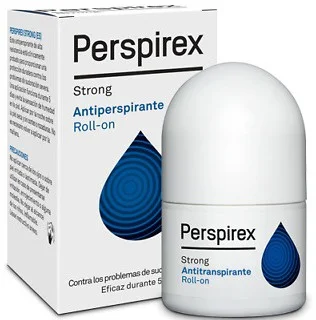
How well does your skin match with Perspirex Original Antitranspirant Roll On?
Login to see detailsOr continue via
Quick 1-minute survey • Completely free
Ingredients
Analysis results of Ingredients


Ingredient List
| EWG | CIR | Ingredient Name & Cosmetic Function | Notes |
|---|---|---|---|
| 4 | - | (Solvent, Masking, Antifoaming Agent, Viscosity Controlling, Antimicrobial, Astringent) |    |
| 3 5 | - | (Cosmetic Astringent, Deodorant, Antiperspirant Agent) | |
| 1 4 | B | (Cosmetic Astringent, pH adjusting agent, Exfoliant, Keratolytic) | |
| 1 | A | (Viscosity Controlling, Viscosity Increasing Agent, Emulsion Stabilising, Emulsifying, Binding Agent, Binding, Film Forming, Viscosityincreasing Agent - Nonaqueous) | |
Perspirex Original Antitranspirant Roll On - Ingredient Explanation
Alcohol Denat
1. Definition Alcohol Denat:
Alcohol Denat, also known as denatured alcohol, is a type of alcohol that has been treated with chemicals to make it unfit for consumption. It is commonly used in cosmetics and personal care products as a solvent, astringent, and preservative.2. Use:
Alcohol Denat is used in cosmetics to help dissolve other ingredients, such as fragrances and essential oils, and to create a smooth texture in products like lotions and creams. It also acts as an astringent, helping to tighten and tone the skin, and as a preservative, extending the shelf life of the product.3. Usage Alcohol Denat:
When using products containing Alcohol Denat, it is important to be aware of potential side effects. Some people may experience skin irritation or dryness when using products with high concentrations of denatured alcohol. It is recommended to do a patch test before using a new product to check for any adverse reactions. Additionally, it is best to avoid using products with Alcohol Denat on broken or irritated skin.4. References:
- "Denatured Alcohol in Cosmetics." Cosmetics Info, www.cosmeticsinfo.org/ingredient/denatured-alcohol.
- "Alcohol Denat." Paula's Choice Skincare, www.paulaschoice.com/ingredient-dictionary/skin-soothing/alcohol-denat.html.
- "Is Alcohol Denat Safe in Skin Care?" Byrdie, www.byrdie.com/alcohol-denat-in-skincare.
Aluminum Chloride
1. Definition Aluminum Chloride:
Aluminum chloride is a chemical compound that is commonly used in cosmetics as an antiperspirant agent. It is known for its ability to reduce sweat production by blocking sweat glands.2. Use:
Aluminum chloride is primarily used in cosmetics as an active ingredient in antiperspirants. It works by forming a gel-like plug in the sweat ducts, which helps to reduce the amount of sweat that is released onto the skin's surface. This can help to control body odor and keep the underarms dry.3. Usage Aluminum Chloride:
When using cosmetics containing aluminum chloride, it is important to follow the instructions provided on the product packaging. It is typically applied to clean, dry skin in the underarm area, usually at night before bed. It is important to avoid applying aluminum chloride to broken or irritated skin, as it may cause irritation or discomfort. Some individuals may be sensitive to aluminum chloride and may experience skin irritation or allergic reactions, so it is recommended to perform a patch test before regular use. Additionally, it is important to avoid using aluminum chloride on freshly shaved skin, as it may cause stinging or irritation.4. References:
- Lachenmeier, Dirk W., et al. "Aluminum in cosmetic products: a quantitative analysis of aluminum in cosmetic products on the German market." BMC Public Health 10.1 (2010): 225.
- Darbre, Philippa D. "Underarm cosmetics and breast cancer." Journal of Applied Toxicology 23.2 (2003): 89-95.
- Mirick, Dana K., et al. "Antiperspirant use and the risk of breast cancer." Journal of the National Cancer Institute 94.20 (2002): 1578-1580.
Calcium Lactate
1. Definition Calcium Lactate:
Calcium Lactate is a water-soluble salt that is derived from lactic acid. It is commonly used in cosmetics as a humectant, emollient, and pH adjuster.2. Use:
Calcium Lactate is used in cosmetics for its ability to attract and retain moisture, which helps to hydrate and soften the skin. It also acts as an emollient, helping to smooth and soften the skin's texture. Additionally, Calcium Lactate is used to adjust the pH of cosmetic formulations, ensuring that they are gentle and non-irritating to the skin.3. Usage Calcium Lactate:
Calcium Lactate is typically used in skincare products such as creams, lotions, and serums. It can be found in a wide range of cosmetic products, including moisturizers, anti-aging creams, and exfoliants. When using products containing Calcium Lactate, it is important to follow the manufacturer's instructions and guidelines for application. It is generally considered safe for use in cosmetics, but individuals with sensitive skin or allergies should perform a patch test before using products containing Calcium Lactate.4. References:
- "Calcium Lactate." CosmeticsInfo.org, www.cosmeticsinfo.org/ingredient/calcium-lactate.
- "Calcium Lactate." Truth In Aging, www.truthinaging.com/ingredients/calcium-lactate.
- "Calcium Lactate." The Derm Review, www.thedermreview.com/calcium-lactate/.
Hydroxypropylcellulose
1. Definition Hydroxypropylcellulose:
Hydroxypropylcellulose is a synthetic polymer derived from cellulose that is commonly used in cosmetics as a thickening agent, film-former, and emulsifier. It is known for its ability to enhance the texture and consistency of cosmetic products.2. Use:
Hydroxypropylcellulose is primarily used in cosmetic formulations such as creams, lotions, gels, and hair care products. It helps to improve the viscosity of these products, making them easier to apply and ensuring even distribution on the skin or hair. Additionally, it can also enhance the stability and shelf life of cosmetic formulations.3. Usage Hydroxypropylcellulose:
When using products containing hydroxypropylcellulose, it is important to follow the manufacturer's instructions and guidelines. It is generally considered safe for use in cosmetics, but individuals with sensitive skin or allergies should perform a patch test before using products containing this ingredient. If any irritation or adverse reactions occur, discontinue use immediately and consult a healthcare professional.4. References:
- "Hydroxypropylcellulose." CosmeticsInfo.org, www.cosmeticsinfo.org/ingredient/hydroxypropylcellulose.
- "Hydroxypropylcellulose." The Derm Review, www.thedermreview.com/hydroxypropylcellulose/.
- "Safety and Toxicity of Hydroxypropylcellulose." TruthInAging.com, www.truthinaging.com/ingredients/hydroxypropylcellulose.
Review








Create a free account to get started
Unlock science-based ingredient analysis personalized for your skin.
Already have an account? Log in
We protect your privacy. We never send spam.