


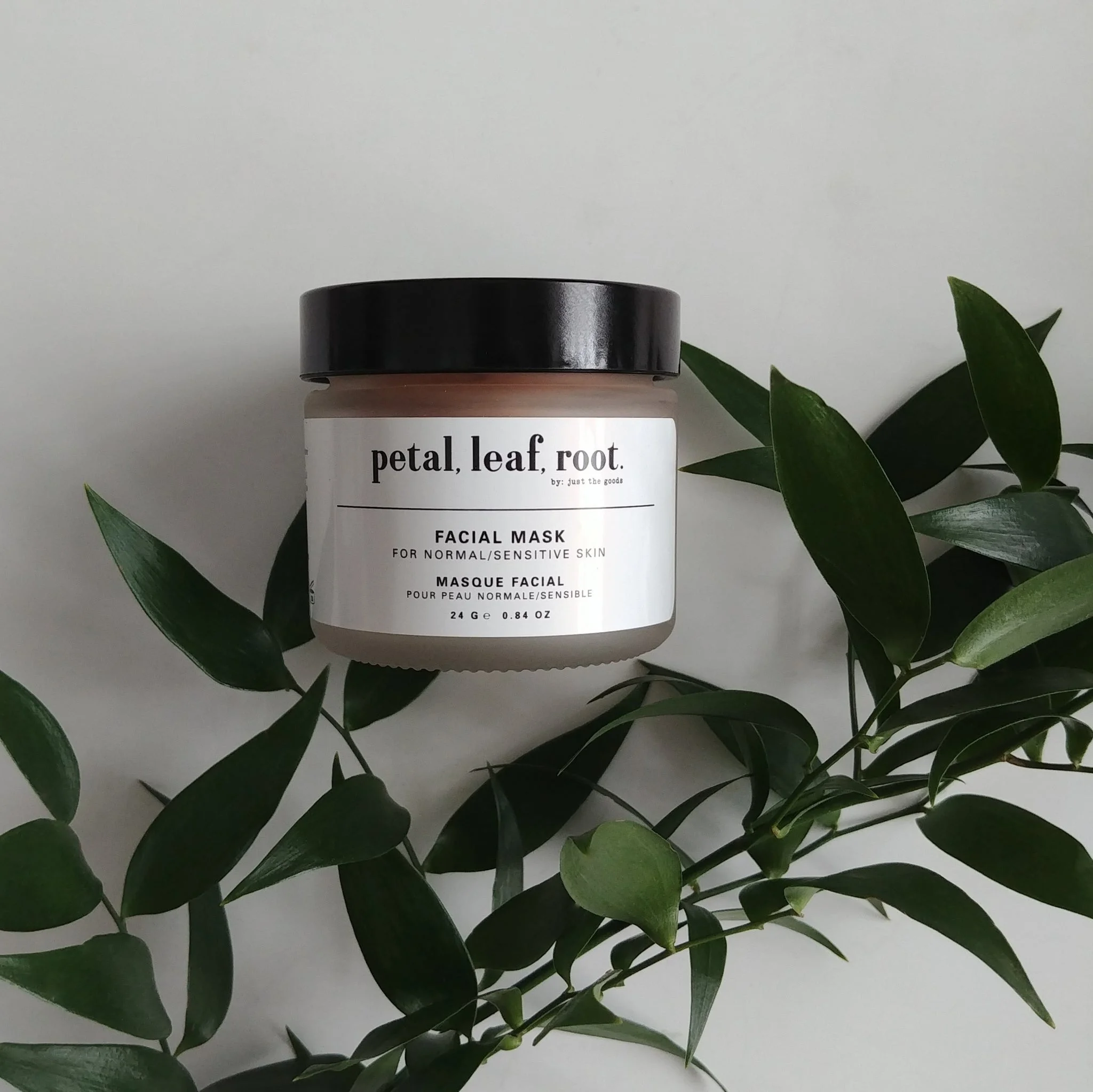
petal, leaf, root. by Just the Goods face mask for normal sensitive skin
Analysis locked
How well does your skin match with petal, leaf, root. by Just the Goods face mask for normal sensitive skin?
Login to see detailsOr continue via
Quick 1-minute survey • Completely free
Ingredients
Analysis results of Ingredients


Ingredient List
| EWG | CIR | Ingredient Name & Cosmetic Function | Notes |
|---|---|---|---|
| 1 | - | (Humectant, Astringent, Soothing) | |
| 1 | - | | |
| 1 | - | |
petal, leaf, root. by Just the Goods face mask for normal sensitive skin - Ingredient Explanation
Scutellaria Baicalensis Root Extract
1. Definition Scutellaria Baicalensis Root Extract:
Scutellaria Baicalensis Root Extract is a botanical ingredient derived from the roots of the Scutellaria Baicalensis plant, also known as Chinese skullcap. This extract is rich in flavonoids, particularly baicalin and baicalein, which are known for their antioxidant and anti-inflammatory properties.2. Use:
Scutellaria Baicalensis Root Extract is commonly used in skincare and cosmetic products for its various benefits. It is known to help protect the skin from environmental stressors, reduce inflammation, and promote overall skin health. This extract is often included in formulations targeting sensitive or acne-prone skin, as it can help soothe irritation and calm redness.3. Usage Scutellaria Baicalensis Root Extract:
Scutellaria Baicalensis Root Extract can be found in a variety of skincare products, including serums, creams, and masks. It is typically used in concentrations ranging from 0.5% to 2% in formulations. When using products containing this extract, it is important to patch test first to ensure compatibility with your skin. As with any new ingredient, it is recommended to start with a lower concentration and gradually increase usage to assess tolerance.4. References:
- Lee, J. H., Kim, G. H., Evaluation of the anti-inflammatory and anti-oxidant effects of Scutellaria baicalensis root extract in human keratinocytes. Biomed Res Int. 2019; 2019: 5390806.
- Lin, L. T., Liu, L. T., Chiang, L. C., Lin, C. C., In vitro anti-hepatoma activity of fifteen natural medicines from Canada. Phytother Res. 2002; 16(5): 440-444.
- Li, B. Q., Fu, T., Dongyan, Y., Mikovits, J. A., Ruscetti, F. W., Wang, J. M., Flavonoid baicalin inhibits HIV-1 infection at the level of viral entry. Biochem Biophys Res Commun. 2000; 276(2): 534-538.
Aspalathus Linearis (Rooibos)
1. Definition Aspalathus Linearis (Rooibos):
Aspalathus Linearis, commonly known as Rooibos, is a plant native to South Africa that is widely used in skincare and cosmetic products for its antioxidant and anti-inflammatory properties. The plant is rich in polyphenols, flavonoids, and vitamins, making it a popular ingredient in natural skincare formulations.2. Use:
Rooibos extract is commonly used in cosmetics for its ability to soothe and calm the skin, reduce redness and inflammation, and protect against environmental stressors. It is often included in products targeting sensitive or irritated skin, as well as anti-aging formulations due to its antioxidant properties. Rooibos is also known for its hydrating and moisturizing effects on the skin, making it a versatile ingredient in a variety of skincare products.3. Usage Aspalathus Linearis (Rooibos):
Rooibos extract can be found in a wide range of cosmetic products, including moisturizers, serums, masks, and cleansers. It is typically included in formulations at a concentration of 1-5% to provide the desired benefits for the skin. When using products containing Rooibos extract, it is important to follow the instructions provided by the manufacturer and perform a patch test before applying to the entire face to check for any potential allergic reactions.4. References:
- Joubert E, de Beer D, Malherbe CJ, Muller N, Bonnet SL. Profiling the phytochemical composition and biological activities of South African herbal teas: rooibos (Aspalathus linearis) and honeybush (Cyclopia intermedia). J Sci Food Agric. 2011;91(1):109-24.
- McKay DL, Blumberg JB. A review of the bioactivity and potential health benefits of chamomile tea (Matricaria recutita L.). Phytother Res. 2006;20(7):519-30.
- Marnewick JL, Rautenbach F, Venter I, Neethling H, Blackhurst DM, Wolmarans P, et al. Effects of rooibos (Aspalathus linearis) on oxidative stress and biochemical parameters in adults at risk for cardiovascular disease. J Ethnopharmacol. 2011;133(1):46-52.
French Pink Clay
1. Definition French Pink Clay:
French Pink Clay is a type of cosmetic clay that is naturally occurring and sourced from quarries in France. It is known for its gentle cleansing and exfoliating properties, making it a popular ingredient in skincare products.2. Use:
French Pink Clay is commonly used in skincare products such as masks, scrubs, and cleansers due to its ability to absorb excess oil, dirt, and impurities from the skin. It is also known for its soothing and calming properties, making it suitable for sensitive and delicate skin types.3. Usage French Pink Clay:
To use French Pink Clay in skincare, mix the clay powder with water or a liquid of your choice to form a paste. Apply the paste to clean, dry skin and leave it on for about 10-15 minutes before rinsing off with warm water. It is recommended to use French Pink Clay 1-2 times a week to maintain healthy and radiant skin.4. References:
- "French Pink Clay: Benefits and Uses" by Healthline (https://www.healthline.com/health/beauty-skin-care/french-pink-clay)
- "The Benefits of Using French Pink Clay in Skincare" by The Derm Review (https://thedermreview.com/french-pink-clay/)
- "French Pink Clay: What It Is and How to Use It" by Byrdie (https://www.byrdie.com/french-pink-clay-5171245)
Review
Didn't find
the information you need?






Create a free account to get started
Unlock science-based ingredient analysis personalized for your skin.
Already have an account? Log in
We protect your privacy. We never send spam.