


Analysis locked
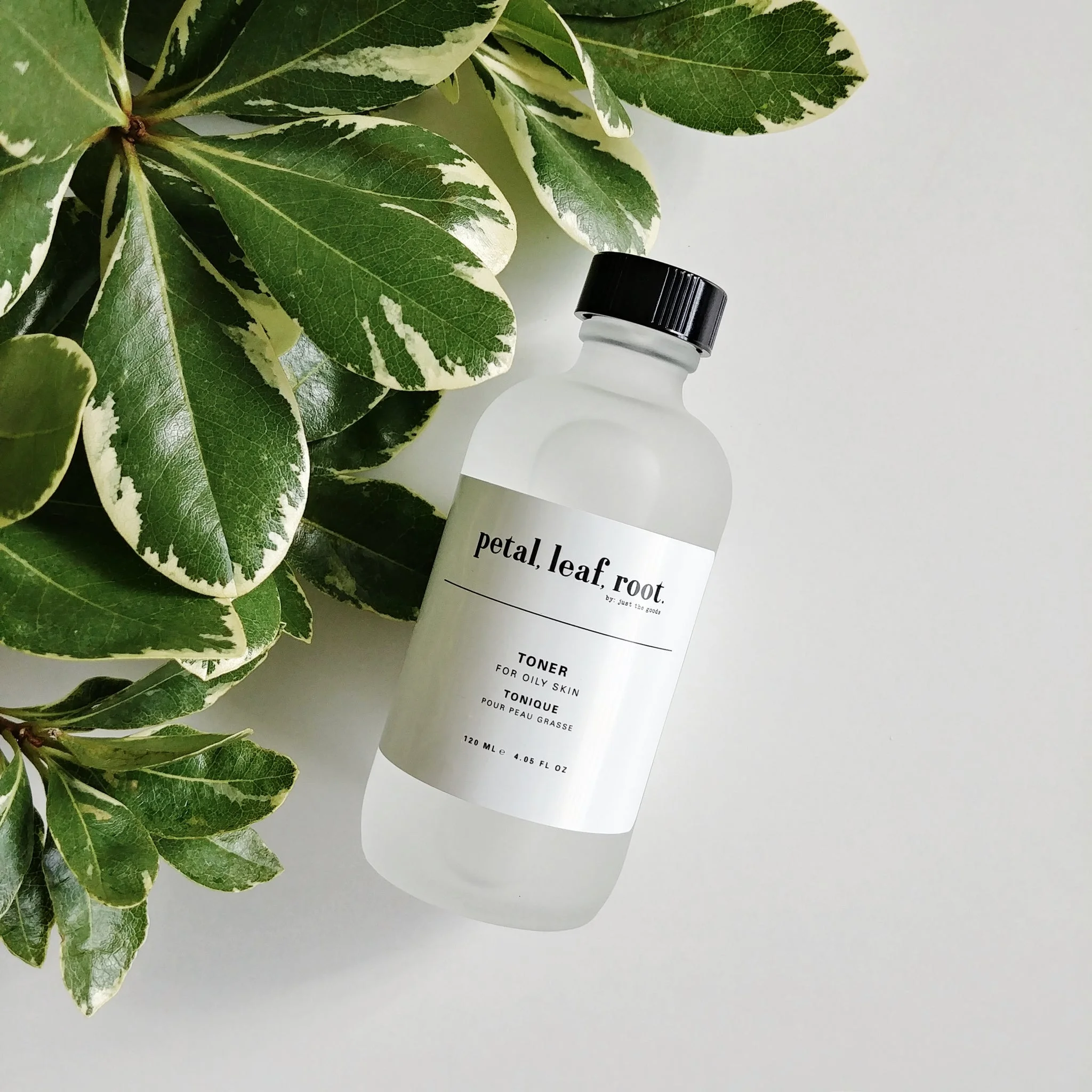
How well does your skin match with petal, leaf, root. by Just the Goods facial toner for oily skin?
Login to see detailsOr continue via
Quick 1-minute survey • Completely free
Ingredients
Analysis results of Ingredients


Ingredient List
| EWG | CIR | Ingredient Name & Cosmetic Function | Notes |
|---|---|---|---|
| 1 | B | (Skin Conditioning, Masking, Fragrance) |  |
| 1 | - | (Skin Conditioning, Fragrance) | |
| 1 | - | (Masking, Perfuming, Cleansing, Soothing, Tonic, Antidandruff Agent, Refreshing) | |
petal, leaf, root. by Just the Goods facial toner for oily skin - Ingredient Explanation
Rosmarinus Officinalis (Rosemary) Leaf Oil
1. Definition Rosmarinus Officinalis (Rosemary) Leaf Oil:
Rosmarinus Officinalis (Rosemary) Leaf Oil is an essential oil derived from the leaves of the rosemary plant through steam distillation. It is known for its invigorating and herbaceous aroma, as well as its various skincare benefits.2. Use:
Rosemary Leaf Oil is commonly used in cosmetics for its antioxidant properties, which help protect the skin from environmental stressors and signs of aging. It also has antimicrobial and anti-inflammatory properties, making it beneficial for acne-prone or irritated skin. Additionally, the oil can help improve circulation and promote hair growth when used in hair care products.3. Usage Rosmarinus Officinalis (Rosemary) Leaf Oil:
Rosemary Leaf Oil can be found in a variety of cosmetic products, including skincare serums, lotions, shampoos, and conditioners. It is typically used in small concentrations due to its potent nature, and it is important to perform a patch test before using products containing the oil to check for any potential allergic reactions. Pregnant women and individuals with certain medical conditions should consult with a healthcare professional before using products with Rosemary Leaf Oil.4. References:
- Tisserand, R., & Young, R. (2014). Essential oil safety: A guide for health care professionals (2nd ed.). Churchill Livingstone.
- Reuter, J., Merfort, I., & Schempp, C. M. (2010). Botanicals in dermatology: Rosemary. Journal of Drugs in Dermatology, 9(4), 413-418.
- Baser, K. H. C., & Buchbauer, G. (2010). Handbook of essential oils: Science, technology, and applications. CRC Press.
Lavandula Angustifolia (Lavender) Flower Water
1. Definition Lavandula Angustifolia (Lavender) Flower Water:
Lavandula Angustifolia (Lavender) Flower Water is a natural byproduct of the steam distillation process used to extract lavender essential oil from the flowers of the Lavandula Angustifolia plant. It is a clear, fragrant liquid that retains some of the therapeutic properties of lavender essential oil.2. Use:
Lavender Flower Water is commonly used in cosmetics and skincare products for its soothing and calming properties. It is known for its anti-inflammatory, antibacterial, and antioxidant properties, making it beneficial for a variety of skin types. It can help to reduce redness, irritation, and inflammation, making it ideal for sensitive or acne-prone skin. Lavender Flower Water can also help to balance the skin's natural oil production and promote a clear, healthy complexion.3. Usage Lavandula Angustifolia (Lavender) Flower Water:
Lavender Flower Water can be used in a variety of ways in skincare products. It can be used as a facial toner to help balance the skin's pH levels and tighten pores. It can also be used as a refreshing mist throughout the day to hydrate and soothe the skin. Additionally, Lavender Flower Water can be added to bath water or used as a natural fragrance in homemade skincare products.4. References:
- Ali, B., et al. (2015). Essential oils used in aromatherapy: A systemic review. Asian Pacific Journal of Tropical Biomedicine, 5(8), 601-611.
- Cavanagh, H. M., & Wilkinson, J. M. (2002). Biological activities of lavender essential oil. Phytotherapy Research, 16(4), 301-308.
- Koulivand, P. H., et al. (2013). Lavender and the nervous system. Evidence-Based Complementary and Alternative Medicine, 2013, 681304.
Achillea Millefolium (Common Yarrow) Oil
1. Definition Achillea Millefolium (Common Yarrow) Oil:
Achillea Millefolium (Common Yarrow) Oil is a natural essential oil extracted from the flowering tops of the Achillea Millefolium plant. It is known for its soothing and healing properties and has been used in traditional medicine for centuries.2. Use:
Common Yarrow Oil is commonly used in cosmetics for its anti-inflammatory, anti-bacterial, and astringent properties. It is often added to skincare products such as creams, lotions, and serums to help calm irritated skin, reduce redness, and promote healing. Additionally, it can help regulate sebum production, making it beneficial for oily and acne-prone skin.3. Usage Achillea Millefolium (Common Yarrow) Oil:
When using Common Yarrow Oil in cosmetics, it is important to dilute it properly as it is a potent essential oil. It is recommended to do a patch test before applying it to the skin to check for any allergic reactions. Common Yarrow Oil can be added to carrier oils, creams, or lotions in small concentrations (usually between 0.5-2%) to reap its benefits without causing irritation.4. References:
- Saeidnia, S., Gohari, A. R., & Mokhber-Dezfuli, N. (2013). Yarrow (Achillea millefolium L.): a review on its chemistry, traditional uses, and pharmacological properties. Journal of Ethnopharmacology, 150(3), 791-817.
- Murbach Teles Andrade, B. F., & Baptista, M. S. (2019). Achillea millefolium L. hydroalcoholic extract and essential oil: in vitro antioxidant and antimicrobial activities. Industrial Crops and Products, 140, 111631.
- Rechinger, K. H. (1984). Achillea. In Flora Iranica (Vol. 162, pp. 1-196). Akademische Druck- u. Verlagsanstalt.
Review
Didn't find
the information you need?






Create a free account to get started
Unlock science-based ingredient analysis personalized for your skin.
Already have an account? Log in
We protect your privacy. We never send spam.