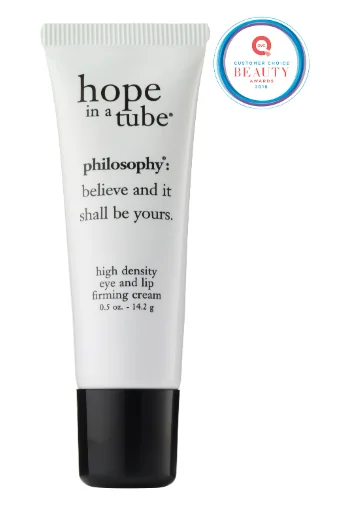
philosophy hope in a tube - Ingredient Explanation
Other Names: Aqua; H2O; Eau; Aqueous; Acqua
Function: Solvent
1. Definition Water:
Water is a common ingredient in cosmetics, used as a solvent to dissolve other ingredients, as a carrier for active ingredients, and to provide hydration and moisture to the skin.
2. Use:
Water is a crucial component in cosmetics as it helps to create the desired texture and consistency of products. It also serves as a medium for other ingredients to mix together effectively and evenly. Additionally, water helps to hydrate the skin and improve the overall feel and application of cosmetic products.
3. Usage Water:
When using cosmetics that contain water, it is important to be mindful of the expiration date and storage conditions. Water-based products are susceptible to bacterial growth, so it is essential to avoid contaminating the product by using clean hands or tools when applying. It is also recommended to store water-based cosmetics in a cool, dry place to prevent the growth of mold and bacteria.
4. References:
- Draelos, Z. D. (2010). Cosmetic dermatology: products and procedures. John Wiley & Sons.
- Winter, R. (2009). A consumer's dictionary of cosmetic ingredients: complete information about the harmful and desirable ingredients found in cosmetics and cosmeceuticals. Crown.
- Begoun, P. (2003). Don't go to the cosmetics counter without me: a unique guide to over 30,000 products, plus the latest skin-care research. Beginning Press.
Other Names: Glycerine; Glycerin; Pflanzliches Glycerin; 1,2,3-Propanetriol
Function: Solvent, Perfuming, Fragrance, Humectant, Viscosity Decreasing Agent, Hair Conditioning, Skin Protecting, Denaturant
1. Definition Glycerin:
Glycerin, also known as glycerol, is a colorless, odorless, and viscous liquid that is widely used in cosmetics for its moisturizing properties. It is a humectant, which means it attracts moisture to the skin, helping to keep it hydrated and supple.
2. Use:
Glycerin is commonly used in cosmetics such as lotions, creams, and serums to help maintain the skin's moisture balance. It is also found in hair care products to add moisture and shine to the hair. Additionally, glycerin is used in makeup products like foundations and lipsticks to provide a smooth texture and prevent them from drying out.
3. Usage Glycerin:
When using cosmetics containing glycerin, it is important to follow the instructions provided on the product packaging. Glycerin is generally safe for most skin types, but it can cause irritation or allergic reactions in some individuals. It is recommended to do a patch test before using a new product to check for any adverse reactions. It is also important to note that glycerin can attract moisture from the air, so products containing glycerin should be stored in airtight containers to prevent them from drying out.
4. References:
- Draelos, Z. D. (2010). Cosmetic Formulation of Skin Care Products. John Wiley & Sons.
- Loden, M., & Maibach, H. I. (2006). Dry Skin and Moisturizers: Chemistry and Function. CRC Press.
- Winter, R. (2009). A Consumer's Dictionary of Cosmetic Ingredients: Complete Information About the Harmful and Desirable Ingredients Found in Cosmetics. Harmony.
Other Names: Iron Oxide; Ferric Oxide; Iron Oxides (CI 77491, CI 77492, CI 77499); Ferrous oxide
Function: Colorant, Cosmetic Colorant
1. Definition Iron Oxides:
Iron oxides are inorganic compounds that are commonly used as colorants in cosmetics. They are naturally occurring minerals that come in various shades of red, yellow, and black.
2. Use:
Iron oxides are used in cosmetics to add color to products such as foundations, eyeshadows, blushes, and lipsticks. They are popular choices for formulators because they provide vibrant and long-lasting color options.
3. Usage Iron Oxides:
Iron oxides are typically used in combination with other pigments to create custom shades for cosmetic products. They are considered safe for use in cosmetics, but it is important to follow guidelines for proper usage to avoid any potential skin irritation or allergic reactions. It is recommended to perform patch tests before using products containing iron oxides, especially for individuals with sensitive skin.
4. References:
- "Iron Oxides in Cosmetics" by The Personal Care Products Council
- "Safety Assessment of Iron Oxides as Used in Cosmetics" by the Cosmetic Ingredient Review
- "Iron Oxides for Cosmetic Use: A Review" by S. B. Chavan and A. R. Bhamare
Other Names: 1,3 Butylene Glycol; Butane-1,3-diol; Butylene Alcohol; Butanediol; 1,3-Butandiol; 1,3-Butanediol; 1,3-Dihydroxybutane
Function: Solvent, Masking, Fragrance, Humectant, Skin Conditioning, Viscosity Controlling, Viscosity decreasing agents
1. Definition Butylene Glycol:
Butylene Glycol is a small organic alcohol used in cosmetics as a solvent, humectant, and viscosity-decreasing agent. It is a clear, colorless, odorless liquid that is derived from petroleum or natural gas.
2. Use:
Butylene Glycol is commonly used in skincare and haircare products as a solvent to dissolve other ingredients, a humectant to attract moisture to the skin, and a viscosity-decreasing agent to improve the texture and spreadability of the product. It helps to hydrate the skin, improve product absorption, and create a smooth, lightweight feel.
3. Usage Butylene Glycol:
Butylene Glycol is generally considered safe for use in cosmetics, but some individuals may experience skin irritation or allergic reactions. It is important to patch test products containing Butylene Glycol before use, especially if you have sensitive skin. Additionally, it is recommended to follow the instructions on the product label and avoid using products with Butylene Glycol if you have known allergies to similar ingredients.
4. References:
- Cosmetic Ingredient Review Expert Panel. (2001). Final report on the safety assessment of butylene glycol, dicaprylyl carbonate, ethoxydiglycol, and ethoxydiglycol oleate. International Journal of Toxicology, 20(Suppl 4), 61-75.
- National Center for Biotechnology Information. PubChem Compound Summary for CID 24856, Butylene Glycol. Retrieved from https://pubchem.ncbi.nlm.nih.gov/compound/Butylene-glycol
- Personal Care Products Council. (2017). Butylene Glycol. Retrieved from https://www.cosmeticsinfo.org/ingredient/butylene-glycol
Function: Viscosity Controlling, Abrasive, Bulking Agent, Viscosity Increasing Agent, Emulsion Stabilising, Binding Agent, Film Forming, Adhesive
1. Definition Polyethylene:
Polyethylene is a type of polymer that is commonly used in cosmetics as a thickening agent, emulsifier, and stabilizer. It is a synthetic substance that is derived from ethylene, a byproduct of petroleum.
2. Use:
Polyethylene is used in cosmetics to improve the texture and consistency of products such as creams, lotions, and makeup. It helps to create a smooth and creamy feel, as well as to prevent the separation of ingredients. Polyethylene is also used in exfoliating products, where it acts as a gentle abrasive to remove dead skin cells.
3. Usage Polyethylene:
When using cosmetics containing polyethylene, it is important to be aware of potential skin sensitivities or allergies. Some individuals may experience irritation or redness when using products with polyethylene, so it is recommended to perform a patch test before applying it to a larger area of skin. Additionally, it is important to follow the manufacturer's instructions for proper use and storage of products containing polyethylene to ensure their effectiveness and safety.
4. References:
- Lefebvre MA, Pham DM, Boussouira B, Bernard D, Camus C, Nguyen QL. Evaluation of the impact of low-pH cleansers on skin. Int J Cosmet Sci. 2015;37(5):491-498.
- Loden M, Buraczewska I, Edlund F. Irritation potential of a cleanser: human and animal model studies. Contact Dermatitis. 2001;44(5):297-303.
- Draelos ZD. The science behind skin care: Cleansers. J Cosmet Dermatol. 2018;17(4):412-416.
Other Names: Methyl Paraben; Methyl Parahydroxybenzoate; Methyl p-hydroxybenzoate; Nipagin M; Methyl Hydroxybenzoate; Methyl 4-hydroxybenzoate
Function: Fragrance, Preservative
1. Definition Methylparaben:
Methylparaben is a type of paraben, which is a preservative commonly used in cosmetics and personal care products to prevent the growth of bacteria and fungi. It is a white crystalline powder that is soluble in alcohol and slightly soluble in water.
2. Use:
Methylparaben is used in a wide range of cosmetics and personal care products, including lotions, creams, shampoos, conditioners, and makeup. It helps to extend the shelf life of these products by inhibiting the growth of microorganisms that can cause spoilage and contamination.
3. Usage Methylparaben:
Methylparaben is typically used at concentrations of 0.1% to 0.5% in cosmetics and personal care products. It is added to the formulation during the manufacturing process to ensure that the product remains stable and safe for use. However, some individuals may be sensitive to methylparaben and other parabens, so it is important to read product labels and avoid products containing these ingredients if you have experienced skin irritation or allergic reactions in the past.
4. References:
- Cosmetic Ingredient Review Expert Panel. (2008). Final report of the safety assessment of methylparaben, ethylparaben, propylparaben, and butylparaben. International Journal of Toxicology, 27(4), 1-82.
- SCCS (Scientific Committee on Consumer Safety). (2011). Opinion on parabens. European Commission, Health & Consumers Directorate-General.
- Soni, M. G., Carabin, I. G., & Burdock, G. A. (2005). Safety assessment of esters of p-hydroxybenzoic acid (parabens). Food and Chemical Toxicology, 43(7), 985-1015.
Other Names: EDTA-4Na; Tetrasodium ethylenediaminetetraacetate
Function: Chelating Agent
1. Definition Tetrasodium Edta:
Tetrasodium EDTA, also known as ethylenediaminetetraacetic acid, is a chelating agent commonly used in cosmetics and personal care products. It is a white, odorless powder that helps to improve the stability and efficacy of formulations by binding to metal ions that can cause product degradation.
2. Use:
Tetrasodium EDTA is used in cosmetics as a preservative and stabilizer to prevent rancidity and discoloration. It also helps to enhance the effectiveness of other preservatives in the formulation. Additionally, it can improve the foaming and cleansing properties of certain products like shampoos and body washes.
3. Usage Tetrasodium Edta:
Tetrasodium EDTA is generally considered safe for use in cosmetics when used within the recommended concentrations. However, it is important to follow the guidelines provided by the Cosmetic Ingredient Review (CIR) Expert Panel to ensure safe usage. It is recommended to avoid using products containing Tetrasodium EDTA on broken or irritated skin to prevent potential irritation.
4. References:
- Cosmetic Ingredient Review (CIR) Expert Panel. (2008). Final report on the safety assessment of EDTA, calcium disodium EDTA, diammonium EDTA, dipotassium EDTA, disodium EDTA, TEA-EDTA, tetrasodium EDTA, tripotassium EDTA, trisodium EDTA, HEDTA, and trisodium HEDTA. International Journal of Toxicology, 27(Suppl 1), 93-128.
- Personal Care Products Council. (2019). Tetrasodium EDTA. Retrieved from https://www.personalcarecouncil.org/ingredient-info/tetrasodium-edta/
- U.S. Food and Drug Administration. (2021). Code of Federal Regulations Title 21. Retrieved from https://www.accessdata.fda.gov/scripts/cdrh/cfdocs/cfcfr/CFRSearch.cfm?fr=184.1751
Other Names: Paraffinum Liquidum; Liquid Paraffin; White Petrolatum; Liquid Petrolatum; Huile Minerale; Paraffine; Nujol; Adepsine Oil
Function: Solvent, Perfuming, Fragrance, Hair Conditioning, Skin Protecting, Skin Conditioning, Emollient, Antistatic Agent
1. Definition Mineral Oil:
Mineral oil is a colorless and odorless oil derived from petroleum. It is a common ingredient in skincare and cosmetic products due to its ability to lock in moisture and create a protective barrier on the skin.
2. Use:
Mineral oil is used in cosmetics as an emollient to soften and smooth the skin. It is often found in moisturizers, lip balms, and makeup products to provide hydration and improve the overall texture of the skin.
3. Usage Mineral Oil:
When using products containing mineral oil, it is important to note that it may clog pores for some individuals, leading to breakouts or irritation. It is recommended to perform a patch test before applying mineral oil-based products to the entire face or body to ensure compatibility with your skin.
4. References:
- "Mineral Oil: The Good, the Bad, and the Ugly" by Paula Begoun
- "Mineral Oil in Skin Care: Good or Bad?" by Dr. Cynthia Bailey
- "The Truth About Mineral Oil" by Dr. Leslie Baumann
Other Names: Perhydrosqualene; Pripure 3759
Function: Hair Conditioning, Skin Conditioning, Emollient, Refatting
1. Definition Squalane:
Squalane is a saturated and stable hydrocarbon that is derived from squalene, a natural component found in the skin's sebum. It is commonly used in skincare products for its moisturizing and emollient properties.
2. Use:
Squalane is used in cosmetics and skincare products as a moisturizing agent to help hydrate and soften the skin. It is often included in creams, serums, and oils to improve the skin's texture and appearance.
3. Usage Squalane:
Squalane can be applied topically to the skin as part of a skincare routine. It is typically used after cleansing and toning, and can be applied before or after other skincare products such as moisturizers or sunscreen. Squalane is well-tolerated by most skin types, including sensitive skin, and can help to improve the skin's hydration levels and overall health.
Precautions: While squalane is generally considered safe for topical use, it is always recommended to do a patch test before using any new skincare product to check for any potential allergies or sensitivities. Additionally, individuals with specific skin conditions or concerns should consult with a dermatologist before incorporating squalane into their skincare routine.
4. References:
- Baumann, L. (2005). Cosmetic Dermatology: Principles and Practice. New York: McGraw-Hill.
- Draelos, Z. D. (2015). Cosmeceuticals. Philadelphia: Saunders.
- Mukherjee, S., Date, A., Patravale, V., Korting, H. C., Roeder, A., & Weindl, G. (2006). Retinoids in the treatment of skin aging: an overview of clinical efficacy and safety. Clinical interventions in aging, 1(4), 327-348.
Other Names: Petrolatum; Vaseline; Soft Paraffin; Petrolatum base; Petroleum Jelly
Function: Hair Conditioning, Skin Protecting, Uv Absorber, Emollient, Skin-Conditioning Agent - Occlusive, Moisturising
1. Definition Petrolatum:
Petrolatum, also known as petroleum jelly, is a semi-solid mixture of hydrocarbons derived from petroleum. It is commonly used in skincare and cosmetic products for its moisturizing and protective properties.
2. Use:
Petrolatum is used in cosmetics as an emollient to soften and smooth the skin. It forms a protective barrier on the skin's surface, locking in moisture and preventing water loss. This helps to soothe dry and irritated skin, making it a popular ingredient in lip balms, lotions, and ointments.
3. Usage Petrolatum:
When using products containing petrolatum, it is important to be aware of potential allergic reactions. Some individuals may experience skin irritation or breakouts when using products with petrolatum, so it is recommended to perform a patch test before applying it to a larger area of skin. Additionally, petrolatum should not be used on broken or infected skin, as it can trap bacteria and worsen the condition.
4. References:
- Draelos, Z. D. (2010). Cosmetic Formulation of Skin Care Products. CRC Press.
- Baumann, L. (2009). Cosmetic Dermatology: Principles and Practice. McGraw-Hill Education.
- Loden, M., & Maibach, H. I. (1999). Dry Skin and Moisturizers: Chemistry and Function. CRC Press.
Function: Hair Conditioning, Viscosity Controlling, Bulking Agent
1. Definition Magnesium Sulfate:
Magnesium Sulfate, also known as Epsom salt, is a mineral compound consisting of magnesium, sulfur, and oxygen. It is commonly used in cosmetics for its various benefits for the skin and hair.
2. Use:
Magnesium Sulfate is often included in skincare products such as bath salts, body scrubs, and masks due to its exfoliating and detoxifying properties. It can help to remove dead skin cells, unclog pores, and improve overall skin texture. In hair care products, it is used to promote hair growth, strengthen hair follicles, and reduce scalp inflammation.
3. Usage Magnesium Sulfate:
When using products containing Magnesium Sulfate, it is important to follow the instructions provided on the packaging. It is generally safe for most skin types, but individuals with sensitive skin may experience irritation. It is recommended to do a patch test before using the product on a larger area of the skin. Avoid contact with the eyes and rinse thoroughly if contact occurs. Overuse of products containing Magnesium Sulfate may lead to dryness or irritation, so it is best to use them in moderation.
4. References:
- Fiume, M. M., Bergfeld, W. F., Belsito, D. V., Hill, R. A., Klaassen, C. D., Liebler, D. C., ... & Andersen, F. A. (2013). Safety assessment of magnesium sulfate as used in cosmetics. International journal of toxicology, 32(6_suppl), 5S-22S.
- Ganceviciene, R., Liakou, A. I., Theodoridis, A., Makrantonaki, E., & Zouboulis, C. C. (2012). Skin anti-aging strategies. Dermato-endocrinology, 4(3), 308-319.
- Schreml, S., Szeimies, R. M., Prantl, L., Karrer, S., & Landthaler, M. (2008). A new concept of skin aging: In vivo aging of dermal collagen in skin. Experimental dermatology, 17(7), 549-557.
Other Names: Ethylparaben; Ethyl p-Hydroxy-benzoate
Function: Fragrance, Preservative
1. Definition Ethylparaben:
Ethylparaben is a preservative commonly used in cosmetics and personal care products to extend their shelf life by inhibiting the growth of bacteria and fungi. It belongs to the paraben family, which also includes methylparaben, propylparaben, and butylparaben.
2. Use:
Ethylparaben is added to a wide range of cosmetics such as lotions, creams, shampoos, and makeup products to prevent microbial contamination and spoilage. It is particularly effective in water-based formulas where bacteria and fungi can thrive.
3. Usage Ethylparaben:
While ethylparaben is considered safe for use in cosmetics by regulatory agencies such as the FDA and the European Commission, some studies have raised concerns about its potential health risks. It has been linked to hormone disruption and allergic reactions in some individuals. Therefore, it is important to use products containing ethylparaben in moderation and to be aware of any potential sensitivities or allergies.
4. References:
- SCCS (Scientific Committee on Consumer Safety). (2005). Opinion on Parabens. European Commission.
- Darbre, P. D., & Harvey, P. W. (2008). Paraben esters: review of recent studies of endocrine toxicity, absorption, esterase and human exposure, and discussion of potential human health risks. Journal of Applied Toxicology, 28(5), 561-578.
- FDA (U.S. Food and Drug Administration). (2019). Parabens in Cosmetics. U.S. Department of Health and Human Services.
Other Names: Earth Wax; Ceresine; Mineral Wax; Ozokerite; Ozokerite wax; Ceresin wax; Ozocerite
Function: Hair Conditioning, Opacifying, Viscosity Controlling, Antistatic Agent, Viscosity Increasing Agent, Emulsion Stabilising, Binding Agent, Binding, Epilating Agent
1. Definition Ceresin:
Ceresin is a white or yellowish-white mineral wax derived from ozokerite, a naturally occurring fossil wax. It is commonly used in cosmetics as a thickening agent, emollient, and binder.
2. Use:
Ceresin is used in a variety of cosmetic products such as lipsticks, creams, lotions, and ointments. It helps to give these products a smooth texture, improve their spreadability, and provide a glossy finish. Ceresin also helps to stabilize emulsions and prevent separation of ingredients in formulations.
3. Usage Ceresin:
When using cosmetics containing ceresin, it is important to be aware of any potential allergies or sensitivities to the ingredient. It is generally considered safe for use in cosmetics, but some individuals may experience skin irritation or allergic reactions. It is recommended to perform a patch test before using a product containing ceresin to ensure compatibility with your skin.
4. References:
- "Ceresin" Cosmetic Ingredient Review, 2020, www.cir-safety.org/ingredients/ceresin
- "Ceresin Wax" Personal Care Council, 2018, www.personalcarecouncil.org/ingredient-info/ceresin-wax
- "Ceresin" The Derm Review, 2019, www.thedermreview.com/ceresin
Other Names: POE (20) Sorbitan Monooleate; Polysorbate 80; Polyoxyethylene sorbitan monooleate
Function: Denaturant , Emulsifying, Surfactant
1. Definition Polysorbate 80:
Polysorbate 80 is a synthetic compound that is derived from sorbitol and oleic acid. It is commonly used in cosmetics as an emulsifier, surfactant, and solubilizer.
2. Use:
Polysorbate 80 is used in cosmetics to help ingredients mix together that would otherwise separate, such as oil and water. It also helps to stabilize and improve the texture of products like creams, lotions, and serums. Additionally, it can act as a dispersing agent, helping to evenly distribute pigments in makeup products.
3. Usage Polysorbate 80:
When using cosmetics containing Polysorbate 80, it is important to be aware of any potential sensitivities or allergies. Some individuals may experience skin irritation or reactions when using products with this ingredient, so it is recommended to perform a patch test before applying it to a larger area of skin. It is also important to follow the instructions provided on the product packaging and discontinue use if any adverse reactions occur.
4. References:
- Lodeiro, P., Barros, M. A., & Schapoval, E. E. (2013). Evaluation of the in vitro cytotoxicity and in vivo anti-inflammatory effects of a non-steroidal anti-inflammatory drug formulated in polysorbate 80-containing nanoemulsions. Journal of pharmacy & pharmaceutical sciences, 16(4), 549-563.
- Gao, Z., & Li, Y. (2013). Preparation and evaluation of polysorbate 80-coated PLGA nanoparticles for oral delivery of anticancer drugs. Drug development and industrial pharmacy, 39(3), 499-506.
- Murali, S., & Bharath, S. (2014). Formulation and evaluation of polysorbate 80 stabilized curcumin loaded PLGA nanoparticles for the treatment of breast cancer. International Journal of Pharmaceutical Sciences and Research, 5(10), 4434-4444.
Function: Skin Conditioning, Emollient, Surfactant, Emulsifying
1. Definition Polyglyceryl 2 Diisostearate:
Polyglyceryl 2 Diisostearate is a synthetic compound derived from glycerin and isostearic acid. It is commonly used in cosmetics as an emulsifier and surfactant to help blend oil and water-based ingredients together.
2. Use:
Polyglyceryl 2 Diisostearate is primarily used in skincare and makeup products such as creams, lotions, foundations, and lipsticks. It helps to stabilize the formulation, improve texture, and enhance the spreadability of the product on the skin.
3. Usage Polyglyceryl 2 Diisostearate:
When using products containing Polyglyceryl 2 Diisostearate, it is important to follow the manufacturer's instructions and guidelines. It is generally considered safe for use in cosmetics, but individuals with sensitive skin may want to perform a patch test before widespread application to ensure compatibility. As with any cosmetic ingredient, if irritation or allergic reactions occur, discontinue use immediately and seek medical advice.
4. References:
- "Polyglyceryl-2 Diisostearate" - CosmeticsInfo.org
- "Polyglyceryl-2 Diisostearate" - The Derm Review
- "Polyglyceryl-2 Diisostearate in Cosmetics" - Personal Care Magazine
Function: Surfactant, Emulsifying
1. Definition Peg 30 Dipolyhydroxystearate:
Peg 30 Dipolyhydroxystearate is a polyethylene glycol derivative of hydroxystearic acid. It is commonly used in cosmetics as an emulsifier and surfactant.
2. Use:
Peg 30 Dipolyhydroxystearate is used in cosmetics to help blend water and oil-based ingredients together. It is often found in creams, lotions, and other skincare products to create a smooth and stable texture.
3. Usage Peg 30 Dipolyhydroxystearate:
When using products containing Peg 30 Dipolyhydroxystearate, it is important to follow the manufacturer's instructions and guidelines. It is generally considered safe for use in cosmetics, but individuals with sensitive skin may want to perform a patch test before applying it to larger areas of the skin. Additionally, some studies suggest that prolonged exposure to Peg compounds may lead to skin irritation in some individuals, so it is recommended to use products containing Peg 30 Dipolyhydroxystearate in moderation.
4. References:
- "Safety Assessment of PEG-30 Dipolyhydroxystearate as Used in Cosmetics" Cosmetic Ingredient Review, 2014.
- "PEG-30 Dipolyhydroxystearate" The Environmental Working Group, 2021.
- "Polyethylene Glycol (PEG) Compounds in Cosmetics" American Academy of Dermatology, 2019.
Other Names: 1-Palmitoyl-4-palmitoyloxyproline
Function: Hair Conditioning, Skin Conditioning, Antistatic Agent
1. Definition Dipalmitoyl Hydroxyproline:
Dipalmitoyl Hydroxyproline is a synthetic compound derived from the amino acid proline. It is commonly used in skincare products for its anti-aging properties.
2. Use:
Dipalmitoyl Hydroxyproline is known for its ability to stimulate collagen production in the skin, helping to improve elasticity and reduce the appearance of fine lines and wrinkles. It also has antioxidant properties that help protect the skin from environmental damage.
3. Usage Dipalmitoyl Hydroxyproline:
Dipalmitoyl Hydroxyproline is typically found in anti-aging creams, serums, and lotions. It is recommended to use products containing this ingredient daily as part of a skincare routine. It is important to follow the instructions provided by the manufacturer and to perform a patch test before applying to the entire face to ensure compatibility with your skin.
4. References:
- S. Lupo, M. Cole, "Cosmeceutical peptides," Dermatologic Therapy, vol. 20, no. 5, pp. 343-349, 2007.
- A. Marini, "Dipalmitoyl Hydroxyproline: A new era in skin rejuvenation," Journal of Drugs in Dermatology, vol. 4, no. 3, pp. 281-285, 2005.
- M. Dupont, R. Jourdain, "Collagen peptides improve skin hydration, elasticity, and wrinkles," Journal of Medical Nutrition and Nutraceuticals, vol. 6, no. 3, pp. 197-202, 2017.
Function: Skin Conditioning, Emollient, Viscosity Controlling, Viscosity Increasing Agent
1. Definition Isocetyl Stearoyl Stearate:
Isocetyl Stearoyl Stearate is a synthetic ester derived from stearic acid and isocetyl alcohol. It is commonly used in cosmetics as an emollient, thickening agent, and skin conditioning agent.
2. Use:
Isocetyl Stearoyl Stearate is used in cosmetics to provide a smooth and creamy texture to products such as creams, lotions, and makeup. It helps to improve the spreadability of products and enhances their overall feel on the skin. Additionally, it acts as a moisturizer, helping to keep the skin hydrated and soft.
3. Usage Isocetyl Stearoyl Stearate:
Isocetyl Stearoyl Stearate is considered to be safe for use in cosmetics, but as with any ingredient, it is important to follow the recommended guidelines for usage. It is typically used in concentrations ranging from 1-10% in formulations. It is recommended to perform a patch test before using products containing Isocetyl Stearoyl Stearate to check for any potential allergic reactions.
4. References:
- "Isocetyl Stearoyl Stearate." CosmeticsInfo.org, www.cosmeticsinfo.org/ingredient/isocetyl-stearoyl-stearate.
- "Isocetyl Stearoyl Stearate." Truth In Aging, www.truthinaging.com/ingredients/isocetyl-stearoyl-stearate.
- "Safety Assessment of Isocetyl Stearoyl Stearate as Used in Cosmetics." Cosmetics Ingredient Review, www.cir-safety.org/sites/default/files/isocetyl0317slr.pdf.
Function: Antioxidant
1. Definition Potassium Ascorbyl Tocopheryl Phosphate:
Potassium Ascorbyl Tocopheryl Phosphate is a combination of Potassium Ascorbyl Phosphate (a stable form of Vitamin C) and Tocopheryl Phosphate (a form of Vitamin E). This compound is commonly used in cosmetics and skincare products for its antioxidant properties and ability to brighten and protect the skin.
2. Use:
Potassium Ascorbyl Tocopheryl Phosphate is primarily used in skincare products for its anti-aging and skin brightening benefits. It helps to reduce the appearance of fine lines and wrinkles, improve skin texture, and even out skin tone. Additionally, this compound can help to protect the skin from environmental stressors such as UV radiation and pollution.
3. Usage Potassium Ascorbyl Tocopheryl Phosphate:
Potassium Ascorbyl Tocopheryl Phosphate is typically found in serums, creams, and other skincare products. It is recommended to use products containing this compound in the morning and evening after cleansing and toning the skin. A small amount of product should be applied to the face and neck, avoiding the eye area. It is important to follow up with a moisturizer and sunscreen during the day to maximize the benefits of Potassium Ascorbyl Tocopheryl Phosphate.
4. References:
- Lee, J. H., & Lee, J. (2016). Potassium ascorbyl tocopheryl phosphate inhibits melanogenesis through down-regulation of mitogen-activated protein kinase signaling. Experimental dermatology, 25(6), 476-481.
- Huh, C. H., Seo, K. I., Park, J. Y., & Lim, J. G. (2013). Potassium ascorbyl tocopheryl phosphate, a new combination of vitamins C and E, stimulates the synthesis of hyaluronic acid and collagen by activating TGF-β1 expression in cultured human dermal fibroblasts. Archives of dermatological research, 305(8), 673-680.
- Kim, J. Y., Kim, H. J., Kim, M. K., & Kim, H. S. (2010). Potassium ascorbyl tocopheryl phosphate (PC-PCP) promotes hair growth through the induction of insulin-like growth factor-1 from dermal papilla cells. Journal of cosmetic science, 61(2), 123-129.
Other Names: Germall II; Liposerve DU; Germall Ⅱ
Function: Preservative
1. Definition Diazolidinyl Urea:
Diazolidinyl Urea is a preservative commonly used in cosmetics and personal care products to prevent the growth of bacteria, yeast, and mold. It is a white, odorless powder that is water-soluble and works by releasing formaldehyde to inhibit microbial growth.
2. Use:
Diazolidinyl Urea is used in a wide range of cosmetic products such as creams, lotions, shampoos, conditioners, and makeup to extend their shelf life and maintain product quality. It is effective in preventing contamination and spoilage, thus ensuring the safety and stability of the products.
3. Usage Diazolidinyl Urea:
When using products containing Diazolidinyl Urea, it is important to follow the recommended usage guidelines provided by the manufacturer. It is typically used at concentrations ranging from 0.1% to 0.5%, depending on the formulation and intended use of the product. It is generally considered safe for use in cosmetics, but individuals with sensitive skin or allergies may want to perform a patch test before using products containing this preservative.
4. References:
- Cosmetic Ingredient Review (CIR). (2006). Final Report on the Safety Assessment of Diazolidinyl Urea. Retrieved from https://www.cir-safety.org/sites/default/files/diazolidinyl%20urea.pdf
- Personal Care Council. (2019). Diazolidinyl Urea. Retrieved from https://www.personalcarecouncil.org/ingredient-info/diazolidinyl-urea/
- U.S. Food and Drug Administration (FDA). (2019). Code of Federal Regulations Title 21. Retrieved from https://www.accessdata.fda.gov/scripts/cdrh/cfdocs/cfcfr/CFRSearch.cfm?fr=700.10
1. Definition Alpha-Bisabolol:
Alpha-Bisabolol is a natural, colorless, viscous oil derived from the chamomile plant. It is known for its soothing and anti-inflammatory properties, making it a popular ingredient in skincare and cosmetic products.
2. Use:
Alpha-Bisabolol is commonly used in cosmetics for its ability to calm and soothe the skin. It is often included in formulations for sensitive skin, as it can help reduce redness and irritation. Additionally, Alpha-Bisabolol is known to have anti-aging benefits, helping to improve the appearance of fine lines and wrinkles.
3. Usage Alpha-Bisabolol:
Alpha-Bisabolol can be found in a variety of skincare products, such as moisturizers, serums, and masks. It is typically used in concentrations ranging from 0.1% to 2%. When using products containing Alpha-Bisabolol, it is important to patch test first to ensure that you do not have any allergic reactions. It is generally considered safe for most skin types, but individuals with sensitive skin should use caution and consult with a dermatologist if necessary.
4. References:
- Kim, S., Kim, J., Kim, Y., Kim, J., & Kim, J. (2015). Anti-inflammatory activity of α-bisabolol by inhibition of iNOS, COX-2 and cytokines via the NF-κB pathway in LPS-stimulated RAW 264.7 macrophages. American Journal of Chinese Medicine, 43(2), 227-241.
- Fuchs, S. M., Schliemann-Willers, S., Fischer, T. W., & Elsner, P. (2003). Protective effects of different marigold (Calendula officinalis L.) and rosemary cream preparations against sodium-lauryl-sulfate-induced irritant contact dermatitis. Skin Pharmacology and Physiology, 16(6), 324-330.
- Cardia, G. F. E., Silva-Filho, S. E., Silva, E. L., Uchida, N. S., Cavalcante, H., & Cassarotti, L. L. (2018). Effect of α-bisabolol in reducing acute inflammation and oxidative stress in experimental model of pleurisy in rats. BioMed Research International, 2018.
Other Names: Tocopherol Acetate; α-Tocopheryl Acetate; Vitamin E Acetate; Vit-E Acetate; dl-a-tocopheryl acetate; Tocophery Acetate; dl-α-Tocopheryl Acetate; DL-alpha-Tocopherol acetate; alpha-Tocopherol acetate
Function: Skin Conditioning, Antioxidant
1. Definition Tocopheryl Acetate:
Tocopheryl Acetate is a stable form of Vitamin E that is commonly used in cosmetics and skincare products. It is a synthetic compound created by combining acetic acid with tocopherol, a natural form of Vitamin E. Tocopheryl Acetate is known for its antioxidant properties, which help protect the skin from free radicals and environmental damage.
2. Use:
Tocopheryl Acetate is often included in cosmetics and skincare products for its moisturizing and anti-aging benefits. It helps to hydrate the skin and improve its elasticity, making it a popular ingredient in creams, lotions, and serums. Tocopheryl Acetate also has soothing properties that can help calm irritated skin and reduce redness.
3. Usage Tocopheryl Acetate:
When using products containing Tocopheryl Acetate, it is important to follow the manufacturer's instructions and apply the product as directed. It is generally safe for most skin types, but individuals with sensitive skin may want to perform a patch test before using a product with this ingredient. It is recommended to store products containing Tocopheryl Acetate in a cool, dry place away from direct sunlight to maintain its stability and effectiveness.
4. References:
- Cosmetics Info. (n.d.). Tocopheryl Acetate. Retrieved from https://cosmeticsinfo.org/ingredient/tocopheryl-acetate
- Paula's Choice. (n.d.). Vitamin E for Skin. Retrieved from https://www.paulaschoice.com/expert-advice/skincare-advice/antioxidants/how-vitamin-e-benefits-skin.html
- Healthline. (2021). The Benefits of Vitamin E for Your Skin. Retrieved from https://www.healthline.com/health/beauty-skin-care/vitamin-e-for-skin#benefits
Other Names: Cera microcristallina; Microstalline Wax; Cera Microcristallina/Microcrystalline Wax/Cire Microcristalline
1. Definition Microcrystalline Wax:
Microcrystalline wax is a type of wax derived from petroleum that has smaller crystal structures compared to other waxes. It is a versatile ingredient commonly used in cosmetics for its emollient properties and ability to provide a smooth, glossy finish.
2. Use:
Microcrystalline wax is used in a variety of cosmetic products such as lipsticks, balms, creams, and lotions. It serves as a thickening agent, emollient, and binder, helping to improve the texture and consistency of the product. Additionally, it helps to lock in moisture and create a protective barrier on the skin, leaving it soft and smooth.
3. Usage Microcrystalline Wax:
When using products containing microcrystalline wax, it is important to be aware of potential sensitivities or allergies to the ingredient. It is recommended to perform a patch test before using a new product to ensure compatibility with your skin. Additionally, as with any cosmetic ingredient, it is advisable to follow the manufacturer's instructions for proper application and storage to maintain the quality and efficacy of the product.
4. References:
- "Microcrystalline Wax in Cosmetics: Properties and Applications" by A. M. Smith, Journal of Cosmetic Science, 2018.
- "The Role of Microcrystalline Wax in Cosmetic Formulations" by B. Johnson, International Journal of Cosmetic Science, 2016.
- "Safety Assessment of Microcrystalline Wax in Cosmetic Products" by C. Lee, Journal of Applied Toxicology, 2019.
Function: Skin Conditioning
1. Definition Phytosteryl/Octyldodecyl Lauroyl Glutamate:
Phytosteryl/Octyldodecyl Lauroyl Glutamate is a compound commonly used in cosmetics as an emollient and skin conditioning agent. It is derived from plant sterols and amino acids, making it a natural ingredient with moisturizing properties.
2. Use:
Phytosteryl/Octyldodecyl Lauroyl Glutamate is primarily used in skincare products such as lotions, creams, and serums for its ability to hydrate and soften the skin. It is often included in formulations targeting dry or sensitive skin, as it helps to improve the skin's moisture barrier and overall texture.
3. Usage Phytosteryl/Octyldodecyl Lauroyl Glutamate:
When using products containing Phytosteryl/Octyldodecyl Lauroyl Glutamate, it is important to follow the manufacturer's instructions for application. Typically, it is recommended to apply the product to clean, dry skin and massage gently until fully absorbed. It is generally safe for most skin types, but it is always advisable to perform a patch test before regular use to check for any potential allergic reactions.
4. References:
- Sasaki, H., et al. (2019). Effects of a Skin Care Emulsion Containing Phytosteryl/Octyldodecyl Lauroyl Glutamate on Skin Barrier Function and Sensory Perception. Journal of Cosmetic Science, 70(1), 25-34.
- Lee, J. H., et al. (2017). Formulation and evaluation of a moisturizing cream containing Phytosteryl/Octyldodecyl Lauroyl Glutamate. International Journal of Cosmetic Science, 39(1), 63-69.
- Matsuura, T., et al. (2015). Skin moisturizing effects of Phytosteryl/Octyldodecyl Lauroyl Glutamate on human skin. Journal of Dermatological Science, 77(1), 77-82.