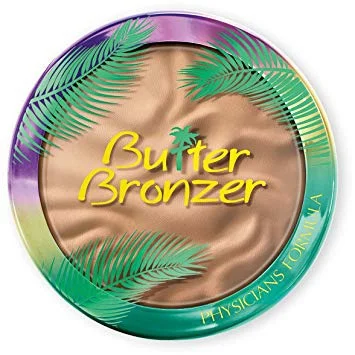
Ingredients
Analysis results of Ingredients



Ingredient List
| EWG | CIR | Ingredient Name & Cosmetic Function | Notes |
|---|---|---|---|
| 5 8 | A | (Skin Protecting, Opacifying, Abrasive, Absorbent, Bulking Agent, Anticaking Agent, Slip Modifier) | |
| 1 | - | (Bulking Agent, Opacifying) | |
| 2 | - | (Cosmetic Colorant, Opacifying) | |
| 1 | A | (Skin Conditioning, Emollient) | |


Physicians Formula Murumuru Butter Bronzer - Ingredient Explanation
Talc
1. Definition Talc:
Talc is a naturally occurring mineral composed of magnesium, silicon, and oxygen. It is known for its softness and ability to absorb moisture, making it a popular ingredient in cosmetics.2. Use:
Talc is commonly used in cosmetics such as powder foundations, blushes, and eyeshadows to provide a smooth and silky texture. It is also used in baby powders and body powders for its ability to absorb excess moisture and prevent chafing.3. Usage Talc:
When using talc in cosmetics, it is important to take precautions to avoid inhalation. Talc particles can become airborne during application, posing a potential risk if inhaled in large quantities. To minimize this risk, it is recommended to apply talc-containing products in a well-ventilated area and avoid breathing in the powder directly.4. References:
- "Talc: What it is and how it is used in cosmetics." American Academy of Dermatology. https://www.aad.org/public/everyday-care/skin-care-secrets/routine/talc
- "Talc." U.S. Food and Drug Administration. https://www.fda.gov/cosmetics/cosmetic-ingredients/talc
- "Talc." Environmental Working Group. https://www.ewg.org/skindeep/ingredients/706401-talc/
Synthetic Sapphire
1. Definition Synthetic Sapphire:
Synthetic Sapphire is a lab-created gemstone that is chemically identical to natural sapphire but produced in controlled environments. It is known for its hardness, durability, and clarity, making it a popular choice for various applications beyond jewelry, including cosmetics.2. Use:
Synthetic Sapphire is commonly used in cosmetics for its light-diffusing properties. The finely crushed sapphire particles are added to beauty products such as foundations, powders, and highlighters to create a soft-focus effect on the skin. This helps to blur imperfections, minimize the appearance of fine lines and wrinkles, and give the skin a radiant glow.3. Usage Synthetic Sapphire:
When using cosmetics containing Synthetic Sapphire, it is important to follow the product instructions and recommendations. Start with a small amount of product and build up as needed to achieve the desired effect. Avoid using excessive amounts of products with Synthetic Sapphire to prevent a heavy or cakey appearance on the skin. Additionally, it is advisable to do a patch test before using the product on a larger area of the skin to check for any potential allergic reactions.4. References:
- "The Benefits of Synthetic Sapphire in Cosmetics" by Beautylish
- "Synthetic Sapphire: The Gemstone of the Future" by Cosmetics & Toiletries
- "The Science Behind Synthetic Sapphire in Beauty Products" by Allure
Mica
1. Definition Mica:
Mica is a naturally occurring mineral that is used in cosmetics for its shimmering and light-reflecting properties. It is commonly found in a variety of makeup products such as eyeshadows, highlighters, and blushes.2. Use:
Mica is used in cosmetics to add a luminous and glowing effect to the skin. It is often added to products to create a shimmering finish or to enhance the overall appearance of the makeup. Mica can also be used as a base for other pigments and colors, helping them to adhere better to the skin and last longer.3. Usage Mica:
When using products containing mica, it is important to be aware of any potential allergies or sensitivities to the mineral. Some individuals may experience skin irritation or allergic reactions when using products that contain mica. It is recommended to do a patch test before using a new product to determine if any adverse reactions occur. Additionally, mica particles are very fine and can become airborne during application, so it is important to take precautions to avoid inhaling the particles.4. References:
- "Mica in Cosmetics" by FDA: https://www.fda.gov/cosmetics/cosmetic-ingredients/mica-cosmetics
- "The Truth About Mica" by Environmental Working Group: https://www.ewg.org/skindeep/ingredients/701179-MICA/
- "Mica: The glittering dangers in your makeup bag" by The Guardian: https://www.theguardian.com/sustainable-business/2014/jul/24/mica-electronics-cosmetics-india-child-labour-minerals
Dimethiconol Stearate
1. Definition Dimethiconol Stearate:
Dimethiconol Stearate is a compound that is commonly used in cosmetics as an emollient and skin conditioning agent. It is a combination of dimethiconol, a silicone-based polymer, and stearic acid, a fatty acid.2. Use:
Dimethiconol Stearate is used in cosmetics for its ability to provide a smooth, silky feel to the skin and hair. It is often found in moisturizers, lotions, creams, and hair care products. It helps to improve the texture of the product and enhance its spreadability, making it easier to apply to the skin or hair.3. Usage Dimethiconol Stearate:
When using products containing Dimethiconol Stearate, it is important to follow the manufacturer's instructions for application. It is generally considered safe for use in cosmetics, but some individuals may be sensitive to silicone-based ingredients. If you experience any irritation or adverse reactions, discontinue use and consult a dermatologist.4. References:
- Barel, André O., Marc Paye, and Howard I. Maibach. Handbook of Cosmetic Science and Technology. CRC Press, 2014.
- Loden, Marie, and Howard I. Maibach. Dry Skin and Moisturizers: Chemistry and Function. CRC Press, 2000.
- Winter, Ruth A. A Consumer's Dictionary of Cosmetic Ingredients. Three Rivers Press, 2009.