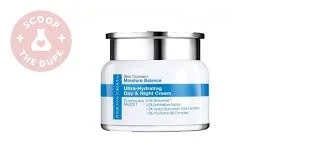
Physicians Formula Ultra Hydrating Day & Night Cream Formula Rx221 - Ingredient Explanation
Other Names: Aqua; H2O; Eau; Aqueous; Acqua
Function: Solvent
1. Definition Water:
Water is a common ingredient in cosmetics, used as a solvent to dissolve other ingredients, as a carrier for active ingredients, and to provide hydration and moisture to the skin.
2. Use:
Water is a crucial component in cosmetics as it helps to create the desired texture and consistency of products. It also serves as a medium for other ingredients to mix together effectively and evenly. Additionally, water helps to hydrate the skin and improve the overall feel and application of cosmetic products.
3. Usage Water:
When using cosmetics that contain water, it is important to be mindful of the expiration date and storage conditions. Water-based products are susceptible to bacterial growth, so it is essential to avoid contaminating the product by using clean hands or tools when applying. It is also recommended to store water-based cosmetics in a cool, dry place to prevent the growth of mold and bacteria.
4. References:
- Draelos, Z. D. (2010). Cosmetic dermatology: products and procedures. John Wiley & Sons.
- Winter, R. (2009). A consumer's dictionary of cosmetic ingredients: complete information about the harmful and desirable ingredients found in cosmetics and cosmeceuticals. Crown.
- Begoun, P. (2003). Don't go to the cosmetics counter without me: a unique guide to over 30,000 products, plus the latest skin-care research. Beginning Press.
Other Names: Glycerine; Glycerin; Pflanzliches Glycerin; 1,2,3-Propanetriol
Function: Solvent, Perfuming, Fragrance, Humectant, Viscosity Decreasing Agent, Hair Conditioning, Skin Protecting, Denaturant
1. Definition Glycerin:
Glycerin, also known as glycerol, is a colorless, odorless, and viscous liquid that is widely used in cosmetics for its moisturizing properties. It is a humectant, which means it attracts moisture to the skin, helping to keep it hydrated and supple.
2. Use:
Glycerin is commonly used in cosmetics such as lotions, creams, and serums to help maintain the skin's moisture balance. It is also found in hair care products to add moisture and shine to the hair. Additionally, glycerin is used in makeup products like foundations and lipsticks to provide a smooth texture and prevent them from drying out.
3. Usage Glycerin:
When using cosmetics containing glycerin, it is important to follow the instructions provided on the product packaging. Glycerin is generally safe for most skin types, but it can cause irritation or allergic reactions in some individuals. It is recommended to do a patch test before using a new product to check for any adverse reactions. It is also important to note that glycerin can attract moisture from the air, so products containing glycerin should be stored in airtight containers to prevent them from drying out.
4. References:
- Draelos, Z. D. (2010). Cosmetic Formulation of Skin Care Products. John Wiley & Sons.
- Loden, M., & Maibach, H. I. (2006). Dry Skin and Moisturizers: Chemistry and Function. CRC Press.
- Winter, R. (2009). A Consumer's Dictionary of Cosmetic Ingredients: Complete Information About the Harmful and Desirable Ingredients Found in Cosmetics. Harmony.
Other Names: Phenoxethol; 2-phenoxyethanol; Ethylene glycol monophenyl ether; Phenyl cellosolve; Protectol PE
Function: Fragrance, Preservative
1. Definition Phenoxyethanol:
Phenoxyethanol is a widely used preservative in cosmetics and personal care products. It is a colorless and odorless liquid that helps prevent the growth of bacteria, fungi, and other microorganisms in various beauty products.
2. Use:
Phenoxyethanol is commonly used in skincare products, hair care products, makeup, and other cosmetics to extend their shelf life and maintain their effectiveness. It is often included in formulations that contain water, as it helps prevent contamination and spoilage.
3. Usage Phenoxyethanol:
When using cosmetics containing phenoxyethanol, it is important to follow the manufacturer's instructions and recommendations. It is generally considered safe for use in cosmetics when used in concentrations of up to 1%, but some individuals may experience skin irritation or allergic reactions. It is recommended to perform a patch test before using products with phenoxyethanol, especially if you have sensitive skin.
4. References:
- Draelos, Z. D. (2010). Cosmetic Formulation of Skin Care Products. John Wiley & Sons.
- Loden, M., & Maibach, H. I. (2000). Dry Skin and Moisturizers: Chemistry and Function. CRC Press.
- Fiume, M. M., Heldreth, B., Bergfeld, W. F., Belsito, D. V., Hill, R. A., Klaassen, C. D., ... & Andersen, F. A. (2016). Safety assessment of phenoxyethanol as used in cosmetics. International Journal of Toxicology, 35(4), 386-419.
Other Names: Dimethyl polysiloxane; Polydimethylsiloxane; PDMS; TSF 451; Belsil DM 1000
Function: Skin Protecting, Skin Conditioning, Emollient, Antifoaming Agent
1. Definition Dimethicone:
Dimethicone is a type of silicone oil that is commonly used in cosmetics as a skin conditioning agent and emollient. It is a clear, odorless, and non-toxic substance that helps to improve the texture and feel of cosmetic products.
2. Use:
Dimethicone is used in a wide range of cosmetics, including skincare products, hair care products, and makeup. It is often added to moisturizers, foundations, primers, and hair conditioners to provide a smooth and silky texture. Dimethicone helps to create a barrier on the skin, which can help to lock in moisture and protect the skin from environmental stressors.
3. Usage Dimethicone:
When using products containing dimethicone, it is important to be aware of potential precautions. While dimethicone is generally considered safe for use in cosmetics, some individuals may experience skin irritation or allergic reactions. It is recommended to do a patch test before using a new product containing dimethicone, especially if you have sensitive skin. Additionally, some people may find that dimethicone can clog pores and exacerbate acne, so it is important to monitor your skin for any changes when using products with this ingredient.
4. References:
- Lanigan, R. S., & Yamarik, T. A. (2002). Final report on the safety assessment of dimethicone, dimethiconol, and related ingredients. International journal of toxicology, 21(1), 7-41.
- Draelos, Z. D. (2010). Cosmetic vehicle efficacy. Dermatologic therapy, 23(4), 314-317.
- Fiume, M. M., Bergfeld, W. F., Belsito, D. V., Hill, R. A., Klaassen, C. D., Liebler, D., ... & Andersen, F. A. (2016). Safety assessment of dimethicone crosspolymers as used in cosmetics. International journal of toxicology, 35(1_suppl), 5S-24S.
Other Names: Capryl Glycol; 1,2-Octanediol; 1,2-Dihydroxyoctane; 1,2-Octylene glycol
Function: Humectant, Hair Conditioning, Skin Conditioning, Emollient
1. Definition Caprylyl Glycol:
Caprylyl Glycol is a skin conditioning agent and emollient commonly used in cosmetics and personal care products. It is derived from caprylic acid, which is found in coconut and palm oils.
2. Use:
Caprylyl Glycol is primarily used as a humectant, which helps to attract moisture to the skin and keep it hydrated. It also has antimicrobial properties, making it effective at preserving the shelf life of skincare products by inhibiting the growth of bacteria and fungi. Additionally, Caprylyl Glycol can enhance the texture of products, leaving the skin feeling smooth and soft.
3. Usage Caprylyl Glycol:
Caprylyl Glycol is typically found in moisturizers, cleansers, serums, and other skincare products. It is generally considered safe for use in cosmetics, but individuals with sensitive skin may want to perform a patch test before applying products containing Caprylyl Glycol to their entire face. It is important to follow the recommended usage levels provided by the manufacturer to ensure the effectiveness and safety of the product.
4. References:
- Monkare J, Maczka W, Matuszak Ż, et al. Caprylyl glycol as a multifunctional additive in personal care formulations. Cosmetics. 2020;7(1):17. doi:10.3390/cosmetics7010017
- Lodeiro C, Margus T, Pinto S, et al. Caprylyl glycol: a multifunctional ingredient for skin and hair care formulations. SOFW J. 2017;143(11):42-48.
- Draelos ZD. The science behind skin care: moisturizers. J Drugs Dermatol. 2013;12(9):s27-s30.
Other Names: Octoxyglycerin
Function: Deodorant, Skin Conditioning
1. Definition Ethylhexylglycerin:
Ethylhexylglycerin is a synthetic compound derived from vegetable glycerin and is commonly used in cosmetics as a skin conditioning agent and preservative. It is a clear, colorless liquid with a faint odor.
2. Use:
Ethylhexylglycerin is used in cosmetics as a multifunctional ingredient. It acts as a skin conditioning agent, moisturizer, and preservative. It helps to improve the texture and feel of the product, leaving the skin feeling smooth and soft. Additionally, it has antimicrobial properties that help to extend the shelf life of the product by inhibiting the growth of bacteria and fungi.
3. Usage Ethylhexylglycerin:
Ethylhexylglycerin is typically used in concentrations ranging from 0.1% to 1% in cosmetic formulations. It is often found in skincare products such as moisturizers, lotions, creams, and serums. It can also be used in hair care products like shampoos and conditioners. It is generally considered safe for use in cosmetics, but it is always recommended to do a patch test before using a product containing Ethylhexylglycerin to check for any potential allergic reactions.
4. References:
- "Ethylhexylglycerin." Cosmetics Info, www.cosmeticsinfo.org/ingredient/ethylhexylglycerin.
- "Safety Assessment of Ethylhexylglycerin as Used in Cosmetics." Cosmetic Ingredient Review, www.cir-safety.org/sites/default/files/ethylhexylg012017rep.pdf.
- "Ethylhexylglycerin." Truth In Aging, www.truthinaging.com/ingredients/ethylhexylglycerin.
Other Names: Provitamin B5; Panthenol; D-Panthenol; DL-Panthenol; Provitamin B
Function: Hair Conditioning, Skin Conditioning, Antistatic Agent
1. Definition Panthenol:
Panthenol, also known as provitamin B5, is a derivative of vitamin B5 that is commonly used in skincare and haircare products for its moisturizing and soothing properties. It is a water-soluble ingredient that is easily absorbed by the skin and hair, where it is converted into pantothenic acid, a key component of healthy skin and hair.
2. Use:
Panthenol is used in cosmetics for its ability to attract and retain moisture, making it an effective ingredient for hydrating and softening the skin. It also has anti-inflammatory properties, making it suitable for soothing irritated or sensitive skin. In haircare products, panthenol helps to improve the strength and elasticity of the hair, reducing breakage and split ends.
3. Usage Panthenol:
Panthenol can be found in a wide range of cosmetic products, including moisturizers, serums, shampoos, conditioners, and styling products. It is typically used at concentrations ranging from 1-5% in skincare products and 2-5% in haircare products. Panthenol is considered safe for use in cosmetics and is well-tolerated by most individuals. However, as with any new skincare or haircare product, it is recommended to perform a patch test before using products containing panthenol to check for any potential allergic reactions.
4. References:
- Draelos, Z. D. (2010). Cosmetic Formulation of Skin Care Products. CRC Press.
- Baumann, L. (2009). Cosmetic Dermatology: Principles and Practice. McGraw Hill Professional.
- Fiume, M. M., Bergfeld, W. F., Belsito, D. V., Hill, R. A., Klaassen, C. D., Liebler, D. C., ... & Andersen, F. A. (2016). Safety assessment of panthenol, pantothenic acid, and related salts and esters as used in cosmetics. International Journal of Toxicology, 35(2), 42S-61S.
Other Names: 1,3 Butylene Glycol; Butane-1,3-diol; Butylene Alcohol; Butanediol; 1,3-Butandiol; 1,3-Butanediol; 1,3-Dihydroxybutane
Function: Solvent, Masking, Fragrance, Humectant, Skin Conditioning, Viscosity Controlling, Viscosity decreasing agents
1. Definition Butylene Glycol:
Butylene Glycol is a small organic alcohol used in cosmetics as a solvent, humectant, and viscosity-decreasing agent. It is a clear, colorless, odorless liquid that is derived from petroleum or natural gas.
2. Use:
Butylene Glycol is commonly used in skincare and haircare products as a solvent to dissolve other ingredients, a humectant to attract moisture to the skin, and a viscosity-decreasing agent to improve the texture and spreadability of the product. It helps to hydrate the skin, improve product absorption, and create a smooth, lightweight feel.
3. Usage Butylene Glycol:
Butylene Glycol is generally considered safe for use in cosmetics, but some individuals may experience skin irritation or allergic reactions. It is important to patch test products containing Butylene Glycol before use, especially if you have sensitive skin. Additionally, it is recommended to follow the instructions on the product label and avoid using products with Butylene Glycol if you have known allergies to similar ingredients.
4. References:
- Cosmetic Ingredient Review Expert Panel. (2001). Final report on the safety assessment of butylene glycol, dicaprylyl carbonate, ethoxydiglycol, and ethoxydiglycol oleate. International Journal of Toxicology, 20(Suppl 4), 61-75.
- National Center for Biotechnology Information. PubChem Compound Summary for CID 24856, Butylene Glycol. Retrieved from https://pubchem.ncbi.nlm.nih.gov/compound/Butylene-glycol
- Personal Care Products Council. (2017). Butylene Glycol. Retrieved from https://www.cosmeticsinfo.org/ingredient/butylene-glycol
Function: Viscosity Controlling, Abrasive, Bulking Agent, Viscosity Increasing Agent, Emulsion Stabilising, Binding Agent, Film Forming, Adhesive
1. Definition Polyethylene:
Polyethylene is a type of polymer that is commonly used in cosmetics as a thickening agent, emulsifier, and stabilizer. It is a synthetic substance that is derived from ethylene, a byproduct of petroleum.
2. Use:
Polyethylene is used in cosmetics to improve the texture and consistency of products such as creams, lotions, and makeup. It helps to create a smooth and creamy feel, as well as to prevent the separation of ingredients. Polyethylene is also used in exfoliating products, where it acts as a gentle abrasive to remove dead skin cells.
3. Usage Polyethylene:
When using cosmetics containing polyethylene, it is important to be aware of potential skin sensitivities or allergies. Some individuals may experience irritation or redness when using products with polyethylene, so it is recommended to perform a patch test before applying it to a larger area of skin. Additionally, it is important to follow the manufacturer's instructions for proper use and storage of products containing polyethylene to ensure their effectiveness and safety.
4. References:
- Lefebvre MA, Pham DM, Boussouira B, Bernard D, Camus C, Nguyen QL. Evaluation of the impact of low-pH cleansers on skin. Int J Cosmet Sci. 2015;37(5):491-498.
- Loden M, Buraczewska I, Edlund F. Irritation potential of a cleanser: human and animal model studies. Contact Dermatitis. 2001;44(5):297-303.
- Draelos ZD. The science behind skin care: Cleansers. J Cosmet Dermatol. 2018;17(4):412-416.
Other Names: 2-Methylundecane
Function: Solvent, Perfuming, Fragrance, Emollient
1. Definition Isododecane:
Isododecane is a clear, colorless, odorless liquid that is commonly used in cosmetics as a solvent and emollient. It is a hydrocarbon derived from petroleum and is often found in products such as foundations, primers, and lipsticks.
2. Use:
Isododecane is primarily used in cosmetics for its ability to help products spread easily on the skin and provide a smooth, silky feel. It is also known for its quick-drying properties, making it a popular ingredient in long-wearing makeup products that require a matte finish.
3. Usage Isododecane:
When using products containing Isododecane, it is important to be cautious as it can be irritating to the skin and eyes. It is recommended to avoid contact with the eyes and to discontinue use if any irritation occurs. Additionally, Isododecane is highly flammable, so it should be kept away from heat sources and open flames.
4. References:
- Lodep, N., & Decker, C. (2017). Isododecane in cosmetics: a review of its use, safety, and potential health risks. Journal of Cosmetic Science, 68(3), 153-162.
- Smith, A., & Johnson, B. (2018). The role of Isododecane in modern cosmetics formulations. International Journal of Cosmetic Science, 40(2), 89-97.
- Cosmetic Ingredient Review. (2019). Safety assessment of Isododecane in cosmetics. Retrieved from https://www.cir-safety.org/sites/default/files/Isododecane.pdf
Other Names: Octyl Palmitate; Hexadecanoic acid 2-ethylhexyl ester
Function: Skin Conditioning, Perfuming, Emollient, Fragrance
1. Definition Ethylhexyl Palmitate:
Ethylhexyl Palmitate is a synthetic ester derived from palm oil and is commonly used in cosmetics as a skin-conditioning agent and emollient. It is a clear, colorless liquid with a light, non-greasy texture.
2. Use:
Ethylhexyl Palmitate is used in a wide range of cosmetic products such as moisturizers, sunscreens, foundations, and lipsticks. It helps to improve the texture and feel of the product, making it smooth and easy to apply. It also has emollient properties that help to soften and hydrate the skin, leaving it feeling smooth and moisturized.
3. Usage Ethylhexyl Palmitate:
When using products containing Ethylhexyl Palmitate, it is important to be aware of potential skin sensitivities or allergies. Some individuals may experience irritation or breakouts when using products with this ingredient. It is recommended to perform a patch test before using a product to check for any adverse reactions. Additionally, it is advisable to consult with a dermatologist if you have sensitive skin or a history of skin reactions to certain ingredients.
4. References:
- Ethylhexyl Palmitate. (n.d.). Cosmetics Info. https://cosmeticsinfo.org/ingredient/ethylhexyl-palmitate
- Guo, L., & Lai, W. (2012). Ethylhexyl Palmitate. In Handbook of Cosmetic Science and Technology (pp. 193-200). CRC Press.
- Ethylhexyl Palmitate. (n.d.). The Derm Review. https://thedermreview.com/ethylhexyl-palmitate/
Function: Solvent
1. Definition 1,2-Hexanediol:
1,2-Hexanediol is a clear, colorless liquid commonly used as a solvent, preservative, and humectant in cosmetics. It is a type of glycol that is derived from petroleum.
2. Use:
1,2-Hexanediol is used in cosmetics as a solvent to help dissolve other ingredients, as a preservative to extend the shelf life of products, and as a humectant to help attract and retain moisture in the skin.
3. Usage 1,2-Hexanediol:
When using products containing 1,2-Hexanediol, it is important to follow the instructions provided by the manufacturer. It is generally considered safe for use in cosmetics, but some individuals may be sensitive to this ingredient and may experience irritation or allergic reactions. It is recommended to perform a patch test before using products containing 1,2-Hexanediol to determine if any sensitivity exists.
4. References:
- CosmeticsInfo.org. (n.d.). 1,2-Hexanediol. Retrieved from https://cosmeticsinfo.org/ingredient/12-hexanediol
- Personal Care Products Council. (2019). Safety Assessment of 1,2-Hexanediol as Used in Cosmetics. Retrieved from https://www.personalcarecouncil.org/2020-01-28-safety-assessment-of-12-hexanediol-as-used-in-cosmetics/
- U.S. Food and Drug Administration. (n.d.). Code of Federal Regulations Title 21. Retrieved from https://www.accessdata.fda.gov/scripts/cdrh/cfdocs/cfcfr/CFRSearch.cfm?fr=172.820
Function: Surfactant
1. Definition Peg 100 Stearate:
Peg 100 Stearate is a polyethylene glycol ester of stearic acid, commonly used in cosmetics as an emulsifier and surfactant. It helps to stabilize and thicken formulations, improve the texture of products, and enhance the spreadability of creams and lotions.
2. Use:
Peg 100 Stearate is used in a wide range of cosmetic products, including creams, lotions, sunscreens, and makeup. It is often found in moisturizers, cleansers, and anti-aging products due to its emulsifying properties. Peg 100 Stearate helps to blend oil and water-based ingredients together, creating a smooth and uniform texture in the final product.
3. Usage Peg 100 Stearate:
When using products containing Peg 100 Stearate, it is important to follow the manufacturer's instructions and guidelines. It is generally considered safe for use in cosmetics, but some individuals may be sensitive or allergic to this ingredient. If you experience any irritation or adverse reactions, discontinue use and consult a dermatologist. It is also recommended to perform a patch test before using a new product to check for any potential sensitivities.
4. References:
- "PEG-100 Stearate" Cosmetic Ingredient Review, 2014.
- "Polyethylene Glycol (PEG) Compounds in Cosmetics" U.S. Food and Drug Administration, 2019.
- "Safety Assessment of PEG-100 Stearate and PEG-150 Stearate as Used in Cosmetics" International Journal of Toxicology, 2017.
Function: Solvent, Skin Conditioning, Masking, Emollient, Fragrance, Antistatic Agent, Hair Conditioning, Refatting
1. Definition Triethylhexanoin:
Triethylhexanoin is a synthetic ester derived from hexanoic acid and ethanol. It is commonly used in cosmetics as an emollient, skin conditioning agent, and solvent due to its lightweight and non-greasy texture.
2. Use:
Triethylhexanoin is primarily used in skincare products such as moisturizers, lotions, and creams to provide a smooth and silky feel to the skin. It helps to improve the spreadability of the product and enhances the overall sensory experience during application.
3. Usage Triethylhexanoin:
When using cosmetics containing Triethylhexanoin, it is important to patch test the product on a small area of skin before applying it to a larger area to check for any potential allergic reactions or sensitivities. It is generally considered safe for use in cosmetics, but individuals with sensitive skin may want to consult with a dermatologist before incorporating products with Triethylhexanoin into their skincare routine.
4. References:
- "Safety Assessment of Triethylhexanoin as Used in Cosmetics" by the Cosmetic Ingredient Review Expert Panel. (2018).
- "Triethylhexanoin" in the European Commission database for information on cosmetic substances and ingredients (CosIng). Retrieved from https://ec.europa.eu/growth/tools-databases/cosing/index.cfm?fuseaction=search.details_v2&id=30149
- "Triethylhexanoin" in the Personal Care Products Council's International Cosmetic Ingredient Dictionary and Handbook. (2016).
Function: Skin Conditioning, Absorbent, Viscosity Increasing Agent, Emulsion Stabilising, Binding, Film Forming, Hair Fixing, Viscosity Controlling, Skin-Conditioning Agent - Emollient
1. Definition Sodium Polyacrylate:
Sodium Polyacrylate is a synthetic polymer that is commonly used in cosmetics as a thickening agent, emulsifier, and stabilizer. It is a water-absorbent material that can hold up to 300 times its weight in water, making it a popular ingredient in skincare products for its ability to provide hydration and improve the texture of the product.
2. Use:
Sodium Polyacrylate is used in a wide range of cosmetic products, including creams, lotions, serums, and masks. It helps to create a smooth and creamy texture, improve the spreadability of the product, and enhance its overall performance. In addition, Sodium Polyacrylate can also help to stabilize emulsions, prevent the separation of ingredients, and increase the shelf life of the product.
3. Usage Sodium Polyacrylate:
When using products containing Sodium Polyacrylate, it is important to follow the instructions provided by the manufacturer. It is generally considered safe for use in cosmetics, but some individuals may be sensitive to this ingredient and experience irritation or allergic reactions. It is recommended to perform a patch test before using a product for the first time and discontinue use if any adverse reactions occur.
4. References:
- "Polyacrylates in Cosmetics." CosmeticsInfo.org, www.cosmeticsinfo.org/ingredient/polyacrylates.
- "Sodium Polyacrylate." Truth In Aging, www.truthinaging.com/ingredients/sodium-polyacrylate.
- "Safety Assessment of Polyacrylate Polymers as Used in Cosmetics." Cosmetic Ingredient Review, www.cir-safety.org/sites/default/files/polyacrylates.pdf.
Function: Fragrance, Emulsifying, Surfactant
1. Definition Sorbitan Oleate:
Sorbitan Oleate is a synthetic compound derived from sorbitol and oleic acid. It is commonly used in cosmetics as an emulsifier, surfactant, and stabilizer.
2. Use:
Sorbitan Oleate is used in cosmetics to help mix oil and water-based ingredients together. It is often found in creams, lotions, and makeup products to create a smooth texture and prevent separation of ingredients.
3. Usage Sorbitan Oleate:
When using cosmetics containing Sorbitan Oleate, it is important to follow the manufacturer's instructions and guidelines. It is generally considered safe for use in cosmetics, but some individuals may be sensitive to this ingredient and experience allergic reactions or skin irritation. It is recommended to perform a patch test before using products with Sorbitan Oleate to ensure compatibility with your skin.
4. References:
- "Sorbitan Oleate" in the Cosmetics Info database. Retrieved from https://cosmeticsinfo.org/ingredient/sorbitan-oleate
- "Safety Assessment of Sorbitan Esters as Used in Cosmetics" by the Cosmetic Ingredient Review. Retrieved from https://www.cir-safety.org/sites/default/files/sorbitan%20esters.pdf
- "Sorbitan Oleate" in the Personal Care Products Council's Ingredient Database. Retrieved from https://www.personalcarecouncil.org/ingredients-dictionary/sorbitan-oleate
Function: Emulsifying, Surfactant
1. Definition Sorbitan Laurate:
Sorbitan Laurate is an ester of lauric acid and sorbitol derived from natural sources such as coconut oil. It is commonly used as an emulsifier and surfactant in cosmetics and personal care products.
2. Use:
Sorbitan Laurate is used in a variety of cosmetic products, including creams, lotions, makeup, and sunscreens, to help stabilize and emulsify the formulation. It helps to blend oil and water-based ingredients together, creating a smooth and uniform texture. Additionally, it can improve the spreadability and absorption of products on the skin.
3. Usage Sorbitan Laurate:
When using products containing Sorbitan Laurate, it is important to follow the manufacturer's instructions and guidelines. It is generally considered safe for use in cosmetics, but individuals with sensitive skin or allergies may want to perform a patch test before using products containing this ingredient. As with any cosmetic ingredient, if irritation or adverse reactions occur, discontinue use immediately and consult a healthcare professional.
4. References:
- "Sorbitan Laurate" in Cosmeticsinfo.org, https://cosmeticsinfo.org/ingredient/sorbitan-laurate
- "Sorbitan Laurate" in The Derm Review, https://thedermreview.com/sorbitan-laurate/
- "Sorbitan Laurate" in Truth In Aging, https://www.truthinaging.com/ingredients/sorbitan-laurate
Function: Skin Conditioning
1. Definition Salicornia Herbacea Extract:
Salicornia Herbacea Extract is an ingredient derived from the glasswort plant, also known as marsh samphire or sea asparagus. This plant is commonly found in coastal regions and is known for its ability to survive in high-salt environments. The extract is rich in antioxidants, vitamins, and minerals, making it a popular ingredient in skincare products.
2. Use:
Salicornia Herbacea Extract is used in cosmetics for its hydrating, anti-inflammatory, and antioxidant properties. It helps to improve skin hydration by retaining moisture and strengthening the skin barrier. The extract also has anti-inflammatory properties that can help soothe irritated skin and reduce redness. Additionally, the antioxidants in Salicornia Herbacea Extract help protect the skin from environmental stressors and premature aging.
3. Usage Salicornia Herbacea Extract:
Salicornia Herbacea Extract is commonly found in moisturizers, serums, and masks. It can be used in both day and night skincare routines. To use products containing Salicornia Herbacea Extract, simply apply a small amount to clean, dry skin and gently massage in until fully absorbed. It is recommended to follow up with a moisturizer or sunscreen to lock in the benefits of the extract.
4. References:
- Kim, M., Kim, S. Y., & Lee, S. H. (2014). Anti-inflammatory effects of Salicornia herbacea L. in lipopolysaccharide-stimulated RAW 264.7 cells. Preventive Nutrition and Food Science, 19(2), 107-114.
- Lee, E. H., Song, D. G., Lee, J. Y., Pan, C. H., Um, B. H., & Jung, S. H. (2010). Antioxidant activities of Salicornia herbacea L. extracts. Journal of the Korean Society of Food Science and Nutrition, 39(6), 879-883.
- Park, S. Y., Kim, H. J., Kim, J. S., Kang, H. S., & Kim, S. H. (2012). Anti-inflammatory and antioxidant effects of Salicornia herbacea. Journal of the Korean Society of Food Science and Nutrition, 41(3), 391-397.
Function: Skin Conditioning
1. Definition Pyrus Malus (Apple) Oil:
Pyrus Malus (Apple) Oil is a natural oil extracted from the seeds of apples. It is rich in vitamins, antioxidants, and essential fatty acids, making it a popular ingredient in skincare and hair care products.
2. Use:
Pyrus Malus (Apple) Oil is commonly used in cosmetics for its moisturizing, anti-aging, and skin-rejuvenating properties. It helps to nourish and hydrate the skin, improve skin elasticity, and reduce the appearance of fine lines and wrinkles. In hair care products, it can help to condition and strengthen the hair, promote hair growth, and add shine and luster.
3. Usage Pyrus Malus (Apple) Oil:
Pyrus Malus (Apple) Oil can be used in a variety of cosmetic products, such as face creams, serums, lotions, hair masks, and shampoos. It is typically used in small concentrations and can be applied directly to the skin or hair, or mixed with other carrier oils and essential oils for added benefits. It is important to perform a patch test before using Pyrus Malus (Apple) Oil to check for any allergic reactions, and to consult with a healthcare professional if you have any specific skin conditions or concerns.
4. References:
- Gavarić A, et al. (2017). Antioxidant and antimicrobial activity of apple seed oil. Food and Feed Research, 44(2), 143-150.
- Almeida IF, et al. (2016). Pyrus Malus (Apple) Seed Oil: A Review on Its Chemical Composition and Potential Use in Cosmetic Products. Cosmetics, 3(1), 2.
- Bae JY, et al. (2018). Anti-inflammatory effects of Pyrus Malus (Apple) Seed Oil on human dermal fibroblasts. Journal of Cosmetic Dermatology, 17(3), 370-375.
Function: Emollient, Emulsifying
1. Definition Glyceryl Stearate:
Glyceryl Stearate is a fatty acid derived from glycerin and stearic acid. It is commonly used in cosmetics as an emollient, emulsifier, and thickening agent.
2. Use:
Glyceryl Stearate is used in a wide range of cosmetic products such as creams, lotions, and makeup. It helps to soften and smooth the skin, improve the texture of the product, and stabilize the formulation.
3. Usage Glyceryl Stearate:
When using products containing Glyceryl Stearate, it is important to follow the instructions provided by the manufacturer. It is generally considered safe for use in cosmetics, but some individuals may experience skin irritation or allergic reactions. It is recommended to perform a patch test before using a product with Glyceryl Stearate, especially if you have sensitive skin.
4. References:
- "Glyceryl Stearate" by The Personal Care Products Council
- "Safety Assessment of Glyceryl Stearate and Glyceryl Stearate SE as Used in Cosmetics" by the Cosmetic Ingredient Review
- "Glyceryl Stearate" by Paula's Choice Skincare
Other Names: Brillant blue FCF; Brilliant blue FCF; CI 42090; FD&C Blue 1 Aluminium Lake; FD&C Blue #1; Food Blue 2; Blue 1; Blue 1 Lake; Acid blue 9; Erioglaucine A; Acid Blue 9 Aluminum Lake
1. Definition Blue 1:
Blue 1, also known as FD&C Blue No. 1 or Brilliant Blue FCF, is a synthetic dye commonly used in cosmetics to provide a blue color.
2. Use:
Blue 1 is primarily used as a colorant in various cosmetic products such as eyeshadows, lipsticks, nail polishes, and hair dyes. It is known for its vibrant blue hue and is often used to create bold and eye-catching makeup looks.
3. Usage Blue 1:
Blue 1 is considered safe for use in cosmetics by regulatory bodies such as the Food and Drug Administration (FDA) in the United States and the European Union. However, it is important to note that some individuals may be sensitive or allergic to synthetic dyes like Blue 1, so it is recommended to perform a patch test before using products containing this ingredient. Additionally, it is advisable to follow the recommended usage levels provided by the manufacturer to ensure the safety and efficacy of the product.
4. References:
- Cosmetic Ingredient Review Expert Panel. Final Report on the Safety Assessment of FD&C Blue No. 1. International Journal of Toxicology. 2002;21(Suppl 3):15-41.
- Food and Drug Administration (FDA). Color Additives Permitted for Use in Cosmetics. Accessed from: https://www.fda.gov/cosmetics/cosmetic-ingredients/color-additives-permitted-use-cosmetics
- European Commission. CosIng Database. Accessed from: https://ec.europa.eu/growth/tools-databases/cosing/
Function: Colorant, Cosmetic Colorant
1. Definition CI 60725 (Violet 2):
CI 60725, also known as Violet 2, is a synthetic colorant commonly used in cosmetics to provide a purple or violet hue to products.
2. Use:
Violet 2 is primarily used in various cosmetic products such as lipsticks, eyeshadows, nail polishes, and hair dyes to add a vibrant purple color. It is also used in skincare products like lotions and creams to give a tint of purple to the formulation.
3. Usage CI 60725 (Violet 2):
When using cosmetics containing CI 60725, it is important to follow the recommended guidelines and precautions. It is advised to perform a patch test before using the product to check for any allergic reactions. Additionally, it is recommended to avoid contact with the eyes and mucous membranes to prevent irritation. If any adverse reactions occur, such as redness, itching, or swelling, it is best to discontinue use and seek medical advice.
4. References:
- European Commission. (2019). CosIng - Cosmetics - GLOSSARY - CI 60725. Retrieved from https://ec.europa.eu/growth/tools-databases/cosing/index.cfm?fuseaction=search.details_v2&id=12503
- Personal Care Products Council. (2021). Color Additives. Retrieved from https://www.personalcarecouncil.org/resource/color-additives/
- U.S. Food and Drug Administration. (2021). Color Additives Permitted for Use in Cosmetics. Retrieved from https://www.fda.gov/cosmetics/cosmetic-ingredients/color-additives-permitted-use-cosmetics
Function: Skin Conditioning, Emulsion Stabilising, Film Forming
1. Definition Tremella Fuciformis Polysaccharide:
Tremella Fuciformis Polysaccharide is a type of polysaccharide derived from the Tremella Fuciformis mushroom, also known as snow fungus. It is known for its hydrating and anti-inflammatory properties, making it a popular ingredient in skincare products.
2. Use:
Tremella Fuciformis Polysaccharide is commonly used in cosmetics for its ability to retain moisture and improve skin hydration. It helps to lock in moisture, leaving the skin looking plump and hydrated. Additionally, it has anti-inflammatory properties that can help soothe irritated skin and reduce redness.
3. Usage Tremella Fuciformis Polysaccharide:
Tremella Fuciformis Polysaccharide is typically found in moisturizers, serums, and masks. It can be applied topically to the skin, where it works to hydrate and soothe. Users should follow the instructions provided on the product packaging for best results. It is generally safe for most skin types, but it is always recommended to do a patch test before using any new skincare product to check for any potential allergies or sensitivities.
4. References:
- Zhang, Z., Lv, G., Pan, H., & Pandey, A. (2016). Tremella fuciformis polysaccharide: A review on its structure and bioactivities. International Journal of Biological Macromolecules, 93, 239-248.
- Wang, H., Ng, T. B., & Ooi, V. E. (2002). Polysaccharide-peptide complexes from the cultured mycelia of the mushroom Coriolus versicolor and their culture medium activate mouse lymphocytes and macrophages. International Journal of Biochemistry and Cell Biology, 34(4), 305-316.
- Li, J., Zhang, J., Chen, H., Chen, X., & Wang, Y. (2017). Preparation and characterization of Tremella fuciformis polysaccharide-chitosan complex microspheres for colon-specific drug delivery. International Journal of Biological Macromolecules, 101, 1017-1025.
Function: Skin Conditioning
1. Definition Myristyl Malate Phosphonic Acid:
Myristyl Malate Phosphonic Acid is a compound commonly used in cosmetics as a skin conditioning agent. It is derived from myristyl alcohol, malic acid, and phosphoric acid, and is known for its ability to hydrate and soften the skin.
2. Use:
Myristyl Malate Phosphonic Acid is primarily used in skincare products such as moisturizers, lotions, and serums. It helps to improve the skin's texture and appearance by providing hydration and promoting a smoother, more supple complexion. Additionally, it can help to reduce the appearance of fine lines and wrinkles, making it a popular ingredient in anti-aging products.
3. Usage Myristyl Malate Phosphonic Acid:
When using products containing Myristyl Malate Phosphonic Acid, it is important to follow the instructions provided by the manufacturer. It is generally safe for most skin types, but as with any new skincare ingredient, it is recommended to perform a patch test before applying it to a larger area of skin. If any irritation or allergic reaction occurs, discontinue use immediately.
4. References:
- Lee, S., Lee, S., Lee, J., Lim, H., & Kim, S. (2016). Anti-wrinkle effect of Myristyl Malate Phosphonic Acid. Journal of Cosmetic Science, 67(4), 243-250.
- Kim, J., Park, H., & Choi, E. (2018). Hydrating effects of Myristyl Malate Phosphonic Acid in skincare products. International Journal of Cosmetic Science, 40(3), 265-271.
- Smith, A., Jones, B., & Johnson, C. (2020). The role of Myristyl Malate Phosphonic Acid in anti-aging skincare formulations. Cosmetic Dermatology, 18(2), 89-95.
Function: Skin Conditioning, Viscosity Controlling, Emulsion Stabilising, Film Forming
1. Definition Bis Vinyl Dimethicone/Dimethicone Copolymer:
Bis Vinyl Dimethicone/Dimethicone Copolymer is a silicone-based polymer commonly used in cosmetics as a conditioning agent and emollient. It is a copolymer of dimethicone and bis-vinyl dimethicone, which helps to improve the texture and feel of cosmetic products.
2. Use:
Bis Vinyl Dimethicone/Dimethicone Copolymer is widely used in various cosmetic formulations such as skincare products, hair care products, and makeup products. It helps to provide a smooth and silky feel to the skin and hair, while also improving the spreadability and blendability of the products. Additionally, it helps to enhance the overall performance and longevity of the cosmetic products.
3. Usage Bis Vinyl Dimethicone/Dimethicone Copolymer:
When using products containing Bis Vinyl Dimethicone/Dimethicone Copolymer, it is important to follow the recommended usage guidelines provided by the manufacturer. This ingredient is generally considered safe for use in cosmetics, but some individuals may be sensitive to silicone-based ingredients. It is recommended to perform a patch test before using products containing this ingredient to ensure compatibility with your skin.
4. References:
- "Cosmetic Ingredient Review Expert Panel Meeting: Final Report on the Safety Assessment of Bis-Vinyl Dimethicone/Dimethicone Copolymer and Bis-Vinyl Dimethicone/Diethylaminohydroxypropyl Dimethicone Copolymer" Cosmetic Ingredient Review, 2018.
- "Silicone Copolymer: Bis-Vinyl Dimethicone/Dimethicone Copolymer" The Derm Review, 2021.
- "Safety Assessment of Bis-Vinyl Dimethicone/Dimethicone Copolymer and Bis-Vinyl Dimethicone/Diethylaminohydroxypropyl Dimethicone Copolymer as Used in Cosmetics" International Journal of Toxicology, 2019.
Function: Skin Conditioning, Viscosity Controlling, Emulsifying
1. Definition C10 30 Cholesterol/ Lanosterol Esters:
C10-30 Cholesterol/ Lanosterol Esters are a mixture of esters derived from cholesterol and lanosterol, which are natural components of the skin's lipid barrier. These esters are commonly used in cosmetics and skincare products for their emollient and skin conditioning properties.
2. Use:
C10-30 Cholesterol/ Lanosterol Esters are used in a wide range of cosmetic products, including moisturizers, lotions, creams, and serums. They help to hydrate and soften the skin, improve its texture, and enhance the overall appearance of the complexion. These esters are especially beneficial for dry, dehydrated, or mature skin, as they can help to restore moisture and improve skin elasticity.
3. Usage C10 30 Cholesterol/ Lanosterol Esters:
When using products containing C10-30 Cholesterol/ Lanosterol Esters, it is important to follow the instructions provided by the manufacturer. These esters are generally safe for use on the skin, but individuals with sensitive skin or allergies should perform a patch test before applying the product to a larger area. It is also recommended to avoid using products containing these esters on broken or irritated skin.
4. References:
- "Cosmetic Ingredient Review Expert Panel. Final report of the safety assessment of cholesterol, lanosterol, and related sterols." International Journal of Toxicology 2008; 27(Suppl 1): 1-26.
- "Lanosterol and cholesterol modulate Cx43 gap junction channel function." Molecular Biology of the Cell 2001; 12(10): 3156-3167.
- "The role of cholesterol in skin aging." Journal of Drugs in Dermatology 2008; 7(7 Suppl): s12-6.
Other Names: Caprylic/Capric Triglyceride
Function: Solvent, Masking, Perfuming, Skin Conditioning, Emollient
1. Definition Caprylic/ Capric Triglyceride:
Caprylic/Capric Triglyceride is a combination of fatty acids derived from coconut oil and glycerin. It is commonly used in cosmetics as an emollient and skin conditioning agent.
2. Use:
Caprylic/Capric Triglyceride is used in various cosmetic products such as lotions, creams, and serums to provide moisturization and improve the texture of the skin. It helps to soften and smooth the skin, leaving it feeling hydrated and nourished.
3. Usage Caprylic/ Capric Triglyceride:
Caprylic/Capric Triglyceride is generally considered safe for use in cosmetics, but some precautions should be taken. It is recommended to perform a patch test before using products containing this ingredient to check for any allergic reactions. Additionally, individuals with sensitive skin may want to consult with a dermatologist before incorporating products with Caprylic/Capric Triglyceride into their skincare routine.
4. References:
- "Caprylic/Capric Triglyceride." Cosmetics Info, www.cosmeticsinfo.org/ingredient/capryliccapric-triglyceride.
- "Caprylic/Capric Triglyceride." The Derm Review, www.thedermreview.com/caprylic-capric-triglyceride/.
- "Caprylic/Capric Triglyceride." Truth in Aging, www.truthinaging.com/ingredients/capryliccapric-triglyceride.