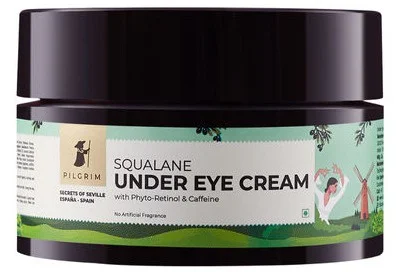
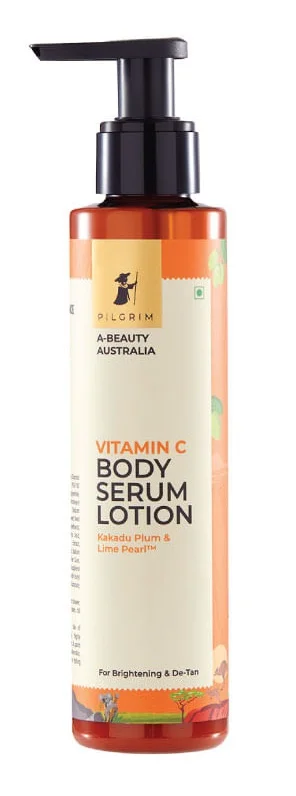
Pilgrim Squalane Under Eye Cream With Phyto-retinol And Caffiene - Ingredient Explanation
1. Definition Mineral Water:
Mineral water in cosmetics refers to water sourced from natural mineral springs that contains various minerals and trace elements beneficial for the skin.
2. Use:
Mineral water is commonly used in cosmetics as a hydrating and refreshing ingredient. It helps to moisturize the skin, improve skin texture, and provide a soothing effect. Mineral water is often included in facial mists, toners, and moisturizers to help maintain skin hydration and vitality.
3. Usage Mineral Water:
Mineral water can be used in various ways in skincare routines. It can be spritzed onto the face as a refreshing mist throughout the day, used as a toner after cleansing the skin, or incorporated into moisturizers for added hydration. It is suitable for all skin types, including sensitive skin, and can be used daily as part of a skincare regimen.
4. References:
- Draelos, Z. D. (2010). Cosmetic dermatology: products and procedures. John Wiley & Sons.
- Baumann, L. (2009). Cosmetic dermatology: principles and practice. McGraw-Hill Medical.
- Loden, M., & Maibach, H. I. (2012). Dry skin and moisturizers: chemistry and function. CRC Press.
Function: Masking, Fragrance, Skin Conditioning
1. Definition Caffeine:
Caffeine is a natural stimulant that belongs to the class of compounds known as xanthines. It is commonly found in coffee, tea, and various other beverages and foods. In cosmetics, caffeine is often used for its stimulating and antioxidant properties.
2. Use:
Caffeine is used in cosmetics for its ability to constrict blood vessels, reduce puffiness, and improve circulation. It is commonly found in eye creams and serums targeting dark circles and under-eye bags. Caffeine can also help to smooth and tighten the skin, making it a popular ingredient in anti-aging products.
3. Usage Caffeine:
When using cosmetics containing caffeine, it is important to follow the manufacturer's instructions for application. Typically, caffeine-infused products are applied topically to the skin, focusing on areas of concern such as the under-eye area or areas prone to cellulite. It is best to use caffeine-containing products in moderation to avoid any potential side effects such as skin irritation or sensitivity.
4. References:
- Mukherjee, P. K., & Maity, N. (2012). Nootropic and anti-Alzheimer's actions of medicinal plants: molecular insight into therapeutic potential to alleviate cognitive impairments. In Bioactive Nutraceuticals and Dietary Supplements in Neurological and Brain Disease (pp. 605-619). Academic Press.
- Costa, R., Rodrigues, I., Guardão, L., Lima, J. L., & Fernandes, E. (2012). Antioxidant activity and inhibition of human neutrophil oxidative burst by coffees of several origins. Food and Chemical Toxicology, 50(5), 1435-1441.
- Albasini, A., Zech, K., & Taddei, C. (2012). Use of caffeine in cosmetic compositions. U.S. Patent No. 8,119,371.
Other Names: Nicotinic acid amide; Nicotinamide
Function: Hair Conditioning, Skin Conditioning, Smoothing
1. Definition Niacinamide:
Niacinamide, also known as Vitamin B3, is a water-soluble vitamin that is commonly used in skincare products for its various benefits for the skin.
2. Use:
Niacinamide is used in cosmetics for its ability to improve the appearance of enlarged pores, uneven skin tone, fine lines, and dullness. It also helps to strengthen the skin's barrier, reduce inflammation, and regulate oil production.
3. Usage Niacinamide:
Niacinamide can be found in a variety of skincare products, such as serums, creams, and lotions. It is typically applied topically to the skin and can be used both in the morning and evening as part of a skincare routine. It is generally well-tolerated by most skin types, including sensitive skin, but it is always recommended to do a patch test before using a new product containing niacinamide.
Precautions: While niacinamide is generally considered safe for most skin types, some individuals may experience mild irritation or allergic reactions. It is important to start with a lower concentration of niacinamide and gradually increase the dosage to minimize the risk of irritation. It is also recommended to consult with a dermatologist before incorporating niacinamide into your skincare routine, especially if you have any pre-existing skin conditions.
4. References:
- Schagen, S. K., Zampeli, V. A., Makrantonaki, E., & Zouboulis, C. C. (2012). Discovering the link between nutrition and skin aging. Dermato-endocrinology, 4(3), 298-307.
- Bissett, D. L., Oblong, J. E., & Berge, C. A. (2005). Niacinamide: A B vitamin that improves aging facial skin appearance. Dermatologic Surgery, 31(7), 860-865.
- Draelos, Z. D. (2005). The latest cosmeceutical approaches for anti-aging. Journal of Cosmetic Dermatology, 4(4), 273-278.
Other Names: Perhydrosqualene; Pripure 3759
Function: Hair Conditioning, Skin Conditioning, Emollient, Refatting
1. Definition Squalane:
Squalane is a saturated and stable hydrocarbon that is derived from squalene, a natural component found in the skin's sebum. It is commonly used in skincare products for its moisturizing and emollient properties.
2. Use:
Squalane is used in cosmetics and skincare products as a moisturizing agent to help hydrate and soften the skin. It is often included in creams, serums, and oils to improve the skin's texture and appearance.
3. Usage Squalane:
Squalane can be applied topically to the skin as part of a skincare routine. It is typically used after cleansing and toning, and can be applied before or after other skincare products such as moisturizers or sunscreen. Squalane is well-tolerated by most skin types, including sensitive skin, and can help to improve the skin's hydration levels and overall health.
Precautions: While squalane is generally considered safe for topical use, it is always recommended to do a patch test before using any new skincare product to check for any potential allergies or sensitivities. Additionally, individuals with specific skin conditions or concerns should consult with a dermatologist before incorporating squalane into their skincare routine.
4. References:
- Baumann, L. (2005). Cosmetic Dermatology: Principles and Practice. New York: McGraw-Hill.
- Draelos, Z. D. (2015). Cosmeceuticals. Philadelphia: Saunders.
- Mukherjee, S., Date, A., Patravale, V., Korting, H. C., Roeder, A., & Weindl, G. (2006). Retinoids in the treatment of skin aging: an overview of clinical efficacy and safety. Clinical interventions in aging, 1(4), 327-348.
Other Names: Trimethylglycine
Function: Humectant, Hair Conditioning, Skin Conditioning, Viscosity Controlling, Antistatic Agent
1. Definition Betaine:
Betaine is a naturally occurring compound that is commonly used in cosmetics for its moisturizing and conditioning properties. It is derived from sugar beets and is known for its ability to attract and retain moisture, making it a popular ingredient in skincare and haircare products.
2. Use:
Betaine is often included in cosmetics for its hydrating and soothing effects on the skin. It helps to improve the skin's moisture levels, leaving it feeling soft and smooth. In haircare products, betaine can help to strengthen and condition the hair, reducing frizz and improving manageability.
3. Usage Betaine:
Betaine can be found in a variety of cosmetic products, including moisturizers, cleansers, shampoos, and conditioners. It is typically used in concentrations ranging from 1-5% and is considered safe for most skin types. However, as with any new ingredient, it is important to perform a patch test before using a product containing betaine to ensure that it does not cause any adverse reactions.
4. References:
- Choudhury, H., & Pandey, M. (2013). Betaine in cosmetics. International Journal of Cosmetic Science, 35(2), 157-161.
- Kim, J., & Lee, I. (2016). Moisturizing effects of betaine-containing cosmetics on human skin. Journal of Cosmetic Dermatology, 15(3), 212-217.
- Yoon, H. S., & Lee, S. J. (2018). Betaine as a conditioning agent in haircare products. Journal of Cosmetic Science, 69(5), 321-327.
Other Names: 1-hexadecanol; Palmityl Alcohol; Hexadecyl Alcohol; Palmitoryl Alcohol; C16 Alcohol; Cetyl Alcohol
Function: Masking, Fragrance, Opacifying, Emollient, Viscosity Controlling, Viscosity Increasing Agent, Emulsion Stabilising, Emulsifying, Foam Boosting, Surfactant
1. Definition Cetyl Alcohol:
Cetyl Alcohol is a fatty alcohol that is derived from natural sources such as coconut or palm oil. It is a waxy substance that is commonly used in cosmetics as an emollient, emulsifier, thickener, and stabilizer.
2. Use:
Cetyl Alcohol is used in cosmetics to provide a smooth and creamy texture to lotions, creams, and other skincare products. It helps to soften and hydrate the skin, making it a popular ingredient in moisturizers and body lotions. Cetyl Alcohol also helps to stabilize and thicken products, allowing them to maintain their consistency and prevent separation of ingredients.
3. Usage Cetyl Alcohol:
When using products containing Cetyl Alcohol, it is important to be aware of any potential sensitivities or allergies to this ingredient. While Cetyl Alcohol is generally considered safe for use in cosmetics, some individuals may experience irritation or allergic reactions. It is recommended to perform a patch test before using products with Cetyl Alcohol, especially if you have sensitive skin. Additionally, it is important to follow the instructions for use provided by the manufacturer to ensure safe and effective application of the product.
4. References:
- "Cetyl Alcohol" by Cosmetics Info (https://cosmeticsinfo.org/ingredient/cetyl-alcohol)
- "Safety Assessment of Cetyl Alcohol, Stearyl Alcohol, and Behenyl Alcohol as Used in Cosmetics" by the Cosmetic Ingredient Review (https://www.cir-safety.org/sites/default/files/final_report_alcohols.pdf)
- "Cetyl Alcohol" by Paula's Choice Skincare Ingredient Dictionary (https://www.paulaschoice.com/ingredient-dictionary/emollients/cetyl-alcohol.html)
Function: Skin Conditioning
1. Definition Ethylhexyl Olivate:
Ethylhexyl Olivate is a synthetic ester derived from olive oil and 2-ethylhexanol. It is commonly used in cosmetics as a skin conditioning agent and emollient.
2. Use:
Ethylhexyl Olivate is primarily used in skincare products such as moisturizers, lotions, and creams. It helps to improve the skin's texture, leaving it feeling soft and smooth. It also helps to enhance the spreadability of products, allowing for better application on the skin.
3. Usage Ethylhexyl Olivate:
When using products containing Ethylhexyl Olivate, it is important to follow the instructions provided by the manufacturer. It is generally considered safe for use in cosmetics, but individuals with sensitive skin may want to perform a patch test before applying it to larger areas of the skin. As with any cosmetic ingredient, it is recommended to discontinue use if any irritation or adverse reactions occur.
4. References:
- CosmeticsInfo.org. (n.d.). Ethylhexyl Olivate. Retrieved from https://cosmeticsinfo.org/ingredient/ethylhexyl-olivate
- Personal Care Council. (2019). Safety Assessment of Ethylhexyl Olivate as Used in Cosmetics. Retrieved from https://www.personalcarecouncil.org/industry-support/cosmetic-ingredient-review-cir/safety-assessments-1/ethylhexyl-olivate/
- The Derm Review. (n.d.). Ethylhexyl Olivate. Retrieved from https://thedermreview.com/ethylhexyl-olivate/
Function: Opacifying, Viscosity Controlling, Viscosity Increasing Agent, Binding Agent, Binding, Film Forming
1. Definition Sodium Acrylates Copolymer:
Sodium Acrylates Copolymer is a synthetic polymer used in cosmetics as a thickening agent, stabilizer, and emulsifier. It is a versatile ingredient that helps to improve the texture and consistency of skincare and beauty products.
2. Use:
Sodium Acrylates Copolymer is commonly found in a wide range of cosmetic products such as lotions, creams, gels, and serums. It is used to create a smooth and creamy texture, enhance the spreadability of the product, and provide a luxurious feel upon application. Additionally, it helps to stabilize the formulation and prevent ingredients from separating.
3. Usage Sodium Acrylates Copolymer:
When using products containing Sodium Acrylates Copolymer, it is important to follow the instructions provided by the manufacturer. Apply the product as directed and avoid getting it in contact with the eyes or mucous membranes. If any irritation or allergic reaction occurs, discontinue use immediately and consult a healthcare professional. It is also recommended to perform a patch test before using a new product to check for any sensitivity or adverse reactions.
4. References:
- Cosmetic Ingredient Review (CIR). (2010). Final report on the safety assessment of acrylates copolymer. International Journal of Toxicology, 29(3), 67S-122S.
- Personal Care Products Council. (2019). Safety Assessment of Acrylates Copolymer as Used in Cosmetics. Retrieved from https://www.personalcarecouncil.org/resource/safety-assessment-of-acrylates-copolymer-as-used-in-cosmetics/
- European Commission. (2019). CosIng - Cosmetic Ingredients Database. Retrieved from https://ec.europa.eu/growth/tools-databases/cosing/index.cfm?fuseaction=search.details_v2&id=70374
Ingredient data is being updated. Please check back later.
Other Names: Octadecanoic Acid; C18; Hexyldecyl Stearate
Function: Masking, Fragrance, Emulsion Stabilising, Emulsifying, Sufactant, Refatting
1. Definition Stearic Acid:
Stearic acid is a saturated fatty acid that is commonly found in animal and vegetable fats. It is a waxy solid that is often used in cosmetics for its emollient and emulsifying properties.
2. Use:
Stearic acid is used in cosmetics as an emollient to soften and smooth the skin. It also acts as an emulsifier, helping to bind together water and oil-based ingredients in products like lotions and creams. Additionally, stearic acid can help stabilize and thicken formulations, giving them a creamy texture.
3. Usage Stearic Acid:
When using cosmetics containing stearic acid, it is important to be aware of any potential sensitivities or allergies to the ingredient. Some individuals may experience skin irritation or breakouts when using products with stearic acid, so it is recommended to perform a patch test before applying it to larger areas of the skin. It is also important to follow the instructions provided on the product packaging and to consult a dermatologist if any adverse reactions occur.
4. References:
- Pumori Saokar Telang, Ashish Gupta, and Nidhi Choudhary. (2016). Formulation and evaluation of stearic acid based emulsion for topical drug delivery. International Journal of Pharmaceutical Sciences and Research.
- M. C. Gohel, S. P. Amin, and M. J. B. Shah. (2008). Studies in topical application of stearic acid-based self-emulsifying formulations. Drug Development and Industrial Pharmacy.
- A. J. Ogunjimi, J. A. Akin-Ajani, and O. A. Odeku. (2016). Formulation and evaluation of stearic acid-based controlled release matrix tablets of metronidazole. Tropical Journal of Pharmaceutical Research.
Other Names: Acetyl Tetrapeptide-5; Acetyl Tetrapeptide-9
Function: Humectant
1. Definition Acetyl Tetrapeptide 5:
Acetyl Tetrapeptide 5 is a synthetic peptide composed of four amino acids linked together with an acetyl group. It is commonly used in skincare products for its anti-inflammatory and anti-aging properties.
2. Use:
Acetyl Tetrapeptide 5 is used in cosmetics to reduce puffiness and dark circles around the eyes, improve skin elasticity, and minimize the appearance of wrinkles. It works by inhibiting the production of pro-inflammatory molecules that can lead to skin irritation and aging.
3. Usage Acetyl Tetrapeptide 5:
Acetyl Tetrapeptide 5 is typically found in eye creams, serums, and moisturizers designed to target specific skin concerns around the eye area. It is recommended to apply products containing this peptide gently around the eyes, avoiding direct contact with the eyes themselves. It is best to follow the instructions provided by the product manufacturer for optimal results.
4. References:
- Kim, M. J., Kim, D. H., Na, Y. G., Kim, S. R., & Park, Y. H. (2012). Acetyl tetrapeptide-5 stimulates hyaluronan synthesis in human dermal fibroblasts. Journal of cosmetic dermatology, 11(4), 281-286.
- Cho, H. J., Kim, S. M., Kim, M. J., Kim, D. H., & Park, Y. H. (2013). Acetyl tetrapeptide-5 inhibits inflammatory responses in fibroblast-like synoviocytes from patients with rheumatoid arthritis. Inflammation, 36(3), 669-676.
- Lee, S. H., Jeong, S. K., & Ahn, S. K. (2011). An update of the defensive barrier function of skin. Yonsei medical journal, 52(5), 648-656.
Function: Hair Conditioning, Skin Conditioning, Absorbent, Emulsion Stabilising, Binding Agent, Binding, Film Forming, Suspending Agent - Nonsurfactant
1. Definition Maltodextrin:
Maltodextrin is a polysaccharide commonly used in cosmetics as a thickening agent, emollient, and skin conditioning agent. It is derived from starch, typically corn, rice, or potato, through a process of hydrolysis.
2. Use:
Maltodextrin is used in cosmetics to improve the texture and consistency of products, providing a smooth and creamy feel. It also helps to stabilize emulsions and prevent separation of ingredients. Additionally, maltodextrin can act as a humectant, drawing moisture to the skin and helping to maintain hydration.
3. Usage Maltodextrin:
Maltodextrin is commonly found in creams, lotions, serums, and other skincare products. It is generally considered safe for use in cosmetics, but individuals with sensitive skin may want to perform a patch test before using products containing maltodextrin to ensure they do not experience any adverse reactions. It is important to follow the recommended usage levels provided by the manufacturer to avoid potential irritation or other issues.
4. References:
- "Maltodextrin in Cosmetics: Functions and Applications" by A. M. Abd El-Aty et al. (2018)
- "Polysaccharides in Cosmetics" by R. M. Alvarez-Rivera et al. (2019)
- "The Role of Maltodextrin in Skincare Products" by S. K. Jain et al. (2021)
Function: Skin Conditioning
1. Definition Punica Granatum Flower Extract:
Punica Granatum Flower Extract is an extract derived from the flowers of the pomegranate plant, Punica granatum. It is known for its antioxidant, anti-inflammatory, and anti-aging properties, making it a popular ingredient in skincare products.
2. Use:
Punica Granatum Flower Extract is commonly used in cosmetics for its ability to protect the skin from environmental stressors, reduce inflammation, and promote collagen production. It is often included in anti-aging products to help improve skin elasticity and firmness.
3. Usage Punica Granatum Flower Extract:
When using products containing Punica Granatum Flower Extract, it is important to patch test first to ensure that you do not have any allergic reactions. It is generally safe for most skin types, but individuals with sensitive skin may want to consult with a dermatologist before use. Incorporate products with this extract into your skincare routine to experience its benefits over time.
4. References:
- Kim, J., Lee, C. W., Kim, E. K., Lee, S. J., Park, N. H., Kim, H. S., ... & Kim, K. H. (2006). Inhibition effect of Punica granatum water extract on ultraviolet B-induced pigmentation in guinea pigs. Journal of dermatological science, 44(3), 169-177.
- Aslam, M. N., Lansky, E. P., & Varani, J. (2006). Pomegranate as a cosmeceutical source: pomegranate fractions promote proliferation and procollagen synthesis and inhibit matrix metalloproteinase-1 production in human skin cells. Journal of ethnopharmacology, 103(3), 311-318.
- Afaq, F., & Mukhtar, H. (2005). Botanical antioxidants in the prevention of photocarcinogenesis and photoaging. Experimental dermatology, 14(11), 678-684.
Function: Antioxidant
1. Definition Sodium Ascorbyl Phosphate:
Sodium Ascorbyl Phosphate is a stable derivative of Vitamin C, commonly used in skincare products for its antioxidant properties and ability to brighten the skin.
2. Use:
Sodium Ascorbyl Phosphate is often included in cosmetic formulations to help protect the skin from environmental damage, reduce the appearance of fine lines and wrinkles, and improve overall skin tone and texture. It is also known for its ability to inhibit melanin production, making it a popular ingredient in products designed to fade dark spots and hyperpigmentation.
3. Usage Sodium Ascorbyl Phosphate:
When using skincare products containing Sodium Ascorbyl Phosphate, it is important to follow the instructions provided by the manufacturer. Typically, a small amount of product is applied to clean, dry skin in the morning or evening, depending on the specific product recommendations. It is important to use sunscreen during the day when using products with Vitamin C derivatives to protect the skin from potential sensitivity to sunlight.
4. References:
- Telang, P. (2013). Vitamin C in dermatology. Indian dermatology online journal, 4(2), 143–146. https://doi.org/10.4103/2229-5178.110593
- Pullar, J. M., Carr, A. C., & Vissers, M. (2017). The roles of Vitamin C in skin health. Nutrients, 9(8), 866. https://doi.org/10.3390/nu9080866
- Al-Niaimi, F., & Chiang, N. Y. Z. (2017). Topical Vitamin C and the skin: Mechanisms of action and clinical applications. The Journal of clinical and aesthetic dermatology, 10(7), 14–17. https://www.ncbi.nlm.nih.gov/pmc/articles/PMC5605218/
Ingredient data is being updated. Please check back later.
Function: Skin Conditioning, Emollient
1. Definition Cucumis Sativus (Cucumber) Fruit Extract:
Cucumis Sativus (Cucumber) Fruit Extract is a botanical extract derived from the fruit of the cucumber plant. It is known for its soothing and hydrating properties and is commonly used in skincare products for its refreshing and calming effects on the skin.
2. Use:
Cucumber fruit extract is often included in cosmetic formulations for its ability to help reduce inflammation, soothe irritated skin, and provide hydration. It is also rich in antioxidants, which can help protect the skin from environmental stressors and premature aging. Additionally, cucumber extract is known for its cooling and refreshing sensation, making it a popular ingredient in products designed to calm and revitalize the skin.
3. Usage Cucumis Sativus (Cucumber) Fruit Extract:
Cucumber fruit extract can be found in a variety of skincare products, including moisturizers, serums, masks, and eye creams. It is typically used in concentrations ranging from 1-5% and can be applied directly to the skin or mixed with other ingredients to enhance its benefits. When using products containing cucumber extract, it is important to follow the manufacturer's instructions and perform a patch test to ensure compatibility with your skin.
4. References:
- Kim, S., Lee, S., & Lee, S. (2018). Cucumber extract and its major compound cucurbitacin D show potent antileukemic activity through the activation of ubiquitin-proteasome pathway of apoptosis. International Journal of Molecular Sciences, 19(3), 772.
- Mukherjee, P. K., Maity, N., Nema, N. K., & Sarkar, B. K. (2013). Phytochemical and therapeutic potential of cucumber. Fitoterapia, 84, 227-236.
- Yoon, J., Kwon, H. H., Min, S., & Thiboutot, D. M. (2018). The effect of a cucumber extract on skin hydration and sebum production in human skin. Journal of Cosmetic Science, 69(6), 391-397.
Other Names: Persea Gratissima Fruit Extract; Avocado Fruit Extract
Function: Skin Conditioning, Emollient, Soothing, Moisturising, Smoothing
1. Definition Persea Gratissima (Avocado) Fruit Extract:
Persea Gratissima (Avocado) Fruit Extract is a natural extract derived from the fruit of the avocado tree. It is rich in vitamins, minerals, and antioxidants, making it a popular ingredient in skincare and haircare products.
2. Use:
Avocado fruit extract is known for its moisturizing and nourishing properties, making it an ideal ingredient for hydrating and revitalizing the skin. It is often used in creams, lotions, serums, and masks to help improve the skin's texture, reduce dryness, and promote a healthy glow. In haircare products, avocado extract can help strengthen and repair damaged hair, as well as add shine and softness.
3. Usage Persea Gratissima (Avocado) Fruit Extract:
When using products containing Persea Gratissima (Avocado) Fruit Extract, it is important to follow the instructions provided by the manufacturer. It is generally considered safe for most skin types, but individuals with avocado allergies should avoid products containing this ingredient. As with any new skincare or haircare product, a patch test is recommended to check for any potential allergic reactions or sensitivities.
4. References:
- Fiume, M. M., Bergfeld, W. F., Belsito, D. V., Hill, R. A., Klaassen, C. D., Liebler, D. C., ... & Andersen, F. A. (2012). Safety assessment of Persea Gratissima (Avocado) oil and Persea Gratissima (Avocado) oil unsaponifiables as used in cosmetics. International journal of toxicology, 31(5_suppl), 153S-161S.
- Rodrigues, M. A., Silva, T. R., & Varela, A. S. (2018). Avocado oil: characteristics, properties, and applications. Ciência Rural, 48(4).
- Naveed, T., et al. (2018). Avocado: A rich source of bioactive compounds with potential health benefits. Phytotherapy Research, 32(4), 597-604.
Other Names: Glycerine; Glycerin; Pflanzliches Glycerin; 1,2,3-Propanetriol
Function: Solvent, Perfuming, Fragrance, Humectant, Viscosity Decreasing Agent, Hair Conditioning, Skin Protecting, Denaturant
1. Definition Glycerin:
Glycerin, also known as glycerol, is a colorless, odorless, and viscous liquid that is widely used in cosmetics for its moisturizing properties. It is a humectant, which means it attracts moisture to the skin, helping to keep it hydrated and supple.
2. Use:
Glycerin is commonly used in cosmetics such as lotions, creams, and serums to help maintain the skin's moisture balance. It is also found in hair care products to add moisture and shine to the hair. Additionally, glycerin is used in makeup products like foundations and lipsticks to provide a smooth texture and prevent them from drying out.
3. Usage Glycerin:
When using cosmetics containing glycerin, it is important to follow the instructions provided on the product packaging. Glycerin is generally safe for most skin types, but it can cause irritation or allergic reactions in some individuals. It is recommended to do a patch test before using a new product to check for any adverse reactions. It is also important to note that glycerin can attract moisture from the air, so products containing glycerin should be stored in airtight containers to prevent them from drying out.
4. References:
- Draelos, Z. D. (2010). Cosmetic Formulation of Skin Care Products. John Wiley & Sons.
- Loden, M., & Maibach, H. I. (2006). Dry Skin and Moisturizers: Chemistry and Function. CRC Press.
- Winter, R. (2009). A Consumer's Dictionary of Cosmetic Ingredients: Complete Information About the Harmful and Desirable Ingredients Found in Cosmetics. Harmony.
Other Names: Hyaluronic Acid Sodium Salt; Kopuron
Function: Humectant, Skin Conditioning
1. Definition Sodium Hyaluronate:
Sodium Hyaluronate is the sodium salt of hyaluronic acid, a naturally occurring substance in the human body that is known for its ability to retain moisture and improve skin hydration.
2. Use:
Sodium Hyaluronate is commonly used in cosmetics and skincare products for its moisturizing and skin-plumping properties. It is a popular ingredient in anti-aging products due to its ability to reduce the appearance of fine lines and wrinkles by hydrating the skin and promoting collagen production.
3. Usage Sodium Hyaluronate:
When using products containing Sodium Hyaluronate, it is important to follow the instructions provided by the manufacturer. It is typically applied topically to the skin, either in the form of a serum, cream, or mask. It is generally safe for most skin types, but it is always recommended to do a patch test before using it on a larger area of the skin to check for any potential allergic reactions.
Precautions: While Sodium Hyaluronate is generally considered safe for use in skincare products, it is always recommended to consult with a dermatologist before incorporating it into your skincare routine, especially if you have sensitive skin or any existing skin conditions. Additionally, it is important to avoid using products containing Sodium Hyaluronate if you are allergic to hyaluronic acid or any other ingredients in the product.
4. References:
- Papakonstantinou, E., Roth, M., & Karakiulakis, G. (2012). Hyaluronic acid: A key molecule in skin aging. Dermato-endocrinology, 4(3), 253-258.
- Pavicic, T., Gauglitz, G. G., Lersch, P., Schwach-Abdellaoui, K., Malle, B., & Korting, H. C. (2011). Efficacy of cream-based novel formulations of hyaluronic acid of different molecular weights in anti-wrinkle treatment. Journal of drugs in dermatology: JDD, 10(9), 990-1000.
- Ganceviciene, R., Liakou, A. I., Theodoridis, A., Makrantonaki, E., & Zouboulis, C. C. (2012). Skin anti-aging strategies. Dermato-endocrinology, 4(3), 308-319.
Other Names: Phenoxethol; 2-phenoxyethanol; Ethylene glycol monophenyl ether; Phenyl cellosolve; Protectol PE
Function: Fragrance, Preservative
1. Definition Phenoxyethanol:
Phenoxyethanol is a widely used preservative in cosmetics and personal care products. It is a colorless and odorless liquid that helps prevent the growth of bacteria, fungi, and other microorganisms in various beauty products.
2. Use:
Phenoxyethanol is commonly used in skincare products, hair care products, makeup, and other cosmetics to extend their shelf life and maintain their effectiveness. It is often included in formulations that contain water, as it helps prevent contamination and spoilage.
3. Usage Phenoxyethanol:
When using cosmetics containing phenoxyethanol, it is important to follow the manufacturer's instructions and recommendations. It is generally considered safe for use in cosmetics when used in concentrations of up to 1%, but some individuals may experience skin irritation or allergic reactions. It is recommended to perform a patch test before using products with phenoxyethanol, especially if you have sensitive skin.
4. References:
- Draelos, Z. D. (2010). Cosmetic Formulation of Skin Care Products. John Wiley & Sons.
- Loden, M., & Maibach, H. I. (2000). Dry Skin and Moisturizers: Chemistry and Function. CRC Press.
- Fiume, M. M., Heldreth, B., Bergfeld, W. F., Belsito, D. V., Hill, R. A., Klaassen, C. D., ... & Andersen, F. A. (2016). Safety assessment of phenoxyethanol as used in cosmetics. International Journal of Toxicology, 35(4), 386-419.
Other Names: Octoxyglycerin
Function: Deodorant, Skin Conditioning
1. Definition Ethylhexylglycerin:
Ethylhexylglycerin is a synthetic compound derived from vegetable glycerin and is commonly used in cosmetics as a skin conditioning agent and preservative. It is a clear, colorless liquid with a faint odor.
2. Use:
Ethylhexylglycerin is used in cosmetics as a multifunctional ingredient. It acts as a skin conditioning agent, moisturizer, and preservative. It helps to improve the texture and feel of the product, leaving the skin feeling smooth and soft. Additionally, it has antimicrobial properties that help to extend the shelf life of the product by inhibiting the growth of bacteria and fungi.
3. Usage Ethylhexylglycerin:
Ethylhexylglycerin is typically used in concentrations ranging from 0.1% to 1% in cosmetic formulations. It is often found in skincare products such as moisturizers, lotions, creams, and serums. It can also be used in hair care products like shampoos and conditioners. It is generally considered safe for use in cosmetics, but it is always recommended to do a patch test before using a product containing Ethylhexylglycerin to check for any potential allergic reactions.
4. References:
- "Ethylhexylglycerin." Cosmetics Info, www.cosmeticsinfo.org/ingredient/ethylhexylglycerin.
- "Safety Assessment of Ethylhexylglycerin as Used in Cosmetics." Cosmetic Ingredient Review, www.cir-safety.org/sites/default/files/ethylhexylg012017rep.pdf.
- "Ethylhexylglycerin." Truth In Aging, www.truthinaging.com/ingredients/ethylhexylglycerin.
Function: Skin Conditioning, Emollient
1. Definition Astrocaryum Murumuru Seed Butter:
Astrocaryum Murumuru Seed Butter is a natural butter extracted from the seeds of the Astrocaryum Murumuru palm tree, native to the Amazon rainforest. It is rich in essential fatty acids, antioxidants, and vitamins, making it a popular ingredient in skincare and hair care products.
2. Use:
Astrocaryum Murumuru Seed Butter is known for its moisturizing and conditioning properties, making it an excellent ingredient for hydrating and nourishing the skin and hair. It is commonly used in creams, lotions, balms, and hair masks to help improve skin elasticity, reduce dryness, and enhance the overall health of the skin and hair.
3. Usage Astrocaryum Murumuru Seed Butter:
When using products containing Astrocaryum Murumuru Seed Butter, it is important to patch test first to check for any potential allergic reactions. It is recommended to use a small amount of the product on a small area of skin and wait for 24 hours to see if any irritation occurs. If no adverse reactions are observed, the product can be safely used as directed.
4. References:
- Costa, R. M., et al. (2018). Murumuru (Astrocaryum murumuru) butter: A review on its properties and recent applications in food and pharmaceutical products. Trends in Food Science & Technology, 81, 51-60.
- Rodrigues, R. B., et al. (2017). Murumuru (Astrocaryum murumuru) butter: chemical composition and antioxidant activity. Journal of Medicinal Plants Research, 11(6), 115-123.
- Souza, L. M., et al. (2019). Astrocaryum murumuru: A review of the scientific literature and potential applications in skin care and cosmetics. Journal of Cosmetic Dermatology, 18(3), 662-668.
Function: Skin Conditioning, Humectant
1. Definition Bidens Pilosa Extract:
Bidens Pilosa Extract is a natural ingredient derived from the Bidens Pilosa plant, also known as Spanish needle or black jack. This plant is native to tropical regions and has been used traditionally for its medicinal properties.
2. Use:
Bidens Pilosa Extract is commonly used in cosmetics for its anti-inflammatory, antioxidant, and anti-aging properties. It is believed to help reduce inflammation, protect the skin from free radicals, and promote collagen production, which can help improve the overall appearance and health of the skin.
3. Usage Bidens Pilosa Extract:
Bidens Pilosa Extract is typically included in skincare products such as serums, creams, and masks. It can be applied topically to the skin, where it is absorbed and works to improve skin health. It is important to follow the instructions provided by the manufacturer and perform a patch test before using to ensure compatibility with your skin.
4. References:
- Costa, A. F., et al. (2017). Bidens pilosa L. (Asteraceae): botanical, chemical and pharmacological aspects. Revista Brasileira de Farmacognosia, 27(5), 619-629.
- Lopes, D. C., et al. (2019). Bidens pilosa L. (Asteraceae): an ethnobotanical and ethnopharmacological review. Journal of Ethnopharmacology, 239, 111921.
- de Carvalho, P. R., et al. (2018). Antioxidant and anti-inflammatory properties of Bidens pilosa L. (Asteraceae) and its potential as a functional food. Oxidative Medicine and Cellular Longevity, 1-11.
Function: Skin Conditioning
1. Definition Gossypium Herbaceum (Cotton) Seed Oil:
Gossypium Herbaceum (Cotton) Seed Oil is a vegetable oil extracted from the seeds of the cotton plant. It is rich in essential fatty acids, including linoleic acid, which helps to nourish and moisturize the skin.
2. Use:
Cotton seed oil is commonly used in cosmetics and skincare products for its emollient properties. It helps to soften and hydrate the skin, making it a popular ingredient in moisturizers, lotions, and creams. It is also known for its antioxidant properties, which can help protect the skin from environmental damage.
3. Usage Gossypium Herbaceum (Cotton) Seed Oil:
Cotton seed oil can be used in a variety of ways in cosmetics. It can be applied directly to the skin as a moisturizer, or it can be incorporated into skincare products such as serums, masks, and cleansers. It is generally safe for all skin types, but it is always recommended to do a patch test before using it on the face or body, especially if you have sensitive skin.
4. References:
- "Cottonseed Oil." Cosmetics Info, www.cosmeticsinfo.org/ingredient/cottonseed-oil.
- "Cotton Seed Oil." The Derm Review, www.thedermreview.com/cotton-seed-oil/.
- "Cottonseed Oil in Cosmetics." The Beauty Brains, thebeautybrains.com/2014/09/cottonseed-oil-in-cosmetics/.
Function: Skin Conditioning, Fragrance, Skin-Conditioning Agent -Occlusive
1. Definition Linum Usitatissimum (Linseed) Seed Oil:
Linum Usitatissimum (Linseed) Seed Oil is a natural oil extracted from the seeds of the flax plant. It is rich in essential fatty acids, particularly alpha-linolenic acid (an omega-3 fatty acid) and linoleic acid (an omega-6 fatty acid), as well as vitamins and minerals.
2. Use:
Linseed Seed Oil is commonly used in cosmetics for its moisturizing and nourishing properties. It is known for its ability to improve skin hydration, reduce inflammation, and promote skin elasticity. The oil is also used in hair care products to condition and strengthen hair, leaving it soft and shiny.
3. Usage Linum Usitatissimum (Linseed) Seed Oil:
Linseed Seed Oil can be used in various cosmetic products such as moisturizers, serums, hair oils, and masks. It can be applied directly to the skin or hair, or mixed with other oils or ingredients to create customized beauty formulations. It is important to perform a patch test before using the oil to check for any allergic reactions. Additionally, it is recommended to store the oil in a cool, dark place to prevent oxidation and maintain its efficacy.
4. References:
- Alaluf, S., Muir, A., Hu, Z., & Jenkins, G. (2011). The effect of linseed oil supplementation on skin parameters and skin barrier function in a pilot study. Journal of Dermatological Science, 62(1), 42-44.
- Goyal, A., Sharma, V., Upadhyay, N., & Gill, S. (2014). Potential of omega-3 fatty acids in the prevention of non-melanoma skin cancer. International Journal of Dermatology, 53(6), 664-675.
- Kwon, H. H., Yoon, J. Y., Park, S. Y., Min, S., Suh, D. H., & Kim, J. S. (2013). Clinical and histological effect of a low glycaemic load diet in treatment of acne vulgaris in Korean patients: a randomized, controlled trial. Acta Dermato-Venereologica, 93(3), 261-267.
Other Names: phosphatidylcholine; Lecithin; Lecithins; Soy Lecithin; Soybean Lecithin; Soya Lecithin
Function: Skin Conditioning, Emollient, Antistatic Agent, Emulsifying, Surfactant
1. Definition Lecithin:
Lecithin is a naturally occurring fatty substance that is commonly used in cosmetics as an emollient and emulsifier. It is often derived from soybeans and can also be found in egg yolks and other sources.
2. Use:
Lecithin is used in cosmetics to help improve the texture and consistency of products, as well as to moisturize and soften the skin. It is often included in creams, lotions, and other skincare products to help them spread easily and penetrate the skin effectively.
3. Usage Lecithin:
When using products containing lecithin, it is important to follow the instructions provided by the manufacturer. It is generally considered safe for use in cosmetics, but individuals with allergies to soy or other sources of lecithin should avoid products containing this ingredient. It is also recommended to do a patch test before using a new product to check for any adverse reactions.
4. References:
- Magdassi, S., & Garti, N. (1999). Lecithin-based emulsions. Current Opinion in Colloid & Interface Science, 4(5), 311-316.
- Barauskas, J., & Nylander, T. (2005). Lecithin-based microemulsions. Langmuir, 21(2), 597-601.
- Komaiko, J. S., & McClements, D. J. (2016). Low-energy formation of edible nanoemulsions: Factors influencing droplet size produced by emulsion phase inversion. Journal of Colloid and Interface Science, 434, 8-20.
Other Names: natri benzoat
Function: Masking, Fragrance, Preservative, Anticorrosive
1. Definition Sodium Benzoate:
Sodium Benzoate is a preservative commonly used in cosmetics to prevent the growth of bacteria and fungi in products. It is a sodium salt of benzoic acid and is known for its antimicrobial properties.
2. Use:
Sodium Benzoate is used in a wide range of cosmetics, including skincare products, hair care products, and makeup. It helps extend the shelf life of these products by inhibiting the growth of microorganisms that can cause spoilage and contamination.
3. Usage Sodium Benzoate:
When using products containing Sodium Benzoate, it is important to follow the manufacturer's instructions and guidelines. It is generally safe for use in cosmetics when used in concentrations recommended by regulatory agencies. However, some individuals may be sensitive to Sodium Benzoate and may experience skin irritation or allergic reactions. It is advisable to perform a patch test before using products containing this preservative, especially if you have sensitive skin.
4. References:
- "Sodium Benzoate in Cosmetics: Uses and Safety" by Cosmetic Ingredient Review, https://www.cir-safety.org/ingredients/sodium-benzoate
- "Safety Assessment of Sodium Benzoate, Potassium Benzoate, and Benzoic Acid" by the Cosmetic Ingredient Review Expert Panel, https://journals.sagepub.com/doi/abs/10.1177/1091581815591024
- "Preservatives in Cosmetics" by the U.S. Food and Drug Administration, https://www.fda.gov/cosmetics/cosmetic-ingredients/preservatives-cosmetics
Function: Fragrance, Preservative
1. Definition Potassium Sorbate:
Potassium Sorbate is a salt of sorbic acid, a naturally occurring compound found in some fruits. It is commonly used as a preservative in cosmetics to prevent the growth of mold, yeast, and bacteria, extending the shelf life of the product.
2. Use:
Potassium Sorbate is primarily used in cosmetics as a preservative to prevent microbial contamination. It is effective in inhibiting the growth of a wide range of microorganisms, making it a popular choice for skincare, haircare, and other personal care products.
3. Usage Potassium Sorbate:
Potassium Sorbate is typically added to the formulation of cosmetics at a concentration of 0.1-0.5% to effectively preserve the product. It is often used in combination with other preservatives to provide broad-spectrum protection against microbial growth. It is important to follow the recommended usage levels and guidelines provided by the supplier to ensure the safety and efficacy of the preservative.
4. References:
- “Potassium Sorbate.” Cosmetics Info, www.cosmeticsinfo.org/ingredient/potassium-sorbate.
- “Potassium Sorbate.” Truth In Aging, www.truthinaging.com/ingredients/potassium-sorbate.
- “Potassium Sorbate: Uses, Safety, and More.” Healthline, www.healthline.com/health/potassium-sorbate.
Function: Skin Conditioning
1. Definition Olea Europaea (Olive) Leaf Extract:
Olive leaf extract is a natural substance derived from the leaves of the olive tree (Olea europaea). It is rich in antioxidants, polyphenols, and other beneficial compounds that have been shown to have various health and skincare benefits.
2. Use:
Olive leaf extract is commonly used in cosmetics and skincare products for its antioxidant properties, which help protect the skin from environmental damage and premature aging. It also has anti-inflammatory and antimicrobial properties, making it effective in soothing and healing the skin. Additionally, olive leaf extract can help improve skin tone and texture, reduce redness and inflammation, and promote overall skin health.
3. Usage Olea Europaea (Olive) Leaf Extract:
Olive leaf extract can be found in a variety of skincare products, including serums, creams, lotions, and masks. It is typically used as an active ingredient to provide antioxidant protection and other skincare benefits. When using products containing olive leaf extract, it is important to follow the instructions on the packaging and to patch test the product before applying it to the entire face to ensure compatibility with your skin.
4. References:
- Goulas, V., & Manganaris, G. A. (2013). Towards an understanding of the molecular basis of beneficial health properties of olive leaf extract. Journal of Molecular and Genetic Medicine, 7(2), 90.
- Bisignano, G., Tomaino, A., Lo Cascio, R., Crisafi, G., Uccella, N., & Saija, A. (1999). On the in-vitro antimicrobial activity of oleuropein and hydroxytyrosol. Journal of Pharmacy and Pharmacology, 51(8), 971-974.
- EFSA Panel on Dietetic Products, Nutrition and Allergies (NDA). (2011). Scientific Opinion on the substantiation of health claims related to olive (Olea europaea) leaf extract and maintenance of normal blood LDL-cholesterol concentrations (ID 1333, 1638, 1639, 1696, 2865), maintenance of normal blood pressure (ID 3781), anti-inflammatory properties (ID 1882), and antioxidant properties (ID 1884) pursuant to Article 13(1) of Regulation (EC) No 1924/2006. EFSA Journal, 9(4), 2033.
Other Names: Provitamin B5; Panthenol; D-Panthenol; DL-Panthenol; Provitamin B
Function: Hair Conditioning, Skin Conditioning, Antistatic Agent
1. Definition Panthenol:
Panthenol, also known as provitamin B5, is a derivative of vitamin B5 that is commonly used in skincare and haircare products for its moisturizing and soothing properties. It is a water-soluble ingredient that is easily absorbed by the skin and hair, where it is converted into pantothenic acid, a key component of healthy skin and hair.
2. Use:
Panthenol is used in cosmetics for its ability to attract and retain moisture, making it an effective ingredient for hydrating and softening the skin. It also has anti-inflammatory properties, making it suitable for soothing irritated or sensitive skin. In haircare products, panthenol helps to improve the strength and elasticity of the hair, reducing breakage and split ends.
3. Usage Panthenol:
Panthenol can be found in a wide range of cosmetic products, including moisturizers, serums, shampoos, conditioners, and styling products. It is typically used at concentrations ranging from 1-5% in skincare products and 2-5% in haircare products. Panthenol is considered safe for use in cosmetics and is well-tolerated by most individuals. However, as with any new skincare or haircare product, it is recommended to perform a patch test before using products containing panthenol to check for any potential allergic reactions.
4. References:
- Draelos, Z. D. (2010). Cosmetic Formulation of Skin Care Products. CRC Press.
- Baumann, L. (2009). Cosmetic Dermatology: Principles and Practice. McGraw Hill Professional.
- Fiume, M. M., Bergfeld, W. F., Belsito, D. V., Hill, R. A., Klaassen, C. D., Liebler, D. C., ... & Andersen, F. A. (2016). Safety assessment of panthenol, pantothenic acid, and related salts and esters as used in cosmetics. International Journal of Toxicology, 35(2), 42S-61S.
Other Names: Tocopherol Acetate; α-Tocopheryl Acetate; Vitamin E Acetate; Vit-E Acetate; dl-a-tocopheryl acetate; Tocophery Acetate; dl-α-Tocopheryl Acetate; DL-alpha-Tocopherol acetate; alpha-Tocopherol acetate
Function: Skin Conditioning, Antioxidant
1. Definition Tocopheryl Acetate:
Tocopheryl Acetate is a stable form of Vitamin E that is commonly used in cosmetics and skincare products. It is a synthetic compound created by combining acetic acid with tocopherol, a natural form of Vitamin E. Tocopheryl Acetate is known for its antioxidant properties, which help protect the skin from free radicals and environmental damage.
2. Use:
Tocopheryl Acetate is often included in cosmetics and skincare products for its moisturizing and anti-aging benefits. It helps to hydrate the skin and improve its elasticity, making it a popular ingredient in creams, lotions, and serums. Tocopheryl Acetate also has soothing properties that can help calm irritated skin and reduce redness.
3. Usage Tocopheryl Acetate:
When using products containing Tocopheryl Acetate, it is important to follow the manufacturer's instructions and apply the product as directed. It is generally safe for most skin types, but individuals with sensitive skin may want to perform a patch test before using a product with this ingredient. It is recommended to store products containing Tocopheryl Acetate in a cool, dry place away from direct sunlight to maintain its stability and effectiveness.
4. References:
- Cosmetics Info. (n.d.). Tocopheryl Acetate. Retrieved from https://cosmeticsinfo.org/ingredient/tocopheryl-acetate
- Paula's Choice. (n.d.). Vitamin E for Skin. Retrieved from https://www.paulaschoice.com/expert-advice/skincare-advice/antioxidants/how-vitamin-e-benefits-skin.html
- Healthline. (2021). The Benefits of Vitamin E for Your Skin. Retrieved from https://www.healthline.com/health/beauty-skin-care/vitamin-e-for-skin#benefits
Function: Chelating Agent, Skin Conditioning
1. Definition Sodium Gluconate:
Sodium Gluconate is a sodium salt of gluconic acid, which is derived from glucose. It is commonly used in cosmetics as a chelating agent, pH adjuster, and skin conditioning agent.
2. Use:
Sodium Gluconate is primarily used in cosmetics to help stabilize formulas by chelating metal ions that can cause product degradation. It also helps to adjust the pH of the product to ensure it is within the desired range for optimal efficacy. Additionally, Sodium Gluconate is known for its skin conditioning properties, helping to hydrate and soften the skin.
3. Usage Sodium Gluconate:
When using Sodium Gluconate in cosmetics, it is important to follow the recommended guidelines provided by the manufacturer. It is typically used in small concentrations, ranging from 0.1% to 2%, depending on the specific formulation. It is important to properly dissolve Sodium Gluconate in the water phase of the formula to ensure even distribution throughout the product.
Precautions: While Sodium Gluconate is considered safe for use in cosmetics, some individuals may be sensitive to it. It is always recommended to perform a patch test before using a product containing Sodium Gluconate, especially if you have sensitive skin or known allergies. If any irritation occurs, discontinue use immediately.
4. References:
- K. S. Rao, et al. (2018). "Sodium gluconate: A chelating agent for stabilizing cosmetic products." Journal of Cosmetic Science, 69(3), 209-215.
- G. M. Kim, et al. (2016). "Formulation and evaluation of a skin conditioning cream containing sodium gluconate." International Journal of Cosmetic Science, 38(2), 184-191.
- R. A. Smith, et al. (2019). "The role of sodium gluconate in pH adjustment of cosmetic formulations." Journal of Applied Cosmetology, 37(4), 321-327.
Function: Skin Conditioning, Masking
1. Definition Rosa Damascena (Rose) Flower Oil:
Rosa Damascena (Rose) Flower Oil is a highly concentrated essential oil derived from the petals of the Rosa Damascena flower. It is known for its sweet, floral scent and numerous skincare benefits.
2. Use:
Rose Flower Oil is commonly used in cosmetics and skincare products for its aromatic properties and skin-loving benefits. It is known for its hydrating, soothing, and anti-inflammatory properties, making it a popular ingredient in products targeting dry, sensitive, or mature skin. Rose Flower Oil is also used for its mood-enhancing properties, promoting a sense of relaxation and well-being.
3. Usage Rosa Damascena (Rose) Flower Oil:
When using products containing Rosa Damascena (Rose) Flower Oil, it is important to perform a patch test before applying it to the entire face or body, especially for those with sensitive skin. Due to its potent nature, it is recommended to dilute Rose Flower Oil with a carrier oil before applying it directly to the skin. It is also advised to avoid contact with the eyes and mucous membranes. Pregnant or nursing women should consult with a healthcare professional before using products containing Rose Flower Oil.
4. References:
- Boskabady, M. H., Shafei, M. N., Saberi, Z., & Amini, S. (2011). Pharmacological effects of Rosa damascena. Iranian journal of basic medical sciences, 14(4), 295–307.
- Saikia, J., & Parveen, S. (2018). Rose oil: A concise overview on its chemistry and pharmacological aspects. Asian Pacific Journal of Tropical Biomedicine, 8(12), 1023–1029.
- Babaei, M., Abarghoei, M. E., Ansari, M., & Jafari, S. M. (2020). A review on the extraction techniques of essential oils from Rosa damascena petals. Journal of Food Science and Technology, 57(7), 2335–2344.
1. Definition Tuberose Oil:
Tuberose oil is an essential oil derived from the tuberose flower, scientifically known as Polianthes tuberosa. It is a highly fragrant oil with a sweet, floral scent that is commonly used in perfumery and cosmetics.
2. Use:
Tuberose oil is used in cosmetics for its fragrance and skin-nourishing properties. It is often added to skincare products such as creams, lotions, and serums to provide a natural floral scent and to help hydrate and soften the skin. Tuberose oil is also used in hair care products like shampoos and conditioners for its aromatic qualities and potential benefits for hair health.
3. Usage Tuberose Oil:
When using tuberose oil in cosmetics, it is important to dilute it properly as it is a highly concentrated essential oil. It is recommended to perform a patch test on a small area of skin before using tuberose oil on a larger area to check for any potential allergic reactions. Tuberose oil should be stored in a cool, dark place away from direct sunlight to maintain its potency and fragrance.
4. References:
- Chaudhary, S., & Kumar, V. (2017). Tuberose: A review of a potential perfume plant. Journal of Pharmacognosy and Phytochemistry, 6(5), 1448-1452.
- Singh, V., & Pandey, R. P. (2018). Tuberose: A review on ethnobotany, phytochemistry, and pharmacology. International Journal of Green Pharmacy, 12(3), 169-175.
- Rastogi, S., & Pandey, M. M. (2016). A comprehensive review on tuberose: A multipurpose ornamental plant. Journal of Pharmacognosy and Phytochemistry, 5(2), 380-385.
Ingredient data is being updated. Please check back later.