


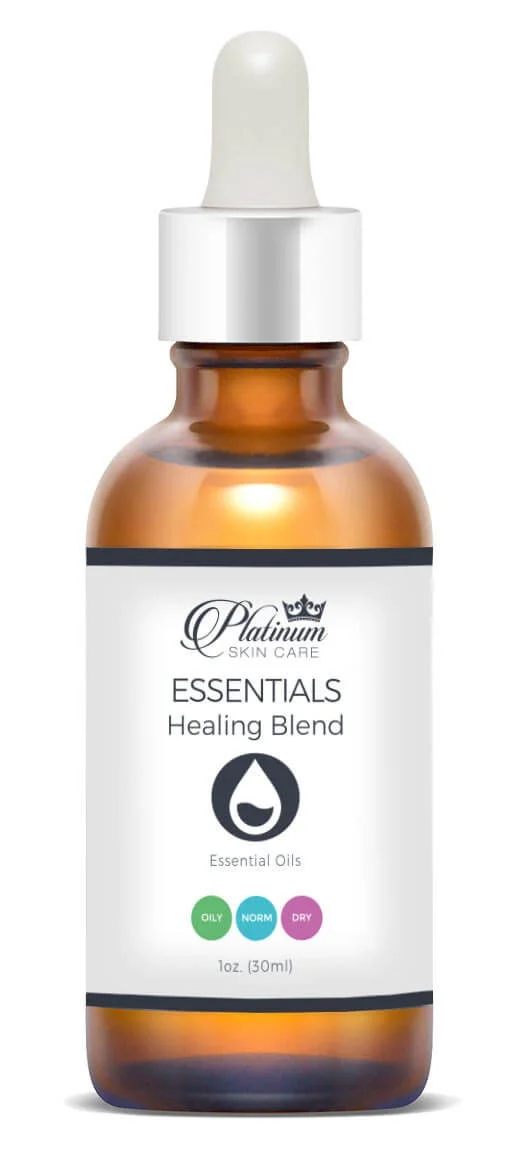
Analysis locked
How well does your skin match with Platinum Skincare Essentials Healing Blend?
Login to see detailsOr continue via
Quick 1-minute survey • Completely free
Ingredients
Analysis results of Ingredients


Ingredient List
| EWG | CIR | Ingredient Name & Cosmetic Function | Notes |
|---|---|---|---|
| 1 | - | | |
| 1 | - | (Abrasive) | |
| 1 | - | | |
| 1 | - | |


Platinum Skincare Essentials Healing Blend - Ingredient Explanation
Organic Prunus Dulcis
1. Definition Prunus Dulcis (Almond):
Prunus Dulcis, commonly known as Almond, is a species of tree native to the Middle East and South Asia. Almonds are widely cultivated for their edible seeds, which are commonly used in culinary dishes and also have various health and beauty benefits.2. Use:
Almonds are a popular ingredient in cosmetics due to their nourishing and moisturizing properties. Almond oil, extracted from the seeds, is rich in vitamins, minerals, and fatty acids that help improve skin and hair health. It is commonly used in skincare products such as lotions, creams, and serums for its emollient and anti-inflammatory properties.3. Usage Prunus Dulcis (Almond):
Almond oil can be applied directly to the skin or hair, or used as an ingredient in DIY beauty recipes. It is suitable for all skin types, including sensitive and dry skin, and can help improve skin tone, texture, and elasticity. Almond oil can also be used as a carrier oil for essential oils or blended with other natural ingredients for added benefits.Precautions: While almond oil is generally safe for topical use, individuals with nut allergies should exercise caution when using almond-based products. It is recommended to perform a patch test before using almond oil to check for any allergic reactions. Additionally, it is important to store almond oil in a cool, dark place to prevent rancidity.
4. References:
- "Almond Oil: Benefits for Skin, Hair, and Health" by Dr. Anju Sood, www.healthline.com
- "Almond Oil in Cosmetics" by Dr. A. K. Sharma, www.researchgate.net
- "The Benefits of Almond Oil in Skincare" by Dr. Sarah Villafranco, www.mindbodygreen.com
Organic Sesamum Indicum
1. Definition Sesamum Indicum (Sesame):
Sesamum Indicum, commonly known as Sesame, is a flowering plant native to Africa and India. The seeds of the plant are rich in oil and are used in various industries, including cosmetics.2. Use:
Sesame oil is widely used in cosmetics due to its moisturizing and antioxidant properties. It is often included in skincare products such as moisturizers, serums, and cleansers to help nourish and hydrate the skin. Sesame oil is also known for its ability to protect the skin from environmental stressors and promote a healthy complexion.3. Usage Sesamum Indicum (Sesame):
When using cosmetics containing Sesamum Indicum, it is important to perform a patch test before applying the product to the entire face or body. This can help to identify any potential allergic reactions or sensitivities to the ingredient. Additionally, it is recommended to follow the instructions provided on the product packaging for best results. Sesame oil is generally considered safe for most individuals, but those with nut allergies should use caution when using products containing Sesame.4. References:
- Goyal, A., Sharma, V., Upadhyay, N., Gill, S., & Sihag, M. (2014). Flax and sesame oils: Nutritional and health benefits. International Journal of Food Science & Technology, 51(11), 2499-2507.
- Ahmad, A., Husain, A., Mujeeb, M., Khan, S. A., Najmi, A. K., Siddique, N. A., ... & Anwar, F. (2013). A review on therapeutic potential of Nigella sativa: A miracle herb. Asian Pacific Journal of Tropical Biomedicine, 3(5), 337-352.
- Kaur, G., & Kaur, J. (2016). Essential fatty acids as functional components of foods- a review. Journal of Food Science and Technology, 53(1), 487-495.
Organic Simmondsia Chinensis
1. Definition Simmondsia Chinensis (Jojoba):
Simmondsia Chinensis, commonly known as Jojoba, is a shrub native to the southwestern United States and northern Mexico. The oil extracted from the seeds of this plant is a popular ingredient in cosmetics due to its moisturizing and nourishing properties.2. Use:
Jojoba oil is commonly used in skincare products such as lotions, creams, and serums. It is known for its ability to mimic the skin's natural oils, making it suitable for all skin types, including sensitive and acne-prone skin. Jojoba oil is also used in hair care products to hydrate and condition the hair, leaving it soft and shiny.3. Usage Simmondsia Chinensis (Jojoba):
Jojoba oil can be used on its own as a moisturizer or added to existing skincare and hair care products. It can be applied directly to the skin or hair, massaged in gently until fully absorbed. Jojoba oil can also be used as a carrier oil for essential oils or other active ingredients.Precautions: While jojoba oil is generally considered safe for most people, it is always recommended to do a patch test before using it on a larger area of skin. Some individuals may be allergic to jojoba oil, so it is important to discontinue use if any irritation or allergic reaction occurs. It is also important to store jojoba oil in a cool, dark place to prevent it from going rancid.
4. References:
- Meier L, Stange R, Michalsen A, Uehleke B. Clay jojoba oil facial mask for lesioned skin and mild acne--results of a prospective, observational pilot study. Forsch Komplementmed. 2012;19(2):75-9. doi: 10.1159/000338076. Epub 2012 Apr 19. PMID: 22585103.
- Pazyar N, Yaghoobi R, Ghassemi MR, Kazerouni A, Rafeie E, Jamshydian N. Jojoba in dermatology: a succinct review. G Ital Dermatol Venereol. 2013 Dec;148(6):687-91. PMID: 24305429.
- Ranzato E, Martinotti S, Burlando B. Wound healing properties of jojoba liquid wax: an in vitro study. J Ethnopharmacol. 2011 Sep 1;134(2):443-9. doi: 10.1016/j.jep.2011.01.027. Epub 2011 Jan 27. PMID: 21276990.
Organic Hippophae Rhamnoides
1. Definition Hippophae Rhamnoides (Sea Buckthorn):
Sea Buckthorn, scientifically known as Hippophae Rhamnoides, is a shrub that produces small, bright orange berries. These berries are rich in nutrients, including vitamins, minerals, antioxidants, and fatty acids, making them a popular ingredient in cosmetics.2. Use:
Sea Buckthorn is used in cosmetics for its nourishing and rejuvenating properties. It is known to promote skin hydration, improve skin elasticity, and protect against environmental stressors. The high content of vitamins A, C, and E in Sea Buckthorn helps to brighten the skin, reduce inflammation, and promote collagen production. Additionally, the fatty acids found in Sea Buckthorn oil can help to repair and strengthen the skin barrier.3. Usage Hippophae Rhamnoides (Sea Buckthorn):
Sea Buckthorn is commonly found in skincare products such as serums, moisturizers, and facial oils. It can be applied directly to the skin or mixed with other ingredients to create a customized skincare solution. When using Sea Buckthorn in cosmetics, it is important to patch test first to ensure compatibility with your skin. As with any new skincare ingredient, it is recommended to start with a small amount and gradually increase usage to avoid any potential irritation.4. References:
- Jurenka, J. S. (2009). Anti-inflammatory properties of sea buckthorn (Hippophae rhamnoides L.). International Journal of Molecular Sciences, 10(1), 247-258.
- Yang, B., & Kallio, H. (2002). Composition and physiological effects of sea buckthorn (Hippophae) lipids. Trends in Food Science & Technology, 13(5), 160-167.
- Gupta, A., Kumar, R., Pal, K., Singh, V., & Banerjee, P. K. (2008). Simultaneous quantification of six major polyphenols in sea buckthorn (Hippophae rhamnoides) juice using high performance liquid chromatography with diode array detection. Journal of Food Composition and Analysis, 21(3), 225-231.
Review

Didn't find
the information you need?




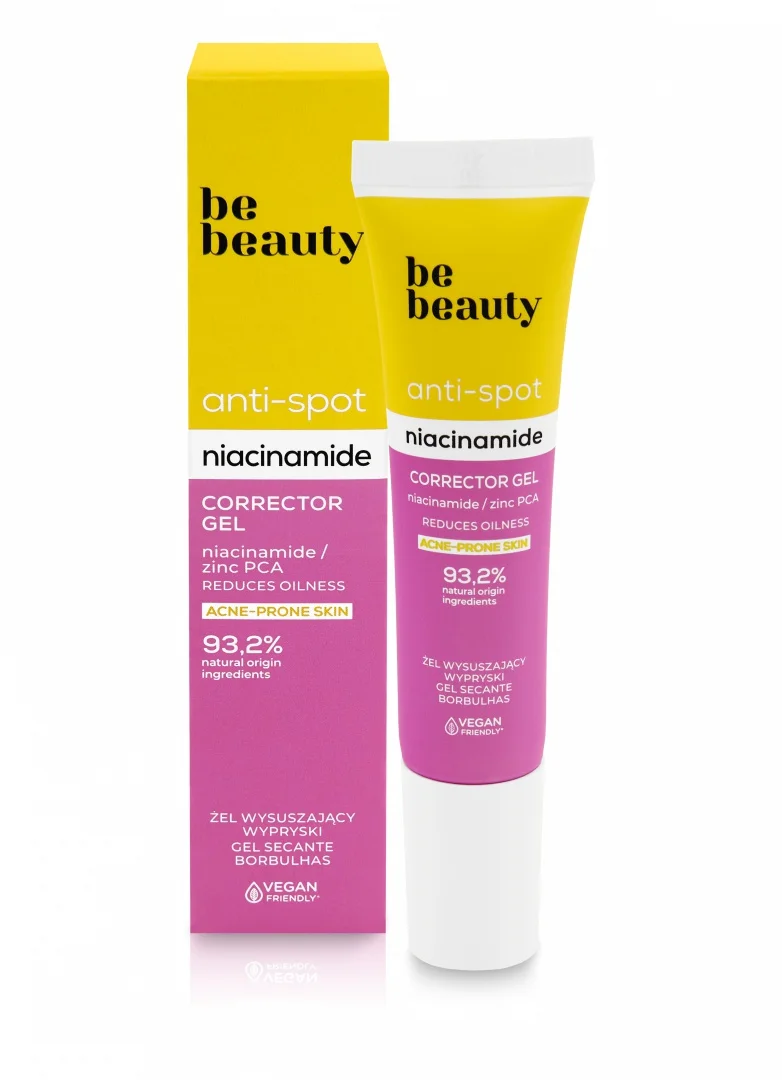
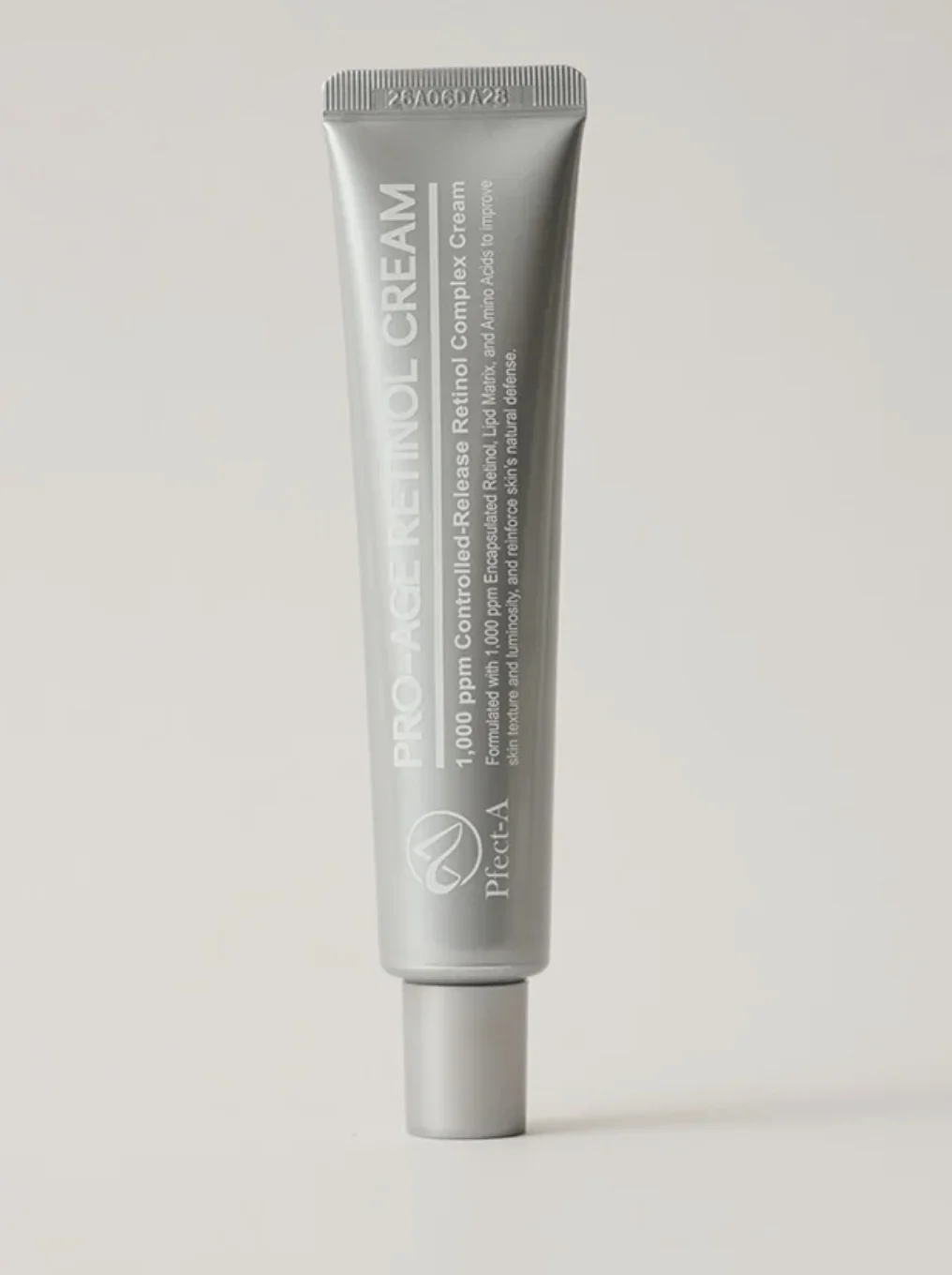
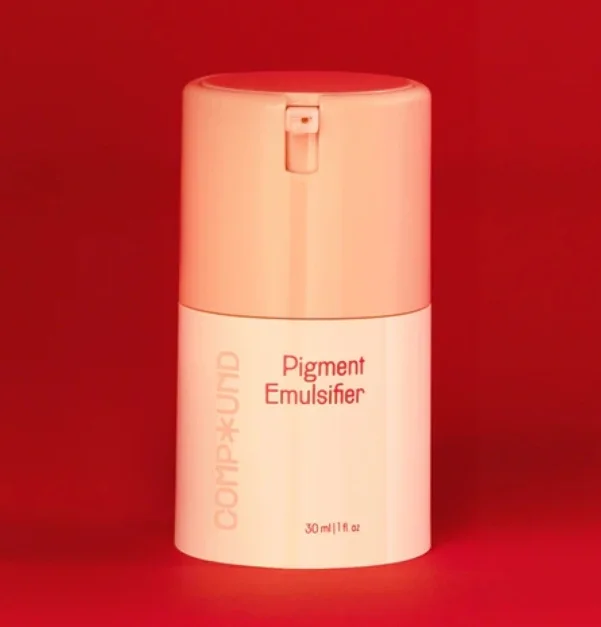


Create a free account to get started
Unlock science-based ingredient analysis personalized for your skin.
Already have an account? Log in
We protect your privacy. We never send spam.