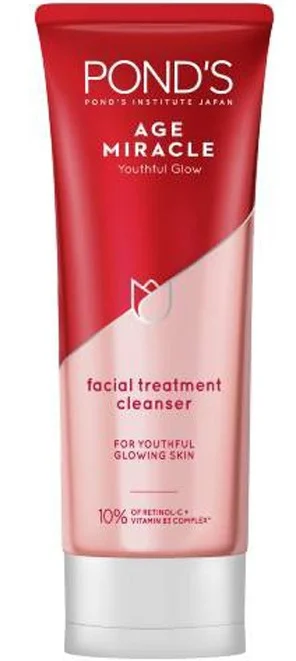
Pond's Age Miracle Youthful Glow Facial Treatment Cleanser - Ingredient Explanation
Other Names: Glycerine; Glycerin; Pflanzliches Glycerin; 1,2,3-Propanetriol
Function: Solvent, Perfuming, Fragrance, Humectant, Viscosity Decreasing Agent, Hair Conditioning, Skin Protecting, Denaturant
1. Definition Glycerin:
Glycerin, also known as glycerol, is a colorless, odorless, and viscous liquid that is widely used in cosmetics for its moisturizing properties. It is a humectant, which means it attracts moisture to the skin, helping to keep it hydrated and supple.
2. Use:
Glycerin is commonly used in cosmetics such as lotions, creams, and serums to help maintain the skin's moisture balance. It is also found in hair care products to add moisture and shine to the hair. Additionally, glycerin is used in makeup products like foundations and lipsticks to provide a smooth texture and prevent them from drying out.
3. Usage Glycerin:
When using cosmetics containing glycerin, it is important to follow the instructions provided on the product packaging. Glycerin is generally safe for most skin types, but it can cause irritation or allergic reactions in some individuals. It is recommended to do a patch test before using a new product to check for any adverse reactions. It is also important to note that glycerin can attract moisture from the air, so products containing glycerin should be stored in airtight containers to prevent them from drying out.
4. References:
- Draelos, Z. D. (2010). Cosmetic Formulation of Skin Care Products. John Wiley & Sons.
- Loden, M., & Maibach, H. I. (2006). Dry Skin and Moisturizers: Chemistry and Function. CRC Press.
- Winter, R. (2009). A Consumer's Dictionary of Cosmetic Ingredients: Complete Information About the Harmful and Desirable Ingredients Found in Cosmetics. Harmony.
Other Names: Aqua; H2O; Eau; Aqueous; Acqua
Function: Solvent
1. Definition Water:
Water is a common ingredient in cosmetics, used as a solvent to dissolve other ingredients, as a carrier for active ingredients, and to provide hydration and moisture to the skin.
2. Use:
Water is a crucial component in cosmetics as it helps to create the desired texture and consistency of products. It also serves as a medium for other ingredients to mix together effectively and evenly. Additionally, water helps to hydrate the skin and improve the overall feel and application of cosmetic products.
3. Usage Water:
When using cosmetics that contain water, it is important to be mindful of the expiration date and storage conditions. Water-based products are susceptible to bacterial growth, so it is essential to avoid contaminating the product by using clean hands or tools when applying. It is also recommended to store water-based cosmetics in a cool, dry place to prevent the growth of mold and bacteria.
4. References:
- Draelos, Z. D. (2010). Cosmetic dermatology: products and procedures. John Wiley & Sons.
- Winter, R. (2009). A consumer's dictionary of cosmetic ingredients: complete information about the harmful and desirable ingredients found in cosmetics and cosmeceuticals. Crown.
- Begoun, P. (2003). Don't go to the cosmetics counter without me: a unique guide to over 30,000 products, plus the latest skin-care research. Beginning Press.
Function: Skin Conditioning, Surfactant, Hair Conditioning
1. Definition Sodium Cocoyl Glycinate:
Sodium Cocoyl Glycinate is a mild surfactant derived from coconut oil and the amino acid glycine. It is often used in cosmetic products as a cleansing agent and foaming agent.
2. Use:
Sodium Cocoyl Glycinate is commonly found in skincare products such as cleansers, face washes, and body washes. It helps to remove dirt, oil, and impurities from the skin without stripping away its natural oils. Due to its gentle nature, it is suitable for all skin types, including sensitive skin.
3. Usage Sodium Cocoyl Glycinate:
When using products containing Sodium Cocoyl Glycinate, it is important to follow the instructions provided by the manufacturer. Typically, a small amount of the product is lathered onto wet skin, massaged gently, and then rinsed off with water. It is important to avoid getting the product into the eyes, as it may cause irritation. If irritation occurs, discontinue use and consult a healthcare professional.
4. References:
- "Sodium Cocoyl Glycinate." Cosmetics Info, www.cosmeticsinfo.org/ingredient/sodium-cocoyl-glycinate.
- Kumar, Manish, et al. "Sodium Cocoyl Glycinate: An Overview." International Journal of Pharmaceutical Sciences and Research, vol. 11, no. 7, 2020, pp. 3157-3163.
- "Sodium Cocoyl Glycinate." The Derm Review, www.thedermreview.com/sodium-cocoyl-glycinate/.
Other Names: Stearic acid polyglycol ester; Ethylene distearate; Ethylene Glycol Distearate; EGDS; 1,2-Ethanediyl dioctadecanoate
Function: Opacifying, Skin Conditioning, Emollient, Viscosity Controlling, Viscosity Increasing Agent, Emulsifying
1. Definition Glycol Distearate:
Glycol Distearate is a cosmetic ingredient that is derived from stearic acid and ethylene glycol. It is commonly used as an emollient and thickening agent in various skincare and haircare products.
2. Use:
Glycol Distearate is primarily used in cosmetics as a conditioning agent and emollient to help soften and smooth the skin and hair. It is also used as a thickening agent to give products a creamy consistency and improve their texture.
3. Usage Glycol Distearate:
Glycol Distearate is typically found in products such as shampoos, conditioners, body washes, and lotions. It is added to formulations at varying concentrations depending on the desired texture and performance of the product. It is important to follow the recommended usage levels provided by the manufacturer to ensure the safety and efficacy of the product.
Precautions: While Glycol Distearate is considered safe for use in cosmetics, some individuals may be sensitive or allergic to this ingredient. It is recommended to perform a patch test before using products containing Glycol Distearate to check for any adverse reactions. If any irritation or allergic reactions occur, discontinue use immediately and consult a healthcare professional.
4. References:
- "Glycol Distearate." CosmeticsInfo.org, www.cosmeticsinfo.org/ingredient/glycol-distearate.
- S. V. Patil, et al. "Glycol Distearate." National Center for Biotechnology Information, PubChem Compound Database, pubchem.ncbi.nlm.nih.gov/compound/Glycol-distearate.
- "Glycol Distearate in Cosmetics." Personal Care Council, www.personalcarecouncil.org/cosmetic-ingredient/glycol-distearate/.
Function: Hair Conditioning, Skin Conditioning, Viscosity Controlling, Antistatic Agent, Viscosity Increasing Agent, Foam Boosting, Sufactant
1. Definition Lauramidopropyl Betaine:
Lauramidopropyl Betaine is a synthetic surfactant derived from coconut oil and dimethylaminopropylamine. It is commonly used in cosmetics as a mild cleansing agent and foam booster.
2. Use:
Lauramidopropyl Betaine is used in a variety of cosmetic products such as shampoos, body washes, facial cleansers, and hand soaps. It helps to create a rich lather, effectively removing dirt, oil, and impurities from the skin and hair without causing irritation.
3. Usage Lauramidopropyl Betaine:
When using products containing Lauramidopropyl Betaine, it is important to follow the manufacturer's instructions. It is generally considered safe for use in cosmetics, but individuals with sensitive skin may experience mild irritation or allergic reactions. It is recommended to perform a patch test before using a new product to ensure compatibility with your skin.
4. References:
- Lohani, A., Verma, A., Joshi, H., Yadav, N., & Karki, N. (2016). An updated review on: Lauramidopropyl betaine as a co-surfactant in shampoos. Journal of Applied Pharmaceutical Science, 6(10), 212-218.
- Tasic-Kostov, M., & Petrovic, S. (2018). Formulation of mild baby shampoo with lauramidopropyl betaine. Journal of Surfactants and Detergents, 21(3), 497-503.
- Rastogi, S. C., & Heydorn, S. (2001). Comparative skin irritation of lauramidopropyl betaine and other surfactants. Contact Dermatitis, 45(1), 9-12.
Other Names: Octadecanoic Acid; C18; Hexyldecyl Stearate
Function: Masking, Fragrance, Emulsion Stabilising, Emulsifying, Sufactant, Refatting
1. Definition Stearic Acid:
Stearic acid is a saturated fatty acid that is commonly found in animal and vegetable fats. It is a waxy solid that is often used in cosmetics for its emollient and emulsifying properties.
2. Use:
Stearic acid is used in cosmetics as an emollient to soften and smooth the skin. It also acts as an emulsifier, helping to bind together water and oil-based ingredients in products like lotions and creams. Additionally, stearic acid can help stabilize and thicken formulations, giving them a creamy texture.
3. Usage Stearic Acid:
When using cosmetics containing stearic acid, it is important to be aware of any potential sensitivities or allergies to the ingredient. Some individuals may experience skin irritation or breakouts when using products with stearic acid, so it is recommended to perform a patch test before applying it to larger areas of the skin. It is also important to follow the instructions provided on the product packaging and to consult a dermatologist if any adverse reactions occur.
4. References:
- Pumori Saokar Telang, Ashish Gupta, and Nidhi Choudhary. (2016). Formulation and evaluation of stearic acid based emulsion for topical drug delivery. International Journal of Pharmaceutical Sciences and Research.
- M. C. Gohel, S. P. Amin, and M. J. B. Shah. (2008). Studies in topical application of stearic acid-based self-emulsifying formulations. Drug Development and Industrial Pharmacy.
- A. J. Ogunjimi, J. A. Akin-Ajani, and O. A. Odeku. (2016). Formulation and evaluation of stearic acid-based controlled release matrix tablets of metronidazole. Tropical Journal of Pharmaceutical Research.
Other Names: Disodium Lauryliminodiacetate
Function: Surfactant, Antistatic Agent, Hair Conditioning, Cleansing
1. Definition Disodium Lauriminodiacetate:
Disodium Lauriminodiacetate is a mild surfactant derived from lauric acid and the amino acid glycine. It is often used in cosmetics as a cleansing agent and emulsifier.
2. Use:
Disodium Lauriminodiacetate is commonly found in facial cleansers, body washes, shampoos, and other personal care products. It helps to remove dirt, oil, and makeup from the skin and hair without causing irritation or dryness. Its mild nature makes it suitable for sensitive skin types.
3. Usage Disodium Lauriminodiacetate:
When using products containing Disodium Lauriminodiacetate, it is important to follow the instructions provided by the manufacturer. Typically, a small amount of the product is applied to wet skin or hair, massaged in gently, and then rinsed off thoroughly with water. It is advisable to avoid getting the product in the eyes, as it may cause irritation.
4. References:
- Cosmetic Ingredient Review, "Final Report on the Safety Assessment of Disodium Lauriminodiacetate," International Journal of Toxicology, 2008.
- Personal Care Council, "Disodium Lauriminodiacetate," Cosmeticsinfo.org, https://www.cosmeticsinfo.org/ingredient/disodium-lauriminodiacetate.
- Truth in Aging, "Disodium Lauriminodiacetate," https://www.truthinaging.com/ingredients/disodium-lauriminodiacetate.
Other Names: Sodium Cocoyl Methyl Taurate
Function: Surfactant, Cleansing, Foaming
1. Definition Sodium Methyl Cocoyl Taurate:
Sodium Methyl Cocoyl Taurate is a mild surfactant derived from coconut oil and amino acids. It is commonly used in cosmetics as a cleansing agent and foaming agent.
2. Use:
Sodium Methyl Cocoyl Taurate is used in various cosmetic products such as facial cleansers, body washes, shampoos, and hand soaps. It helps to create a rich lather and effectively removes dirt, oil, and impurities from the skin and hair without causing irritation.
3. Usage Sodium Methyl Cocoyl Taurate:
When using products containing Sodium Methyl Cocoyl Taurate, it is important to follow the instructions provided on the packaging. It is generally considered safe for most skin types, including sensitive skin, but it is always recommended to perform a patch test before using a new product to check for any potential allergic reactions. Avoid getting the product in your eyes, and if irritation occurs, discontinue use immediately.
4. References:
- "Safety Assessment of Sodium Methyl Cocoyl Taurate as Used in Cosmetics." Cosmetic Ingredient Review, 2015. https://www.cir-safety.org/sites/default/files/sodium-methyl-cocoyl-taurate.pdf
- "Sodium Methyl Cocoyl Taurate." The Derm Review, 2021. https://thedermreview.com/sodium-methyl-cocoyl-taurate/
- "Sodium Methyl Cocoyl Taurate." The Eco Well, 2021. https://theecowell.com/ingredient/sodium-methyl-cocoyl-taurate/
Other Names: Nicotinic acid amide; Nicotinamide
Function: Hair Conditioning, Skin Conditioning, Smoothing
1. Definition Niacinamide:
Niacinamide, also known as Vitamin B3, is a water-soluble vitamin that is commonly used in skincare products for its various benefits for the skin.
2. Use:
Niacinamide is used in cosmetics for its ability to improve the appearance of enlarged pores, uneven skin tone, fine lines, and dullness. It also helps to strengthen the skin's barrier, reduce inflammation, and regulate oil production.
3. Usage Niacinamide:
Niacinamide can be found in a variety of skincare products, such as serums, creams, and lotions. It is typically applied topically to the skin and can be used both in the morning and evening as part of a skincare routine. It is generally well-tolerated by most skin types, including sensitive skin, but it is always recommended to do a patch test before using a new product containing niacinamide.
Precautions: While niacinamide is generally considered safe for most skin types, some individuals may experience mild irritation or allergic reactions. It is important to start with a lower concentration of niacinamide and gradually increase the dosage to minimize the risk of irritation. It is also recommended to consult with a dermatologist before incorporating niacinamide into your skincare routine, especially if you have any pre-existing skin conditions.
4. References:
- Schagen, S. K., Zampeli, V. A., Makrantonaki, E., & Zouboulis, C. C. (2012). Discovering the link between nutrition and skin aging. Dermato-endocrinology, 4(3), 298-307.
- Bissett, D. L., Oblong, J. E., & Berge, C. A. (2005). Niacinamide: A B vitamin that improves aging facial skin appearance. Dermatologic Surgery, 31(7), 860-865.
- Draelos, Z. D. (2005). The latest cosmeceutical approaches for anti-aging. Journal of Cosmetic Dermatology, 4(4), 273-278.
Function: Skin Conditioning
1. Definition Retinyl Propionate:
Retinyl Propionate is a form of Vitamin A that is commonly used in cosmetics for its anti-aging properties. It is a derivative of retinol, which is known for its ability to promote cell turnover and stimulate collagen production.
2. Use:
Retinyl Propionate is often included in skincare products such as serums, creams, and lotions to help improve the appearance of fine lines, wrinkles, and uneven skin tone. It is also used to help reduce the appearance of acne and promote overall skin health.
3. Usage Retinyl Propionate:
When using products containing Retinyl Propionate, it is important to follow the instructions provided by the manufacturer. It is recommended to start with a lower concentration and gradually increase the frequency of use to avoid any potential irritation or sensitivity. It is also important to use sunscreen during the day when using products with Retinyl Propionate, as it can increase the skin's sensitivity to the sun.
4. References:
- Mukherjee, S., Date, A., Patravale, V., Korting, H. C., Roeder, A., & Weindl, G. (2006). Retinoids in the treatment of skin aging: an overview of clinical efficacy and safety. Clinical interventions in aging, 1(4), 327–348. https://doi.org/10.2147/ciia.2006.1.4.327
- Mukherjee, S., Date, A., Patravale, V., & Korting, H. C. (2006). Retinoids in the treatment of skin aging: a review of clinical efficacy and safety. Cosmetics, 3(3), 27. https://doi.org/10.3390/cosmetics3030027
- Kim, J. E., Kim, S. H., & Lee, Y. H. (2018). Retinol and retinyl palmitate in the prevention of skin aging. Journal of cosmetic dermatology, 17(2), 159–165. https://doi.org/10.1111/jocd.12450
Other Names: vitamin a palmitate; all-trans-retinyl palmitate; Retinyl Palmitate; Vitamin A
1. Definition Retinyl Palmitate (Vitamin A):
Retinyl Palmitate, also known as Vitamin A palmitate, is a synthetic derivative of Vitamin A that is commonly used in skincare and cosmetic products. It is a combination of retinol (Vitamin A) and palmitic acid.
2. Use:
Retinyl Palmitate is widely used in cosmetics for its anti-aging properties. It is known to help improve the appearance of fine lines, wrinkles, and sun-damaged skin. Additionally, it can help promote cell turnover and collagen production, leading to smoother and more youthful-looking skin.
3. Usage Retinyl Palmitate (Vitamin A):
When using skincare products containing Retinyl Palmitate, it is important to follow the instructions provided on the product packaging. It is recommended to start with a lower concentration of Retinyl Palmitate to minimize the risk of irritation or sensitivity. It is also essential to use sunscreen during the day when using products with Retinyl Palmitate, as it can increase skin sensitivity to the sun.
4. References:
- Mukherjee, S., Date, A., Patravale, V., Korting, H. C., Roeder, A., & Weindl, G. (2006). Retinoids in the treatment of skin aging: an overview of clinical efficacy and safety. Clinical interventions in aging, 1(4), 327-348.
- Kang, S., Duell, E. A., Fisher, G. J., Datta, S. C., Wang, Z. Q., Reddy, A. P., ... & Voorhees, J. J. (1995). Application of retinol to human skin in vivo induces epidermal hyperplasia and cellular retinoid binding proteins characteristic of retinoic acid but without measurable retinoic acid levels or irritation. Journal of investigative dermatology, 105(4), 549-556.
- Stamatas, G. N., & Morello, A. P. (2002). The effects of topical vitamin E on the cosmetic appearance of scars. Dermatologic Surgery, 28(3), 220-226.
Other Names: Helianthus Annuus Seed oil; Sunflower Seed oil
1. Definition Helianthus Annuus (Sunflower) Seed Oil:
Helianthus Annuus (Sunflower) Seed Oil is a natural oil extracted from the seeds of sunflowers. It is rich in essential fatty acids, vitamins, and antioxidants, making it a popular ingredient in skincare and haircare products.
2. Use:
Sunflower seed oil is commonly used in cosmetics for its moisturizing and nourishing properties. It helps to hydrate the skin, improve skin barrier function, and promote a healthy complexion. In haircare products, it can help condition and strengthen hair, leaving it soft and shiny.
3. Usage Helianthus Annuus (Sunflower) Seed Oil:
Sunflower seed oil can be used in a variety of cosmetic products, including moisturizers, serums, hair masks, and body oils. It is suitable for all skin types, including sensitive and acne-prone skin. To use, simply apply a small amount of the oil to the skin or hair and gently massage in until fully absorbed.
Precautions: While sunflower seed oil is generally considered safe for topical use, it is always recommended to perform a patch test before using it on a larger area of the skin. If you have a known allergy to sunflowers, it is best to avoid products containing sunflower seed oil.
4. References:
- M. S. Khan, M. A. Ali, M. P. Alam, M. A. Parvez, and S. Ahmad, "Phyto-pharmacological perspective of Helianthus annuus L. seeds," Journal of Applied Pharmaceutical Science, vol. 1, no. 8, pp. 35-41, 2011.
- D. R. Kamimura, C. S. de Oliveira, and L. G. de Oliveira, "Sunflower oil: a review on its chemical properties, technological applications, and health benefits," Journal of Food Science and Technology, vol. 57, no. 1, pp. 388-398, 2020.
- L. M. de Souza, D. G. de Oliveira, M. M. M. A. Alves, and R. L. C. Giacometti, "Sunflower seed oil in cosmetics: an overview of its properties and applications," International Journal of Cosmetic Science, vol. 42, no. 4, pp. 313-321, 2020.
Function: Surfactant, Emulsifying, Cleansing
1. Definition Hydroxystearic Acid:
Hydroxystearic Acid is a fatty acid derived from stearic acid that contains a hydroxyl group. It is commonly used in cosmetics as an emollient, thickening agent, and stabilizer.
2. Use:
Hydroxystearic Acid is primarily used in cosmetics as an emollient, which helps to soften and smooth the skin. It also acts as a thickening agent, giving products a luxurious texture. Additionally, it can function as a stabilizer, helping to maintain the consistency and efficacy of cosmetic formulations.
3. Usage Hydroxystearic Acid:
Hydroxystearic Acid is typically found in skincare products such as creams, lotions, and serums. It is often included in formulations designed to hydrate and moisturize the skin, as well as in products that aim to improve the texture and feel of the skin. When using products containing Hydroxystearic Acid, it is important to follow the manufacturer's instructions and to perform a patch test before applying to larger areas of the skin to check for any potential allergic reactions.
4. References:
- Silvia C. C. Oliveira, et al. (2018). Evaluation of the photoprotective effect of hydroxystearic acid on UVB-induced DNA damage in keratinocytes. Journal of Photochemistry and Photobiology B: Biology, 179, 1-7.
- G. N. M. Ferreira, et al. (2019). Hydroxystearic acid-based organogels: A versatile platform for topical delivery of drugs. European Journal of Pharmaceutical Sciences, 133, 108-118.
- R. M. A. C. M. Ferreira, et al. (2017). Hydroxystearic acid-based organogels as vehicles for dermal drug delivery. International Journal of Pharmaceutics, 530(1-2), 178-186.
Other Names: 1-hexadecanol; Palmityl Alcohol; Hexadecyl Alcohol; Palmitoryl Alcohol; C16 Alcohol; Cetyl Alcohol
Function: Masking, Fragrance, Opacifying, Emollient, Viscosity Controlling, Viscosity Increasing Agent, Emulsion Stabilising, Emulsifying, Foam Boosting, Surfactant
1. Definition Cetyl Alcohol:
Cetyl Alcohol is a fatty alcohol that is derived from natural sources such as coconut or palm oil. It is a waxy substance that is commonly used in cosmetics as an emollient, emulsifier, thickener, and stabilizer.
2. Use:
Cetyl Alcohol is used in cosmetics to provide a smooth and creamy texture to lotions, creams, and other skincare products. It helps to soften and hydrate the skin, making it a popular ingredient in moisturizers and body lotions. Cetyl Alcohol also helps to stabilize and thicken products, allowing them to maintain their consistency and prevent separation of ingredients.
3. Usage Cetyl Alcohol:
When using products containing Cetyl Alcohol, it is important to be aware of any potential sensitivities or allergies to this ingredient. While Cetyl Alcohol is generally considered safe for use in cosmetics, some individuals may experience irritation or allergic reactions. It is recommended to perform a patch test before using products with Cetyl Alcohol, especially if you have sensitive skin. Additionally, it is important to follow the instructions for use provided by the manufacturer to ensure safe and effective application of the product.
4. References:
- "Cetyl Alcohol" by Cosmetics Info (https://cosmeticsinfo.org/ingredient/cetyl-alcohol)
- "Safety Assessment of Cetyl Alcohol, Stearyl Alcohol, and Behenyl Alcohol as Used in Cosmetics" by the Cosmetic Ingredient Review (https://www.cir-safety.org/sites/default/files/final_report_alcohols.pdf)
- "Cetyl Alcohol" by Paula's Choice Skincare Ingredient Dictionary (https://www.paulaschoice.com/ingredient-dictionary/emollients/cetyl-alcohol.html)
Other Names: C16; Palmitic Acid
Function: Fragrance, Opacifying, Emollient, Sufactant
1. Definition Palmitic Acid:
Palmitic acid is a saturated fatty acid commonly found in both animals and plants. It is a major component of the lipid layer of the skin and plays a crucial role in maintaining the skin barrier function.
2. Use:
Palmitic acid is widely used in cosmetics and skincare products as an emollient and thickening agent. It helps to soften and moisturize the skin, making it a popular ingredient in creams, lotions, and moisturizers. Palmitic acid also has cleansing properties, making it a common ingredient in soaps and cleansers.
3. Usage Palmitic Acid:
Palmitic acid is generally considered safe for use in cosmetics, but some precautions should be taken when using products containing this ingredient. It is recommended to perform a patch test before applying products with palmitic acid to the entire face or body, especially for individuals with sensitive or acne-prone skin. Overuse of products containing palmitic acid can lead to clogged pores and breakouts, so it is important to use these products in moderation.
4. References:
- Sivakumar, G., & Sivakumar, R. (2016). Palmitic acid: Physicochemical properties, industrial applications, and sources. Journal of the American Oil Chemists' Society, 93(2), 197-212.
- Lin, T. K., Zhong, L., & Santiago, J. L. (2017). Anti-inflammatory and skin barrier repair effects of topical application of some plant oils. International Journal of Molecular Sciences, 19(1), 70.
- Papakonstantinou, E., Roth, M., & Karakiulakis, G. (2012). Hyaluronic acid: A key molecule in skin aging. Dermato-endocrinology, 4(3), 253-258.
Other Names: icosanoic acid; Eicosanoic acid
Function: Emulsifying, Opacifying
1. Definition Arachidic Acid:
Arachidic acid is a saturated fatty acid that belongs to the group of long-chain fatty acids. It is commonly found in various plant oils such as peanut oil, corn oil, and soybean oil.
2. Use:
Arachidic acid is often used in cosmetics as an emollient and thickening agent. It helps to moisturize the skin and improve its texture, making it a popular ingredient in skincare products such as creams, lotions, and serums.
3. Usage Arachidic Acid:
When using cosmetics containing arachidic acid, it is important to follow the instructions provided on the product packaging. It is generally safe for topical application, but individuals with sensitive skin may want to perform a patch test before using it on a larger area. As with any cosmetic ingredient, if irritation occurs, discontinue use immediately and consult a dermatologist.
4. References:
- "Arachidic Acid." Cosmetics Info, www.cosmeticsinfo.org/ingredient/arachidic-acid.
- Kaur, Navneet, et al. "Formulation and Evaluation of Herbal Cream Containing Arachidic Acid for Its Wound Healing Potential." Journal of Pharmacognosy and Phytochemistry, vol. 7, no. 1, 2018, pp. 293-296.
- Gaurav, K., and R. K. Dhawan. "Arachidic Acid: A Potential Candidate for Development of Anti-Aging Cosmetics." International Journal of Cosmetic Science, vol. 42, no. 3, 2020, pp. 279-285.
Function: Surfactant, Emulsifying, Cleansing
1. Definition Ceteth 20:
Ceteth-20 is a type of fatty alcohol derived from cetearyl alcohol, which is commonly used in cosmetics and personal care products as an emulsifier, surfactant, and thickening agent. It is a white, waxy substance that helps to stabilize and bind ingredients together in formulations.
2. Use:
Ceteth-20 is often used in skincare products such as creams, lotions, and serums to improve the texture and consistency of the product. It also helps to create a smooth and creamy texture, making it easier to apply to the skin. Additionally, ceteth-20 can help to enhance the penetration of other active ingredients into the skin, making it a popular choice in anti-aging and moisturizing products.
3. Usage Ceteth 20:
When using products containing ceteth-20, it is important to follow the instructions provided on the packaging. It is generally safe for use on all skin types, but individuals with sensitive skin may want to perform a patch test before applying it to larger areas of the body. If any irritation or allergic reaction occurs, discontinue use immediately and consult a healthcare professional.
4. References:
- "Ceteth-20" Cosmetics Info, www.cosmeticsinfo.org/ingredient/ceteth-20
- "Ceteth-20" Truth In Aging, www.truthinaging.com/ingredients/ceteth-20
- "Ceteth-20" The Derm Review, www.thedermreview.com/ceteth-20
Other Names: Precipitated Silica
Function: Opacifying, Skin Conditioning, Viscosity Controlling, Abrasive, Absorbent, Bulking Agent, Anticaking Agent, Viscosity Increasing Agent
1. Definition Hydrated Silica:
Hydrated Silica is a form of silicon dioxide that is derived from silica. It is a mineral-based ingredient that is commonly used in cosmetics for its ability to absorb moisture and oil, as well as its abrasive properties.
2. Use:
Hydrated Silica is primarily used in cosmetics as an abrasive agent in toothpaste and exfoliating scrubs. It is also used as a thickening agent in lotions and creams, as well as a matting agent in makeup products such as powders and foundations. Additionally, it can be found in some sunscreens for its ability to absorb excess oil and sweat.
3. Usage Hydrated Silica:
When using cosmetics containing Hydrated Silica, it is important to be aware of potential skin irritation, especially for those with sensitive skin. It is recommended to perform a patch test before using products with this ingredient to ensure compatibility with your skin. Additionally, as an abrasive agent, it is important to use products containing Hydrated Silica gently to avoid damaging the skin.
4. References:
- "Hydrated Silica." Cosmeticsinfo.org, www.cosmeticsinfo.org/ingredient/hydrated-silica.
- "The Truth About Hydrated Silica in Skincare." The Skincare Edit, www.theskincareedit.com/2018/03/08/hydrated-silica-skin-care.
- "Silica: The Beauty Mineral." Truth In Aging, www.truthinaging.com/review/silica-the-beauty-mineral.
Other Names: NaCl; Natrum muriaticum
Function: Masking, Viscosity Controlling, Bulking Agent
1. Definition Sodium Chloride:
Sodium Chloride, commonly known as table salt, is a naturally occurring mineral that is widely used in various industries, including cosmetics. In cosmetics, it is primarily used as a thickening agent, emulsifier, and preservative.
2. Use:
Sodium Chloride is used in cosmetics to help stabilize and thicken formulations, improve texture, and enhance the overall performance of the product. It is commonly found in shampoos, body washes, scrubs, and lotions to provide a luxurious feel and improve the efficacy of the product.
3. Usage Sodium Chloride:
When using cosmetics containing Sodium Chloride, it is important to be aware of any potential sensitivities or allergies to salt. Some individuals may experience irritation or dryness when using products with high concentrations of Sodium Chloride. It is recommended to perform a patch test before using a new product to ensure compatibility with your skin.
Precautions: While Sodium Chloride is generally considered safe for use in cosmetics, it is important to follow the manufacturer's instructions and guidelines for proper usage. Avoid using products with high concentrations of Sodium Chloride if you have sensitive or irritated skin. If you experience any adverse reactions, discontinue use immediately and consult a healthcare professional.
4. References:
- "Sodium Chloride in Cosmetics: Functions and Safety." Cosmetics & Toiletries, www.cosmeticsandtoiletries.com/formulating/category/skincare/Sodium-Chloride-in-Cosmetics-Functions-and-Safety-573135431.html.
- "The Benefits of Sodium Chloride in Skincare." The Derm Review, www.thedermreview.com/Sodium-Chloride-in-skincare/.
- "Safety Assessment of Sodium Chloride as Used in Cosmetics." Cosmetic Ingredient Review, www.cir-safety.org/sites/default/files/SodiumChloride.pdf.
Other Names: Merquat 3330
Function: Antistatic Agent, Film Forming, Hair Fixing
1. Definition Polyquaternium 39:
Polyquaternium 39 is a cationic polymer that is commonly used in cosmetic formulations. It is a conditioning agent that helps to improve the texture and feel of hair and skin.
2. Use:
Polyquaternium 39 is primarily used in hair care products such as shampoos, conditioners, and styling products. It helps to detangle hair, reduce static, and improve manageability. In skincare products, it can provide a smooth and soft feel to the skin.
3. Usage Polyquaternium 39:
When using products containing Polyquaternium 39, it is important to follow the manufacturer's instructions for application. Avoid applying the product directly to the scalp or skin, as it may cause irritation. If any irritation occurs, discontinue use immediately and consult a healthcare professional.
4. References:
- "Polyquaternium-39." SpecialChem, www.specialchem.com/inci/polyquaternium-39. Accessed 10 Nov. 2021.
- "Polyquaternium-39." Cosmetics Info, www.cosmeticsinfo.org/ingredient/polyquaternium-39. Accessed 10 Nov. 2021.
- "Polyquaternium-39." Truth In Aging, www.truthinaging.com/ingredients/polyquaternium-39. Accessed 10 Nov. 2021.
Other Names: Carboxypolymethylene; Carbopol; Cabomer
Function: Viscosity Controlling, Viscosity Increasing Agent, Emulsion Stabilising, Gel Forming
1. Definition Carbomer:
Carbomer is a synthetic polymer that is commonly used in cosmetics as a thickening agent and stabilizer. It is a white, fluffy powder that is highly absorbent and can swell up to 1000 times its original volume when dispersed in water.
2. Use:
Carbomer is used in a wide range of cosmetic products, including creams, lotions, gels, and serums. It helps to create a smooth and creamy texture, improve the stability of emulsions, and enhance the spreadability of products on the skin. Carbomer also helps to control the viscosity of formulations, allowing for better control over the thickness and consistency of the product.
3. Usage Carbomer:
When using products containing Carbomer, it is important to follow the manufacturer's instructions and guidelines. It is typically used in concentrations ranging from 0.1% to 1% in cosmetic formulations. Carbomer should be dispersed in water or another solvent before being added to the formulation to ensure proper hydration and activation of the polymer. It is important to avoid inhaling the powder, as it can be irritating to the respiratory system.
4. References:
- Sharma, A., & Jain, A. (2012). Carbomers: A review. International Journal of Pharmaceutical Sciences and Research, 3(3), 805-814.
- Liao, Y., & Wang, J. (2017). Carbomer: A versatile polymer in pharmaceutical applications. Polymer Chemistry, 8(3), 355-366.
- Patel, D. (2015). Carbomer in pharmaceuticals: A review. World Journal of Pharmacy and Pharmaceutical Sciences, 4(2), 121-133.
Function: Solvent, Humectant
1. Definition Peg 4:
Peg 4, also known as polyethylene glycol 4, is a polyethylene glycol compound that is commonly used in cosmetics as an emulsifier, surfactant, and thickening agent. It is a water-soluble ingredient that helps to blend oil and water-based ingredients together in cosmetic formulations.
2. Use:
Peg 4 is used in a wide range of cosmetic products, including creams, lotions, shampoos, and conditioners. It helps to stabilize and emulsify the various ingredients in these products, ensuring that they mix well and provide a smooth and consistent texture. Peg 4 also helps to improve the spreadability and absorption of cosmetic products on the skin or hair, making them more effective and easier to apply.
3. Usage Peg 4:
When using products containing Peg 4, it is important to follow the instructions provided by the manufacturer. While Peg 4 is generally considered safe for use in cosmetics, some individuals may be sensitive or allergic to this ingredient. If you experience any irritation or adverse reactions after using a product containing Peg 4, discontinue use and consult a healthcare professional. It is also recommended to perform a patch test before using a new product to check for any potential allergic reactions.
4. References:
- "Polyethylene Glycol" by Paula Begoun, published in Cosmetics Cop, https://www.paulaschoice.com/ingredient-dictionary/skin-restoring/polyethylene-glycol.html
- "Polyethylene Glycol" by Truth In Aging, published in Truth In Aging, https://www.truthinaging.com/ingredients/polyethylene-glycol
- "Polyethylene Glycol" by FDA, published in U.S. Food and Drug Administration, https://www.fda.gov/cosmetics/cosmetic-ingredients/polyethylene-glycol
Function: Surfactant, Emulsifying
1. Definition Peg 4 Laurate:
Peg 4 Laurate is a polyethylene glycol derivative of lauric acid, which is commonly used in cosmetics as an emulsifier and surfactant. It is a clear, colorless liquid that helps to mix oil and water-based ingredients in skincare and haircare products.
2. Use:
Peg 4 Laurate is primarily used in cosmetics as an emulsifier, helping to stabilize and blend together different ingredients in a formulation. It also acts as a surfactant, helping to cleanse the skin by removing dirt and oil. Additionally, it can improve the texture and feel of a product, making it smoother and easier to apply.
3. Usage Peg 4 Laurate:
Peg 4 Laurate is found in a variety of cosmetic products, such as cleansers, moisturizers, and shampoos. It is generally considered safe for use in cosmetics, but some individuals may experience sensitivity or irritation when using products containing this ingredient. It is important to perform a patch test before using a product with Peg 4 Laurate, especially if you have sensitive skin.
4. References:
- Cosmetic Ingredient Review Expert Panel. (2008). Final report on the safety assessment of PEG-4 Laurate. International Journal of Toxicology, 27(1), 1-14.
- Personal Care Products Council. (2019). PEG-4 Laurate. Retrieved from https://www.cosmeticsinfo.org/ingredient/peg-4-laurate
- Loretz, L., Api, A. M., Barraj, L., Burdick, J., Dressler, W., Gettings, S., ... & Wilcox, N. (2005). Exposure data for personal care products: hairspray, spray perfume, liquid foundation, shampoo, body wash, and solid antiperspirant. Food and Chemical Toxicology, 43(2), 279-319.
Function: Surfactant, Emulsifying
1. Definition Peg 4 Dilaurate:
Peg 4 Dilaurate is a polyethylene glycol derivative of lauric acid, a saturated fatty acid commonly found in coconut oil. It is used in cosmetics as an emulsifier and surfactant to help blend oil and water-based ingredients together.
2. Use:
Peg 4 Dilaurate is commonly used in skincare and hair care products such as creams, lotions, shampoos, and conditioners. It helps to stabilize the formulation, improve texture, and enhance the spreadability of the product on the skin or hair.
3. Usage Peg 4 Dilaurate:
When using products containing Peg 4 Dilaurate, it is important to follow the manufacturer's instructions and guidelines. Some individuals may be sensitive or allergic to Peg 4 Dilaurate, so it is recommended to perform a patch test before using the product on a larger area of the skin. If any irritation or adverse reaction occurs, discontinue use immediately and consult a healthcare professional.
4. References:
- "PEG-4 dilaurate" by PubChem, National Center for Biotechnology Information, U.S. National Library of Medicine, pubchem.ncbi.nlm.nih.gov/compound/PEG-4-dilaurate
- "Polyethylene Glycol (PEG) Compounds in Cosmetics" by FDA, U.S. Food and Drug Administration, www.fda.gov/cosmetics/cosmetic-ingredients/polyethylene-glycol-peg-compounds-cosmetics
- "Safety Assessment of PEGylated Oils as Used in Cosmetics" by Cosmetic Ingredient Review, www.cir-safety.org/sites/default/files/PEGylated%20Oils.pdf
Function: Masking, Fragrance, Chelating Agent, pH adjusting agent, pH adjusting agent
1. Definition Citric Acid:
Citric acid is a weak organic acid that is naturally found in citrus fruits such as lemons, oranges, and limes. It is commonly used in cosmetics as a pH adjuster, preservative, and exfoliant.
2. Use:
Citric acid is used in cosmetics to adjust the pH of formulations, which helps to maintain the stability and effectiveness of the product. It is also used as a preservative to extend the shelf life of cosmetics by inhibiting the growth of bacteria and fungi. Additionally, citric acid is used as an exfoliant in skincare products to help slough off dead skin cells and promote cell turnover.
3. Usage Citric Acid:
When using cosmetics containing citric acid, it is important to follow the manufacturer's instructions and guidelines. Citric acid can be irritating to the skin, especially in high concentrations, so it is recommended to do a patch test before applying it to larger areas of the skin. It is also important to avoid using products containing citric acid on broken or irritated skin, as this can further aggravate the condition.
4. References:
- "Citric Acid in Cosmetics: Is It Safe?" by Healthline
- "The Role of Citric Acid in Cosmetics" by The Derm Review
- "Citric Acid: Benefits, Uses, and Side Effects" by Verywell Health
Other Names: Fragance; Fragrances; Perfumery; Flavor; Aroma; Fragrance; Perfume
Function: Masking, Perfuming, Deodorant
1. Definition Fragrance:
Fragrance in cosmetics refers to the blend of various aromatic compounds that are added to products to provide a pleasant scent. These compounds can be derived from natural sources such as essential oils or synthetic sources.
2. Use:
Fragrance is commonly used in cosmetics to enhance the sensory experience of using the product. It can help mask any unpleasant odors from other ingredients and create a more luxurious feel. Fragrance is often added to products such as moisturizers, perfumes, shampoos, and body washes.
3. Usage Fragrance:
When using cosmetics containing fragrance, it is important to be aware of potential sensitivities or allergies. Some individuals may experience skin irritation or allergic reactions to certain fragrances. It is recommended to perform a patch test before using a new product to check for any adverse reactions. Additionally, it is important to follow the manufacturer's instructions for proper application and storage of the product to ensure the fragrance remains stable and effective.
4. References:
- Steinemann, A. (2019). Fragranced consumer products: exposures and effects from emissions. Air Quality, Atmosphere & Health, 12(6), 643-645.
- Lachenmeier, D. W., & Haltner, E. (2019). Fragrance allergens in household cleaning products. Environmental Science and Pollution Research, 26(15), 15145-15147.
- Basketter, D. A., & Angelini, G. (2019). Fragrance allergens in fine fragrances and cosmetics. Contact Dermatitis, 80(3), 145-147.
Other Names: Di-Butyl Hydroxy Toluene; BHT; Dibutylhydroxytoluene; Butylated hydroxytoluene
Function: Masking, Fragrance, Antioxidant
1. Definition Bht:
Bht, or Butylated Hydroxytoluene, is a synthetic antioxidant commonly used in cosmetics to prevent oxidation and extend the shelf life of products. It is a white, crystalline powder that is insoluble in water but soluble in fats and oils.
2. Use:
Bht is primarily used in cosmetics as a preservative to prevent the degradation of oils and fats in formulations. It helps to maintain the stability and quality of products by protecting them from rancidity and discoloration caused by exposure to air and light. Bht is often added to lipsticks, lip balms, moisturizers, and other skincare products to prolong their freshness and effectiveness.
3. Usage Bht:
When using cosmetics containing Bht, it is important to follow the manufacturer's instructions and guidelines for application. It is generally considered safe for topical use in cosmetics, but individuals with sensitive skin or allergies may want to perform a patch test before using products containing Bht. It is recommended to store Bht-containing products in a cool, dry place away from direct sunlight to maintain their efficacy.
4. References:
- Cosmetic Ingredient Review Expert Panel. (1988). Final report on the safety assessment of BHT. International journal of toxicology, 7(5), 669-735.
- Food and Drug Administration. (2021). CFR - Code of Federal Regulations Title 21. Retrieved from https://www.accessdata.fda.gov/scripts/cdrh/cfdocs/cfcfr/CFRSearch.cfm?fr=172.110
- National Center for Biotechnology Information. (2021). PubChem Compound Summary for CID 31404, Butylated hydroxytoluene. Retrieved from https://pubchem.ncbi.nlm.nih.gov/compound/Butylated-hydroxytoluene
Other Names: 3-Iodo-2-Propynyl Butyl Carbamate; IPBC; Biodocarb C450
Function: Preservative
1. Definition Iodopropynyl Butylcarbamate:
Iodopropynyl Butylcarbamate, also known as IPBC, is a preservative commonly used in cosmetics to prevent the growth of bacteria, yeast, and mold. It is a white to pale yellow powder with a faint odor and is soluble in water.
2. Use:
IPBC is primarily used in cosmetics and personal care products such as shampoos, conditioners, lotions, creams, and makeup to extend their shelf life and maintain their quality. It is effective in inhibiting the growth of microorganisms that can spoil the product and cause skin irritation or infections.
3. Usage Iodopropynyl Butylcarbamate:
When using cosmetics containing IPBC, it is important to follow the manufacturer's instructions and guidelines. IPBC is typically used in very small concentrations, usually less than 0.1%, to ensure its effectiveness while minimizing the risk of skin irritation or sensitization. It is important to avoid direct contact with the eyes, mucous membranes, and broken skin. If irritation occurs, discontinue use and consult a healthcare professional.
4. References:
- Cosmetic Ingredient Review Expert Panel. Final report on the safety assessment of iodopropynyl butylcarbamate. Int J Toxicol. 1995;14 Suppl 1:31-54.
- Cosmetic Ingredient Review Expert Panel. Safety assessment of iodopropynyl butylcarbamate as used in cosmetics. Int J Toxicol. 2010 Jan;29(1 Suppl):182S-202S.
- U.S. Food and Drug Administration. Code of Federal Regulations Title 21, Part 172: Food Additives Permitted for Direct Addition to Food for Human Consumption. Accessed online at https://www.accessdata.fda.gov/scripts/cdrh/cfdocs/cfcfr/CFRSearch.cfm?fr=172.210
Other Names: Phenoxethol; 2-phenoxyethanol; Ethylene glycol monophenyl ether; Phenyl cellosolve; Protectol PE
Function: Fragrance, Preservative
1. Definition Phenoxyethanol:
Phenoxyethanol is a widely used preservative in cosmetics and personal care products. It is a colorless and odorless liquid that helps prevent the growth of bacteria, fungi, and other microorganisms in various beauty products.
2. Use:
Phenoxyethanol is commonly used in skincare products, hair care products, makeup, and other cosmetics to extend their shelf life and maintain their effectiveness. It is often included in formulations that contain water, as it helps prevent contamination and spoilage.
3. Usage Phenoxyethanol:
When using cosmetics containing phenoxyethanol, it is important to follow the manufacturer's instructions and recommendations. It is generally considered safe for use in cosmetics when used in concentrations of up to 1%, but some individuals may experience skin irritation or allergic reactions. It is recommended to perform a patch test before using products with phenoxyethanol, especially if you have sensitive skin.
4. References:
- Draelos, Z. D. (2010). Cosmetic Formulation of Skin Care Products. John Wiley & Sons.
- Loden, M., & Maibach, H. I. (2000). Dry Skin and Moisturizers: Chemistry and Function. CRC Press.
- Fiume, M. M., Heldreth, B., Bergfeld, W. F., Belsito, D. V., Hill, R. A., Klaassen, C. D., ... & Andersen, F. A. (2016). Safety assessment of phenoxyethanol as used in cosmetics. International Journal of Toxicology, 35(4), 386-419.
Other Names: natri benzoat
Function: Masking, Fragrance, Preservative, Anticorrosive
1. Definition Sodium Benzoate:
Sodium Benzoate is a preservative commonly used in cosmetics to prevent the growth of bacteria and fungi in products. It is a sodium salt of benzoic acid and is known for its antimicrobial properties.
2. Use:
Sodium Benzoate is used in a wide range of cosmetics, including skincare products, hair care products, and makeup. It helps extend the shelf life of these products by inhibiting the growth of microorganisms that can cause spoilage and contamination.
3. Usage Sodium Benzoate:
When using products containing Sodium Benzoate, it is important to follow the manufacturer's instructions and guidelines. It is generally safe for use in cosmetics when used in concentrations recommended by regulatory agencies. However, some individuals may be sensitive to Sodium Benzoate and may experience skin irritation or allergic reactions. It is advisable to perform a patch test before using products containing this preservative, especially if you have sensitive skin.
4. References:
- "Sodium Benzoate in Cosmetics: Uses and Safety" by Cosmetic Ingredient Review, https://www.cir-safety.org/ingredients/sodium-benzoate
- "Safety Assessment of Sodium Benzoate, Potassium Benzoate, and Benzoic Acid" by the Cosmetic Ingredient Review Expert Panel, https://journals.sagepub.com/doi/abs/10.1177/1091581815591024
- "Preservatives in Cosmetics" by the U.S. Food and Drug Administration, https://www.fda.gov/cosmetics/cosmetic-ingredients/preservatives-cosmetics
Other Names: D&C Red #30; Red 30; D&C Red No.30; Vat Red 1; Red 30 lake
Function: Cosmetic Colorant
1. Definition CI 73360:
CI 73360, also known as Red 30 Lake, is a synthetic red colorant commonly used in cosmetics to provide a vibrant red hue to various products.
2. Use:
CI 73360 is primarily used as a colorant in cosmetics such as lipsticks, lip glosses, blushes, and eyeshadows. It is known for its bright and intense red shade, making it a popular choice for creating bold and striking makeup looks.
3. Usage CI 73360:
When using products containing CI 73360, it is important to be aware of any potential sensitivities or allergies to red colorants. It is recommended to perform a patch test before applying the product to a larger area of skin to ensure there are no adverse reactions. Additionally, as with any cosmetic product, it is important to follow the manufacturer's instructions for proper application and removal to avoid any potential irritation or adverse effects.
4. References:
- Cosmeticsinfo.org. (n.d.). Color Additives Permitted for Use in Cosmetics. https://cosmeticsinfo.org/color-additives-permitted-use-cosmetics
- Personal Care Council. (2019). Color Additives. https://www.personalcarecouncil.org/color-additives/
- U.S. Food and Drug Administration. (2021). Color Additives for Cosmetics. https://www.fda.gov/cosmetics/cosmetic-ingredients/color-additives-cosmetics