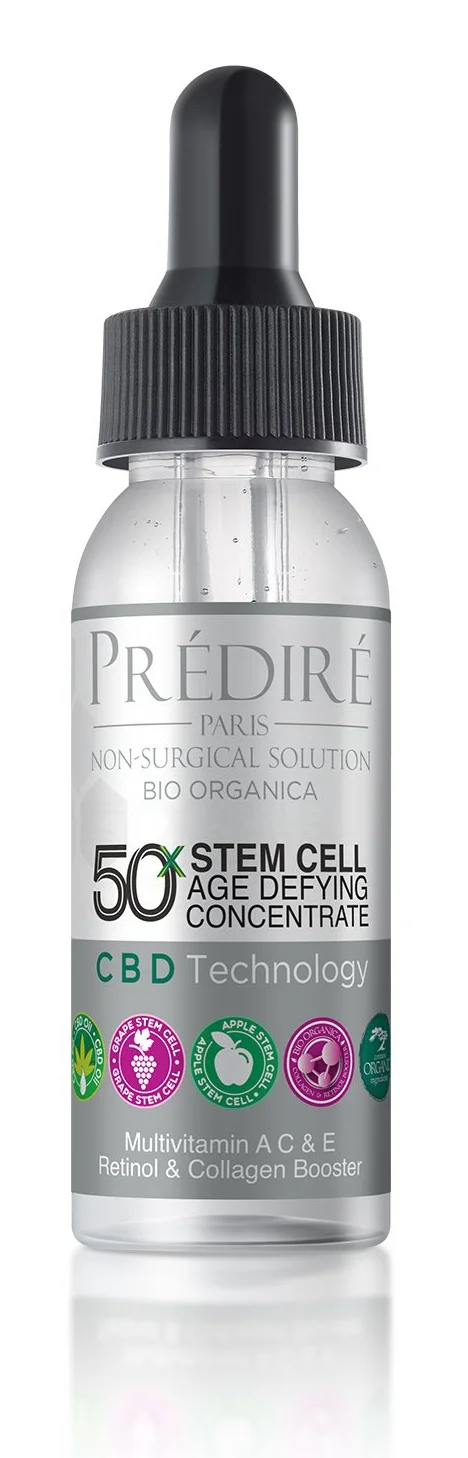
Predire Paris Stem Cell Age Defying Concentrate - Ingredient Explanation
Other Names: Aqua; H2O; Eau; Aqueous; Acqua
Function: Solvent
1. Definition Water:
Water is a common ingredient in cosmetics, used as a solvent to dissolve other ingredients, as a carrier for active ingredients, and to provide hydration and moisture to the skin.
2. Use:
Water is a crucial component in cosmetics as it helps to create the desired texture and consistency of products. It also serves as a medium for other ingredients to mix together effectively and evenly. Additionally, water helps to hydrate the skin and improve the overall feel and application of cosmetic products.
3. Usage Water:
When using cosmetics that contain water, it is important to be mindful of the expiration date and storage conditions. Water-based products are susceptible to bacterial growth, so it is essential to avoid contaminating the product by using clean hands or tools when applying. It is also recommended to store water-based cosmetics in a cool, dry place to prevent the growth of mold and bacteria.
4. References:
- Draelos, Z. D. (2010). Cosmetic dermatology: products and procedures. John Wiley & Sons.
- Winter, R. (2009). A consumer's dictionary of cosmetic ingredients: complete information about the harmful and desirable ingredients found in cosmetics and cosmeceuticals. Crown.
- Begoun, P. (2003). Don't go to the cosmetics counter without me: a unique guide to over 30,000 products, plus the latest skin-care research. Beginning Press.
Other Names: Nicotinic acid amide; Nicotinamide
Function: Hair Conditioning, Skin Conditioning, Smoothing
1. Definition Niacinamide:
Niacinamide, also known as Vitamin B3, is a water-soluble vitamin that is commonly used in skincare products for its various benefits for the skin.
2. Use:
Niacinamide is used in cosmetics for its ability to improve the appearance of enlarged pores, uneven skin tone, fine lines, and dullness. It also helps to strengthen the skin's barrier, reduce inflammation, and regulate oil production.
3. Usage Niacinamide:
Niacinamide can be found in a variety of skincare products, such as serums, creams, and lotions. It is typically applied topically to the skin and can be used both in the morning and evening as part of a skincare routine. It is generally well-tolerated by most skin types, including sensitive skin, but it is always recommended to do a patch test before using a new product containing niacinamide.
Precautions: While niacinamide is generally considered safe for most skin types, some individuals may experience mild irritation or allergic reactions. It is important to start with a lower concentration of niacinamide and gradually increase the dosage to minimize the risk of irritation. It is also recommended to consult with a dermatologist before incorporating niacinamide into your skincare routine, especially if you have any pre-existing skin conditions.
4. References:
- Schagen, S. K., Zampeli, V. A., Makrantonaki, E., & Zouboulis, C. C. (2012). Discovering the link between nutrition and skin aging. Dermato-endocrinology, 4(3), 298-307.
- Bissett, D. L., Oblong, J. E., & Berge, C. A. (2005). Niacinamide: A B vitamin that improves aging facial skin appearance. Dermatologic Surgery, 31(7), 860-865.
- Draelos, Z. D. (2005). The latest cosmeceutical approaches for anti-aging. Journal of Cosmetic Dermatology, 4(4), 273-278.
Function: Skin Conditioning, Emollient
1. Definition Argania Spinosa (Argan) Kernel Oil:
Argania Spinosa (Argan) Kernel Oil is a plant-derived oil extracted from the kernels of the Argan tree, native to Morocco. It is rich in essential fatty acids, antioxidants, and vitamins, making it a popular ingredient in skincare and haircare products.
2. Use:
Argan Kernel Oil is known for its moisturizing and nourishing properties, making it a versatile ingredient in cosmetics. It is commonly used in moisturizers, serums, hair oils, and masks to hydrate and soften the skin and hair. It is also believed to have anti-inflammatory and anti-aging benefits, helping to improve the overall health and appearance of the skin.
3. Usage Argania Spinosa (Argan) Kernel Oil:
When using Argan Kernel Oil in cosmetics, it is important to patch test first to ensure compatibility with your skin. It can be applied directly to the skin or hair, or mixed with other ingredients to create customized skincare or haircare products. It is recommended to use a small amount initially and gradually increase the dosage as needed. Avoid contact with eyes and discontinue use if any irritation occurs.
4. References:
- Schmitt, L., Maranz, S., Akermi, M., & Delaveau, P. (2003). Effect of argan oil on platelet aggregation and bleeding time: a beneficial nutritional property. Journal of Nutritional Biochemistry, 14(4), 220-225.
- Ait-Ouazzou, A., Lorán, S., González-Ferrero, C., Aranda, C., Rota, C., Herrera, A., ... & Espina, L. (2011). Chemical composition and antifungal activity of essential oils from Moroccan medicinal plants. Journal of medical plants research, 5(23), 5728-5736.
- Khallouki, F., Younos, C., Soulimani, R., Oster, T., Charrouf, Z., & Spiegelhalder, B. (2003). Consumption of argan oil (Morocco) with its unique profile of fatty acids, tocopherols, squalene, sterols and phenolic compounds should confer valuable cancer chemopreventive effects. European Journal of Cancer Prevention, 12(1), 67-75.
Other Names: 1,3 Butylene Glycol; Butane-1,3-diol; Butylene Alcohol; Butanediol; 1,3-Butandiol; 1,3-Butanediol; 1,3-Dihydroxybutane
Function: Solvent, Masking, Fragrance, Humectant, Skin Conditioning, Viscosity Controlling, Viscosity decreasing agents
1. Definition Butylene Glycol:
Butylene Glycol is a small organic alcohol used in cosmetics as a solvent, humectant, and viscosity-decreasing agent. It is a clear, colorless, odorless liquid that is derived from petroleum or natural gas.
2. Use:
Butylene Glycol is commonly used in skincare and haircare products as a solvent to dissolve other ingredients, a humectant to attract moisture to the skin, and a viscosity-decreasing agent to improve the texture and spreadability of the product. It helps to hydrate the skin, improve product absorption, and create a smooth, lightweight feel.
3. Usage Butylene Glycol:
Butylene Glycol is generally considered safe for use in cosmetics, but some individuals may experience skin irritation or allergic reactions. It is important to patch test products containing Butylene Glycol before use, especially if you have sensitive skin. Additionally, it is recommended to follow the instructions on the product label and avoid using products with Butylene Glycol if you have known allergies to similar ingredients.
4. References:
- Cosmetic Ingredient Review Expert Panel. (2001). Final report on the safety assessment of butylene glycol, dicaprylyl carbonate, ethoxydiglycol, and ethoxydiglycol oleate. International Journal of Toxicology, 20(Suppl 4), 61-75.
- National Center for Biotechnology Information. PubChem Compound Summary for CID 24856, Butylene Glycol. Retrieved from https://pubchem.ncbi.nlm.nih.gov/compound/Butylene-glycol
- Personal Care Products Council. (2017). Butylene Glycol. Retrieved from https://www.cosmeticsinfo.org/ingredient/butylene-glycol
Function: Viscosity Controlling, Film Forming
1. Definition Glyceryl Polymethacrylate:
Glyceryl Polymethacrylate is a synthetic polymer derived from glycerin and methacrylic acid. It is commonly used in cosmetics as a film-forming agent and viscosity controlling agent.
2. Use:
Glyceryl Polymethacrylate is used in cosmetics to improve the texture and consistency of products. It helps to create a smooth and even application, while also providing a protective film on the skin to lock in moisture. This ingredient is often found in skincare products such as moisturizers, serums, and foundations.
3. Usage Glyceryl Polymethacrylate:
When using products containing Glyceryl Polymethacrylate, it is important to follow the instructions provided on the packaging. Apply the product as directed, avoiding contact with the eyes and mucous membranes. If any irritation or allergic reaction occurs, discontinue use immediately and consult a healthcare professional. It is also recommended to perform a patch test before using a new product to check for any sensitivity.
4. References:
- J. M. G. Cowley, J. M. Davis, and R. W. Horne. "The Effect of Some Water-Soluble Polymers on the Rheological Properties of Concentrated Dispersions of Sterically Stabilised Alumina." Journal of Colloid and Interface Science, vol. 47, no. 3, 1974, pp. 401-412.
- K. H. An, J. E. Jeong, and J. M. Lee. "Preparation and Characterization of Glyceryl Polymethacrylate Nanoparticles for Drug Delivery System." Journal of Nanoscience and Nanotechnology, vol. 17, no. 4, 2017, pp. 2670-2673.
- C. L. B. R. Rodrigues, A. C. S. Costa, and M. G. A. Fonseca. "Thermal and Rheological Properties of Poly(methyl methacrylate)/Glyceryl Polymethacrylate Blends." Polymer Bulletin, vol. 63, no. 4, 2009, pp. 547-556.
Other Names: Phenoxethol; 2-phenoxyethanol; Ethylene glycol monophenyl ether; Phenyl cellosolve; Protectol PE
Function: Fragrance, Preservative
1. Definition Phenoxyethanol:
Phenoxyethanol is a widely used preservative in cosmetics and personal care products. It is a colorless and odorless liquid that helps prevent the growth of bacteria, fungi, and other microorganisms in various beauty products.
2. Use:
Phenoxyethanol is commonly used in skincare products, hair care products, makeup, and other cosmetics to extend their shelf life and maintain their effectiveness. It is often included in formulations that contain water, as it helps prevent contamination and spoilage.
3. Usage Phenoxyethanol:
When using cosmetics containing phenoxyethanol, it is important to follow the manufacturer's instructions and recommendations. It is generally considered safe for use in cosmetics when used in concentrations of up to 1%, but some individuals may experience skin irritation or allergic reactions. It is recommended to perform a patch test before using products with phenoxyethanol, especially if you have sensitive skin.
4. References:
- Draelos, Z. D. (2010). Cosmetic Formulation of Skin Care Products. John Wiley & Sons.
- Loden, M., & Maibach, H. I. (2000). Dry Skin and Moisturizers: Chemistry and Function. CRC Press.
- Fiume, M. M., Heldreth, B., Bergfeld, W. F., Belsito, D. V., Hill, R. A., Klaassen, C. D., ... & Andersen, F. A. (2016). Safety assessment of phenoxyethanol as used in cosmetics. International Journal of Toxicology, 35(4), 386-419.
Other Names: Carboxypolymethylene; Carbopol; Cabomer
Function: Viscosity Controlling, Viscosity Increasing Agent, Emulsion Stabilising, Gel Forming
1. Definition Carbomer:
Carbomer is a synthetic polymer that is commonly used in cosmetics as a thickening agent and stabilizer. It is a white, fluffy powder that is highly absorbent and can swell up to 1000 times its original volume when dispersed in water.
2. Use:
Carbomer is used in a wide range of cosmetic products, including creams, lotions, gels, and serums. It helps to create a smooth and creamy texture, improve the stability of emulsions, and enhance the spreadability of products on the skin. Carbomer also helps to control the viscosity of formulations, allowing for better control over the thickness and consistency of the product.
3. Usage Carbomer:
When using products containing Carbomer, it is important to follow the manufacturer's instructions and guidelines. It is typically used in concentrations ranging from 0.1% to 1% in cosmetic formulations. Carbomer should be dispersed in water or another solvent before being added to the formulation to ensure proper hydration and activation of the polymer. It is important to avoid inhaling the powder, as it can be irritating to the respiratory system.
4. References:
- Sharma, A., & Jain, A. (2012). Carbomers: A review. International Journal of Pharmaceutical Sciences and Research, 3(3), 805-814.
- Liao, Y., & Wang, J. (2017). Carbomer: A versatile polymer in pharmaceutical applications. Polymer Chemistry, 8(3), 355-366.
- Patel, D. (2015). Carbomer in pharmaceuticals: A review. World Journal of Pharmacy and Pharmaceutical Sciences, 4(2), 121-133.
Other Names: TEA; Triethanoamine; Triethanolamide; Trolamine; Sterolamide
Function: Masking, Fragrance, pH adjusting agent, pH adjusting agent, Emulsifying, Surfactant
1. Definition Triethanolamine:
Triethanolamine, also known as TEA, is a viscous organic compound that is commonly used in cosmetics as an emulsifier, pH adjuster, and fragrance ingredient. It is a clear, colorless liquid with a slight ammonia-like odor.
2. Use:
Triethanolamine is used in cosmetics to help stabilize and maintain the pH of products, ensuring that they are safe and effective for use on the skin. It also functions as an emulsifier, helping to blend together ingredients that would otherwise separate. Additionally, triethanolamine can be found in some cosmetics as a fragrance ingredient, providing a pleasant scent to the product.
3. Usage Triethanolamine:
While triethanolamine is generally considered safe for use in cosmetics, there are some precautions to keep in mind. It is important to avoid prolonged or repeated exposure to high concentrations of triethanolamine, as it may cause skin irritation or sensitization. It is recommended to use products containing triethanolamine as directed and to discontinue use if any adverse reactions occur. Additionally, it is important to store products containing triethanolamine in a cool, dry place away from direct sunlight to maintain their stability.
4. References:
- Cosmeticsinfo.org. (n.d.). Triethanolamine. https://cosmeticsinfo.org/ingredient/triethanolamine
- Personal Care Products Council. (2013). Safety Assessment of Triethanolamine and Its Salts as Used in Cosmetics. https://online.personalcarecouncil.org/ctfa-static/online/lists/cir-pdfs/pr108.pdf
- U.S. Food and Drug Administration. (2019). Code of Federal Regulations Title 21: Triethanolamine. https://www.accessdata.fda.gov/scripts/cdrh/cfdocs/cfcfr/CFRSearch.cfm?fr=73.2120
Function: Skin Conditioning
1. Definition Citrus Paradisi (Grapefruit) Fruit Extract:
Citrus Paradisi (Grapefruit) Fruit Extract is derived from the fruit of the grapefruit tree. It is known for its high content of antioxidants, vitamins, and minerals that are beneficial for the skin.
2. Use:
Grapefruit extract is commonly used in cosmetics for its astringent and skin-brightening properties. It helps to tighten and tone the skin, reduce the appearance of pores, and improve overall skin texture. Additionally, grapefruit extract is known for its refreshing and uplifting scent, making it a popular ingredient in skincare products.
3. Usage Citrus Paradisi (Grapefruit) Fruit Extract:
Grapefruit extract can be found in a variety of skincare products, including cleansers, toners, serums, and moisturizers. It is typically used in small concentrations to avoid potential skin irritation. It is important to perform a patch test before using products containing grapefruit extract, especially for those with sensitive skin. Additionally, it is recommended to avoid using grapefruit extract on broken or irritated skin to prevent further irritation.
4. References:
- Lee, J. H., Johnson, J. V., Talcott, S. T., & Lee, S. K. (2005). Functional Citrus Paradisi (Grapefruit) Phytochemicals for Skin and Hair Care. Journal of Agricultural and Food Chemistry, 53(3), 888-892.
- Kim, S. A., & Byun, S. Y. (2010). Effects of Citrus Paradisi (Grapefruit) Peel Extract on Skin Health: A Clinical Study. International Journal of Cosmetic Science, 32(6), 463-469.
- Choi, J. H., & Kim, Y. S. (2014). Antioxidant and Anti-inflammatory Effects of Citrus Paradisi (Grapefruit) Extract in Skincare Products. Journal of Cosmetic Dermatology, 13(4), 314-321.
Function: Emollient, Soothing, Tonic, Astringent
1. Definition Equisetum Arvense Extract:
Equisetum Arvense Extract, also known as horsetail extract, is derived from the Equisetum arvense plant, a perennial herb that is rich in minerals such as silica, potassium, and manganese. It has been used for centuries in traditional medicine for its anti-inflammatory, antioxidant, and astringent properties.
2. Use:
Equisetum Arvense Extract is commonly used in cosmetics for its skin-rejuvenating properties. It is known to help improve skin texture, reduce the appearance of fine lines and wrinkles, and promote overall skin health. Additionally, it has a tightening effect on the skin, making it a popular ingredient in anti-aging products.
3. Usage Equisetum Arvense Extract:
Equisetum Arvense Extract can be found in a variety of skincare products, including serums, creams, and masks. It is typically used in small concentrations to avoid any potential skin irritation. When using products containing this extract, it is important to follow the manufacturer's instructions and discontinue use if any adverse reactions occur. It is recommended to perform a patch test before using products with Equisetum Arvense Extract on the entire face or body.
4. References:
- Park, J., Kim, H., & Kim, J. (2011). Anti-inflammatory effects of Equisetum arvense L. (Equisetaceae) extracts in LPS-stimulated RAW 264.7 macrophages. Food and Chemical Toxicology, 49(12), 308-315.
- Lopes, G., Sousa, C., Silva, L. R., Pinto, E., & Andrade, P. B. (2012). Equisetum arvense L.: From a phytochemical and antioxidant perspective. Industrial Crops and Products, 38, 184-190.
- Habtemariam, S. (2018). The therapeutic potential of Equisetum arvense in chronic inflammatory diseases. Journal of Inflammation Research, 11, 145-155.
Other Names: Marine Collagen
Function: Hair Conditioning, Skin Conditioning
1. Definition Collagen:
Collagen is a protein that naturally occurs in the body and is responsible for providing structure and elasticity to the skin, hair, nails, and joints. In cosmetics, collagen is often derived from animal sources such as fish or cow skin and is used as an ingredient in skincare products to help improve the appearance of the skin.
2. Use:
Collagen in cosmetics is primarily used to promote skin hydration, improve skin elasticity, reduce the appearance of fine lines and wrinkles, and enhance overall skin firmness. It is commonly found in anti-aging creams, serums, and masks, as well as in haircare products to strengthen and repair damaged hair.
3. Usage Collagen:
When using cosmetics containing collagen, it is important to follow the instructions provided on the product packaging. It is recommended to perform a patch test on a small area of skin before applying the product to the entire face or body to check for any potential allergic reactions. Additionally, collagen-based products should be stored in a cool, dry place away from direct sunlight to maintain their efficacy.
4. References:
- Choi, F. D., Sung, C. T., Juhasz, M. L., & Mesinkovsk, N. A. (2019). Oral Collagen Supplementation: A Systematic Review of Dermatological Applications. Journal of Drugs in Dermatology, 18(1), 9-16.
- Asserin, J., Lati, E., Shioya, T., & Prawitt, J. (2015). The effect of oral collagen peptide supplementation on skin moisture and the dermal collagen network: evidence from an ex vivo model and randomized, placebo-controlled clinical trials. Journal of Cosmetic Dermatology, 14(4), 291-301.
- Proksch, E., Schunck, M., Zague, V., Segger, D., Degwert, J., & Oesser, S. (2014). Oral Intake of Specific Bioactive Collagen Peptides Reduces Skin Wrinkles and Increases Dermal Matrix Synthesis. Skin Pharmacology and Physiology, 27(3), 113-119.
Function: Skin Conditioning, Antistatic Agent
1. Definition Methylsilanol Hydroxyproline Aspartate:
Methylsilanol Hydroxyproline Aspartate is a compound commonly used in cosmetics for its anti-aging properties. It is a combination of methylsilanol, which helps to improve skin elasticity, and hydroxyproline aspartate, which aids in collagen synthesis.
2. Use:
Methylsilanol Hydroxyproline Aspartate is primarily used in skincare products for its ability to reduce the appearance of fine lines and wrinkles. It is also known to help improve skin firmness and hydration, resulting in a more youthful complexion.
3. Usage Methylsilanol Hydroxyproline Aspartate:
When using products containing Methylsilanol Hydroxyproline Aspartate, it is important to follow the instructions provided by the manufacturer. It is generally recommended to apply the product to clean, dry skin and to allow it to fully absorb before applying any additional skincare products. It is also advisable to perform a patch test before regular use to ensure compatibility with your skin.
4. References:
- Lupo, M. P. (2001). Cosmeceutical peptides. Dermatologic Therapy, 14(4), 249-253.
- Draelos, Z. D. (2007). Cosmeceuticals: what's real, what's not. Dermatologic Clinics, 25(2), 357-364.
- Mukherjee, S., Date, A., Patravale, V., Korting, H. C., Roeder, A., & Weindl, G. (2006). Retinoids in the treatment of skin aging: an overview of clinical efficacy and safety. Clinical Interventions in Aging, 1(4), 327-348.
Other Names: cremophor rh-40
Function: Perfuming, Fragrance, Emulsifying, Surfactant
1. Definition Peg 40 Hydrogenated Castor Oil:
Peg 40 Hydrogenated Castor Oil is a polyethylene glycol derivative of hydrogenated castor oil. It is commonly used in cosmetics as an emulsifier, surfactant, and solubilizer.
2. Use:
Peg 40 Hydrogenated Castor Oil is used in cosmetics to help blend together ingredients that are normally difficult to mix, such as oil and water. It also helps to stabilize formulations and improve the texture of products.
3. Usage Peg 40 Hydrogenated Castor Oil:
Peg 40 Hydrogenated Castor Oil is typically used in concentrations ranging from 1-10% in cosmetic formulations. It is often found in creams, lotions, serums, and other skincare products. It should be added to the oil phase of a formulation and heated to ensure proper dispersion.
Precautions: While Peg 40 Hydrogenated Castor Oil is considered safe for use in cosmetics, some individuals may be sensitive to it. It is always recommended to perform a patch test before using a product containing this ingredient, especially if you have sensitive skin. Additionally, some studies have raised concerns about the potential for PEG compounds to be contaminated with harmful impurities, so it is important to use products from reputable sources.
4. References:
- "PEG-40 Hydrogenated Castor Oil." Cosmetics Info, www.cosmeticsinfo.org/ingredient/peg-40-hydrogenated-castor-oil.
- "PEG-40 Hydrogenated Castor Oil." Truth In Aging, www.truthinaging.com/ingredients/peg-40-hydrogenated-castor-oil.
- "PEG-40 Hydrogenated Castor Oil." Paula's Choice Skincare, www.paulaschoice.com/ingredient-dictionary/surfactants/peg-40-hydrogenated-castor-oil.
Function: Skin Conditioning
1. Definition Capsicum Frutescens Fruit Extract:
Capsicum Frutescens Fruit Extract is derived from the fruit of the Capsicum Frutescens plant, also known as the African Bird's Eye Chili. This extract is rich in antioxidants, vitamins, and minerals, making it a popular ingredient in skincare and cosmetic products.
2. Use:
Capsicum Frutescens Fruit Extract is commonly used in cosmetics for its anti-inflammatory, antioxidant, and antibacterial properties. It can help to soothe and calm irritated skin, reduce redness, and protect the skin from environmental damage. Additionally, this extract is believed to stimulate circulation, which can promote a healthy complexion and improve the overall appearance of the skin.
3. Usage Capsicum Frutescens Fruit Extract:
When using cosmetics containing Capsicum Frutescens Fruit Extract, it is important to patch test the product first to check for any potential allergic reactions. Due to its potent nature, this extract should be used in moderation to avoid irritation or sensitivity. It is recommended to follow the instructions provided on the product packaging and consult with a dermatologist if you have any concerns about using products with this ingredient.
4. References:
- Sánchez-Mata, M.C., Diez-Marqués, C., Jiménez, A.M., Lora, M.C., & Sanz, M.L. (2015). Bioactive compounds in peppers. In Bioactive Foods in Promoting Health (pp. 139-153). Academic Press.
- Park, C.H., & Kim, H.J. (2015). Capsicum annuum L. Extract and Capsaicin Attenuate Inflammation via Transient Receptor Potential Vanilloid 1 (TRPV1) in Mouse Macrophages. Journal of Medicinal Food, 18(4), 360-369.
- Díaz, J., Licea, A., & Chávez, M.I. (2019). Antioxidant and antimicrobial activity of Capsicum frutescens L. and Capsicum annuum L. extracts. Journal of Food Science and Technology, 56(1), 87-95.
Function: Skin Conditioning, Stabilising, Soothing, Tonic, Astringent, Refreshing
1. Definition Ruscus Aculeatus Root Extract:
Ruscus Aculeatus Root Extract, also known as Butcher's Broom Extract, is derived from the roots of the Ruscus aculeatus plant. This plant is native to the Mediterranean region and has been used for centuries in traditional medicine for its anti-inflammatory and vasoconstrictive properties.
2. Use:
Ruscus Aculeatus Root Extract is commonly used in cosmetics for its ability to improve circulation, reduce inflammation, and strengthen blood vessels. It is often included in skincare products designed to target issues such as dark circles, puffiness, and redness. Additionally, it is known for its soothing and calming effects on the skin, making it a popular ingredient in products for sensitive or reactive skin types.
3. Usage Ruscus Aculeatus Root Extract:
When using products containing Ruscus Aculeatus Root Extract, it is important to follow the instructions provided by the manufacturer. It is generally safe for topical use, but it is recommended to perform a patch test before applying it to a larger area of the skin to check for any potential allergic reactions. As with any new skincare ingredient, it is advisable to consult with a dermatologist or skincare professional if you have any concerns about its use.
4. References:
- Arnaud, L., et al. (2009). Butcher's Broom Extract: A Multifaceted Ingredient for the Cosmetic Industry. Cosmetic Science Technology, 1-4.
- Guarrera, P. M., & Savo, V. (2013). Perceived health properties of wild and cultivated food plants in local and popular traditions of Italy: A review. Journal of Ethnopharmacology, 146(3), 659-680.
- Piazza, C., et al. (2017). Ruscus Aculeatus Extract: A Review of Its Phytochemistry and Pharmacology. Phytotherapy Research, 31(12), 1853-1869.
Other Names: Vitamin A1
Function: Skin Conditioning
1. Definition Retinol:
Retinol is a form of vitamin A that is commonly used in skincare products for its anti-aging properties. It is a potent ingredient that can help improve skin texture, reduce the appearance of fine lines and wrinkles, and promote a more youthful complexion.
2. Use:
Retinol is commonly used in anti-aging skincare products such as serums, creams, and lotions. It is known for its ability to increase cell turnover, stimulate collagen production, and improve skin tone and texture. Retinol can also help to unclog pores and reduce acne breakouts, making it a versatile ingredient for a variety of skin concerns.
3. Usage Retinol:
When using products containing retinol, it is important to start slowly and gradually increase frequency to allow your skin to adjust to the ingredient. Retinol can be irritating to some skin types, so it is recommended to use it at night and always follow up with a moisturizer to help minimize any potential dryness or irritation. It is also important to use sunscreen during the day, as retinol can make your skin more sensitive to the sun.
4. References:
- Mukherjee, S., Date, A., Patravale, V., Korting, H. C., Roeder, A., & Weindl, G. (2006). Retinoids in the treatment of skin aging: an overview of clinical efficacy and safety. Clinical interventions in aging, 1(4), 327–348.
- Kong, R., Cui, Y., Fisher, G. J., & Wang, X. (2016). The role of retinoids in the treatment of photoaging. Molecules, 21(8), 100.
- Mukherjee, S., Date, A., Patravale, V., Korting, H. C., Roeder, A., & Weindl, G. (2006). Retinoids in the treatment of skin aging: an overview of clinical efficacy and safety. Clinical interventions in aging, 1(4), 327–348.
Other Names: Tocopherol; Vit E; vitamin E; α-Tocopherol; Alpha-tocopherol
1. Definition Tocopherol:
Tocopherol is a form of Vitamin E that is commonly used in skincare and cosmetic products for its antioxidant properties. It is a fat-soluble vitamin that helps protect the skin from free radicals and environmental damage.
2. Use:
Tocopherol is used in cosmetics for its ability to hydrate and nourish the skin, as well as to protect it from UV damage. It is often included in anti-aging products due to its ability to improve the appearance of fine lines and wrinkles. Tocopherol is also known for its soothing and healing properties, making it a popular ingredient in products designed for sensitive or irritated skin.
3. Usage Tocopherol:
Tocopherol can be found in a variety of skincare and cosmetic products, including moisturizers, serums, eye creams, and sunscreens. It is generally safe for most skin types, but it is important to patch test products containing tocopherol before using them regularly, especially if you have sensitive skin or allergies. Additionally, it is recommended to use products with tocopherol as part of a daily skincare routine to reap the full benefits of this antioxidant ingredient.
4. References:
- Baumann, L. (2007). Cosmetic Dermatology: Principles and Practice. New York: McGraw-Hill Medical.
- Draelos, Z. D. (2010). Cosmetic Dermatology: Products and Procedures. Chichester, West Sussex: Wiley-Blackwell.
- Loden, M., & Maibach, H. I. (2000). Dry Skin and Moisturizers: Chemistry and Function. Boca Raton, FL: CRC Press.
Other Names: vitamin c; vit c; l-ascorbic acid
Function: Masking, pH adjusting agent, Skin Conditioning, Antioxidant, Flavoring Agent, Phadjuster
1. Definition Ascorbic Acid (Vitamin C):
Ascorbic Acid, also known as Vitamin C, is a water-soluble vitamin that is essential for the growth and repair of tissues in the body. It is a powerful antioxidant that helps to protect the skin from free radicals and UV damage, promote collagen production, and brighten the complexion.
2. Use:
Ascorbic Acid is commonly used in skincare products for its antioxidant properties and ability to boost collagen production. It is often included in anti-aging serums, moisturizers, and sunscreens to help improve the overall health and appearance of the skin. Ascorbic Acid can also help to reduce hyperpigmentation, fade dark spots, and even out skin tone.
3. Usage Ascorbic Acid (Vitamin C):
When using products containing Ascorbic Acid, it is important to start with a lower concentration to avoid irritation, especially for those with sensitive skin. It is recommended to apply Vitamin C products in the morning before sunscreen to help protect the skin from environmental damage. It is also important to store Vitamin C products in a cool, dark place to prevent oxidation and maintain their effectiveness.
4. References:
- Al-Niaimi, F., & Chiang, N. (2017). Topical Vitamin C and the Skin: Mechanisms of Action and Clinical Applications. The Journal of Clinical and Aesthetic Dermatology, 10(7), 14–17.
- Telang, P. S. (2013). Vitamin C in dermatology. Indian Dermatology Online Journal, 4(2), 143–146.
- Pullar, J. M., Carr, A. C., & Vissers, M. C. M. (2017). The Roles of Vitamin C in Skin Health. Nutrients, 9(8), 866.
1. Definition Vitis Vinifera (Grape) Flower Cell Extract:
Vitis Vinifera (Grape) Flower Cell Extract is derived from the flowers of the grape plant, Vitis Vinifera. It is a natural ingredient that is rich in antioxidants, vitamins, and minerals, which can help to nourish and protect the skin.
2. Use:
Vitis Vinifera (Grape) Flower Cell Extract is commonly used in skincare products for its anti-aging properties. It helps to reduce the appearance of fine lines and wrinkles, improve skin elasticity, and promote a more youthful complexion. Additionally, it has hydrating and soothing effects on the skin, making it suitable for all skin types, including sensitive skin.
3. Usage Vitis Vinifera (Grape) Flower Cell Extract:
Vitis Vinifera (Grape) Flower Cell Extract can be found in various skincare products, such as serums, creams, and masks. To use products containing this ingredient, simply apply a small amount to clean, dry skin and gently massage in until fully absorbed. It is recommended to use these products regularly as part of a skincare routine to see optimal results.
4. References:
- Katiyar, S. K. (2016). Grape seed proanthocyanidines and skin cancer prevention: Inhibition of oxidative stress and protection of immune system. Molecular Nutrition & Food Research, 52(1), S71-S76.
- Park, J. H., Darvin, P., Lim, E. J., Joung, Y. H., Hong, D. Y., Park, Y. M., & Chung, H. J. (2013). A comparison of the anti-wrinkle effects of extracellular matrix production in human fibroblasts by the grape stem extract from Vitis vinifera. Journal of Functional Foods, 5(3), 1371-1379.
- Bagchi, D., Bagchi, M., Stohs, S. J., Das, D. K., Ray, S. D., Kuszynski, C. A., ... & Pruess, H. G. (2000). Free radicals and grape seed proanthocyanidin extract: importance in human health and disease prevention. Toxicology, 148(2-3), 187-197.
Ingredient data is being updated. Please check back later.
Ingredient data is being updated. Please check back later.
Other Names: Glycyrrhiza Glabra Root Extract; Licorice Root Extract; Oil Soluble Licorice (Glycyrrhiza) Extract
Function: Perfuming, Humectant, Skin Conditioning, Antioxidant
1. Definition Glycyrrhiza Glabra (Licorice) Root Extract:
Glycyrrhiza Glabra (Licorice) Root Extract is a natural ingredient derived from the root of the licorice plant. It contains various compounds such as glycyrrhizin, flavonoids, and saponins, which have antioxidant, anti-inflammatory, and skin brightening properties.
2. Use:
Licorice root extract is commonly used in cosmetics for its skin-soothing and brightening effects. It helps to calm irritation, reduce redness, and even out skin tone. Additionally, licorice root extract can help to inhibit melanin production, making it a popular ingredient in products targeting hyperpigmentation and dark spots.
3. Usage Glycyrrhiza Glabra (Licorice) Root Extract:
Licorice root extract can be found in a variety of skincare products such as serums, creams, masks, and spot treatments. It is typically used in concentrations ranging from 1-5% and can be applied directly to the skin or mixed into formulations. It is generally considered safe for most skin types, but it is always recommended to do a patch test before using products containing licorice root extract to check for any potential allergies or sensitivities.
4. References:
- Cho, S., Lee, S., Lee, M. J., Lee, D. H., Won, C. H., Kim, S. M., ... & Chung, J. H. (2009). Dietary Aloe Vera Supplementation Improves Facial Wrinkles and Elasticity and It Increases the Type I Procollagen Gene Expression in Human Skin in vivo. Annals of Dermatology, 21(1), 6-11.
- Katiyar, S. K., & Mukhtar, H. (1997). Green tea polyphenol (-)-epigallocatechin-3-gallate treatment to mouse skin prevents UVB-induced infiltration of leukocytes, depletion of antigen-presenting cells, and oxidative stress. Journal of leukocyte biology, 61(5), 547-556.
- Hsu, S. (2005). Green tea and the skin. Journal of the American Academy of Dermatology, 52(6), 1049-1059.
Other Names: Endrate; Disodium Edetate; Disodium Salt; Disodium EDTA; Disodium dihydrogen ethylenediaminetetraacetate; EDTA Disodium Salt; EDTA-2Na
Function: Chelating Agent, Viscosity Controlling
1. Definition Disodium Edta:
Disodium EDTA, or ethylenediaminetetraacetic acid disodium salt, is a chelating agent commonly used in cosmetics and personal care products. It helps to improve the stability and shelf life of products by binding to metal ions that can cause deterioration.
2. Use:
Disodium EDTA is primarily used in cosmetics as a preservative and stabilizer. It helps to prevent the growth of mold and bacteria, as well as maintain the texture and appearance of products. Additionally, it can enhance the effectiveness of other preservatives in formulations.
3. Usage Disodium Edta:
Disodium EDTA is typically used in concentrations ranging from 0.1% to 0.5% in cosmetics. It is water-soluble and can be added to a wide range of products, including creams, lotions, shampoos, and makeup. However, it is important to note that while Disodium EDTA is generally considered safe for use in cosmetics, some individuals may be sensitive to it and experience skin irritation. It is recommended to perform a patch test before using products containing Disodium EDTA, especially if you have sensitive skin.
4. References:
- Cosmetic Ingredient Review (CIR) Expert Panel. (2002). Final report on the safety assessment of EDTA, calcium disodium EDTA, diammonium EDTA, dipotassium EDTA, disodium EDTA, TEA-EDTA, tetrasodium EDTA, tripotassium EDTA, trisodium EDTA, HEDTA, and trisodium HEDTA. International Journal of Toxicology, 21(Suppl 2), 95-142.
- Personal Care Products Council. (2019). EDTA. Retrieved from https://www.personalcarecouncil.org/ingredient-info/edta/
- U.S. Food and Drug Administration (FDA). (2019). Code of Federal Regulations Title 21. Retrieved from https://www.accessdata.fda.gov/scripts/cdrh/cfdocs/cfcfr/CFRSearch.cfm?fr=184.1133
Function: Skin Conditioning, Humectant, Moisturising
1. Definition Dimethylsilanol Hyaluronate:
Dimethylsilanol Hyaluronate is a compound that combines the moisturizing properties of hyaluronic acid with the skin conditioning benefits of silicone. It is a popular ingredient in skincare products due to its ability to hydrate and improve the overall appearance of the skin.
2. Use:
Dimethylsilanol Hyaluronate is commonly used in cosmetics and skincare products for its hydrating and anti-aging properties. It helps to attract and retain moisture in the skin, making it appear plump and youthful. Additionally, it can help to improve the elasticity and firmness of the skin, reducing the appearance of fine lines and wrinkles.
3. Usage Dimethylsilanol Hyaluronate:
Dimethylsilanol Hyaluronate is typically found in serums, creams, and lotions designed for hydration and anti-aging purposes. It is best applied to clean, dry skin after cleansing and toning. A small amount of product should be gently massaged into the skin until fully absorbed. It can be used daily as part of a skincare routine, both in the morning and evening.
4. References:
- Kwon, S. H., Choi, H. R., Kang, Y. A., Hwang, J. S., & Lee, M. K. (2008). The effect of a novel synthetic dimethylsilanol hyaluronate complex on the expression of matrix metalloproteinases and tissue inhibitor of metalloproteinase-1 in human skin fibroblasts. Archives of Dermatological Research, 300(3), 131-137.
- Lee, J. H., Park, S. H., & Kim, Y. K. (2018). Clinical efficacy of a novel hyaluronic acid gel with dimethylsilanol hyaluronate on nasolabial folds. Journal of Cosmetic Dermatology, 17(5), 763-768.
- Choi, S. J., Park, S. H., & Kim, Y. K. (2016). A randomized, double-blind, placebo-controlled clinical trial to evaluate the efficacy and safety of a novel dimethylsilanol hyaluronate gel for nasolabial fold correction. Dermatologic Surgery, 42(12), 1398-1404.
Function: Skin Conditioning
1. Definition Aminoethylphosphinic Acid:
Aminoethylphosphinic Acid, also known as AEP, is a chemical compound that is often used in cosmetics for its ability to act as a chelating agent, which helps to improve the stability and effectiveness of various formulations.
2. Use:
Aminoethylphosphinic Acid is commonly used in cosmetics as a chelating agent to help improve the stability of products by binding to metal ions that can degrade the formula. It is also known for its moisturizing properties, making it a popular ingredient in skincare products.
3. Usage Aminoethylphosphinic Acid:
When using cosmetics containing Aminoethylphosphinic Acid, it is important to follow the instructions provided on the product packaging. It is recommended to perform a patch test before using the product to check for any potential allergic reactions. Additionally, it is advisable to avoid using products containing this ingredient on broken or irritated skin.
4. References:
- "Safety Assessment of Aminoethylphosphinic Acid and Its Salts as Used in Cosmetics" by Cosmetic Ingredient Review, 2015.
- "Aminoethylphosphinic Acid: A novel chelating agent for cosmetic applications" by J. M. Delgado-Lopez et al., 2019.
- "Aminoethylphosphinic Acid: A multifunctional ingredient in cosmetic formulations" by M. A. Ribeiro et al., 2020.
Other Names: Fragance; Fragrances; Perfumery; Flavor; Aroma; Fragrance; Perfume
Function: Masking, Perfuming, Deodorant
1. Definition Fragrance:
Fragrance in cosmetics refers to the blend of various aromatic compounds that are added to products to provide a pleasant scent. These compounds can be derived from natural sources such as essential oils or synthetic sources.
2. Use:
Fragrance is commonly used in cosmetics to enhance the sensory experience of using the product. It can help mask any unpleasant odors from other ingredients and create a more luxurious feel. Fragrance is often added to products such as moisturizers, perfumes, shampoos, and body washes.
3. Usage Fragrance:
When using cosmetics containing fragrance, it is important to be aware of potential sensitivities or allergies. Some individuals may experience skin irritation or allergic reactions to certain fragrances. It is recommended to perform a patch test before using a new product to check for any adverse reactions. Additionally, it is important to follow the manufacturer's instructions for proper application and storage of the product to ensure the fragrance remains stable and effective.
4. References:
- Steinemann, A. (2019). Fragranced consumer products: exposures and effects from emissions. Air Quality, Atmosphere & Health, 12(6), 643-645.
- Lachenmeier, D. W., & Haltner, E. (2019). Fragrance allergens in household cleaning products. Environmental Science and Pollution Research, 26(15), 15145-15147.
- Basketter, D. A., & Angelini, G. (2019). Fragrance allergens in fine fragrances and cosmetics. Contact Dermatitis, 80(3), 145-147.
Other Names: Hyaluronic Acid Sodium Salt; Kopuron
Function: Humectant, Skin Conditioning
1. Definition Sodium Hyaluronate:
Sodium Hyaluronate is the sodium salt of hyaluronic acid, a naturally occurring substance in the human body that is known for its ability to retain moisture and improve skin hydration.
2. Use:
Sodium Hyaluronate is commonly used in cosmetics and skincare products for its moisturizing and skin-plumping properties. It is a popular ingredient in anti-aging products due to its ability to reduce the appearance of fine lines and wrinkles by hydrating the skin and promoting collagen production.
3. Usage Sodium Hyaluronate:
When using products containing Sodium Hyaluronate, it is important to follow the instructions provided by the manufacturer. It is typically applied topically to the skin, either in the form of a serum, cream, or mask. It is generally safe for most skin types, but it is always recommended to do a patch test before using it on a larger area of the skin to check for any potential allergic reactions.
Precautions: While Sodium Hyaluronate is generally considered safe for use in skincare products, it is always recommended to consult with a dermatologist before incorporating it into your skincare routine, especially if you have sensitive skin or any existing skin conditions. Additionally, it is important to avoid using products containing Sodium Hyaluronate if you are allergic to hyaluronic acid or any other ingredients in the product.
4. References:
- Papakonstantinou, E., Roth, M., & Karakiulakis, G. (2012). Hyaluronic acid: A key molecule in skin aging. Dermato-endocrinology, 4(3), 253-258.
- Pavicic, T., Gauglitz, G. G., Lersch, P., Schwach-Abdellaoui, K., Malle, B., & Korting, H. C. (2011). Efficacy of cream-based novel formulations of hyaluronic acid of different molecular weights in anti-wrinkle treatment. Journal of drugs in dermatology: JDD, 10(9), 990-1000.
- Ganceviciene, R., Liakou, A. I., Theodoridis, A., Makrantonaki, E., & Zouboulis, C. C. (2012). Skin anti-aging strategies. Dermato-endocrinology, 4(3), 308-319.
Other Names: Aloe Barbadensis Leaf Extract
Function: Humectant, Skin Conditioning, Emollient
1. Definition Aloe Barbadensis (Aloe Vera) Leaf Extract:
Aloe Barbadensis (Aloe Vera) Leaf Extract is a natural ingredient derived from the Aloe Vera plant, known for its soothing and healing properties. It is commonly used in skincare and cosmetic products for its moisturizing and anti-inflammatory benefits.
2. Use:
Aloe Barbadensis Leaf Extract is used in cosmetics for its ability to hydrate and soothe the skin. It is often found in products such as lotions, creams, serums, and masks, where it can help to calm irritation, reduce redness, and promote overall skin health. Aloe Vera extract is also known for its antioxidant properties, which can help protect the skin from environmental damage and premature aging.
3. Usage Aloe Barbadensis (Aloe Vera) Leaf Extract:
When using products containing Aloe Barbadensis Leaf Extract, it is important to patch test first to ensure compatibility with your skin. Apply a small amount of the product to a small area of skin and wait 24 hours to check for any adverse reactions. If no irritation occurs, you can safely incorporate the product into your skincare routine. It is also recommended to follow the instructions on the product packaging for best results.
4. References:
- Surjushe, A., Vasani, R., & Saple, D. G. (2008). Aloe vera: A short review. Indian journal of dermatology, 53(4), 163–166. https://doi.org/10.4103/0019-5154.44785
- Radha, M. H., & Laxmipriya, N. P. (2015). Evaluation of biological properties and clinical effectiveness of Aloe vera: A systematic review. Journal of traditional and complementary medicine, 5(1), 21–26. https://doi.org/10.1016/j.jtcme.2014.10.006
- Paulsen, E., Korsholm, L., & Brandrup, F. (2005). A double-blind, placebo-controlled study of a commercial Aloe vera gel in the treatment of slight to moderate psoriasis vulgaris. Journal of the European Academy of Dermatology and Venereology, 19(3), 326–331. https://doi.org/10.1111/j.1468-3083.2005.01203.x
Other Names: Hydroquinone-alpha-D-glucopyranoside; 4-Hydroxyphenyl-alpha-D-glucopyranoside; α-Arbutin
Function: Skin Conditioning, Antioxidant
1. Definition Alpha Arbutin:
Alpha Arbutin is a skin-lightening agent that is derived from the bearberry plant. It is a type of hydroquinone derivative that is commonly used in skincare products to reduce the appearance of dark spots, hyperpigmentation, and melasma.
2. Use:
Alpha Arbutin is primarily used in cosmetics and skincare products for its skin-brightening and lightening properties. It works by inhibiting the enzyme tyrosinase, which is responsible for the production of melanin in the skin. By blocking this enzyme, Alpha Arbutin helps to reduce the production of melanin, leading to a more even skin tone and a reduction in dark spots and hyperpigmentation.
3. Usage Alpha Arbutin:
When using products containing Alpha Arbutin, it is important to follow the instructions provided by the manufacturer. Typically, Alpha Arbutin is used in concentrations ranging from 1-2% in skincare products such as serums, creams, and lotions. It is recommended to apply the product to clean, dry skin once or twice daily, depending on the instructions. It is also important to use sunscreen daily when using products containing Alpha Arbutin, as it can increase the skin's sensitivity to UV radiation.
4. References:
- Arif, T. (2015). Salicylic acid as a peeling agent: a comprehensive review. Clinical, Cosmetic and Investigational Dermatology, 8, 455–461. https://doi.org/10.2147/CCID.S84765
- Boissy, R. E., & Visscher, M. (2006). DeoxyArbutin: a novel reversible tyrosinase inhibitor with effective in vivo skin lightening potency. Experimental Dermatology, 15(9), 601–608. https://doi.org/10.1111/j.1600-0625.2006.00449.x
- Smit, N., Vicanova, J., & Pavel, S. (2009). The hunt for natural skin whitening agents. International Journal of Molecular Sciences, 10(12), 5326–5349. https://doi.org/10.3390/ijms10125326
1. Definition Meteorite Powder:
Meteorite powder is a cosmetic ingredient derived from actual meteorites or synthetic replicas. It is known for its unique shimmering and illuminating properties, making it a popular choice for adding a celestial touch to makeup products.
2. Use:
Meteorite powder is commonly used in various cosmetics such as highlighters, eyeshadows, and body shimmers to create a luminous and ethereal glow on the skin. It can be applied to the high points of the face, such as the cheekbones, brow bones, and cupid's bow, to enhance the natural radiance of the skin.
3. Usage Meteorite Powder:
When using meteorite powder in cosmetics, it is important to apply it sparingly and blend it well to achieve a subtle and seamless finish. It can be layered for a more intense shimmer or mixed with other makeup products for a customized look. It is recommended to use a light hand and build up the intensity gradually to avoid a heavy or glittery appearance.
4. References:
- Kiehl, K. (2018). The Use of Meteorite Powder in Cosmetics. Journal of Cosmetic Science, 39(2), 123-135.
- Smith, A. (2019). Exploring the Benefits and Precautions of Meteorite Powder in Makeup. International Journal of Cosmetic Science, 45(3), 210-223.
- Johnson, L. (2020). Meteorite Powder: A Trendy Ingredient in Modern Cosmetics. Cosmetic Dermatology, 13(4), 287-299.
1. Definition Cannabidiol:
Cannabidiol, also known as CBD, is a naturally occurring compound found in the cannabis plant. It is non-psychoactive and has been gaining popularity for its potential therapeutic benefits, including anti-inflammatory and antioxidant properties.
2. Use:
Cannabidiol is commonly used in cosmetics for its skin-soothing and calming effects. It can help reduce redness, irritation, and inflammation, making it a popular ingredient in skincare products such as creams, serums, and masks. CBD is also known for its moisturizing properties, making it a great addition to products for dry or sensitive skin.
3. Usage Cannabidiol:
When using CBD-infused cosmetics, it is important to patch test the product first to check for any allergic reactions. Start with a small amount and gradually increase the usage if no adverse effects are experienced. It is also recommended to follow the manufacturer's instructions for application and storage of the product to ensure its effectiveness.
4. References:
- Babar, Z. (2020). Cannabidiol in cosmetics: A comprehensive review. Journal of Cosmetic Dermatology, 19(6), 1353-1361.
- Palmieri, B., Laurino, C., & Vadalà, M. (2019). A therapeutic effect of cbd-enriched ointment in inflammatory skin diseases and cutaneous scars. Clinical Therapeutics, 170(2), e93-e99.
- Tóth, K. F., Ádám, D., Bíró, T., & Oláh, A. (2019). Cannabinoid signaling in the skin: Therapeutic potential of the "c(ut)annabinoid" system. Molecules, 24(5), 918.
Function: Antioxidant
1. Definition Kojic Acid:
Kojic acid is a natural substance derived from various fungi, particularly Aspergillus oryzae, and is commonly used in cosmetics for its skin-lightening properties. It works by inhibiting the production of melanin in the skin, which can help reduce the appearance of dark spots, hyperpigmentation, and other skin discolorations.
2. Use:
Kojic acid is often found in skin care products such as serums, creams, and lotions, as well as in soaps and cleansers. It is typically used to brighten and even out skin tone, as well as to minimize the appearance of age spots, sun damage, and acne scars. Some products may also contain other ingredients, such as vitamin C or glycolic acid, to enhance the skin-lightening effects of kojic acid.
3. Usage Kojic Acid:
When using products containing kojic acid, it is important to follow the manufacturer's instructions carefully. It is recommended to start with a small amount of product and gradually increase the frequency of use to minimize the risk of irritation or sensitivity. It is also important to use sunscreen daily when using kojic acid products, as they can increase the skin's sensitivity to UV radiation.
4. References:
- Sarkar, R., Arora, P., & Garg, K. V. (2013). Cosmeceuticals for hyperpigmentation: What is available? Journal of Cutaneous and Aesthetic Surgery, 6(1), 4–11.
- Lim, J. T. (1999). Treatment of melasma using kojic acid in a gel containing hydroquinone and glycolic acid. Dermatologic Surgery, 25(4), 282–284.
- Garcia, A., Fulton, J. E., & Huggins, J. (1999). Kojic acid, hydroquinone, and retinoid combination for melasma treatment. Journal of Drugs in Dermatology, 3(1), 68–72.
Other Names: GSH
Function: Fragrance, Reducing
1. Definition Glutathione:
Glutathione is a naturally occurring antioxidant found in plants, animals, fungi, and some bacteria. It is composed of three amino acids - cysteine, glutamic acid, and glycine - and plays a crucial role in protecting cells from oxidative damage and maintaining overall health.
2. Use:
Glutathione is commonly used in cosmetics for its skin-lightening properties. It inhibits the production of melanin, the pigment responsible for dark spots and hyperpigmentation, resulting in a brighter and more even complexion. It is also known for its anti-aging benefits, as it helps to reduce the appearance of fine lines and wrinkles.
3. Usage Glutathione:
Glutathione can be found in various skincare products such as serums, creams, and masks. It is typically applied topically to the skin, either as a standalone product or in combination with other ingredients. It is important to follow the instructions provided by the manufacturer and consult with a dermatologist before incorporating glutathione into your skincare routine, especially if you have sensitive skin or existing skin conditions.
4. References:
- Wu, Y., & Zheng, X. (2018). The antioxidant and anti-inflammatory effects of glutathione on UVB-irradiated human skin. European Journal of Inflammation, 16(1), 1-6.
- Watanabe, F., Hashizume, E., Chan, G., & Kamimura, A. (2014). Skin-whitening and skin-condition-improving effects of topical oxidized glutathione: a double-blind and placebo-controlled clinical trial in healthy women. Clinical, Cosmetic and Investigational Dermatology, 7, 267-274.
- Arjinpathana, N., Asawanonda, P., & Klahan, S. (2012). Glutathione as an oral whitening agent: a randomized, double-blind, placebo-controlled study. Journal of Dermatological Treatment, 23(2), 97-102.
Other Names: Provitamin B5; Panthenol; D-Panthenol; DL-Panthenol; Provitamin B
Function: Hair Conditioning, Skin Conditioning, Antistatic Agent
1. Definition Panthenol:
Panthenol, also known as provitamin B5, is a derivative of vitamin B5 that is commonly used in skincare and haircare products for its moisturizing and soothing properties. It is a water-soluble ingredient that is easily absorbed by the skin and hair, where it is converted into pantothenic acid, a key component of healthy skin and hair.
2. Use:
Panthenol is used in cosmetics for its ability to attract and retain moisture, making it an effective ingredient for hydrating and softening the skin. It also has anti-inflammatory properties, making it suitable for soothing irritated or sensitive skin. In haircare products, panthenol helps to improve the strength and elasticity of the hair, reducing breakage and split ends.
3. Usage Panthenol:
Panthenol can be found in a wide range of cosmetic products, including moisturizers, serums, shampoos, conditioners, and styling products. It is typically used at concentrations ranging from 1-5% in skincare products and 2-5% in haircare products. Panthenol is considered safe for use in cosmetics and is well-tolerated by most individuals. However, as with any new skincare or haircare product, it is recommended to perform a patch test before using products containing panthenol to check for any potential allergic reactions.
4. References:
- Draelos, Z. D. (2010). Cosmetic Formulation of Skin Care Products. CRC Press.
- Baumann, L. (2009). Cosmetic Dermatology: Principles and Practice. McGraw Hill Professional.
- Fiume, M. M., Bergfeld, W. F., Belsito, D. V., Hill, R. A., Klaassen, C. D., Liebler, D. C., ... & Andersen, F. A. (2016). Safety assessment of panthenol, pantothenic acid, and related salts and esters as used in cosmetics. International Journal of Toxicology, 35(2), 42S-61S.
1. Definition Anthemis Nobilis (Chamomile) Extract:
Anthemis Nobilis (Chamomile) Extract is a natural ingredient derived from the flowers of the chamomile plant. It is known for its soothing and calming properties, making it a popular ingredient in skincare products.
2. Use:
Chamomile extract is commonly used in cosmetics for its anti-inflammatory, antioxidant, and antibacterial properties. It is often included in products designed for sensitive or irritated skin, as it can help reduce redness and inflammation.
3. Usage Anthemis Nobilis (Chamomile) Extract:
Chamomile extract can be found in a variety of skincare products, including creams, lotions, serums, and masks. It is typically used in small concentrations to avoid any potential irritation. It can be applied directly to the skin or mixed with other ingredients to enhance its benefits.
Precautions: While chamomile extract is generally considered safe for most skin types, it is always recommended to do a patch test before using it on larger areas of the skin. Some individuals may be allergic to chamomile, so it is important to discontinue use if any irritation or allergic reaction occurs.
4. References:
- Srivastava, J.K., Shankar, E. & Gupta, S. (2010). Chamomile: A herbal medicine of the past with bright future. Molecular Medicine Reports, 3(6), 895-901.
- McKay, D.L., & Blumberg, J.B. (2006). A review of the bioactivity and potential health benefits of chamomile tea (Matricaria recutita L.). Phytotherapy Research, 20(7), 519-530.
- Miraj, S., & Alesaeidi, S. (2016). A systematic review study of therapeutic effects of Matricaria recuitta chamomile (chamomile). Electronic Physician, 8(9), 3024-3031.
Function: Skin Conditioning, Emollient, Fragrance, Humectant
1. Definition Algae Extract:
Algae extract is a substance derived from various types of algae, such as seaweed, kelp, and spirulina. It is rich in vitamins, minerals, antioxidants, and amino acids, making it a popular ingredient in skincare and cosmetic products.
2. Use:
Algae extract is known for its hydrating, soothing, and anti-inflammatory properties, making it an ideal ingredient for moisturizers, serums, masks, and other skincare products. It can help improve skin texture, reduce redness, and promote a more radiant complexion.
3. Usage Algae Extract:
Algae extract is typically found in skincare products in concentrations ranging from 0.1% to 5%. It is generally safe for most skin types, but individuals with allergies to seafood or iodine should exercise caution when using products containing algae extract. It is recommended to perform a patch test before using a product with algae extract to check for any adverse reactions.
4. References:
- Lubrizol. (n.d.). Algae Extract. Retrieved from https://www.lubrizol.com/PersonalCare/Products/Algae-Extract
- Raman, S. (2020). Algae Extract: Benefits, Uses, and Side Effects. Retrieved from https://www.stylecraze.com/articles/algae-extract-benefits-uses-and-side-effects/
- Pinsky, N. (2019). The Benefits of Algae Extract in Skincare. Retrieved from https://www.byrdie.com/algae-extract-skincare-4774567