


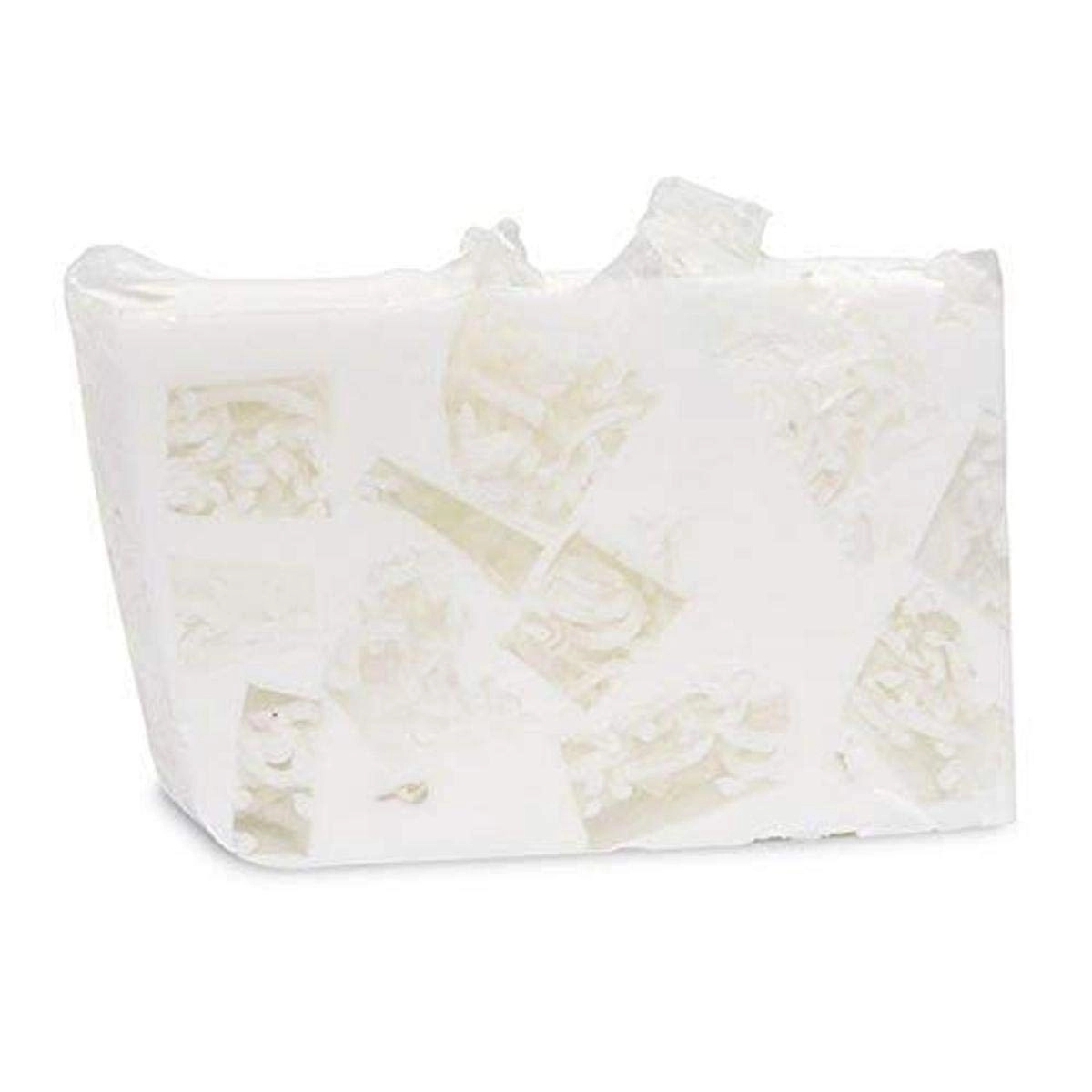
Analysis locked
How well does your skin match with Primal Elements Coconut Soap?
Login to see detailsOr continue via
Quick 1-minute survey • Completely free
Ingredients
Analysis results of Ingredients


Ingredient List
| EWG | CIR | Ingredient Name & Cosmetic Function | Notes |
|---|---|---|---|
| 1 2 | A | (Solvent, Perfuming, Fragrance, Humectant, Viscosity Decreasing Agent, Hair Conditioning, Skin Protecting, Denaturant ) |  |
| 4 | - | | |
| 4 | - | | |
| 1 | - | |
Primal Elements Coconut Soap - Ingredient Explanation
Glycerin
1. Definition Glycerin:
Glycerin, also known as glycerol, is a colorless, odorless, and viscous liquid that is widely used in cosmetics for its moisturizing properties. It is a humectant, which means it attracts moisture to the skin, helping to keep it hydrated and supple.
2. Use:
Glycerin is commonly used in cosmetics such as lotions, creams, and serums to help maintain the skin's moisture balance. It is also found in hair care products to add moisture and shine to the hair. Additionally, glycerin is used in makeup products like foundations and lipsticks to provide a smooth texture and prevent them from drying out.
3. Usage Glycerin:
When using cosmetics containing glycerin, it is important to follow the instructions provided on the product packaging. Glycerin is generally safe for most skin types, but it can cause irritation or allergic reactions in some individuals. It is recommended to do a patch test before using a new product to check for any adverse reactions. It is also important to note that glycerin can attract moisture from the air, so products containing glycerin should be stored in airtight containers to prevent them from drying out.
4. References:
- Draelos, Z. D. (2010). Cosmetic Formulation of Skin Care Products. John Wiley & Sons.
- Loden, M., & Maibach, H. I. (2006). Dry Skin and Moisturizers: Chemistry and Function. CRC Press.
- Winter, R. (2009). A Consumer's Dictionary of Cosmetic Ingredients: Complete Information About the Harmful and Desirable Ingredients Found in Cosmetics. Harmony.
Unspecified Oils
1. Definition Unspecified Oils:
Unspecified oils in cosmetics refer to oils that are not specifically identified or labeled with a particular type or source. These oils may be a blend of different oils or simply listed as "oil" on the ingredient list.2. Use:
Unspecified oils are commonly used in cosmetics as emollients, moisturizers, and carriers for other active ingredients. They help to hydrate and soften the skin, improve the texture of products, and enhance the overall performance of the formulation.3. Usage Unspecified Oils:
When using cosmetics containing unspecified oils, it is important to be aware of any potential allergies or sensitivities to certain oils. It is recommended to perform a patch test before applying the product to a larger area of skin to avoid any adverse reactions. Additionally, individuals with oily or acne-prone skin may want to use products with unspecified oils sparingly to prevent clogged pores and breakouts.4. References:
- Fiume, M. M., et al. (2013). Safety assessment of glycerin as used in cosmetics. International Journal of Toxicology, 32(5S), 59S-83S.
- Loden, M. (2003). Role of topical emollients and moisturizers in the treatment of dry skin barrier disorders. American Journal of Clinical Dermatology, 4(11), 771-788.
- Draelos, Z. D. (2012). The science behind skin-care products. Journal of Cosmetic Dermatology, 11(4), 247-253.
Unspecified Herbs
1. Definition Unspecified Herbs:
Unspecified herbs in cosmetics refer to various plant-based ingredients that are used in skincare, haircare, and other cosmetic products without specifying the exact herb or plant they come from. These herbs are often included in formulations for their beneficial properties, such as soothing, hydrating, or antioxidant effects.2. Use:
Unspecified herbs in cosmetics are commonly used to enhance the efficacy of skincare and haircare products. They can provide natural alternatives to synthetic ingredients and offer various benefits for the skin and hair. These herbs may be included in products such as creams, lotions, serums, shampoos, and conditioners to improve overall skin and hair health.3. Usage Unspecified Herbs:
When using cosmetics containing unspecified herbs, it is important to follow the instructions provided on the product packaging. It is recommended to perform a patch test before applying the product to a larger area of skin to check for any potential allergic reactions or sensitivities. It is also advisable to consult with a dermatologist or skincare professional if you have any concerns or specific skin conditions.4. References:
- Rathi, V., Rathi, J. C., & Tamizharasi, S. (2012). Herbal cosmetics: used for skin and hair. International Journal of Pharma and Bio Sciences, 3(1), 675-685.
- Khatoon, S., Singh, A., & Tomar, P. (2016). Herbal cosmetics: A review. International Journal of Pharmaceutical Sciences and Research, 7(3), 1042-1050.
- Patwardhan, B., Warude, D., Pushpangadan, P., & Bhatt, N. (2005). Ayurveda and traditional Chinese medicine: A comparative overview. Evidence-Based Complementary and Alternative Medicine, 2(4), 465-473.
Soap
1. Definition Soap:
Soap in cosmetics refers to a cleansing agent that is made from the combination of fats or oils with an alkali substance, such as sodium hydroxide or potassium hydroxide. It is used to remove dirt, oil, and impurities from the skin and hair.2. Use:
Soap in cosmetics is primarily used as a cleansing agent to remove dirt, oil, and impurities from the skin and hair. It helps to unclog pores, prevent acne breakouts, and maintain overall skin health. Soap can also be used to cleanse the scalp and hair, promoting a healthy scalp and shiny, clean hair.3. Usage Soap:
When using soap in cosmetics, it is important to wet the skin or hair with warm water before applying the soap. Gently massage the soap onto the skin or hair in circular motions, being careful not to scrub too harshly. Rinse thoroughly with warm water to remove all traces of soap. It is recommended to follow up with a moisturizer to prevent dryness and maintain skin hydration.Precautions: Some soaps may contain harsh ingredients that can irritate sensitive skin or cause allergic reactions. It is important to patch test a small amount of soap on a small area of skin before using it all over the body. Avoid getting soap in the eyes, as it can cause irritation and discomfort. If irritation occurs, discontinue use and consult a dermatologist.
4. References:
- Draelos, Z. D. (2010). Cosmetics in dermatology. CRC Press.
- Mukherjee, S., & Rastogi, R. (2009). Cosmetics: Formulation, manufacturing, and quality control. Elsevier Health Sciences.
- Winter, R. (2009). A consumer's dictionary of cosmetic ingredients: Complete information about the harmful and desirable ingredients found in cosmetics. Crown.
Review

Didn't find
the information you need?




Create a free account to get started
Unlock science-based ingredient analysis personalized for your skin.
Already have an account? Log in
We protect your privacy. We never send spam.