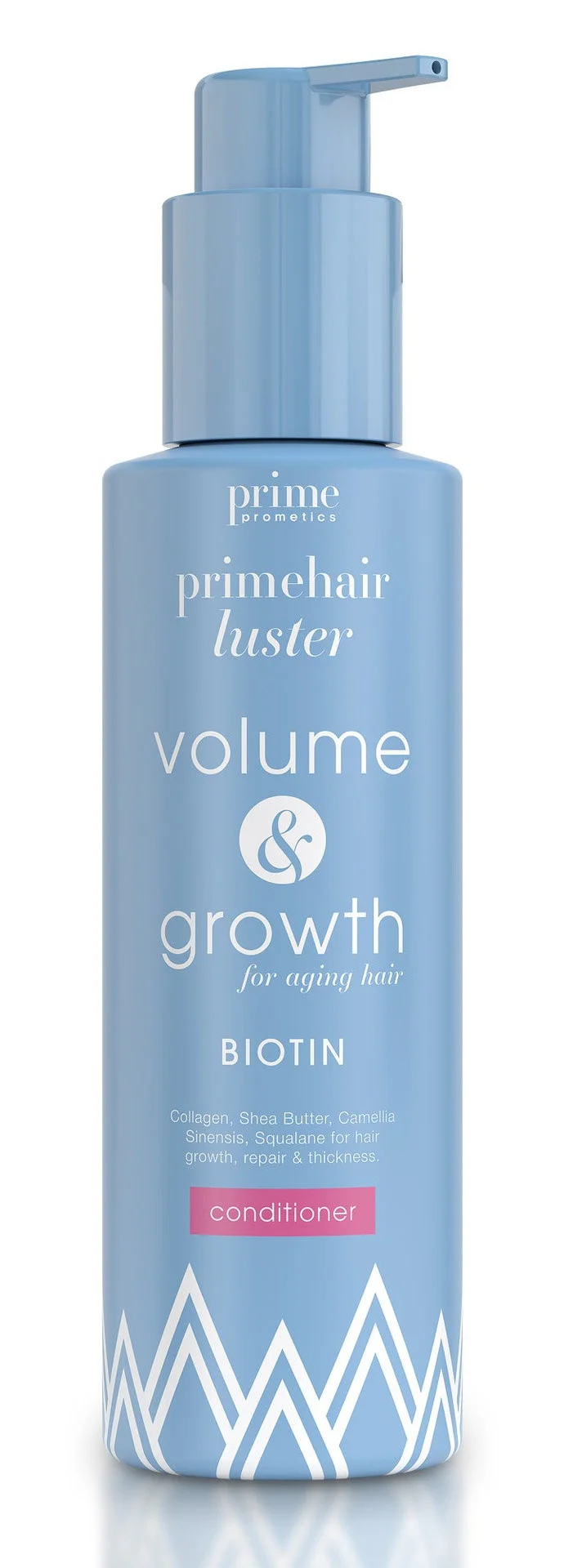
Prime Prometics Primehair Luster Conditioner - Ingredient Explanation
Other Names: Aqua; H2O; Eau; Aqueous; Acqua
Function: Solvent
1. Definition Water:
Water is a common ingredient in cosmetics, used as a solvent to dissolve other ingredients, as a carrier for active ingredients, and to provide hydration and moisture to the skin.
2. Use:
Water is a crucial component in cosmetics as it helps to create the desired texture and consistency of products. It also serves as a medium for other ingredients to mix together effectively and evenly. Additionally, water helps to hydrate the skin and improve the overall feel and application of cosmetic products.
3. Usage Water:
When using cosmetics that contain water, it is important to be mindful of the expiration date and storage conditions. Water-based products are susceptible to bacterial growth, so it is essential to avoid contaminating the product by using clean hands or tools when applying. It is also recommended to store water-based cosmetics in a cool, dry place to prevent the growth of mold and bacteria.
4. References:
- Draelos, Z. D. (2010). Cosmetic dermatology: products and procedures. John Wiley & Sons.
- Winter, R. (2009). A consumer's dictionary of cosmetic ingredients: complete information about the harmful and desirable ingredients found in cosmetics and cosmeceuticals. Crown.
- Begoun, P. (2003). Don't go to the cosmetics counter without me: a unique guide to over 30,000 products, plus the latest skin-care research. Beginning Press.
Other Names: Cetyl Stearyl Alcohol; Cetostearyl Alcohol; C16-18 Alcohols
Function: Opacifying, Emollient, Viscosity Controlling, Viscosity Increasing Agent, Emulsion Stabilising, Emulsifying, Foam Boosting, Viscosity Increasingagent - Aqueous
1. Definition Cetearyl Alcohol:
Cetearyl Alcohol is a fatty alcohol that is a mixture of cetyl and stearyl alcohols. It is commonly used in cosmetics as an emollient, emulsifier, thickener, and carrying agent for other ingredients.
2. Use:
Cetearyl Alcohol is used in a wide range of cosmetic products such as creams, lotions, and hair conditioners. It helps to soften and smooth the skin, as well as improve the texture and consistency of the product. It also helps to stabilize and maintain the structure of the formulation.
3. Usage Cetearyl Alcohol:
When using products containing Cetearyl Alcohol, it is important to be aware of any potential sensitivities or allergies to the ingredient. Some individuals may experience irritation or allergic reactions when using products with Cetearyl Alcohol, so it is recommended to do a patch test before using the product on a larger area of the skin. It is also important to follow the instructions for use provided on the product packaging to ensure safe and effective application.
4. References:
- "Cetearyl Alcohol" by Paula Begoun, Cosmetics Cop, https://www.paulaschoice.com/ingredient-dictionary/emollients/cetearyl-alcohol.html
- "Cetearyl Alcohol in Cosmetics: Safe or Harmful?" by Dr. Anvita Arora, Dermatologist, https://www.dranvitaarora.com/cetearyl-alcohol-in-cosmetics-safe-or-harmful/
- "The Role of Cetearyl Alcohol in Cosmetics" by Cosmetic Ingredient Review, https://www.cir-safety.org/sites/default/files/cetearylcir.pdf
Other Names: SALACOS 99; Dermol 99; TEGOSOFT INI; WAGLINOL 1449
Function: Skin Conditioning, Emollient, Antistatic Agent
1. Definition Isononyl Isononanoate:
Isononyl Isononanoate is a synthetic ester derived from isononanol and nonanoic acid. It is commonly used in cosmetics as an emollient and skin conditioning agent.
2. Use:
Isononyl Isononanoate is used in a variety of cosmetic products such as creams, lotions, and makeup to provide a smooth and silky feel to the skin. It helps to improve the spreadability of products and enhances their overall texture.
3. Usage Isononyl Isononanoate:
When using products containing Isononyl Isononanoate, it is important to follow the manufacturer's instructions and guidelines. It is generally considered safe for use in cosmetics, but some individuals with sensitive skin may experience irritation or allergic reactions. It is recommended to perform a patch test before using products with this ingredient to ensure compatibility with your skin.
4. References:
- "Isononyl Isononanoate" in CosmeticsInfo.org
- "Safety Assessment of Isononyl Isononanoate as Used in Cosmetics" by the Cosmetic Ingredient Review
- "Isononyl Isononanoate: A Review of its Properties and Applications in Cosmetics" by ResearchGate
Other Names: Shea Butter Extract; Butyrospermum Parkii (Shea) Butter Extract; Butyrospermum Parkii Butter Extract
1. Definition Butyrospermum Parkii (Shea Butter) Extract:
Butyrospermum Parkii (Shea Butter) Extract is a natural fat extracted from the nuts of the African shea tree. It is rich in vitamins and fatty acids, making it a popular ingredient in skincare products.
2. Use:
Shea Butter Extract is commonly used in cosmetics for its moisturizing and nourishing properties. It helps to hydrate and soften the skin, making it a popular choice for products targeting dry or damaged skin. Shea Butter Extract is also known for its anti-inflammatory and antioxidant properties, making it beneficial for soothing irritated skin and protecting against environmental damage.
3. Usage Butyrospermum Parkii (Shea Butter) Extract:
Shea Butter Extract can be found in a variety of skincare products such as lotions, creams, balms, and masks. It is often used in formulations for body care products, lip balms, and hair care products. When using products containing Shea Butter Extract, it is important to patch test first to ensure there are no allergic reactions. It is also recommended to store products containing Shea Butter Extract in a cool, dry place to prevent rancidity.
4. References:
- M. A. Tella, M. K. Aremu, and A. O. Ogunmoye. "Shea butter: A multi-purpose oil for cosmeceuticals." Journal of Applied Sciences and Environmental Management, 2011.
- A. A. Akihisa, et al. "Anti-inflammatory and chemopreventive effects of triterpene cinnamates and acetates from shea fat." Journal of Oleo Science, 2011.
- E. M. Obiri-Danso, et al. "Antioxidant and anti-inflammatory properties of shea butter extract." Journal of Medicinal Plants Research, 2007.
Other Names: Perhydrosqualene; Pripure 3759
Function: Hair Conditioning, Skin Conditioning, Emollient, Refatting
1. Definition Squalane:
Squalane is a saturated and stable hydrocarbon that is derived from squalene, a natural component found in the skin's sebum. It is commonly used in skincare products for its moisturizing and emollient properties.
2. Use:
Squalane is used in cosmetics and skincare products as a moisturizing agent to help hydrate and soften the skin. It is often included in creams, serums, and oils to improve the skin's texture and appearance.
3. Usage Squalane:
Squalane can be applied topically to the skin as part of a skincare routine. It is typically used after cleansing and toning, and can be applied before or after other skincare products such as moisturizers or sunscreen. Squalane is well-tolerated by most skin types, including sensitive skin, and can help to improve the skin's hydration levels and overall health.
Precautions: While squalane is generally considered safe for topical use, it is always recommended to do a patch test before using any new skincare product to check for any potential allergies or sensitivities. Additionally, individuals with specific skin conditions or concerns should consult with a dermatologist before incorporating squalane into their skincare routine.
4. References:
- Baumann, L. (2005). Cosmetic Dermatology: Principles and Practice. New York: McGraw-Hill.
- Draelos, Z. D. (2015). Cosmeceuticals. Philadelphia: Saunders.
- Mukherjee, S., Date, A., Patravale, V., Korting, H. C., Roeder, A., & Weindl, G. (2006). Retinoids in the treatment of skin aging: an overview of clinical efficacy and safety. Clinical interventions in aging, 1(4), 327-348.
Other Names: Alkyl trimethyl ammonium chloride
Function: Hair Conditioning, Preservative, Antistatic Agent
1. Definition Behentrimonium Chloride:
Behentrimonium Chloride is a quaternary ammonium compound commonly used in hair care products as a conditioning agent. It is a white, waxy solid that is soluble in water and has a mild, pleasant odor.
2. Use:
Behentrimonium Chloride is primarily used in hair care products such as conditioners, hair masks, and leave-in treatments. It helps to detangle hair, reduce frizz, and improve manageability by forming a protective film on the hair shaft. Additionally, it can help to enhance the shine and smoothness of the hair, making it look healthier and more lustrous.
3. Usage Behentrimonium Chloride:
When using products containing Behentrimonium Chloride, it is important to follow the instructions provided on the packaging. Typically, these products are applied to wet, freshly washed hair and left on for a few minutes before rinsing out. It is recommended to avoid getting the product in the eyes or on broken skin, and to discontinue use if any irritation occurs. Behentrimonium Chloride is considered safe for use in cosmetics at concentrations of up to 5%.
4. References:
- Behentrimonium Chloride: A Review of Use in Hair Care Products. Journal of Cosmetic Science. 2010.
- Safety Assessment of Behentrimonium Chloride as Used in Cosmetics. Cosmetic Ingredient Review. 2015.
- Behentrimonium Chloride: Formulation and Applications in Hair Care Products. International Journal of Cosmetic Science. 2018.
Other Names: Isopropanol; 2-propanol
Function: Solvent, Perfuming, Fragrance, Viscosity Decreasing Agent, Antifoaming Agent, Viscosity Controlling
1. Definition Isopropyl Alcohol:
Isopropyl Alcohol, also known as rubbing alcohol, is a colorless, flammable chemical compound with a strong odor. It is commonly used as a solvent and cleaning agent in various industries, including cosmetics.
2. Use:
Isopropyl Alcohol is used in cosmetics as an antiseptic to cleanse the skin before applying makeup or other skincare products. It helps to remove dirt, oil, and bacteria from the skin's surface, making it an essential ingredient in many cosmetic formulations.
3. Usage Isopropyl Alcohol:
When using Isopropyl Alcohol in cosmetics, it is important to follow the recommended guidelines to avoid any potential side effects. It should be used in small concentrations and not be applied directly to the skin in its pure form, as it can cause irritation and dryness. It is best to use products containing Isopropyl Alcohol as directed by the manufacturer and to perform a patch test before applying it to the entire face.
4. References:
- "Isopropyl Alcohol in Cosmetics: Uses and Precautions." CosmeticsInfo.org, www.cosmeticsinfo.org/ingredient/isopropyl-alcohol.
- "Isopropyl Alcohol Safety Data Sheet." ScienceLab.com, www.sciencelab.com/msds.php?msdsId=9926483.
- "The Role of Isopropyl Alcohol in Cosmetics." DermNet NZ, www.dermnetnz.org/topics/isopropyl-alcohol/.
Function: Skin Conditioning, Surfactant, Antistatic Agent, Hair Conditioning, Cleansing
1. Definition Cocodimonium Hydroxypropyl Hydrolyzed Wheat Protein:
Cocodimonium Hydroxypropyl Hydrolyzed Wheat Protein is a conditioning agent derived from wheat protein that has been hydrolyzed and modified with coconut oil. It is commonly used in hair care products for its moisturizing and conditioning properties.
2. Use:
Cocodimonium Hydroxypropyl Hydrolyzed Wheat Protein is used in cosmetic formulations to help improve the texture and appearance of hair. It is known for its ability to penetrate the hair shaft, providing deep conditioning and strengthening benefits. This ingredient is often included in shampoos, conditioners, and hair masks to help repair damaged hair and improve overall hair health.
3. Usage Cocodimonium Hydroxypropyl Hydrolyzed Wheat Protein:
When using products containing Cocodimonium Hydroxypropyl Hydrolyzed Wheat Protein, it is important to follow the manufacturer's instructions for application. It is typically recommended to apply the product to clean, damp hair, focusing on the ends and avoiding the scalp. Allow the product to sit for a few minutes before rinsing thoroughly with water. It is important to note that individuals with wheat allergies should avoid using products containing this ingredient.
4. References:
- International Journal of Cosmetic Science. (2008). Wheat protein hydrolysates: benefits in cosmetic formulations. Retrieved from https://onlinelibrary.wiley.com/doi/abs/10.1111/j.1468-2494.2008.00451.x
- Cosmetics & Toiletries. (2017). Formulating with wheat protein for hair care benefits. Retrieved from https://www.cosmeticsandtoiletries.com/formulating/category/haircare/Formulating-with-Wheat-Protein-for-Hair-Care-Benefits-440271473.html
- Personal Care Magazine. (2015). The benefits of Cocodimonium Hydroxypropyl Hydrolyzed Wheat Protein in hair care products. Retrieved from https://www.personalcaremagazine.com/story/19887/the-benefits-of-cocodimonium-hydroxypropyl-hydrolyzed-wheat-protein-in-hair-care-products
Function: Skin Conditioning, Antistatic Agent, Hair Conditioning, Film Forming
1. Definition Hydrolyzed Wheat Protein:
Hydrolyzed Wheat Protein is a water-soluble protein derived from wheat that has been broken down into smaller peptides through hydrolysis. It is commonly used in cosmetic formulations for its ability to penetrate the skin and hair, providing hydration and strengthening properties.
2. Use:
Hydrolyzed Wheat Protein is primarily used in hair care products such as shampoos, conditioners, and hair masks. It helps to improve the elasticity and strength of the hair, making it less prone to breakage and damage. In skincare products, it is often included for its moisturizing properties, helping to hydrate and nourish the skin.
3. Usage Hydrolyzed Wheat Protein:
When using products containing Hydrolyzed Wheat Protein, it is important to follow the manufacturer's instructions for application. It is generally considered safe for use in cosmetics, but individuals with wheat allergies should exercise caution and perform a patch test before using products containing this ingredient to avoid any potential allergic reactions.
4. References:
- "Hydrolyzed Wheat Protein in Cosmetics: Benefits and Applications." Cosmetic Ingredient Review. https://www.cir-safety.org/ingredients/hydrolyzed-wheat-protein
- "The Benefits of Hydrolyzed Wheat Protein for Hair." NaturallyCurly. https://www.naturallycurly.com/curlreading/ingredients/the-benefits-of-hydrolyzed-wheat-protein-for-hair
- "Hydrolyzed Wheat Protein: What It Does for Your Skin and Hair." Healthline. https://www.healthline.com/health/hydrolyzed-wheat-protein#benefits
Other Names: Marine Collagen
Function: Hair Conditioning, Skin Conditioning
1. Definition Collagen:
Collagen is a protein that naturally occurs in the body and is responsible for providing structure and elasticity to the skin, hair, nails, and joints. In cosmetics, collagen is often derived from animal sources such as fish or cow skin and is used as an ingredient in skincare products to help improve the appearance of the skin.
2. Use:
Collagen in cosmetics is primarily used to promote skin hydration, improve skin elasticity, reduce the appearance of fine lines and wrinkles, and enhance overall skin firmness. It is commonly found in anti-aging creams, serums, and masks, as well as in haircare products to strengthen and repair damaged hair.
3. Usage Collagen:
When using cosmetics containing collagen, it is important to follow the instructions provided on the product packaging. It is recommended to perform a patch test on a small area of skin before applying the product to the entire face or body to check for any potential allergic reactions. Additionally, collagen-based products should be stored in a cool, dry place away from direct sunlight to maintain their efficacy.
4. References:
- Choi, F. D., Sung, C. T., Juhasz, M. L., & Mesinkovsk, N. A. (2019). Oral Collagen Supplementation: A Systematic Review of Dermatological Applications. Journal of Drugs in Dermatology, 18(1), 9-16.
- Asserin, J., Lati, E., Shioya, T., & Prawitt, J. (2015). The effect of oral collagen peptide supplementation on skin moisture and the dermal collagen network: evidence from an ex vivo model and randomized, placebo-controlled clinical trials. Journal of Cosmetic Dermatology, 14(4), 291-301.
- Proksch, E., Schunck, M., Zague, V., Segger, D., Degwert, J., & Oesser, S. (2014). Oral Intake of Specific Bioactive Collagen Peptides Reduces Skin Wrinkles and Increases Dermal Matrix Synthesis. Skin Pharmacology and Physiology, 27(3), 113-119.
Function: Skin Conditioning, Perfuming, Emollient, Fragrance, Antimicrobial, Soothing, Tonic, Astringent
1. Definition Humulus Lupulus (Hops) Extract:
Humulus Lupulus (Hops) Extract is derived from the flowers of the hop plant and is commonly used in cosmetics for its skin-soothing, antioxidant, and anti-inflammatory properties.
2. Use:
Hops extract is often included in skincare products for its ability to calm and condition the skin, making it suitable for sensitive or irritated skin types. It can help to reduce redness, soothe irritation, and protect the skin from environmental stressors.
3. Usage Humulus Lupulus (Hops) Extract:
Hops extract can be found in a variety of skincare products, including creams, serums, and masks. It is typically used in concentrations ranging from 0.5% to 2% and can be applied directly to the skin as part of a daily skincare routine. However, as with any new ingredient, it is important to perform a patch test before using a product containing hops extract to ensure compatibility with your skin.
4. References:
- Hops Extract: Benefits for Skin and Hair. (n.d.). Retrieved from https://www.healthline.com/health/hops-extract
- Humulus Lupulus (Hops) Extract. (n.d.). Retrieved from https://incidecoder.com/ingredients/humulus-lupulus-extract
- Hops Extract. (n.d.). Retrieved from https://www.paulaschoice.com/ingredient-dictionary/plant-extracts/hops-extract
Ingredient data is being updated. Please check back later.
Function: Skin Conditioning
1. Definition Origanum Vulgare Extract:
Origanum Vulgare Extract is derived from the leaves of the oregano plant, Origanum vulgare. It is known for its antioxidant, anti-inflammatory, and antimicrobial properties, making it a popular ingredient in skincare and cosmetic products.
2. Use:
Origanum Vulgare Extract is commonly used in cosmetics for its ability to protect the skin from environmental stressors, reduce redness and inflammation, and combat acne-causing bacteria. It is also believed to have skin-soothing properties, making it a beneficial ingredient for those with sensitive or irritated skin.
3. Usage Origanum Vulgare Extract:
Origanum Vulgare Extract can be found in a variety of cosmetic products, such as creams, serums, and masks. It is typically used in small concentrations to provide its desired benefits without causing irritation. It is important to patch test products containing this extract before use, especially for those with sensitive skin, to ensure compatibility.
4. References:
- D'Antuono, I., Garbetta, A., Linsalata, V., Minervini, F., & Cardinali, A. (2019). A Comparative Study of Phytochemical Composition and Antioxidant Properties of the Essential Oils of Origanum vulgare L. Subspecies vulgare, Tyrrhenicum, and Hirtum. Foods, 8(11), 547.
- Pina, A., & Barroso, J. G. (2019). Essential oils from Origanum vulgare L. subsp. virens (Hoffmanns. & Link) Ietswaart and Origanum vulgare L. subsp. gracile (K. Koch) Ietswaart: Chemical composition and anti-acetylcholinesterase activity. Industrial Crops and Products, 141, 111778.
- Kulisic, T., Radonic, A., Katalinic, V., & Milos, M. (2004). Use of Different Methods for Testing Antioxidant Activity of Oregano Essential Oil. Food Chemistry, 85(4), 633-640.
Function: Skin Conditioning, Perfuming
1. Definition Camellia Sinensis Flower Extract:
Camellia Sinensis Flower Extract is derived from the flowers of the Camellia Sinensis plant, which is also known as the tea plant. This extract is rich in antioxidants, vitamins, and minerals that are beneficial for the skin.
2. Use:
Camellia Sinensis Flower Extract is commonly used in cosmetics for its anti-inflammatory, anti-aging, and soothing properties. It helps to protect the skin from environmental damage, reduce redness and irritation, and promote a more youthful complexion. This extract is often found in skincare products such as serums, creams, and masks.
3. Usage Camellia Sinensis Flower Extract:
When using products containing Camellia Sinensis Flower Extract, it is important to patch test first to ensure that you do not have any allergic reactions. Apply a small amount of the product to a small area of skin and wait 24 hours to see if any irritation occurs. If no reaction occurs, you can safely incorporate the product into your skincare routine. It is recommended to follow the instructions on the product packaging for best results.
4. References:
- Kim, J., Kim, E., Park, S., Lim, K. M., & Chung, J. H. (2016). Camellia japonica oil suppressed inflammatory responses in LPS-stimulated human gingival fibroblasts. Journal of medicinal food, 19(6), 525-532.
- Wang, L., Zhang, L., Wang, Z., & Zhang, R. (2019). Camellia japonica oil prevents skin aging by decreasing oxidative stress and inhibiting matrix metalloproteinases. Journal of cosmetic dermatology, 18(6), 1549-1554.
- Yang, J. H., Kim, K. M., Lee, M. S., Kim, T. W., & Kim, S. S. (2017). Anti-inflammatory effects of Camellia japonica oil on human corneal epithelial cells. Journal of ethnopharmacology, 203, 1-6.
Function: Masking, Fragrance
1. Definition Cedrus Deodara Wood Oil:
Cedrus Deodara Wood Oil, also known as Himalayan Cedarwood Oil, is an essential oil derived from the wood of Cedrus Deodara, a species of cedar native to the Himalayas. It is widely used in cosmetics for its earthy, woody aroma and potential skincare benefits.
2. Use:
Cedrus Deodara Wood Oil is commonly used in cosmetics for its aromatic properties, as it adds a warm, grounding scent to products. It is also known for its potential skincare benefits, including its ability to help soothe and calm the skin, making it a popular ingredient in products designed for sensitive or irritated skin.
3. Usage Cedrus Deodara Wood Oil:
Cedrus Deodara Wood Oil can be found in a variety of cosmetic products, including skincare formulations such as lotions, creams, and serums, as well as hair care products like shampoos and conditioners. It is often used in small concentrations due to its strong aroma, and should be diluted properly before applying to the skin to avoid irritation. As with any essential oil, it is important to perform a patch test before using to ensure compatibility with your skin.
4. References:
- Sharma, P., et al. (2014). Cedrus deodara (Roxb.) Loud.: A review on its ethnobotany, phytochemical and pharmacological profile. International Journal of Pharmaceutical Sciences and Research, 5(5), 1463-1476.
- Ali, M., et al. (2019). Cedarwood oil: A review of current research and potential therapeutic benefits. Journal of Cosmetic Dermatology, 18(2), 385-391.
- Lee, J., et al. (2017). Anti-inflammatory and anti-oxidant effects of cedrol, a sesquiterpene alcohol from the essential oil of Cedrus deodara, on rat hippocampal slices. Archives of Pharmacal Research, 40(12), 1396-1403.
Function: Masking, Perfuming
1. Definition Pinus Sylvestris Cone Extract:
Pinus Sylvestris Cone Extract is a natural ingredient derived from the cones of the Scots Pine tree (Pinus Sylvestris). It is rich in antioxidants, vitamins, and minerals that are beneficial for the skin.
2. Use:
Pinus Sylvestris Cone Extract is commonly used in cosmetics for its anti-inflammatory and antioxidant properties. It helps to protect the skin from environmental damage, reduce redness and irritation, and promote overall skin health. Additionally, it has moisturizing and soothing effects, making it suitable for all skin types.
3. Usage Pinus Sylvestris Cone Extract:
Pinus Sylvestris Cone Extract can be found in various skincare products such as serums, creams, and masks. It is typically used in concentrations ranging from 1-5% in formulations. To use, apply the product containing the extract to clean skin, gently massage in, and follow with a moisturizer. It is recommended to patch test before full application to ensure compatibility with your skin.
4. References:
- Hwang E, Ngo HTT, Park B, Seo SA, Yang JE, Yi TH. Pinus densiflora extract protects human skin fibroblasts against UVB-induced photoaging by suppressing the MAPK pathway. Nutrients. 2018;10(9):1169. doi:10.3390/nu10091169
- Kim YR, Kim HN, Hong YD, et al. Pinus densiflora extract protects human skin fibroblasts against UVB-induced photoaging by suppressing the MAPK pathway. Nutrients. 2018;10(9):1169. doi:10.3390/nu10091169
- Shin EJ, Lee YJ, Park JE, et al. Anti-inflammatory effects of Pinus densiflora bark extract on the suppression of the MAPK signaling pathway in RAW 264.7 cells. Food Sci Nutr. 2019;7(7):2333-2340. doi:10.1002/fsn3.1062
Other Names: Olea Europaea Fruit; Olive Fruit
1. Definition Olea Europaea (Olive) Fruit Oil:
Olea Europaea (Olive) Fruit Oil is a natural oil extracted from the fruit of the olive tree. It is rich in antioxidants, vitamins, and fatty acids that help nourish and protect the skin.
2. Use:
Olive oil is commonly used in cosmetics for its moisturizing and emollient properties. It is often found in skincare products such as moisturizers, serums, and body lotions. Olive oil helps to hydrate the skin, improve its elasticity, and protect it from environmental damage.
3. Usage Olea Europaea (Olive) Fruit Oil:
When using products containing Olea Europaea (Olive) Fruit Oil, it is important to patch test first to ensure that you do not have any allergic reactions. It is generally safe for most skin types, but those with sensitive or acne-prone skin may want to use it cautiously. Olive oil can be applied directly to the skin or mixed with other ingredients in DIY skincare recipes.
4. References:
- Paula Begoun. (2003). "Don't Go to the Cosmetics Counter Without Me." Beginning Press.
- P. Konstantinidou, et al. (2010). "In vivo nutrigenomic effects of virgin olive oil polyphenols within the frame of the Mediterranean diet: a randomized controlled trial." The FASEB Journal.
- A. Ghanbari, et al. (2012). "Olive oil and cancer." Journal of the American Oil Chemists' Society.
Function: Antistatic Agent, Hair Conditioning, Preservative
1. Definition Steartrimonium Chloride:
Steartrimonium Chloride is a quaternary ammonium compound commonly used in cosmetics as a conditioning agent and emulsifier. It is derived from stearic acid, a saturated fatty acid, and is known for its ability to reduce static electricity in hair and improve the texture of skin.
2. Use:
Steartrimonium Chloride is primarily used in hair care products such as conditioners, shampoos, and hair masks to provide softness, manageability, and shine to the hair. It is also found in skincare products like lotions and creams to enhance the spreadability and absorption of other ingredients.
3. Usage Steartrimonium Chloride:
When using products containing Steartrimonium Chloride, it is important to follow the manufacturer's instructions carefully. Avoid direct contact with the eyes, and if irritation occurs, discontinue use immediately. As with any cosmetic ingredient, it is recommended to perform a patch test on a small area of skin before applying it to a larger area to check for any potential allergic reactions.
4. References:
- Jafari, H., & Aghajani, Z. (2019). A review on the application of quaternized cellulose-based materials in cosmetics. Journal of Cosmetic Science, 70(1), 1-10.
- Chaudhary, S. (2017). Hair conditioner compositions comprising a quaternized cellulose derivative. U.S. Patent No. 9,782,636.
- Park, J. H., & Kim, S. H. (2016). Effects of quaternary ammonium compounds on the hair and skin. Journal of Dermatological Science, 83(3), 181-186.
Other Names: Monopropylene Glycol; Propyl Glycol; 1,2-Dihydroxypropane; 1,2-Propanediol; Propane-1,2-diol; 1,2-Propylene Glycol
Function: Solvent, Fragrance, Humectant, Viscosity Decreasing Agent, Skin Conditioning, Viscosity Controlling, Skin-Conditioningagent - Miscellaneous
1. Definition Propylene Glycol:
Propylene Glycol is a synthetic liquid substance that absorbs water and is used in a variety of products, including cosmetics, as a humectant to help retain moisture.
2. Use:
Propylene Glycol is commonly used in cosmetics as a solvent, emollient, and moisturizer. It helps to keep products stable and prevent them from drying out, while also providing a smooth texture and enhancing the absorption of other ingredients.
3. Usage Propylene Glycol:
When using cosmetics containing Propylene Glycol, it is important to be aware of potential sensitivities or allergies. Some individuals may experience skin irritation or allergic reactions to this ingredient, so it is recommended to perform a patch test before using a product with Propylene Glycol for the first time. Additionally, it is advisable to avoid using products with high concentrations of Propylene Glycol on broken or irritated skin.
4. References:
- "Safety Assessment of Propylene Glycol, Tripropylene Glycol, and PPGs as Used in Cosmetics" by the Cosmetic Ingredient Review Expert Panel
- "Propylene Glycol" by the Environmental Working Group
- "Propylene Glycol in Cosmetics" by the Personal Care Products Council
Other Names: Fragance; Fragrances; Perfumery; Flavor; Aroma; Fragrance; Perfume
Function: Masking, Perfuming, Deodorant
1. Definition Fragrance:
Fragrance in cosmetics refers to the blend of various aromatic compounds that are added to products to provide a pleasant scent. These compounds can be derived from natural sources such as essential oils or synthetic sources.
2. Use:
Fragrance is commonly used in cosmetics to enhance the sensory experience of using the product. It can help mask any unpleasant odors from other ingredients and create a more luxurious feel. Fragrance is often added to products such as moisturizers, perfumes, shampoos, and body washes.
3. Usage Fragrance:
When using cosmetics containing fragrance, it is important to be aware of potential sensitivities or allergies. Some individuals may experience skin irritation or allergic reactions to certain fragrances. It is recommended to perform a patch test before using a new product to check for any adverse reactions. Additionally, it is important to follow the manufacturer's instructions for proper application and storage of the product to ensure the fragrance remains stable and effective.
4. References:
- Steinemann, A. (2019). Fragranced consumer products: exposures and effects from emissions. Air Quality, Atmosphere & Health, 12(6), 643-645.
- Lachenmeier, D. W., & Haltner, E. (2019). Fragrance allergens in household cleaning products. Environmental Science and Pollution Research, 26(15), 15145-15147.
- Basketter, D. A., & Angelini, G. (2019). Fragrance allergens in fine fragrances and cosmetics. Contact Dermatitis, 80(3), 145-147.
Other Names: Vitamin B3; Niacin
Function: Hair Conditioning, Skin Conditioning, Antistatic Agent, Smoothing
1. Definition Niacin:
Niacin, also known as vitamin B3, is a water-soluble vitamin that plays a crucial role in maintaining healthy skin. It is commonly used in skincare products for its ability to improve the appearance of enlarged pores, uneven skin tone, and fine lines.
2. Use:
Niacin is often included in skincare products such as serums, creams, and masks due to its anti-inflammatory and antioxidant properties. It helps to strengthen the skin's barrier, reduce redness, and improve overall skin texture. Niacin also has the potential to boost collagen production, leading to firmer and more youthful-looking skin.
3. Usage Niacin:
When using skincare products containing niacin, it is important to start with a lower concentration to avoid any potential irritation or sensitivity. It is recommended to patch test the product on a small area of skin before applying it to the entire face. Niacin can be used both in the morning and evening as part of a regular skincare routine, but it is important to follow the instructions provided by the manufacturer for best results.
4. References:
- Bissett, D. L., Oblong, J. E., & Berge, C. A. (2005). Niacinamide: A B vitamin that improves aging facial skin appearance. Dermatologic Surgery, 31(7), 860-865.
- Mukherjee, S., Date, A., Patravale, V., Korting, H. C., Roeder, A., & Weindl, G. (2006). Retinoids in the treatment of skin aging: an overview of clinical efficacy and safety. Clinical Interventions in Aging, 1(4), 327-348.
- Draelos, Z. D. (2005). Skin lightening preparations and the hydroquinone controversy. Dermatologic Therapy, 18(3), 241-248.
Function: Masking, Fragrance, Skin Conditioning
1. Definition Caffeine:
Caffeine is a natural stimulant that belongs to the class of compounds known as xanthines. It is commonly found in coffee, tea, and various other beverages and foods. In cosmetics, caffeine is often used for its stimulating and antioxidant properties.
2. Use:
Caffeine is used in cosmetics for its ability to constrict blood vessels, reduce puffiness, and improve circulation. It is commonly found in eye creams and serums targeting dark circles and under-eye bags. Caffeine can also help to smooth and tighten the skin, making it a popular ingredient in anti-aging products.
3. Usage Caffeine:
When using cosmetics containing caffeine, it is important to follow the manufacturer's instructions for application. Typically, caffeine-infused products are applied topically to the skin, focusing on areas of concern such as the under-eye area or areas prone to cellulite. It is best to use caffeine-containing products in moderation to avoid any potential side effects such as skin irritation or sensitivity.
4. References:
- Mukherjee, P. K., & Maity, N. (2012). Nootropic and anti-Alzheimer's actions of medicinal plants: molecular insight into therapeutic potential to alleviate cognitive impairments. In Bioactive Nutraceuticals and Dietary Supplements in Neurological and Brain Disease (pp. 605-619). Academic Press.
- Costa, R., Rodrigues, I., Guardão, L., Lima, J. L., & Fernandes, E. (2012). Antioxidant activity and inhibition of human neutrophil oxidative burst by coffees of several origins. Food and Chemical Toxicology, 50(5), 1435-1441.
- Albasini, A., Zech, K., & Taddei, C. (2012). Use of caffeine in cosmetic compositions. U.S. Patent No. 8,119,371.
Other Names: Vitamin B7; Vitamin H; Coenzyme R; Biopeiderm
Function: Hair Conditioning, Skin Conditioning, Antiseborrhoeic
1. Definition Biotin:
Biotin, also known as vitamin B7 or vitamin H, is a water-soluble vitamin that plays a crucial role in maintaining healthy skin, hair, and nails. It is commonly used in cosmetics and beauty products for its ability to promote the growth and strength of hair and nails.
2. Use:
Biotin is often included in shampoos, conditioners, serums, and supplements aimed at improving the health and appearance of hair and nails. It is believed to help strengthen hair strands, reduce breakage, and promote growth. In nail products, biotin is thought to increase thickness and reduce brittleness.
3. Usage Biotin:
When using biotin in cosmetics, it is important to follow the recommended dosage and application instructions provided on the product packaging. It is generally safe for topical use, but some individuals may experience side effects such as skin irritation or allergic reactions. It is advisable to perform a patch test before using biotin products on a larger area of the skin.
4. References:
- Trüeb, R. M. (2016). Serum Biotin Levels in Women Complaining of Hair Loss. International Journal of Trichology, 8(2), 73–77. https://doi.org/10.4103/0974-7753.188040
- Patel, D. P., Swink, S. M., & Castelo-Soccio, L. (2017). A Review of the Use of Biotin for Hair Loss. Skin Appendage Disorders, 3(3), 166–169. https://doi.org/10.1159/000462981
- Lipner, S. R., & Scher, R. K. (2017). Biotin for the Treatment of Nail Disease: What is the Evidence? Journal of Dermatological Treatment, 28(1), 16–17. https://doi.org/10.1080/09546634.2016.1276528
Other Names: Ethanol; Grain Alcohol; Ethyl Alcohol
Function: Solvent, Masking, Antifoaming Agent, Viscosity Controlling, Antimicrobial, Astringent
1. Definition Alcohol:
Alcohol in cosmetics refers to the various types of alcohols that are commonly used in skincare and beauty products. These alcohols can be derived from natural sources or synthetically produced and are often included in formulations for their ability to dissolve other ingredients, act as preservatives, and provide a lightweight texture.
2. Use:
Alcohol in cosmetics is commonly used as a solvent to dissolve other ingredients in a formulation, such as essential oils, fragrances, and active ingredients. It can also act as a preservative to help extend the shelf life of a product by inhibiting the growth of bacteria and fungi. Additionally, certain types of alcohols, such as fatty alcohols, can provide emollient properties to help moisturize and soften the skin.
3. Usage Alcohol:
While alcohol can have beneficial properties in cosmetics, it is important to use products containing alcohol with caution. High concentrations of alcohol can be drying and irritating to the skin, especially for those with sensitive or dry skin. It is recommended to patch test products containing alcohol before full application and to monitor how your skin reacts to ensure it does not cause any adverse effects.
4. References:
- Draelos, Z. D. (2010). Cosmetic Formulation of Skin Care Products. CRC Press.
- Baumann, L. (2009). Cosmetic Dermatology: Principles and Practice. McGraw-Hill Professional.
- Loden, M., & Maibach, H. I. (2005). Dry Skin and Moisturizers: Chemistry and Function. CRC Press.
Function: Chelating Agent
1. Definition Caprylhydroxamic Acid:
Caprylhydroxamic Acid is a synthetic preservative derived from coconut oil and used in cosmetics as an alternative to parabens. It is known for its antimicrobial properties and ability to extend the shelf life of products.
2. Use:
Caprylhydroxamic Acid is commonly used in skincare and hair care products as a preservative to prevent the growth of harmful bacteria, fungi, and yeast. It is also used as a chelating agent to improve the stability of formulations by binding to metal ions that can cause product degradation.
3. Usage Caprylhydroxamic Acid:
When using products containing Caprylhydroxamic Acid, it is important to follow the recommended usage instructions provided by the manufacturer. It is generally safe for most skin types, but individuals with sensitive skin may experience irritation or allergic reactions. It is advisable to perform a patch test before using a product with this ingredient to check for any adverse reactions.
4. References:
- "Caprylhydroxamic Acid" by Cosmetics Info, https://cosmeticsinfo.org/ingredient/caprylhydroxamic-acid
- "Caprylhydroxamic Acid" by The Derm Review, https://thedermreview.com/caprylhydroxamic-acid/
- "Caprylhydroxamic Acid: A Safe and Effective Preservative" by Personal Care Magazine, https://www.personalcaremagazine.com/story/20509/caprylhydroxamic-acid-a-safe-and-effective-preservative
Other Names: Octoxyglycerin
Function: Deodorant, Skin Conditioning
1. Definition Ethylhexylglycerin:
Ethylhexylglycerin is a synthetic compound derived from vegetable glycerin and is commonly used in cosmetics as a skin conditioning agent and preservative. It is a clear, colorless liquid with a faint odor.
2. Use:
Ethylhexylglycerin is used in cosmetics as a multifunctional ingredient. It acts as a skin conditioning agent, moisturizer, and preservative. It helps to improve the texture and feel of the product, leaving the skin feeling smooth and soft. Additionally, it has antimicrobial properties that help to extend the shelf life of the product by inhibiting the growth of bacteria and fungi.
3. Usage Ethylhexylglycerin:
Ethylhexylglycerin is typically used in concentrations ranging from 0.1% to 1% in cosmetic formulations. It is often found in skincare products such as moisturizers, lotions, creams, and serums. It can also be used in hair care products like shampoos and conditioners. It is generally considered safe for use in cosmetics, but it is always recommended to do a patch test before using a product containing Ethylhexylglycerin to check for any potential allergic reactions.
4. References:
- "Ethylhexylglycerin." Cosmetics Info, www.cosmeticsinfo.org/ingredient/ethylhexylglycerin.
- "Safety Assessment of Ethylhexylglycerin as Used in Cosmetics." Cosmetic Ingredient Review, www.cir-safety.org/sites/default/files/ethylhexylg012017rep.pdf.
- "Ethylhexylglycerin." Truth In Aging, www.truthinaging.com/ingredients/ethylhexylglycerin.
Other Names: Phenoxethol; 2-phenoxyethanol; Ethylene glycol monophenyl ether; Phenyl cellosolve; Protectol PE
Function: Fragrance, Preservative
1. Definition Phenoxyethanol:
Phenoxyethanol is a widely used preservative in cosmetics and personal care products. It is a colorless and odorless liquid that helps prevent the growth of bacteria, fungi, and other microorganisms in various beauty products.
2. Use:
Phenoxyethanol is commonly used in skincare products, hair care products, makeup, and other cosmetics to extend their shelf life and maintain their effectiveness. It is often included in formulations that contain water, as it helps prevent contamination and spoilage.
3. Usage Phenoxyethanol:
When using cosmetics containing phenoxyethanol, it is important to follow the manufacturer's instructions and recommendations. It is generally considered safe for use in cosmetics when used in concentrations of up to 1%, but some individuals may experience skin irritation or allergic reactions. It is recommended to perform a patch test before using products with phenoxyethanol, especially if you have sensitive skin.
4. References:
- Draelos, Z. D. (2010). Cosmetic Formulation of Skin Care Products. John Wiley & Sons.
- Loden, M., & Maibach, H. I. (2000). Dry Skin and Moisturizers: Chemistry and Function. CRC Press.
- Fiume, M. M., Heldreth, B., Bergfeld, W. F., Belsito, D. V., Hill, R. A., Klaassen, C. D., ... & Andersen, F. A. (2016). Safety assessment of phenoxyethanol as used in cosmetics. International Journal of Toxicology, 35(4), 386-419.