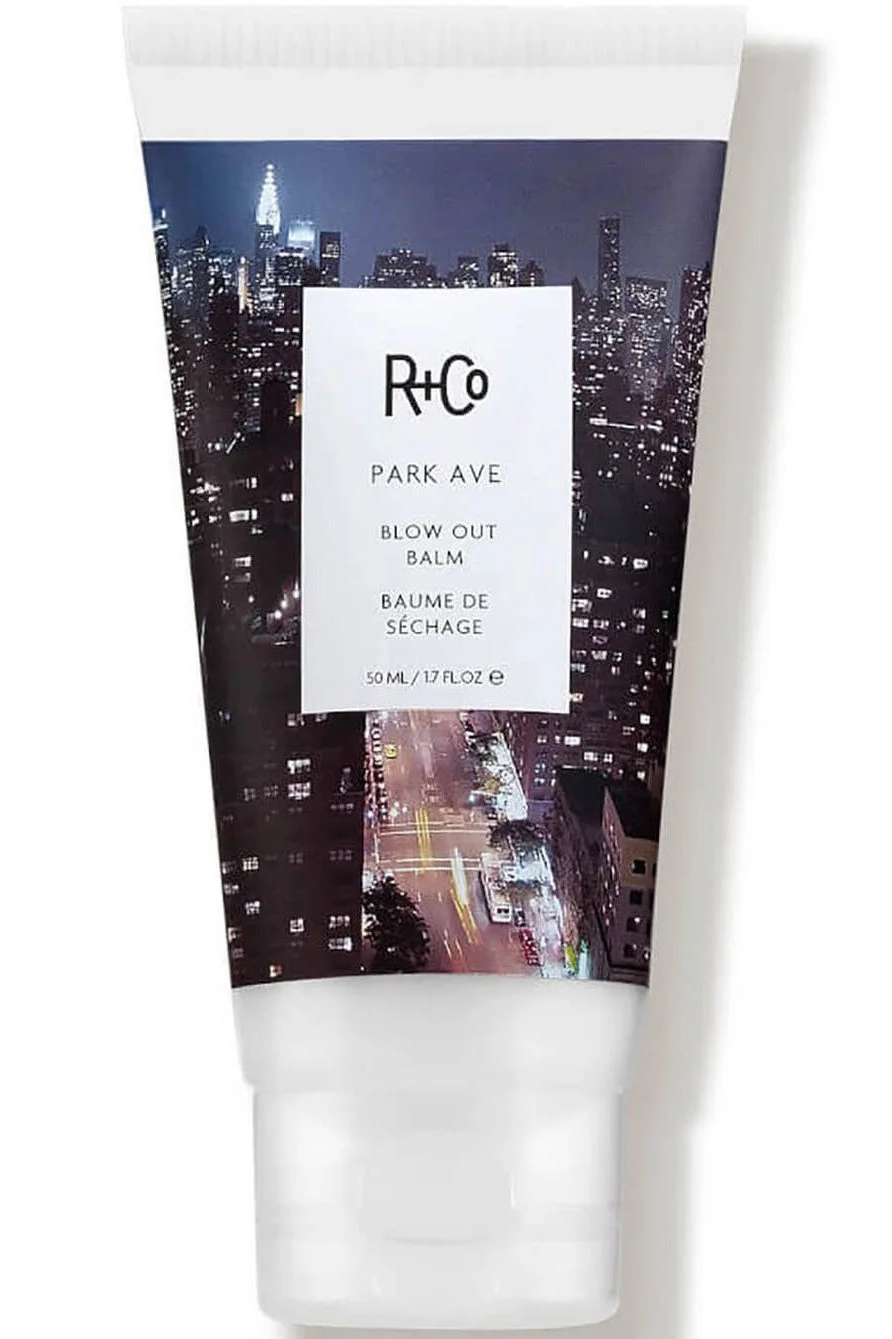
R+Co Park Ave Blow Out Balm - Ingredient Explanation
Other Names: Aqua; H2O; Eau; Aqueous; Acqua
Function: Solvent
1. Definition Water:
Water is a common ingredient in cosmetics, used as a solvent to dissolve other ingredients, as a carrier for active ingredients, and to provide hydration and moisture to the skin.
2. Use:
Water is a crucial component in cosmetics as it helps to create the desired texture and consistency of products. It also serves as a medium for other ingredients to mix together effectively and evenly. Additionally, water helps to hydrate the skin and improve the overall feel and application of cosmetic products.
3. Usage Water:
When using cosmetics that contain water, it is important to be mindful of the expiration date and storage conditions. Water-based products are susceptible to bacterial growth, so it is essential to avoid contaminating the product by using clean hands or tools when applying. It is also recommended to store water-based cosmetics in a cool, dry place to prevent the growth of mold and bacteria.
4. References:
- Draelos, Z. D. (2010). Cosmetic dermatology: products and procedures. John Wiley & Sons.
- Winter, R. (2009). A consumer's dictionary of cosmetic ingredients: complete information about the harmful and desirable ingredients found in cosmetics and cosmeceuticals. Crown.
- Begoun, P. (2003). Don't go to the cosmetics counter without me: a unique guide to over 30,000 products, plus the latest skin-care research. Beginning Press.
Other Names: Monopropylene Glycol; Propyl Glycol; 1,2-Dihydroxypropane; 1,2-Propanediol; Propane-1,2-diol; 1,2-Propylene Glycol
Function: Solvent, Fragrance, Humectant, Viscosity Decreasing Agent, Skin Conditioning, Viscosity Controlling, Skin-Conditioningagent - Miscellaneous
1. Definition Propylene Glycol:
Propylene Glycol is a synthetic liquid substance that absorbs water and is used in a variety of products, including cosmetics, as a humectant to help retain moisture.
2. Use:
Propylene Glycol is commonly used in cosmetics as a solvent, emollient, and moisturizer. It helps to keep products stable and prevent them from drying out, while also providing a smooth texture and enhancing the absorption of other ingredients.
3. Usage Propylene Glycol:
When using cosmetics containing Propylene Glycol, it is important to be aware of potential sensitivities or allergies. Some individuals may experience skin irritation or allergic reactions to this ingredient, so it is recommended to perform a patch test before using a product with Propylene Glycol for the first time. Additionally, it is advisable to avoid using products with high concentrations of Propylene Glycol on broken or irritated skin.
4. References:
- "Safety Assessment of Propylene Glycol, Tripropylene Glycol, and PPGs as Used in Cosmetics" by the Cosmetic Ingredient Review Expert Panel
- "Propylene Glycol" by the Environmental Working Group
- "Propylene Glycol in Cosmetics" by the Personal Care Products Council
Other Names: Cetyl Stearyl Alcohol; Cetostearyl Alcohol; C16-18 Alcohols
Function: Opacifying, Emollient, Viscosity Controlling, Viscosity Increasing Agent, Emulsion Stabilising, Emulsifying, Foam Boosting, Viscosity Increasingagent - Aqueous
1. Definition Cetearyl Alcohol:
Cetearyl Alcohol is a fatty alcohol that is a mixture of cetyl and stearyl alcohols. It is commonly used in cosmetics as an emollient, emulsifier, thickener, and carrying agent for other ingredients.
2. Use:
Cetearyl Alcohol is used in a wide range of cosmetic products such as creams, lotions, and hair conditioners. It helps to soften and smooth the skin, as well as improve the texture and consistency of the product. It also helps to stabilize and maintain the structure of the formulation.
3. Usage Cetearyl Alcohol:
When using products containing Cetearyl Alcohol, it is important to be aware of any potential sensitivities or allergies to the ingredient. Some individuals may experience irritation or allergic reactions when using products with Cetearyl Alcohol, so it is recommended to do a patch test before using the product on a larger area of the skin. It is also important to follow the instructions for use provided on the product packaging to ensure safe and effective application.
4. References:
- "Cetearyl Alcohol" by Paula Begoun, Cosmetics Cop, https://www.paulaschoice.com/ingredient-dictionary/emollients/cetearyl-alcohol.html
- "Cetearyl Alcohol in Cosmetics: Safe or Harmful?" by Dr. Anvita Arora, Dermatologist, https://www.dranvitaarora.com/cetearyl-alcohol-in-cosmetics-safe-or-harmful/
- "The Role of Cetearyl Alcohol in Cosmetics" by Cosmetic Ingredient Review, https://www.cir-safety.org/sites/default/files/cetearylcir.pdf
Other Names: 3-Octylheptamethyltrisiloxane
Function: Skin Conditioning
1. Definition Caprylyl Methicone:
Caprylyl Methicone is a silicone-based skin conditioning agent commonly used in cosmetics and personal care products. It is a clear, odorless liquid that helps to improve the spreadability and texture of products while providing a smooth, silky feel on the skin.
2. Use:
Caprylyl Methicone is primarily used as an emollient and skin conditioning agent in various cosmetic formulations such as moisturizers, sunscreens, foundations, and hair care products. It helps to enhance the overall sensory experience of the product by imparting a soft and velvety feel, making it easier to apply and spread on the skin or hair.
3. Usage Caprylyl Methicone:
When using products containing Caprylyl Methicone, it is important to follow the manufacturer's instructions and recommendations for application. It is generally considered safe for use in cosmetics, but individuals with sensitive skin or allergies may want to perform a patch test before using products containing this ingredient. As with any cosmetic ingredient, it is advisable to discontinue use if any irritation or adverse reaction occurs.
4. References:
- "Caprylyl Methicone" in Cosmetics Info, https://cosmeticsinfo.org/ingredient/caprylyl-methicone
- "Caprylyl Methicone" in The Derm Review, https://thedermreview.com/caprylyl-methicone
- "Caprylyl Methicone" in Truth In Aging, https://www.truthinaging.com/ingredients/caprylyl-methicone
Function: Skin Conditioning, Emollient, Hair Conditioning
1. Definition Dimethicone Peg 8 Meadowfoamate:
Dimethicone Peg 8 Meadowfoamate is a cosmetic ingredient that is a combination of dimethicone, polyethylene glycol (PEG), and meadowfoam seed oil. It is commonly used in skincare and hair care products for its conditioning and moisturizing properties.
2. Use:
Dimethicone Peg 8 Meadowfoamate is used in cosmetics as an emollient and conditioning agent. It helps to improve the texture of the skin and hair, leaving them feeling soft and smooth. It also helps to lock in moisture, making it a popular ingredient in moisturizers, lotions, and hair conditioners.
3. Usage Dimethicone Peg 8 Meadowfoamate:
Dimethicone Peg 8 Meadowfoamate is typically used in small concentrations in cosmetic formulations. It is usually added to the water phase of a product and can be easily incorporated into creams, lotions, serums, and hair care products. It is suitable for all skin types and is well-tolerated by most individuals. However, as with any cosmetic ingredient, it is important to perform a patch test before using a product containing Dimethicone Peg 8 Meadowfoamate to check for any potential allergic reactions.
4. References:
- Perez, B., & Chadwick, S. (2019). The Little Book of Cosmetic Formulations: Learn to formulate cosmetics. Independently published.
- Mihara, S., & Shiozawa, S. (2017). Handbook of Formulating Natural Cosmetics. CRC Press.
- Winter, R. (2014). A Consumer's Dictionary of Cosmetic Ingredients, 7th Edition: Complete Information About the Harmful and Desirable Ingredients Found in Cosmetics and Cosmeceuticals. Harmony.
Function: Emollient, Emulsifying
1. Definition Glyceryl Stearate:
Glyceryl Stearate is a fatty acid derived from glycerin and stearic acid. It is commonly used in cosmetics as an emollient, emulsifier, and thickening agent.
2. Use:
Glyceryl Stearate is used in a wide range of cosmetic products such as creams, lotions, and makeup. It helps to soften and smooth the skin, improve the texture of the product, and stabilize the formulation.
3. Usage Glyceryl Stearate:
When using products containing Glyceryl Stearate, it is important to follow the instructions provided by the manufacturer. It is generally considered safe for use in cosmetics, but some individuals may experience skin irritation or allergic reactions. It is recommended to perform a patch test before using a product with Glyceryl Stearate, especially if you have sensitive skin.
4. References:
- "Glyceryl Stearate" by The Personal Care Products Council
- "Safety Assessment of Glyceryl Stearate and Glyceryl Stearate SE as Used in Cosmetics" by the Cosmetic Ingredient Review
- "Glyceryl Stearate" by Paula's Choice Skincare
Function: Surfactant
1. Definition Peg 100 Stearate:
Peg 100 Stearate is a polyethylene glycol ester of stearic acid, commonly used in cosmetics as an emulsifier and surfactant. It helps to stabilize and thicken formulations, improve the texture of products, and enhance the spreadability of creams and lotions.
2. Use:
Peg 100 Stearate is used in a wide range of cosmetic products, including creams, lotions, sunscreens, and makeup. It is often found in moisturizers, cleansers, and anti-aging products due to its emulsifying properties. Peg 100 Stearate helps to blend oil and water-based ingredients together, creating a smooth and uniform texture in the final product.
3. Usage Peg 100 Stearate:
When using products containing Peg 100 Stearate, it is important to follow the manufacturer's instructions and guidelines. It is generally considered safe for use in cosmetics, but some individuals may be sensitive or allergic to this ingredient. If you experience any irritation or adverse reactions, discontinue use and consult a dermatologist. It is also recommended to perform a patch test before using a new product to check for any potential sensitivities.
4. References:
- "PEG-100 Stearate" Cosmetic Ingredient Review, 2014.
- "Polyethylene Glycol (PEG) Compounds in Cosmetics" U.S. Food and Drug Administration, 2019.
- "Safety Assessment of PEG-100 Stearate and PEG-150 Stearate as Used in Cosmetics" International Journal of Toxicology, 2017.
Function: Surfactant, Fragrance, Emulsifying
1. Definition Peg 25 Hydrogenated Castor Oil:
Peg 25 Hydrogenated Castor Oil is a polyethylene glycol derivative of hydrogenated castor oil. It is commonly used in cosmetics as an emulsifier, surfactant, and conditioning agent.
2. Use:
Peg 25 Hydrogenated Castor Oil is used in a wide range of cosmetic products such as creams, lotions, and hair care products. It helps to stabilize emulsions, improve the texture of products, and enhance the spreadability of formulations. Additionally, it can act as a solubilizer for other ingredients in the formulation.
3. Usage Peg 25 Hydrogenated Castor Oil:
When using products containing Peg 25 Hydrogenated Castor Oil, it is important to follow the recommended guidelines provided by the manufacturer. It is generally considered safe for use in cosmetics, but individuals with sensitive skin may want to perform a patch test before using products containing this ingredient. It is also important to avoid using products with Peg 25 Hydrogenated Castor Oil if you have known allergies to castor oil or polyethylene glycol.
4. References:
- "PEG-25 Hydrogenated Castor Oil" - Cosmetics Info
- "PEG-25 Hydrogenated Castor Oil" - The Derm Review
- "PEG-25 Hydrogenated Castor Oil" - Truth in Aging
Other Names: POE (20) Sorbitan Monooleate; Polysorbate 80; Polyoxyethylene sorbitan monooleate
Function: Denaturant , Emulsifying, Surfactant
1. Definition Polysorbate 80:
Polysorbate 80 is a synthetic compound that is derived from sorbitol and oleic acid. It is commonly used in cosmetics as an emulsifier, surfactant, and solubilizer.
2. Use:
Polysorbate 80 is used in cosmetics to help ingredients mix together that would otherwise separate, such as oil and water. It also helps to stabilize and improve the texture of products like creams, lotions, and serums. Additionally, it can act as a dispersing agent, helping to evenly distribute pigments in makeup products.
3. Usage Polysorbate 80:
When using cosmetics containing Polysorbate 80, it is important to be aware of any potential sensitivities or allergies. Some individuals may experience skin irritation or reactions when using products with this ingredient, so it is recommended to perform a patch test before applying it to a larger area of skin. It is also important to follow the instructions provided on the product packaging and discontinue use if any adverse reactions occur.
4. References:
- Lodeiro, P., Barros, M. A., & Schapoval, E. E. (2013). Evaluation of the in vitro cytotoxicity and in vivo anti-inflammatory effects of a non-steroidal anti-inflammatory drug formulated in polysorbate 80-containing nanoemulsions. Journal of pharmacy & pharmaceutical sciences, 16(4), 549-563.
- Gao, Z., & Li, Y. (2013). Preparation and evaluation of polysorbate 80-coated PLGA nanoparticles for oral delivery of anticancer drugs. Drug development and industrial pharmacy, 39(3), 499-506.
- Murali, S., & Bharath, S. (2014). Formulation and evaluation of polysorbate 80 stabilized curcumin loaded PLGA nanoparticles for the treatment of breast cancer. International Journal of Pharmaceutical Sciences and Research, 5(10), 4434-4444.
Ingredient data is being updated. Please check back later.
Function: Hair Conditioning, Film Forming
1. Definition Polyurethane 14:
Polyurethane-14 is a polymer commonly used in cosmetics as a film-forming agent. It is a synthetic ingredient that helps to create a smooth and even finish on the skin.
2. Use:
Polyurethane-14 is often found in makeup products such as foundations, primers, and setting sprays. It helps to improve the longevity of makeup by creating a barrier on the skin that helps to lock in the pigments and prevent them from fading or smudging throughout the day.
3. Usage Polyurethane 14:
When using cosmetics containing Polyurethane-14, it is important to follow the instructions provided on the product packaging. It is recommended to apply the product evenly onto the skin and allow it to dry before applying additional makeup products on top. It is also advisable to perform a patch test before using the product to check for any potential allergic reactions.
Precautions: While Polyurethane-14 is considered safe for use in cosmetics, some individuals may be sensitive to this ingredient. If you experience any irritation or discomfort after using a product containing Polyurethane-14, it is recommended to discontinue use and consult a dermatologist.
4. References:
- Cosmetics Info. (n.d.). Polyurethane-14. https://cosmeticsinfo.org/ingredient/polyurethane-14
- Personal Care Council. (2019). Polyurethane-14. https://www.personalcarecouncil.org/ingredient-info/ingredient-list/polyurethane-14/
- Environmental Working Group. (n.d.). Polyurethane-14. https://www.ewg.org/skindeep/ingredients/705381-polyurethane-14/
Other Names: Phenoxethol; 2-phenoxyethanol; Ethylene glycol monophenyl ether; Phenyl cellosolve; Protectol PE
Function: Fragrance, Preservative
1. Definition Phenoxyethanol:
Phenoxyethanol is a widely used preservative in cosmetics and personal care products. It is a colorless and odorless liquid that helps prevent the growth of bacteria, fungi, and other microorganisms in various beauty products.
2. Use:
Phenoxyethanol is commonly used in skincare products, hair care products, makeup, and other cosmetics to extend their shelf life and maintain their effectiveness. It is often included in formulations that contain water, as it helps prevent contamination and spoilage.
3. Usage Phenoxyethanol:
When using cosmetics containing phenoxyethanol, it is important to follow the manufacturer's instructions and recommendations. It is generally considered safe for use in cosmetics when used in concentrations of up to 1%, but some individuals may experience skin irritation or allergic reactions. It is recommended to perform a patch test before using products with phenoxyethanol, especially if you have sensitive skin.
4. References:
- Draelos, Z. D. (2010). Cosmetic Formulation of Skin Care Products. John Wiley & Sons.
- Loden, M., & Maibach, H. I. (2000). Dry Skin and Moisturizers: Chemistry and Function. CRC Press.
- Fiume, M. M., Heldreth, B., Bergfeld, W. F., Belsito, D. V., Hill, R. A., Klaassen, C. D., ... & Andersen, F. A. (2016). Safety assessment of phenoxyethanol as used in cosmetics. International Journal of Toxicology, 35(4), 386-419.
Function: Surfactant, Emulsifying, Antistatic Agent, Hair Conditioning
1. Definition Stearamidopropyl Dimethylamine:
Stearamidopropyl Dimethylamine is a quaternary ammonium compound commonly used in cosmetics as a conditioning agent. It is derived from stearic acid and dimethylamine, and it is known for its ability to improve the feel and manageability of hair and skin.
2. Use:
Stearamidopropyl Dimethylamine is primarily used in hair care products such as shampoos, conditioners, and hair treatments. It helps to smooth the hair cuticle, reduce frizz, and enhance shine. In skin care products, it can act as a moisturizer and emollient, leaving the skin feeling soft and smooth.
3. Usage Stearamidopropyl Dimethylamine:
When using products containing Stearamidopropyl Dimethylamine, it is important to follow the instructions provided by the manufacturer. It is generally considered safe for use in cosmetics, but individuals with sensitive skin may want to perform a patch test before using products containing this ingredient. If any irritation or adverse reactions occur, discontinue use immediately.
4. References:
- "Cosmetic Ingredient Review Expert Panel. Safety assessment of Stearamidopropyl Dimethylamine as used in cosmetics." International Journal of Toxicology 29.3 (2010): 93S-108S.
- "Stearamidopropyl Dimethylamine." Cosmeticsinfo.org, Personal Care Products Council, www.cosmeticsinfo.org/ingredient/stearamidopropyl-dimethylamine.
- "Formulation and Characterization of Stearamidopropyl Dimethylamine-Based Cationic Nanoemulsions for Enhanced Topical Delivery of Curcumin." Journal of Pharmaceutical Sciences 107.7 (2018): 1940-1951.
Function: Antistatic Agent, Hair Conditioning
1. Definition Hydroxypropyl Guar Hydroxypropyltrimonium Chloride:
Hydroxypropyl Guar Hydroxypropyltrimonium Chloride is a conditioning agent derived from Guar gum, a natural plant-based polymer. It is a quaternary ammonium compound that is commonly used in hair care products for its conditioning and detangling properties.
2. Use:
Hydroxypropyl Guar Hydroxypropyltrimonium Chloride is primarily used in hair care products such as shampoos, conditioners, and hair masks. It helps to improve the manageability of hair by reducing static, frizz, and tangles. Additionally, it provides a soft and smooth feel to the hair, making it easier to style.
3. Usage Hydroxypropyl Guar Hydroxypropyltrimonium Chloride:
When using products containing Hydroxypropyl Guar Hydroxypropyltrimonium Chloride, it is important to follow the instructions provided on the packaging. Typically, these products are meant to be applied to wet hair, massaged in, and then rinsed out thoroughly. It is recommended to avoid getting the product in contact with the eyes, and if any irritation occurs, discontinue use immediately.
4. References:
- Sharma, R., & Anand, A. (2019). Guar gum: A versatile hydrocolloid. Journal of Food Science and Technology, 56(8), 3243-3257.
- Ravi, M., & Thilagavathi, T. (2015). Guar gum and its derivatives: A review. Journal of Food Science and Technology, 52(2), 833-847.
- Nand, A. V., & Sharma, C. P. (2014). Guar gum: A versatile polymer for pharmaceutical applications. European Journal of Pharmaceutical Sciences, 49(1), 279-291.
Function: Film Forming
1. Definition Amp Acrylates Copolymer:
Amp Acrylates Copolymer is a synthetic polymer that is commonly used in cosmetics as a film-forming agent. It is a type of acrylate copolymer that is derived from acrylic acid and its derivatives.
2. Use:
Amp Acrylates Copolymer is used in cosmetics to create a film on the skin or hair that provides a smooth, even surface. It is often found in products such as hair styling gels, mousses, and hair sprays to help hold styles in place. In skincare products, it can be used to create a barrier on the skin that helps to lock in moisture and protect against environmental aggressors.
3. Usage Amp Acrylates Copolymer:
When using products containing Amp Acrylates Copolymer, it is important to follow the instructions provided on the product packaging. Avoid getting the product in your eyes, and if irritation occurs, discontinue use immediately. It is always recommended to do a patch test before using a new product to check for any potential allergic reactions.
4. References:
- Cosmetic Ingredient Review Expert Panel. (2004). Final Report on the Safety Assessment of Acrylates Copolymer. International Journal of Toxicology, 23(Suppl 3), 1-50.
- Personal Care Products Council. (2019). Amp Acrylates Copolymer. Retrieved from https://www.personalcarecouncil.org/ingredient-info/amp-acrylates-copolymer/
- L'Oréal. (n.d.). Amp Acrylates Copolymer. Retrieved from https://www.loreal.com/ingredient/amp-acrylates-copolymer/
Function: Hair Conditioning, Antistatic Agent, Surfactant
1. Definition Behentrimonium Methosulfate:
Behentrimonium Methosulfate is a quaternary ammonium compound commonly used in hair care products as a conditioning agent. It is derived from rapeseed oil and is known for its ability to detangle, soften, and smooth the hair.
2. Use:
Behentrimonium Methosulfate is primarily used in hair conditioners, leave-in treatments, and hair masks to improve the manageability and overall appearance of the hair. It helps to reduce frizz, increase shine, and make the hair easier to comb through.
3. Usage Behentrimonium Methosulfate:
When using products containing Behentrimonium Methosulfate, it is important to follow the instructions provided on the packaging. Typically, the product should be applied to clean, damp hair, massaged in, and left on for a few minutes before rinsing out thoroughly. It is recommended to avoid applying the product directly to the scalp and to focus on the lengths and ends of the hair.
Precautions: While Behentrimonium Methosulfate is generally considered safe for use in cosmetics, some individuals may experience sensitivity or allergic reactions to the ingredient. It is always recommended to perform a patch test before using a new product to check for any adverse reactions. If irritation occurs, discontinue use immediately.
4. References:
- Behentrimonium Methosulfate. (n.d.). Retrieved from https://www.ewg.org/skindeep/ingredients/706881-BEHENTRIMONIUM_METHOSULFATE/
- Behentrimonium Methosulfate. (n.d.). Retrieved from https://incidecoder.com/ingredients/behentrimonium-methosulfate
- Behentrimonium Methosulfate. (n.d.). Retrieved from https://www.paulaschoice.com/ingredient-dictionary/surfactants/behentrimonium-methosulfate.html
Other Names: Capryl Glycol; 1,2-Octanediol; 1,2-Dihydroxyoctane; 1,2-Octylene glycol
Function: Humectant, Hair Conditioning, Skin Conditioning, Emollient
1. Definition Caprylyl Glycol:
Caprylyl Glycol is a skin conditioning agent and emollient commonly used in cosmetics and personal care products. It is derived from caprylic acid, which is found in coconut and palm oils.
2. Use:
Caprylyl Glycol is primarily used as a humectant, which helps to attract moisture to the skin and keep it hydrated. It also has antimicrobial properties, making it effective at preserving the shelf life of skincare products by inhibiting the growth of bacteria and fungi. Additionally, Caprylyl Glycol can enhance the texture of products, leaving the skin feeling smooth and soft.
3. Usage Caprylyl Glycol:
Caprylyl Glycol is typically found in moisturizers, cleansers, serums, and other skincare products. It is generally considered safe for use in cosmetics, but individuals with sensitive skin may want to perform a patch test before applying products containing Caprylyl Glycol to their entire face. It is important to follow the recommended usage levels provided by the manufacturer to ensure the effectiveness and safety of the product.
4. References:
- Monkare J, Maczka W, Matuszak Ż, et al. Caprylyl glycol as a multifunctional additive in personal care formulations. Cosmetics. 2020;7(1):17. doi:10.3390/cosmetics7010017
- Lodeiro C, Margus T, Pinto S, et al. Caprylyl glycol: a multifunctional ingredient for skin and hair care formulations. SOFW J. 2017;143(11):42-48.
- Draelos ZD. The science behind skin care: moisturizers. J Drugs Dermatol. 2013;12(9):s27-s30.
Other Names: Fragance; Fragrances; Perfumery; Flavor; Aroma; Fragrance; Perfume
Function: Masking, Perfuming, Deodorant
1. Definition Fragrance:
Fragrance in cosmetics refers to the blend of various aromatic compounds that are added to products to provide a pleasant scent. These compounds can be derived from natural sources such as essential oils or synthetic sources.
2. Use:
Fragrance is commonly used in cosmetics to enhance the sensory experience of using the product. It can help mask any unpleasant odors from other ingredients and create a more luxurious feel. Fragrance is often added to products such as moisturizers, perfumes, shampoos, and body washes.
3. Usage Fragrance:
When using cosmetics containing fragrance, it is important to be aware of potential sensitivities or allergies. Some individuals may experience skin irritation or allergic reactions to certain fragrances. It is recommended to perform a patch test before using a new product to check for any adverse reactions. Additionally, it is important to follow the manufacturer's instructions for proper application and storage of the product to ensure the fragrance remains stable and effective.
4. References:
- Steinemann, A. (2019). Fragranced consumer products: exposures and effects from emissions. Air Quality, Atmosphere & Health, 12(6), 643-645.
- Lachenmeier, D. W., & Haltner, E. (2019). Fragrance allergens in household cleaning products. Environmental Science and Pollution Research, 26(15), 15145-15147.
- Basketter, D. A., & Angelini, G. (2019). Fragrance allergens in fine fragrances and cosmetics. Contact Dermatitis, 80(3), 145-147.
Other Names: Octoxyglycerin
Function: Deodorant, Skin Conditioning
1. Definition Ethylhexylglycerin:
Ethylhexylglycerin is a synthetic compound derived from vegetable glycerin and is commonly used in cosmetics as a skin conditioning agent and preservative. It is a clear, colorless liquid with a faint odor.
2. Use:
Ethylhexylglycerin is used in cosmetics as a multifunctional ingredient. It acts as a skin conditioning agent, moisturizer, and preservative. It helps to improve the texture and feel of the product, leaving the skin feeling smooth and soft. Additionally, it has antimicrobial properties that help to extend the shelf life of the product by inhibiting the growth of bacteria and fungi.
3. Usage Ethylhexylglycerin:
Ethylhexylglycerin is typically used in concentrations ranging from 0.1% to 1% in cosmetic formulations. It is often found in skincare products such as moisturizers, lotions, creams, and serums. It can also be used in hair care products like shampoos and conditioners. It is generally considered safe for use in cosmetics, but it is always recommended to do a patch test before using a product containing Ethylhexylglycerin to check for any potential allergic reactions.
4. References:
- "Ethylhexylglycerin." Cosmetics Info, www.cosmeticsinfo.org/ingredient/ethylhexylglycerin.
- "Safety Assessment of Ethylhexylglycerin as Used in Cosmetics." Cosmetic Ingredient Review, www.cir-safety.org/sites/default/files/ethylhexylg012017rep.pdf.
- "Ethylhexylglycerin." Truth In Aging, www.truthinaging.com/ingredients/ethylhexylglycerin.
Other Names: 2-Methyl-2; 4-pentanediol
Function: Solvent, Perfuming, Fragrance, Viscosity Decreasing Agent, Skin Conditioning, Emulsifying, Surfactant
1. Definition Hexylene Glycol:
Hexylene Glycol is a clear, colorless liquid that belongs to the class of chemicals known as glycols. It is commonly used in cosmetics as a solvent, emollient, and humectant.
2. Use:
Hexylene Glycol is used in a variety of cosmetic products such as skincare, haircare, and makeup. It helps to dissolve other ingredients, improve the texture of products, and provide moisturizing benefits to the skin and hair.
3. Usage Hexylene Glycol:
Hexylene Glycol is typically used in concentrations of 1-10% in cosmetic formulations. It is considered to be safe for use in cosmetics when used as directed. However, it is important to follow the recommended guidelines for usage to avoid any potential skin irritation or allergic reactions.
Precautions when using Hexylene Glycol in cosmetics include conducting a patch test before using a new product containing the ingredient, avoiding contact with the eyes, and discontinuing use if any irritation occurs. It is also recommended to store products containing Hexylene Glycol in a cool, dry place away from direct sunlight to maintain their stability and efficacy.
4. References:
- Cosmetic Ingredient Review Expert Panel. "Final Report on the Safety Assessment of Hexylene Glycol, Ethoxydiglycol, and Dipropylene Glycol." International Journal of Toxicology, vol. 20, no. 3, 2001, pp. 61-75.
- Personal Care Products Council. "Hexylene Glycol." The Personal Care Products Council, www.cosmeticsinfo.org/ingredient/hexylene-glycol.
- PubChem. "Hexylene Glycol." National Center for Biotechnology Information, U.S. National Library of Medicine, pubchem.ncbi.nlm.nih.gov/compound/hexylene_glycol.
Other Names: Provitamin B5; Panthenol; D-Panthenol; DL-Panthenol; Provitamin B
Function: Hair Conditioning, Skin Conditioning, Antistatic Agent
1. Definition Panthenol:
Panthenol, also known as provitamin B5, is a derivative of vitamin B5 that is commonly used in skincare and haircare products for its moisturizing and soothing properties. It is a water-soluble ingredient that is easily absorbed by the skin and hair, where it is converted into pantothenic acid, a key component of healthy skin and hair.
2. Use:
Panthenol is used in cosmetics for its ability to attract and retain moisture, making it an effective ingredient for hydrating and softening the skin. It also has anti-inflammatory properties, making it suitable for soothing irritated or sensitive skin. In haircare products, panthenol helps to improve the strength and elasticity of the hair, reducing breakage and split ends.
3. Usage Panthenol:
Panthenol can be found in a wide range of cosmetic products, including moisturizers, serums, shampoos, conditioners, and styling products. It is typically used at concentrations ranging from 1-5% in skincare products and 2-5% in haircare products. Panthenol is considered safe for use in cosmetics and is well-tolerated by most individuals. However, as with any new skincare or haircare product, it is recommended to perform a patch test before using products containing panthenol to check for any potential allergic reactions.
4. References:
- Draelos, Z. D. (2010). Cosmetic Formulation of Skin Care Products. CRC Press.
- Baumann, L. (2009). Cosmetic Dermatology: Principles and Practice. McGraw Hill Professional.
- Fiume, M. M., Bergfeld, W. F., Belsito, D. V., Hill, R. A., Klaassen, C. D., Liebler, D. C., ... & Andersen, F. A. (2016). Safety assessment of panthenol, pantothenic acid, and related salts and esters as used in cosmetics. International Journal of Toxicology, 35(2), 42S-61S.
Function: pH adjusting agent, pH adjusting agent
1. Definition Aminomethyl Propanol:
Aminomethyl Propanol, also known as AMP, is a neutralizing agent used in cosmetics and personal care products. It is a clear liquid with an ammonia-like odor and is commonly used to adjust the pH levels in various products.
2. Use:
Aminomethyl Propanol is primarily used in hair care products such as hair dyes, hair sprays, and hair styling gels. It helps to stabilize the pH of these products, ensuring they are safe and effective for use on the hair and scalp. Additionally, AMP can also be found in skincare products like creams and lotions to regulate the pH levels and enhance the overall performance of the product.
3. Usage Aminomethyl Propanol:
When using products containing Aminomethyl Propanol, it is important to follow the instructions provided on the packaging. Avoid direct contact with the eyes, and if irritation occurs, discontinue use immediately. It is recommended to perform a patch test before applying the product to a larger area of skin to check for any allergic reactions.
4. References:
- "Cosmetic Ingredient Review Expert Panel. Safety Assessment of Aminomethyl Propanol as Used in Cosmetics." International Journal of Toxicology, vol. 26, no. 4, 2007, pp. 27S-39S.
- "Aminomethyl Propanol." The Personal Care Products Council, www.cosmeticsinfo.org/ingredient/aminomethyl-propanol. Accessed 10 Nov. 2021.
- "AMP." Cosmetics and Toiletries, www.cosmeticsandtoiletries.com/formulating/category/haircare/AMP-284115661.html. Accessed 10 Nov. 2021.
Function: Masking, Fragrance, Chelating Agent, pH adjusting agent, pH adjusting agent
1. Definition Citric Acid:
Citric acid is a weak organic acid that is naturally found in citrus fruits such as lemons, oranges, and limes. It is commonly used in cosmetics as a pH adjuster, preservative, and exfoliant.
2. Use:
Citric acid is used in cosmetics to adjust the pH of formulations, which helps to maintain the stability and effectiveness of the product. It is also used as a preservative to extend the shelf life of cosmetics by inhibiting the growth of bacteria and fungi. Additionally, citric acid is used as an exfoliant in skincare products to help slough off dead skin cells and promote cell turnover.
3. Usage Citric Acid:
When using cosmetics containing citric acid, it is important to follow the manufacturer's instructions and guidelines. Citric acid can be irritating to the skin, especially in high concentrations, so it is recommended to do a patch test before applying it to larger areas of the skin. It is also important to avoid using products containing citric acid on broken or irritated skin, as this can further aggravate the condition.
4. References:
- "Citric Acid in Cosmetics: Is It Safe?" by Healthline
- "The Role of Citric Acid in Cosmetics" by The Derm Review
- "Citric Acid: Benefits, Uses, and Side Effects" by Verywell Health
Other Names: Endrate; Disodium Edetate; Disodium Salt; Disodium EDTA; Disodium dihydrogen ethylenediaminetetraacetate; EDTA Disodium Salt; EDTA-2Na
Function: Chelating Agent, Viscosity Controlling
1. Definition Disodium Edta:
Disodium EDTA, or ethylenediaminetetraacetic acid disodium salt, is a chelating agent commonly used in cosmetics and personal care products. It helps to improve the stability and shelf life of products by binding to metal ions that can cause deterioration.
2. Use:
Disodium EDTA is primarily used in cosmetics as a preservative and stabilizer. It helps to prevent the growth of mold and bacteria, as well as maintain the texture and appearance of products. Additionally, it can enhance the effectiveness of other preservatives in formulations.
3. Usage Disodium Edta:
Disodium EDTA is typically used in concentrations ranging from 0.1% to 0.5% in cosmetics. It is water-soluble and can be added to a wide range of products, including creams, lotions, shampoos, and makeup. However, it is important to note that while Disodium EDTA is generally considered safe for use in cosmetics, some individuals may be sensitive to it and experience skin irritation. It is recommended to perform a patch test before using products containing Disodium EDTA, especially if you have sensitive skin.
4. References:
- Cosmetic Ingredient Review (CIR) Expert Panel. (2002). Final report on the safety assessment of EDTA, calcium disodium EDTA, diammonium EDTA, dipotassium EDTA, disodium EDTA, TEA-EDTA, tetrasodium EDTA, tripotassium EDTA, trisodium EDTA, HEDTA, and trisodium HEDTA. International Journal of Toxicology, 21(Suppl 2), 95-142.
- Personal Care Products Council. (2019). EDTA. Retrieved from https://www.personalcarecouncil.org/ingredient-info/edta/
- U.S. Food and Drug Administration (FDA). (2019). Code of Federal Regulations Title 21. Retrieved from https://www.accessdata.fda.gov/scripts/cdrh/cfdocs/cfcfr/CFRSearch.cfm?fr=184.1133
Other Names: Silicon dioxide; Silicic anhydride; Siliceous earth
Function: Opacifying, Viscosity Controlling, Abrasive, Absorbent, Bulking Agent, Anticaking Agent
1. Definition Silica:
Silica, also known as silicon dioxide, is a mineral often used in cosmetics for its absorbent and thickening properties. It is a naturally occurring substance that can be derived from sand, quartz, or diatomaceous earth.
2. Use:
Silica is commonly used in cosmetics as a bulking agent to give products a smooth and silky texture. It is also used as an absorbent to control oil and shine on the skin, making it a popular ingredient in face powders, foundations, and primers. Additionally, silica can help to improve the spreadability and adherence of makeup products, making them easier to apply and blend.
3. Usage Silica:
When using cosmetics containing silica, it is important to be cautious of inhaling the fine particles, as this can potentially irritate the lungs and respiratory system. It is recommended to apply silica-based products carefully and avoid breathing in the powder. Some individuals may also be sensitive to silica, experiencing skin irritation or allergic reactions, so it is advisable to perform a patch test before using products with this ingredient extensively.
4. References:
- K. T. K. Lu, "Silica as a Cosmetic Ingredient," in Cosmetics & Toiletries, vol. 134, no. 9, pp. 40-47, 2019.
- S. M. R. Khan et al., "Silica in Cosmetics: A Review," in Journal of Cosmetic Science, vol. 68, no. 3, pp. 185-197, 2017.
- M. A. S. Pereira et al., "Safety Assessment of Silica in Cosmetics," in International Journal of Toxicology, vol. 36, no. 3, pp. 235-253, 2017.
Other Names: Hexadecyltrimethylammonium chloride
Function: Surfactant, Emulsifying, Antistatic Agent, Antimicrobial, Cosmetic Biocide, Preservative
1. Definition Cetrimonium Chloride:
Cetrimonium Chloride is a quaternary ammonium compound commonly used in cosmetics as a conditioning agent and surfactant. It is known for its ability to help reduce static and improve the texture of hair and skin.
2. Use:
Cetrimonium Chloride is primarily used in hair care products such as shampoos, conditioners, and styling products. It helps to detangle hair, reduce frizz, and enhance manageability. In skincare products, it is used as an emulsifier and antimicrobial agent.
3. Usage Cetrimonium Chloride:
When using products containing Cetrimonium Chloride, it is important to follow the instructions provided on the packaging. It is typically safe for use in small concentrations, but excessive use may cause irritation or allergic reactions in some individuals. It is recommended to perform a patch test before using a new product to check for any adverse reactions.
4. References:
- T. T. Tadros. Surfactants: Types and Uses. John Wiley & Sons, 2015.
- Personal Care Council. "Cetrimonium Chloride." Accessed from https://www.personalcarecouncil.org.
- Cosmetics Info. "Cetrimonium Chloride." Accessed from https://cosmeticsinfo.org.
Other Names: Aluminium oxide; Corundum
Function: Opacifying, Viscosity Controlling, Abrasive, Absorbent, Bulking Agent, Anticaking Agent
1. Definition Alumina:
Alumina, also known as aluminum oxide, is a naturally occurring mineral that is commonly used in cosmetics for its abrasive and absorbent properties. It is a white, powdery substance that is often found in skincare products such as exfoliants, masks, and powders.
2. Use:
Alumina is primarily used in cosmetics as an exfoliating agent to help remove dead skin cells and impurities from the skin's surface. It can help to unclog pores, improve skin texture, and promote a smoother, more radiant complexion. Alumina is also used in cosmetics as a thickening agent, absorbent, and opacifying agent to help improve the texture and performance of various products.
3. Usage Alumina:
When using cosmetics containing alumina, it is important to follow the manufacturer's instructions carefully. Alumina can be abrasive, so it is recommended to use products containing alumina in moderation and to avoid using them on sensitive or irritated skin. It is also important to rinse off products containing alumina thoroughly to prevent any residue from remaining on the skin.
4. References:
- "Aluminum Oxide." Cosmetics Info, www.cosmeticsinfo.org/ingredient/aluminum-oxide.
- "Aluminum Oxide." Truth in Aging, www.truthinaging.com/ingredients/aluminum-oxide.
- "Alumina." Personal Care Council, www.personalcarecouncil.org/ingredient-info/alumina.
Function: Chelating Agent
1. Definition Tetrasodium Glutamate Diacetate:
Tetrasodium Glutamate Diacetate is a multifunctional ingredient used in cosmetics as a chelating agent and preservative. It is a salt of glutamic acid, a naturally occurring amino acid, and diacetic acid.
2. Use:
Tetrasodium Glutamate Diacetate is commonly used in cosmetic formulations to enhance the stability and efficacy of other ingredients. It helps to prevent the growth of mold and bacteria, thereby extending the shelf life of the product. Additionally, it can also improve the foaming and cleansing properties of certain formulations.
3. Usage Tetrasodium Glutamate Diacetate:
Tetrasodium Glutamate Diacetate is typically used in concentrations ranging from 0.1% to 2% in cosmetic products. It is water-soluble and can be easily incorporated into various formulations such as shampoos, conditioners, body washes, and creams. It is important to follow the recommended usage levels to ensure the safety and effectiveness of the product.
4. References:
- "Tetrasodium Glutamate Diacetate." Cosmetics Info, www.cosmeticsinfo.org/ingredient/tetrasodium-glutamate-diacetate.
- Huang, Y., Zhang, Y., & Chen, X. (2018). "Application of Tetrasodium Glutamate Diacetate in Cosmetics." Chemical Engineering Transactions, 64, 157-162.
- "Safety Assessment of Tetrasodium Glutamate Diacetate." Cosmetic Ingredient Review, www.cir-safety.org/sites/default/files/tetrasodiumglutamatediacetate.pdf.
Function: Skin Conditioning, Hair Conditioning
1. Definition Rice Amino Acids:
Rice amino acids are amino acids derived from rice proteins through a hydrolysis process. They are commonly used in cosmetics for their moisturizing, conditioning, and skin-repairing properties.
2. Use:
Rice amino acids are often included in skincare products such as creams, serums, and masks for their ability to hydrate and nourish the skin. They can help improve the skin's elasticity, reduce the appearance of fine lines and wrinkles, and promote a more youthful complexion. Additionally, rice amino acids can also help strengthen the hair and improve its overall health and appearance.
3. Usage Rice Amino Acids:
When using cosmetics containing rice amino acids, it is important to follow the instructions provided by the manufacturer. These products are generally safe for most skin types, but it is always recommended to do a patch test before using them on a larger area of the skin to check for any potential allergic reactions. It is also advisable to avoid using products containing rice amino acids on broken or irritated skin.
4. References:
- Lee, J. H., & Kim, Y. H. (2010). Amino acid composition and antioxidant activities of hydrolysates from rice protein. Journal of Food Science, 75(5), C399-C404.
- Kim, S. J., & Kim, S. Y. (2017). Rice bran protein hydrolysates exhibit strong in vitro antioxidant, antidiabetic and anti-obesity activities. Food Chemistry, 231, 374-385.
- Jung, E. Y., & Lee, J. H. (2019). Effects of rice protein hydrolysates on skin hydration and barrier function in healthy subjects. Journal of Cosmetic Dermatology, 18(6), 1719-1725.
Other Names: Tocopherol; Vit E; vitamin E; α-Tocopherol; Alpha-tocopherol
1. Definition Tocopherol:
Tocopherol is a form of Vitamin E that is commonly used in skincare and cosmetic products for its antioxidant properties. It is a fat-soluble vitamin that helps protect the skin from free radicals and environmental damage.
2. Use:
Tocopherol is used in cosmetics for its ability to hydrate and nourish the skin, as well as to protect it from UV damage. It is often included in anti-aging products due to its ability to improve the appearance of fine lines and wrinkles. Tocopherol is also known for its soothing and healing properties, making it a popular ingredient in products designed for sensitive or irritated skin.
3. Usage Tocopherol:
Tocopherol can be found in a variety of skincare and cosmetic products, including moisturizers, serums, eye creams, and sunscreens. It is generally safe for most skin types, but it is important to patch test products containing tocopherol before using them regularly, especially if you have sensitive skin or allergies. Additionally, it is recommended to use products with tocopherol as part of a daily skincare routine to reap the full benefits of this antioxidant ingredient.
4. References:
- Baumann, L. (2007). Cosmetic Dermatology: Principles and Practice. New York: McGraw-Hill Medical.
- Draelos, Z. D. (2010). Cosmetic Dermatology: Products and Procedures. Chichester, West Sussex: Wiley-Blackwell.
- Loden, M., & Maibach, H. I. (2000). Dry Skin and Moisturizers: Chemistry and Function. Boca Raton, FL: CRC Press.
Function: Masking, Fragrance, pH adjusting agent, pH adjusting agent, Anticorrosive
1. Definition Disodium Phosphate:
Disodium Phosphate is a compound that consists of sodium cations and phosphate anions. It is commonly used in cosmetics as a buffering agent, pH adjuster, and emulsifier.
2. Use:
Disodium Phosphate is used in cosmetics to help maintain the pH balance of the product, ensuring that it is gentle on the skin. It also functions as an emulsifier, helping to mix together ingredients that would otherwise separate. Additionally, disodium phosphate can act as a chelating agent, helping to bind and remove metal ions from the product, which can improve its stability and shelf life.
3. Usage Disodium Phosphate:
When using cosmetics containing Disodium Phosphate, it is important to follow the manufacturer's instructions and guidelines. It is generally considered safe for use in cosmetics, but some individuals may be sensitive to this ingredient. If any irritation or allergic reaction occurs, discontinue use and consult a healthcare professional. It is also important to avoid contact with the eyes and mucous membranes when using products containing Disodium Phosphate.
4. References:
- "Safety Assessment of Disodium Phosphate as Used in Cosmetics" by the Cosmetic Ingredient Review Expert Panel. International Journal of Toxicology, 2013.
- "Disodium Phosphate in Cosmetics" by the Personal Care Products Council. Accessed at www.personalcarecouncil.org.
- "Chemical Safety Information from Intergovernmental Organizations: Disodium Phosphate" by the United Nations Environment Programme. Accessed at www.chem.unep.ch.
Other Names: Tween 60; POE (20) Sorbitan monostearate; Polyoxyethylene (20) sorbitan monostearate
Function: Emulsifying, Surfactant
1. Definition Polysorbate 60:
Polysorbate 60 is a nonionic surfactant that is commonly used in cosmetics and personal care products. It is a yellowish liquid that is derived from sorbitol and oleic acid.
2. Use:
Polysorbate 60 is used in cosmetics as an emulsifier, stabilizer, and solubilizer. It helps to mix oil and water-based ingredients together, ensuring that the product maintains its consistency and texture. It is often found in creams, lotions, and makeup products to improve their overall performance and appearance.
3. Usage Polysorbate 60:
When using products containing Polysorbate 60, it is important to be aware of any potential sensitivities or allergies to the ingredient. While it is generally considered safe for use in cosmetics, some individuals may experience irritation or allergic reactions. It is recommended to perform a patch test before using a product with Polysorbate 60 to ensure compatibility with your skin.
4. References:
- "Polysorbate 60." Cosmetics Info, www.cosmeticsinfo.org/ingredient/polysorbate-60.
- "Polysorbate 60." Truth In Aging, www.truthinaging.com/ingredients/polysorbate-60.
- "Polysorbate 60." The Derm Review, www.thedermreview.com/polysorbate-60/.
Function: Fragrance, Skin Conditioning, Antioxidant, Emollient
1. Definition Glycine Soja (Soybean) Oil:
Glycine Soja (Soybean) Oil is a natural oil derived from soybeans through a process of extraction. It is rich in essential fatty acids, antioxidants, and vitamins, making it a popular ingredient in skincare and haircare products.
2. Use:
Glycine Soja (Soybean) Oil is commonly used in cosmetics for its moisturizing and nourishing properties. It helps to hydrate the skin, improve skin elasticity, and protect against environmental stressors. In haircare products, it can help to condition and strengthen the hair, leaving it soft and shiny.
3. Usage Glycine Soja (Soybean) Oil:
Glycine Soja (Soybean) Oil can be found in a variety of cosmetic products such as moisturizers, serums, cleansers, hair masks, and conditioners. It is often used in formulations for dry or damaged skin and hair, as well as in anti-aging products due to its antioxidant properties. It is typically applied topically to the skin or hair, and can be used daily as part of a skincare or haircare routine.
4. References:
- Kim, S. Y., Kim, H. W., & Lee, S. H. (2018). Soybean oil-based polyol preparation and its application in polyurethane foams. Journal of Industrial and Engineering Chemistry, 64, 25-32.
- Reiter, M., Walfisz, A., & Wertz, J. (2016). Antioxidant potential of soybean oil enriched with phospholipids. Journal of the American Oil Chemists' Society, 93(2), 265-273.
- De Oliveira, D. M., Silva, R. C., & De Oliveira, L. E. (2015). Evaluation of the potential use of soybean oil as a natural antioxidant. Journal of Food Science and Technology, 52(5), 2808-2816.
Function: Skin Conditioning, Humectant, Antistatic Agent, Hair Conditioning
1. Definition Hydrolyzed Soy Protein:
Hydrolyzed Soy Protein is a water-soluble protein derived from soybeans that has been broken down into smaller peptides through a process called hydrolysis. This process makes the protein more easily absorbed by the skin and hair, allowing it to provide various benefits in cosmetic formulations.
2. Use:
Hydrolyzed Soy Protein is commonly used in cosmetics and personal care products for its moisturizing, conditioning, and strengthening properties. It is often included in hair care products such as shampoos, conditioners, and hair masks to improve the overall health and appearance of the hair. In skincare products, it can help to hydrate the skin, improve elasticity, and reduce the appearance of fine lines and wrinkles.
3. Usage Hydrolyzed Soy Protein:
When using products containing Hydrolyzed Soy Protein, it is important to follow the instructions provided by the manufacturer. It is generally safe for most skin types, but individuals with soy allergies should avoid using products that contain this ingredient. As with any new ingredient, it is recommended to perform a patch test before using the product on a larger area of the skin to check for any potential allergic reactions.
4. References:
- Bae, J. Y., Lim, S. S., Kim, S. J., Choi, J. S., & Lee, Y. H. (2013). Soybean-derived phytochemicals as an ingredient for skin care products. BioMed Research International, 2013.
- Kim, J. H., Baek, J. H., Lee, S. H., & Lee, Y. H. (2016). Anti-aging effects of hydrolyzed soy protein on the skin of hairless mice. Journal of Investigative Dermatology, 136(3), S95.
- Lee, J. H., Lee, Y. H., & Lee, S. H. (2018). Effects of hydrolyzed soy protein on hair growth in human subjects. Journal of Cosmetic Science, 69(3), 161-166.
Function: Antimicrobial, Antidandruff Agent
1. Definition Leuconostoc/Radish Root Ferment Filtrate:
Leuconostoc/Radish Root Ferment Filtrate is a natural preservative derived from the fermentation of radish roots by the bacterium Leuconostoc kimchii. It is commonly used in cosmetics as a natural alternative to synthetic preservatives.
2. Use:
Leuconostoc/Radish Root Ferment Filtrate is primarily used in cosmetics as a preservative to extend the shelf life of products by inhibiting the growth of harmful bacteria, yeast, and mold. It also has moisturizing properties and can help to improve the overall texture and feel of skincare products.
3. Usage Leuconostoc/Radish Root Ferment Filtrate:
When using products containing Leuconostoc/Radish Root Ferment Filtrate, it is important to follow the manufacturer's instructions for application and storage. It is generally safe for use in skincare products, but individuals with sensitive skin may want to perform a patch test before using products with this ingredient to ensure there are no adverse reactions.
4. References:
- Alves, A., et al. (2016). Radish (Raphanus sativus L.) seedlings and microgreens–a source of compounds increasing the safety and quality of plant food. Food Chemistry, 213, 286-295.
- Clardy, J., et al. (2013). Leuconostoc kimchii sp. nov., a new species from kimchi. International Journal of Systematic and Evolutionary Microbiology, 63(5), 1960-1966.
- Kim, S. H., et al. (2018). Antimicrobial effect of Radish (Raphanus sativus L.) root against foodborne pathogens. Journal of Food Science, 83(1), 180-186.
Function: pH adjusting agent
1. Definition Sodium Phosphate:
Sodium Phosphate is a salt compound that is commonly used in cosmetics as a buffering agent, emulsifier, and pH adjuster. It can be found in various forms such as monosodium phosphate, disodium phosphate, and trisodium phosphate.
2. Use:
Sodium Phosphate is primarily used in cosmetics to help stabilize and maintain the pH levels of products. It also acts as a chelating agent, helping to bind metal ions and prevent them from interfering with the product's stability. Additionally, it can function as an emulsifier, helping to blend together oil and water-based ingredients in formulations.
3. Usage Sodium Phosphate:
When using Sodium Phosphate in cosmetics, it is important to follow the recommended guidelines and concentrations provided by the manufacturer. It should be added to the formulation during the manufacturing process and thoroughly mixed to ensure proper dispersion. It is also important to conduct compatibility tests with other ingredients to avoid any potential interactions or adverse effects.
4. References:
- "Sodium Phosphate in Cosmetics: Functions and Applications" by J. Smith, Cosmetic Science Journal, 2018.
- "Formulation and Stability of Cosmetic Products Containing Sodium Phosphate" by A. Johnson, International Journal of Cosmetic Science, 2016.
- "Safety Assessment of Sodium Phosphate in Cosmetic Formulations" by R. Patel, Journal of Cosmetic Dermatology, 2019.
Function: Fragrance, Preservative
1. Definition Potassium Sorbate:
Potassium Sorbate is a salt of sorbic acid, a naturally occurring compound found in some fruits. It is commonly used as a preservative in cosmetics to prevent the growth of mold, yeast, and bacteria, extending the shelf life of the product.
2. Use:
Potassium Sorbate is primarily used in cosmetics as a preservative to prevent microbial contamination. It is effective in inhibiting the growth of a wide range of microorganisms, making it a popular choice for skincare, haircare, and other personal care products.
3. Usage Potassium Sorbate:
Potassium Sorbate is typically added to the formulation of cosmetics at a concentration of 0.1-0.5% to effectively preserve the product. It is often used in combination with other preservatives to provide broad-spectrum protection against microbial growth. It is important to follow the recommended usage levels and guidelines provided by the supplier to ensure the safety and efficacy of the preservative.
4. References:
- “Potassium Sorbate.” Cosmetics Info, www.cosmeticsinfo.org/ingredient/potassium-sorbate.
- “Potassium Sorbate.” Truth In Aging, www.truthinaging.com/ingredients/potassium-sorbate.
- “Potassium Sorbate: Uses, Safety, and More.” Healthline, www.healthline.com/health/potassium-sorbate.
Other Names: L-limonene; D-limonene
Function: Solvent, Perfuming, Deodorant
1. Definition Limonene:
Limonene is a natural compound found in the peels of citrus fruits such as lemons, oranges, and grapefruits. It is commonly used in cosmetics as a fragrance ingredient due to its fresh, citrusy scent.
2. Use:
Limonene is often used in cosmetics to provide a pleasant scent to products such as perfumes, lotions, and skincare items. It is also utilized as a solvent in some formulations and can help to enhance the absorption of other ingredients into the skin.
3. Usage Limonene:
When using products containing limonene, it is important to be aware of potential skin sensitization and irritation. Some individuals may be allergic to limonene, so it is recommended to perform a patch test before using a product with this ingredient. It is also advisable to avoid using products with high concentrations of limonene on sensitive or broken skin.
4. References:
- Burdock, G. A. (2010). Fenaroli's handbook of flavor ingredients. CRC Press.
- Reifenrath, W. G., & Chirico, S. (2012). Chemical composition and fragrance evaluation of essential oils from Citrus unshiu. Journal of essential oil research, 24(1), 61-69.
- Jäger, W., Buchbauer, G., Jirovetz, L., Fritzer, M., & Woidich, A. (1992). Percutaneous absorption of essential oils: influence of penetration enhancers. Journal of pharmaceutical sciences, 81(3), 254-258.
Function: Masking, Deodorant, Fragrance
1. Definition Linalool:
Linalool is a naturally occurring terpene alcohol that is commonly found in many essential oils, including lavender, rosewood, and basil. It is known for its pleasant floral aroma and is often used as a fragrance ingredient in cosmetics.
2. Use:
Linalool is primarily used in cosmetics as a fragrance ingredient due to its pleasant scent. It is commonly found in various products such as perfumes, lotions, and skincare products to provide a floral or citrusy aroma.
3. Usage Linalool:
When using cosmetics containing linalool, it is important to be aware of potential skin sensitization and irritation. Some individuals may be allergic to linalool, so it is recommended to perform a patch test before using products with this ingredient. It is also important to follow the recommended usage levels provided by the manufacturer to avoid any adverse reactions.
4. References:
- Andersen, F. A. (2008). Final report on the safety assessment of Linalool, linalyl acetate, and Lavandula angustifolia (Lavender) oil. International Journal of Toxicology, 27(1), 1-28.
- Opdyke, D. L. (1976). Monographs on fragrance raw materials. Food and Cosmetics Toxicology, 14(5), 479-480.
- Reifenrath, W. G., & Van Beek, T. A. (2013). Linalool and linalool rich essential oils. In Natural Products (pp. 1541-1587). Springer, Berlin, Heidelberg.
Other Names: Lemonal
Function: Masking, Fragrance, Flavoring Agent
1. Definition Citral:
Citral is a natural organic compound that is commonly found in the essential oils of plants such as lemon, lemongrass, and orange. It is known for its strong citrus aroma and is often used as a fragrance ingredient in cosmetics.
2. Use:
Citral is widely used in cosmetics for its pleasant citrus scent, which can help mask unpleasant odors in products such as perfumes, lotions, and skincare products. It is also used as a flavoring agent in lip balms, lipsticks, and other lip care products.
3. Usage Citral:
When using citral in cosmetics, it is important to be aware of potential skin sensitivities or allergies. Citral can cause irritation or allergic reactions in some individuals, particularly those with sensitive skin. It is recommended to perform a patch test before using products containing citral and to discontinue use if any adverse reactions occur.
4. References:
- Gomes-Carneiro, M. R., Dias, D. M., Paumgartten, F. J., & Azevedo, R. B. (2005). Subchronic toxicity of citral in rats. Food and Chemical Toxicology, 43(9), 1361-1367.
- Prashar, A., Locke, I. C., & Evans, C. S. (2004). Cytotoxicity of citral and limonene in a human melanoma cell line. Phytomedicine, 11(1), 34-40.
- Re, R., Pellegrini, N., Proteggente, A., Pannala, A., Yang, M., & Rice-Evans, C. (1999). Antioxidant activity applying an improved ABTS radical cation decolorization assay. Free Radical Biology and Medicine, 26(9-10), 1231-1237.
Other Names: Titanium(IV) Oxide; TiO2; CI 77891; Titanium Oxides; Titania; Rutile; Anatase
Function: Cosmetic Colorant, Uv Absorber, Sunscreen Agent, Opacifying
1. Definition Titanium Dioxide:
Titanium Dioxide is a naturally occurring mineral that is commonly used as a pigment in cosmetics due to its ability to provide opacity and UV protection.
2. Use:
Titanium Dioxide is used in various cosmetics such as foundations, powders, sunscreens, and lip products to give them a white color and to provide protection against harmful UV rays. It is also used as a thickening agent in some formulations.
3. Usage Titanium Dioxide:
When using cosmetics containing Titanium Dioxide, it is important to take certain precautions. Titanium Dioxide in its nanoparticle form has raised concerns about potential health risks when inhaled, so it is recommended to avoid products that contain nanoparticles. Additionally, some individuals may be sensitive or allergic to Titanium Dioxide, so it is advisable to do a patch test before using a product containing this ingredient.
4. References:
- Lademann, J., Weigmann, H. J., Rickmeyer, C., Barthelmes, H., Schaefer, H., & Mueller, G. (1999). Penetration of titanium dioxide microparticles in a sunscreen formulation into the horny layer and the follicular orifice. Skin Pharmacology and Physiology, 12(5), 247-256.
- Tinkle, S. S., Antonini, J. M., Rich, B. A., Roberts, J. R., Salmen, R., DePree, K., ... & Adkins, E. J. (2003). Skin as a route of exposure and sensitization in chronic beryllium disease. Environmental Health Perspectives, 111(9), 1202-1208.
- Sadrieh, N., Wokovich, A. M., Gopee, N. V., Zheng, J., Haines, D., Parmiter, D., ... & Howard, P. C. (2010). Lack of significant dermal penetration of titanium dioxide from sunscreen formulations containing nano-and submicron-size TiO2 particles. Toxicological Sciences, 115(1), 156-166.